
Curly hair is having a moment, moving beyond just embracing texture to celebrating sophisticated shapes and cuts that honor natural curl patterns. This year, the focus is on cuts that are both classy and practical, offering polished looks without sacrificing volume or movement.
We’ve gathered 33 ideas for Classy Curly Hair Cutting, ranging from short, structured pixies to flowing mid-back layers, with plenty of bangs and face-framing options in between. Whether your curls are fine and need a boost or thick and crave definition, there’s a shape here that works. No more fighting a fringe that won’t sit or a cut that goes flat by noon.
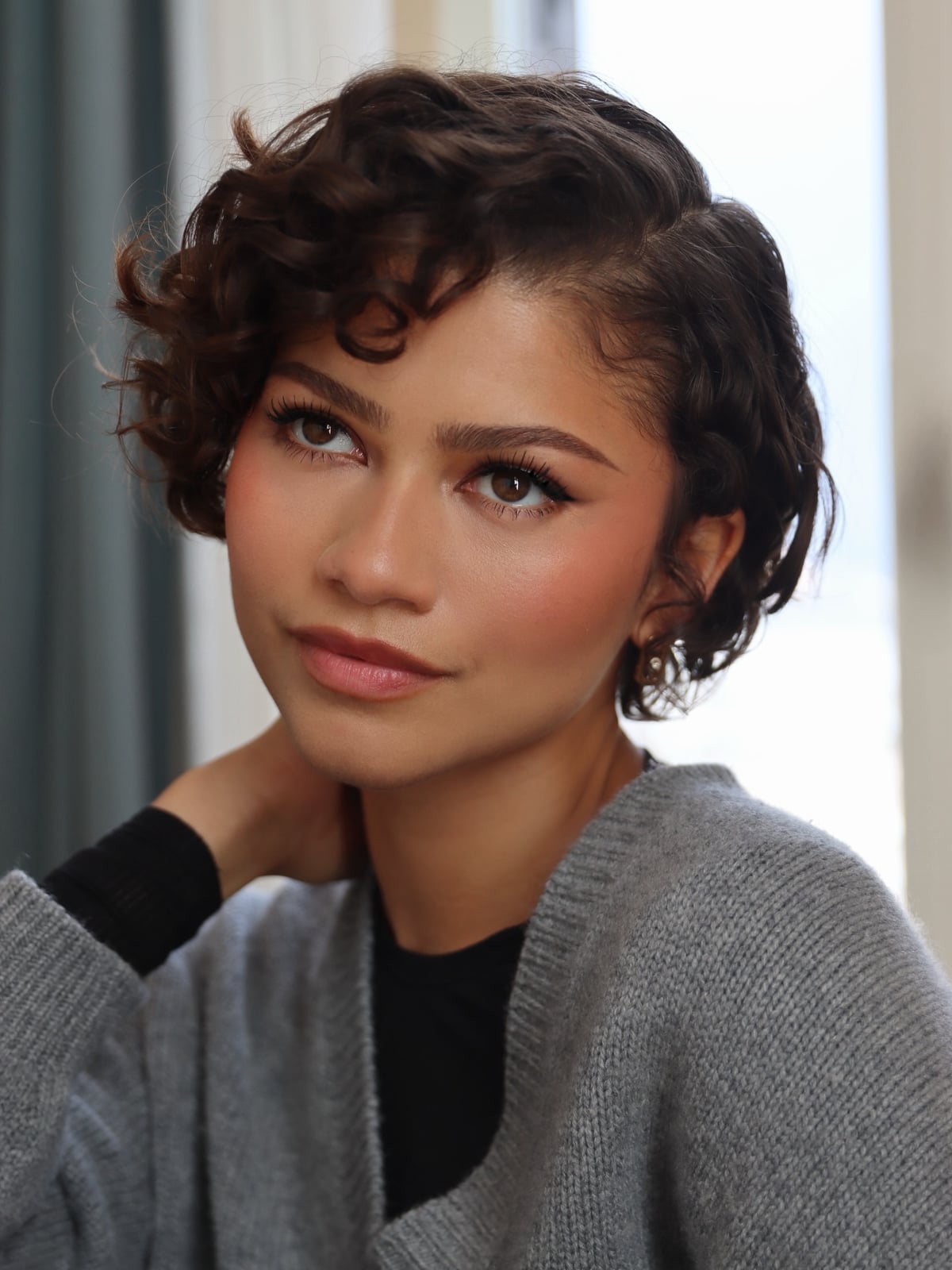
Short Layered Curly Cut With Swept Bangs
Ever wondered if you can have bangs without the daily flat iron wrestling match? This short layered cut keeps the fine curly texture front and center, with swept bangs that actually cooperate with your natural wave pattern. The side parting and ear-length shape soften round and oval faces without requiring a second thought in the morning. Ask your stylist for: short layered curly cut with swept bangs. The sweep angle is the trick here: it frames the face without overpowering it, so your curls stay the main event.
Short Bob With Wispy Bangs And Defined Curls
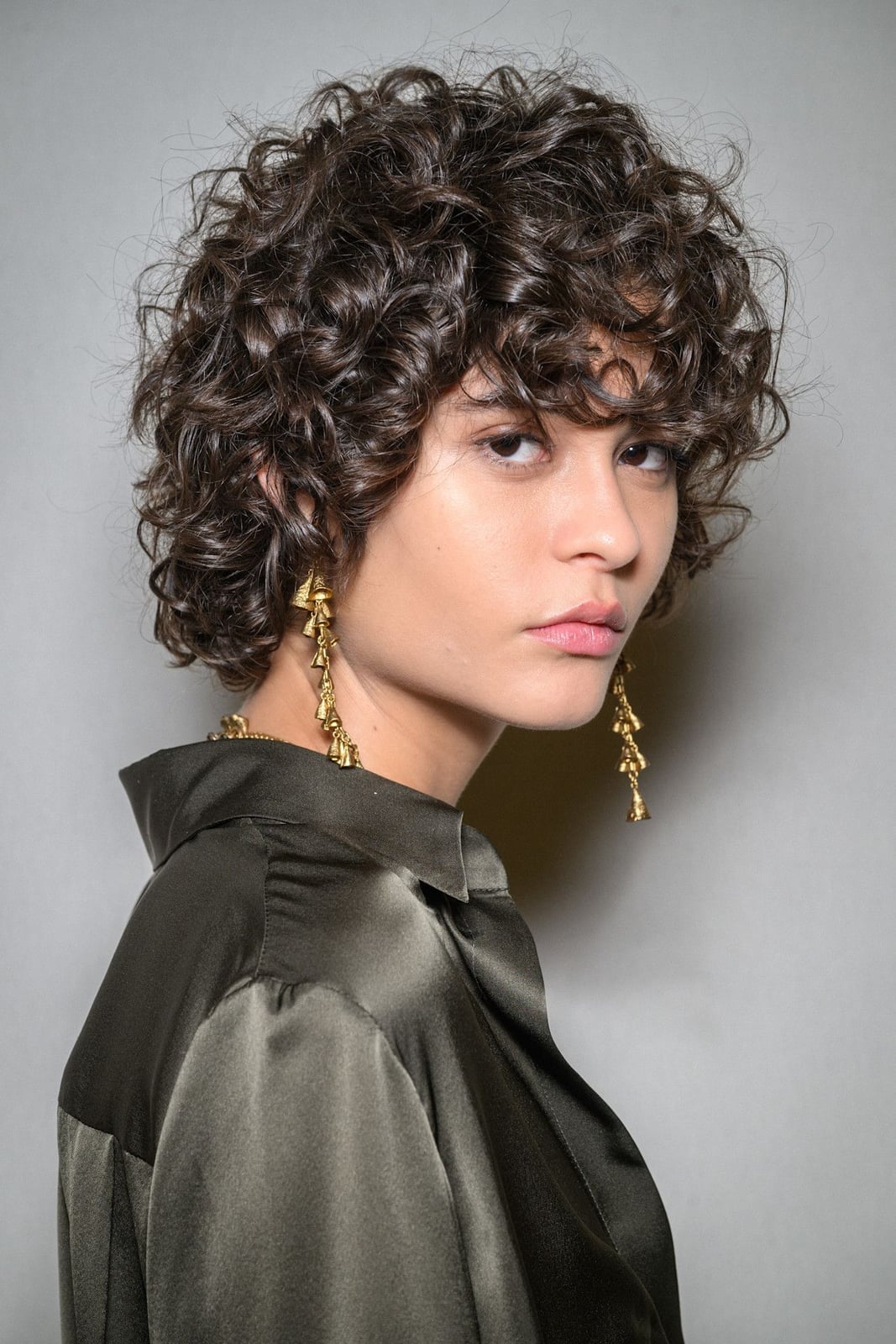
A blunt bob on curly hair can look like a helmet. This short bob with layers avoids that fate entirely by letting the fine texture breathe. The wispy bangs and defined curls create movement instead of a solid block of shape, which makes all the difference for chin-length fine curly hair. Ask your stylist for: short curly bob with wispy bangs. The layers keep the silhouette soft and modern, so the cut looks deliberate.
Effortless Short Layered Cut With No Bangs
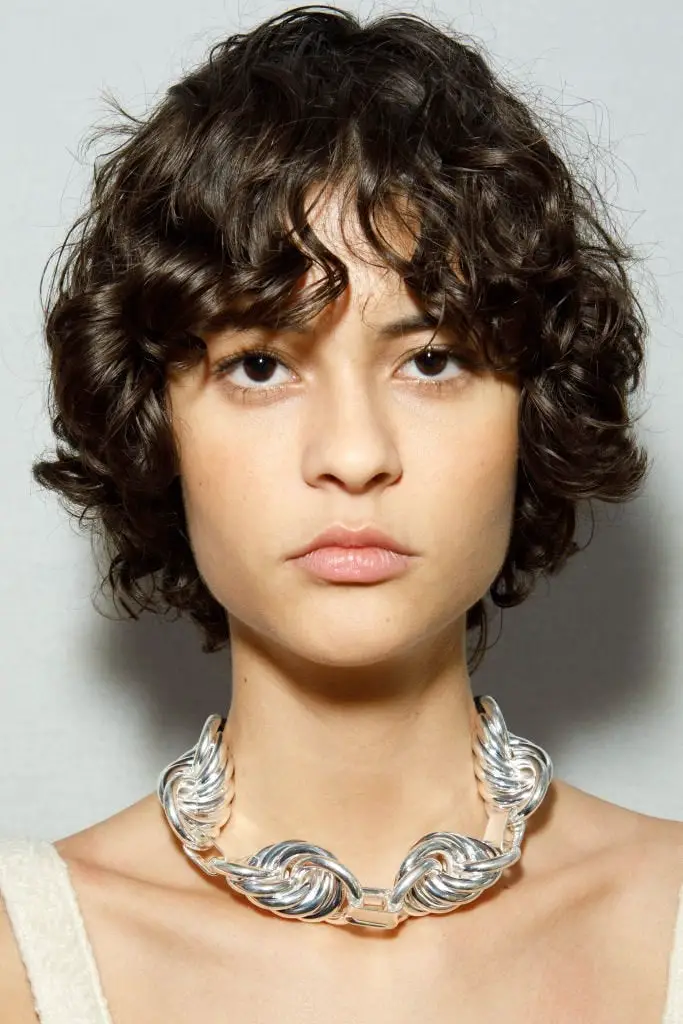
No bangs means no negotiation with your curl pattern. This short layered cut lets the fine texture do exactly what it wants, and the side parting adds just enough asymmetry to keep things interesting. The ear-length shape works especially well for oval and square faces, where the volume at the sides balances the jawline. Ask your stylist for: short layered curly cut with no bangs. A curl-defining cream and air drying are all it takes to maintain the shape, with a trim needed every six weeks.
Textured Blonde Pixie With Defined Curls
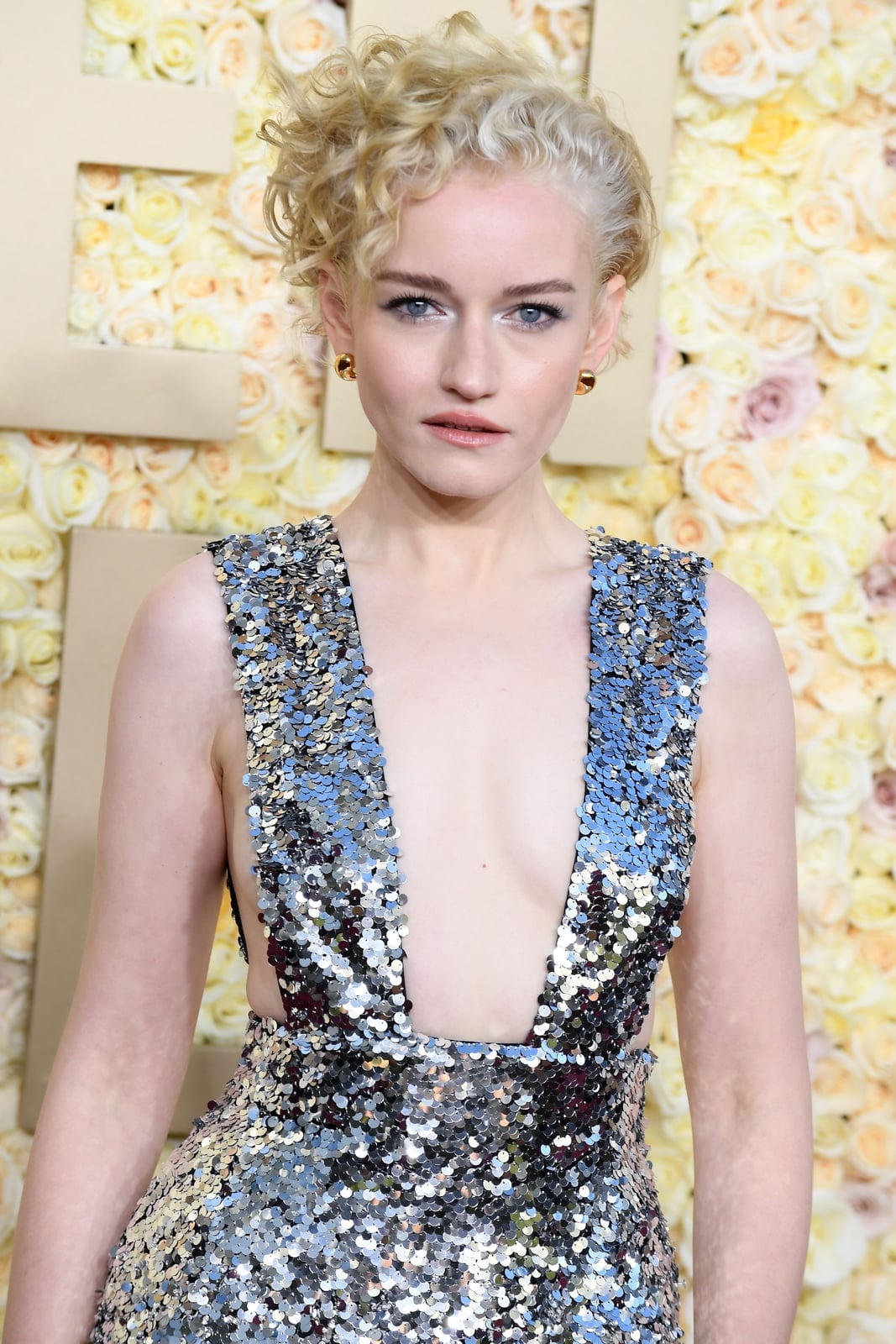
A pixie on fine curly hair is less about cutting everything short and more about strategic layering that builds the shape from the inside out. The textured bangs and defined curls give the blonde base a modern, almost architectural quality, with the side parting preventing it from reading as too severe. Ask your stylist for: short textured blonde pixie with defined curls. The key is keeping enough length on top for the curl to form, while the sides stay close enough to maintain the silhouette. Fine texture actually helps here, since it bends easily into the desired shape.
Platinum Pixie With Tousled Curls And Wispy Bangs
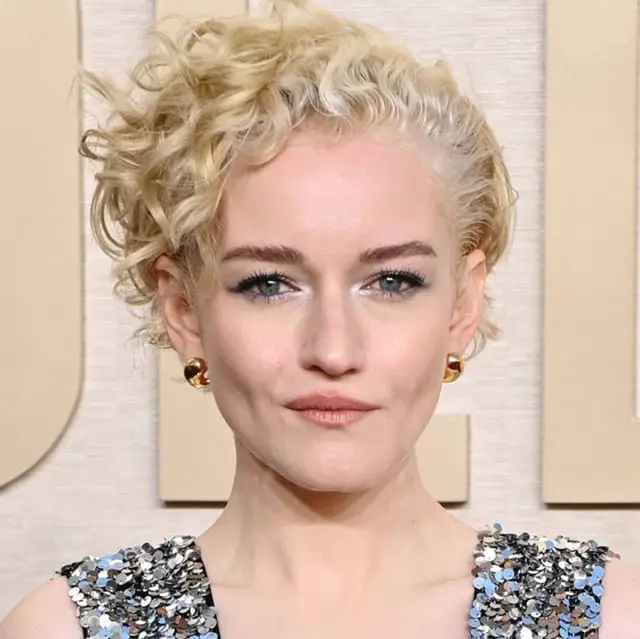
Platinum on a pixie is a commitment, not a casual suggestion. The fine curly texture here is styled tousled with wispy bangs slicked back, which keeps the ear-length cut from looking too precious. This is a bold choice for a night out or a season of low-maintenance mornings, but the honest drawback is the root upkeep: platinum demands a toning appointment every three to four weeks to avoid brassiness. Ask your stylist for: short pixie with wispy bangs and tousled curls. The tousled finish hides regrowth better than a polished set, which buys you a little extra time between salon visits.
Textured Dark Brown Pixie Cut With Soft Bangs
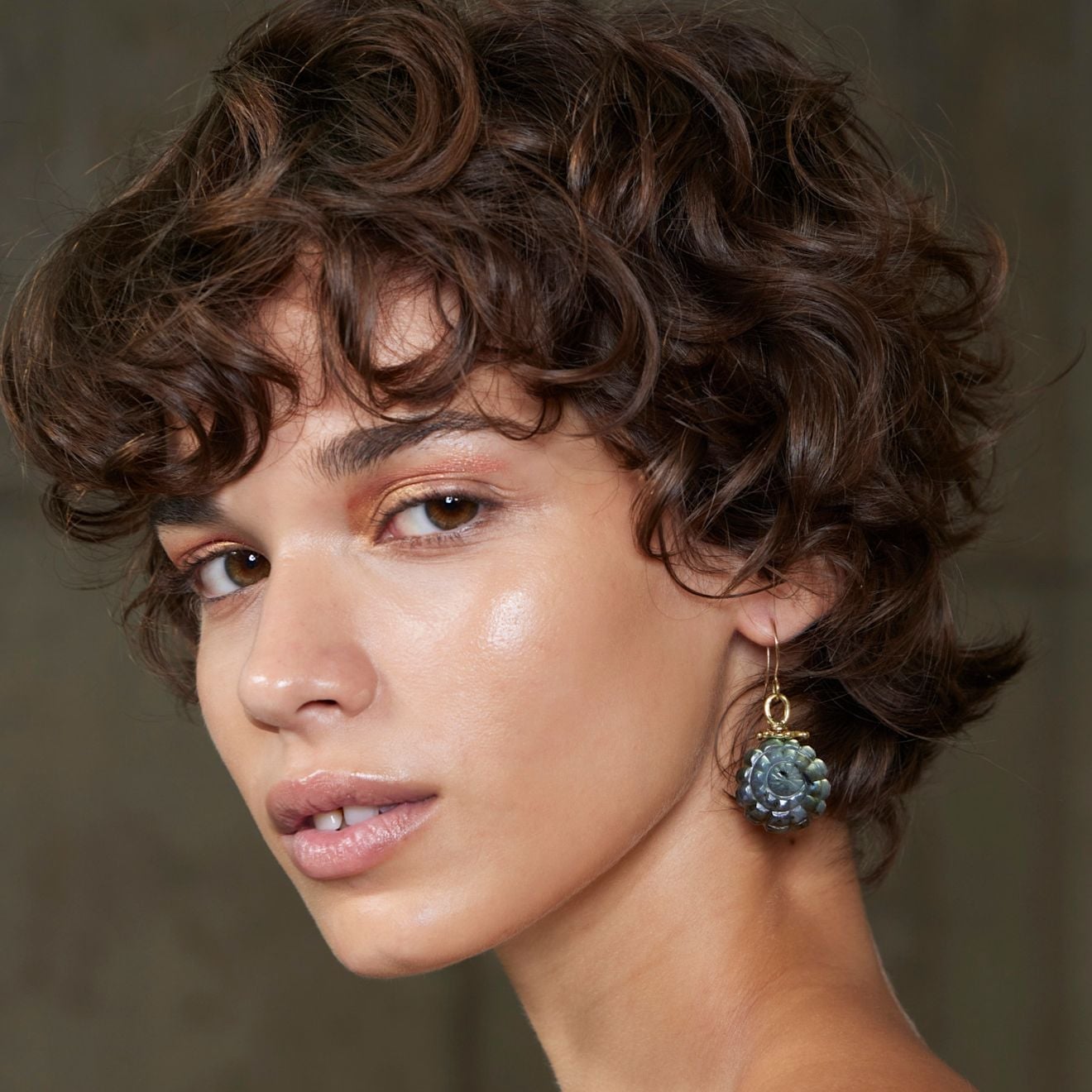
With curls this fine, a pixie is a precision project, not a DIY experiment. The cut stops at the ear with a side parting and soft, textured bangs that give the dark brown base its modern, tousled finish. It suits most face shapes, especially when fine texture needs a boost of visual volume. Ask your stylist for a short textured pixie with soft bangs. A salon visit is required for the precision needed on curly hair, with a trim every four to six weeks to keep the shape honest.
Chin-Length Curly Bob With Short Bangs
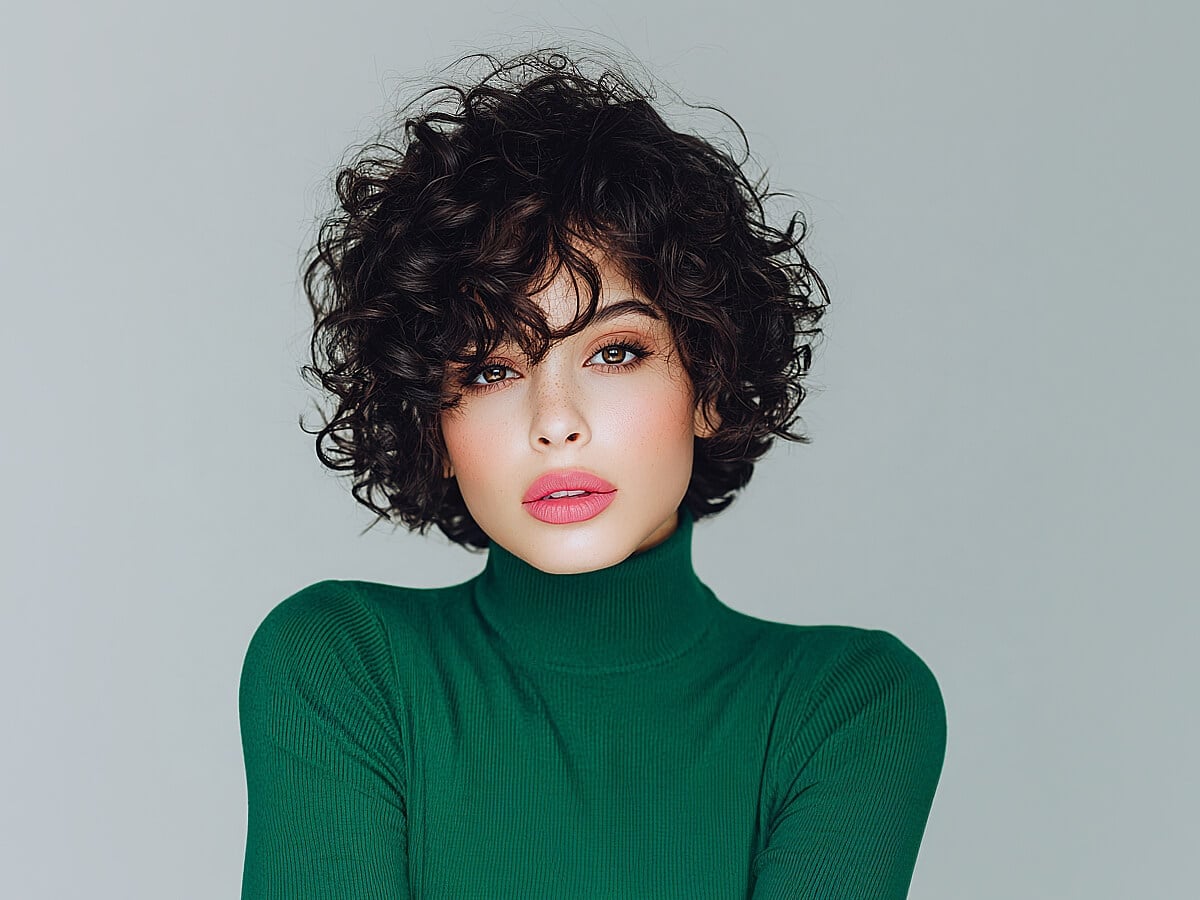
Can dense curls hold a chin-length bob without turning into a triangle? They can, when the cut is built on layers that respect the curl pattern. The dark brown base ends right at the chin, with short, curly bangs breaking up the density and a middle parting that lets the air-dried texture do its thing. Dense curls at least chin length are the starting point, and a long face gets shortened nicely by those bangs. Ask your stylist for a chin-length curly bob with short bangs. Air dry with a curl cream for volume, and plan on a bang trim every four weeks to keep them out of your eyes.
Textured Short Bob For Fine Curls
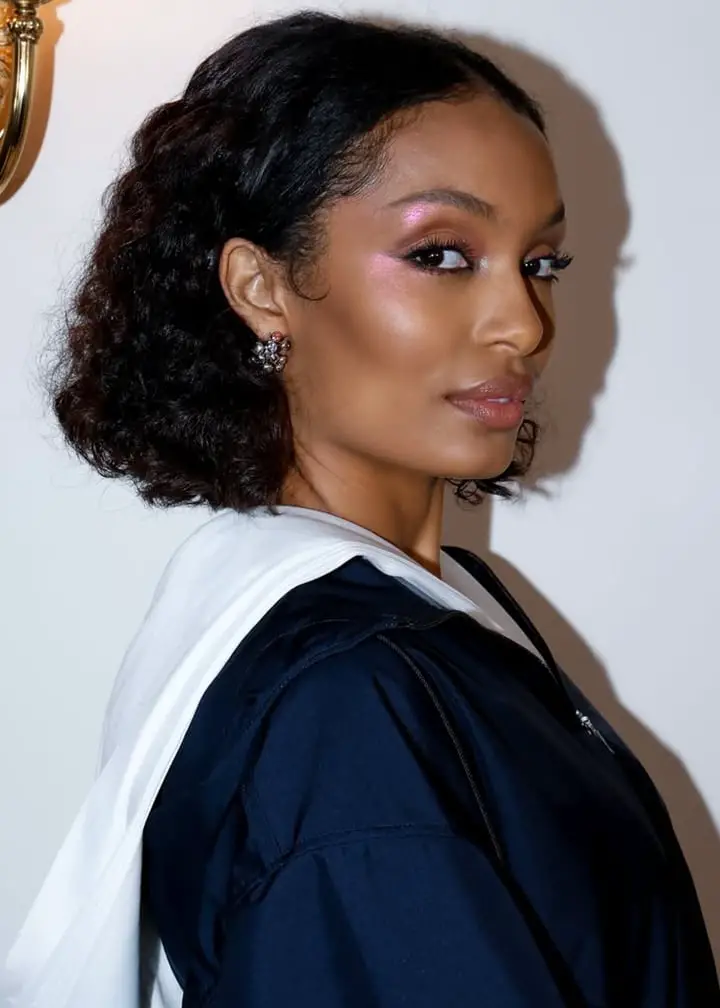
Set a textured bob against a uniform, straight-haired bob and the difference is all in the movement. This version falls around the ear with short bangs and a side parting, the fine dark brown curls air-dried into a deliberately tousled crop. Fine curly hair starting at ear length gains visual weight here, where a sleeker bob would just lie flat. Ask your stylist for a short textured bob with short bangs. A light mousse scrunched in while air drying keeps the shape, and a trim every six weeks maintains the line.
Textured Pixie With Bangs On Dark Curls
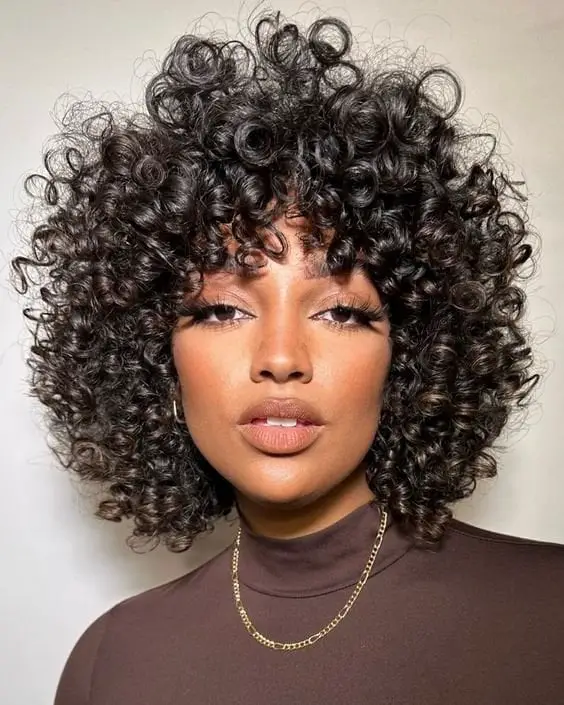
The trick to a pixie on dense curls is cutting texture into the interior so the whole thing feels lighter, not just shorter. This ear-length cut pairs a dark brown base with short, textured bangs, the middle parting letting the air-dried curls fall with a tousled finish. Dense curly hair at ear length is the sweet spot, and the pixie frame suits most face shapes. Ask your stylist for a short pixie cut with textured bangs. You want the stylist to remove weight from the inside, not just blunt the outline.
Curly Pixie With Undercut
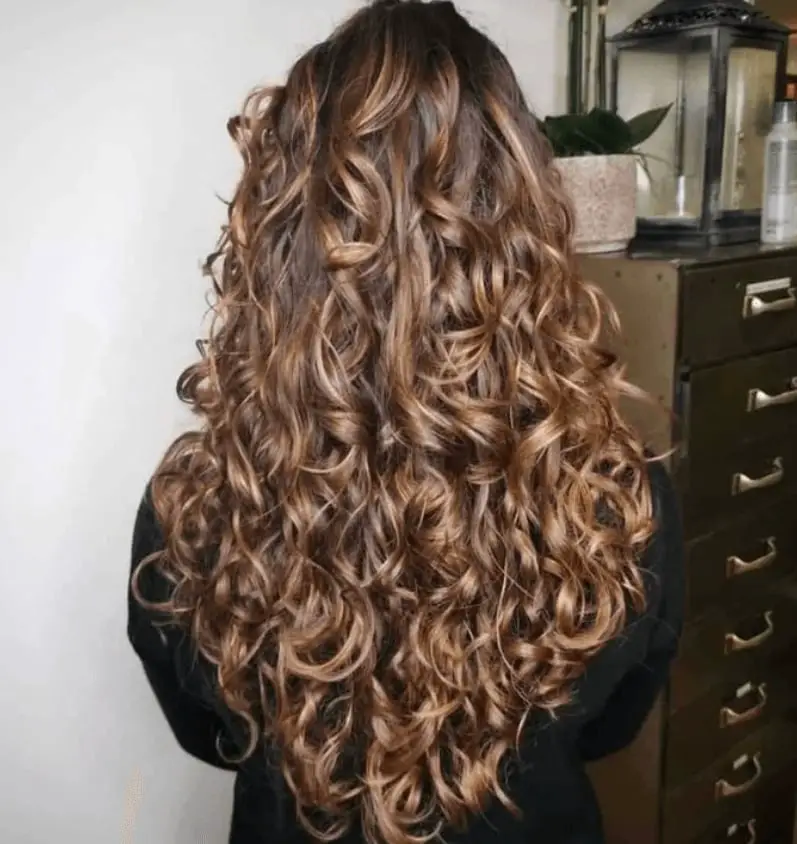
The undercut is the volume management system for dense curls. Shaving the sides removes the bulk that would otherwise puff outward, leaving the longer curly top as the clear center of attention. The contrast between the closely cropped sides and the air-dried, textured dark brown curls on top is the whole design. It suits dense curly hair at ear length, and the boldness of the shaved sides is a choice you make on purpose. Ask your stylist for a pixie cut with undercut and styled top. The sides need a clean-up every three to four weeks to keep the contrast sharp.
Black Curly Pixie With Undercut
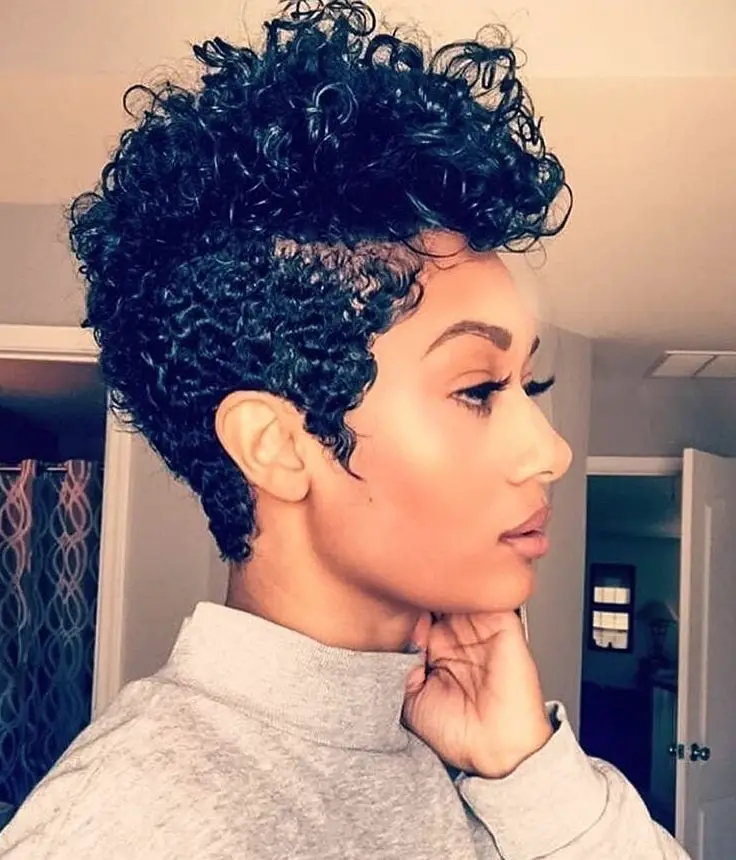
Does an undercut mean double the upkeep? Yes and no. The shaved sides need a barber visit every three to four weeks to stay clean, but the longer, voluminous top is what gives this black curly pixie its shape. Dense textures look especially striking when the contrast between length and bare skin is this pronounced. Ask your stylist for: short curly pixie with undercut. That top section is styled upward with a generous dose of curl cream, and the side parting keeps it balanced. The real drawback: if you let the undercut grow past four weeks, the silhouette turns fuzzy fast.
Collarbone Layers With Glossy Blowout
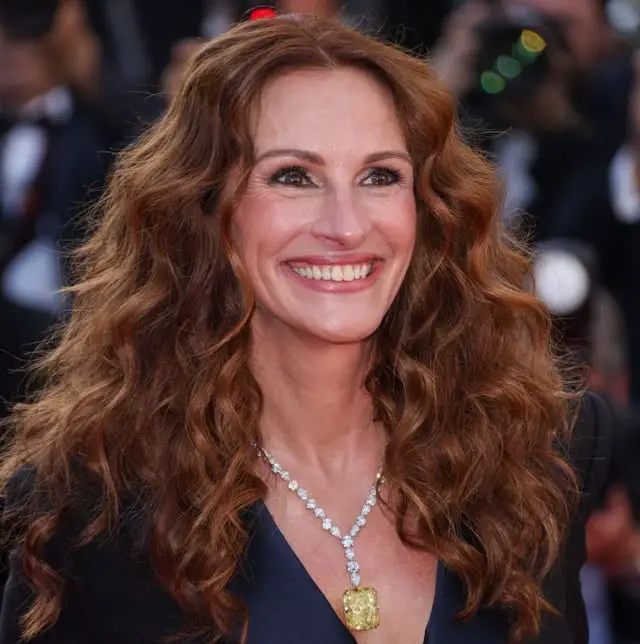
A collarbone-length blowout on thick curly hair has a specific trick: it needs subtle layers to keep the shape from turning into a triangle. Without them, the weight sits at the ends and the top goes flat. The side parting and dark brown base with faint lighter highlights add depth, while the glossy finish makes the cut look polished rather than casual. This is the cut for anyone with dense curls who wants a work-friendly silhouette that still moves. Ask your stylist for: collarbone layered cut with a blowout. It is not the lowest-maintenance option, but it delivers a return on styling time that shorter cuts cannot match.
Collarbone Layers With Defined Curls
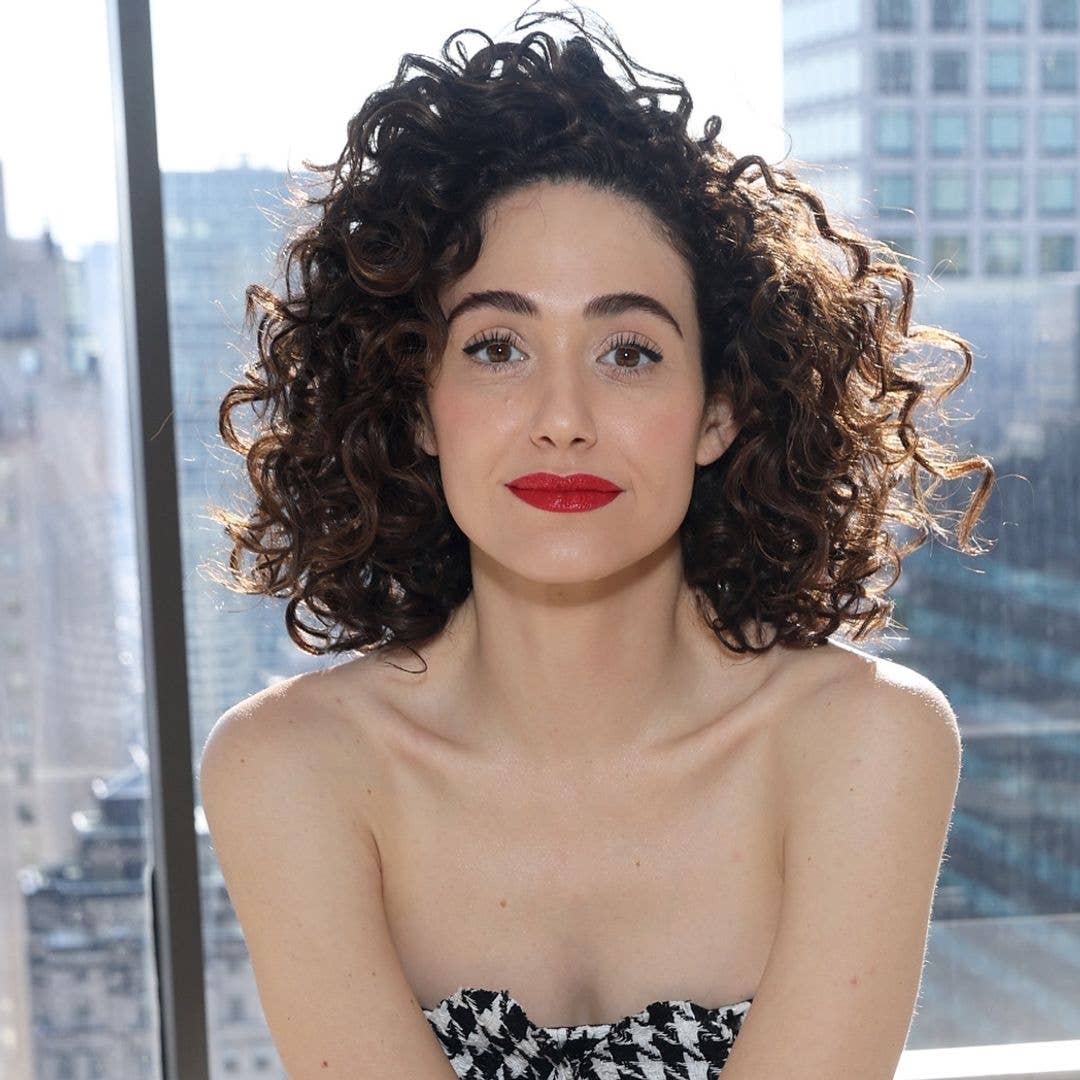
Here is the same collarbone length as the glossy blowout but with a completely different approach. Where that cut asks for heat and a round brush, this one relies on air-dried texture and a curl-defining cream. The layers are the key: they prevent the thick dark brown curls from weighing themselves into a single heavy mass. A side parting and bouncy, well-defined coils frame the face without needing any styling effort beyond the wash-and-go routine. Ask your stylist for: collarbone length layered cut with defined curls. If you prefer a polished finish, go with the blowout; if you want your texture to do the work, this is your pick.
Collarbone Blowout With Curtain Bangs
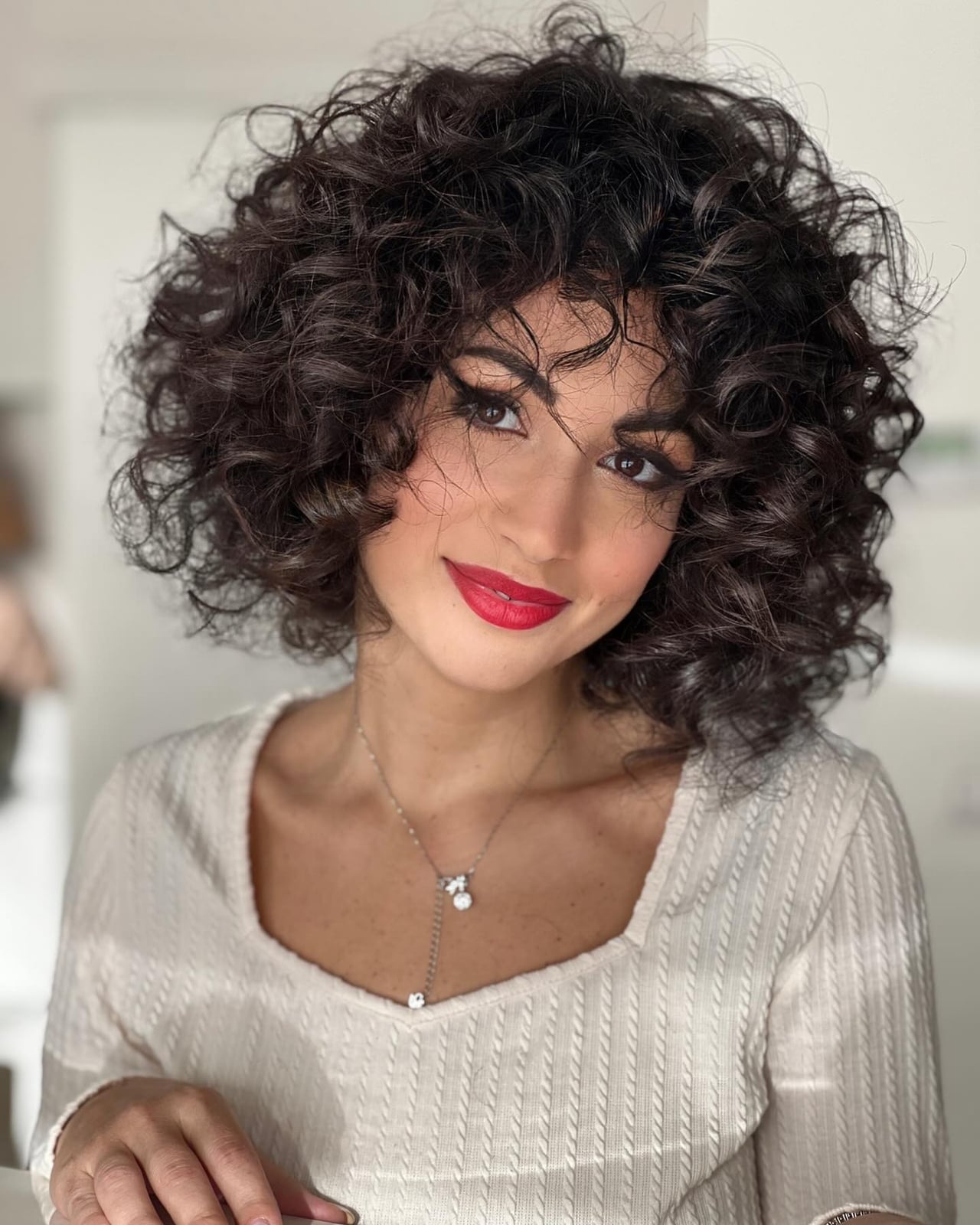
How do you get curtain bangs to cooperate with thick curly hair? The answer is in the blend. Ask your stylist for: collarbone length blowout with curtain bangs. The bangs should start at the cheekbone and taper into the layers so they do not sit as a separate chunk. The middle parting keeps everything symmetrical, and the subtle lighter highlights add dimension so the blowout does not read as one solid dark block. This is a polished look for work or an event where you want the curls to behave without looking stiff. A round brush and a concentrator nozzle are your two best friends here.
Medium Brown Collarbone Cut With Curtain Bangs
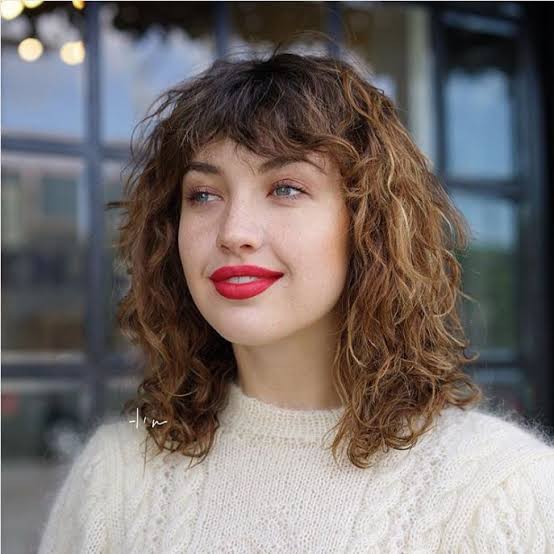
The technique behind this cut is about weight distribution. The layers are cut into the medium brown base so the curtain bangs naturally fall toward the cheekbones without needing constant re-blowing. The lighter highlights are woven through the mid-lengths and ends, which keeps the glossy curl pattern from looking flat at the bottom. Thick curly textures need this kind of internal shaping, or the bangs end up too heavy and the collarbone length gets lost. Ask your stylist for: collarbone length layered cut with curtain bangs. It is a straightforward shape that relies on good cutting rather than elaborate styling to look finished.
Collarbone Blowout With Rich Brown Curls
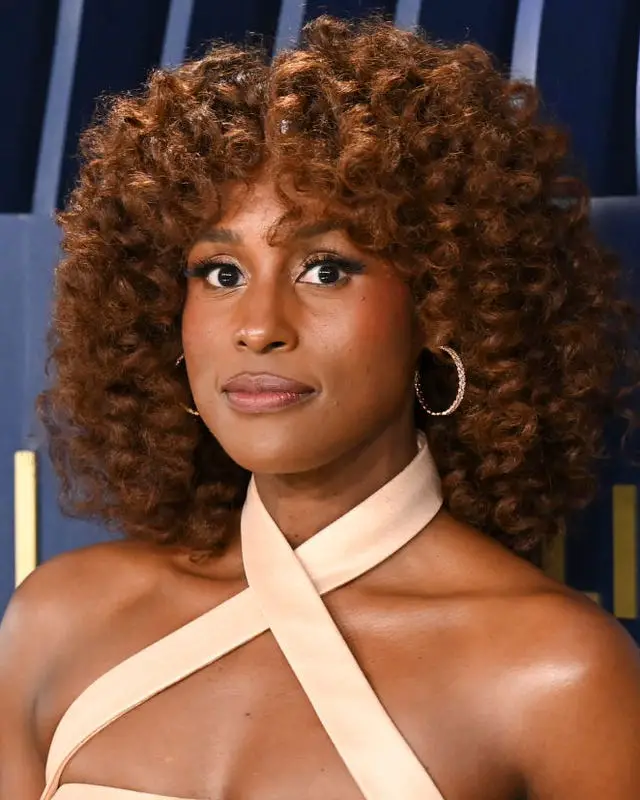
A voluminous blowout on thick curly hair is a deliberate act of optimism, and this collarbone-length version with soft curtain bangs delivers on the promise. The rich medium brown base with warm undertones gives the defined curls a glossy finish that looks intentional without being fussy. Thick textures hold a blowout well, but humidity can reintroduce frizz faster than you’d like.
Ask your stylist for: collarbone length blowout with curtain bangs. A round brush and blow dryer at home will maintain the volume between washes. Plan for a trim every six weeks to keep the curtain bangs grazing your cheekbones instead of your chin.
Collarbone Layers With Curtain Bangs And Caramel Highlights
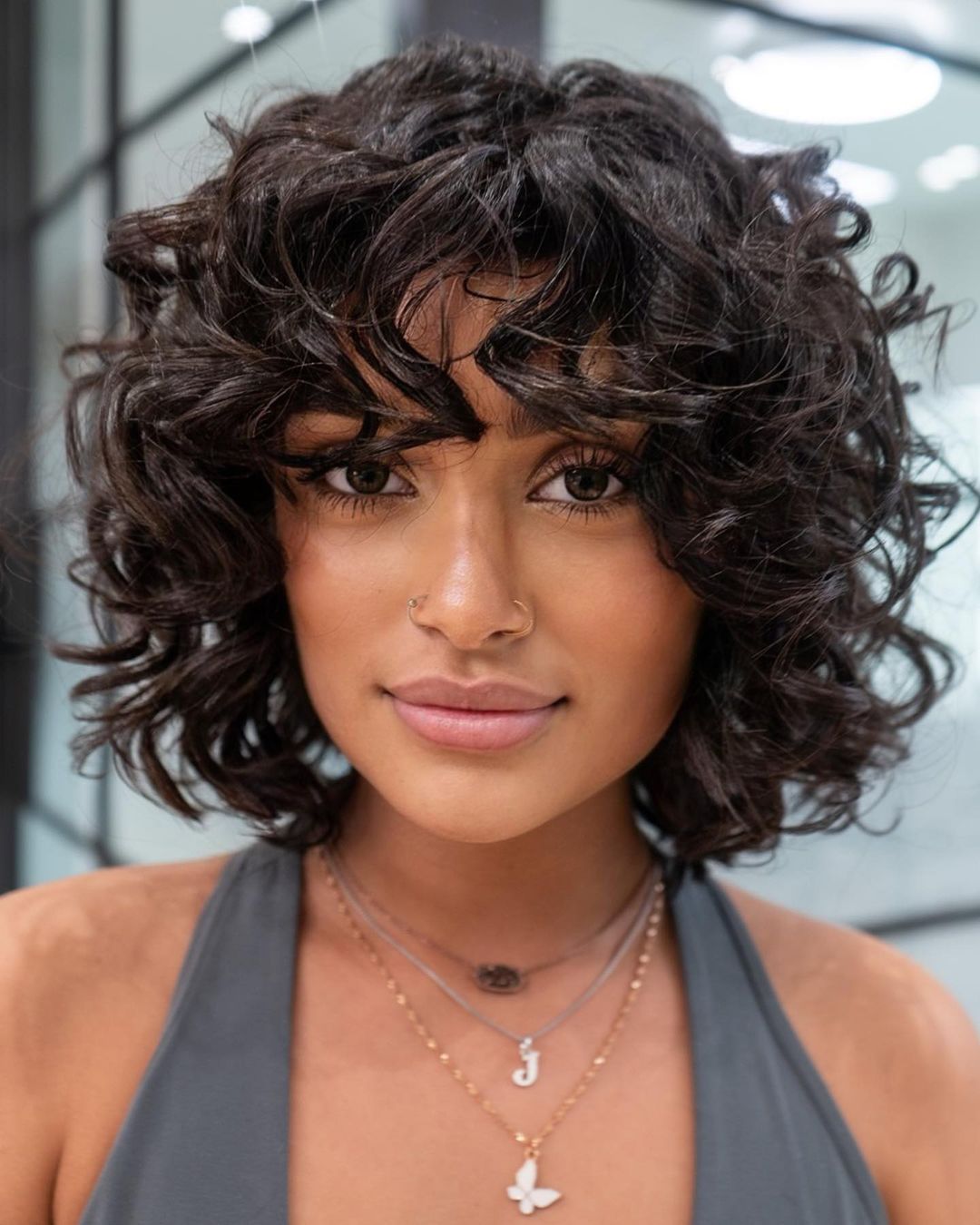
A practical rule for curly hair: the more precise the layering, the less room for error at home. This collarbone-length cut on medium-density dark brown curls uses soft curtain bangs and subtle caramel highlights to create dimension without heavy commitment. The layers are cut to follow the curl pattern, which means the shape looks intentional whether you air dry or diffuse.
Ask your stylist for: collarbone length layered cut with curtain bangs and caramel highlights. This is not a bathroom-mirror job. The curtain bangs alone require a dry cut from someone who understands curl shrinkage, so book a salon appointment and skip the DIY scissors.
Collarbone Long Bob With Full Fringe And Highlights
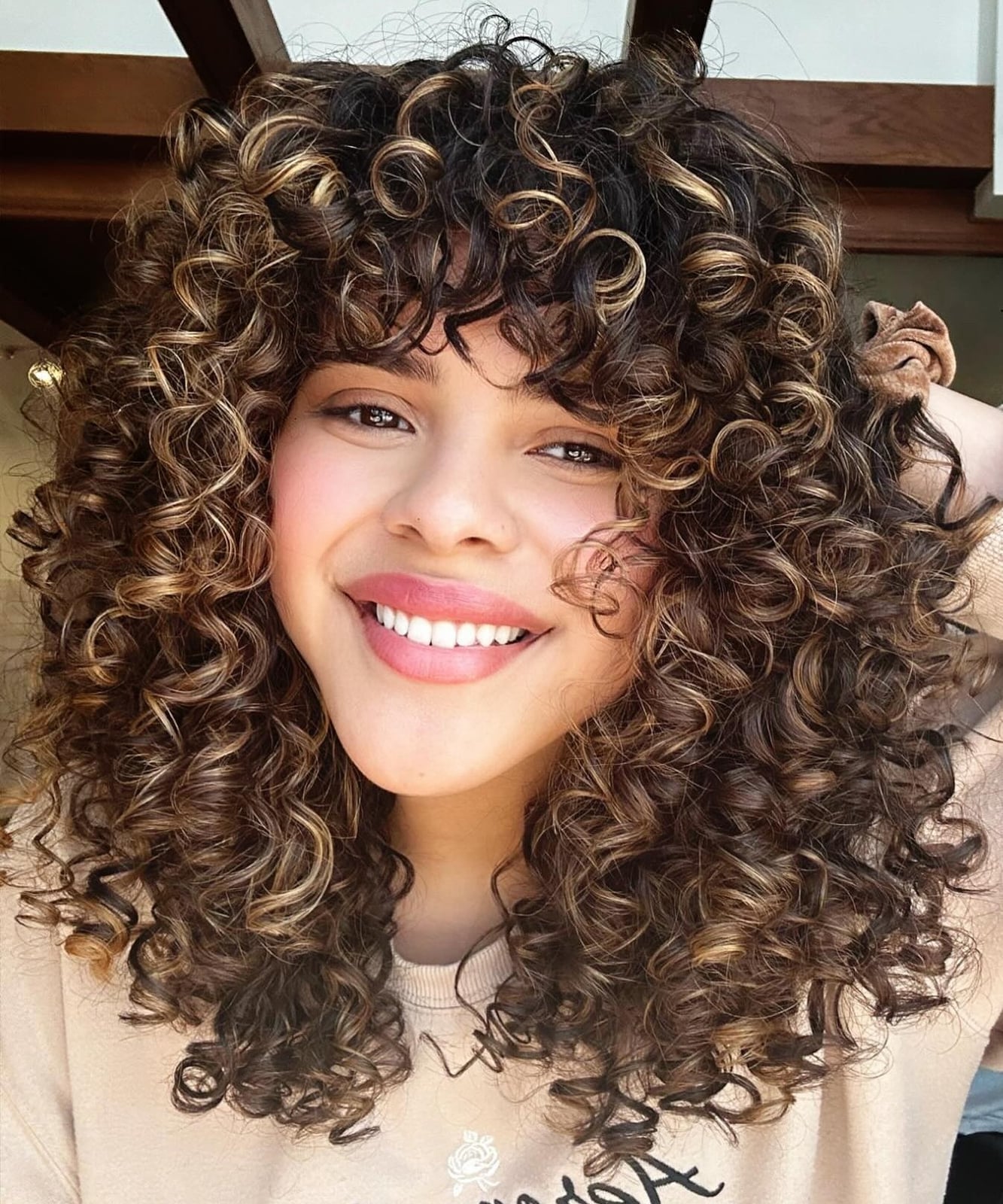
Who does a full fringe actually work on? Anyone with thick curly hair who wants to shorten the appearance of a longer face shape. This collarbone-length long bob layers thick dark brown curls with blonde highlights and a full fringe that stops above the brows. A middle parting and defined curl pattern keep the look structured. Ask your stylist for: collarbone length long bob with full fringe and highlights. The fringe needs a refresh every three to four weeks, but the bob itself can go six to eight weeks between trims.
Shoulder-Length Layers With Full Fringe
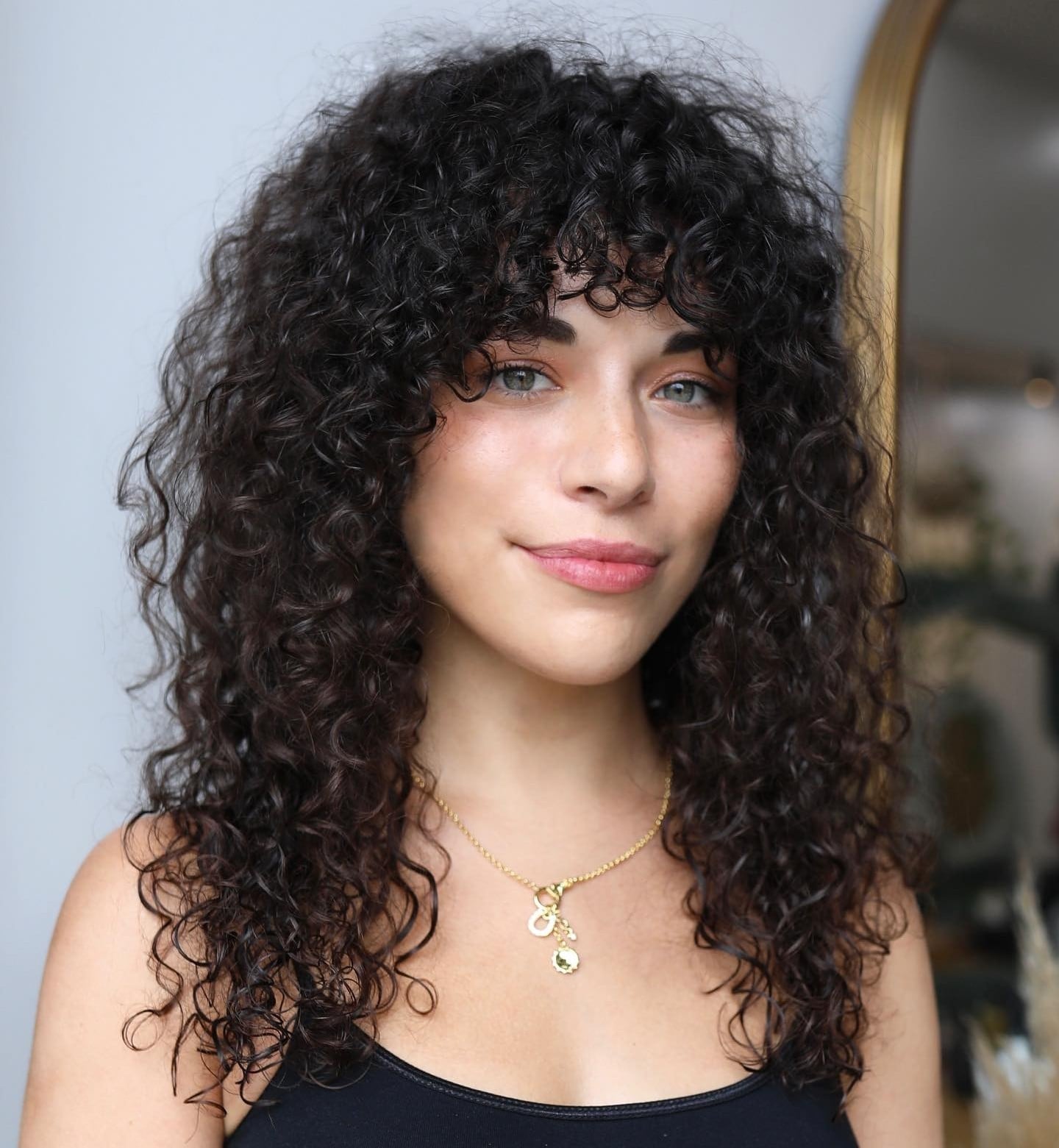
A full fringe on shoulder-length layered curls versus no bangs is a question of maintenance tolerance. This version keeps the dark brown base with subtle lighter pieces and a full fringe that frames the face without hiding it. The tight curl pattern and middle parting mean the fringe will bounce up a bit after washing, so ask your stylist to cut it slightly longer than you think you want. Ask your stylist for: shoulder-length layered cut with full fringe. Air drying with a curl-defining cream keeps the shape intact without heat.
Shoulder-Length Shag With Curtain Bangs
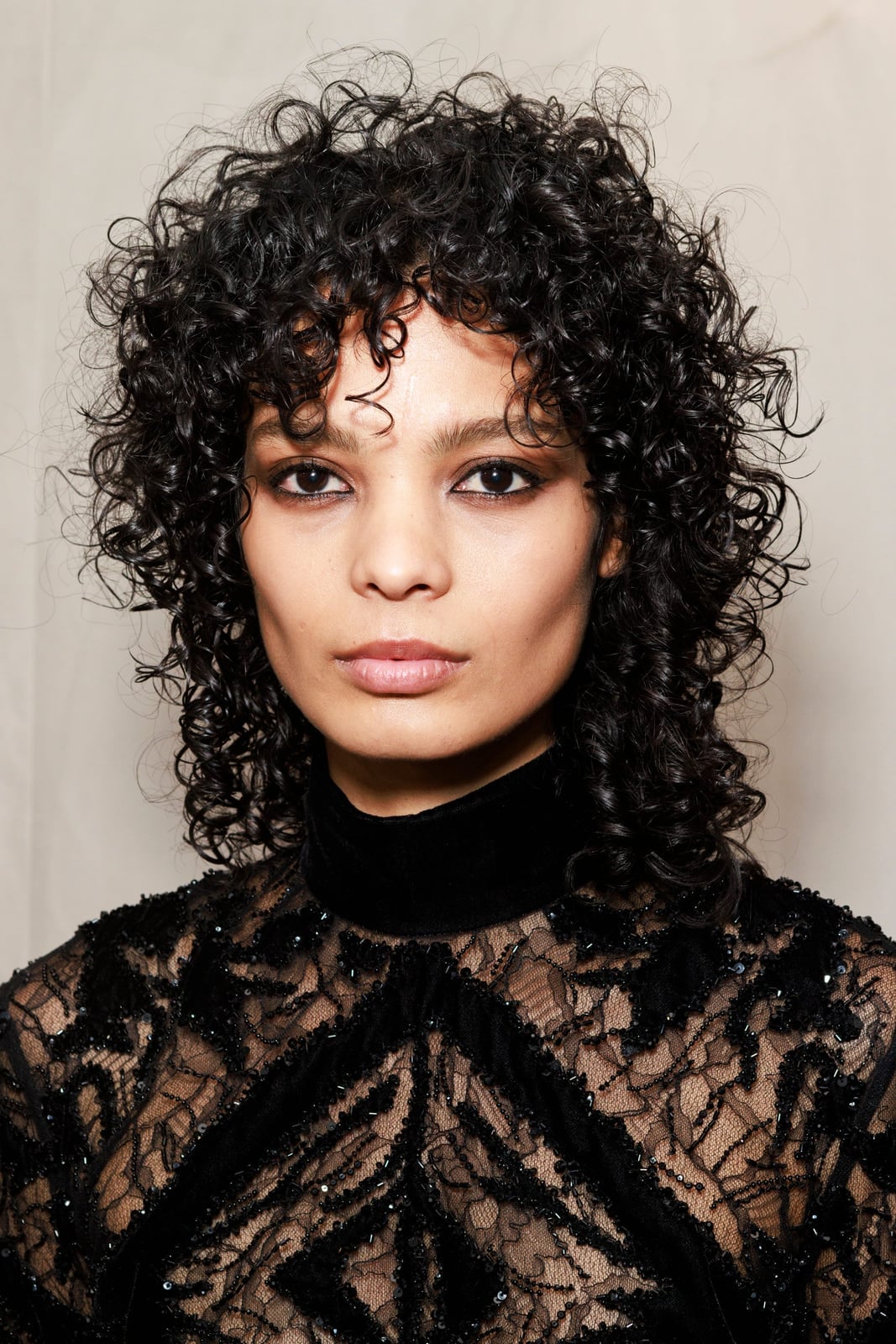
A shag on curly hair is not one texture fits all. This shoulder-length version on dark brown curls uses curtain bangs and a middle parting to create a shape that looks intentionally undone. The degree of shag texture depends on how aggressively the layers are cut: ask for a subtle shag if you want movement without losing density, or a more pronounced one if you want serious volume at the crown.
Ask your stylist for: shoulder-length shag with curtain bangs. Bring a photo to clarify the layer depth you want. A sea salt spray applied to damp hair and scrunched will enhance the lived-in texture without weighing the curls down.
Shoulder-Length Layers With Blowout
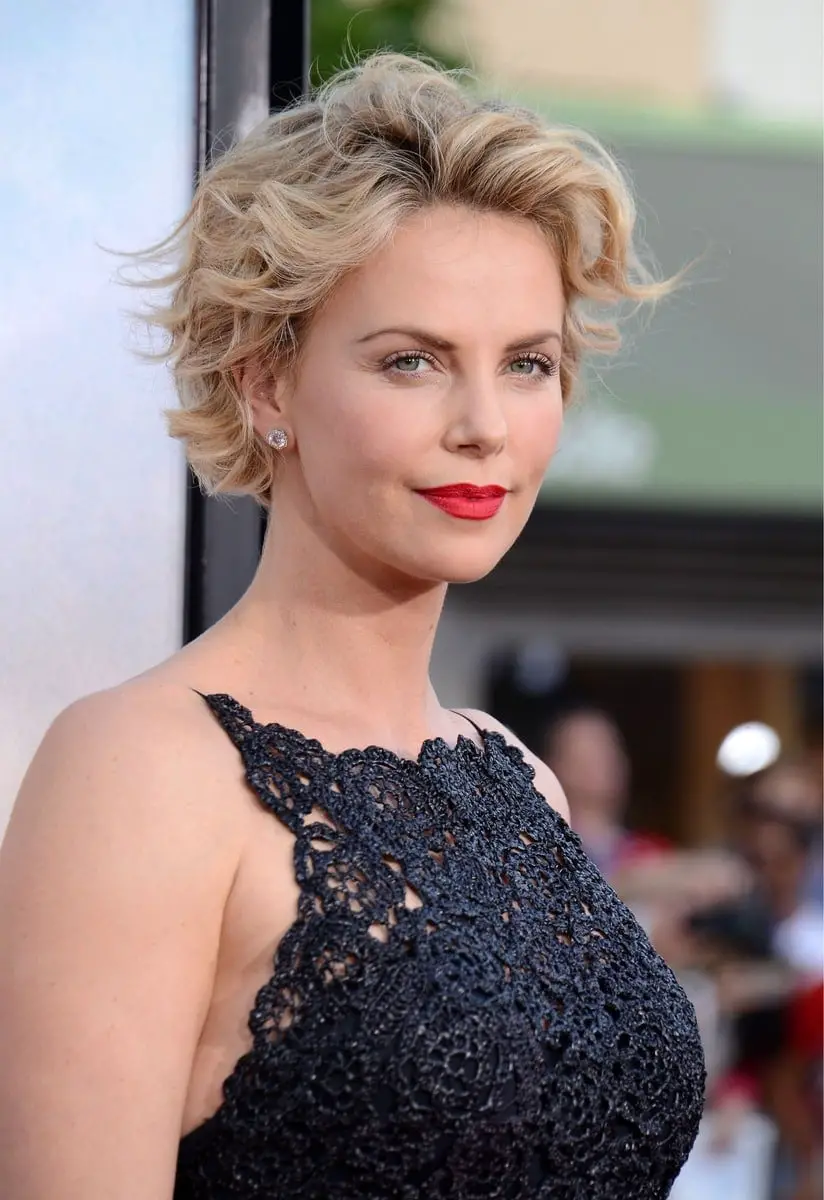
A blowout on curly hair is less about fighting texture and more about guiding it into a smooth, uniform shape. The key is starting with damp hair, a heat protectant, and a round brush that can grip each section as you pull it taut from root to end. Medium density curls at shoulder length respond well to this technique because the layers prevent the finished shape from falling flat. Ask your stylist for: shoulder-length layered cut with a blowout. A side parting adds lift at the crown, and the subtle blonde highlights add dimension. The result is polished enough for a Tuesday morning meeting and takes about twenty minutes once you have the motion down.
Shoulder-Length Medium Brown With Highlights
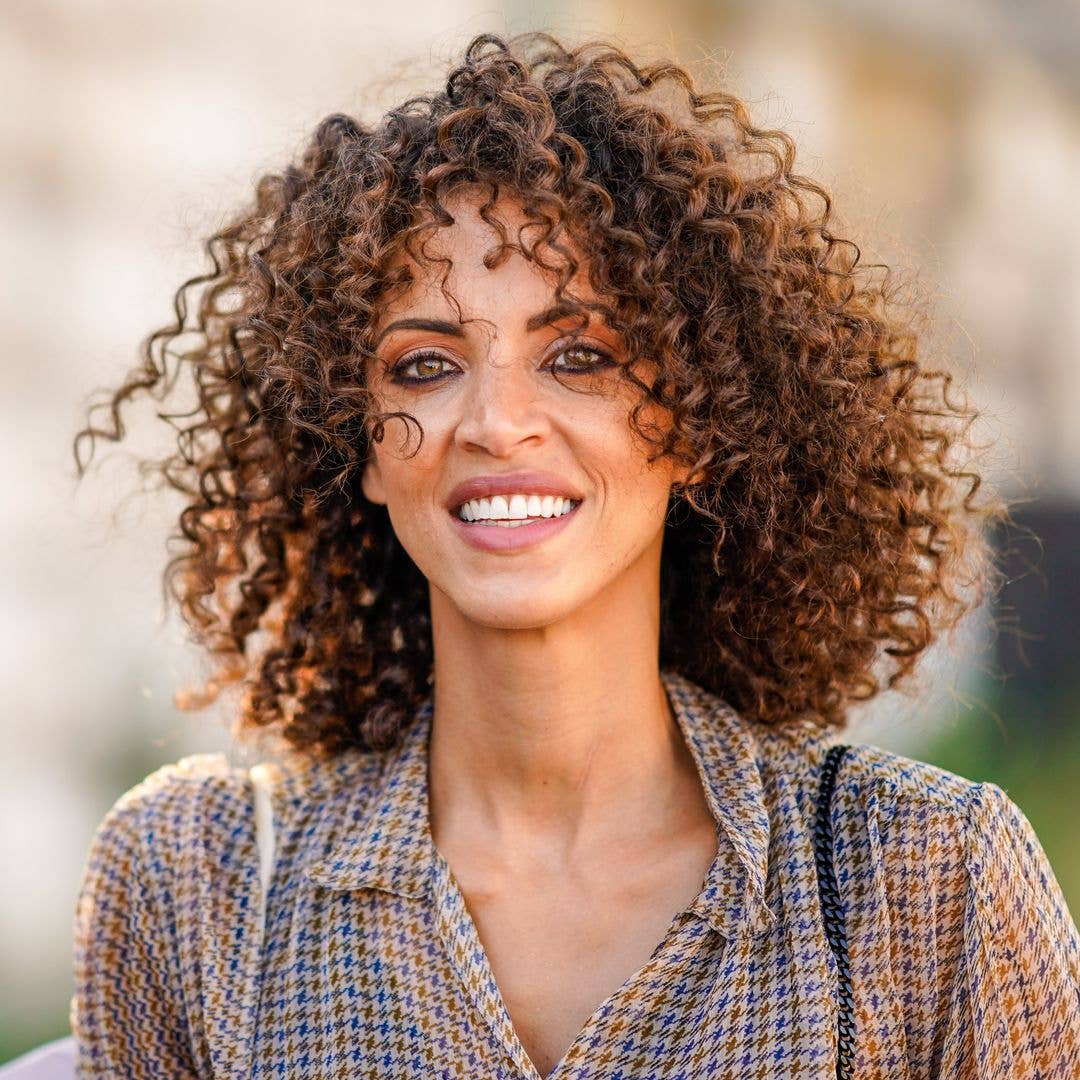
Does a natural finish mean zero effort, or just less of it? On shoulder-length medium brown curls with lighter highlights, the answer is somewhere in the middle. The cut is layered to encourage the curl pattern, but the real work happens in the grow-out phase. Highlights on medium brown hair create a soft, lived-in look that fades gracefully, but they do need toning every eight to twelve weeks to keep the lighter pieces from turning brassy. Ask your stylist for: shoulder-length layered cut with natural texture and highlights. A lightweight styling cream and a quick scrunch after washing is enough for definition, and a trim every six to eight weeks keeps the shape honest. The drawback is that skipping that toning appointment means the highlights start to blend into a single warm tone.
Shoulder-Length Layers With Lighter Highlights
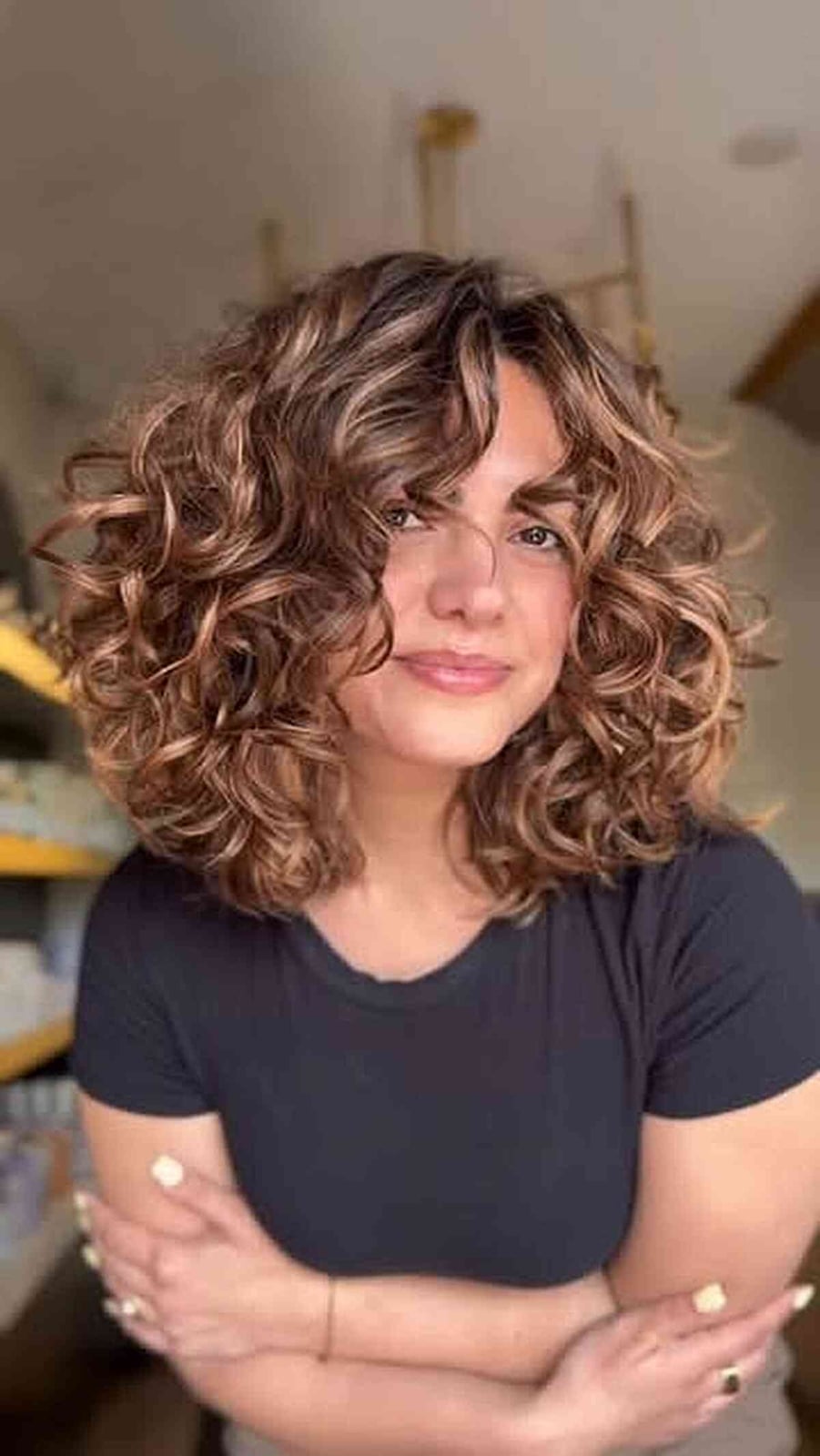
Cutting layers into curly hair at home is a gamble that usually ends with a hat. The reason is simple: curls spring up unpredictably, so a layer that looks even when wet can land at three different lengths once dry. A professional cut ensures each layer is placed relative to the curl pattern, not the wet strand. For shoulder-length dark brown hair with lighter highlights, the layers are cut to follow the natural S-shape, which keeps the ends from looking thin. Ask your stylist for: shoulder-length layered cut with lighter brown highlights. A blowout with a round brush adds polish, but this is not a style you can replicate with scissors and a bathroom mirror. The time investment is about an hour in the chair, and the result is a shape that holds its structure between trims.
Shoulder Layers With Face-Framing Pieces
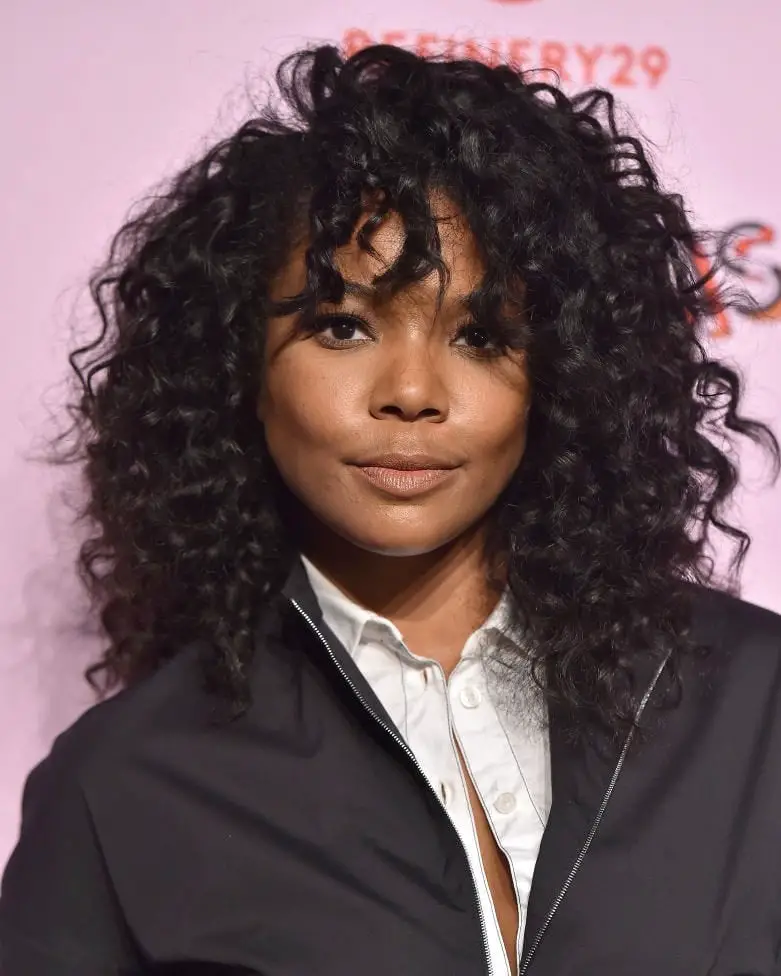
The design here is precise: face-framing layers that start around the jaw and blend into the rest of the shoulder-length shape. On thick curly hair with a dark brown base and subtle caramel highlights, those front pieces break up the density and draw attention to the cheekbones. The middle parting keeps the weight distributed evenly, which matters for thicker textures that tend to triangle out. Ask your stylist for: shoulder-length layered cut with face-framing pieces. This cut suits round and square face shapes because the length of the front pieces softens the jawline without adding width. A curl cream applied to damp hair and left to air dry is all the styling it needs, and the layers mean the shape looks good even on day three.
Layered Shoulder Cut With Curtain Bangs
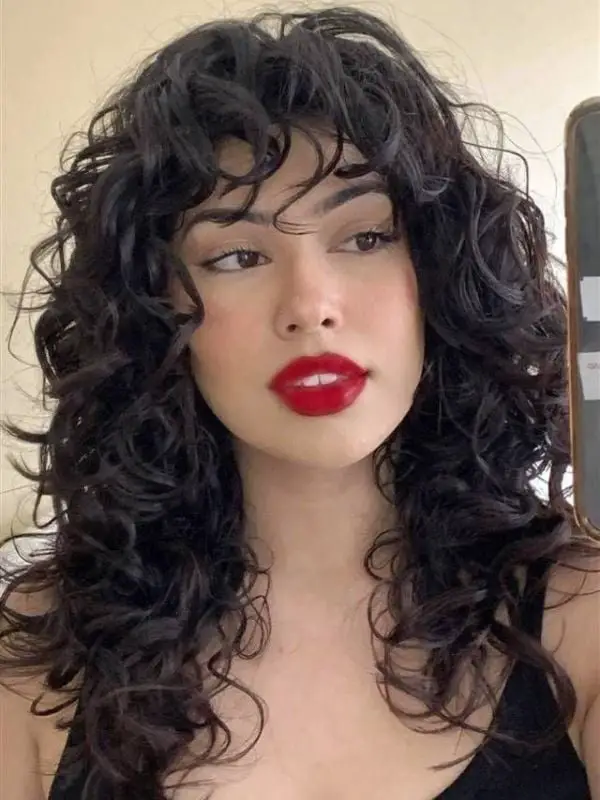
Curtain bangs on layered curly hair read differently than blunt bangs. Where blunt bangs create a solid line that can feel heavy on dense curls, curtain bangs part in the middle and blend into the layers, so the face gets framed without losing the volume on top. On shoulder-length dark brown hair with subtle highlights, the effect is softer and more adaptable. Ask your stylist for: layered shoulder-length cut with curtain bangs. The bangs should be cut dry and long enough to graze the cheekbones when the curl is at its shortest. What to tell your stylist: you want the layers to start at the chin and the bangs to sweep to the sides, not sit straight across the forehead. This is a cut that works for medium to dense curl textures and grows out without an awkward fringe phase.
Short Layered Curly Cut With Swept Bangs, Close-Up Take
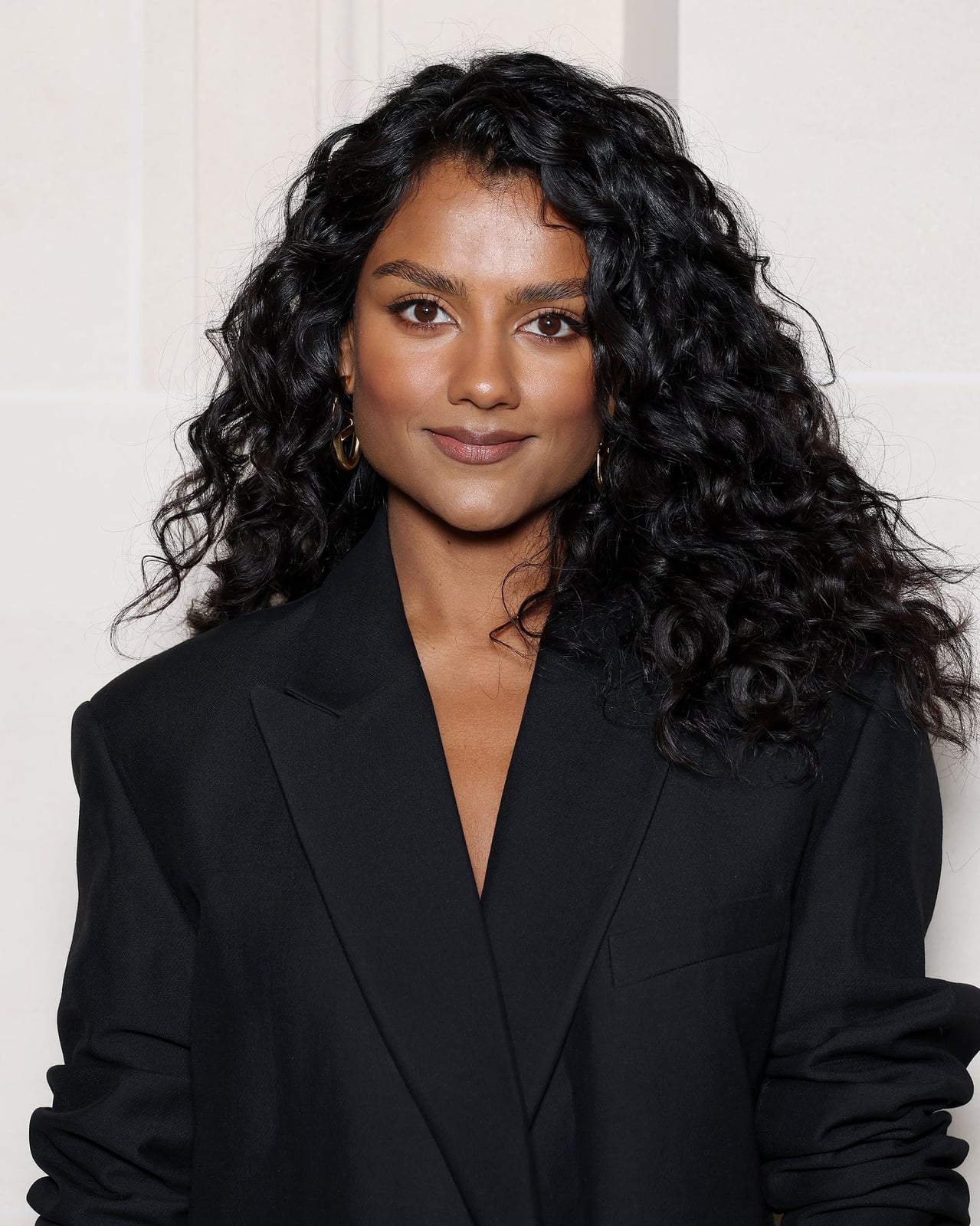
What do you ask for when you want a curly cut that looks polished without requiring a round brush and a prayer? A short layered curly cut with swept bangs, that’s what. This mid-back length cut with long layers relies on the natural curl pattern for its shape, so the stylist cuts each curl individually rather than using a straight line. The dark brown base and subtle highlights add dimension without needing a full color appointment. Ask your stylist for: a short layered curly cut with swept bangs.
The middle parting keeps the volume balanced on both sides, and the long layers prevent the ends from looking bulky. Fine curly texture benefits from this approach because the layers remove weight without sacrificing definition. Air drying is the default here, which keeps the whole process under twenty minutes. A trim every six to eight weeks maintains the shape and prevents the layers from growing out unevenly.
Mid-Back Length Layers With Defined Curls
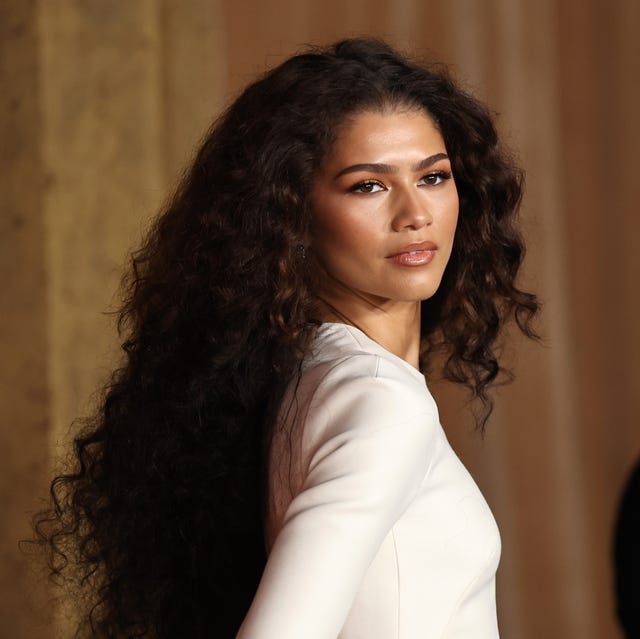
Long layers are the unsung heroes of thick curly hair. Without them, mid-back length curls can turn into a single dense mass that refuses to move. This cut uses long layers to carve out shape and allow each curl to spring up instead of hanging flat. The dark brown base with subtle lighter strands catches light at different points along the length, which makes the hair look fuller than a single shade ever could. Ask your stylist for: a mid-back length layered cut with defined curls.
The side view shows how the layers stack from the mid-back upward, creating a graduated effect that prevents the hair from looking like a curtain. Thick texture needs this kind of internal shaping to avoid triangle head, where the bottom is wider than the top. Air drying is all this cut requires, though a diffuser on low heat speeds things up when time is short. Plan for a trim every eight to twelve weeks to keep the ends healthy and the layers distinct.
Mid-Back Length With Long Layers And Volume
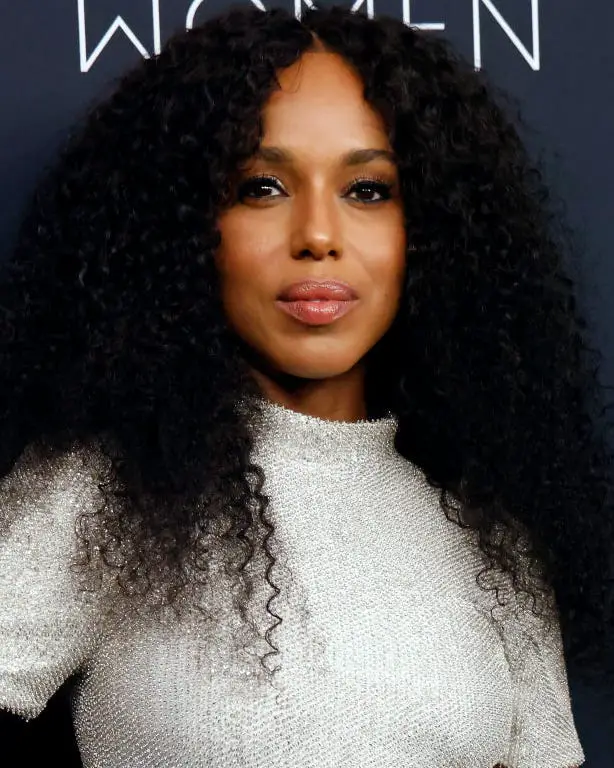
Volume is the goal, and long layers are the means. This mid-back length cut stacks the layers throughout the interior so the hair lifts at the crown rather than lying flat against the scalp. The dark brown base with subtle lighter strands adds a sunlit effect that works with the curl pattern. Ask your stylist for: a mid-back length cut with long layers and volume.
The one drawback? Short curly bangs. They require a daily reset with a spray bottle and a bit of curl cream to avoid looking like a forgotten fringe from 2009. A middle parting keeps the volume symmetrical, but those bangs demand attention every morning. Without a quick refresh, they tend to separate into uneven pieces. A trim every eight to twelve weeks keeps both the layers and the bangs in check.
Mid-Back Dark Brown With Honey Highlights
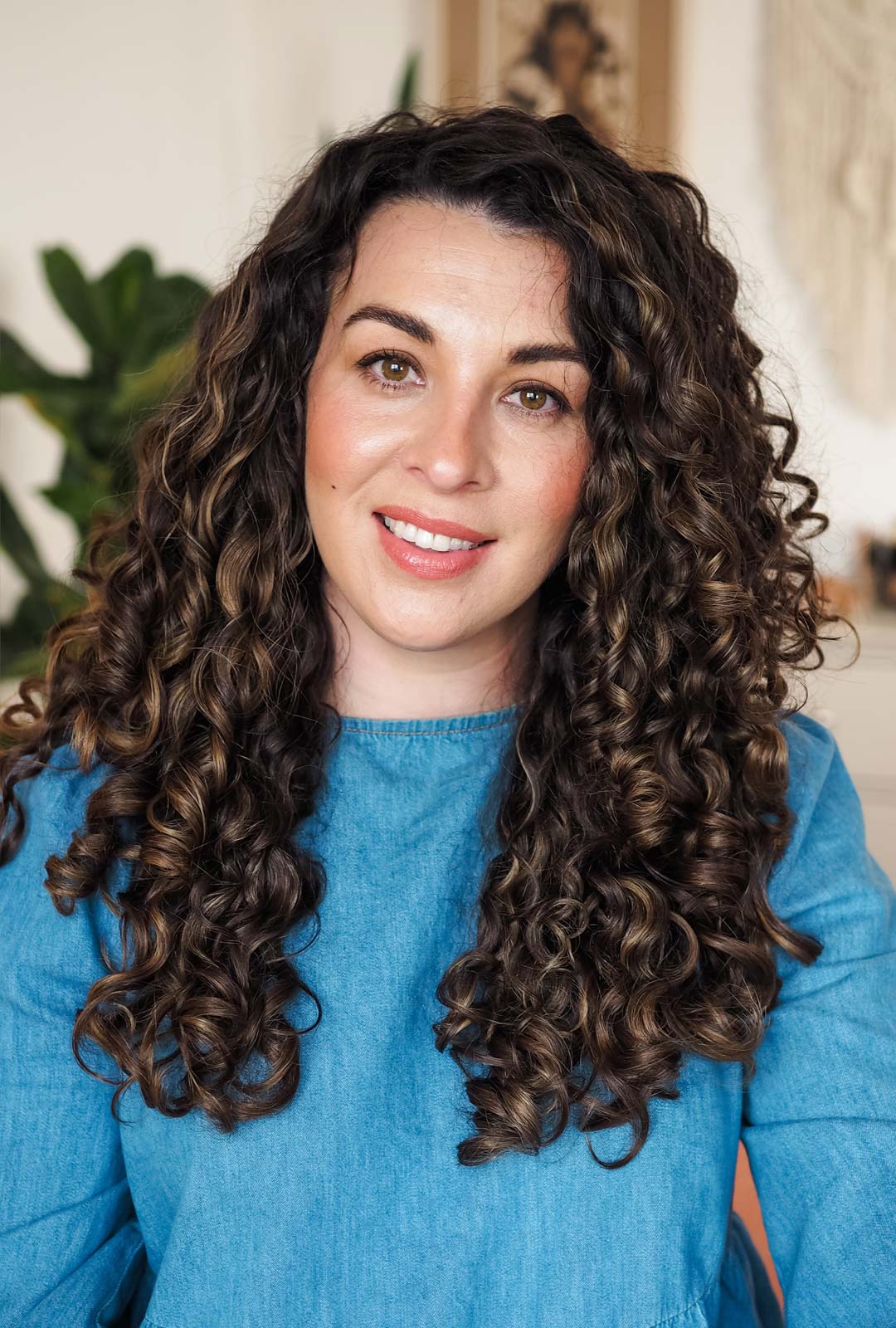
A practical rule for curly hair: highlights look best when they follow the curl pattern rather than fight it. Honey highlights on a dark brown base do exactly that, lightening individual curls without creating a stripe effect. This mid-back length cut with long layers keeps the shape simple so the color can do the talking. Ask your colorist for: honey highlights on dark brown curly hair.
The salon visit for this is the trade-off. A full head of highlights on mid-back length curly hair takes about three hours, and the process involves sectioning each curl to place the lightener precisely. At-home kits rarely account for the way curls grab color unevenly, so the result tends to be patchy rather than dimensional. Between appointments, a purple shampoo once a week keeps the honey tone from turning brassy. The long layers and air-dried texture mean the cut itself is low maintenance, but the color demands a schedule.
Mid-Back Dark Brown With Face-Framing Layers
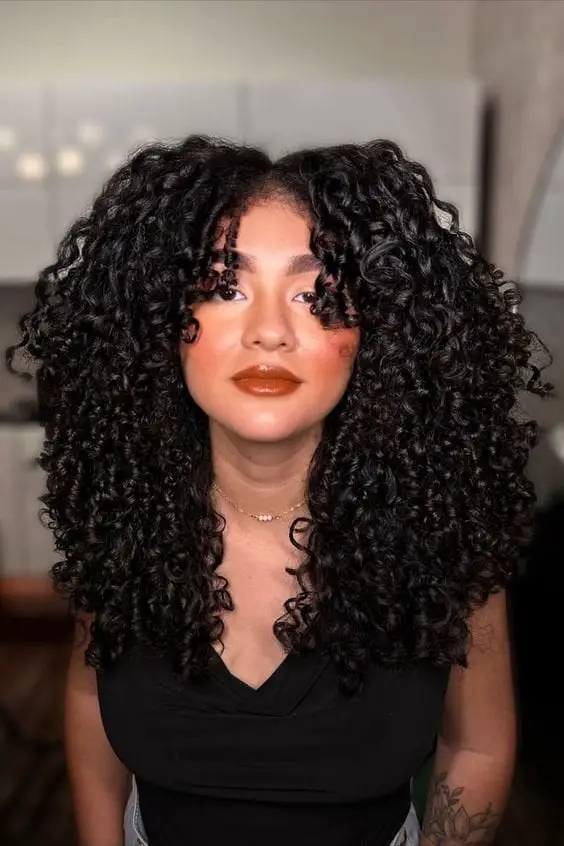
Does your curly hair need a shape that draws attention upward rather than outward? Face-framing layers are the answer. This mid-back length cut uses soft layers around the front to shorten the visual weight of thick, dark brown curls, so the hair feels lighter even at its longest point. The middle parting allows the face-framing pieces to fall symmetrically on both sides. Ask your stylist for: a mid-back length layered cut with face-framing layers.
Thick curly hair at mid-back length can overwhelm a smaller frame if the cut is too uniform. The face-framing layers solve that by creating a shorter silhouette around the jaw without sacrificing the length in the back. The natural curl pattern does the work of keeping those layers defined, so no hot tools are needed. This cut suits anyone who wants the drama of long hair with the polish of a shorter shape. A trim every eight to twelve weeks preserves the face-framing effect before the layers blend back into the length.
Mid-Back Curly Hair With Auburn Highlights
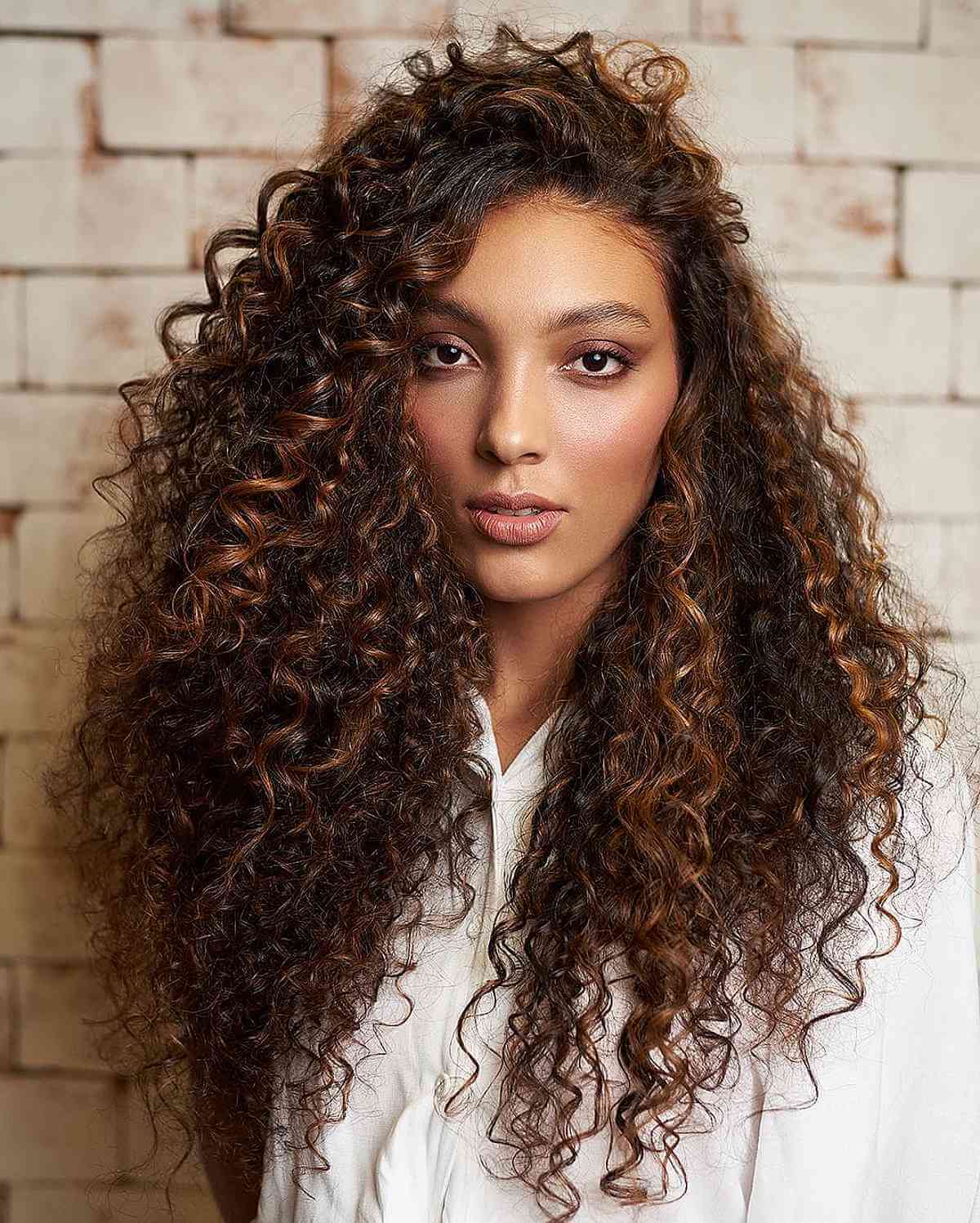
Cool-toned highlights on dark brown curls get all the attention, but auburn offers a warmer alternative that still looks refined. This mid-back length cut keeps long layers throughout, letting the natural curl pattern hold its shape without losing any of that fullness. The middle part and air-dried texture mean the auburn highlights appear in a subtler way than a polished blowout would. Ask your stylist for: mid-back length cut with long layers and auburn highlights. The result is a low-maintenance routine that relies on a curl-defining serum and an air-dry finish, with a trim needed every eight to twelve weeks.
Mid-Back Black Curls With Short Bangs
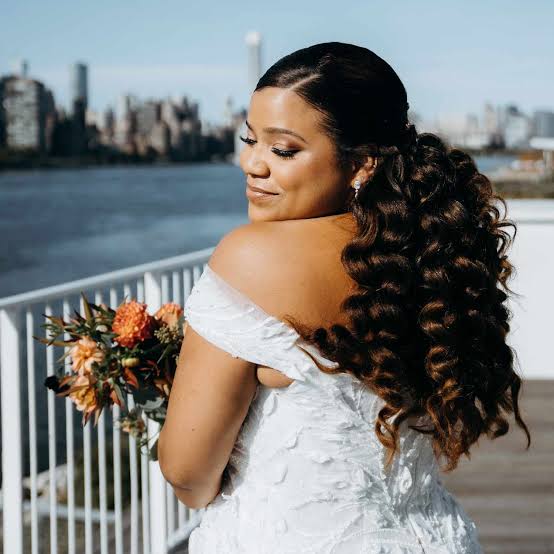
The clever part of this cut is how the short curly bangs break up the mass of mid-back length curls without sacrificing any of the volume. Those bangs are cut short enough to frame the face while the hair falls in defined spirals. Because the layers are distributed evenly, this cut supports updos like a ponytail without leaving awkward chunks of length behind.
Ask your stylist for: mid-back length cut with short curly bangs. A curl-defining cream applied to damp hair and scrunched will keep the bangs from drooping. Plan for a trim every eight to twelve weeks to maintain the bangs’ shape and prevent them from blending into the layers.
Elegant Updo With Cascading Curls
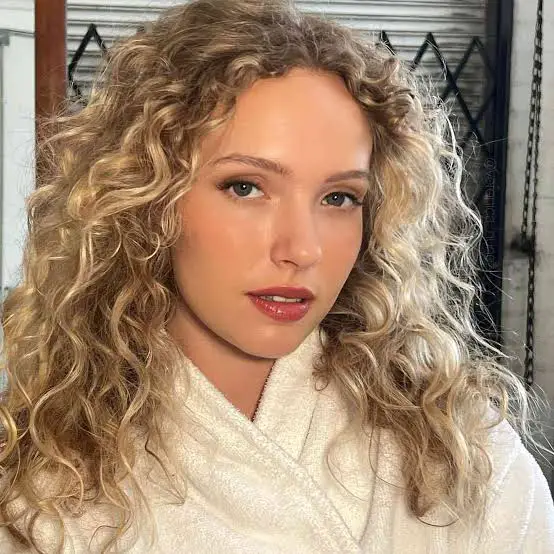
A polished blowout on thick curly hair is the foundation for this updo, where the top section is pinned back while the lower length is left to cascade. The curtain bangs are swept to each side, softening the hairline without being tucked away. This style works best on collarbone-length hair with layers, as the shorter pieces provide grip for pins while the longer ones create the waterfall effect. Ask your stylist for: elegant updo with cascading curls. It is a salon-level technique that suits formal occasions or bridal events, where the hold comes from pins and a generous layer of hairspray.
Final Thoughts
For fine curls, prioritize cuts with blunt lines or strategic layers that add fullness. Thick curls benefit from long layers to manage weight and enhance definition. Always consult with a stylist experienced in cutting curly hair.
- Trim curly hair every 8-12 weeks to maintain shape and health.
- Deep condition weekly to keep curls hydrated and defined.
- Use a microfiber towel or cotton t-shirt to dry hair, avoiding frizz.
- Apply curl-enhancing products to damp hair before air drying or diffusing.
- Refresh curls on non-wash days with a light leave-in conditioner or water mist.
Find the curly cut that makes you feel your most confident.