
Hiking hair has a job to do: stay out of your face, survive the wind, and still look like you meant it when you pass the overlook. The current mood favors soft face-framing layers, curtain bangs, and lived-in color that moves with you, not against you.
These 31 Classy Hiking Hairstyles span the range from intricate braids that hold for a full summit push to loose, air-dried waves for a gentle loop. You will find options for fine hair that falls flat, a grown-out fringe that will not sit, or a color line you would rather hide. Each one is a practical answer to a real trail problem, built to last until the parking lot.
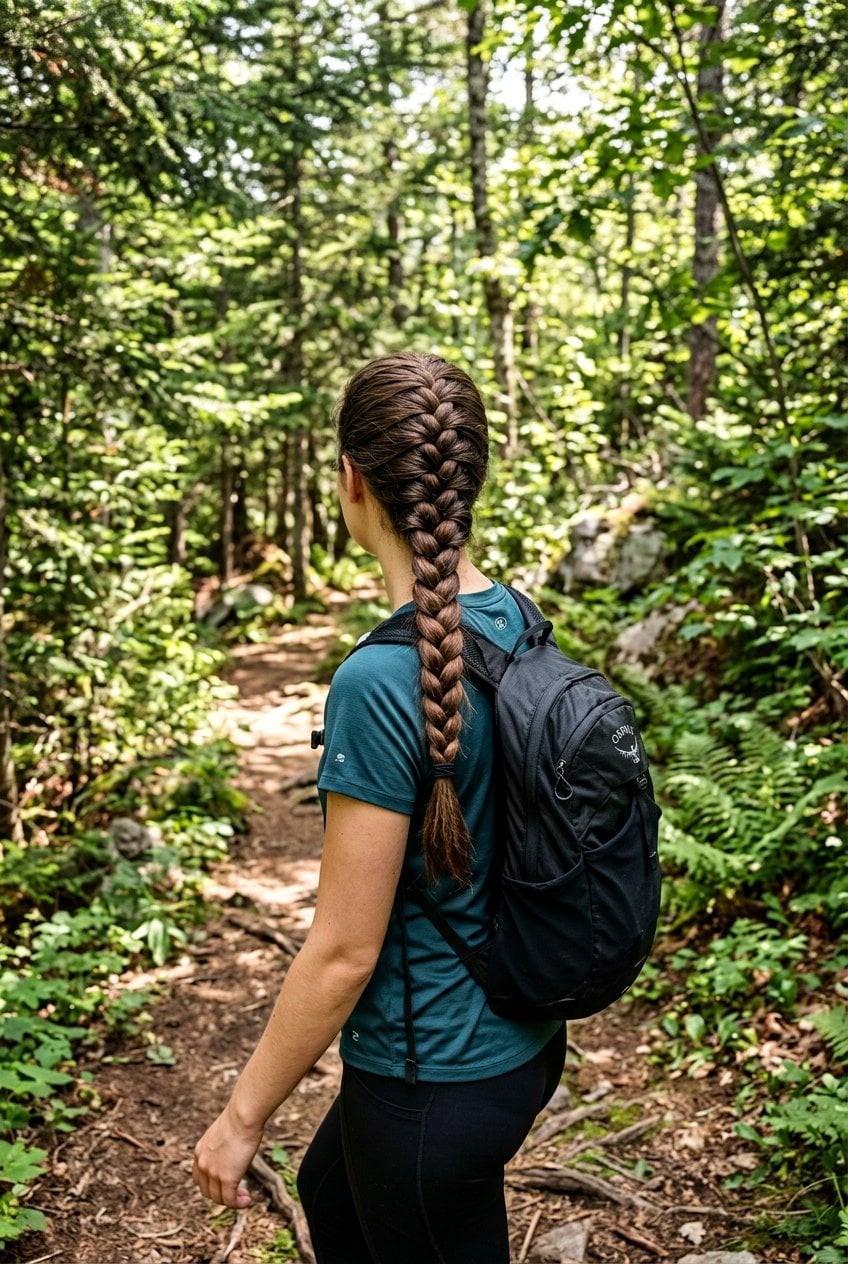
Single Long French Braid In Rich Brown
The single long French braid pulls thick, straight hair back from a middle parting and weaves it into a smooth, continuous rope that sits neatly against the spine. This style stays put during active moments because each strand is tucked under the next, distributing tension evenly so nothing escapes. It suits thick, straight hair that reaches mid-back, and the middle part helps elongate a round face. Ask your stylist for: a long French braid, middle part, and let the braid’s rhythm do the talking. A smoothing serum before braiding keeps flyaways in check, and a trim every six to eight weeks maintains the clean ends that make the braid look deliberate.
Two Long Braids In Natural Brown
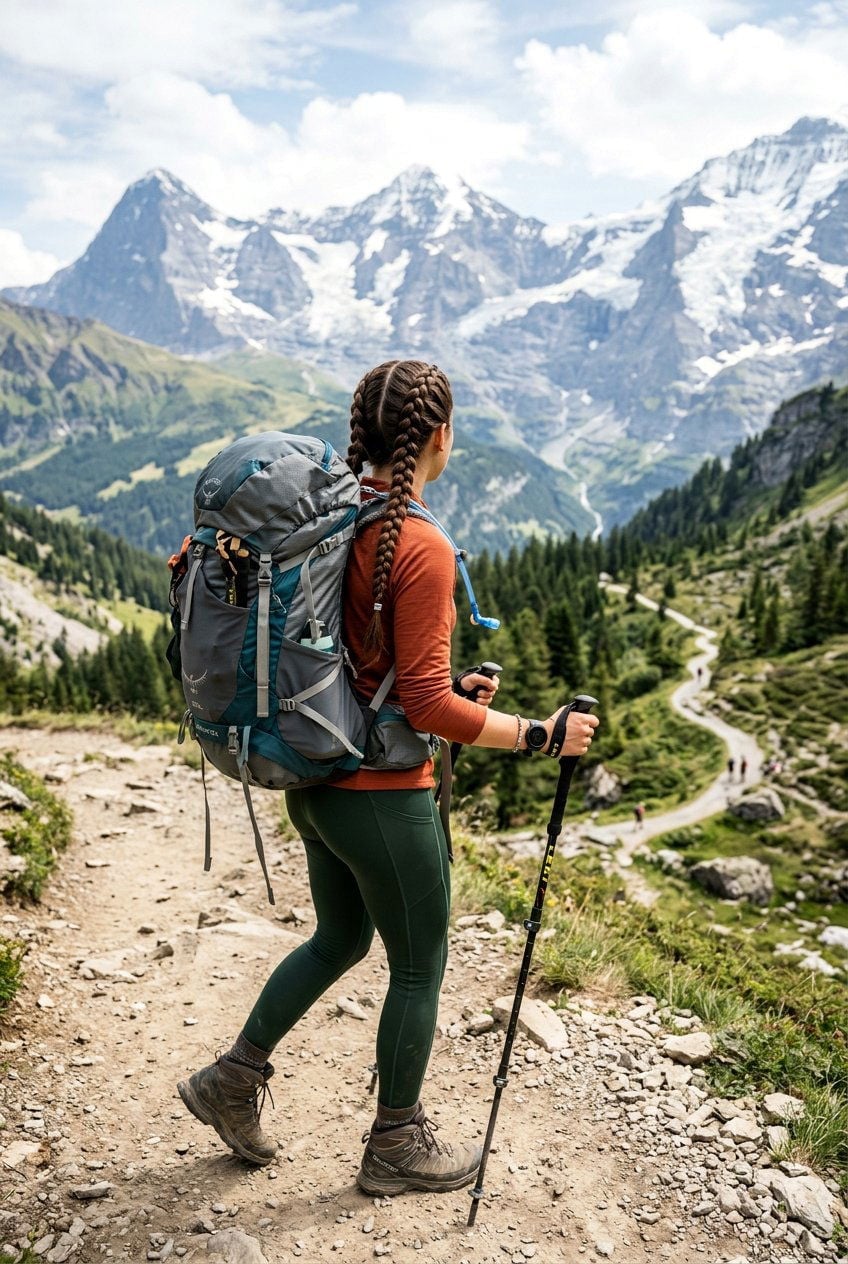
If a single braid feels too disciplined, two long braids offer a more relaxed symmetry while keeping every strand just as secure. The double braid splits thick, straight hair into two neat ropes that swing in unison, making it a solid choice for a long hike where you want your hair out of your face but not pinned into submission. It works best on hair that reaches mid-back, and the middle part suits most face shapes, though it can accentuate a very round face by adding width at the temples. Ask your stylist for two long braids, middle part, and braid damp hair for a smoother finish. Secure the ends with clear elastics, and you’re set for the trail.
Double Braided Buns In Natural Brown
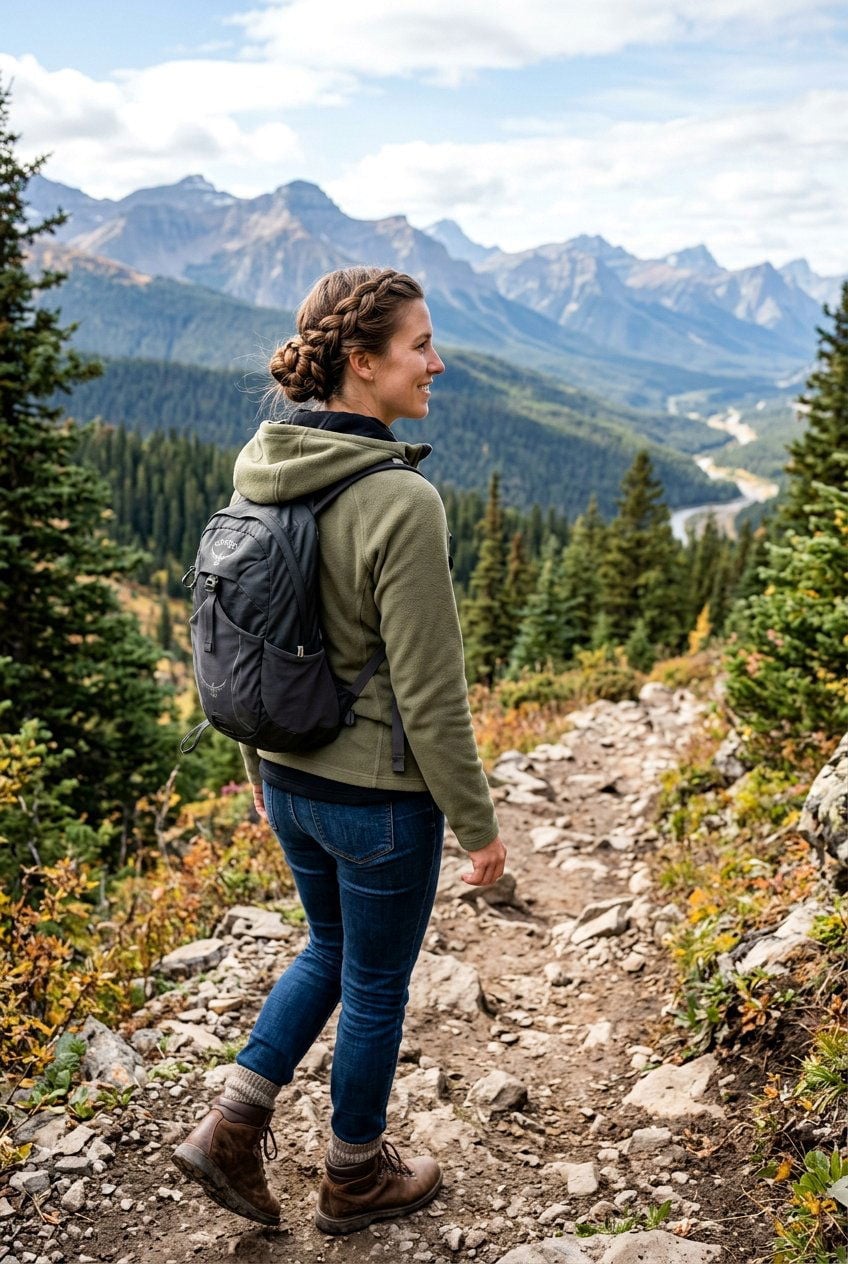
Double braided buns are the answer to the question: how do I keep thick, wavy hair from becoming a tangled mess on a windy summit? Each side is braided from the root and coiled into a tight bun, so the style holds even when the trail gets rough. This works best on thick, wavy hair that reaches mid-back, and the height of the buns can help balance a long face by adding width at the crown. Ask your stylist for double braided buns, middle part, and use a texturizing spray before braiding to give the hair grip. Pin the buns securely, and they’ll stay put for the whole day.
Side-Parted Thick Braid In Blonde
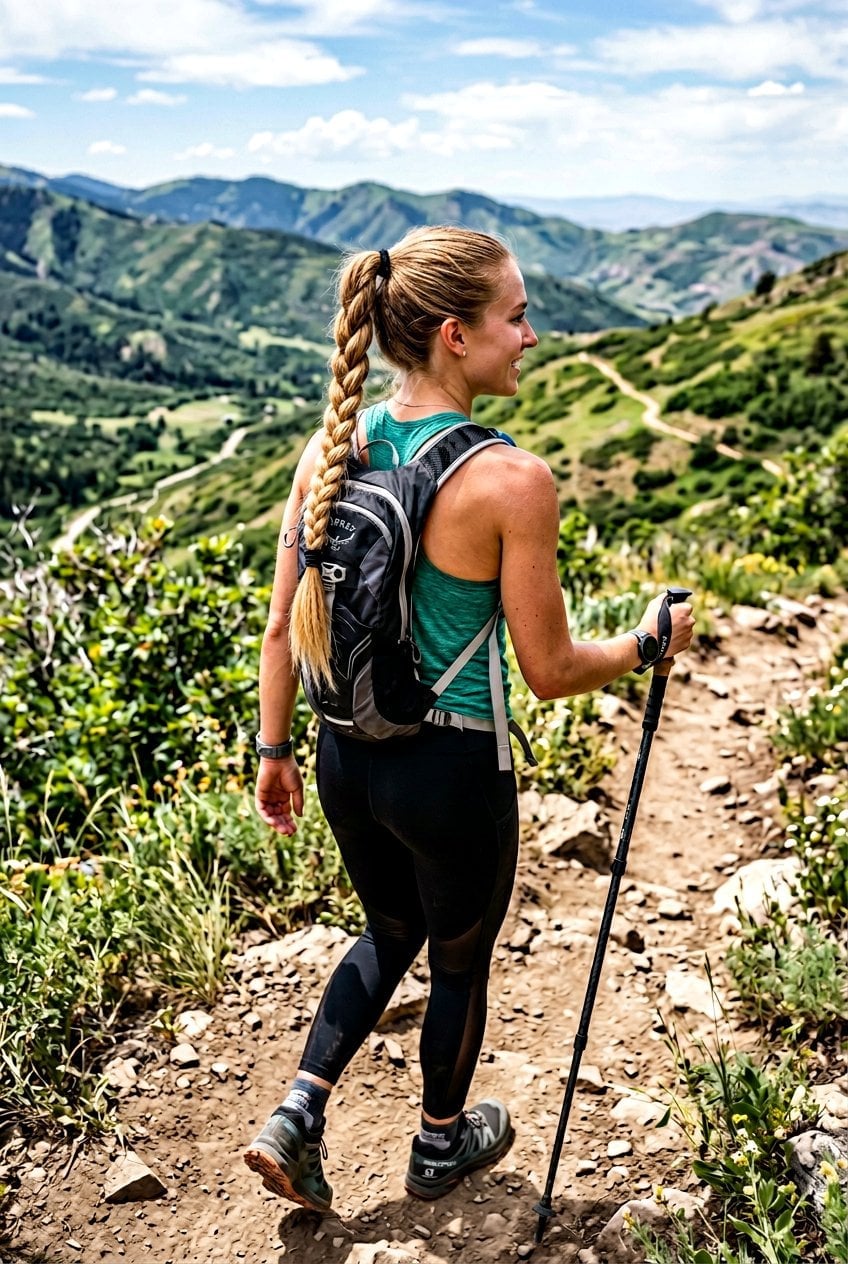
A side-parted thick braid is the practical choice for a day on the trail, where you want the polish of a braid but with a little more movement. The side part shifts the hair to one side, which makes the braid feel less rigid and helps it stay put under a hat or when you bend over to adjust a boot. It works best on thick, straight hair that reaches mid-back, and the side part can add volume to fine hair. Ask your stylist for a side-parted thick braid, mid-back length. Braid while slightly damp for a smoother finish, and a flexible hold hairspray will keep flyaways from escaping.
Detailed Dutch Braid In Dark Blonde
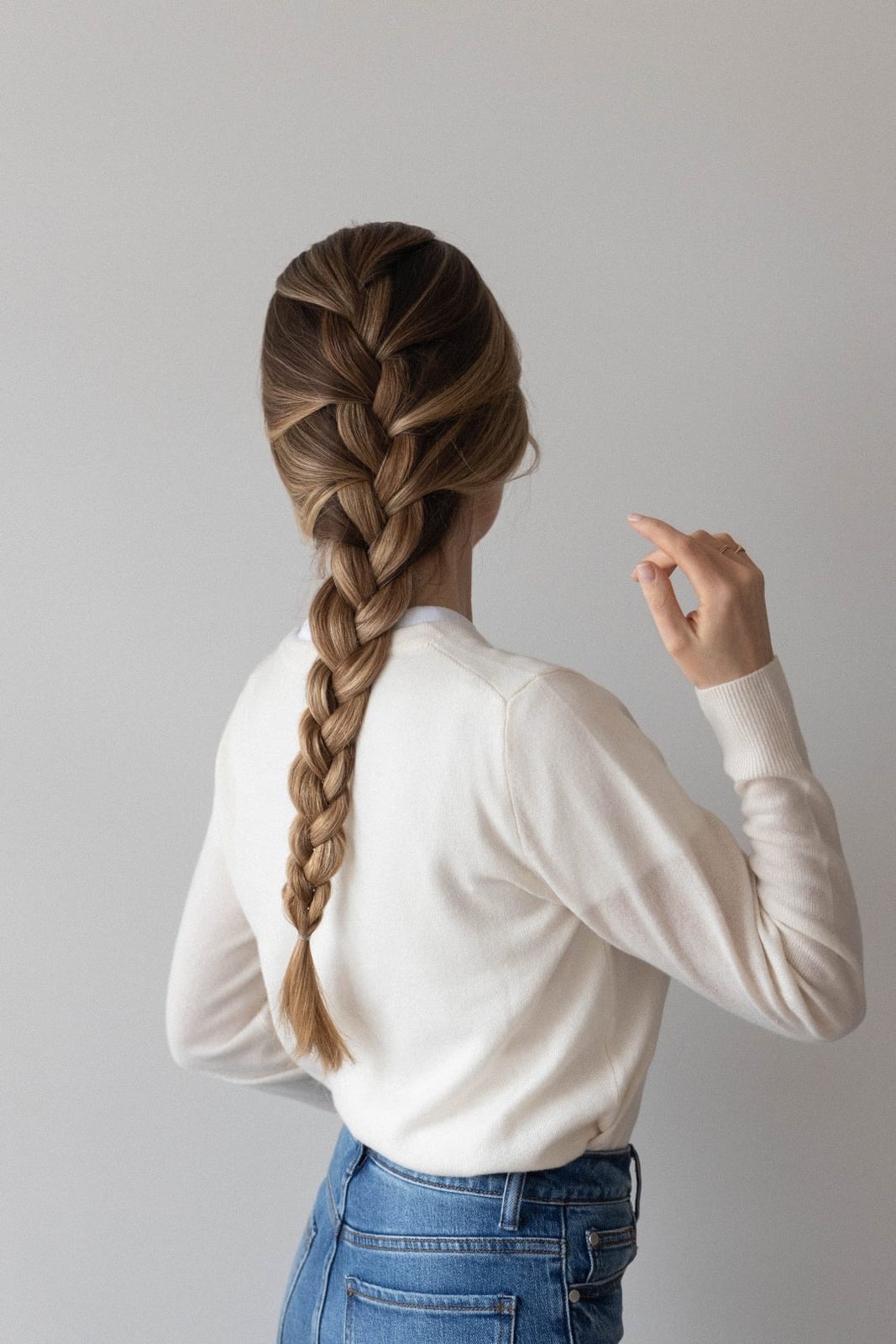
The detailed Dutch braid is the inverse of a French braid: instead of weaving strands over each other, you cross them under, which lifts the braid off the scalp and creates a pronounced, dimensional ridge. On thick, wavy dark blonde hair with subtle highlights, that raised structure shows off every tone, making the braid look intricate from the back. It suits thick, wavy hair reaching mid-back, and the raised profile adds visual interest to medium-density hair. Ask your stylist for a detailed Dutch braid, middle part. Practice on a friend or a mannequin head before you attempt it on yourself, and use bobby pins to secure any loose ends.
Polished Dutch Braid In Dark Brown
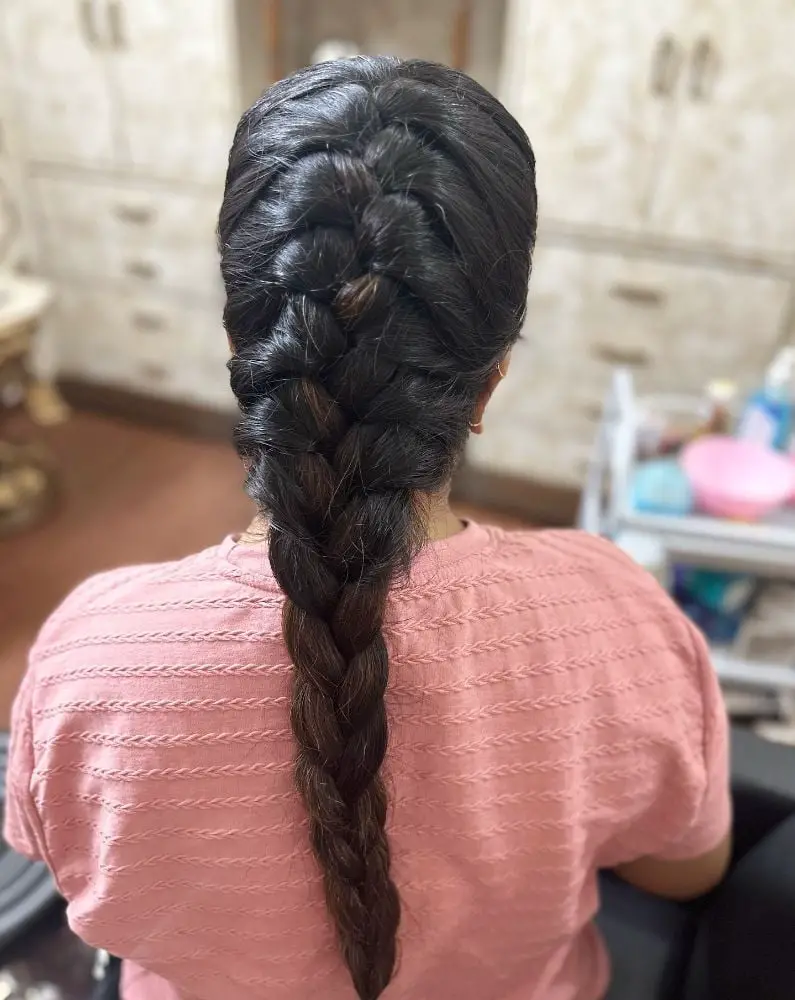
The Dutch braid’s raised sections give thick, straight hair a structure that loose styles can’t match. On a mid-back length dark brown mane with subtle lighter strands, those lighter pieces catch the light as the braid moves, so the color depth keeps shifting as you walk. Ask your stylist for: polished Dutch braid, middle part. A light-hold styling cream helps keep the weave smooth, and the braid holds its shape through a full day on the trail. A trim every six to eight weeks keeps the ends from fraying, which matters most when the braid is this clean.
Voluminous Dreadlock Ponytail
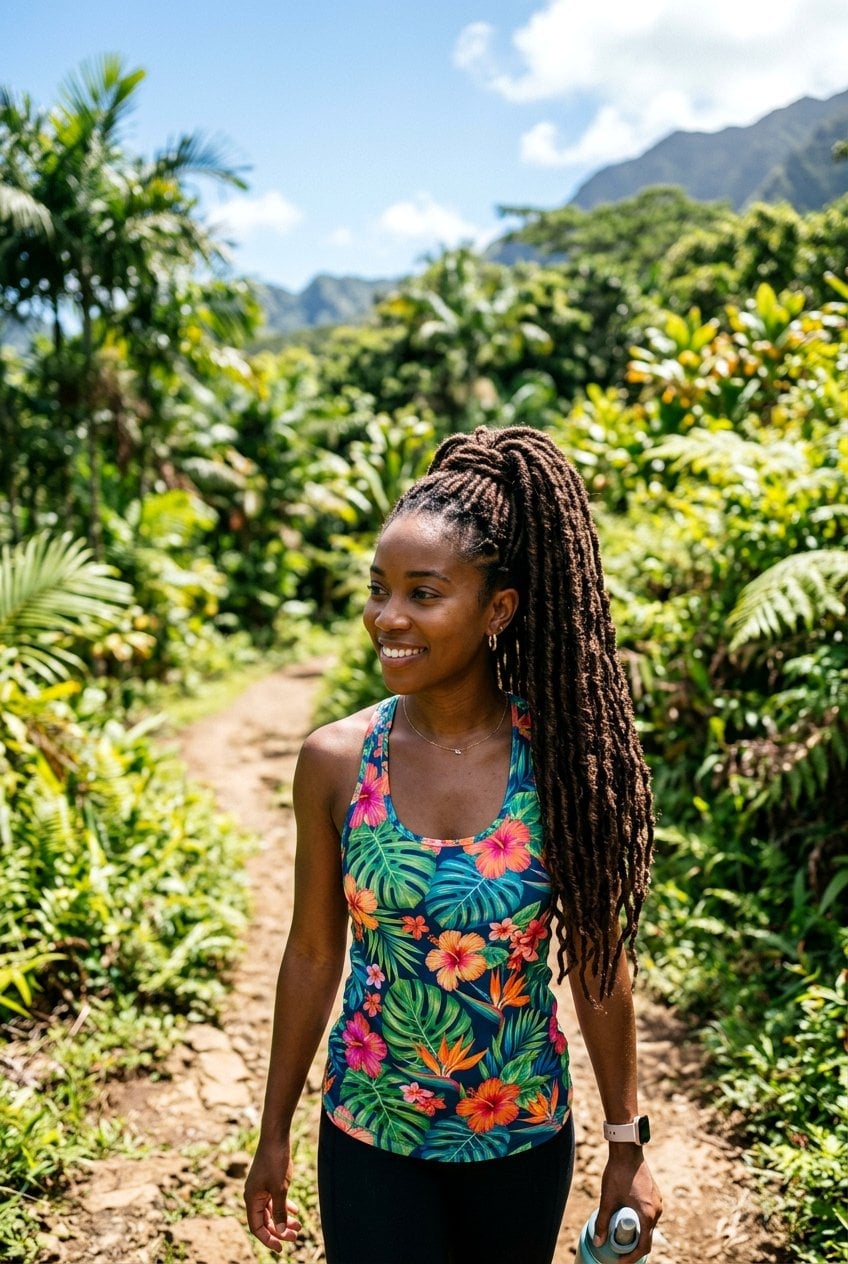
A high ponytail is the quickest way to get thick, coily dreadlocks out of your face, and it takes about five minutes to secure. The mid-back length carries real weight, so a strong elastic or a fabric wrap is essential. Ask your stylist for: high ponytail for dreadlocks. You can do this yourself at home, no salon chair required. The main thing is making sure the dreadlocks are fully dry before you tie them up, since damp locks stay heavy and can pull at the roots over a long hike.
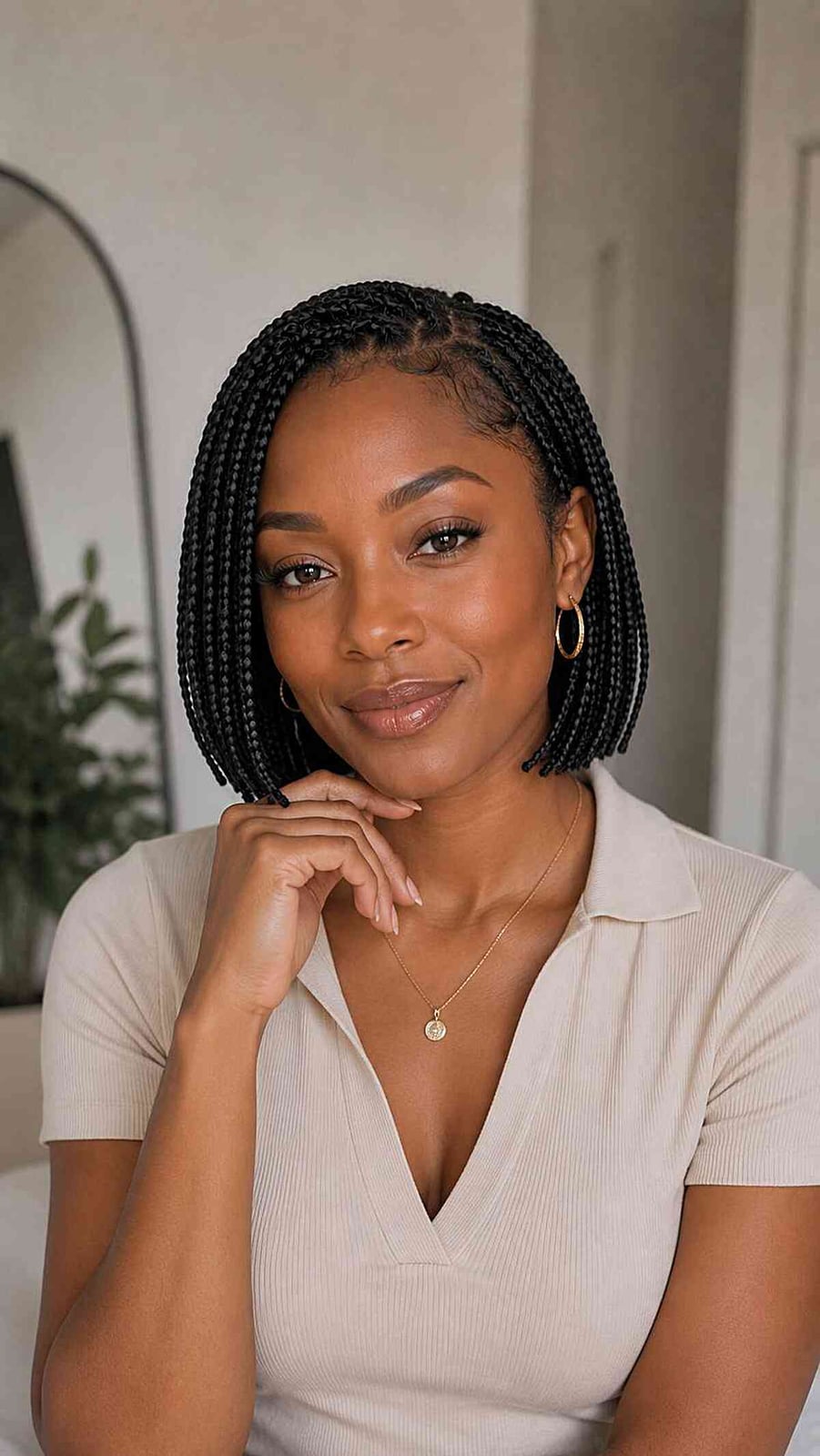
Long Black Box Braids
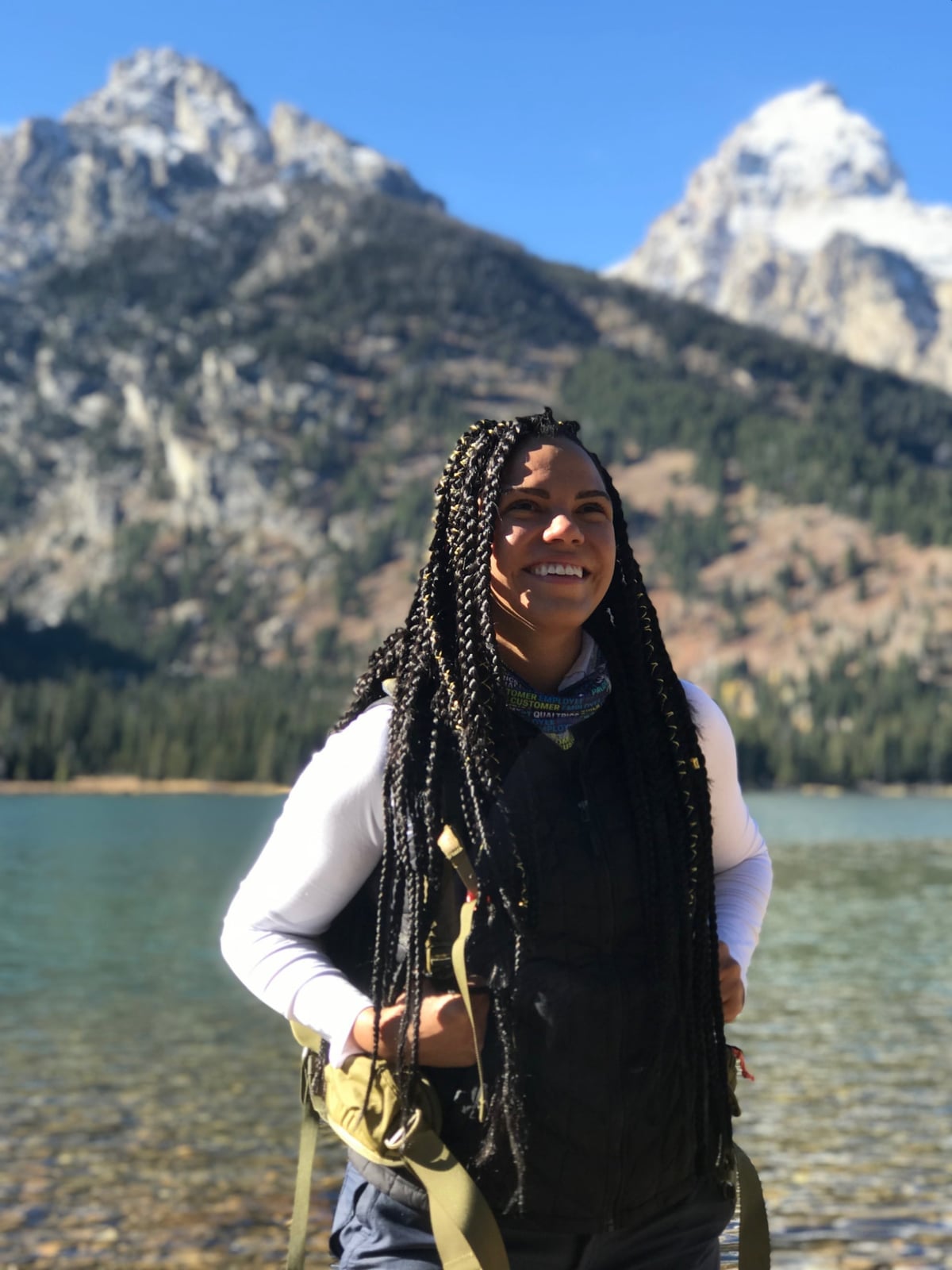
Box braids in a dense, mid-back length create a uniform texture that holds up to wind and sweat without a second thought. The black color reads as one solid block from a distance, which gives the style a clean silhouette against a scenic backdrop. Ask your stylist for: long box braids. The honest trade-off is time: installing them takes several hours in the chair, and they need regular scalp moisturizing to stay comfortable. You’ll also want to avoid tight tension at the roots, since that can lead to breakage over the weeks you’ll wear them.
Fishtail Braid Ash Blonde With Root Shadow
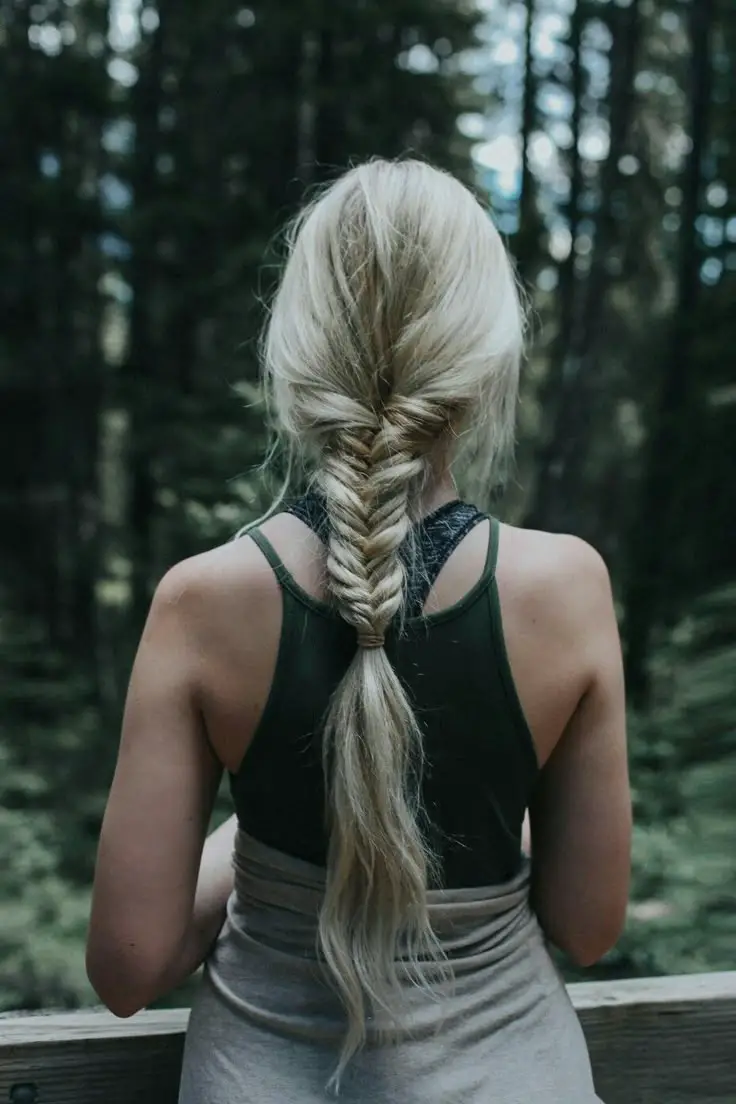
Why does a fishtail braid look more delicate than a classic three-strand? Because it’s built from tiny alternating sections, which reads as fine detail even on wavy, fine hair. On a mid-back length in ash blonde with a visible root shadow, the braid shows off both the cool tone and the darker regrowth, so the color looks lived-in from day one. Ask your colorist for: ash blonde with root shadow. After braiding, gently tug the edges to loosen them, then set with a sea salt spray for grip that lasts.
Fishtail Braid Into Ponytail
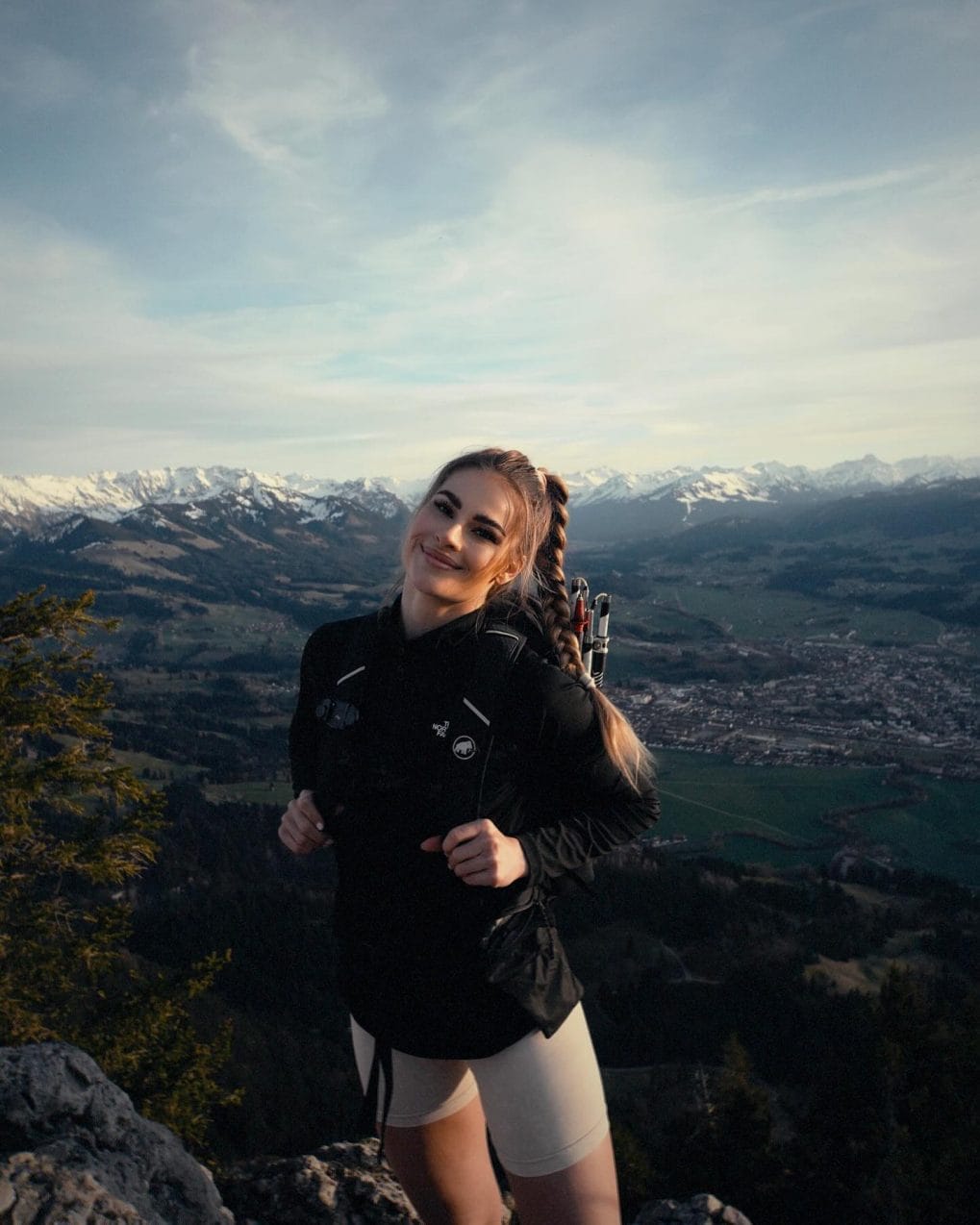
A fishtail braid that feeds into a ponytail gives you the best of both: the braid adds interest at the crown, while the ponytail keeps the rest of the length moving freely. On thick, wavy dark brown hair with blonde highlights, the braid sections show off the color variation, and the ponytail keeps the weight off your neck. Ask your stylist for: fishtail braid into ponytail. Build the braid first from the nape, then gather everything else into the elastic below it. The middle parting keeps the front clean, and the style holds through a full day of movement.
Three Long Braids In Dark Brown
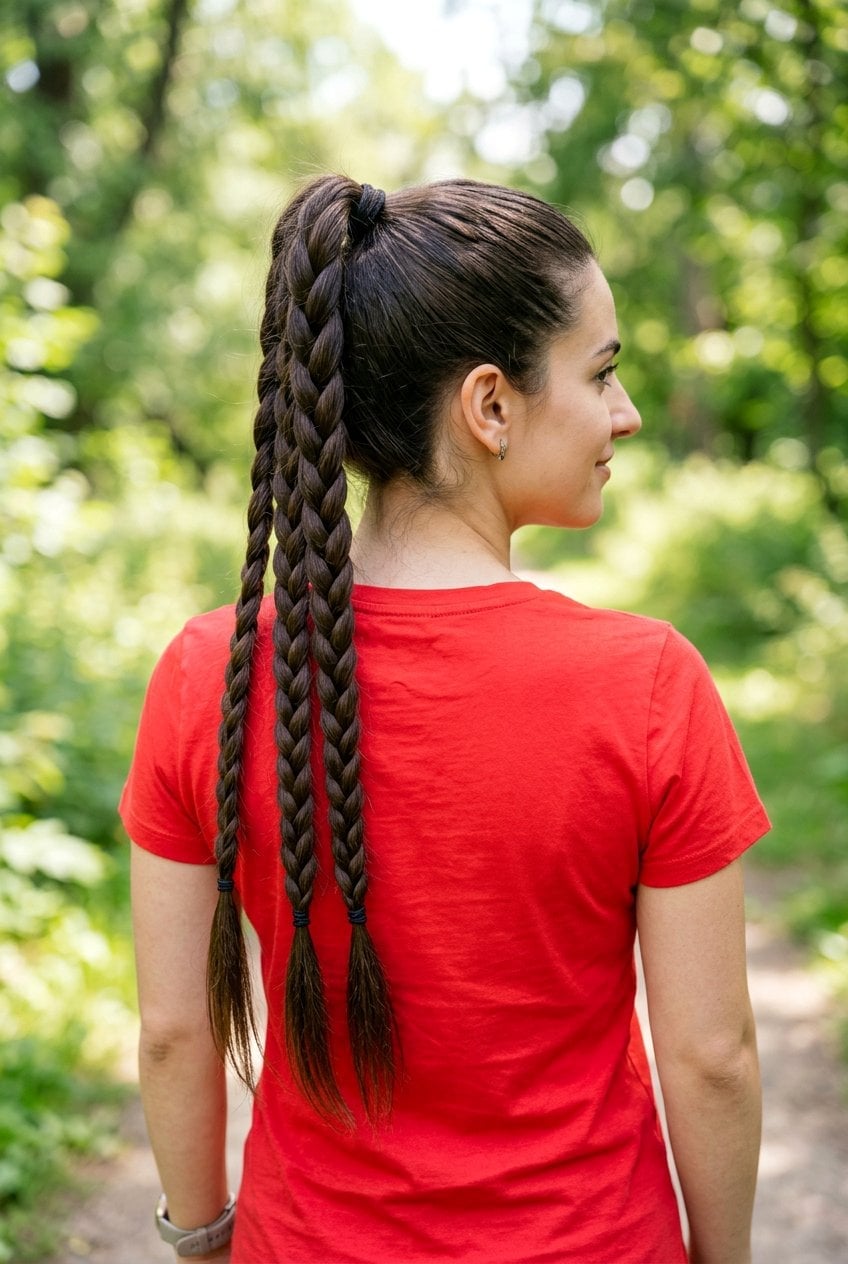
You have two neat braids down, but the trail demands more security. Three long braids in thick straight dark brown hair, starting at the nape with a middle part, distribute the weight so nothing shifts. Ask your stylist for: three long braids, middle part. Thick, straight hair of mid-back length holds the structure best, finer hair may not have enough grip to keep all three from loosening. Braid tightly and finish with a setting spray for hold that lasts the full hike.
Two Neat Braids In Dark Brown
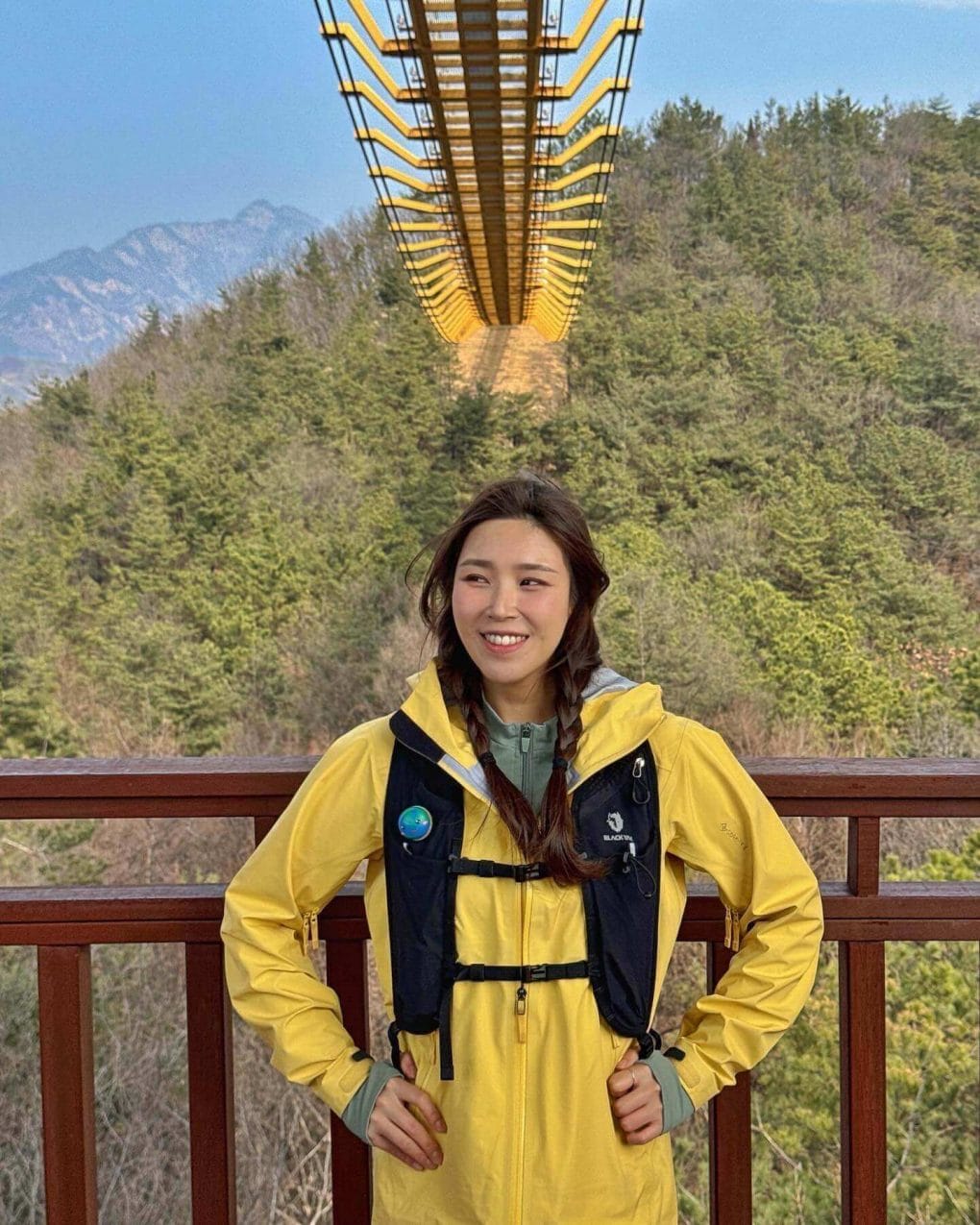
Is this the braid style for you? Two neat braids in thick straight dark brown hair, falling to mid-back from a middle part, work best on medium to thick density. Ask your stylist for: two neat braids, middle part. A thinner mane may let the braids slip within an hour. Braid hair while damp for a smoother finish and secure ends with clear elastics. The style holds till you take it down.
Loose Braid In Dark Brown
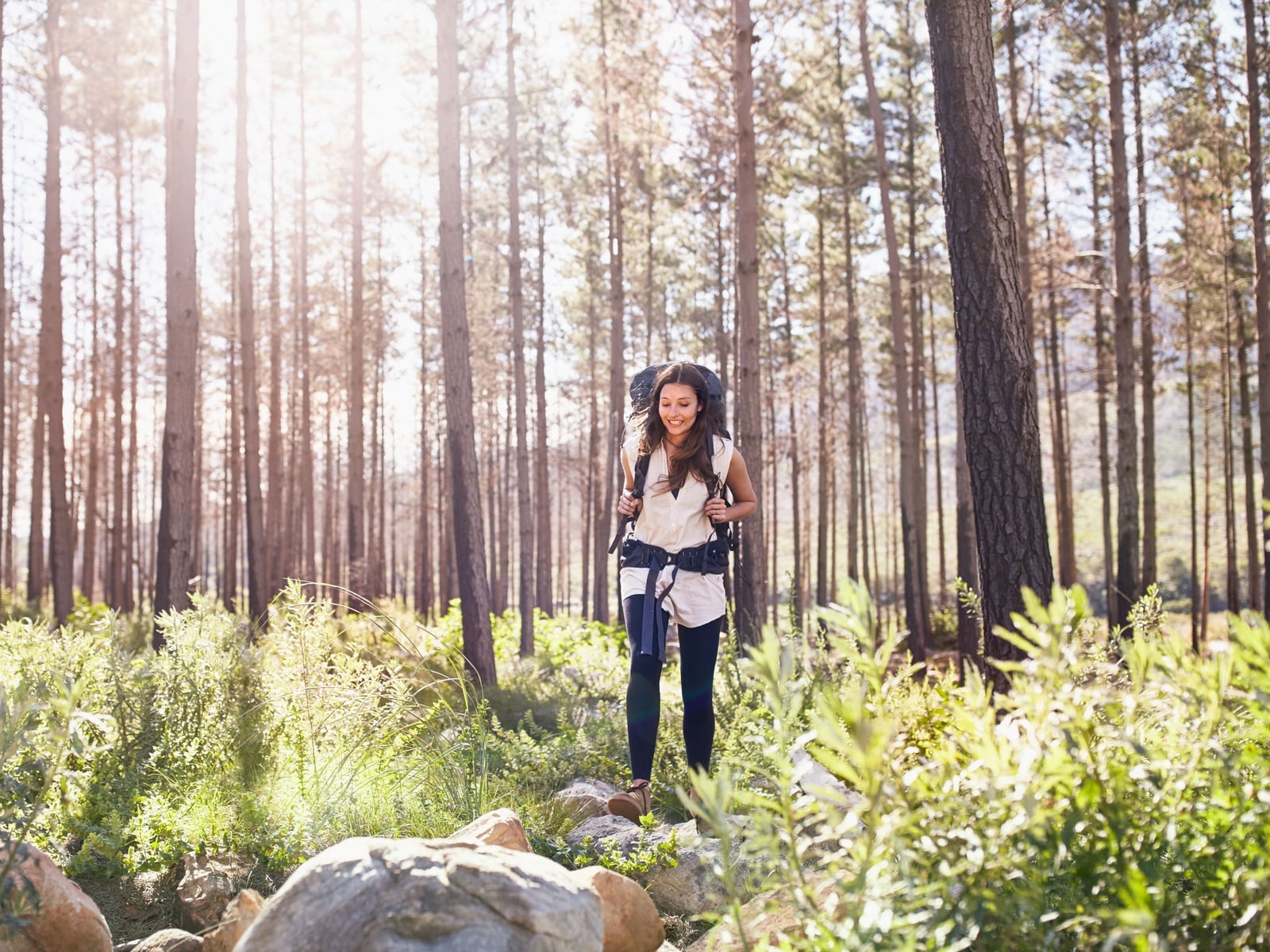
A loose braid takes about five minutes and zero salon skill. This one, in thick wavy dark brown hair with a middle part, sits at mid-back and stays put without effort. Ask your stylist for: loose braid, middle part if you want the same starting point. For a DIY version, braid wavy hair loosely, then gently pull apart sections for volume. Thick, wavy hair of mid-back length is ideal. The texture creates natural grip, so the braid holds without tight tension or pins.
Single Side Braid In Dark Brown
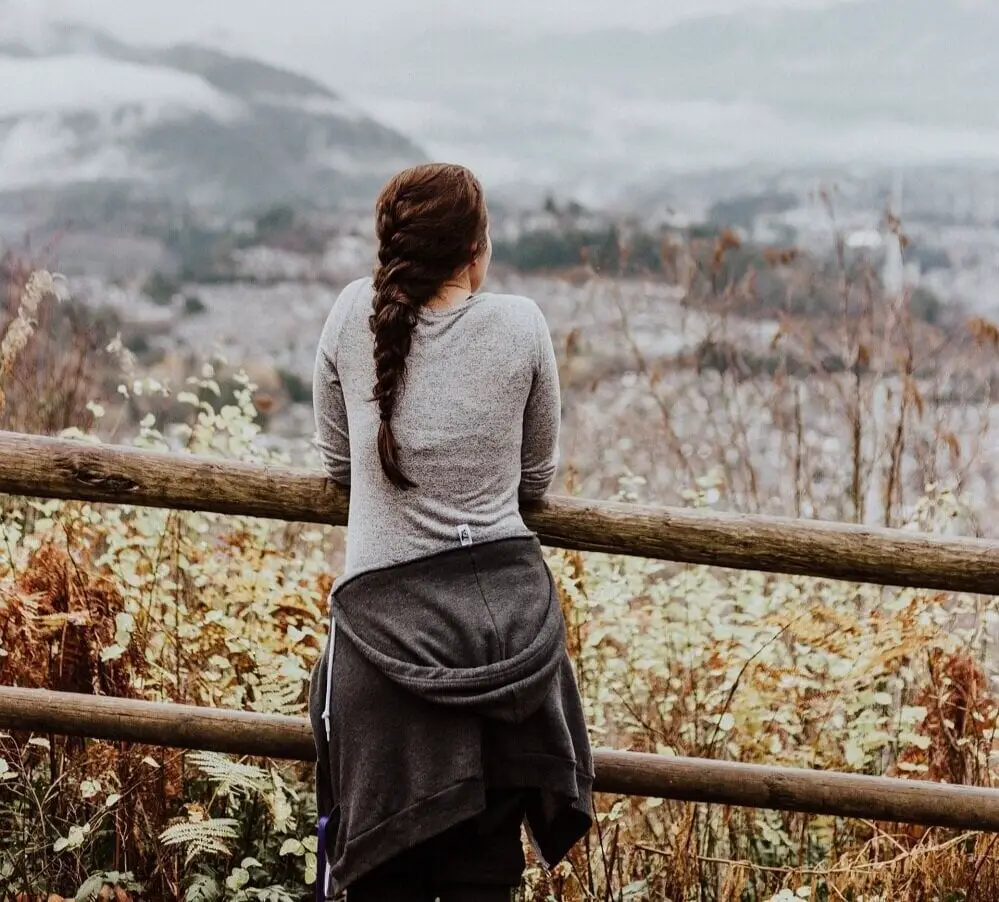
A single side braid in thick straight dark brown hair, reaching mid-back from a side part, stays put because the weight sits off-center and the braid hugs the shoulder. Ask your stylist for: single side braid. Medium to thick hair holds the shape best; finer textures may need a texturizing spray for grip. Braid to one side for comfort under a backpack strap, and expect the style to last the entire hike with no adjustment. A trim every eight weeks keeps the ends clean.
Two Neat Braids With Blonde Balayage
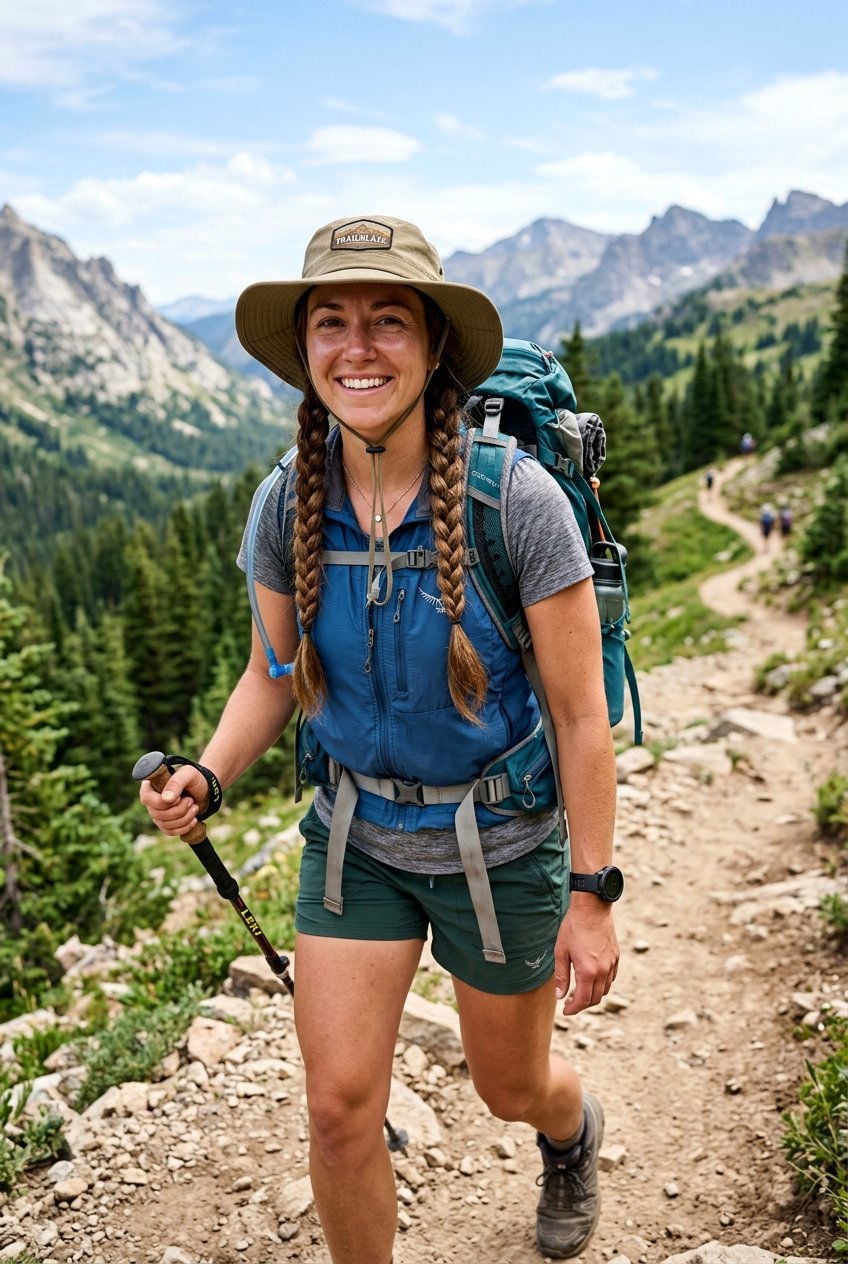
The blonde balayage does the work here. Two neat braids in thick wavy hair with a middle part, falling to mid-back, show every lighter piece as the braid twists. Ask your colorist for: blonde balayage. Thick, wavy hair of mid-back length gives the color dimension room to travel. Braid damp hair for a smoother finish and secure ends with clear elastics. The technique keeps the balayage visible and the style secure.
Air Dried Light Brown With Blonde Highlights
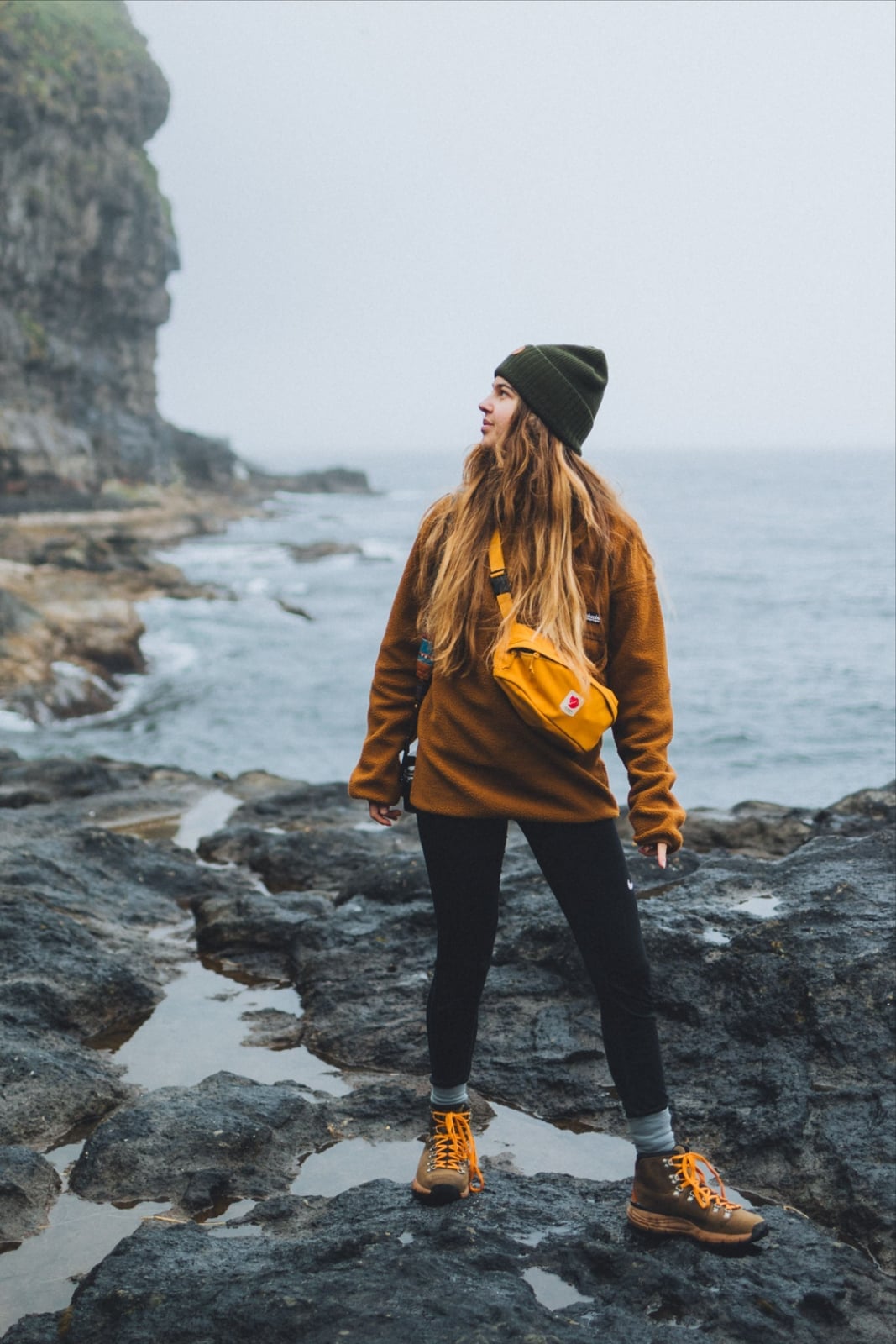
Mid-back length, wavy, thick light brown hair with blonde highlights sounds like a lot of hair to manage, but air drying it is the opposite of work. No bangs keep the weight distributed evenly, which matters when you are carrying a pack for hours. Ask your colorist for: light brown with blonde highlights. The blonde pieces add dimension without the upkeep of a full balayage, though the real drawback is that air-dried hair can look flat after a long, damp hike. A leave-in conditioner on wet strands helps, and a trim every eight to ten weeks keeps the layers from tangling.
Air Dried Blonde With Highlights, Mid-Back
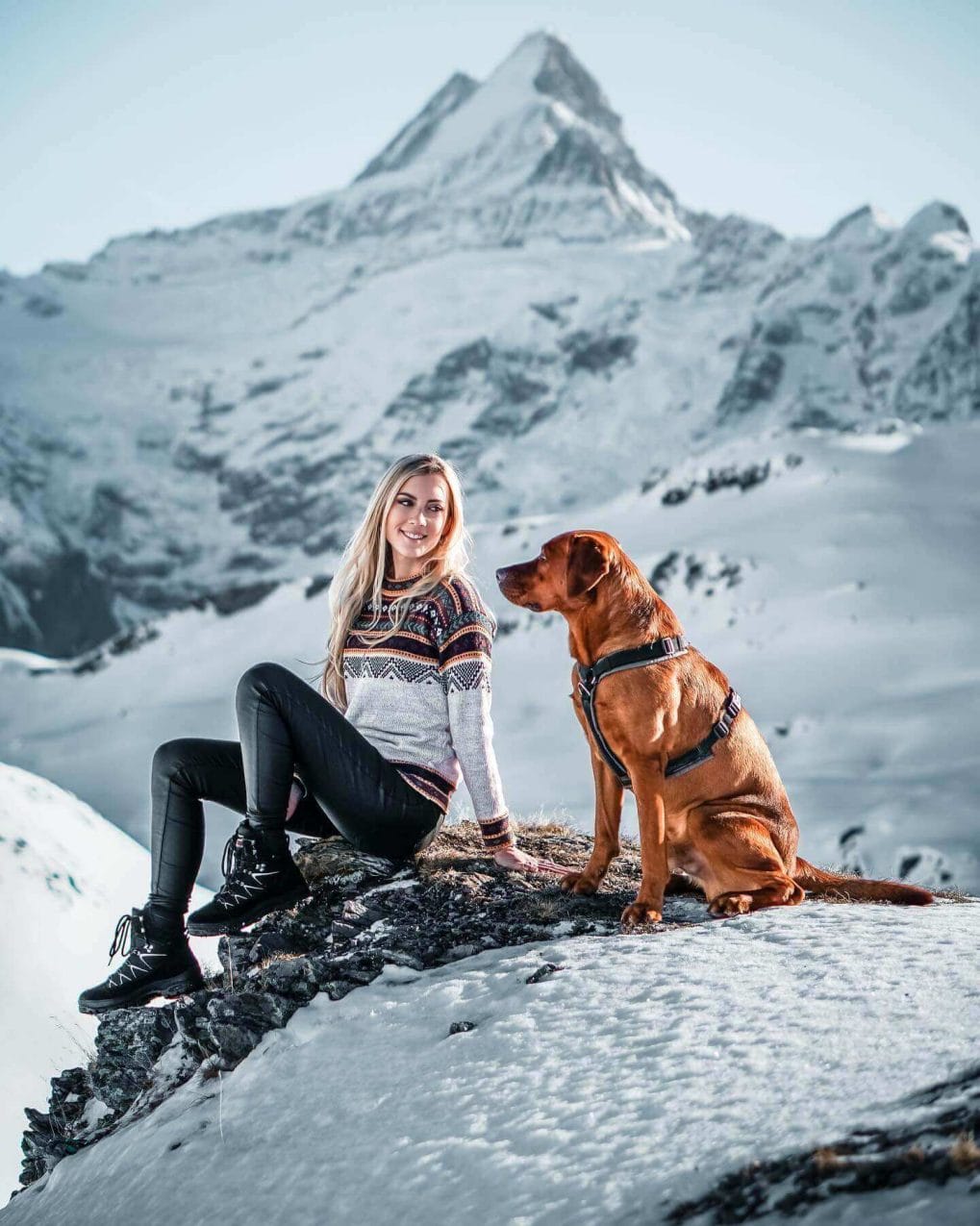
Air drying is the original no-heat styling method, and this mid-back length blonde with highlights proves it can look deliberate. The wavy, thick texture means you skip the round brush entirely, which is the point on a hiking morning. Ask your colorist for: air dried, blonde with highlights. This finish suits anyone with thick, wavy hair who wants to cut styling time in half. On wet hair, run a wide-tooth comb through, then scrunch for definition. The highlights keep the natural texture from reading as flat, and the whole thing takes about five minutes of actual effort.
Air Dried Dark Brown With Hat
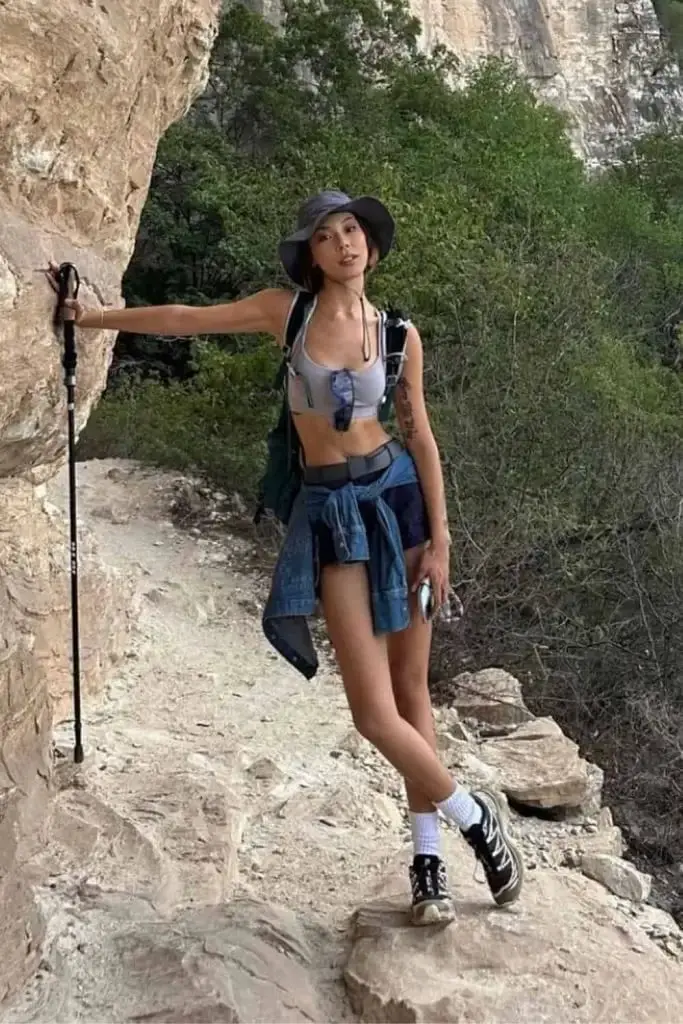
A hat solves most hiking hair problems, but pairing it with air-dried dark brown hair means you do not need to re-style after you take the hat off. The subtle layers and middle parting let the wavy texture fall back into place once the hat comes off. Ask your stylist for: air dried, dark brown, with hat. This is a fall and spring look, when the sun is low enough to need shade but the air is dry enough that a smoothing balm on damp hair keeps the frizz down. The hat hides any mid-hike grease, and the waves hold their shape all day.
Shoulder Length Side Braid With Ties
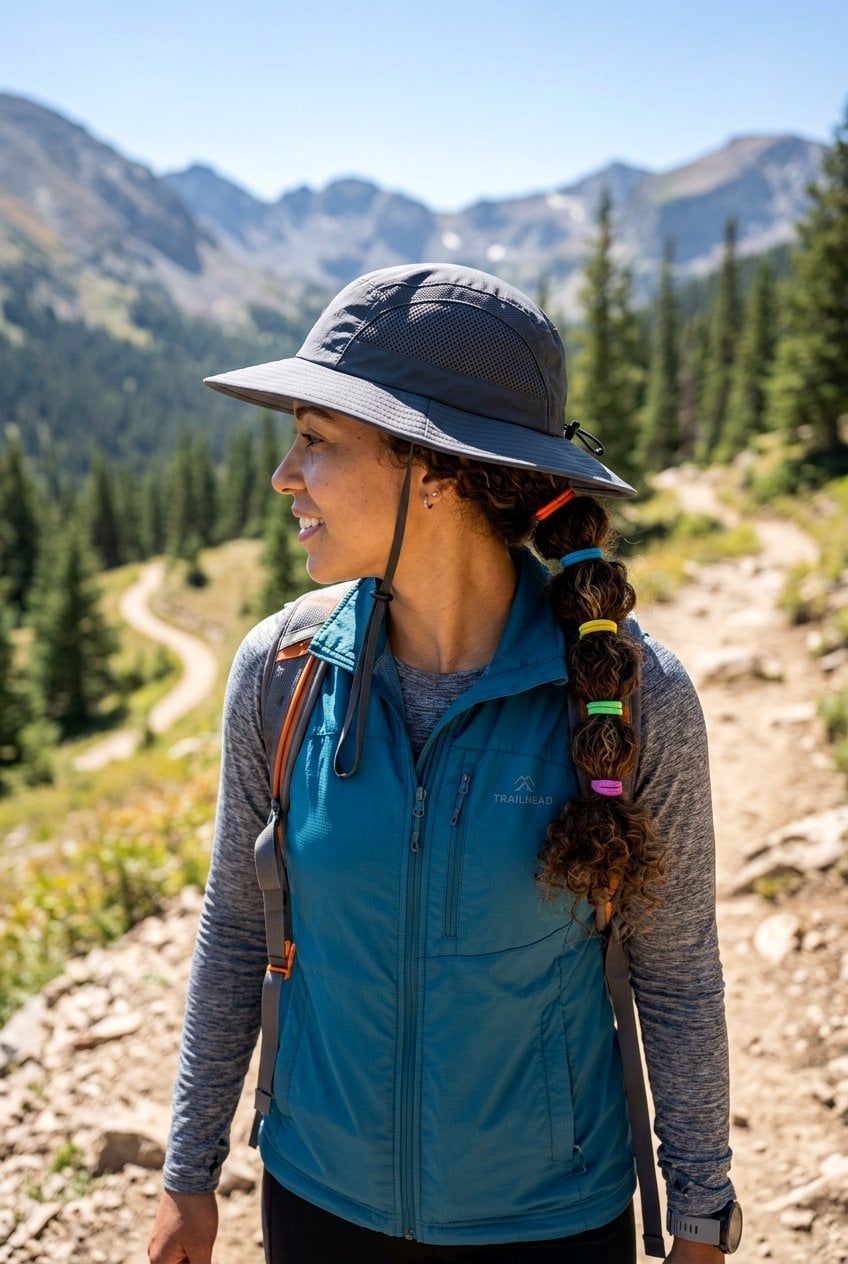
A side braid at shoulder length is a practical choice for medium to thick hair, but the colorful hair ties make it a deliberate style rather than a rushed fix. The wavy brown texture means the braid has grip without needing product. Ask your stylist for: shoulder length side braid with colorful ties. The ties do the work of keeping the braid tight from scalp to end, and they add a playful pop that a plain elastic cannot match. Braid damp hair for a smoother finish that stays put for the full hike.
Two Loose Braids With Wispy Strands
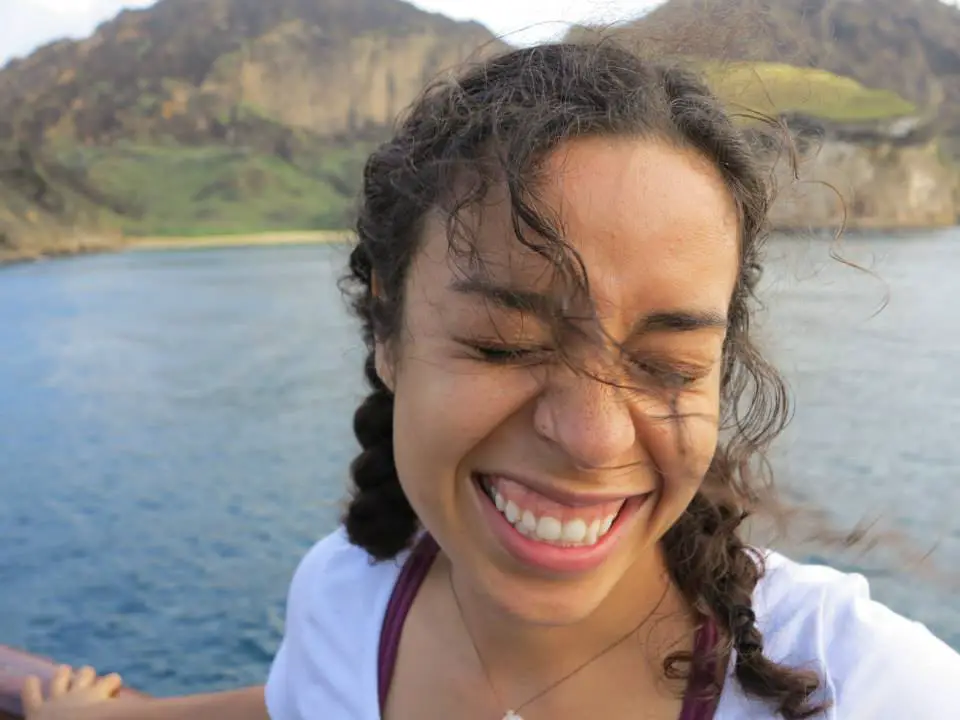
Two loose braids with wispy face-framing strands suit anyone with shoulder-length layers who wants a softer look than a tight plait. Subtle highlights in the dark brown base add depth without making the braids look busy. Ask your stylist for: two loose braids, wispy face-framing strands. The wispy pieces around the face soften the whole shape, which is useful if you have a round or square face that a tight braid can pull too harshly. A mist of texture spray on the loose ends keeps the wind-swept look from falling flat.
Collarbone Side Braid In Blonde
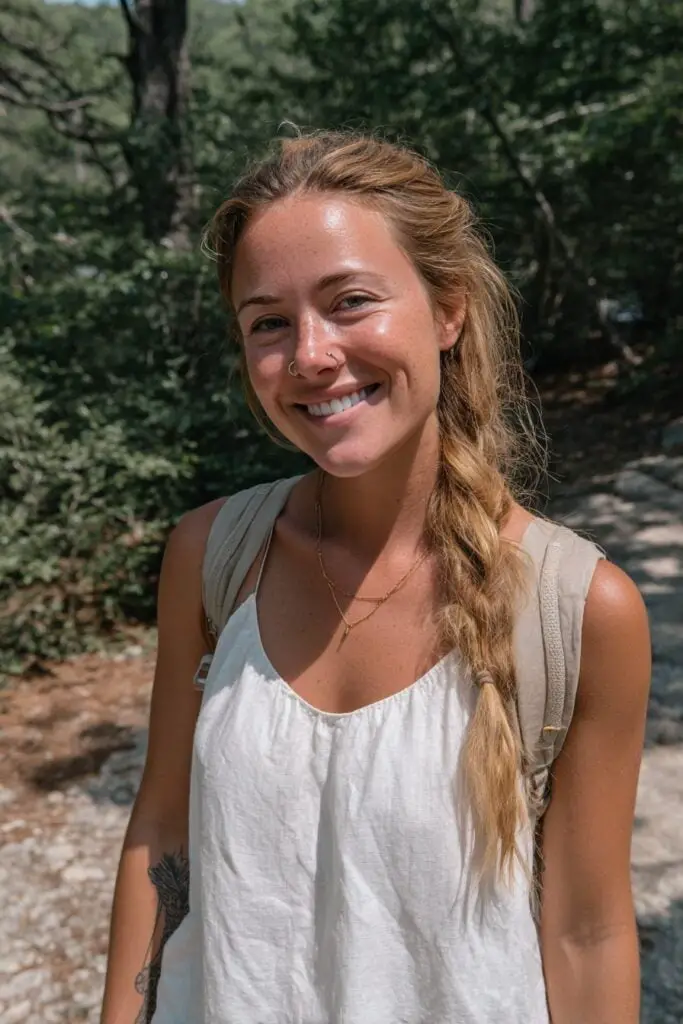
A side braid at collarbone length looks deliberate, even when you create it in a hurry. The middle parting keeps the front clean, and the wavy fine texture helps the braid hold better than stick-straight hair would. Ask your stylist for: collarbone length side braid, middle part. Braid the hair while it is still damp for a smoother finish, then spritz a texturizing spray at the roots to keep fine strands from slipping.
Collarbone Waves With Curtain Bangs
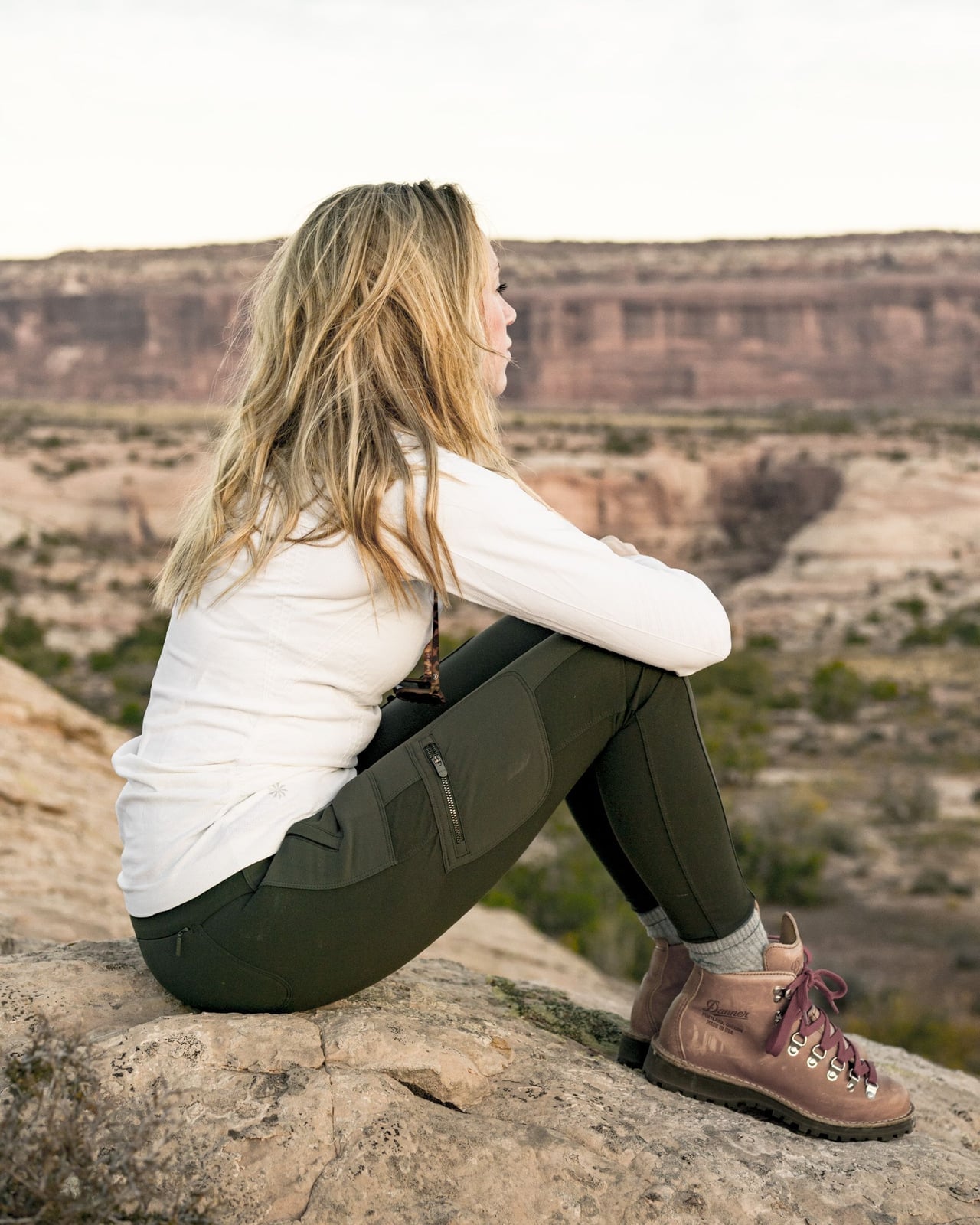
The trick here is that the waves are not curled, they are coaxed. Air drying with a leave-in conditioner lets the ash blonde base and subtle highlights show through without heat damage, while the curtain bangs are shaped with a round brush for a few seconds. Ask your stylist for: collarbone length waves, curtain bangs. The middle parting and lived-in texture mean this style works with the hair it already has, not against it.
Collarbone Blowout With Curtain Bangs and Dark Blonde Highlights
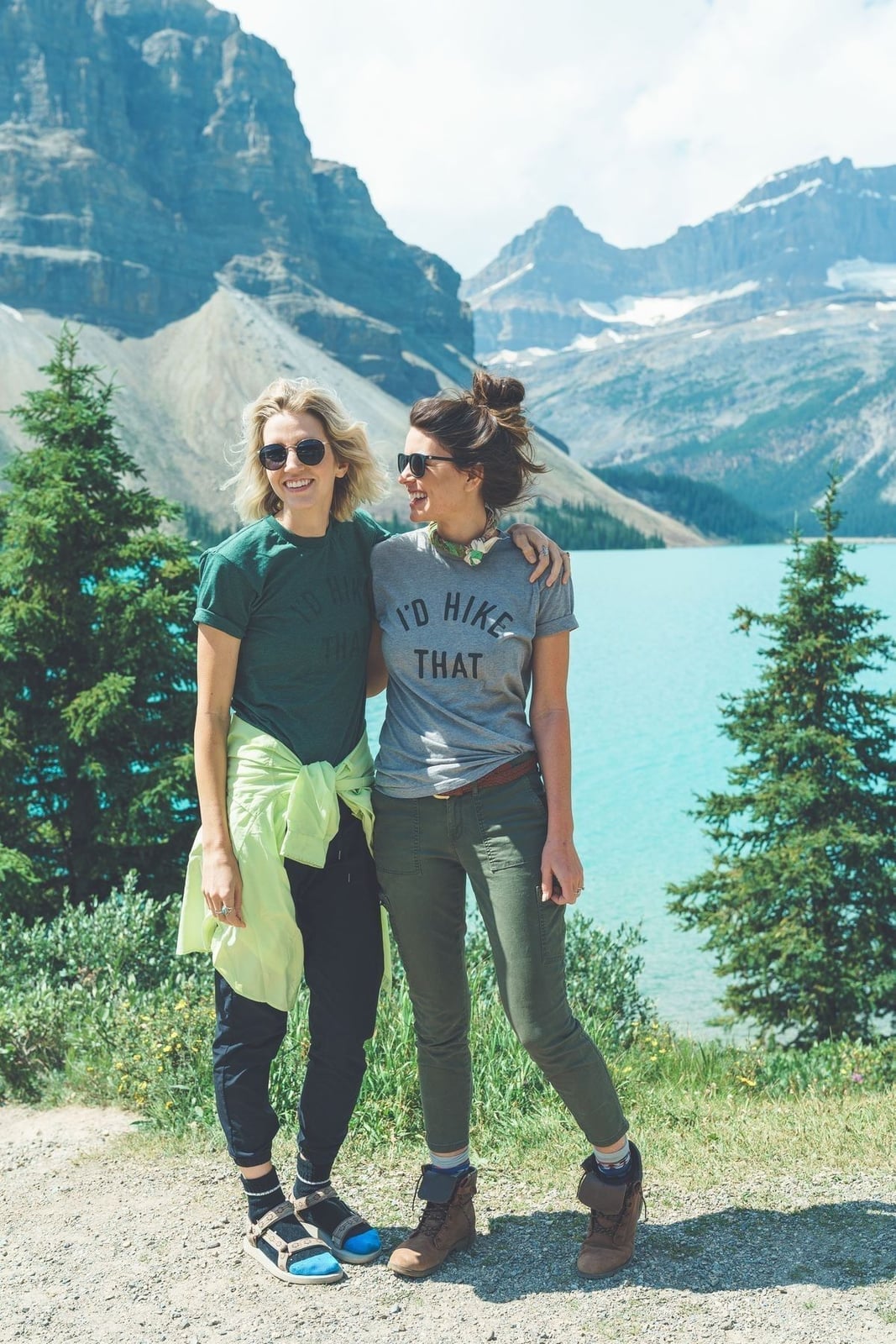
A blowout at collarbone length with curtain bangs is a look that signals effort, and that is the trade-off. The soft waves and face-framing layers require a round brush and a dryer with a nozzle, ideally from someone who has done it a few times. Ask your stylist for: collarbone length blowout, curtain bangs. The dark blonde highlights add dimension, but the blowout itself is the draw.
The real drawback is that this style does not survive a drizzle or a gust of wind the way a braid does. The layers that make it polished also make it prone to losing shape once humidity hits. For a hike where you plan to stop for photos, it works. For a summit push, save it for the après.
Shoulder Length Loose Wavy Hair
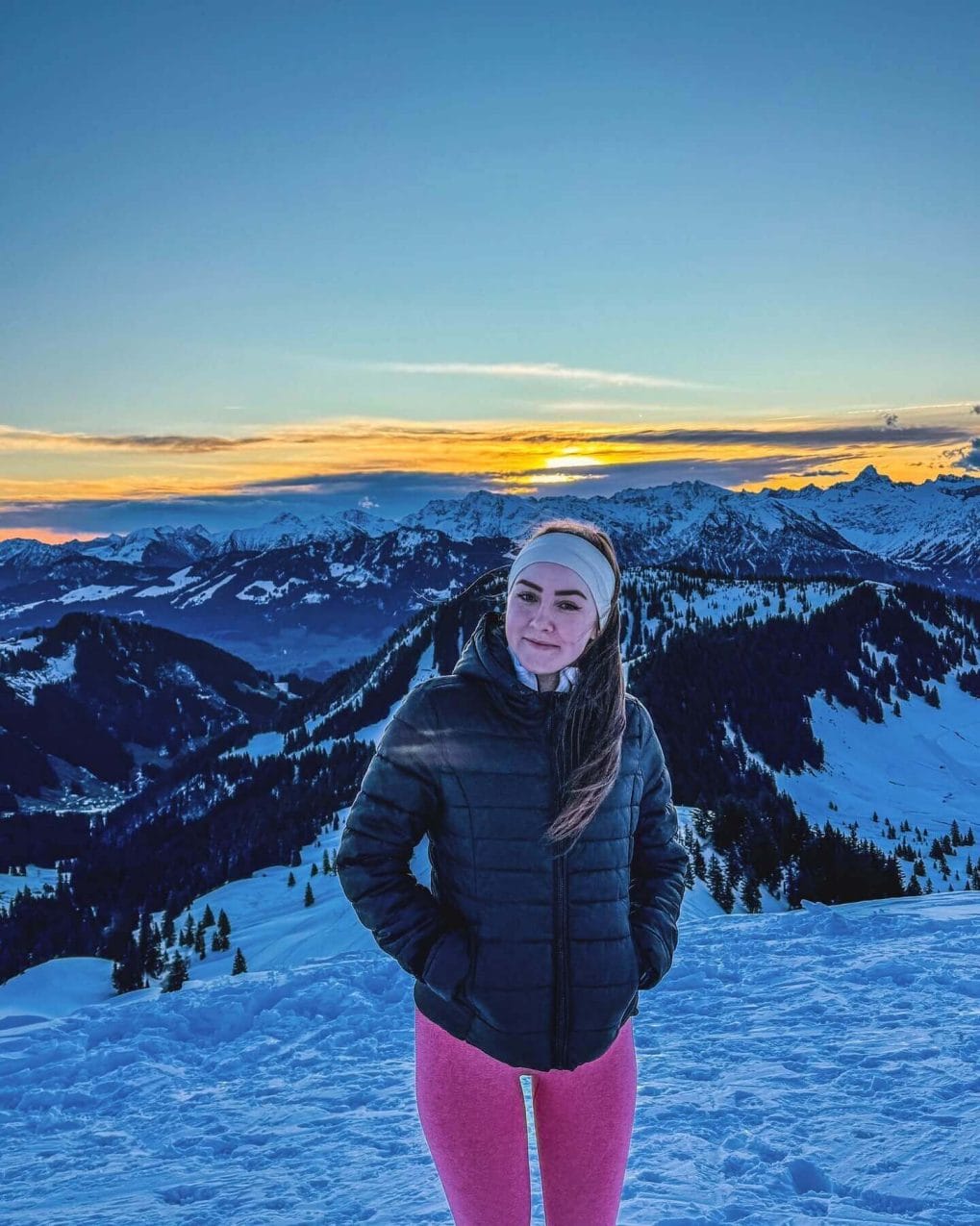
Loose, air-dried wavy hair at shoulder length is the path of least resistance, and for a hike that is a feature, not a bug. The fine texture and subtle layers let the hair move without getting tangled, and the middle parting keeps it off the face. Ask your stylist for: shoulder length loose wavy hair, middle part. A texturizing spray on dry hair gives the waves enough grip to last the afternoon, and a trim every six weeks stops the ends from looking straggly.
Shoulder Length Low Ponytail
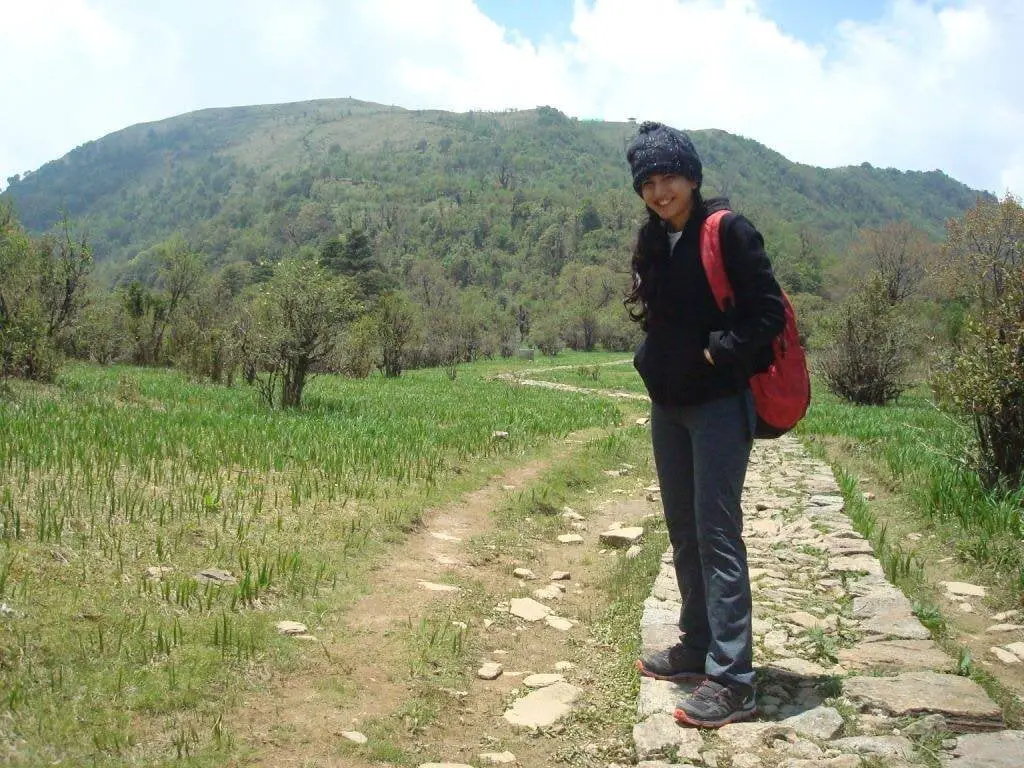
The most common mistake with a shoulder-length low ponytail is pulling it too tight, which makes thick wavy hair look flat at the crown. The fix is to gather the hair at the nape, twist it once, then secure it with a hair tie, letting the waves do the work. Ask your stylist for: shoulder length low ponytail, side part. The side parting adds volume on top, and the low placement keeps the ponytail from bouncing against a backpack strap.
Shoulder Length Twisted Ponytail With Blonde With Highlights
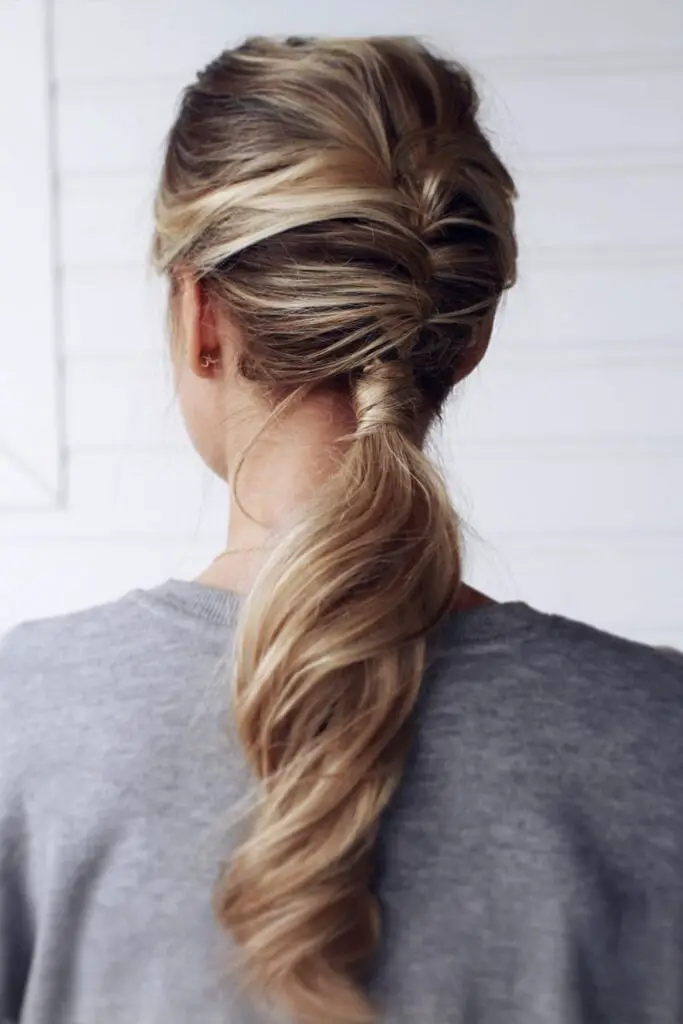
Wondering how to get a ponytail that looks polished without much effort? This one starts with a side part and a twisted detail at the nape, then falls into a low ponytail at shoulder length. The wavy texture and blonde highlights add dimension, while the twist adds structure that keeps shorter layers from slipping out. Ask your stylist for: shoulder length twisted low ponytail, side part. Medium textured hair holds the twist best, and a trim every eight weeks keeps the ends clean. The whole thing takes about five minutes once you have the technique down, and it holds through a full day on the trail.
The twisted detail is the part that looks harder than it is. Section off a piece from each side, twist them toward the back, and secure them together before adding the rest of the ponytail. No bangs means no stray pieces in your face, and the side parting gives it a relaxed, polished finish.
Ponytail With Loose Waves In Blonde
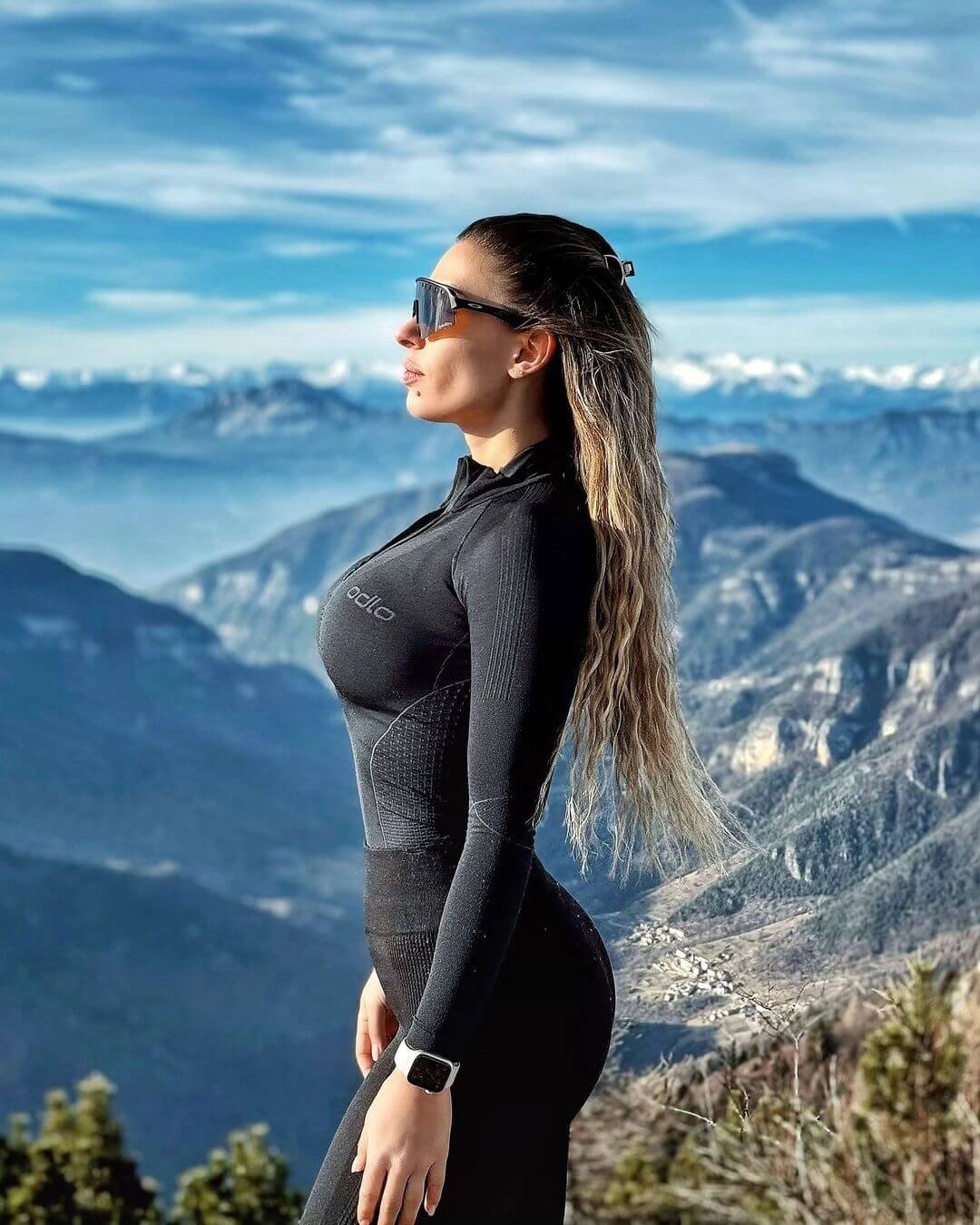
A ponytail with loose waves is essentially a blowout that keeps moving with you. The middle part and thick, wavy texture give it volume at the crown, while the mid-back length swings instead of sitting still. The blonde highlights add dimension and brightness. Ask your stylist for: high ponytail with loose face-framing waves. The key is curling the ponytail itself in sections, then breaking up the waves with your fingers. A flexible hold spray keeps the shape without making it stiff. Loose strands around the face soften the height of the ponytail, so it works for longer face shapes that need a little width.
High Ponytail With Headband
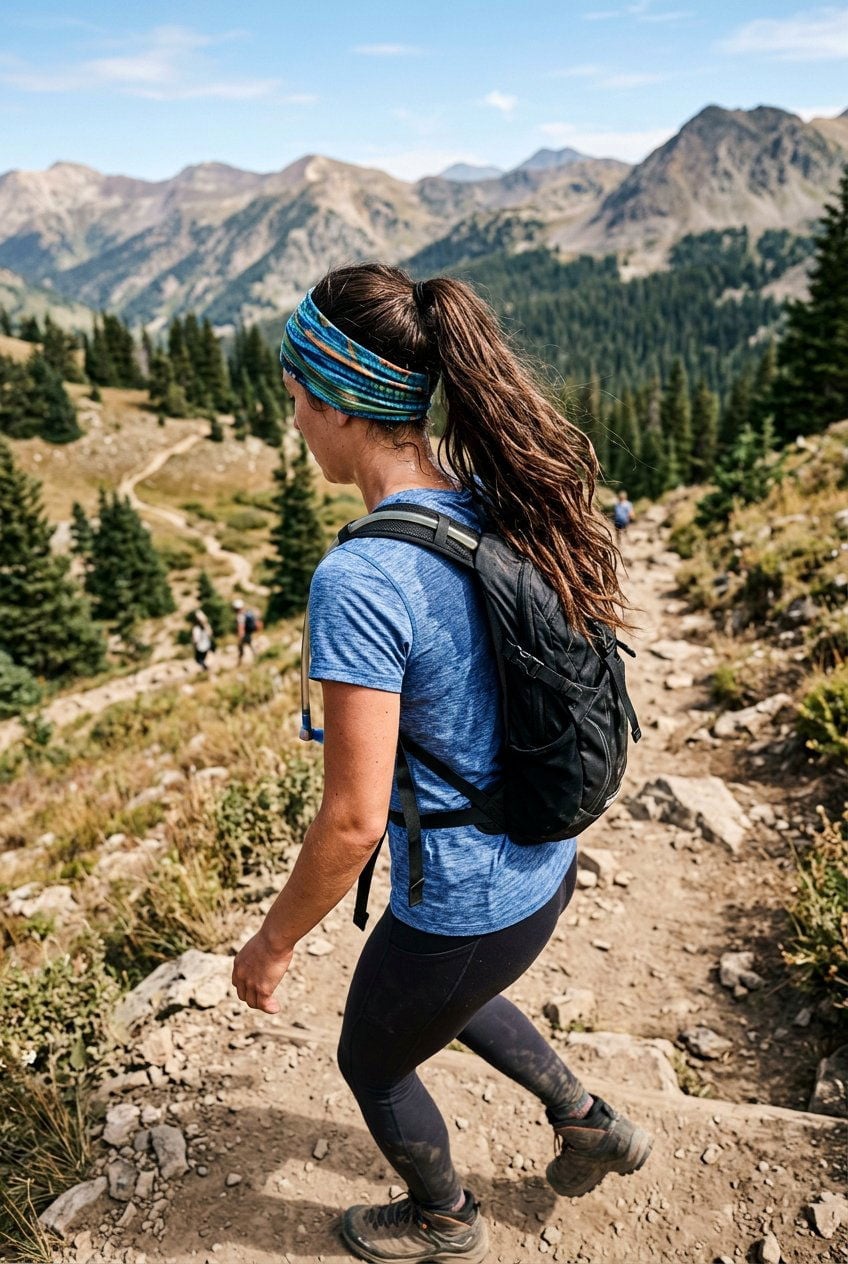
A high ponytail without a headband is practical. A high ponytail with a headband is practical and keeps sweat off your forehead. The middle part and thick, wavy dark brown hair pull cleanly up to mid-back, and the colorful headband adds grip so nothing shifts. Ask your stylist for: high ponytail with headband. A texturizing spray before you gather the hair gives the wavy texture something to hold onto, and the headband sits behind the hairline so it stays put for hours. This one suits most face shapes because the height elongates while the volume at the crown balances a longer face.
High Ponytail In Dark Brown
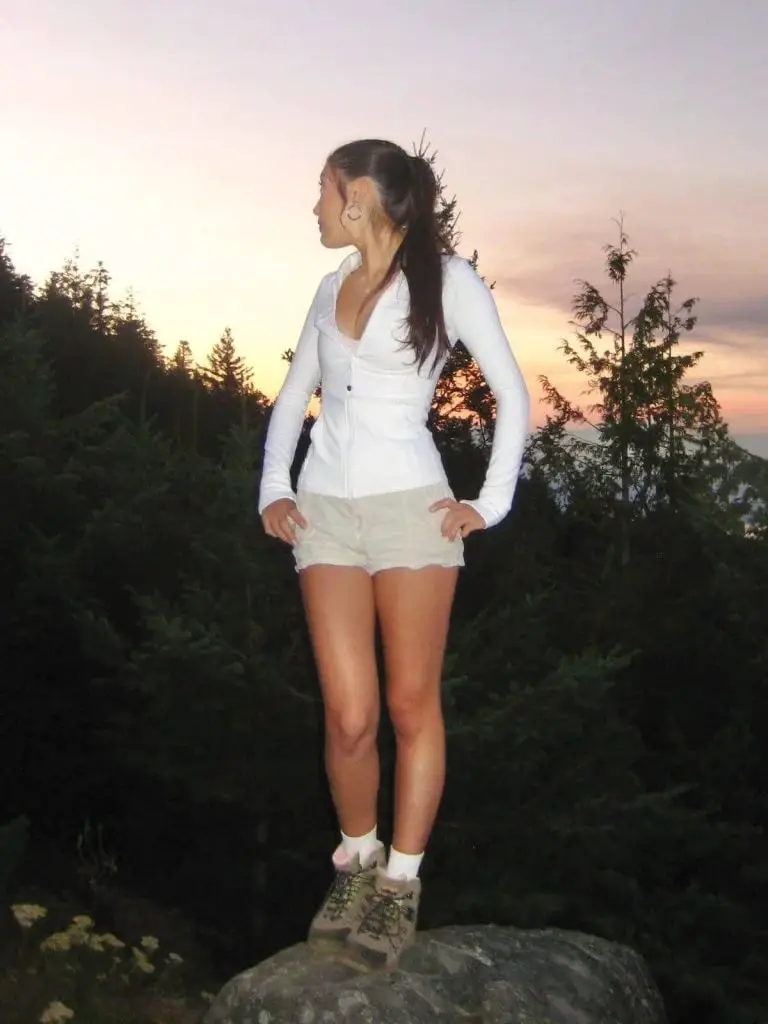
A high ponytail on thick, straight dark brown hair looks more polished than it is. The mid-back length gives it swing, while the sleek surface shows every bump. Ask your stylist for: high ponytail, side part. This style draws the eye upward and adds asymmetry. Hair that is very fine or slippery may need a texturizing spray at the roots for grip, but thick straight hair holds the shape with just a strong elastic. Brush thoroughly before securing to avoid ridges, and it will stay polished through a full day of movement.
The side parting is the detail that keeps it from looking like a gym ponytail. It breaks up the symmetry and lets the dark brown color appear rich. No bangs keeps the line clean, and the mid-back length gives enough weight to pull the ponytail taut without it feeling tight.
Waterfall Braid With Loose Waves
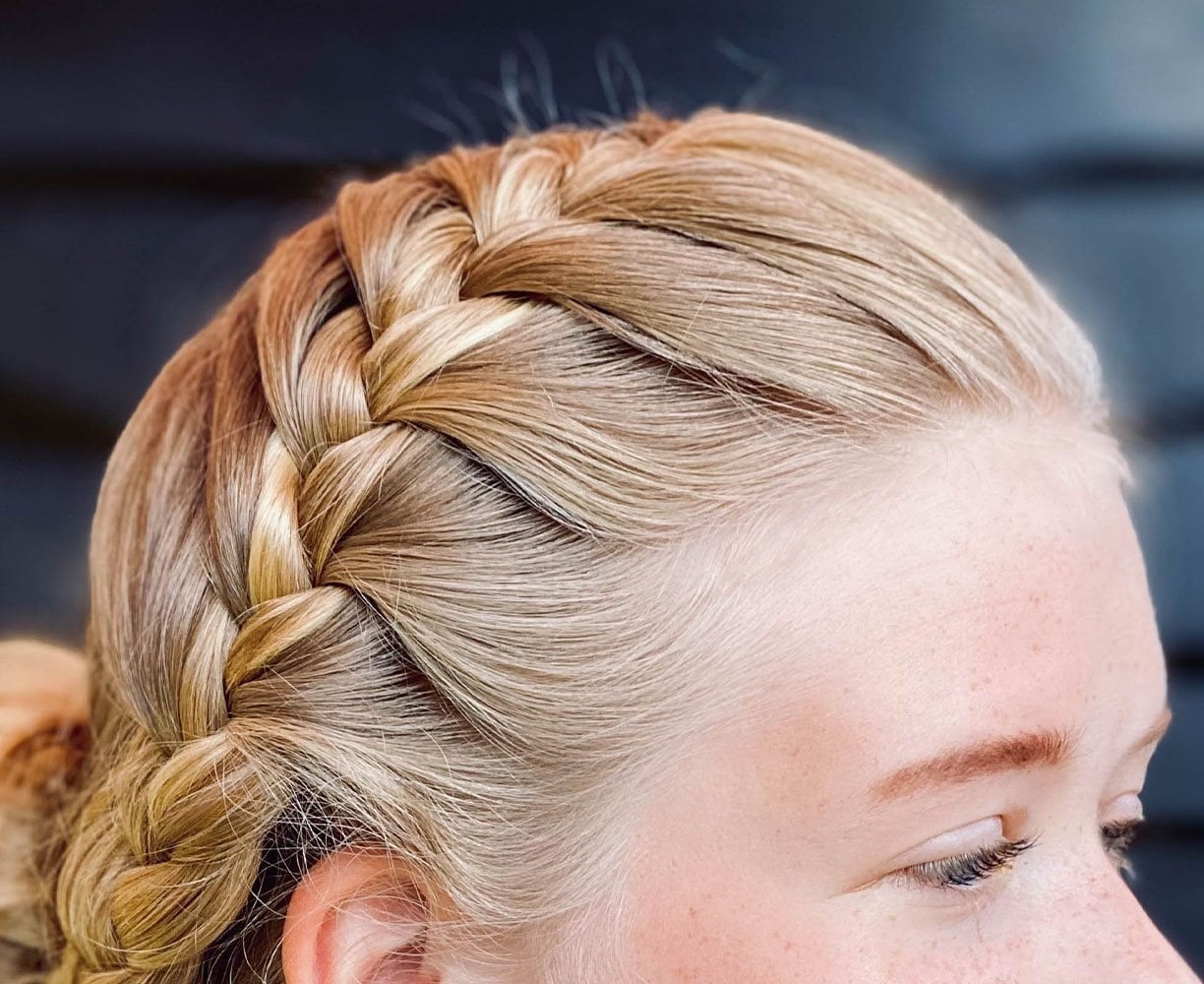
Can you DIY a waterfall braid, or is this one best left to a salon? The answer depends on your patience. The braid itself is a repeating drop pattern that releases strands as it goes, creating a cascading effect through the mid-back length. The thick, wavy blonde hair with highlights and a middle parting gives it volume and dimension. Ask your stylist for: waterfall braid into loose waves. A salon will get the tension even and the drops consistent, which matters when the braid is the focal point. For a DIY attempt, work on dry second-day hair and mist with a texturizing spray so the strands grip each other. The loose waves at the ends keep it from looking too formal for the trail.
Windblown Blowout In Dark Brown
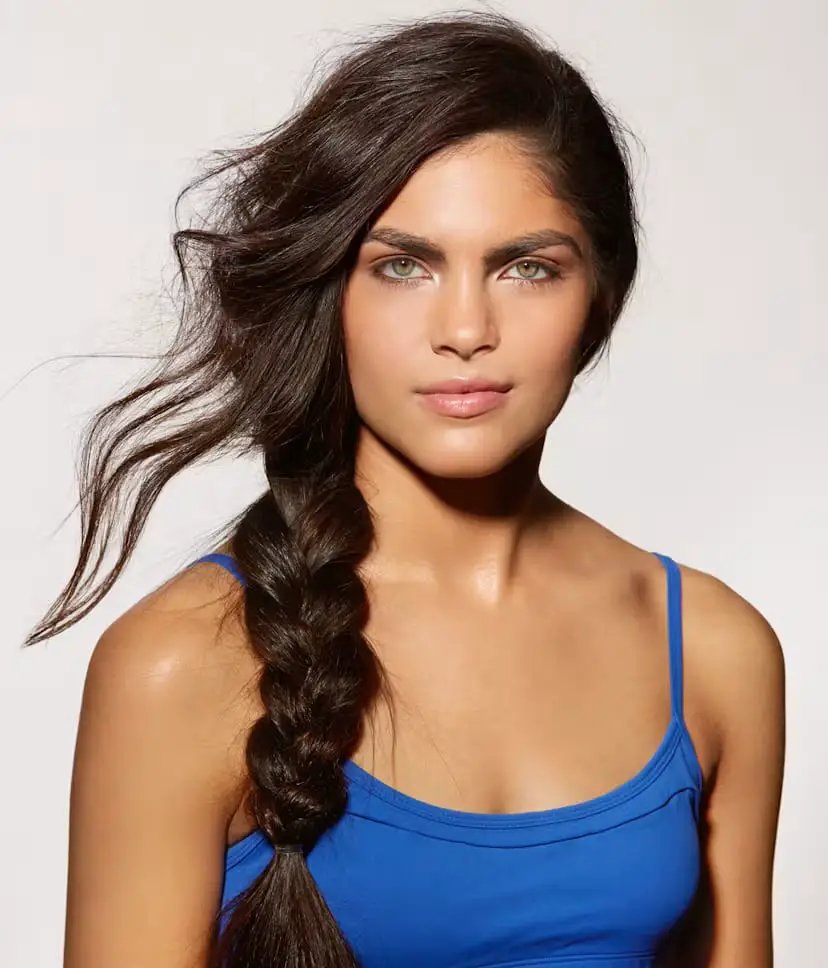
The design here is a blowout that has already been caught by a breeze, not a style you fight to keep smooth. Fine, straight dark brown hair at collarbone length with subtle layers and a side part needs a volumizing mousse and a round brush during drying to build that lift. Ask your stylist for: collarbone length blowout, side part, windblown effect. A flexible hold spray keeps the movement looking dynamic rather than messy, and on the trail that means you lean into the wind instead of fighting it.
Final Thoughts
For a steep climb with switchbacks and gusts, choose a fully braided style or a tight ponytail, anything that keeps strands anchored. For a relaxed walk with stops for photos, loose waves or a face-framing braid gives you a softer finish that still holds its shape. Match the hold to the hike and you are set.
- Trim split ends every 6-8 weeks.
- Deep condition weekly after sun and wind exposure.
- Spray texturizer before braiding fine hair.
- Let braids air dry fully in humid conditions.
Tame your mane and conquer the trail in style.