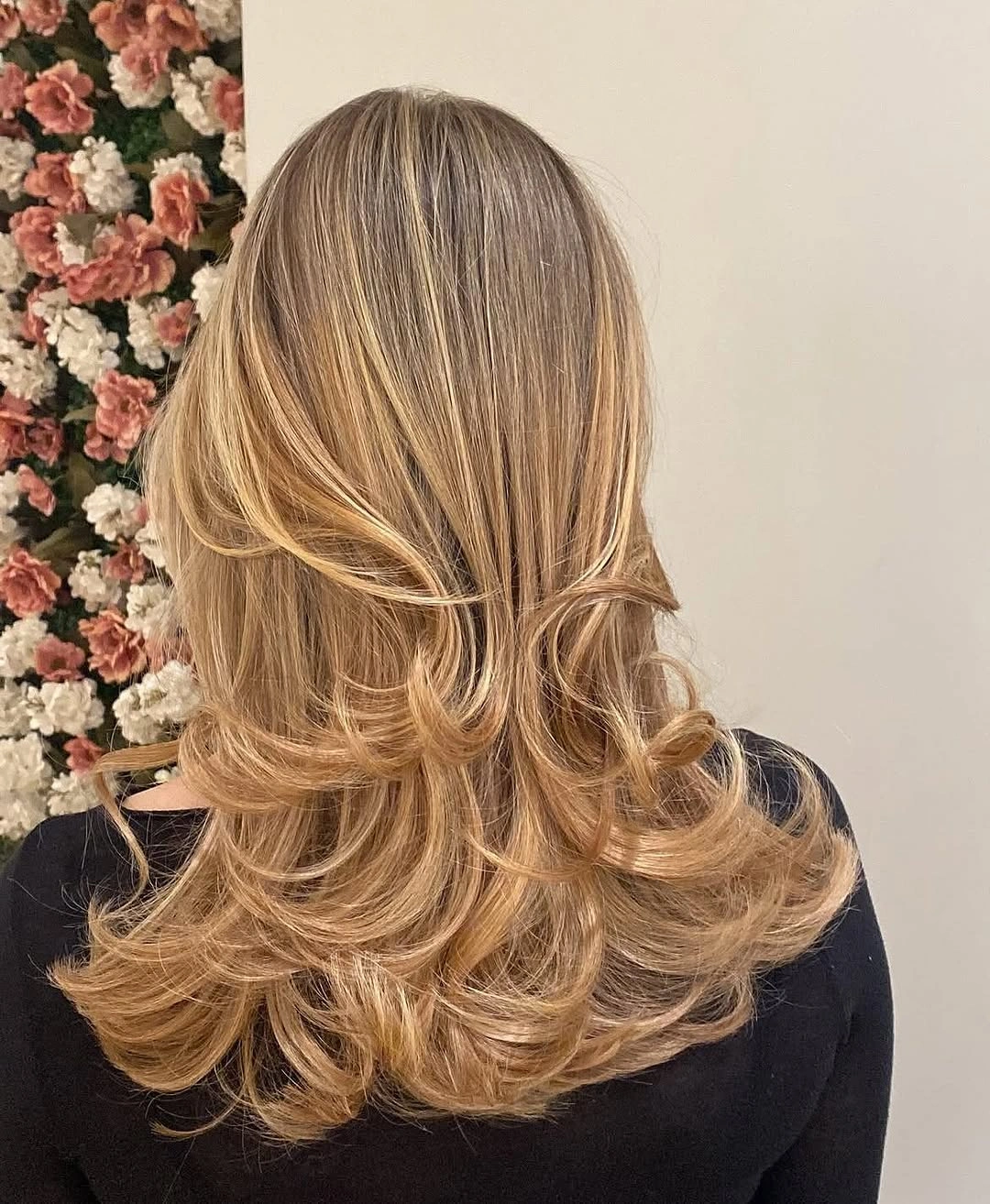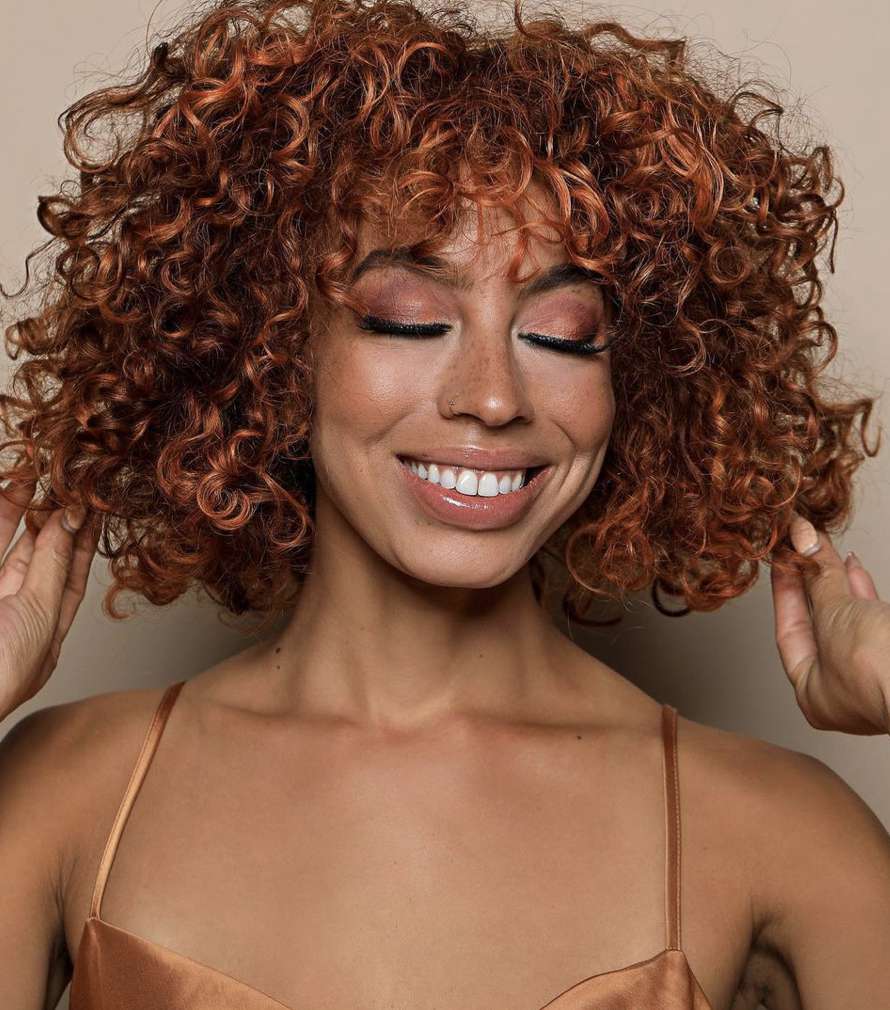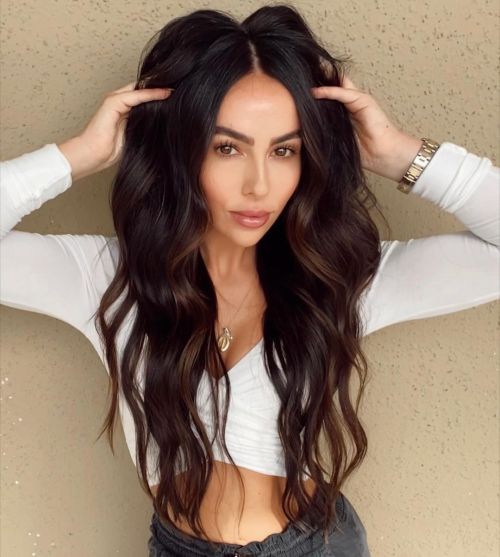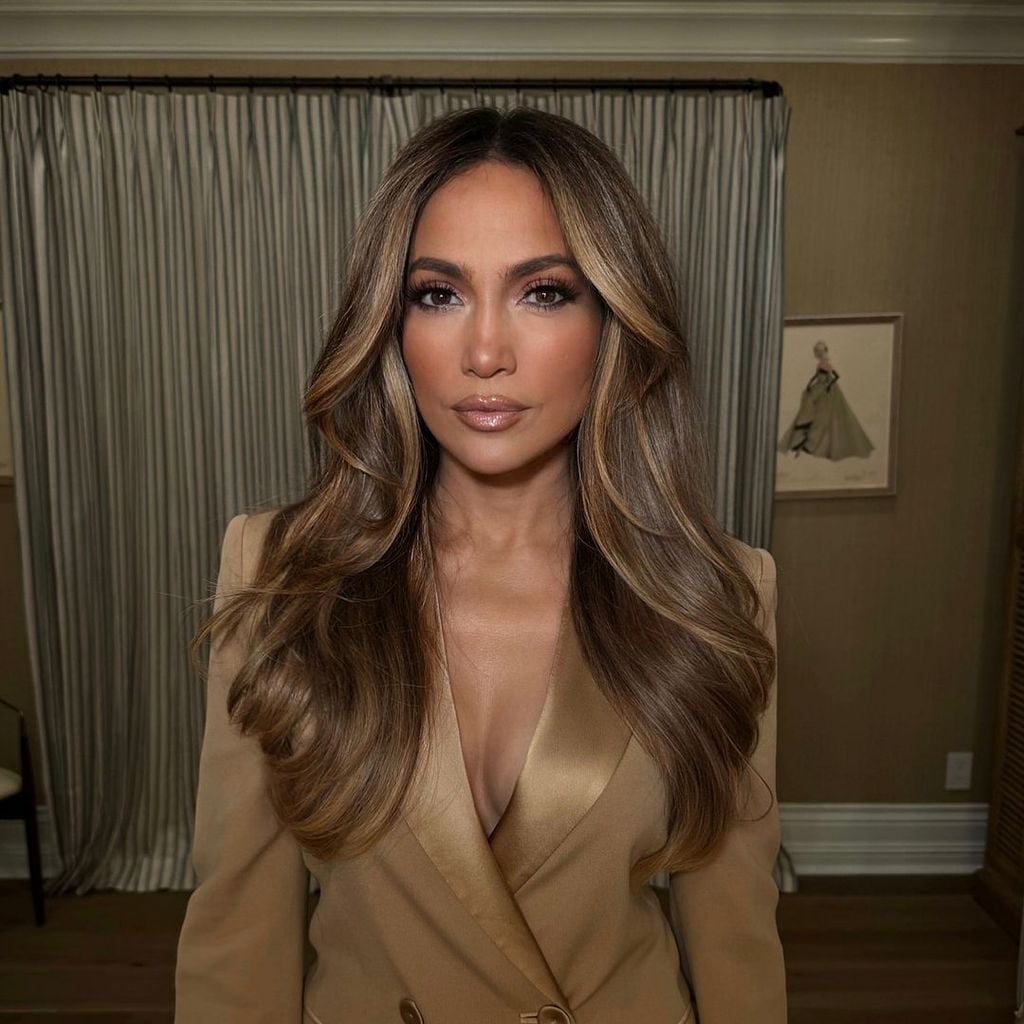

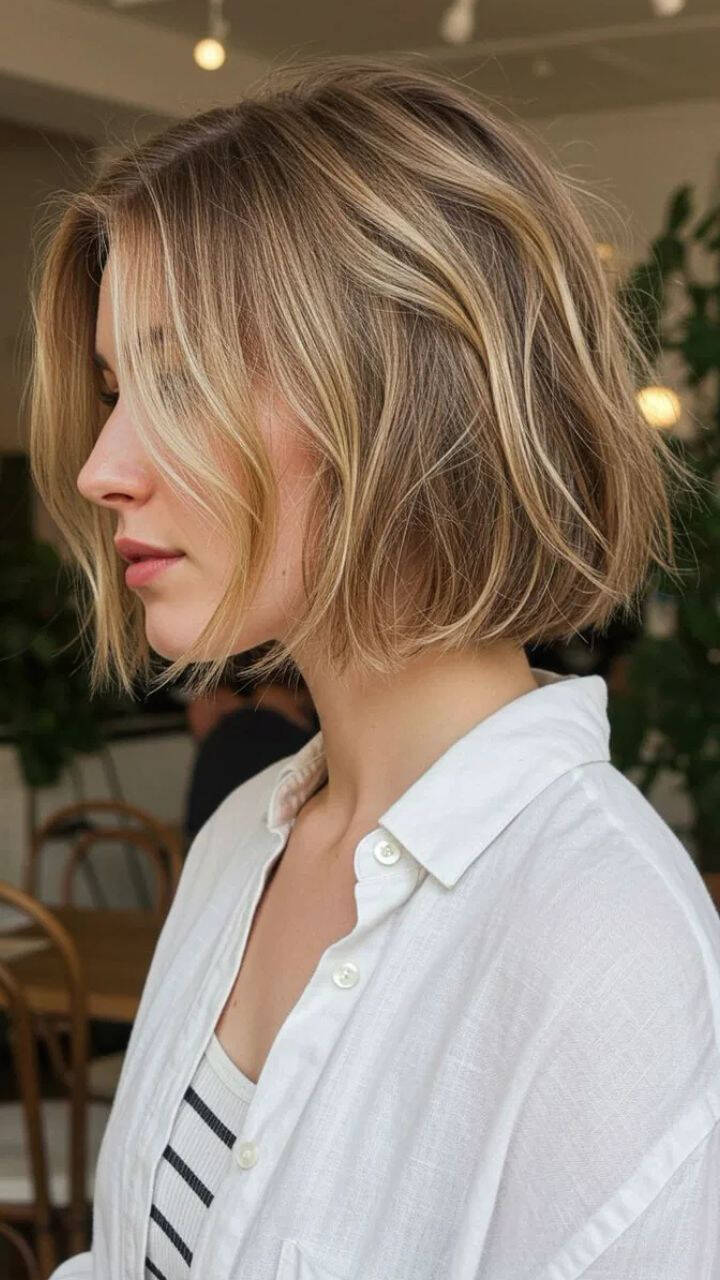
A balayage bob is a collarbone-to-chin cut with hand-painted color that grows out without a harsh line. This season, the trend leans into lived-in color and soft face-framing layers, with curtain bangs making a frequent appearance.
This collection of 29 ideas spans the spectrum from low-maintenance to high-glam, short to long, and works for fine, thick, straight, or curly textures. If you have fine hair that falls flat or a fringe that refuses to sit, the Simple Balayage Bob offers a solution. Each look pairs a specific cut and length with a balayage technique, so you can find the one that fits your hair type and styling habits.
Collarbone Bob With Wispy Bangs Teddy Bronde
The wispy bangs and teddy bronde balayage define this collarbone bob, giving it a lived-in look from day one. This works best on thick, wavy hair that can hold the loose wave pattern without deflating. Ask your stylist for: collarbone bob, wispy bangs, teddy bronde balayage. Use a texturizing spray for added definition, and plan to trim those bangs every four to six weeks to keep them from becoming a curtain fringe.
Collarbone Bob With Brown Balayage
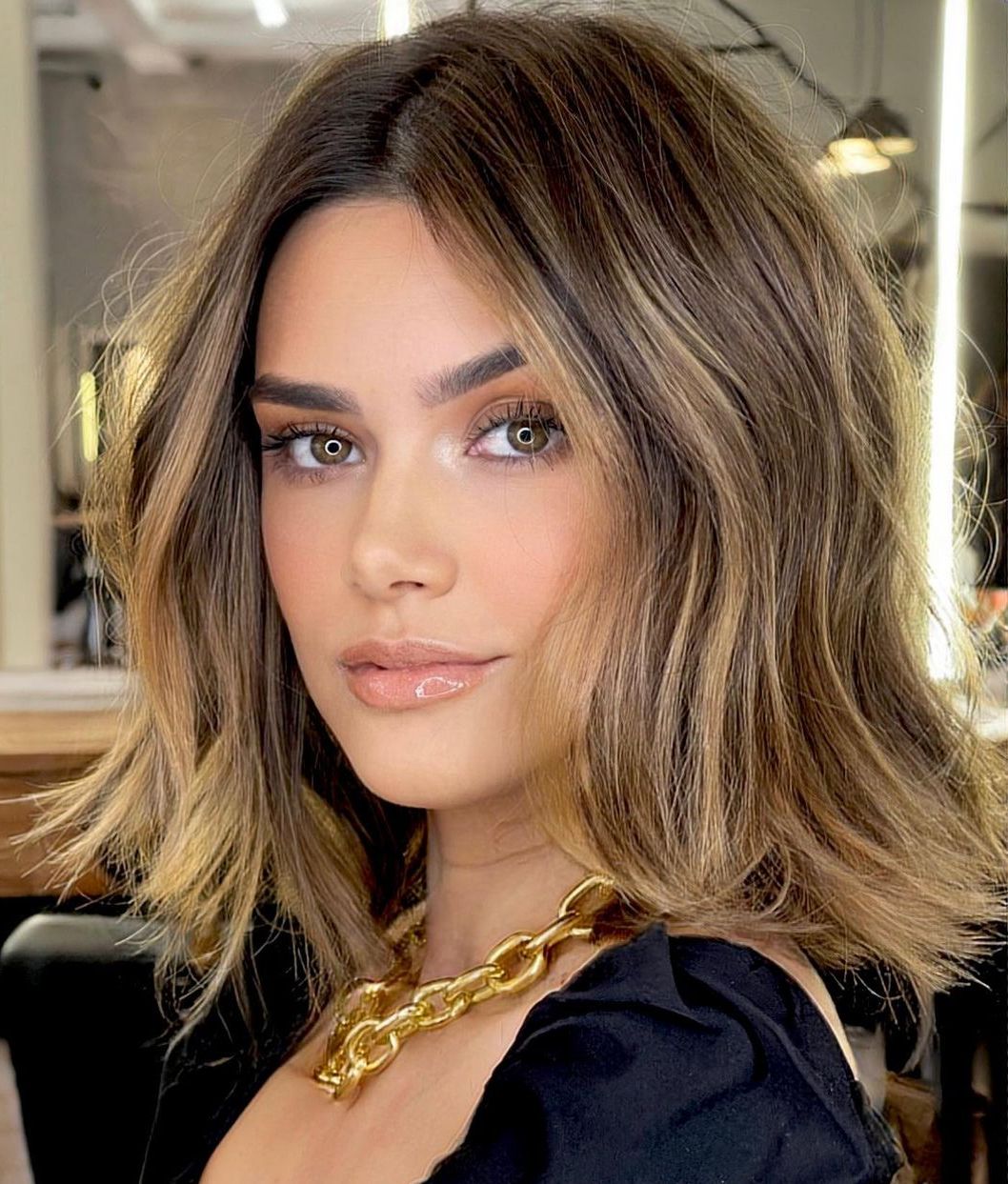
Skip the bangs and you get a version that is slightly more pulled together, if that is the goal. The brown balayage adds dimension without announcing itself, so the cut reads as cleaner and the texture does the talking. Thick, wavy hair that starts at collarbone length suits this best, and the lack of fringe means it works on most face shapes without adjustment. Ask your stylist for: collarbone bob, no bangs, brown balayage. Apply a smoothing serum to the waves for a polished finish, and trim the baseline every six to eight weeks.
Collarbone Bob With Curtain Bangs Blonde Balayage
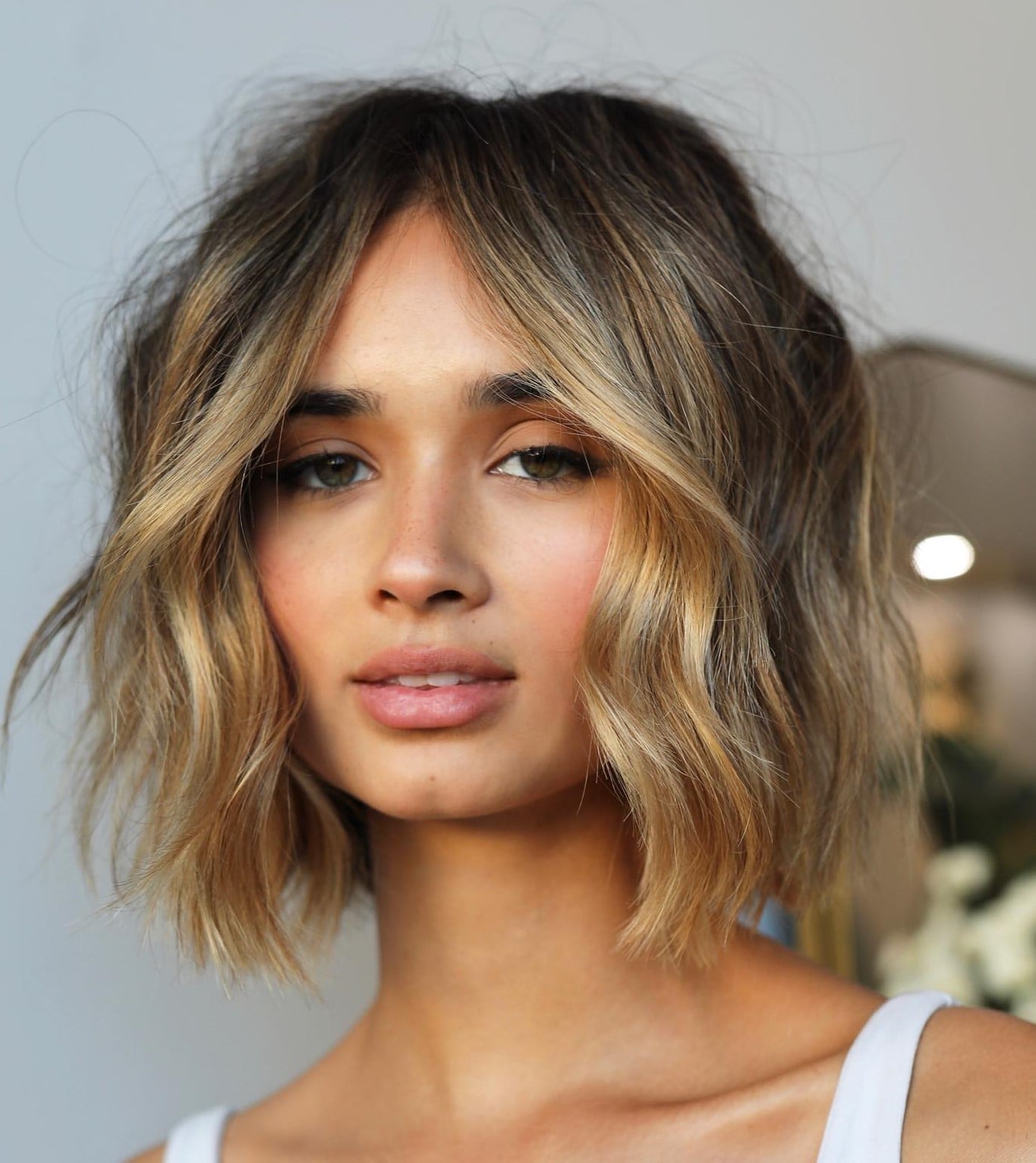
Does a collarbone bob with curtain bangs actually work on medium density hair? Yes, if the balayage is subtle enough to keep the ends from looking thin. The blonde balayage here creates dimension that gives medium-density hair the illusion of more body, while the curtain bangs soften the overall shape. Oval and square faces benefit most from the fringe. Ask your stylist for: collarbone bob, curtain bangs, blonde balayage. Use a round brush to blow-dry the curtain bangs away from the face, and tone the blonde every six to eight weeks.
Collarbone Bob Middle Part Brown Blonde Balayage
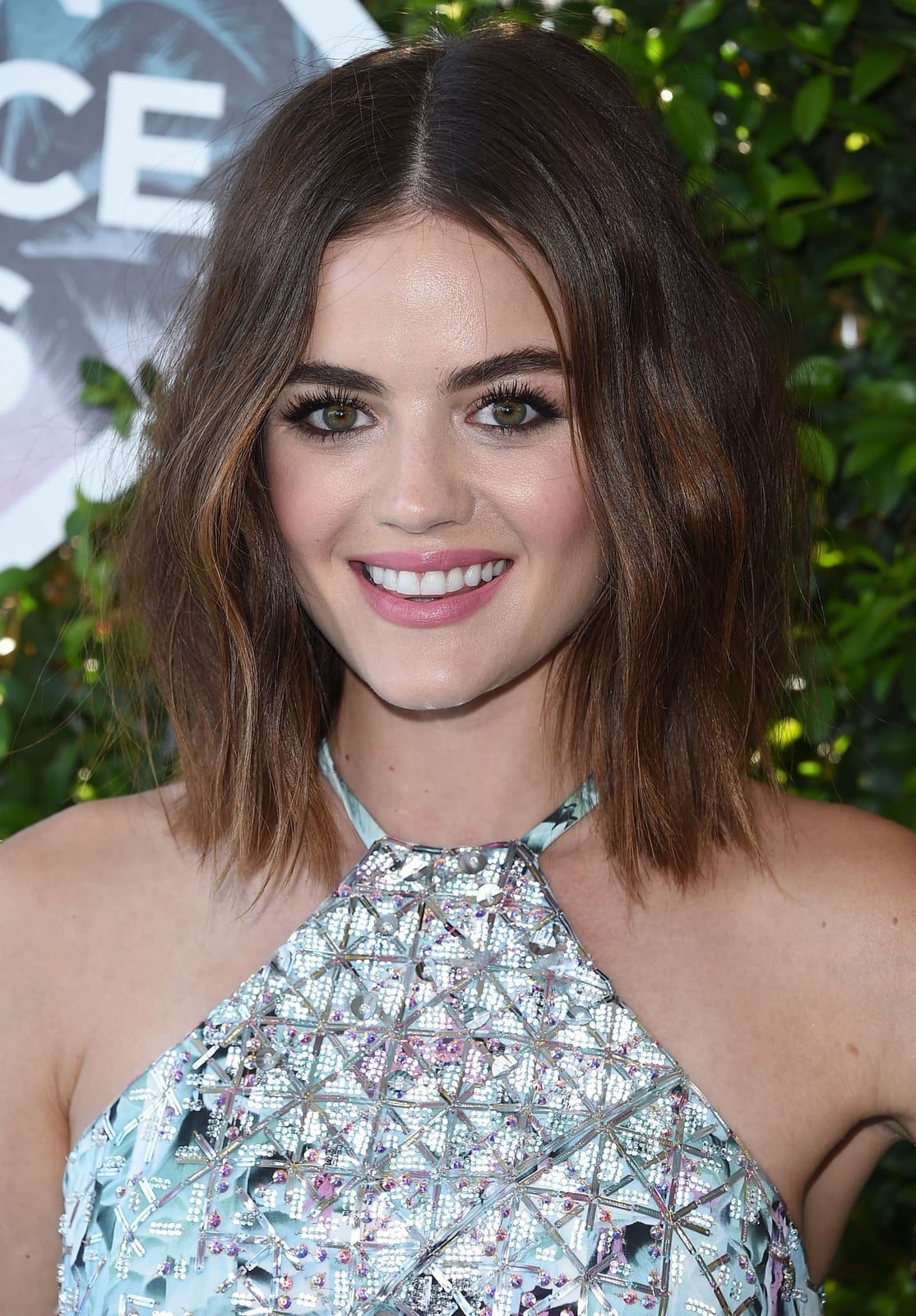
A middle part on a collarbone bob is a subtle way to elongate a round face without losing the bob’s weight. The brown base with subtle blonde balayage here is applied in a way that keeps the color blend soft, so the part does not look like a sharp divide. Medium-density wavy hair starting at collarbone length holds this shape best. Ask your stylist for: collarbone bob, middle part, brown with blonde balayage. For the exact words, specify a natural texture finish and a balayage that is painted from the mid-lengths down.
Textured Collarbone Bob Blonde Balayage
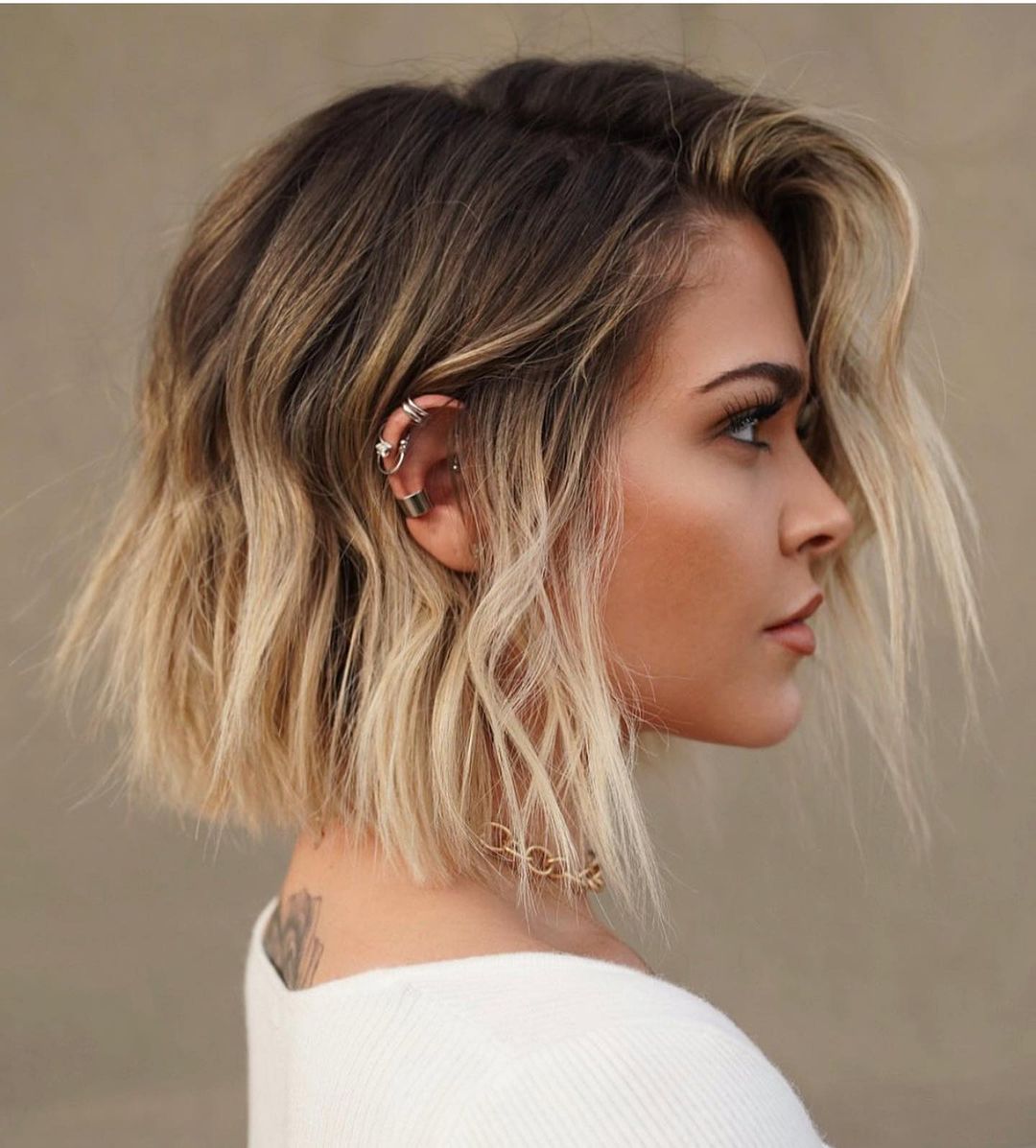
The loose, wavy ends on this textured collarbone bob create movement that fine hair typically lacks on its own. The blonde balayage is placed to add lightness through the ends, which further tricks the eye into seeing more density. Fine, wavy hair starting at collarbone length is the ideal candidate here. Ask your stylist for: textured collarbone bob, blonde balayage, loose wavy ends. The honest drawback is that fine hair can look stringy faster with this much texture, so a trim every six weeks is non-negotiable.
Glossy Collarbone Bob Blonde Balayage
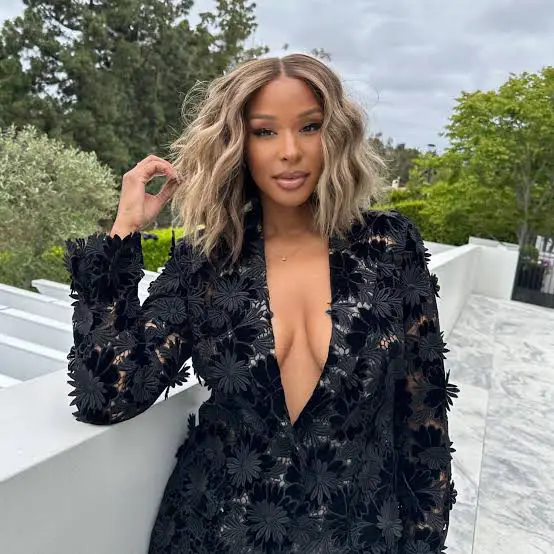
The glossy finish here is a deliberate styling choice, not an accident of good lighting. The texture is this bob’s secret weapon: soft waves catch the shine from a serum or glossing spray, while the middle part and collarbone length keep the overall shape clean. Ask your stylist for: glossy collarbone bob, no bangs, blonde balayage, soft waves. Medium to wavy textures that start at the collarbone will hold the wave best. Apply a shine serum to the mid-lengths and ends every wash day, and plan a trim every six to eight weeks to keep the ends fresh.
Chin Bob Dark Brown Warm Brown Balayage
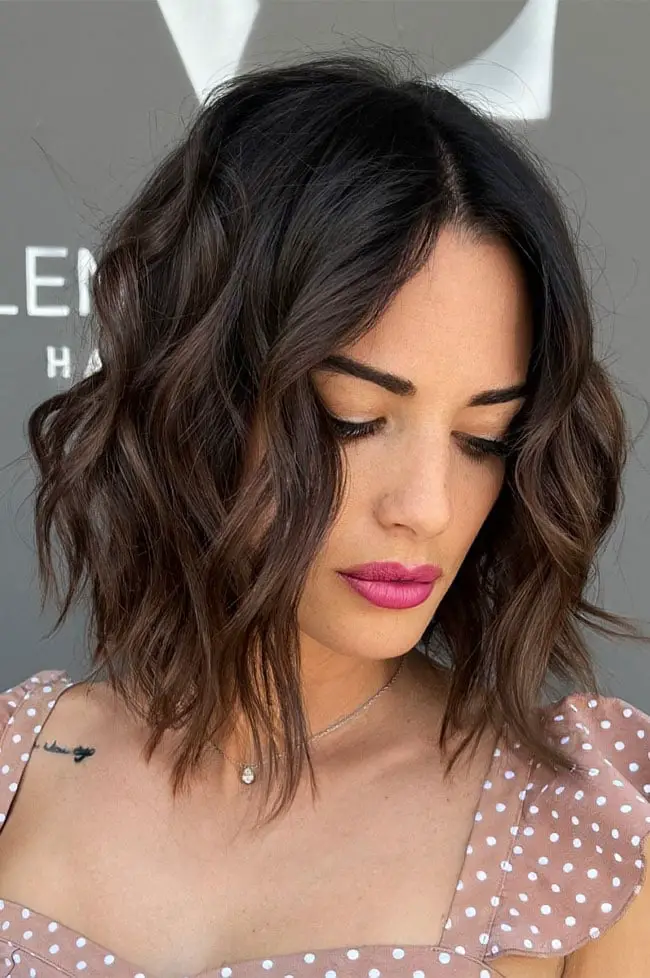
A chin-length bob with thick, wavy texture does not need much daily fussing, but it does need the right product. The side part and textured waves give this cut its shape, while the dark brown base with warm brown balayage adds dimension that stays visible even when the waves are left to air-dry. Ask your stylist for: chin length textured bob, no bangs, dark brown with warm brown balayage, choppy waves. Work a texturizing paste through damp hair to define the choppiness, and book a trim every six to eight weeks so the baseline does not grow uneven.
Chin Bob Curtain Bangs Blonde Balayage, Wavy
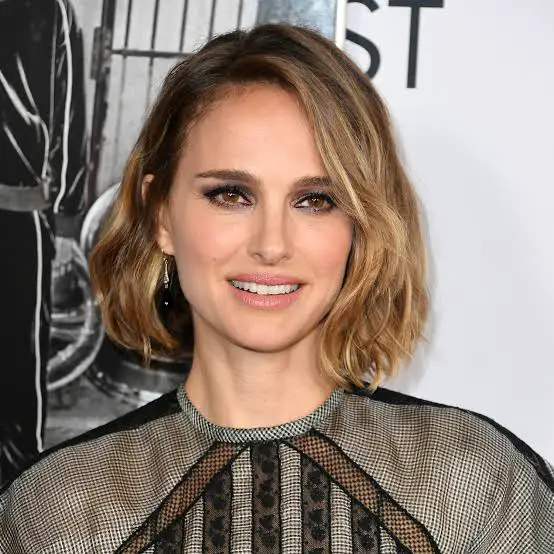
The curtain bangs here do two things at once: they soften the chin-length line of the bob and pull the blonde balayage forward around the face. The middle part and loose blowout keep the look from feeling too precious, as if the waves just happened. Ask your stylist for: chin length bob, curtain bangs, blonde balayage, loose blowout. Curtain bangs work well on medium density, wavy hair and are particularly good at softening a square or angular jaw. Blow-dry them with a round brush for softness, and trim the baseline every six to eight weeks to maintain the bob’s shape.
Curtain bangs need a trim every three to four weeks if you want them to stay at the right length. Let them grow a little long, and they start grazing the cheekbones instead of sweeping away from them.
Chin Textured Bob Beige Blonde Balayage
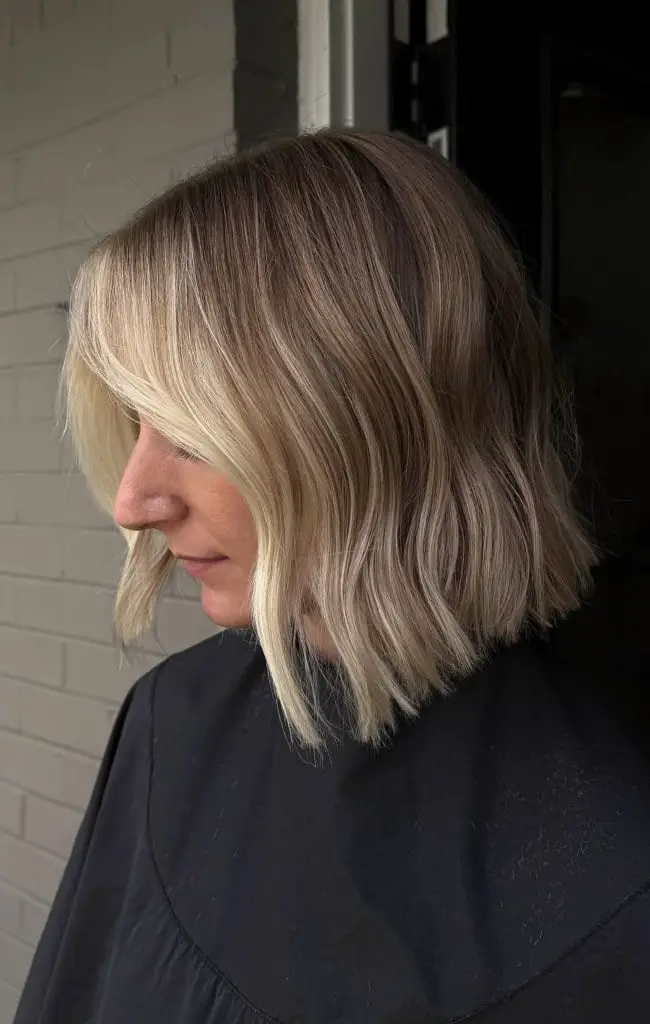
The answer is in the formulation. Beige blonde sits between a warm honey and a cool sand, and a balayage technique keeps the root darker so the grow-out is gradual. Ask your stylist for: chin length textured bob, curtain bangs, beige blonde balayage, soft waves. This is a salon-only color: a beige blonde needs a skilled colorist to mix the right tone. At home, the waves hold their shape with a light styling product. Trim every six to eight weeks to keep the curtain bangs from turning into face-framing layers.
Chin Blunt Bob Dark Brown Subtle Blonde Balayage
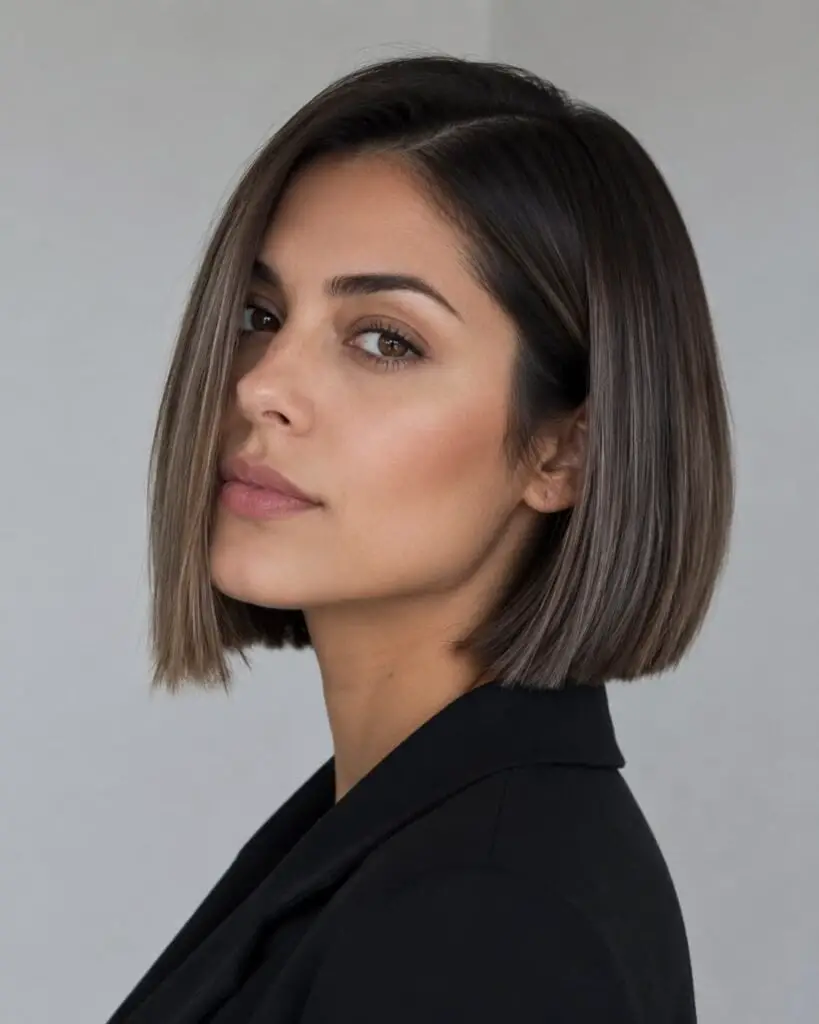
This is not a choppy, piecey bob. This is a blunt cut that relies on one clean line at the chin, and the side part is the only break from that geometry. The subtle blonde balayage is woven finely enough that it reads as a soft glow rather than a highlight stripe. Ask your stylist for: chin length blunt bob, no bangs, dark brown with subtle blonde balayage, straight and sleek. Fine, straight hair is the ideal candidate here because the blunt edge creates the illusion of thickness. The real drawback: any unevenness in the cut shows immediately, so a trim every six weeks is non-negotiable if you want the line to stay sharp.
Chin Bob Soft Waves Blonde Balayage
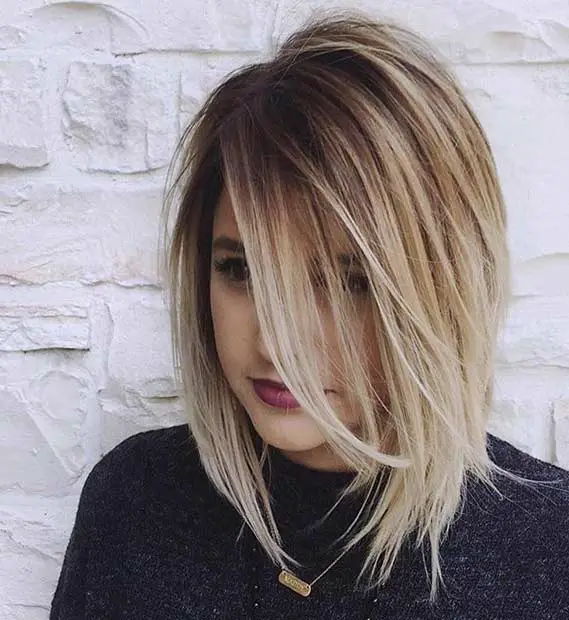
A chin-length bob with no bangs gains movement from a middle part and soft waves that break up the line. The blonde balayage here is painted onto the mid-lengths and ends, leaving the root area darker so the color grows out without a harsh demarcation. Medium texture holds the wave pattern best; fine hair may need a smaller barrel iron to keep the bend. Ask your colorist for a chin-length bob with no bangs, blonde balayage, and soft loose waves.
The technique matters for the styling: a wave-enhancing cream on damp hair, then a 1-inch iron for each section. A trim every six to eight weeks keeps the chin line sharp enough that the soft waves look deliberate rather than messy.
Collarbone Bob Honey Blonde Balayage
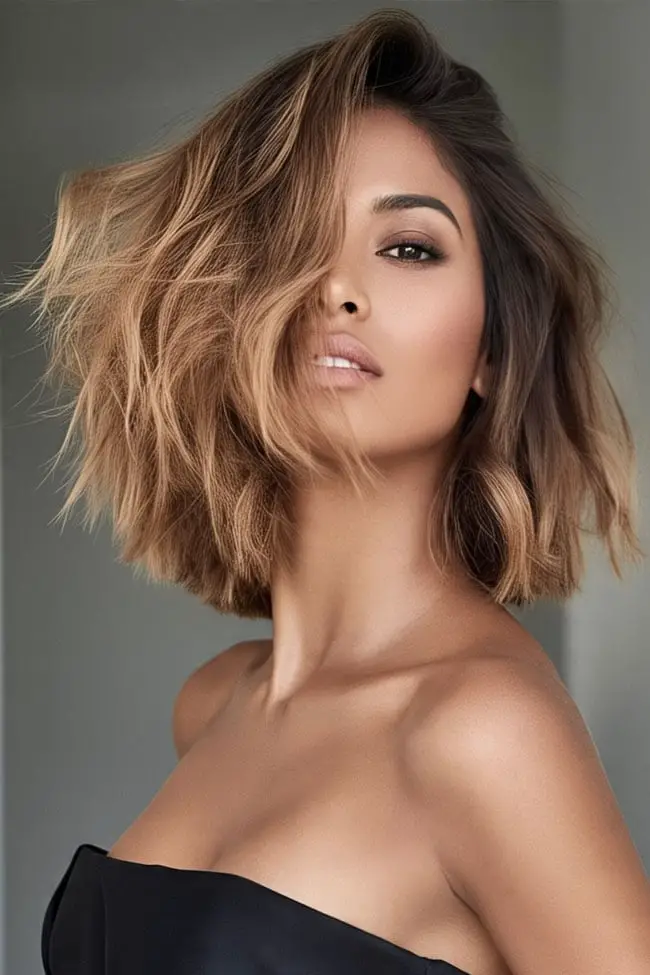
On a collarbone bob with no bangs, the side part and textured waves mean you can go three or four days between washes. Day one: a loose blowout with a round brush. Day two: a texture spray on dry hair, then a quick bend with a flat iron. Day three: a low ponytail or a clip at the nape. Ask your colorist for a collarbone bob with no bangs, honey blonde balayage, and textured waves. Medium density and wavy texture are the sweet spot here.
Collarbone Bob Buttermilk Blonde Balayage
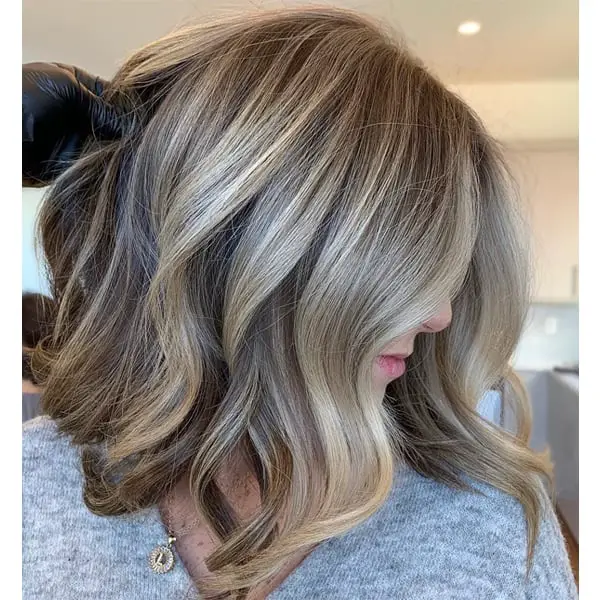
Buttermilk blonde sits between a warm beige and a cool ivory, so it needs a clean base to read correctly. On a collarbone bob with no bangs, the side-parted wavy blowout gives the color room to separate and show its two tones. This is a salon color, not a box job: the balayage technique requires freehand painting section by section, about two and a half hours in the chair for the first application. A DIY gloss at home can stretch the tone between appointments, but the root shadow and face-framing pieces need a professional hand. Ask your colorist for a collarbone bob with no bangs, buttermilk blonde balayage, and a wavy blowout.
Collarbone Bob With Curtain Bangs and Highlighting The Hair’S Shine
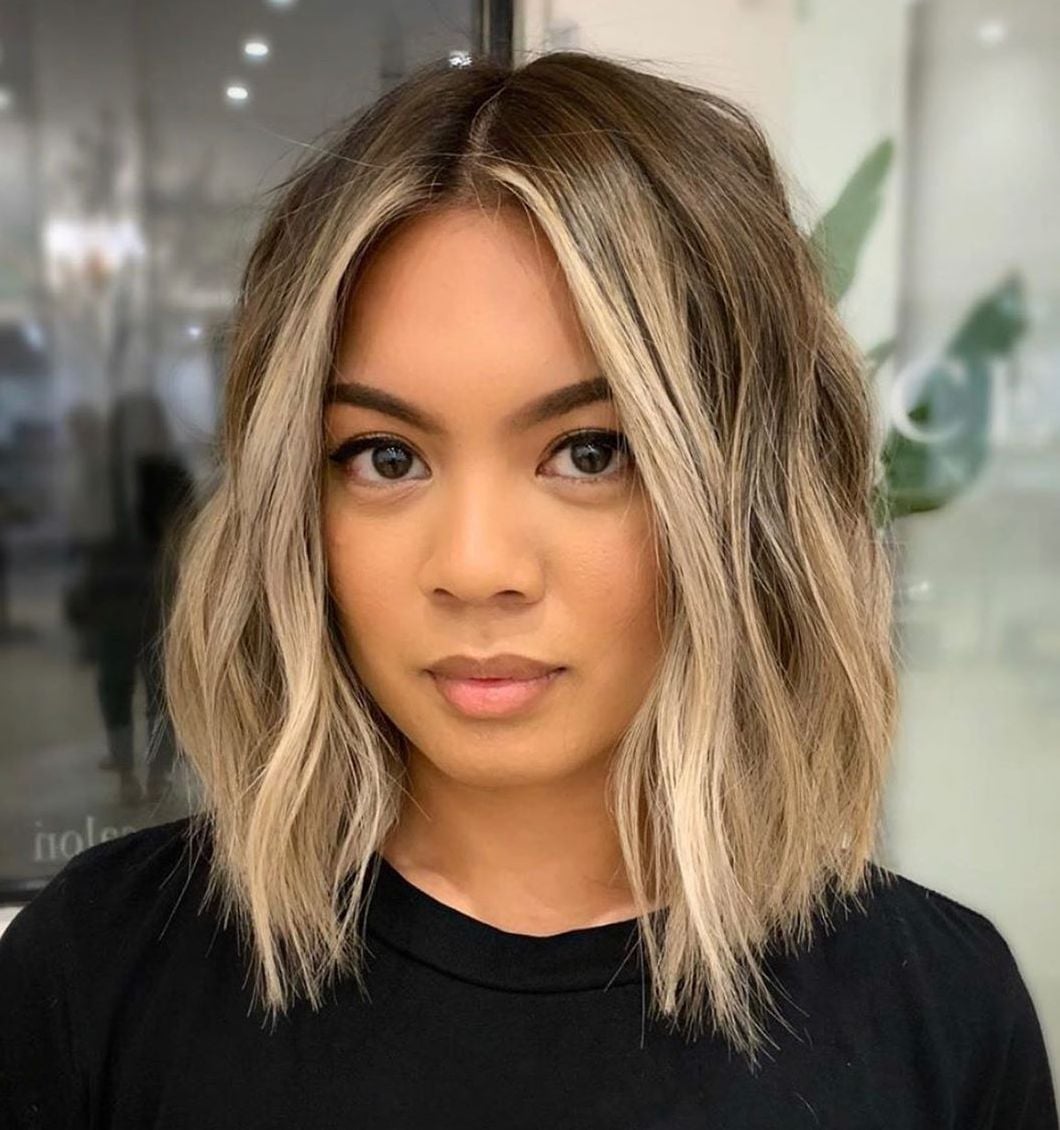
A collarbone bob with curtain bangs reads softer than the same cut without them. The difference is in how the eye moves: no bangs draw attention to the jaw, while curtain bangs pull focus to the center of the face and down the cheekbones. If you have a long face, the curtain bangs add width at the forehead. If your face is round, the collarbone length and the middle part elongate it, but the bangs may add width you do not want. Ask your colorist for: a collarbone bob with curtain bangs, blonde balayage, and loose waves. The drawback is that the curtain bangs need a round brush and styling every morning to curve.
Chin Blunt Bob Beige Blonde Balayage Curtain Bangs
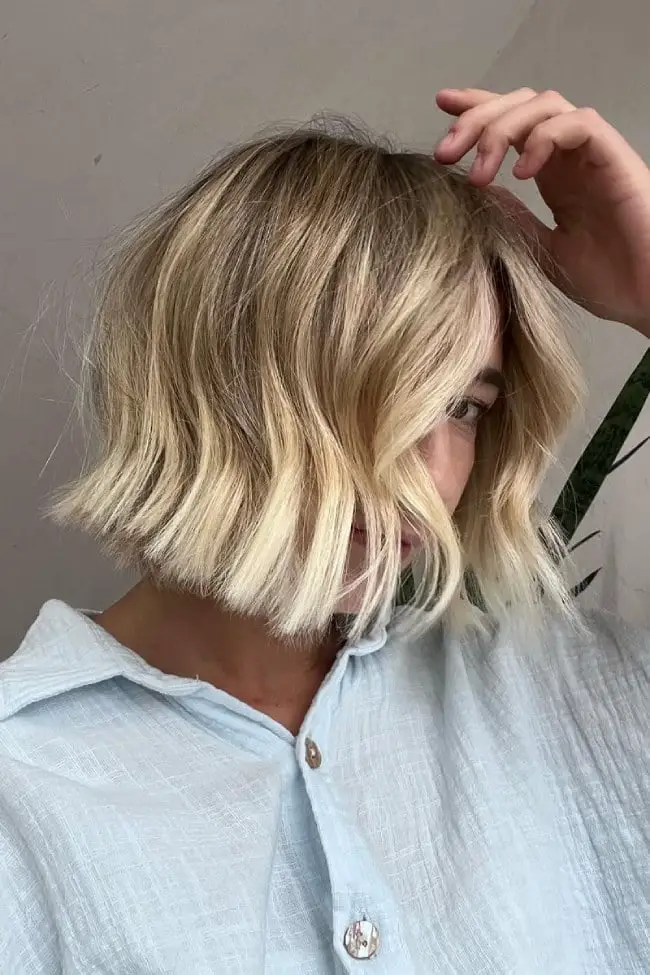
Who does this blunt chin bob with curtain bangs actually suit? Medium-density wavy hair is the baseline: fine hair can look stringy at the blunt line, and very thick hair may flip out at the ends. The blunt cut gives the ends weight, so the air-dried texture avoids a frizzy look. The beige blonde balayage is low-contrast against a medium brown base, which helps the grow-out blend for about eight to ten weeks. Ask your colorist for a chin-length blunt bob with curtain bangs, beige blonde balayage, and air-dried waves. A texturizing spray on dry hair is the only styling tool needed.
Collarbone Bob Brown Balayage, Wavy
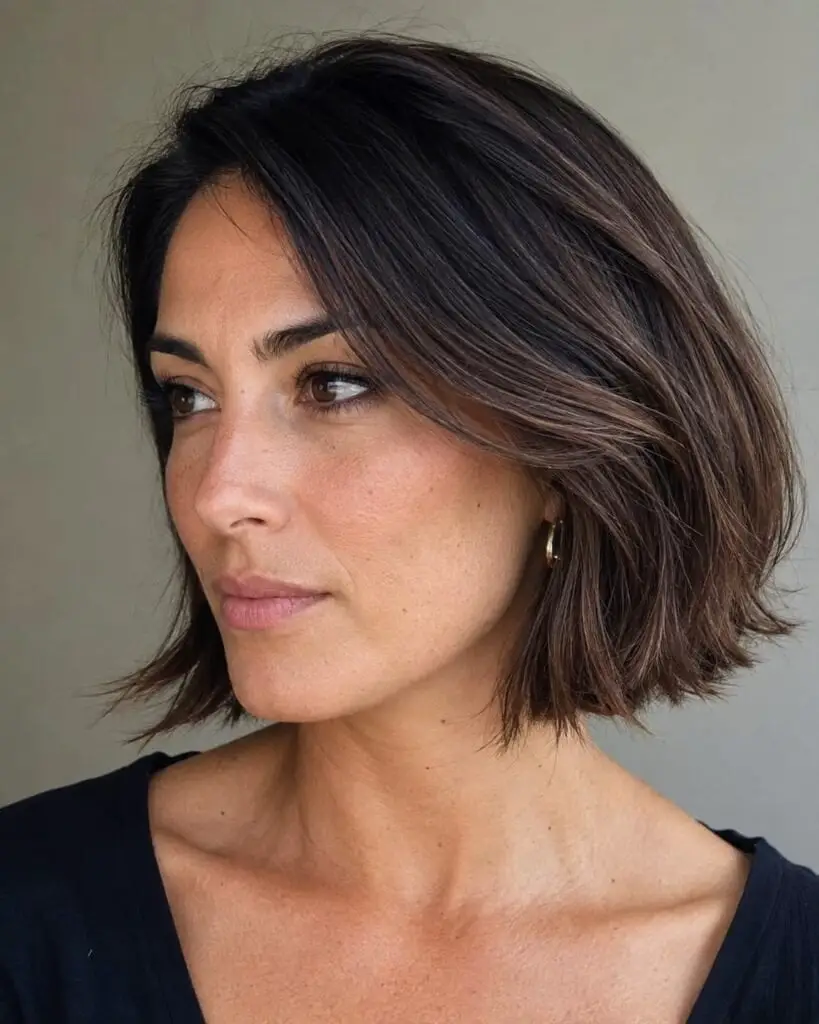
This collarbone bob swaps bangs for a side parting and lets the brown balayage do the work. It suits medium-density wavy hair and most face shapes. Ask your stylist for: collarbone bob, no bangs, brown balayage, textured waves. The lived-in texture means you can skip a full restyle: work a texturizing paste through dry hair to sharpen the waves. A trim every six to eight weeks keeps the collarbone line clean.
Collarbone Bob Dark Brown Blonde Balayage
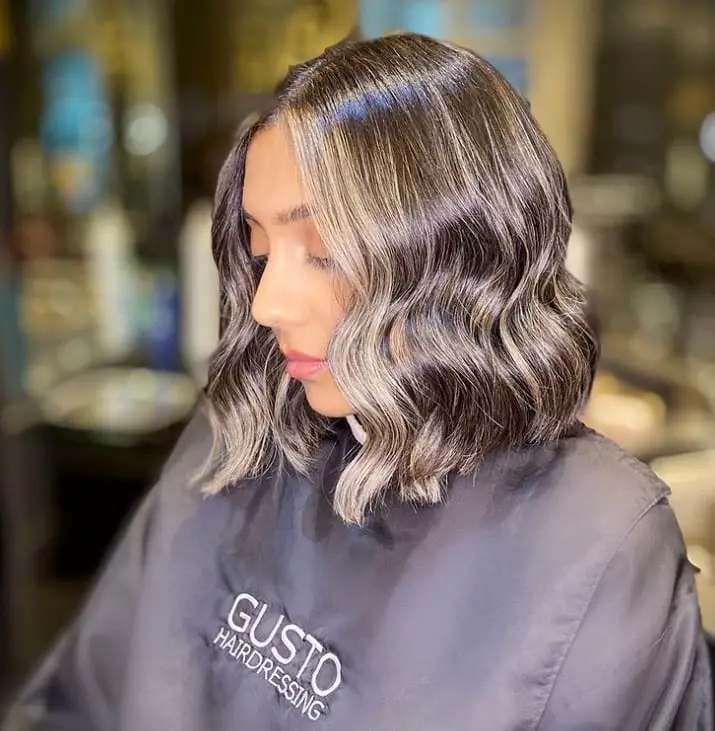
Blonde balayage against a dark brown base creates a high contrast look. This collarbone bob uses loose waves and a side parting to show both tones. Prominent highlights need a toning appointment every eight to ten weeks to keep the blonde from warming up. A volumizing spray at the roots lifts the crown so the dark base doesn’t look flat.
Collarbone Bob Blonde Balayage Curtain Bangs With Wavy Blowout
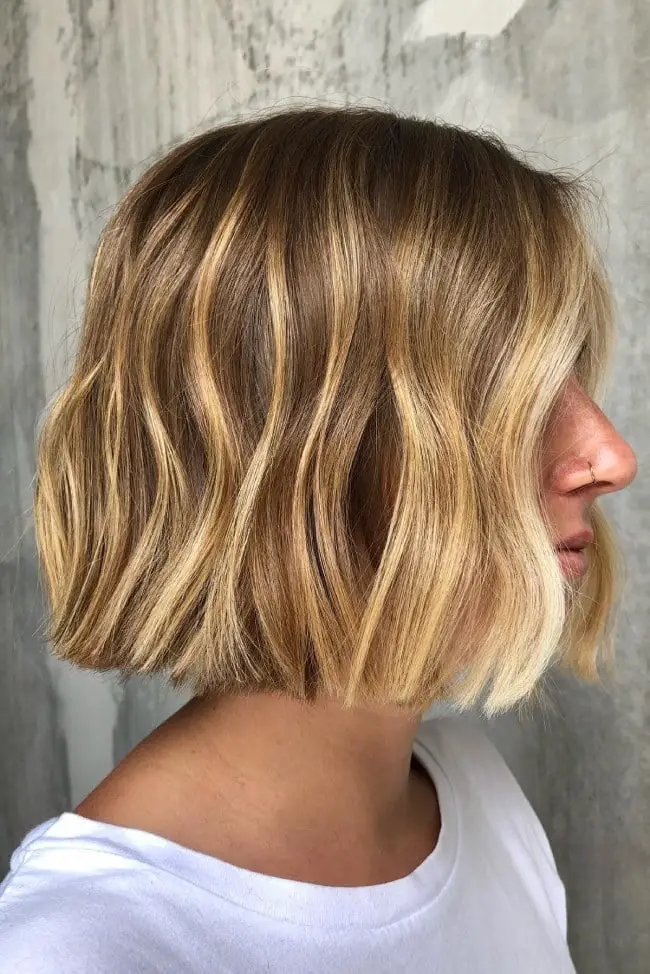
The technique here is a blowout that builds volume at the roots and softens the curtain bangs into the collarbone length. A one-inch round brush lifts the bangs forward while the rest of the hair is shaped with a large barrel. The blonde balayage keeps the ends lighter than the base so the waves show dimension instead of uniform curl. A dry texturizing spray holds the shape without crunch.
Upkeep is straightforward: curtain bangs need a trim every four to six weeks to stay soft, and the collarbone line holds for about eight weeks before it starts grazing the shoulders.
Chin Blunt Bob Chestnut Brown Blonde Balayage
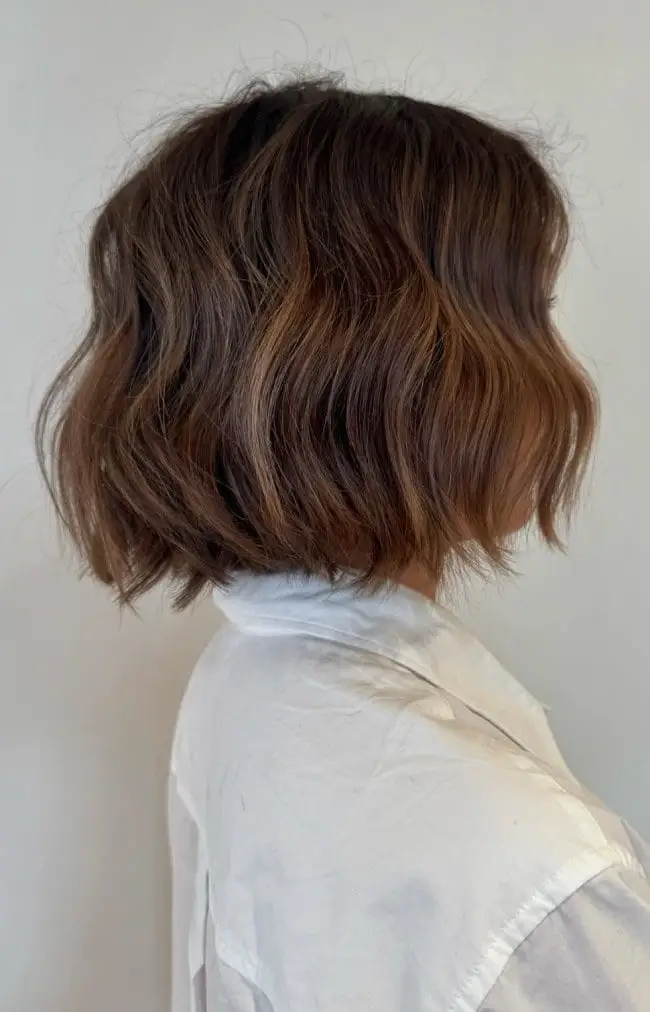
A chin-length blunt bob with a middle parting is a low-maintenance shape: no layers to lose, just a clean line that needs a trim every six to eight weeks. The chestnut brown base with warm blonde balayage adds dimension without demanding root touch-ups every month. A smoothing cream on damp hair controls the wave pattern and keeps the blunt edge sharp. The middle part elongates a round face, and the warm highlights prevent the dark base from looking heavy.
Collarbone Bob Side Swept Bangs Blonde Balayage
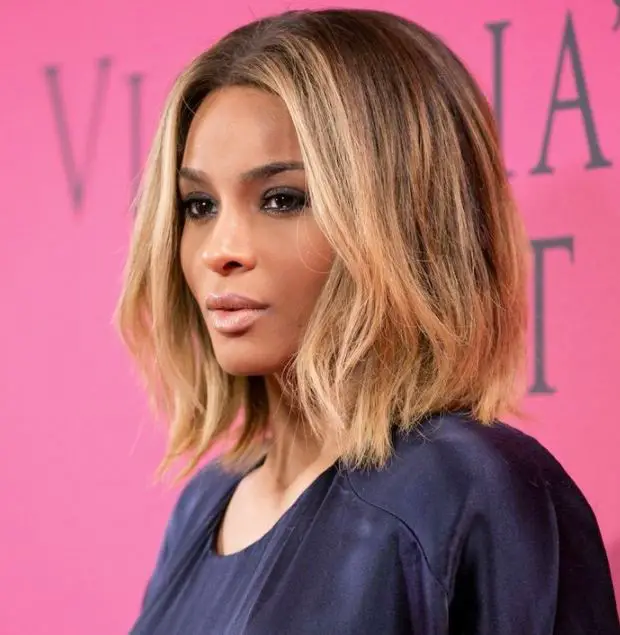
Side-swept bangs land diagonally across the forehead, which softens angular jawlines and square face shapes. This collarbone bob keeps the rest of the hair loose and wavy so the bangs don’t look separate from the length. The blonde balayage is concentrated on the ends, meaning the darker root section grows out naturally. Tuck the longer side of the bangs behind the ear for a second look. The collarbone line needs a trim every six to eight weeks.
Chin Bob Brown Balayage
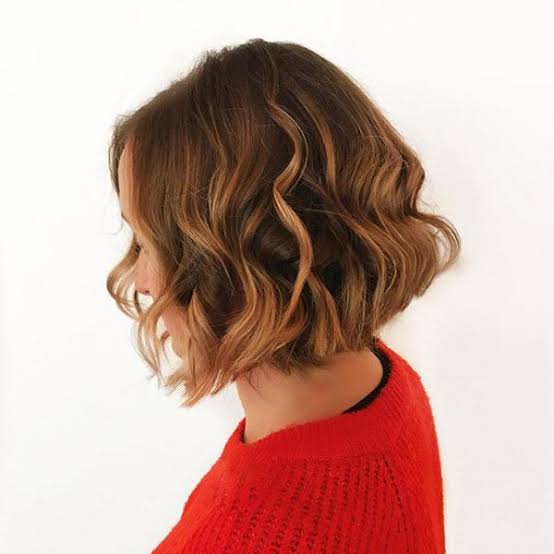
Wondering if a brown balayage can read as anything other than basic? On a chin-length bob with soft waves, it does. The caramel tones woven through the richer brown base add depth without turning brassy, and the side part keeps the movement visible. Ask your colorist for: chin length bob, no bangs, brown balayage with caramel tones, soft waves. Medium wavy hair takes to this cut naturally, and it suits most face shapes. Expect about three hours in the chair for the balayage. A curl-defining cream enhances the waves, and a trim every six to eight weeks keeps the baseline neat.
Chin Bob Fine Hair Blonde Balayage
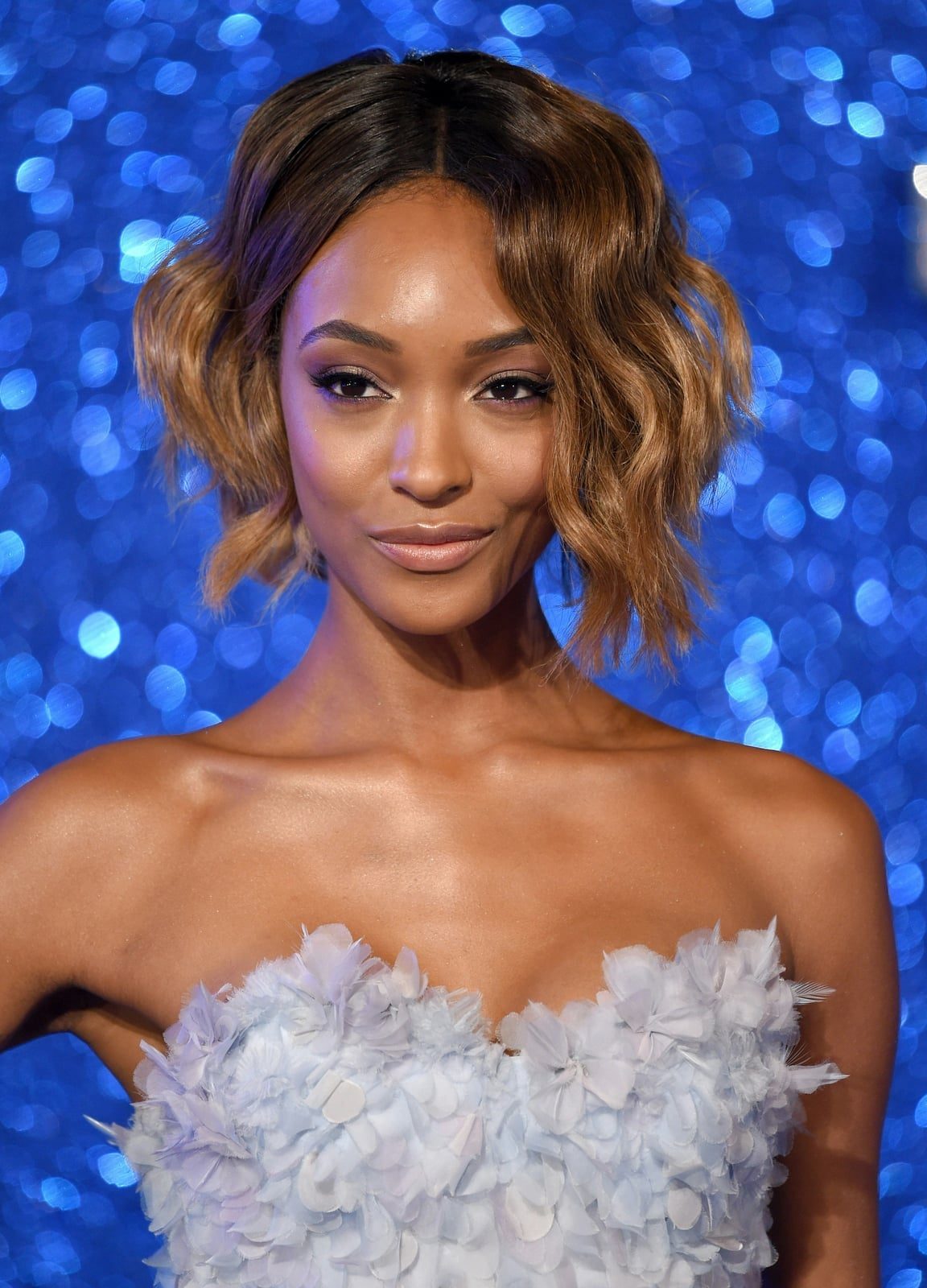
The usual mistake with fine hair is going too heavy with the color, which flattens what little volume you have. This chin-length bob avoids that with a prominent blonde balayage that brightens the ends while the roots stay deeper. The soft blowout with gentle waves gives the fine texture body, and the middle part adds symmetry. Ask your colorist for: chin length bob, no bangs, blonde balayage, soft blowout. The drawback is that fine hair shows every split end sooner, so a trim every six to eight weeks is necessary. A root spray keeps the lift from falling flat by mid-afternoon.
Chin Bob Dark Blonde Balayage
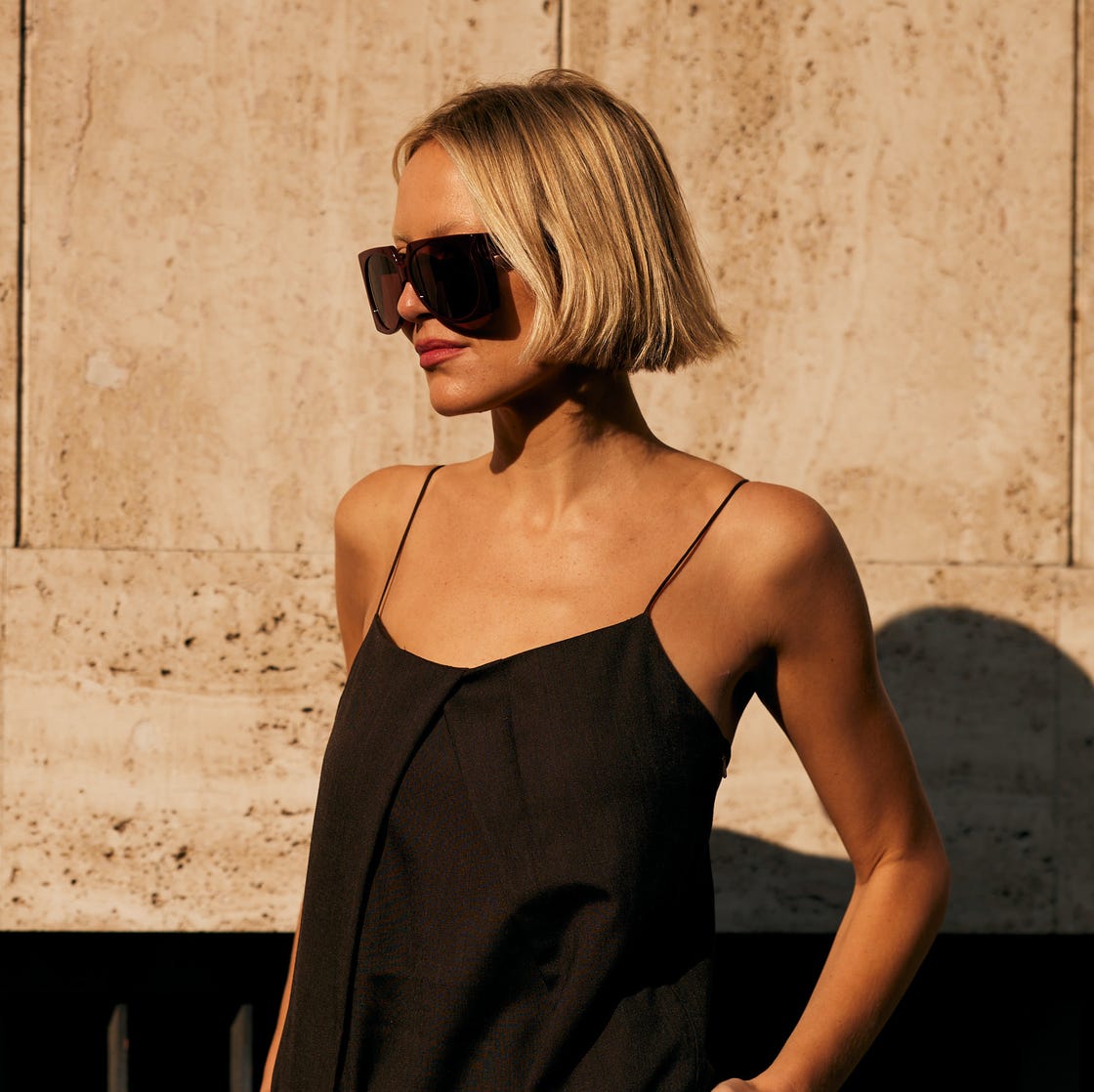
The design here works because the balayage is painted freehand, so the lighter blonde pieces land where the light naturally hits, not in rows. A dark blonde base with lighter blonde balayage creates a multi-tonal effect that gives a chin-length bob more depth than a single flat shade. The side part and wavy blowout keep the shape from looking severe, which a blunt chin bob can do.
Ask your colorist for: chin length bob, no bangs, dark blonde with lighter blonde balayage, wavy blowout. Medium density wavy hair holds the waves well, and the cut suits most face shapes. A texturizing spray gives definition without stiffness, and a trim every six to eight weeks keeps the line crisp. The color needs a toning appointment every four to six weeks to keep the blonde from turning brassy.
Collarbone Bob Caramel Balayage Curtain Bangs, Wavy
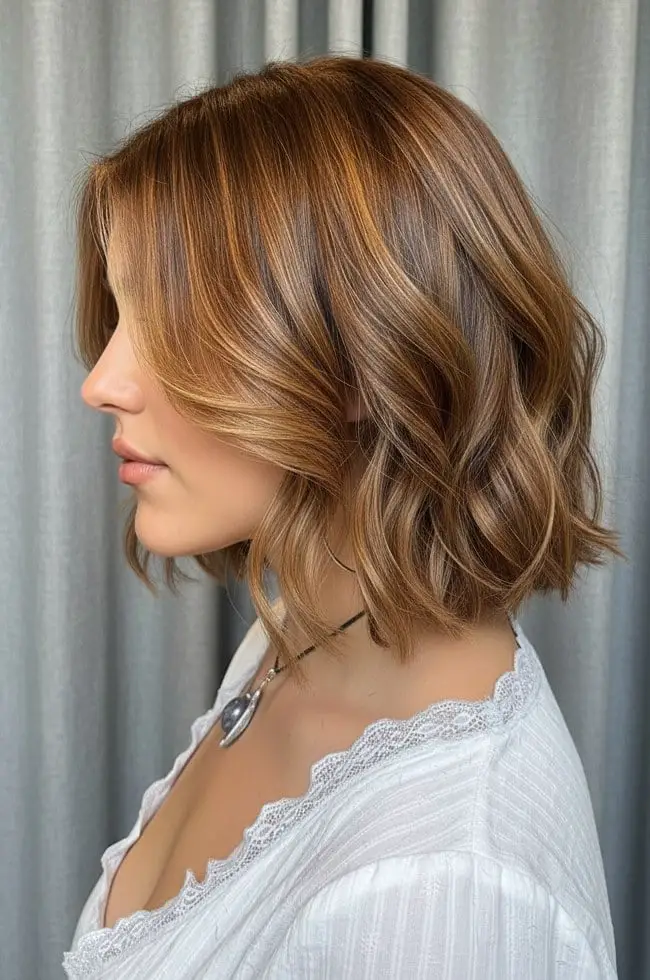
This wavy version has caramel balayage blended into a richer brown base, which keeps the color lived-in rather than painted on. The side part and loose wavy blowout make it work for everyday wear, but the caramel tones dress it up enough for a dinner out. Ask your colorist for: collarbone bob, curtain bangs, caramel balayage, wavy blowout. Medium density wavy hair carries the shape well. Style the bangs with a round brush while they dry, and trim the baseline every six to eight weeks.
Collarbone Bob Voluminous Wavy Blonde Balayage
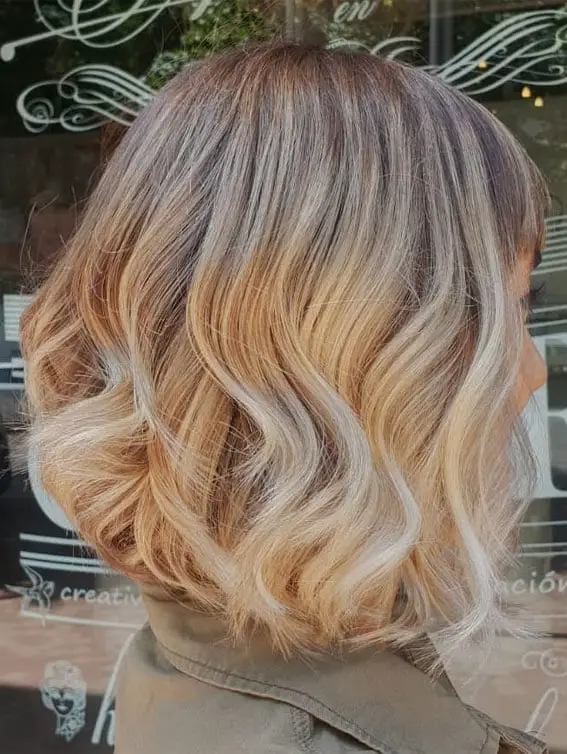
The gradient here is the point: darker roots melting into lighter ends gives the collarbone bob a volume boost that a solid blonde can’t match. The pronounced waves add body, and the side part breaks up the roundness. Ask your colorist for: collarbone bob, no bangs, blonde balayage gradient, voluminous waves. Medium wavy hair takes the wave pattern well, and this style suits those wanting extra lift at the crown. A volumizing mousse applied to damp roots, then dried with a diffuser, gets the most height. The gradient needs a toning appointment every four to six weeks to keep the ends bright.
Chin Bob Wavy Side Swept Bangs
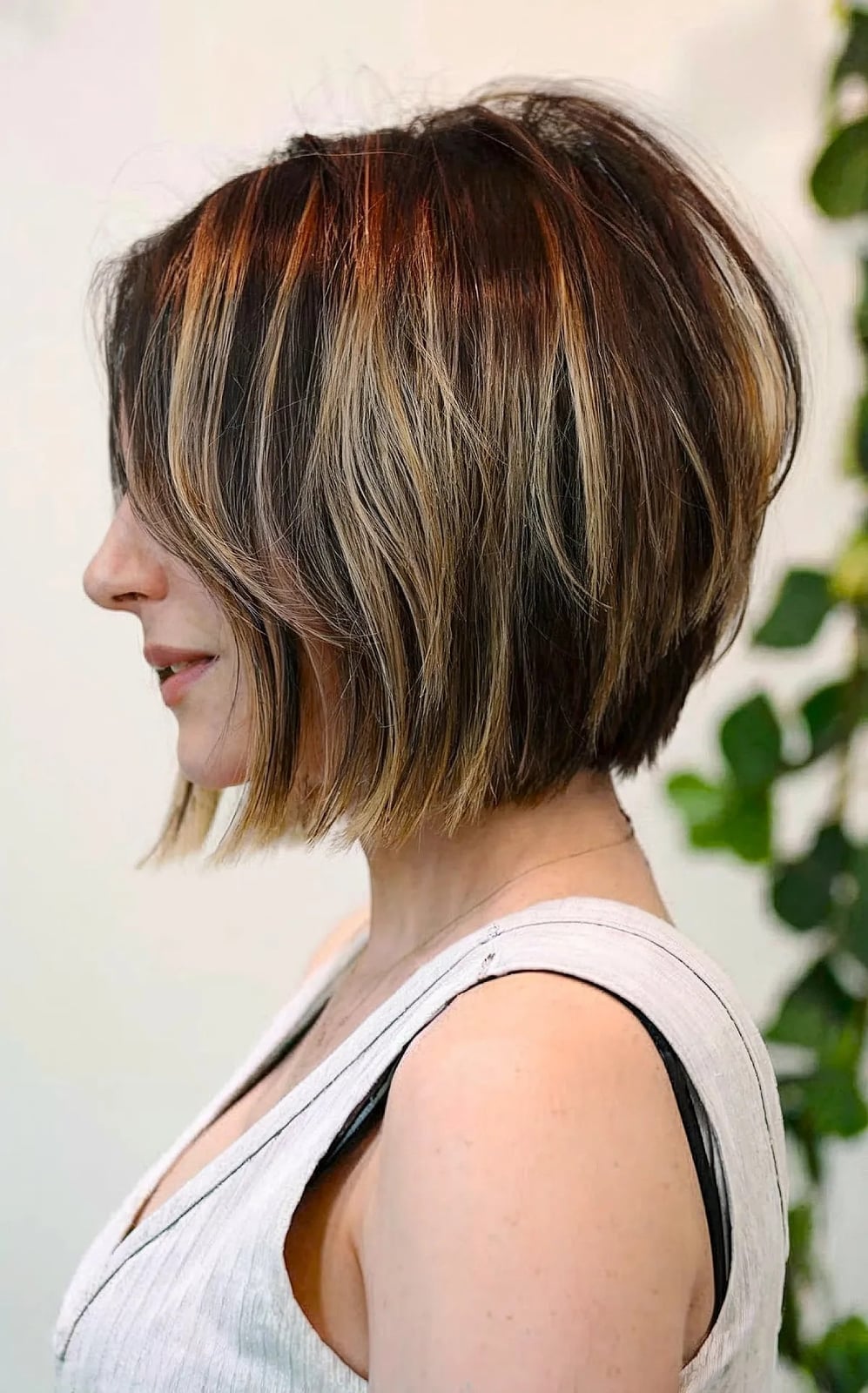
Wondering how to ask for a chin-length bob that doesn’t look like a bowl? Bring in a photo of this one, where the textured ends and side-swept bangs keep things modern. The dark brown base with blonde balayage adds depth that moves with the wavy blowout. Ask your stylist for: chin length bob, side swept bangs, dark brown with blonde balayage. Medium textures hold the wave best, and the side-swept section softens angular jawlines. A salon visit is the right call for both the cut and the color placement. Tuck the bangs behind one ear for an instant switch-up. The baseline needs a trim every six to eight weeks.
Chin Layered Bob Ash Blonde Balayage
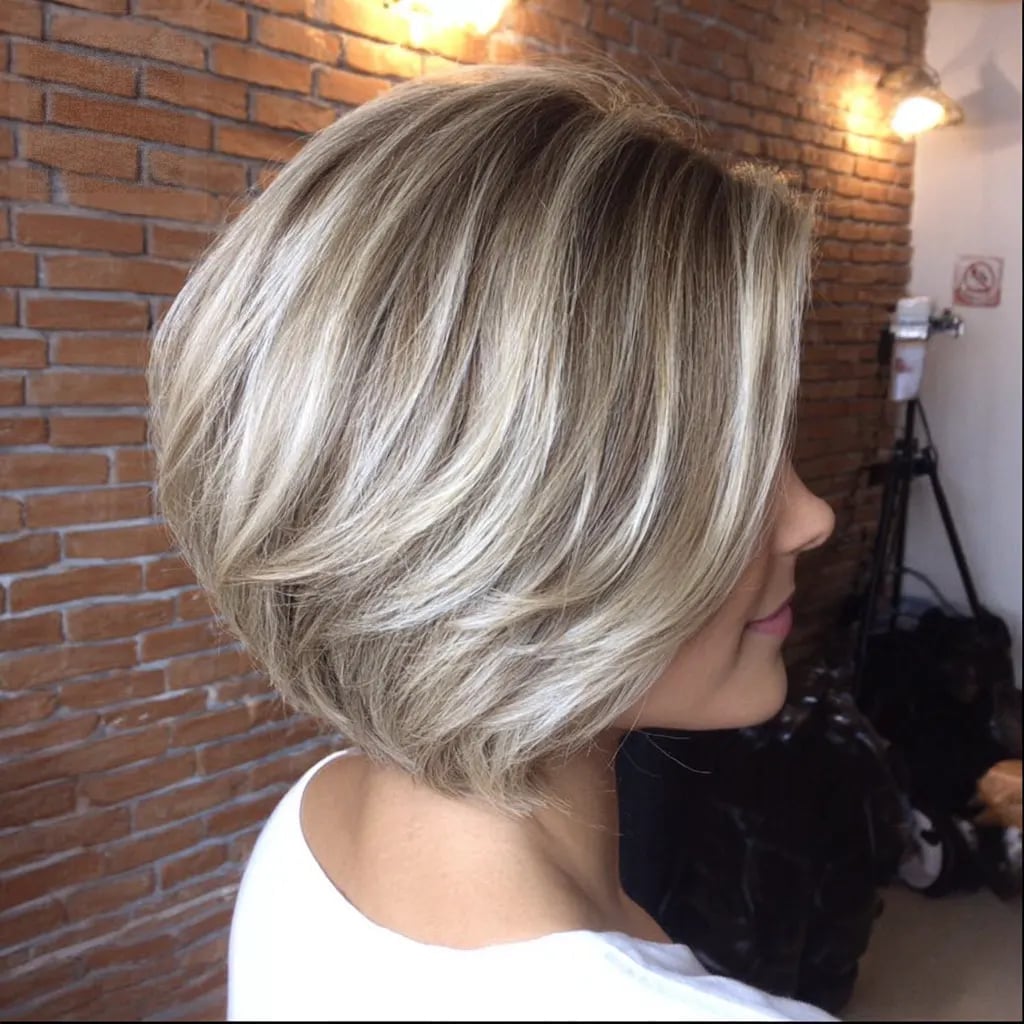
A blunt bob gets all the precision credit, but a layered one at the same chin length does something else entirely. It moves. The ash blonde balayage sits in the voluminous layers, so the color shifts with every head turn instead of sitting in one flat block. Thick, wavy hair is the best candidate here; the layers remove weight without losing density. Ask your stylist for: chin length layered bob, no bangs, ash blonde balayage. Layers need more precise trimming to keep their shape, so plan for a salon visit every six weeks. A round brush and volumizing mousse during the blowout make the most of the cut.
Collarbone Bob Brown Blonde Balayage With Showcasing The Color Blend
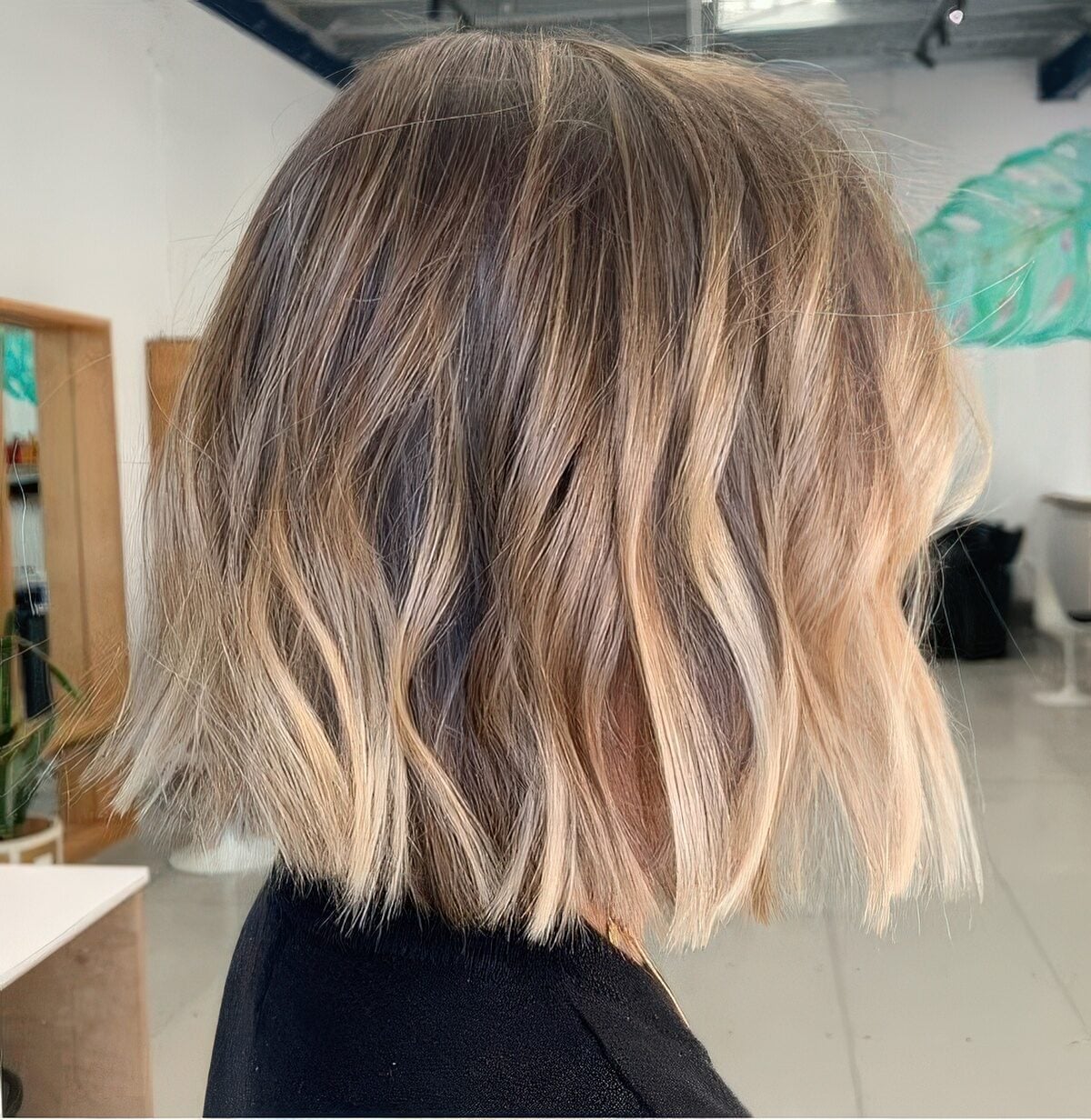
The design here relies on a smooth transition between the brown base and the blonde balayage. Instead of a hard line, the lighter pieces start mid-shaft and deepen toward the ends, which keeps the roots low-maintenance. The collarbone length with a middle part and loose waves shows off the blend from every angle. Ask your colorist for: collarbone bob, no bangs, brown base with blonde balayage. Medium density wavy hair holds the loose wave without fighting it. A texturizing spray on dry hair separates the pieces and lets the color read clearly. The baseline needs a trim every six to eight weeks, and a toning appointment every eight to ten keeps the blonde from warming up.
Collarbone Bob Air Dried Dark Blonde Balayage
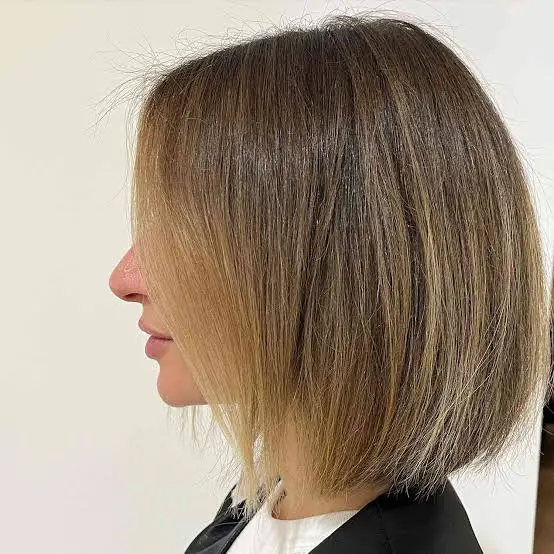
An air-dried bob saves time only if the cut and color do the work. This one does, with a collarbone length that falls into place and a dark blonde balayage that adds dimension without needing a root touch-up every month. A side parting and subtle wave give it shape even without heat. Ask your colorist for: collarbone bob, no bangs, dark blonde balayage. Fine to medium density hair air-dries fastest, and a leave-in conditioner is enough to keep the ends from looking dry. This is the lowest-upkeep version of the balayage bob: no blowout required, and the trim rhythm stays at every six to eight weeks. Very straight hair will need a bit of wave spray to get this finish.
Final Thoughts
For fine hair, ask for a blunt baseline with minimal layers to keep density. If your hair is thick, subtle layers remove weight and add movement.
- Trim the bob baseline every 6-8 weeks.
- Refresh color with a gloss every 8-10 weeks.
- Use a heat protectant before styling.
- Wash 2-3 times weekly with color-safe shampoo.
The simple balayage bob offers endless possibilities for personalized style.