
Two-tone hair has shifted from stark lines to softer, more intentional blends. The current trend favors a money piece, peekaboo highlights, or a subtle balayage that adds dimension without shouting.
This collection of 15 Classy Two Tone Hair ideas covers the range: long layers with a bright front piece, chin-length bobs with caramel, and even a split-dye pixie. Whether your hair is fine and needs a one-length baseline or thick and can handle heavy layers, there is a two-tone cut here that solves the grow-out problem and keeps the shape strong.
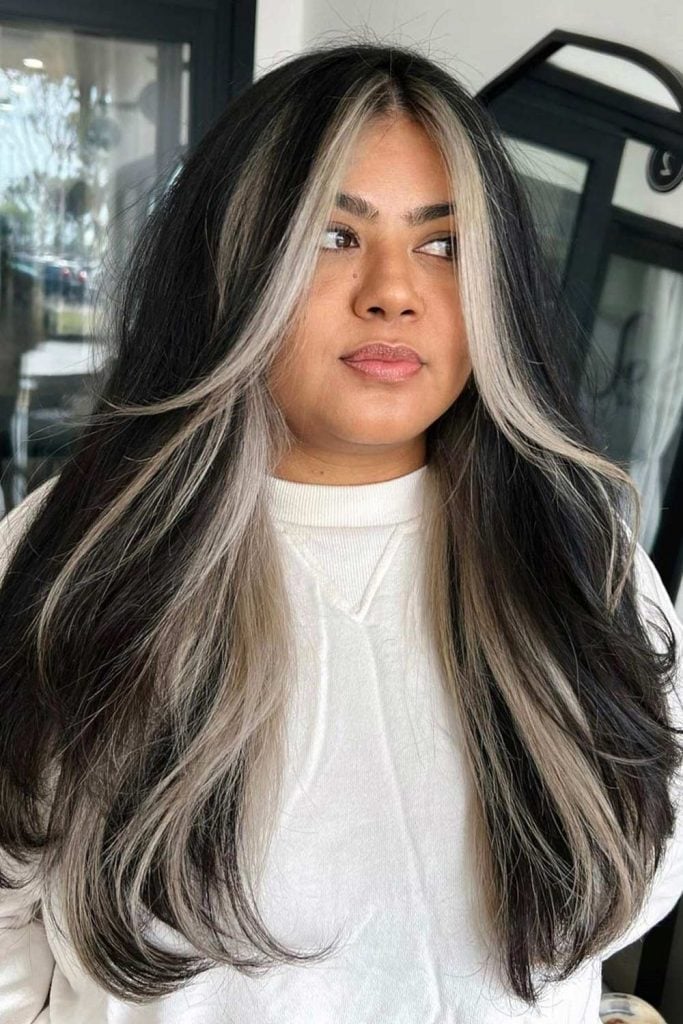
Mid-Back Layers With Blonde Money Piece
That front section of lighter color against the black base creates a deliberate contrast, not an accident. Thick, wavy hair handles the length well, and the curtain bangs soften round and heart faces without losing shape. Ask your stylist for: mid-back layered cut with curtain bangs and a blonde money piece. A large barrel curling iron gives those loose waves, and plan for a trim every 10 to 12 weeks to keep the layers in shape. The blonde money piece will need a toning appointment every four to six weeks, depending on how fast your hair lightens.
Chin Length Bob With Caramel Highlights
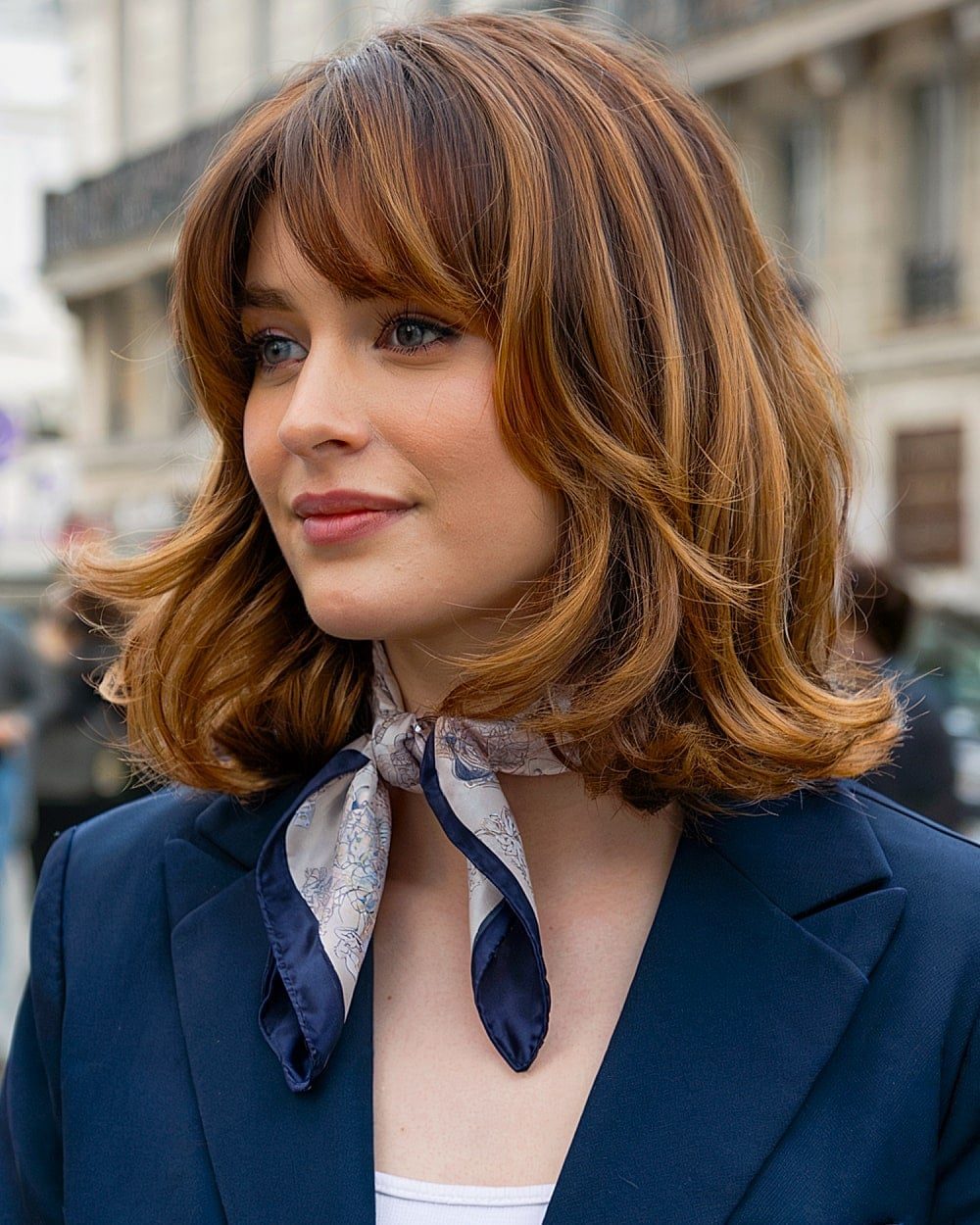
Wondering how to get that specific chin-length bob with the full bangs and the warm highlights that look like they belong together? The key is the placement. The caramel is woven through a medium brown base, not painted on top, so the two-tone effect comes from within the cut rather than sitting on the surface. Ask your stylist for: chin length bob with soft layers, full bangs, and caramel highlights. Medium density hair holds the bouncy wave pattern best, and the full bangs suit oval and long faces. A volumizing mousse helps the waves hold their shape, and those bangs will need a trim every four to six weeks to stay out of your eyes.
Collarbone Layers With Face Framing Blonde
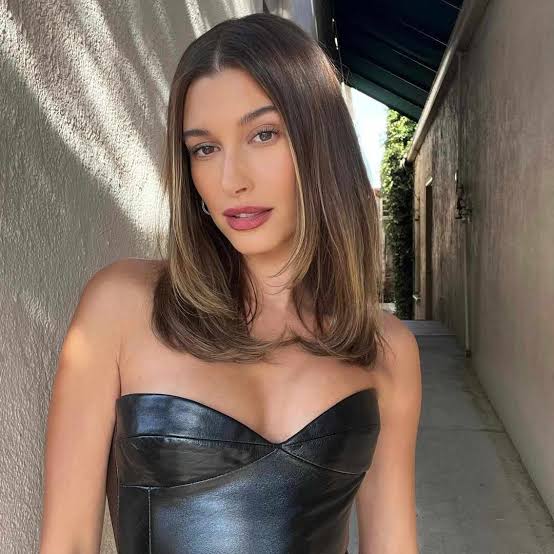
The layering here does exactly what it is supposed to: it gives a collarbone-length lob enough movement without losing the blunt line that keeps the shape modern. The blonde money piece is painted from root to tip on the front sections, so it reads as a deliberate frame rather than an afterthought. Thick, straight hair shows off the precision of the cut. Ask your stylist for: collarbone layered lob, curtain bangs, and a blonde money piece. A smoothing serum keeps the straight blowout sleek, and the baseline needs a trim every six weeks. This is a solid choice for the office or everyday wear, since the two-tone contrast stays subtle from the back and only reveals itself when you turn your head.
Collarbone Lob Bright Blonde Front Contrast
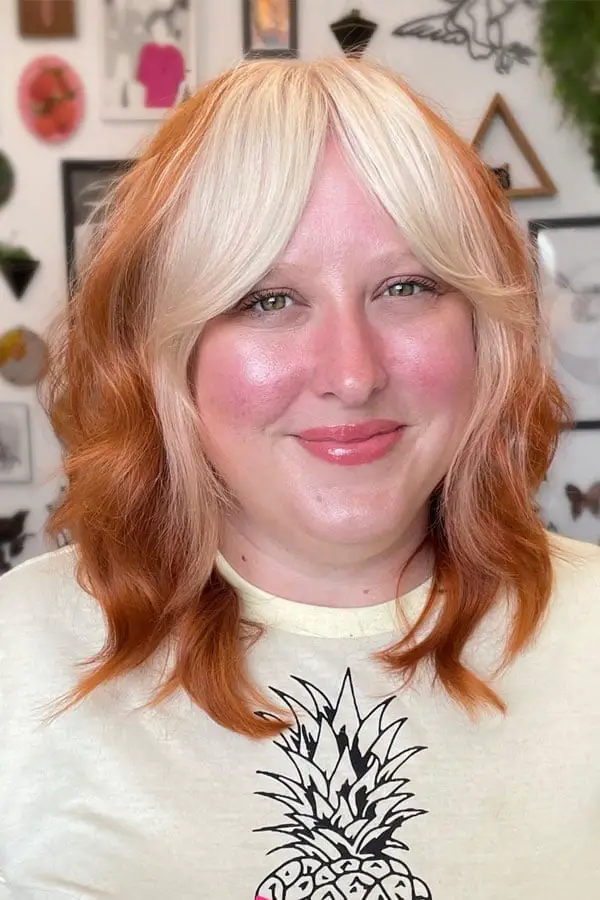
This is not the subtle money piece approach. The bright blonde at the front and the copper on the body are two distinct colors that sit next to each other without blending. It is a salon-only situation, since the blonde needs to be lifted enough to hold its tone against the copper without turning muddy. Ask your colorist for: collarbone lob with bright blonde front and copper body, curtain bangs. Medium density wavy hair carries the texture well, and the curtain bangs soften round and heart faces. A texturizing spray adds definition to the waves, and the baseline needs a trim every six to eight weeks. Compared to a more blended balayage, this one is a statement that requires a confident colorist.
Shoulder Length Gray Blonde Two-Tone Lob
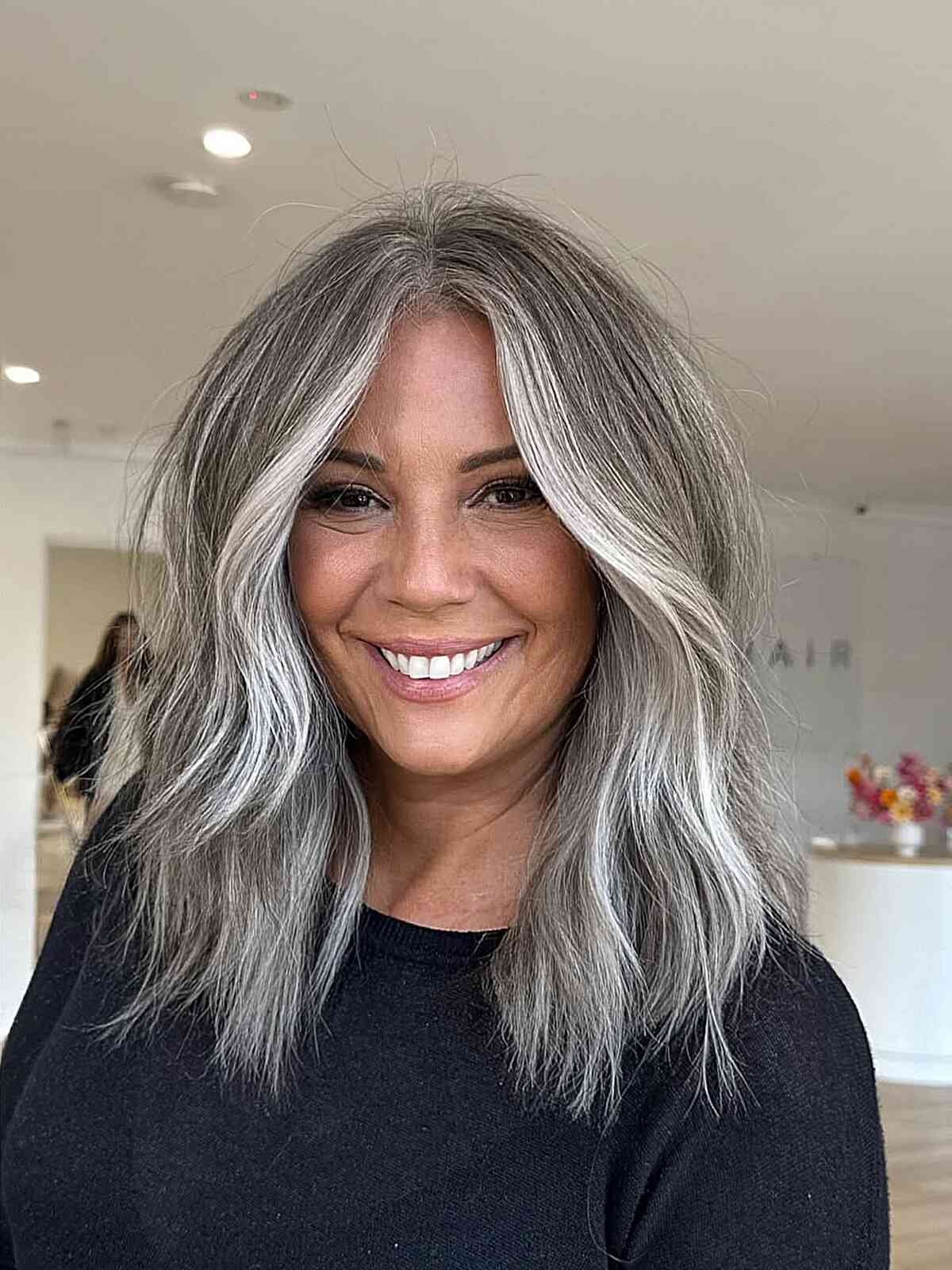
The gray base and blonde highlights create a two-tone effect that relies on the contrast between a cool, almost silver backdrop and warm, lighter pieces. On thick wavy hair, the highlights shift with each wave, so the color changes as you move. The curtain bangs and middle part keep the face open. Ask your colorist for: shoulder length lob with gray and blonde highlights, curtain bangs. A purple shampoo is essential here: the gray base will pull beige without it, and the blonde highlights will yellow. Trim the baseline every six weeks to keep the lob from creeping past the shoulder. The grow-out is forgiving because the gray base is close to a natural ash tone, so you can stretch the toning appointment to eight weeks.
Collarbone Lob Peekaboo Highlights
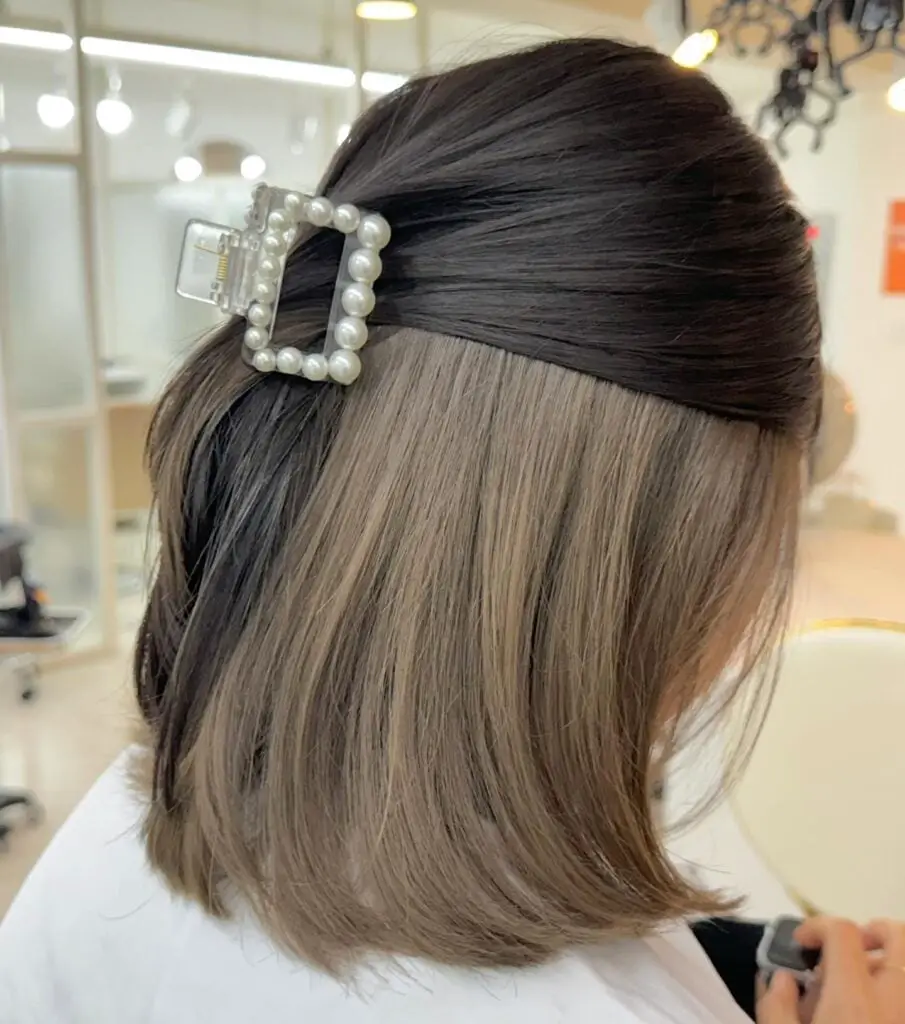
Peekaboo highlights hide lighter brown strands beneath a dark brown base, so they only surface when you move or sweep your hair to one side. This collarbone lob uses loose waves to expose the hidden color, making it feel like a secret only you and the light know about. It works best on thick hair that can carry the contrast without looking sparse, and the side part helps elongate a rounder face. Ask your colorist for: a collarbone lob with dark brown base and peekaboo light brown highlights. A trim every six to eight weeks keeps the lob sharp, while the hidden color grows out without an obvious line.
Angled Collarbone Lob Subtle Highlights

An angled collarbone lob already does a lot of work with its sharp, forward-leaning line. Add a side part and a straight finish with a slight inward curl at the ends, and you have a clean silhouette that relies on shape rather than color drama. The medium brown base here carries very subtle lighter brown highlights, so subtle that the two-tone effect is almost a whisper. If you want your color to announce itself, this is not the section for you. The trade-off is that the highlights need careful styling to be visible, and a quick blow-dry without a round brush can erase them entirely. Ask your colorist for: a collarbone length angled lob with subtle highlights and a side part. A trim every six weeks keeps the angle precise.
Collarbone Layers With Wispy Auburn Highlights
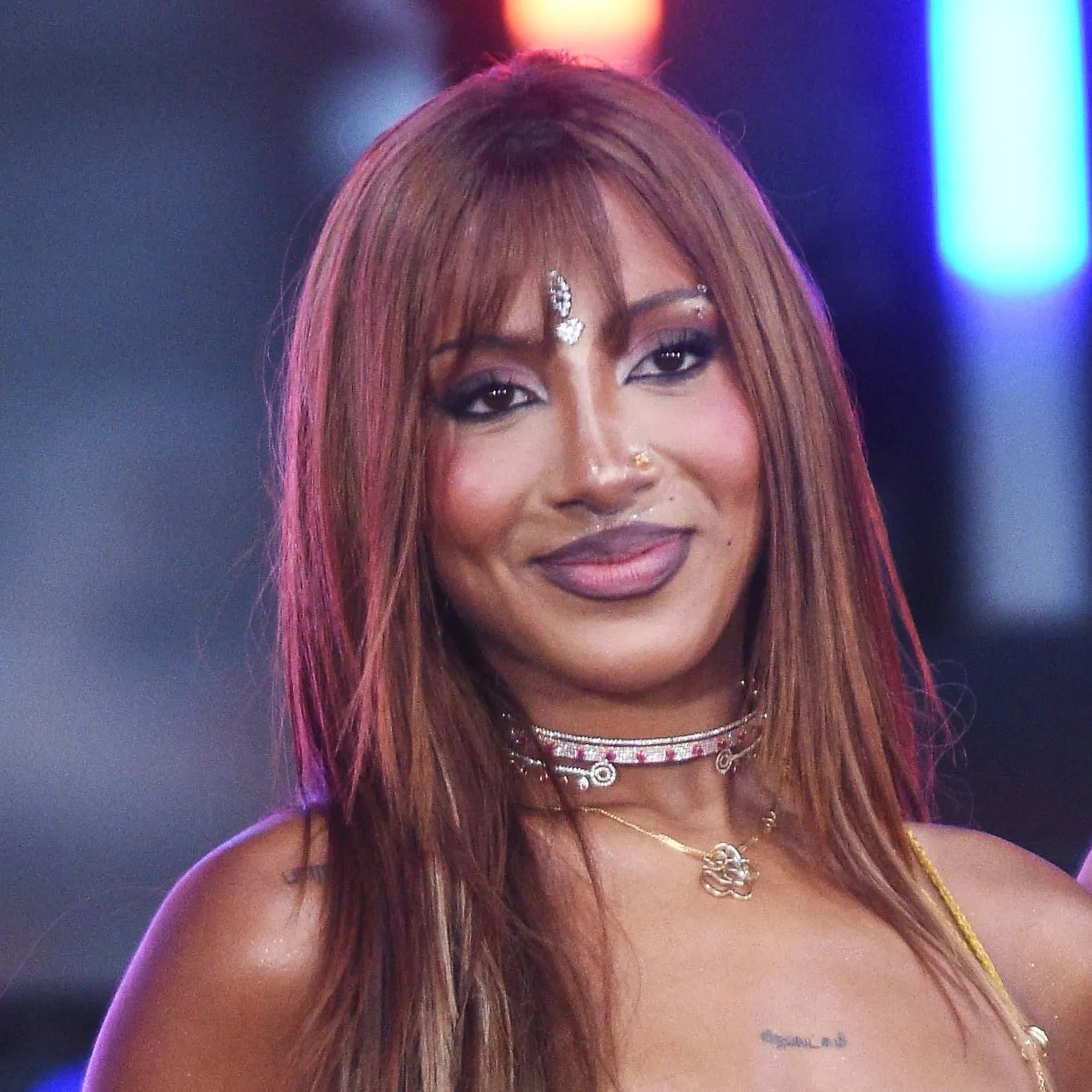
The long layers here fall to collarbone length, and the wispy bangs keep the front light and airy. An air-dried finish lets the fine, straight texture move naturally. The dark brown base is warmed by subtle auburn highlights, a color combination that adds depth without the maintenance of a full copper dye. This is a natural two-tone effect for anyone who wants dimension that does not demand a blowout. The wispy bangs soften a square jawline or round cheeks, and the fine texture helps the highlights peek through without getting swallowed by bulk. Ask your colorist for: collarbone length layers with wispy bangs and subtle auburn highlights. A trim every eight weeks keeps the bangs from turning into curtains.
Collarbone Ash Blonde With Subtle Highlights
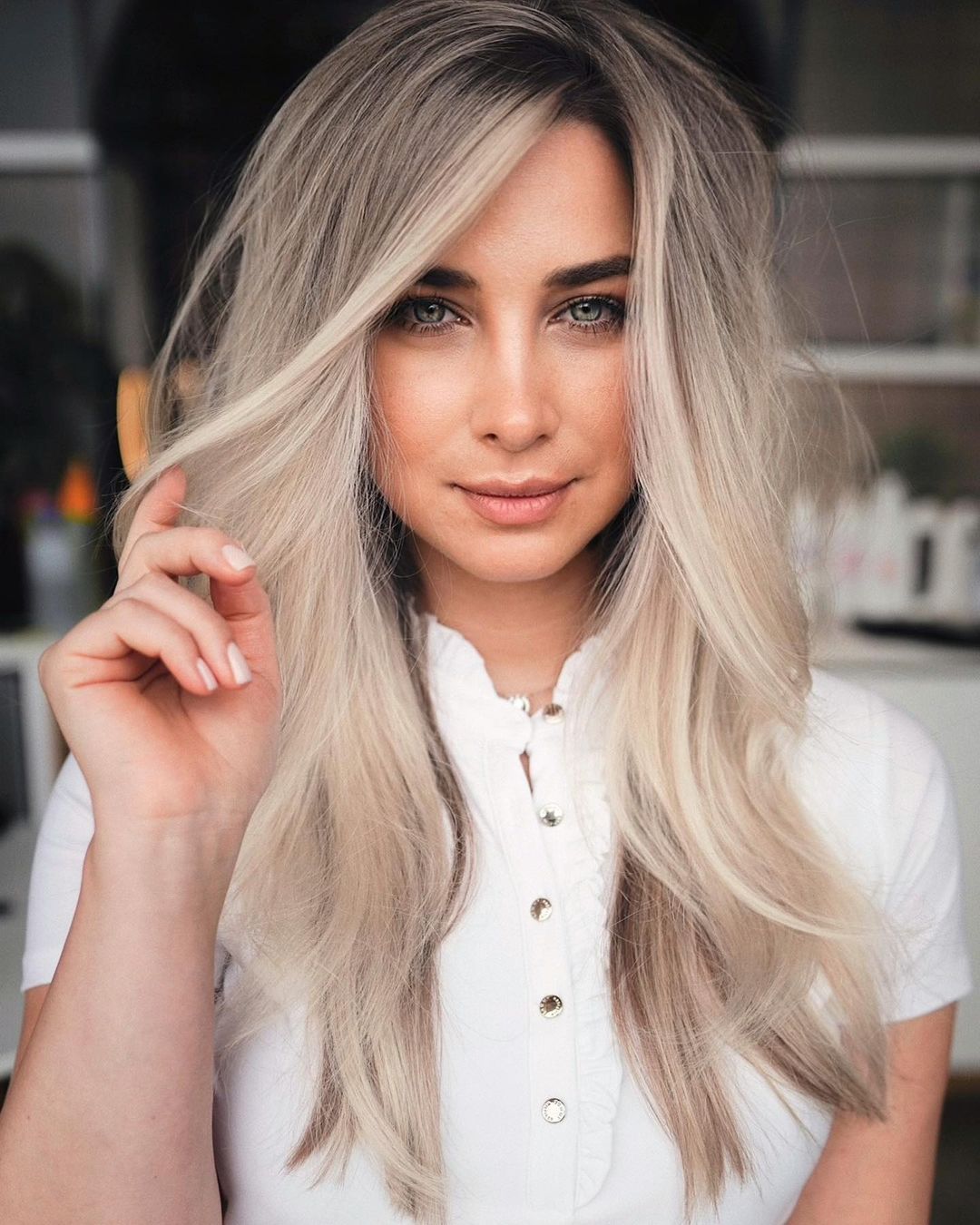
How do you keep ash blonde from looking flat? The answer is subtle lighter blonde highlights woven through the mid-lengths and ends. This collarbone cut uses a blowout to create soft waves, with side-swept bangs that blend into the layers. The ash blonde base gives a cool, modern tone, while the lighter pieces add dimension without veering into brassy territory. On fine wavy hair, the layers help the waves hold their shape rather than falling limp. Ask your colorist for: collarbone length ash blonde with subtle highlights and side-swept bangs. Use a texturizing spray at the roots to boost volume on fine strands, and plan for a toning appointment every four to six weeks to keep the ash tone from warming up. A trim every six weeks maintains the shape.
Wavy Lob Dark Blonde Face Framing

A wavy lob with a side part and side-swept bangs relies on face-framing highlights to do the heavy lifting. The dark blonde base keeps things grounded, while lighter blonde pieces concentrated around the face and ends pull the eye outward and upward. Thick wavy hair benefits from the contrast because the waves catch the lighter sections at different angles, creating movement without any styling tricks. The blowout adds volume at the crown, which balances a longer face shape. To build this look at home, start with a volumizing mousse on damp hair, blow-dry with a round brush to direct the waves away from the face, and finish with a texture spray for hold. Ask your colorist for: a collarbone wavy lob with dark blonde base and lighter face-framing highlights. A trim every six to eight weeks keeps the lob from growing past its sweet spot.
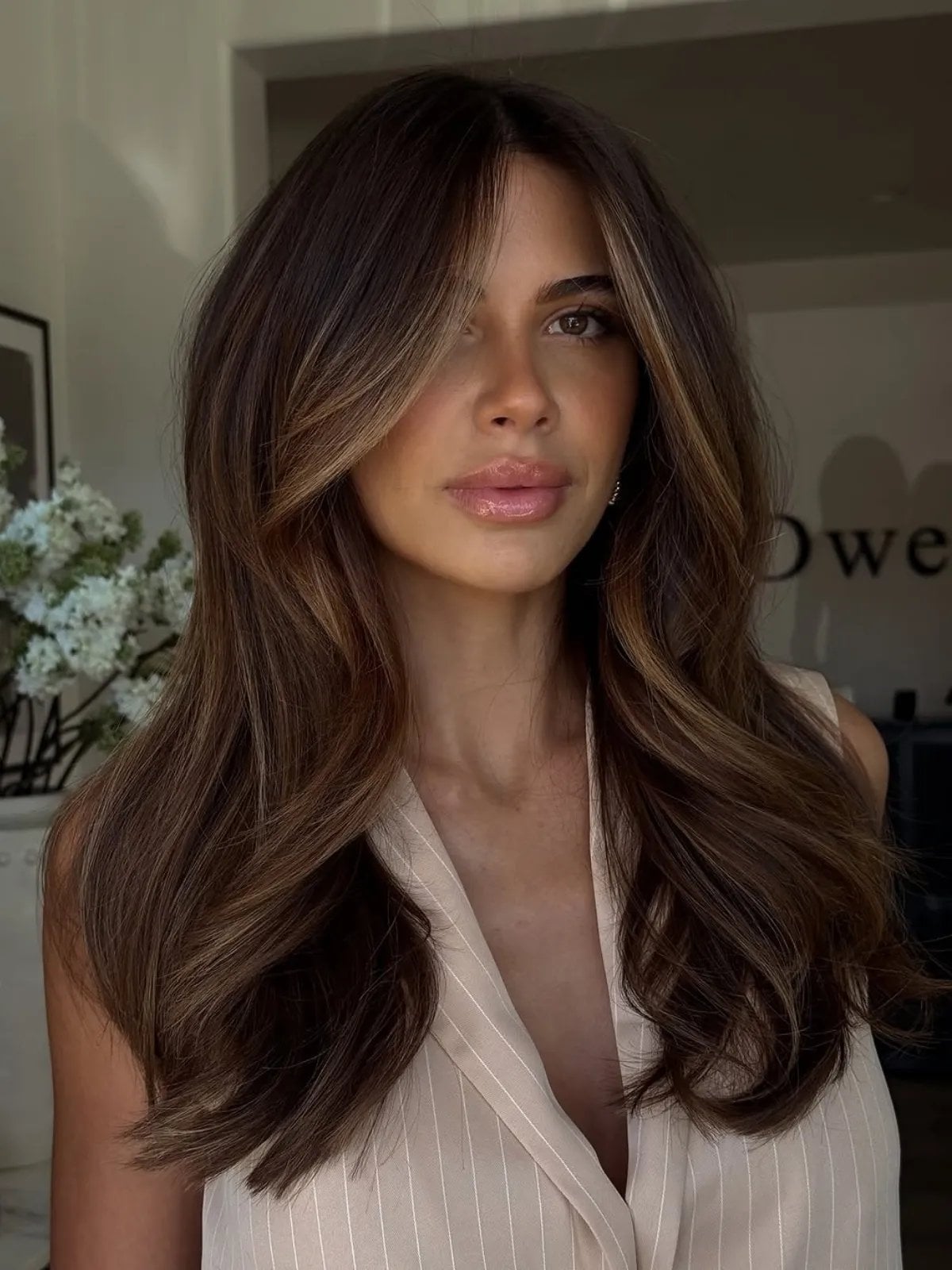
Mid-Back Layers With Light Brown Balayage
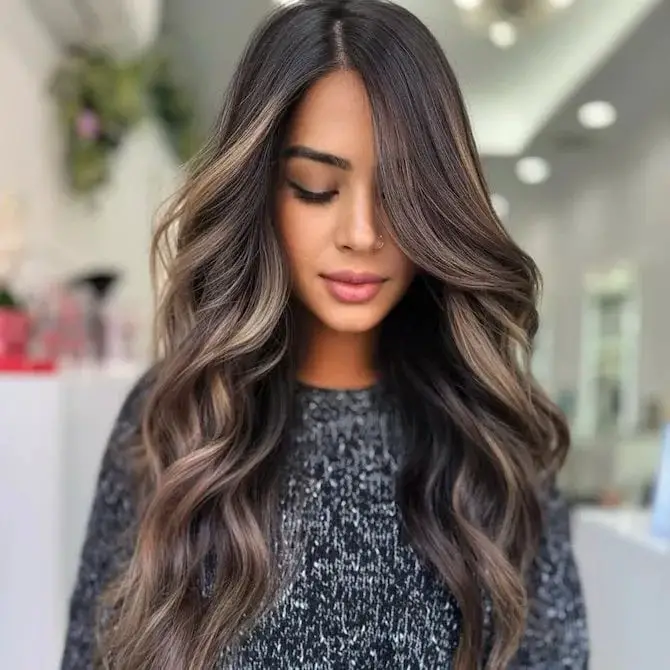
Balayage is not traditional highlights. Instead of foils and a uniform pattern, your colorist paints the light brown onto sections of your dark brown base, concentrating the color mid-length to ends. The result is a softer, more natural-looking transition that grows out with less of a harsh line. Thick, wavy hair with natural movement shows off the dimension best.
Ask your colorist for: mid-back layered cut with dark brown base and light brown balayage. The middle part and loose waves keep the look relaxed. This is strictly a salon job, and a good one takes about two and a half hours. The payoff is that you can skip the salon for ten to twelve weeks between appointments before the grow-out starts looking deliberate.
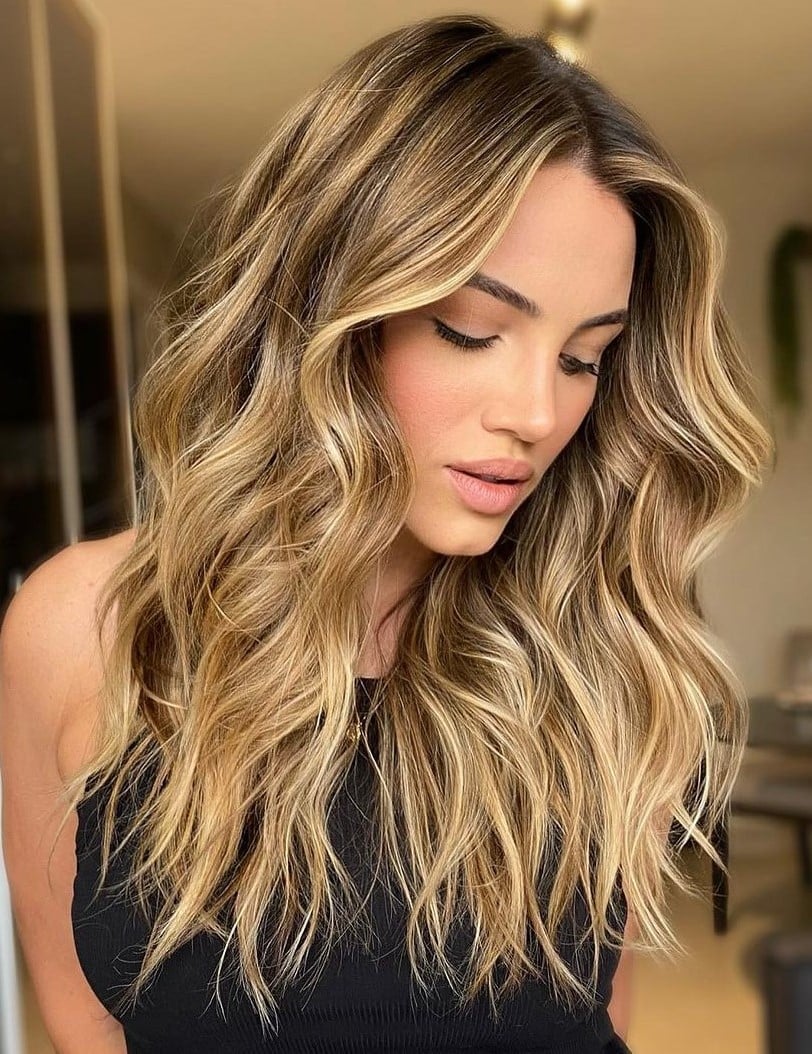
Mid-Back Waves With Blonde Highlights
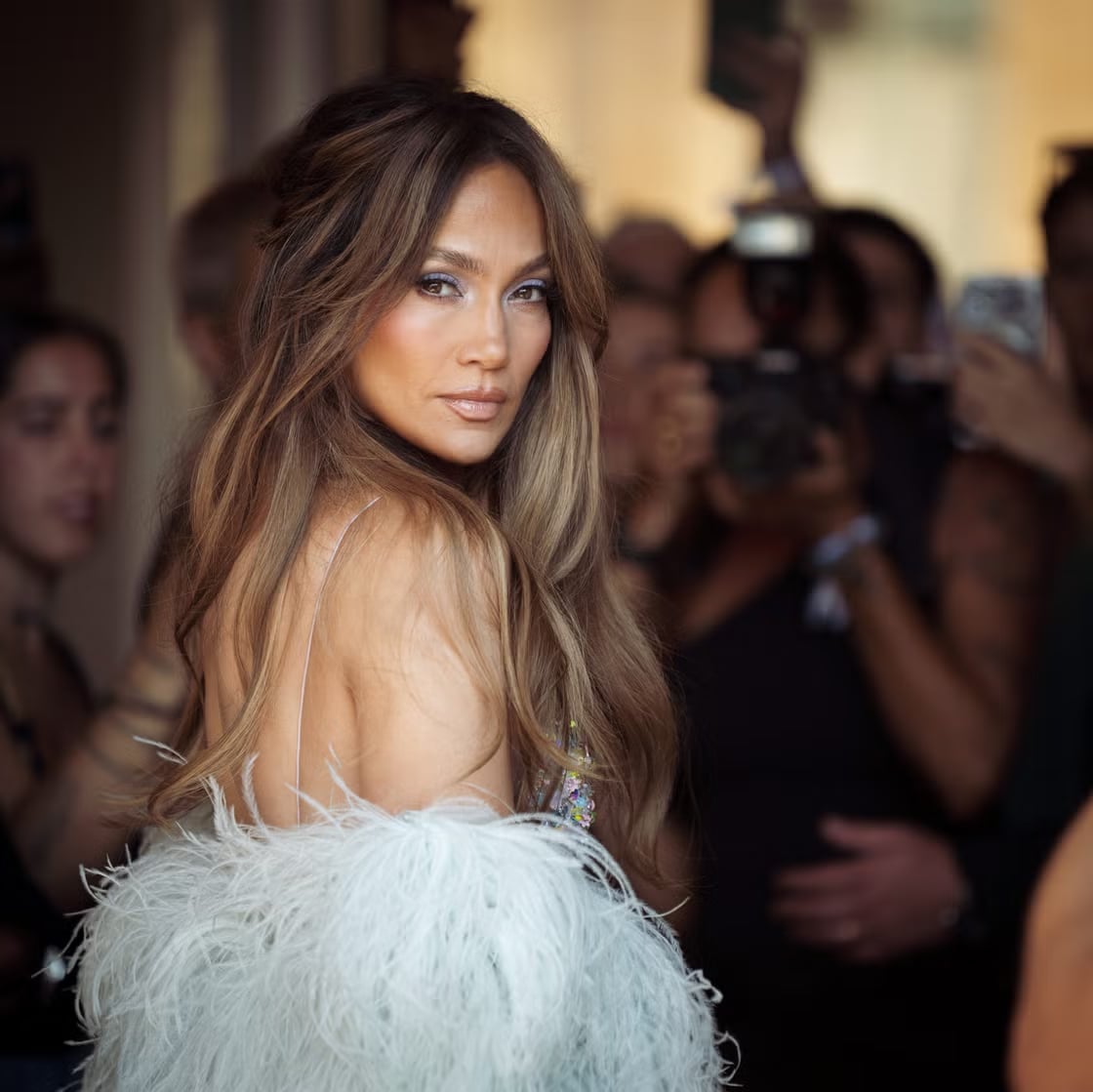
Blonde highlights on dark brown hair create a contrast that looks intentional. The placement here runs throughout the length, so the effect is even dimension instead of a single money piece. A side part and loose waves soften the transition between the two tones.
Ask your colorist for: mid-back wavy hair with dark brown base and blonde highlights. This combination needs maintenance. The blonde pieces will need a toner refresh every six to eight weeks to prevent brassiness, and the ends need a trim on the same schedule to stop the highlights from looking stringy. Use a leave-in conditioner to help the waves hold their shape between washes.
Pixie White Blonde With Dark Roots
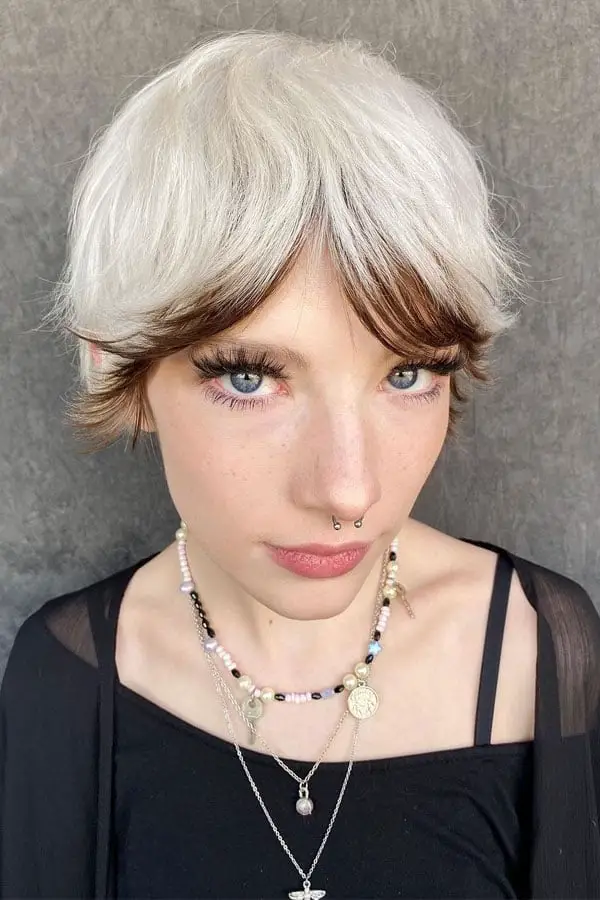
Is it a grow-out or a design choice? With this pixie, the dark roots are the design. The white blonde on top and dark brown at the base creates a two-tone effect that is stark and deliberate. The blunt bangs and middle parting keep the look graphic. This is a summer statement: the high contrast looks fresh and deliberate in brighter light. Ask your colorist for: ear length pixie with blunt bangs, white blonde with dark roots. The texture needs to stay piecey to avoid looking flat, so a texturizing paste is your friend. Root touch-ups are needed every three to four weeks, which is the trade-off for the drama.
Pixie Split Dye Dark Brown Platinum
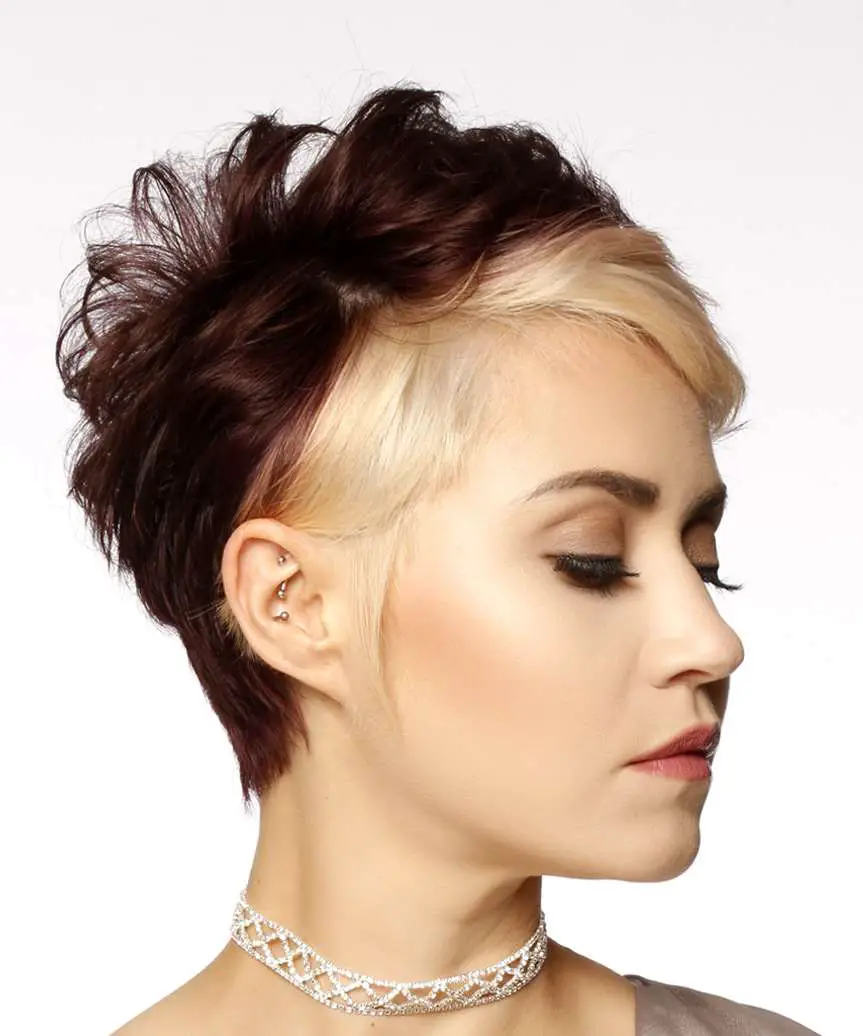
A split dye on a pixie is not a low-commitment decision. One side is dark brown, the other is platinum blonde, and the line between them runs straight down the middle. The textured bangs and side parting keep the division from looking like a costume. This is a salon-only project: the platinum side requires a full bleach and toner, and the dark side needs to be kept separate during the process. The real drawback is the upkeep. The platinum side will need a toner every four to six weeks to avoid yellowing, and any regrowth on that side is immediately visible. Ask your colorist for: ear length pixie with split dye, dark brown and platinum blonde.
Ear Length Solid Gray Bob
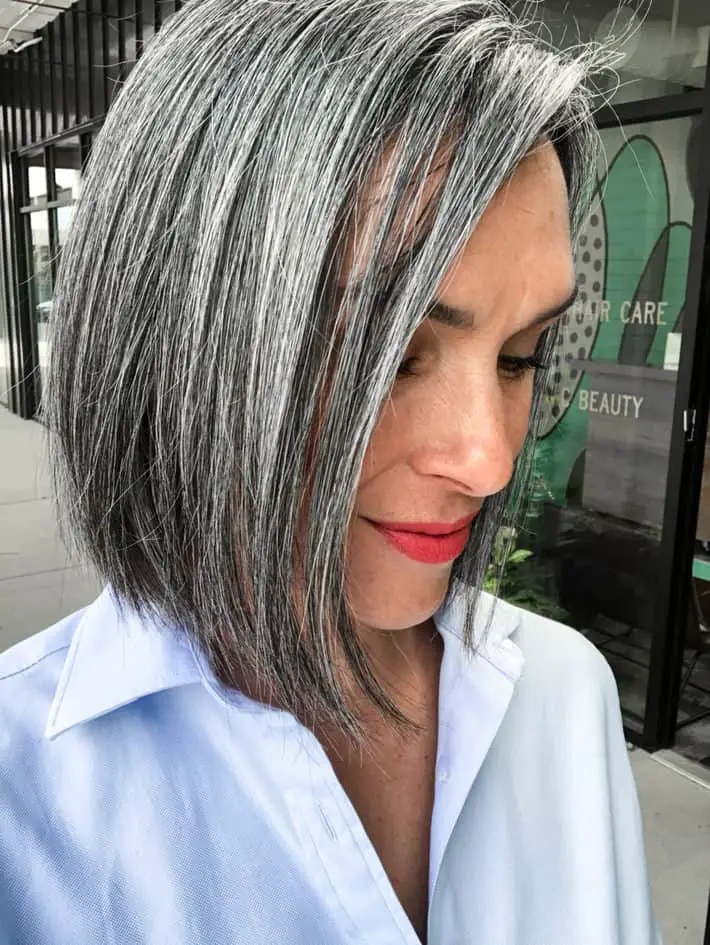
A solid gray bob is a test of your stylist’s precision. The color has subtle variations in tone, but the overall effect is uniform, which means any unevenness in the cut is immediately obvious. The ear length and side parting create clean, graphic lines that suit fine, straight hair best. Ask your stylist for: ear length short bob in solid gray with a side part. A flat iron is the tool for maintaining the smooth finish. The trim rhythm is aggressive: every four to six weeks to keep the line sharp. Skip a trim and the bob loses its structure.
Final Thoughts
For a subtle two-tone effect, opt for balayage or babylights. For a bolder statement, consider face-framing pieces or a split dye.
- Trim split ends every 6-8 weeks to maintain the baseline shape.
- Toning may be needed every 8-12 weeks to keep blonde highlights bright.
- Use heat protectant spray before styling to preserve color and texture.
- Wash hair 2-3 times a week with color-safe shampoo and conditioner.
Sophisticated two-tone hair is a versatile way to add dimension.