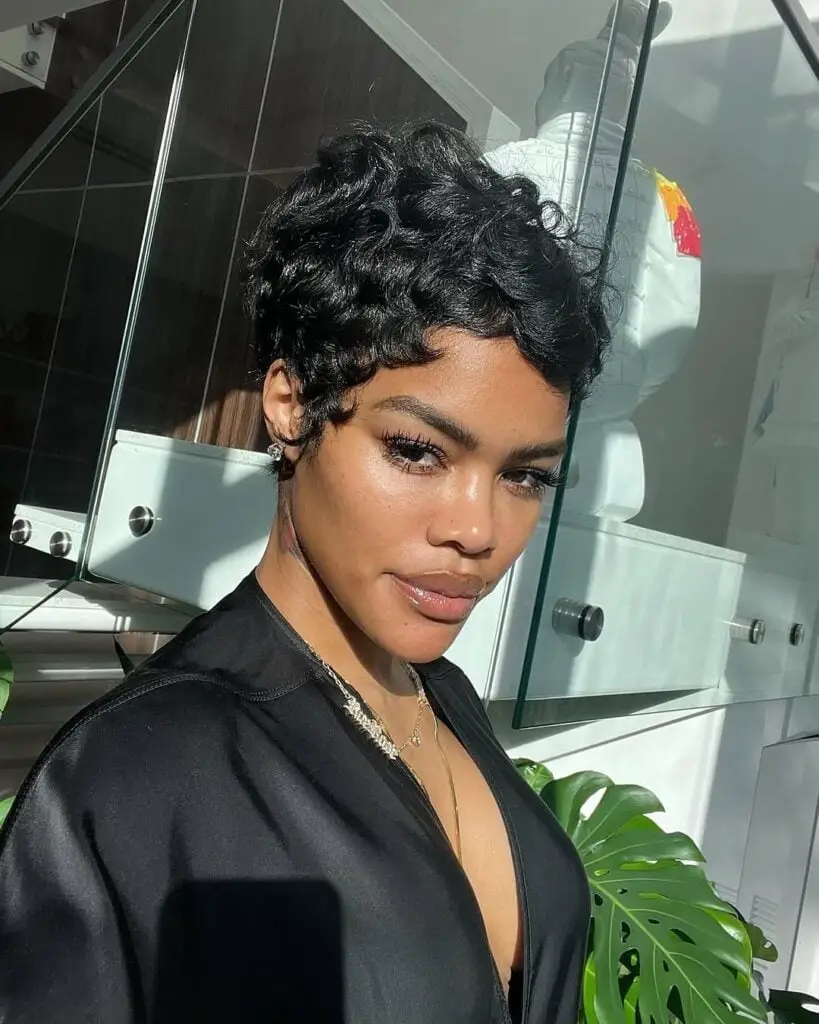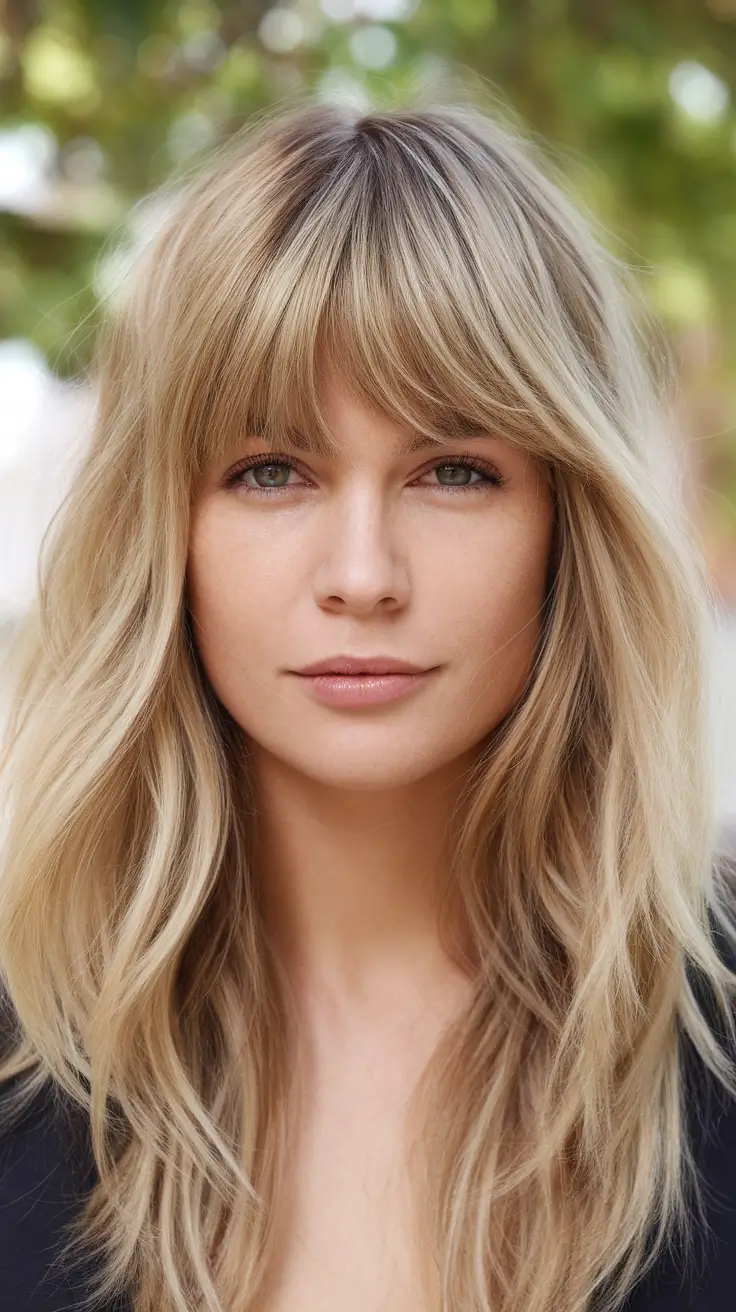


Thin hair often presents styling challenges, making it seem less voluminous than desired. Simple haircuts, however, can be surprisingly effective at creating the illusion of thickness and body. The current trend favors soft face-framing layers and curtain bangs over heavy, flat-ironed lengths.
This collection of 30 Simple Haircuts for Thin Hair covers everything from low-maintenance blunt bobs to piecey pixies and longer layered looks. Whether your hair falls flat by midday or you’re tired of a see-through fringe, these cuts are designed to add density and movement without demanding hours of styling. Expect a range of lengths, textures, and upkeep levels, all chosen to work with fine hair rather than against it.
Chin Length Blunt Bob With Subtle Layers
A blunt bob creates a solid, weighty line that makes fine, straight hair look thicker. The sharp chin-length hemline in ash blonde adds visible density, while subtle internal layers keep the cut from feeling stiff. There are no bangs here, so the clean perimeter stays uninterrupted. Ask your stylist for: chin length blunt bob, subtle internal layers, glossy finish. A blowout with a round brush takes about ten minutes, and a trim every six weeks keeps the edge sharp.
Ash Blonde Bob With Side Swept Bangs
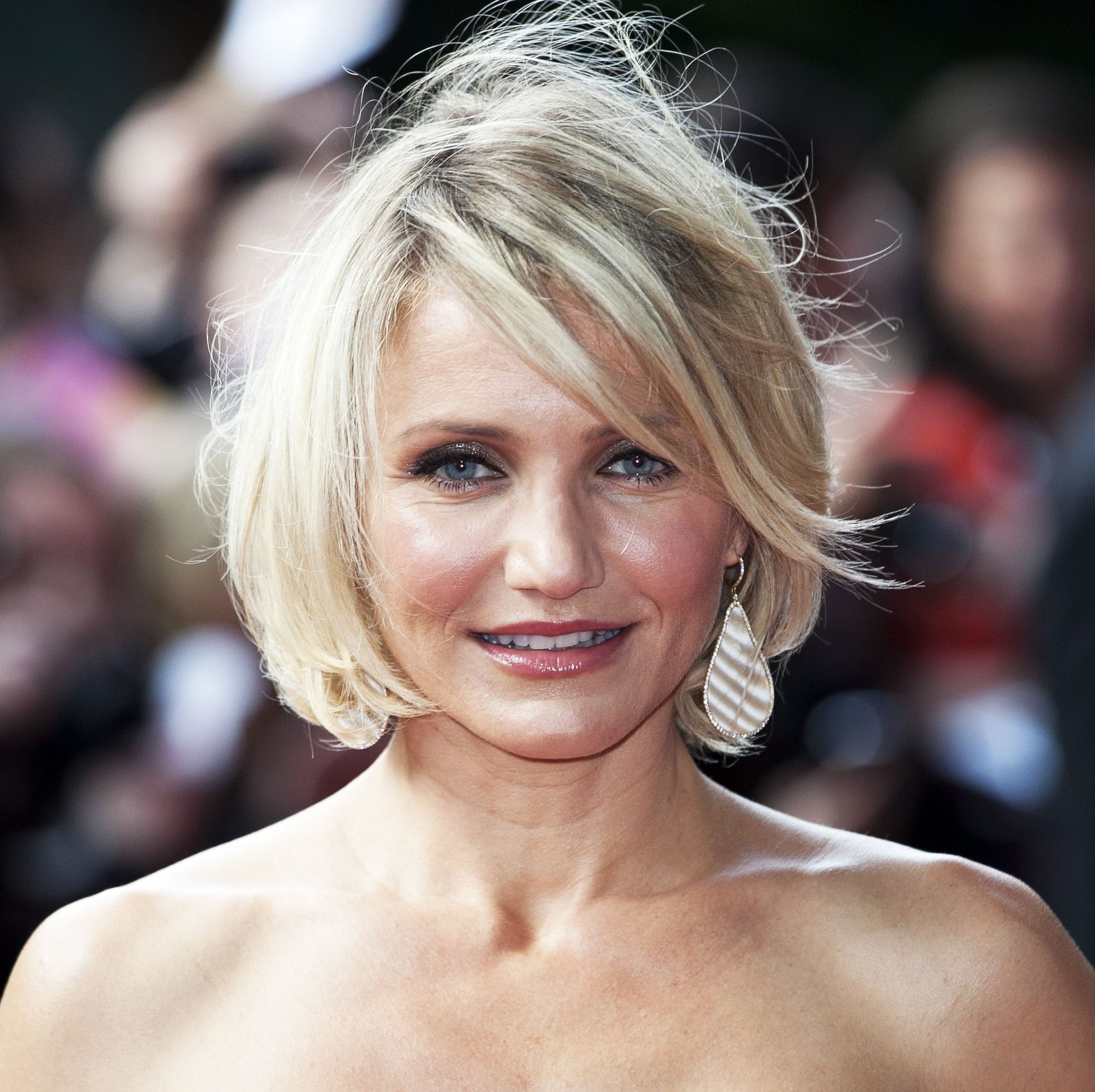
How do you soften a bob without losing the structure that makes thin hair look fuller? Side-swept bangs. This chin-length ash blonde bob keeps a clean angled shape, but the bangs sweep across the forehead and break up the straight line, adding movement where fine hair usually goes flat. The subtle layers throughout the rest of the cut prevent the ends from looking sparse. Ask your stylist for: chin length bob, side swept bangs, soft layers. The bangs need a quick blow-dry with a round brush each morning, and a trim every six weeks keeps them from drifting into your eyes.
Sleek Dark Bob With Face Framing Layers
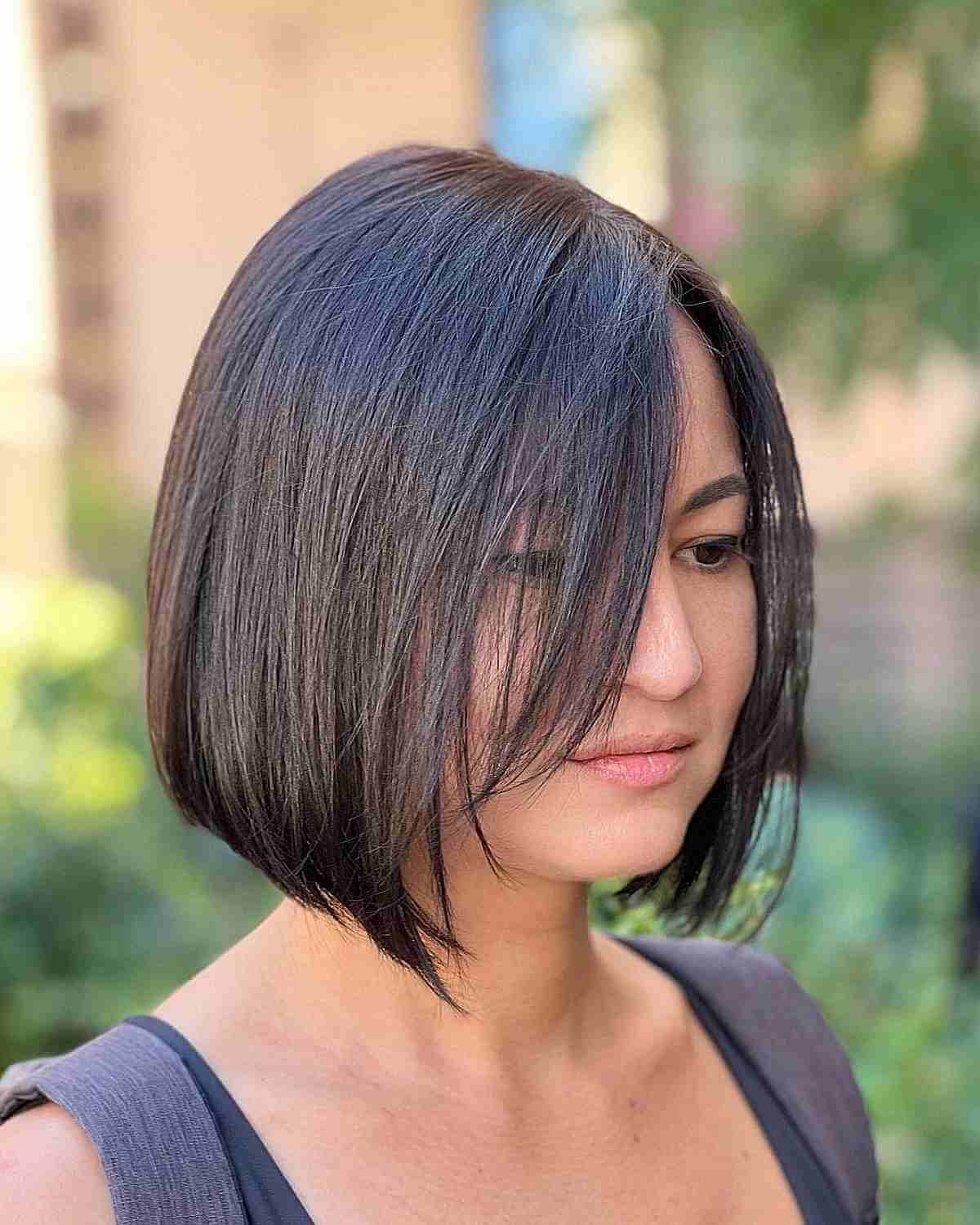
Face-framing layers in a sleek chin-length bob are a geometry trick for fine hair: they add dimension without removing enough weight to expose thin spots. This dark brown bob with subtle gray tones uses side-swept bangs and layers that graze the jaw, creating a softer silhouette than a one-length cut would. Ask your stylist for: chin length sleek bob, side swept bangs, face framing layers. A flat iron on low heat keeps the finish polished, and the cut needs a trim every six weeks to stay precise.
Medium Brown Chin Length Lob
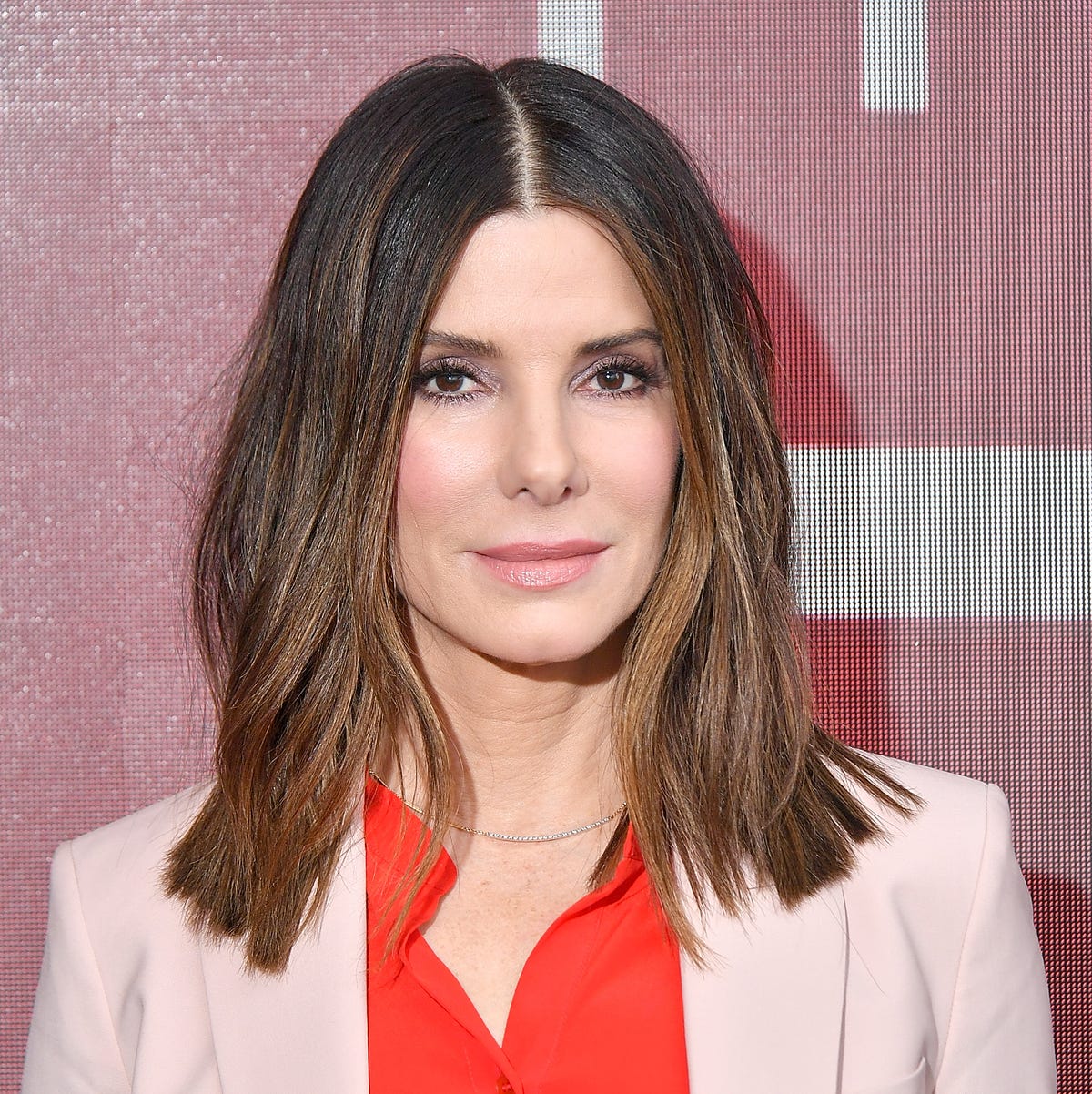
It is not quite a bob, but not quite a shoulder-length cut either. The chin-length lob in medium brown splits the difference, giving fine hair the illusion of weight at the ends while leaving enough length to pull back. The middle parting and air-dried texture keep it low effort, but the blunt edge is what stops thin hair from looking wispy. There are no bangs to manage. Ask your stylist for: chin length lob, blunt ends, middle part. This one is salon-leaning by nature, but you can air-dry it at home with a light cream and a trim every eight weeks is plenty.
Light Brown Chin Bob With Soft Waves
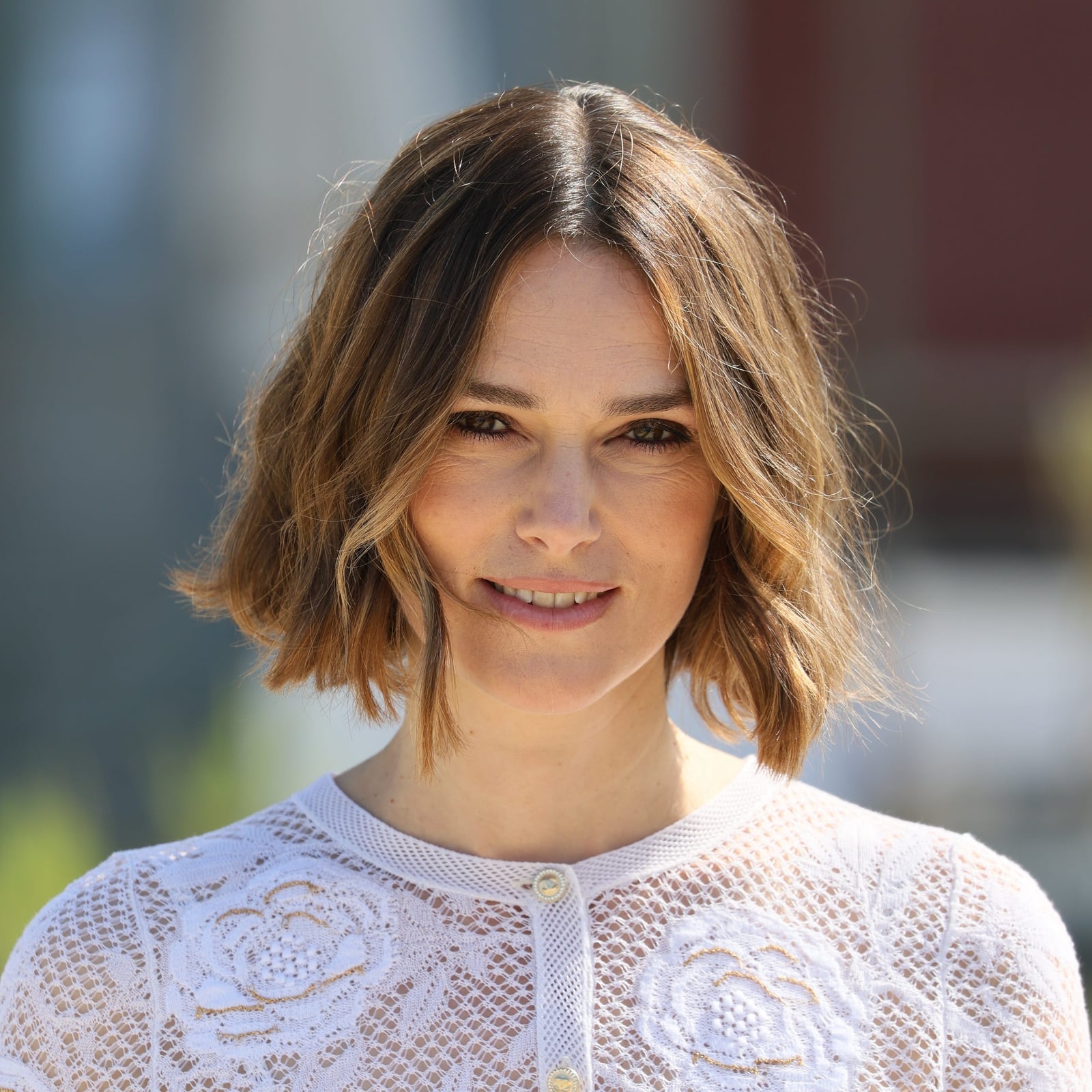
A chin-length bob in light brown with soft waves is a straightforward fix for fine hair that does not want to commit to a straight style. The waves add volume and texture, making the hair look fuller than it is, while the subtle highlights keep the color from reading flat. There are no bangs, so the focus stays on the movement. Ask your stylist for: chin length bob, soft waves, subtle highlights. A sea salt spray on damp hair and a quick scrunch gives you the wave pattern, and a trim every six weeks keeps the bob shape intact.
Ash Blonde Lob With Full Fringe
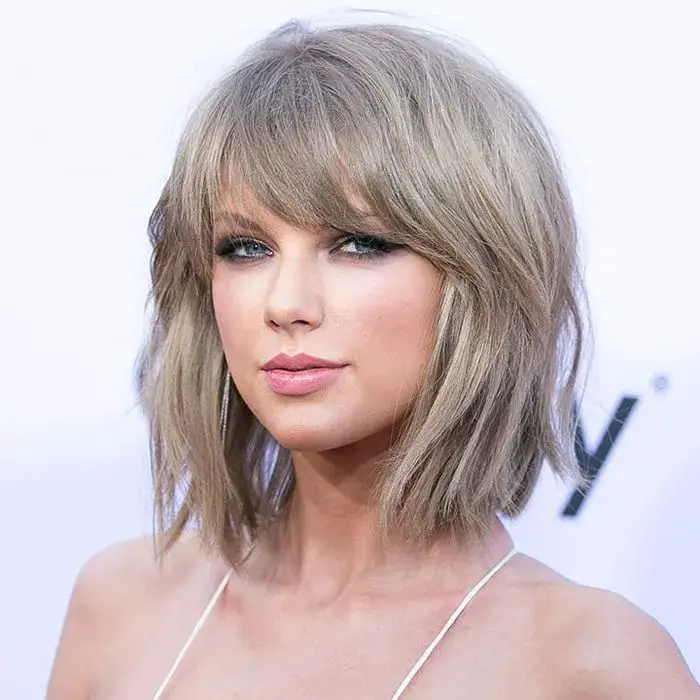
Can a fringe actually make thin hair look thicker? On this collarbone-length lob, a full fringe swept across the forehead does exactly that, adding density where hair often looks sparsest. The ash blonde base with subtle lighter highlights keeps the cut from feeling flat, while textured waves give the fine strands something to grip. Ask your stylist for a collarbone lob with a full fringe and textured waves, but request the fringe cut slightly heavier than you think you need, since fine hair tends to show scalp through wispy versions. The trade-off: a fringe this full needs a trim every four to six weeks, or it starts grazing your eyes and losing its shape.
Ash Blonde Shag With Curtain Bangs

The shag is built on choppy layers that stack through the crown, which is precisely why it works on fine, wavy hair. At collarbone length, those layers add volume without weighing the strands down, and the curtain bangs frame the face while blending into the cut. The ash blonde color with lighter highlights adds dimension, so the eye reads texture rather than thinness. Ask your stylist for a collarbone shag with choppy layers and curtain bangs. A diffuser on low heat encourages the natural wave pattern, and you will want a trim every eight weeks to keep the layers from growing into one shapeless blob.
Dark Brown Shag With Curtain Bangs
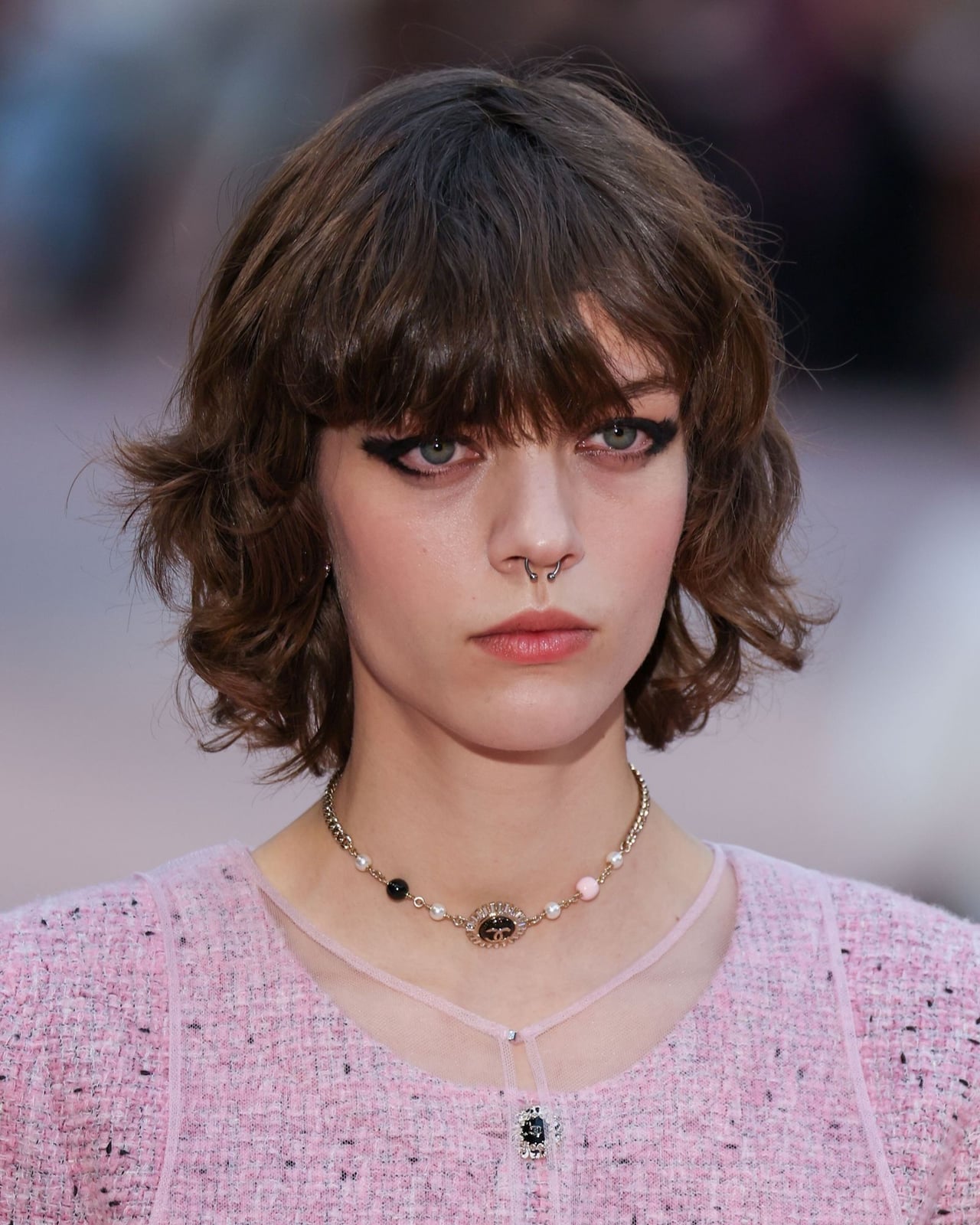
A shag on fine, wavy hair wears best when you accept that it will not hold its shape on its own. The dark brown base with subtle blonde highlights gives the choppy layers depth, but the loose wavy blowout you see here is the result of actual styling, not a lucky air dry. Start with a texturizing spray on damp hair, then either air dry or diffuse, and finger-comb the curtain bangs into place. Ask your stylist for a collarbone shag with curtain bangs and wavy texture. The upkeep is manageable: a trim every eight weeks keeps the layers in shape. A salon cut is the way to go, since a shag this textured is hard to replicate at home with scissors and optimism.
Brown Lob With Balayage And Layers
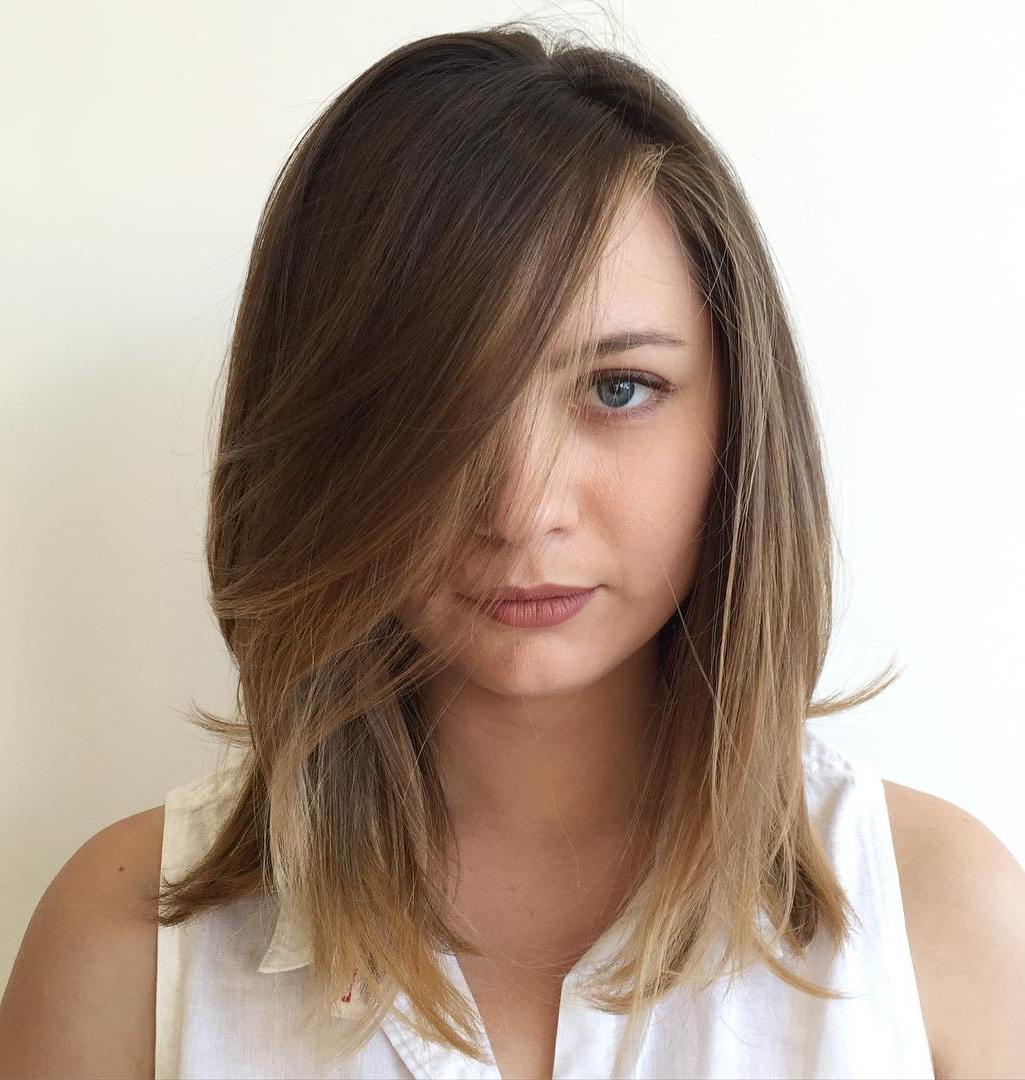
Is a lob with layers actually different from a regular lob? Yes, because the layers are what give fine, wavy hair its movement and shape. On this collarbone-length cut, the brown base with blonde balayage adds dimension that makes each layer visible, so the hair looks fuller than it is. The side-swept bangs soften the face without sacrificing length. Ask your stylist for a collarbone lob with layers, side swept bangs, and blonde balayage. The balayage is the standout here, since the lighter pieces catch the eye and distract from any flatness at the roots. If your hair is very fine, keep the layers long enough that they do not separate into wispy strands.
Dark Blonde Lob With Curtain Bangs
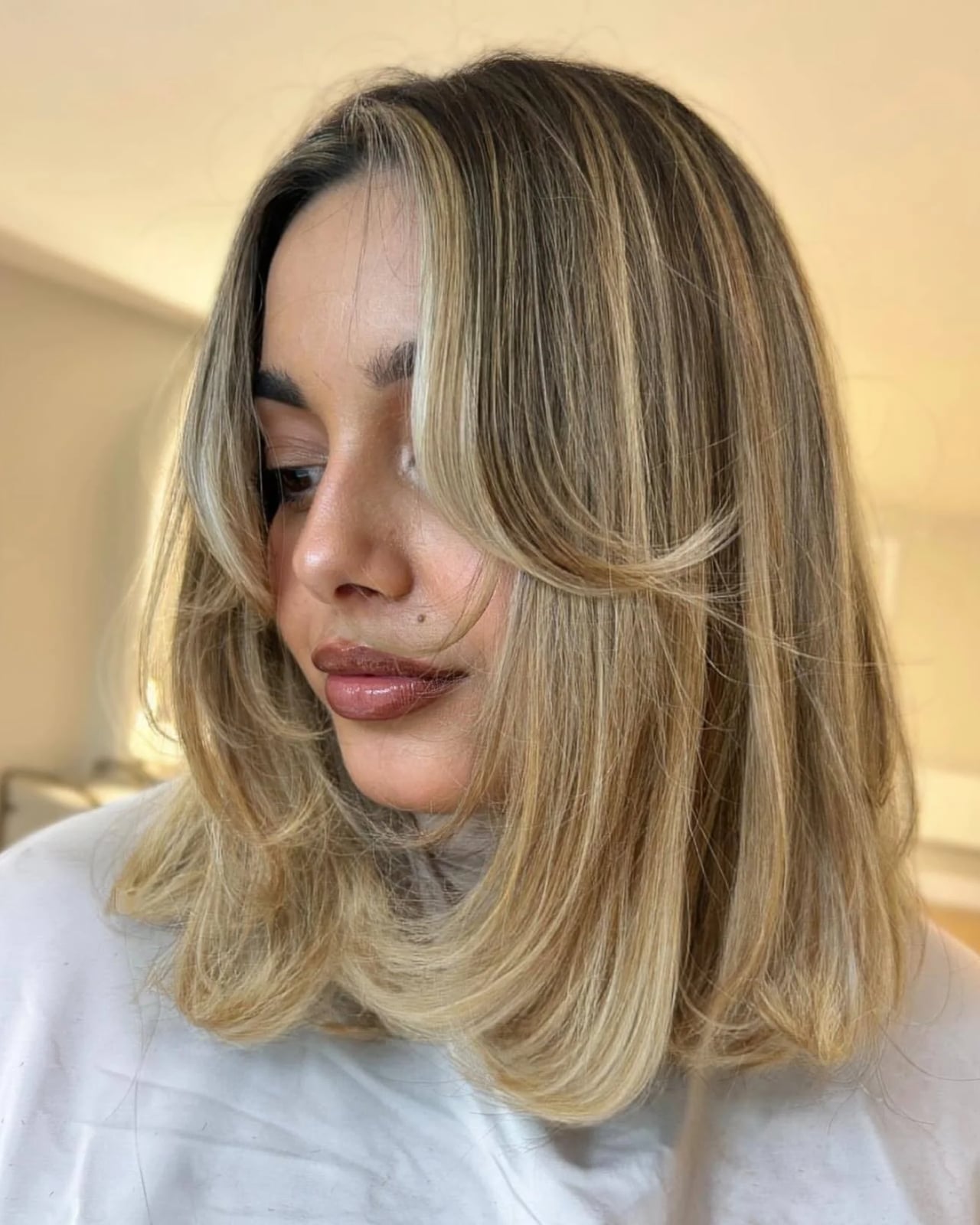
The mistake most people make with balayage on fine hair is skipping the toner. This collarbone-length lob in dark blonde with subtle balayage relies on the lighter pieces staying cool, not brassy, to keep the soft, air-dried waves looking fresh. Ask your colorist for a collarbone lob with curtain bangs and dark blonde balayage, and book a toning appointment every six to eight weeks to avoid the orange shift. The curtain bangs are cut to blend into the rest of the hair, so they do not require daily styling, but they will need a trim at the same interval. One real drawback: if you let the balayage grow out without toning, the contrast between your natural root and the lighter ends becomes the look, and not in a good way.
Textured Bob With Wispy Curtain Bangs
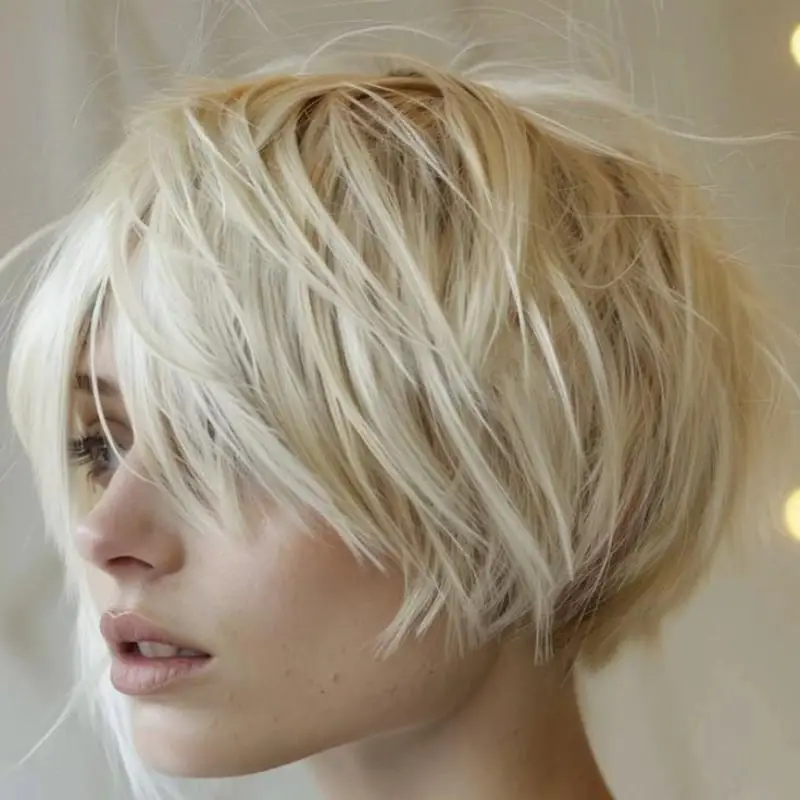
Choppy layers on a chin-length bob create the illusion of thickness by giving fine, wavy hair more surface area to catch light. The ash blonde base with subtle highlights adds depth, while the side part and wispy curtain bangs sweep across the forehead for a lived-in, piecey finish. This textured bob is ideal for anyone with fine, wavy hair who wants volume without committing to a shorter cut. Ask your stylist for: chin length bob, choppy layers, wispy curtain bangs. Work a texturizing paste through the ends to keep the piecey look, and plan on a trim every six weeks to maintain the shape.
Medium Brown Bob With Wavy Bangs

To get curtain bangs that blend seamlessly on fine hair, ask for them to be cut soft and integrated into the bob’s layers, so they frame the face without adding weight. The chin-length medium brown bob features subtle highlights for dimension, and the wavy blowout creates natural movement and volume. This cut works well on fine, wavy hair at chin length, where curtain bangs and layers add softness without bulk. Ask your stylist for: chin length bob, curtain bangs, soft layers. Finish with a wavy blowout, using a round brush to lift the roots.
Shoulder Length Layers With Face Framing

Face-framing layers on a shoulder-length cut are a clever way to give fine, straight hair a flattering silhouette without sacrificing length. The dark brown hair is parted in the middle, with soft layers that skim the cheekbones and jaw, adding movement while keeping the bulk intact. This style suits those with fine, straight hair starting at the shoulders; the layers create the illusion of fuller, more textured hair. Ask your stylist for: shoulder length, soft face framing layers, middle part. You can air dry with minimal product, and a trim every eight to ten weeks keeps the layers from growing out into a shapeless mass.
Honey Blonde Lob With Side Swept Bangs
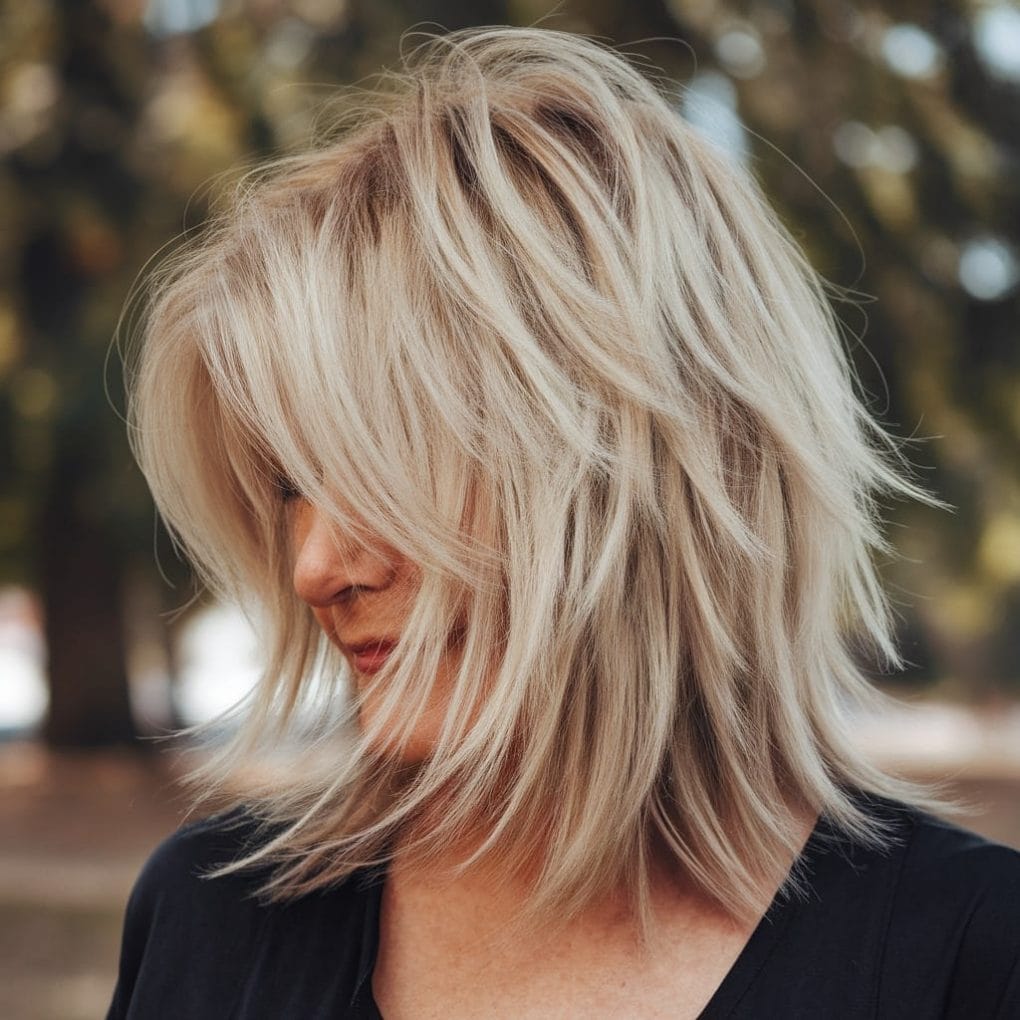
Unlike a blunt lob that can look flat on fine hair, this shoulder-length version with choppy layers and side-swept bangs gives the hair fullness and movement. The honey blonde base with lighter highlights adds dimension, and the soft wave blowout makes the hair appear thicker than it is. This cut is suited to fine, wavy hair at shoulder length, where the choppy layers and side-swept bangs create a flattering frame. Ask your stylist for: shoulder length lob, choppy layers, side swept bangs. For daily styling, a texturizing spray on dry hair enhances the waves, and a trim every eight weeks keeps the shape tidy.
Shoulder Lob With Honey Blonde Balayage

Balayage highlights on a shoulder-length lob are a smart way to add dimension and visual interest to fine hair, making it look fuller without adding weight. The honey blonde balayage creates a warm, sun-kissed effect, while subtle layers and loose waves give the hair movement and body. This cut suits fine, wavy hair at shoulder length, where the combination of layers and balayage works together to create the illusion of thickness. Ask your colorist for: shoulder length lob, subtle layers, honey blonde balayage. Scrunch to define the waves, and trim the layers every eight weeks to prevent them from losing their shape.
Collarbone Ash Blonde Lob With Layers
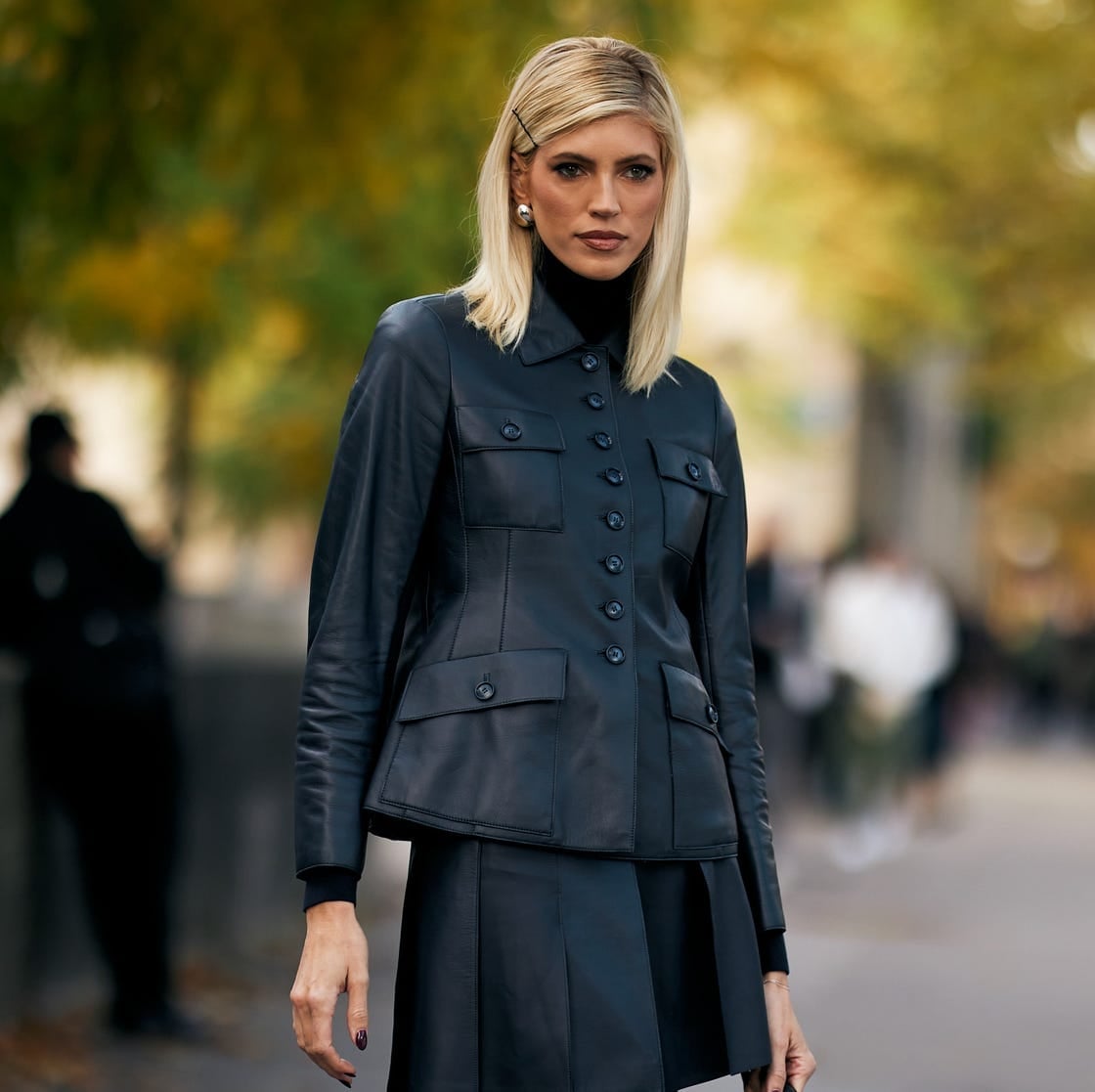
A collarbone-length lob in ash blonde gets its polish from face-framing layers that sweep forward from a side parting. The straight blowout keeps the fine texture sleek rather than flat, and the layers create movement without removing density. This is a cut that works for fine, straight hair because the length stays heavy enough to avoid wispy ends. Ask your stylist for: collarbone long bob, face framing layers, ash blonde. A trim every eight weeks keeps the line clean and the layers from losing their shape.
Collarbone Brown Lob With Layers, Wavy
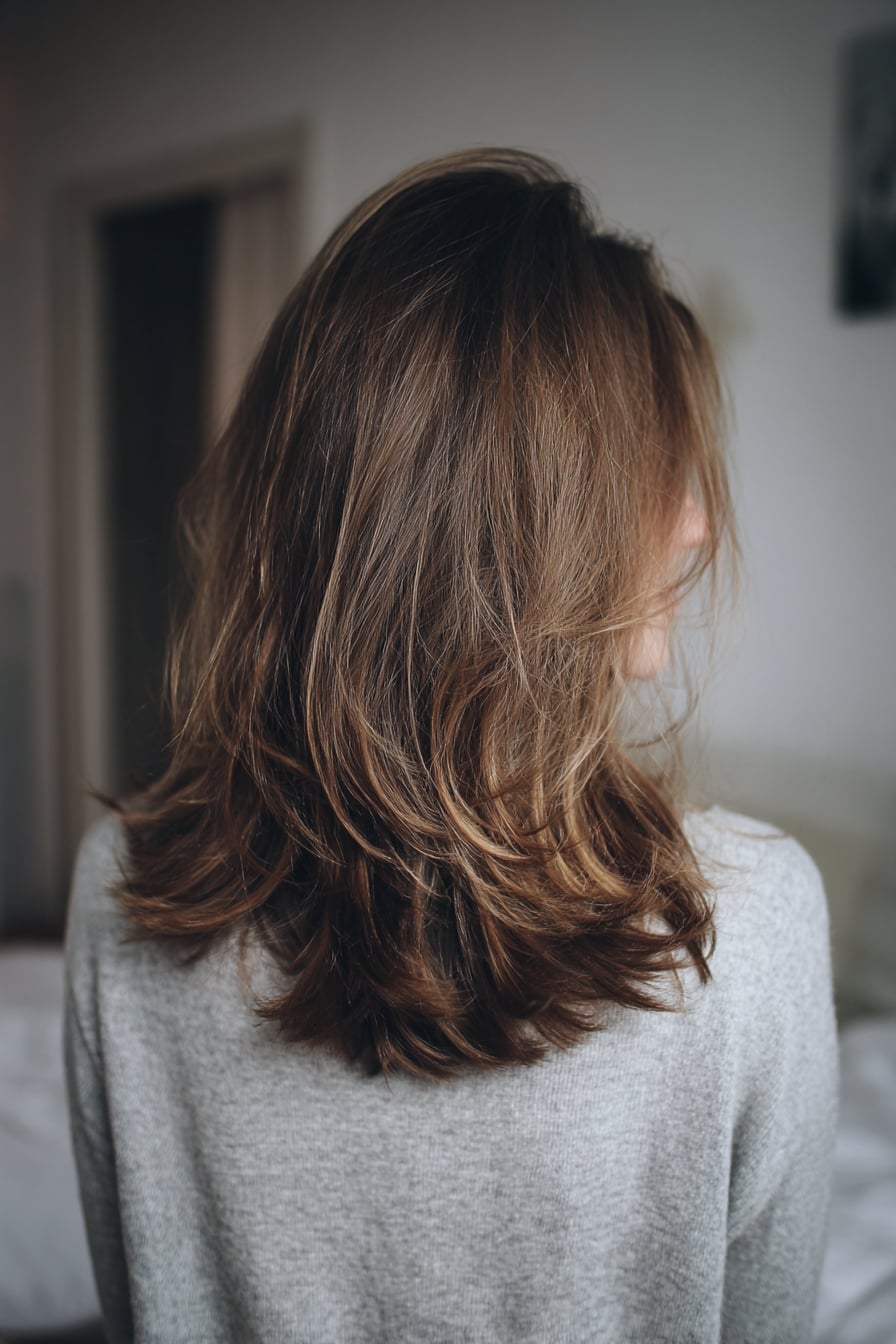
A collarbone lob in medium brown with blonde highlights leans on subtle layers to give fine, wavy hair some actual volume. The back view shows how the layers hit at different points, which keeps the shape from falling into a triangle. The trade-off is that air-dried waves on fine hair need a light leave-in conditioner to avoid frizz, and the waves will relax faster than on coarser textures. Ask your stylist for: collarbone length, subtle layers, natural waves, brown with highlights. A trim every eight weeks maintains the layered shape.
Dark Blonde Lob With Balayage
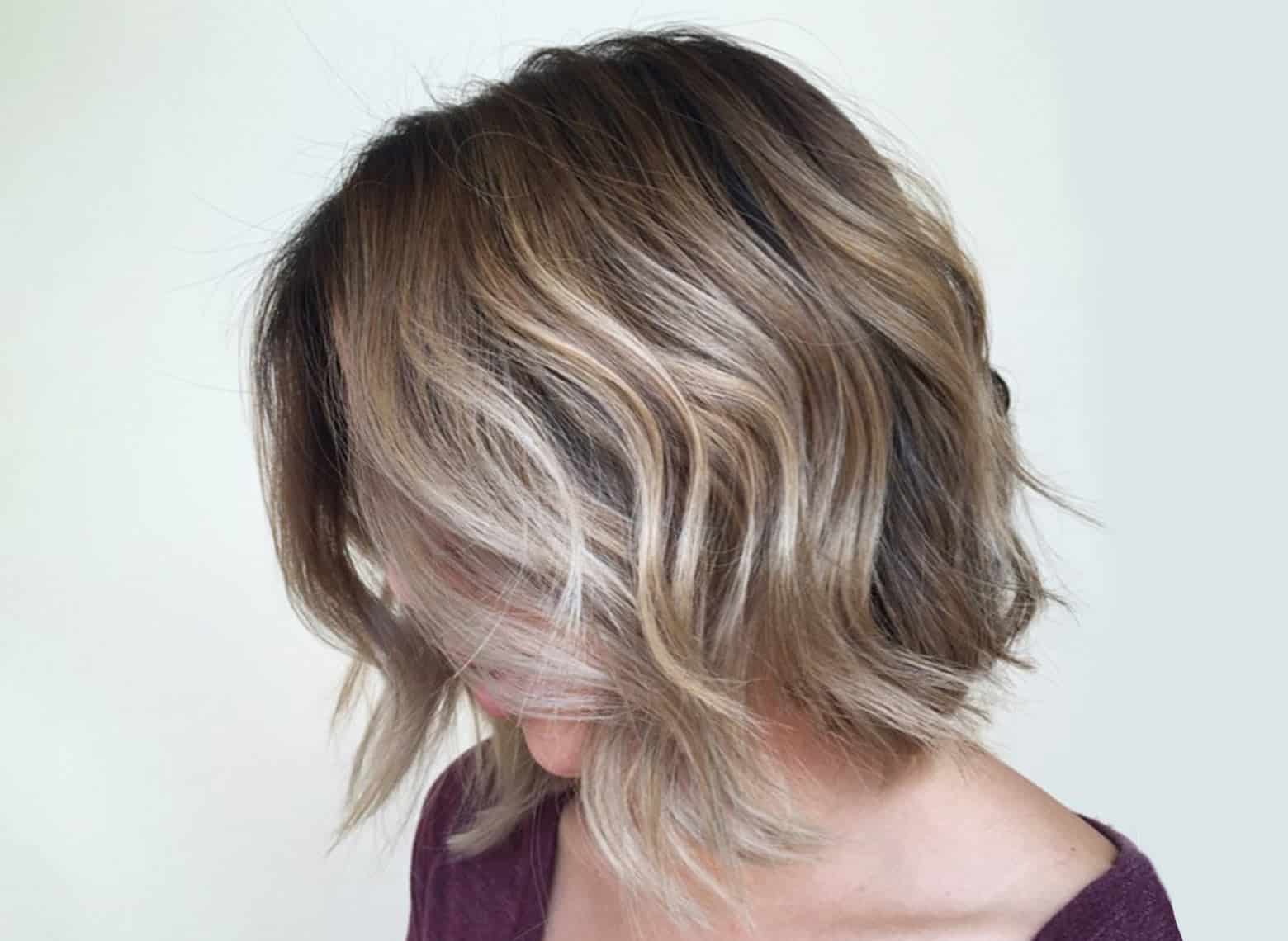
Does fine hair need color to look thicker? Balayage on this collarbone-length lob answers with a yes. The dark blonde base gets lighter pieces woven through the mid-lengths and ends, creating depth that tricks the eye into seeing more density. The loose waves and subtle layers add movement, so the cut never looks stiff. Ask your colorist for: collarbone lob, subtle layers, dark blonde balayage, loose waves. This is a salon-leaning look: the balayage technique requires a skilled hand, and the grow-out is softer than traditional highlights, so you can stretch appointments to ten or twelve weeks.
Ash Blonde Blunt Cut Lob
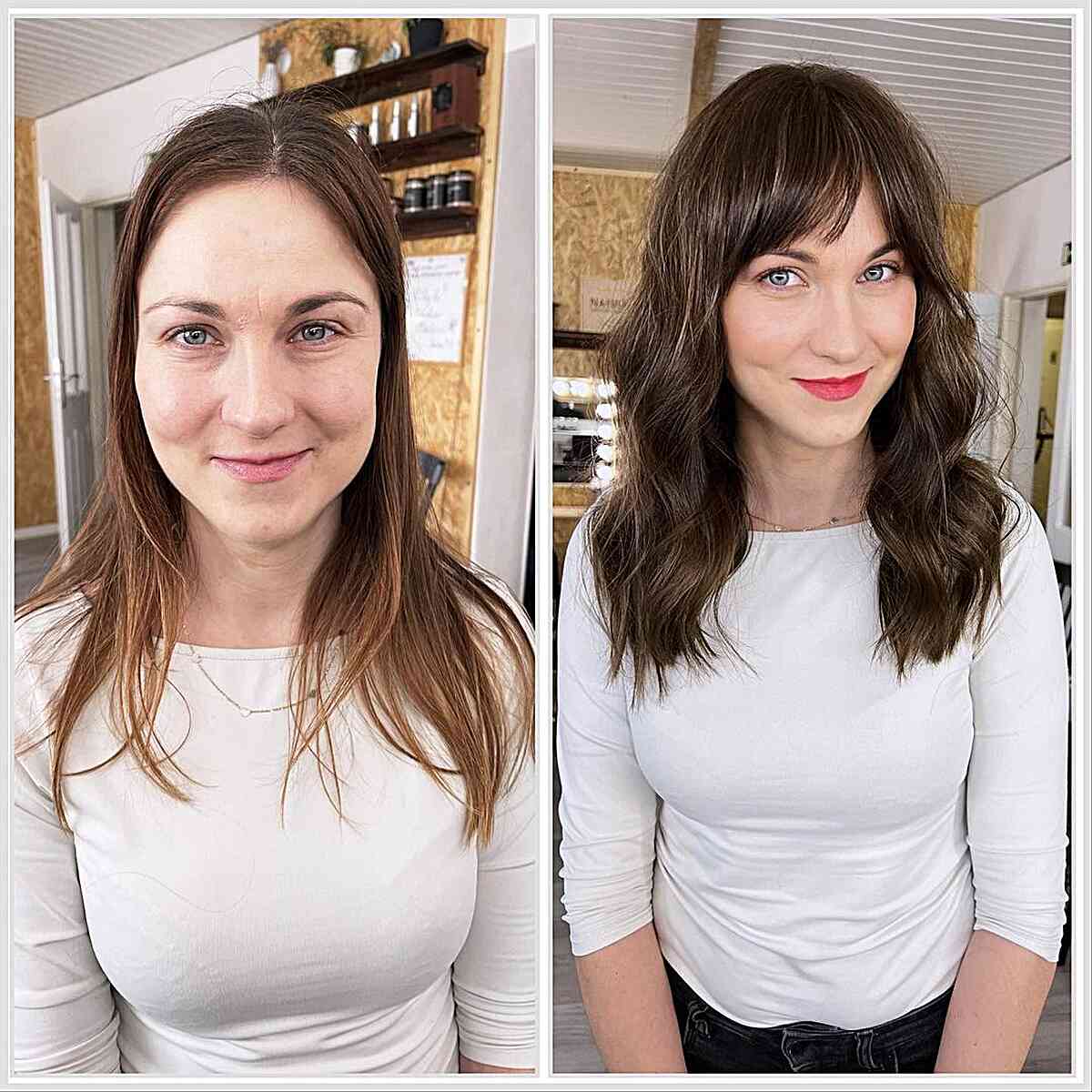
A collarbone-length blunt cut lob in ash blonde with highlights relies on a single trick: the blunt ends create a solid line that makes fine hair appear thicker. Straight styling keeps the focus on that clean edge. The drawback is that blunt cuts on fine hair can look severe or lack movement, so a smoothing serum and a flat iron are needed to keep the ends from splaying. Ask your stylist for: collarbone blunt cut lob, straight style, ash blonde. A trim every eight weeks is required, or the blunt line starts to fray.
Dark Brown Collarbone Blunt Bob
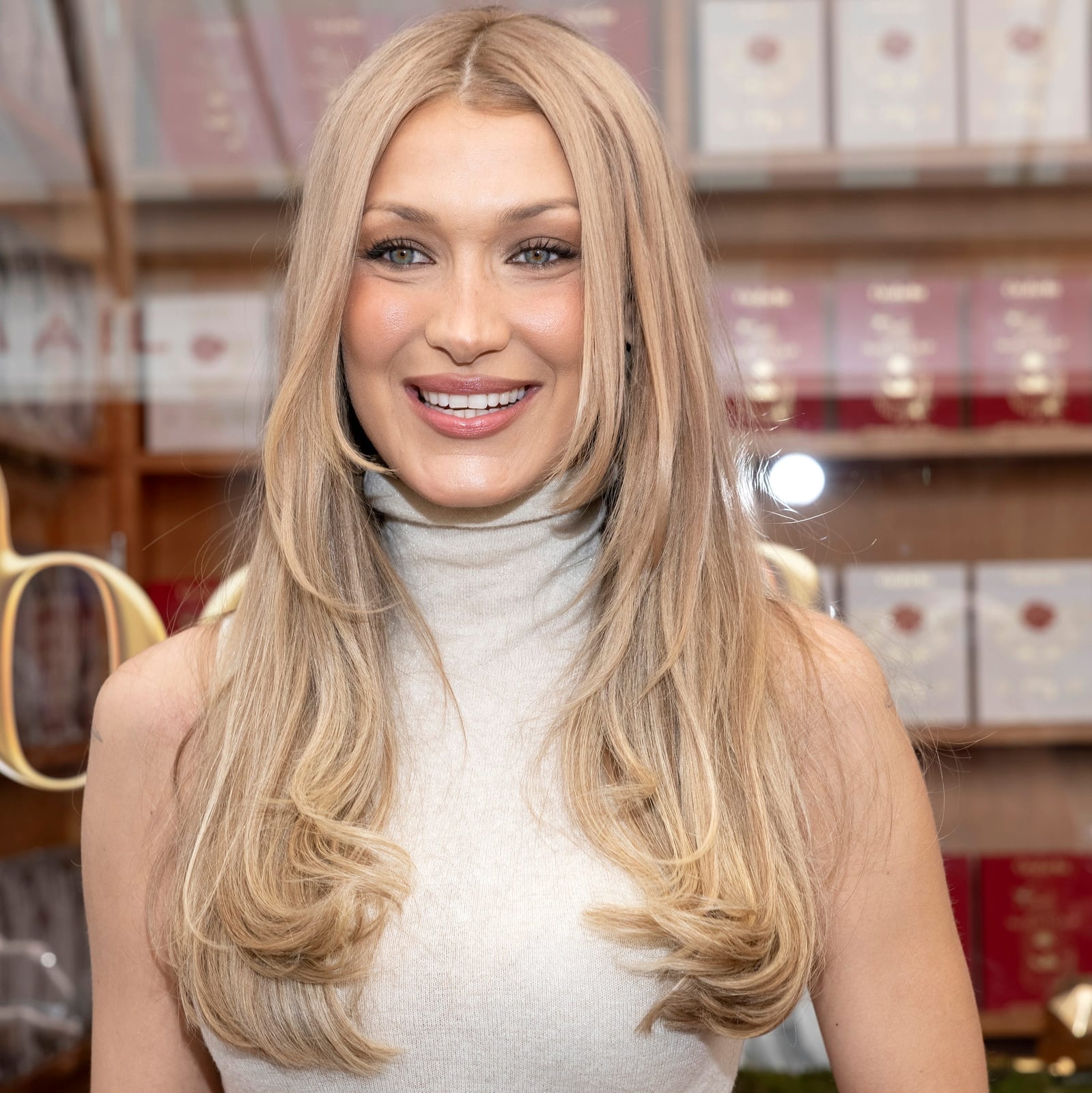
A collarbone-length blunt bob in dark brown with subtle lighter brown highlights uses a poker-straight finish and a clean middle parting to maximize perceived thickness. The blunt line does the heavy lifting here, giving fine hair a solid silhouette that does not taper into nothing. When you sit in the chair, be specific: the layers should be long and face-framing to avoid thinning out fine hair. Ask your stylist for: collarbone blunt bob, poker straight, dark brown. The subtle lighter brown highlights add dimension without breaking the solid color block that makes this cut read as dense.
Wavy Dark Bob With Subtle Tones
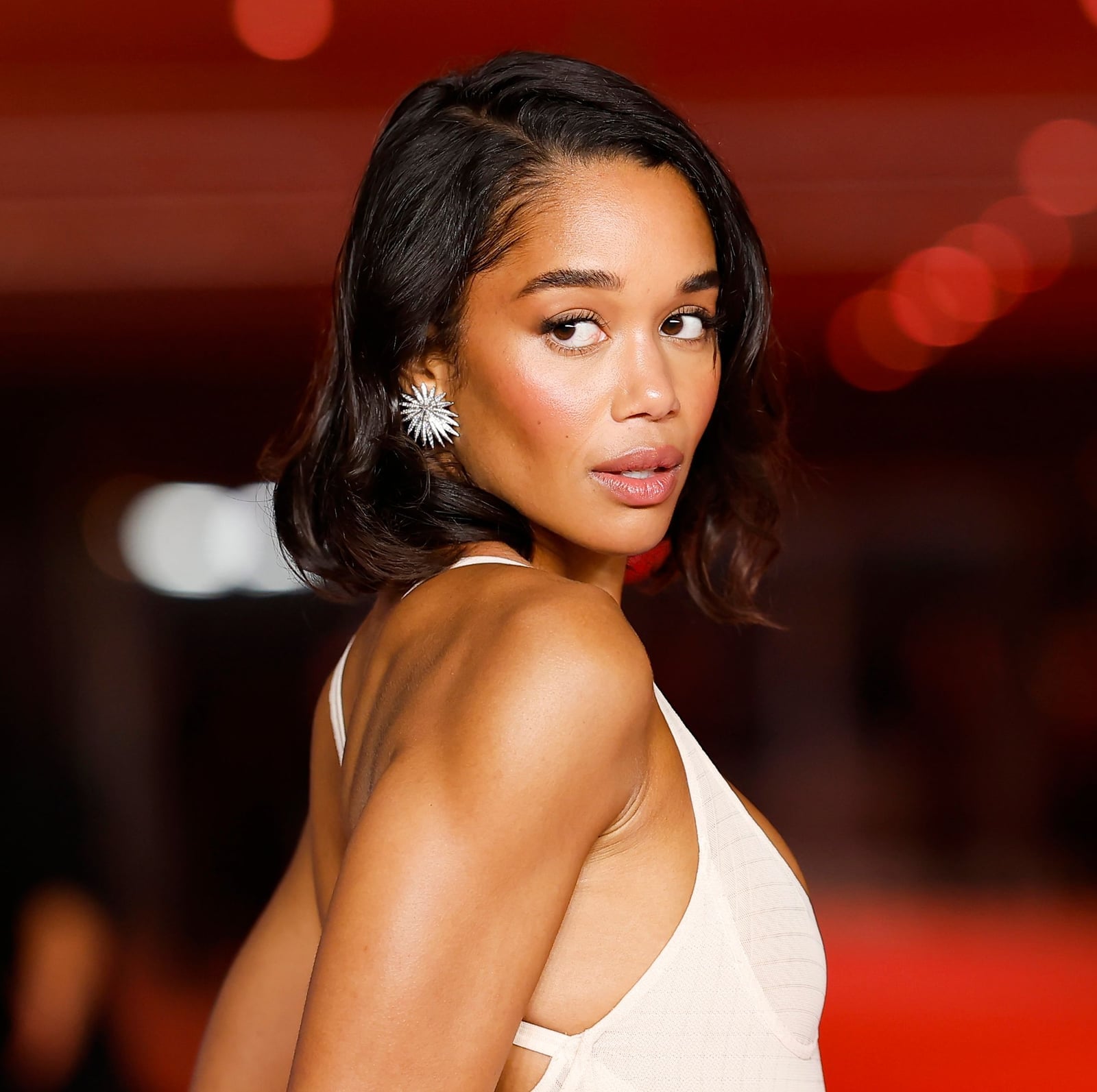
The glossy finish on this chin-length blunt bob gives fine hair a polished look. Subtle lighter pieces woven into the dark brown base add dimension without obvious highlights. The side parting and air-dried wave keep the shape soft, not severe. Ask your stylist for: chin length blunt bob, subtle layers, dark brown. Use a texturizing spray at the roots to encourage natural wave. Trims every six weeks keep the blunt line crisp.
Textured Ash Blonde Layered Bob
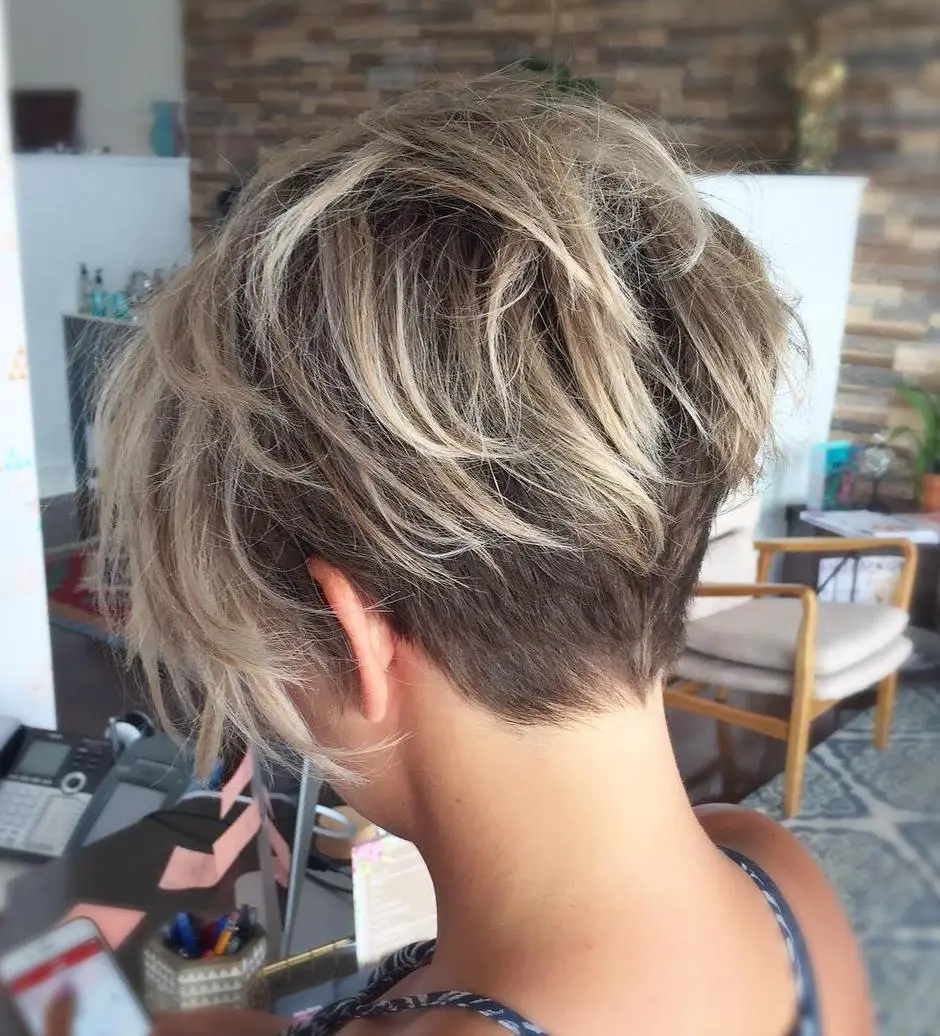
Does your fine hair lie flat no matter what you do? A heavily layered chin-length bob might fix that. The ash blonde base with darker roots adds depth, while the textured layers create an impression of fullness without bulk. Ask your stylist for: chin length layered bob, heavy texture, ash blonde. Work a texturizing paste through the ends for separation. Plan a trim every six to eight weeks to keep the shape alive.
Voluminous Pixie Cut
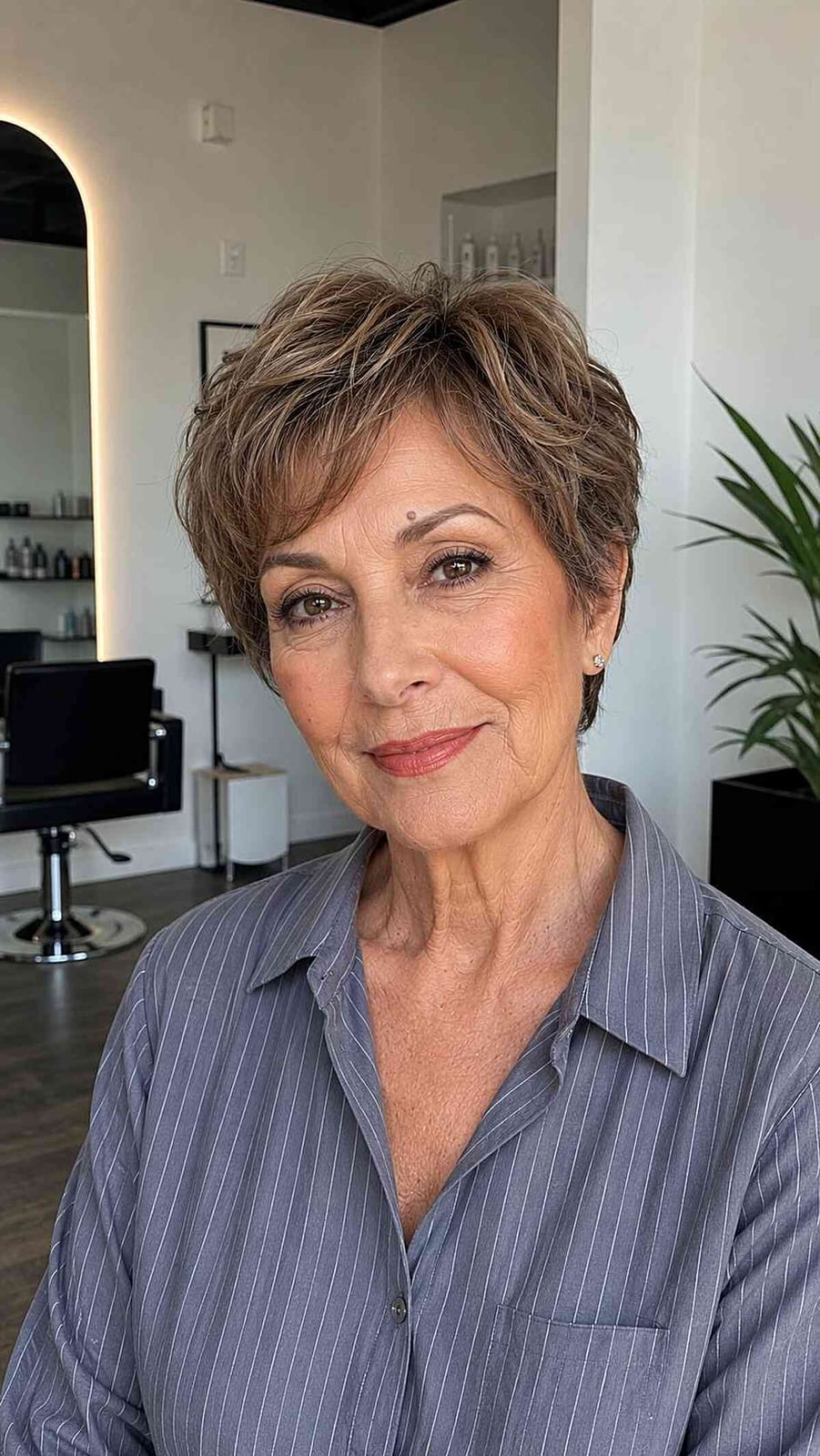
The trick with this ear-length pixie is the blonde highlights breaking up the brown base, which keeps fine hair from looking like one flat block. Short textured bangs swept to the side add movement at the front. The wavy texture and side parting create height at the crown without backcombing.
This cut works for everyday wear and requires minimal morning effort. Ask your stylist for: voluminous pixie cut, short textured bangs, side swept. A texturizing spray or wax at the roots enhances the volume. Trims every four to six weeks are non-negotiable to maintain the shape.
Curly Dark Brown Pixie Cut
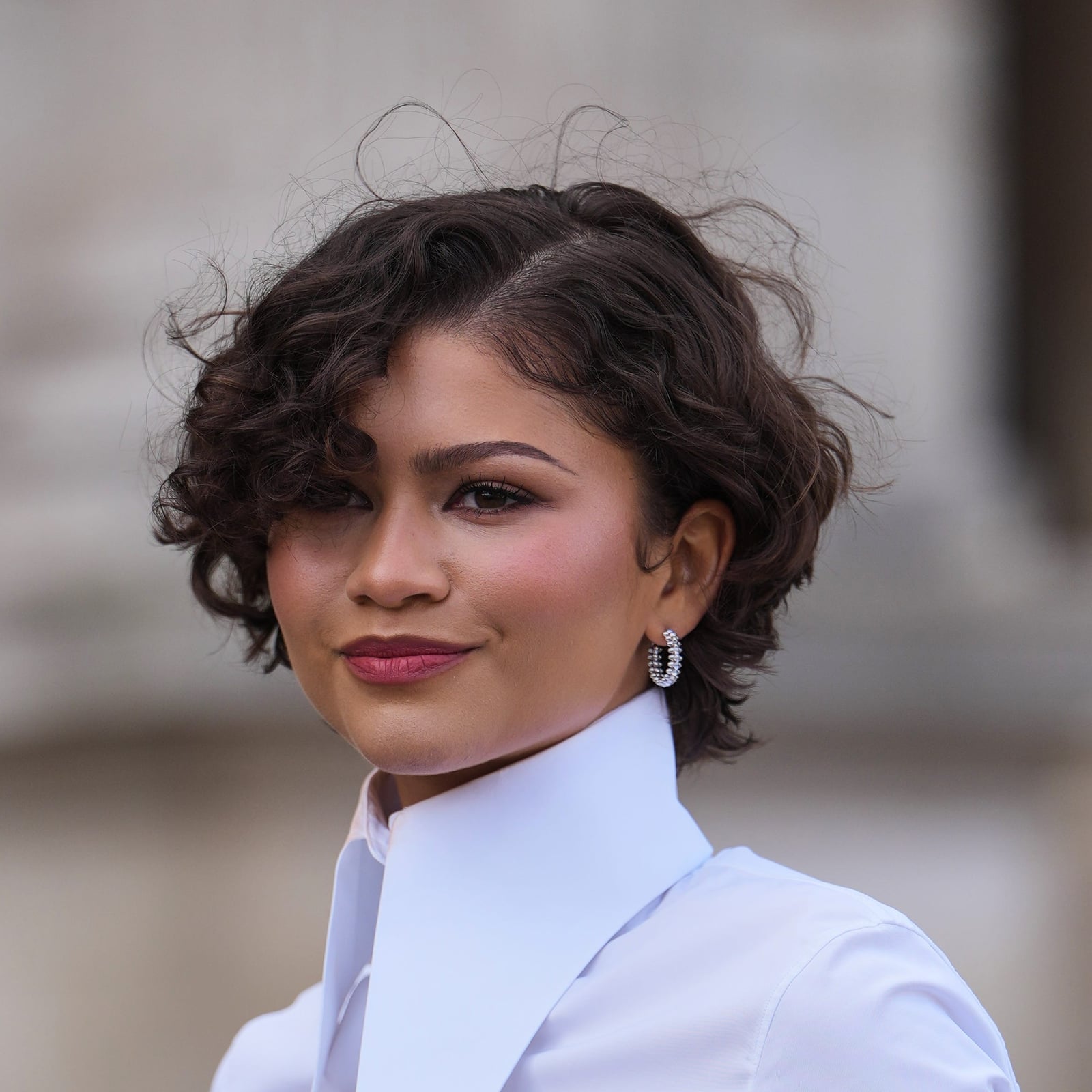
It is not a traditional pixie, it is a curly one with short wispy bangs. The dark brown color and textured finish let the natural curl pattern stand out. Fine curly hair needs a different approach: too much layering and it gets sparse. Ask your stylist for: short curly pixie, wispy bangs, dark brown. A curl-defining cream and scrunching are your tools. Trims every four to six weeks, and this is a salon cut, not a DIY project.
Textured Black Curly Pixie With Short Bangs
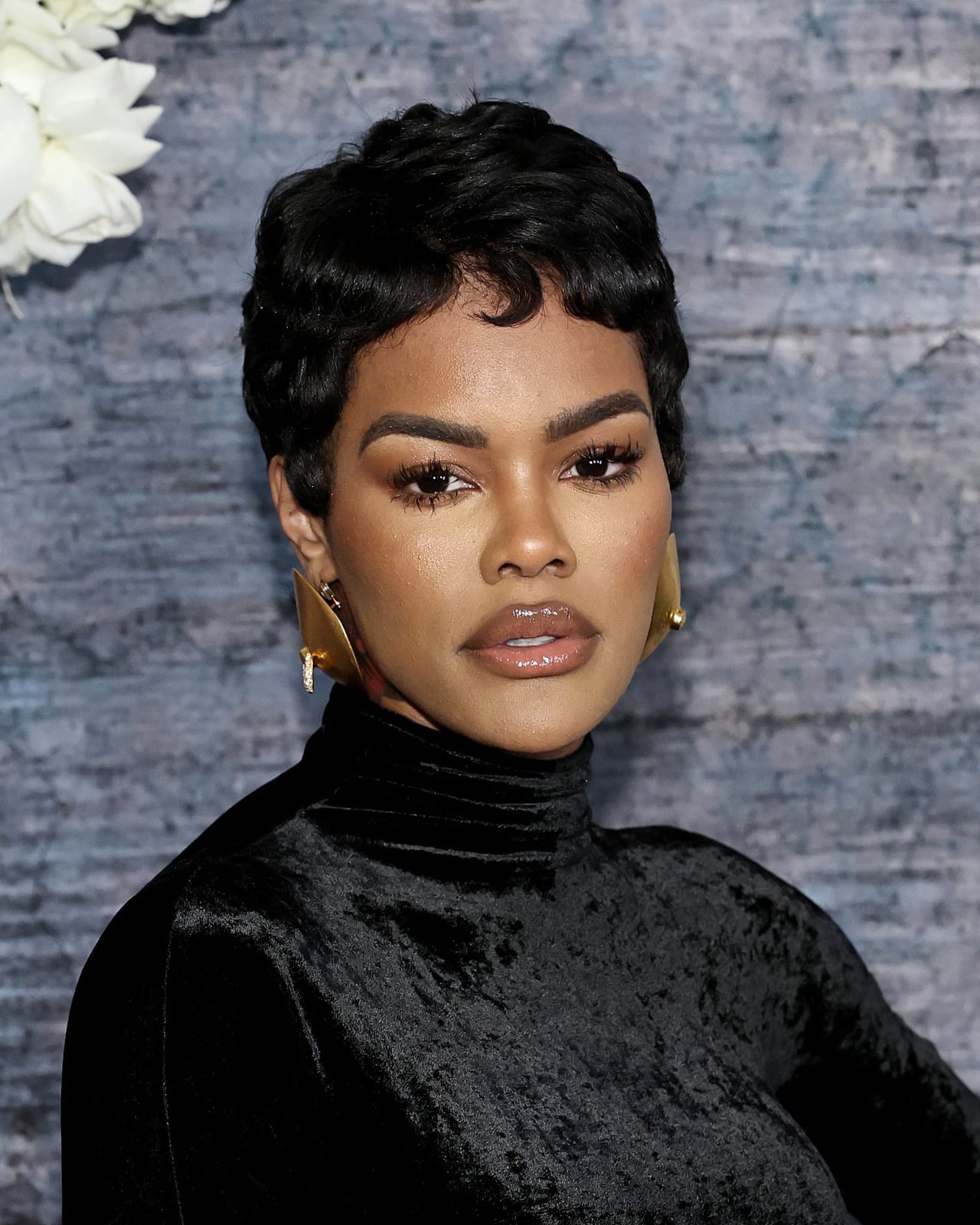
The mistake most people make with a textured pixie on fine hair is asking for too much layering, which makes the hair look sparse rather than full. This ear-length cut in black uses the natural curly texture to create volume, with short bangs that frame the face without removing density from the crown. Fine curly hair holds shape better when the stylist cuts with the curl pattern rather than against it. Ask your stylist for: short textured pixie, short bangs, black curly hair. The drawback is that a curly pixie needs a trim every four to six weeks to keep the shape from turning uneven.
Piecey Dark Brown Pixie Cut, Ear

Can a pixie cut actually make thin hair look thicker? Yes, if the cutting is piecey instead of blunt. A short fringe breaks up the line, so the hair appears textured. Ask your stylist for: ear length pixie, piecey styling, short side swept fringe.
Fine, straight hair at ear length benefits from this approach because each section is cut to stand slightly apart from the next. A texturizing paste or wax worked through the ends holds the separation without weighing anything down. Expect a trim every four to six weeks to keep the shape crisp and the fringe out of your eyes.
Textured Ash Blonde Pixie
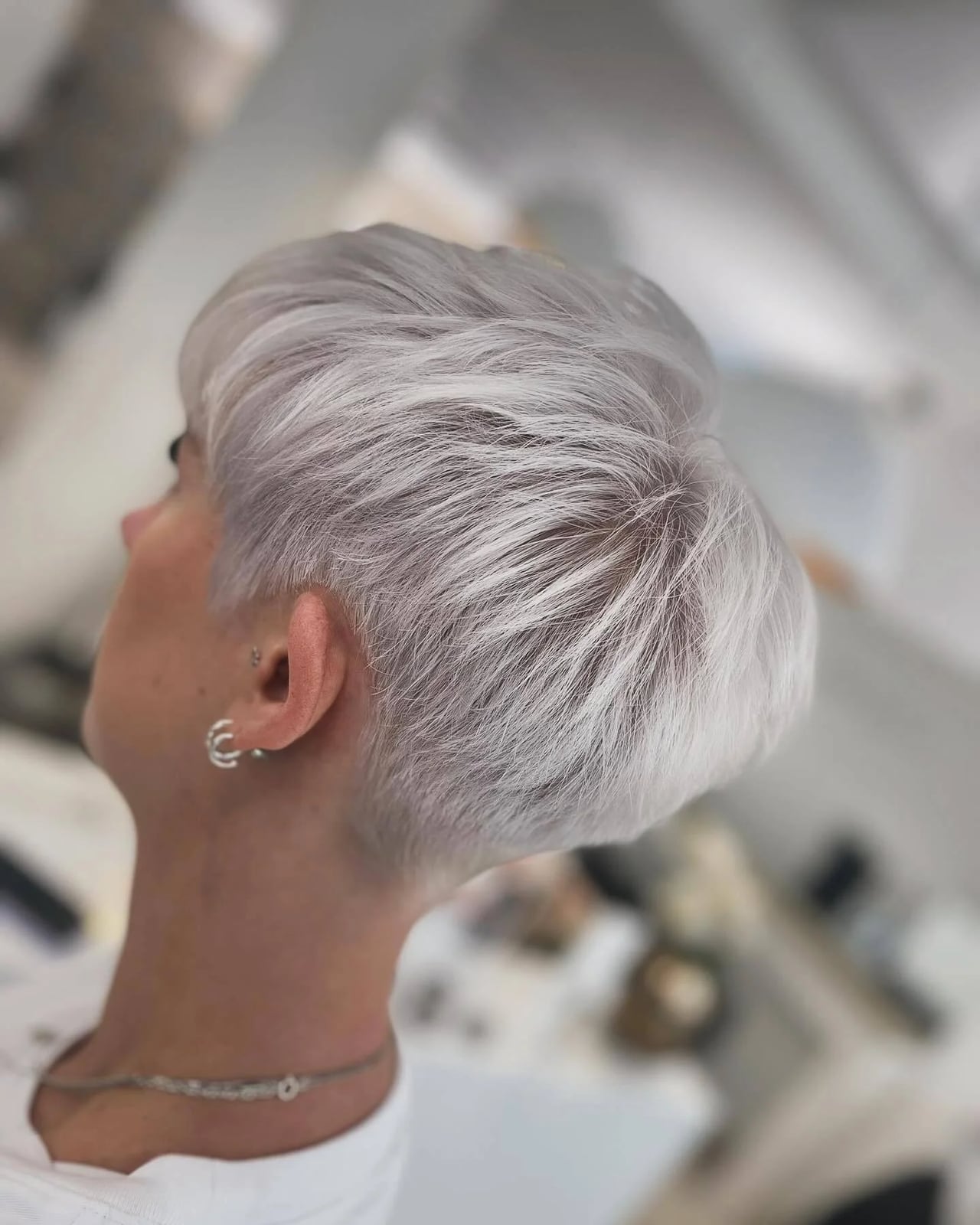
A textured top on a pixie cut is built through point cutting, where the stylist snips into the ends at an angle rather than straight across. Ash blonde hair at ear length with side-swept bangs creates volume at the crown because the shorter pieces push against the longer ones for lift. Ask your stylist for: short pixie, textured piecey style, ash blonde, side swept bangs. A light pomade or texturizing spray on the top section keeps the separation visible without looking greasy.
Platinum Blonde Textured Pixie, Ear

The platinum blonde hue and textured styling in this pixie cut work together to create an illusion of fullness on fine hair. Short, piecey bangs and a side parting break up the hair into visible sections, so the scalp is less apparent. Ask your stylist for: short pixie cut, piecey styling, platinum blonde, short bangs. A texturizing paste through the ends keeps the separation clean. This cut is practical for everyday wear and requires a salon visit every four to six weeks to maintain the shape and tone.
Ash Blonde Mid-Back Layers With Waves
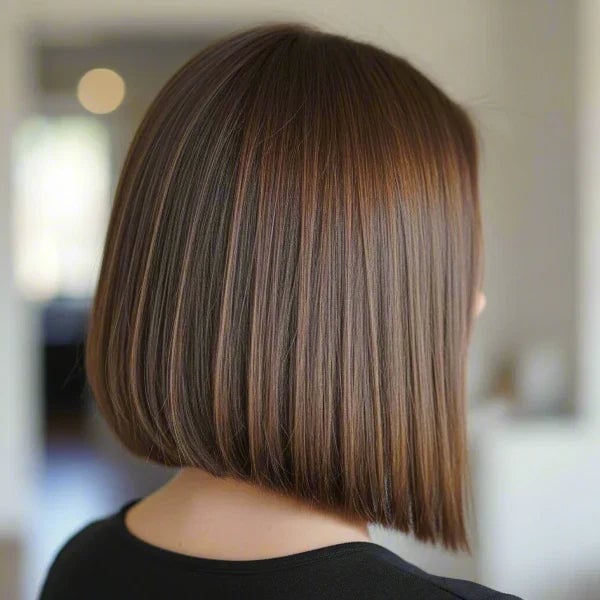
A blunt bob at the collarbone looks sharp, but on fine hair it can fall flat without help. Dark brown hair with subtle lighter highlights adds dimension that a single shade cannot. Ask your colorist for: dark brown with subtle lighter brown highlights. A heat protectant and a round brush during blow-drying lift the roots enough to keep the line from sitting too flat. This cut is best handled by a salon for the precise hemline, though daily styling takes about ten minutes once you have the technique down.
Dark Blonde Mid-Back Layers With Curtain Bangs

Can longer hair with thin texture avoid looking stringy? Face-framing layers and curtain bangs soften the overall shape and add movement where it is needed most. Dark blonde hair with lighter highlights draws the eye outward. Ask your stylist for: mid-back length, face framing layers, curtain bangs, dark blonde. Apply a heat protectant and blow dry with a round brush, directing the bangs to the side. A trim every ten weeks keeps the layers from losing their shape and the bangs from growing past the cheekbone.
Final Thoughts
For fine hair, prioritize cuts with blunt ends or strategic internal layering to maintain density. Avoid overly choppy or wispy styles that can make ends look thinner.
- Trim blunt bobs and lobs every six to eight weeks to maintain sharp lines.
- For layered cuts, a trim every eight to ten weeks keeps the shape defined.
- Pixie cuts require frequent trims, typically every four to six weeks, to retain their shape.
- Use volumizing products at the roots and avoid heavy conditioners that can weigh down fine hair.
Simple cuts can offer the biggest impact for fine hair.