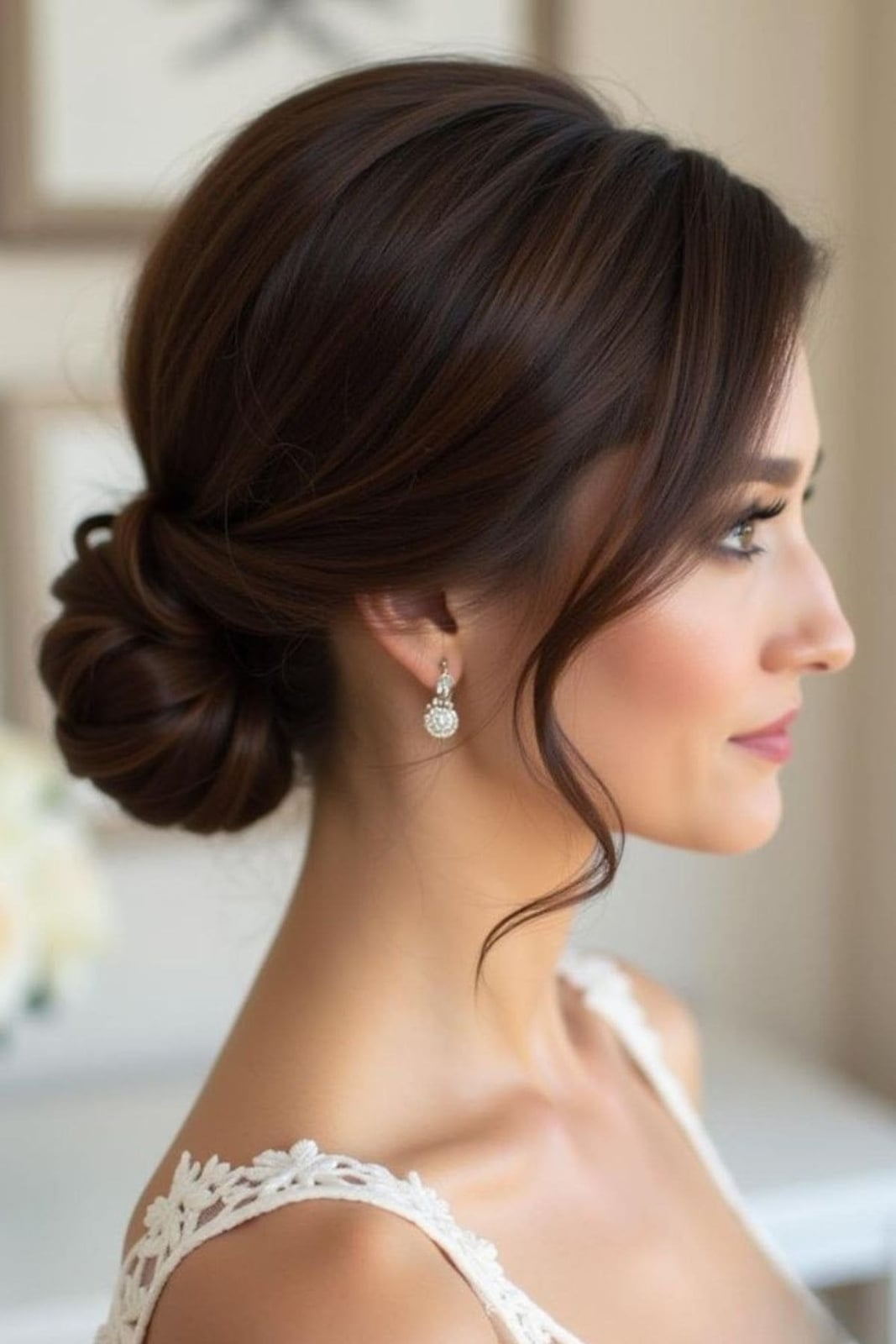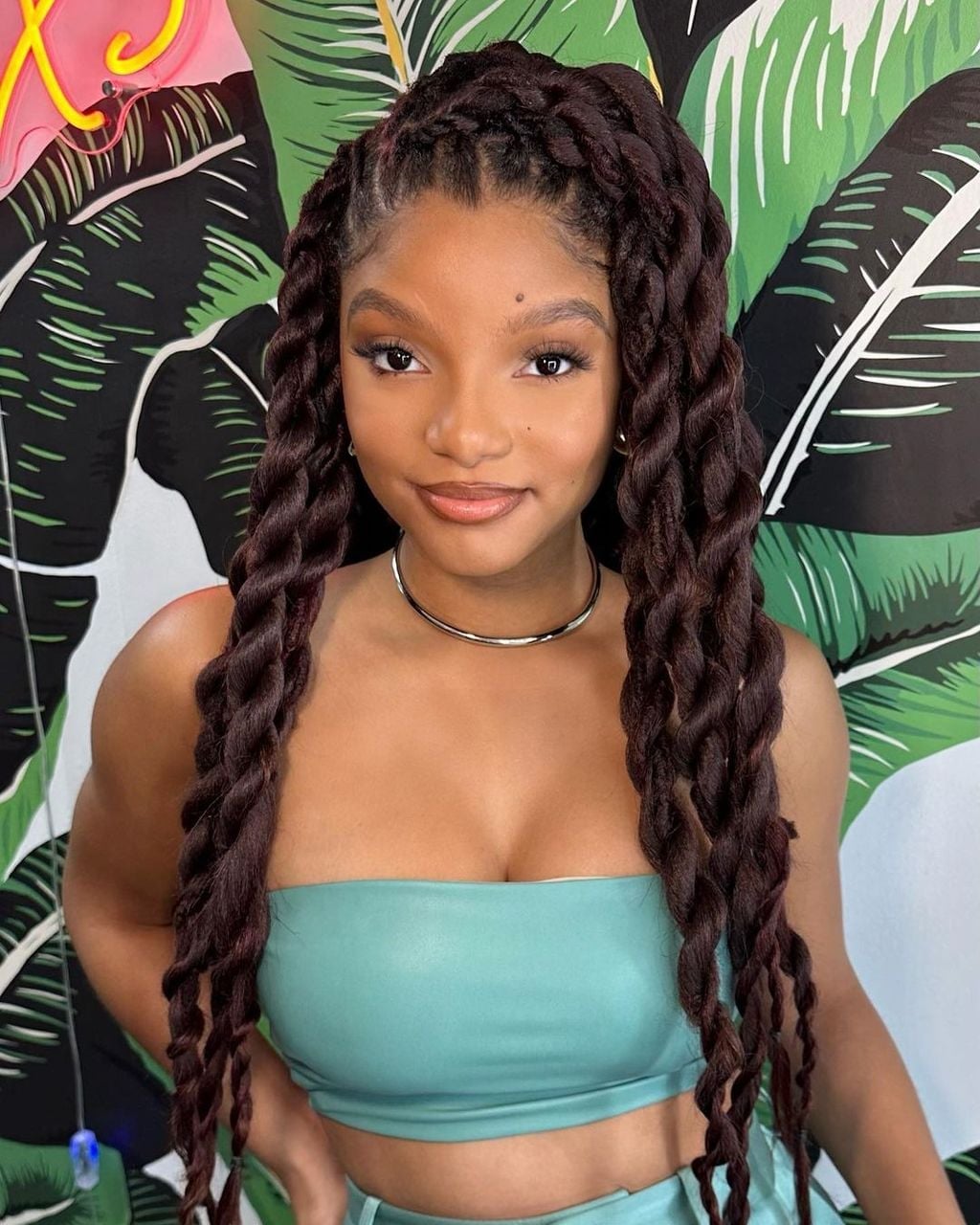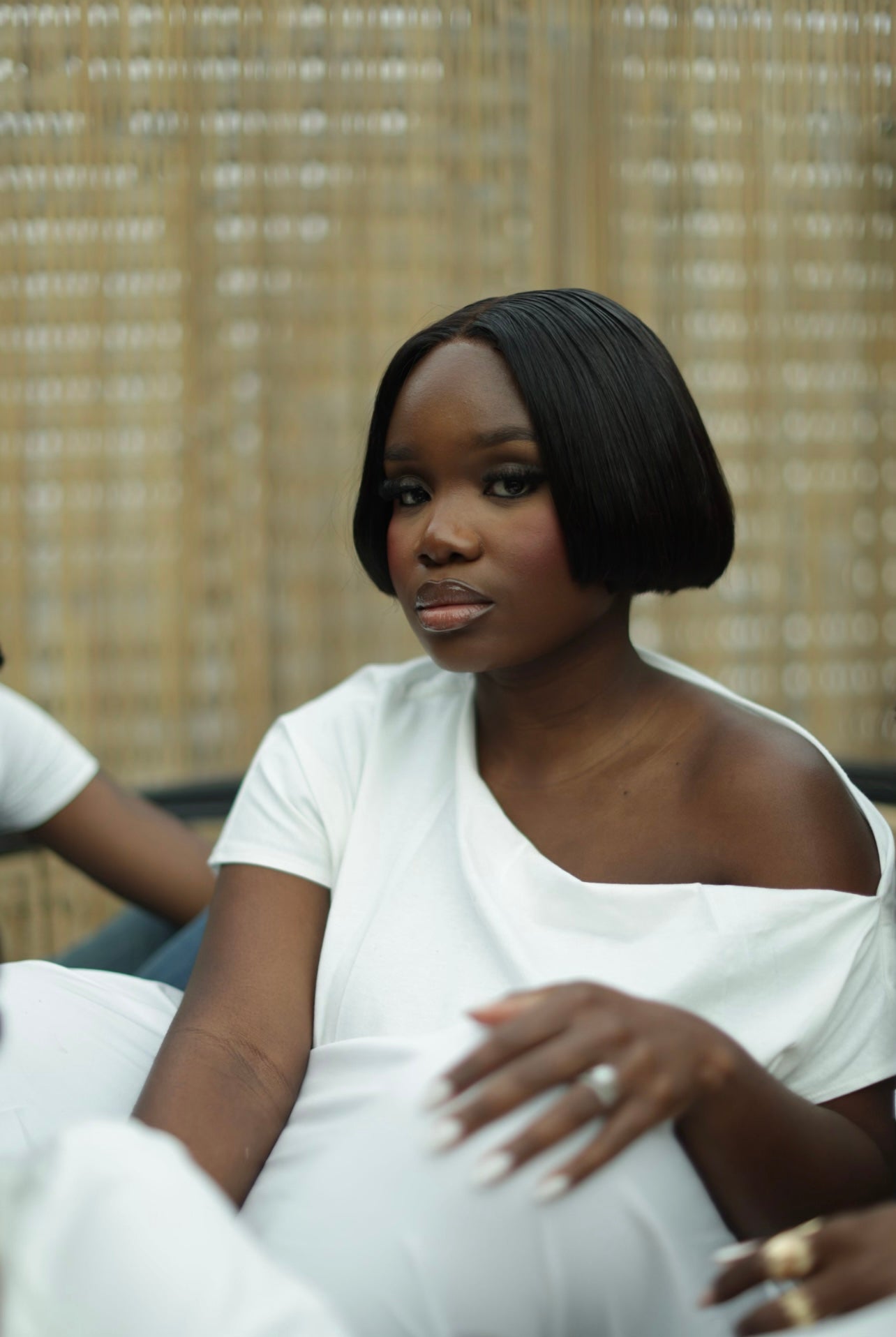


Simple Korean hair is built on clean, intentional cuts that prioritize shape over fuss. The shift has moved away from heavy, flat-ironed lengths toward soft, lived-in layers and airy fringes that move naturally.
This collection of 32 ideas covers the full range, from low-upkeep air-dried lobs to polished blunt bobs with a trim schedule you can set a calendar alert for. Simple Korean Hair works across hair densities and face shapes, and it solves the common struggle of fine hair that loses volume by lunch or a fringe that refuses to sit right.
Mid-Back Soft Layers With Curtain Bangs
The design here does not rely on a single heavy shape but on a series of graduated face-framing layers that feather into the length. The curtain bangs, parted at the center, pull the eye outward rather than cutting across the forehead, which keeps the silhouette open and airy. Fine to medium hair that tends to sit flat in a blunt cut gains visible movement without losing density at the hemline. Starting at shoulder length or longer gives the layers enough room to stack properly; anything shorter and the face-framing pieces can look disconnected.
Ask your stylist for: long hair with soft face-framing layers and wispy curtain bangs. The cut is forgiving on the grow-out front, with the layers holding their shape for about ten to twelve weeks between trims. Air drying with a texturizing spray on damp ends encourages the natural wave without a heat tool. The middle parting is not negotiable here, it is what allows the curtain bangs to fall symmetrically.
Collarbone Hush Cut With Wispy Bangs

A hush cut is built on soft, diffused layers that blend into each other rather than stacking visibly, and the collarbone length provides enough heft to keep the shape from looking too sparse. The wispy bangs sit light against the forehead, which stops the cut from reading as heavy despite the internal layering. Oval and heart-shaped faces benefit most from the even weight distribution. Ask your stylist for: collarbone length hush cut with soft, blended layers and wispy bangs. The technique removes bulk at the interior without shortening the perimeter, so the hair holds a gentle curve at the ends. A trim every six to eight weeks keeps the blended edges from growing out into a solid line.
Chin Length Bob With See-Through Fringe

Can a see-through fringe work on fine straight hair without looking sparse? Yes, because the separation between strands is the point. The fringe sits lightly on the forehead, and the chin-length bob below creates a clean, simple line. This cut demands precision. A see-through fringe shows every uneven snip, and the bob line needs a trim every six weeks to hold its sharpness. Square and round faces benefit from the vertical line the bob creates, as the length softens the jaw. Ask your stylist for: chin length bob with a see-through fringe and subtle inward curl. The inward curl at the ends is subtle, just a round brush and a few seconds of heat.
Collarbone Lob With See-Through Bangs

Think of this as the lob that does not try so hard. Where a chin-length bob requires precision and a longer cut can feel shapeless, this collarbone length with see-through bangs lands somewhere in between. The fine straight texture holds the smooth blowout finish without fighting it, and the soft layers keep the hair from falling into a heavy triangle shape. The see-through bangs read as intentional rather than grown out, which is the difference between this and a blunt fringe that has started to split. Ask your stylist for: collarbone length lob with see-through bangs and soft layers. The bangs frame the face without shortening it, and the lob itself is versatile enough to work for most face shapes.
Mid-Back Layers With Copper Highlights

The medium brown base keeps the copper highlights from skewing too bright, so the effect is a warm shimmer without a full-on color change. The face-framing layers and curtain bangs remain the structural focus, with the highlights placed at the ends and around the face. Medium to thick hair carries the weight of the long layers without the hem looking thin. Because copper is a semi-transparent tone on a brown base, it fades faster than a permanent brown. A color-depositing conditioner used once a week keeps the warmth from pulling brassy. Ask your colorist for: mid-back length hair with soft face-framing layers, curtain bangs, and subtle copper highlights. Trim every ten to twelve weeks to preserve the layer shape. This works for both work and evening, as the highlights add dimension without requiring a full restyle.
Chin Length Bob With Textured Ends

A chin-length bob with a clean, sharp baseline gets its edge from subtly textured ends that break up the line just enough. This cut works best on fine, straight hair that holds a shape without puffing out. Thicker hair tends to look too dense without more aggressive texturizing. Ask your stylist for: chin length bob with textured ends, no bangs. A texturizing paste on the dry ends gives definition, and the line needs a trim every six to eight weeks to stay crisp.
Collarbone Shag With Blunt Bangs
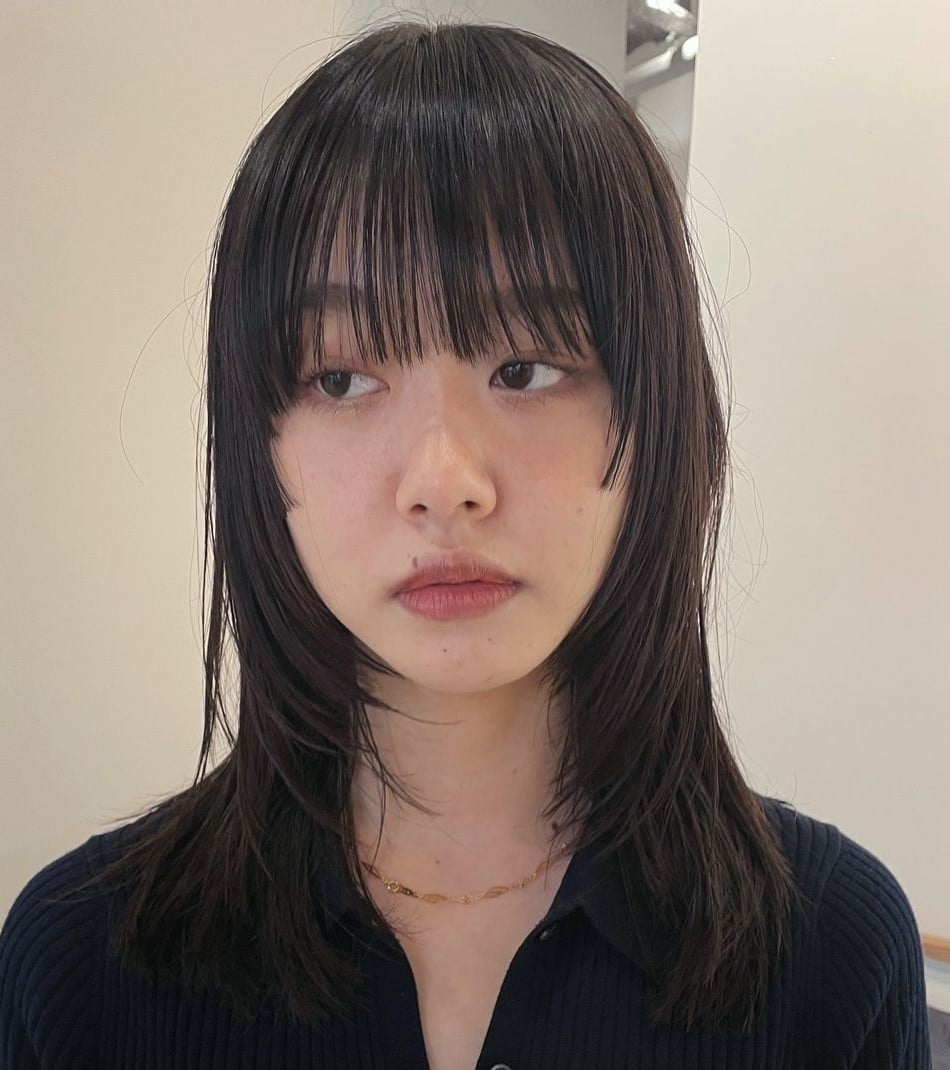
Can a shag still feel polished? Yes, when the blunt bangs anchor all that choppy layering. The collarbone length keeps it wearable, and the distinct layers add movement without looking shredded. Ask your stylist for: collarbone length shag with blunt bangs and choppy layers. The catch: those blunt bangs need a trim every three to four weeks to hold their sharp line. This is a salon cut, air drying works, but the shape is built in the chair, not your bathroom.
Mid-Back Butterfly Cut With Waves

The butterfly cut is named for the rounded, wing-like volume it creates, and that effect comes entirely from how the layers are stacked. On thick, wavy hair at mid-back length, the soft face-framing layers and curtain bangs work together to lift the shape without losing density.
Ask your stylist for: mid-back butterfly cut with soft face-framing layers and curtain bangs. A round brush blowout coaxes the waves into that smooth, glossy finish. Trims every ten to twelve weeks keep the layers from growing into a shapeless curtain.
Collarbone Wolf Cut With Wispy Bangs, Black

Where a shag feels choppy, a wolf cut leans softer, and on fine, straight hair, that distinction matters. The wispy bangs and face-framing layers add visual fullness without extra bulk, making this a rare edgy cut that actually suits low-volume hair. Ask your stylist for: collarbone length wolf cut with wispy bangs and face-framing layers. A texturizing spray on dry hair adds the grit this shape needs. The layers grow out gracefully, so trims every eight weeks are enough.
Chin Bob With Airy See-Through Fringe, Dark Brown

Can a bob with a fringe still feel light? Yes, when the see-through fringe and subtle inward curl keep the silhouette airy rather than heavy. The dark brown color adds depth without drama, and the chin length lands in that sweet spot between polished and casual. Ask your stylist for: chin length bob with inward curling ends and an airy see-through fringe. Maintaining that inward curve means heat styling with a small round brush, so this is not an air-dried look. Trim the bob every six weeks and the fringe every three.
Long Layers With Blunt Bangs

The design is straightforward: mid-back length, long layers, and a solid line of blunt bangs. That straight-across fringe is the focal point, and on fine, straight hair, it creates a clean, graphic look. Oval and longer face shapes get the most out of it, since the horizontal line can shorten a longer face visually. Ask your stylist for: long layers with blunt bangs. The catch with fine hair is that blunt bangs can feel heavy and separate into greasy-looking strips by midday. A salon cut is essential here, and you will need to book a bang trim every three weeks to keep them at brow length. If you air-dry, apply a smoothing product to the bangs and use a round brush only on the ends to keep the rest sleek.
Mid-Back Wolf Cut With Heavy Layers
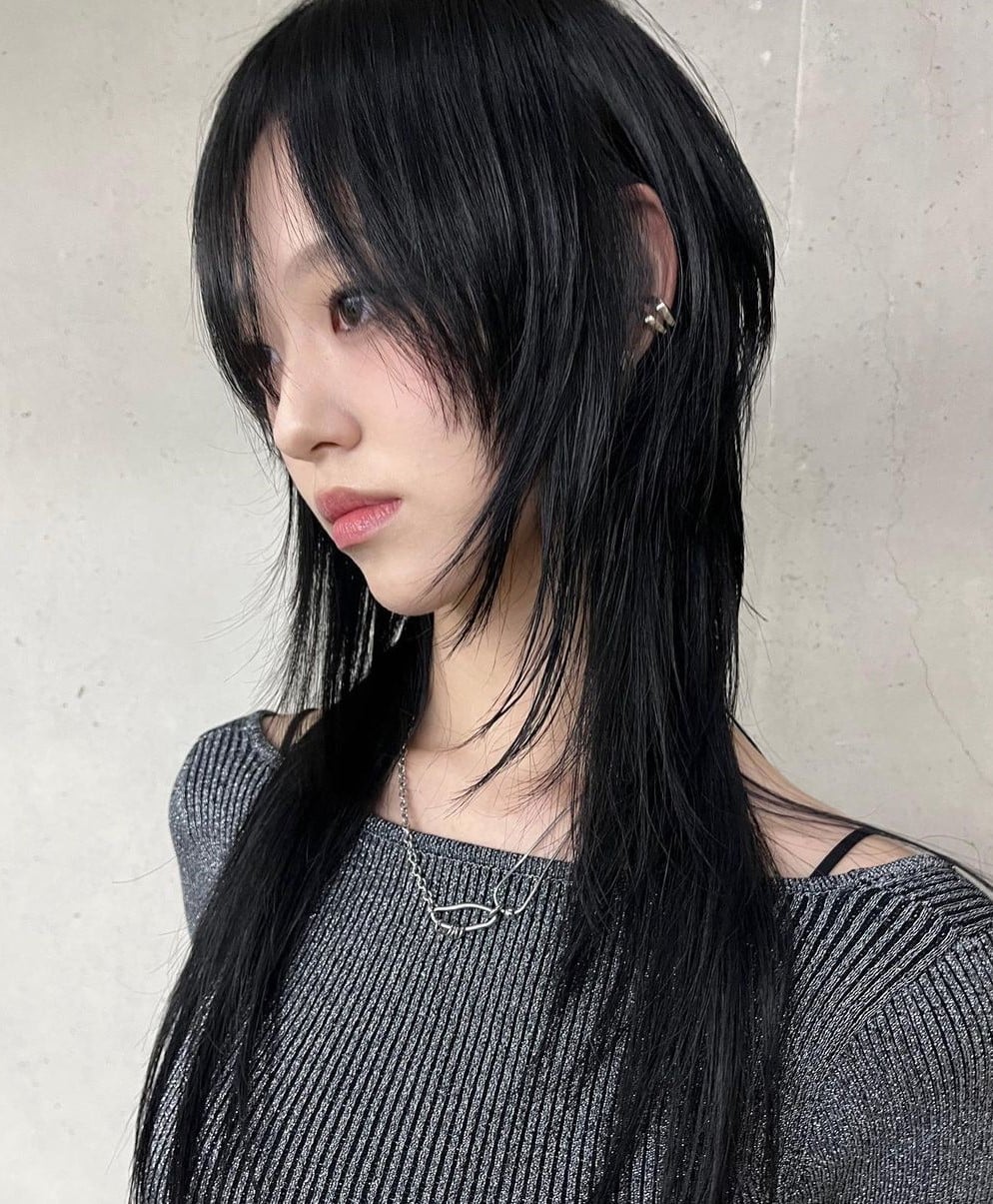
A wolf cut at mid-back length is built on heavy, choppy layers that stack volume at the crown and thin out toward the ends. The black base and curtain bangs keep it from looking strictly punk; the air-dried, wavy finish softens the whole thing. Fine wavy hair benefits here, because the heavy layers add movement without weighing the hair down. Ask your stylist for: mid-back wolf cut with heavy layers and curtain bangs. The technique requires a stylist who understands how to carve out those internal layers, so this is not a DIY project. Apply a sea salt spray to damp hair and scrunch to encourage the texture, then expect a trim every six weeks to keep the shape from looking shaggy.
Mid-Back Layers With Subtle Highlights, Wavy

This is not a one-length cut pretending to have movement. The subtle layers and curtain bangs work with thick, wavy hair to prevent the dreaded triangle shape, while the lighter highlights add dimension without a heavy root line. Mid-back length is the minimum here, and the blowout styling gives it a glossy finish. Ask your stylist for: mid-back length hair with subtle layers, curtain bangs, and subtle highlights. Use a volumizing mousse on damp roots before blow-drying to keep the lift. The upkeep is manageable: a trim every ten to twelve weeks and a toning appointment every eight weeks to keep the highlights from warming up too much.
Ear Length Bob With Side Part

Can a side part save a bob that short? It can, if the goal is volume at the crown. This ear-length bob uses a side part and soft curtain bangs to shift the weight, and the subtle waves from a blowout keep fine hair from lying flat. Ask your stylist for: ear length bob with soft curtain bangs and a side part. The drawback: if you usually wear a middle part, the side part changes how the layers fall, and it takes a few days to retrain your hair. Blow dry with a round brush, directing the hair away from your face. Plan for a trim every six weeks, because at this length, even half an inch of growth changes the silhouette.
Collarbone Hush Cut With Textured Layers

The hush cut is built on soft, blended layers that transition from shorter pieces near the face to longer ones at the collarbone. No harsh lines, no obvious chop points. The medium brown base with subtle highlights and curtain bangs adds depth without looking heavy, and the air-dried, wavy texture keeps it low-effort. Medium-density wavy hair at collarbone length is the ideal candidate, since the cut removes bulk while preserving movement. Ask your stylist for: collarbone hush cut with textured layers and curtain bangs. Apply a texturizing cream to damp hair and let it air-dry, or diffuse for more wave. A trim every six to eight weeks keeps the layers from growing out into a shapeless mid-length.
Collarbone Shag With Full Bangs, Wavy

A collarbone length shag with prominent layers and full bangs adds shape without overwhelming medium density wavy hair. The full fringe sits above the brows, and the layered body keeps the waves balanced. Ask your stylist for: collarbone length shag with full bangs and prominent layers. This cut suits oval and longer face shapes best, and it works with your natural texture. A texturizing spray or dry shampoo at the roots gives it volume, and a trim every six to eight weeks keeps the layers from losing their edge.
Collarbone Wolf Cut With Choppy Layers

If a shag feels too polite, the wolf cut is the louder cousin. Where a shag keeps its layers soft and blended, this version uses choppy layers around the crown and face for a more jagged silhouette. Ask your stylist for: collarbone wolf cut with choppy layers and wispy curtain bangs. Fine, straight hair at collarbone length benefits most from the texture, as the uneven ends create movement that would otherwise be missing. The side-part and wispy curtain bangs keep it from looking severe. A texturizing paste on the ends defines the choppiness, and the cut needs a trim every four to six weeks to hold its shape.
Shoulder Length Wolf Cut Wet Look

The wet look on a shoulder-length wolf cut is a calculated move. Fine, straight black hair gets polished with a strong hold gel or pomade, which slicks the choppy layers into place and leaves the wispy bangs separated. Ask your stylist for: shoulder length wolf cut with choppy layers and wispy bangs, wet look. The side part adds a little asymmetry to an otherwise uniform finish. This is a salon-level styling technique, not something you can fake with water and hope.
Chin Length Blunt Bob With Side Part

Does a blunt bob ever look as sharp on day ten as it did on day one? Not quite. The clean baseline at the chin emphasizes every split end, so diligent care and a trim every six to eight weeks are non-negotiable. Ask your stylist for: chin length blunt bob with a side part, no bangs. The side part breaks up the solid line just enough to keep it from feeling severe. A smoothing cream helps the air-dried finish stay sleek, and the blunt cut adds fullness to fine, straight hair. The honest drawback: the shorter you go, the more often you’ll be back in the chair.
Collarbone Shaggy Lob With Curtain Bangs

A collarbone-length shaggy lob with soft curtain bangs is designed for fine, straight hair that needs a little convincing. The subtle layers and face-framing fringe create the illusion of fullness and movement without sacrificing length. Ask your stylist for: collarbone length shaggy lob with soft curtain bangs. The middle part keeps the curtain bangs symmetrical, and the air-dried texture makes it look like you woke up that way. A texturizing spray at the roots gives the shaggy layers some grip. The cut requires precise layering trims every six to eight weeks to maintain the shape.
Ear Length Bob With Face-Framing Bangs

The side part and soft curtain bangs on this ear-length bob add movement to what is otherwise a very compact shape. Fine straight hair at this length holds a smooth blowout well, so the bangs stay put for most of the day. Ask your stylist for an ear length sleek bob with soft face-framing curtain bangs. Those bangs will drift into your eyes the second you bend over, and no amount of tucking fixes it for long. This is a salon-only cut, because a DIY attempt at this precision usually ends in regret.
Collarbone Wolf Cut Textured Layers, Black
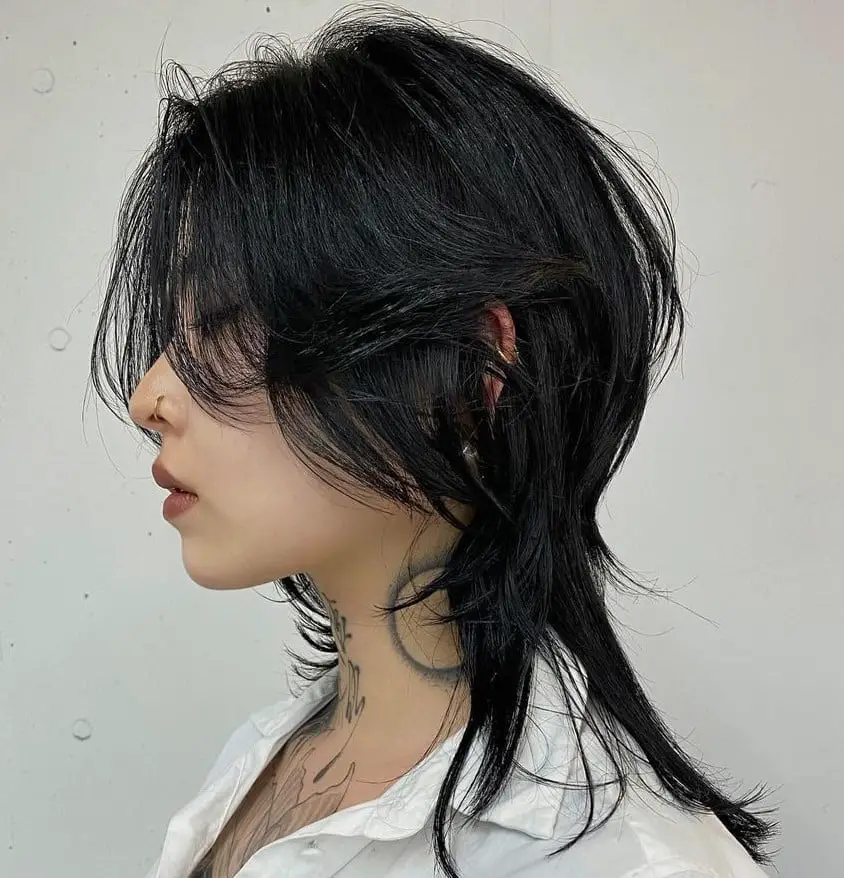
The wolf cut is built on a specific layering trick: the crown is cut shorter, and the lengths gradually get longer toward the collarbone. That creates the choppy, textured shape you see here, with wavy ends that look air-dried rather than styled. Thick wavy hair at collarbone length benefits from this approach, because the layers remove bulk without losing density.
Ask your stylist for a collarbone wolf cut with choppy layers, textured ends, and curtain bangs. The middle part and soft bangs keep it from reading as aggressive, which is the usual risk with a cut this texturized. A sea salt spray helps the waves settle into their natural pattern.
Ear Length Bob With Side Part Blowout, Dark Brown
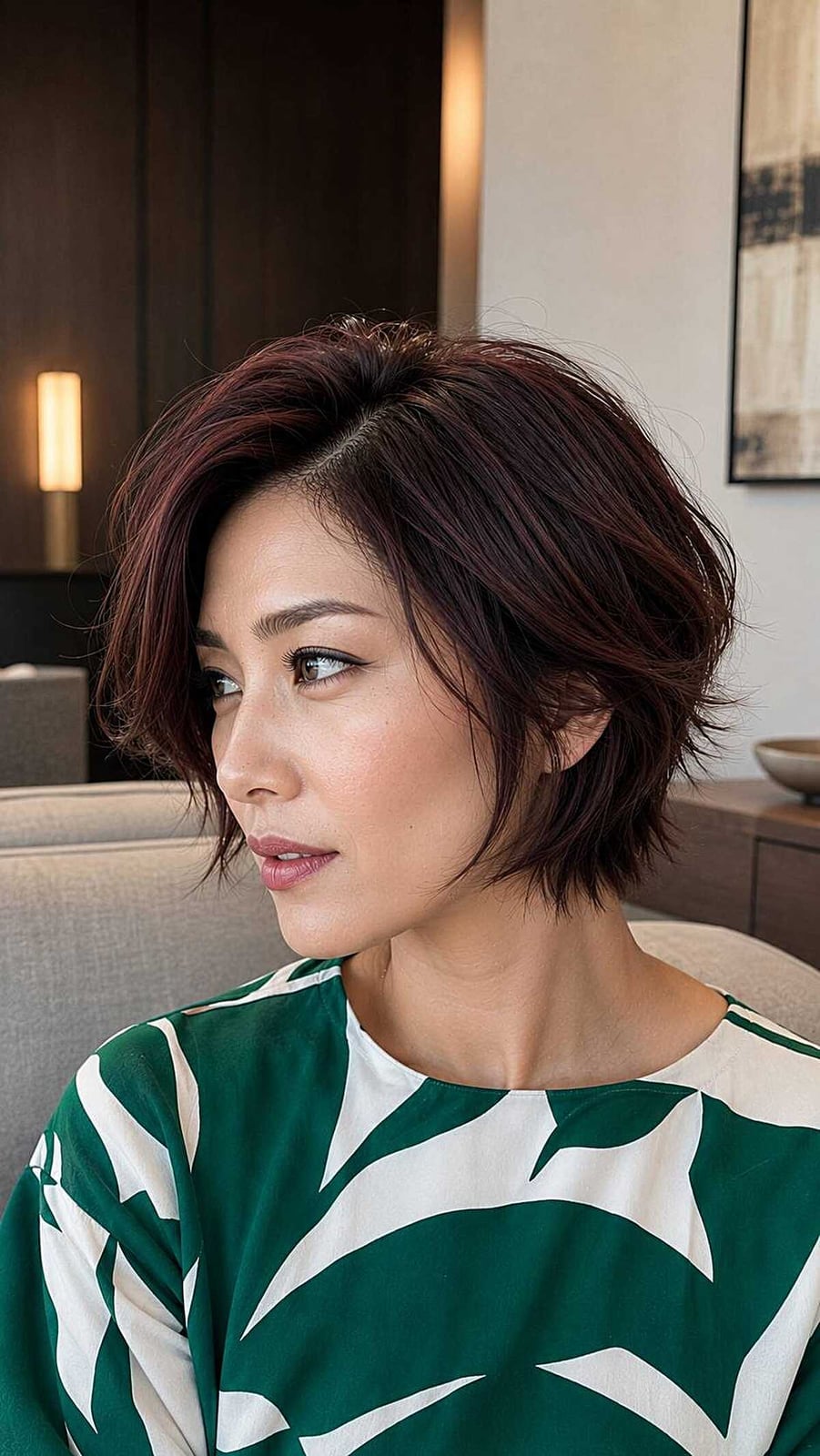
Can a blowout make an ear-length bob feel like a completely different haircut? Yes, but it takes a round brush and a solid twenty minutes. This dark brown version has no bangs and relies entirely on the side part and smooth finish for its polish. Fine straight hair at ear length is the ideal candidate, because the layers add just enough body to keep the shape from falling flat. Ask your stylist for an ear length layered bob with a side part and smooth blowout. A trim every six weeks is non-negotiable, since even a quarter inch of growth throws off the clean line.
Chin Length Bob With Face-Framing Layers

This is not the same as a blunt chin-length bob. The face-framing layers and subtle waves give it a softer outline that works well for fine wavy hair, which tends to look flat in a one-length cut. The side-swept curtain bangs continue that softening effect around the forehead. Ask your stylist for a chin length bob with face-framing layers and side-swept curtain bangs. A texturizing spray applied to damp hair and left to air dry is enough to bring out the natural wave pattern. This cut flatters oval and heart-shaped faces best, because the layers add width at the jaw without weighing the hair down.
Chin Length Bob With Blunt Bangs
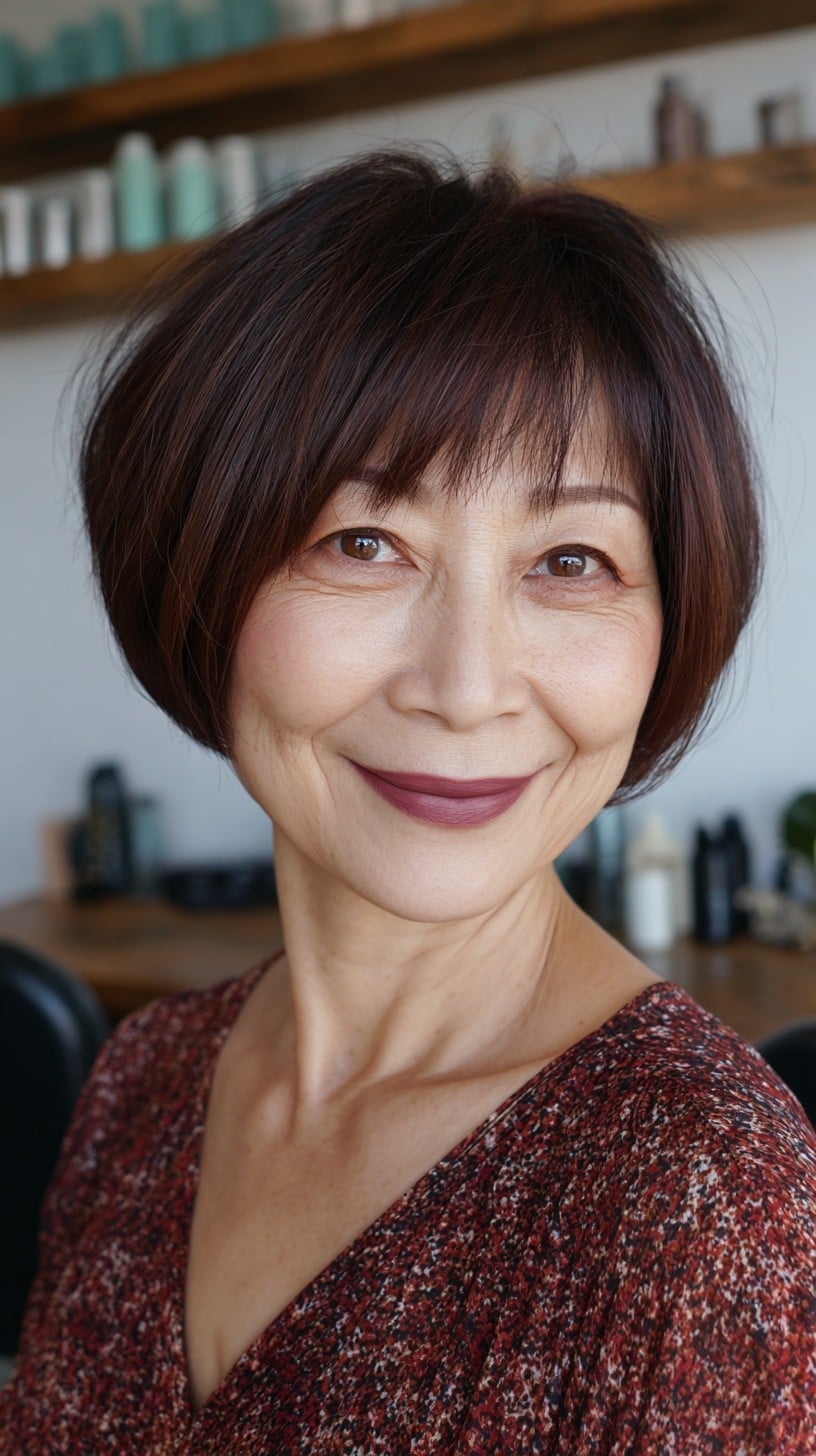
A chin-length bob with blunt bangs and a middle part is a geometry problem: every line has to be exact, or the whole thing looks off. The dark brown base color and smooth blowout make the sharp silhouette the only focal point. Fine straight hair at chin length holds this shape cleanly, and the blunt bangs suit oval and longer faces best. Ask your stylist for a chin length bob with blunt bangs. A flat iron keeps the bangs perfectly straight, and a trim every six weeks maintains the precision. This is not a DIY cut, because one uneven snip across the bangs is impossible to hide.
Collarbone Layers With Side Part

The side part is doing the heavy lifting here, giving long collarbone layers a natural arc without any heat. This cut pairs face-framing pieces with a rich dark brown base, and the medium wavy texture keeps it from looking flat. Ask your stylist for: collarbone length with long layers and face-framing pieces, side part.
To style, apply a wave-enhancing cream to damp hair and let it air dry. A texturizing spray at the ends helps define the movement and prevents frizz on humid days. The layers will need a trim every 8 to 10 weeks to keep the shape clean.
Collarbone Wolf Cut With Textured Layers, Close-Up Take
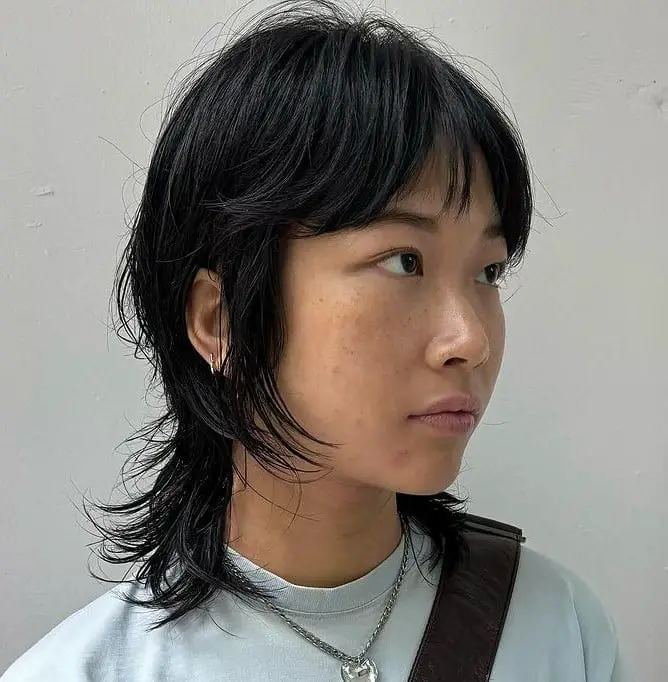
Can fine wavy hair pull off a wolf cut? Yes, but with a caveat. This collarbone version with choppy layers and curtain bangs relies on texture to create volume, and without a texturizing spray, the shape can fall flat. Ask your stylist for: collarbone wolf cut with choppy layers and curtain bangs. The layers need regular trims to stay defined, and the air dried finish demands a product boost to keep the definition visible.
Collarbone Wolf Cut With Textured Ends
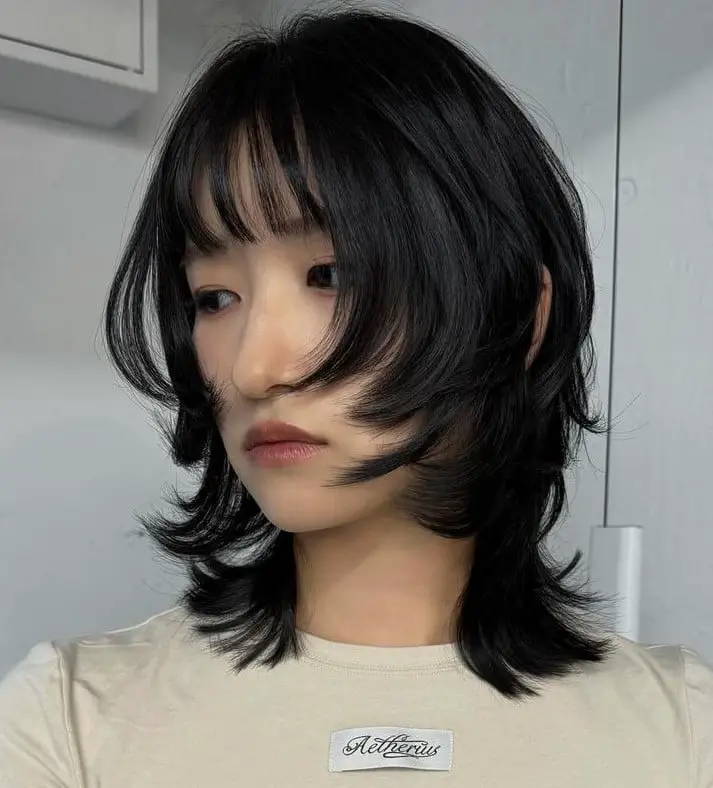
The wolf cut earns its keep with abundant, choppy layers that break up the silhouette from root to end. Here, a collarbone length with curtain bangs and a middle part lets thick wavy hair move without feeling heavy. Ask your stylist for: collarbone wolf cut with choppy layers, textured ends, and curtain bangs.
This cut demands more chair time than a standard trim, roughly every 6 to 8 weeks, because the layered shape loses its edge quickly. For styling, a sea salt spray on damp hair and air drying gives that lived-in finish. The thick texture helps the layers hold their shape between washes.
Shoulder Length Layers With Soft Waves

A blowout transforms shoulder-length layers into something polished enough for work but relaxed enough for brunch. The subtle highlights lift the brown base, and the side part adds volume at the root. Ask your stylist for: shoulder length with soft layers and subtle highlights, side part. Medium density wavy hair holds the wave best, and a volumizing spray at the roots before blow-drying keeps the shape from dropping. A trim every 8 to 10 weeks maintains the clean finish.
Mid-Back Layers With Wispy Bangs

Where full bangs can feel heavy on fine straight hair, wispy bangs offer softness without the commitment. This mid-back length with subtle layers and a middle part keeps the silhouette simple, while the wispy fringe frames the face without overwhelming it. Ask your stylist for: mid-back length hair with subtle layers and wispy bangs.
Getting the bangs right requires precise layering, so this is a salon-leaning cut. At home, a light hold hairspray keeps the fringe in place, and a dry shampoo at the roots adds texture. The long layers need a trim every 10 to 12 weeks, but the bangs will need a touch-up every 4 to 6 weeks to stay out of your eyes.
Chin Length Bob With Short Bangs, Dark Brown

A chin-length bob cut with short bangs is a geometry problem: the proportion works best when the bangs stop well above the brow and the bob lands exactly at the jaw. This dark brown version, blown out straight with a side parting, relies on that precision. Ask your stylist for: chin length bob with short bangs and a side part. Fine straight hair at this length holds the shape without fighting it, and short bangs suit oval and longer faces. The drawback is the trim schedule. Those bangs need a touch-up every three weeks, and uneven growth is immediately obvious. This is a salon cut. No DIY version looks the same.
Mid-Back Layers With Full Bangs, Straight

Long hair with full bangs can look like two separate haircuts if the layers don’t connect. This version solves that with subtle layers throughout the mid-back length, so the bangs blend into the hair rather than sitting as a separate piece. The dark brown base, with subtle lighter pieces woven through, adds depth without changing the overall tone. Ask your stylist for: mid-back length hair with subtle layers and full bangs. The texture is straight and thick, which means the layers hold their shape without curling or falling flat. A soft blowout keeps the silhouette polished. Full bangs work best on oval or heart-shaped faces, and they require a trim every four weeks to stay at brow level.
What makes this design work is the restraint. The layers are long enough to preserve the weight of the hair, so it doesn’t thin out at the ends. The bangs are full but not heavy, cut to skim the brows without covering the eyes entirely. For someone who wants the drama of bangs without sacrificing length, this is the most straightforward version to maintain.
Final Thoughts
For fine hair, keep one blunt baseline and skip heavy layers to create the illusion of thickness. For thicker hair, strategic layering reduces weight and enhances movement. Simple Korean hair is about refined cuts that enhance natural beauty.
- Trim blunt bobs every 6-8 weeks to maintain the sharp line.
- Refresh face-framing layers and bangs every 4-6 weeks.
- Air-dry whenever possible to preserve natural texture and reduce heat damage.
- Use a texturizing spray for lived-in waves, or a smoothing serum for sleek styles.