
A haircut decision can mark a shift without needing to announce one. Trendy haircuts for women over 40 can be approached as a prompt to notice what currently feels true: how polished or relaxed you want to feel, how much familiarity you want to keep, and how much change feels personally meaningful. The strongest choice is the one that supports your sense of self instead of competing with it.
Personal style is often clearest at the moment you stop choosing by habit and start choosing with intention. A new direction can feel significant because it changes the way you recognize yourself, even before anyone else notices anything different. That makes the decision less about chasing novelty and more about deciding which version of your own style you want to carry forward.
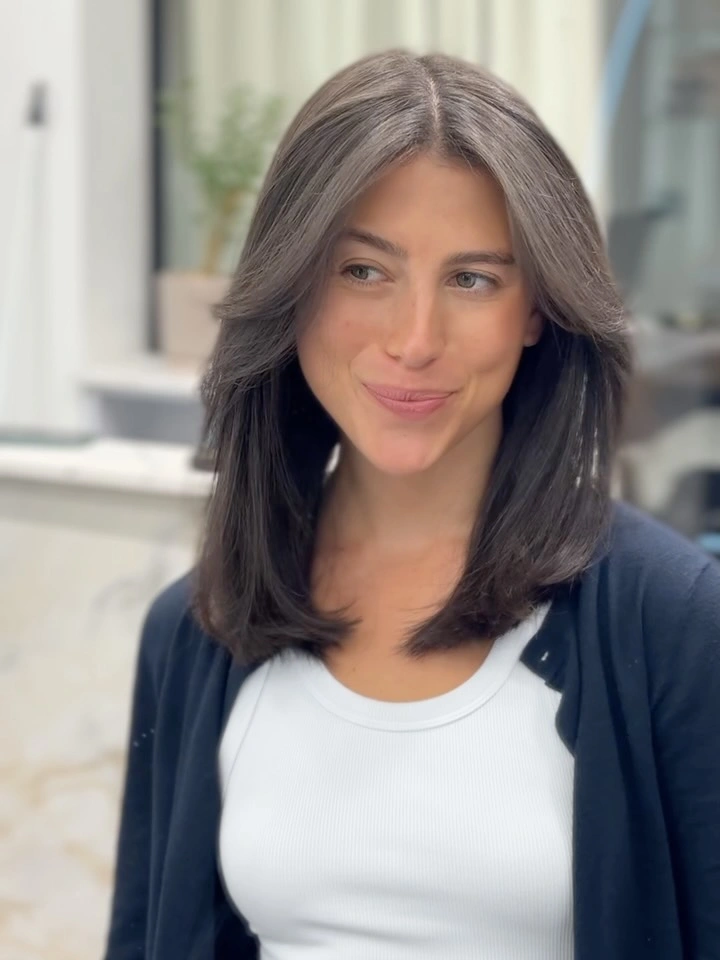
Center-Parted Layers Around Shoulder Length
This shoulder-grazing cut is built around a calm center part and soft front layers that open away from the face. The dark gray and silver value makes the layering easy to read, with the upper pieces falling smoothly and the lower ends landing around the shoulders. It feels shaped without looking like a short cut, so the length remains part of the statement.
Photo via Instagram
The main strength is the way the face-framing pieces create a gentle frame without hiding the neckline of the cut. Because the ends sit near the shoulders, the shape has enough weight to feel substantial while still showing movement through the front. For a reader comparing medium-length haircuts, this is a useful example of balance between a clean part and softly layered edges.
Use this idea when you want consultation language about placement. Ask where the first front layer should begin and how softly the ends should turn near the shoulder line.
Long Golden Layers With Side-Swept Movement
The long golden blonde cut uses a side-swept front to give the length a clear direction before the lower layers begin to move. The front pieces curve away from the face and then connect into longer strands that fall toward the chest. That diagonal sweep keeps the haircut from reading as one flat sheet, while the overall length stays the most noticeable feature.
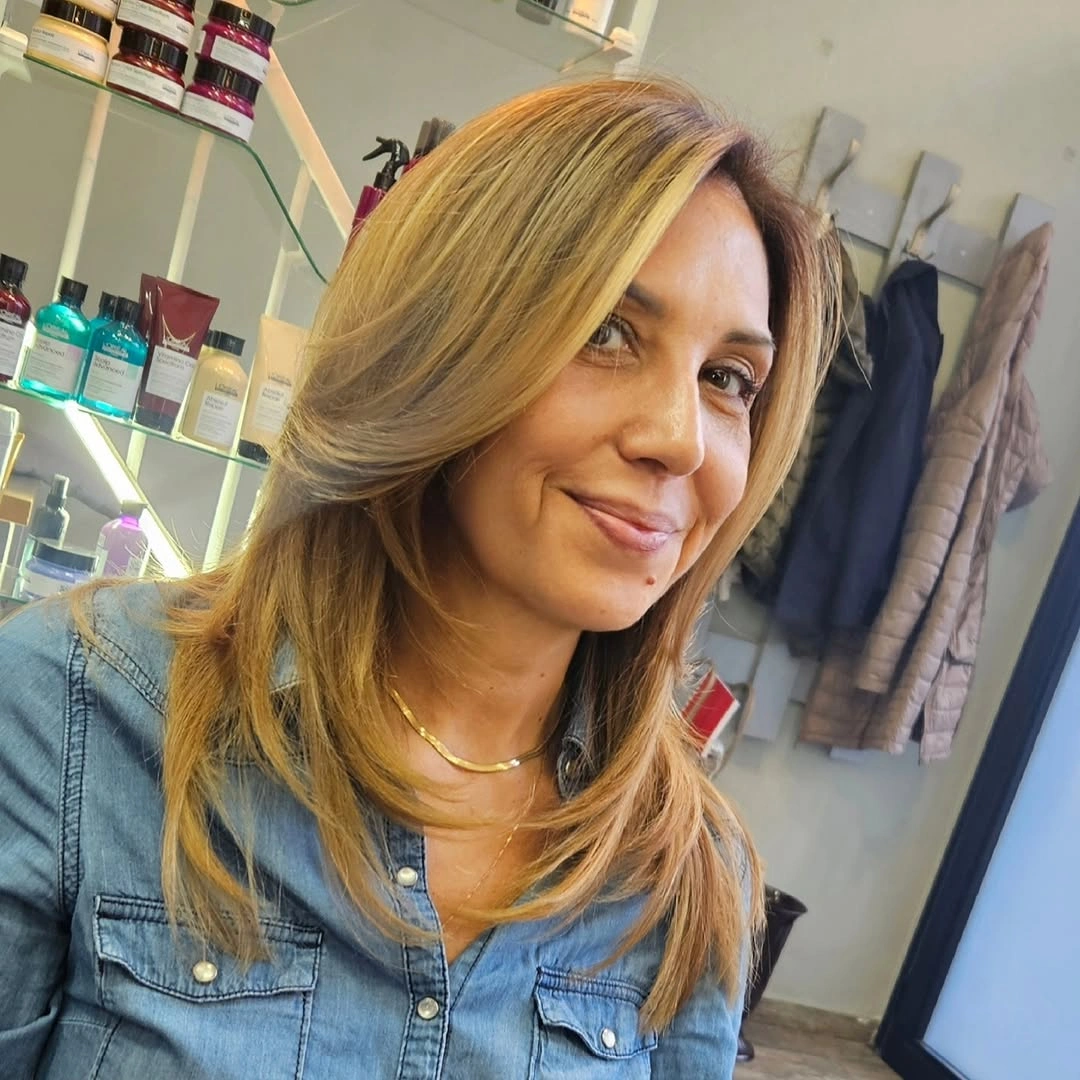
Photo via Instagram
What separates this long layered shape from a center-parted version is the asymmetry created near the top. One side carries more visual weight, and the turned ends echo that movement through the lower length. For readers comparing long haircuts, the supported idea here is not an age rule; it is a way to keep length while giving the front a designed path.
The useful comparison point is the first face-framing layer. Keep it long enough to preserve the chest-length impression, or place it slightly higher if the front needs more movement.
Rounded Short Blonde Bob in Profile
This short rounded bob is easiest to understand in profile, because the side view shows how much of the shape lives at the crown and nape. The pale ash-blonde and silver tone reflects the rounded surface, while the ends sit near the jaw and upper neck. Instead of relying on a named technical variation, the haircut speaks through compact curve, back weight, and a clean lower edge.
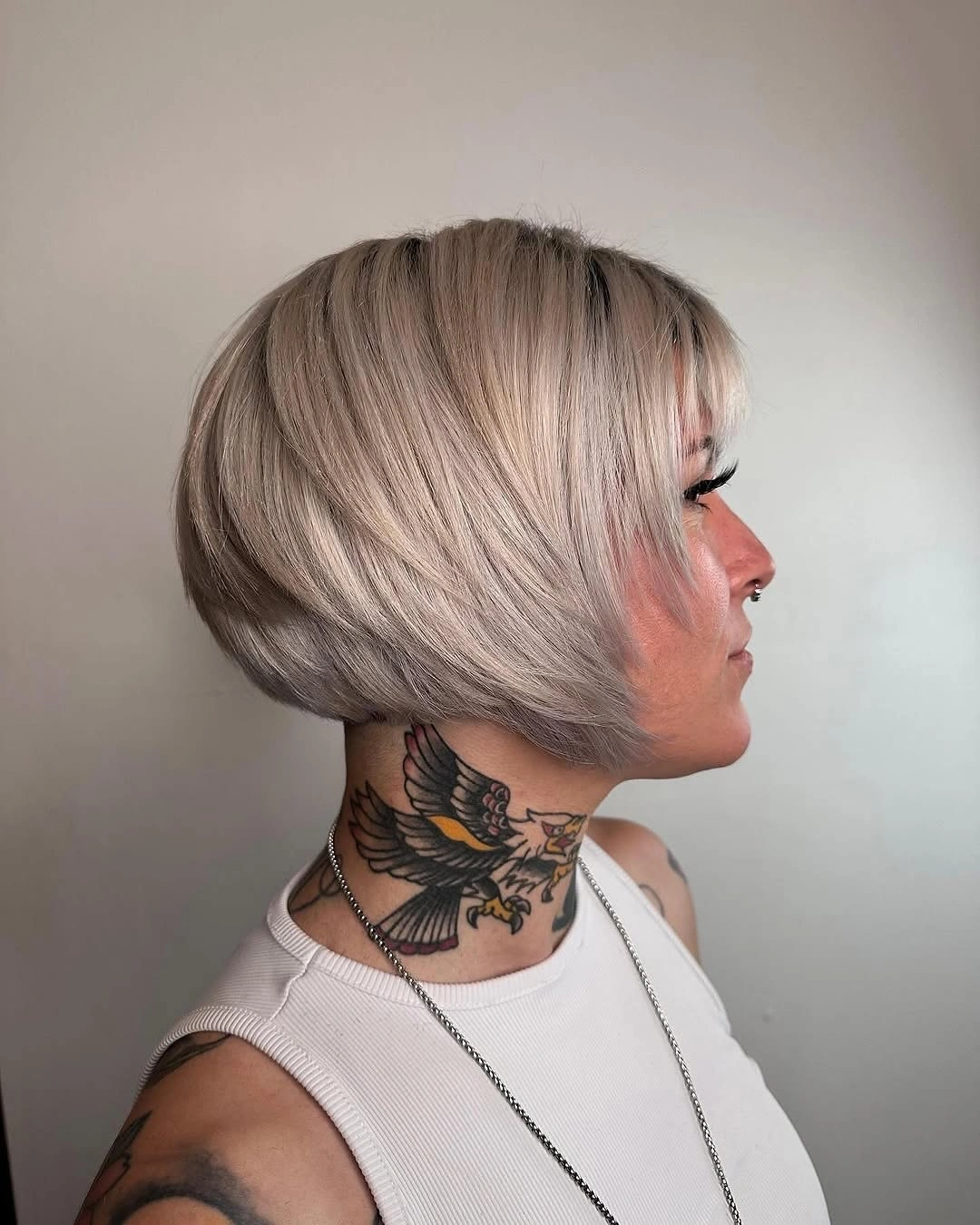
Photo via Instagram
The cut has a softly controlled outline, with fullness gathered around the back rather than stretched through longer ends. That relationship makes the neck area important to the whole silhouette, since the lower edge decides how rounded or compact the bob appears. A reader considering a short bob can use this as a prompt to discuss side shape as much as the front.
The strongest question is where the back should sit. A small change near the nape would alter the whole profile, so the perimeter matters as much as the crown.
Short Dark Cut With Soft Fringe
This short dark-value cut uses a soft fringe to bring texture forward, while the sides stay close and neat around the ears. The black-and-white finish limits exact color language, but the dark value makes the fringe edge easy to read. The length sits between very cropped and bob-like, giving the style its compact, graphic quality.
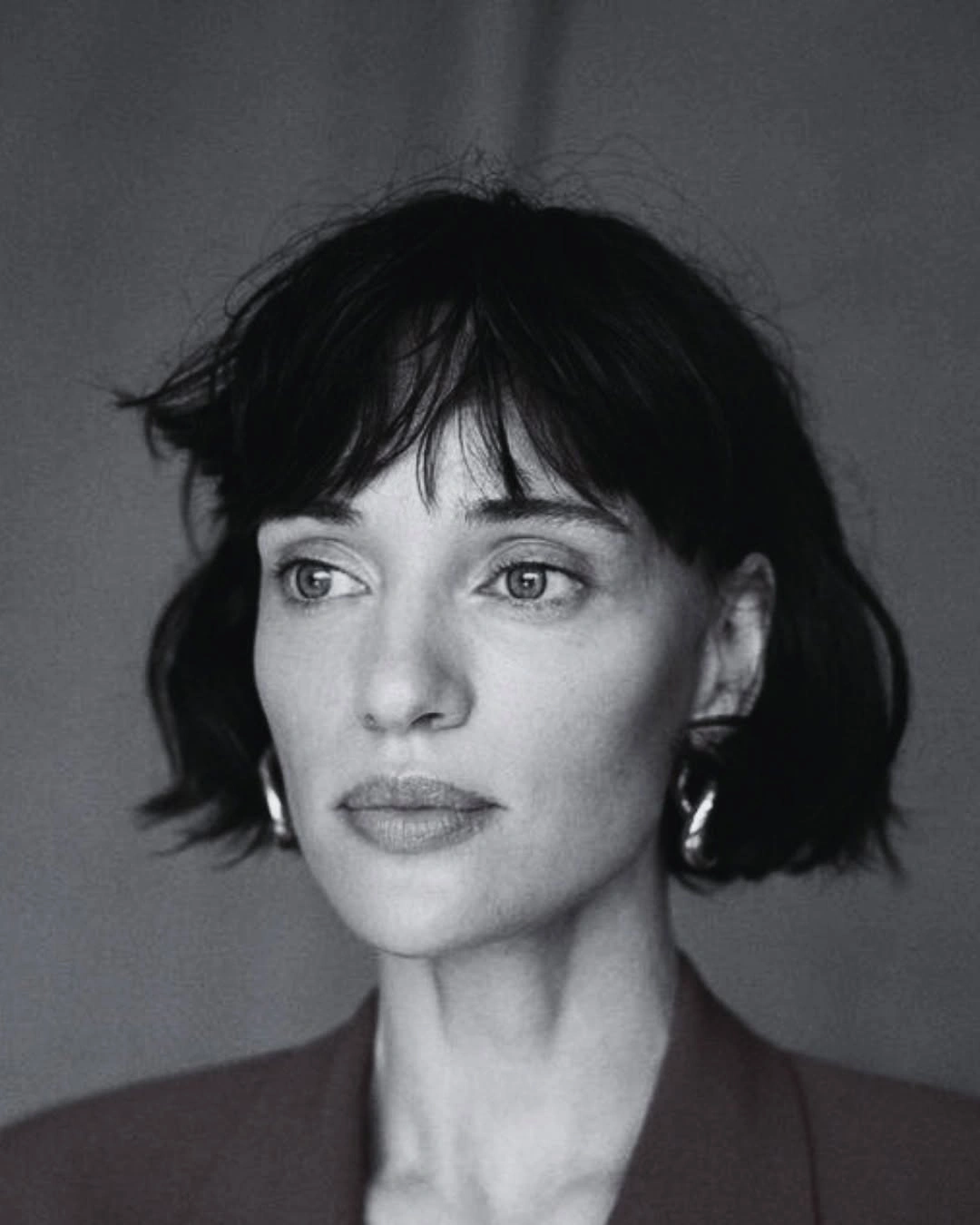
Photo via Instagram
The fringe is the decision point here. It is not a heavy curtain across the brow; it appears broken into small textured pieces, which lets the short outline feel softer through the top. The close sides keep the width controlled, so the movement is concentrated around the forehead and cheek-level edge.
Read this cut through the fringe first, then through the close side outline. The most useful wording is short, textured, and compact, because those details are visible without forcing a precise pixie or bob subtype.
Long Brunette Waves With Soft Side Part
This long dark brunette haircut keeps its main story in loose waves and a soft side or off-center part. The strands fall over the shoulders with uneven, loose-looking bends, so the length reads relaxed without needing any claim about curl type. The color stays deep through the visible lengths, which makes the wave pattern show through shadow and movement rather than contrast.
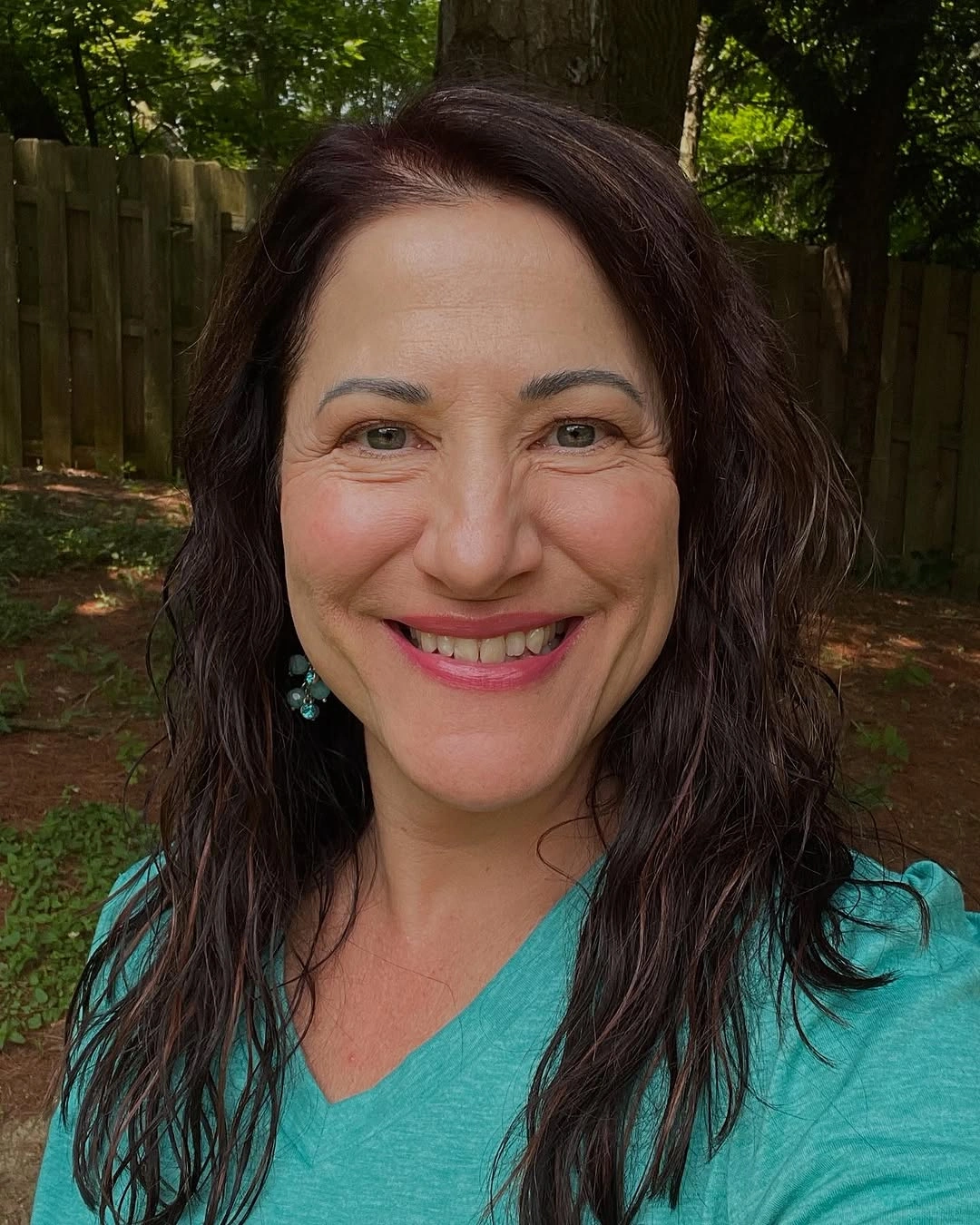
Photo via Instagram
The difference from a more sculpted long wave is the way the front falls gently instead of forming a dramatic sweep. The part does not split the haircut into strict symmetry, and that softer placement gives the upper section a quiet diagonal. For brunette long haircuts, this approach keeps attention on movement, shoulder fall, and the shape of the lower strands.
Use this idea when length is still the priority. The most helpful comparison is not an exact curl label, but how loose the bends should be and how much of the front should fall over the shoulders.
Close Sides With Tousled Blonde Height
This very short undercut-style silhouette is defined by contrast: the sides sit close, while the longer blonde top lifts upward and back. That difference gives the cut its energy before any detail at the ends is considered. The shape is compact around the head, but the top section still carries visible movement and height.
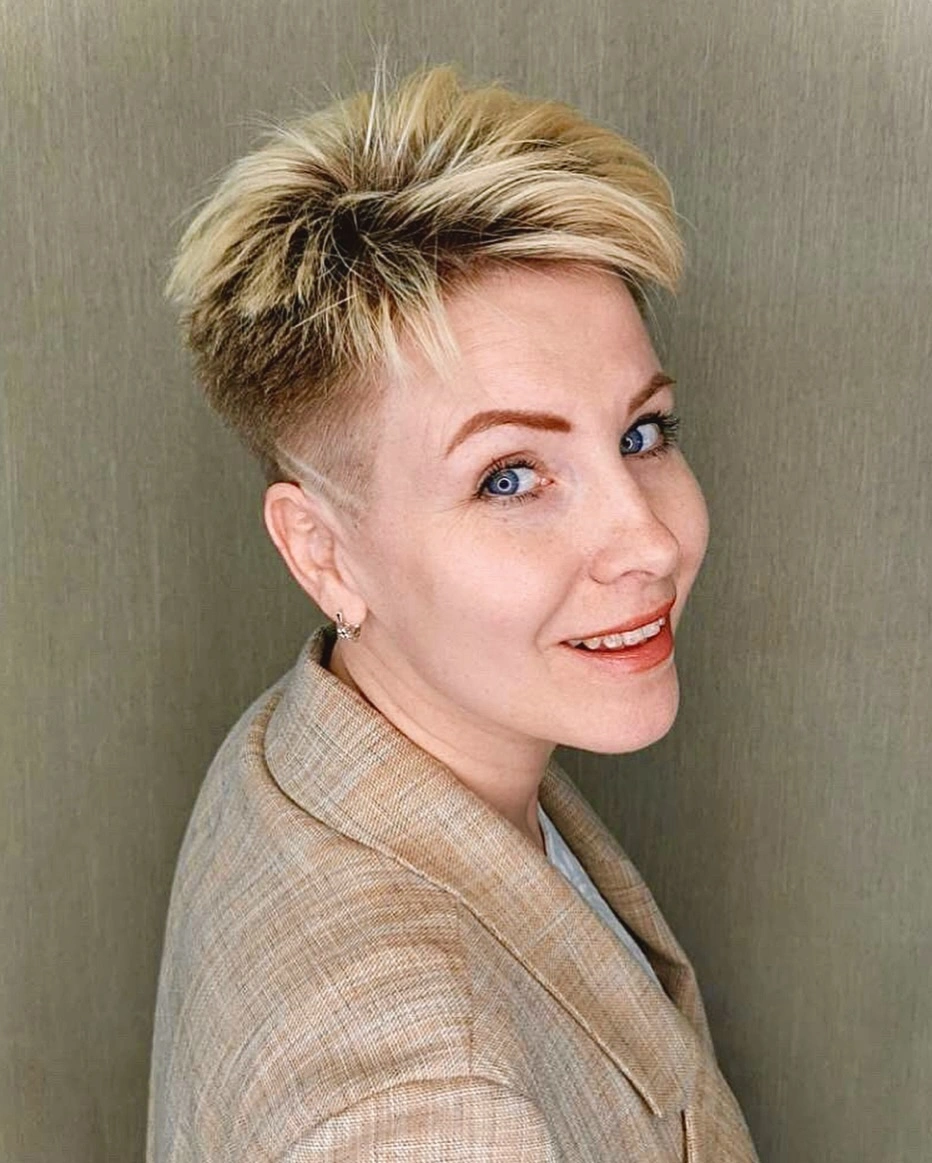
Photo via Instagram
The blonde upper section makes the longer top stand apart from the close side area, so the haircut reads through proportion as much as texture. The lifted shape is already clear without needing to explain how it was styled. It is a strong short-cut idea for a reader comparing how much contrast they want between the sides and the crown.
Use this cut as a reference for contrast, height, and a compact outline. The key decision is how much longer the top should remain compared with the sides.
Warm Blonde Layers With Bent Ends
This medium-long warm blonde haircut keeps the part soft and near the middle, then lets long face-framing layers move into bent ends. The front pieces open gently rather than falling straight down, which gives the upper length a shaped frame. Below that, the ends curve and wave enough to keep the longer silhouette from looking static.

Photo via Instagram
The important detail is the distribution of movement. The haircut does not place all its interest at the crown or the very bottom; it connects the face-framing pieces to the lower bends so the length feels continuous. For readers looking at layered hair, this offers a balanced way to keep a longer outline while still making the front and ends visually active.
This is a good direction when the length should remain part of the haircut’s identity. The discussion can center on where the front layers begin and how much bend should show at the ends.
Silver Crown With Side-Swept Fringe
This short silver-gray cut is built from a rounded crown, a side-swept fringe, and close tapered-looking sides. The sunglasses make the front edge especially noticeable because the fringe moves across the forehead while the side area stays compact. The result is a short silhouette with softness at the top and cleaner space around the temple.
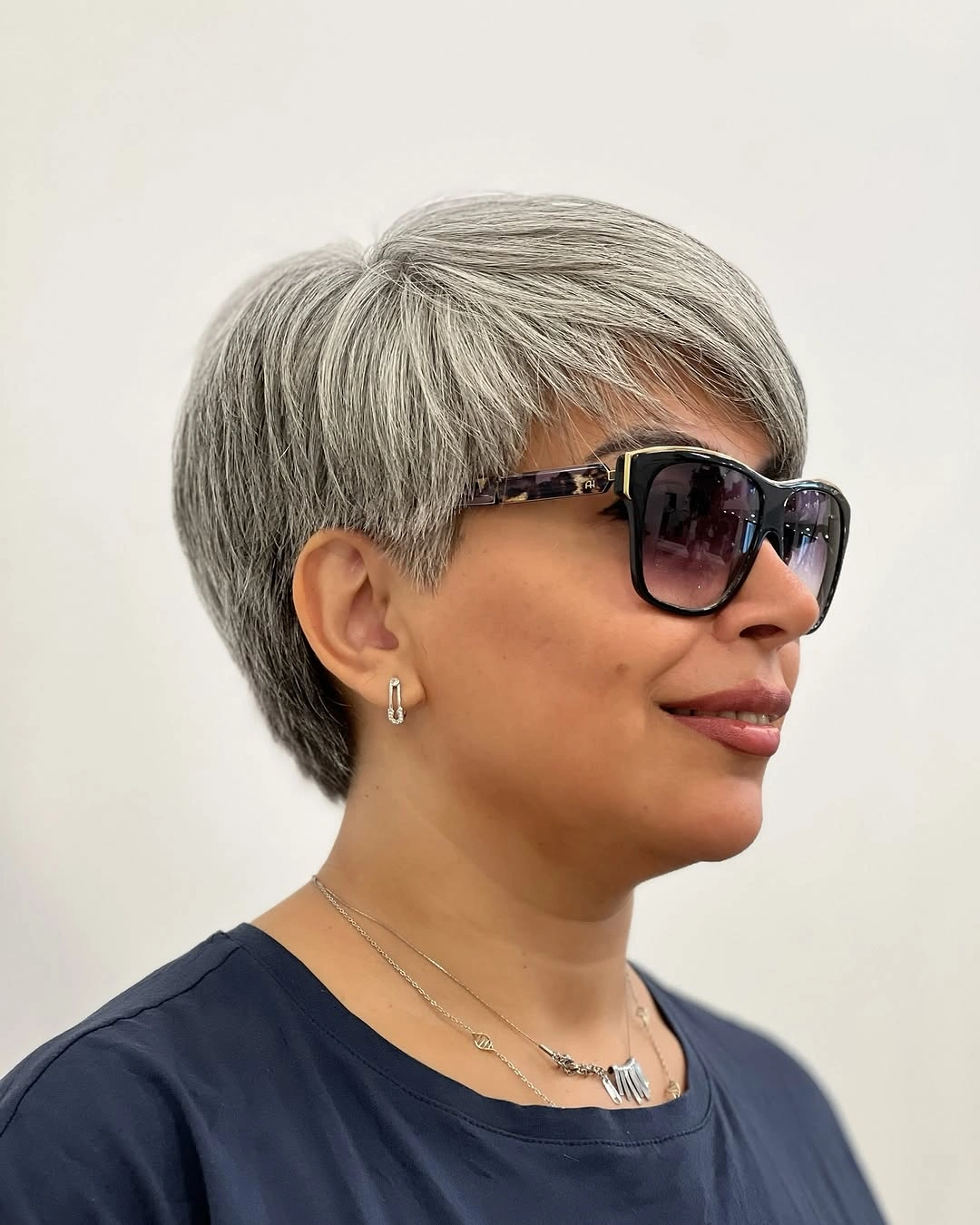
Photo via Instagram
The silver-gray color helps the crown texture show, but the main haircut decision is the way the fringe travels sideways instead of sitting bluntly across the brow. From this angle, the sides read close and tapered-looking rather than shaved. The eyewear adds another line near the face, so the haircut reads through crown shape, fringe direction, and side control.
Use this as a glasses-aware short haircut reference without turning it into a rule. The useful question is how the fringe should move around eyewear and how compact the sides should appear.
Chin-Length Brunette Bob With Side Part
This sleek chin-length brunette bob depends on a clear side part and one longer face-framing section that drops near the cheek. The smooth surface keeps the perimeter easy to see, while the side shift prevents the front from looking perfectly even. The shape is most useful to read as a clean short bob, without forcing a more specific subtype.
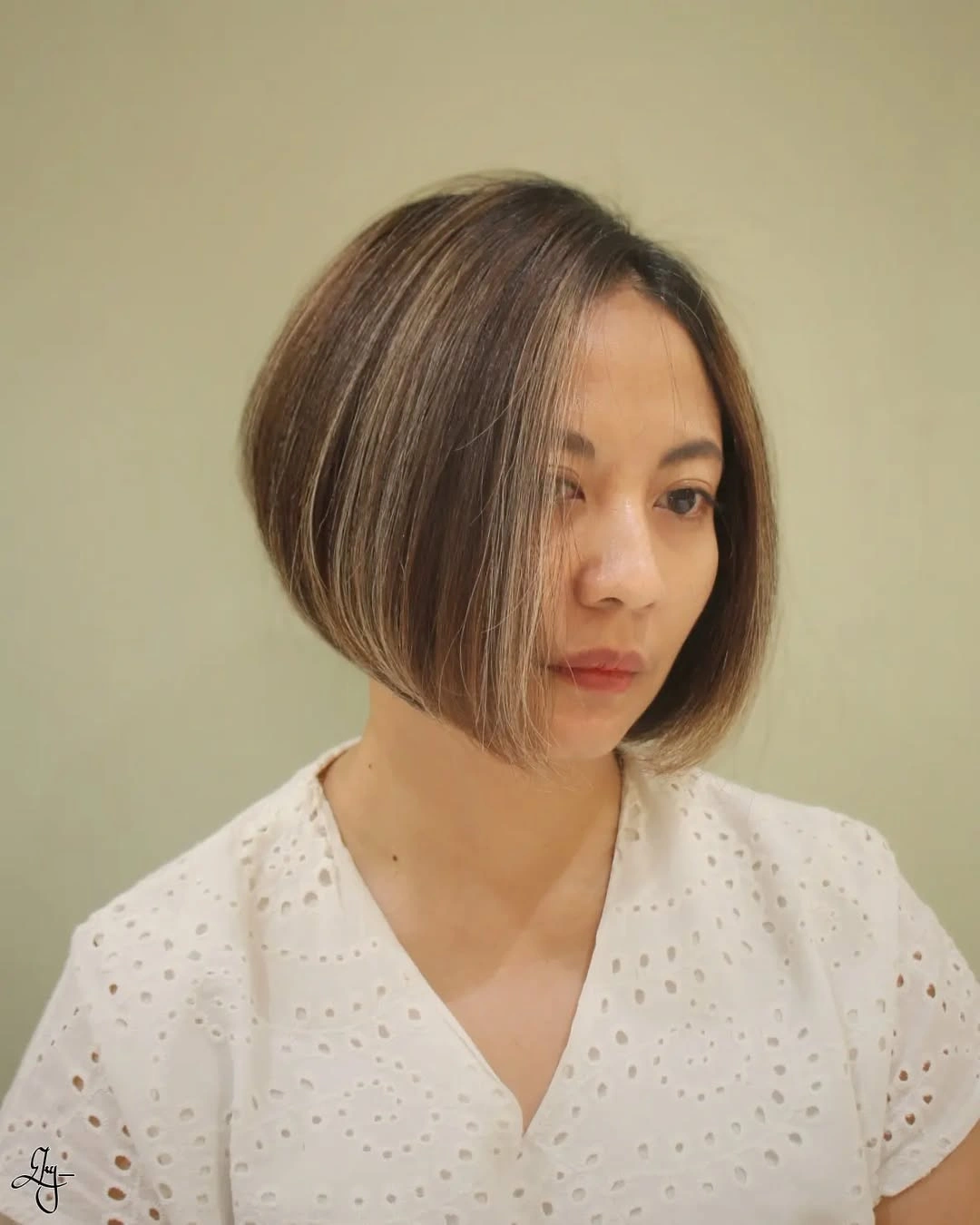
Photo via Instagram
Because the ends sit around the chin, small changes in the front piece would change the whole balance of the cut. The side part gives one side more presence, and the longer section adds a quiet diagonal across the face area. For straight-looking short hair, this is a useful example of how part placement can make a bob feel less flat without adding extra length.
The consultation point is the front section. Decide how much diagonal movement you want near the cheek while keeping the lower edge clean.
Long Brown Layers With Low Movement
This long brown haircut keeps the top calm with a middle part and lets the movement appear lower through subtle bends. The front layers are placed long, so they do not interrupt the overall chest-length impression. Instead, they begin quietly and connect into the ends, creating shape without turning the cut into a strongly layered short or medium silhouette.
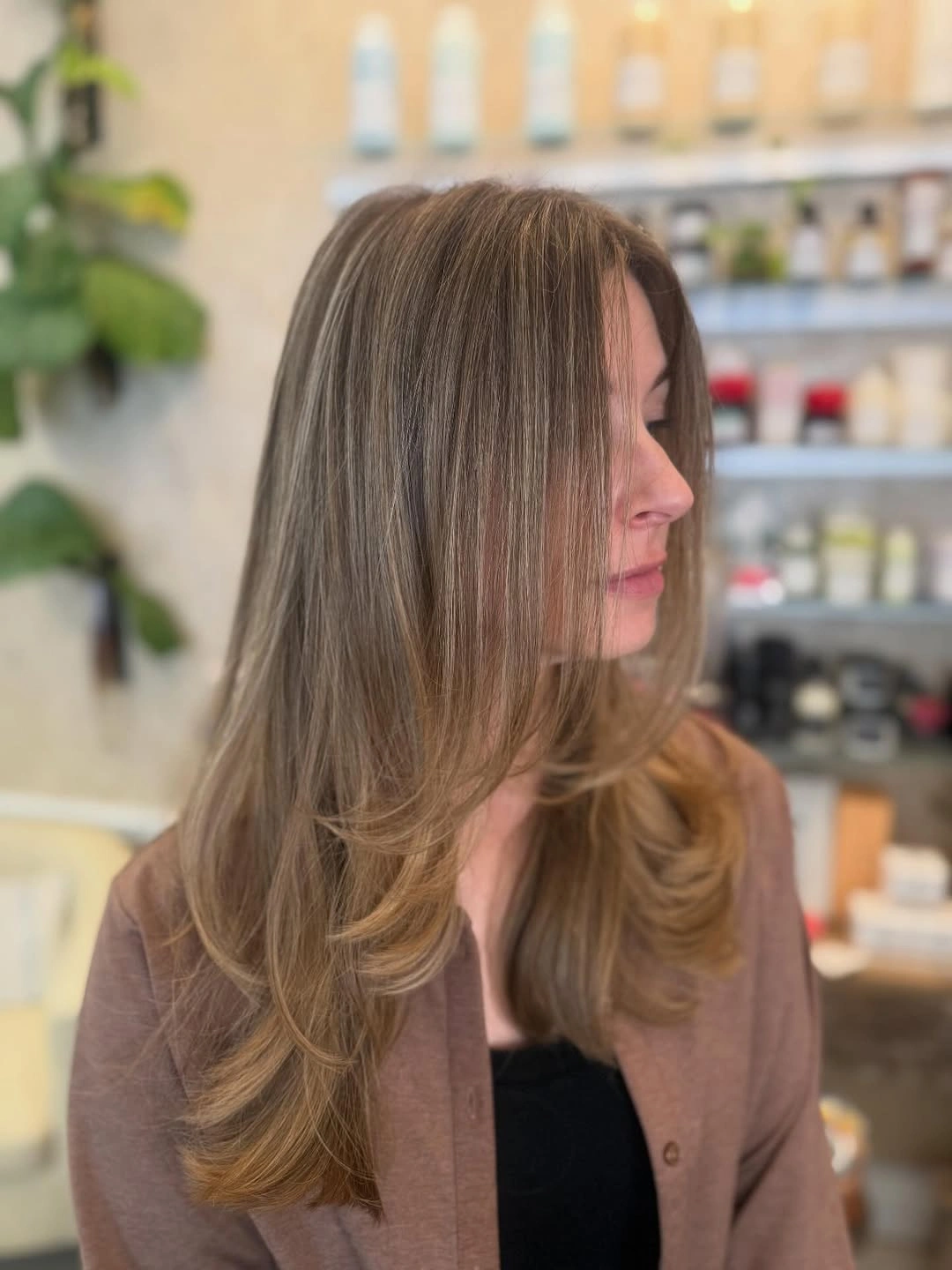
Photo via Instagram
The visible finish is mostly smooth, with only a soft bend through the lower length, so the haircut reads more restrained than a heavily waved long style. That makes the placement of the front layers important: they add direction while preserving the long vertical fall. A reader comparing long haircuts can focus on how low the first shaping pieces should start.
This direction works best as a long-layer reference, not as a dramatic transformation. The main choice is whether the first front layer should stay low or move higher for more visible framing.
Long Brown Waves Draped Over One Shoulder
This long warm medium-brown haircut reads through the direction of its side part and the way the broad waves gather over one shoulder. The length remains the main feature, but the one-sided drape gives the shape a clear path instead of an even fall on both sides. The waves appear wide and soft, creating movement that is easy to see without needing a named method.
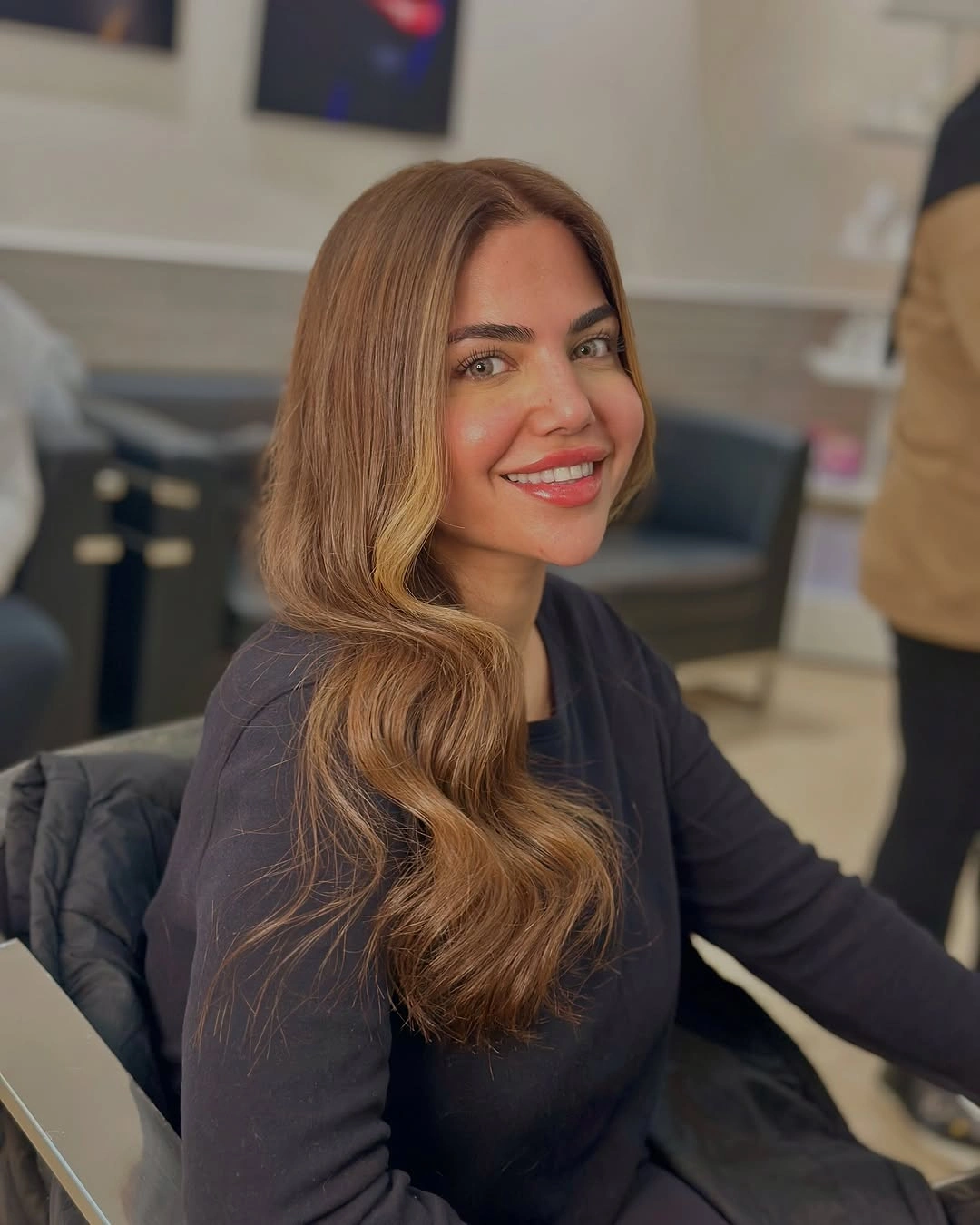
Photo via Instagram
The side placement changes how the haircut feels from the front because more of the length collects on one side. That makes the wave pattern look deliberate, with the bends stacking through the lower section and the upper part staying smoother. For a long brunette haircut, the useful takeaway is how part placement and shoulder fall can reshape the whole outline.
Use this as a reference for long length with visible direction. The conversation can focus on how deep the side part should be and how broad the lower bends should look.
Back-View Layers With Lighter Brown Ends
This long dark brown haircut is shown from the back, which makes the lower architecture the central detail. The loose waves fall into layered ends, and lighter brown strands through the bottom help the bends stand out against the darker upper length. The effect is about visible placement and movement, not a specific coloring technique.
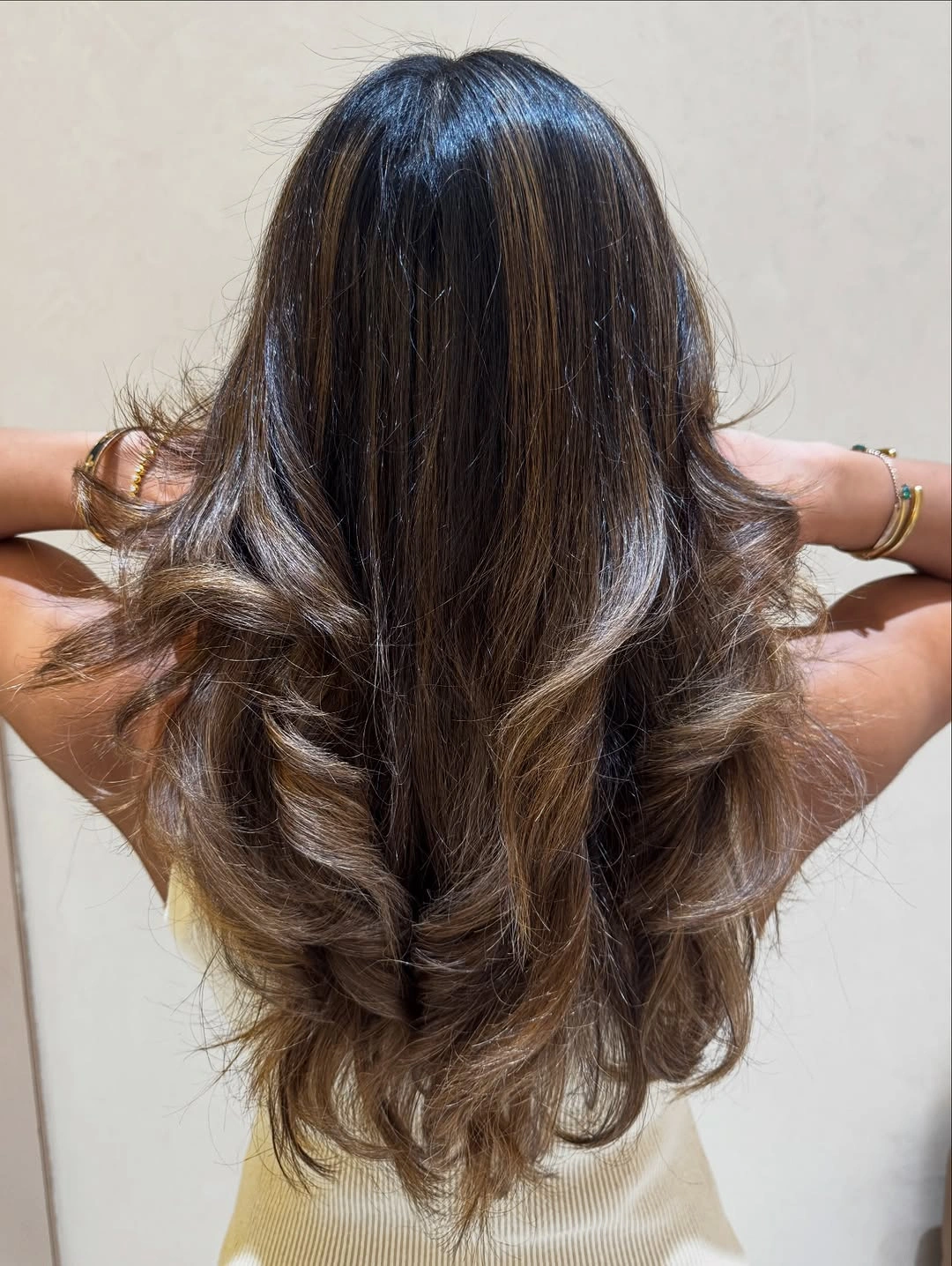
Photo via Instagram
From behind, the cut shows how long layers can shape the perimeter even when the front pieces are not visible. The lower lengths do not end in one hard line; they break into softer sections that curve and overlap near the bottom. That makes the haircut useful for thinking about how the back should look when the longest pieces and shorter lower layers meet.
The strongest planning point is the relationship between the top length and the layered lower ends. Ask how much separation should be visible from the back and where the lighter pieces should draw the eye.
Compact Dark Pixie With Short Fringe
This short dark brown cut has a compact pixie-length outline, with a rounded top and a short textured fringe sitting close to the forehead. The shape stays close to the head, so the front edge becomes especially important. Instead of relying on technical cutting language, the haircut reads through its small scale, rounded upper surface, and broken fringe detail.
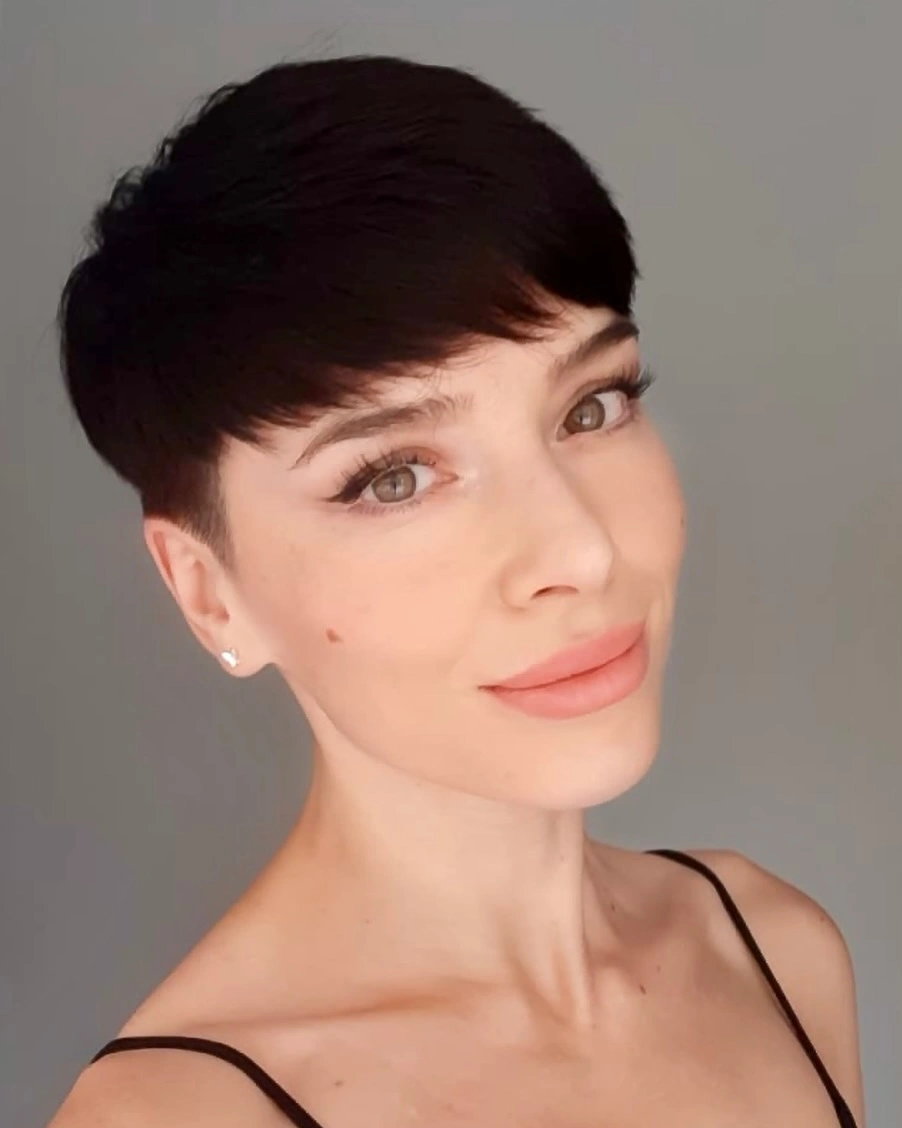
Photo via Instagram
The rounded top keeps the very short silhouette from feeling flat, while the fringe gives the front a defined but softened edge. Because the sides and lower area stay close, the eye goes first to the curve over the crown and then to the small pieces across the brow. It is a clear short-hair reference for readers who want proportion and fringe placement to do the work.
This cut is best discussed through compactness and front texture. The key choice is how short the fringe should appear against the rounded top.
Graphic Side Line With Short Textured Top
This very short haircut is anchored by a sharp visible side line, close sides, and a short textured top. The large glasses add another strong shape near the face, so the haircut and eyewear read together instead of competing for attention. The line gives the look a graphic point of control while the top keeps a small amount of surface texture.
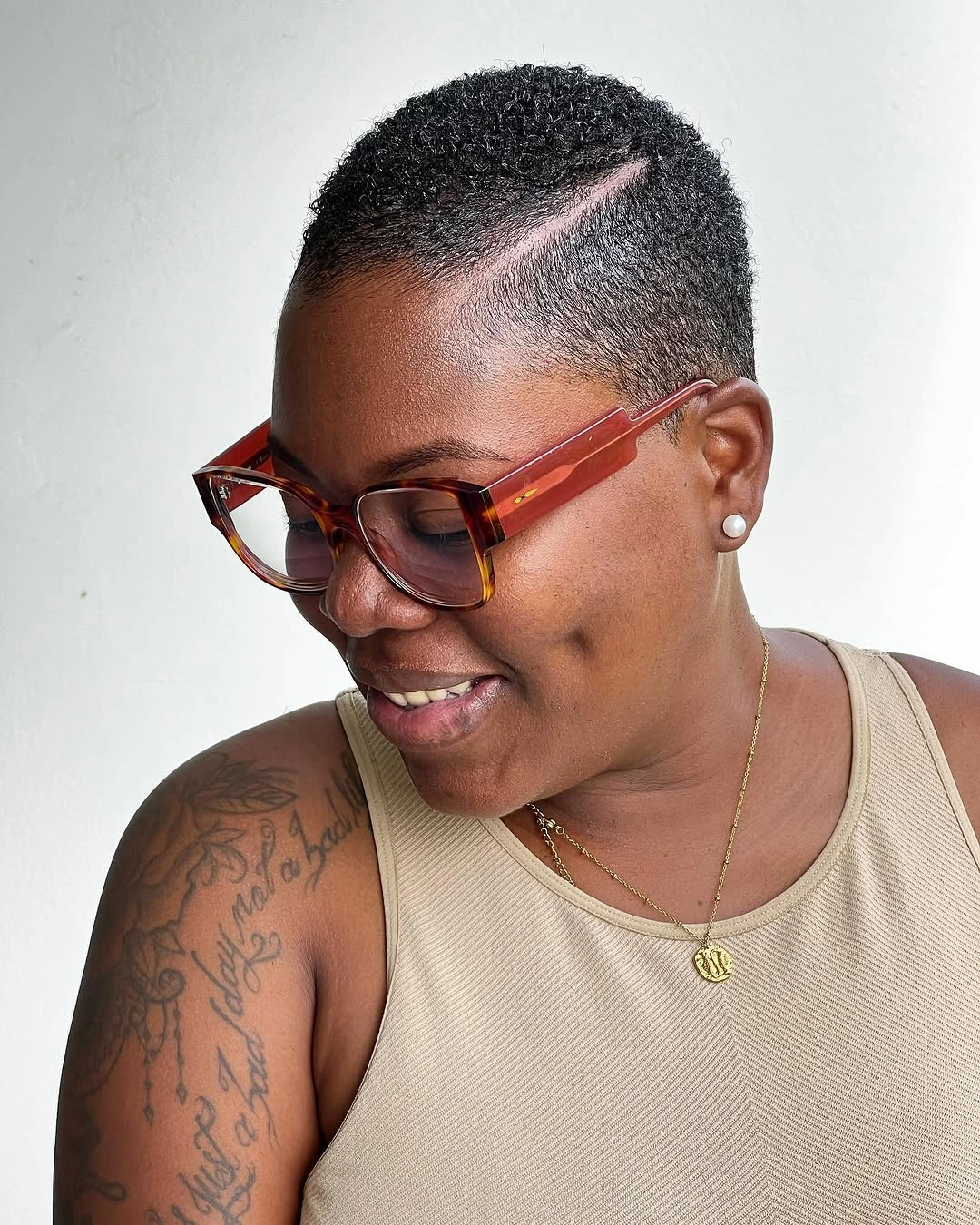
Photo via Instagram
The useful detail is the separation between the clean side line and the compact top. Because the side area stays close, the glasses remain clearly visible, and the haircut’s structure depends on proportion rather than length. This is a strong reference for discussing how a short cut can use one precise line without needing unsupported claims about a specific technique.
Keep the language centered on the visible line, close sides, and textured top. The practical question is how bold that line should be beside glasses and how compact the upper section should stay.
Magenta Waves Through Medium-Long Dark Hair
This medium-long dark haircut uses vivid magenta and burgundy sections to emphasize the loose wave pattern. From the side, the color draws attention to the lower bends and the way the length moves away from the face. The haircut still reads through its wavy shape and shoulder-to-chest range, while the bright placement gives the movement a stronger visual rhythm.
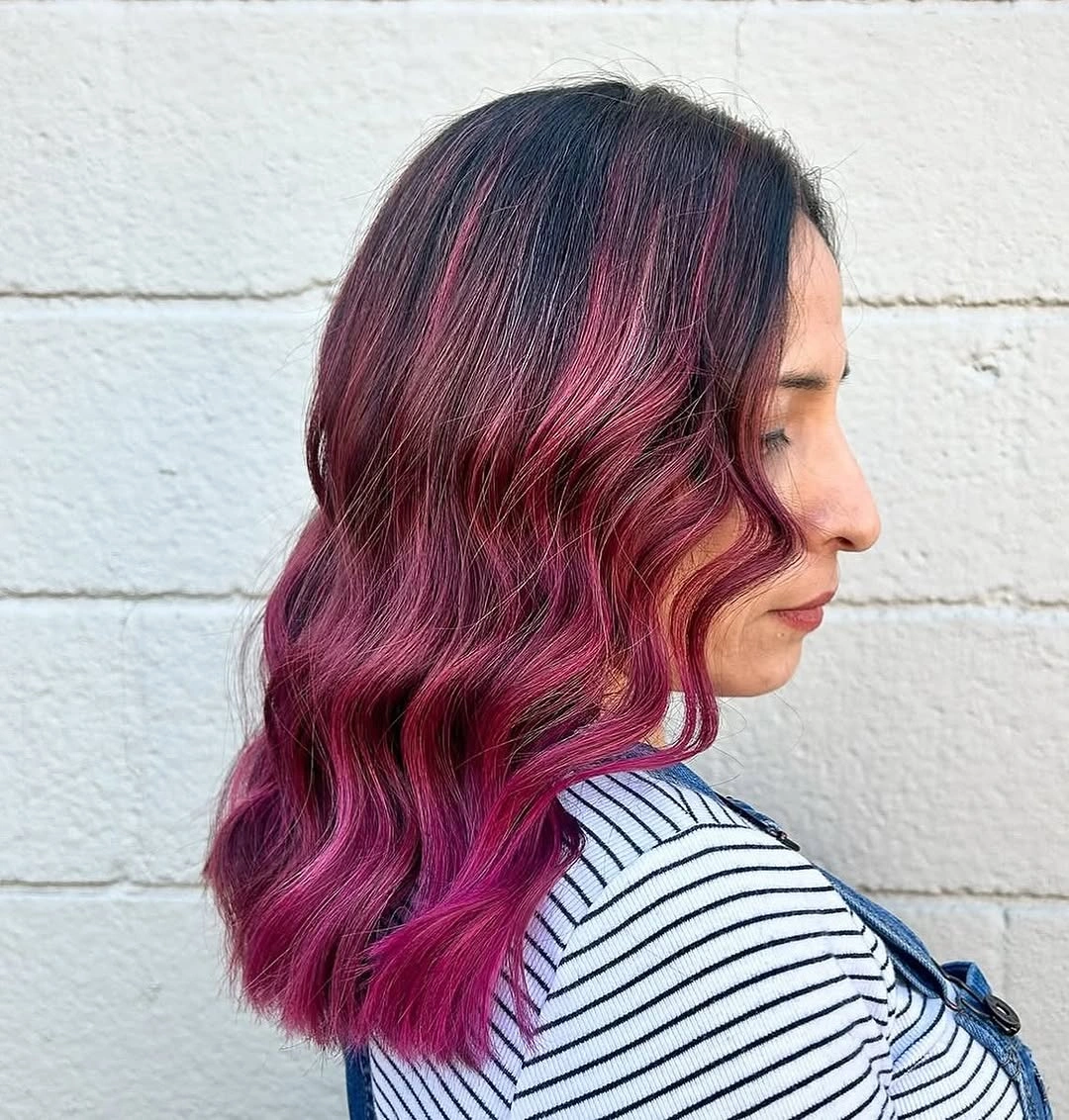
Photo via Instagram
The color is the emphasis, but it should not replace the haircut conversation. The darker upper area and vivid lower sections make the waves easier to follow, especially where the strands curve through the side profile. For a reader comparing medium-long cuts, this shows how visible color placement can make layered movement feel more graphic without changing the basic length.
Use this idea when the cut needs movement and the color is meant to underline that movement. The supported language is about magenta or burgundy sections, loose waves, and medium-long length, not a dye process.
Smooth Pale Blonde Length With Turned Ends
This long pale blonde haircut is shown from the back, so the lower perimeter becomes the clearest part of the story. The surface appears smooth through the upper and middle lengths, then the ends turn into a large soft curve near the bottom. That contrast between a calm fall and a rounded finish gives the long shape definition without relying on visible front layers.
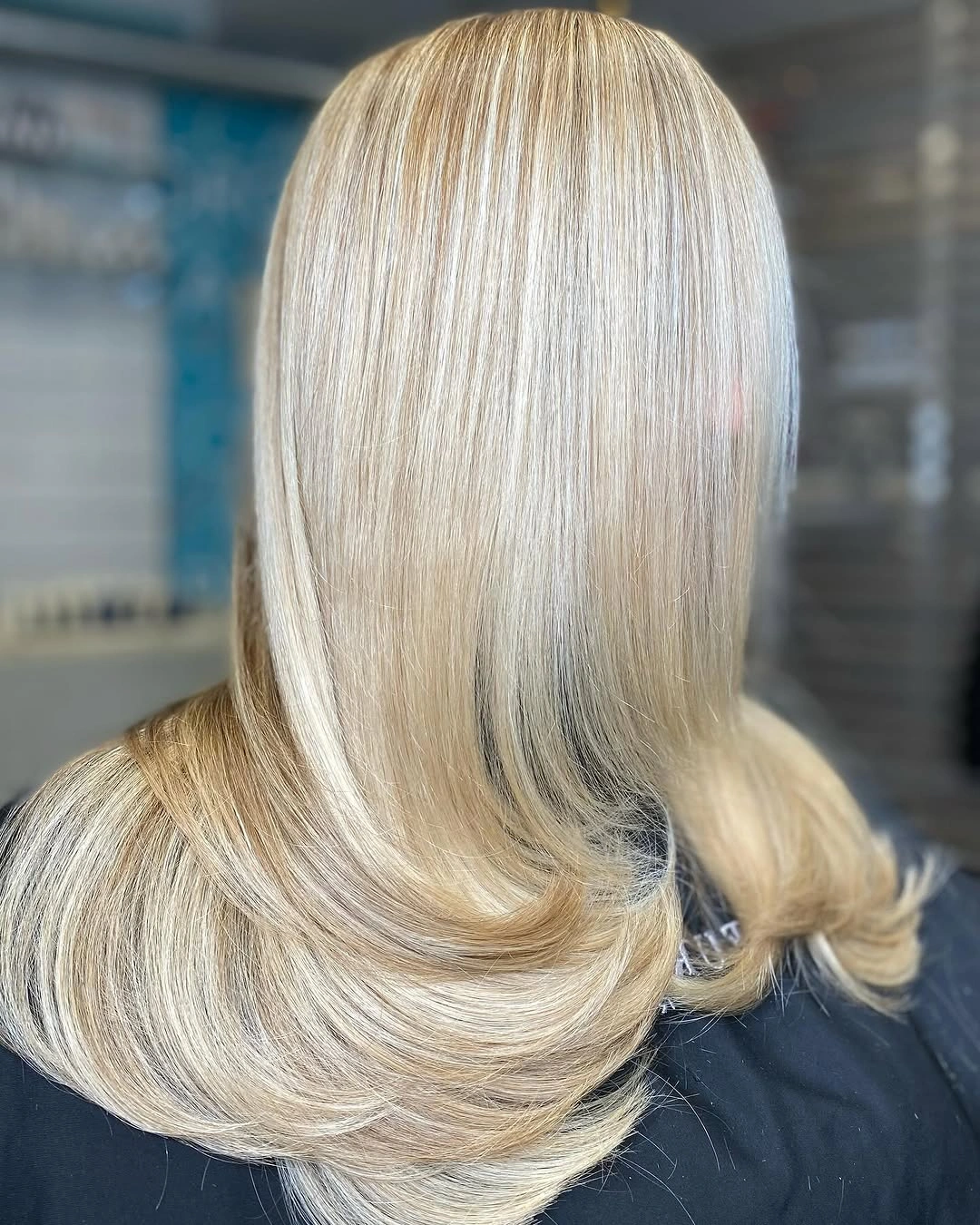
Photo via Instagram
The pale blonde color makes the surface and end movement easy to read because the light strands show direction across the back. The cut does not need a dramatic break in length to feel shaped; the strongest detail is the way the bottom edge curls or turns together. For a long blonde haircut, this is a useful reference for keeping the upper length sleek while letting the ends carry the motion.
Use this idea when the back view matters as much as the front. The consultation language can center on how smooth the length should remain and how much turn should appear at the bottom.
Side-Parted Shoulder Cut With Soft Ends
This shoulder-length ash or light brown haircut uses a side part and a long face-framing layer to give the front a clear sweep. From the side, the front piece drops along the cheek area and connects into the rest of the shoulder-length shape. The softly turned ends keep the cut from looking blunt or stiff while still preserving a clean medium-length outline.
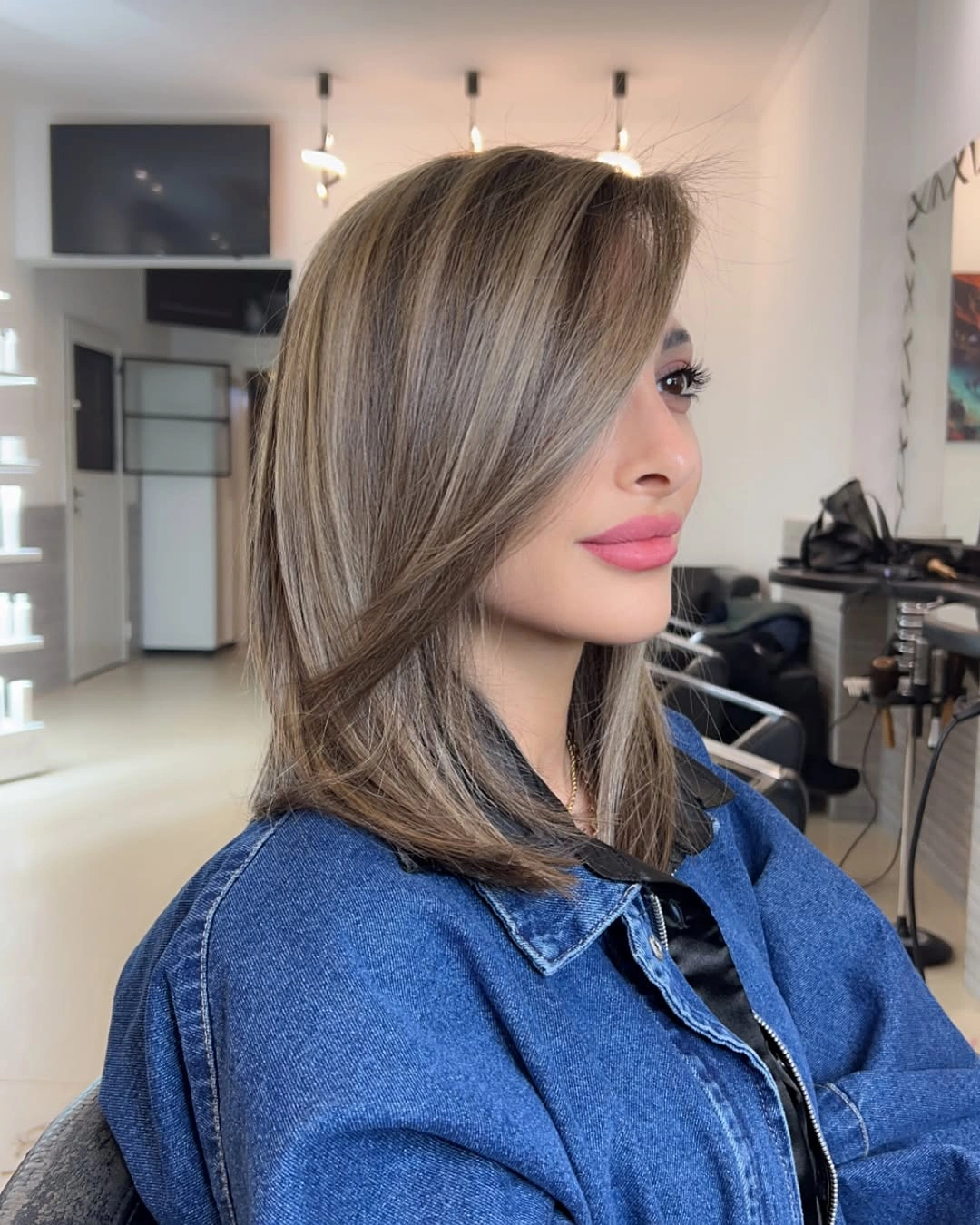
Photo via Instagram
The strongest detail is the relationship between the long front layer and the lower edge. The side part sends the top section in one direction, while the ends curve gently enough to keep the silhouette controlled. For readers comparing medium-length haircuts, this offers a practical way to think about shape: the front can move first, then the ends can echo that movement more quietly.
This cut works best as a reference for placement. The key question is where the long face-framing piece should begin and how softly the bottom should turn.
Feathered Ends With an Outward Flip
This medium-length light brown or blonde haircut is defined by its side profile and the pronounced outward flip near the nape. The upper section appears smoother, while the lower layers separate into feathered-looking ends that move away from the neck. That direction gives the cut a lively outline without needing to name a specific shag or technical method.
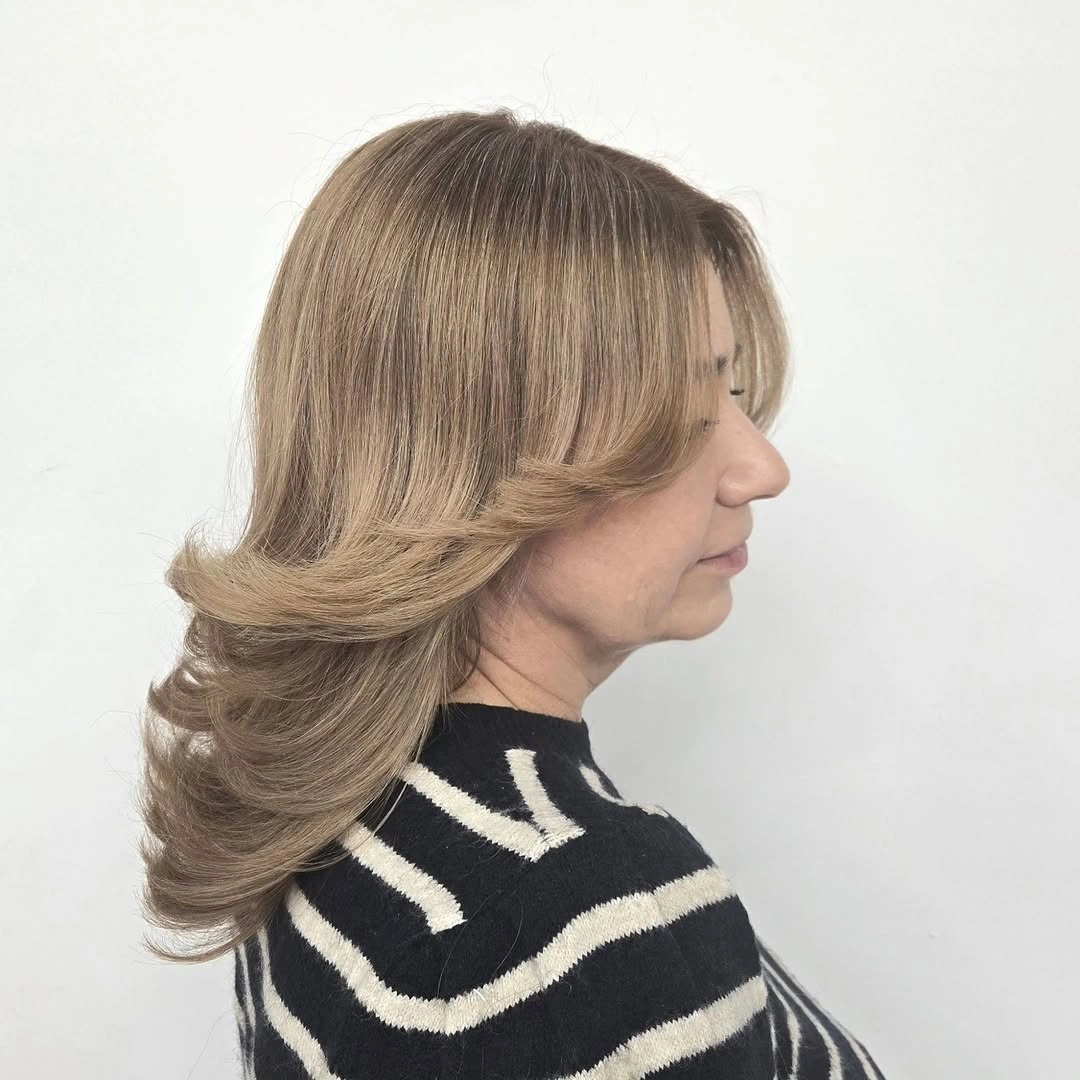
Photo via Instagram
The outward flip changes the whole reading of the haircut because the bottom does not simply fall down or curve under. It pushes the silhouette back and slightly away, making the lower layers the most active part of the shape. For a reader comparing medium-length layered hair, this is a useful example of how end direction can create personality without changing the overall length category.
Keep the conversation focused on the bottom edge and the nape area. Ask how much outward movement should show and how separated the feathered-looking ends should appear.
Salt-and-Pepper Waves With Side Direction
This short-to-medium dark salt-and-pepper haircut uses a side part to send the waves or curls in a visible direction. The gray strands catch the movement through the top and sides, while the layered shape gathers around the cheek area. The length stays above the shoulders, giving the haircut a rounded outline without needing any claim about exact curl type.
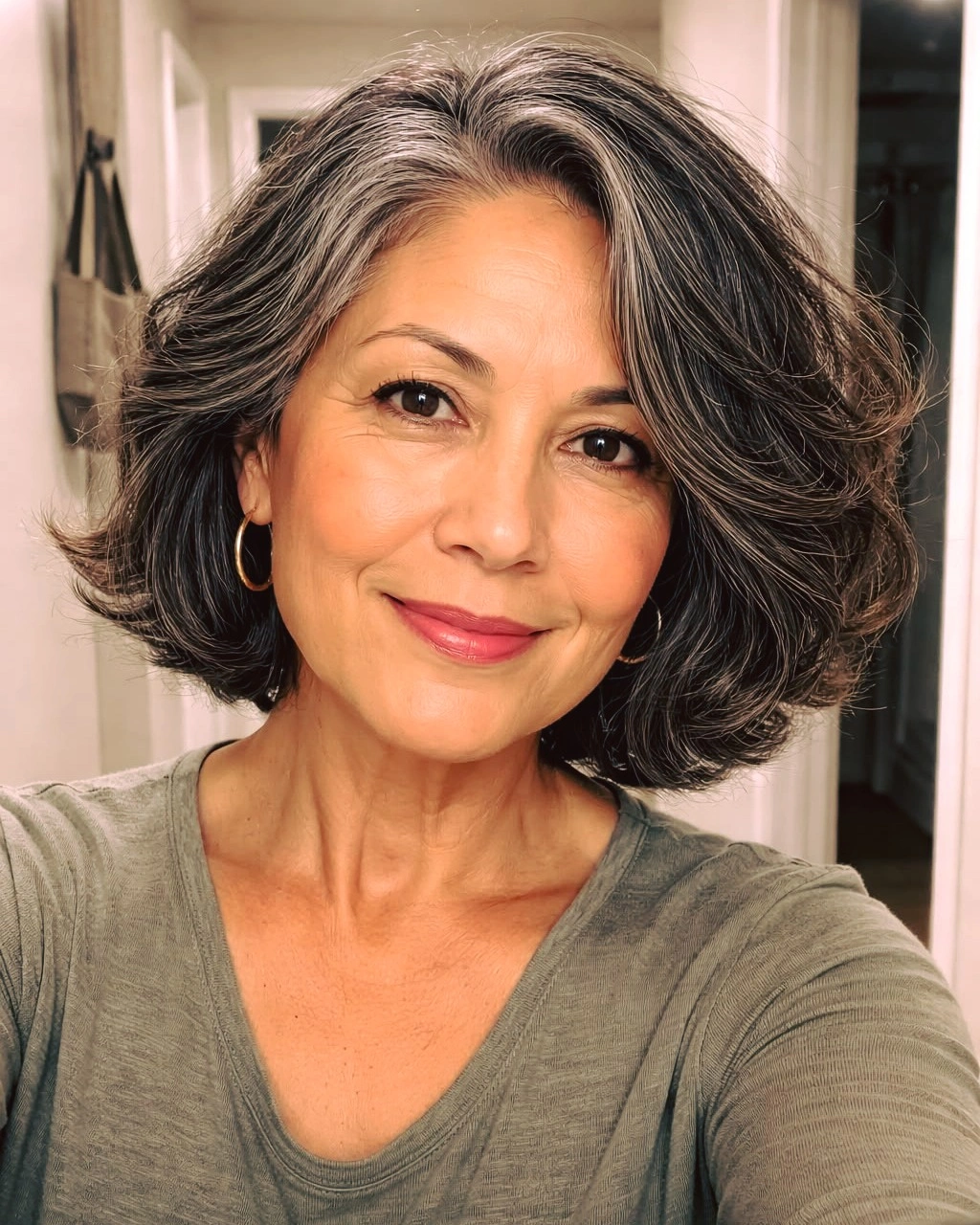
Photo via Instagram
The side part is important because it gives the top a clear path before the waves expand through the sides. The salt-and-pepper color helps the bends show, but the haircut itself is still about proportion, movement, and layered fullness as it appears around the face. For readers considering gray or silver hair ideas, this shows how visible wave direction can shape a shorter silhouette.
Use this as a reference for short-to-medium movement rather than a fixed curl category. The practical discussion can focus on where the part sits and how rounded the side layers should appear.
Centered Blonde Layers With Face Framing
This long warm blonde haircut is built around a center part and long face-framing pieces that fall on both sides. The front layers create the most visible structure near the upper length, while the rest of the hair continues downward into loose curled ends. The result keeps the long silhouette intact but gives the front a deliberate frame.
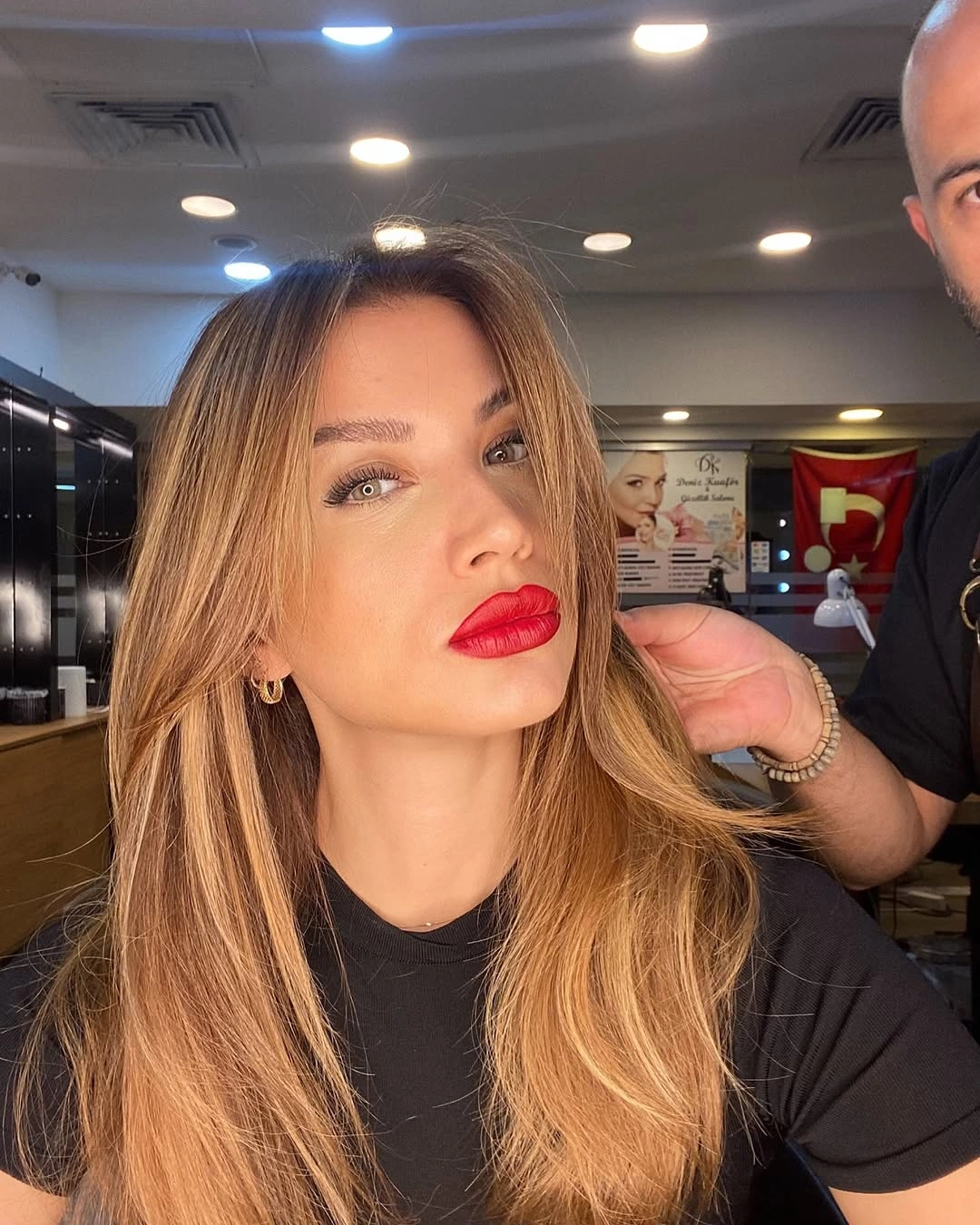
Photo via Instagram
What makes this different from a smoother back-view blonde length is the emphasis around the face. The center part creates balance, and the front pieces curve away before blending into the longer lower strands. For a long layered haircut, the useful detail is not a named cut, but the placement of those framing sections and how they connect to the ends.
Use this direction when the front needs shape but the overall length should still read long. The consultation language can focus on symmetry, front-layer drop, and the amount of curve through the ends.