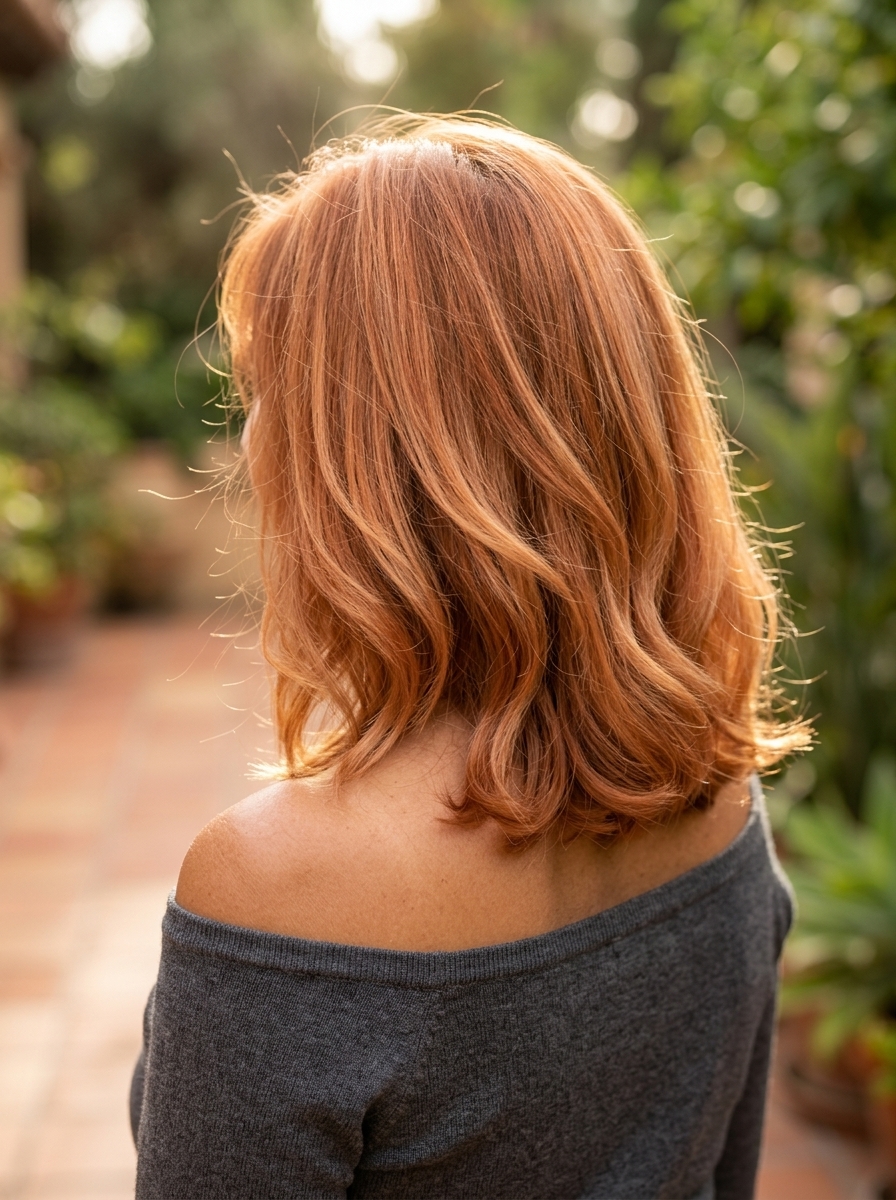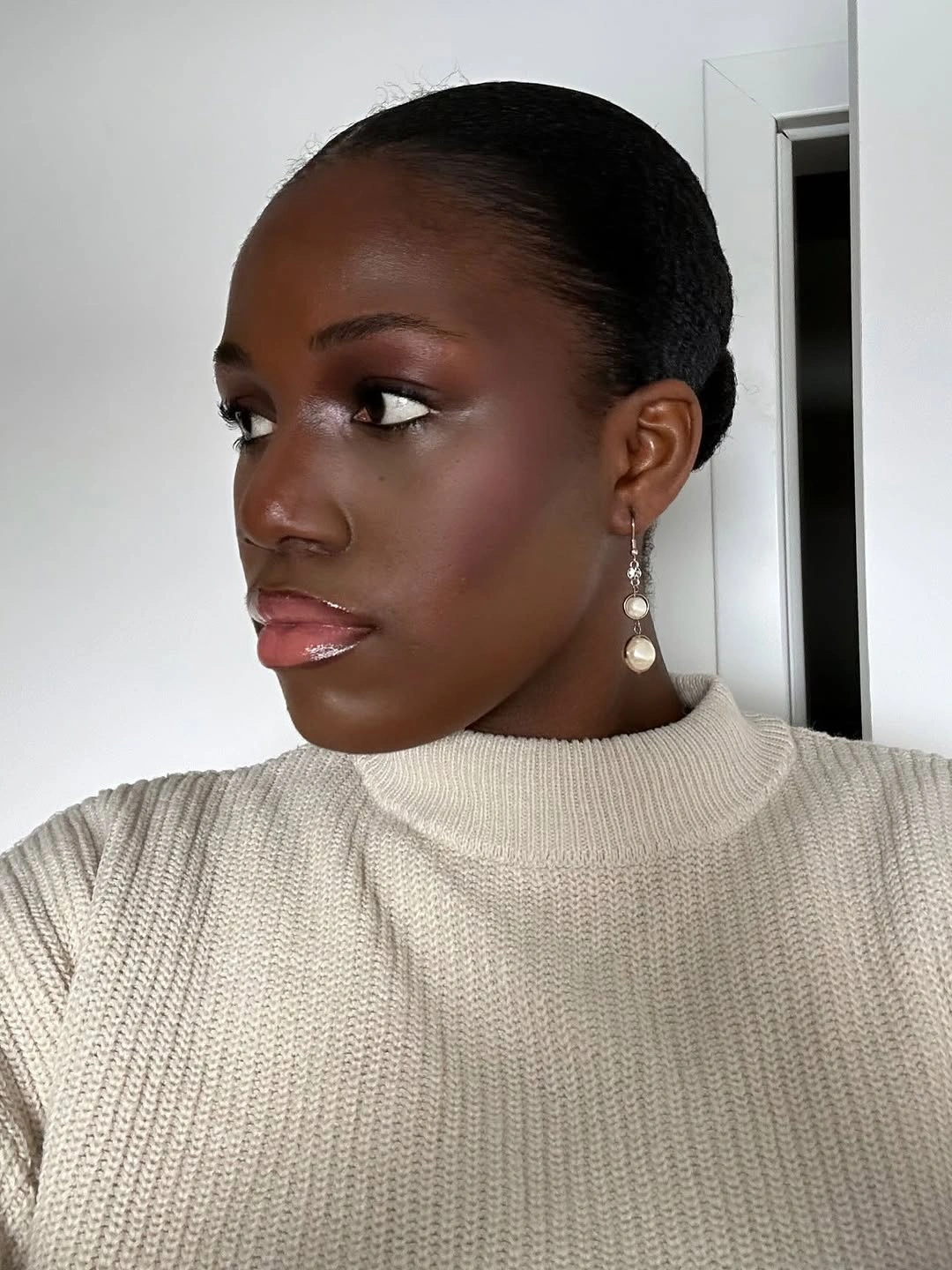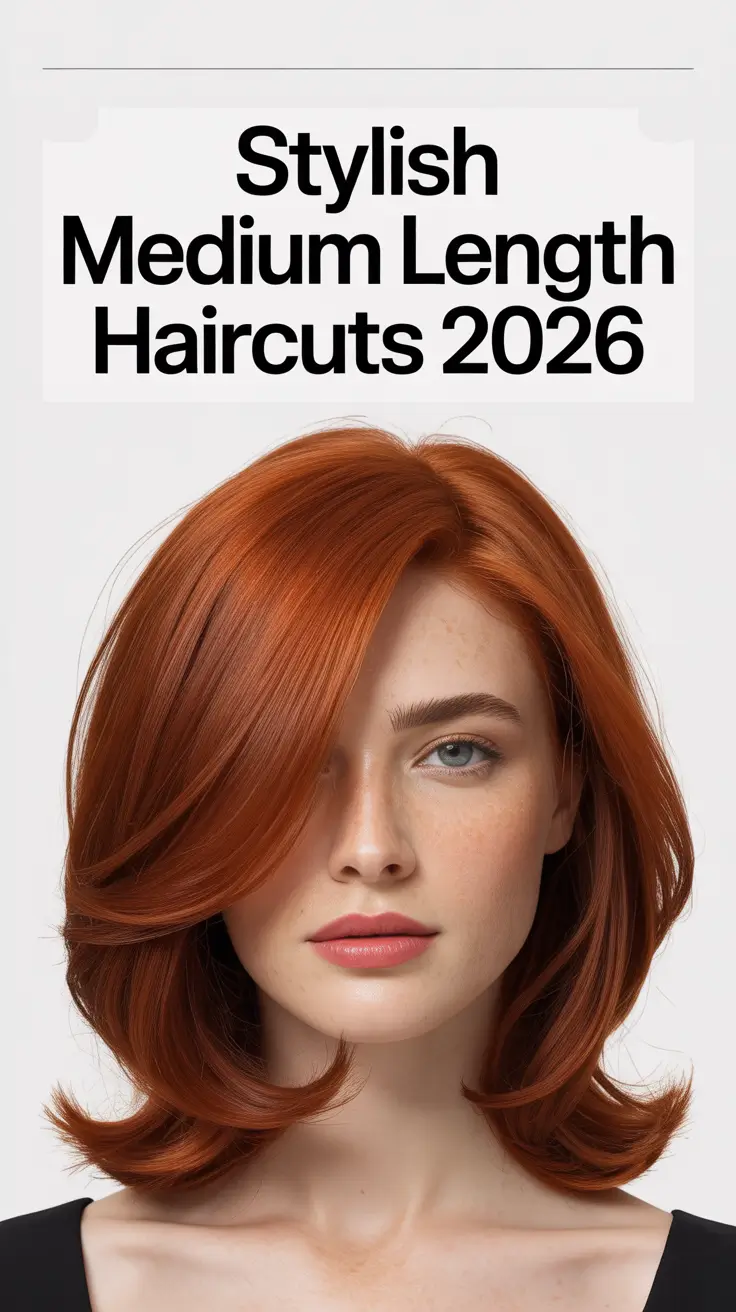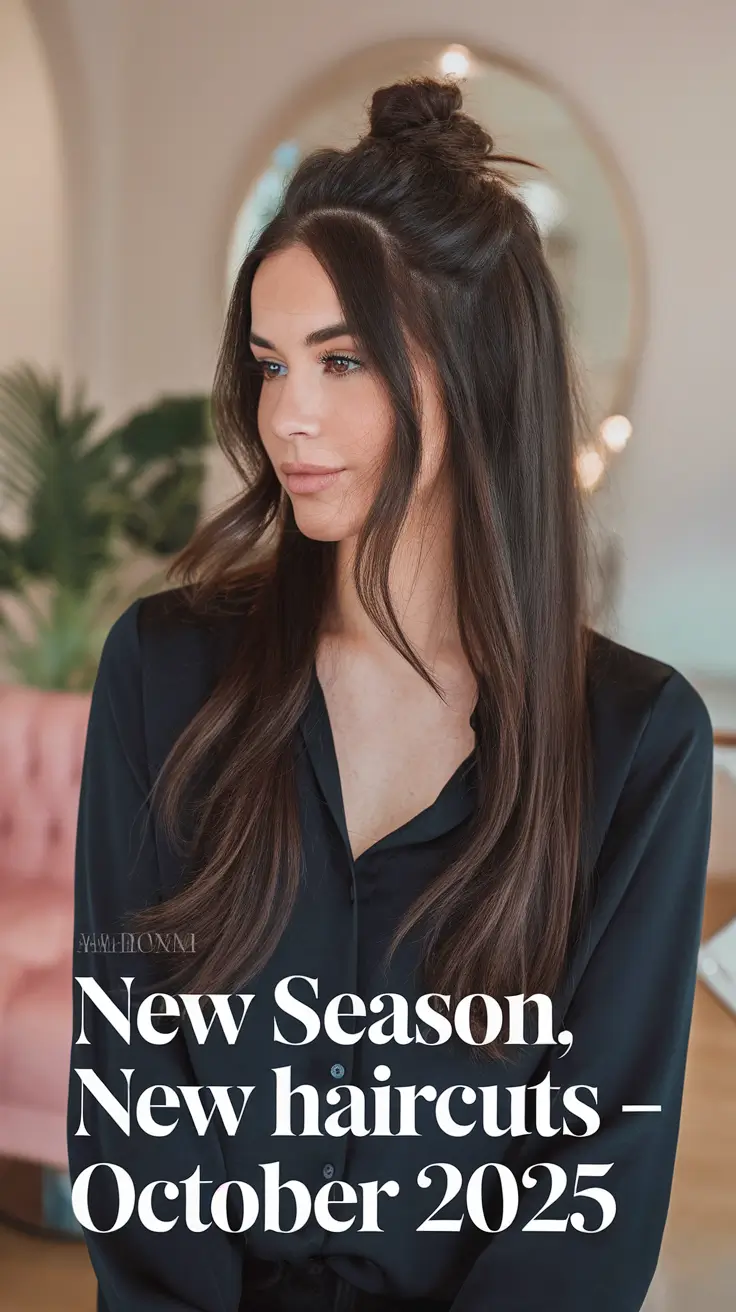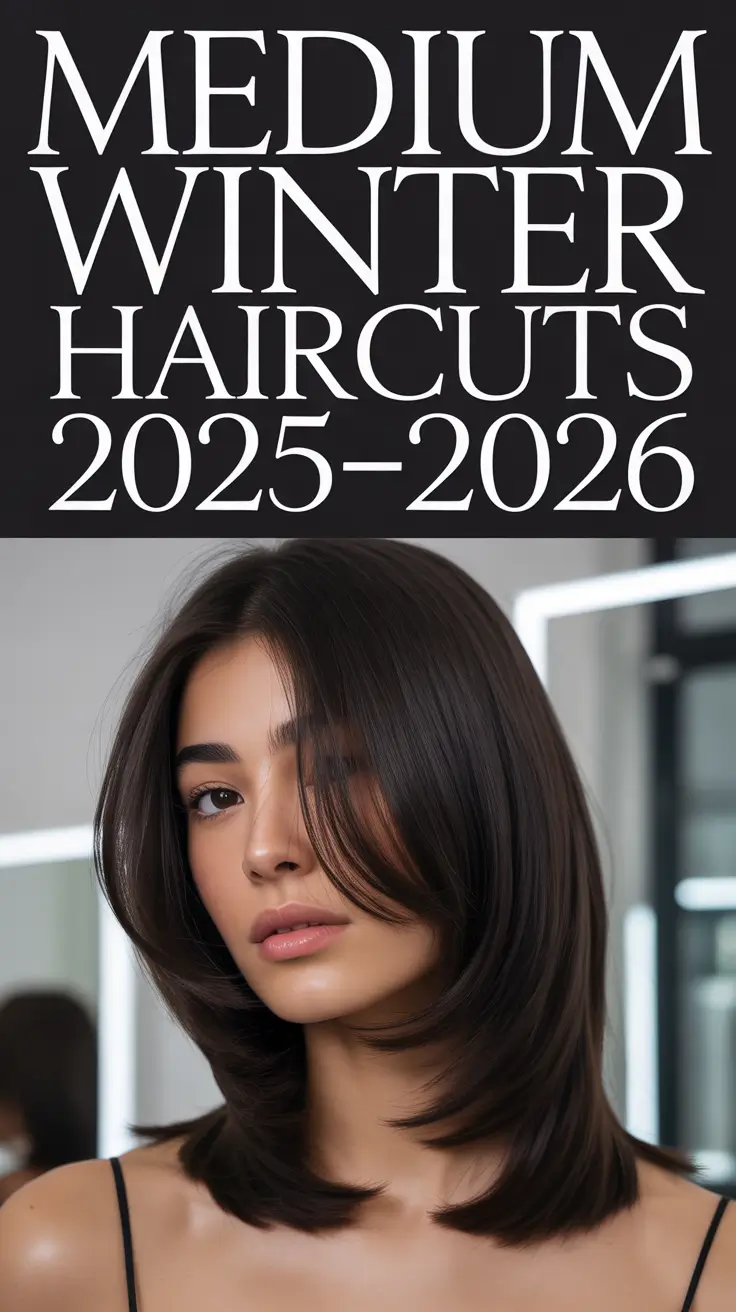

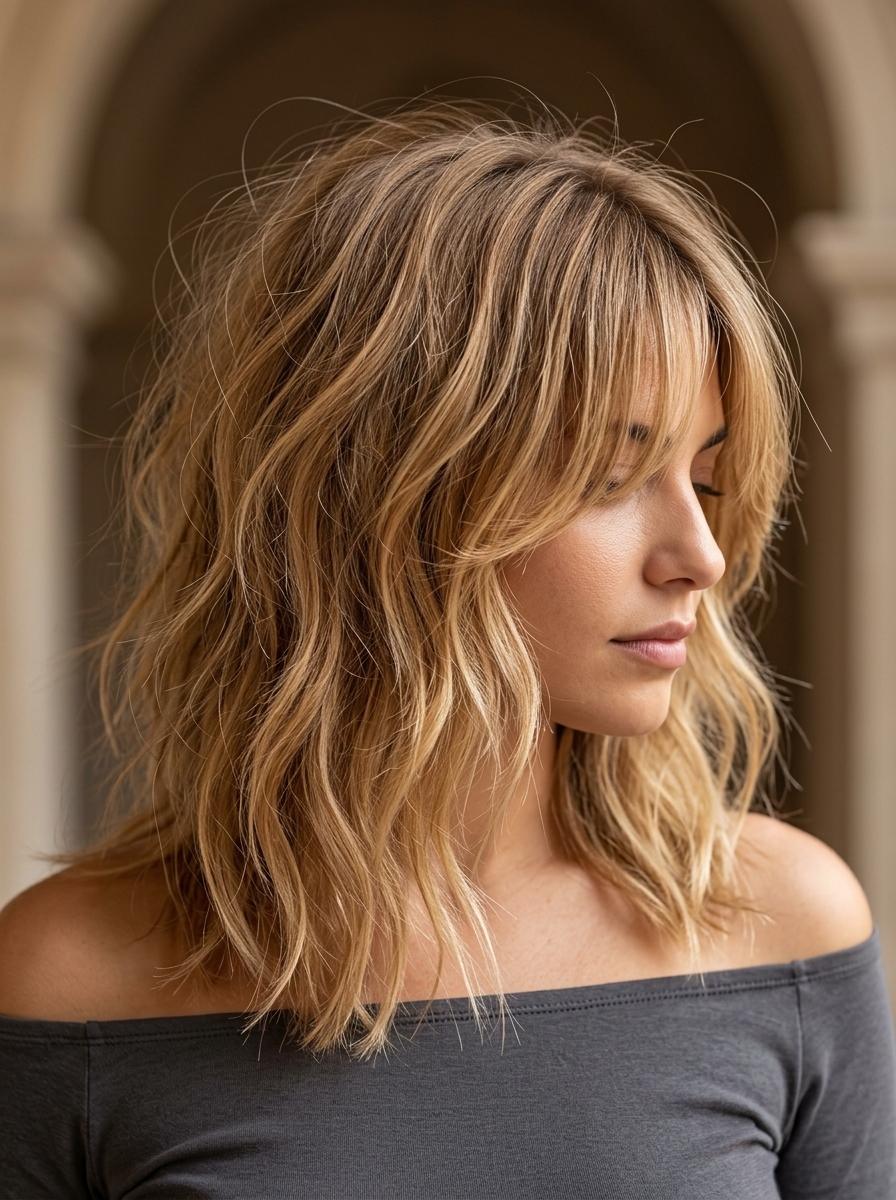
The choppy midi shag is everywhere right now—Natasha Lyonne’s doing it, TikTok stylists are teaching the razored technique, and my feed is basically 70% curtain bangs at this point. Daisy Edgar-Jones showed up to the Twisters press tour with heavy layers and suddenly everyone wanted that “approachable but make it rock and roll” vibe. The Pixie Shag made its comeback, the Kitty Cut started trending as the “shag-lite” option, and somewhere between all of that, the messy summer shag stopped being a commitment and became the thing you could actually air-dry.
The messy summer shag haircut 2026 is basically the anti-blowout movement in physical form—ranging from the barely-there texture of the Kitty Cut to the more dramatic Choppy Midi Shag, all designed for people who’d rather sleep an extra five minutes than spend it with a round brush. These cuts work on wavy hair, curly hair, straight hair, long faces, ovals, and anyone whose idea of styling is sea salt spray and the hope that humidity does the work for you.
I spent three years fighting my natural texture before a stylist convinced me to just lean into it with internal layering instead of fighting it flat. Turns out the shag was the answer the whole time—I just needed permission to stop trying so hard.
Honey Blonde Lob Shag
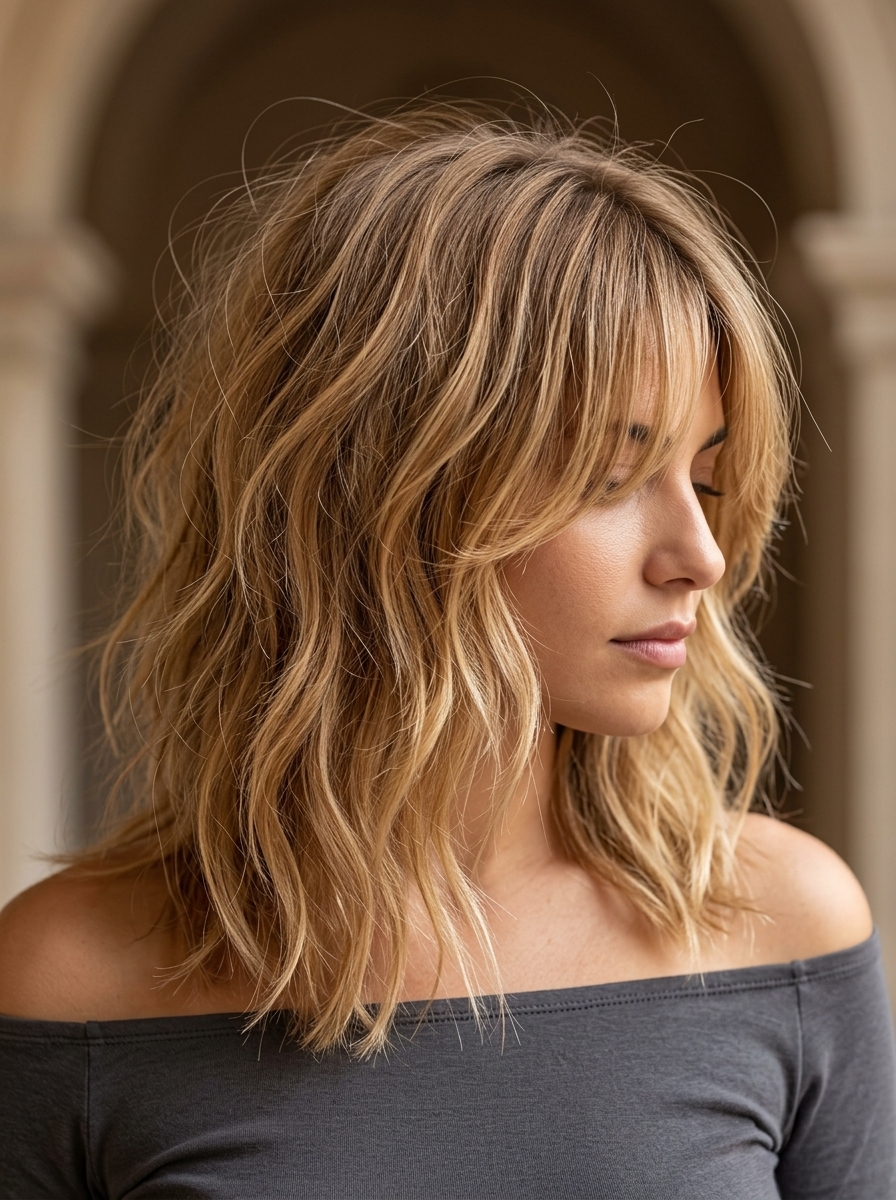
Point-cut curtain bangs blend seamlessly, framing the face softly while internal layers add delicate volume. This version of the shag asks for a lighter hand from your stylist—think about asking them specifically for point-cutting instead of razoring. The honey blonde isn’t mandatory, but it does something the cut alone can’t: it catches light in the layered sections, making movement visible even when you’re standing still. If you have medium hair with some wave or texture already built in, this is your person.
Curtain bangs blended seamlessly for 4 weeks before needing a trim to maintain face-framing, and the longer layers—my favorite curtain bang length, honestly—mean you’re not locked into a super-short refresh schedule. Not for very thick hair though. Internal layers might not create enough movement if your density is working against the design. You get softness here, but it’s the kind that requires intention on styling days and a good leave-in conditioner on lazy ones. Softness personified.
Honey Blonde Lob Shag
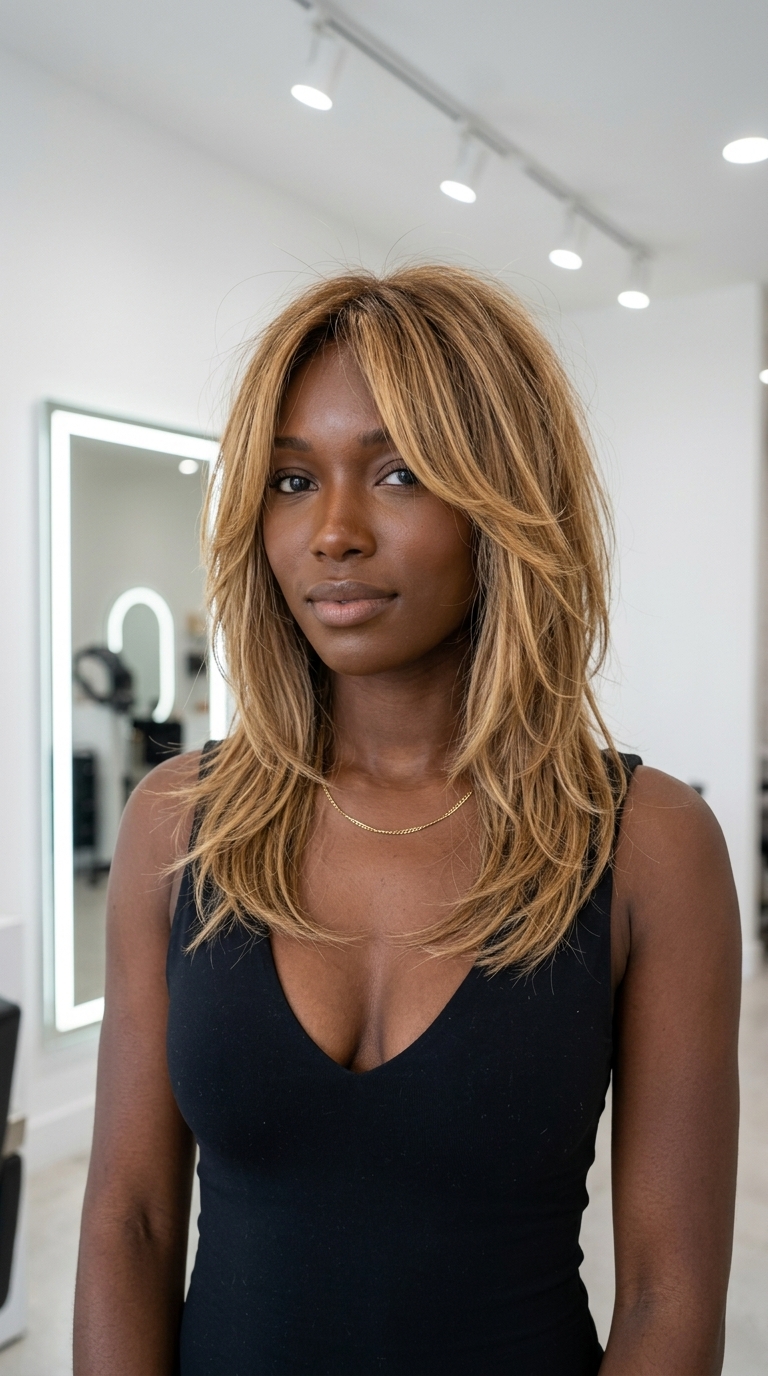
Point-cut ends and razored curtain bangs enhance a lived-in, tousled finish, preventing bluntness and promoting natural movement. This messy beach waves shag is less about the color and more about the *movement*—honey blonde just happens to catch light in a way that makes texture visible from across a room. Curtain bangs air-dried with a natural bend, framing the face without needing heat styling, which means you can actually sleep on this and still look intentional (or maybe just a little sea salt spray). The cut itself doesn’t care if you blow-dry or not; it’s designed to work with whatever your hair wants to do.
The real benefit here is longevity. Shorter layers at the crown drop out faster, while the mid-length sections hang long enough to feel effortless as they grow. Not for very straight hair—this cut relies on natural wave for movement. If your texture is pin-straight, you’re fighting the cut’s entire design philosophy, and that’s a losing battle before you even leave the salon. The cut rewards wave, embraces it, leans into it. Effortless, beachy vibes.
Platinum Pixie Shag
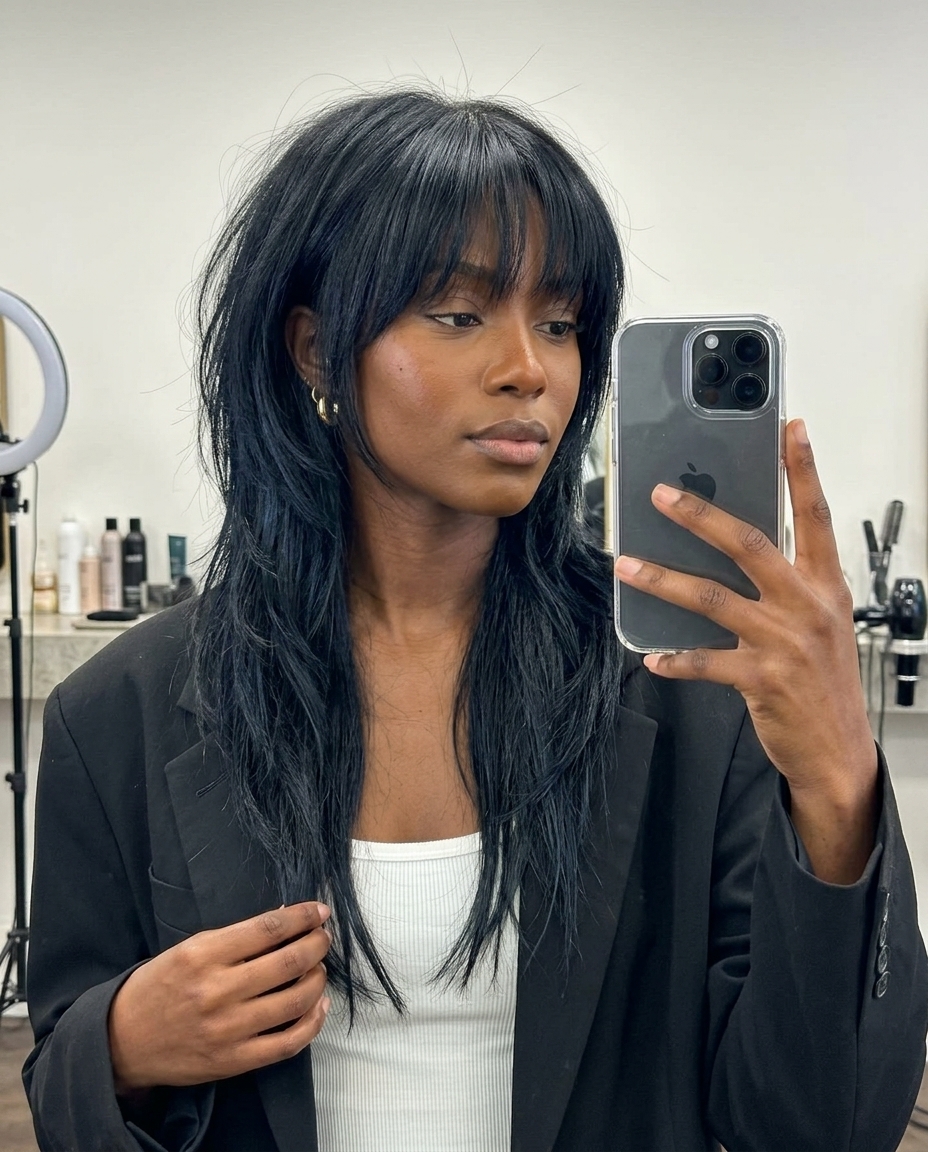
Severely razored layers create intense disconnection and ‘tentacle’ ends, giving this long shag its dramatic, choppy texture and movement. The jet black base doesn’t soften the effect—it amplifies it, turning every layer into a separate statement. Crown layers maintained maximum volume for 3 days with dry shampoo, extending wash cycles, which means you’re not nursing this cut through constant salon visits just to keep it looking intentional (which my thick hair desperately needs). The drama is real, and yes, maintenance is too.
This is the cut that says something. Bold geometric silhouette, sharp enough to photograph, dramatic enough to own the room. The dramatic V-shape back requires frequent trims to keep its distinct, sharp silhouette—every 4 weeks, not 6—because bluntness disappears fast and sharpness is the whole point. Product-wise, you need texturizing paste or dry shampoo on rotation; without it, the layers collapse into a sad, feathered mess. But when it’s *on*, when the separation is crisp and the movement is there, this cut delivers pure rockstar energy.
Platinum Pixie Shag
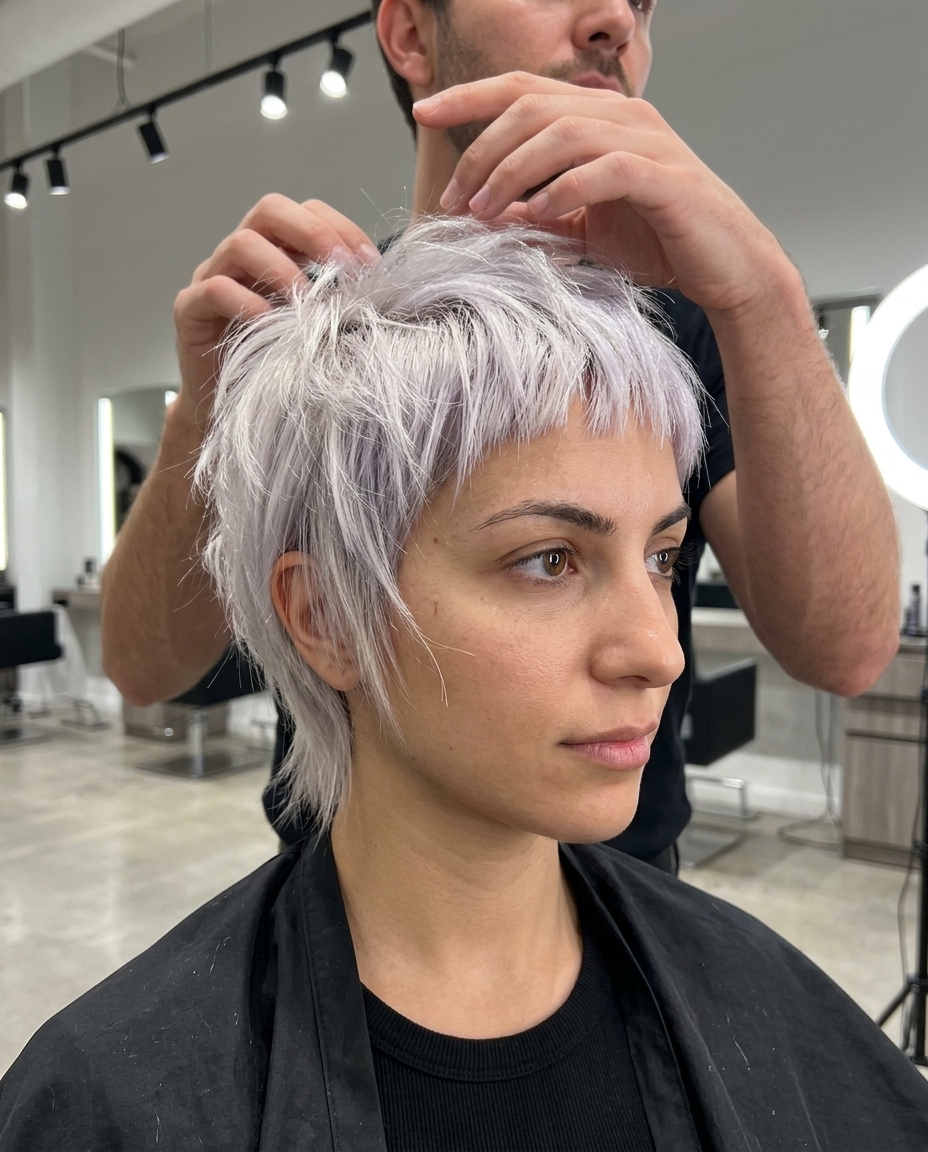
Platinum pixie shag is the aggressive answer to everyone asking if short hair can actually have texture. The cut itself is a series of disconnected decisions—heavy razoring at the crown, whisper-thin pieces at the nape, internal taper that removes weight in layers. This is not for the faint of heart. When aggressive razoring created extreme crown volume that held for 2 days with light styling product, I realized the math: disconnection plus texture equals drama that actually sustains itself. Intense disconnection and heavy texturizing create a shattered, piecey effect, giving extreme volume and edge.
The maintenance conversation starts before you sit down. Razor cuts grow out quickly, needing trims every 4–5 weeks to maintain sharp lines, so budget accordingly if you’re considering this as a “set it and forget it” cut. Fine to medium density hair handles this best—the razor can be too aggressive on finer strands, but on the right texture it becomes almost architectural. Styling requires minimal product: a light paste on damp hair, finger-tousled, and you’re done. The payoff is a silhouette that reads bold without trying. Aggressive, yet refined.
Honey Blonde Lob Shag
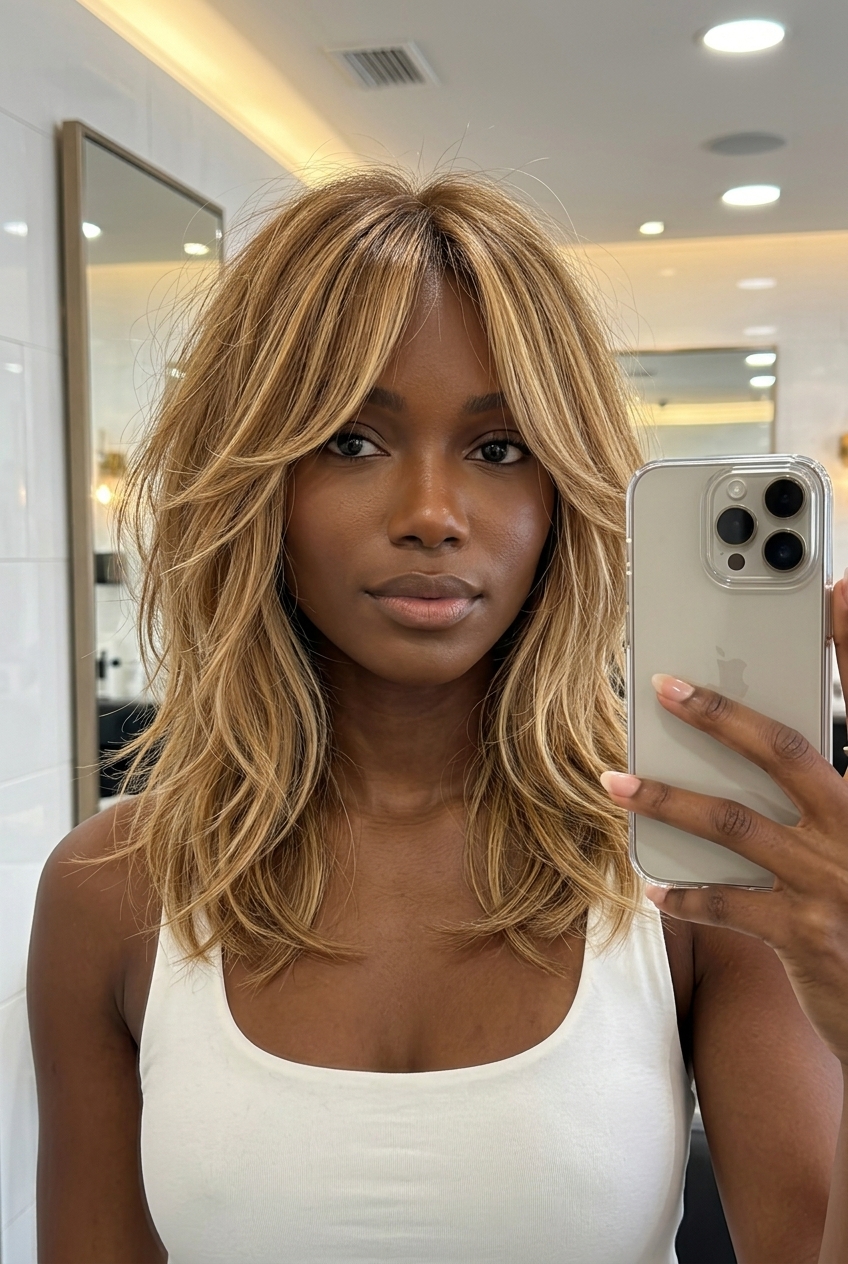
Honey blonde lob shag exists in that sweet spot where you get movement without committing to extreme shortness. The layers here are intentionally soft—internal point-cutting instead of slicing, which means the cut enhances natural waves rather than fighting them. Curtain bangs grew out gracefully for 3 months, blending seamlessly without awkward stages, and that’s the real win for anyone nervous about commitment. Soft internal layering and point-cutting create diffused texture, enhancing natural movement for a ‘tousled’ feel, which is why this cut works even when your hair refuses to cooperate. Or maybe just a really good stylist makes the difference.
The medium balayage shag haircut version keeps the blonde subtle—butter tones melting into honey at the mid-lengths, root shadow holding the whole thing together. You’re looking at a trim every 6–8 weeks rather than the brutal 4-week cycle of a pixie. Color refresh lands around 10–12 weeks if you’re using the right maintenance shampoo, which honestly extends the life significantly. Skip if you have very fine hair—diffused layers might remove too much volume, leaving you with wispy rather than textured. The styling is genuinely minimal: damp hair, some texture paste, and air-dry. Effortless cool, perfected.
Chocolate Brown Shag Haircut
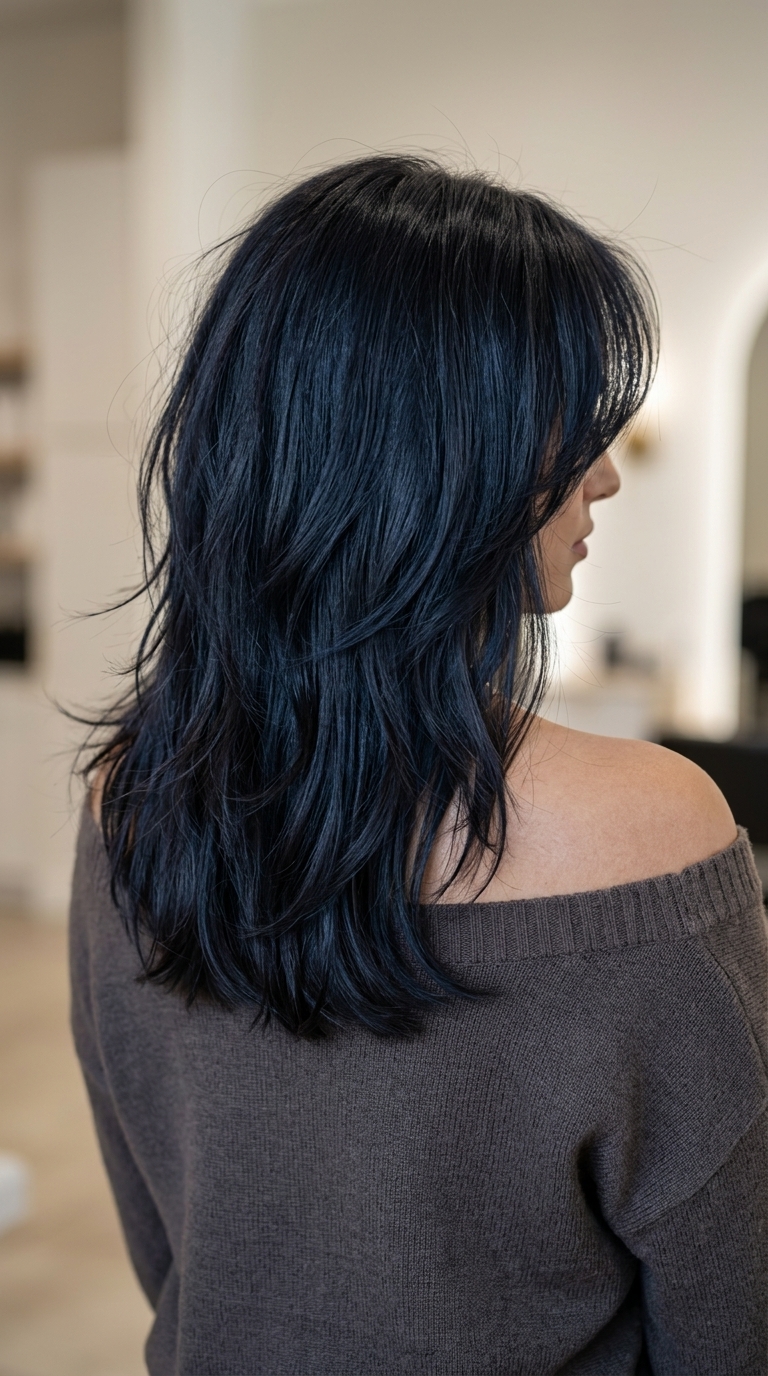
Chocolate brown shag is what you get when someone finally decides they want the texture without the color drama. The cut is significant—internal point-cutting removing weight, allowing fine hair to hold subtle volume for 48 hours without relying on any fancy tricks. This is the shag for people who understand that brown doesn’t mean boring, it means you get to focus entirely on how the hair moves instead of constantly managing color fade. Significant internal point-cutting removes weight, creating airy movement and subtle volume without choppiness, which is why this version feels effortless even though it absolutely isn’t.
The midnight espresso hair color depth adds dimension without requiring color maintenance—that’s the real luxury of brown. Achieving consistent ‘glossy’ finish requires specific product use and styling time, so don’t mistake simplicity for laziness. The cut works best on straight to wavy hair, medium to thick, because the weight removal benefits heavier textures most dramatically. Trims every 6–8 weeks keep the layers active, but honestly, brown shag grows out more gracefully than lighter colors—you get shadow root naturally. Yes, the deep glossy one. Styling is texturizing paste on damp hair, maybe a blow-dry if you have somewhere to be, or air-dry into something softer. No purple shampoo, no fading anxiety, no color refresh appointment on the calendar. Just a cut that looks expensive because it actually is, and it absolutely earns it. Glossy, lived-in texture.
Romantic Wavy Shag
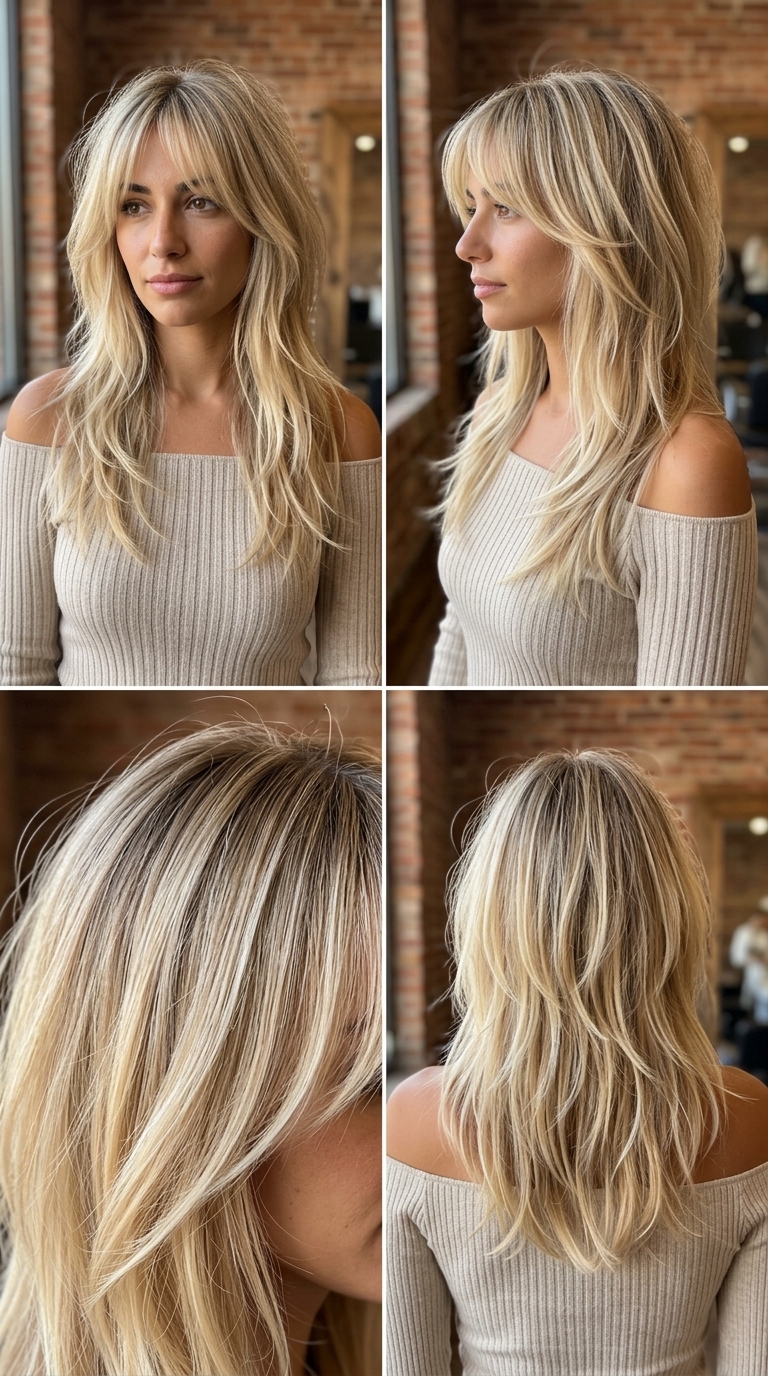
This is the shag that convinces you point-cutting isn’t just a technique—it’s a philosophy. Instead of blunt ends that sit heavy, point-cut layers create separation at every angle, letting light pass through your hair like you’ve spent the afternoon by water. The layers start mid-length and feather outward, which means movement happens naturally, not because you’re weaponizing a blow dryer. Point-cut layers created airy volume that lasted 2 days with minimal product use, which is honestly the baseline for any cut worth $150 at a decent salon.
What makes this work: point-cutting layers creates a soft, feathered texture, giving this shag ethereal movement instead of blunt weight. Fine to medium density hair responds best here (the perfect summer refresh)—thick, coarse hair might fight the softness you’re paying for. You’re not fighting texture; you’re partnering with it. Root the styling in wave-enhancing products during humid months, and during drier spells, you can almost forget you cut your hair. Wavy textures naturally enhance what the cut is already doing, so your effort drops significantly compared to a blunt shag that demands constant manipulation. Avoid if you have very thick, coarse hair—it might lack the ethereal movement that makes this romantic wavy shag worth the investment. The sustainability of this cut is real: grow-out is gradual, layers blend seamlessly over 8–10 weeks, and by week 12 you’ve got a new silhouette without damage. Ethereal movement, perfected.
Short Silver Shag Pixie
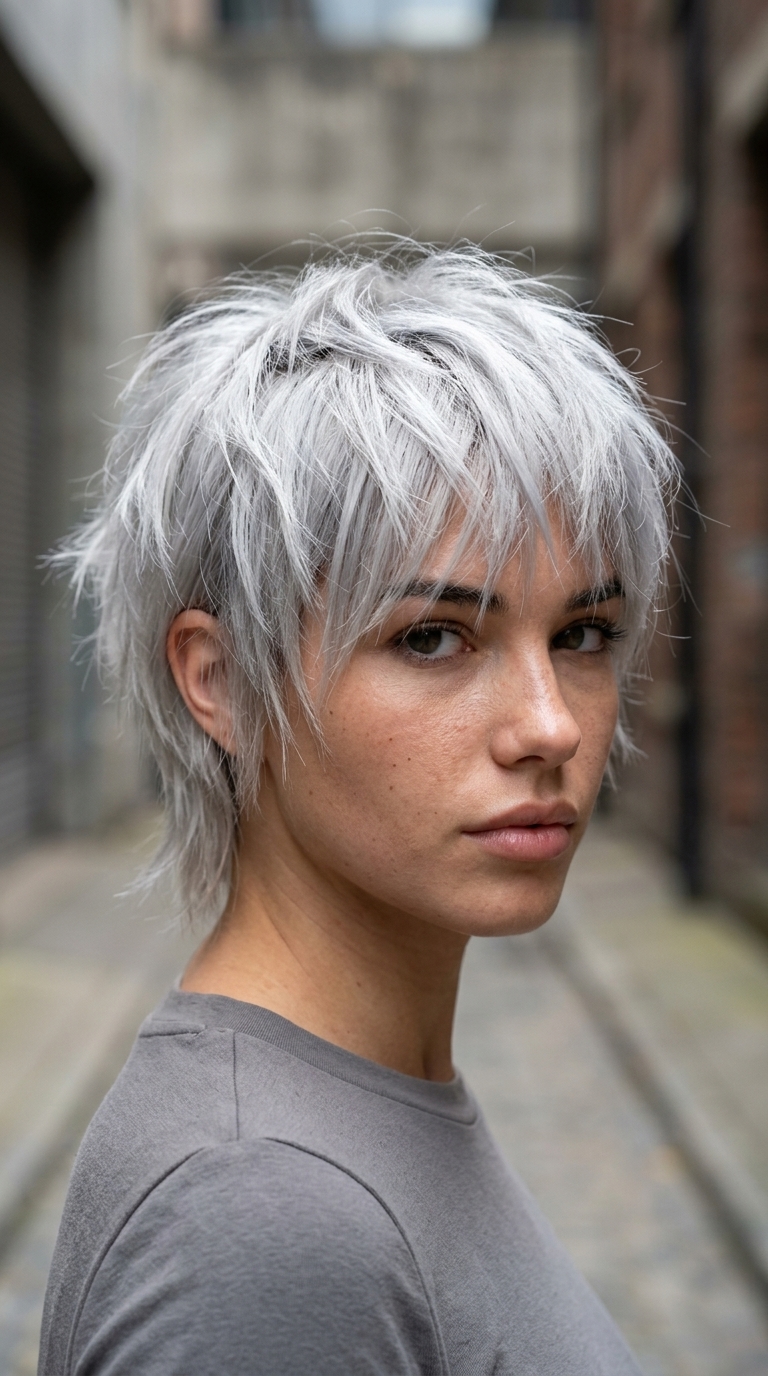
This is for people who want their hair to communicate before they open their mouth. A short silver shag pixie takes the softness out of the equation entirely and replaces it with architecture. Disconnected point-cut layers at the crown build immediate volume, while razored ends create sharp, spiky separation that doesn’t blend—it declares. The cut sits short at the nape (maybe 2–3 inches) and builds volume upward, creating a silhouette that looks intentional rather than undone. Razored ends held spiky texture for 8 hours with strong hold paste, defying humidity, which means this isn’t a fair-weather cut for relaxed days.
Why this matters: disconnected point-cut layers and razored ends create maximum separation and spiky texture for an edgy silhouette. You’re essentially paying for the aggressive separation—the space between each layer is the whole point. This cut demands commitment (which is why it needs commitment), because aggressive razoring requires trims every 4 weeks to maintain that sharp, spiky silhouette. Four weeks. Not six, not eight. The silver amplifies the edginess; warmer tones would soften what you’ve built. This cut lives on dark roots or grows out badly; ask your stylist about shadow-rooting the base to extend time between bleach sessions. Root touch-ups might happen every 3 weeks, so factor that into the budget conversation. The silhouette works on round and square faces because the vertical layers create visual length. Audacious. Absolutely.
Long Cherry Cola Shag
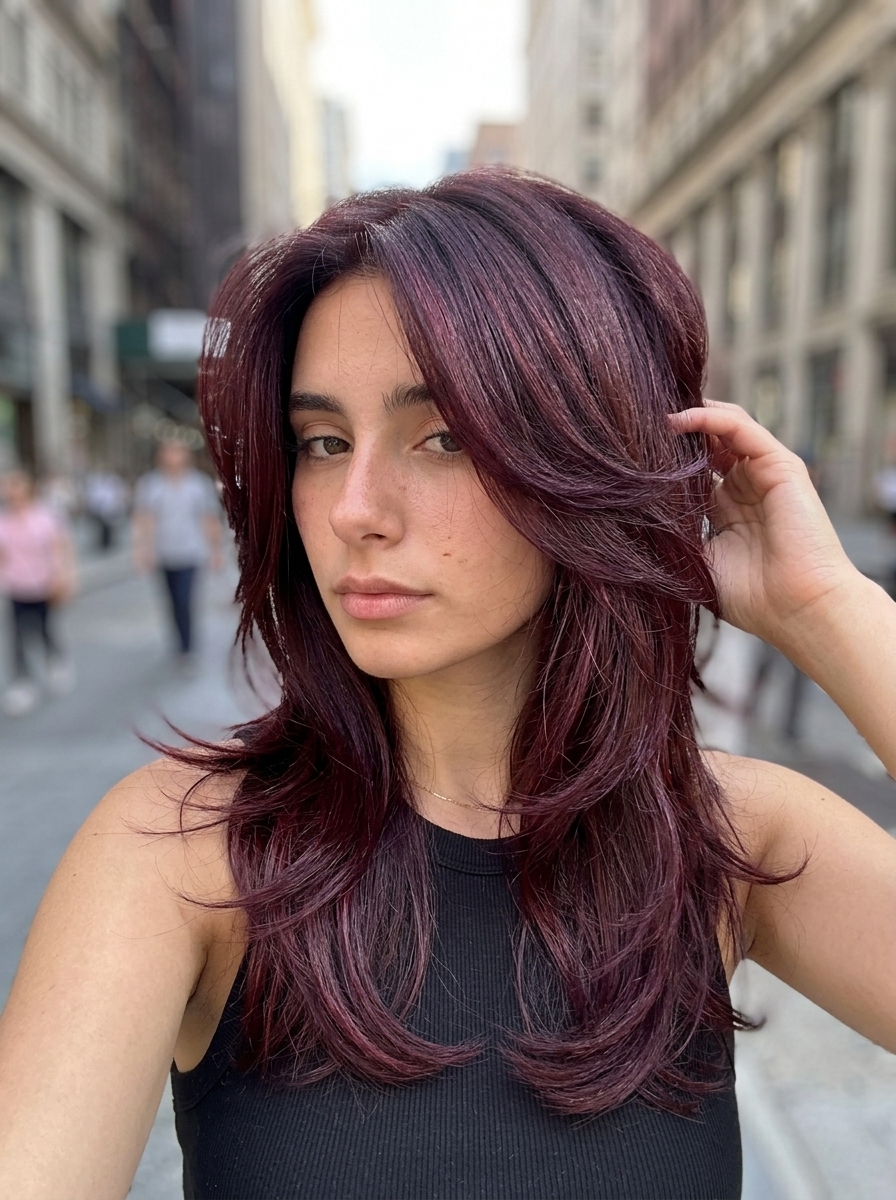
High-contrast layers are the move when you want drama without the constant upkeep of a pixie. This long cherry cola shag works by placing most of the layers at the crown and mid-lengths, leaving the bottom two inches longer and slightly blunter. That contrast—lots of movement on top, length anchoring the bottom—creates a visual weight distribution that reads full and sculpted. High-contrast layers created a visible ‘halo’ volume that lasted all day with light hairspray, which is the efficiency metric that matters most for summer styles. The cherry cola base (a warm, burgundy-brown blend) sits underneath the lighter top layers, creating dimensional depth without needing four separate coloring sessions.
Here’s the structural truth: scissor-over-comb and point-cutting sculpt high-contrast layers, building dramatic volume and a ‘halo’ effect. You’re not trying to blend this into one uniform shape. The disconnect is intentional. At the salon, ask your stylist to focus on internal thinning rather than surface layers—that keeps the bottom weight intact while removing bulk from the interior. The color strategy matters equally: the cherry cola base requires touch-ups every 4–5 weeks if you want the warmth to read true, but the lighter pieces on top can go 6–8 weeks before looking faded. (Or maybe it’s the confidence it gives you that makes the maintenance feel worth it.) Not for very fine hair—sculpted layers might look sparse, not full. Round faces benefit most from this cut; the halo effect creates the illusion of width at the crown, which balances narrower jawlines. Drama, volume, perfection.
Mushroom Bronde Balayage
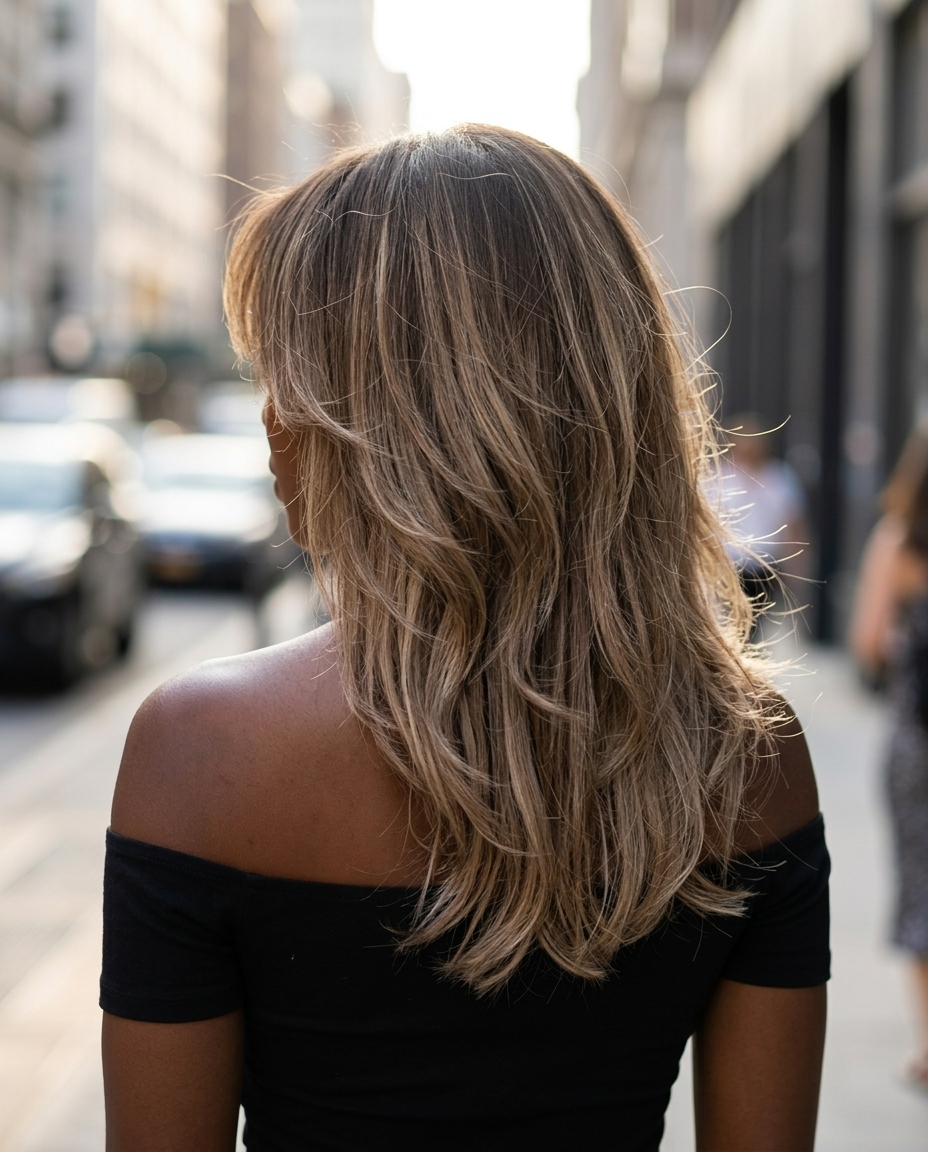
This one isn’t about the cut—it’s about the color making the cut look smarter than it probably is. Mushroom bronde is a soft, cooler-toned blonde blended over a warm brown base, creating an optical illusion of depth and movement. When applied as balayage (hand-painted, not sectioned), it lands differently on every texture and curl pattern, which means it photographs like you spent three hours at the salon even if the appointment was 90 minutes. Point-cut ends created a tousled, ‘undone’ finish that air-dried perfectly without frizz, which is exactly where this color-cut combination wants to live. The cool tones in mushroom bronde neutralize brass that develops in warmer balayages, extending the color’s life by 2–3 weeks if you’re using purple-toning shampoo.
Why the combination works: point-cutting ends enhances the tousled, ‘undone’ finish, allowing natural movement and removing bulk. The color’s cool undertones make the cut’s texture more visible rather than disappearing into a flat base. Medium to thick hair thrives here; the balayage adds perceived dimension without the damage of full-head bleaching, and the point-cut shag layers let the color placement breathe. Fine hair can get this too, but ask your stylist about narrower balayage sections so the color doesn’t overwhelm delicate texture. Maintenance lands at every 8–10 weeks for the cut and 12–14 weeks for color refresh, which is genuinely sustainable. The mushroom bronde balayage trend is 2024 into 2025, and it’s still reading as intentional rather than dated. Effortlessly chic. Every day.
Cherry Cola Hair Color
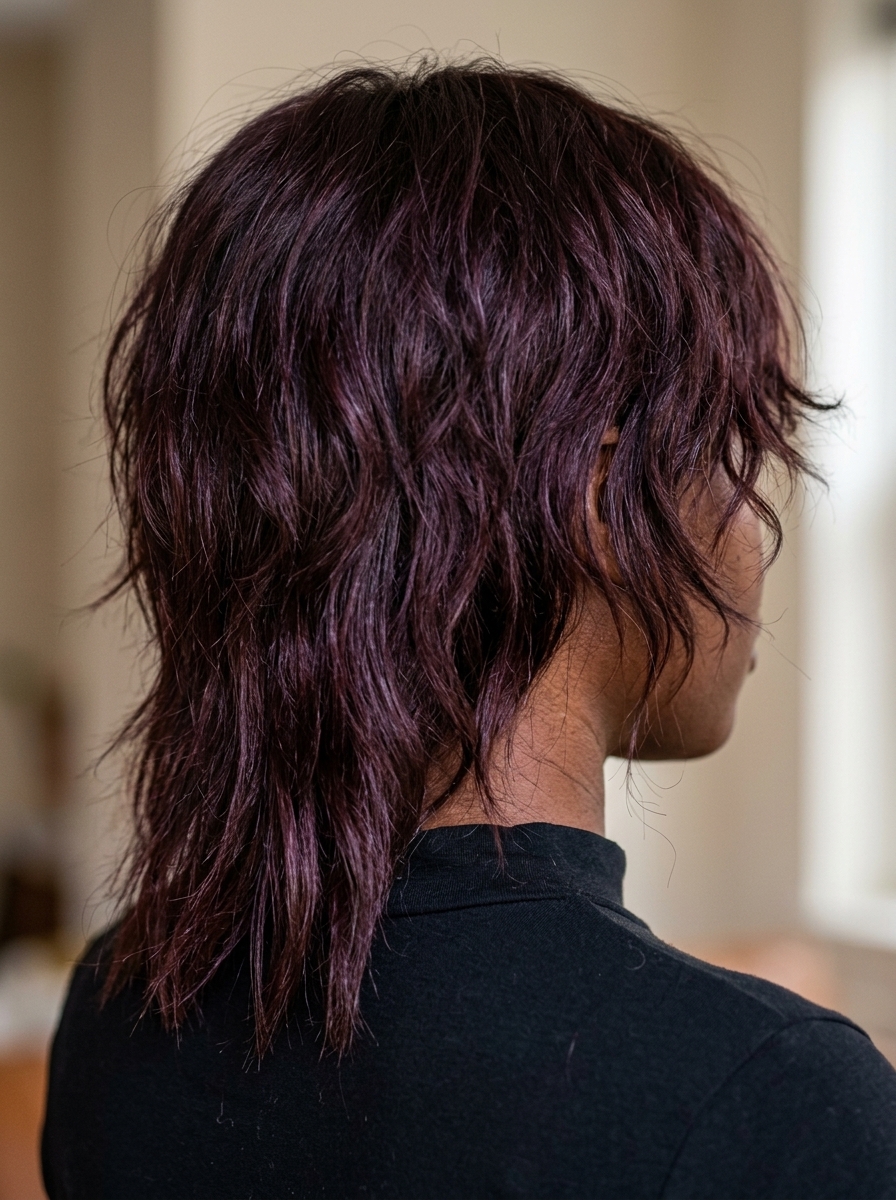
This is a shag for people whose hair already has opinions. Heavy disconnected layers enhance natural waves, creating maximum volume without heat styling, which means if you have texture you’re not currently using, this cut is your permission slip. Cherry cola—a warm, deep burgundy-brown that reads differently depending on light—works on medium to thick hair, especially wavy or curly textures where layers can actually separate instead of disappearing into density. The color is warm-toned, which means it doesn’t compete with the cut’s movement; instead, it amplifies it. Root touch-ups land every 3–4 weeks because the warm tones fade faster than cooler bases, but the depth of the color means regrowth blends naturally for weeks 2 and 3.
The structure here matters: heavy, disconnected layers at the crown and point-cut ends maximize volume and enhance natural wave patterns for a lived-in look. You’re not trying to smooth this into submission. Wavy or curly hair naturally does what the cut intends, so your styling effort drops significantly if you’re already working with your texture. Heavy layers do demand specific styling products to achieve the ‘lived-in’ texture—a light defining cream or texture paste applied to damp hair before air-drying, or a texture spray after styling. The investment is real at the color end (balayage or rooted base work equally well), landing around $250–350 depending on your stylist. But the growth is graceful: cherry cola fades to a richer brown rather than brassy, so weeks 5–8 still read intentional. Heart and square face shapes benefit from the softness the waves create; the color’s warmth rounds angular features naturally. Lived-in perfection. So good.
Razored Pixie Shag
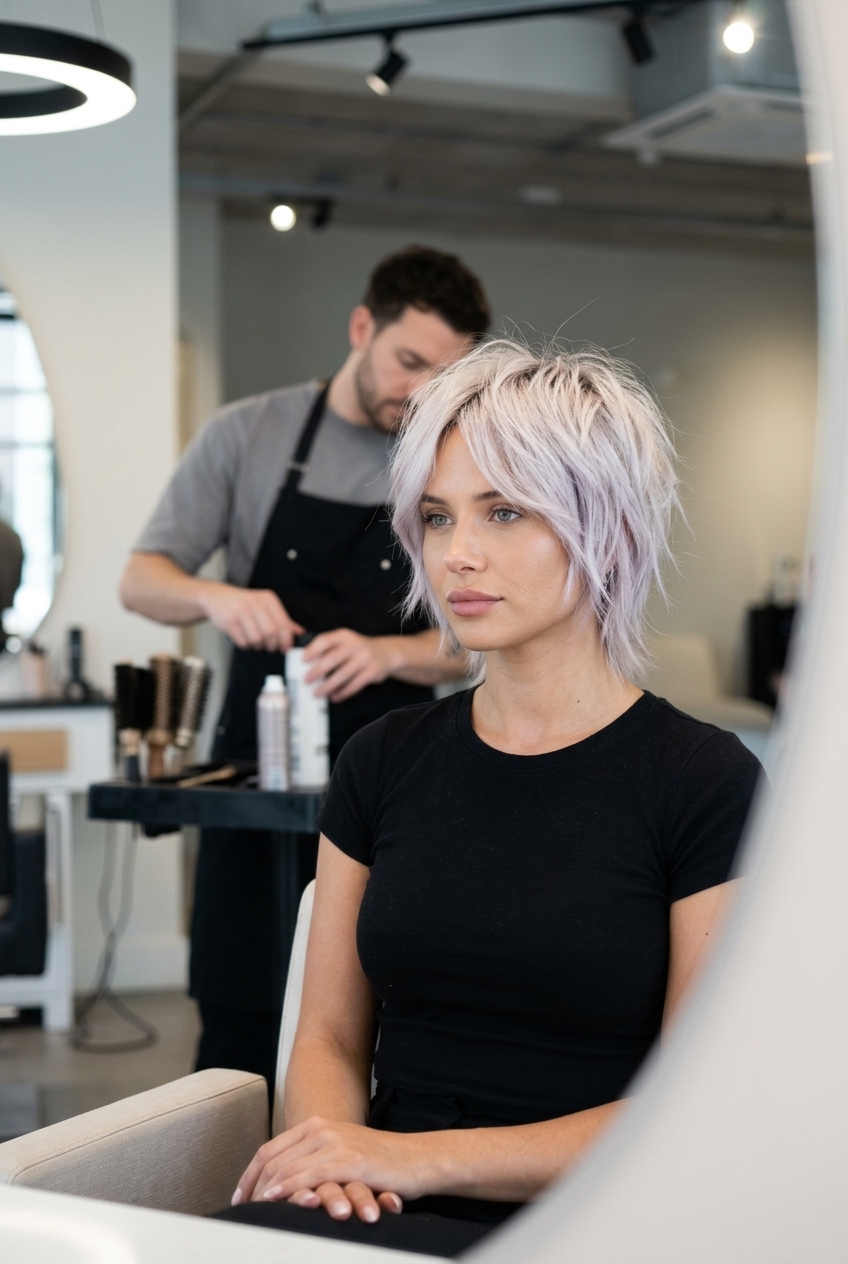
The aggressive razoring on this pixie creates distinct, piecey sections that spike at the crown—and honestly, that’s the whole point. Point-cutting and choppy layers build volume where you need it most, especially if your hair naturally falls flat. Spiky texture held for 2 days with minimal product, even after sleeping, which means you’re not fighting the cut every morning.
This works best on straight to slightly wavy, fine to medium hair. The razoring respects thinner strands without making them look wispy, and the aggressive layers create that lived-in look without requiring a ton of styling product—the best $30 I’ve spent on hair, honestly. Skip if very thick hair—aggressive razoring can cause frizz and bulk instead of that clean, pieced-out effect. When your stylist point-cuts instead of blunt-cuts, the texture softens, which is why this pixie actually moves instead of sitting like a helmet. Finally—a razored pixie haircut that moves.
Shag with Choppy Bangs
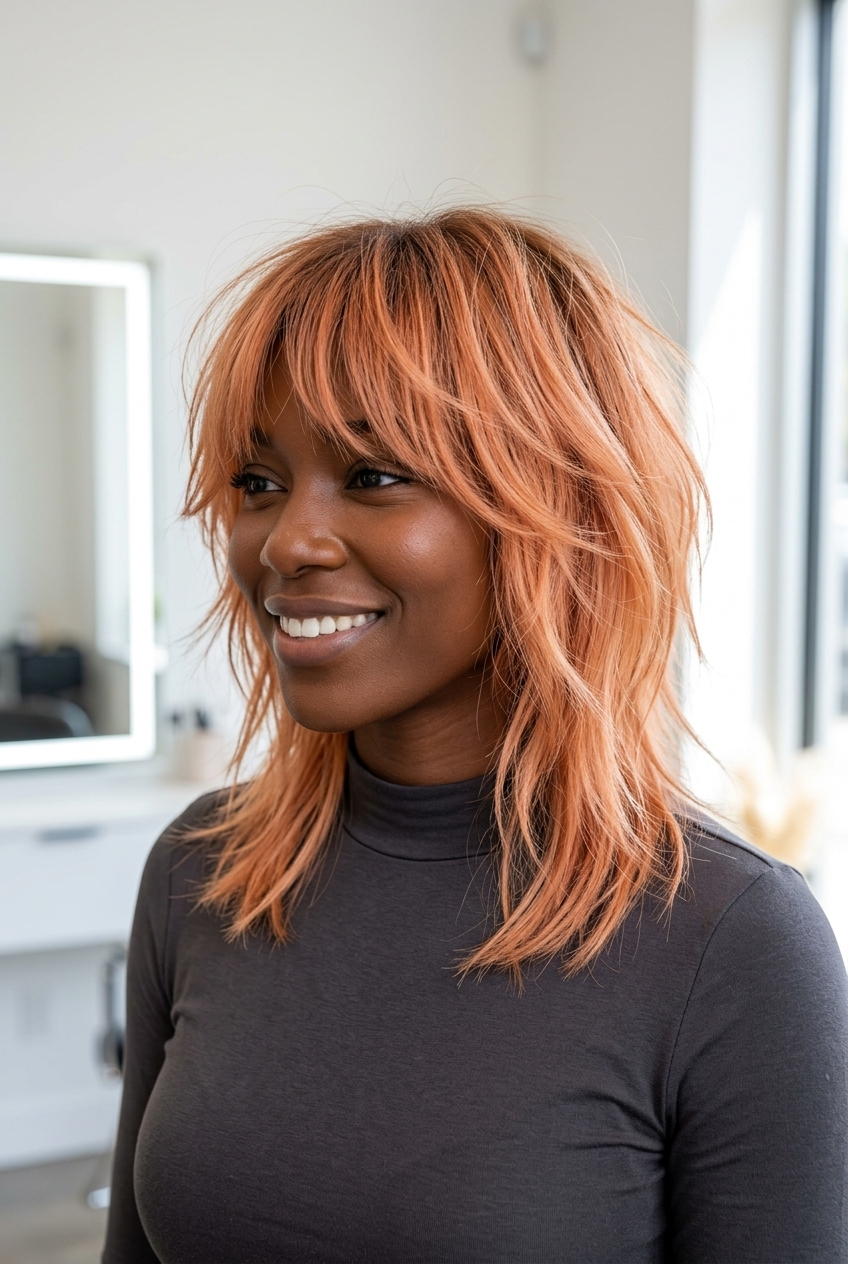
Crown volume lasted 24 hours with light texturizing spray, even in humidity, which is genuinely rare for a bangs-forward cut. The heavily razored layers through the crown and mid-lengths create maximum volume and piecey, lived-in texture—the texture does the heavy lifting here. You’re not looking for sleekness; you’re looking for that “I woke up like this” effect, which, ironically, takes work.
The messy fringe needs daily styling and trims every 3-4 weeks to maintain shape, so commit before you book. The volume is everything—without those internal layers, this would just look shaggy and sad. Razored layers aren’t subtle, which is all my fine hair can handle anyway. A razored shag with bangs demands a stylist who understands dry-cutting and point-cutting; ask specifically for internal thinning to avoid that blocky, helmet-head look. The volume is everything.
Long Graduated Brown Shag
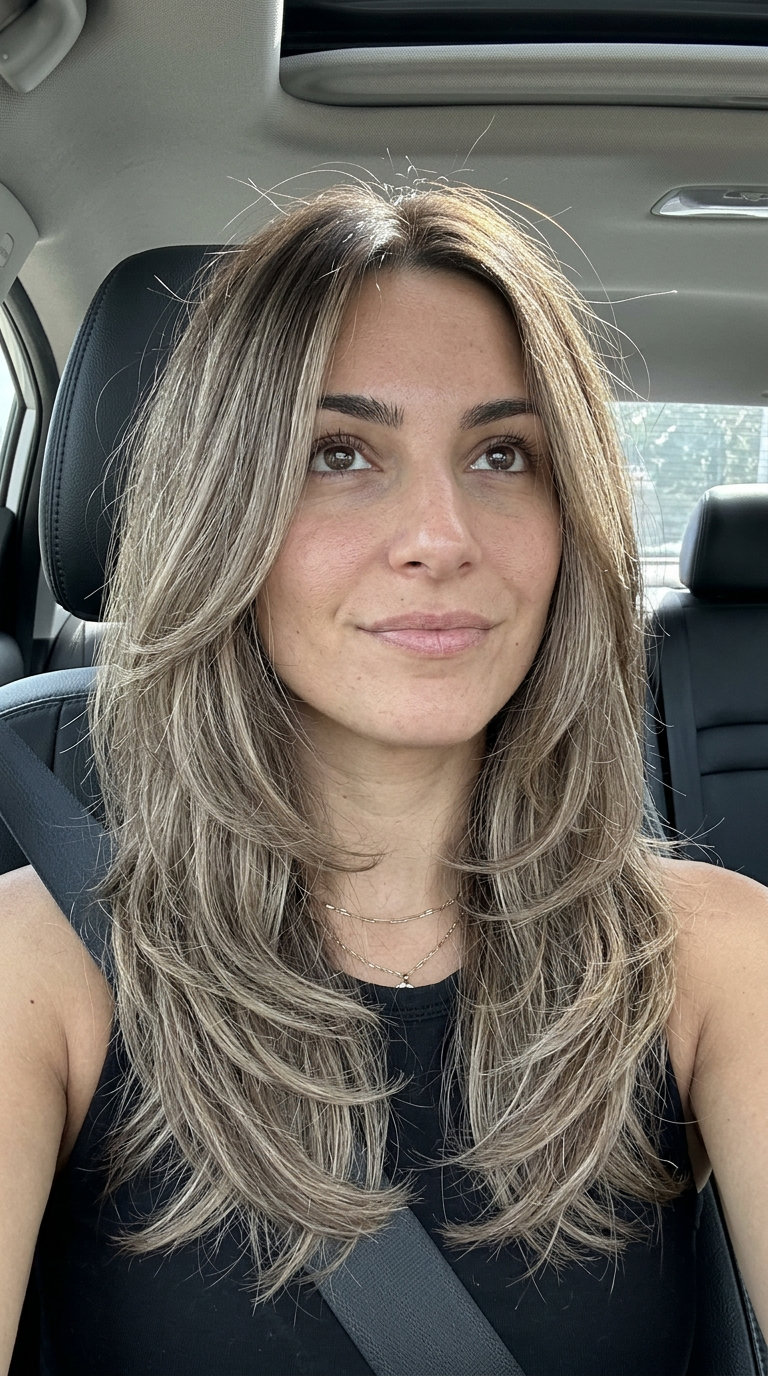
Graduated layers grew out gracefully for 4 months before needing a reshape, which is the kind of longevity most shags don’t offer. Graduated layers with internal layering and point-cut ends create natural movement and a soft, diffused finish—the cut does the work instead of relying solely on styling. The longer length gives you options: wear it wavy, wear it straight, wear it half-up when you don’t have time for the full look.
Achieving that effortless look requires daily styling with product and heat—not wash-and-go—so your expectations matter. The grow-out plan sold me on this one because longer layers mean you don’t panic every time you skip an appointment. Brown tones hide root growth naturally, which means you’re probably worth the consultation at least to discuss how this specific cut works with your hair density. The long messy brown shag hits that sweet spot between drama and wearability, and the graduated layers mean your stylist is thinking about how this actually functions in your life, not just how it photographs. The grow-out plan sold me.
Short Buttercream Blonde Shag
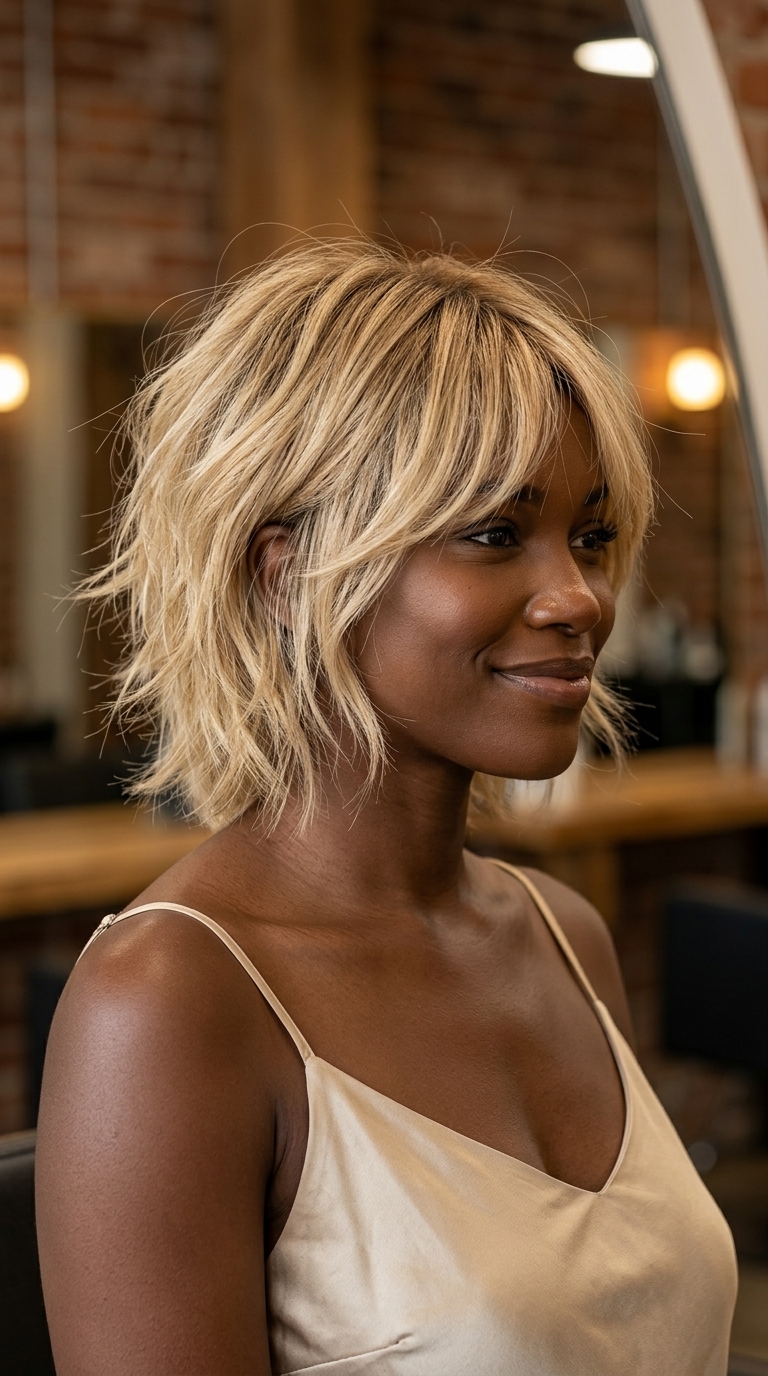
Curtain fringe framed the face perfectly for 6 weeks before needing a trim, and the blonde played beautifully against skin. Point-cutting and choppy layers create a lightweight, airy feel and natural volume, enhancing the lived-in effect. The texture enhances movement and volume, especially on fine to medium hair where thinner strands can disappear under weight.
Avoid if you prefer sleek, polished styles—this cut thrives on messy texture and honestly needs that visual softness to work. The buttercream blonde is doing heavy lifting here; it softens the choppiness and reads as intentional rather than damaged. Short, yes, the short one, because the length sits perfectly at that shoulder-adjacent zone where you can tuck it or leave it down. Styling is simple: texturizing paste, light spray, maybe a quick blow-dry if you want definition. The short buttercream blonde shag is proof that you don’t need length for movement. Effortlessly cool, every day.
Still Deciding? Here’s a Quick Comparison
| Hairstyle | Difficulty | Maintenance | Best Face Shapes | Pros | Cons | |
|---|---|---|---|---|---|---|
| Edgy & Textured | ||||||
|
2. Honey Blonde Lob Shag | Moderate | Medium — every 8 weeks | oval, heart, round | Suits most face shapesWorks on multiple texturesLayers add movement | Not ideal for very curly hair |
|
7. Sun-Kissed Beachy Shag | Easy | Low — every 8-10 weeks | oval, heart, square | Low maintenanceEasy to style at homeSuits most face shapes | Not ideal for very curly hair |
|
8. The Midnight Rebel Shag | Moderate | High — every 6-8 weeks | square, long, oval | Suits most face shapesWorks on multiple texturesLayers add movement | Frequent salon visits needed |
|
11. The Punk-Chic Platinum Shag | Salon-only | High — every 4-6 weeks | All face shapes | Suits most face shapesWorks on multiple texturesLayers add movement | Requires professional styling |
|
16. Buttercream Blonde Shag | Moderate | Medium — every 6-8 weeks | oval, heart, round | Suits most face shapesWorks on multiple texturesLayers add movement | Not ideal for very curly hair |
|
17. The Lunar Silver Shag | Moderate | High — every 4-6 weeks | oval, heart, diamond | Suits most face shapesWorks on multiple texturesLayers add movement | Frequent salon visits needed |
|
18. The Vampy Cherry Cola Shag | Moderate | High — every 6 weeks | oval, long, heart | Suits most face shapesWorks on multiple texturesLayers add movement | Frequent salon visits needed |
|
20. Cherry Cola Shag | Moderate | High — every 6 weeks | oval, diamond, long | Suits most face shapesWorks on multiple texturesLayers add movement | Frequent salon visits needed |
|
21. The New Wave Pixie Shag | Moderate | High — every 4-6 weeks | oval, long, square | Suits most face shapesWorks on multiple texturesLayers add movement | Frequent salon visits needed |
|
22. Apricot Crush Shag | Moderate | High — every 4-6 weeks | heart, oval, square | Suits most face shapesWorks on multiple texturesLayers add movement | Frequent salon visits needed |
| Classic & Clean | ||||||
|
15. Midnight Espresso Shag | Moderate | Medium — every 6-8 weeks | oval, square, diamond | Suits most face shapesWorks on multiple texturesLayers add movement | Not ideal for very curly hair |
|
19. Mushroom Bronde Shag | Easy | Low — every 12-16 weeks | all | Low maintenanceEasy to style at homeWorks on multiple textures | Not ideal for very curly hair |
|
25. The Sun-Kissed Buttercream Shag | Easy | Medium — every 8 weeks | oval, heart, square | Easy to style at homeSuits most face shapesWorks on multiple textures | Not ideal for very curly hair |
| Soft & Romantic | ||||||
|
12. The Sun-Kissed Tousled Shag | Easy | Low — every 10-12 weeks | all | Low maintenanceEasy to style at homeWorks on multiple textures | Not ideal for very curly hair |
|
24. The Effortless Earthy Shag | Moderate | Low — every 10-12 weeks | All face shapes | Low maintenanceSuits most face shapesWorks on multiple textures | Not ideal for very curly hair |
Frequently Asked Questions
What shag styles work best for summer humidity?
The Summer Blossom Shag thrives in humidity because it’s built on natural waves and air-dries beautifully—no heat required. The Honey Blonde Lob Shag also embraces that wavy, undone texture that humidity actually enhances rather than fights. Both rely on slide-cutting techniques that work with your hair’s natural movement instead of against it.
Can I style a messy shag at home if I’m not a pro?
Absolutely. The Platinum Pixie Shag takes 5-8 minutes with texturizing spray and your fingers—no blow-dryer required. The Summer Blossom Shag is even easier: scrunch, diffuse, done. The whole point of these cuts is that the layering does the work. Your job is just to add texture and let it sit.
What products are essential for maintaining a messy summer shag at home?
A texturizing spray like Oribe Dry Texturizing Spray is non-negotiable—it’s what creates that lived-in volume the Polished Chocolate Shag relies on. Heat protectant (Redken Acidic Bonding Concentrate) matters if you’re using any tools. Dry shampoo like Oribe Gold Lust extends your style between washes and refreshes the texture on styles like the Crimson Copper Shag. For color protection across all these styles, Rahua Color Full Shampoo keeps your cut looking intentional, not faded.
How often should I trim a messy summer shag?
Heavily razored shags like the Platinum Pixie Shag and Crimson Copper Shag need trims every 3-4 weeks—the aggressive layering loses definition fast. Softer, point-cut versions like the Summer Blossom Shag can stretch to 6-8 weeks because the layers grow out more gracefully. Ask your stylist which category yours falls into before you leave the salon.
Which face shapes suit a messy summer shag best?
The Platinum Pixie Shag and clipped-fade styles work beautifully on Heart and Diamond shapes because the disconnected layers add width where needed. The Summer Blossom Shag and softer, longer shags are more forgiving—they work on Oval, Round, and Square shapes because the layers can be customized to frame your face. Bring a side-view photo to your consultation; that’s where your stylist will see if the cut actually suits your proportions.
Final Thoughts
The messy summer shag haircut 2026 isn’t about looking polished—it’s about looking like you woke up with better hair than you deserve. The Platinum Pixie Shag proves short can be chaotic. The Summer Blossom Shag shows that texture beats technique. The Crimson Copper Shag reminds us that color and cut are a conversation, not a compromise.
Your stylist will do the heavy lifting with razoring and point-cutting. You just need texturizing spray, a diffuser, and the confidence to let it look undone. That’s the whole deal.