
I have been watching more women in my salon chair ask for something that stops before the coat collar. Winter coats and scarves turn longer hair into a daily tug-of-war. I think it is practical, not a sacrifice.
This roundup of 21 Short Winter Haircuts covers everything from a five-minute pixie to a bob that needs a round brush. Some work for fine hair that goes flat by 4 pm, others for thick hair that needs weight removed. I have tried half of these myself, including a bob I regretted for a week until I learned the right blow-dry.
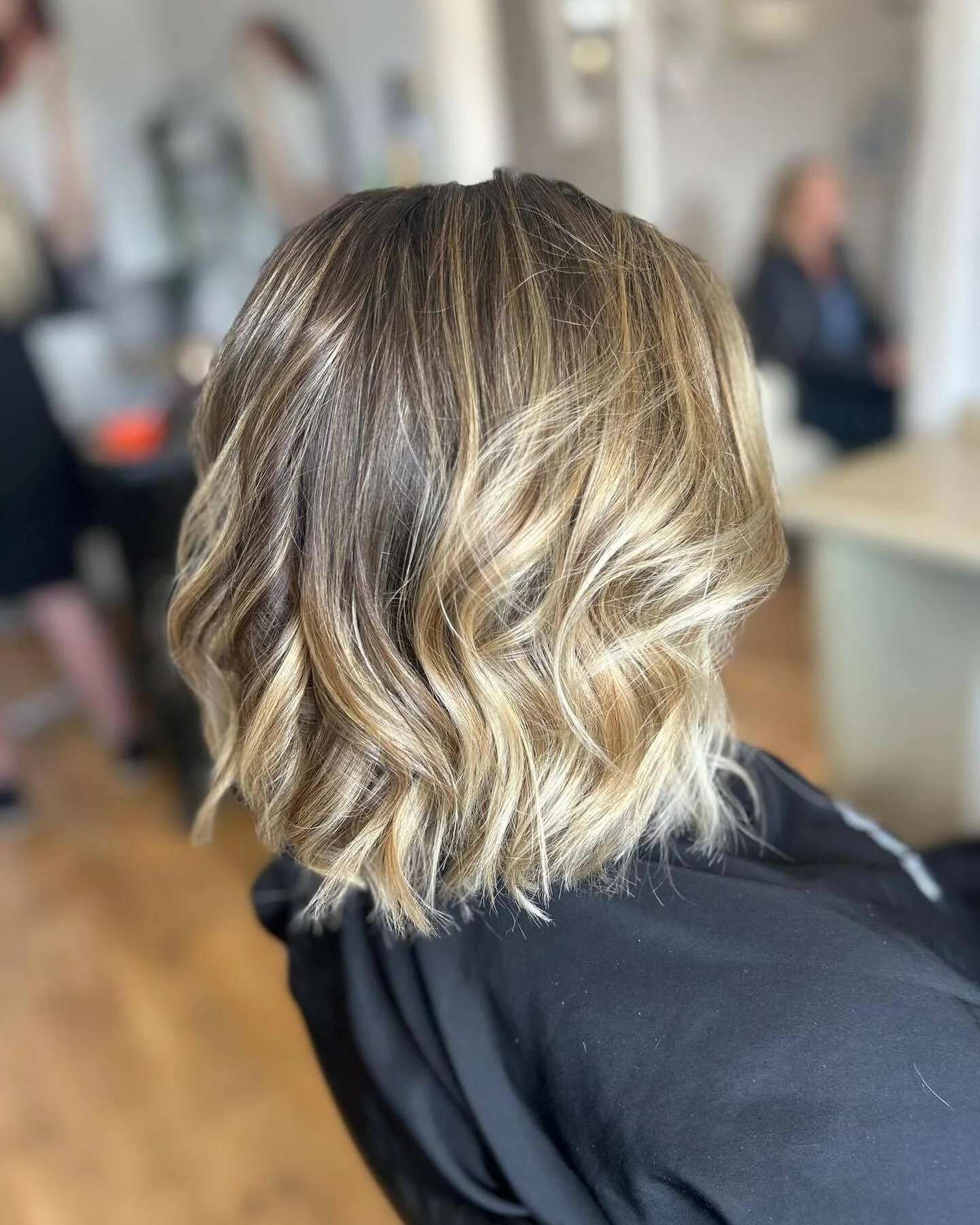
Wavy Blonde Balayage Bob
Sharp Chin-Length Golden Blonde Bob

How sharp does this blunt chin length bob stay after day three? On fine, straight hair, the edge fades by noon. The cut has no layers, no bangs, and the golden blonde reflects light, which hides the bluntness if you skip a blowout. A smoothing serum and a flat iron are required for that sleek finish. Trims every four weeks keep the chin-length from growing into a shape that flips out.
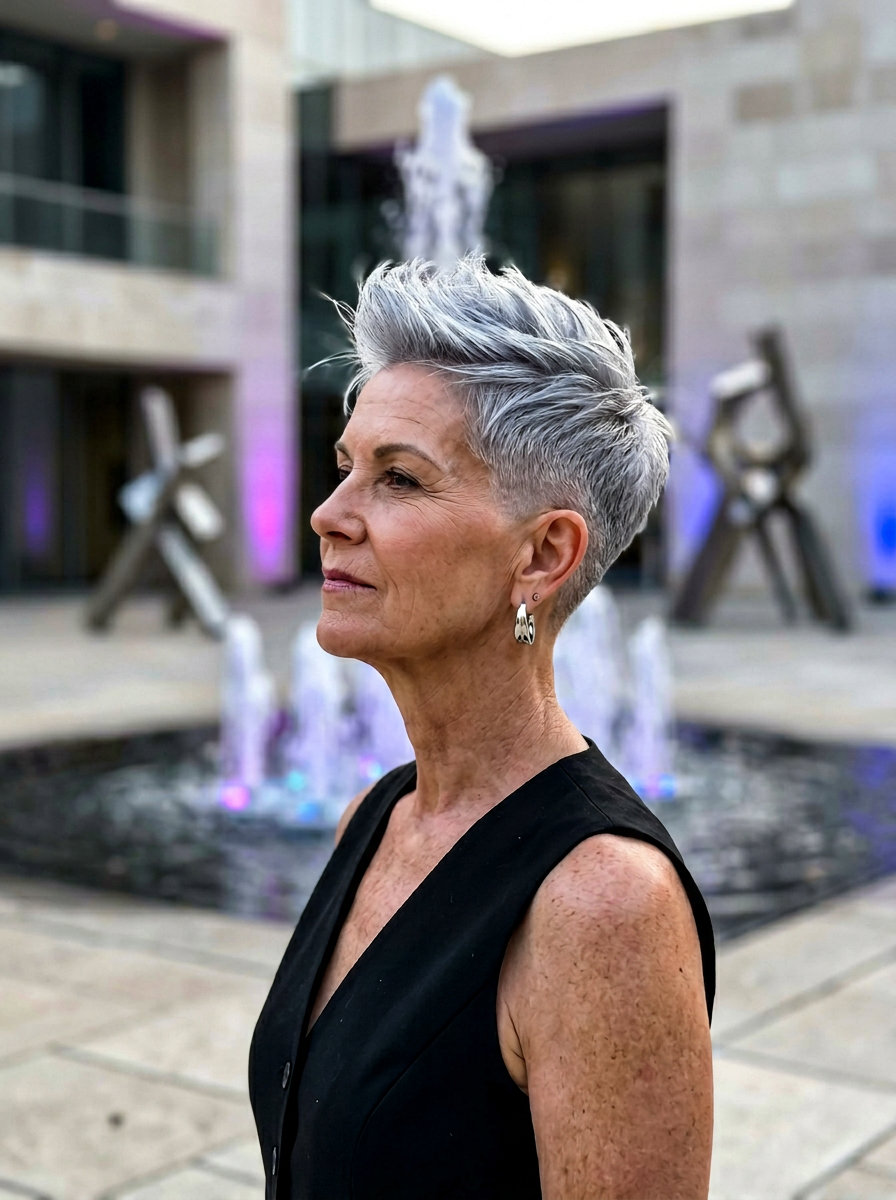
Textured Platinum Pixie

This platinum pixie cut works because of the layers. The ear-length shape uses short, textured bangs that break the forehead line. On fine, wavy hair, the technique is to apply a texturizing paste to damp hair, then piece the fringe forward. A quick blast with a dryer sets the shape. The textured pixie relies on those layers to hold volume where fine hair tends to flatten.
Dark Brown Bob with Curtain Bangs

Small confession: I resisted curtain bangs for two years. Then I saw how they soften a chin-length bob on a rounder face. The wavy, medium-density hair lets the bangs sweep off the forehead without splitting. The cut is a classic bob, no layers in the back, but the front curtain bangs add movement. The chin-length hit is forgiving on shorter necks.
Round faces gain the most here because the bangs frame the widest part of the face and draw attention to the cheekbones. The wavy texture prevents the bangs from lying flat, which is key. A bob with curtain bangs works best on medium density; fine hair may not hold the sweep.
Chic Pixie Bob with Blunt Bangs
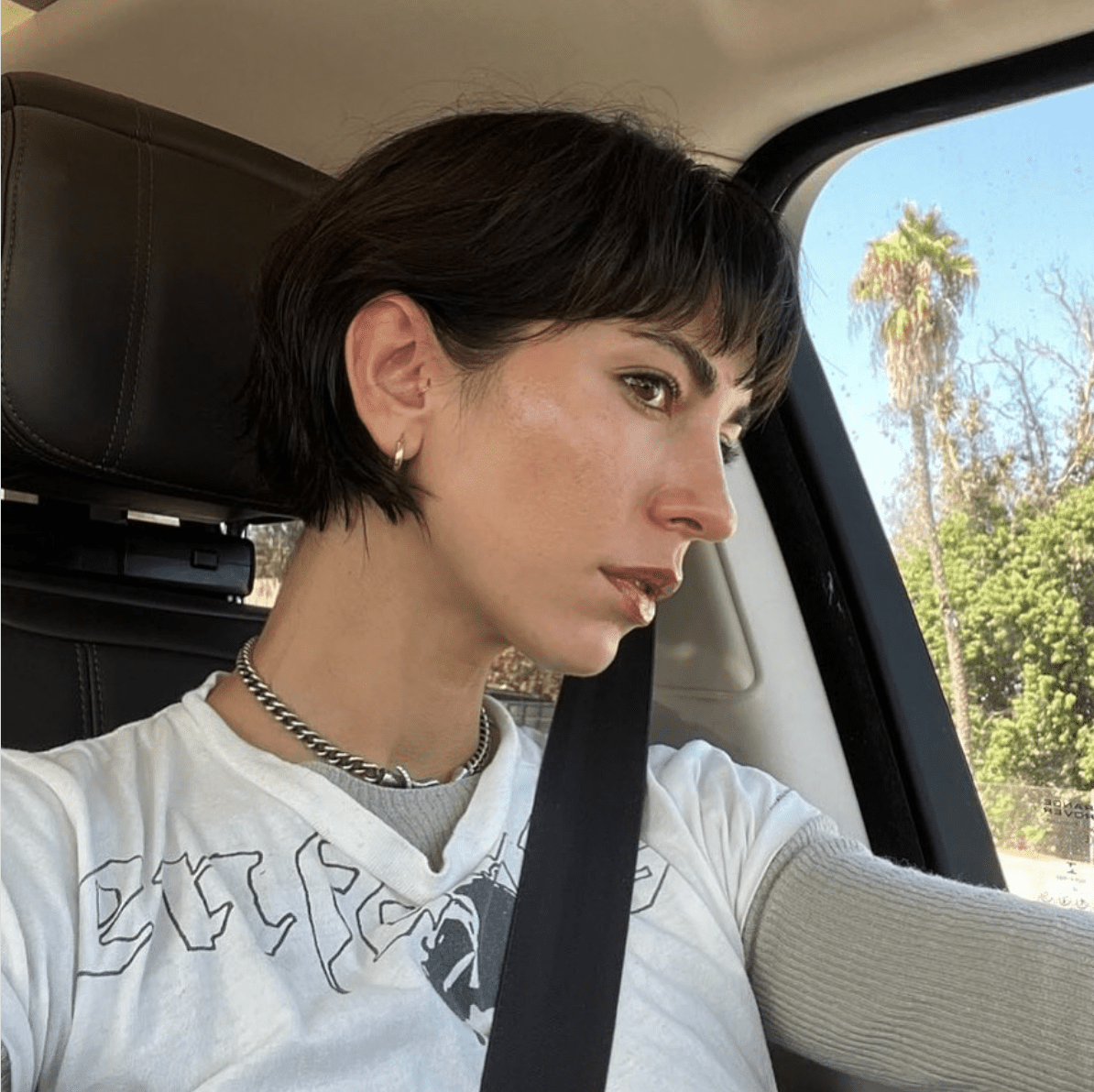
A pixie bob with blunt bangs demands precision that a layered shag does not. The ear-length cut uses subtle layers to blend the blunt bangs into the shape. On straight, fine hair, the bang line must be perfectly horizontal, so this is a salon job, not a bathroom mirror cut. The blunt bangs sit heavy on the forehead, which means a trim every three weeks.
Textured Dark Brown Bob with Blunt Bangs
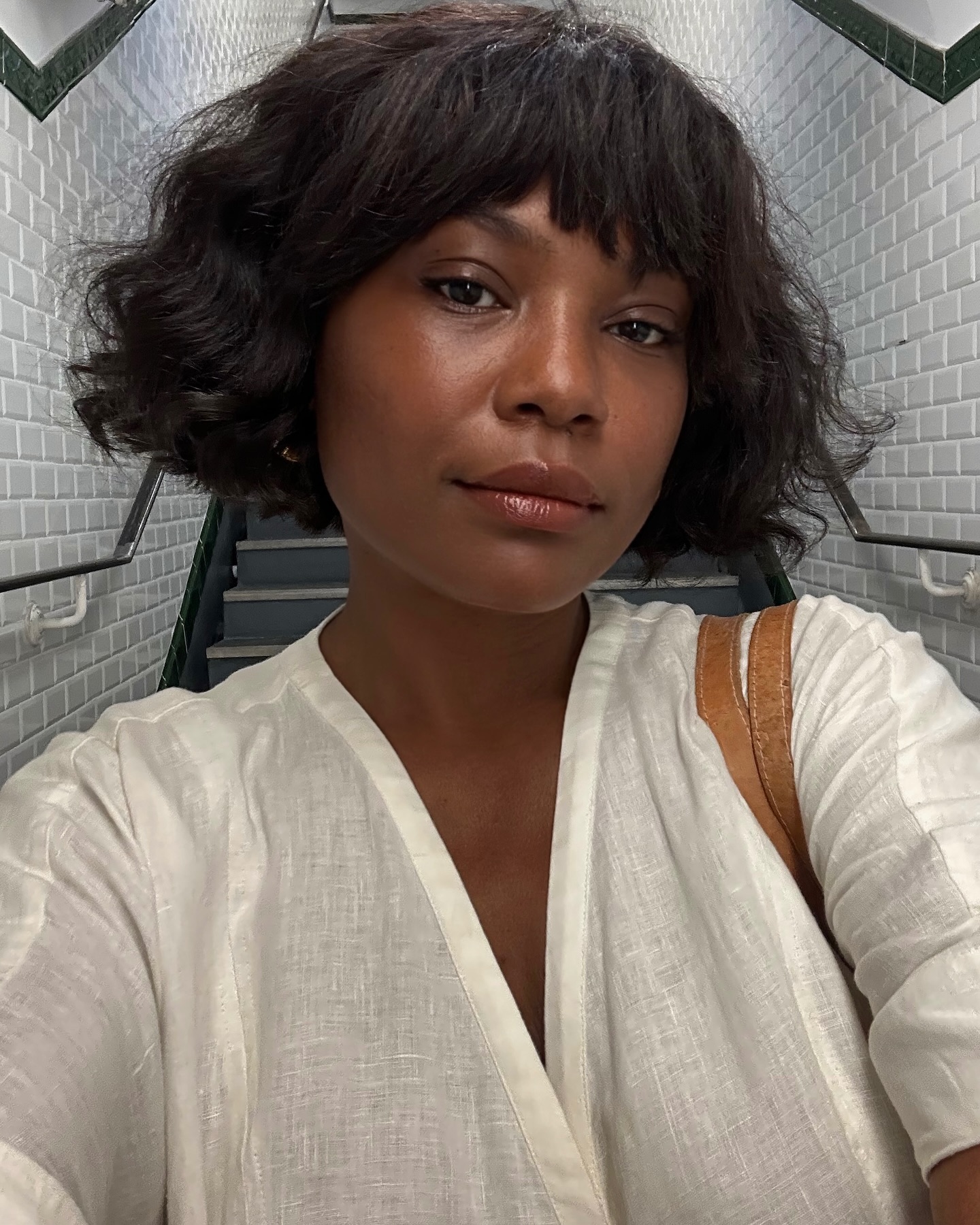
I want to love this one, I really do. The textured bob blunt bangs combo looks sharp in the mirror, all that deliberate mess hitting a straight-across line. But on fine, wavy hair, the texture part is a negotiation. My waves want to curl under the blunt bangs, not sit separate from them. The cut itself is chin-length, with layers that are supposed to lift the crown, and the bangs are thick enough to feel substantial. But by midday, the texture flattens into a single piece, and the bangs start clinging to my forehead. It is not a wash-and-go cut. It is a cut that asks for a texturizing spray and a moment with a diffuser, and even then, the wavy texture and the blunt bangs do not always agree. The blunt bangs need a trim every three weeks, no exceptions.
Edgy Dark Brown Bob with Textured Ends

Here is the verdict: this textured bob edgy cut looks like it took no effort, but it took a full thirty minutes and a curling iron. The bob is chin-length with blunt bangs, and the textured ends are the whole point, those slightly messy, piece-y bits that say I just rolled out of bed. On my fine, straight hair, that look does not happen naturally. The ends need a salt spray and a scrunch, then a careful finger-comb to keep the mess intentional, not just flat. The honest downside is the daily styling. If you skip the product, the textured ends vanish, and you are left with a plain chin-length bob. The edgy part is a performance, not a default. Book the cut, but know you are also booking the morning routine.
Dark Brown Bob with Soft Waves and Side Part
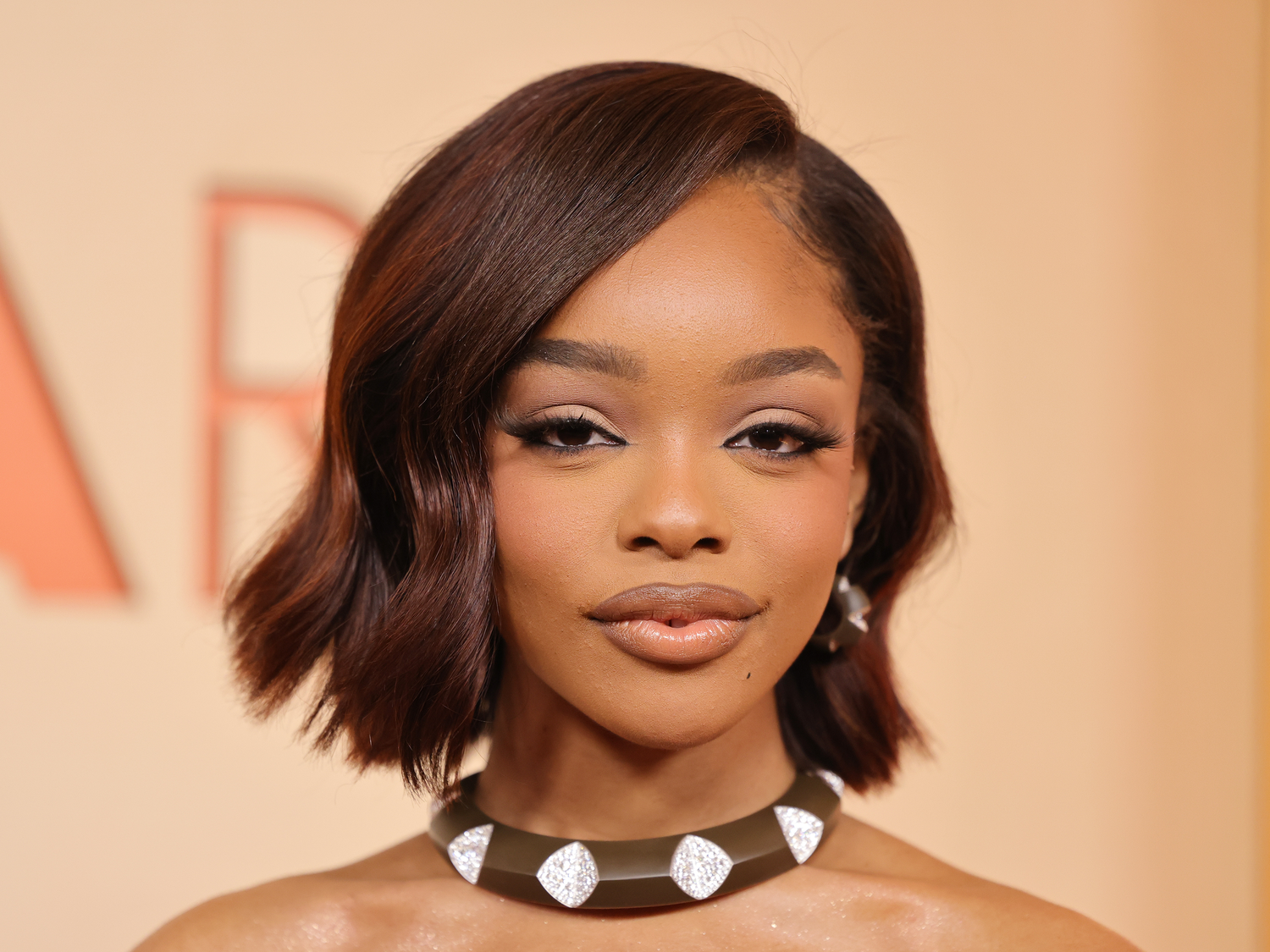
Do you have a square jaw or an oval face? Then this soft waves side part bob might be your winter cut. The bob grazes the chin, and the side part bob sweeps the bangs across the forehead, softening the angles. The waves are loose, not tight, and they fall away from the face, which is the trick. The side part creates asymmetry that balances a square jawline, and the dark brown colour reads rich without being harsh. Medium density hair holds these waves best, not too fine, not too thick.
The side part bob is also forgiving on grow-out. The waves hide the line where the layers start, so you can stretch a trim to eight weeks. The bangs are side-swept, meaning they blend into the rest of the cut as they lengthen, no awkward fringe phase. If you have a round face, skip the side part and go center instead, the asymmetry can widen the face. But for square and oval, this is a gentle, classic shape that does not fight your features.
Dark Blonde Bob with Face-Framing Layers
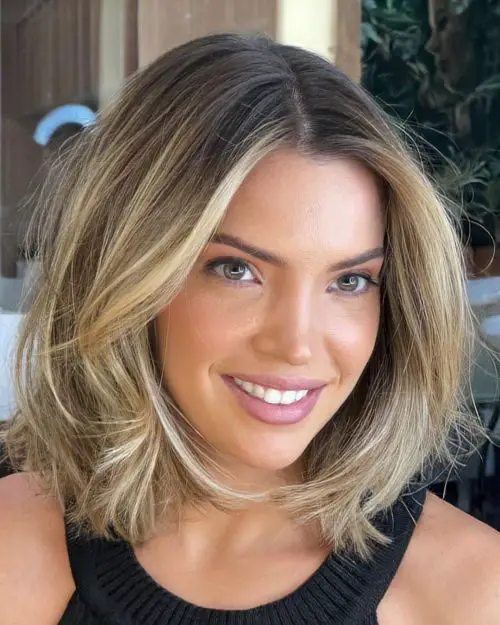
The trick to a face framing layers bob that actually moves with fine wavy hair is in the placement of those layers. Start them below the chin, not at the cheekbone, so the wave has room to form without being cut short. Ask for a soft graduation, no stacking. The layers should be long enough to frame without stealing volume from the crown. With no bangs, the face-framing layers become the focal point, so they need to be cut with precision. A round brush blowout will enhance the natural wave, and the dark blonde base with lighter blonde highlights gives depth that makes each layer visible. Tell your stylist: keep the layers subtle, start at the jawline, and use point-cutting to avoid blunt ends that would weigh down fine texture.
Front View Dark Brown Bob with Tousled Blunt Bangs

I’ll confess: getting that ‘textured, slightly messy’ finish with blunt bangs on fine straight hair is not effortless. The dark brown bob blunt bangs look sharp at the salon, but at home the bangs want to lie flat and the rest of the hair goes limp. You need a texturizing paste worked through the bangs and a rough dry with your fingers. For the body, a dry texture spray at the roots helps hold the pieceyness. Upkeep is the real story: the blunt bangs need a trim every three to four weeks, and the overall shape every six to eight. The dark brown color hides grow-out well, so that’s one less worry.
Textured Dark Brown Collarbone Bob

The collarbone bob wins. For Short Winter Haircuts, this textured collarbone bob with a middle part and no bangs works for almost every face shape. The textured waves soften angular jawlines and add body where fine hair usually falls flat. The collarbone length is long enough to tuck behind an ear, short enough to air dry in under an hour. The no-bangs decision means you can pull on a beanie without fringe anxiety. It is not a dramatic change, but it reshapes the face without anyone knowing why.
Longer jawlines especially benefit from this bob. The volume sits right at the jaw, drawing width where the face is narrow. Round faces get the vertical line of the middle part and the waves breaking horizontally at the chin. It is a geometry lesson you didn’t know you needed with no complicated angles required. Medium-density hair holds the wave best; overly thick hair might need thinning shears to keep the shape from going pyramid. Flat hair types should ask for graduated layers through the crown to sustain the bend.
Voluminous Dark Brown Pixie Bob

This pixie bob demands technique. The voluminous pixie bob starts with a side part and short textured bangs cut to eyebrow length. The cut is layered to create lift at the crown. On thick wavy hair, creating the wave pattern requires a diffuser set to medium heat, a finger-comb to separate the bangs, and a lightweight cream to define without weighing down. The goal is relaxed wave through the sides, not curl. The thickness holds shape for hours; fine hair would collapse by noon. The length sits at the ear, with the top left longer to build volume.
Undercut Bob with Side-Swept Bangs
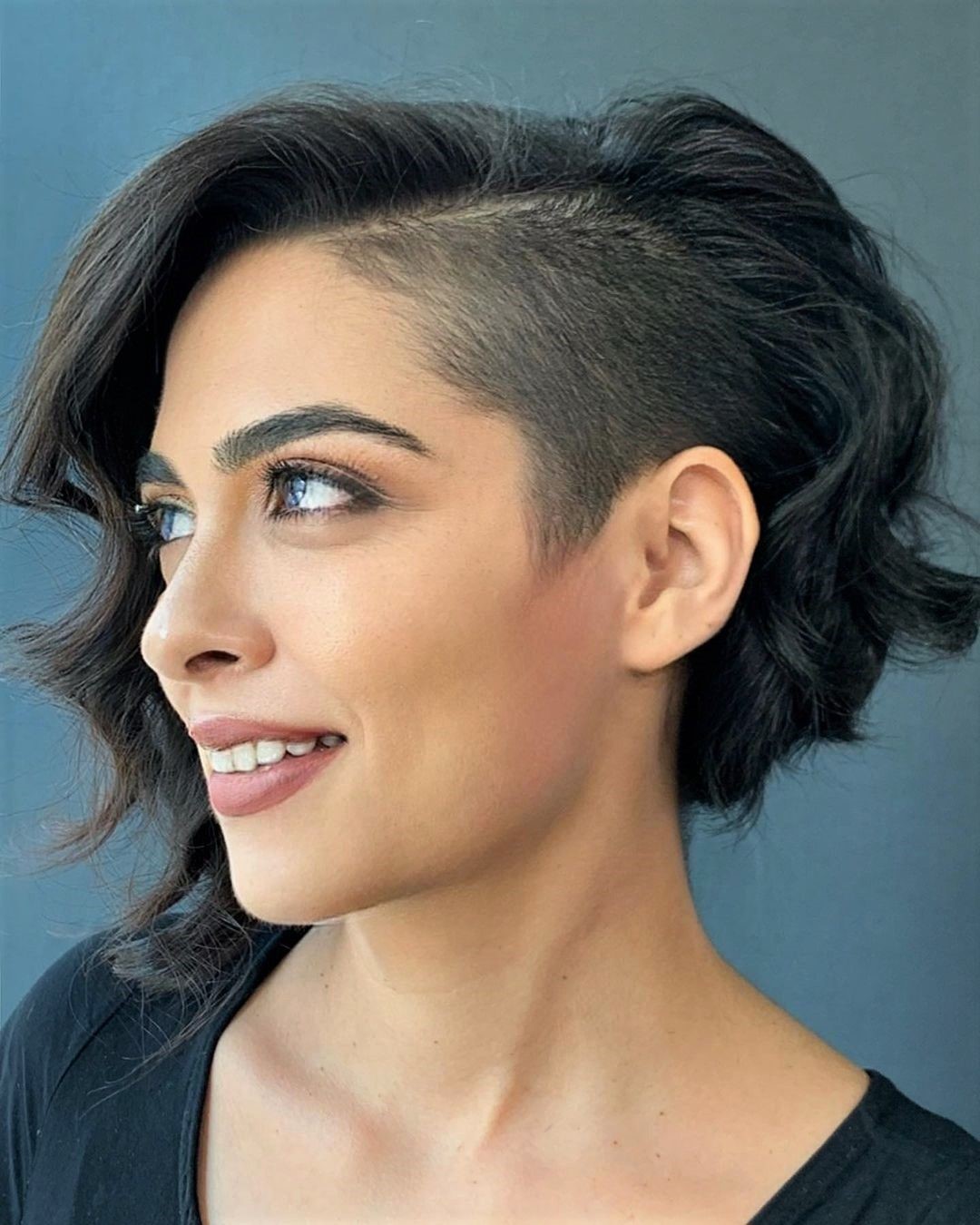
Ever regretted a haircut? I got an undercut bob with side-swept bangs one winter and loved it for exactly three days. The top layer is chin-length, shaved below the ear. Then the grow-out required a trim every three weeks to keep the sharp line visible under thick wavy hair. The side-swept bangs swept right into the undercut zone, so any hat or hood ruined the geometry. The cut itself is striking: chin-length on top, shaved on the side. But the maintenance is real. You need a stylist who understands textural contrast, and a calendar reminder for appointments.
Layered Dark Brown Ear-Length Cut
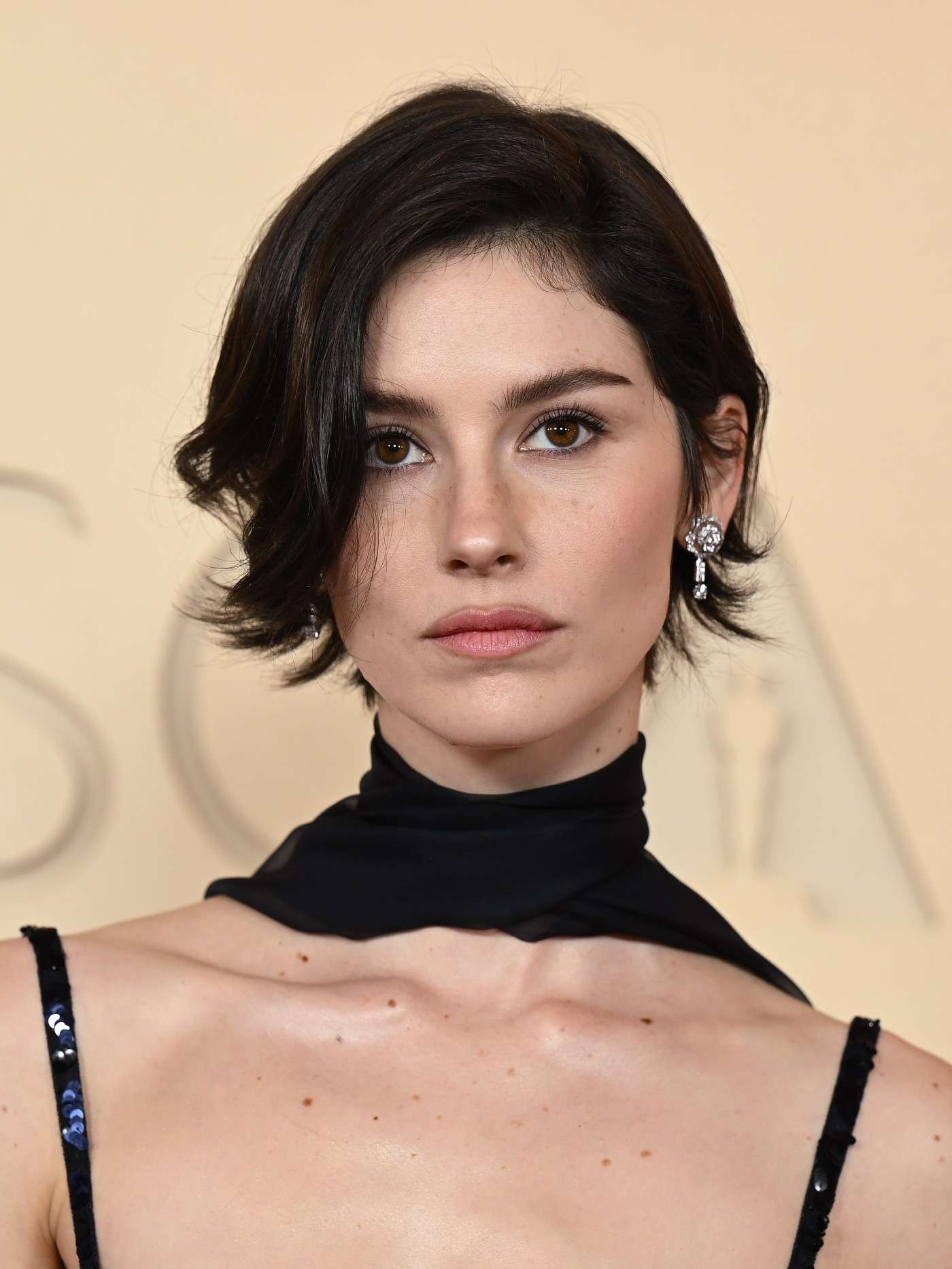
The nape layers need attention. This layered ear length cut is all about the back: short layered pieces at the nape that create texture in medium-density wavy hair. The problem is the nape grows fast. By week six, the layered haircut starts looking shaggy rather than intentional. A trim every six weeks keeps the shape tidy, especially if you sleep on your back and flatten the layers. The middle part and no bangs make front styling easy, but the rear needs a stylist’s eye.
Choppy Dark Brown Shag
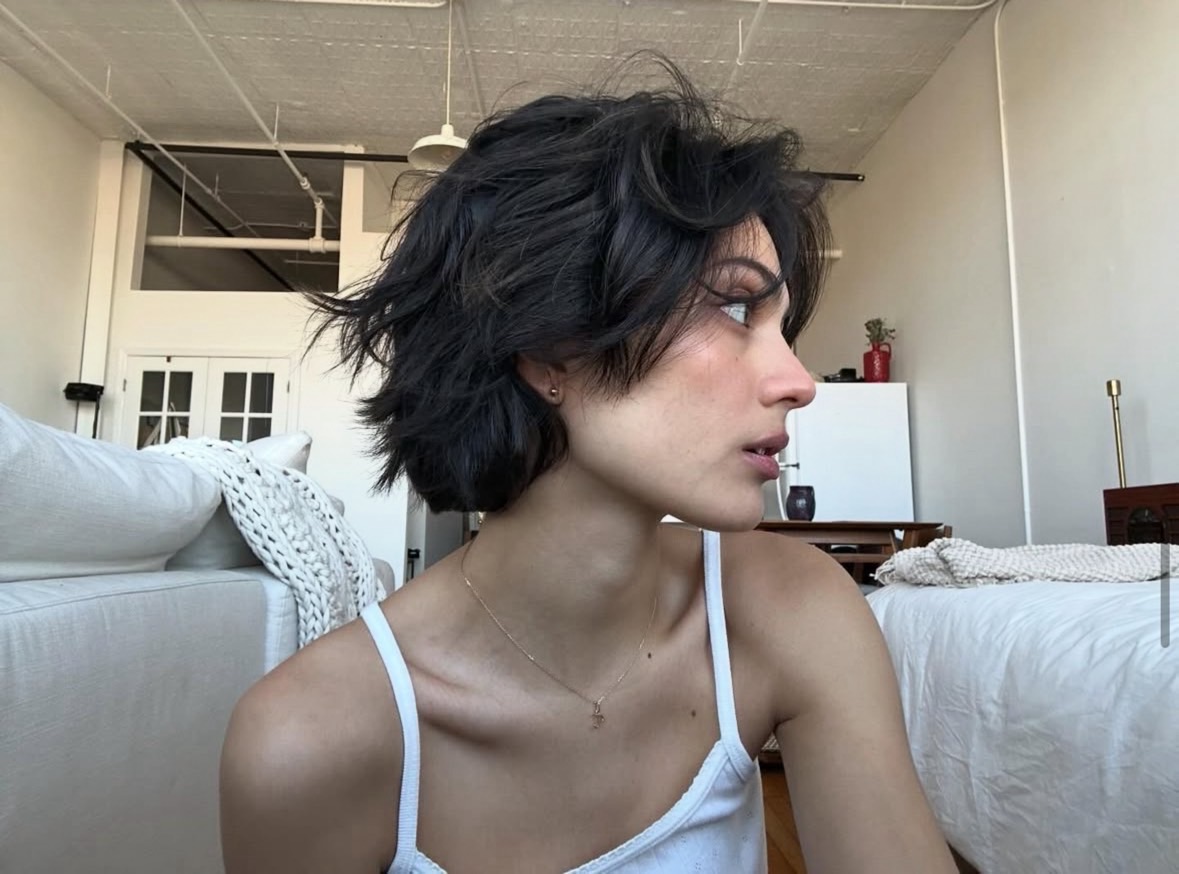
Winter festival hair. This choppy shag haircut works for a casual outing where you want to look put together without trying. The choppy layers and fringe create a messy, textured silhouette that suits fine wavy hair. The middle part and ear-length cut frame oval and round faces well. Air dry with a texturizing paste, and the shaggy shape hides a two-week grow-out. Thick coarse hair should pass; the choppy layers would puff out too much.
Sleek Dark Brown Bob with Blunt Ends
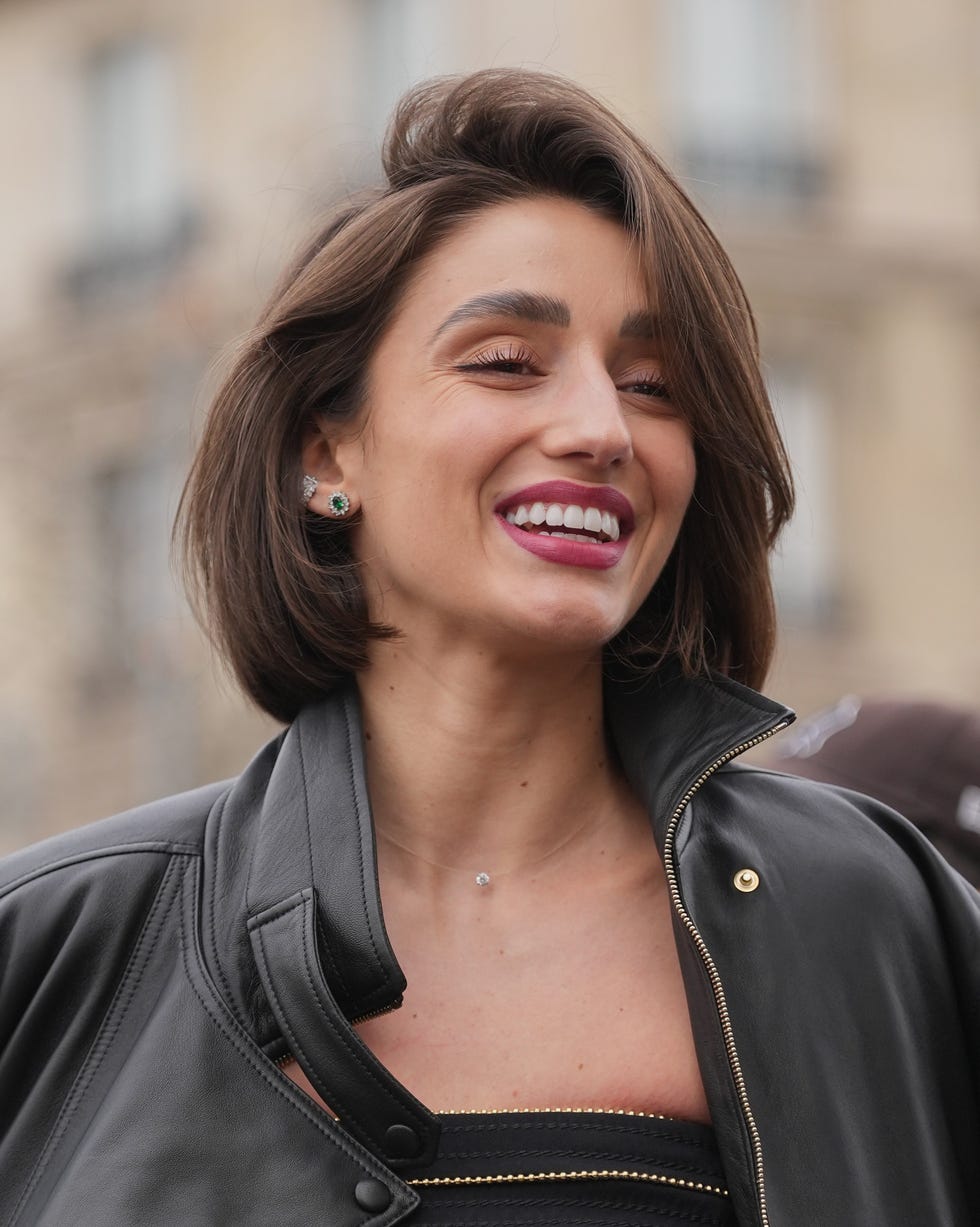
A blunt bob on fine hair is a test of precision. The sleek bob blunt ends demand a salon cut—every millimeter counts. Compare that to a slightly layered bob, which forgives a crooked snip. This chin-length cut has no layers, no bangs, just a straight, fine texture that shows every mistake. You can attempt the blowout at home, but the initial cut? Book it. The sharp line at the ends is what makes it or breaks it. For fine hair, a blunt bob reads thicker than a layered one, but it also shows every flyaway. If you want the sharpest line, go blunt. If you want a more forgiving style, ask for soft layers. The choice is between precision and patience.
Platinum Blonde Bowl Cut with Blunt Bangs
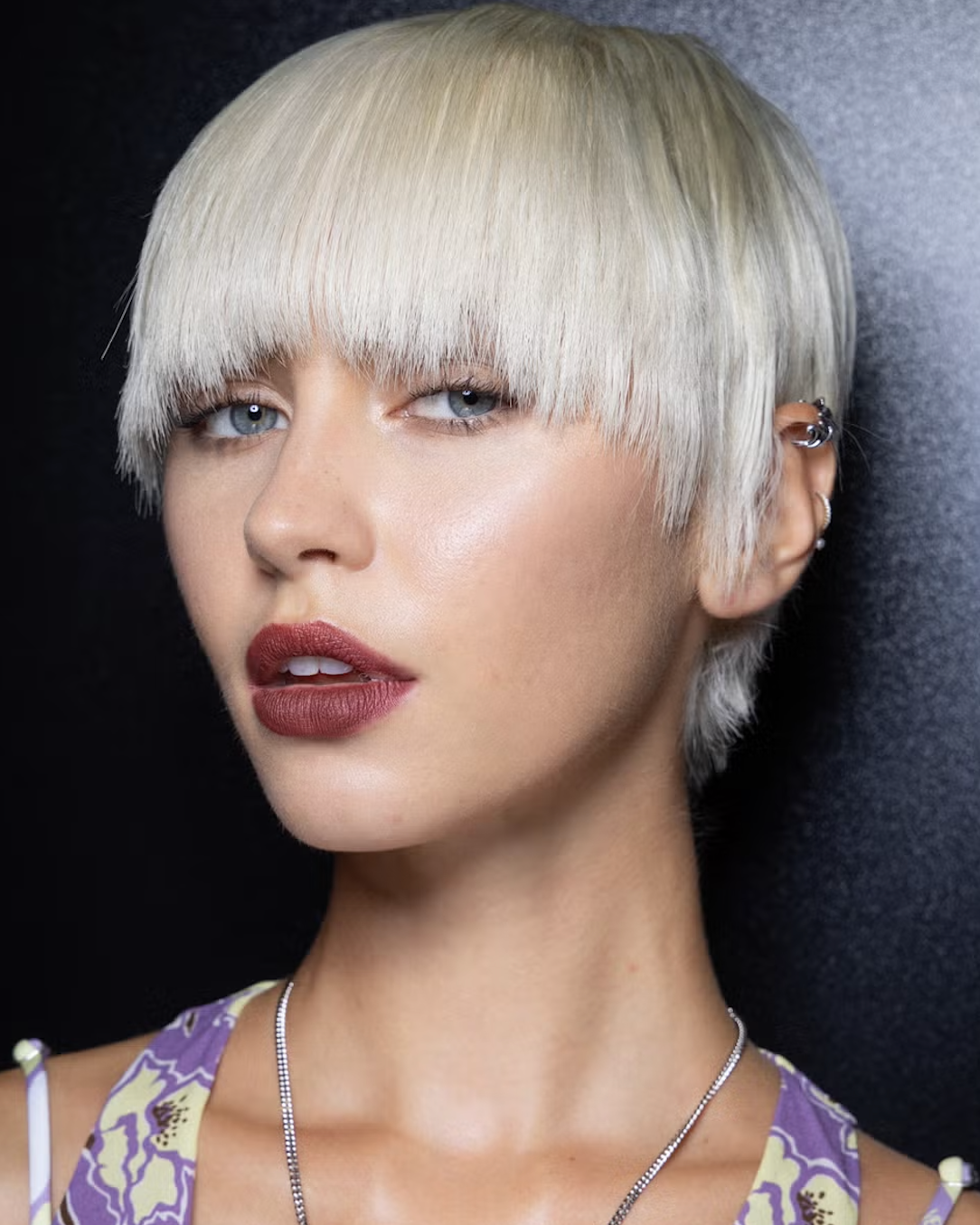
This cut is not a compromise. The platinum blonde bowl cut with blunt bangs is a geometric statement. The bowl shape follows the head’s curve, no layers, just a single length at ear level. The blunt bangs are cut straight across. For fine, straight hair, styling is minimal: a flat iron to keep it sleek. The blunt bangs need trimming every three to four weeks. That’s the deal.
Textured Black Pixie with Asymmetrical Bangs
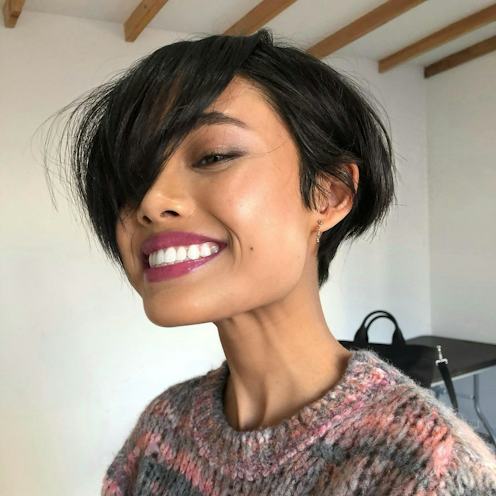
Ever had a pixie that looked perfect at 8am and flat by noon? The textured pixie asymmetrical bangs on straight hair has that problem. The asymmetrical bangs can separate and lose their shape by midday. To keep the texture, a texturizing paste helps define the bangs and add grip. Wash and wear works, but a quick blast with a dryer resets the volume. Trim every six to eight weeks to keep the asymmetrical bangs sharp. Otherwise, it’s a daily battle.
Layered Medium Brown Bob with Waves
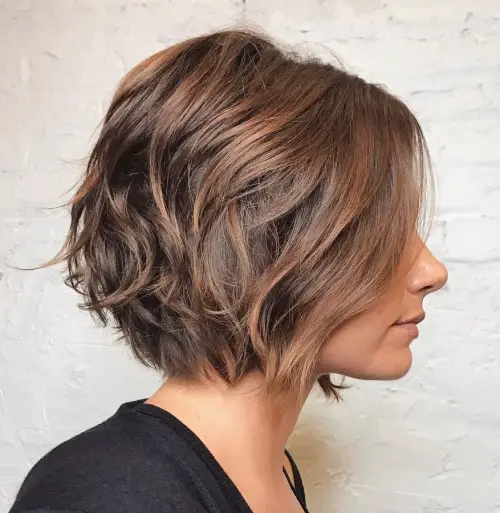
The collarbone bob with waves has a specific geometry. The layers are cut internally, not choppy, to stack volume at the crown and taper at the ends. The voluminous waves are set with a large barrel iron, each section twisted away from the face, then brushed out for a soft bend. The result is a rounded shape that moves, not a structured curl.
This layered bob voluminous waves suits round and square face shapes. For round faces, the waves add width at the cheekbones, balancing the fullness, but the collarbone length is key—it draws the eye down, elongating. For square faces, the waves soften the jawline, and the middle part keeps the symmetry. The layers are cut to ensure the volume sits at the right spot. It’s a cut that uses geometry to flatter, but it needs a skilled stylist to place the layers correctly.
Sharp Dark Brown Classic Bob
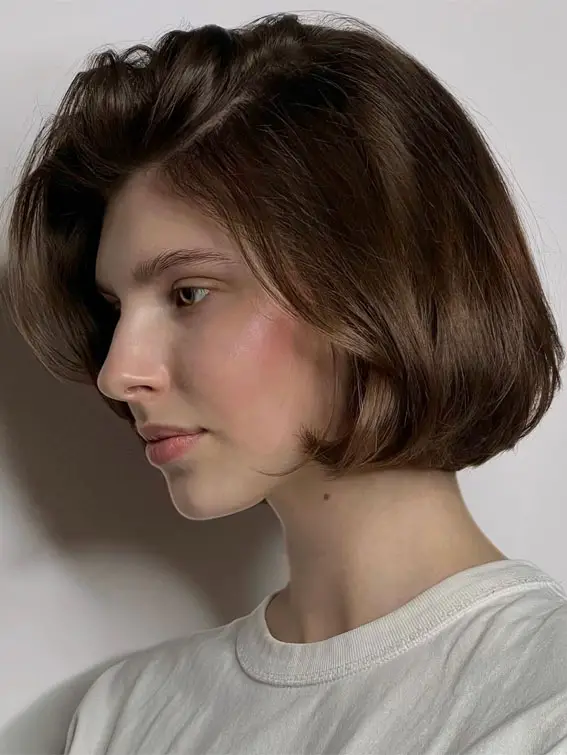
You stand in front of the mirror with a round brush and a blow dryer. The classic sharp bob requires a precise cut from the salon—the blunt line at the nape is not a DIY job. But the inward curl? That’s doable at home. For fine, straight hair, use a round brush to pull the ends under as you blow dry, then a flat iron to tuck them inward. The result is a smooth, polished curve. The sharp bob has no layers, no bangs, just a clean chin-length line. The inward curl adds a soft finish to the sharp shape.
Textured Dark Pixie with Blonde Highlights
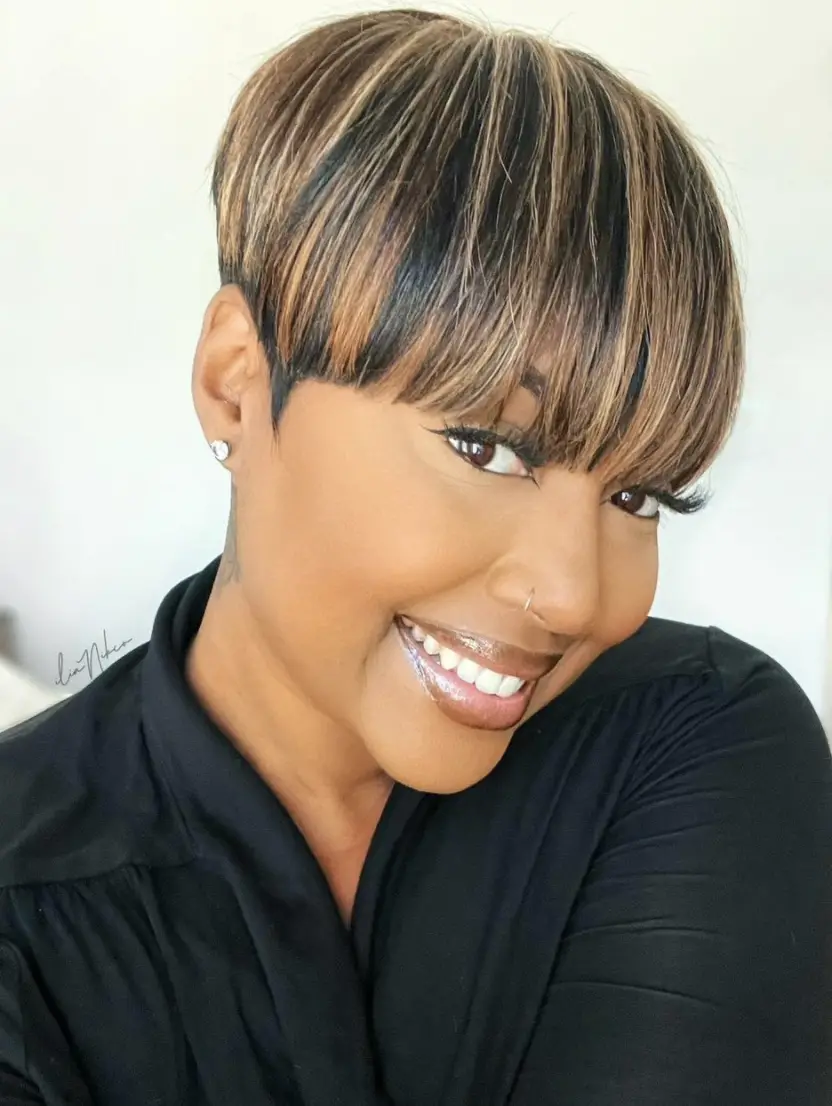
I will confess: I was skeptical of a pixie cut with blonde highlights on straight, fine hair. The contrast is sharp, dark brown against pale blonde, and it reads expensive from across the room. But here is the honest downside: those highlights need toning every four weeks or they pull brassy, especially on fine texture that shows every shift in tone. The cut itself is short, ear-length, with a deep side part and blunt bangs that land just above the brow. Texture comes from a paste, not from heat, which means wash-and-wear is actually possible. The grow-out is the real test, a trim every six weeks keeps the shape from turning shapeless.
Final Thoughts
After writing all 21, I noticed something I missed in the salon chair: the best winter cut is the one that works with a hat. The textured platinum pixie is the only one that did not fight my beanie. I am booking that one next.