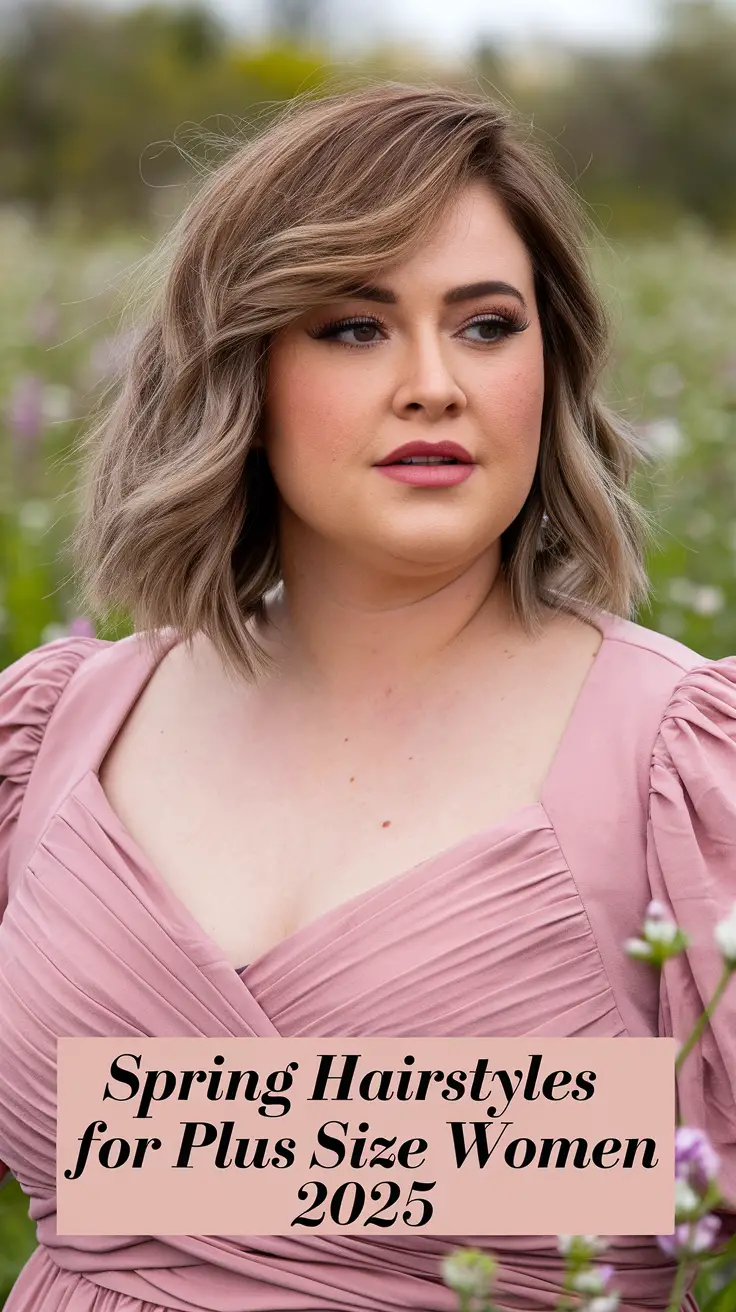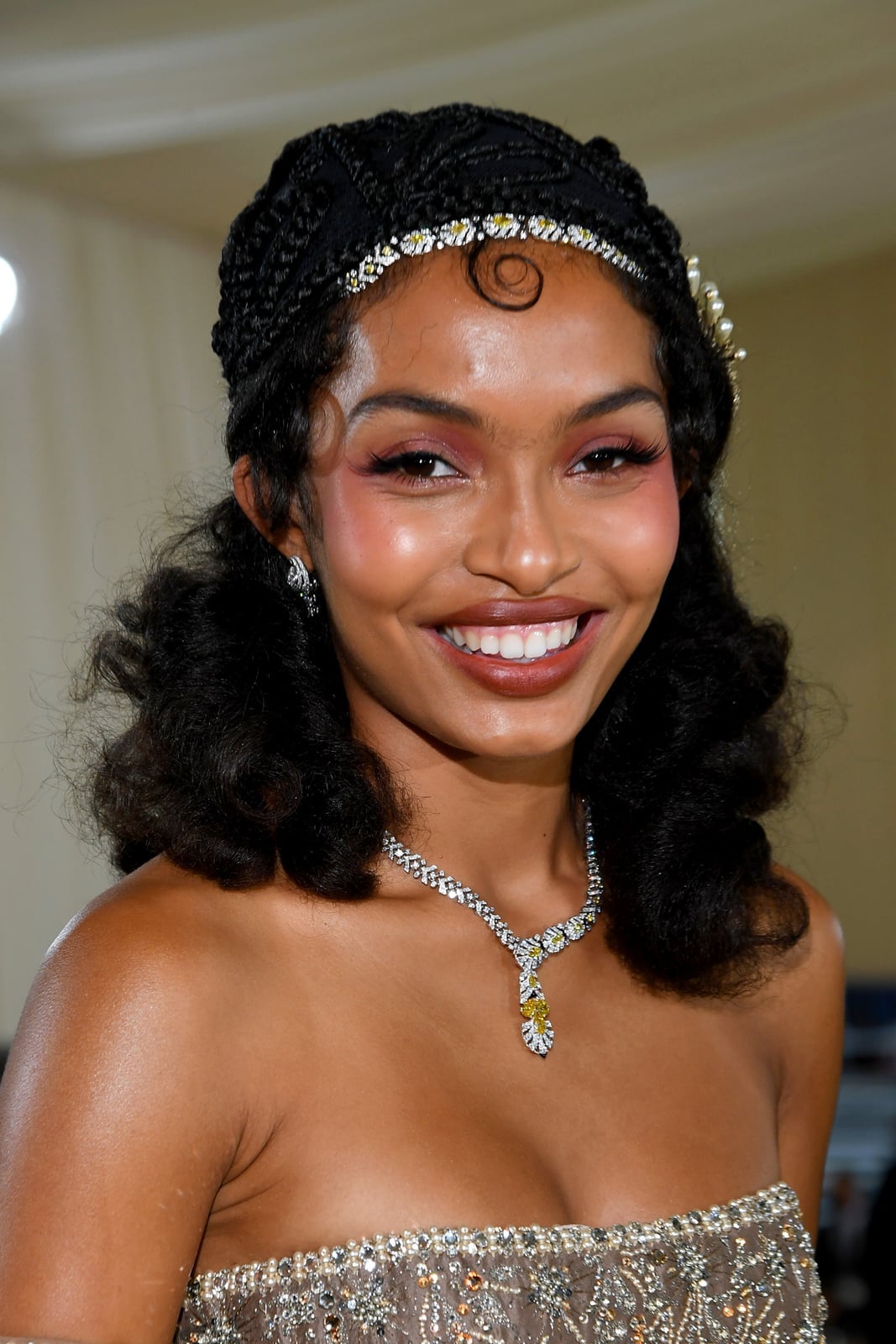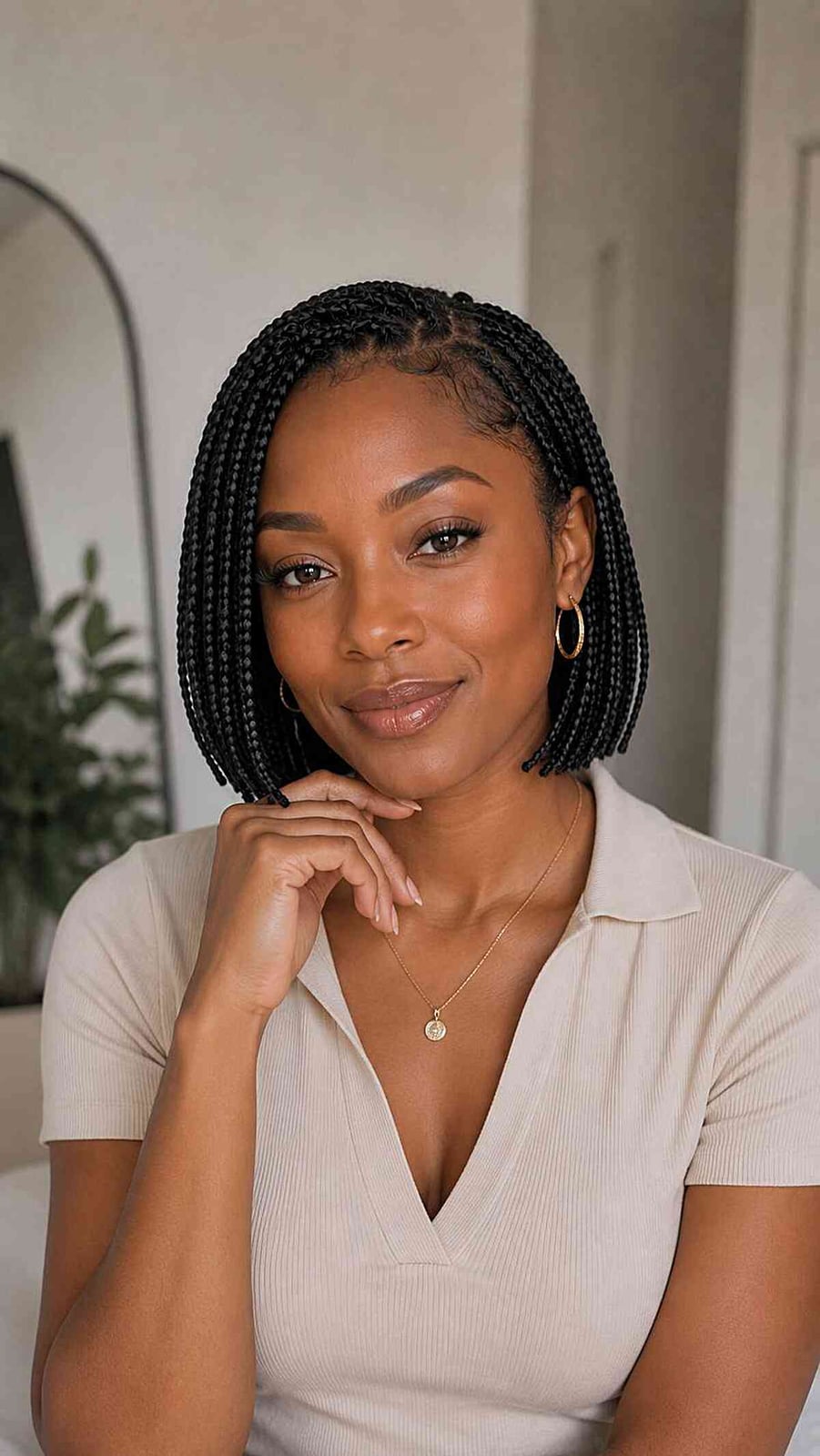


Side-swept bangs are the haircut equivalent of a good eyebrow: they add structure, soften the whole face, and make everything else look more deliberate. Right now, the trend is shifting away from heavy, blunt fringes toward softer, face-framing pieces that blend into the rest of the cut.
Here are 30 takes on Simple Side Swept Bangs, from chin-length bobs to long, layered waves, and from low-maintenance trims to color that needs a little more attention. Whether your hair is fine, thick, straight, or wavy, there’s a version here that works. If your fringe has ever refused to sit right or your fine hair falls flat by noon, this collection is for you.
Ash Blonde Blunt Bob With Side Swept Bangs
A blunt cut on fine, wavy hair is a clever trick: it gives the ends enough weight to hold a wave without turning wispy. This chin-length bob in a cool ash blonde uses a side part and prominent side-swept bangs to create softness around the face. The cut works best on fine to medium straight hair that starts at the chin, and it softens square and round face shapes nicely. Ask your stylist for: chin-length blunt bob, side swept bangs. A round brush and blow dryer encourage those soft waves, while the baseline needs a trim every six weeks to keep the line sharp.
Short Dark Brown Bob With Simple Side Swept Bangs
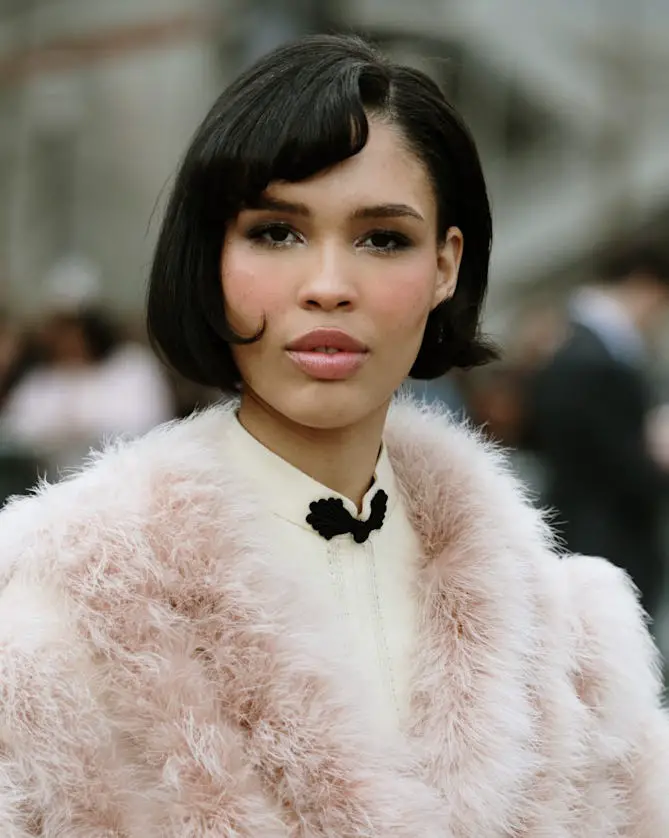
How do you keep fine, straight bangs from looking flat? The trick is in the cutting, not the styling. This ear-length dark brown bob proves the point: the simple side-swept bangs are cut with enough density to hold their shape, while the smooth blowout keeps the whole look polished. Fine straight hair of any length starting at the ear can carry this cut, and it balances longer face shapes well. Ask your stylist for: short bob, side swept bangs. A quick blowout with a round brush is all it takes, and a trim every six to eight weeks maintains the ear-length line.
Sharp Platinum Blonde Bob With Swept Fringe
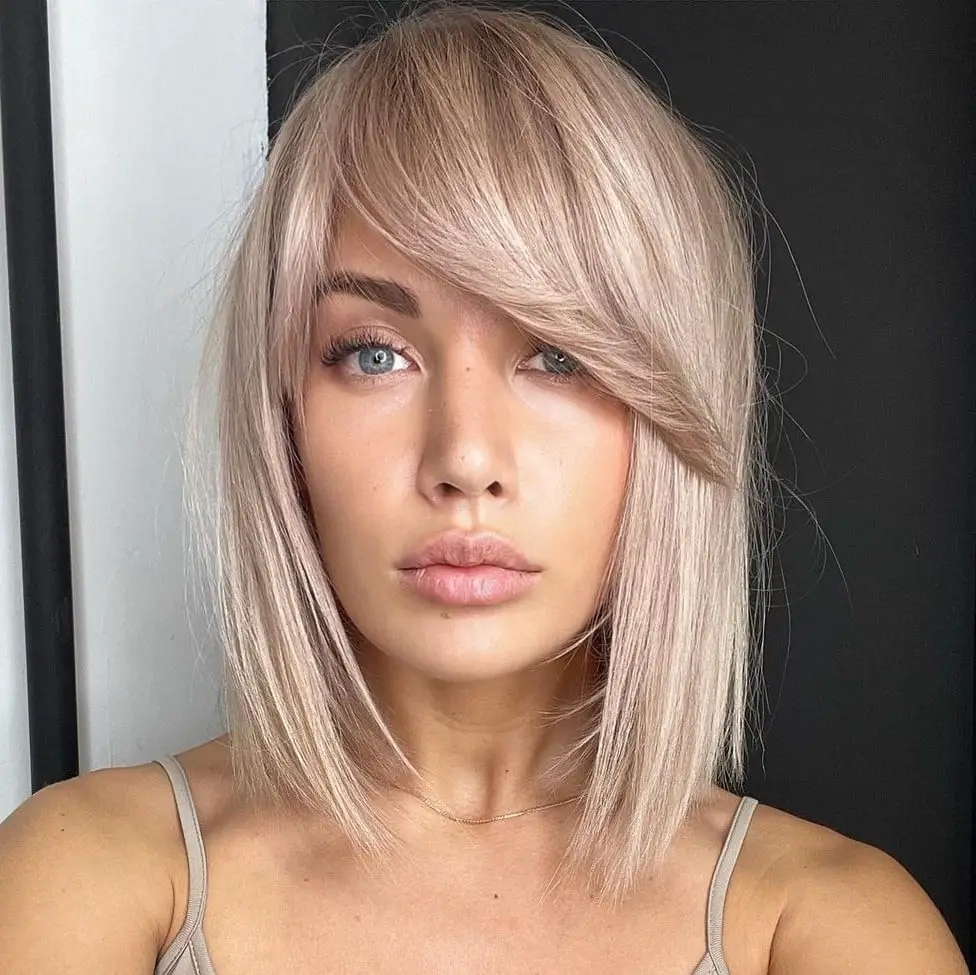
It is not a soft curtain fringe; it is a deliberate sweep that covers one eye and demands attention. This chin-length blunt bob in platinum blonde is cut poker straight with a side part, and the prominent side-swept fringe is the whole point. Fine straight hair that starts at the chin can pull this off, and the sharp lines add edge to oval faces. Ask your stylist for: sharp chin-length blunt bob, side swept fringe. This is a salon-only proposition: the platinum shade needs a toning appointment every four weeks to keep brassiness away, and a flat iron is required for the sleek finish.
Auburn Bob With Soft Side Swept Bangs

A chin-length auburn bob with subtle layers is a versatile cut, but the soft side-swept bangs are what keep it from looking generic. The subtle highlights woven through the auburn base add dimension, and the wavy texture of medium-density hair gives the bob natural movement. This cut softens square faces nicely and works for anyone with medium-density wavy hair starting at the chin. Ask your stylist for: chin-length bob, subtle layers, soft side swept bangs. A smooth blowout is the standard finish, and a trim is needed every six to eight weeks.
Medium Brown Bob With Subtle Highlights
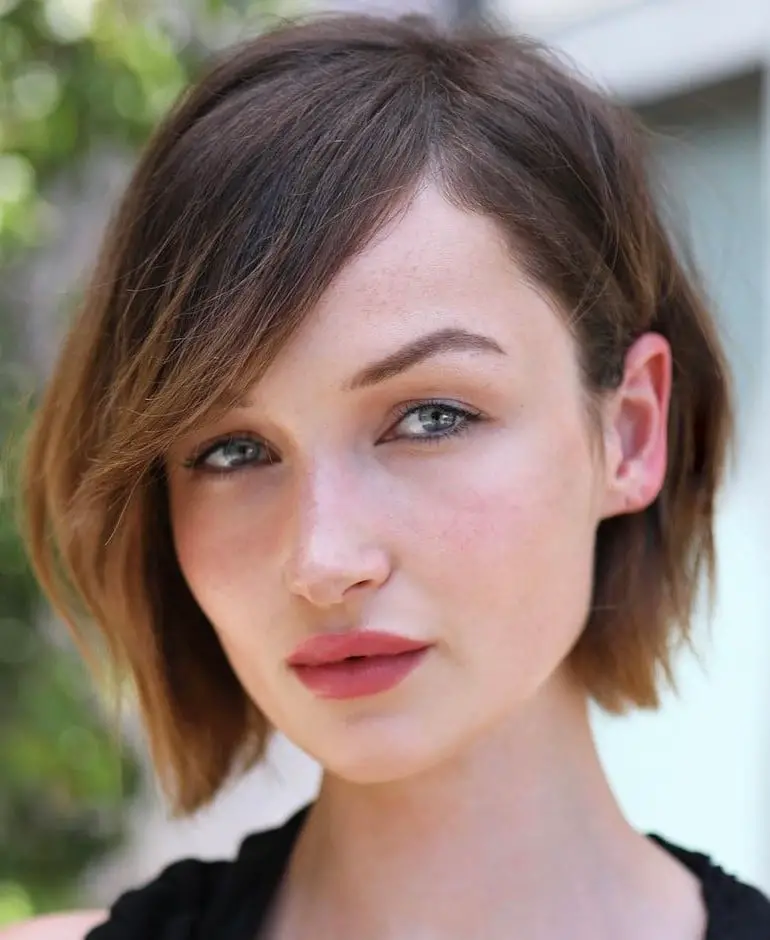
Subtle highlights on a chin-length bob are a quieter alternative to bold all-over color. The medium brown base keeps things grounded, while the lighter pieces catch the light and add depth to the slight wave. This bob is a solid choice for anyone with medium-density wavy hair starting at the chin, and the side-swept bangs help balance longer face shapes. Ask your stylist for: chin-length bob, subtle highlights, side swept bangs.
Compare this to a solid-color bob: the highlights give the cut more dimension without requiring the upkeep of a full blonde. A round brush and blow dryer are all you need for the soft wave, and the baseline should be trimmed every six to eight weeks to keep the chin-length line clean.
Medium Brown Chin Bob With Swept Bangs

Never let a blunt bob land shorter than the chin on fine straight hair. The baseline needs that visual weight to keep the cut from looking sparse. A chin-length blunt bob with subtle layers and side swept bangs in medium brown solves that problem neatly. The slight bend at the ends adds just enough texture to prevent the dreaded triangle effect. Ask your stylist for: chin-length blunt bob with layers, side swept bangs. The honest drawback? Those precise lines show every split end, so a trim every six to eight weeks is non-negotiable.
Dark Brown Bob With Balayage And Swept Bangs, Chin
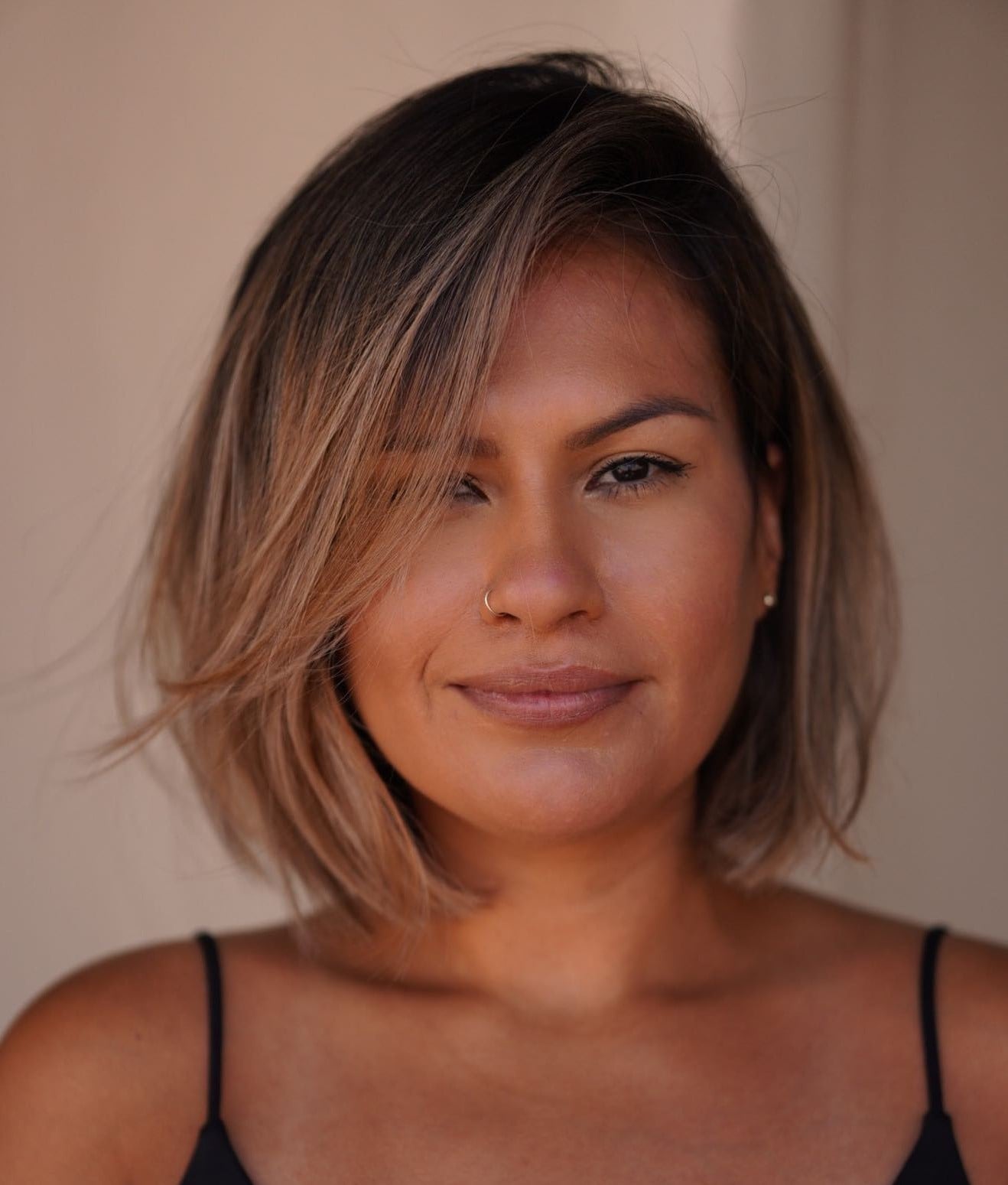
The design hinges on how the balayage highlights track through the subtle layers. Dark brown at the root transitions to lighter streaks that hit the ends of the chin-length bob, creating depth without a harsh grow-out line. The side swept bangs blend into the soft waves, so the color moves with the hair rather than sitting in blocks. Medium density wavy hair holds that shape best. Ask your stylist for: chin-length bob, balayage, side swept bangs. The technique relies on a blowout with a round brush to set the wave pattern, and the baseline needs trimming every six to eight weeks.
Wavy Brown Bob With Side Swept Bangs

What happens when thick wavy hair meets a chin-length bob and a side part? The volume goes exactly where you want it. The side swept bangs cut across the forehead while the brown waves stack naturally at the jaw, which softens angular face shapes without extra styling effort. A curl-defining cream encourages waves and fights humidity. Ask your stylist for: wavy bob, side swept bangs. Upkeep is straightforward: a baseline trim every six to eight weeks keeps the shape defined.
Thick Wavy Copper Shoulder Length Hair

Copper at this saturation works because the shoulder length gives the thick waves room to move without getting bottom-heavy. The side swept bangs and side parting break up the density across the forehead. Getting close to this at home means diffusing on low heat after applying a heat protectant, then letting the natural wave pattern do the work. Ask your stylist for: shoulder length wavy hair, prominent side swept bangs. The cut itself is salon-only to get the layers right, but the daily styling is just a five-minute diffuser session.
Collarbone Lob With Balayage And Waves
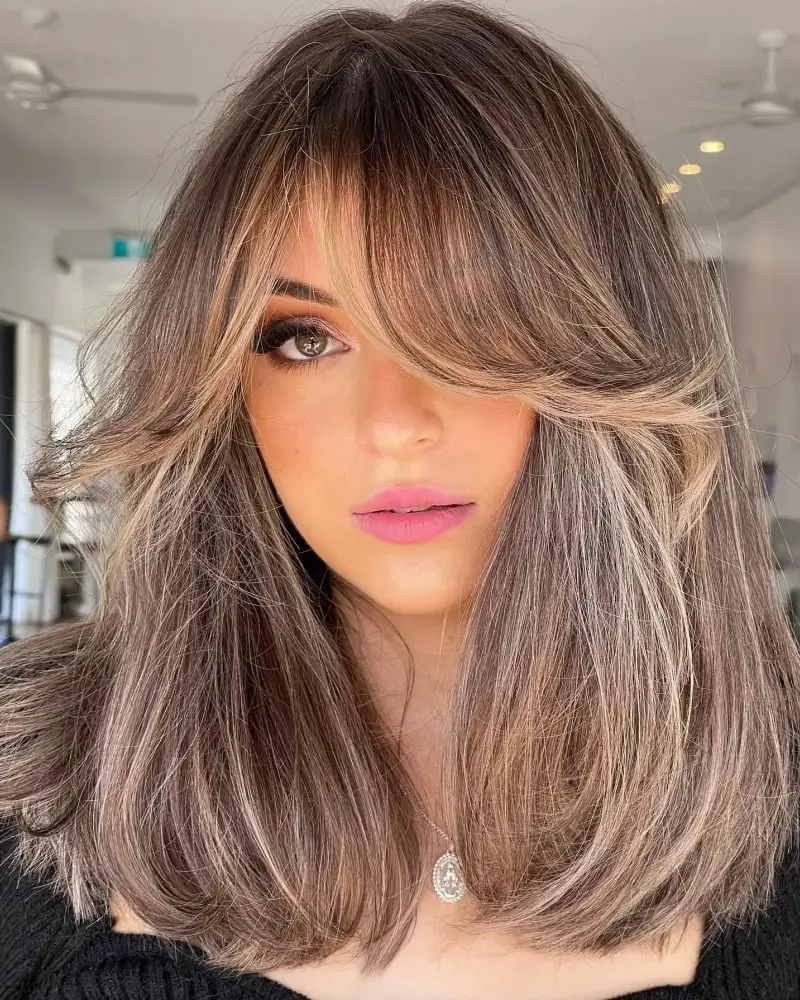
Collarbone length elongates the neck, which makes this lob a natural fit for round or shorter face shapes. The long layers keep the dark brown base from feeling heavy, while the balayage highlights add lighter streaks that catch movement. The side swept bangs frame the forehead without hiding it completely. Medium density wavy hair holds the blowout shape best. Ask your stylist for: collarbone lob, long layers, balayage, side swept bangs. If your hair is very fine, skip the heavy balayage near the roots and keep the light pieces concentrated on the ends.
Collarbone Bob With Blonde Highlights
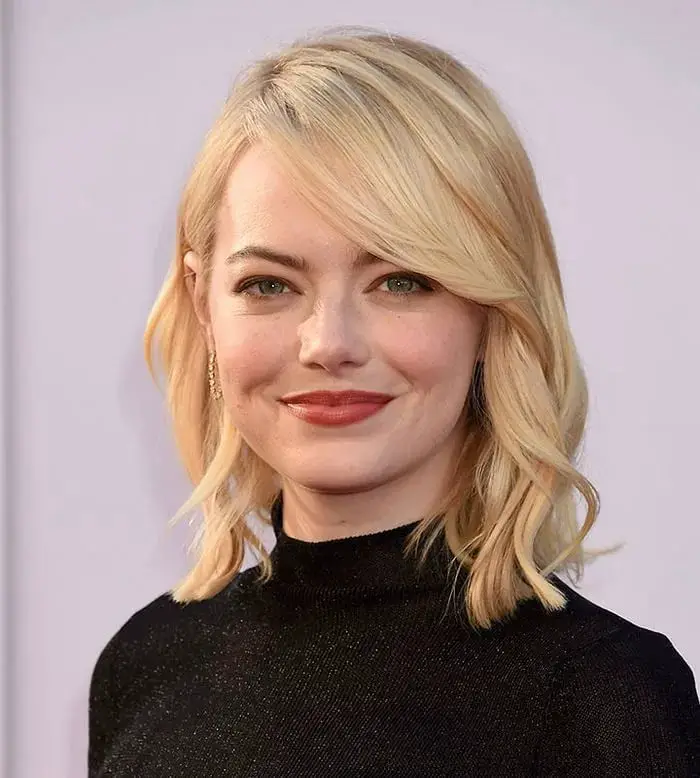
A collarbone bob with subtle layers and a side-swept fringe manages to be both polished and low-commitment at the same time. The warm blonde base with lighter highlights adds dimension without the high-contrast drama of chunky streaks. Fine wavy hair takes well to this length, since the layers create movement rather than weighing the texture down. Ask your stylist for a collarbone bob with subtle layers and a side-swept fringe.
The reality of maintaining blonde highlights on fine hair is that dryness becomes a quiet enemy. A deep conditioning mask every few weeks keeps the texture from turning brittle, and a toning appointment every six to eight weeks fights the warm drift that fine blonde strands are prone to. A texturizing spray on damp hair gives the waves a lived-in finish that holds for a day or two before a refresh is needed.
Collarbone Blonde With Highlights And Waves, Wavy
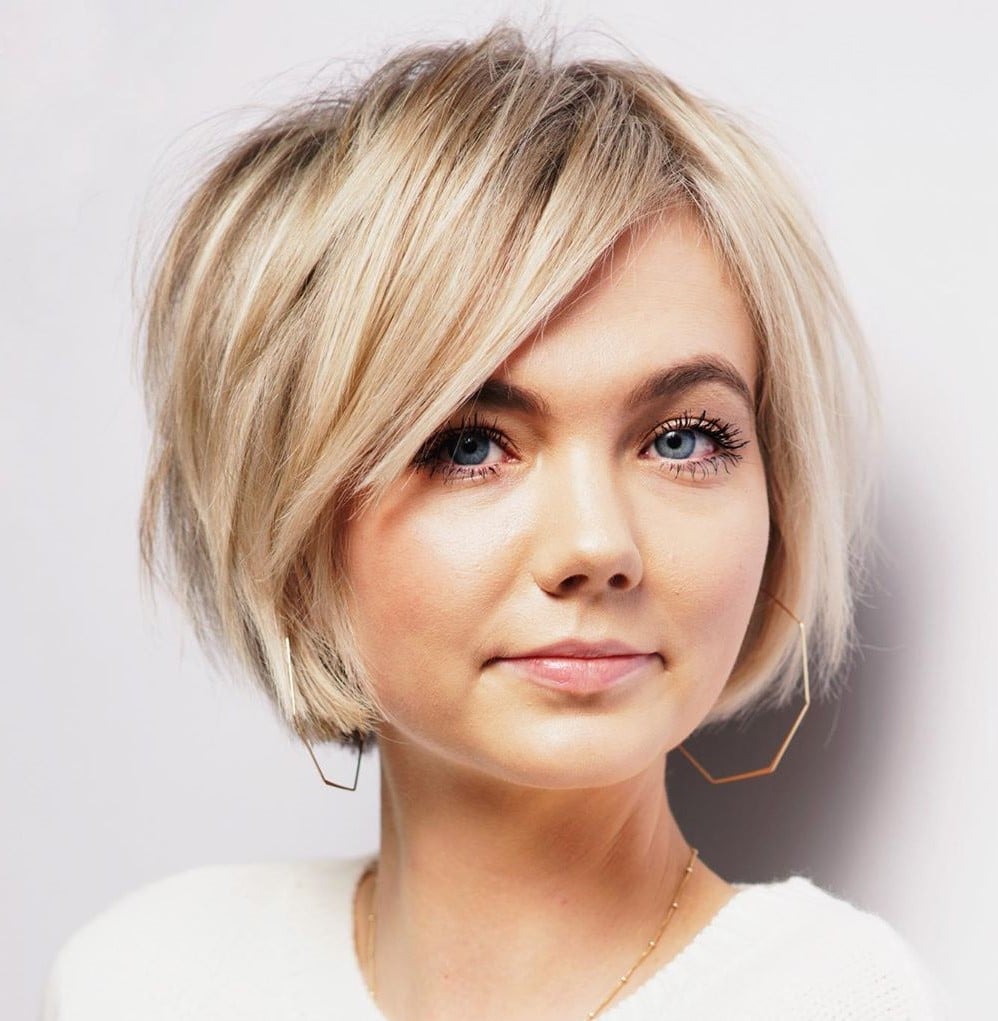
Those blended, sun-struck highlights can enhance natural waves when placed correctly. Ask your colorist for a collarbone-length blonde with layered side-swept bangs and subtle highlights that start a few inches from the roots. The side parting and soft layers let the color peek through without a harsh regrowth line. Fine wavy hair at this length benefits from a glossing treatment every eight weeks to keep the blonde from turning brassy.
Dark Brown Collarbone Lob With Balayage

A collarbone lob with blonde balayage on dark brown hair creates a higher contrast than the same technique on a lighter base. The dark root stays rich and dimensional while the lighter ends catch the light, which means the grow-out is less obvious for about twelve weeks. Thick wavy hair holds the voluminous blowout shape well, especially when long layers are cut to prevent the weight from pulling the waves flat. Ask your stylist for a collarbone lob with dark brown base, blonde balayage, and side-swept bangs.
Comparing this to a lighter base version, the dark brown lob demands a bit more precision from the colorist. Balayage on dark hair needs a skilled hand to lift the ends without creating a stripe effect. A DIY approach is not recommended here. The salon visit takes about two and a half hours, but the payoff is a lived-in color that fades gracefully rather than announcing its grow-out.
Collarbone Dark Brown With Highlights
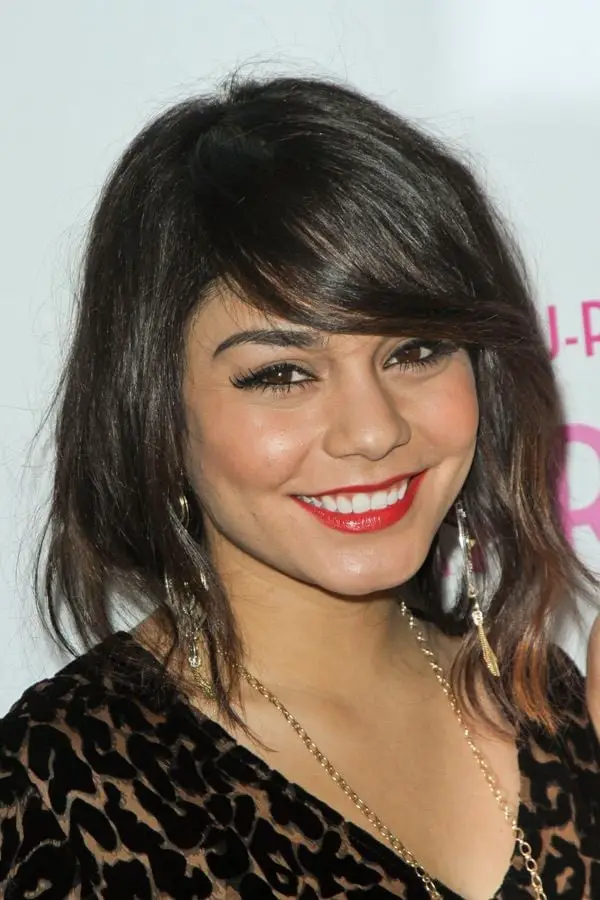
A practical rule for a collarbone-length layered cut with subtle highlights: the layers should move with the hair, not fight it. The most common mistake with medium-density wavy hair is over-layering, which strips the weight and makes the strands look thinner than they are. A lob with soft, face-framing layers preserves the body while the side-swept bangs create shape. Ask your stylist for a collarbone-length layered cut with subtle highlights and side-swept bangs.
The real drawback here is that subtle highlights on dark brown hair can disappear into the base color if the contrast is too low. The stylist needs to lift the highlights to a shade that stands out from the base. A toning session every ten weeks keeps the dimension visible without a harsh line. Loose waves and a side parting let the lighter pieces peek through where they matter most.
Collarbone Layered With Blonde Highlights, Blowout
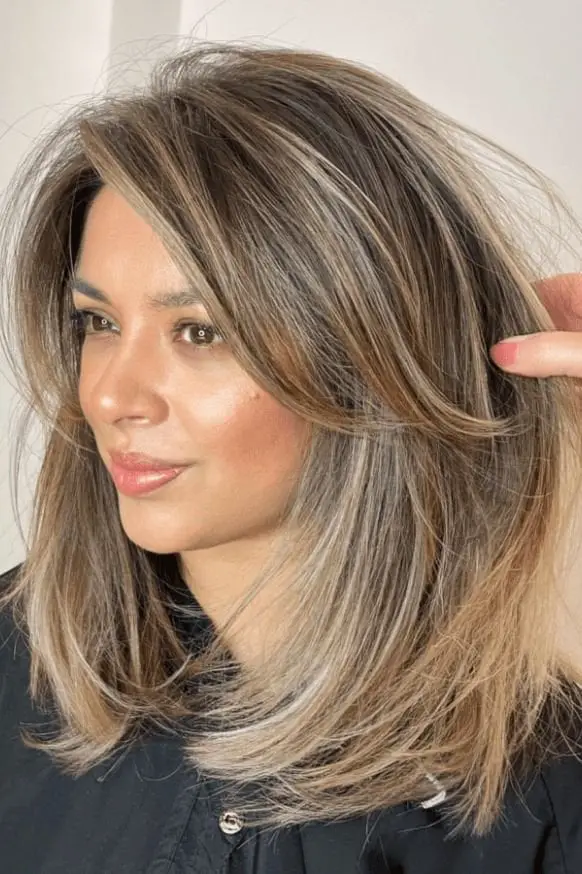
A collarbone-length layered cut with a brown base and blonde highlights relies on the blowout technique to do the talking. The layers are cut to stack gently around the face, so the side-swept bangs blend into the hair as a seamless piece. Fine wavy hair needs a volumizing mousse at the roots and a round brush to create the polished curve at the ends. Ask your stylist for a collarbone-length layered cut with brown base, blonde highlights, and side-swept bangs.
Collarbone Light Blonde With Highlights, Layers
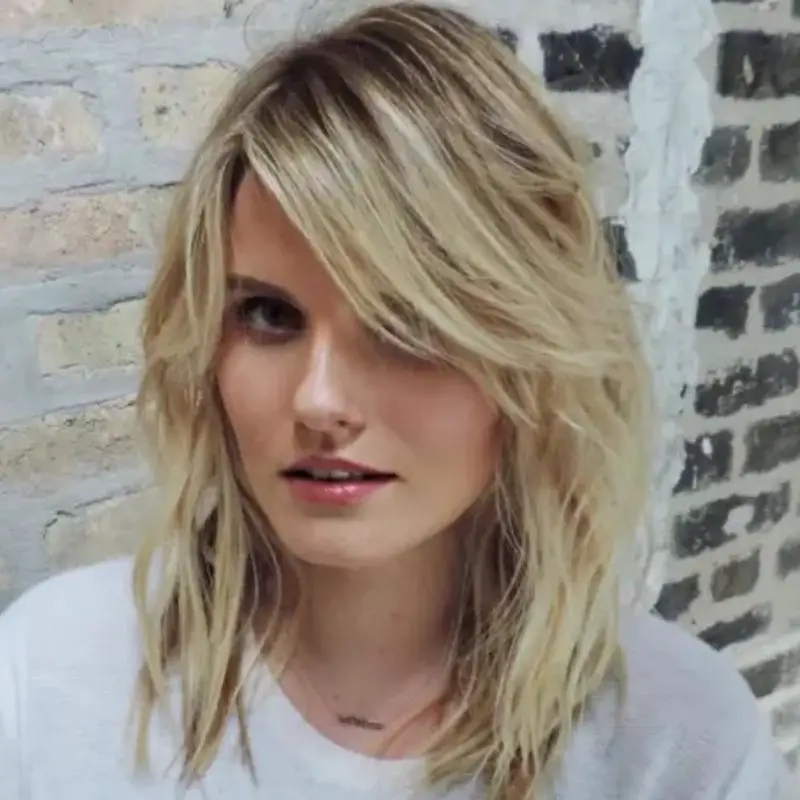
Does your collarbone-length hair feel flat by midday, especially in humidity? The solution might be a cut with prominent layers and soft, swept bangs, as seen here on wavy light blonde hair with subtle highlights. The layers remove weight so waves hold their shape, while the side-swept bangs frame the face without requiring a full fringe commitment. Medium density wavy hair starting at the collarbone benefits most from this combination of movement and brightness. Ask your stylist for: collarbone length wavy light blonde, soft swept bangs.
Humidity can make highlights look brassy, but a purple shampoo used once a week keeps the tone cool between salon visits. A texturizing spray applied to damp hair enhances the loose waves, and a round brush at the roots gives the bangs a gentle sweep. Plan a trim every six to eight weeks to maintain the collarbone line and prevent the layers from growing out unevenly. The payoff is a low-maintenance style that actually works with your natural texture.
Long Wavy Copper With Blonde Highlights
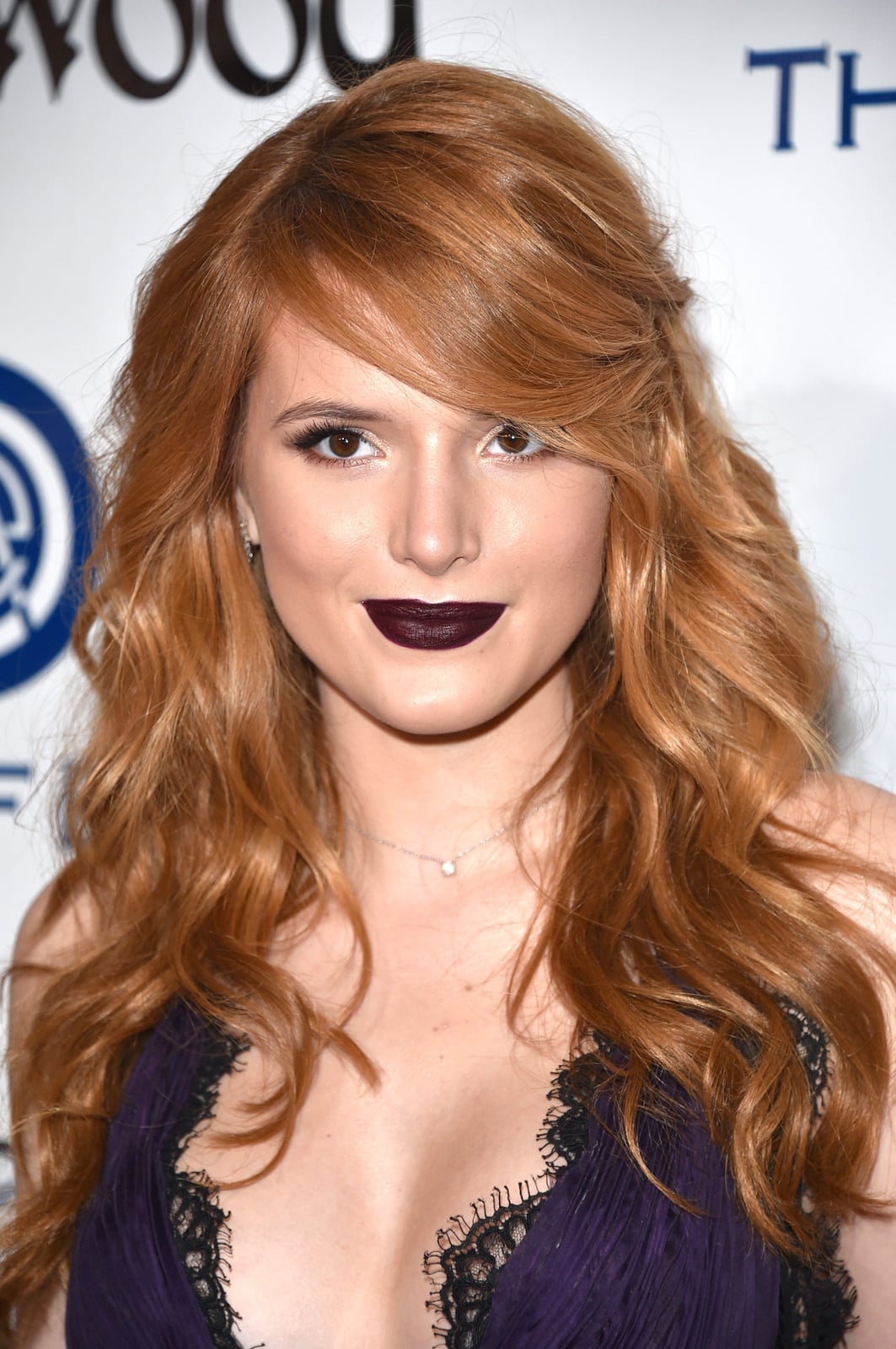
The design here is simple: a warm copper base with lighter blonde highlights woven through long, wavy hair, finished with prominent side-swept bangs. Subtle long layers keep the mid-back length from looking heavy, and the copper tones catch natural light without needing a filter. Medium density wavy hair of any length starting at the mid-back can pull this off, though the copper works best on uncolored or pre-lightened bases. Ask your colorist for: long wavy hair, copper with blonde highlights, side swept bangs.
To get close at home, start with a color-depositing conditioner in copper to refresh the base between salon visits. Apply a curl-defining cream to damp hair, then air-dry or diffuse for loose waves. The blonde highlights add dimension that looks intentional, even when you just twist and go. This is a great option for fall or winter gatherings, where the warm tones feel seasonally appropriate without screaming holiday. Salon only for the initial color and cut, but the daily styling takes under ten minutes.
Mid-Back Wavy Brown With Highlights
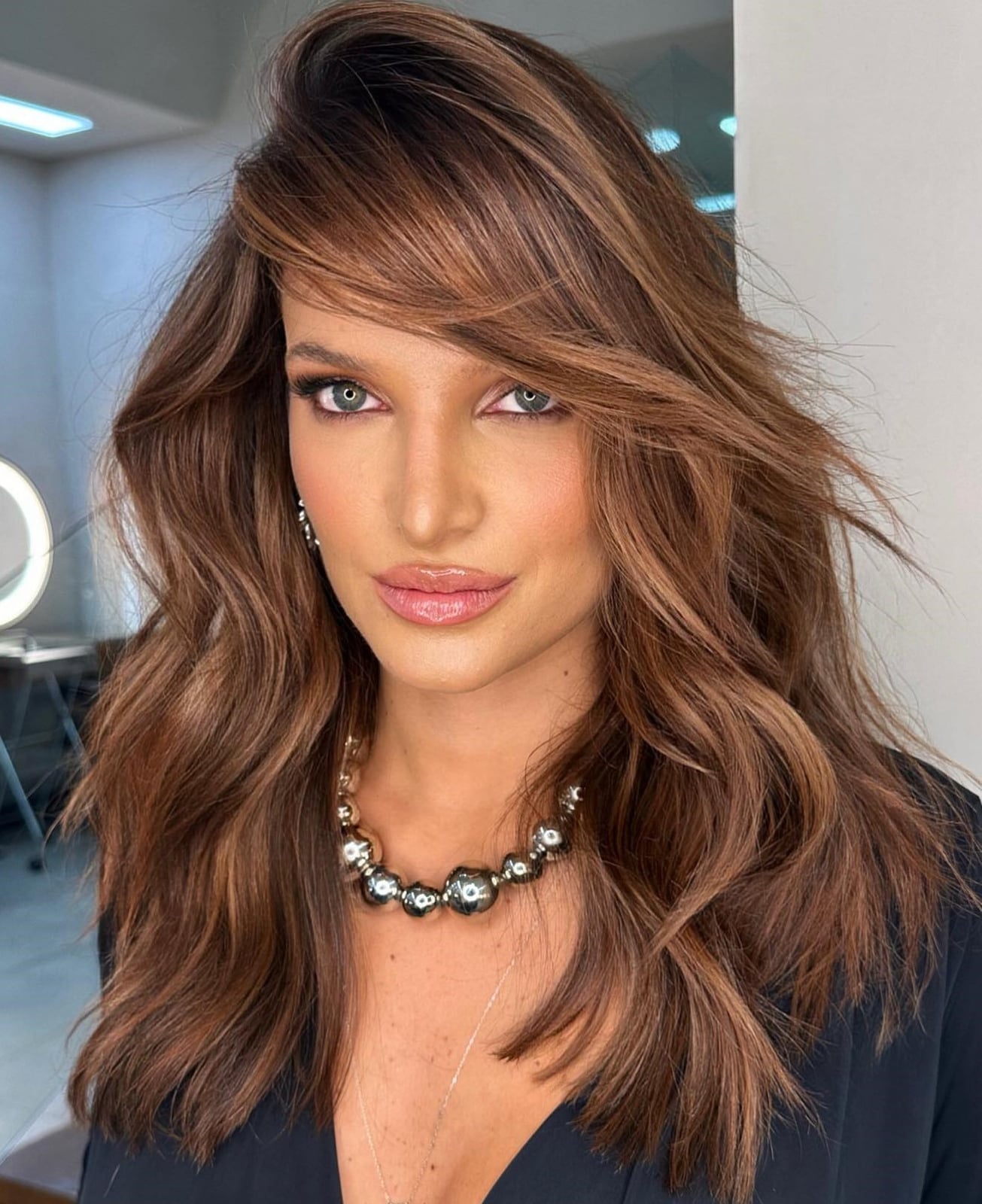
Mid-back length hair with thick texture can easily become a triangular mess. The fix is strategic layers paired with prominent side-swept bangs, as shown on this wavy brown hair with highlights. The layers remove bulk and create movement, while the side sweep softens the forehead and balances the visual weight of longer hair. Thick wavy hair starting at the mid-back is the ideal candidate here, because the layers prevent that heavy, bottom-heavy silhouette. Ask your stylist for: mid-back wavy brown hair, highlights, side swept bangs. Thinner hair types should pass on this much layering at this length, as it can reduce density too much. The highlights add dimension without requiring a full color overhaul, making this a practical choice for anyone who wants change without a drastic commitment.
Mid-Back Brown With Blonde Highlights and Long Layers
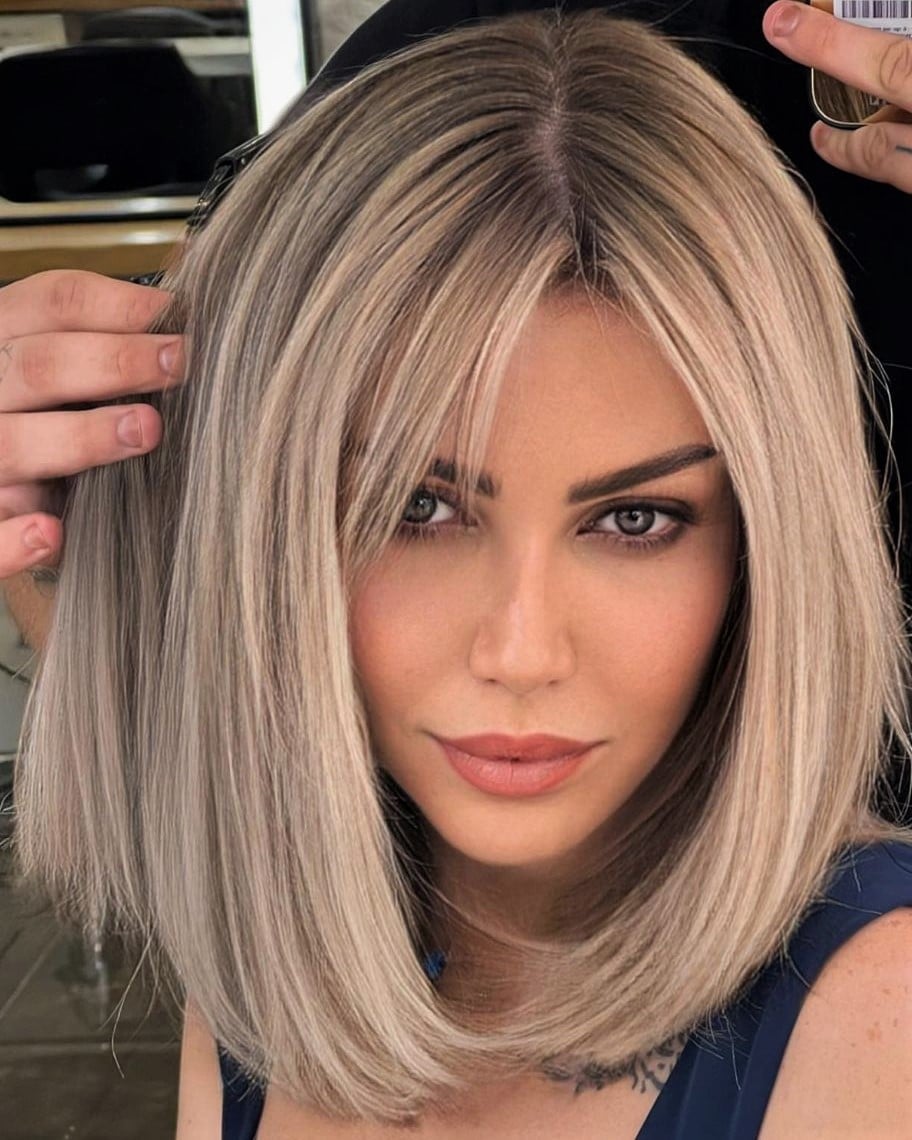
How does thick, wavy hair actually behave with long layers and a side-swept fringe? The daily reality is that you need heat styling and product to keep it polished, but the payoff is volume and movement that a one-length cut cannot deliver. On this mid-back length hair in medium brown with blonde highlights, the long layers reduce bulk while the side-swept bangs frame the face. Thick wavy hair works best because the layers prevent the weight from pulling the waves straight. Ask your stylist for: mid-back wavy hair, medium brown with blonde highlights, long layers, side swept bangs. Use a volumizing mousse at the roots and a round brush for a blowout that lasts. The blonde highlights require a toning appointment every six to eight weeks to prevent brassiness, and a trim on the same schedule. Plan for twenty minutes of styling on wash days.
Mid-Back Dark Brown With Highlights and Loose Waves

The subtle highlights on this dark brown base add dimension. Long, layered hair with a rich dark brown base and subtle lighter highlights, styled in loose waves with a prominent side-swept fringe, is a study in understated polish. Thick wavy hair at the mid-back benefits from the layers, which prevent the texture from looking too dense. Ask your stylist for: mid-back layered hair, dark brown with highlights, side swept fringe. The key is requesting a balayage or babylight technique that places highlights closer to the mid-lengths and ends, so the grow-out line is soft. This approach buys you ten to twelve weeks between color appointments, which is the main reason to choose subtle highlights over chunky ones. A texturizing spray on dry hair enhances the loose waves and keeps the fringe from falling flat.
Mid-Back Ash Brown With Blonde Highlights, Close-Up Take
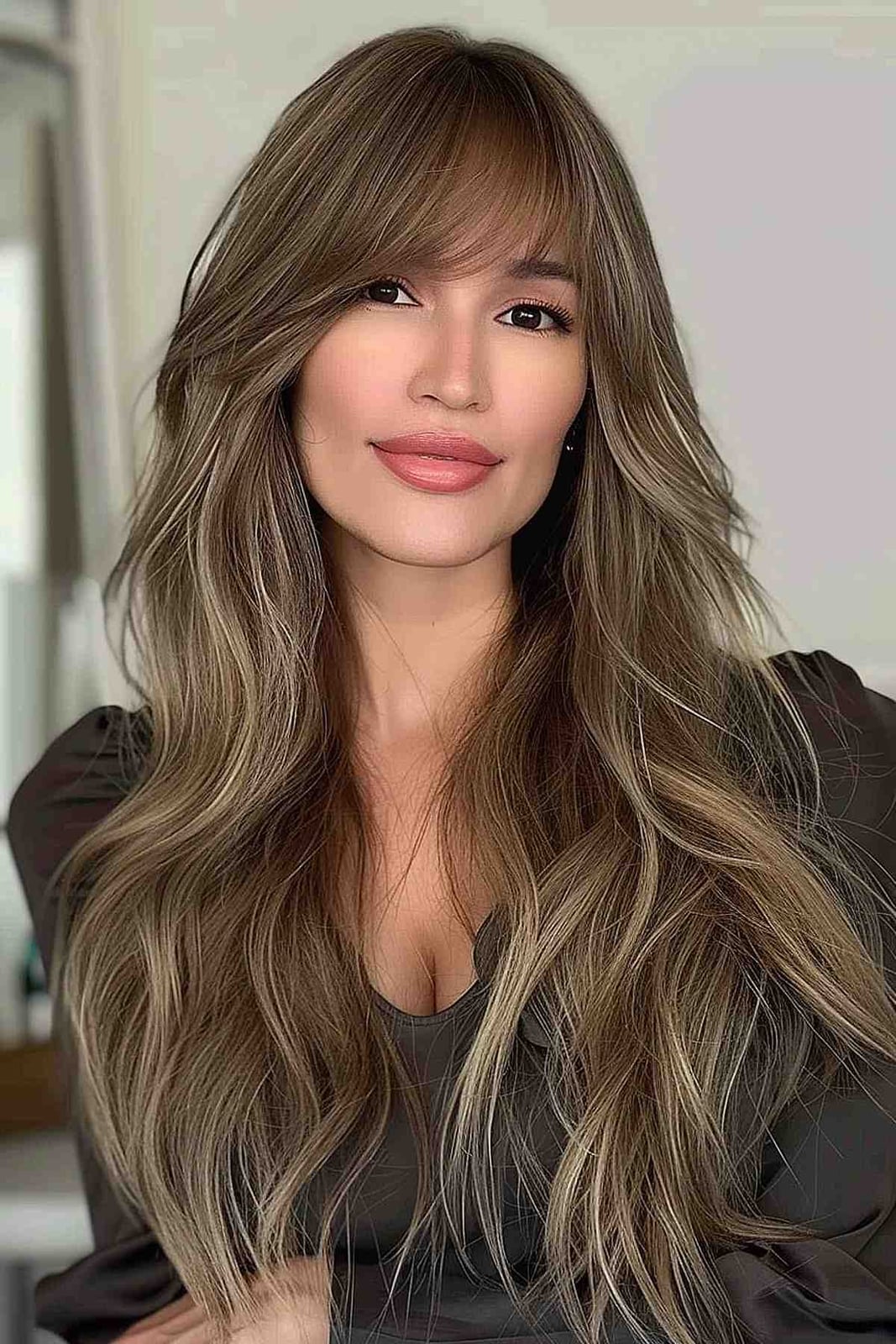
An ash brown base with blonde highlights reads cooler than a warm caramel version, which matters if your natural level is a neutral or cool brown. This mid-back cut uses long layers to keep the wavy texture from turning heavy, and the full side-swept bangs sweep across the forehead for a soft frame. The color placement is painted in broad strokes near the ends, so the lighter pieces sit where the waves bend. Ask your colorist for: mid-back layered hair, ash brown with blonde highlights, full side swept bangs. This is a salon-only job, since the ash tone needs a precise formula to avoid pulling green on certain bases. A texturizing spray at the mid-lengths is all the styling it asks for.
Medium density wavy hair starting at the mid-back takes this well, because the layers add movement without removing bulk. The lived-in dimension means the grow-out is gradual, so you can stretch trims to eight or ten weeks. If your natural base is darker, the blonde pieces will need a toner refresh around week six to keep the ash tone clean.
Mid-Back Brown With Blonde Highlights, Office-Safe Version
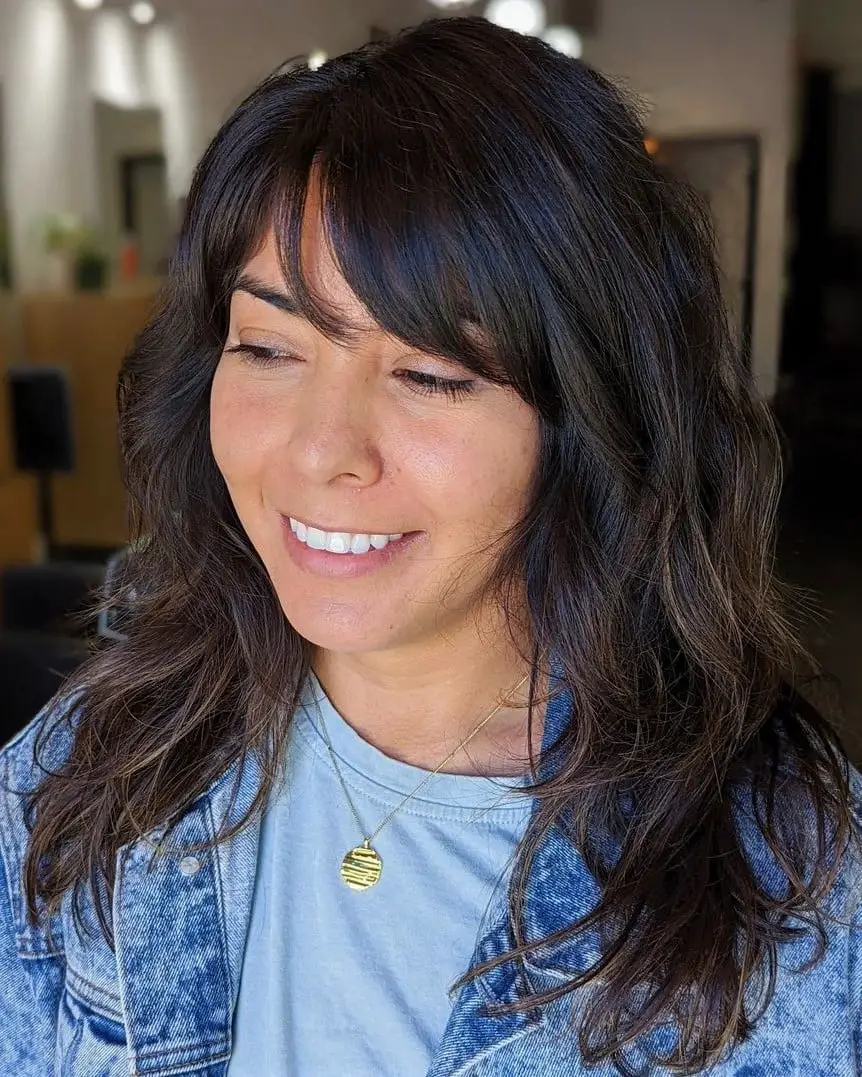
The mistake people make with thick, wavy mid-back hair is over-processing it with highlights that lift too high, leaving the strands brittle and the tone brassy. This medium brown base with blonde highlights stays office-safe because the light pieces are woven through the long layers, and the side-swept bangs blend into the face-framing layers instead of sitting as a separate block. Ask your stylist for: mid-back wavy hair, medium brown with blonde highlights, long layers, side swept bangs. The real drawback is that thick hair requires more salon time for the highlight application, and the blonde pieces will need a toning appointment every six to eight weeks to keep the shade from warming up. A volumizing mousse at the roots and a round brush create the polished blowout finish this look needs.
Mid-Back Wavy Blonde Balayage
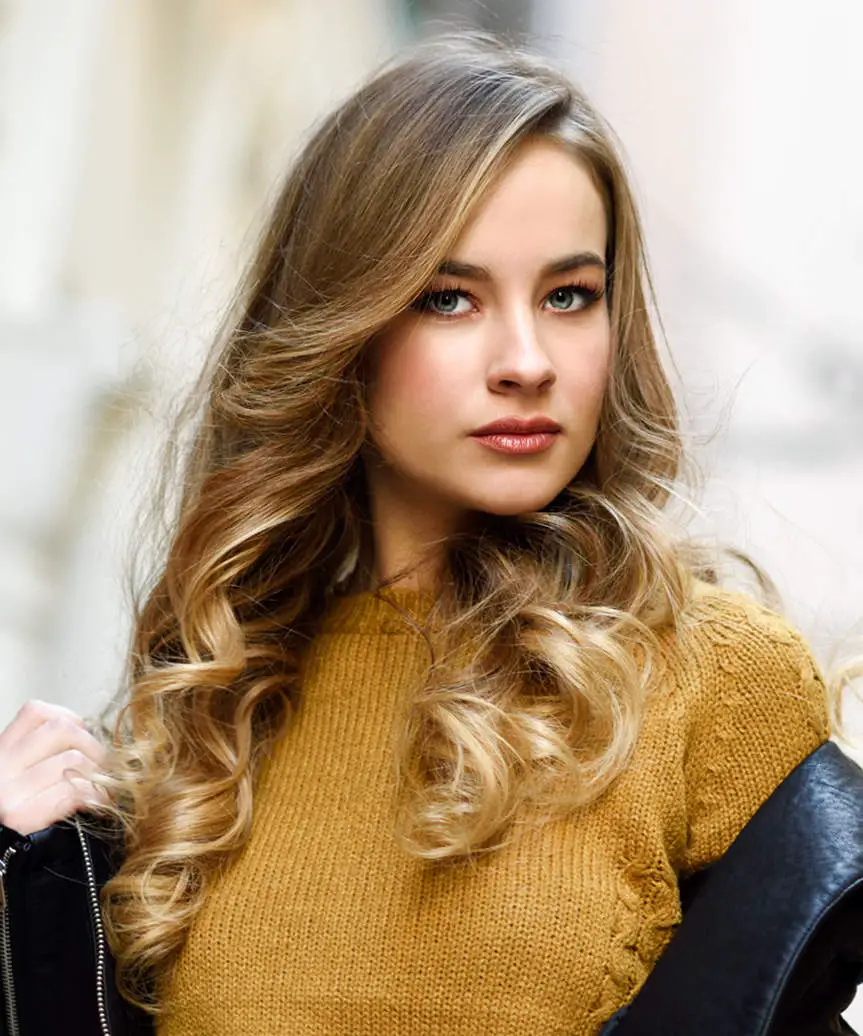
The blonde balayage here is painted freehand onto thick, wavy mid-back hair, starting a few inches from the roots and concentrating the lightest pieces around the face and ends. This technique creates a natural sun-kissed effect because the color is hand-painted in sweeping motions that follow the hair’s surface, so the transition from dark to light is soft rather than striped. The long side-swept bangs catch the lighter pigment, which draws attention to the face without needing a full head of highlights. Ask your colorist for: mid-back wavy hair, blonde balayage, long side swept bangs. The wavy texture is the key to the whole design: the bends in the hair break up the color in a way straight hair cannot replicate, giving the balayage a multidimensional look. A curl-defining cream applied to damp hair and air-dried or diffused will enhance the wave pattern without extra heat. The baseline trim rhythm is every eight to ten weeks, but the balayage grow-out is gradual enough that you can push it to twelve weeks before the root line becomes obvious.
Mid-Back Dark Brown With Loose Waves, Close-Up Take

Can dark brown hair look dimensional without highlights? Yes, if the cut and texture do the work. This mid-back style uses subtle long layers and a side part to create movement, and the sweeping side bangs blend into the face-framing pieces so the whole shape flows. The loose waves are set with a large-barrel iron and a soft blowout, which gives the hair a glossy finish without any color lift. Ask your stylist for: mid-back dark brown hair, loose waves, sweeping side bangs. Use a texturizing spray at the mid-lengths to keep the waves from falling flat by the end of the day. The trim schedule is every eight to ten weeks to keep the layers from growing past their intended shape. Thick wavy hair is the ideal starting point, because the natural volume supports the style and the dark color reads as rich.
Long Black Hair With Layered Bangs
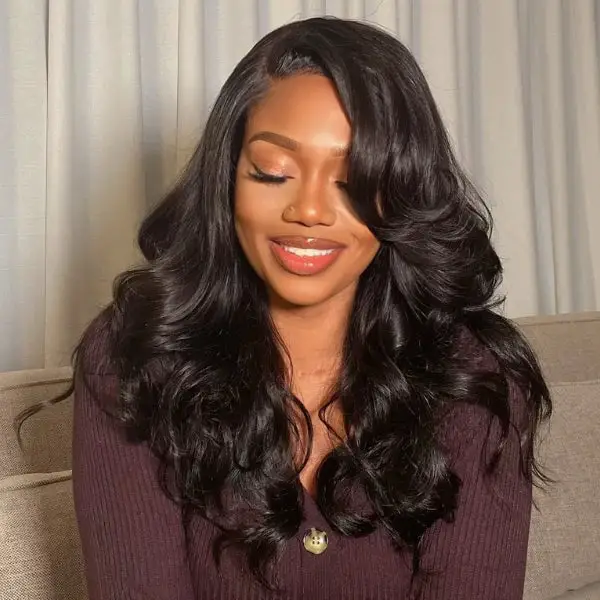
Long black hair at mid-back length can look heavy without layers, but this cut introduces soft layers throughout the length and keeps the side-swept bangs textured so they move with the face rather than sitting as a solid sheet. The loose curls are set with a large-barrel iron, though a heatless method works if you braid damp hair in sections overnight and undo it for soft waves. Ask your stylist for: long black hair, mid-back, soft layered side swept bangs. The DIY approach is doable for the curls, but the cut itself is salon-only because the layers need to be carved to match the density of thick wavy hair. A curl-defining cream applied to damp hair will enhance the wave pattern without crunch. The styling steps are simple: apply the cream, twist sections, air-dry or diffuse, then break up the curls with fingers.
Shoulder Length Ponytail With Swept Bangs
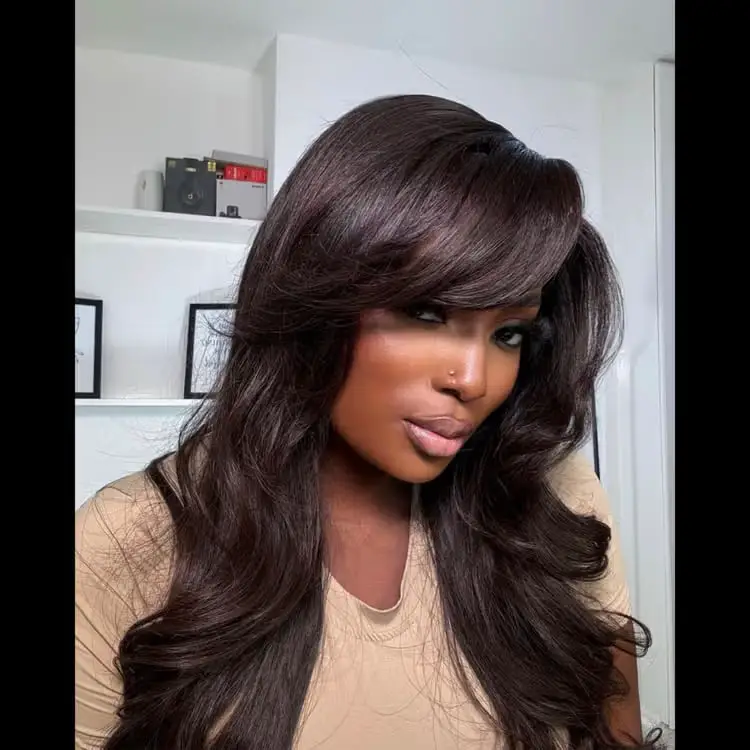
The design here is clever: a high ponytail keeps the length off your neck while the side-swept bangs stay forward, softening the whole silhouette. It works best on medium-density wavy hair starting at the shoulder, and the diagonal line of the bangs helps balance a round face shape. Ask your stylist for: shoulder length layered hair, high ponytail, side swept bangs. Smooth the bangs with a flat iron before securing the ponytail, then trim the baseline every six to eight weeks.
Short Asymmetrical Pixie With Light Blonde Bangs
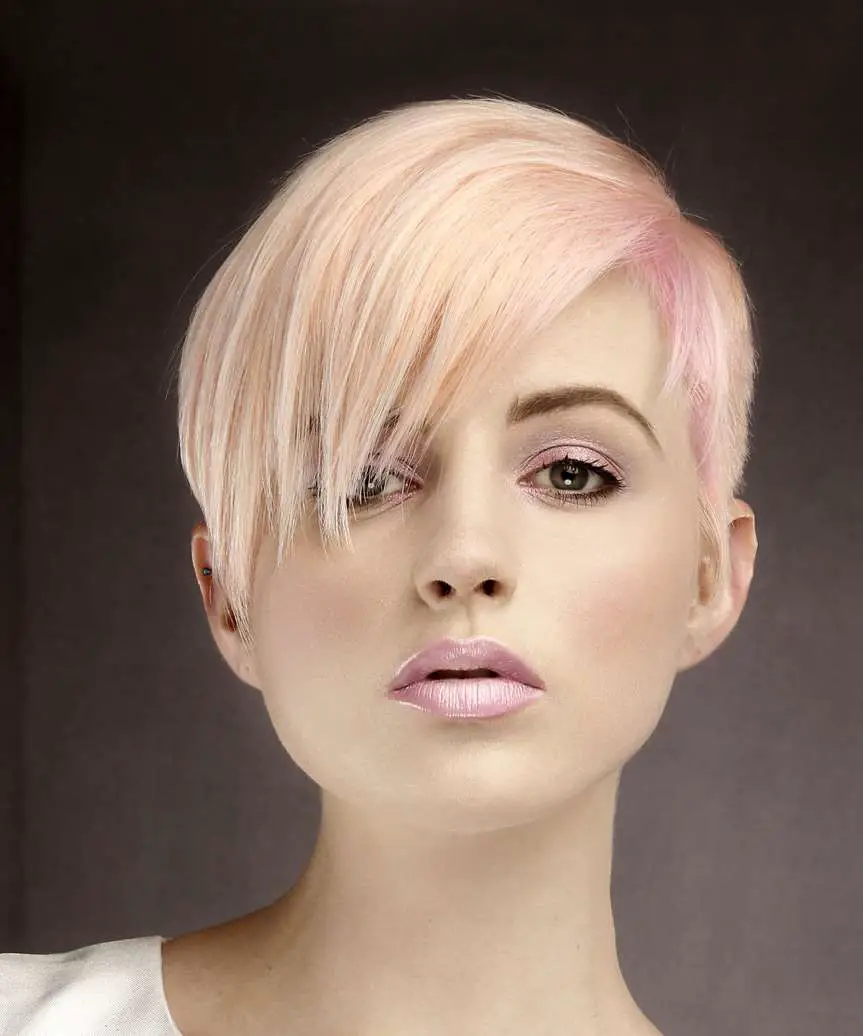
A short asymmetrical pixie with light blonde hair and pink tips is a statement that demands precision. The side-swept bangs cover one side of the forehead, adding drama to the sharp lines of the cut. Fine straight hair at ear length takes well to this shape, but the real drawback is upkeep: the color needs toning every three to four weeks, and the cut requires a trim every four to six weeks to keep its edge. Ask your stylist for: short asymmetrical pixie, light blonde with pink tips, side swept bangs.
Celebrity Styles With Side Swept Bangs

Wondering how to get that soft, red-carpet fringe without a personal stylist on speed dial? A collarbone-length lob with subtle layers, a deep side part, and side-swept bangs cut to graze the brow bone create the look. The wavy, thick texture of a blowout finish gives it a polished but not stiff feel. Ask your stylist for: collarbone lob, subtle layers, side swept bangs. Bring a photo of the specific look you want, because the angle of the sweep and the layers make all the difference.
Side Swept Bangs For Every Face Shape
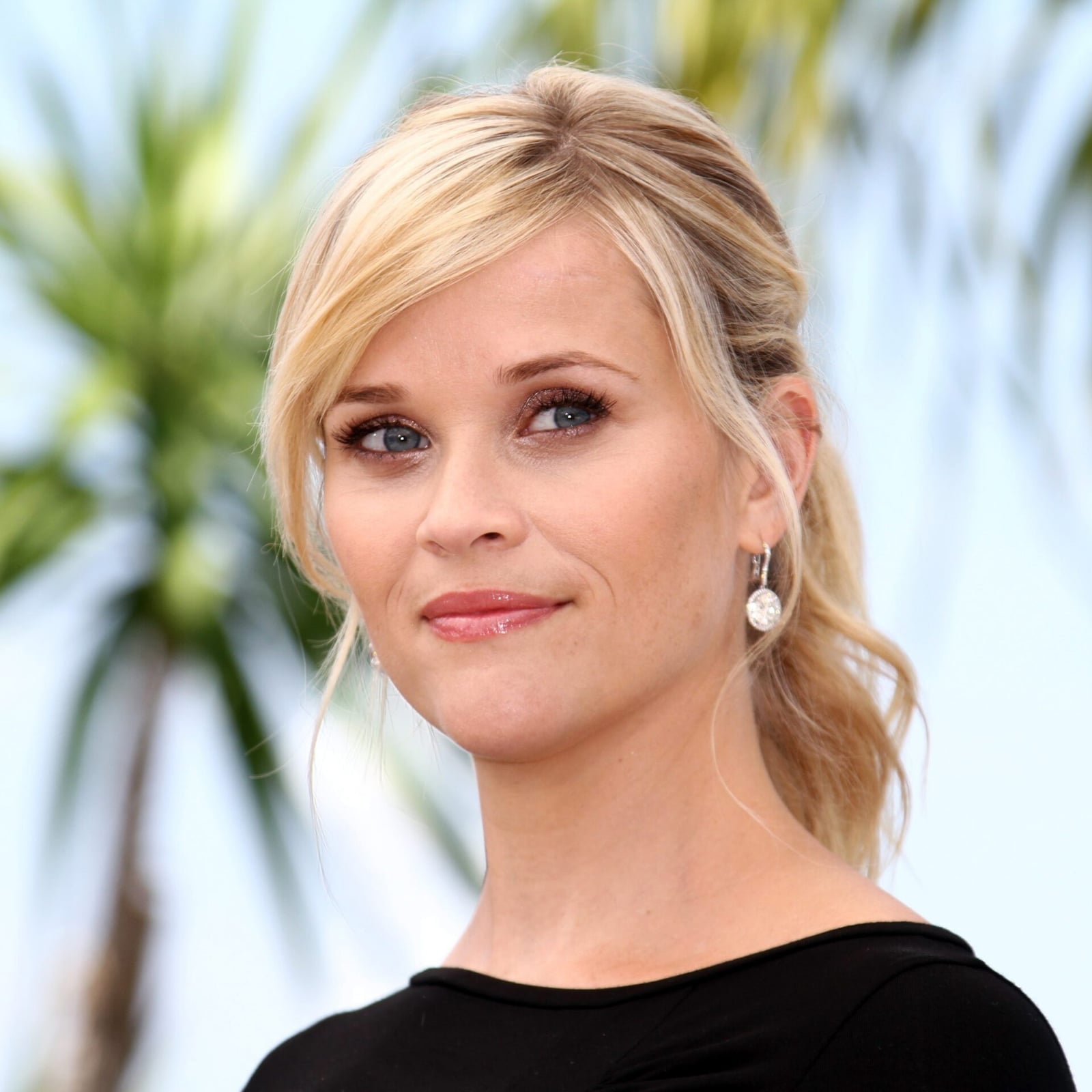
A side-swept fringe is not one-size-fits-all, but it comes close if you adjust the angle and length. For a round face, the bangs should start high on the crown and sweep diagonally past the cheekbone to create length. On a square jaw, a softer, wispier version that hits the cheekbone softens the angles. Long faces benefit from a fuller sweep that covers more forehead width.
Ask your stylist for: side swept bangs for my face shape. You can trim the ends yourself between salon visits, but the initial cut needs professional hands to get the angle right. A deep side part is non-negotiable for the sweep to sit correctly.
Platinum Blonde Layered Mid-Back Hair, Close-Up Take
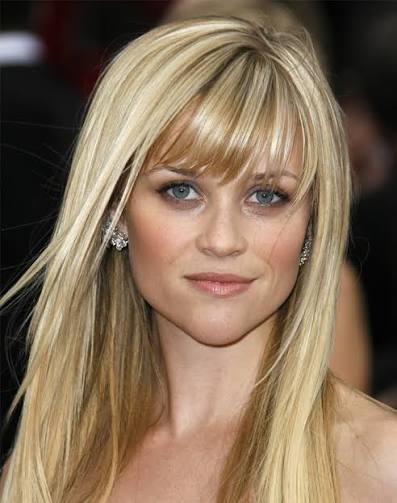
A practical rule for fine hair at mid-back length: the longer the strand, the more the texture shows. This layered cut in platinum blonde plays with that rule by using side swept bangs and a side part to add directional movement, but the straight styling reveals every gap and thin patch. The mistake people make is assuming platinum blonde layered hair will look full and dense on fine texture. It won’t. The lift from the layers can work against you here, making the ends look sparser than they are. One real drawback is that the grow-out demands a trim every eight weeks to keep the shape sharp, and the tone needs a purple shampoo at least weekly to stay cool. Ask your stylist for: mid-back layered hair, platinum blonde, side swept bangs.
Final Thoughts
For fine hair, keep the ends blunt and skip heavy layers to preserve fullness. For thick hair, ask for more layers to reduce weight and add movement, especially through the bangs. A trim every three to four weeks keeps the shape honest, and a round brush with a blow dryer is all you need for daily styling.
- Trim bangs every 3-4 weeks to maintain shape.
- Use a round brush and blow dryer to style bangs daily.
- Tone highlighted hair every 6-8 weeks to prevent brassiness.
- Deep condition wavy hair weekly to manage texture.
Side-swept bangs offer adaptable style and face-framing elegance.