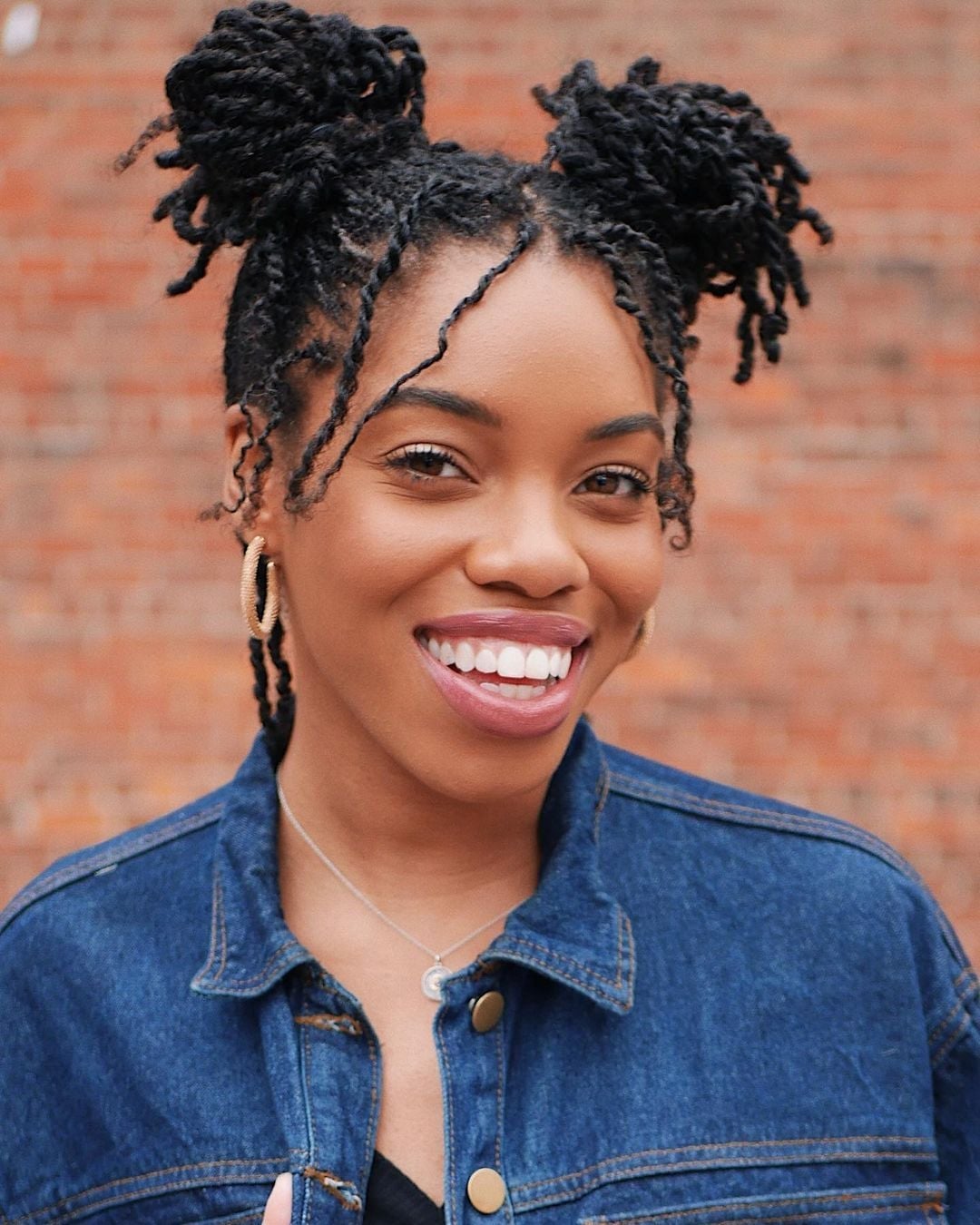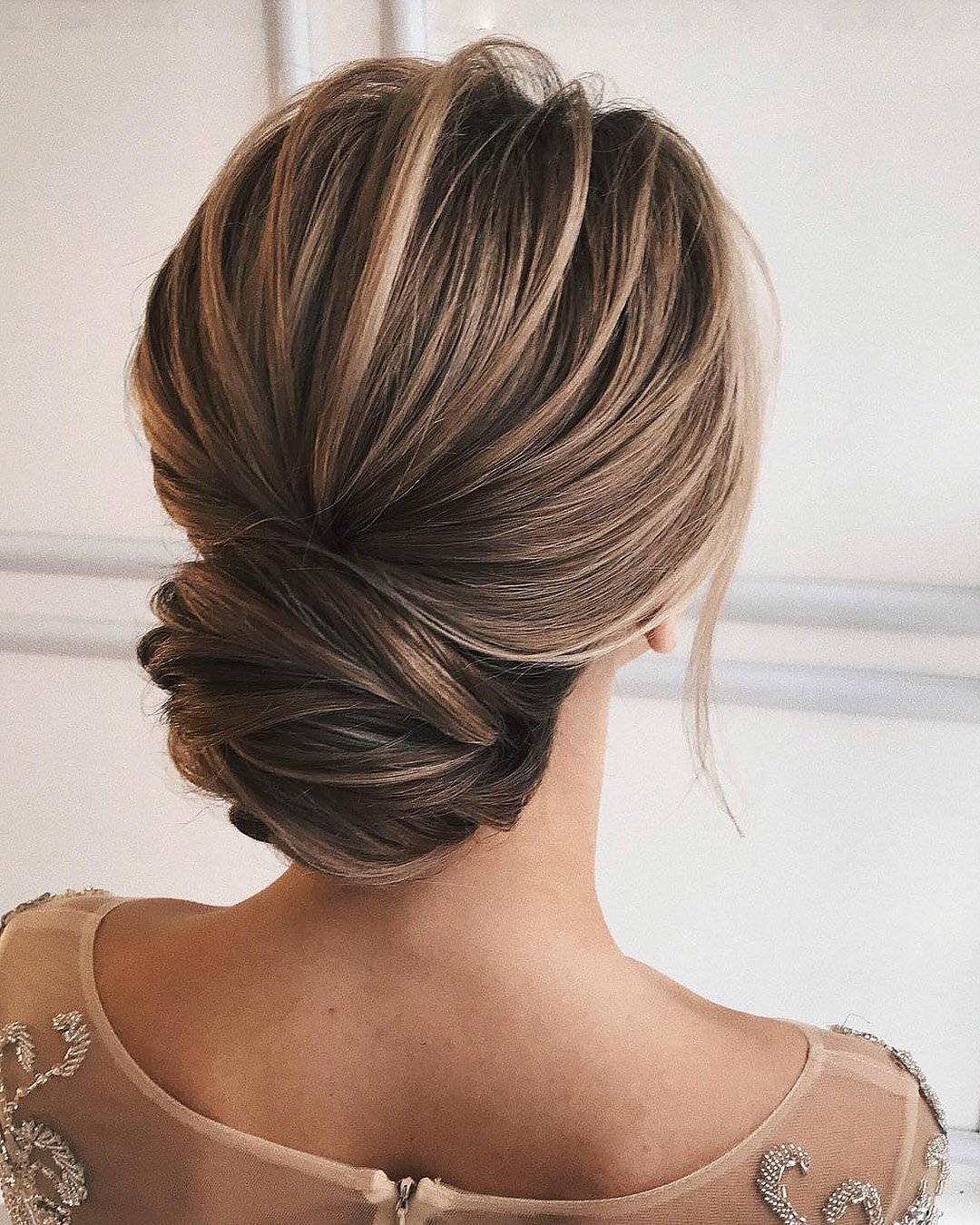


The shag haircut, with its signature layers and texture, is having a moment that shows no signs of fading. Curtain bangs and lived-in color have shifted the focus from sharp precision to a more relaxed, wearable finish.
This collection of 31 Simple Shag Hairstyles covers the range from collarbone cuts that air-dry in minutes to mid-back lengths with a polished blowout. Fine hair that falls flat, a fringe that won’t sit still, or a grow-out line that shows up too soon, each look here solves one of those problems without demanding a full salon day every month.
Mid-Back Shag With Face-Framing Layers And Curtain Bangs
A mid-back shag is long enough to feel substantial and layered enough to refuse to lie flat. The face-framing layers and curtain bangs draw attention to the cheekbones and jaw without committing to a full fringe. This works best on thick, wavy hair that can support the layers without going limp by noon. Ask your stylist for: mid-back shag, curtain bangs, face-framing layers.
For the wavy blowout, wrap sections around a large barrel curling iron, then break up the curls with your fingers. The hold is solid for a full day if you set it with a light-hold hairspray. Trim the baseline every six to eight weeks to keep the ends from looking straggly. The subtle lighter highlights add dimension so the layers read as intentional.
Voluminous Curly Mid-Back Shag In Platinum Blonde
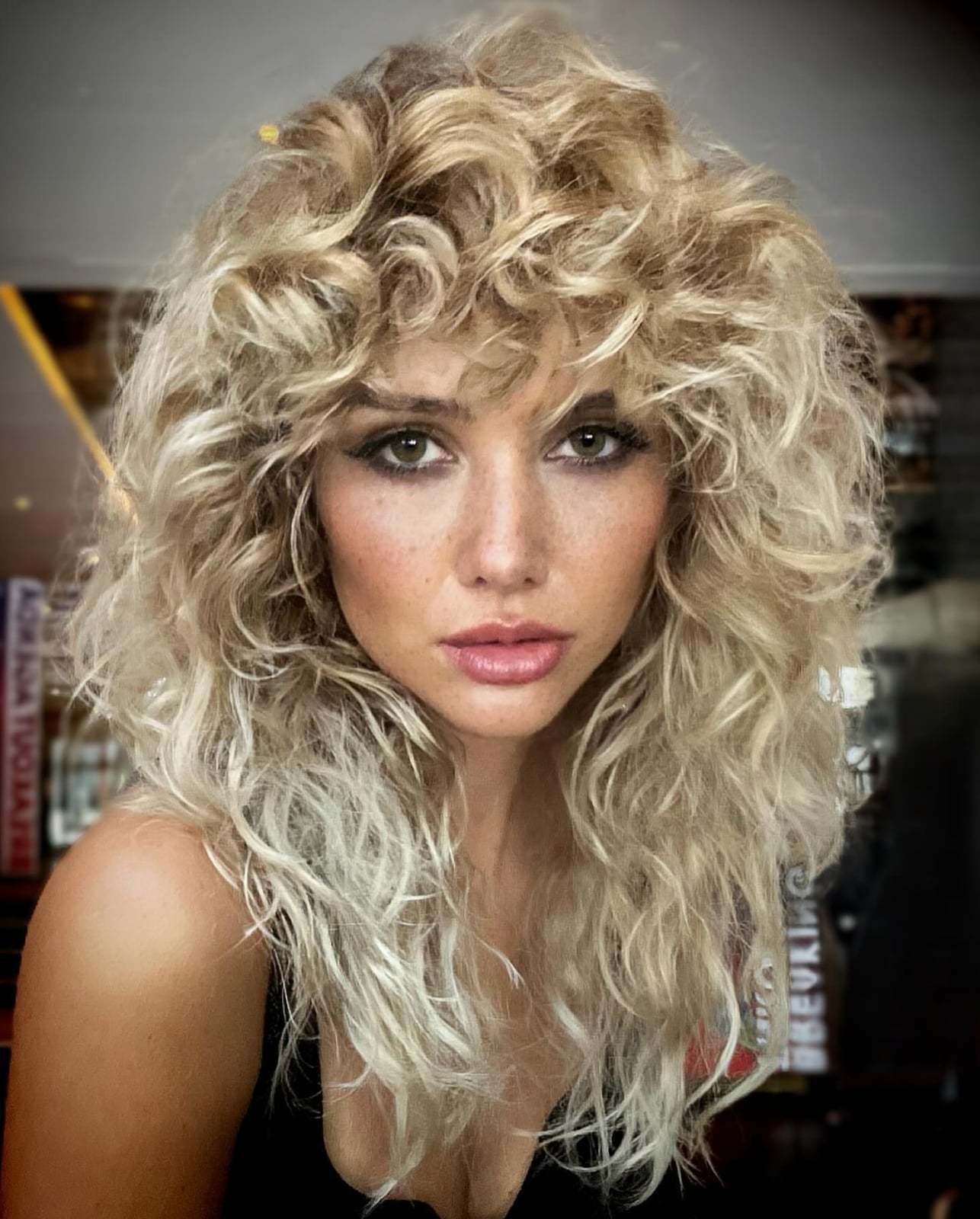
How does a curly shag hold volume without turning into a triangle? The answer is in the cut: a mid-back length that keeps weight at the ends while the layers remove bulk from the sides. The full fringe balances the width of the curls, especially for longer face shapes. This is a statement look, suited for a special event or a day when you want the hair to arrive before you do. Ask your colorist for: platinum blonde, voluminous curls, full fringe.
Apply a curl-defining cream to soaking wet hair, then diffuse on low heat, tilting your head to each side for root lift. The platinum requires a toning appointment every four to six weeks to keep it from veering into yellow territory. The middle parting lets the curls frame the face symmetrically, so the overall shape stays round and intentional.
Textured Collarbone Shag With Dark Blonde Balayage
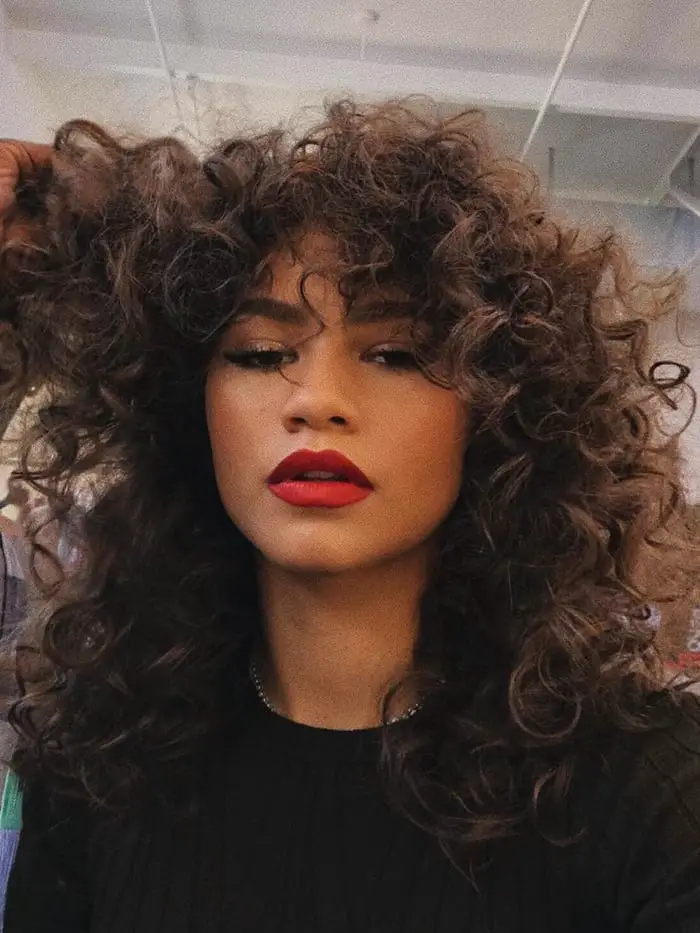
The dark blonde base with lighter painted pieces creates a lived-in effect that grows out without a harsh line. The textured waves add grip, so the style holds its shape through a workday. Ask your stylist for: collarbone shag, textured waves, balayage, soft curtain bangs. For the blowout, ask for a large round brush to smooth the roots and a texturizing spray at the ends for grit.
Dark Brown Collarbone Shag With Textured Blowout

It is not a blunt bob with a few layers thrown in. A collarbone shag with a textured blowout relies on the cut to do the work: the layers are cut into the shape, not added on top. The curtain bangs sweep to the sides, and the subtle lighter highlights catch the light so the movement reads even when the hair is still. This suits wavy, medium-density hair that can hold a bend without a curling iron. Ask your stylist for: collarbone shag, textured blowout, dark brown with subtle highlights, curtain bangs. Apply a smoothing serum before blow-drying for a polished finish, and trim every six to eight weeks to keep the layers distinct.
Shoulder Length Shag With Wispy Bangs Air Dried, Close-Up Take

The beauty of a shoulder length shag with wispy bangs is that it doesn’t demand a blowout to look deliberate. The middle parting and air-dried, textured finish let the medium-density waves do their own thing, with the slightly feathered ends keeping the shape from falling flat. This is a cut that suits most face shapes, thanks to the wispy bangs softening the forehead without committing to a full fringe. Ask your stylist for: shoulder length shag, wispy bangs, air-dried texture. To enhance the texture at home, scrunch in a texturizing spray on damp hair and let it dry naturally; a trim every six to eight weeks keeps the ends from looking straggly.
Collarbone Shag In Honey Blonde With Loose Waves
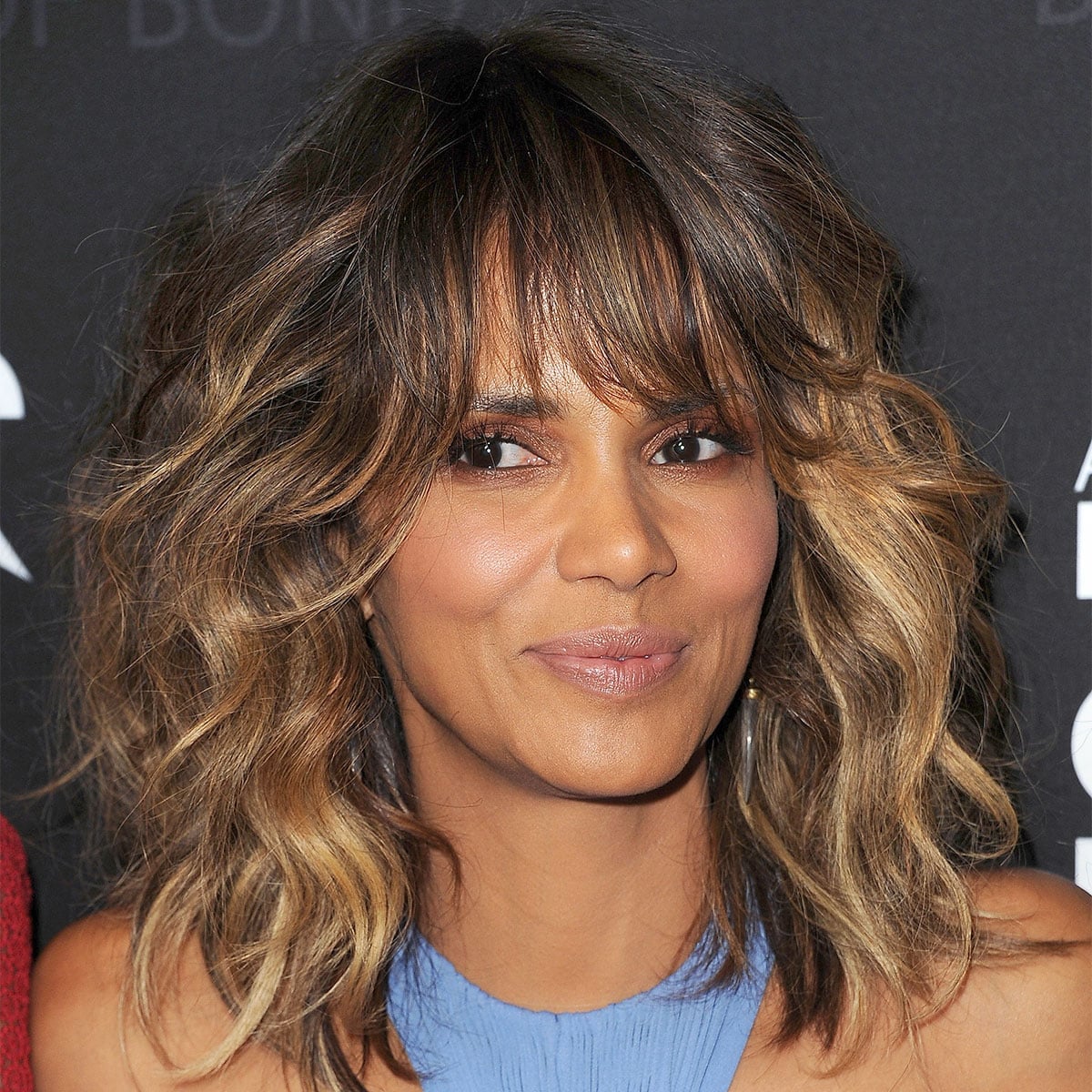
Does a shag ever look too heavy for warm weather? Not when it lands at collarbone length with loose waves and a honey blonde base threaded with highlights. The face-framing layers and soft curtain bangs keep the shape light, and the middle part lets everything fall where it should. Ask your stylist for a collarbone shag with loose waves and curtain bangs. A texturizing spray on damp hair, a quick scrunch, and the wave pattern sets without much effort. The baseline needs a trim every six to eight weeks to keep the ends from looking straggly. It is the kind of cut that looks polished at a backyard gathering but does not demand a full blowout to get there.
Collarbone Shag With Side Part And Wispy Bangs

The mistake people make with a side-parted shag is letting the wispy bangs get swallowed by the layers. This collarbone-length version in dark brown avoids that by keeping the wispy bangs distinct enough to read as deliberate. The textured, air-dried finish and medium-density waves give it a lived-in feel, but the side part needs a little attention to hold its volume.
Ask your stylist for a collarbone shag with wispy bangs and a side part. The trade-off: the side part can fall flat faster than a center part, so a dab of styling paste worked through dry ends keeps the separation intact. Trim the baseline every six to eight weeks, and the wispy bangs every four to six weeks so they do not become curtain bangs by accident.
Vibrant Red Collarbone Shag With Choppy Layers

A softer copper is a safer bet, but it also does not make the same statement. This collarbone-length shag in a vibrant red with choppy layers and short, piecey bangs is the version for someone who wants the color to do as much work as the cut. The straight texture with choppy ends lets each layer catch the light differently, which is what stops a solid red from looking like a single block of color. Ask your stylist for a collarbone shag in vibrant red with choppy layers and short piecey bangs. The middle part keeps the face-framing even, and the short bangs land above the brows so they do not compete with the layers. A color-safe shampoo and conditioner help the red hold its intensity between salon visits. The baseline needs a trim every six to eight weeks, and the color should be refreshed about every four to six weeks to avoid a coppery fade.
Ash Blonde Collarbone Shag With Textured Waves

The design of an ash blonde shag with textured waves works best when the hair already has some wave to it. The collarbone length keeps the weight manageable, and the wispy bangs and middle parting give the face-framing a softer edge than a blunt fringe would. Ask your stylist for a collarbone shag in ash blonde with wispy bangs and textured waves. Medium-density wavy hair is the sweet spot here: fine hair can look too sparse, and very thick hair can pouf out rather than wave. A sea salt spray on damp hair, a scrunch, and air-drying is enough to get the texture to show. Trim the baseline every six to eight weeks to maintain the shape. The subtle ash blonde highlights add dimension without demanding a toning appointment every three weeks.
Collarbone Shag With Full Fringe And Soft Waves

How do you ask for a full fringe that blends rather than sits like a separate piece? This collarbone-length shag in dark blonde with highlights shows the answer: the fringe is cut soft enough to merge with the waves, not blunt enough to fight them. The middle parting and blowout with soft waves give the shag layers a polished finish that still reads as relaxed. Ask your stylist for a collarbone shag with a full fringe and soft waves. The fringe should be cut to sit just above the brows with a slight inward curve so it moves with the hair rather than sitting flat. A round brush during blow-drying creates the soft wave pattern through the lengths. Trim the baseline and fringe every six to eight weeks to keep the proportions right. Medium wavy hair at collarbone length gives the shag enough weight to hold the wave without falling flat.
Dark Brown Collarbone Shag With Face-Framing Layers

Face-framing layers are the part of a shag that usually dies first. Every six to eight weeks, those soft pieces around your jaw start to feel more like a suggestion than a deliberate shape. A textured blowout buys you time: the grit and volume disguise the lag between trims. This collarbone-length cut uses curtain bangs with subtle highlights in dark brown to keep the dimension from going flat.
Ask your stylist for: collarbone shag, dark brown, curtain bangs, face-framing layers. Wavy, medium-density hair at collarbone length is the ideal starting point. Apply a texturizing spray to damp hair before blow-drying for added grip, and expect the layers to soften as they grow. A trim every six to eight weeks keeps the baseline sharp and the face-framing effect intact.
Ash Blonde Mid-Back Shag With Lived-In Color

Lived-in color is a technical way of saying the roots are allowed their own life. In this mid-back shag, the ash blonde base is painted with subtle highlights that never reach the scalp, so the grow-out line stays soft for about eight weeks. The curtain bangs and wavy blowout work with the layered cut to keep the movement visible even as the color fades.
Ask your colorist for: mid-back shag, ash blonde, curtain bangs, lived-in highlights. Thick, wavy hair at mid-back length carries the layers without losing shape. On a casual day, a dry shampoo at the roots refreshes the volume and the matte texture that makes this color appear deliberate. A trim every six to eight weeks maintains the baseline.
Dark Brown Collarbone Shag With Blonde Highlights
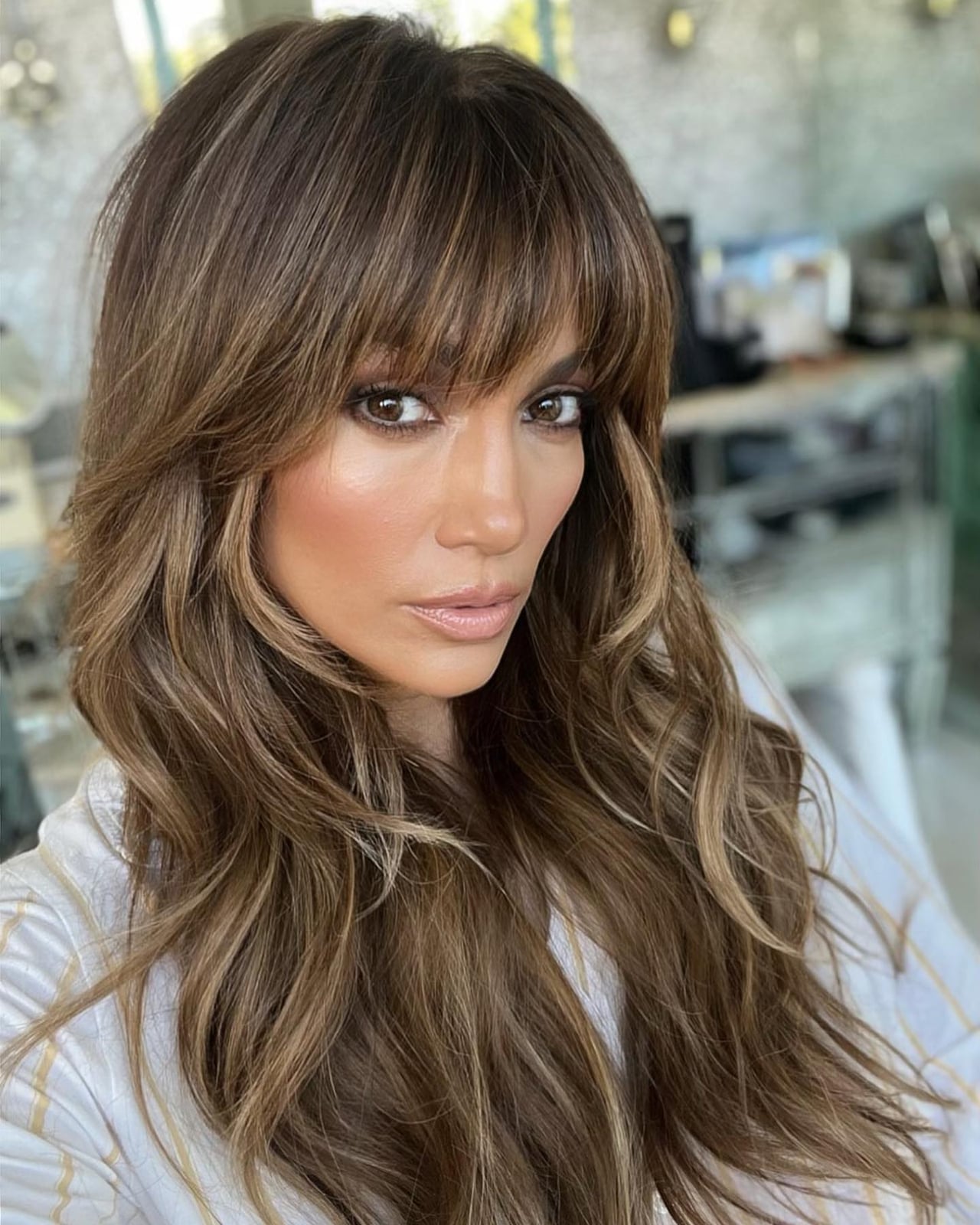
The mistake with blonde highlights on dark brown is assuming they will stay cool on their own. A purple shampoo once a week keeps the lighter pieces from turning brassy, especially around the face-framing layers and curtain bangs of this collarbone shag. The wavy texture and middle parting help the highlights scatter naturally rather than sit in heavy bands. Ask your colorist for: collarbone shag, dark brown with blonde highlights, curtain bangs, face-framing layers. One real drawback: without the purple shampoo, expect a warm shift within three weeks, which may be exactly what you want or a surprise you could have avoided.
Short Ear Length Shag With Full Fringe

Fine, wavy hair at ear length often sits too flat to feel like a shag. The full fringe and textured layers in this dark brown cut add visual weight where the hair lacks density. Ask your stylist for: short shag, ear length, dark brown, full fringe. A texturizing paste on dry hair defines each layer and keeps the fringe from turning into a solid block. Trim the baseline and the fringe every four to six weeks; the shorter the cut, the faster the shape evaporates.
Collarbone Shag With Honey Blonde Root Shadow

A root shadow on a honey blonde shag is a pact with your calendar: you skip a toning appointment and nobody notices. The darker base grows in without a sharp line, so the lived-in effect lasts about eight weeks before the contrast gets too wide. This collarbone-length cut uses soft curtain bangs and a middle parting, with fine wavy texture that air-dries well with a texturizing spray.
Ask your colorist for: collarbone shag, honey blonde root shadow, soft curtain bangs. The root shadow adds depth to the lighter lengths without the commitment of a full base color. A trim every six to eight weeks keeps the shape and the soft waves in proportion.
Copper Red Collarbone Shag With Wavy Blowout
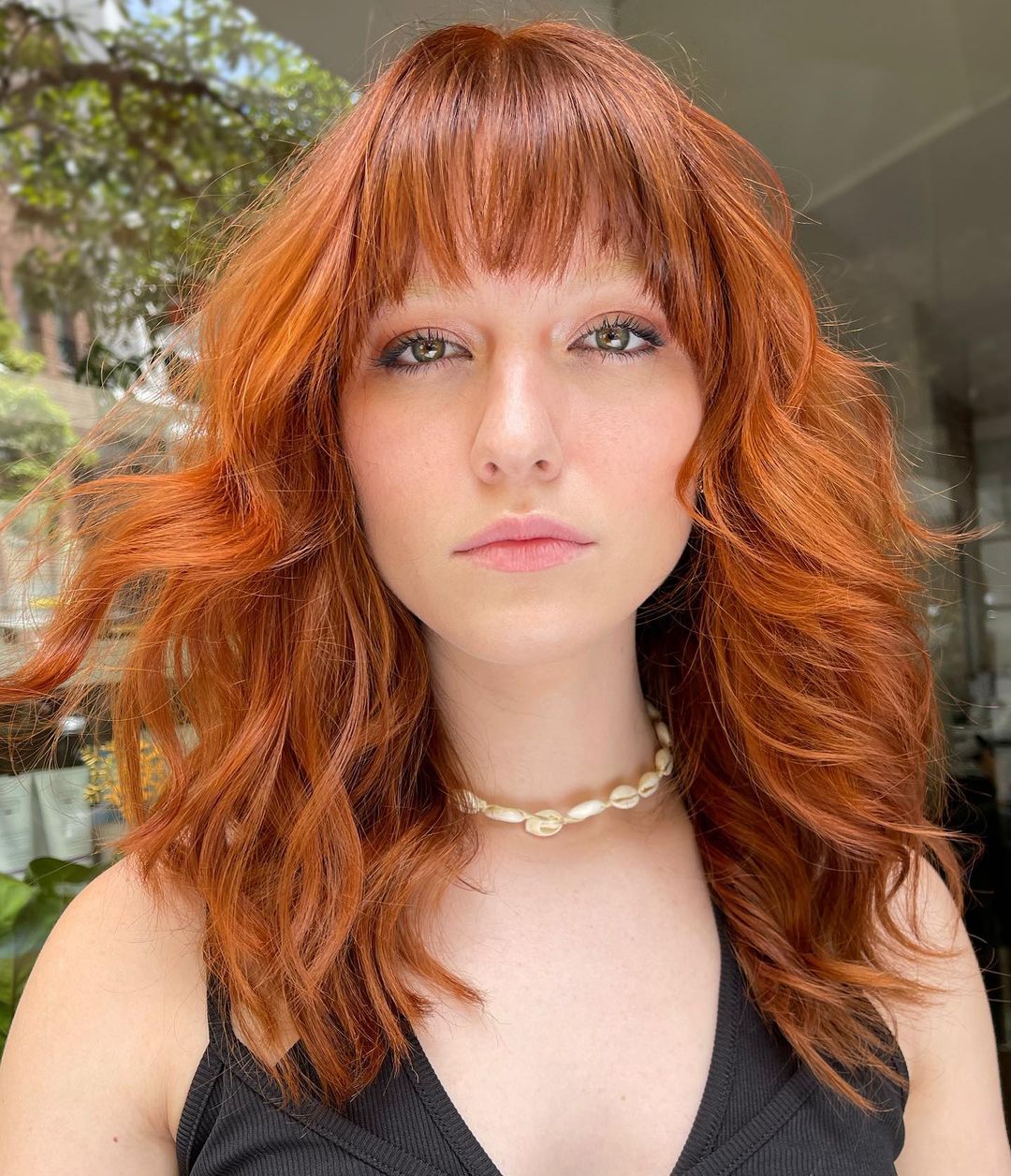
Why does copper red look so right when the leaves turn? The warm pigment plays off autumn light without competing with it, and the shag’s wavy blowout adds enough movement to keep the color from feeling flat. This collarbone-length cut uses curtain bangs to break up the density, so the copper has dimension. Ask your colorist for: collarbone shag, copper red, curtain bangs. Thick, wavy hair at this length holds the wave pattern well, and the middle parting helps the color hit evenly on both sides. A color-safe shampoo and conditioner will protect the vibrancy, and a baseline trim every six to eight weeks keeps the shape clean.
Vibrant Copper Mid-Back Shag With Textured Blowout

A textured blowout on a shag is about controlled disorder. The layers are cut to stack through the mid-back length, so when you blow-dry with a round brush, the shorter pieces lift at the crown while the longer ones fall in soft curves. The vibrant copper base gets lighter, lived-in highlights painted through the midsection, which keeps the color from looking too solid against the texture. Ask your colorist for: mid-back shag, vibrant copper, curtain bangs. Thick, wavy hair at this length supports the volume needed for the blowout to hold its shape.
The middle parting works here because the curtain bangs frame the face without competing with the layers behind them. A heat protectant is non-negotiable during the blowout, copper pigments fade faster than natural tones, and direct heat accelerates that loss. A trim every six to eight weeks prevents the long layers from losing their stack.
Mid-Back Long Shag With No Bangs And Loose Waves

A long shag without bangs relies entirely on the layer distribution to create shape. This mid-back cut uses graduated layers that start around the chin and continue through the length, so the hair moves in sections rather than one solid sheet. Ask your stylist for: mid-back long shag, no bangs, loose waves. Thick, wavy hair at this length benefits from the weight removed through the layers, the hair bends naturally at the shortest points, creating the wave pattern without extra heat.
The air-dried finish is the point here. Apply a texturizing spray to damp hair and scrunch upward, then let it dry without touching it. A trim every six to eight weeks keeps the layers from blending into each other, which dulls the shape.
Collarbone Shag With Soft Waves And Face-Framing Layers
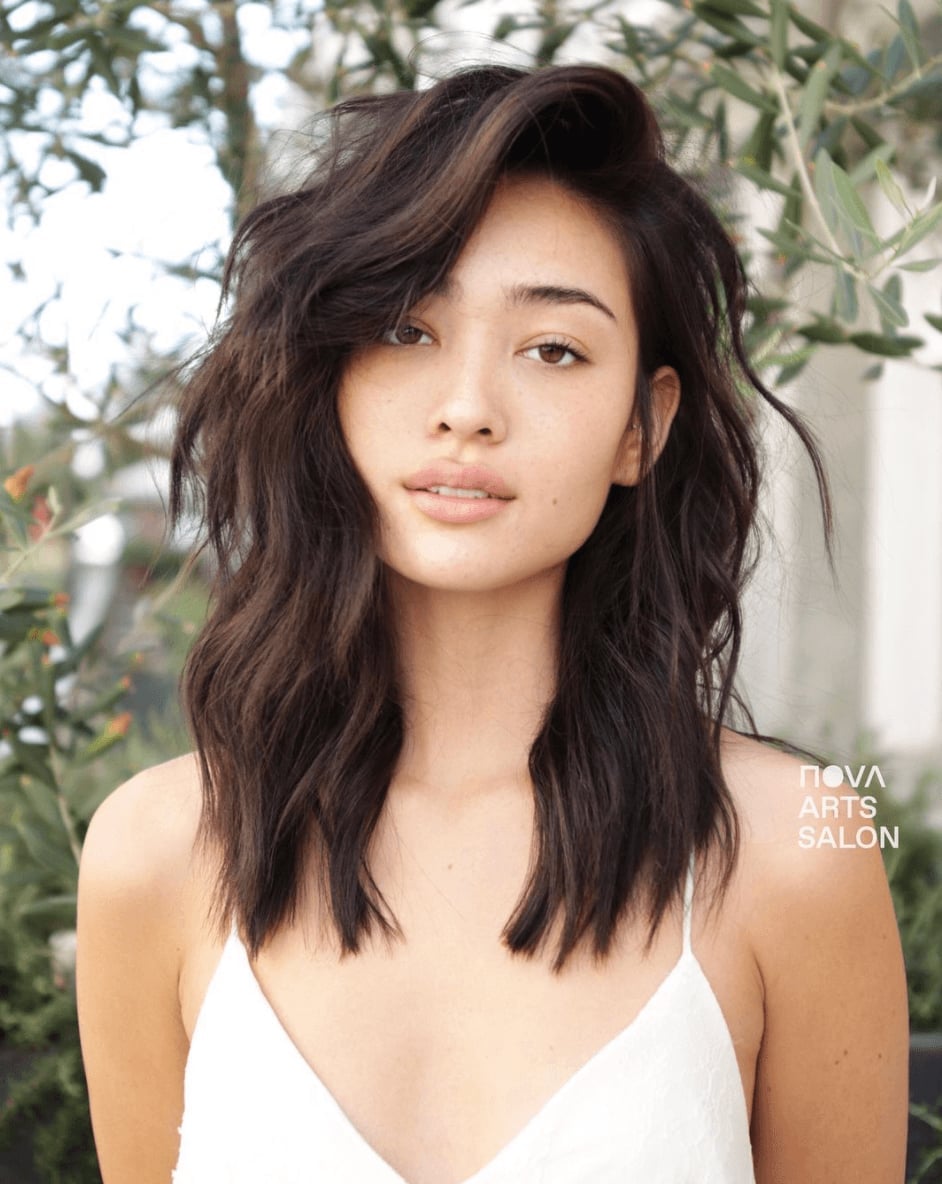
This collarbone shag sits right between a traditional layered cut and a true shag. The face-framing layers are cut shorter than the rest, sweeping away from the cheeks, while the curtain bangs soften the transition at the top. It is not a heavy shag with choppy ends. The soft wave blowout keeps everything polished. Ask your stylist for: collarbone shag, dark brown, soft waves, curtain bangs. Wavy, medium-density hair at this length holds the shape without needing much product. A smoothing serum before blow-drying reduces flyaways around the face-framing sections. Trim the baseline every six to eight weeks, and consider a gloss treatment every fourth week to keep the dark brown color looking rich rather than flat.
Mid-Back Shag With Dark Blonde Balayage

A mid-back shag with balayage solves the grow-out problem before it starts. The dark blonde base is hand-painted from mid-length to ends, leaving the roots untouched, so there is no harsh line when the color moves down. The wavy blowout style enhances the graduated layers, with curtain bangs softening the front. Ask your colorist for: mid-back shag, dark blonde balayage, curtain bangs. Thick, wavy hair at this length carries the color well because the texture reflects light at different angles, making the balayage look multidimensional.
A texturizing spray on dry hair adds grit and separates the layers, which is useful when the waves relax during the day. A toning appointment every eight to ten weeks keeps the dark blonde from warming up too much, and a baseline trim every six to eight weeks maintains the shag’s shape.
Collarbone Shag With Dark Blonde Balayage And Waves and Curtain Bangs
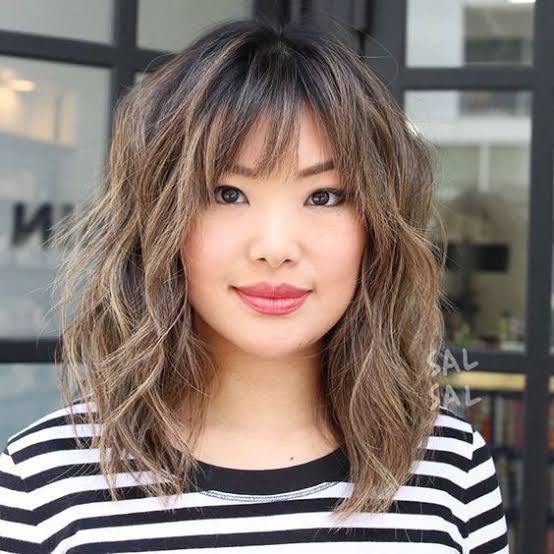
A collarbone shag with dark blonde balayage and soft curtain bangs is the difference between a solid color that grows out in a harsh line and a lived-in finish that fades gracefully. The balayage placement means the lighter pieces hit around the cheekbones and shoulders, pulling attention upward without a root line that demands monthly attention. This cut suits wavy, medium-density hair that can handle the choppy layers without turning into a triangle. Ask your stylist for a collarbone shag with dark blonde balayage and curtain bangs. A sea salt spray on damp hair, scrunched, and left to air-dry gets you the natural wave without a heat tool.
Mid-Back Shag With Balayage And Face-Framing Bangs and Loose Waves
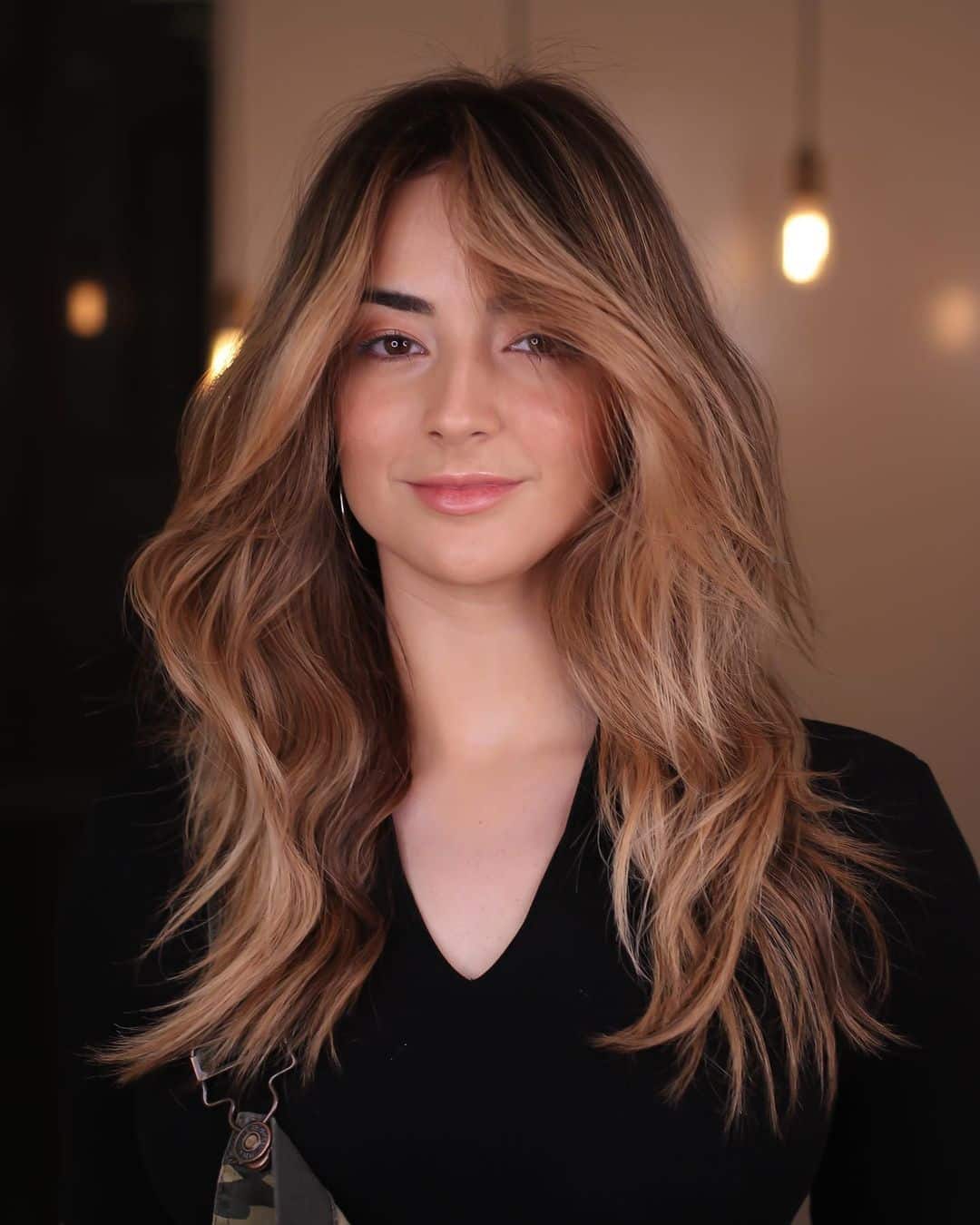
Can thick, wavy hair wear a shag without looking like a puffball? Yes, if the length stays at the mid-back and the balayage color melt does the work of breaking up the density. The warm brown base shifts into lighter tones through the ends, so each wave has a distinct ribbon of color that stops the mass from reading as one solid block. The long face-framing bangs keep the front light, which is key for anyone whose hair tends to weigh down around the jaw.
This cut needs a stylist who understands how to carve out weight from the interior without shortening the overall length. A texturizing spray on dry hair adds the grit that keeps loose waves from falling flat by midday. The baseline needs a trim every six to eight weeks; the balayage can stretch to twelve before the grow-out feels noticeable.
Collarbone Shag With Side Part And Wispy Bangs, Close-Up Take

A side view of a collarbone shag reveals exactly how the layers stack: shorter pieces at the crown, longer ones grazing the collarbone, and wispy bangs swept to the side that soften the entire silhouette. The ash blonde base with lighter highlights adds dimension without the high-contrast upkeep of a full bleach. The downside is that the wispy bangs need reshaping every three to four weeks, or they start looking more accidental than deliberate. Ask your stylist for a collarbone shag with ash blonde highlights, wispy bangs, and a side part. A dab of styling paste through the ends defines the layers and keeps the side-swept bangs in place.
Collarbone Shag With Ash Blonde Highlights And Curtain Bangs
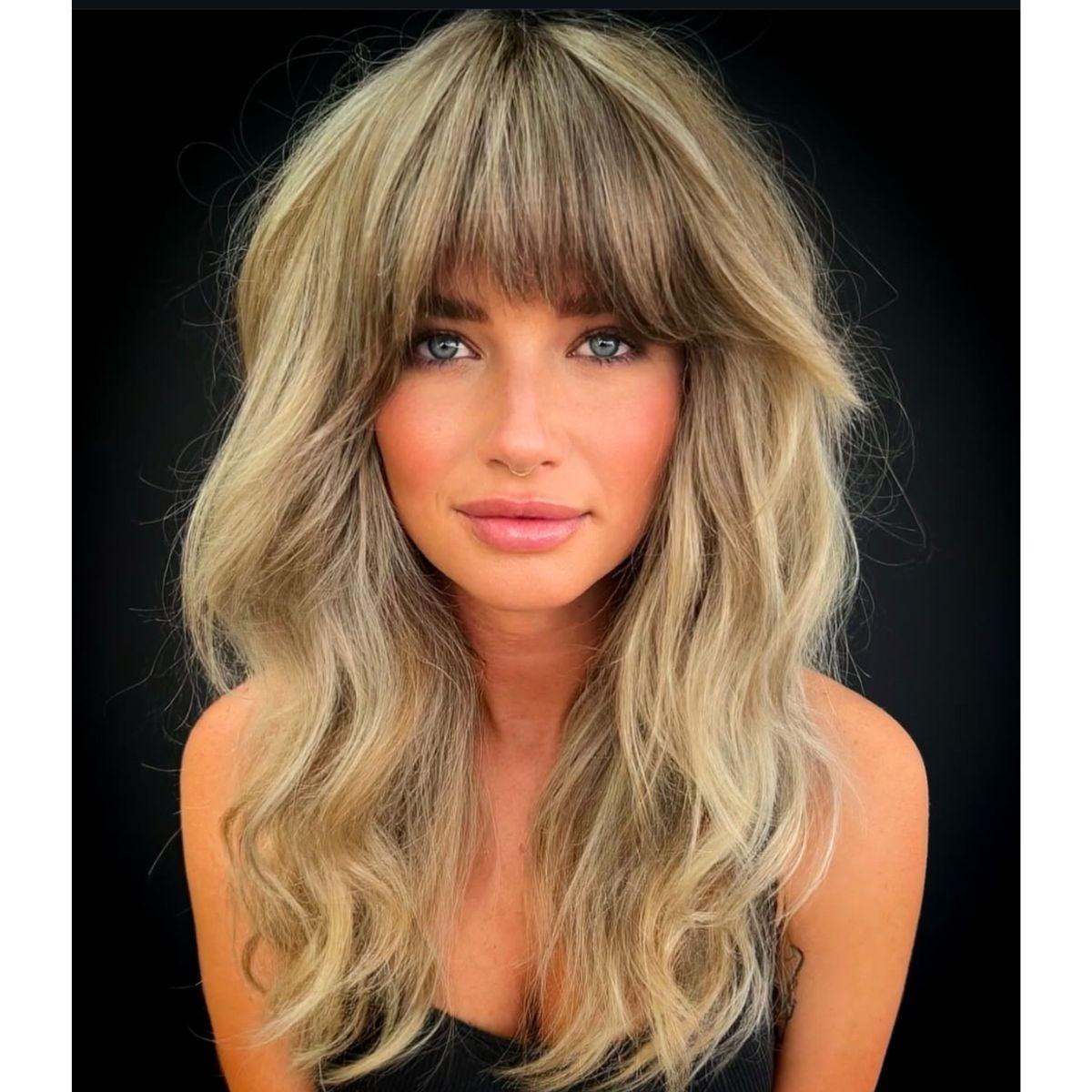
Curtain bangs on a collarbone shag require a trim every three weeks to keep that soft, face-framing shape from hiding the cheekbones. The ash blonde base with lighter highlights gives the waves a glossy finish, but the cool tones mean a purple shampoo once a week to keep brassiness at bay.
Thick, wavy hair holds the loose wave pattern best here, because the hair helps the curtain bangs fall open. A texturizing spray on dry hair adds the grip that stops the waves from dropping into a flat, stringy mess by the afternoon. The baseline can stretch to eight weeks between trims, but the bangs are the part that needs the regular date with the scissors.
Collarbone Shag With Caramel Highlights And Side Part
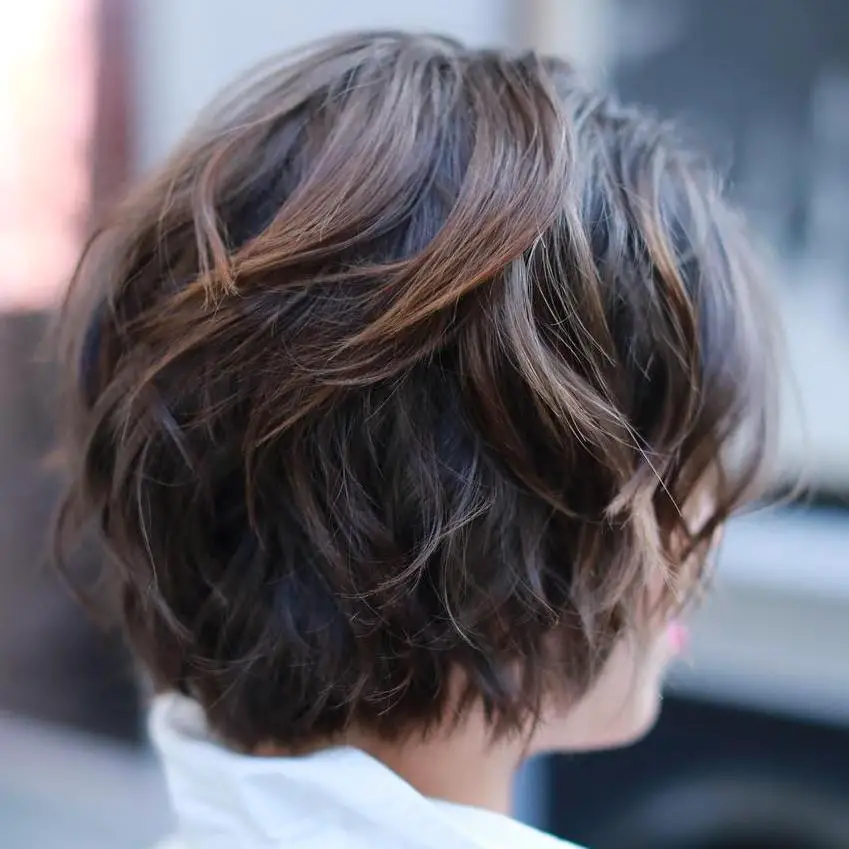
Why does a dark brown shag with caramel highlights feel right for fall? The warm streaks against the deep base mimic the way sunlight hits auburn leaves, which is exactly the kind of low-commitment color shift that works when you are not ready to go full copper. The collarbone length with a side part and no bangs keeps the silhouette clean, so the caramel highlights have room to show up in the waves rather than getting lost in a fringe. Ask your colorist for a collarbone shag with dark brown base and caramel highlights and a side part. This one works best for medium-density wavy hair that can hold the loose wave pattern without a lot of product, making it a solid choice for a busy week.
Collarbone Shag With Choppy Layers And Curtain Bangs
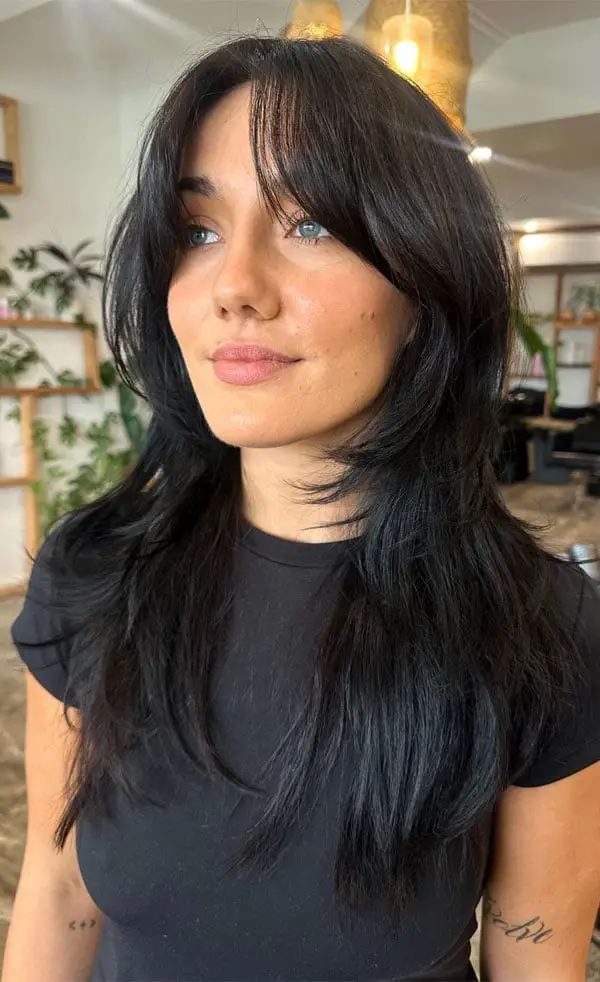
Choppy layers in a shag create a deliberate separation that looks like movement, not damage. On this collarbone-length cut in dark brown, the layers are concentrated around the face and through the mid-lengths, so the curtain bangs blend into the body of the hair instead of sitting as a separate piece. The middle part and soft blowout keep the finish polished but not rigid, which is the whole point. Standard face-shape advice: curtain bangs soften round and oval faces, and the collarbone length elongates a round face nicely.
Ask your stylist for: collarbone shag, dark brown, choppy layers, curtain bangs. Apply a texturizing spray to damp hair before blow-drying for added grit. Trim the baseline every six to eight weeks to keep the choppy ends from looking ragged.
Collarbone Shag With Dark Blonde Balayage And Waves, Close-Up Take
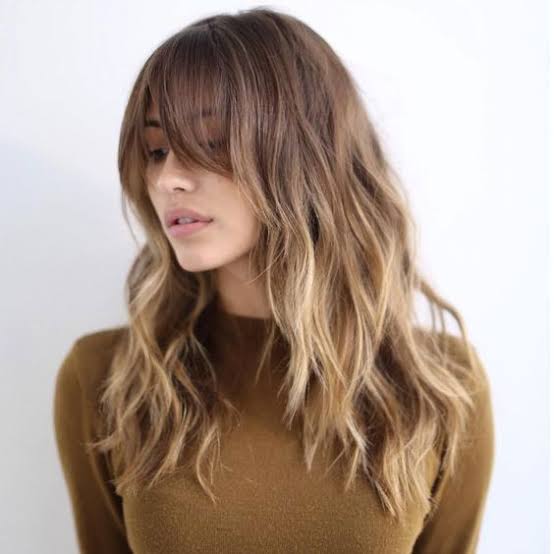
The mistake people make with a shag this long is treating the face-framing layers as an afterthought. They are not. On this collarbone-length dark blonde with balayage, the curtain bangs and face-framing pieces are the whole structure; if they grow past the collarbone, the shag shape collapses into a shapeless mullet. The loose waves and middle part keep the weight distributed, but those front sections need a trim every six weeks to stay precise. The downside: because the balayage is painted onto the face-framing layers, those pieces fade faster than the rest, so a gloss or toner every eight weeks keeps the dimension from looking flat.
Ask your stylist for: collarbone shag, dark blonde balayage, curtain bangs, face-framing layers.
Collarbone Shag With Air Dried Waves And Fine Texture

This collarbone-length shag in dark brown with subtle lighter pieces is built for fine, wavy hair that goes flat the second you touch it with a brush. The air-dried soft waves and middle part let the natural texture do the work, and the curtain bangs add volume around the face without needing heat. Fine hair drapes differently than thick hair: the layers sit closer to the head, so the shag reads more as texture than as a disconnected shape. Apply a texturizing spray or mousse to damp hair and scrunch, then walk away. Trim every six to eight weeks to prevent the fine ends from splitting up the layers.
Ask your stylist for: collarbone shag, dark brown, curtain bangs, air dried waves.
Short Ear Length Shag With Choppy Layers
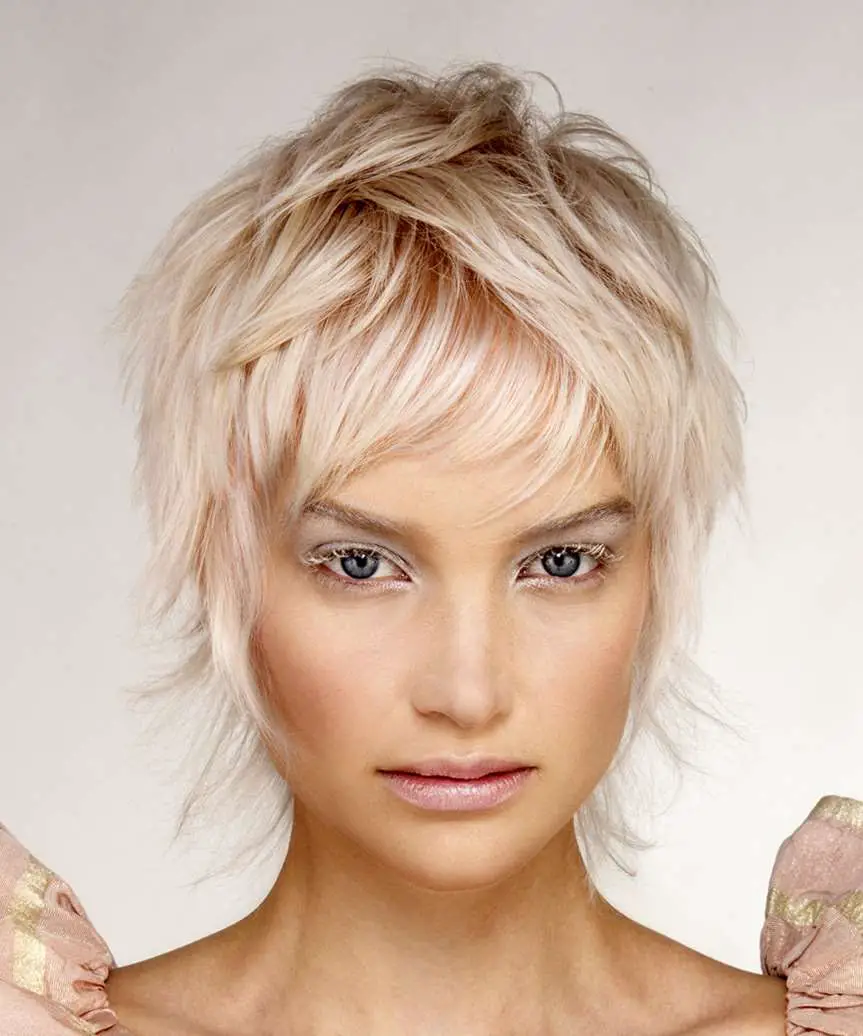
How much time does this short shag take? About three hours in the chair for the initial cut and color, then a trim every four to six weeks. The ear-length ash blonde base with subtle highlights needs the precision of a salon cut because the choppy layers and curtain bangs rely on sharp angles; a DIY attempt usually ends with one side shorter and a fringe that refuses to lie flat. At home, use a texturizing paste or wax on dry hair to define the layers, but the shape itself is not a bathroom-mirror job.
Ask your stylist for: short shag, ear length, ash blonde, choppy layers, curtain bangs.
Dark Brown Collarbone Shag With Face-Framing Layers, Close-Up Take

A dark brown shag at collarbone length with curtain bangs and face-framing layers relies on the blowout to define the shape. The wavy, medium-density texture here is styled with a subtle blowout and a middle part, which pushes the face-framing pieces forward instead of letting them fall flat against the cheeks.
Ask your stylist for: collarbone shag, dark brown, curtain bangs, face-framing layers. Apply a texturizing spray to damp hair before blow-drying for added grit. Those front layers need a trim every six to eight weeks, or they hit the collarbone and the shag shape turns into a regular layered bob.
Mid-Back Long Shag With Full Bangs And Balayage

What separates a long shag from a one-length haircut is how the layers work together, and here the full bangs and face-framing pieces are cut to land at different points along the jaw and collarbone. That graduation keeps the mid-back length from feeling heavy, while the dark brown base with a soft balayage adds dimension without a harsh root line. The loose waves are set with a large-barrel iron, then broken up with fingers for a relaxed finish.
Thick, wavy hair starting at the mid-back works well with this cut, and the full bangs can balance a longer face shape. Ask your stylist for: mid-back long shag, dark brown balayage, full bangs. Apply a texturizing spray on dry hair for added grit; trim the baseline every six to eight weeks.
Final Thoughts
If you want a low-maintenance shag, keep the cut at collarbone or shoulder length with minimal internal layers and a wispy or curtain fringe that air dries without a fight. Fine hair benefits from a blunt baseline with soft face-framing pieces, while thick hair can handle more aggressive layering to remove weight. The shag works because it relies on texture, not perfect styling, so lean into what your hair does naturally.
- Trim the baseline every six to eight weeks to maintain the shag’s shape.
- Tone blonde shags every 4-6 weeks to keep highlights fresh.
- Use a texturizing spray or sea salt spray on dry hair for enhanced grit.
- Allow air-drying or use a diffuser for maximum natural texture.
Embrace the shag’s inherent texture and movement for an effortlessly stylish look.