


The wolf cut is a shag-meets-mullet hybrid that layers shorter pieces around the crown and longer ones through the back, creating a shape that lives somewhere between structured and undone. This season, the trend has settled into simpler, more wearable versions that lean on lived-in texture and soft face-framing layers rather than extreme length gaps.
This collection of 29 simple wolf cut ideas covers everything from collarbone lengths to mid-back lengths, with options for fine hair that tends to fall flat, a visible grow-out line, or a fringe that won’t sit still. Each version prioritizes natural movement and low-maintenance upkeep, so the shape works with your texture rather than against it.
Thick Black Collarbone Wolf Cut With Wispy Bangs
This cut is built on a direct trade-off: the choppy layers need density to hold their shape, and thick, straight black hair delivers exactly that. The collarbone length keeps the wolf cut wearable rather than extreme, while the wispy bangs and middle parting prevent it from reading as too heavy. Thick hair types that can support the weight of the layers without collapsing will get the most mileage here. Ask your stylist for: collarbone length wolf cut, wispy bangs, middle part. A texturizing spray at the ends emphasizes the separation between layers, and a trim every six to eight weeks keeps the shape from turning into a blunt blob.
Collarbone Shaggy Wolf Cut With Wavy Texture
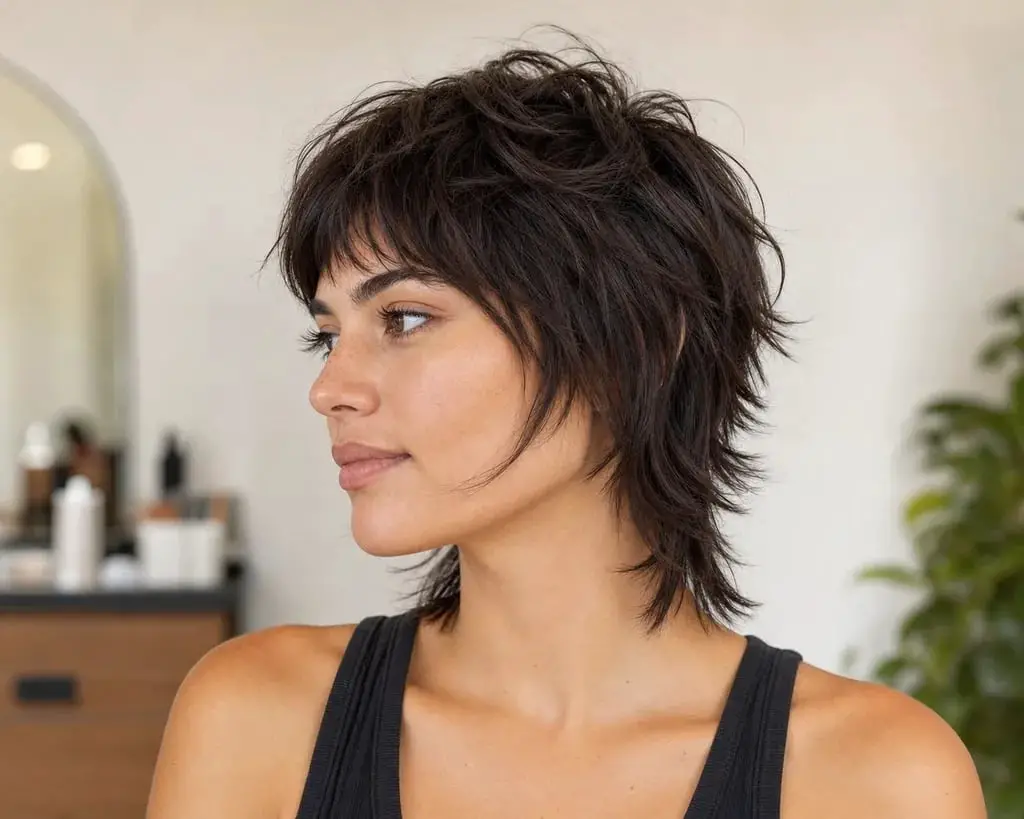
This version trades the density requirement for a looser, more undone feel, but fine hair has a limit on how much volume it can fake. The shaggy layers and wispy fringe are cut to create movement, and the middle parting helps distribute the weight evenly. Fine, wavy hair may need a wave-enhancing cream to get the full shag effect without falling flat by midday. Ask your stylist for: shaggy collarbone wolf cut, wispy fringe, middle part. It softens round and oval face shapes by adding texture around the jaw without adding bulk.
Medium Brown Wolf Cut With Caramel Highlights

Wondering when a wolf cut stops feeling like a trend and starts looking like a seasonal staple? Around the time the leaves change, this one lands. The medium brown base with subtle caramel highlights adds warmth without a full color commitment, and the wispy bangs and soft face-framing layers keep the shape from feeling too heavy for the shorter days. Ask your stylist for: collarbone wolf cut, wispy bangs, caramel highlights. Medium density, naturally wavy hair is the sweet spot here; the layers move without losing structure.
Ash Blonde Collarbone Wolf Cut With Blowout
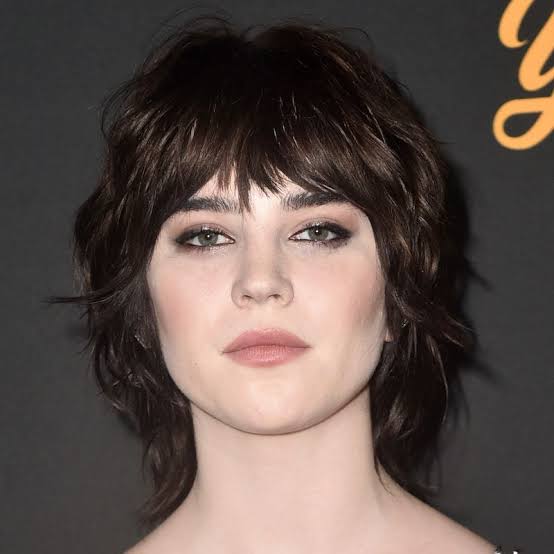
The blowout is what separates this wolf cut from the air-dried versions. The face-framing layers are cut to catch the round brush motion, creating volume that lifts at the crown and sweeps the curtain bangs away from the eyes. The ash blonde base with subtle highlights adds dimension without looking stripey.
Ask your stylist for: collarbone wolf cut, ash blonde, curtain bangs, soft blowout. Medium density, wavy hair holds the shape best, and the blowout technique requires directing the brush outward from the middle parting to maximize the lift.
Effortless Ash Blonde Wolf Cut With Curtain Bangs

The key detail here is how the curtain bangs blend into the face-framing layers: they start shorter at the center and graduate into the collarbone length without a hard line. The ash blonde with subtle highlights keeps the tone cool, and the textured waves add the separation that defines the wolf cut. Ask your stylist for: collarbone wolf cut, ash blonde, curtain bangs, textured waves. This combination works best on medium density, wavy hair that can air-dry into the shape without needing a round brush.
Fine Ash Blonde Wolf Cut With Choppy Layers

Fine hair needs structure to hold a shape, and choppy layers are the trick. This collarbone-length wolf cut in ash blonde uses curtain bangs and a middle parting to add fullness. Ask your stylist for: collarbone wolf cut, ash blonde, curtain bangs, choppy layers. A volumizing mousse at the roots before air drying gives the fine texture enough grip. Plan a trim every six to eight weeks to keep the layers sharp rather than stringy.
Ash Blonde Collarbone Wolf Cut With Root Shadow

A solid ash blonde demands a toning appointment every four weeks, which is a commitment. This collarbone wolf cut trades that for a visible root shadow, so the grow-out becomes a feature. The wispy bangs and shaggy layers keep the air-dried texture looking intentional. Ask your stylist for: collarbone wolf cut, ash blonde root shadow, wispy bangs. A softer maintenance schedule wins over a full bleach-and-tone approach. A light mist of texturizing spray is all the styling it needs.
Dark Brown Wolf Cut With Face-Framing Layers

The face-framing layers in this cut start around the cheekbones and carve out a V-shape that softens a square jaw. Dark brown hair with subtle lighter strands woven through prevents the cut from reading as flat. Ask your stylist for: collarbone wolf cut, dark brown, face-framing choppy layers. This shape works best on medium-density wavy hair that can hold the layered movement. A middle parting keeps the balance even, and a small amount of smoothing cream through the ends tames any flyaways.
Collarbone Wolf Cut With Textured Ends
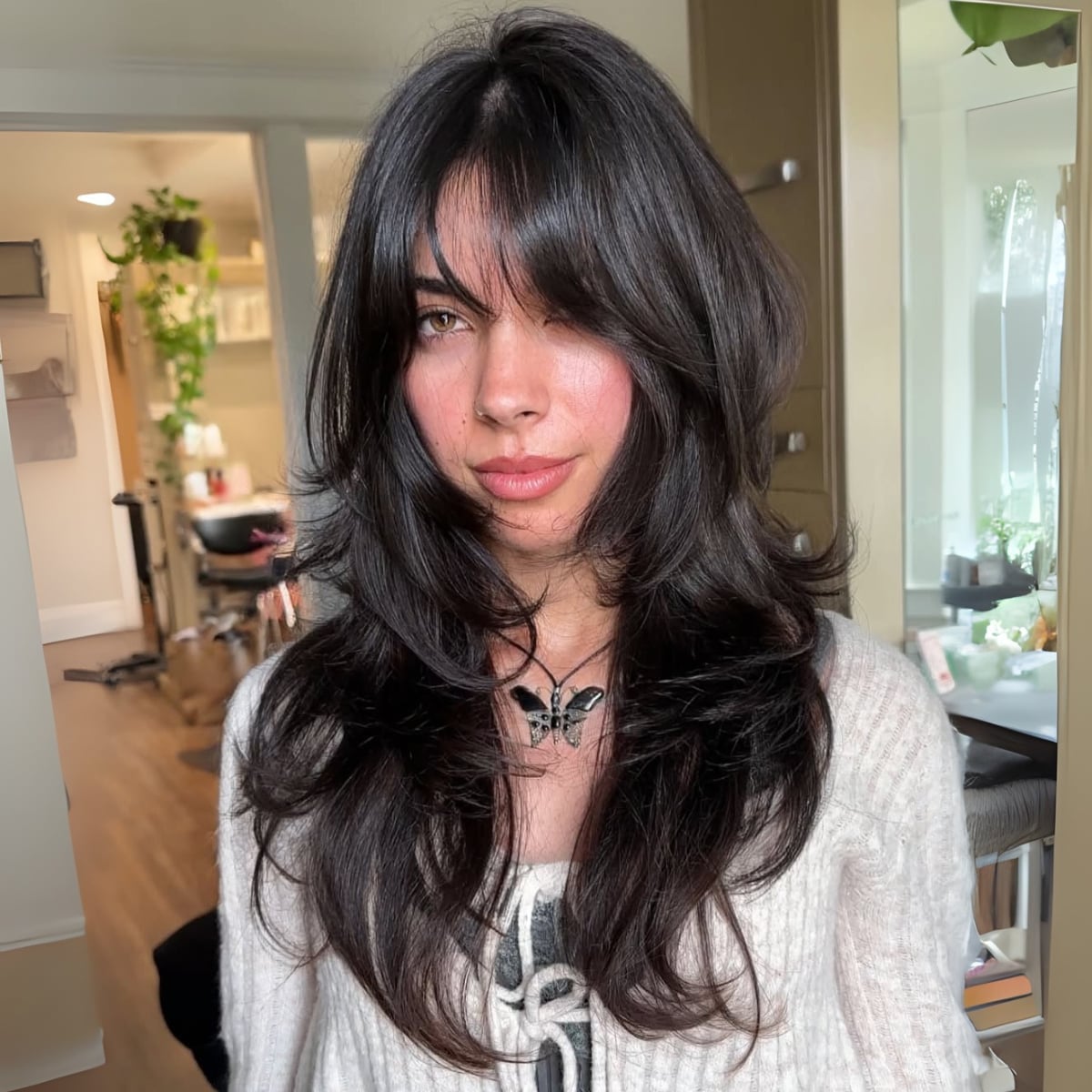
Can you get a wolf cut without bangs? Yes, and this version proves the point. The collarbone length and choppy layers create the signature shape, while the side parting and textured ends offer a softer entry point. Ask your stylist for: collarbone wolf cut, no bangs, textured ends. The grow-out phase is forgiving because the layers blend into the length without requiring a precise bang trim. A texturizing spray on dry hair revives the wavy texture between washes, and a trim every six to eight weeks keeps the ends from looking ragged.
Dark Brown Collarbone Wolf Cut With Shaggy Bangs

Shaggy bangs and choppy layers make this wolf cut a natural fit for festival season, but it layers just as well under a fall coat. The dark brown base with subtle highlights adds depth without a full color commitment. Ask your stylist for: collarbone wolf cut, dark brown, shaggy bangs, side part. The side parting pushes the bangs to one side, creating a lived-in sweep that works with air-dried texture. A smoothing serum through the ends keeps the waves defined without frizz.
Dark Brown Wolf Cut With Auburn Highlights
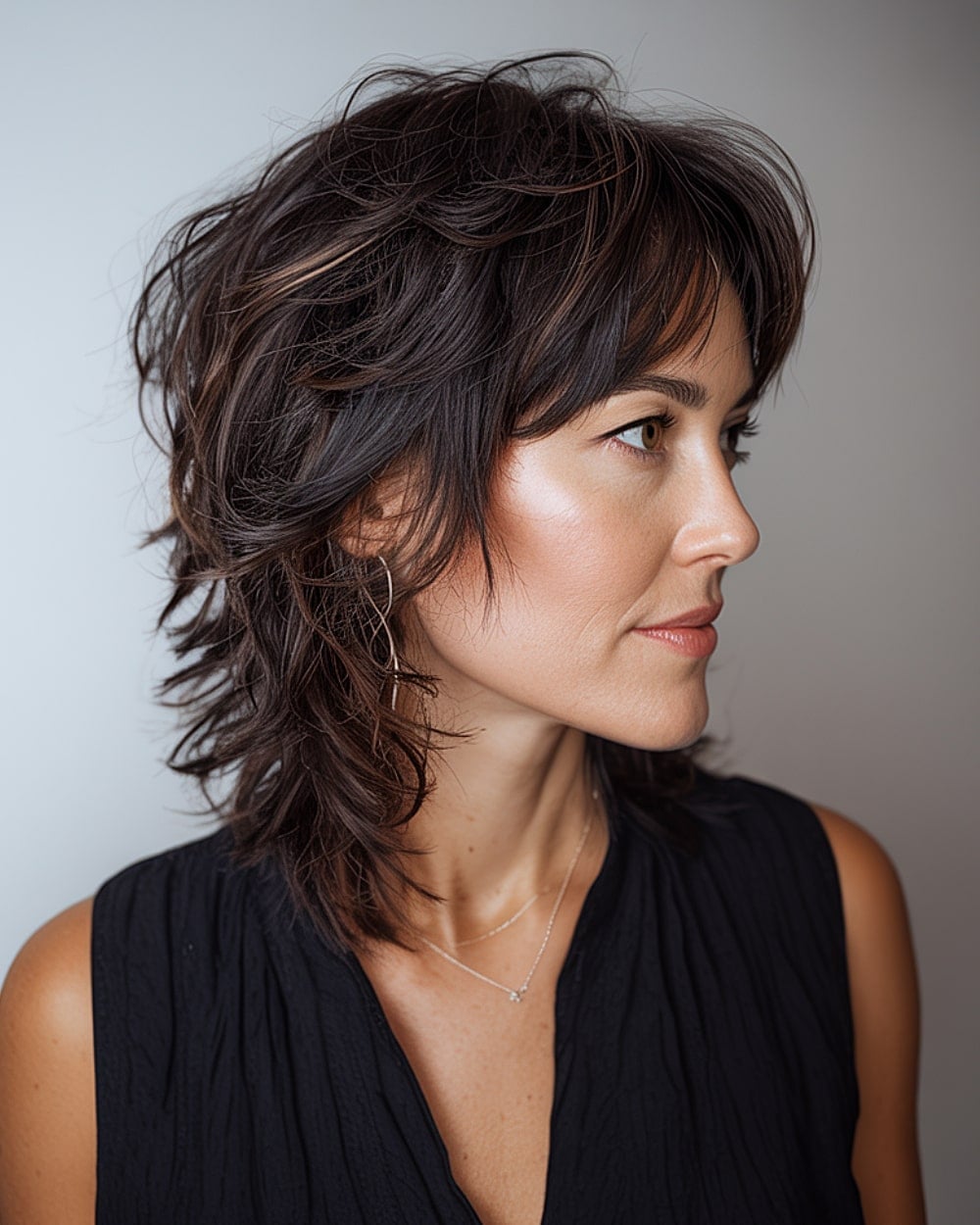
Design-wise, this wolf cut builds its shape from choppy layers that land at the collarbone, with the auburn highlights placed to trace each cut line. The thick, wavy texture keeps the silhouette from looking flat, and the bangs add movement without obscuring the layers. It suits a round or oval face best, since the volume stays above the jaw. Ask your stylist for: collarbone wolf cut, dark brown, auburn highlights, choppy bangs. A volumizing mousse at the roots helps the shape hold its lift; plan a trim every six to eight weeks.
Dark Brown Collarbone Wolf Cut With Curtain Bangs, Wavy
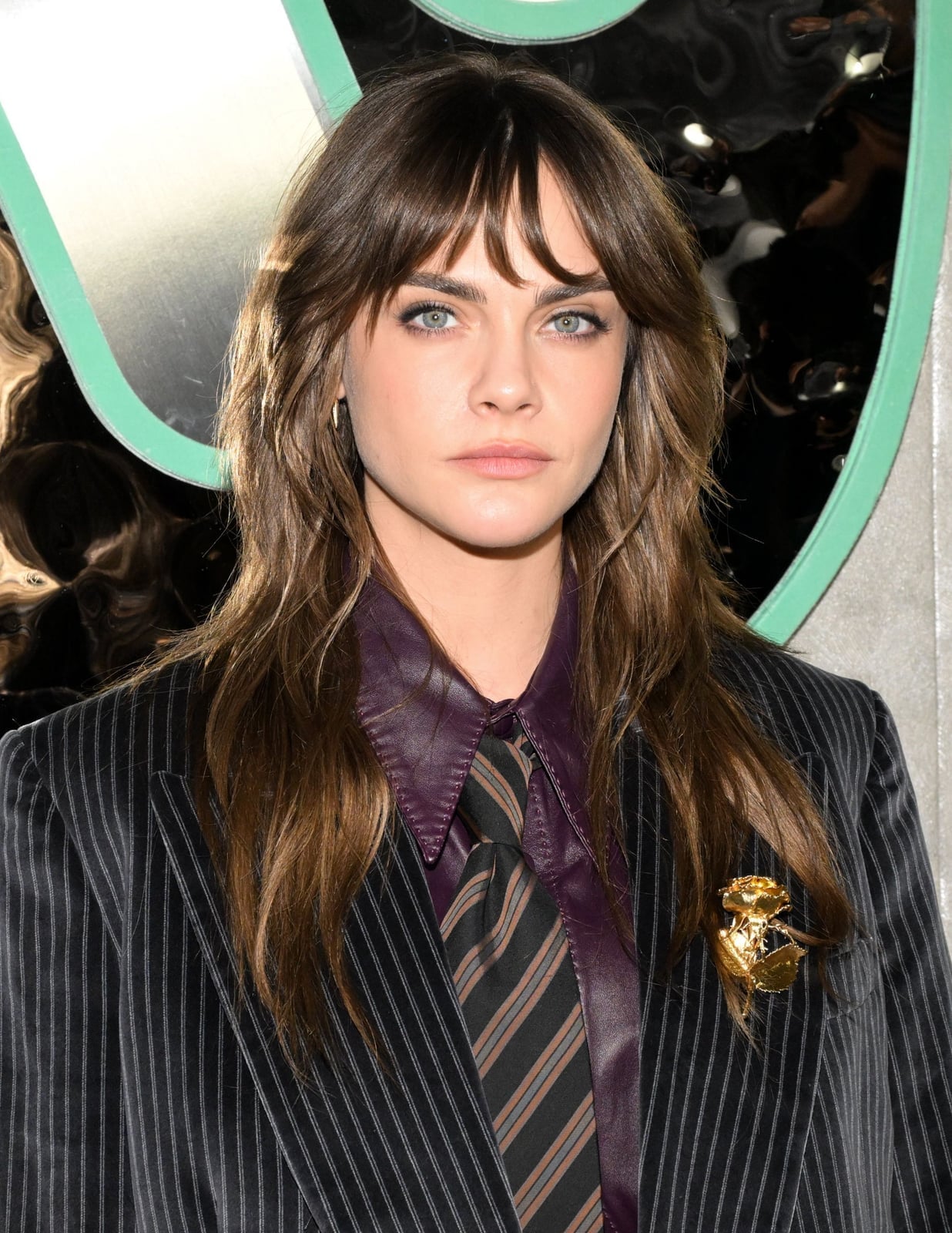
Wondering how to ask for curtain bangs that blend into a wolf cut instead of sitting on top of it? The trick is specifying the length and the transition. This version uses a middle parting and soft face-framing layers that feather into the curtain bangs, so the fringe never feels separate from the cut. The dark brown base with subtle lighter brown highlights adds depth without looking busy. Ask your stylist for: collarbone wolf cut, dark brown, curtain bangs, face-framing layers. It softens an angular jaw and works well on medium-density wavy hair.
Shoulder Length Wolf Cut With Wispy Bangs

Shorter than the classic collarbone version, this shoulder-length wolf cut relies on wispy curtain bangs and a side parting to keep fine hair from looking weighed down. The layers are prominent, but the blowout finish prevents them from reading as choppy. Fine textures actually benefit here because the cut removes bulk while the wispy bangs add softness around the face. Ask your stylist for: shoulder length wolf cut, wispy curtain bangs, side part. A round brush and a blow-dryer give it a polished finish that lasts through the day.
Light Ash Blonde Wolf Cut With Side Part

A blowout on a wolf cut needs a little daily effort, but the payoff is that the face-framing layers stay smooth rather than fanning out. This light ash blonde version keeps the ends defined with a texturizing product. Fine, wavy hair holds the shape best because the cut doesn’t rely on density for volume. Ask your stylist for: collarbone wolf cut, light ash blonde, wispy curtain bangs, side part. Expect a trim every six to eight weeks to keep the layers crisp.
Dark Blonde Wolf Cut With Face-Framing Layers, Collarbone
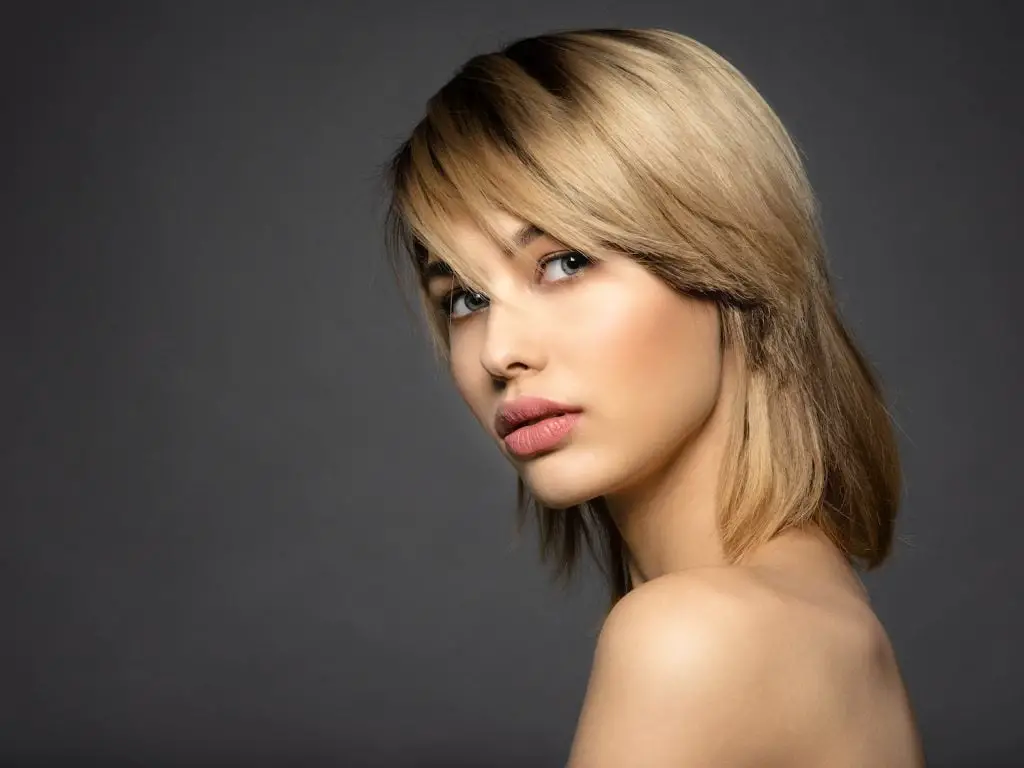
A side view tells you more about a wolf cut than a front view ever can. Here the face-framing layers sweep back from the curtain bangs, creating a diagonal line that elongates a round face more effectively than symmetrical framing would. The dark blonde base with lighter blonde highlights gives the layers visible contrast without needing heavy product. Fine, wavy hair at collarbone length is the sweet spot for this shape. Ask your stylist for: collarbone wolf cut, dark blonde, curtain bangs, face-framing layers. A heat protectant before blow-drying keeps the ends from drying out.
Dark Brown Wolf Cut With Soft Blowout

Need a wolf cut that works for a holiday dinner without looking like you tried too hard? The collarbone length and dark brown base keep it grounded, while the soft blowout turns the wavy texture into smooth volume with a bit of bend. Curtain bangs and a middle parting open up the face without committing to anything severe. Ask your stylist for: collarbone wolf cut, dark brown, curtain bangs, soft blowout. Root lift before blow-drying gives volume that lasts through the evening. Trim every six to eight weeks to keep the shape from getting heavy.
Dark Brown Shoulder Length Wolf Cut With Sharp Layers

The sharp layers in this cut are the result of precise scissor-over-comb work, not point-cutting. On shoulder-length fine, straight hair, each layer lands with a clean line that creates definition without bulk. The side view shows how the face-framing layers stack toward the nape, tapering the weight. Ask your stylist for: shoulder length wolf cut, dark brown, sharp layers, middle part. A smoothing serum on the ends keeps the lines crisp. Trim every six to eight weeks or the sharpness blurs.
Shoulder Length Curly Wolf Cut With Full Fringe
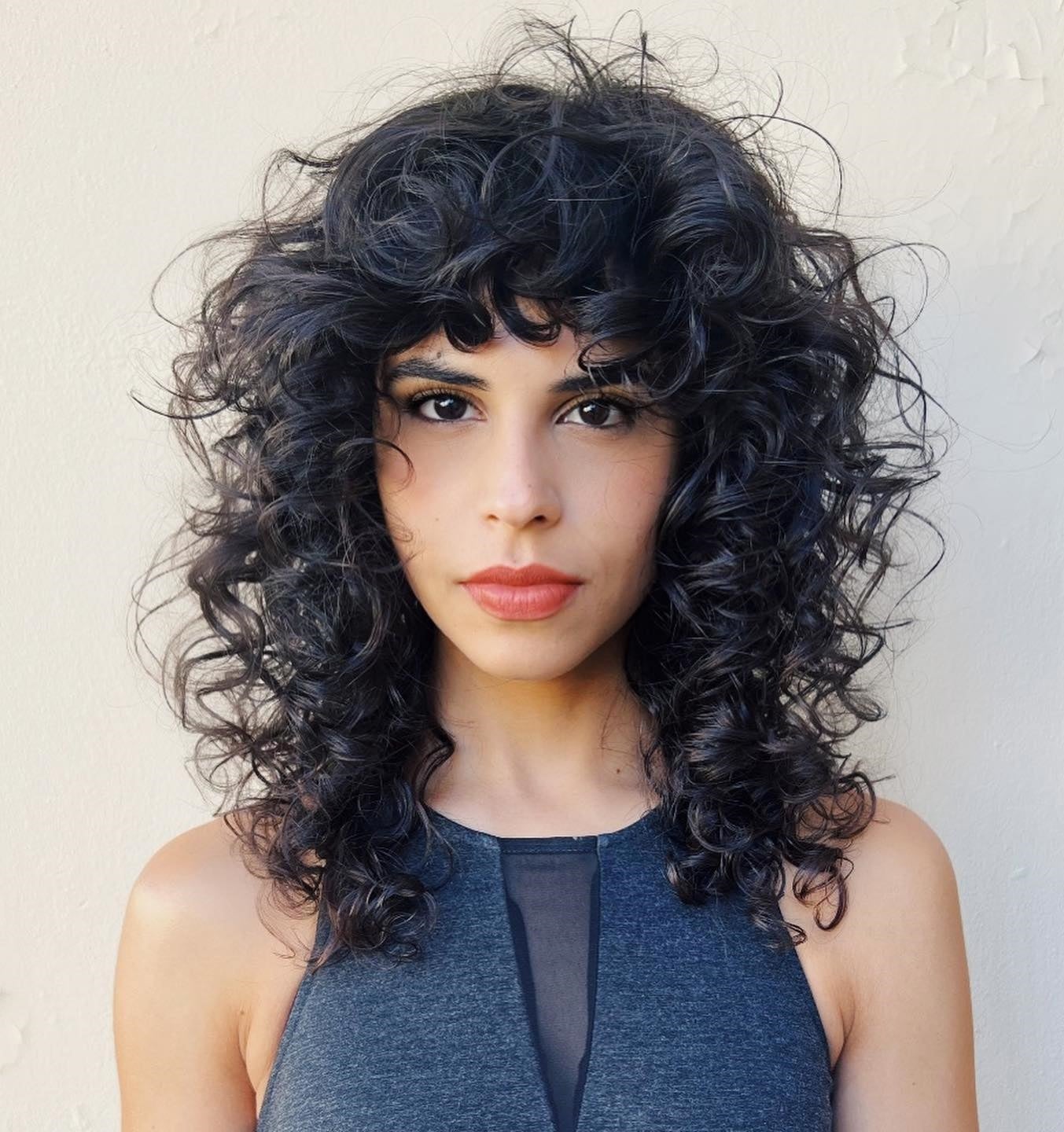
This version banks on thick, curly hair and a full fringe that lands at the brows. The blonde highlights add dimension to the dark brown base, but the real work is the layering that lets each curl stack without puffing out into a triangle. The middle parting and natural air-dried texture keep it from looking sculpted. Ask your stylist for: shoulder length curly wolf cut, full curly fringe, blonde highlights. A curl-defining cream and air drying are all it needs. Trim every eight to ten weeks to maintain the shape.
Mid-Back Wolf Cut With Long Layers and Balayage

Does the wolf cut work on longer hair, or does it just look like a shag that forgot to stop? It works, but only if the layers stay choppy enough to remove weight. This mid-back version uses long, choppy layers that start below the shoulder and a subtle balayage that keeps the dark brown root from looking flat against the lighter ends. Curtain bangs complete the shape without pulling length from the back. Ask your stylist for: mid-back wolf cut, dark brown balayage, long choppy layers, curtain bangs. A smoothing serum on the mid-lengths and ends prevents the layers from tangling. Trim every eight to ten weeks; once the layers grow past the midpoint, the cut loses its lift.
Mid-Back Honey Blonde Wolf Cut With Highlights
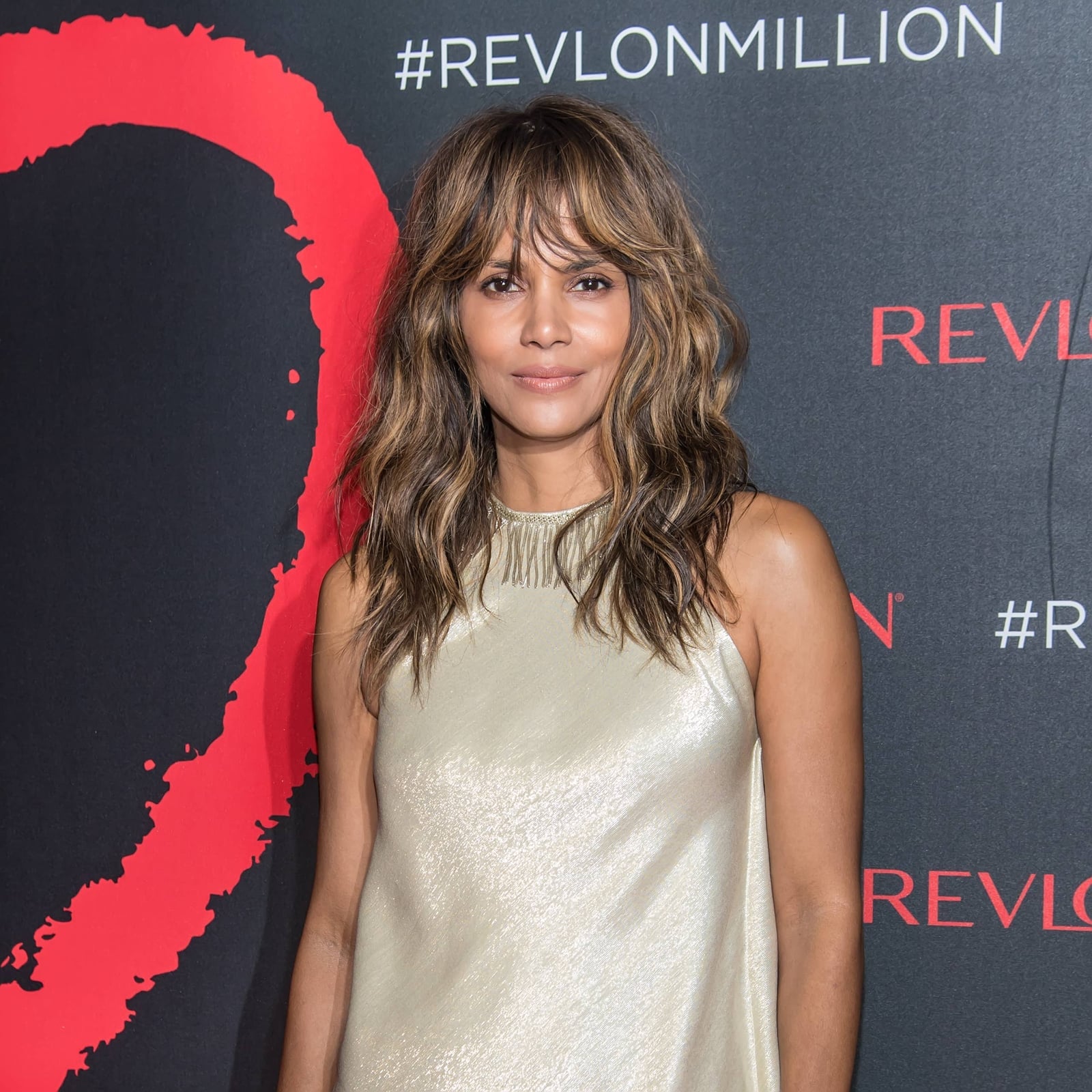
Honey blonde reads warmer than an ash blonde wolf cut, which can feel cooler and more muted against the same layers. The subtle highlights here add depth without shifting the overall tone toward brass. On thick, wavy hair at mid-back length, the choppy layers and face-framing curtain bangs create movement that a single-process blonde can lack. Ask your stylist for: mid-back wolf cut, honey blonde, choppy layers, curtain bangs. A sea salt spray enhances the air-dried wavy texture. Trim every eight to ten weeks to keep the layers from weighing down the ends.
Mid-Back Wolf Cut With Full Bangs and Ombre

This mid-back wolf cut pairs abundant choppy layers with full bangs, creating a dense, lived-in shape that reads as deliberately undone. The dark brown base with warm undertones shifts into a subtle ombré toward the ends, so the color has a natural fade rather than a hard line. It works best on thick, wavy hair that can hold the volume without deflating. Ask your stylist for: mid-back wolf cut, dark brown ombré, full bangs, choppy layers. The air-dried finish is the whole point: scrunch with a texturizing paste for definition and expect a trim every eight to ten weeks.
Platinum Blonde Mid-Back Wolf Cut With Root Shadow

This platinum blonde wolf cut reaches mid-back with a visible root shadow that softens the grow-out line. The textured, choppy layers run throughout, while soft curtain bangs frame the face and keep the look from feeling severe. The wavy, tousled texture gives it a lived-in finish that works well on fine hair, since the layers add volume. Ask your stylist for: mid-back wolf cut, platinum blonde, curtain bangs, root shadow.
The root shadow is the technical trick here: your colorist applies a tone close to your natural shade at the roots, then blends into platinum through the ends. That base buys you about six weeks before a touch-up feels urgent. A purple shampoo once a week keeps the platinum from turning brassy between appointments.
Copper Red Mid-Back Wolf Cut With Auburn Highlights

Wondering how to get that particular copper red that looks dimensional rather than flat? Start with the specifics. This mid-back wolf cut uses a rich copper red base and layers lighter auburn highlights through the textured waves, so the color shifts as the hair moves. The shaggy bangs and side parting keep the shape soft, and the thick, wavy texture gives it natural body. Ask your colorist for: mid-back wolf cut, copper red, shaggy bangs, auburn highlights. For the highlights, ask for a balayage or hand-painted technique that places the auburn pieces unevenly through the layers. That avoids a striped effect and makes the color look like it caught the sun.
Short Ash Blonde Wolf Cut With Purple Streaks

This ear-length wolf cut uses a fine, straight texture as its advantage. The ash blonde base is broken up with subtle purple streaks, and the wispy bangs and side parting keep the shape from looking boxy. The piecey styling gives the hair movement it would otherwise lack. Ask your stylist for: short wolf cut, ear length, ash blonde, purple streaks, wispy bangs. The streaks work best as thin, scattered pieces rather than chunky panels, and the ash tone prevents the pastel from reading as warm. A trim every four to six weeks keeps the shape precise.
Short Dark Brown Wolf Cut With Choppy Bangs

Short choppy bangs require a trim every three to four weeks to keep their shape from creeping into your eyes. This ear-length wolf cut in dark brown uses a side parting and a textured, messy finish to soften the bluntness of the bangs. The fine, straight texture holds the piecey layers well without extra product. Ask your stylist for: short wolf cut, ear length, dark brown, choppy bangs. A texturizing spray applied to damp hair, then tousled with fingers, is enough to set the shape. Plan on a full cut every four to six weeks to maintain the layered silhouette.
Short Dark Brown Wolf Cut With Choppy Layers, Ear

This short wolf cut swaps softer, blended layers for choppy ones, which gives fine, wavy hair a lot more texture than a standard version would. The ear-length silhouette with a side parting and air-dried finish works well for those who want a low-effort shape that still has an edge. Ask your stylist for: short wolf cut, ear length, dark brown, choppy layers. A light hold hairspray keeps the piecey texture in place without weighing it down, and a trim every four to six weeks maintains the shape.
Short Black Wolf Cut With Mullet-Like Tail
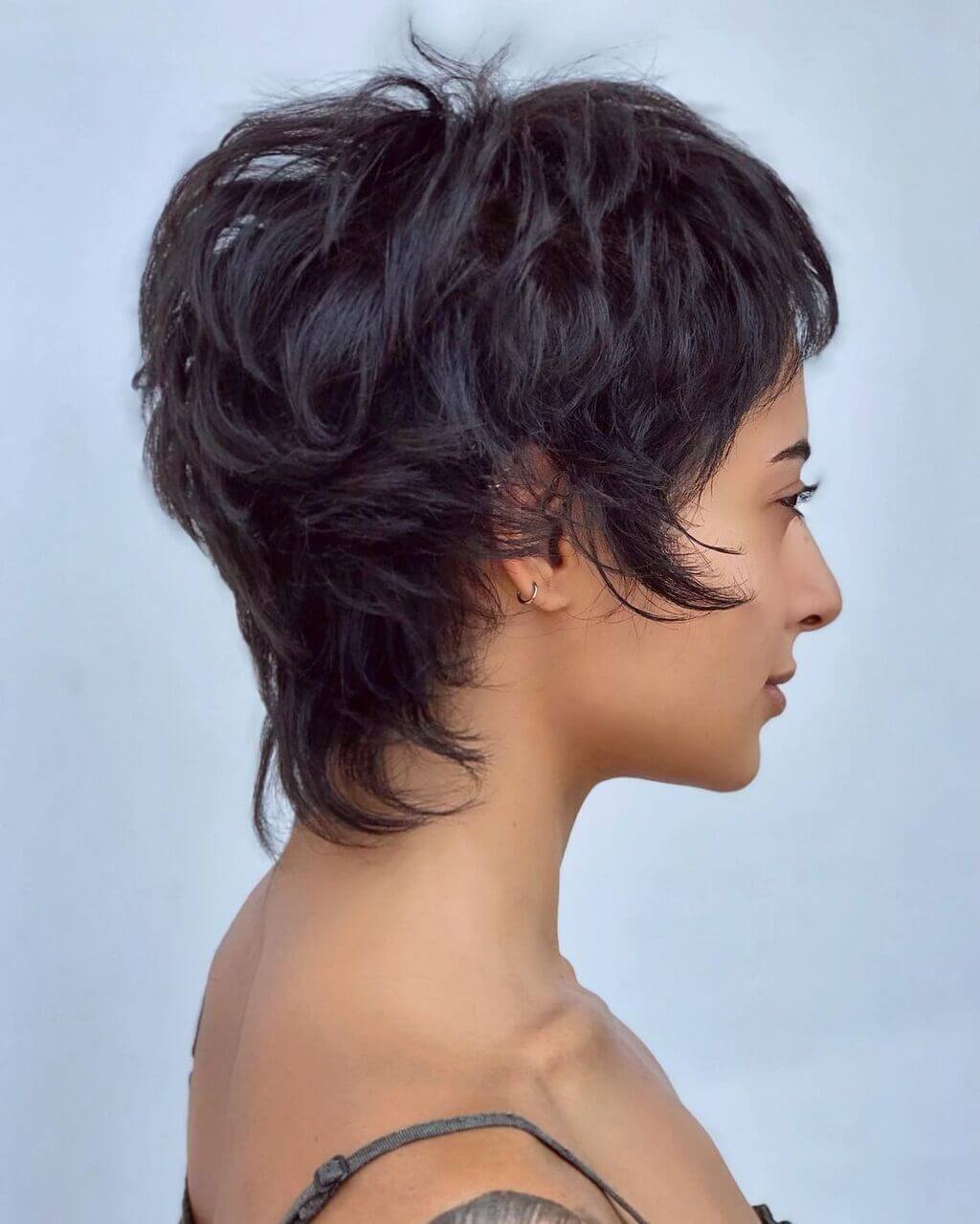
Can a wolf cut still read as sharp and clean? This one does, thanks to thick, straight black hair cut to ear length with short, textured bangs and a distinct tail at the nape. The side parting and piecey styling add definition without product build-up. Ask your stylist for: short wolf cut, ear length, black, textured bangs, mullet tail. Expect to spend about an hour at the salon every four to six weeks. The honest drawback: the tail needs a bit of deliberate styling, a matte wax and a few minutes of finger-combing, or it can look less intentional.
Collarbone Wolf Cut With Curly Hair and Highlights
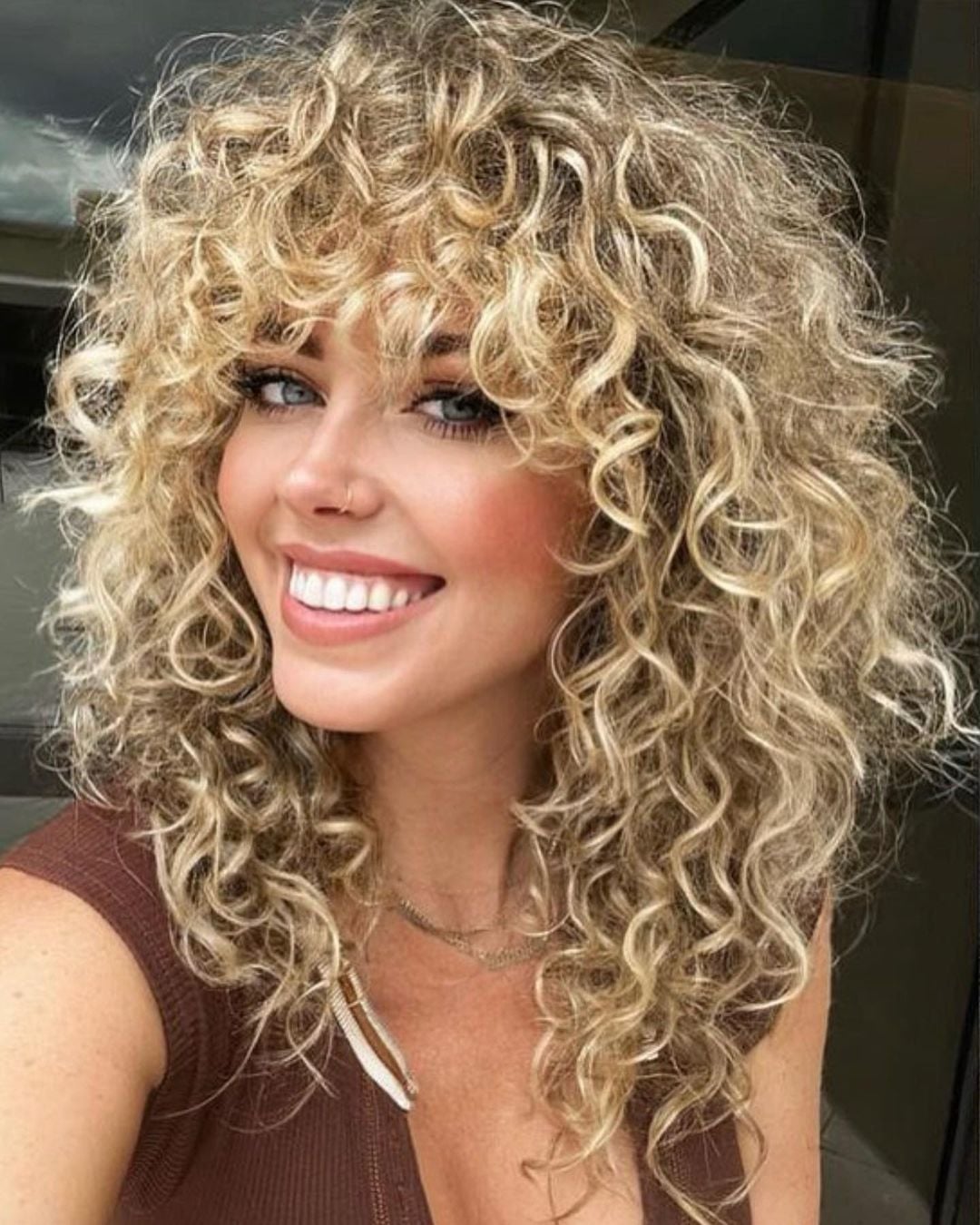
The collarbone length here gives thick, curly hair enough weight to keep the shape defined, while the wolf cut layers prevent it from turning into a triangle. Curtain bangs and a middle parting frame the face softly, and the dark blonde base with lighter blonde highlights adds dimension that the curls catch naturally. Ask your stylist for: collarbone curly wolf cut, curtain bangs, blonde highlights. This voluminous cut lands well for summer parties. The air-dried texture holds up in humidity and needs only a curl-defining cream to stay bouncy. A trim every six to eight weeks keeps the layers from getting too heavy.
Collarbone Wolf Cut With Blunt Bangs and Blowout

Blunt bangs and a wolf cut are an unusual pair, but the contrast works when the bangs sit straight and solid against the layered body of the cut. The collarbone length and middle parting keep the silhouette balanced, while fine, straight dark brown hair holds the smooth blowout without much effort.
Ask your stylist for: collarbone wolf cut, dark brown, blunt bangs, middle part. A flat iron on the bangs ensures they stay crisp, and a trim every six to eight weeks stops the layers from overtaking the bangs’ clean line.
Final Thoughts
For fine hair, keep the baseline slightly blunt and avoid overly wispy ends to maintain density. For thick hair, embrace the layers to remove weight and let the shape move freely. Find the wolf cut that works for you.
- Schedule trims every 6-8 weeks to maintain the choppy layers.
- Air dry whenever possible to preserve natural texture and reduce heat damage.
- Use texturizing sprays or sea salt sprays to enhance the lived-in look.
- Consider a toner every 8-10 weeks to keep highlights fresh.