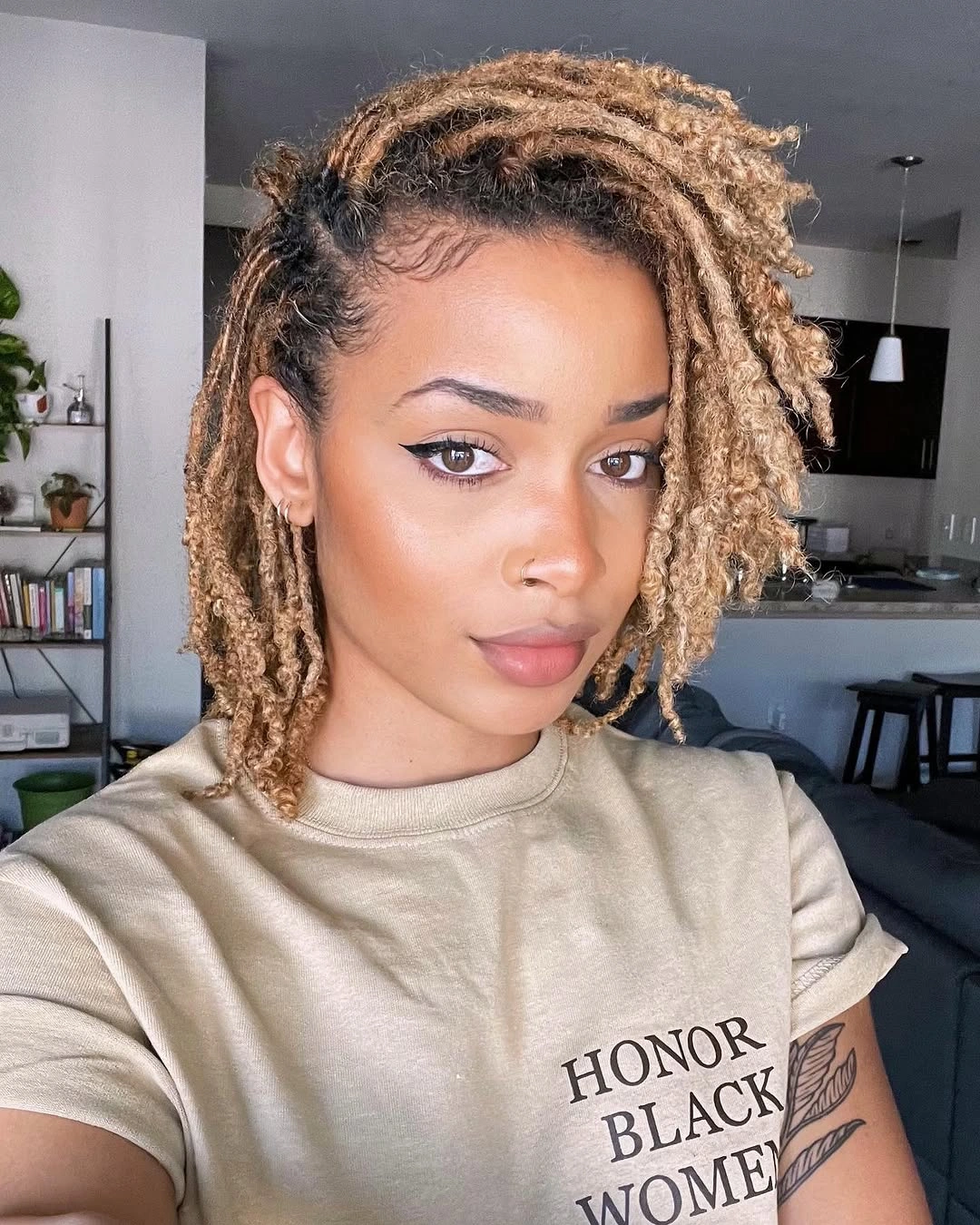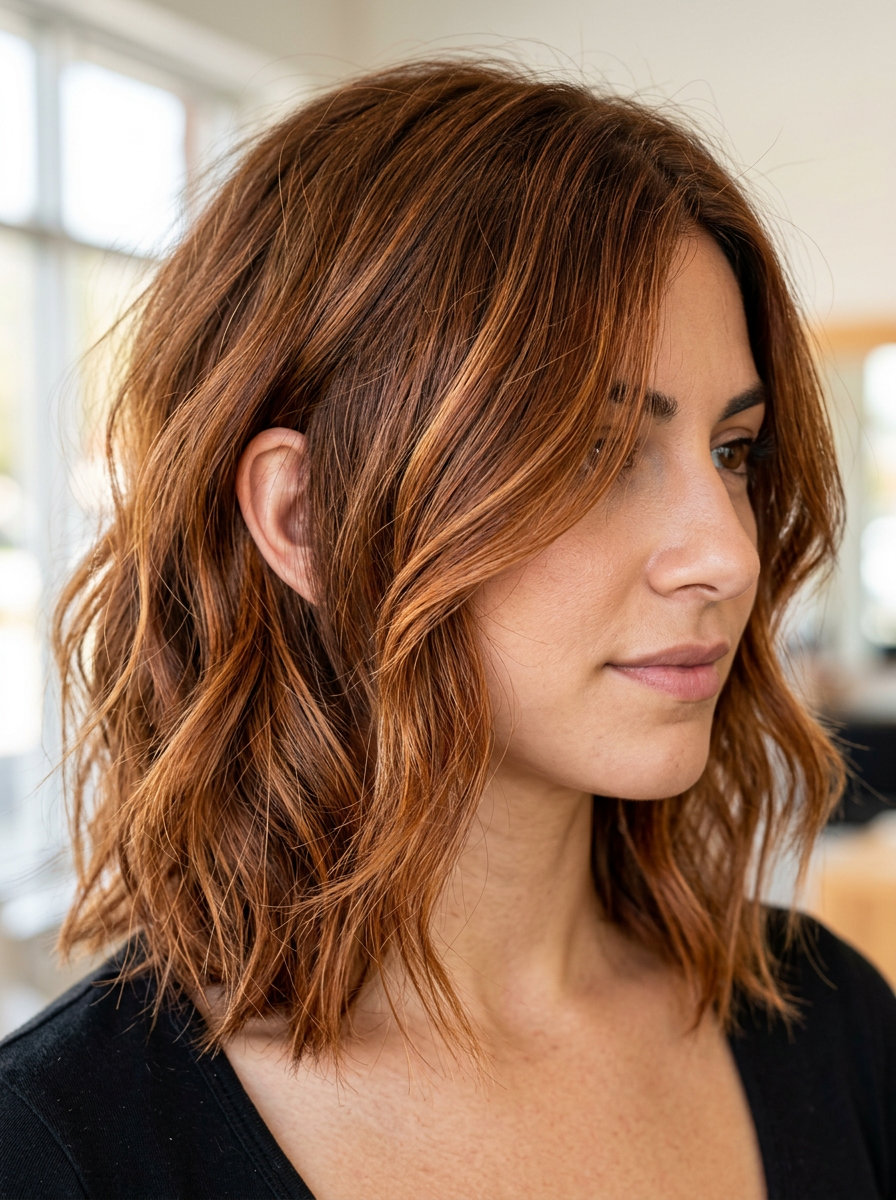
Summer Champagne Honey Blonde Hair Color 2026: 22 Trending Shades for a Sun-Kissed Glow

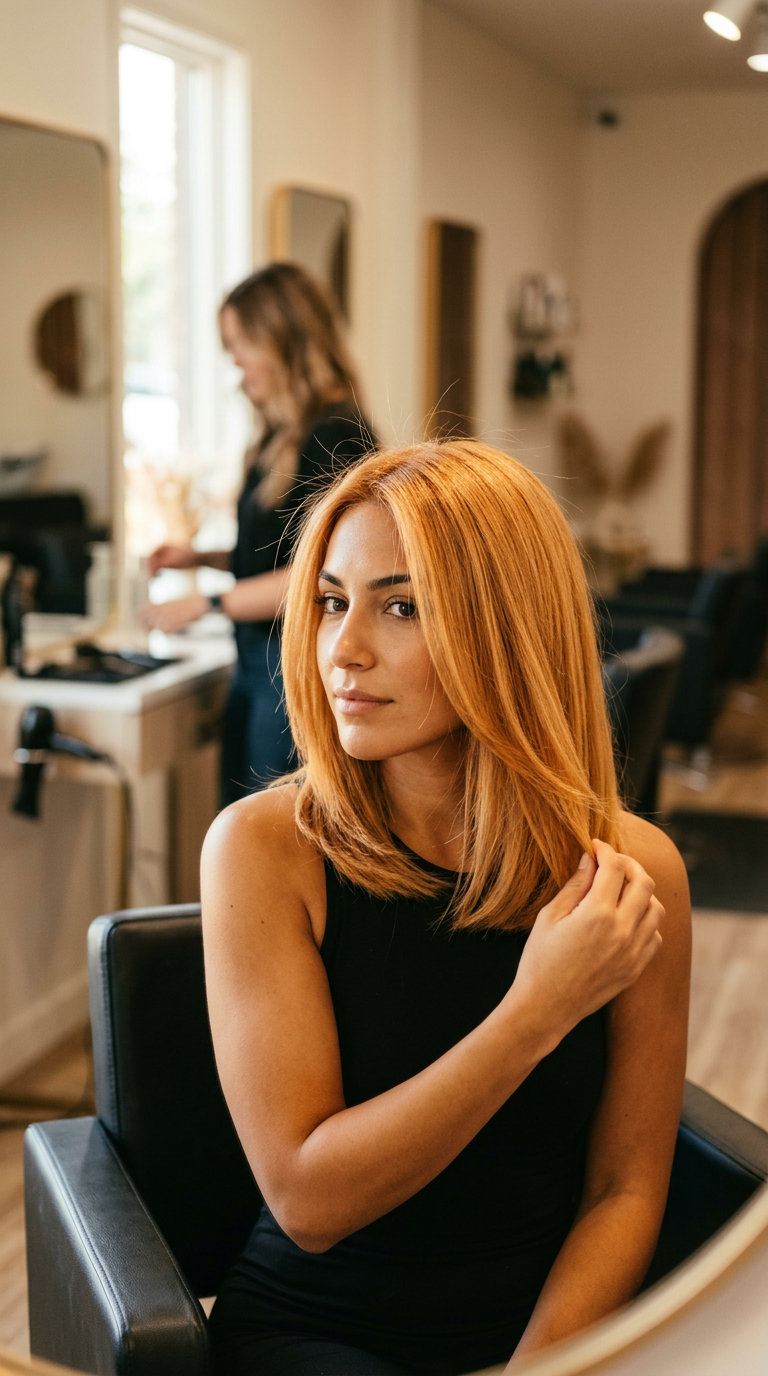
Champagne honey blonde is everywhere right now—Sabrina Carpenter’s voluminous ’70s blowout at Governors Ball, Rihanna’s honey-blonde waves at the Fenty Hair launch, Sydney Sweeney’s creamy champagne bob at the Vanity Fair Oscar party. It’s not just a color trend; it’s the shift toward what stylists are calling ‘Warm Minimalism.’ The move away from icy platinums toward high-shine, nectar-infused tones that actually prioritize hair health instead of destroying it.
This guide covers summer champagne honey blonde hair color 2026—everything from the Butterfly Cut with its heavy layers and movement, to the Italian Bob’s chic, airy frayed ends, to Curtain Bangs paired with long layers for that effortless face-frame. Whether you’ve got thick wavy texture, fine straight hair, or you’re somewhere in between, there’s a combination here that works for your face shape and your actual lifestyle.
I spent six months chasing icy platinum before my colorist finally said, ‘Stop. Your hair is screaming.’ One gloss appointment with a honey-gold toner and suddenly I understood why everyone’s pivoting to warmth. Turns out, hair that looks alive beats hair that looks expensive.
Nectar Infused Honey Blonde
Honey blonde has been everywhere for years, but nectar infused honey blonde is different—it’s got actual depth. Instead of a flat, one-note color, you’re looking at warm golds layered with copper undertones that catch light differently depending on how you move. Layering warm gold and copper-gold tones creates multi-dimensional depth, preventing a flat, single-tone blonde. The result is luminous and high-gloss, maintaining that shine for about three weeks with color-safe shampoo before the roots start showing up uninvited (it’s worth the investment). Root regrowth becomes visible around week three, demanding frequent salon touch-ups if you want that pristine look, which is the trade-off you’re making here.
This color works because it mimics how natural blonde grows in sunlight—richer at the base, brighter at the tips. Summer heat actually enhances it; the warmth brings out the honeyed notes without turning brassy. You’ll need a stylist comfortable with subtle toning; most will start with a level-seven or eight base, then layer in the warmer shades. It’s not hard to mess up at home, but it’s possible if you’re patient and specific about what you’re asking for. Liquid gold.
Toasted Honey Balayage
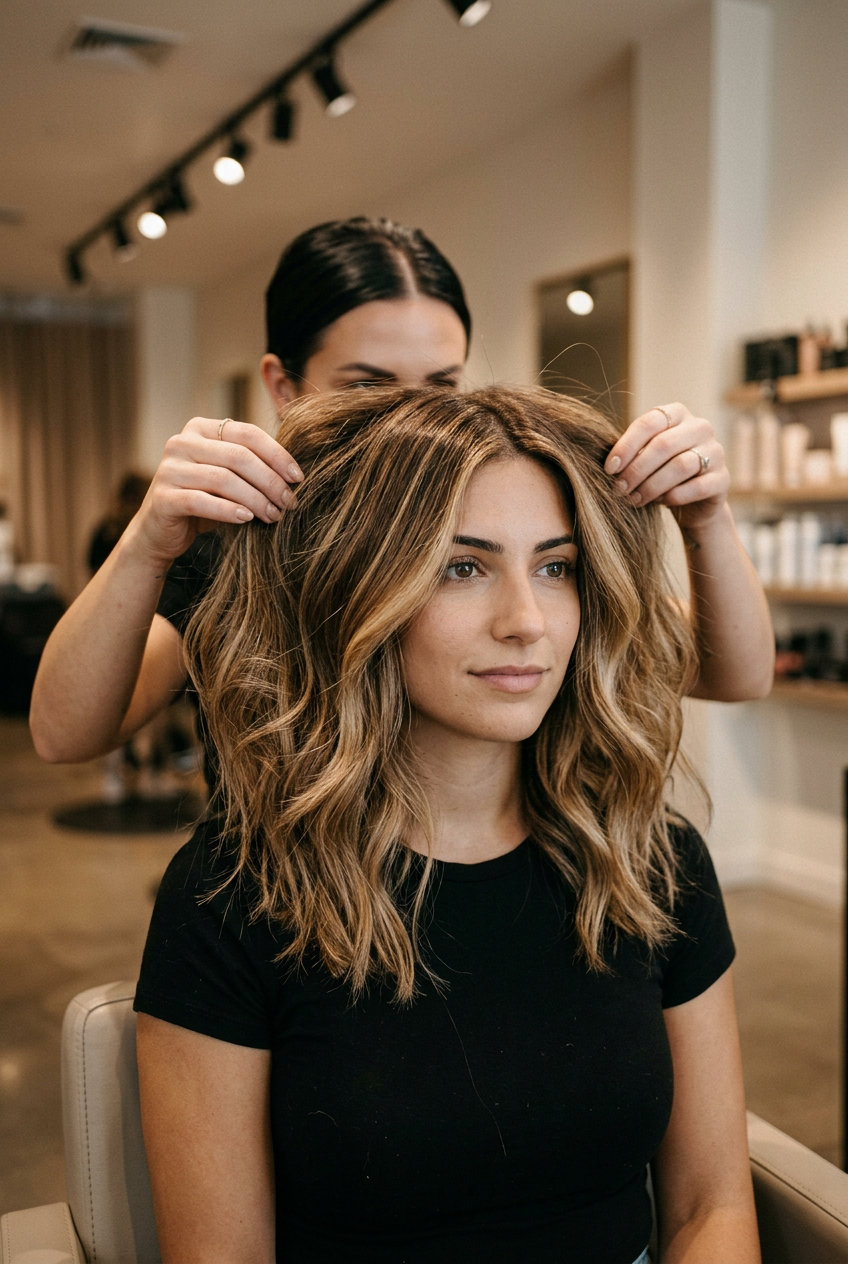
Balayage—the freehand painting technique—is honestly where honey blonde hits differently in 2026. Instead of foil-wrapped sections, a stylist hand-paints pieces throughout your hair, focusing on the mid-lengths and ends. Freehand balayage application with woven lowlights creates natural-looking depth and a soft, blended grow-out that doesn’t look like a hard line between two colors. You get dimension without commitment, or maybe balayage, honestly, is just the smart person’s blonde. The seamless blend means it grew out for about ten weeks without harsh demarcation lines—that’s the real win here.
This technique suits anyone who’s tired of constant root maintenance. The toasted honey tones warm up in summer without looking overdone, and the darker lowlights ground the whole thing so it reads intentional instead of faded. It works on most hair textures, though thick hair holds the technique better and shows dimension more clearly. Cool skin tones might struggle here; the warm golden hues can clash if your undertones run toward pink or red. Subtle, yet stunning.
Pearl Blonde Undercut Color
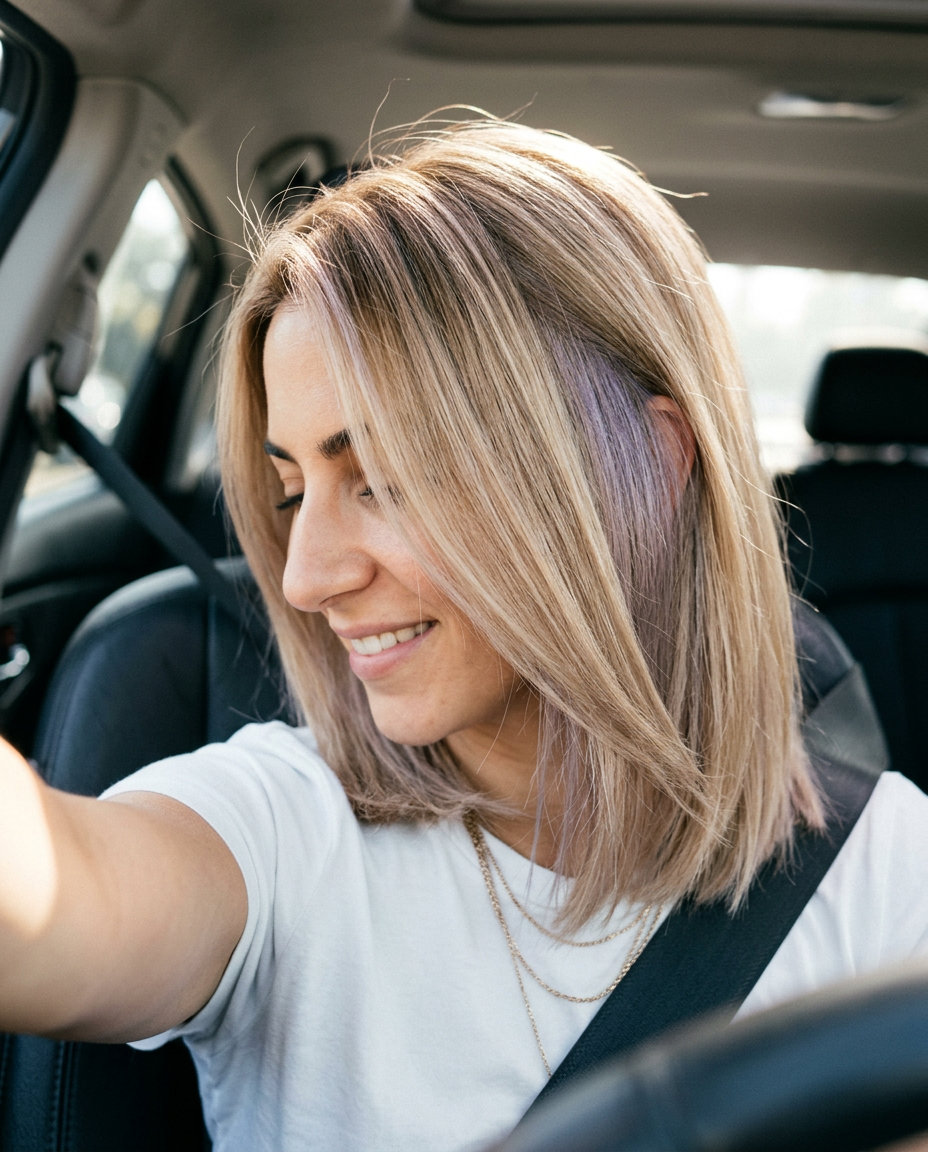
An undercut with pale, pearlescent blonde on the hidden layers creates drama without the commitment of an all-over pixie cut. The contrast between darker honey-blonde on top and nearly-white pearl underneath punches hard when you move, which makes it so unique. Pearlescent toner on pale undercut creates an iridescent contrast, adding an unexpected, edgy dimension that feels contemporary without trying too hard. You’re looking at a cut that needs precision work—the undercut remained distinct for about four weeks before needing a trim to keep the lines sharp and clean.
The pearl tone matters more than you’d think. It has to be pale enough to read as distinctly lighter than the honey above it, but not so platinum that it looks unfinished or chalky. A colorist will likely use a violet or blue toner after bleaching to hit that pearlescent note; this prevents the yellow undertones most people end up with on pale blonde. The downside: undercuts need frequent trims to maintain shape and prevent that awkward grow-out phase where the undercut hair sticks up in weird ways. Unexpected edge.
Buttercream Blonde Color Melt
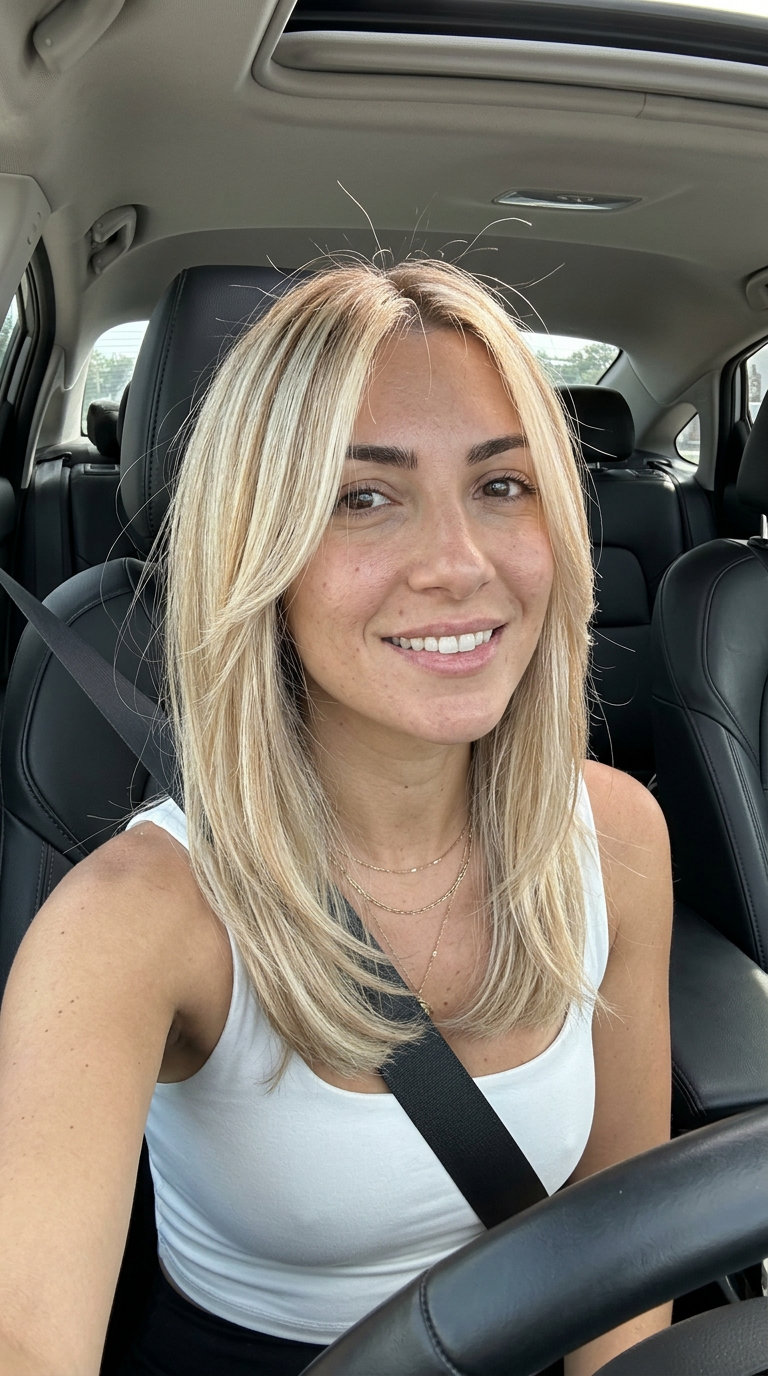
Color melting—basically balayage’s softer, blended cousin—layers buttercream and honey tones so seamlessly that your hair looks like it naturally faded that way. The technique creates a soft, diffused transition between shades, eliminating harsh lines for natural movement and flow that feels alive rather than painted on. The color melt blend stayed seamless for around eight weeks without demarcation lines or that brassy shift you usually see mid-grow-out, probably worth the consultation at least. You’re paying for precision here, not volume of bleach or dramatic color contrasts.
What makes this worth the investment is longevity and wearability. Unlike solid blocks of color, a melt grows out gracefully because there’s no hard line announcing that your roots are showing. Buttercream sits in that perfect sweet spot between honey and vanilla—warm enough to flatter most skin tones, cool enough that it doesn’t read as orange. But if you’re the type who loves chunky, obvious highlights with clear separation, skip this; the whole point is that it’s delicate and blended, which means subtlety wins. Pure luxury.
Champagne Beige Blonde Hair
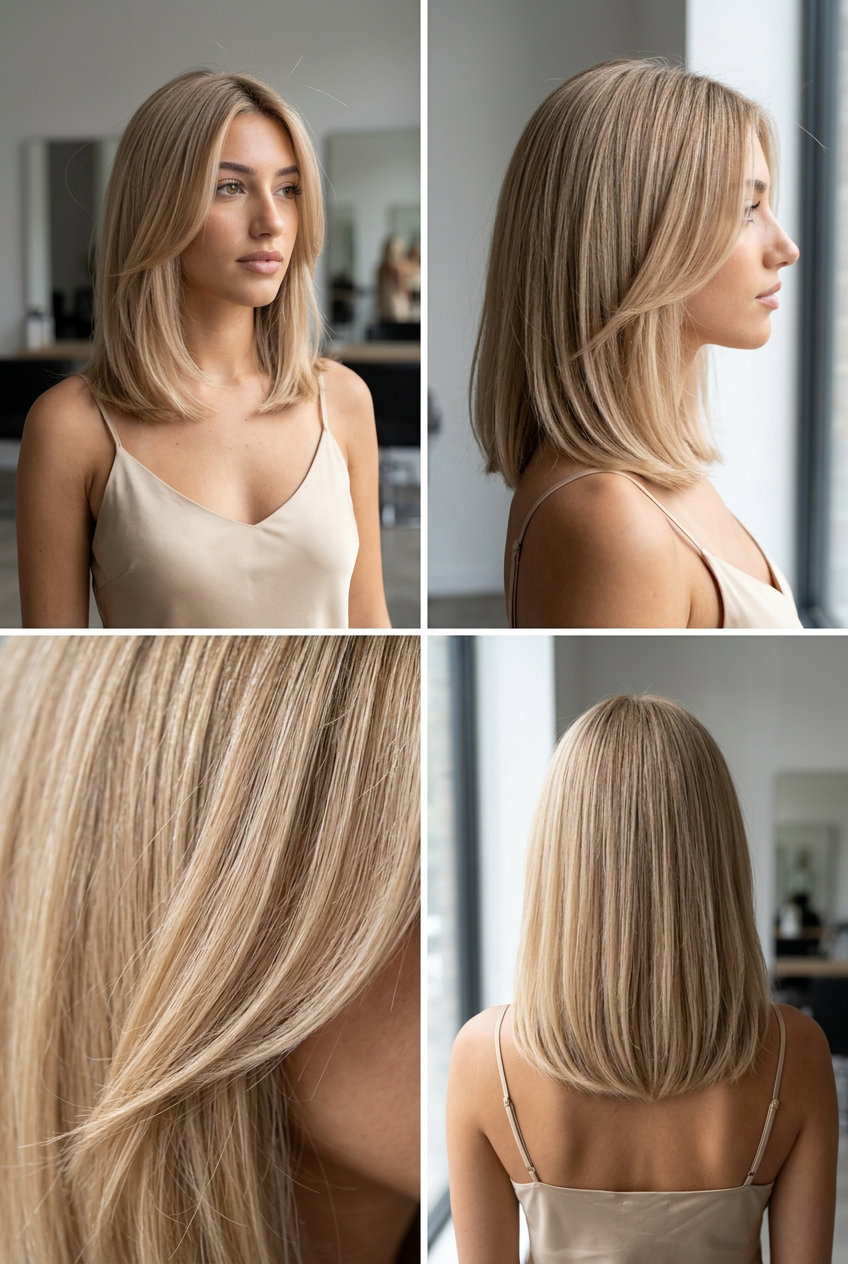
Champagne beige blonde is the neutral play—no warm undertones dominating, no ashy coolness taking over. You’re blending violet-beige and muted gold in precise ratios to create a perfectly balanced neutral tone, preventing brassiness or excessive warmth that reads flat. The result is a color that flatters a wide range of skin tones, especially neutral, cool, and light-to-medium warm complexions because it doesn’t fight anyone’s natural undertones. The neutral tone remained perfectly balanced for six weeks, resisting both brassiness and ashiness, which is exactly what you want when you’re not chasing either direction.
This is the hardest blonde to DIY because one misstep tips you into either warm or cool territory, and there’s no hiding a mistake here (yes, the shine is real). A stylist who understands color theory will use a combination of violet and muted honey to hit that champagne note—it’s not about being pale, it’s about being balanced. Fine hair works better with this because it’s lighter and reflects less pigment, making the neutral tone more apparent. Achieving this uniform, balanced neutral requires precise application; DIY attempts are risky and often end up too ashy or too brassy. Sophistication personified.
Golden Honey Money Piece
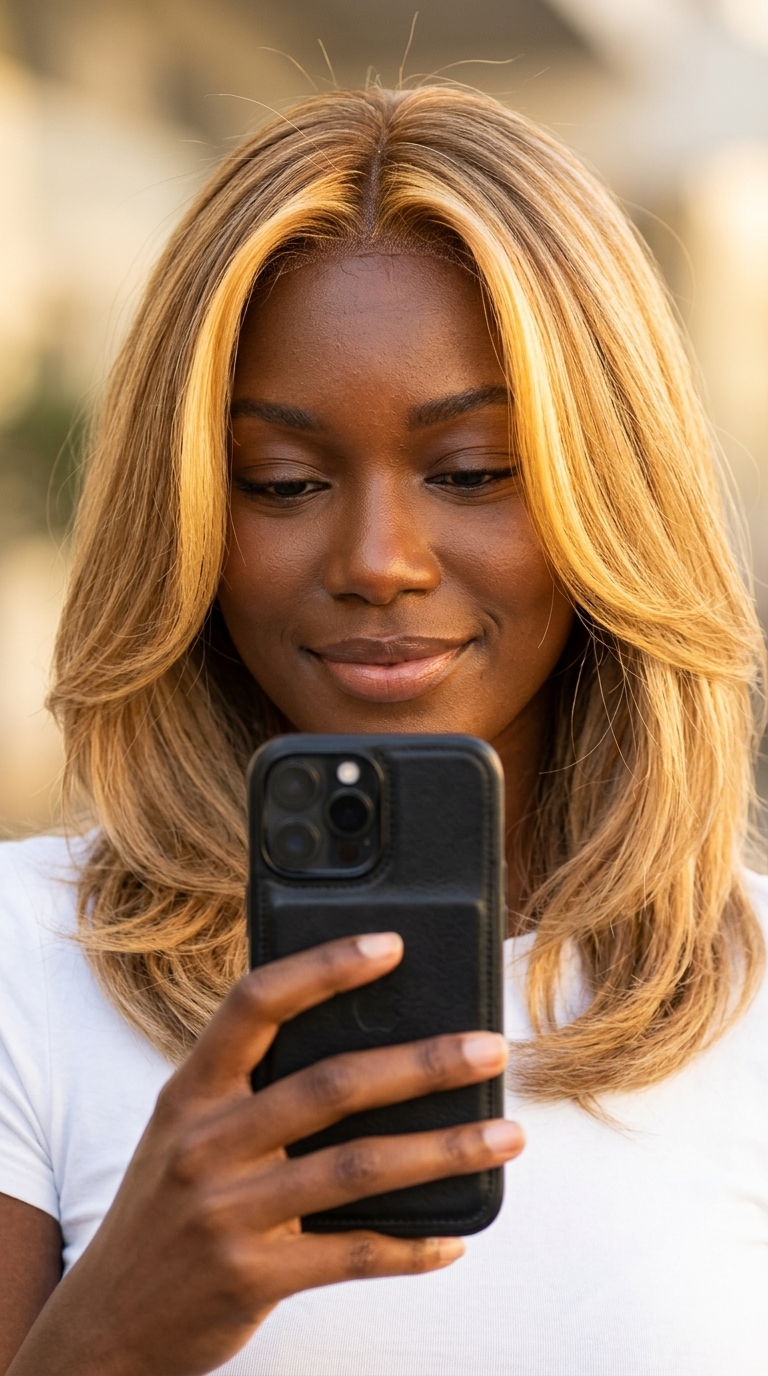
Money pieces are having a moment—and honestly, the golden kind hits different. What makes this approach work is the saturation: maximum color intensity right at the hairline where it does the most visual work. Golden honey money piece highlights frame your face with a brightness that actually reads from across a room, not just in direct sun (yes, the golden kind). The hairline placement means every time you move, these ribbons catch light and create that lit-from-within glow.
Here’s what actually matters: Money pieces retained vibrant golden glow for 4 weeks with color-safe shampoo before fading set in. Golden toner faded after 3 weeks, requiring professional refresh for that lit-from-within glow to maintain. Maximum saturation at the hairline creates high-impact money pieces that truly frame and brighten the face—it’s not just about placement, it’s about pigment density. The styling side is almost lazy: blow out your hair, let the pieces do the work. Most people don’t realize how much brighter this makes your whole complexion look until they’re three weeks in.
Icy Champagne Babylights
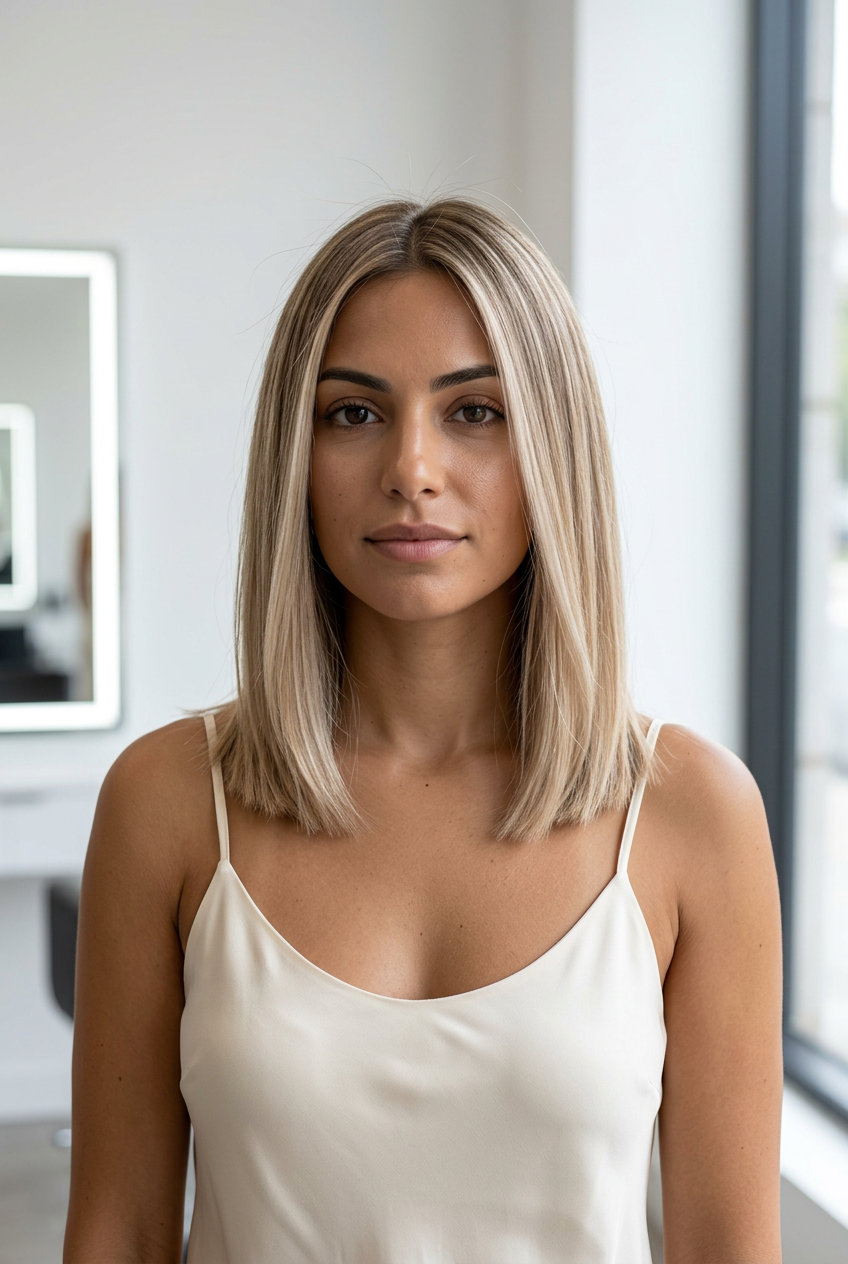
Babylights are the expensive-looking cut of the color world—and the reason is simple science. Icy champagne babylights are those impossibly thin, nearly invisible ribbons that create a lift so subtle you almost miss it until you’re standing next to the mirror and realizing your whole face looks brighter. Ultra-fine babylights create an imperceptible lift, making the blonde look naturally sun-kissed and expensive. The technique demands precision, which is why salons charge what they charge, but also why the grow-out is forgiving.
Babylights grew out seamlessly for 10 weeks before needing a salon touch-up—and that’s with normal hair care (all my fine hair). Not for very thick or curly hair—babylights won’t show well on those textures, and you’ll spend the money without seeing the result. The color sits within the hair rather than on top of it, which is why it feels so natural and why it stays looking expensive even as it fades. This is the quiet luxury personified.
Honey Blonde Balayage for Warm Skin
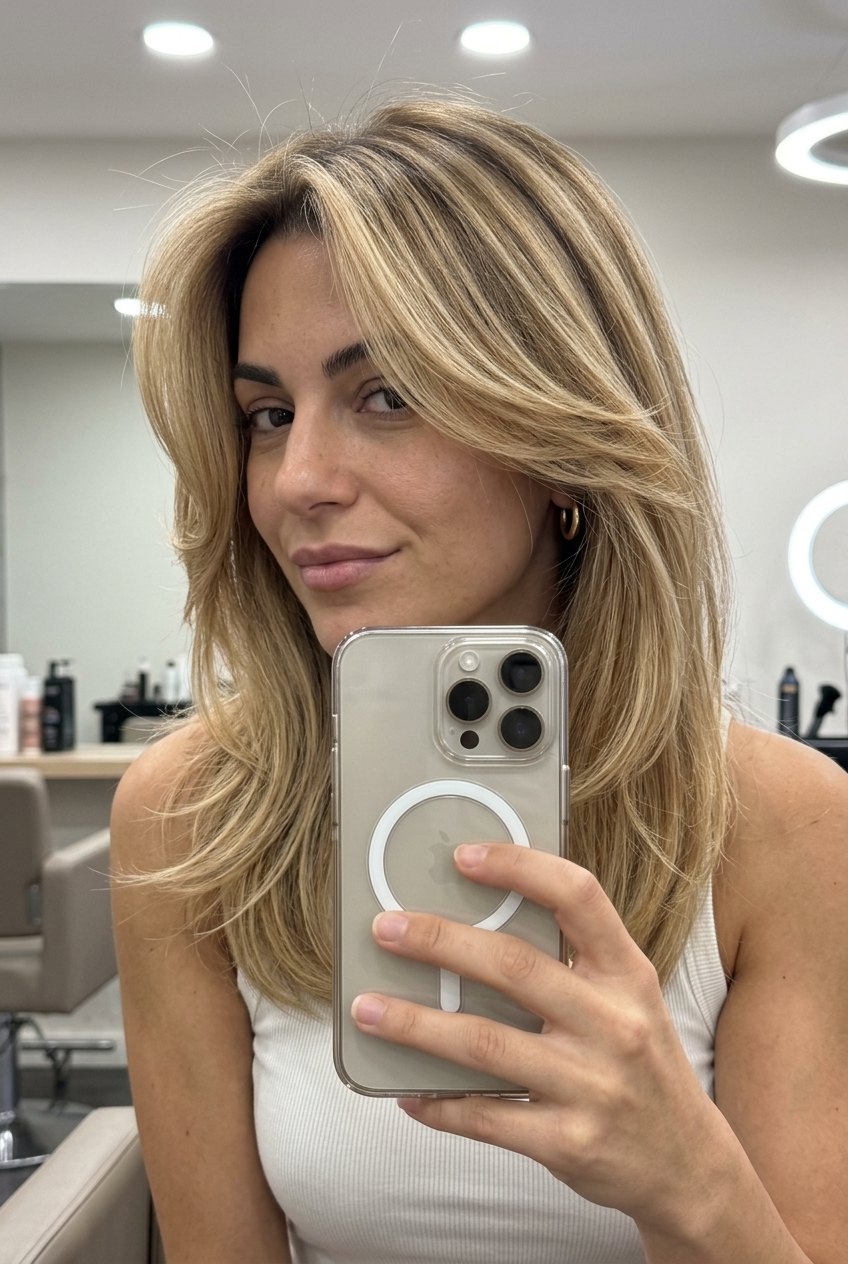
Multi-tonal blonde is where you start seeing actual dimension—ribbons of honey, ribbons of butter, and enough contrast that the color reads from the back of the room. This technique concentrates warmer tones at mid-length and around the face, layering in lighter butter blonde for brightness. Maybe balayage, maybe a hybrid technique—what matters is the placement strategy, not the name. Concentrating honey tones mid-lengths and butter blonde around the face creates dynamic dimension and brightness that actually photographs well and translates to real life.
Multi-tonal blonde maintained dimension for 8 weeks with minimal at-home toning, which is the realistic timeline for this approach. Achieving this multi-tonal look requires 2–3 salon sessions, not just one—it’s a build, not a one-shot situation. A hydrating mask between sessions keeps the hair from turning straw-like, and a purple-based gloss on week five keeps the honey from drifting orange. The payoff is that your hair looks like it’s caught permanent golden light. Dimension for days.
Champagne Money Piece
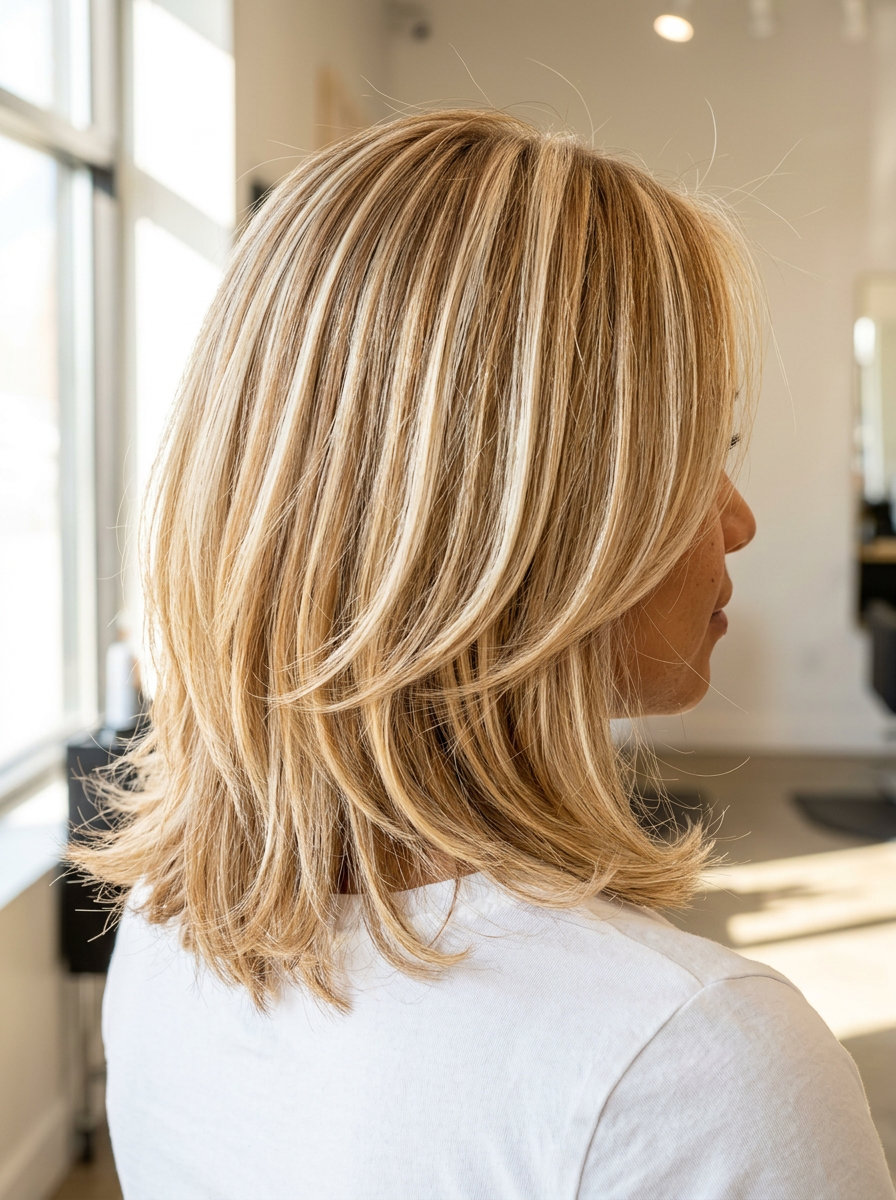
There’s a difference between money pieces and face-framing—and the Champagne Pop version walks that line hard. This is thick ribbon placement, not delicate, positioned to create maximum contrast and brightness around your features. Strategically placed thick ribbons around the face create a high-impact ‘Champagne Pop’ that highlights features with undeniable presence. The color itself sits between icy and warm, which sounds contradictory but reads as dimensional and expensive and, worth the consultation with your colorist about undertones for your specific skin.
Champagne Pop face-frame brightened complexion for 5 weeks before needing toner refresh—and that’s the timeline you’re working with for bold contrast colors. Avoid if you dislike bold contrast—this isn’t a subtle look, and it grows out visibly. The ribbons are thick enough to matter, placed strategically enough to actually sculpt your face, and colored precisely enough that the champagne tone makes your whole face look like it’s been lit from within. Pop of brightness.
Creamy Honey Blonde Lob
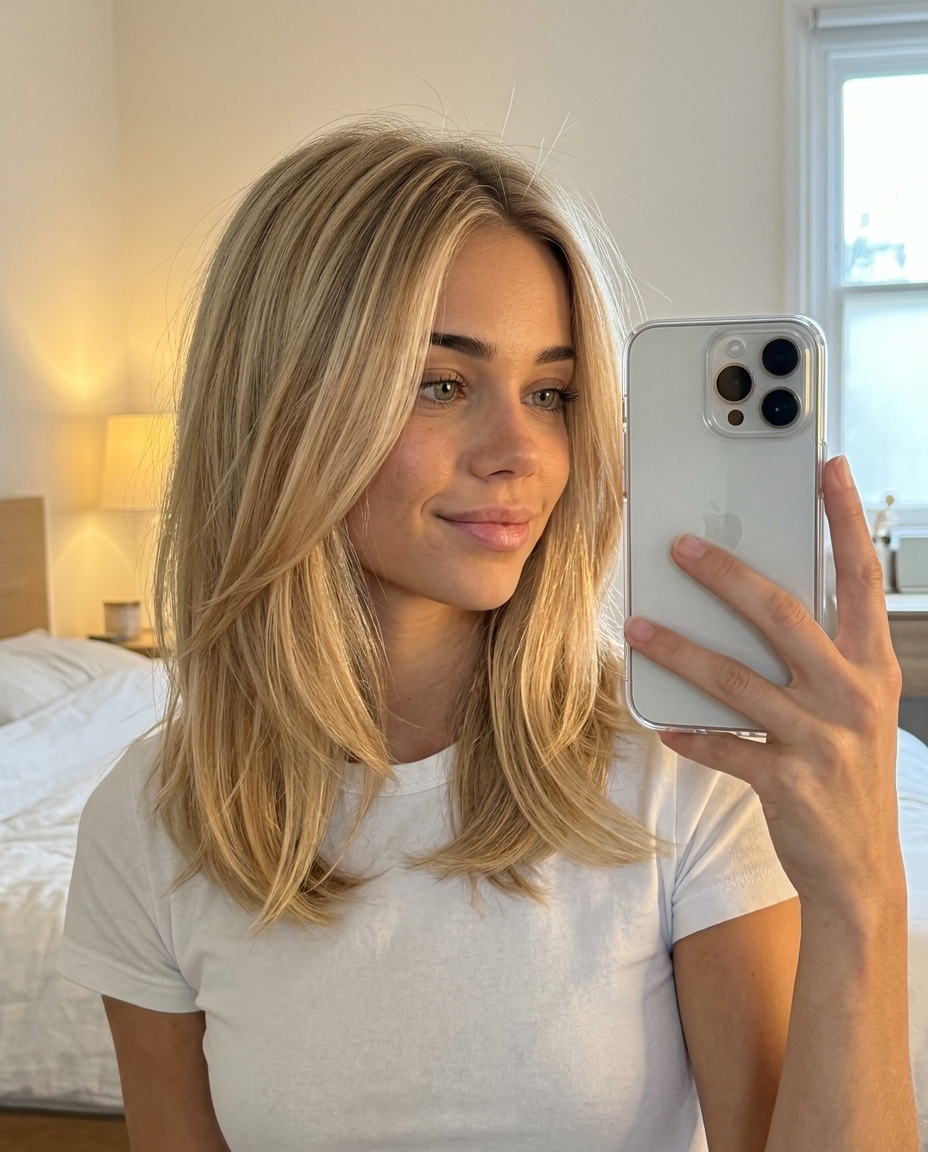
A lob with honey tones is probably the most forgiving blonde you can commit to right now—it’s long enough to blend, short enough to feel intentional, and the color placement prevents that awkward regrowth line. Point-cut ends on a textured lob enhance color dimension and movement, preventing a blocky look that reads cheap. The creamy undertones sit somewhere between yellow and neutral, which is why this works on warm, cool, and olive skin tones without looking muddy or ashy. Weekly hydrating mask kept hair soft and shiny for 8 weeks between gloss treatments—and that’s with normal styling and some heat.
This maintenance routine requires consistent weekly effort and product investment—it’s not a wash-and-go, but it’s not a prissy color either. The length gives you options: wear it down for softness, style it back for something cleaner, or let it air-dry for that textured look everyone wants but nobody can explain how to get. Point-cut ends stay textured through the whole grow cycle, so you’re not fighting a blunt line every week like you would with a traditional lob. The grow-out plan sold me.
Honey Blonde Reverse Balayage
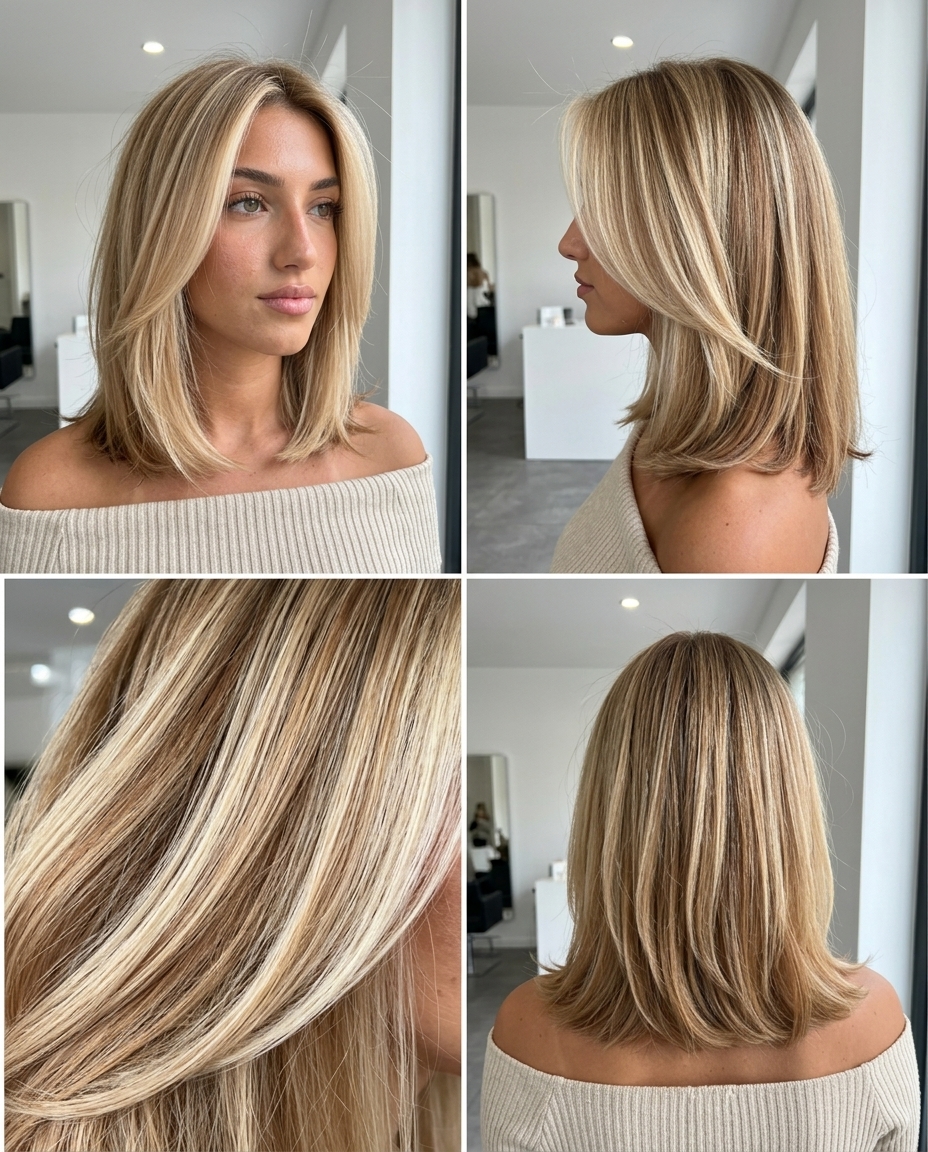
Reverse balayage flips the usual script—darker lowlights underneath, lighter pieces on top. It’s the opposite of what most people ask for, which is probably why it works so damn well. Strategic lowlights woven underneath break up lightness, adding profound depth and dimension to the overall color. The technique creates this anchored, sophisticated look that reads expensive the moment you walk into a room.
This approach works particularly well if you’re nervous about going too light. The depth grounds the blonde, making it feel intentional rather than accidental. Reverse balayage held depth for 8 weeks before needing a gloss refresh for shine—solid longevity without the weekly salon visits. (Worth the chair time.) Not ideal for very dark natural hair—requires more lifting sessions—but on medium bases it’s genuinely transformative. The lowlights can be placed strategically to flatter your face shape, bringing warmth and structure where you need it. Depth for days.
All Over Honey Blonde
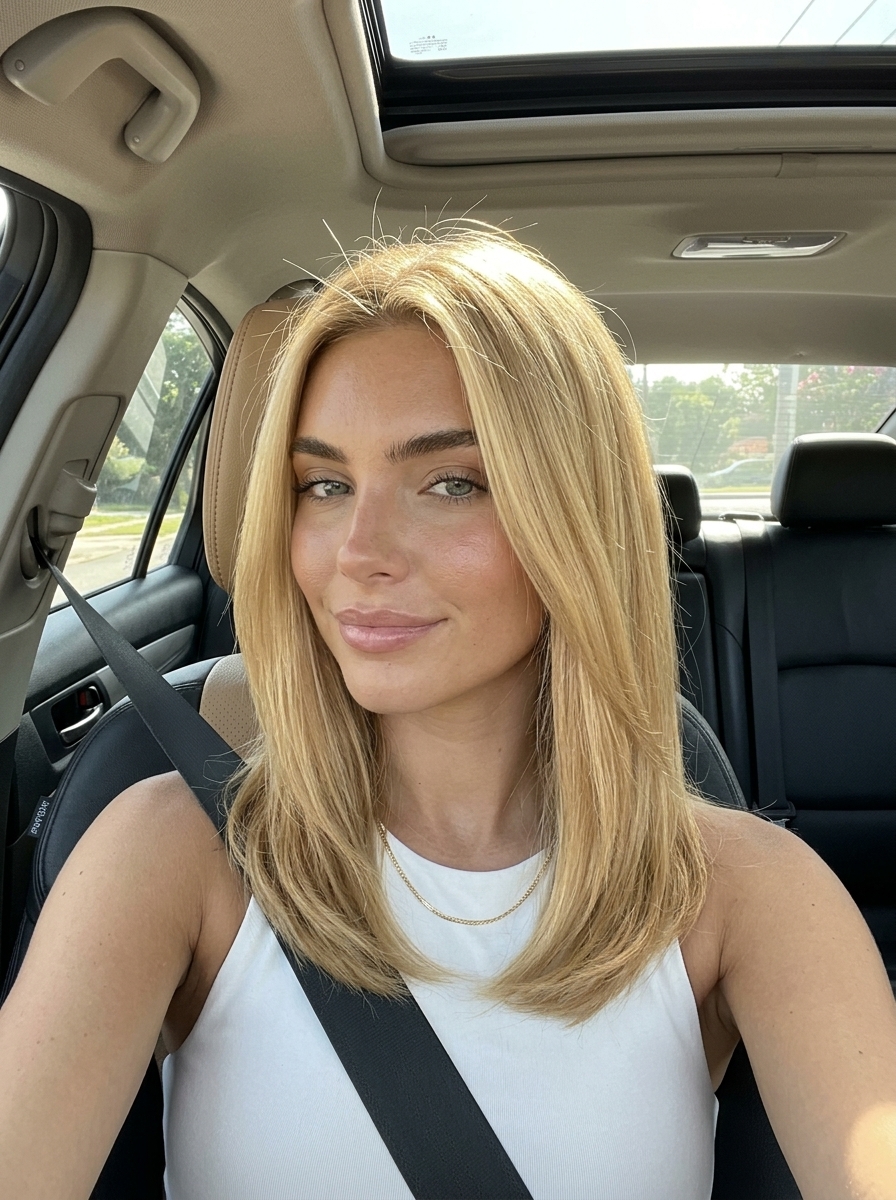
Sometimes the answer is just one color, applied uniformly from root to end. A uniform application of level 8-9 color creates a consistent, luminous glow mimicking natural sun-lightened hair. All-over blonde is less trendy than it was five years ago, sure—but it’s also less trendy to mess it up. When it’s done right, the simplicity reads as confidence.
This technique requires commitment. All-over blonde needs consistent toning products to avoid brassiness between salon visits. The payoff is that this all-over honey blonde maintained its luminous glow for 5 weeks using purple shampoo weekly, which is actually respectable for a single-process color. You’re looking at $200-$350 depending on length and current base, or maybe just a salon visit if you’re coming from a lighter starting point. The luminosity comes from tone choice, not technique complexity. Warmer undertones read more honey; cooler undertones read more champagne. Either way, the color needs reinforcement. Summer in a bottle.
Toasted Champagne Blonde
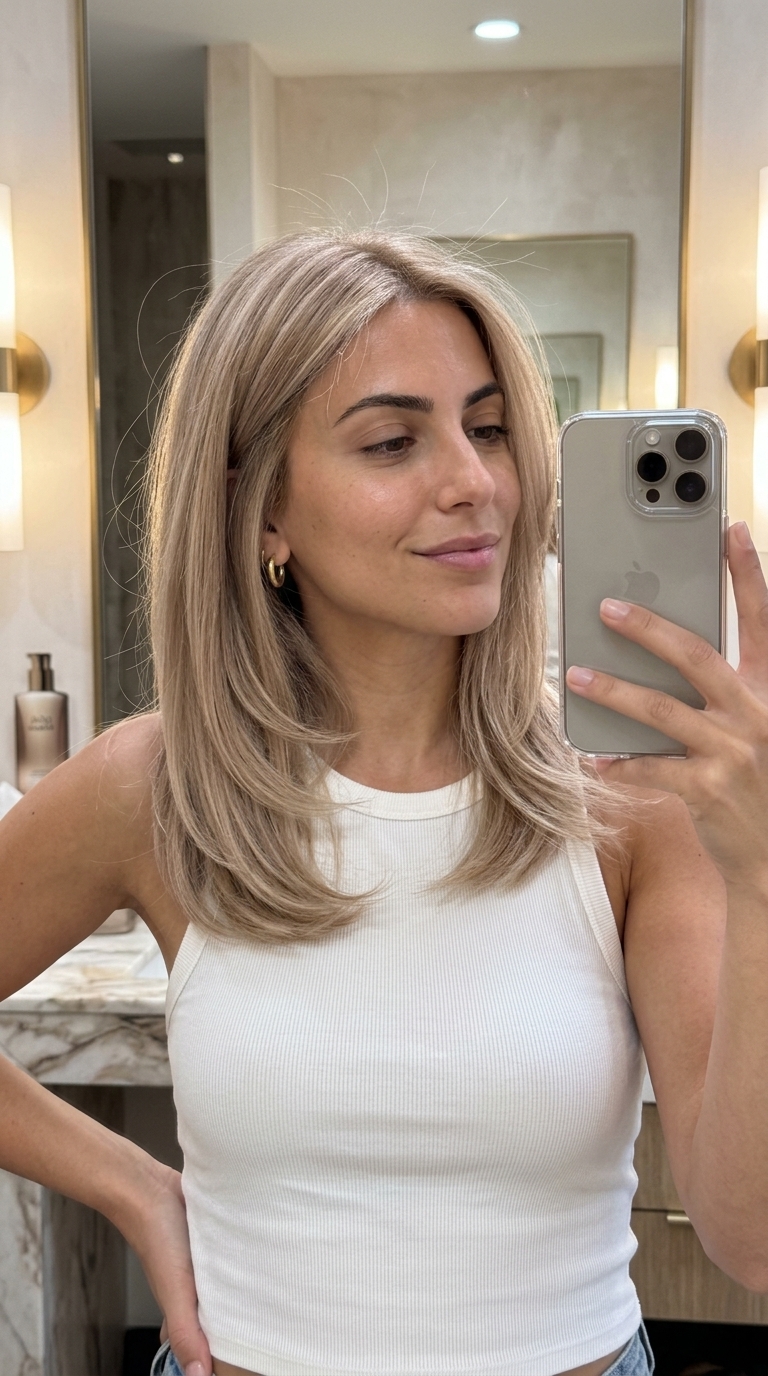
Toasted champagne is the shade that looks like it has a filter on it—slightly muted, slightly warm, vaguely creamy. Using a neutral-balanced toner with creamy undertones creates a sophisticated, muted champagne blonde that avoids brassiness. It’s less try-hard than platinum, more intentional than honey, and honestly sits in this Goldilocks zone where it photographs beautifully in natural light without looking washed out indoors.
The muted tone prevented brassiness for 7 weeks, requiring only a clear gloss refresh—probably worth the consultation at least. You’ll still need a purple shampoo, but the demand is less aggressive than with icy blondes. The color melt application keeps it dimensional without being busy; highlights stay subtle and integrated. Avoid if you prefer high-contrast highlights; this is a subtle, all-over glow. The toast comes from using undertones that lean slightly peachy or beige rather than silver. It’s a more forgiving blonde for people who worry about looking washed out. Toasted perfection.
Icy Champagne Blonde
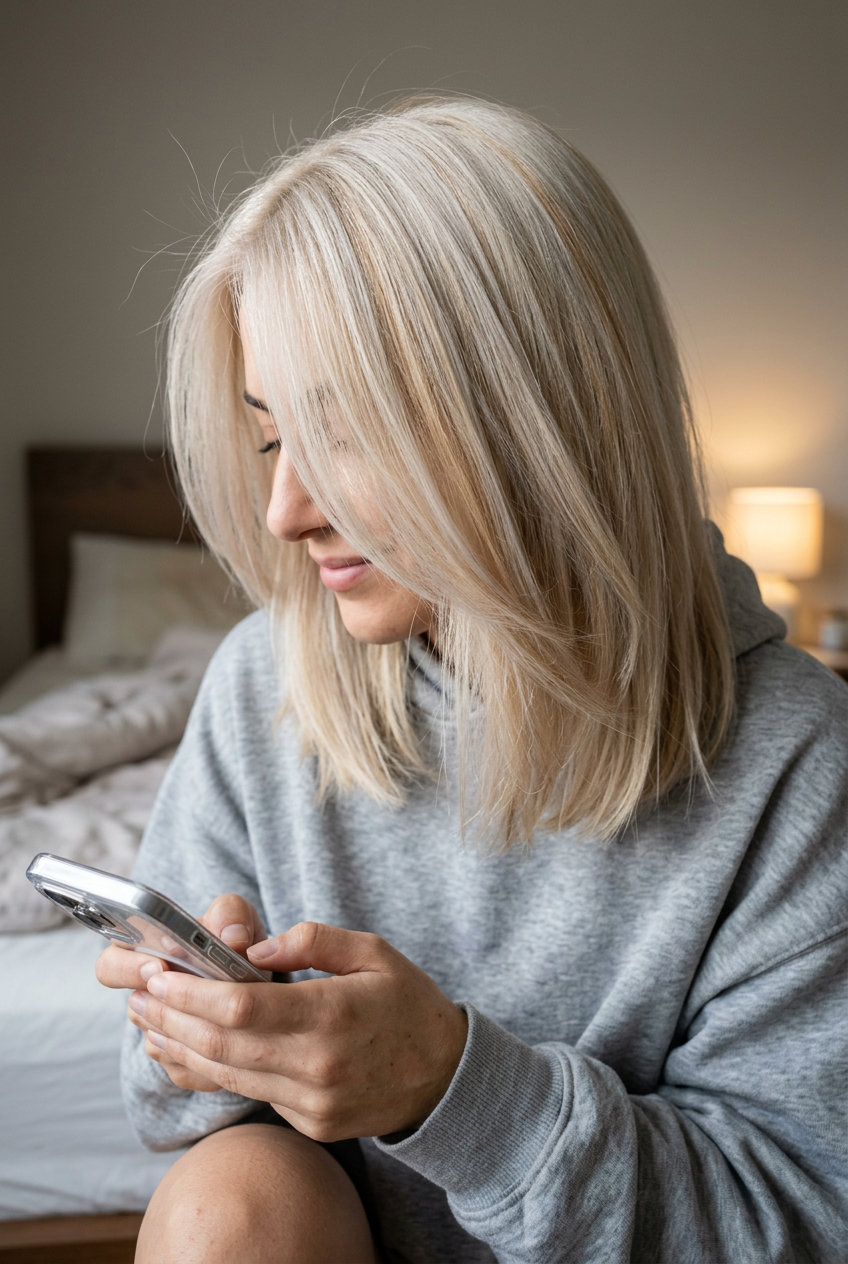
Icy champagne is the platinum edit—cooler, paler, more crystalline. Strategically placed, extremely fine babylights prevent a flat, one-dimensional look on icy blonde. This is the color you see on people who either live at the salon or have genuinely committed to maintenance. It’s stunning, it’s high-maintenance, and it’s honestly not for everyone despite what Instagram suggests.
The babylights prevented flatness, maintaining dimension for 11 weeks between major services—but that’s only if your base is already light or you’re willing to do significant lifting upfront. This ultra-pale blonde requires significant investment in bond-building treatments to maintain hair health. (Expect a long salon day.) You’re looking at $400+ for the initial service, probably another $200-$300 every 4-6 weeks for touch-ups and toning. The icy undertones need regular purple shampoo and a good bond treatment to keep hair from going crispy. It’s beautiful, but it’s a lifestyle choice as much as a color choice. The payoff is that icy blonde photographs like nothing else—cool, luminous, almost translucent in the right light. Next-level icy.
All Over Honey Blonde
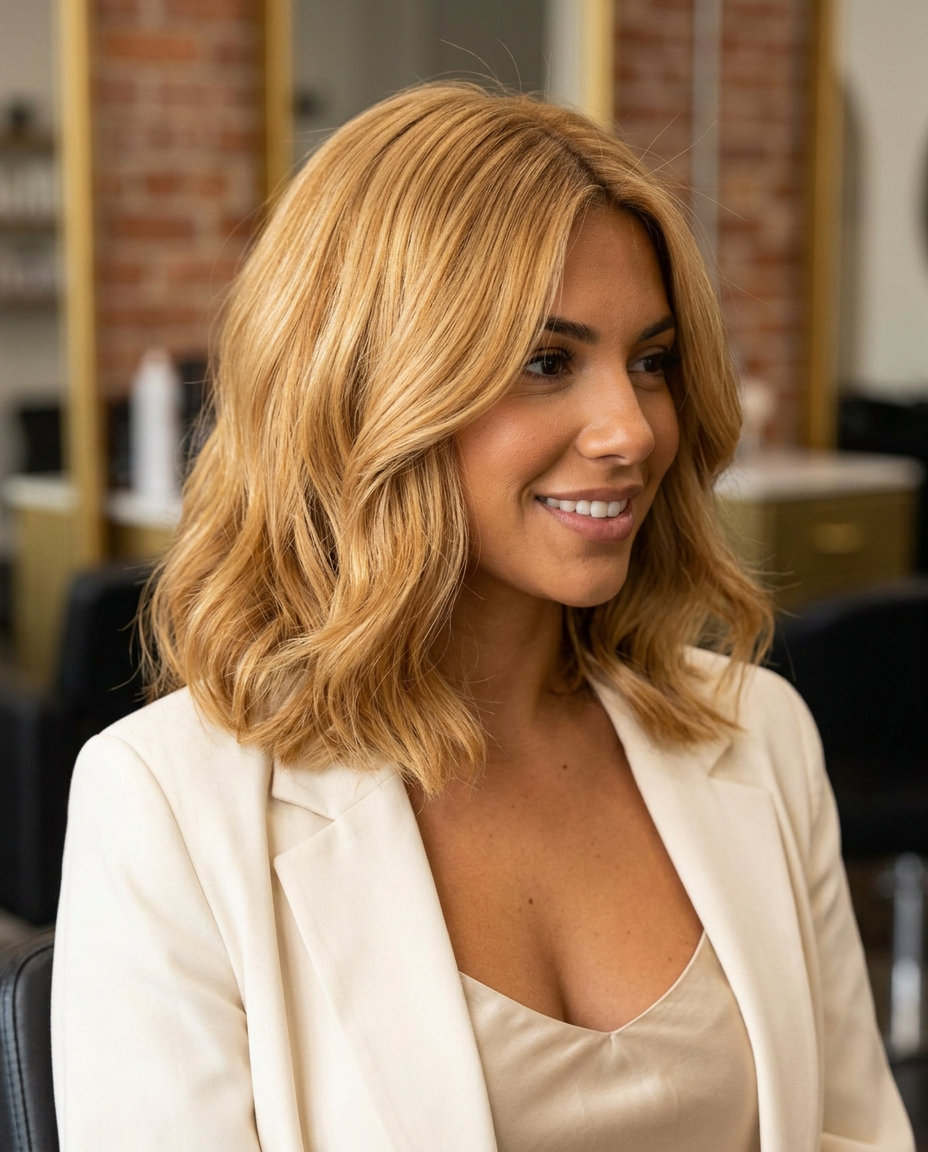
When you commit to a single, saturated color all over, you’re betting everything on depth and dimension—or lack thereof. A golden honey blonde all over needs to be flawless because there’s nowhere to hide. The payoff, though: if your stylist nails the global application, you get a consistent warmth radiating from root to tip that feels less like a trend and more like you’ve somehow absorbed six weeks of Greek sun. Global application ensures uniform, saturated color coverage, radiating consistent golden warmth from root to tip, which is why this requires real skill, not just time.
The reality check: global blonde requires $250+ salon visits every 6-8 weeks for root upkeep—the best $300 I’ve spent on color, to be honest. But here’s what actually works: the color maintained intense golden undertones for 5 weeks with sulfate-free shampoo twice weekly, which means you’re not constantly chasing fading. Medium to thick, straight to slightly wavy hair types handle this best; fine hair can look thin if the tone lands too pale. One styling trick is to use a lightweight texturizing cream at the crown to add movement where flatness might otherwise settle. This glow is real.
Champagne Honey Root Shadow
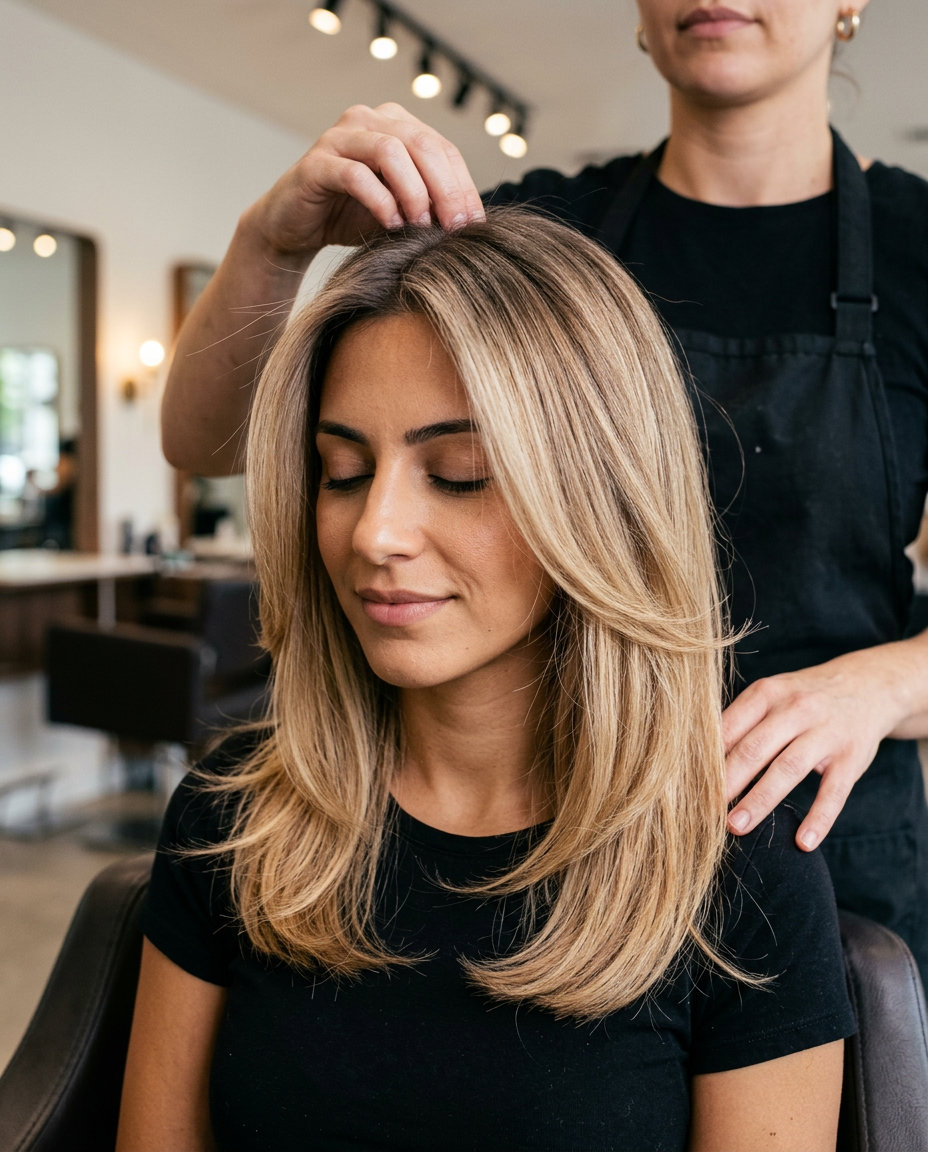
Root shadow is the smart person’s blonde—you get the dimension of a darker base with the brightness of champagne ends, except the line isn’t a line. It’s a gradient. A champagne honey root shadow gives you permission to let your natural roots do some of the work, which means fewer salon visits and honestly, a more forgiving grow-out cycle. The strategy is simple: keep the first two inches darker, let it fade into honey by mid-length, and finish champagne at the ends. Root shadow creates a soft transition, extending grow-out time and reducing harsh lines that scream “overdue for color.”
This approach allowed 10 weeks between salon visits before needing a refresh—or maybe a little warmer next time, depending on how your undertones settled. Cool-beige root shades don’t work for very warm skin tones; they might clash with your natural undertones if you’re on the golden side. The beauty is that you’re not committing to full-root maintenance or a complete color overhaul every time you sit down. Your stylist does the heavy lifting in sessions one and two, then just refreshes the ends and shadow line quarterly. Smart blonde, truly.
Honey Nectar Blonde Ombré
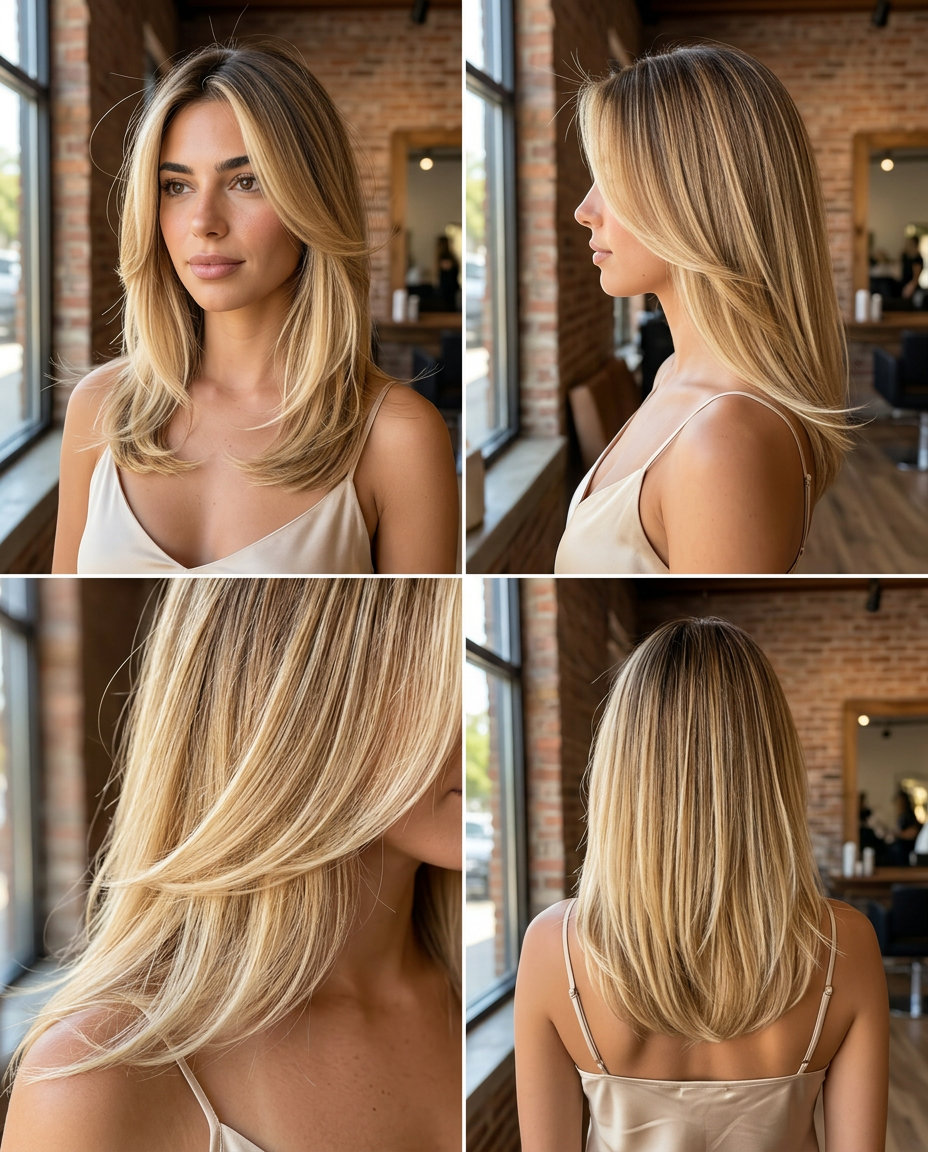
Ombré is what happens when you stop pretending your roots matter and lean into the sun-dipped narrative instead. A honey nectar blonde ombré keeps your base darker, sometimes closer to your natural color, and throws all the brightness into the ends—creating a look that whispers “I spend time outside” rather than “I spend time in a salon chair.” The technique keeps roots natural, providing a sun-dipped effect with a soft grow-out, so your hair doesn’t scream for a refresh every five weeks. Ombré on dark hair often requires multiple lifting sessions to achieve desired brightness, though, which is something to discuss before booking. The ombré ends remained bright and luminous for 3 months with minimal fading, which is all my fine hair can handle before asking for a gloss refresh. You’re not fighting harsh lines between zones; instead, you have a natural fade that looks intentional whether you’re at week two or week eight post-color. Summer hair, perfected.
Champagne Platinum Color Melt
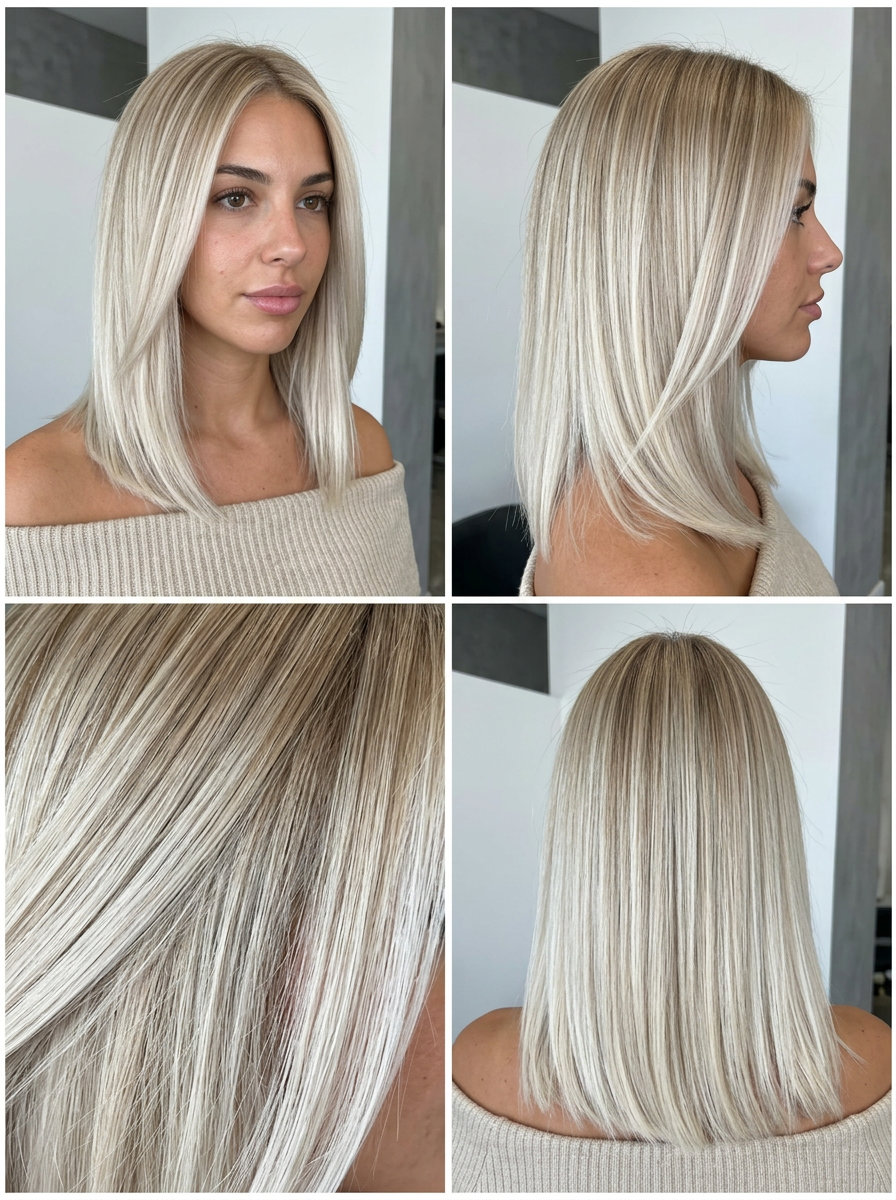
Color melt is for the person who sees “bold” as a starting point, not a boundary. A champagne platinum color melt goes hard: deep champagne at the roots that melts sharply into icy platinum at the ends, no apologies. This isn’t a soft fade. This is a deliberate color story that says you know what you want and you’re willing to maintain it. Color melt creates a dramatic, sharp contrast from root to ends, emphasizing the platinum brightness in a way that makes every angle photograph differently. The platinum ends held icy tone for 4 weeks with purple shampoo twice weekly, which is maintenance you need to actually commit to—not just think about.
Avoid if you can’t commit to high-maintenance toning and deep conditioning; your ends will go brassy before you’re ready to refresh. This is a look that demands weekly deep-conditioning treatments and purple-depositing products to keep the cool tones from turning warm and tired. Probably worth the consultation at least to discuss whether your hair can handle the lifting and whether your lifestyle can handle the upkeep. If you hate going to the salon every month, this isn’t it. If you love a sharp, intentional color moment that stops conversations, this is exactly it. Bold. Unapologetically so.
Rose Gold Honey Blonde Balayage
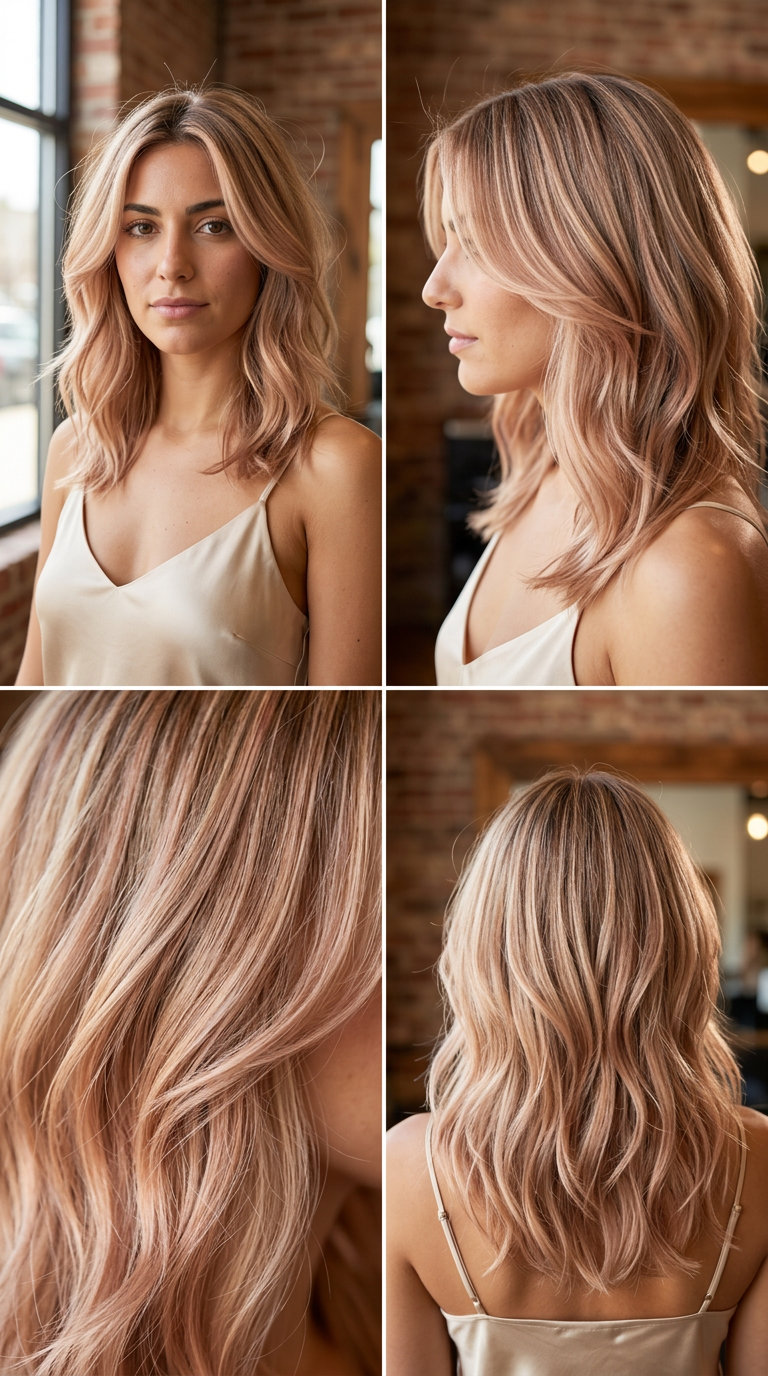
Rose gold honey blonde balayage is the warm-toned answer for people who want dimension without looking like they’re trying too hard. The technique uses fine balayage pieces and custom rose gold gloss to create a soft, shimmering blush effect that catches light differently depending on angle and movement. A rose gold honey blonde balayage feels less like a color appointment and more like a personal edit—adding warmth where the sun would naturally, deepening in shadow areas, brightening only where it matters. This works best on fair to medium skin tones with neutral or warm undertones, where it actually enhances green and blue eyes instead of washing them out. Rose gold nuances lasted 3 weeks before needing a demi-permanent refresh, which means you’re not tied to root maintenance the way you would be with a solid color. The hand-painted nature of balayage means grow-out is forgiving; there’s no rigid line fighting against your natural regrowth. You can let this sit for six, seven, even eight weeks and it still reads intentional. My favorite part, honestly, is that it requires zero styling to look dimensional—the color does the work for you. Just a hint of magic.
Toasted Honey Balayage
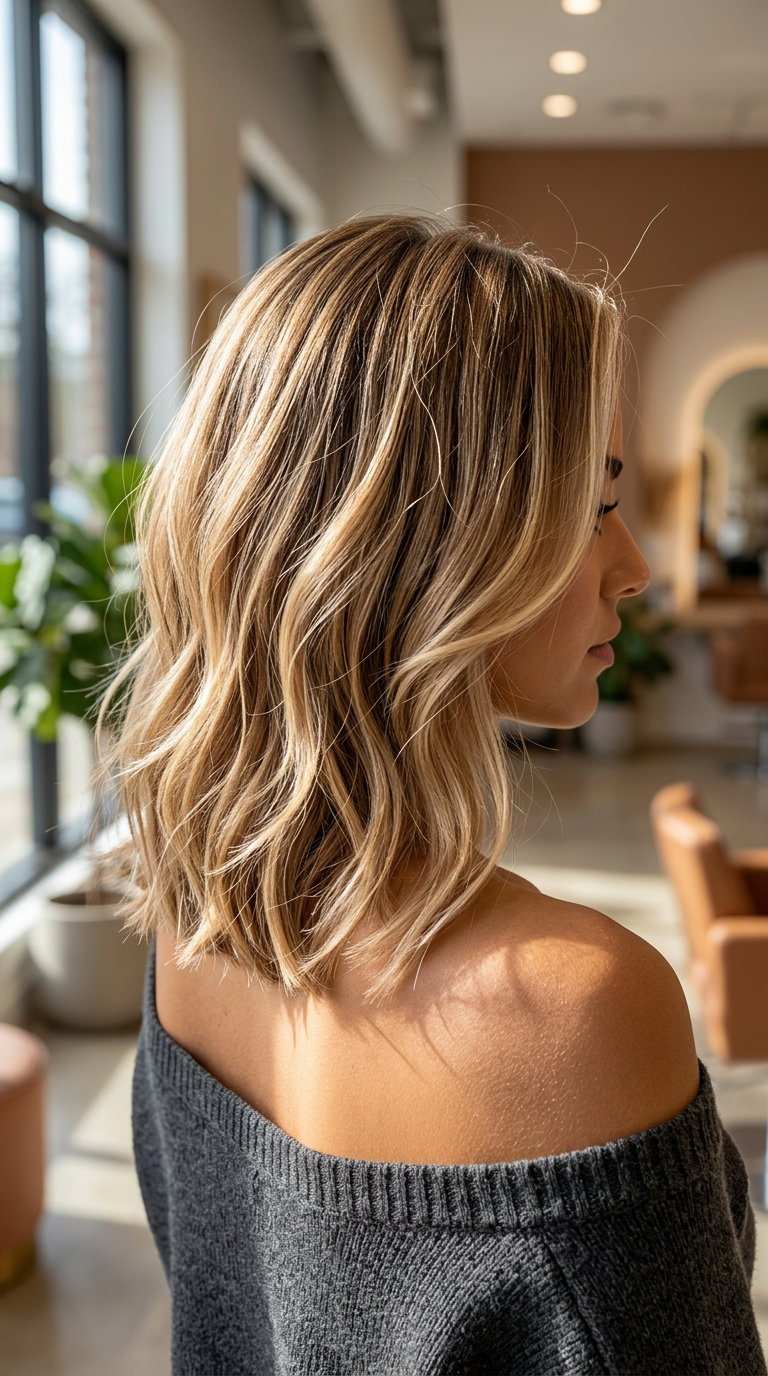
The difference between a balayage that photographs well and one that actually holds up through summer is depth. Toasted honey balayage works because it layers warm midtones with deeper caramel lowlights—not the flat, one-dimensional blonde that fades into confusion by week four. Deeper lowlights within the balayage create multi-tonal dimension, preventing that washed-out look entirely. The technique requires a stylist who understands how to place darker pieces strategically around the face and through the mid-lengths, which is why achieving this dimension takes 2-3 salon sessions, increasing initial cost.
What makes this actually worth the investment is the grow-out pattern. Balayage grow-out remained seamless for 8 weeks, avoiding harsh root lines—your natural regrowth just blends into the hand-painted shadow. (My summer go-to, honestly.) The toasted honey part means warm, honeycomb-adjacent tones that don’t require the aggressive purple shampoo regime of cooler blondes. You’re working with your natural warmth instead of fighting it. Best on medium to thick, wavy to curly hair types because the texture catches light and amplifies the dimension you’ve paid for. The key is asking your stylist to use a mix of balayage and subtle lowlighting—not just highlights scattered everywhere. Sun-kissed perfection.
Buttercream Blonde Shadow Root
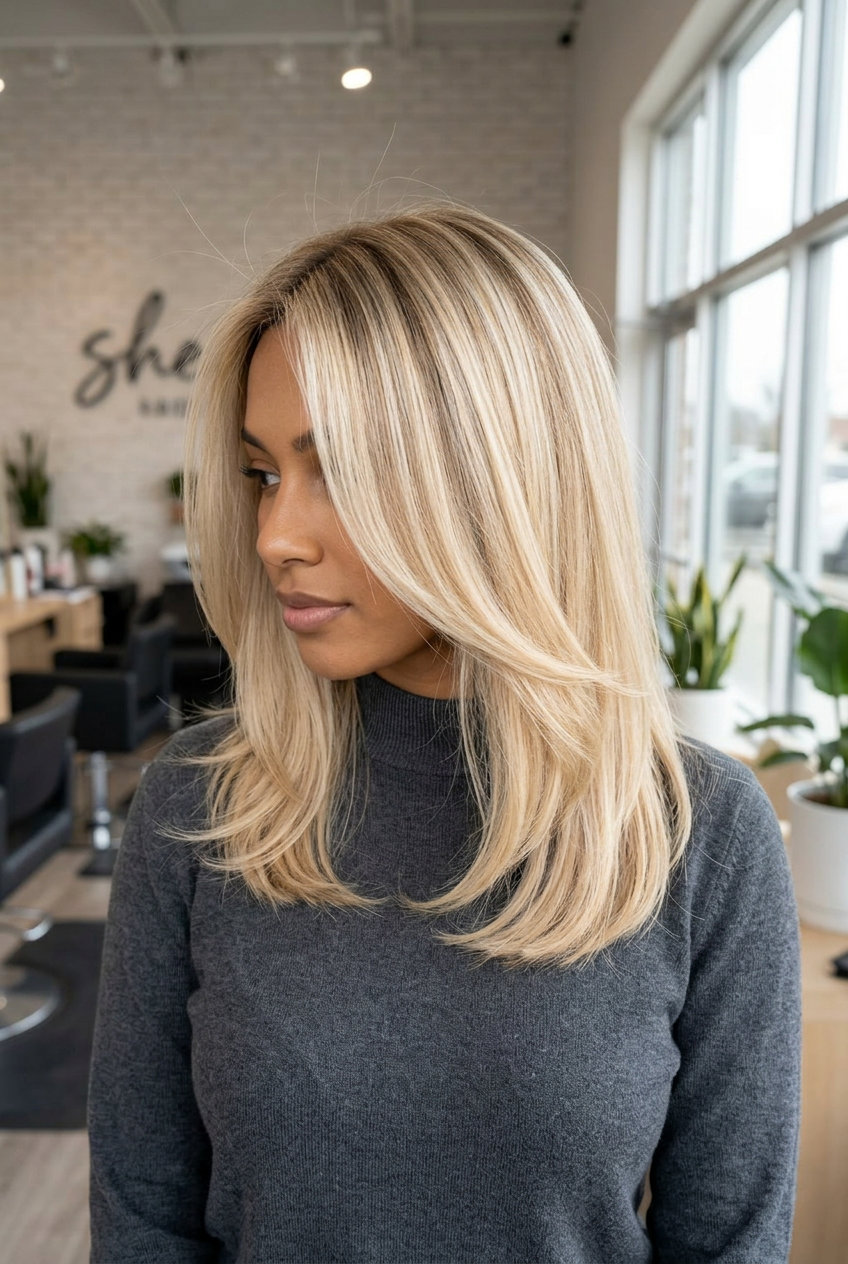
Shadow root as a concept is genius—it’s the only way blonde works if you’re not obsessed with salon visits. Instead of trying to match your regrowth perfectly, a shadow root deliberately deepens the roots in a diffused, blended way. Demi-permanent shadow root diffuses regrowth, extending salon visits by preventing harsh lines that scream ‘I’m overdue.’ The rest of your hair stays buttercream blonde—creamy, soft, almost pale yellow without reading as icy. This is the opposite of platinum, which demands precision and monthly touch-ups.
Shadow root allowed for 10 weeks before needing a salon touch-up, which means you can actually book your next appointment at a reasonable time. The shadow isn’t a hard line; it’s a gradient that melts into the blonde, so even when your natural roots push through, the transition feels intentional. Excited about this because it’s finally a blonde technique that acknowledges human hair growth instead of fighting it. The demi-permanent shadow usually lasts longer than the blonde on top, so you get this naturally deepening effect as the weeks pass. Buttery blonde dreams.
Champagne Root Smudge Blonde
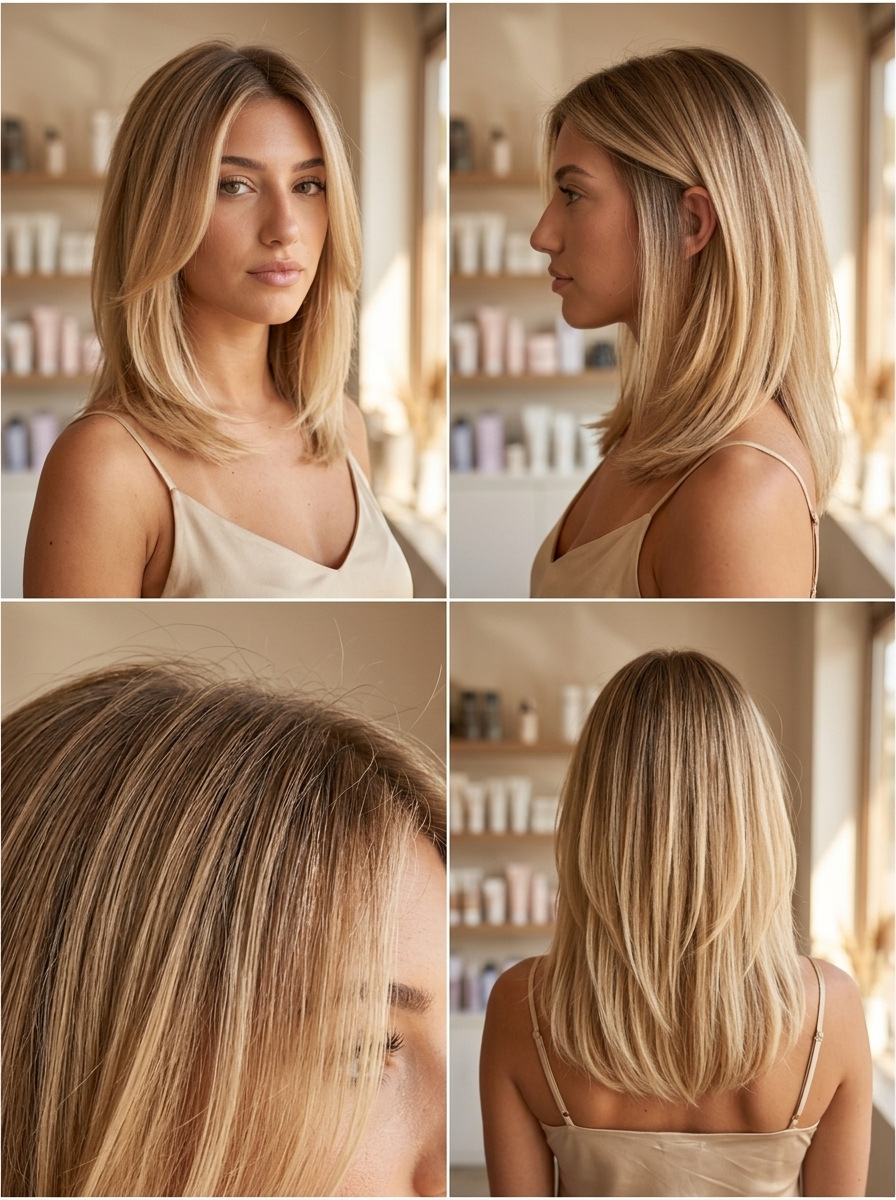
Champagne blonde only works if you stop it from turning brassy, which is where most people fail. The root smudge technique uses cool-toned dye applied to the darker regrowth area—beige and violet undertones work together, neutralizing warmth and ensuring a cool, luminous blonde. This isn’t a shadow root; it’s an active color choice that prevents brassiness at the source. The smudge sits somewhere between your natural root darkness and the blonde on top, so it doesn’t look like an obvious root touch-up.
Cool root smudge kept brassiness away for 6 weeks, maintaining champagne tone without constant purple shampoo dependency. The technique requires precision—your stylist needs to understand cool undertones and how they interact with your specific hair porosity, which is all my fine hair can handle honestly. Skip if you have warm or golden skin undertones—it might wash you out. The champagne blonde itself needs to sit at a cool level 8 or higher; anything darker reads muddy instead of luminous. Maintenance involves one specific color-depositing product at home between salon visits, though specifics matter less than understanding the principle: cool tones keep cool tones cool. The ultimate blend.
Still Deciding? Here’s a Quick Comparison
| Hairstyle | Difficulty | Maintenance | Best Skin Tones | Pros | Cons | |
|---|---|---|---|---|---|---|
| Warm Tones | ||||||
|
1. Luminous Nectar Honey Blonde | Moderate | High — every 6-8 weeks | All skin tones | Suits most face shapesWorks on multiple textures | Frequent salon visits needed |
|
2. Toasted Honey Balayage Waves | Moderate | Low — every 8-10 weeks | All skin tones | Low maintenanceSuits most face shapesWorks on multiple textures | Not ideal for fine hair |
|
3. Champagne Pearl Undercut | Salon-only | High — every 3-4 weeks | all skin tones, especially those who can pull off both warm and cool tones | Suits most face shapesWorks on multiple textures | Requires professional styling |
|
4. Buttercream Honey Color Melt Ribbons | Moderate | Medium — every 6-8 weeks | All skin tones | Suits most face shapesWorks on multiple textures | Not ideal for very curly hair |
|
5. Champagne Beige All-Over | Moderate | Medium — every 6-8 weeks | a wide range of skin tones, especially neutral, cool, and light-to-medium warm complexions | Works on multiple textures | Not ideal for very curly hair |
|
6. Golden Honey Money Pieces | Moderate | Medium — every 6-8 weeks | warm, neutral, and olive skin tones | Works on multiple textures | Not ideal for very curly hair |
|
8. Honey Butter Balayage | Moderate | Low — every 12-16 weeks | medium to deep skin tones with warm or olive undertones | Low maintenanceSuits most face shapesWorks on multiple textures | Not ideal for fine hair |
|
10. Creamy Honey Textured Lob | Moderate | Medium — every 6-8 weeks | fair to medium skin tones with warm or neutral undertones | Suits most face shapesWorks on multiple texturesSubtle sun-kissed effect | Not ideal for very curly hair |
|
11. Honey Blonde Reverse Balayage | Moderate | Medium — every 12-16 weeks | medium to deep skin tones with warm or neutral undertones | Suits most face shapesWorks on multiple texturesNatural-looking dimension | Not ideal for very curly hair |
|
13. Sun-Kissed Honey All-Over | Moderate | Medium — every 4-6 weeks | fair to medium skin tones with warm or neutral undertones, and especially stunning on oliv | Suits most face shapesWorks on multiple textures | Not ideal for very curly hair |
|
14. Toasted Marshmallow Champagne | Salon-only | Medium — every 6-8 weeks | fair to medium skin tones with neutral or slightly warm undertones | Suits most face shapesWorks on multiple textures | Requires professional styling |
|
15. Icy Champagne Platinum Blend | Moderate | High — every 4-6 weeks | fair to light skin tones with cool or neutral undertones | Suits most face shapesWorks on multiple texturesSubtle sun-kissed effect | Frequent salon visits needed |
|
16. Golden Honey All-Over | Moderate | High — every 4-6 weeks | All skin tones | Suits most face shapesWorks on multiple textures | Frequent salon visits needed |
|
17. Smoky Champagne Honey Root Shadow | Moderate | Low — every 8-12 weeks | All skin tones | Low maintenanceSuits most face shapesWorks on multiple textures | Not ideal for very curly hair |
|
18. Honey Nectar Ombré | Moderate | Medium — every 6-8 weeks | warm, olive, and deeper skin tones | Suits most face shapesWorks on multiple textures | Not ideal for fine hair |
|
19. Champagne Platinum Melt | Salon-only | High — every 4-6 weeks | cool to neutral skin tones, especially fair to light complexions | Suits most face shapes | Requires professional styling |
|
20. Rose Gold Honey Blend | Moderate | Medium — every 4-6 weeks | fair to medium skin tones with neutral or warm undertones | Suits most face shapesWorks on multiple texturesNatural-looking dimension | Not ideal for very curly hair |
|
21. Toasted Honey Balayage | Moderate | Low — every 8-10 weeks | All skin tones | Low maintenanceSuits most face shapesWorks on multiple textures | Not ideal for fine hair |
|
22. Buttercream Blonde Shadow Root | Moderate | Medium — every 8-10 weeks | fair to light neutral skin tones, especially those with pink or peach undertones | Suits most face shapesWorks on multiple textures | Not ideal for very curly hair |
|
23. Champagne Root Smudge | Moderate | Low — every 8-12 weeks | cool to neutral skin tones, especially fair and light-medium | Low maintenanceWorks on multiple textures | Not ideal for very curly hair |
| Cool Tones | ||||||
|
7. Icy Champagne Babylights | Moderate | Medium — every 12-16 weeks | All skin tones | Suits most face shapesWorks on multiple textures | Not ideal for very curly hair |
|
9. Champagne Face-Framing Ribbons | Moderate | Medium — every 6-8 weeks | All skin tones | Works on multiple textures | Not ideal for very curly hair |
Frequently Asked Questions
How can I make my champagne honey blonde hair shine more at home?
The Luminous Nectar Honey Blonde and Champagne Beige All-Over styles rely on cuticle-sealing products to maintain their high-gloss finish between salon visits. Apply a honey-infused oil to mid-lengths and ends 1-2 times weekly, and use a toner-refresh product (violet-beige foam or mask) every 7-10 days to neutralize yellowing and restore that luminous quality. The Buttercream Honey Color Melt Ribbons specifically benefit from this routine because the blend sits at that critical level 8+ where even slight tone shift becomes visible.
What are the best DIY styling options for dimensional blonde hair?
Styles like Toasted Honey Balayage Waves and Buttercream Honey Color Melt Ribbons are designed to showcase dimension through movement, so focus on styling that enhances natural wave or curl. Soft, tousled waves (using a heat protectant spray first) let the ribbon-like highlights catch light without looking overdone. Avoid sleek, flat styling on these cuts—the whole point is that the balayage and color melt create their own visual interest when texture is present.
Can I style a Champagne Pearl Undercut look myself, or does it require professional upkeep?
The cut itself is salon-only because the undercut geometry and taper demand precision, but styling it at home is possible once it’s established. The real challenge is maintaining that pearlescent tone on the exposed undercut section—it requires weekly toning with a violet-beige product to prevent the pale blonde from shifting warm. The undercut also needs a trim every 4-5 weeks to keep the contrast sharp; after 6 weeks, regrowth softens the whole effect and defeats the purpose of the style.
How often should I tone my champagne honey blonde between salon visits?
All-over champagne styles like Champagne Beige All-Over and Neutral Champagne Perfection need toning every 7-10 days to maintain their cool balance. Balayage and color melt styles (like Toasted Honey Balayage Waves or Buttercream Honey Color Melt Ribbons) can stretch to 10-14 days because the dimension masks slight tone shift. Use a color-depositing toner or toning mask—specifics matter less than understanding that cool tones fade into warmth, and you’re actively preventing that fade with every application.
Which face shapes suit these champagne honey blonde styles best?
Luminous Nectar Honey Blonde and Champagne Beige All-Over work on all face shapes because they’re full-coverage colors—the shape comes from cut, not color placement. Styles with strategic placement like Champagne Pop Face-Frame Ribbons and Money Piece Honey Blonde are specifically designed for heart and oval faces, where the brighter ribbons around the face draw attention upward. If you have a round or square face, ask your stylist about lowlight placement (like in Reverse Balayage Depth or Smoky Root Shadow Blonde) to add definition without relying on face-framing highlights alone.
Final Thoughts
The truth about summer champagne honey blonde hair color 2026 is that it demands respect—not because it’s difficult, but because it’s unforgiving. Cool tones stay cool only if you treat them like the precision work they are. One wrong toner, one missed UV protectant, and you’re watching your luminous investment turn brassy in real time.
But here’s what makes it worth the vigilance: when it works, it actually works. That cool-toned shimmer, that honey-without-heat glow, that effortless-looking shimmer that took three salon visits to achieve—it’s the kind of color that makes people ask what you’re doing differently. The answer, of course, is everything.