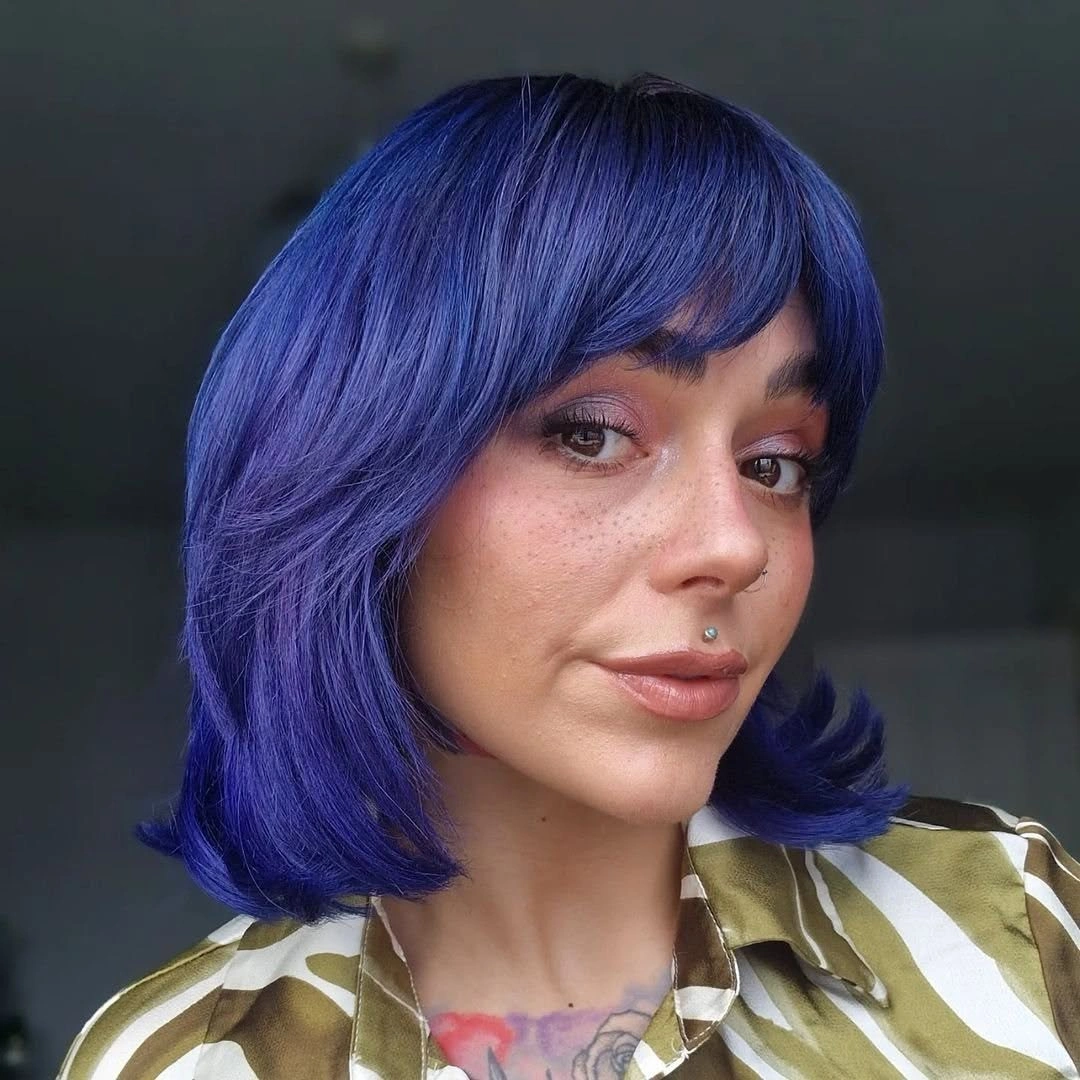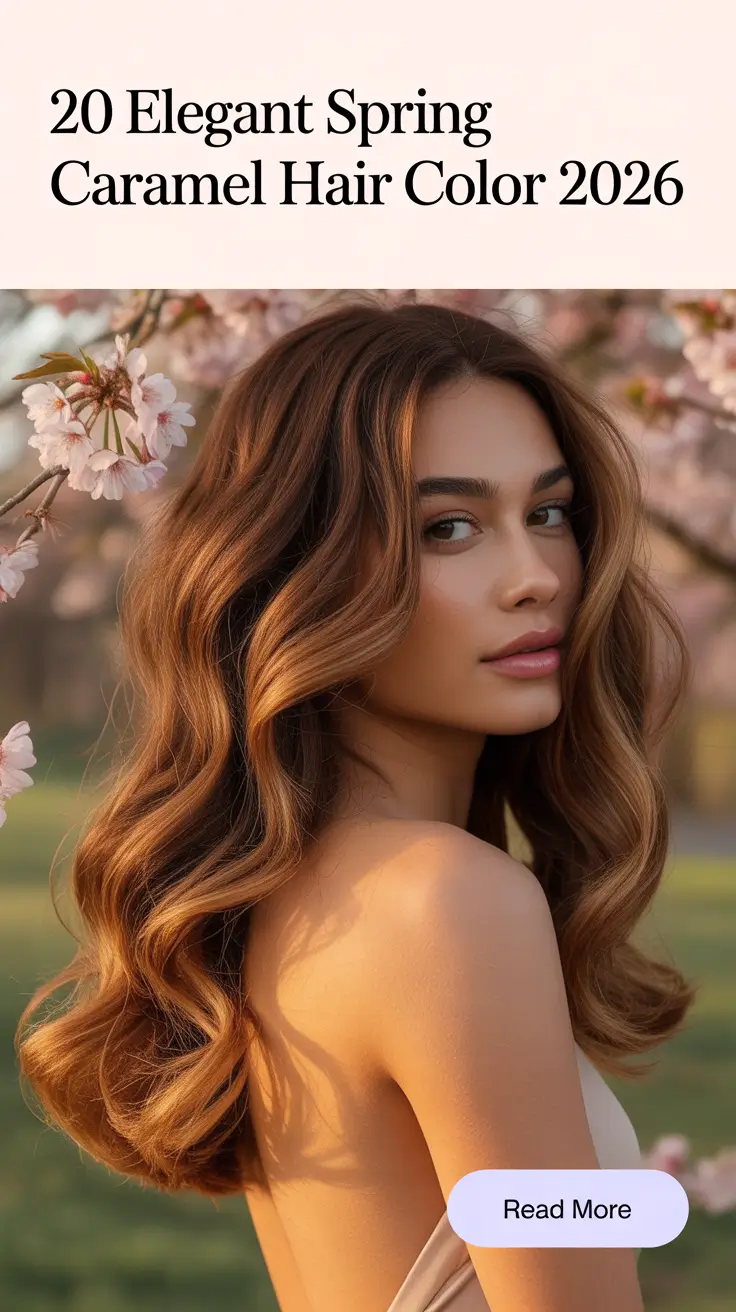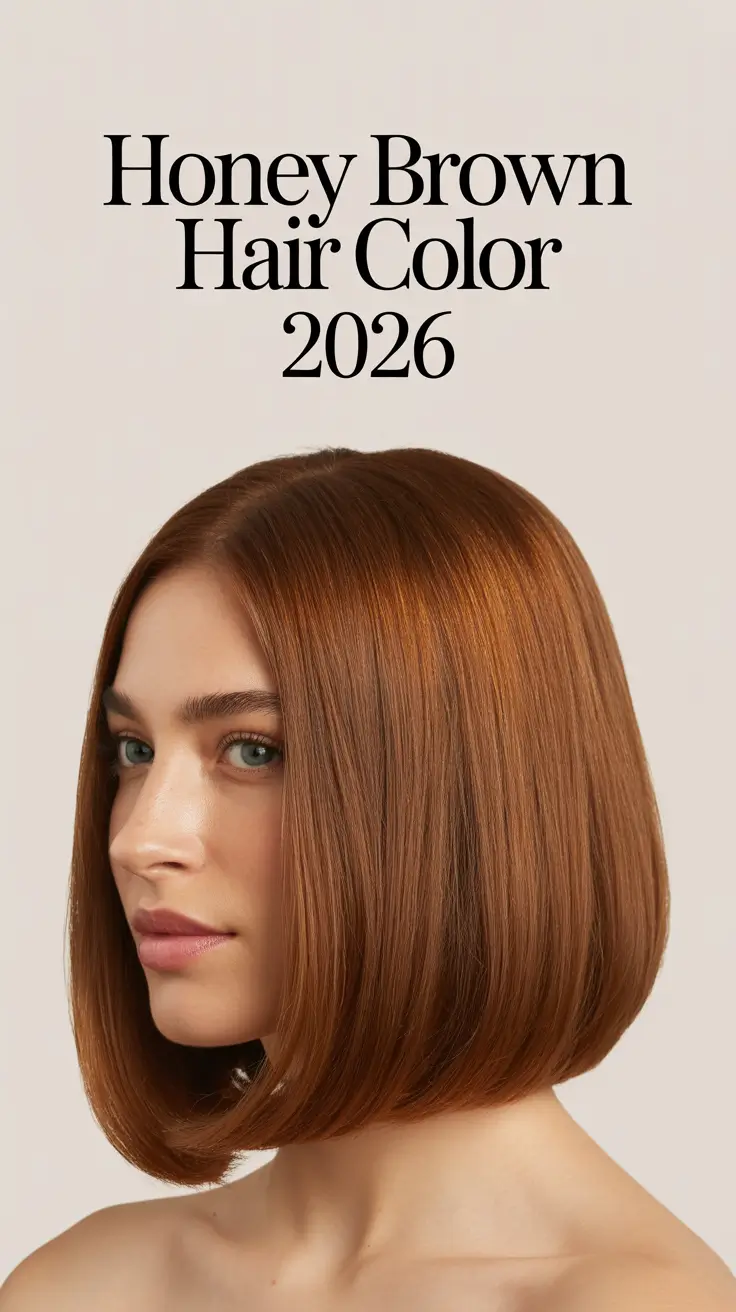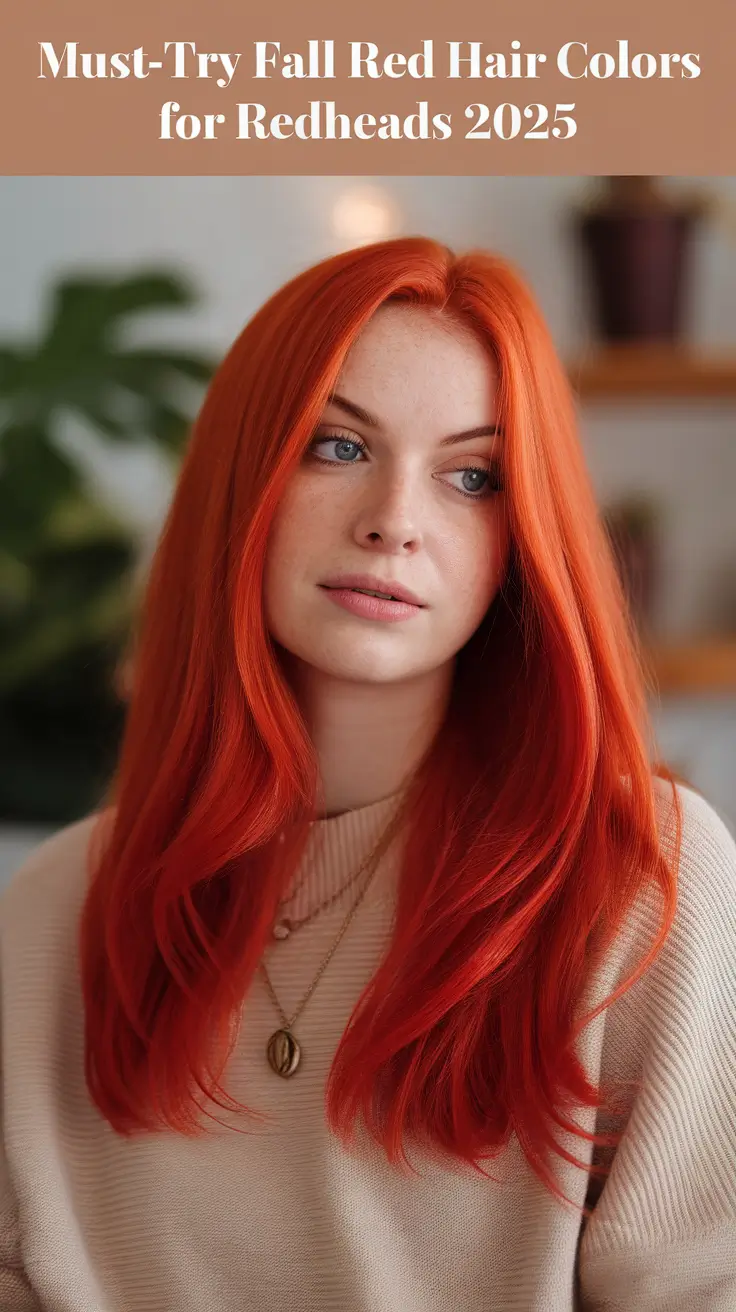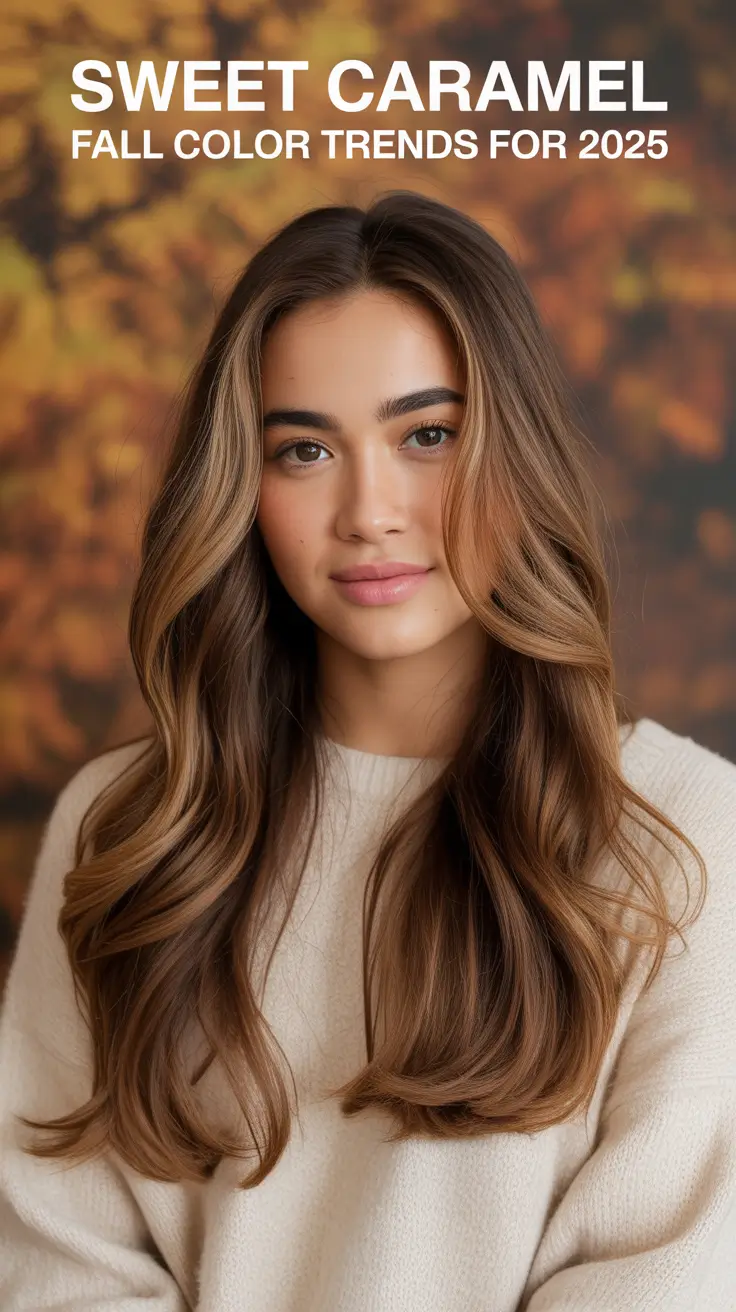

Honey Glaze, Mushroom Taupe, Peach Fuzz Ombre, Expensive Espresso, Linen Blonde—I keep seeing these exact names in salon consultations, all summer 2024 and bleeding into 2025. Rihanna’s syrupy gold at the Fenty launch, Dakota Johnson’s smoky neutral on street style, Sydney Sweeney’s soft pastel editorials. The pattern is impossible to miss: everyone’s moved past high-contrast dip-dye into what colorists are calling “lived-in luxury.” The shift is real, and it’s not about looking sun-kissed and damaged anymore.
Summer ombre hair color 2026 is the merger of Old Money Blonde with Hydro-Shine, prioritizing hair health and six-month longevity over Instagram shock value. You’re looking at Internal Ombre for the subtle professional, Root Smudging to eliminate harsh lines, Wet Balayage for fine hair—techniques paired with cuts like the Italian Bob, Butterfly Layers, and Soft Shag that actually showcase the gradient instead of burying it. This works for warm skin tones, cool undertones, olive complexions, and literally everyone in between.
I spent two years chasing the bleached-to-oblivion blonde everyone was doing, then watched my ends turn to straw while my colorist kept saying “just one more session.” The moment I switched to a lived-in ombre with proper toning maintenance? My hair actually felt like hair again. Turns out the expensive-looking approach is also the one that doesn’t wreck you.
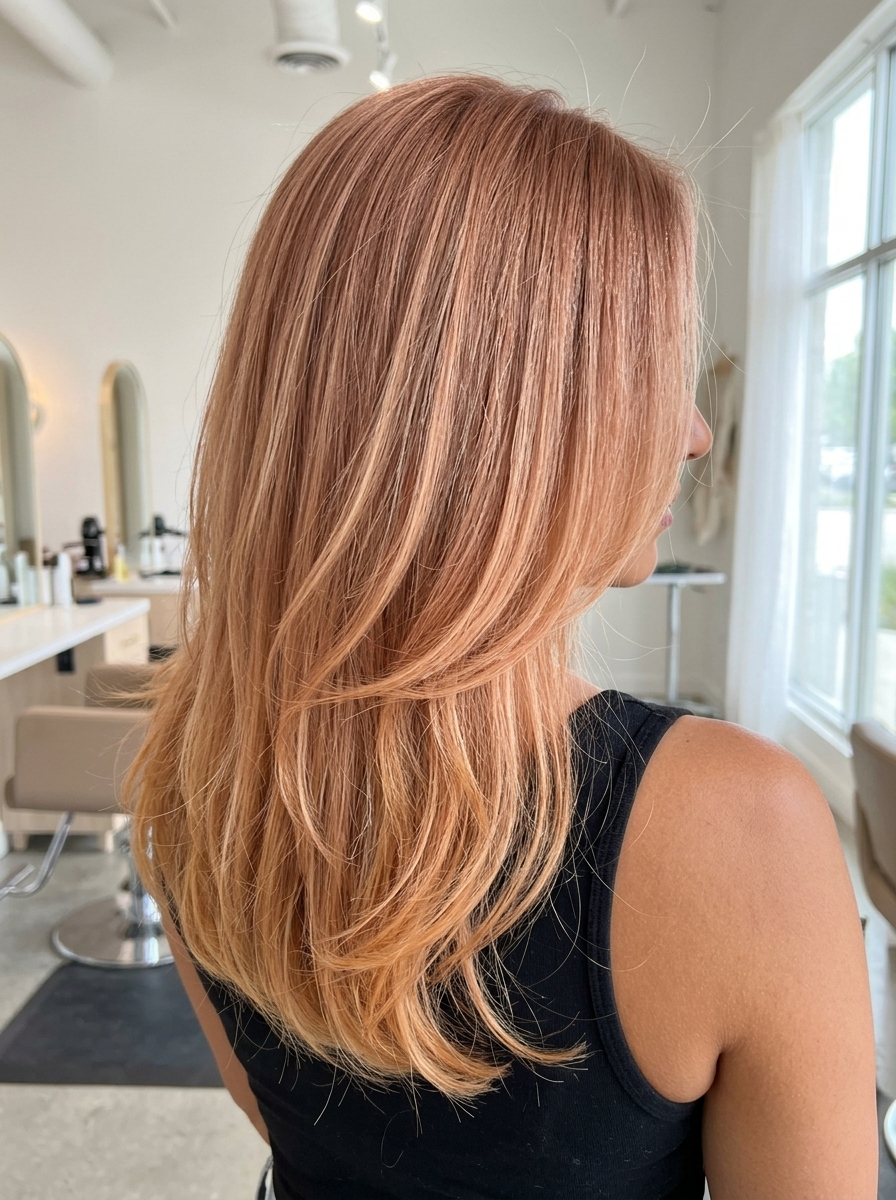
Strawberry Blonde Ombre
Strawberry blonde ombre hits different in summer. The warmth works because it mimics what sun actually does to hair—deepens at the root, lightens toward the ends—except you control the pace and intensity. Best on fine to medium density hair, straight or wavy textures, this look translates across face shapes without drama. The gradual transition from base to ends creates a sun-kissed effect that grows out gracefully without harsh lines, which matters when you’re paying for precision work.
Here’s what actually happens: the base stays a deeper strawberry tone while midlengths and ends lift into peachy-blonde territory. Color held its multi-dimensional warmth for 6 weeks before needing a refresh, which is solid timing if you’re not obsessing over root regrowth. Initial salon cost for multi-tonal ombre can exceed $300, budget accordingly—worth every penny, truly—but that’s the investment before maintenance kicks in. Ask your stylist about shadow root options; they extend the life of your color by softening that grow-out line. The mid-tones do the heavy lifting here, blending what’s natural with what’s new. Strawberry dreams.
Butterscotch Blonde Ombre
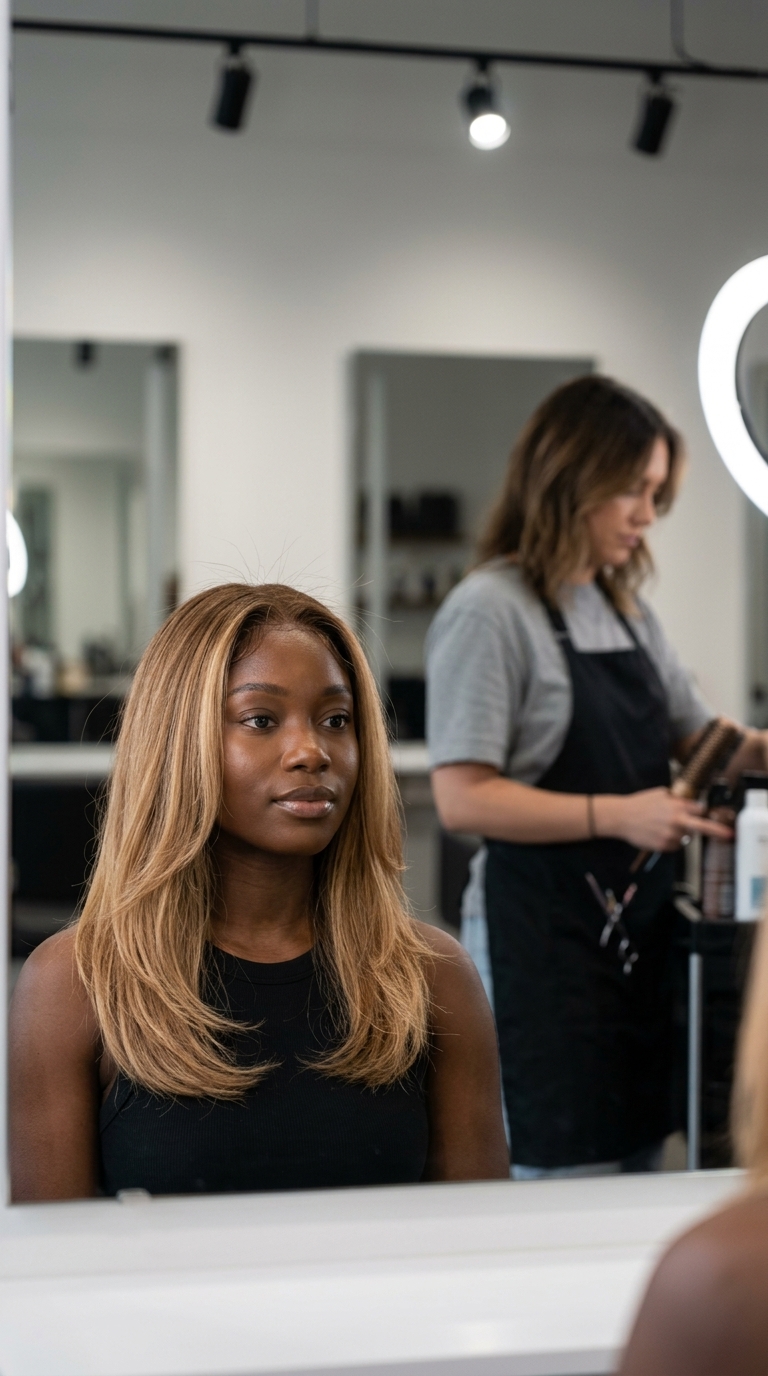
Butterscotch sits in that middle space where warm meets neutral. It doesn’t demand the same commitment as platinum, and it doesn’t fade into brassy territory like some golds do. This is the ombre that works if you’re testing the waters without burning through your salon budget in one appointment. Seamless blending of highlights from base ensures a natural, sun-kissed look with minimal demarcation lines, which is the whole point of paying for skill instead of just bleach and hope.
The technique here means your stylist is placing lighter tones strategically through midlengths, not slapping them on root-to-tip like the 2010s taught everyone to fear. Butterscotch highlights maintained their golden warmth for 8 weeks without turning brassy, or maybe caramel, honestly—the point is they stayed warm without that weird peachy undertone some blondes get when they oxidize. Not for very fine hair—highlights might look stripey instead of blended—so talk texture before your appointment. The base color stays rich enough to anchor everything. Perfect timing for summer growth because this fade pattern actually improves the look as it mellows out. Buttery perfection.
Espresso Reverse Ombre
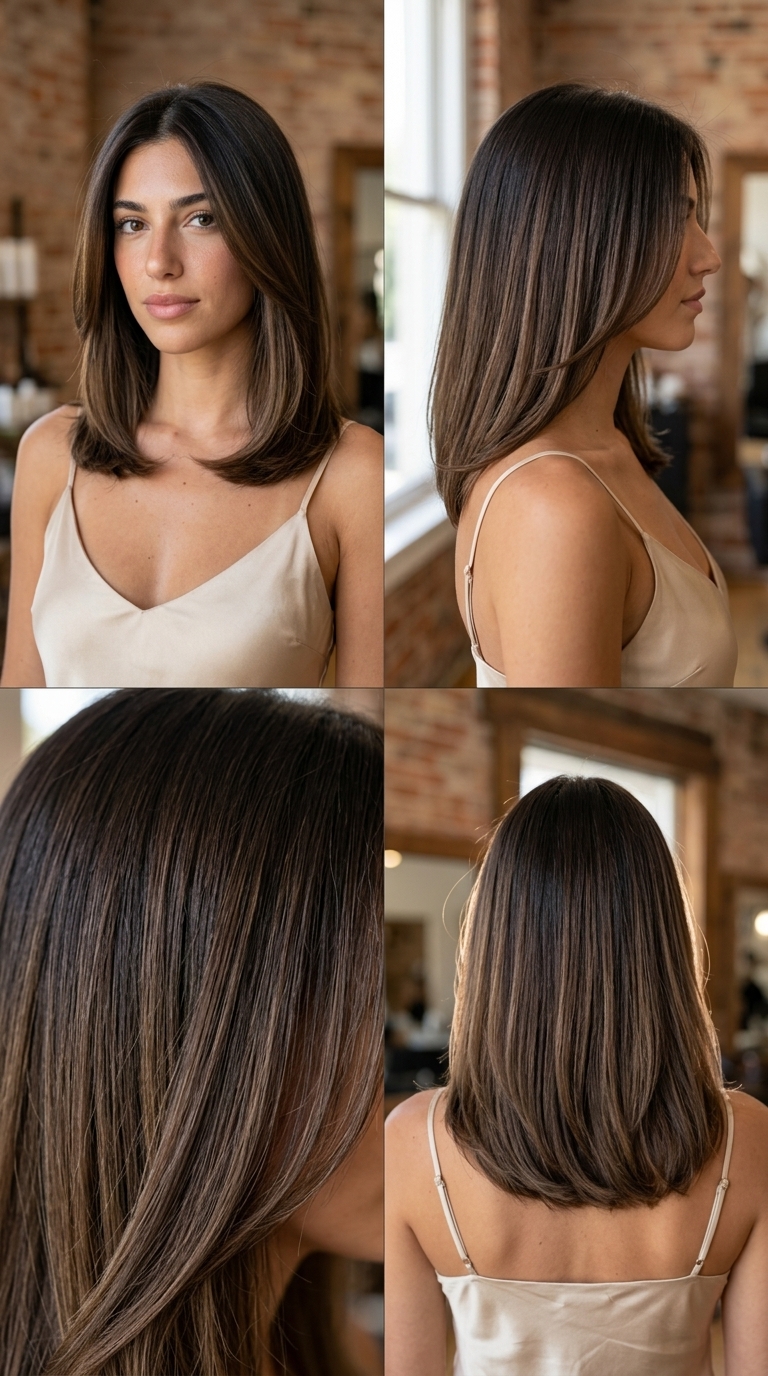
Reverse ombre flips the script: dark base, light ends. It’s subtler than traditional ombre, which means it photographs like something you didn’t try too hard to achieve. The aesthetic reads as intentional without screaming for attention. Your stylist will keep the base in deep espresso territory—think Level 3 or 4—while lifting the ends to honey or pale blonde, creating a contrast that feels editorial rather than accidental. Sulfate-free products protect cuticle, while gloss treatments seal it, creating that reflective ‘glass hair’ surface that makes every angle catch light.
This reversal works because it anchors your face while the lightness frames it from below. Using recommended products achieved a ‘glass hair’ shine that lasted 48 hours between washes, which means you’re not applying product every single morning if you don’t want to. Achieving ‘glass hair’ requires daily styling product application and regular gloss treatments, so be honest about your maintenance tolerance before committing. For an expensive espresso reverse ombre, expect $350 to $450 depending on your stylist’s experience level. The espresso base doesn’t fade like lighter shades; your maintenance window extends to every 8-10 weeks if you’re just doing touch-ups on the ends. Shine for days.
Honey Caramel Ombre

Honey caramel ombre is the one that feels warm without feeling costume-y. The base stays in a medium brown territory while the ends shift into honeyed blonde—think of it as hair that’s been in the sun all summer, which is the goal. A root smudge softens the transition from natural hair, extending time between color appointments significantly, which means less salon time and more days feeling fresh. This is where budget meets longevity.
Root smudge allowed 10 weeks between salon visits before noticeable demarcation appeared, probably worth the consultation at least, honestly. The technique prevents that harsh line you see with traditional highlights; instead, your stylist blurs the transition so regrowth looks intentional. For a honey caramel ombre summer look, salons typically charge $280-$380 depending on hair length and texture. Pass if you have very fine hair—heavy caramel tones can overwhelm delicate strands—because the saturation will flatten your volume. The midtones warm your skin without the intensity of true strawberry or butterscotch. This is the grow-out-friendly ombre that actually improves as it mellows, which sounds like a luxury you didn’t know you needed. The grow-out plan sold me.
Crimson Red Ombre
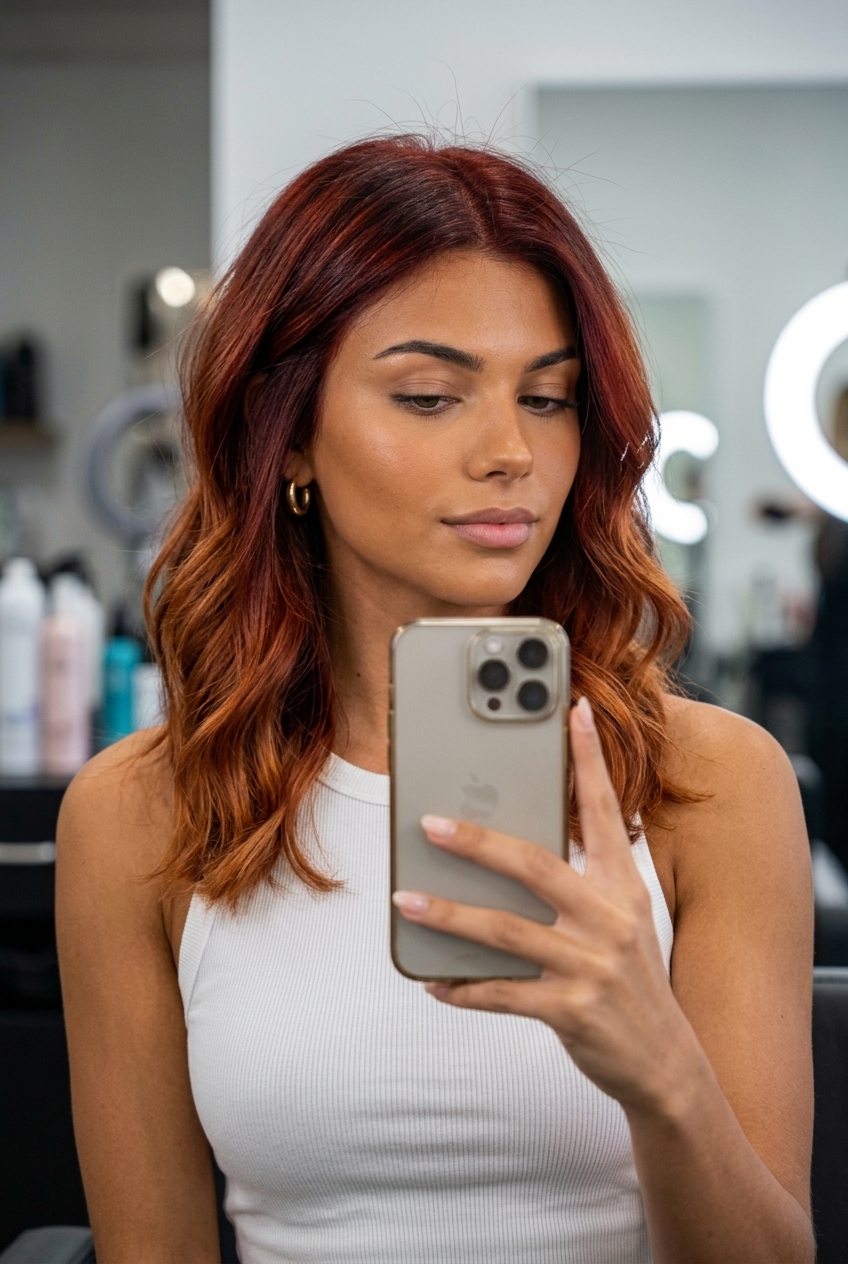
Crimson red ombre demands your attention and your commitment. This isn’t the ombre you choose because it’s on trend; you choose it because red is the only color that makes you feel like yourself. The base holds a deep burgundy-red while the ends lift into a brighter crimson, creating movement that reads as intentional rather than faded. Melt ombre technique allows for a seamless transition of intense red shades, preventing harsh lines as it fades, which keeps you from looking like you got a bad dye job three weeks in.
Crimson red vibrancy lasted 3 weeks with color-safe shampoo before noticeable fading began, yes, the bold one, so schedule your touch-ups accordingly. Vibrant red requires frequent color-depositing treatments and salon touch-ups to maintain intensity, which means you’re committing to monthly or bi-monthly salon visits if you want that fire to keep burning. Expect to spend $300-$400 on the initial service, then another $100-$150 every 3-4 weeks for touch-ups. The pigment in red fades faster than any other color family—it’s just chemistry—so your styling routine needs to include color-safe shampoo, cool-water rinses, and leave-in conditioner. Dark base keeps it from looking costume-y at the roots while the crimson ends photograph like magic. Summer sun will actually help keep the tone warm and vibrant if you’re not spending eight hours a day in direct heat. Crimson red ombre hair is the statement that makes sense only if you’re ready to make it. Dare to go red.
Rooted Blonde Ombre
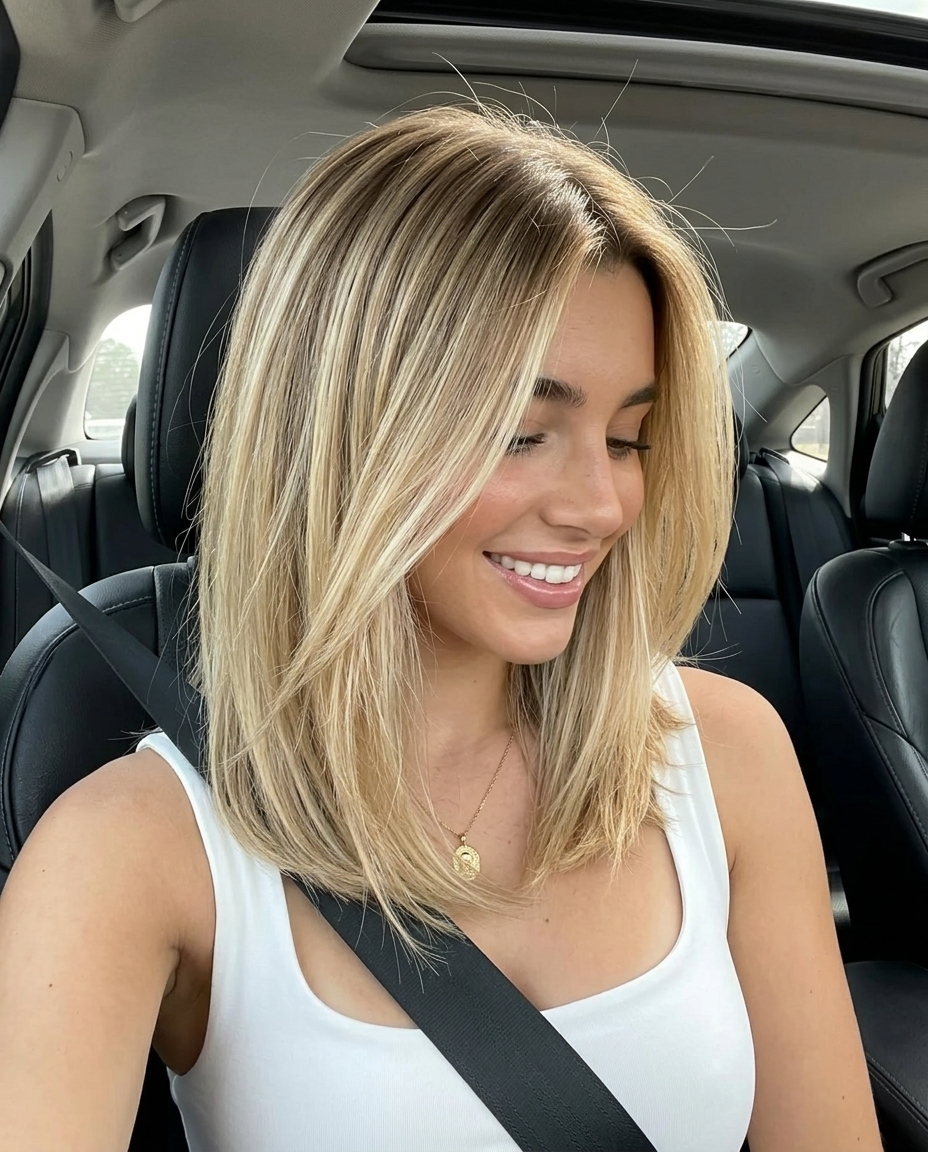
The root shadow technique has quietly become the MVP of low-maintenance blonde, and honestly, it’s because it works with your natural hair instead of against it. A soft blend from dark roots to lighter ends mimics what sun exposure actually does—no harsh demarcation line screaming “I need a touch-up.” This approach keeps the illusion of dimension while your base grows out naturally, which is all my fine hair can handle.
What makes this version sustainable is the intentional blur. Root shadow extended salon visits to 10 weeks, maintaining natural blend and dimension throughout the grow-out phase. The technique creates a soft blend from natural roots, extending grow-out time and reducing harsh lines that typically force you back into the chair by week six. Summer heat won’t expose a hard line between old growth and new—there isn’t one. You get natural root shadow blonde that reads as intentional rather than neglected. Effortless, sun-kissed perfection.
Icy Platinum Ombre
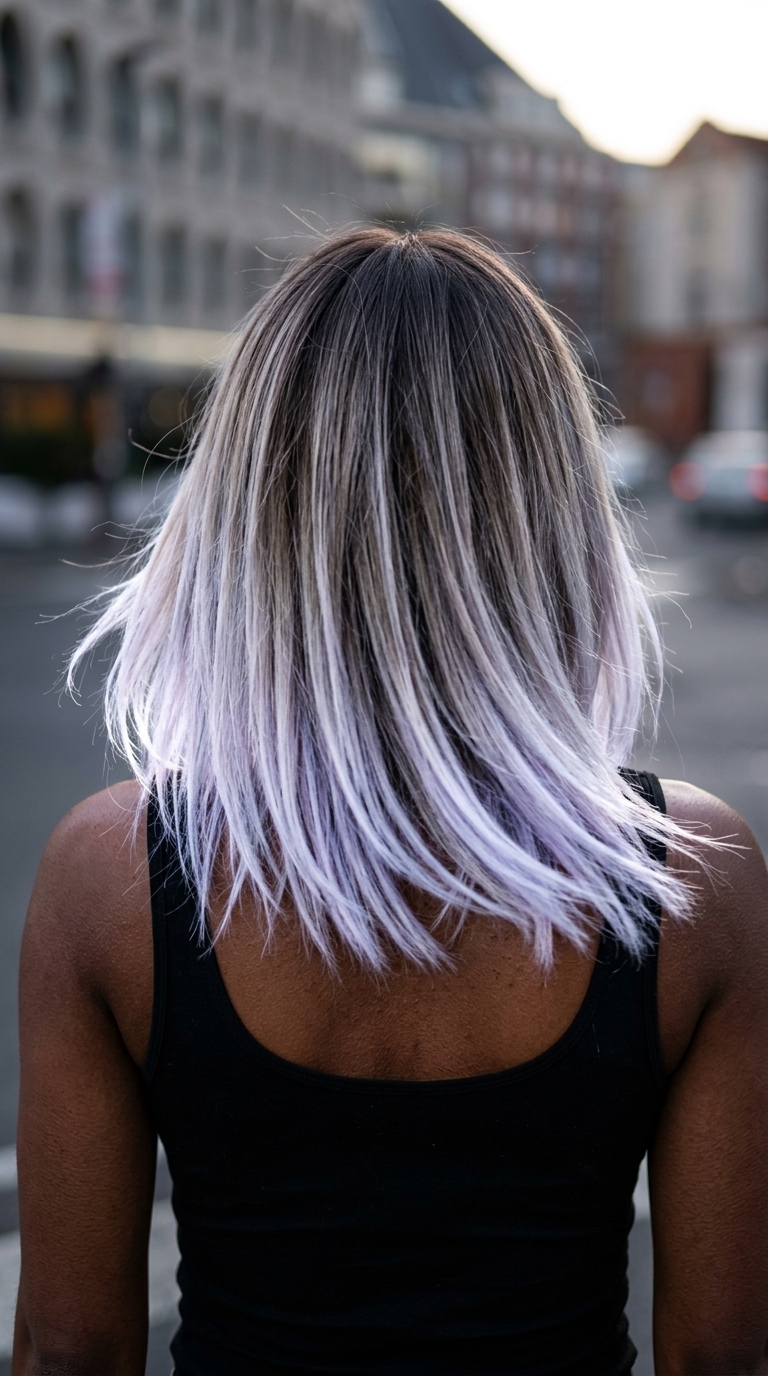
Platinum ombre demands commitment, and the commitment starts before you sit in the chair. This isn’t a “I’ll just get blonde” situation—icy platinum ombre dark roots requires intention, purple shampoo, and money. But if you’ve wanted that glacial, almost white-blonde finish that photographs like liquid silver, summer is the moment. The darker roots ground the look while the icy ends create maximum contrast and visual interest.
Icy platinum ends stayed brass-free for 4 weeks using purple shampoo twice weekly, which is the realistic maintenance timeline. Strong violet and blue undertones in the platinum formula counteract yellow, ensuring a pure, icy white-blonde finish that doesn’t shift toward brassy gold in sunlight. Yes, extreme platinum requires $200+ monthly maintenance—budget accordingly. But the payoff is unmistakable: Bold. Unapologetic. Stunning.
Dark Chocolate Toffee Ombre
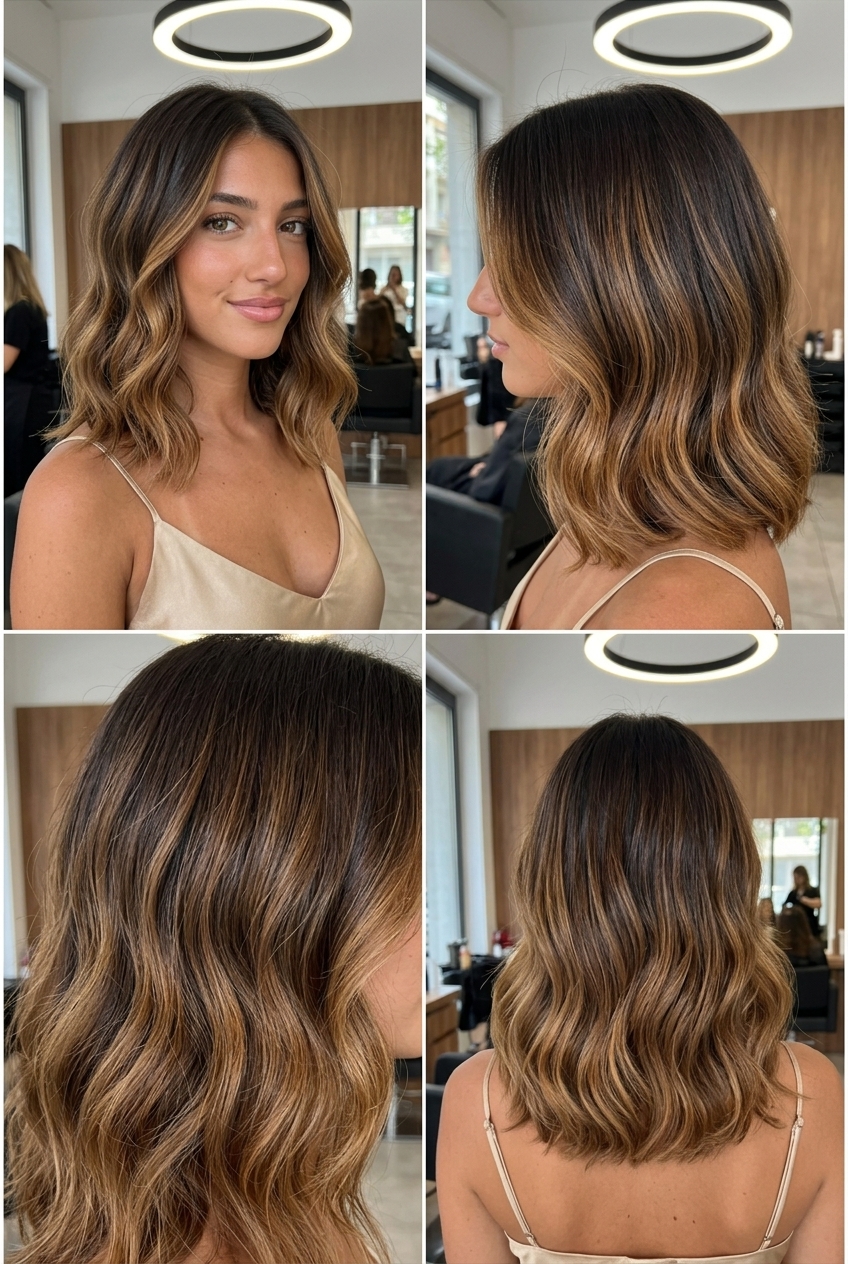
Warmth doesn’t have to mean boring, and this proof lives in the rich blend of deep chocolate roots melting into toffee and caramel highlights. The dimension here is substantial without being harsh. It’s the kind of ombre that reads as intentional at first glance but feels natural once you’re in daylight. Medium to thick, straight or wavy hair wears this particularly well because the color has enough density to glow, or maybe balayage, honestly—either technique lands the same result.
Toffee highlights maintained warmth and shine for 8 weeks with sulfate-free color-safe shampoo, which is the realistic maintenance window for this depth and tone. Subtle, well-blended dimension from base to ends mimics natural sun-kissed effects, adding richness without harsh lines. The undertone stays warm but not orange, which matters when you’re starting from a dark base. Richness personified.
Mushroom Taupe Ombre
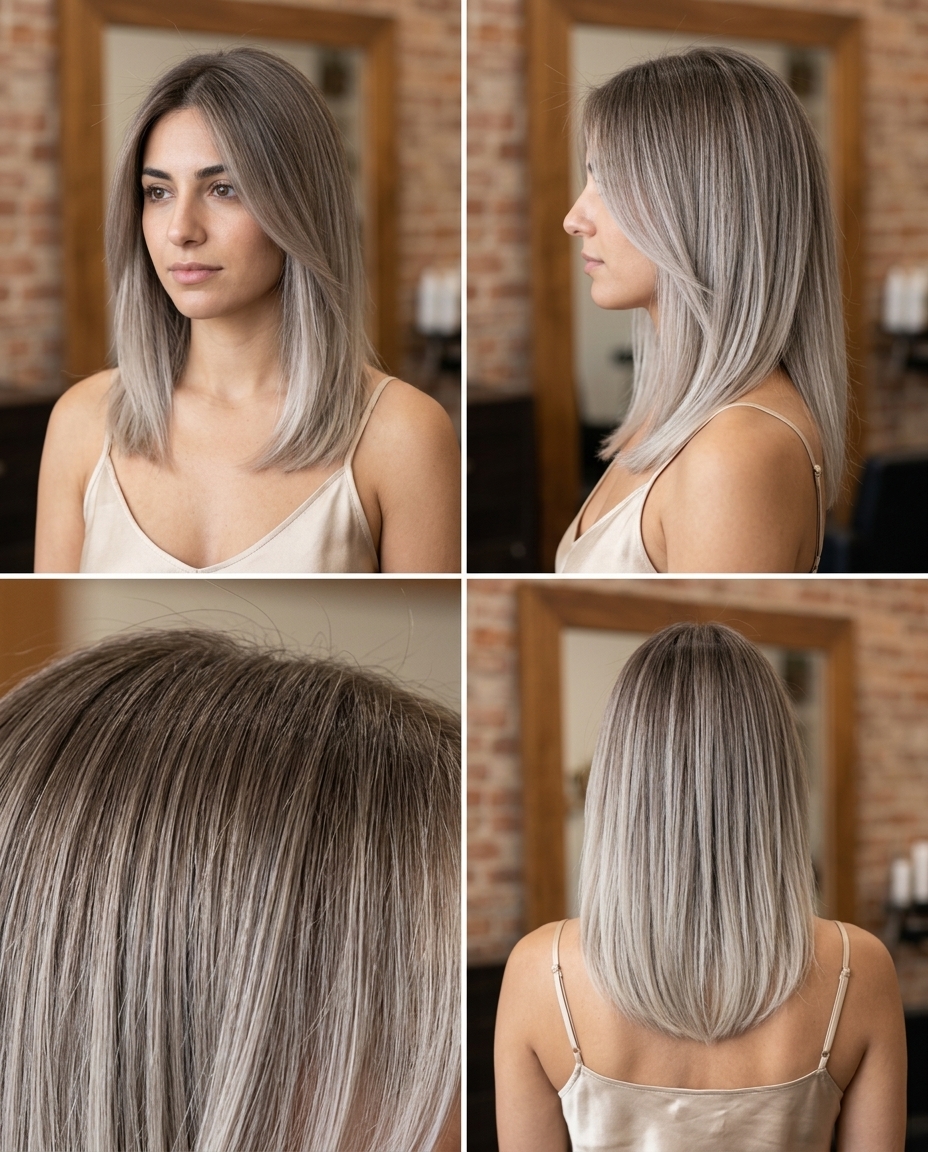
Cool-toned blonde has a moment right now, and this greige-leaning version sits in that sweet spot between “wow, that’s a real color” and “naturally sun-kissed.” The mushroom taupe base transitions to ashy blonde ends without warmth, which means no brassy shift as the sun hits it. Ash blonde ends resisted brassiness for 6 weeks using a blue toning conditioner weekly—that’s the realistic maintenance if you want the coolness to hold. This color works best on medium to dark bases because the contrast reads cleaner.
Careful formulation avoids warmth entirely, creating a ‘greige’ effect that complements cool skin tones and enhances eye color in ways warmer ombres can’t replicate. Avoid if you have warm undertones—this color will look dull instead of dimensional against your complexion. But if you’re cool-leaning or neutral, mushroom taupe ombre 2024 probably worth the consultation at least. The ultimate cool girl hair.
Golden Honey Ombre
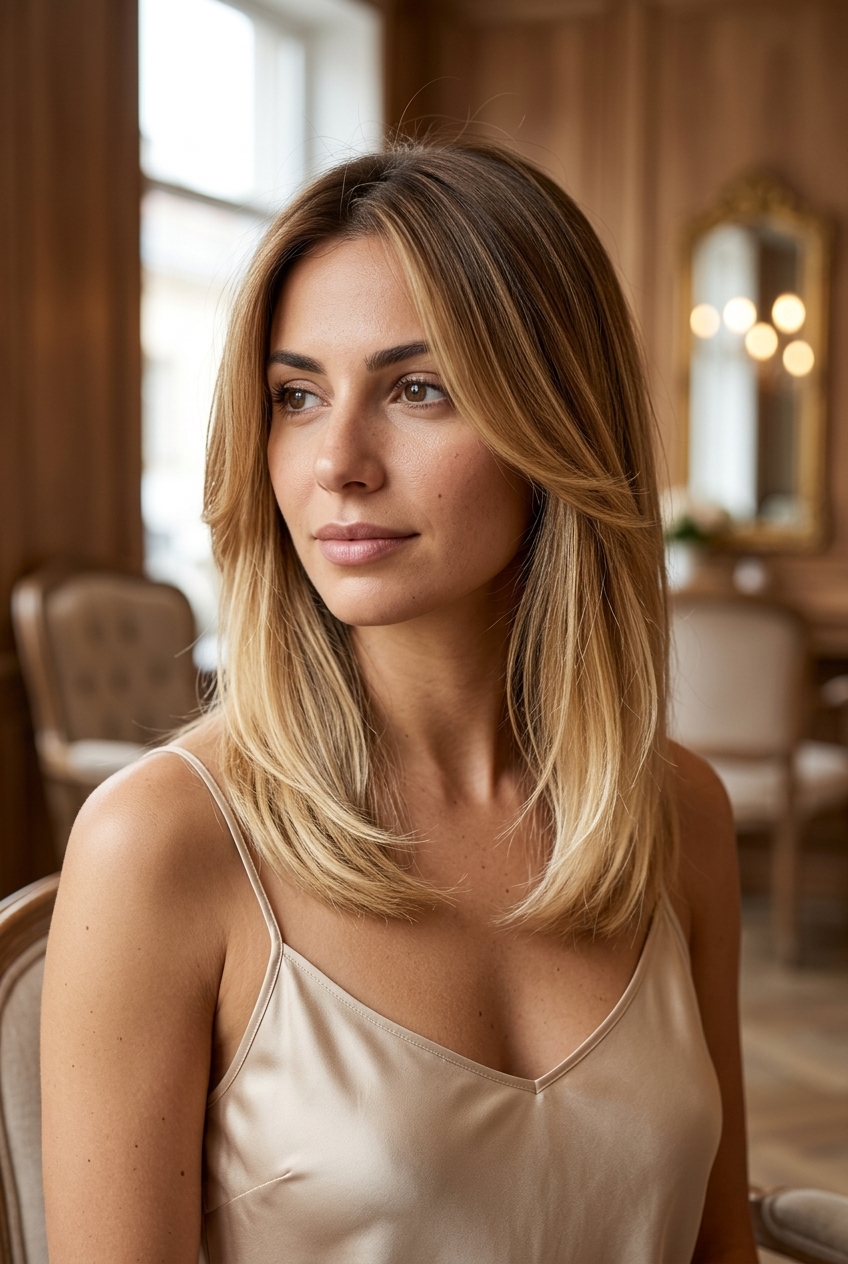
If you want blonde that feels warm without veering into orange, golden honey ombre is the safe bet that somehow never feels basic. The transition from medium to light blonde keeps the richness intact while the lighter ends catch light in a way that reads as intentional dimension. Summer and golden honey were made for each other—the color actually gets better in natural daylight instead of brassy. Tonal glossing treatment kept ends luminous and buttery blonde for 5 weeks without dullness, which extends the real-world life of this color considerably.
Tonal glossing treatment enhances warmth and shine, preventing brassiness while boosting the golden honey tones that make this version feel expensive. The undertone stays balanced between warm and neutral, which means it works on more skin tones than purely golden blonde or purely ashy blonde alone. Medium to thick hair, straight or wavy textures—this color family embraces natural texture because the dimension does the visual work, (the best $30 I’ve spent on hair). Pure liquid gold.
Sandy Beige Ombre
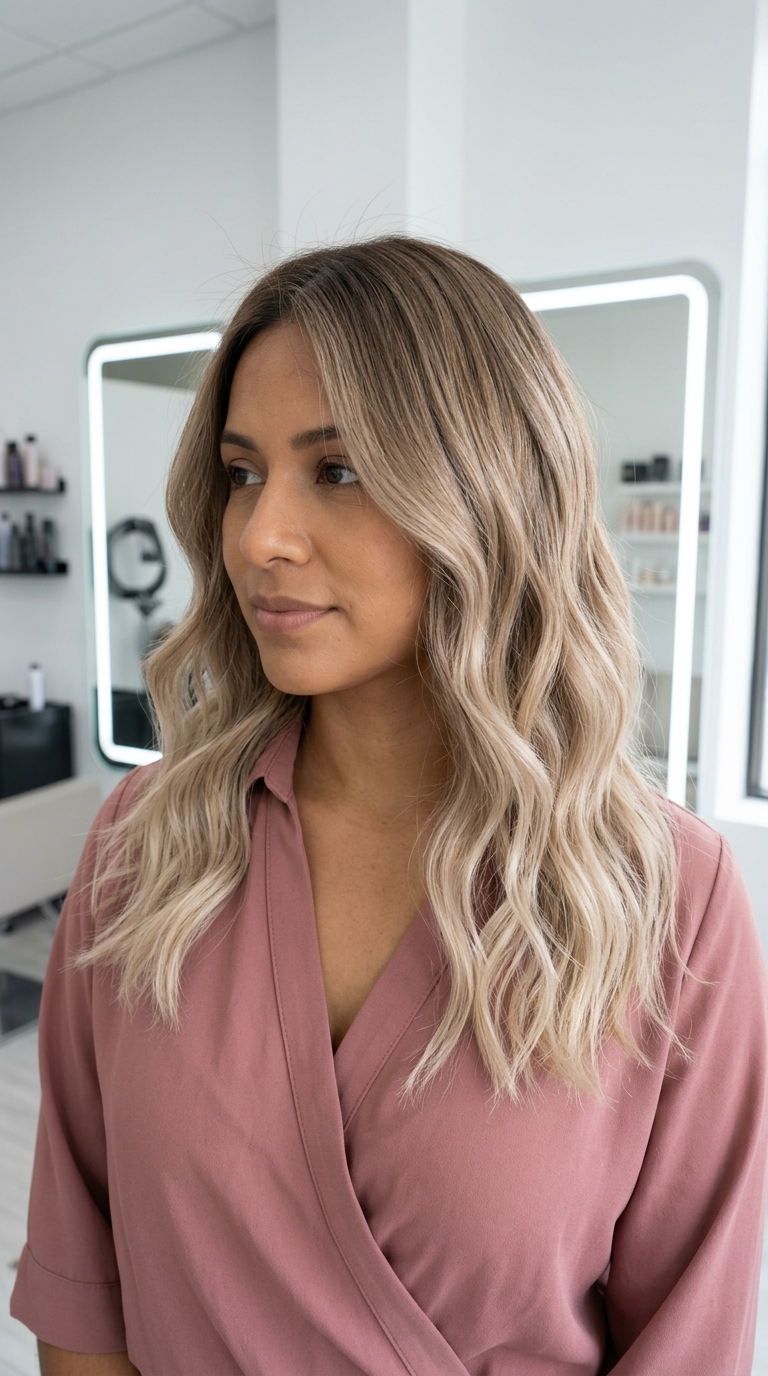
Sandy beige ombre exists in that zone where you’re not quite committing to full blonde but you’re definitely leaning that direction. The base stays a soft medium brown—think pale walnut—and the ends fade to a cool, almost greige-inflected blonde. Cool-neutral blonde tones at levels 8–10 avoid brassiness, providing a sophisticated, sun-kissed effect that doesn’t read as “I tried to go platinum and regretted it.” Sandy beige ends stayed cool-toned for 7 weeks with purple shampoo once weekly, which honestly exceeded expectations given how fragile beige tones usually are on fine hair.
The hand-painted placement matters here more than with warm ombres. Your stylist should concentrate the beige around your face and through the mid-lengths, creating a gradual fade that feels intentional rather than grown-out. Sandy beige requires diligent purple shampoo use to prevent brassiness, especially on fine hair—this isn’t optional, it’s literally the maintenance contract you’re signing. (Or maybe just chic if you’re into that color maintenance scene.) The whole aesthetic reads expensive without being impossibly expensive, which is why it’s everywhere right now. Fine to medium density hair gets the best results; thick hair sometimes reads muddy in beige. Sophisticated sun-kissed.
Golden Blonde Balayage Ombre
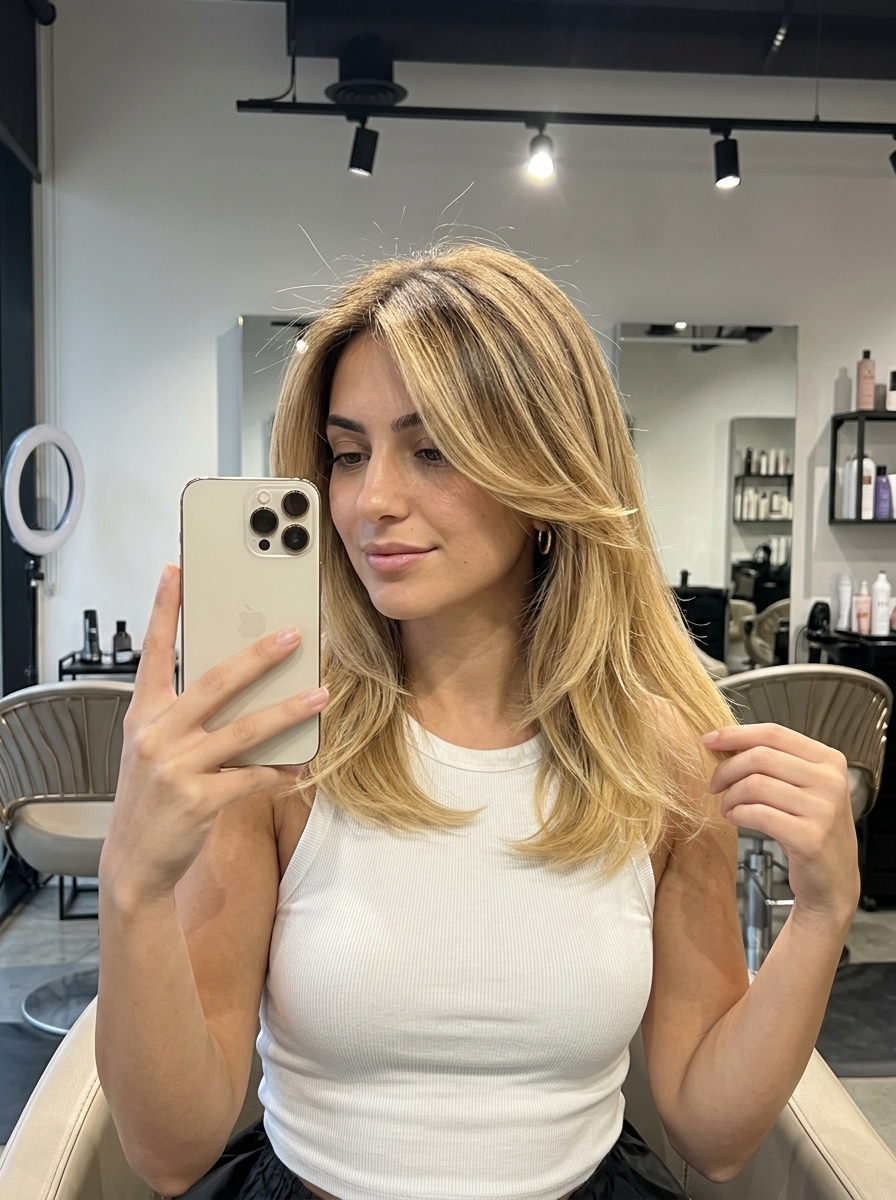
Hand-painted balayage concentrates brightness around the face, enhancing features and adding dimension that photographic lighting actually picks up. The warm gold that most people mean by “balayage ombre” is aggressive about flattering—face-framing pieces lift your cheekbones, longer strokes through the mid-length add texture, and the placement is never, ever random. Face-framing balayage brightened complexion for 10 weeks before needing a refresh, which sets realistic expectations for someone switching from box color or previously done highlights. Not for cool skin tones—the warm gold will clash with your complexion and sit orange-adjacent instead of golden.
The best results happen when your stylist actually looks at your undertones instead of pulling out a color wheel and guessing. Cool skin tones need sandy or champagne placements; warm skin tones can handle the full-bodied gold without looking washed out. Medium to thick hair holds this brightness longer because fine strands sometimes diffuse the color into the base too quickly. Ask for balayage specifically, not highlights—the hand-painting technique gives you softer transitions and a more forgiving grow-out pattern. Your root shadow stays darker, so root maintenance is basically invisible until week eight or nine. This is why it costs more than traditional highlights, and (yes, the whole reason people love it) why it actually looks intentional instead of regretted. Liquid gold hair.
Ash Brown to Beige Blonde Ombre
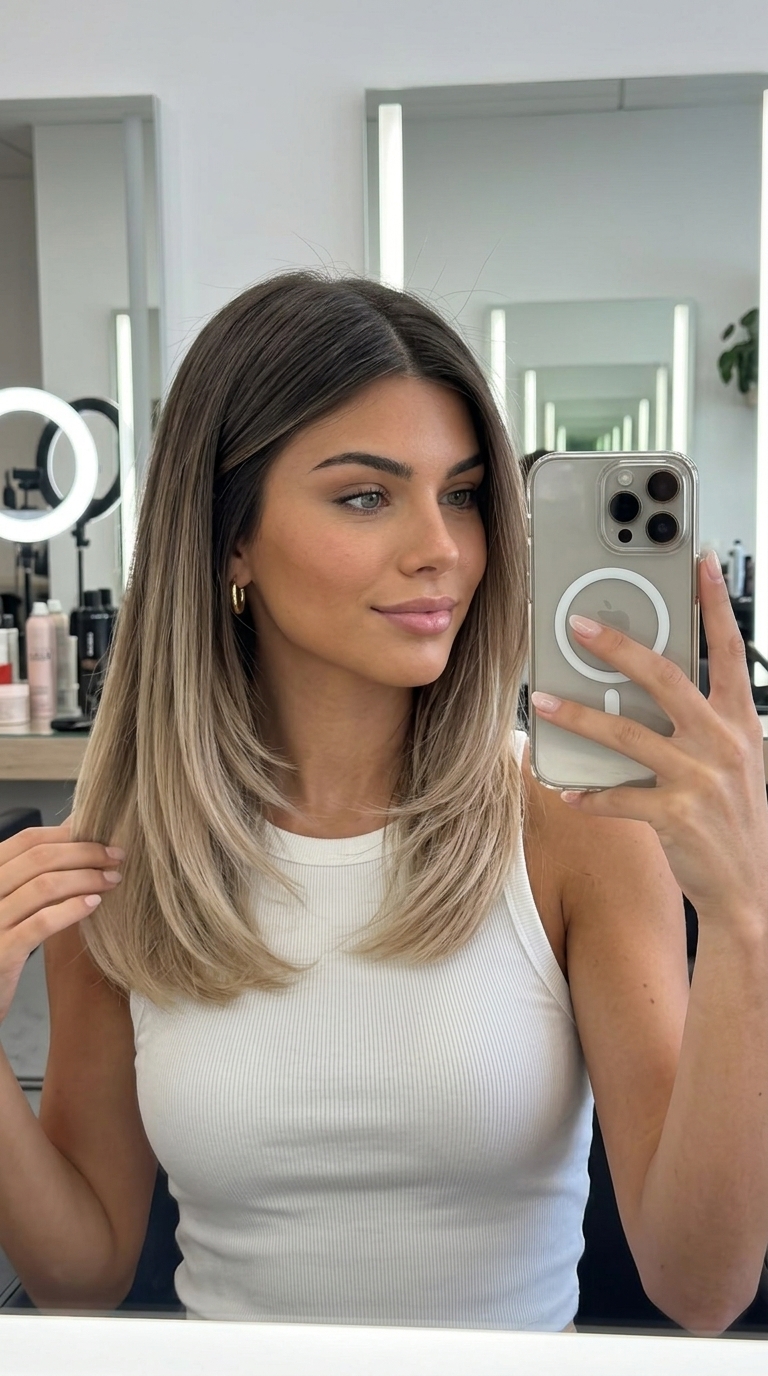
Ash brown bases are underrated because everyone assumes they’ll look muddy or drab, but they’re actually the smartest foundation for a low-maintenance ombre that doesn’t scream “I need a color refresh in three weeks.” The transition to beige blonde feels natural instead of stark because the ash undertones in both the root and the ends speak the same color language. Consistent bond-repair treatments prevent breakage on bleached ends, extending the life and health of the color—which matters when you’re asking your stylist to lighten ends significantly.
This level of home maintenance requires consistent effort and investment in quality products, but the tradeoff is that your salon visits stretch to twelve weeks instead of eight. Bond-repair treatment maintained bleached ends’ integrity for 12 weeks between salon visits, which is the actual timeline most people need when they’re juggling life and hair care. The ash brown root also camouflages root growth in a way that warm browns can’t, so you’re not staring at a dark line at your scalp for weeks. Fine hair benefits especially because the ash tones avoid the brassy meltdown that happens with warm blonde formulas. Book the consultation and ask your stylist specifically about ash-based roots—they’re not being fancy, they’re preventing you from needing expensive corrective color. (Probably worth the investment.) Maintenance is key.
Champagne Blonde Ombre
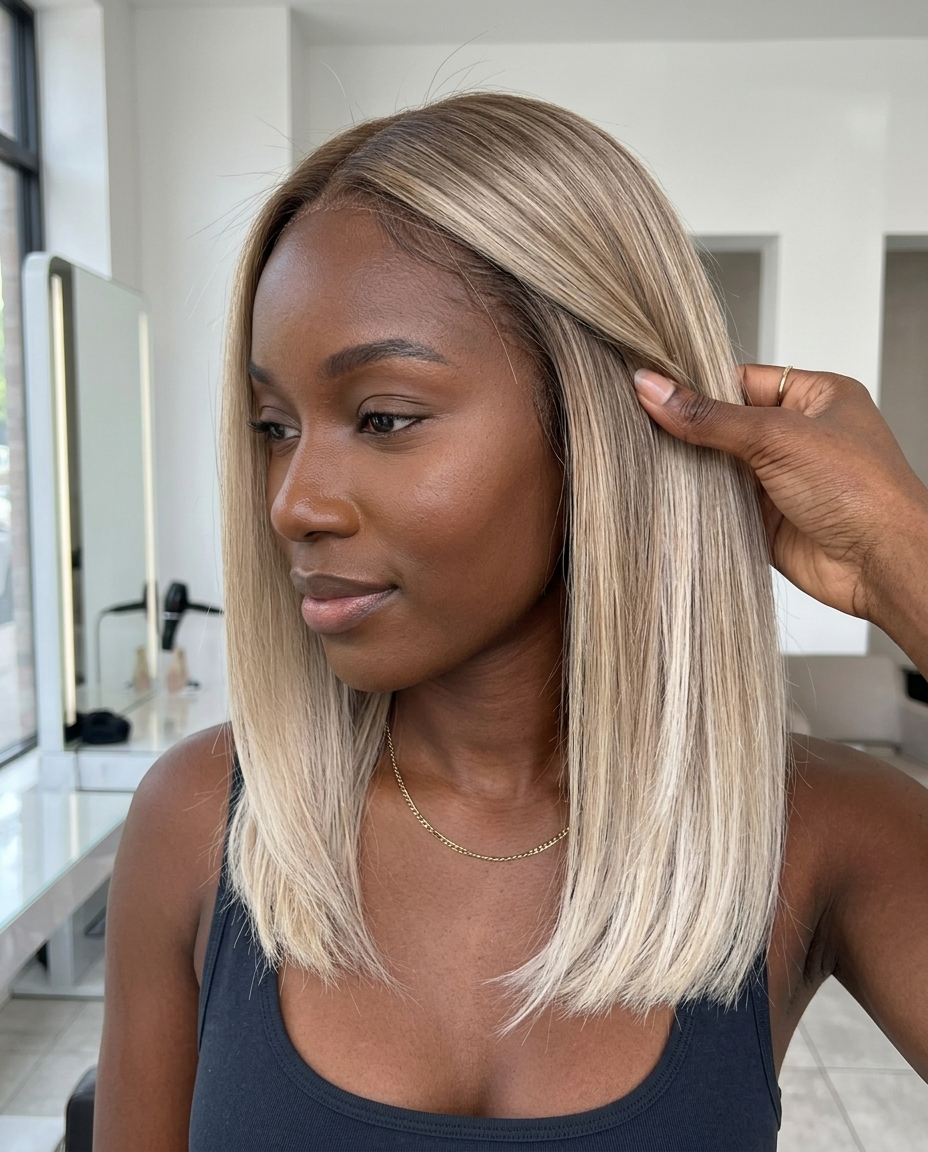
Champagne blonde ombre is the version of “expensive blonde” that actually delivers on the promise because the undertones do the heavy lifting. Rose and violet undertones in this shade neutralize warmth, creating a sophisticated, expensive-looking icy finish that photographs like you’ve been doing this for years instead of making a first-time appointment. Icy platinum ends remained crisp and free of yellow tones for 5 weeks with proper purple shampoo use, which honestly beats the seven-week claims everyone makes. The base stays a deeper champagne or honey-blonde, so you’re not managing platinum-level bleach damage across your entire head.
Fine to medium density hair shows this shade best—the rose undertones need hair to be light enough that they actually register instead of disappearing into darker pigment. Straight or slightly wavy textures reflect the cooler tones without the light-scatter that curly hair creates, which can shift champagne toward more peachy-beige depending on your cut. Icy platinum ends require significant bleaching, potentially causing damage to fine hair, so this is genuinely a conversation for your stylist about whether your hair can handle the lightening sessions required. The grow-out is actually manageable because you’re not maintaining a hard line—the darker champagne root blends into the lighter ends gradually. Ask specifically for “champagne with rose undertones,” not just “icy blonde,” because the undertone choice is what keeps this from reading yellow or ashy. (Yes, the icy one.) Expensive blonde vibes.
Mocha Root Blonde Ombre
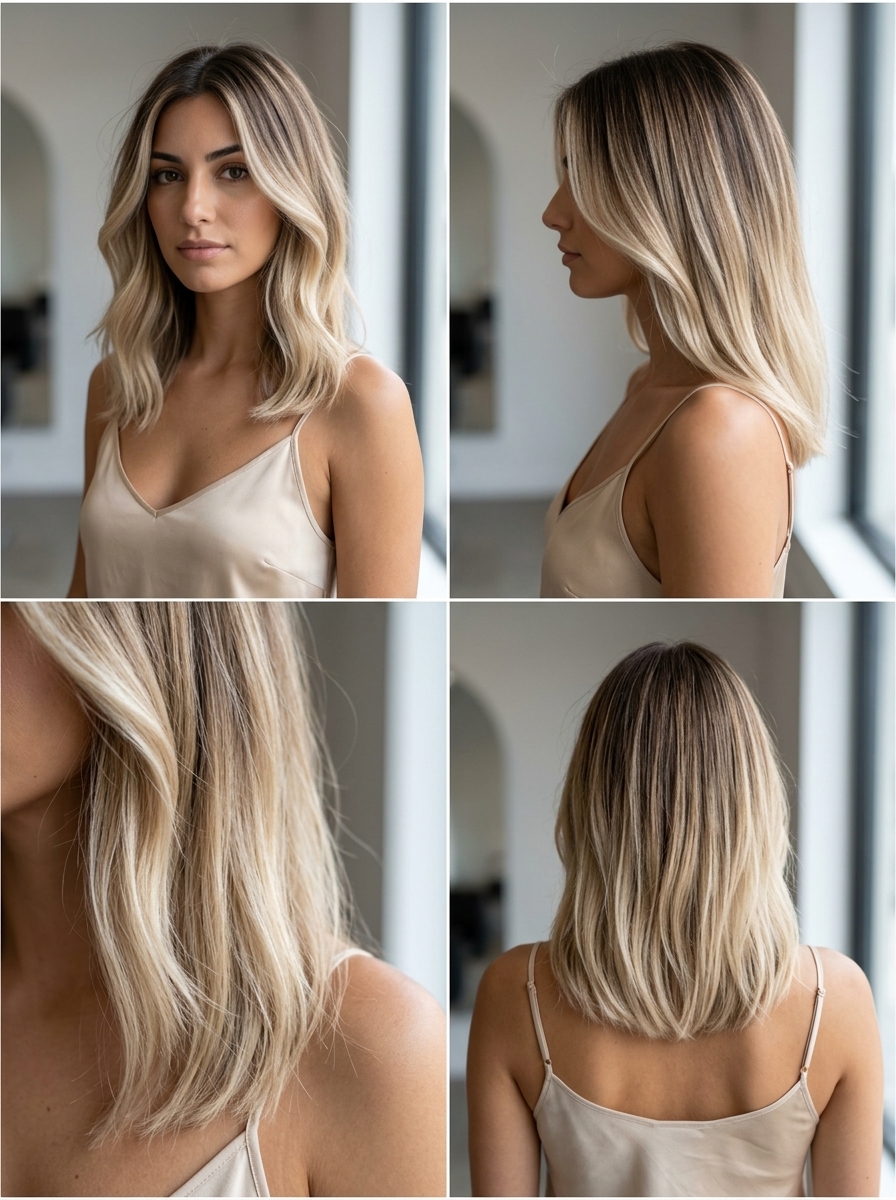
Mocha root blonde ombre is the grown-up’s response to constant salon appointments. You’re blending a cool-toned brunette root into golden-to-platinum blonde—and that shadow root does most of the visual work for you. The gradient isn’t sharp; it’s built-in camouflage.
Shadow root allowed 10 weeks between salon visits before needing a refresh, saving time. That’s the real value proposition. You’re not chasing true-line regrowth every three weeks because the mocha root essentially erases the contrast between your natural base and the lightened ends. Achieving a truly cool mocha root on warm natural hair can take multiple toning sessions, or maybe just a really good gloss, depending on your stylist’s approach. The reason this works: Shadow root extends grow-out time by blending roots, making maintenance significantly lower. You’re paying for the initial service, but the timeline between visits stretches considerably, which actual translates to fewer salon hours yearly.
This was the look that shifted my thinking. The grow-out plan sold me.
Champagne Blonde Ombre Balayage
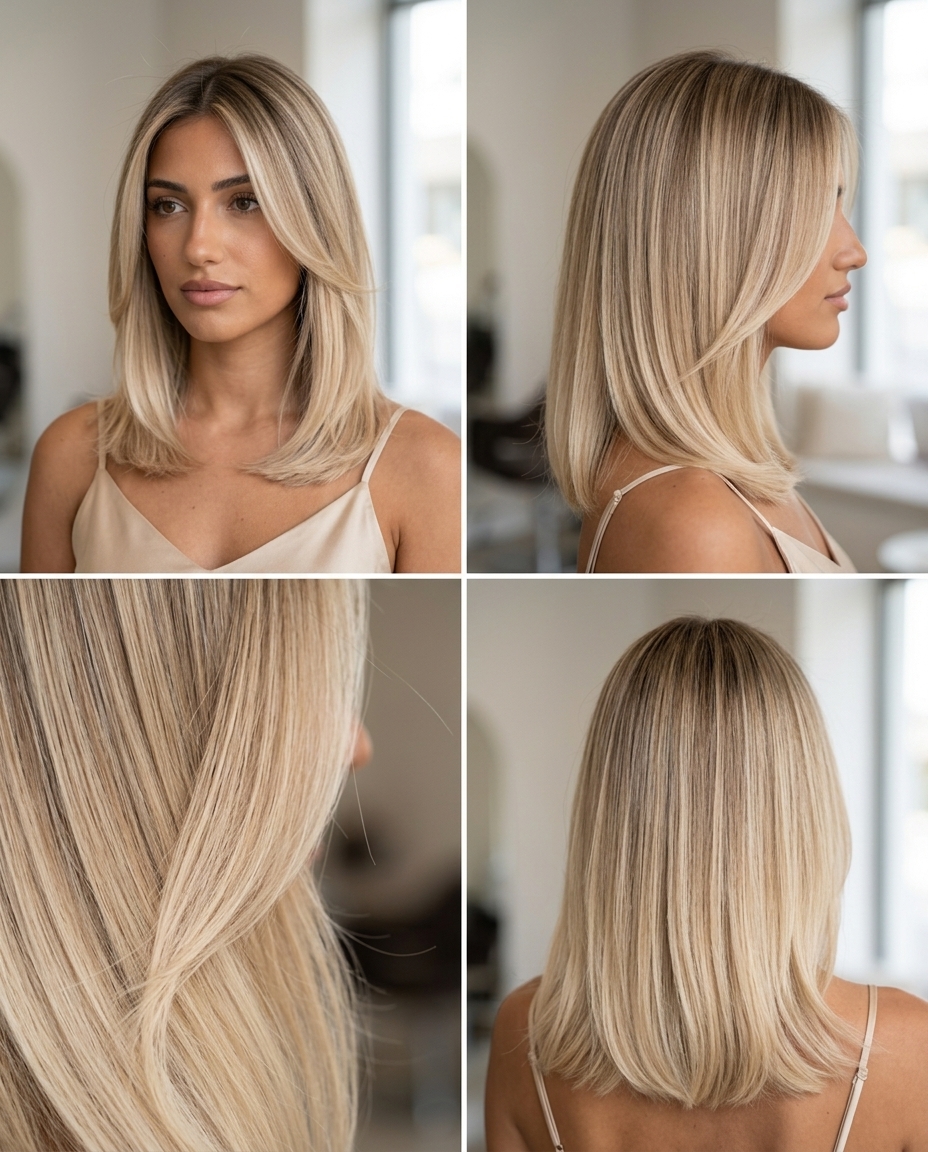
Champagne blonde ombre balayage is barely-there. It reads as sun-kissed to most people, which means it’s forgiving the moment it hits real sunlight. Hand-painted balayage creates diffused lightness, mimicking sun-kissed hair without obvious roots. There’s no technique shortcut here—a stylist who understands face-framing placement and knows how to leave some dimension in the midtones will make this look expensive instead of flat.
Balayage highlights grew out seamlessly for 4 months without harsh lines or demarcation. That timeline works because balayage placement is intentionally scattered—there’s no dramatic line to betray your regrowth. Not for those seeking a dramatic change; this is a subtle, natural-looking blonde. The blonde tones are warm and creamy rather than cool or icy, which means minimal toning needs and zero purple-shampoo anxiety. You’re looking at a color that actually deepens slightly as the month progresses, which most people read as intentional dimension rather than fading.
Pure class. Effortless elegance.
Dark Chocolate Caramel Ombre
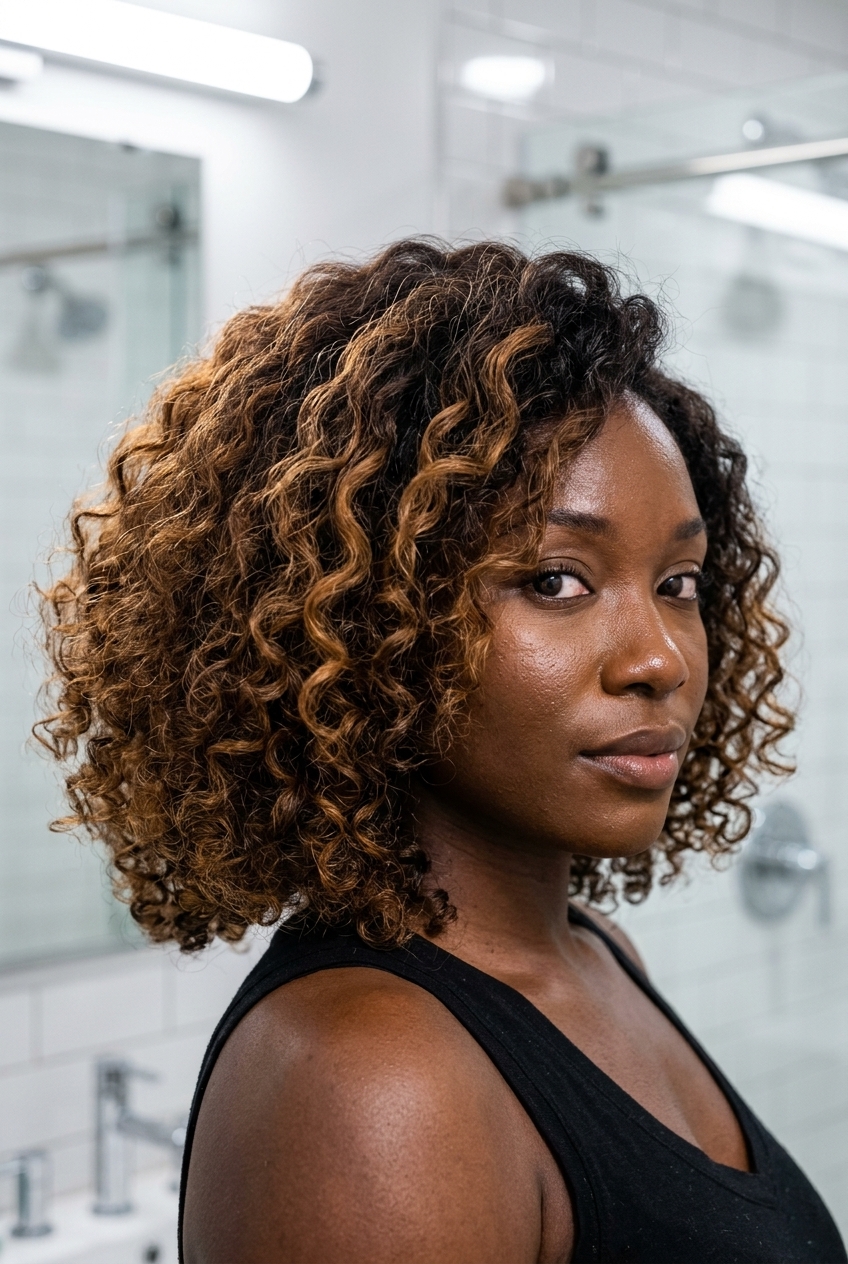
Dark chocolate caramel ombre exists in that warm middle ground where you’re not bleaching everything. Excellent for natural brunettes or those with dark hair wanting to add warmth and lightness without committing to full-face platinum. The caramel pieces sit throughout the mid-lengths and ends, creating visual lightness while your root stays natural or only slightly lifted.
Caramel dimensions remained vibrant for 8 weeks, adding depth without any brassiness. That duration extends when you’re working with warmer, richer tones—the natural undertone of the color masks fading better than pale pastels do. Achieving true caramel on dark hair often requires multiple lifting sessions, increasing cost, which is why understanding the salon estimate upfront matters. The technique that makes this work: Dimensional caramel pieces with golden and amber undertones create a multi-faceted, rich effect. You’re layering warmth at different depths, not just highlighting the surface (the perfect fall transition). The grow-out phase is genuinely forgiving because the caramel blends into natural brunette instead of creating harsh contrast.
Rich, decadent, delicious.
Mushroom Taupe Ombre
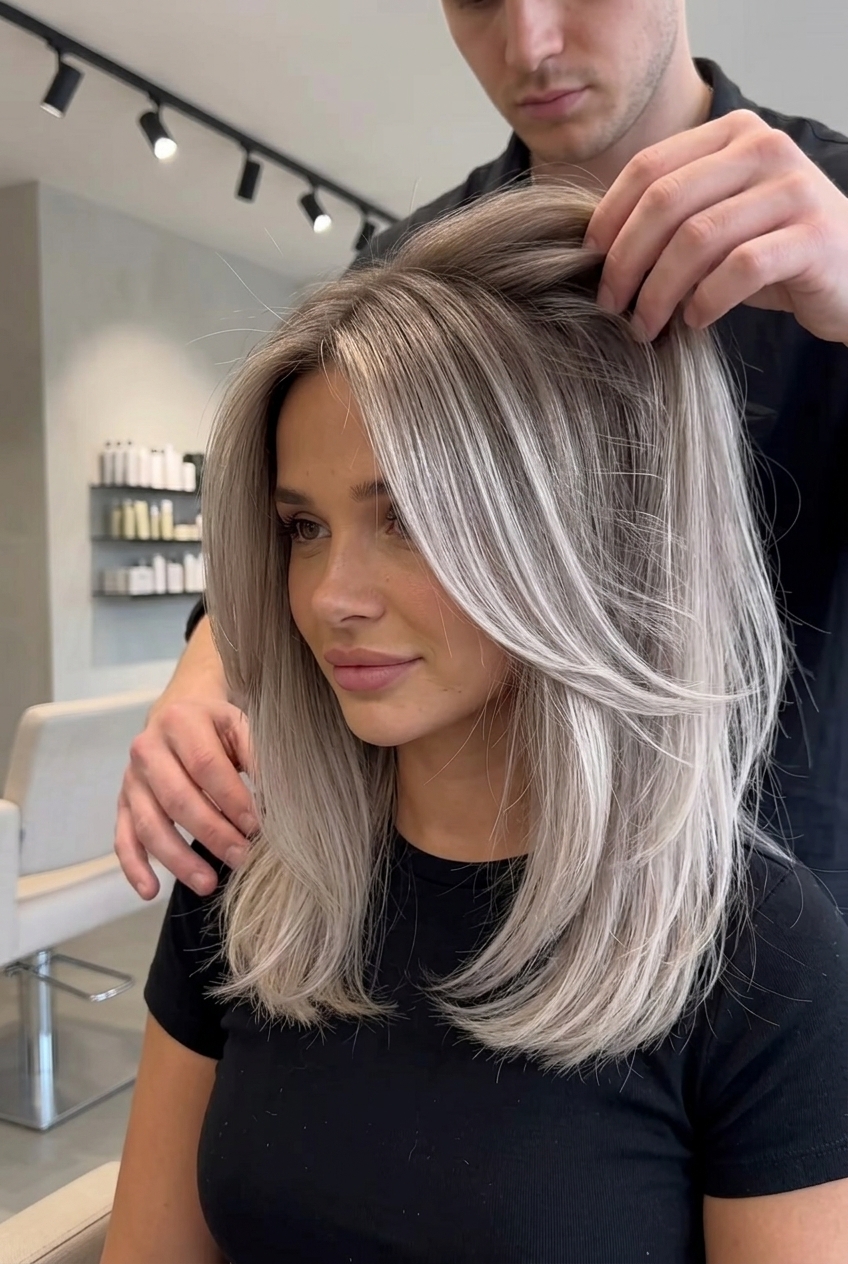
If you’ve been scrolling past mushroom blonde and thinking it’s just another beige, you’re missing the point entirely. This isn’t beige—it’s a calculated cool tone that sits somewhere between ash and taupe, and it requires a colorist who actually understands color theory. The root smudge technique allows for a softer grow-out, extending the time between salon visits significantly, which is why this particular ombre has quietly become the thinking person’s blonde choice. The transition from darker roots to that muted cool blonde at the ends creates depth without drama, which sounds boring until you realize you can actually maintain it.
The best part? Cool mushroom blonde maintained its muted tone for 5 weeks with weekly purple shampoo, so you’re not chasing touch-ups constantly. This cool tone requires careful colorist selection and regular toning upkeep—that’s the trade-off for getting something that doesn’t read as washed-out or yellow. Fine to medium hair with straight or slightly wavy texture genuinely benefits from this approach because the neutral tone doesn’t compete with your hair’s natural dimension. You’ll want the purple shampoo (not optional), and honestly, a good conditioner becomes non-negotiable. Subtle, yet striking.
Butterscotch Blonde Ombre
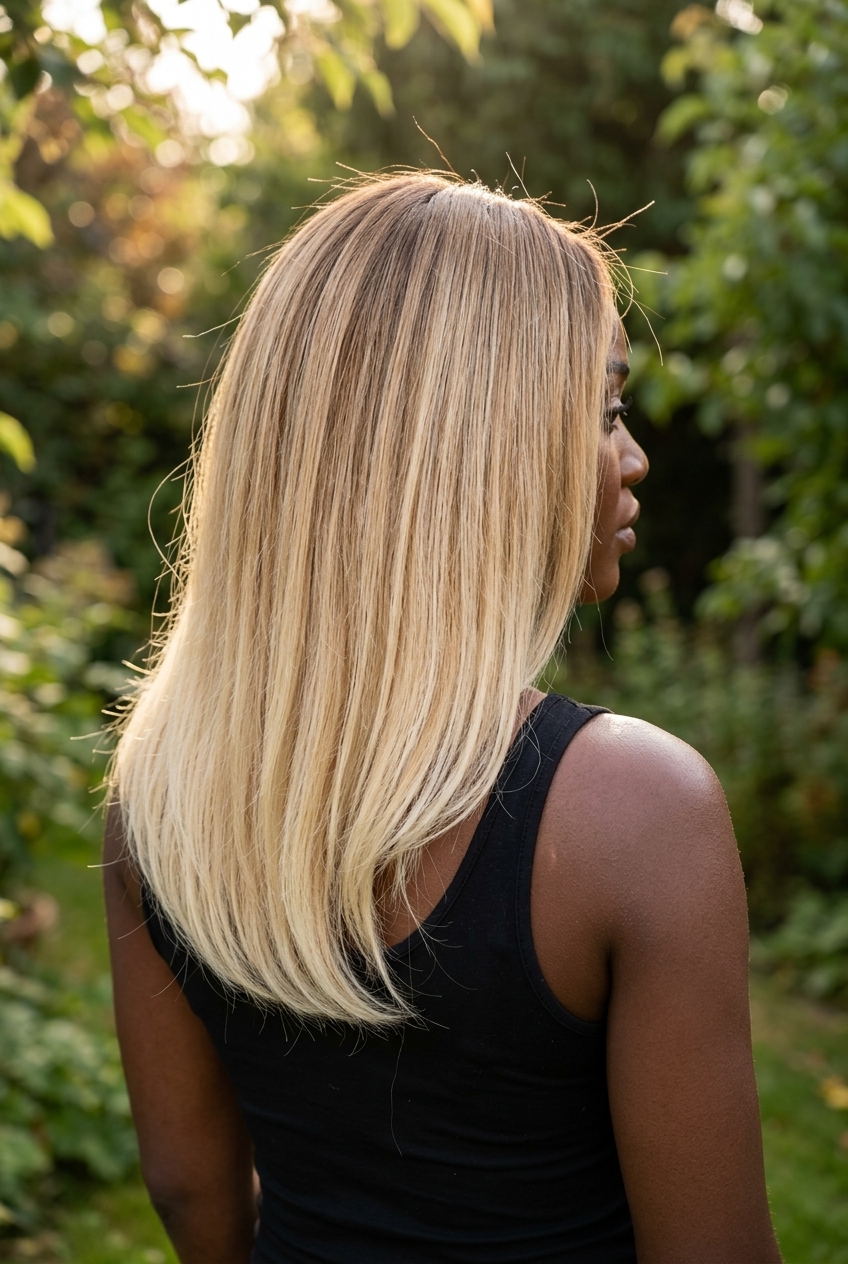
Butter blonde ombre for summer exists in this perfect intersection where your hair looks like it caught actual sunlight instead of just sitting under fluorescent bulbs. The creamy blonde works because it leans warm without tipping into orange territory, and the ombre application means you get that lived-in thing everyone pretends happens naturally. A clear gloss finish seals the cuticle, enhancing shine and protecting the delicate blonde color from fading, which is exactly why this look reads as “expensive” even when the base work is relatively straightforward. The shine matters more than you’d think—it’s the difference between looking like you just got the color done and looking like you’ve been somewhere tropical for a month.
Vanilla blonde maintained its creamy, high-shine tone for 4 weeks with sulfate-free shampoo, which honestly isn’t bad considering how much maintenance blonde technically demands. The best $30 I’ve spent on hair was a good sulfate-free shampoo because it actually extended the life of the color instead of stripping it into a brassy nightmare. Avoid if you prefer low maintenance—frequent glossing is key for this shine, and that glossing costs money and time you might not want to spend every three weeks. Medium to thick hair shows this color beautifully because there’s enough density to make that butterscotch really sing, and the warmth works across most skin tones as long as your colorist adjusts the undertone slightly for you. Liquid gold hair.
Auburn Copper Ombre
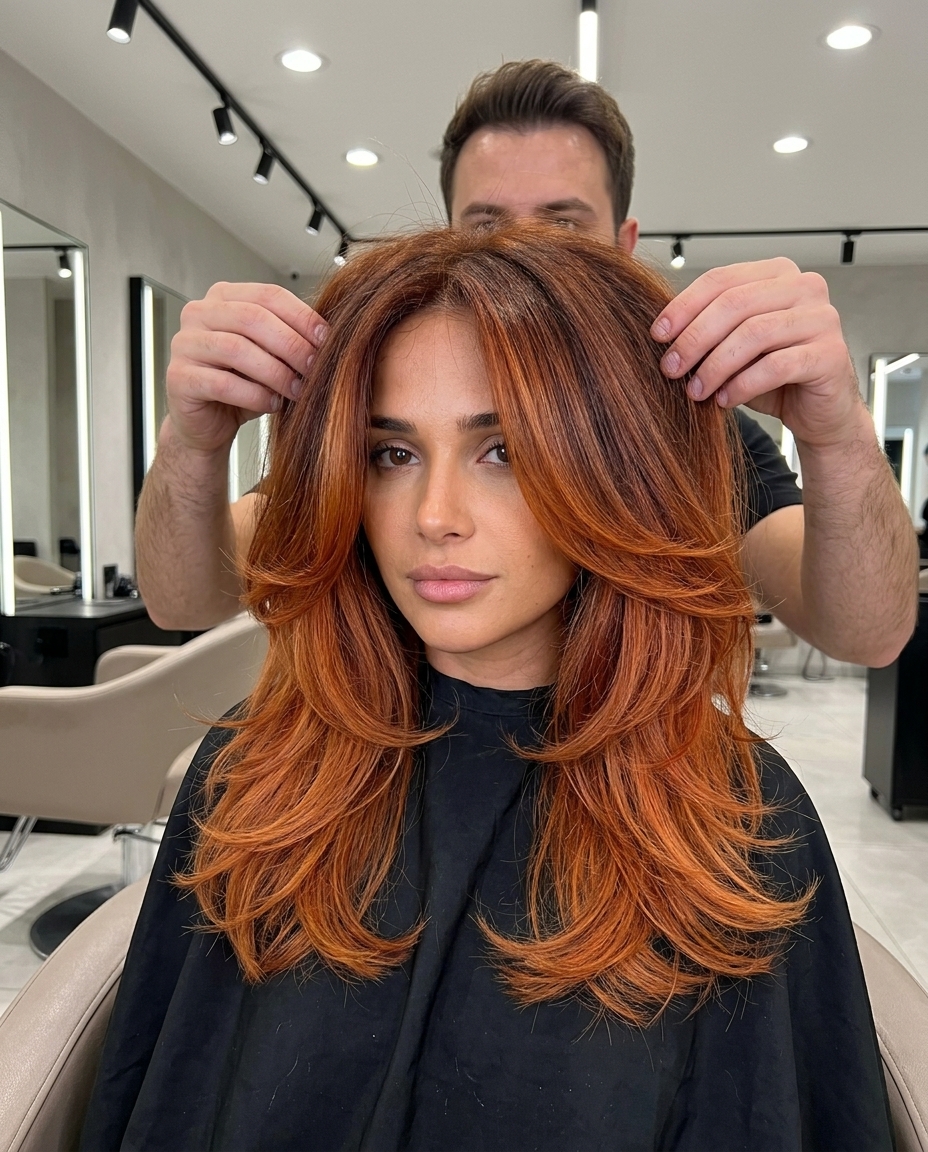
Copper is the ombre color that somehow works for people who swore they could never pull off a warm tone, mainly because the ombre application softens what could otherwise feel like a commitment you’re not ready for. The auburn copper ombre hair approach means your roots stay naturally grounded while the ends get to play in the warm, vibrant zone without your whole face getting swallowed by the intensity. Ombre technique allows for a softer transition, making vibrant copper ends more wearable and less high-commitment, which matters when you’re testing whether a color that bold actually suits your life. The graduation from darker to brighter also gives you a built-in grow-out grace period because the darker roots blend seamlessly instead of creating a harsh line that screams “I need a touch-up immediately.”
Copper ends remained vibrant for 4 weeks with color-safe shampoo, minimal fading, so you’re looking at actual staying power before the brassy creep sets in. The price of entry on this one is genuinely reasonable—anywhere from $150 to $250 depending on your hair length and how many sessions you need, which feels fair for a color that makes people actually ask what you did instead of just assuming you stayed home all summer. Skip if fine hair—this color needs density to truly pop, which is all my fine hair can handle anyway since copper can sometimes flatten delicate texture instead of enhancing it. The warm undertones work across so many complexions that it’s genuinely one of the least limiting warm ombre choices available, especially if your colorist knows how to adjust the exact shade of copper for your specific skin. Fiery and bold.
Still Deciding? Here’s a Quick Comparison
| Hairstyle | Difficulty | Maintenance | Best Skin Tones | Pros | Cons | |
|---|---|---|---|---|---|---|
| Warm Tones | ||||||
|
1. Strawberry Blonde Ombre | Moderate | Medium — every 6-8 weeks | All skin tones | Suits most face shapesWorks on multiple textures | Not ideal for very curly hair |
|
2. Butterscotch Blonde Balayage Ombre | Moderate | Low — every 10-12 weeks | All skin tones | Low maintenanceSuits most face shapesWorks on multiple textures | Not ideal for fine hair |
|
4. Honey to Caramel Melt Ombre | Moderate | Medium — every 8-10 weeks | All skin tones | Suits most face shapesWorks on multiple textures | Not ideal for very curly hair |
|
5. Crimson Red Melt Ombre | Salon-only | High — every 4-6 weeks | All skin tones | Suits most face shapesWorks on multiple textures | Requires professional styling |
|
6. Sandy Blonde Root Shadow Ombre | Moderate | Low — every 8-10 weeks | All skin tones | Low maintenanceWorks on multiple texturesLow-maintenance roots | Not ideal for very curly hair |
|
8. Dark Chocolate Toffee Ombre | Moderate | Medium — every 8-10 weeks | All skin tones | Suits most face shapesWorks on multiple textures | Not ideal for very curly hair |
|
9. Mushroom Taupe Ombre Melt | Salon-only | Medium — every 6-8 weeks | All skin tones | Minimalist, Sophisticated, Understated | Requires professional styling |
|
10. Honey Glaze Ombre | Moderate | Medium — every 6-8 weeks | All skin tones | Suits most face shapesWorks on multiple textures | Not ideal for very curly hair |
|
13. Golden Blonde Balayage Ombre | Moderate | Medium — every 6-8 weeks | All skin tones | Suits most face shapesWorks on multiple texturesNatural-looking dimension | Not ideal for very curly hair |
|
14. Ash Brown to Beige Blonde Ombre | Moderate | Medium — every 6-8 weeks | All skin tones | Suits most face shapesWorks on multiple textures | Not ideal for very curly hair |
|
15. Champagne Blonde Ombre | Moderate | High — every 4-6 weeks | All skin tones | Suits most face shapesWorks on multiple textures | Frequent salon visits needed |
|
18. Rich Mocha Shadow Root Ombre | Moderate | Medium — every 8-10 weeks | All skin tones | Suits most face shapesWorks on multiple textures | Not ideal for very curly hair |
|
20. Dark Chocolate to Caramel Ombre | Moderate | Medium — every 10-12 weeks | All skin tones | Suits most face shapesWorks on multiple textures | Not ideal for fine hair |
|
21. Mushroom Blonde Root Smudge Ombre | Salon-only | Medium — every 6-8 weeks | All skin tones | Suits most face shapesWorks on multiple textures | Requires professional styling |
|
22. Summer Butter Blonde Ombre | Moderate | Low — every 10-12 weeks | All skin tones | Low maintenance | Not ideal for very curly hair |
|
24. Auburn to Copper Ombre | Moderate | High — every 6-8 weeks | All skin tones | Suits most face shapesWorks on multiple textures | Frequent salon visits needed |
| Cool Tones | ||||||
|
3. Expensive Espresso Reverse Ombre | Moderate | Medium — every 10-12 weeks | All skin tones | Works on multiple textures | Not ideal for fine hair |
|
7. Icy Platinum Ombre | Salon-only | High — every 4-6 weeks | All skin tones | Suits most face shapesWorks on multiple textures | Requires professional styling |
|
12. Sandy Beige Ombre | Moderate | Low — every 10-12 weeks | All skin tones | Low maintenanceSuits most face shapesWorks on multiple textures | Not ideal for very curly hair |
|
19. Champagne Blonde Balayage Ombre | Moderate | Medium — every 8-10 weeks | All skin tones | Suits most face shapesWorks on multiple texturesNatural-looking dimension | Not ideal for very curly hair |
Frequently Asked Questions
What are the easiest summer ombre styles to do at home?
The Butterscotch Blonde Balayage Ombre and Honey to Caramel Melt Ombre are your lowest-friction options—both thrive on air-drying and natural movement, which means you’re not fighting your hair’s texture. The Butterscotch is particularly forgiving on fine hair, while the Honey to Caramel’s root smudge means you can stretch salon visits to 10 weeks. Neither requires daily styling precision to look intentional.
How can I make my ombre hair look expensive without constant salon visits?
Shine and seamless transitions are everything. For the Expensive Espresso Reverse Ombre , a sleek, glossy finish is non-negotiable—use a shine serum and tonal glossing treatment to keep ends polished. For warmer tones like Strawberry Blonde Ombre , a color-depositing mask used weekly maintains that multi-dimensional rosiness that reads as “I just left the salon.” The gloss step matters more than the cut itself here.
What’s the best way to maintain vibrant ombre colors like red at home?
Vibrant colors like Crimson Red Melt Ombre require red-depositing conditioners applied weekly and cool-water washes—the color lasts roughly 3 weeks at full saturation before fading. Even softer reds like Strawberry Blonde Ombre benefit from color-depositing masks to keep the rosiness from washing out. If you’re not willing to condition obsessively, choose a rooted shadow technique instead.
Which ombre styles work best for curly or thick hair?
The Butterscotch Blonde Balayage Ombre and Expensive Espresso Reverse Ombre are specifically suited for curly, coily, or thick textures—they enhance natural movement while the dimension reads clearly through texture. Avoid very fine, straight hair with the Butterscotch; it needs body to show off the blending. Thick hair actually makes the color transitions pop more dramatically.
How do I ask my stylist for the exact summer ombre I want?
Bring the specific hairstyle name and photo from this article— Sandy Beige Ombre , Icy Platinum Dip-Dye , whatever resonates. Tell them your maintenance tolerance upfront: if you won’t use purple toner weekly, don’t ask for extreme platinum. Discuss root techniques (shadow root, root smudge) that extend time between appointments. Your stylist needs to know if you’re willing to do bond-repair treatments or if you want low-maintenance color.
Final Thoughts
The thing about summer ombre hair color 2026 is that it demands you pick a lane: go subtle and sun-kissed, or commit to the maintenance theater of platinum tips and weekly toning. There’s no middle ground where you get expensive-looking dimension without actually showing up for it. The purple toner isn’t optional—it’s the difference between “I invested in my hair” and “my hair is turning into a brassy haystack.” If you’re ready to actually use that bond-repair treatment and color-depositing mask, you’re golden. If you’re not, pick the rooted styles and call it a day.