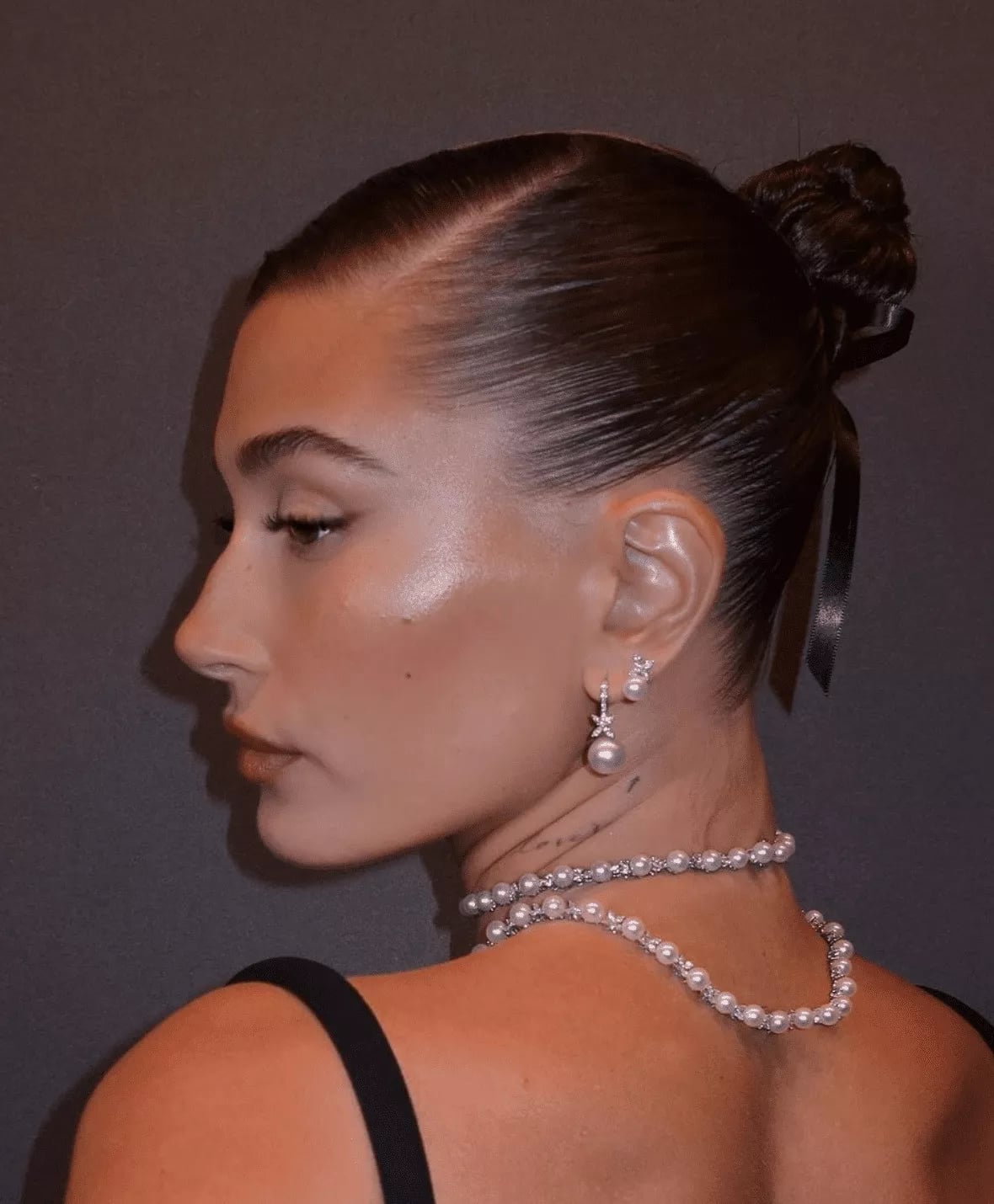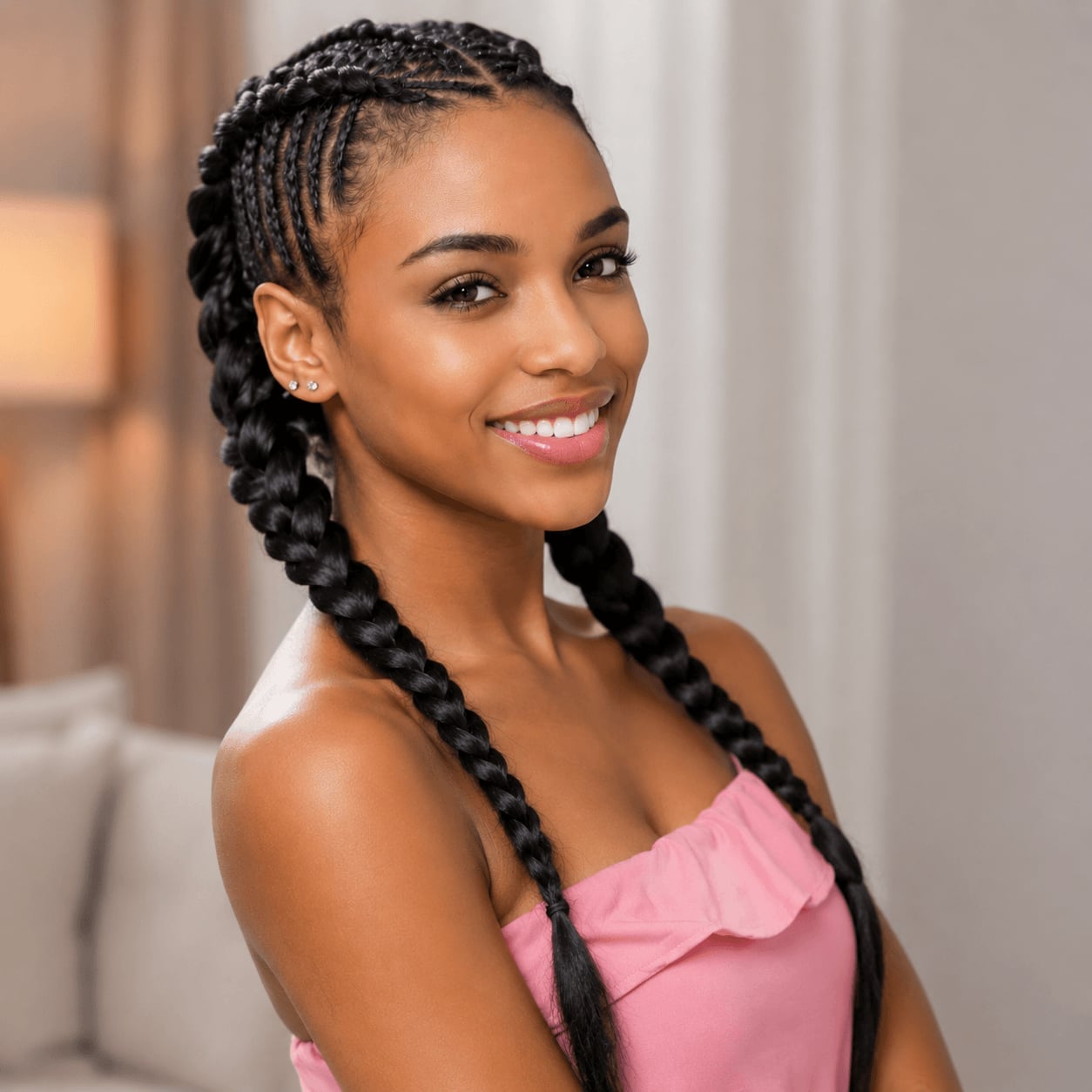

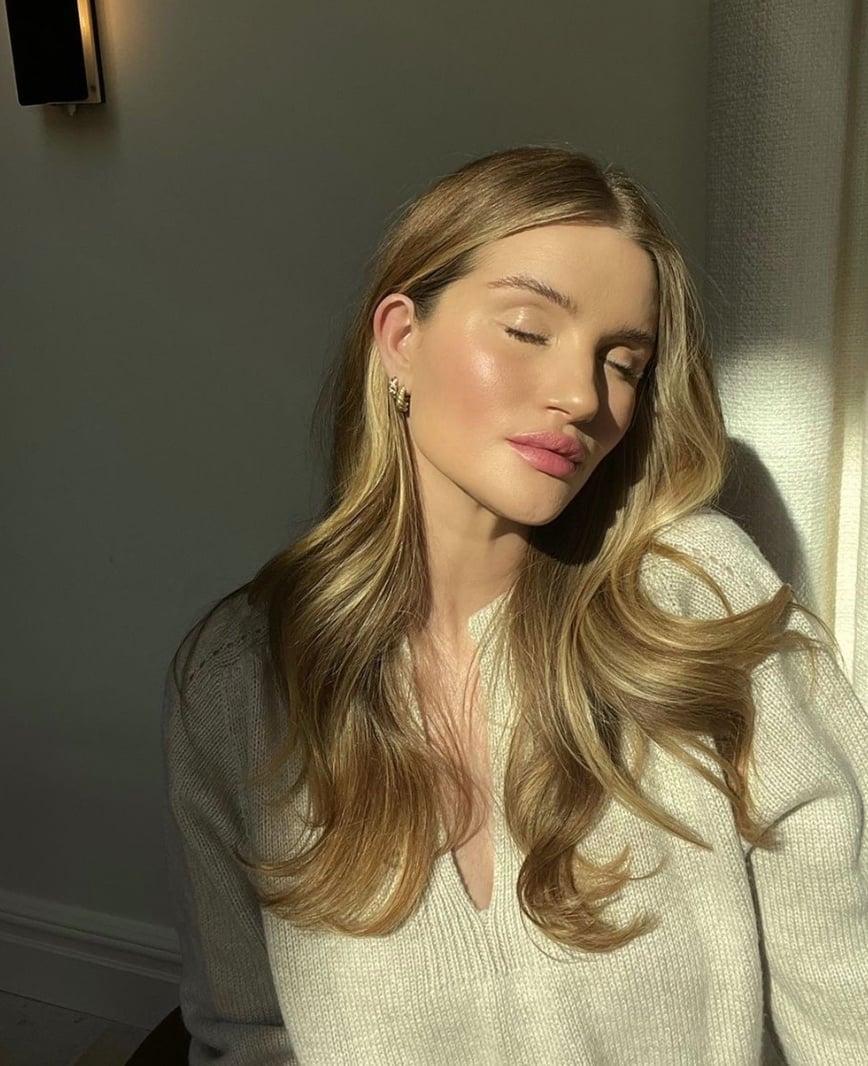
Classic lengths are having a quiet moment, with soft face-framing layers and curtain bangs replacing the poker-straight, heavy-fringe looks of recent seasons. The shift is subtle but real: more movement, more lived-in color, and a glossy finish that doesn’t try too hard.
This collection of 28 Classy Length Hair ideas runs the full spectrum, from sharp chin-length bobs to long, layered waves, with plenty of low-upkeep options for busy weeks and higher-commitment styles for special occasions. Whether your hair is fine and falls flat, you’re battling a stubborn grow-out line, or your fringe won’t sit still, there’s a cut here that works with your texture and your routine.
Long Layered Hair With Natural Waves
A middle part and long layers give thick, wavy hair movement with a clear shape. The blonde base with subtle highlights adds shine at the wave crests, making texture the real focal point. This cut works best for thick, natural wave patterns that already have some weight to drop from. A middle part tends to elongate a round face, which is useful to know before you commit.
Ask your stylist for: long layers, natural waves, middle part. Enhance the wave pattern with a sea salt spray on damp hair, then let it air-dry or use a blow dryer with a diffuser attachment set to low heat. A trim every eight to ten weeks keeps the layer shape clean without sacrificing the grown-out ease that makes this style work.
Mid-Back Silver Gray Waves With Face-Framing
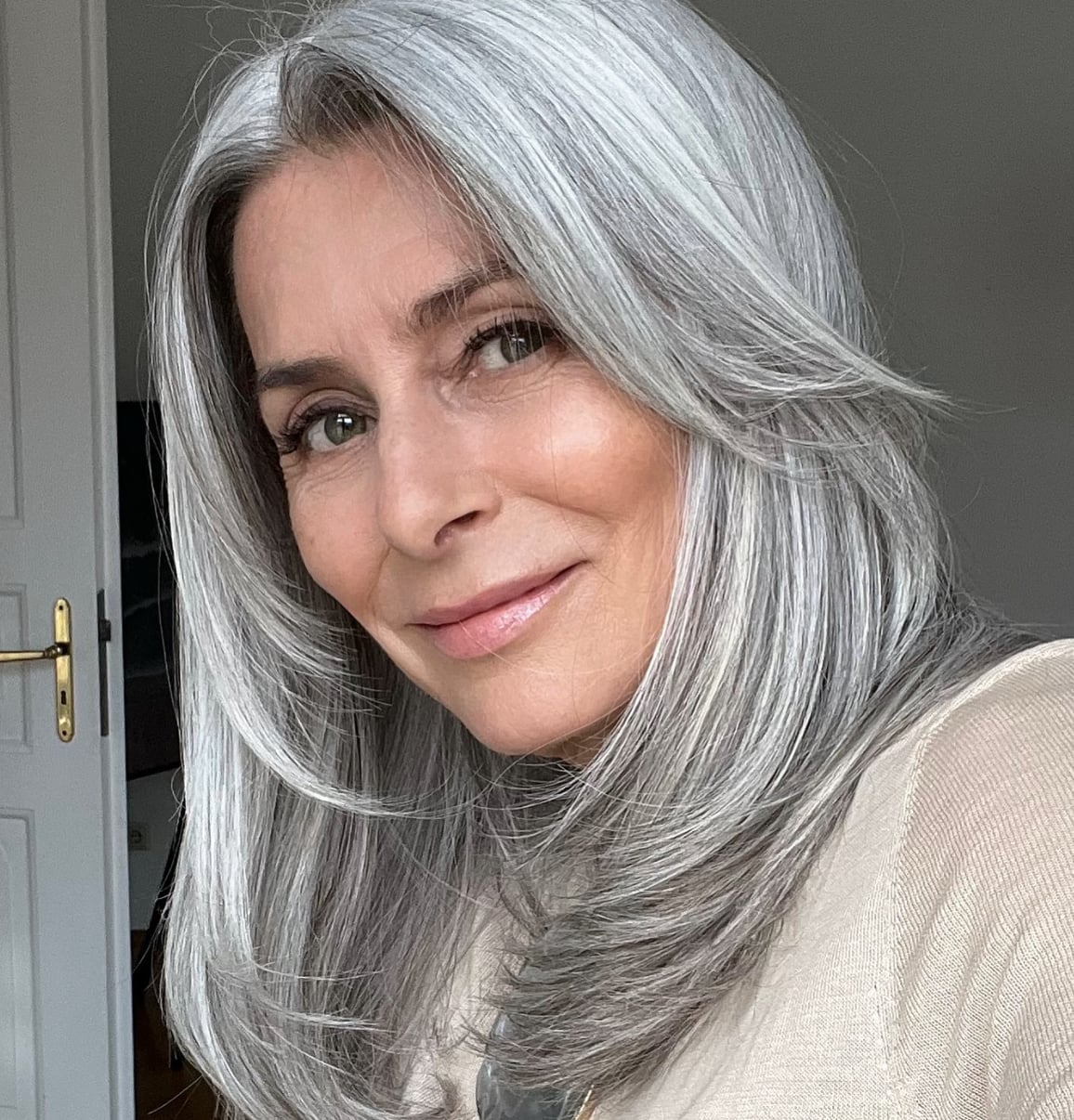
A silver gray base this vivid requires upkeep to maintain its cool tone. The mid-back length gives the loose waves enough drop to move, while the face-framing layers cut the weight around the jaw. That front shaping is particularly good at softening a square jawline, because the shorter pieces break up the horizontal line.
Ask your stylist for: mid-back length, loose waves, face-framing layers, silver gray color. A purple shampoo used weekly prevents the silver from turning brassy or yellow. Plan for a trim every eight to ten weeks to keep the face-framing pieces from blending into the length.
Collarbone Lob With Airy Curtain Bangs
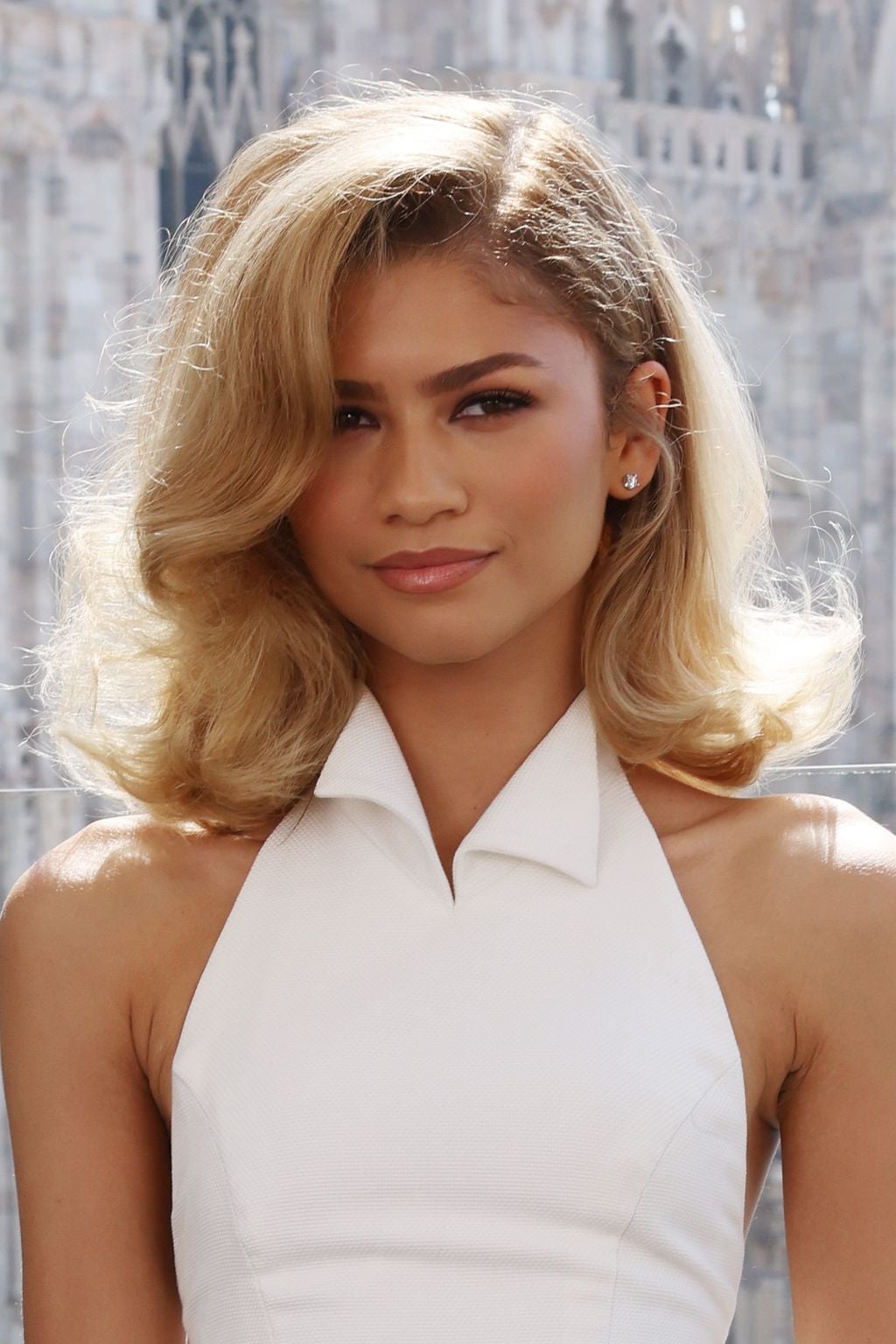
How do you ask for bangs that graze the cheekbones without looking heavy? The answer is a collarbone lob with curtain bangs cut to sweep open from the middle part. The ash blonde base keeps the fine, wavy texture from reading as flat, and the lob length hits a sweet spot between too short and too long. Curtain bangs tend to complement oval and heart face shapes because the diagonal line widens the eye area without adding bulk at the forehead. Ask your stylist for: collarbone lob, curtain bangs, ash blonde. The key words are “airy” and “sweeping” so the stylist keeps the bangs light and feathery rather than blunt.
Layered Shag With Voluminous Blowout
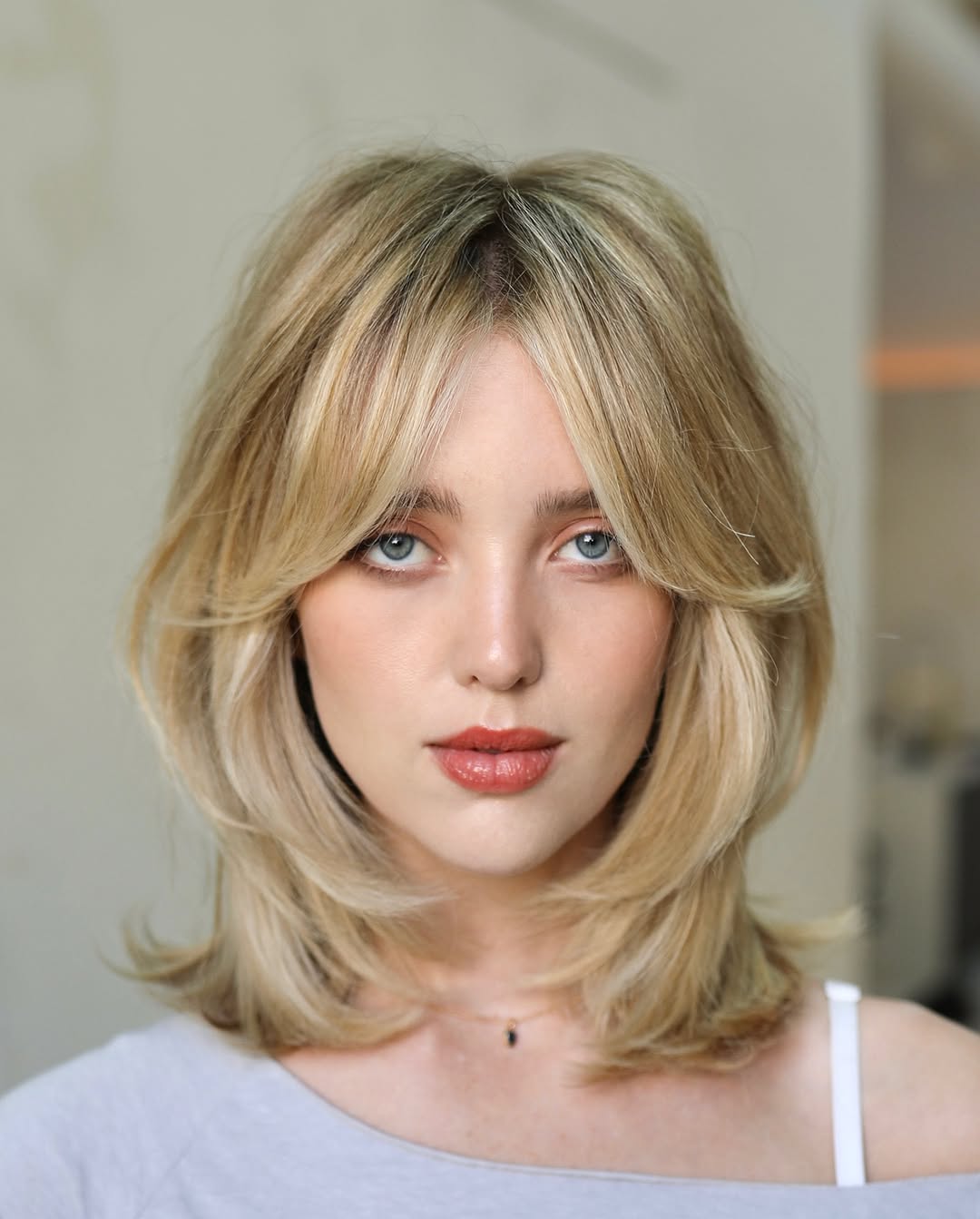
A layered shag is not a set-it-and-forget-it cut; it needs styling to reach its full potential. The collarbone length and face-framing layers give the shape its structure, but the voluminous blowout is what makes the curtain bangs and wavy texture look intentional rather than messy. The drawback is that this finish takes real effort to maintain: the blowout requires a round brush and a heat protectant, and the shag layers start to look shaggy, not shag, after about six weeks. Ask your stylist for: collarbone layered shag, curtain bangs, voluminous blowout. A volumizing spray at the roots before drying helps the shape hold its lift through the day.
Shoulder Length Bob With Soft Waves
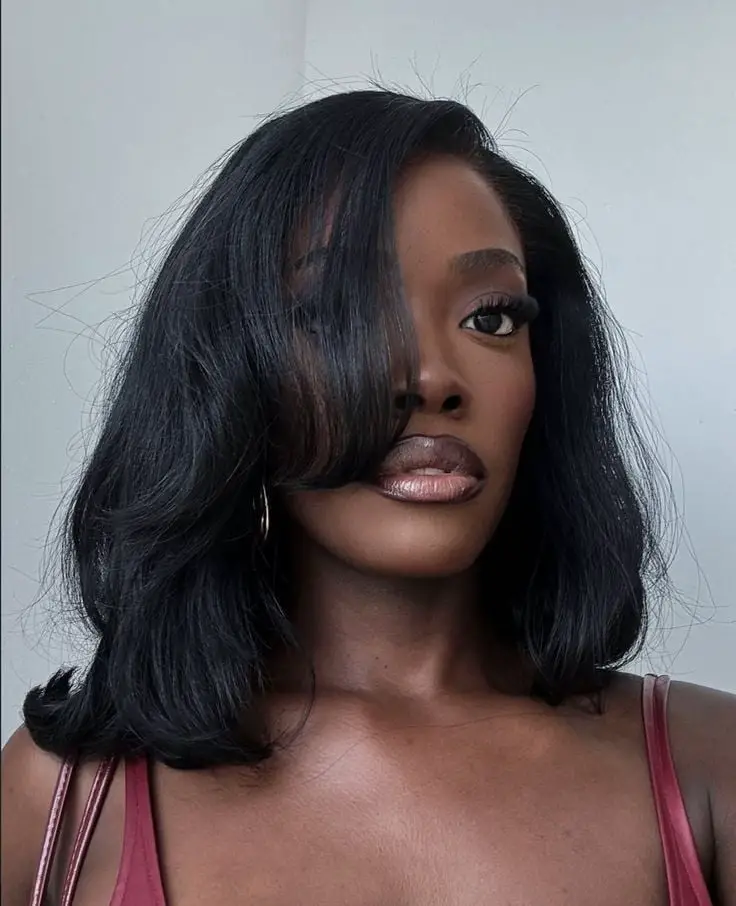
A shoulder-length bob with soft waves is the quieter alternative to a blunt chin-length bob: it offers the same polished shape but with more forgiveness for fine hair. The side part tricks the eye into seeing more volume at the crown, and the black color adds a glossy finish that does not need product to read as healthy. Fine, wavy hair at shoulder length tends to hold a soft wave longer than straight hair because the texture gives the wave something to grip. Ask your stylist for: shoulder length bob, soft waves, black color. This cut leans more polished than the layered shag, so it suits work settings where a tidy silhouette matters.
Shoulder Length Lob Glossy Waves
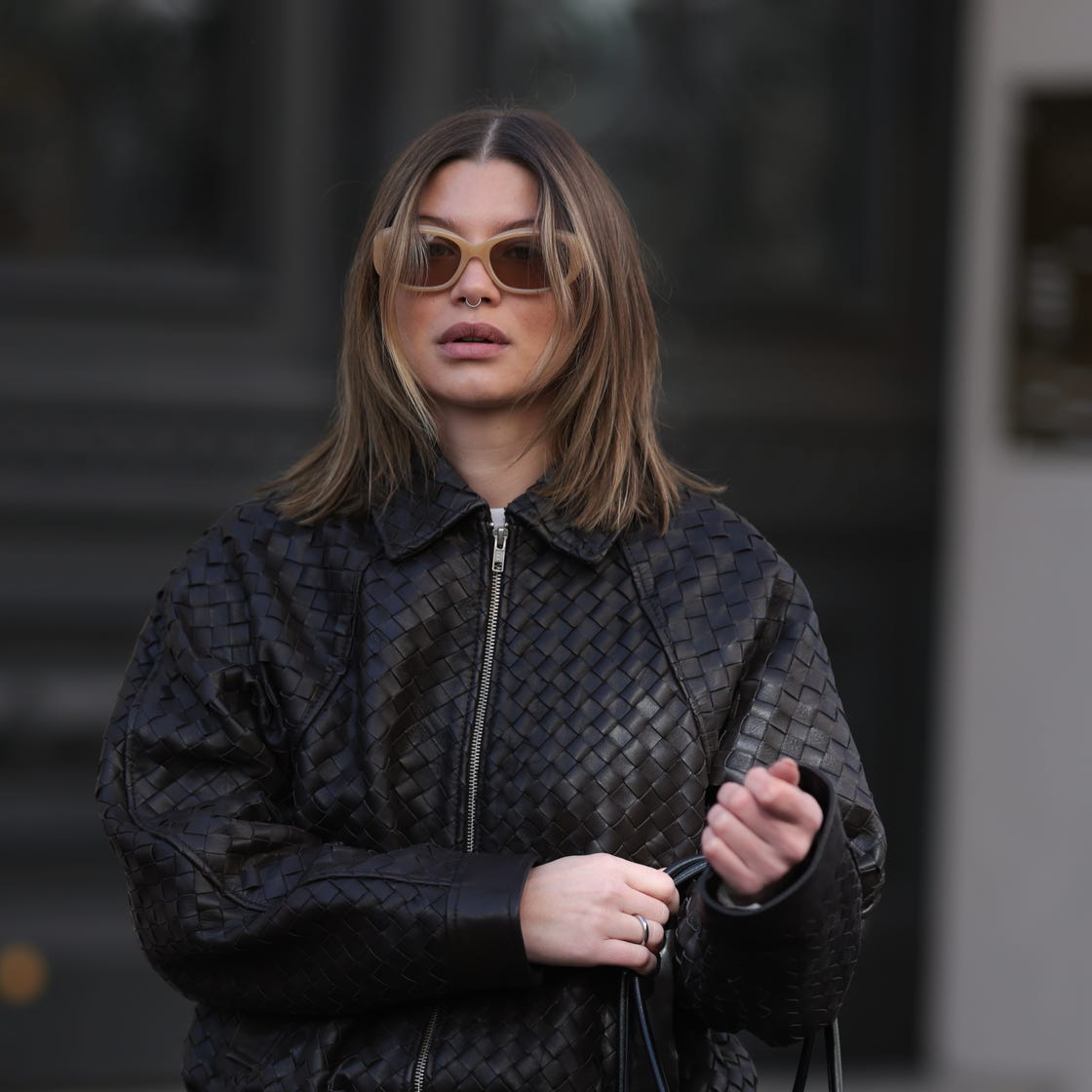
This shoulder length lob gets its glossy finish from a blowout that smooths the cuticle before the waves are set, and the dark brown base with subtle highlights keeps the dimension from reading flat. The thick texture holds a loose wave well, so the style moves easily from summer beach waves to a polished fall look with a side part that softens a wider forehead. Ask your stylist for: shoulder length lob, glossy loose waves, dark brown with highlights. Use a texturizing spray to keep the wave definition from falling by midday, and plan on a trim every six to eight weeks to keep the ends from fraying.
Chin Length Lob With Classic Waves
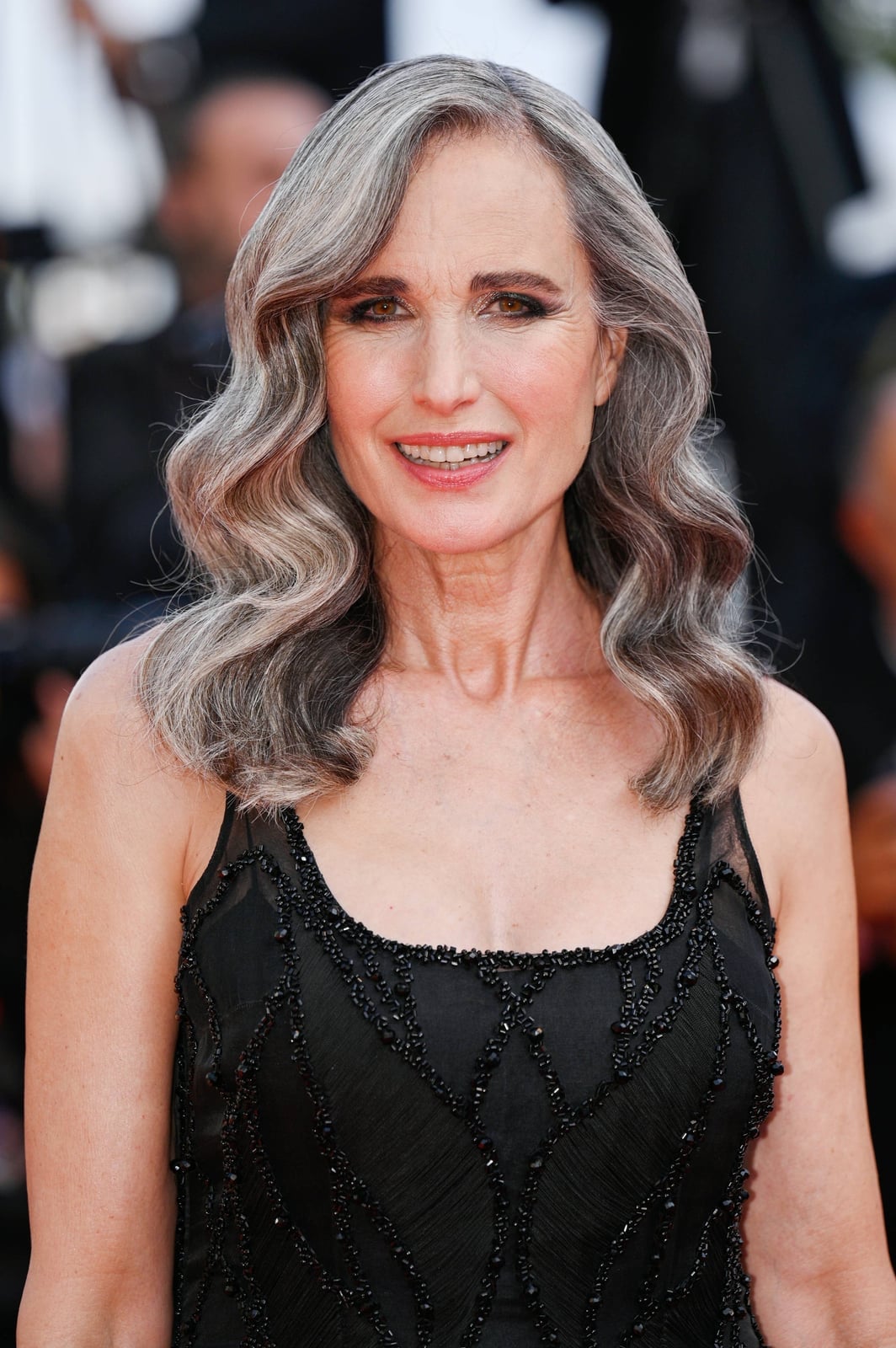
Is there a cut that makes fine hair look fuller? This chin length lob with classic soft waves is the answer. The chin grazing length and middle parting flatter round faces, while the fine silver gray texture gains volume from the wave pattern that adds body at the ends. Ask your stylist for: chin length lob, classic soft waves, silver gray color. A texturizing spray at the roots lifts the hair without weighing it down, and a trim every six to eight weeks keeps the shape precise.
Ear Length Bob With Side-Swept Bangs
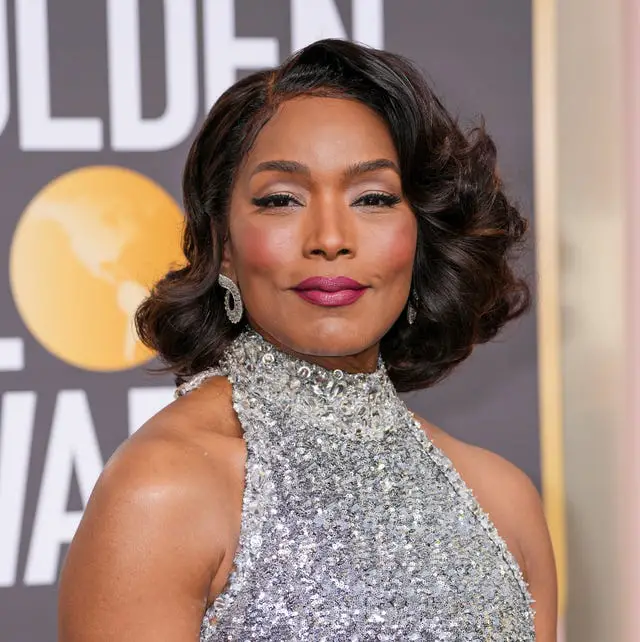
The curling technique here starts with a small barrel iron, wrapping each section away from the face to build the voluminous curls that give this ear length bob its lift. Fine wavy texture responds well to this approach, and the side-swept bangs are cut to blend into the layers, softening the angles of a square jaw. Ask your stylist for: ear length bob, voluminous curls, side-swept bangs. To recreate the look at home, use a curling iron on low heat and let the curls cool before brushing them out. It takes about twenty minutes, but the result is polished enough for the office.
Chin Length Blunt Bob With Curled Ends
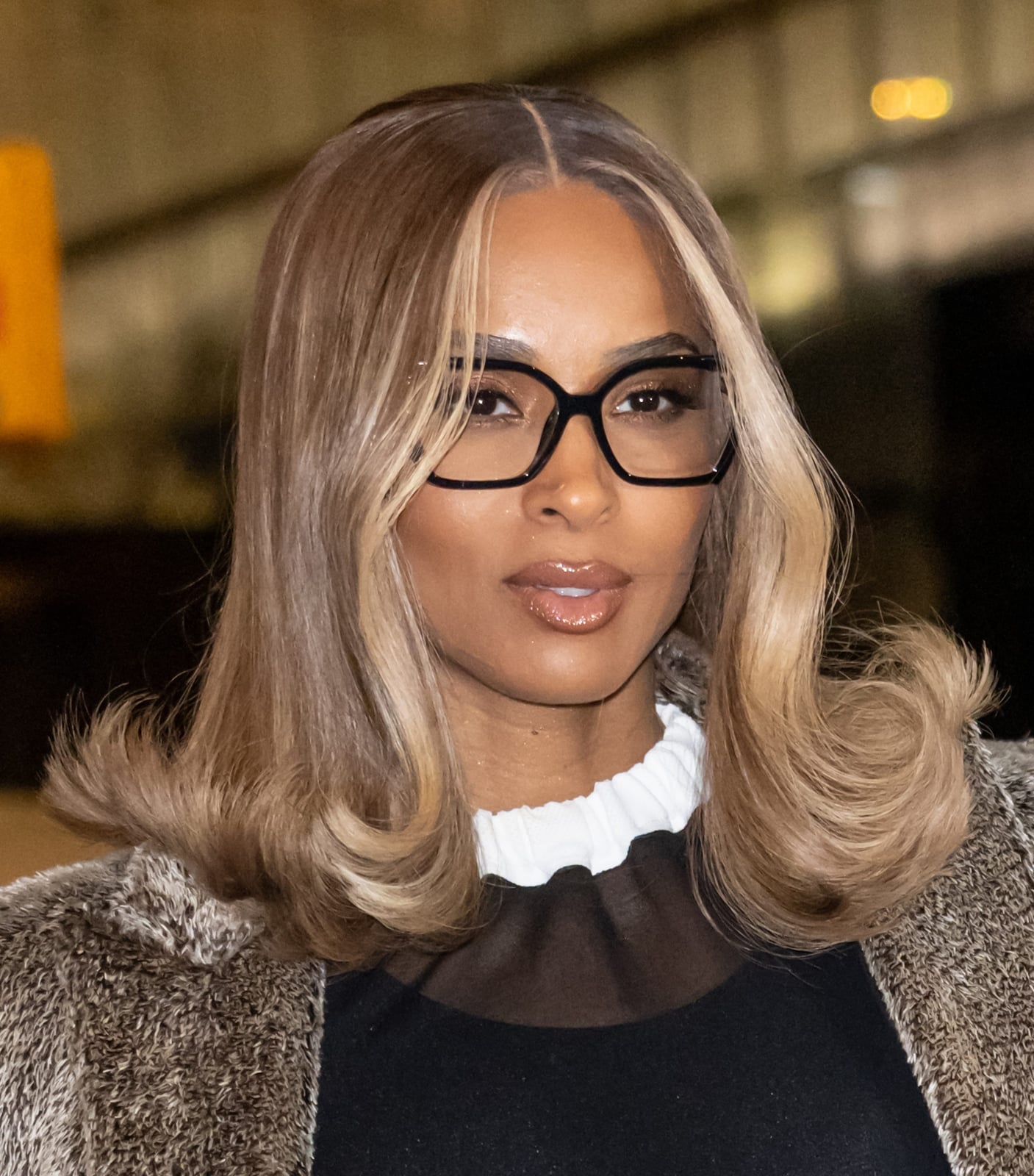
A chin length blunt bob relies on its clean line to fake density, and the dark blonde base with lighter highlights adds depth without breaking the solid shape. The polished blowout and curled ends require a round brush and a steady hand, because the blunt cut shows every misbehaving strand. Ask your stylist for: chin length blunt bob, curled ends, dark blonde with highlights. The honest drawback is the daily styling commitment, around fifteen minutes with a round brush, and the fine straight texture needs a trim every six to eight weeks to keep the ends from looking wispy.
Collarbone Lob Straight Blowout
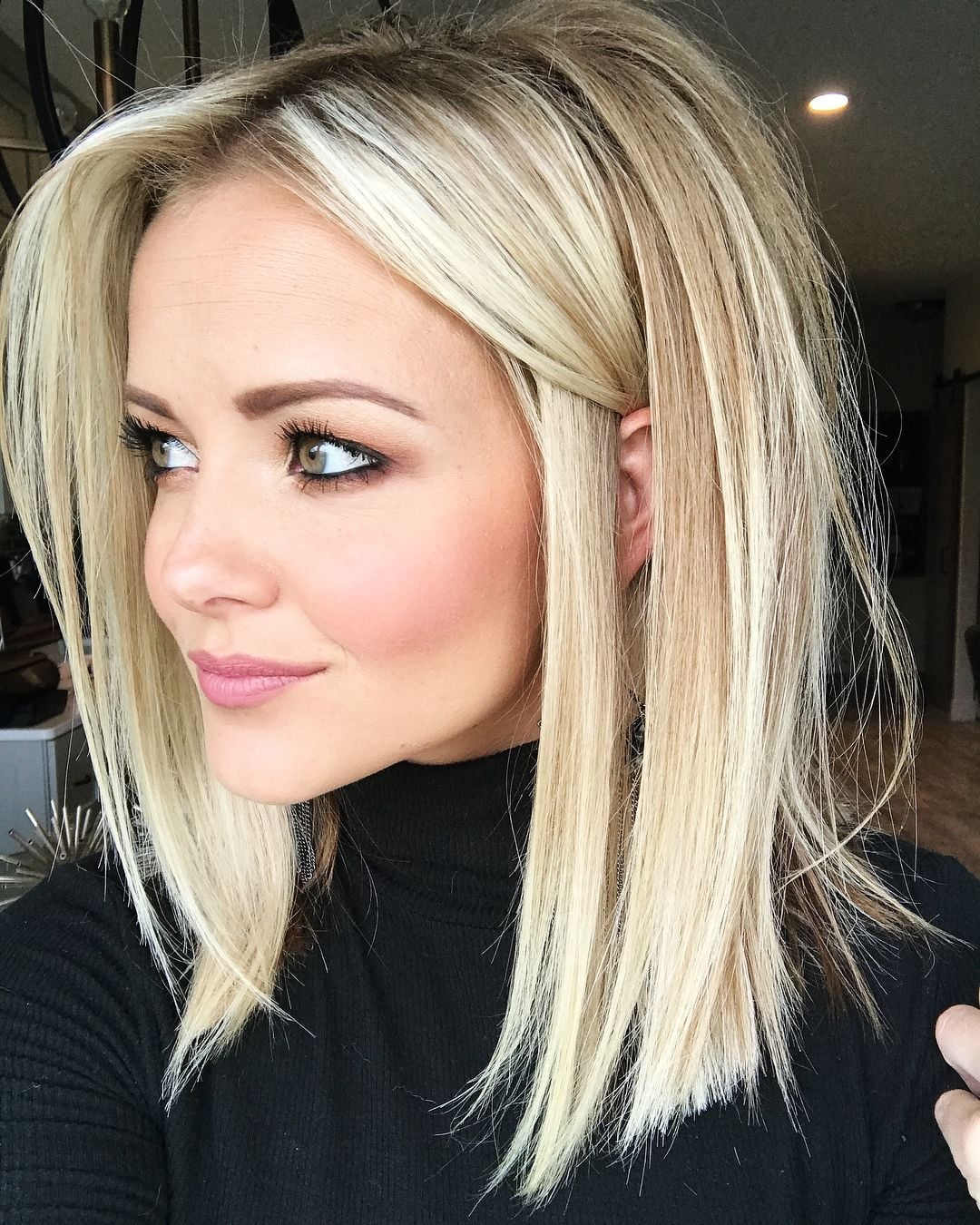
The face-framing pieces are cut to graze the cheekbones, and they’re the detail that keeps the style from falling flat. Ask your stylist for: collarbone lob, straight blowout, face-framing pieces, ash blonde highlights. A flat iron smooths the fine texture, but the face-framing pieces need a quick bend with the iron to hold their shape. A trim every six to eight weeks keeps the ends blunt.
Angled Bob With Soft Wavy Layers
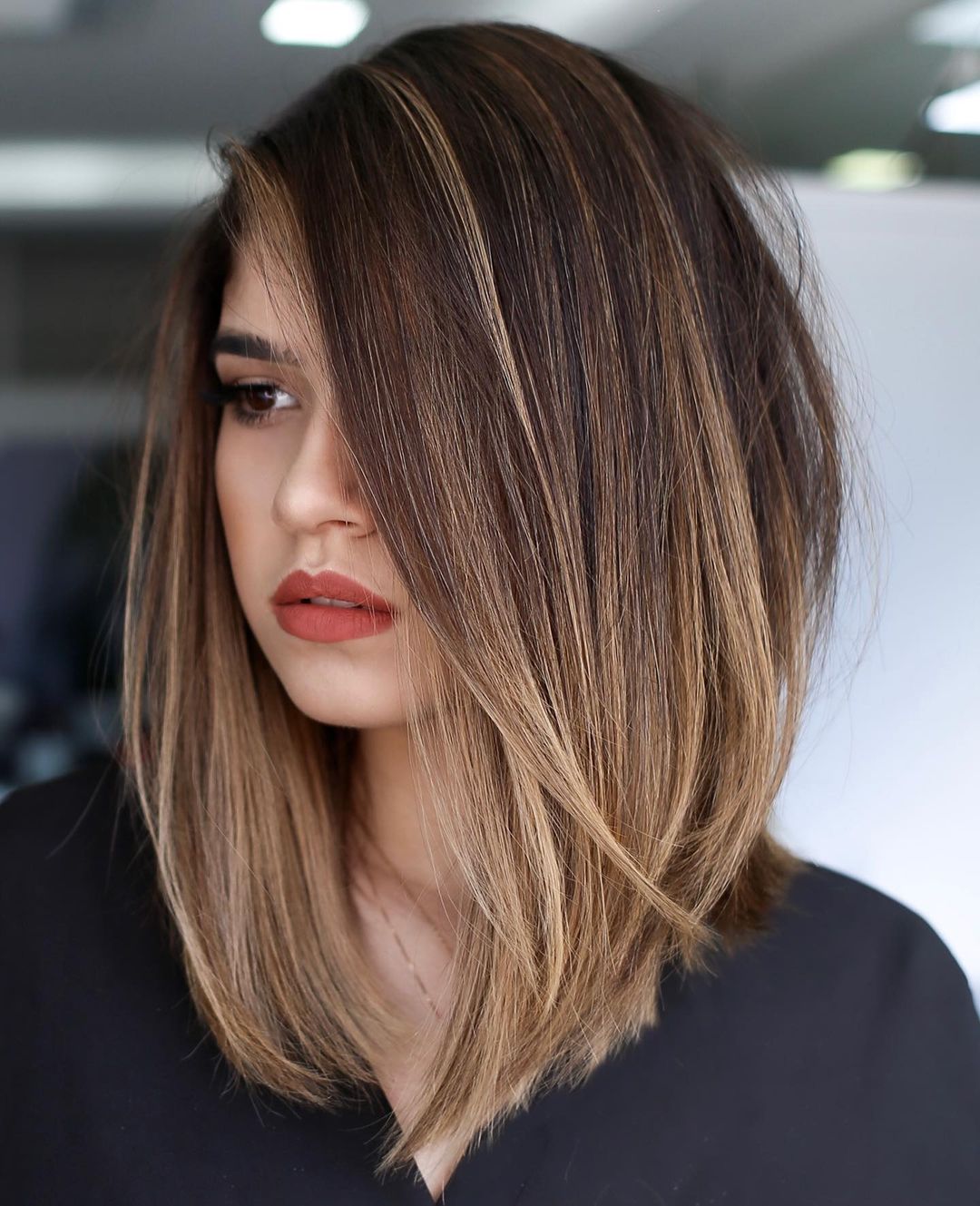
An angled bob relies on a graduated side-to-side difference, and adding soft wavy layers to a collarbone length makes that asymmetry a deliberate design. Medium-density wavy hair handles the angle well, and the side parting helps the shorter side tuck behind the ear naturally. The extra length in front draws the eye down, while the wave softens the jawline without the bluntness of a straight cut. Ask your stylist for: collarbone angled bob, soft layers. A texturizing spray keeps the wave pattern visible, and a trim every six to eight weeks maintains the sharp baseline.
Shoulder Length Layered Bob With Side-Swept Bangs
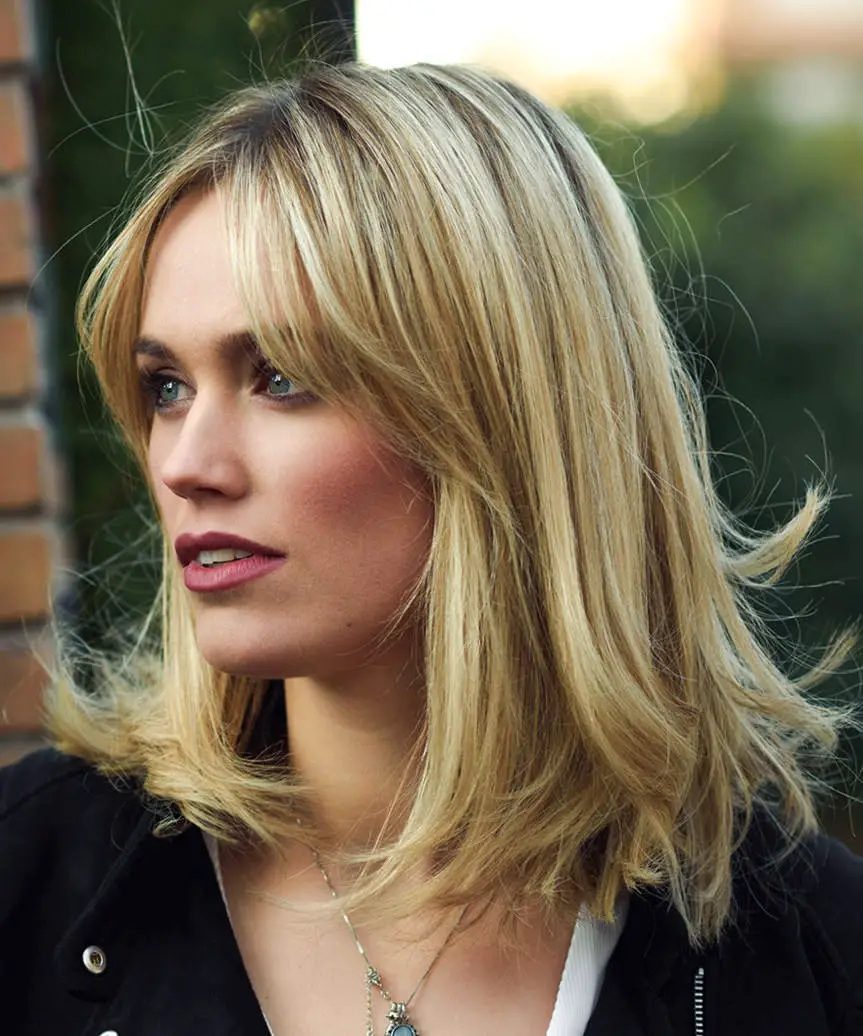
Angled layers stacked through the back create the lift that a shoulder length bob needs, and side-swept bangs pull the whole shape forward. The honey blonde base with lighter highlights adds dimension without making the cut feel heavy. This is a salon cut, the graduation requires a stylist’s eye, but the daily styling is straightforward. A round brush during blow-drying directs the bangs to the side and encourages the layers to curve under. Ask your stylist for: shoulder length layered bob, side-swept bangs. A trim every eight to ten weeks keeps the angle clean.
Collarbone Layers With Curtain Bangs
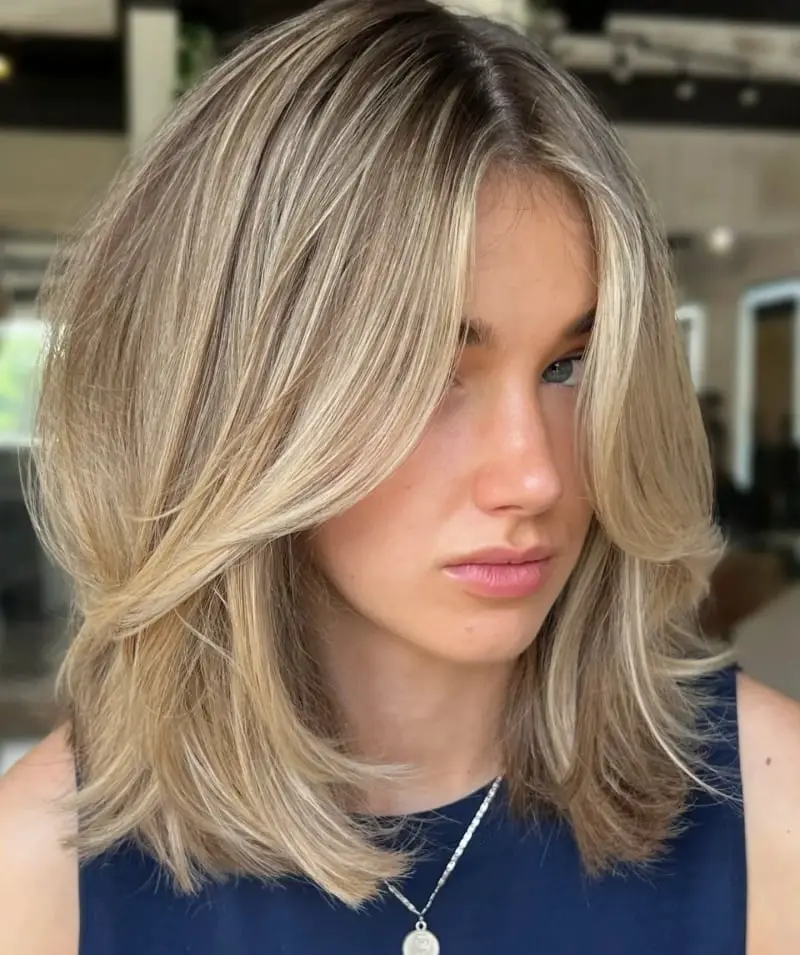
Spring events call for a cut that moves without looking fussy, and collarbone layers with curtain bangs hit that note. The fine, wavy texture in a smooth blowout catches light evenly, and the middle parting lets the bangs frame both sides of the face. The blonde base with lighter highlights is subtle enough for a daytime meeting but shows up under evening lighting. Oval faces can pull off the curtain bangs at any density, while round faces benefit from the bangs opening toward the cheekbones. Ask your stylist for: collarbone layers, curtain bangs. A volumizing mousse before drying keeps the roots from falling flat.
Collarbone Layers With Darker Roots
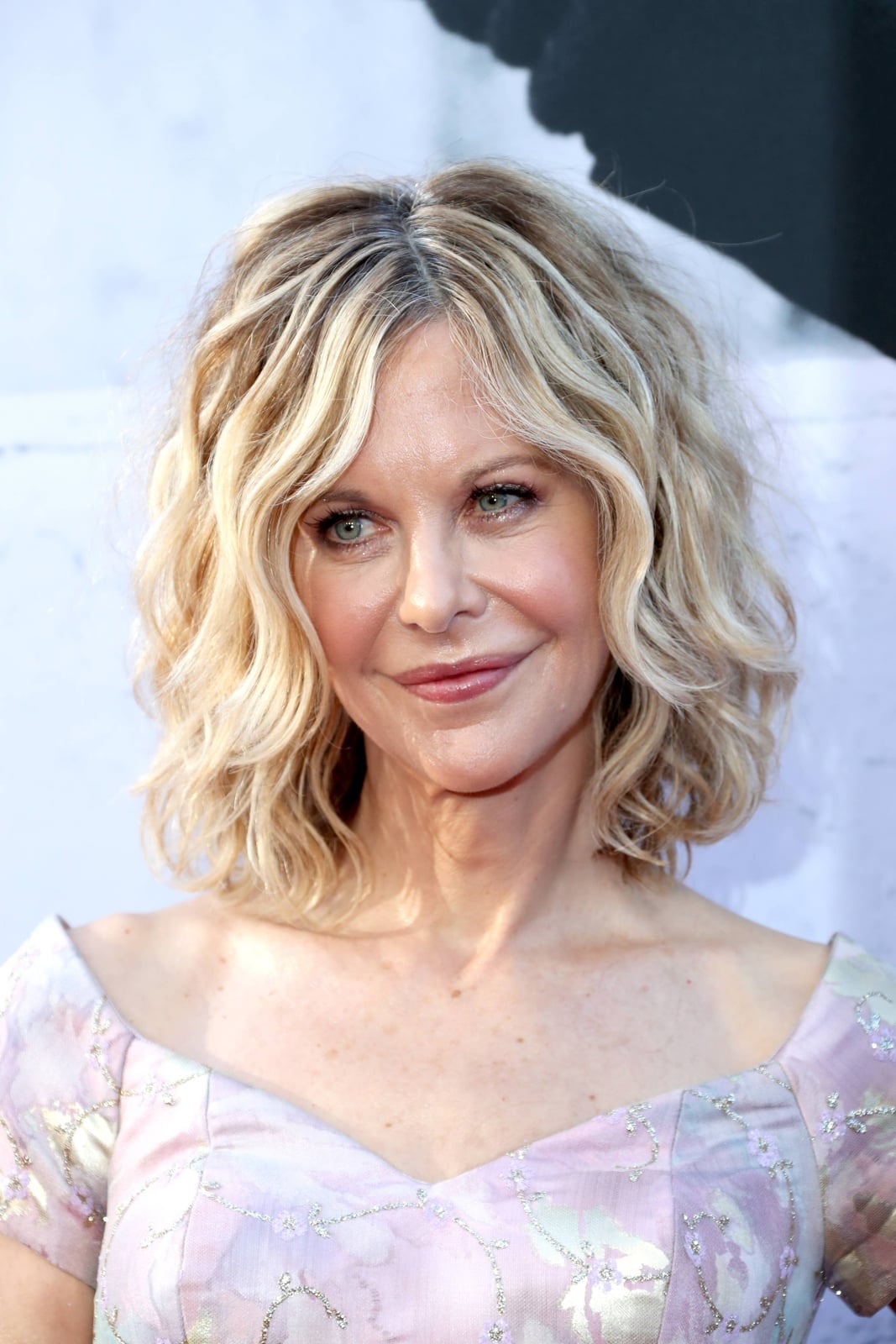
Blonde highlights with dark roots look deliberate when the cut is right. Collarbone layers with curtain bangs soften the contrast, and the loose wave pattern keeps the color transition from looking severe. Thick, wavy hair holds the shape without product, which is the real benefit here. The grow-out period looks like a plan. The drawback is that the dark roots eventually push the blonde too far down, and the highlights need a refresh around the face every ten to twelve weeks. Ask your stylist for: collarbone layers, curtain bangs. A curl cream on damp hair defines the wave without crunch.
Shoulder Length Layers With Curtain Bangs, Wavy
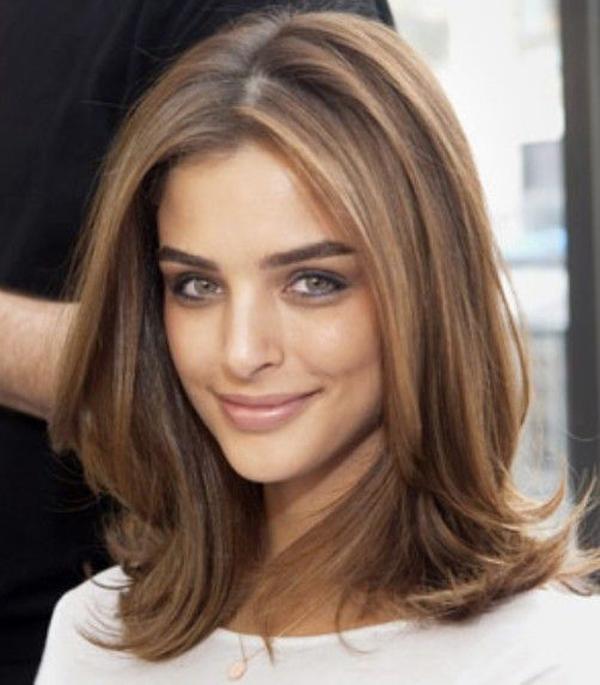
Shoulder length layers with curtain bangs sit differently on thick, wavy hair than they do on fine strands. The weight of the wave pulls the layers into a natural U-shape rather than a blunt line, which makes the cut feel softer than a straight bob. Brown hair with subtle blonde highlights gets dimension from the movement, and the blowout adds polish without fighting the wave pattern. For anyone with medium to thick density who wants a wash-and-go option, this is the more forgiving choice compared to a blunt lob. Ask your stylist for: shoulder length layers, curtain bangs. A texturizing spray after drying keeps the layers from merging into one mass.
Collarbone Butterfly Cut With Curtain Bangs
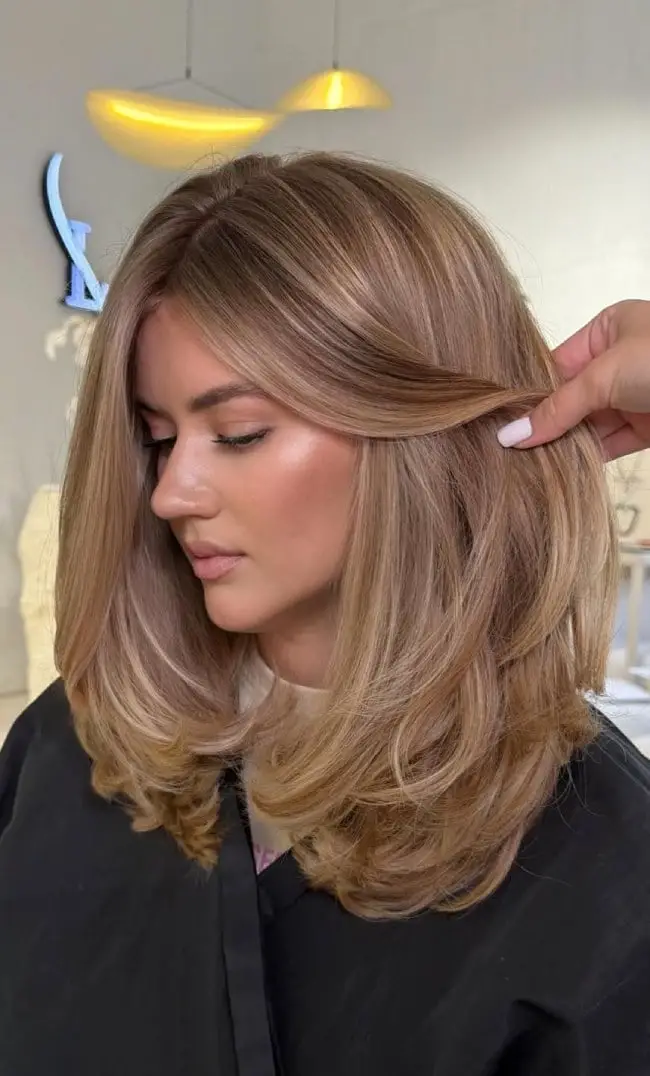
Can a haircut actually add volume where you want it and remove it where you don’t? The butterfly cut was designed to do exactly that. For thick, wavy hair at collarbone length, this layered shape removes weight from the sides while keeping density underneath, so the ends flip out instead of sitting flat. The curtain bangs blend into the face-framing pieces, which keeps the middle parting from looking severe. Ask your stylist for: collarbone butterfly cut, curtain bangs, warm beige blonde. The highlights are subtle enough that the grow-out is gentle, and the blowout styling is the real trick, a round brush at the roots and a quick cool shot locks in the shape.
Mid-Back Layers With Voluminous Waves
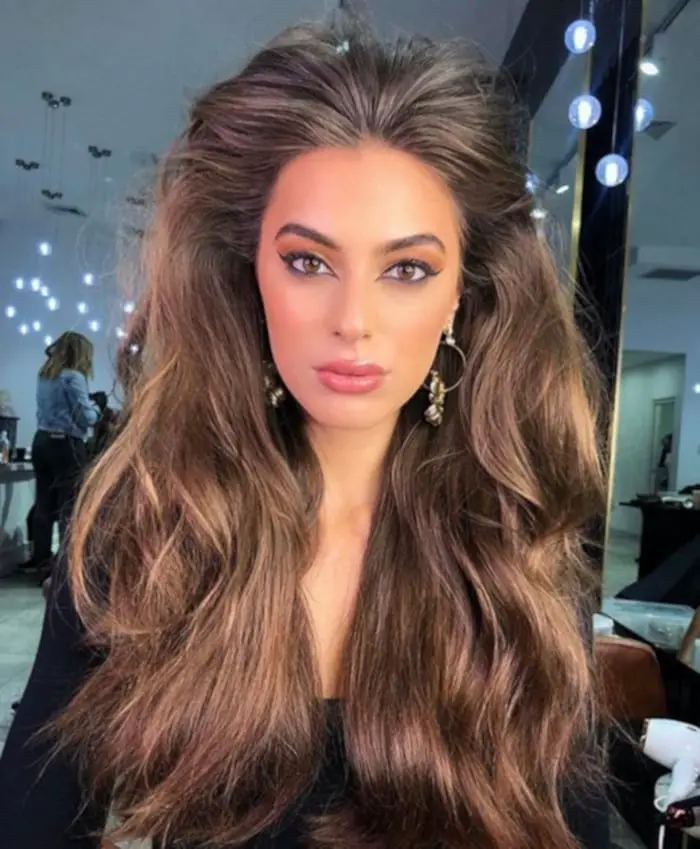
The smartest thing about this cut is what it does not try to do. It does not fight the thickness of the hair or attempt a razor-sharp line. Instead, the layers are cut to stack volume at the mid-lengths, then soften toward the ends. A side parting pushes that volume to one side, which is a reliable move for anyone whose hair naturally wants to fall flat at the top. Ask your stylist for: mid-back layers, voluminous waves, brunette with balayage. The balayage is painted low enough that the roots stay dark, so the contrast provides depth without a line of demarcation.
This is a cut that works best on hair that already has some wave or body. Fine hair may not hold the shape without product, and very curly hair would need a different layer pattern to avoid triangle-head territory. But for thick, wavy types who want length with movement, this is the path of least resistance.
Mid-Back Rich Brown Loose Curls
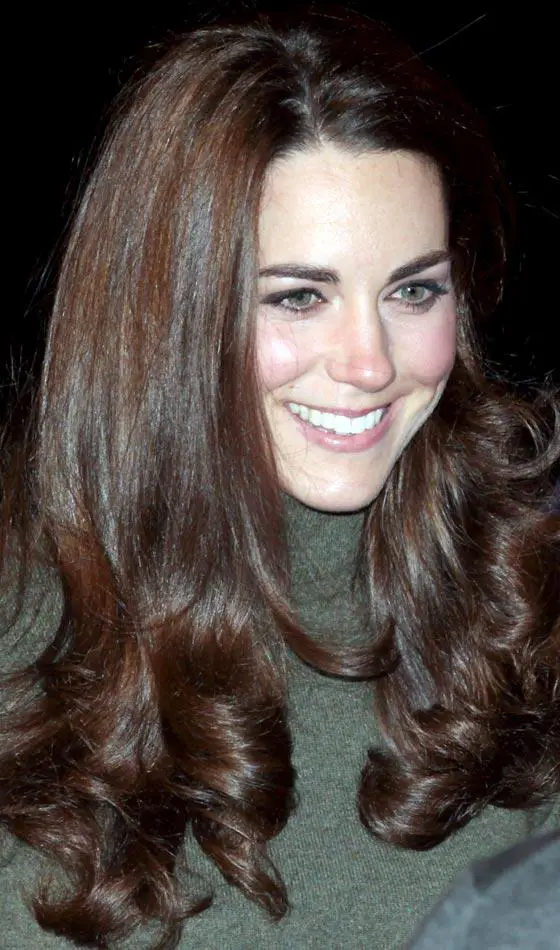
Loose curls on mid-back length hair are a terrain negotiation. Too tight and they shrink the length by inches. Too loose and they fall flat by noon. The technique here relies on a few long layers cut into the ends, not so many that the curl pattern breaks up, but enough that each wave has room to form its own shape. Ask your stylist for: mid-back length, loose curls, rich brown color. The single-tone brown color keeps the focus on the texture and simplifies the styling equation.
Upkeep is minimal: a curl-defining cream applied to damp hair, then a diffuser on low heat or air drying. A trim every eight to ten weeks keeps the ends from splitting and the curl pattern from becoming a frayed mess at the bottom. The shine is a result of the cut aligning with the curl pattern, not a product.
Mid-Back Straight Dark Brown Layers
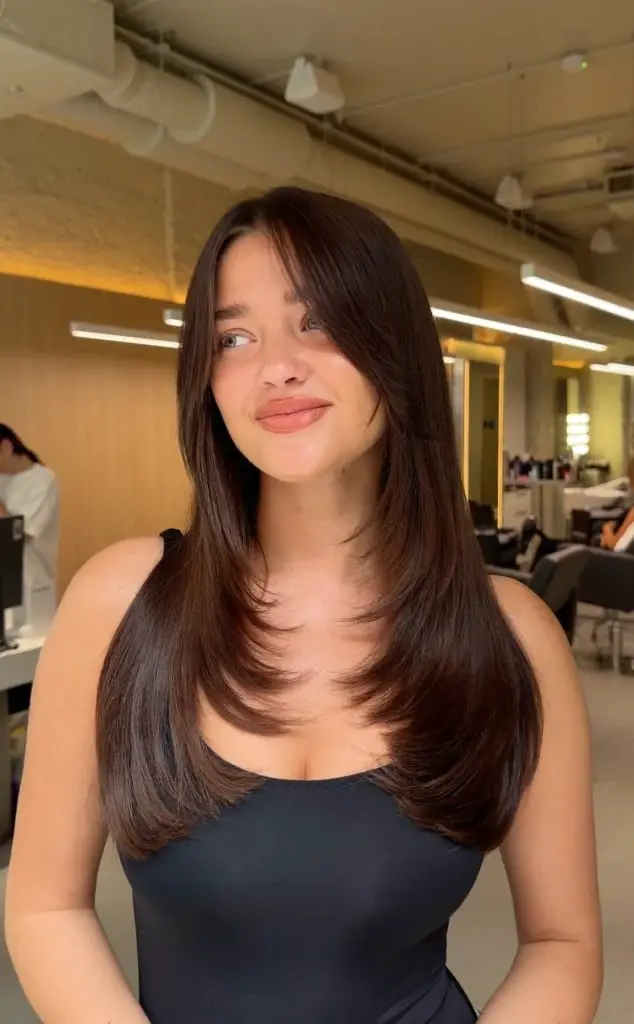
A sleek blowout on long, straight, thick hair is a high-maintenance proposition dressed in minimalist clothing. The long layers here are cut to keep the weight of the hair under control, without them, the density would make the ends flip or sit in a heavy block. The middle parting works best on oval and heart-shaped faces. Ask your stylist for: mid-back straight hair, long layers, smooth blowout. The dark brown color is a single shade with no dimension, so any inconsistency in the blowout is immediately visible.
The honest drawback: this finish requires heat styling daily unless you are naturally sleek, and that means a good heat protectant is essential. The upside is that the cut itself is simple. A salon visit every ten to twelve weeks is enough to maintain the shape. The DIY blowout takes about twenty minutes with a flat iron, longer with a round brush.
Mid-Back Layers With Blunt Bangs
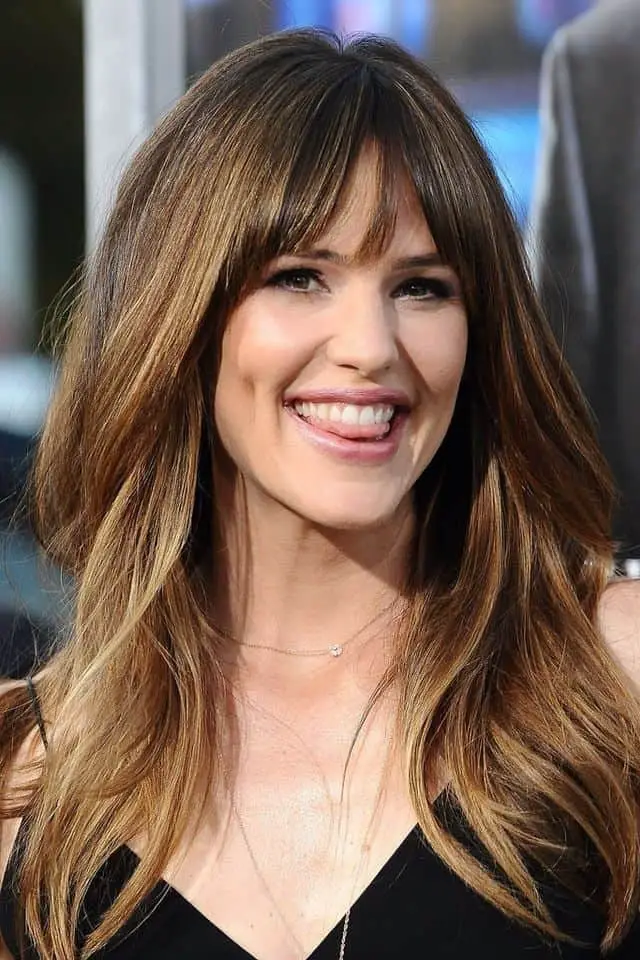
Blunt bangs on long hair is a fall and winter play. The contrast between a sharp, heavy fringe and soft, layered lengths creates deliberate polish, which is exactly what you want when the weather makes styling a chore. The warm brown base with blonde highlights adds dimension without the commitment of all-over color. Ask your stylist for: mid-back layers, blunt bangs, warm brown with blonde highlights. The bangs sit at brow level, which is a length that works on most face shapes but takes daily attention. A quick flat-iron pass every morning is the baseline.
This is not a set-it-and-forget-it cut. The bangs need a trim every three to four weeks, and the highlights need toning every six to eight weeks to keep the blonde from going brassy. The graphic, structured look softens the long length of the hair. Wear it straight for a sharp silhouette or add a slight bend to the bangs for a softer take.
Mid-Back Layers With Face-Framing Pieces
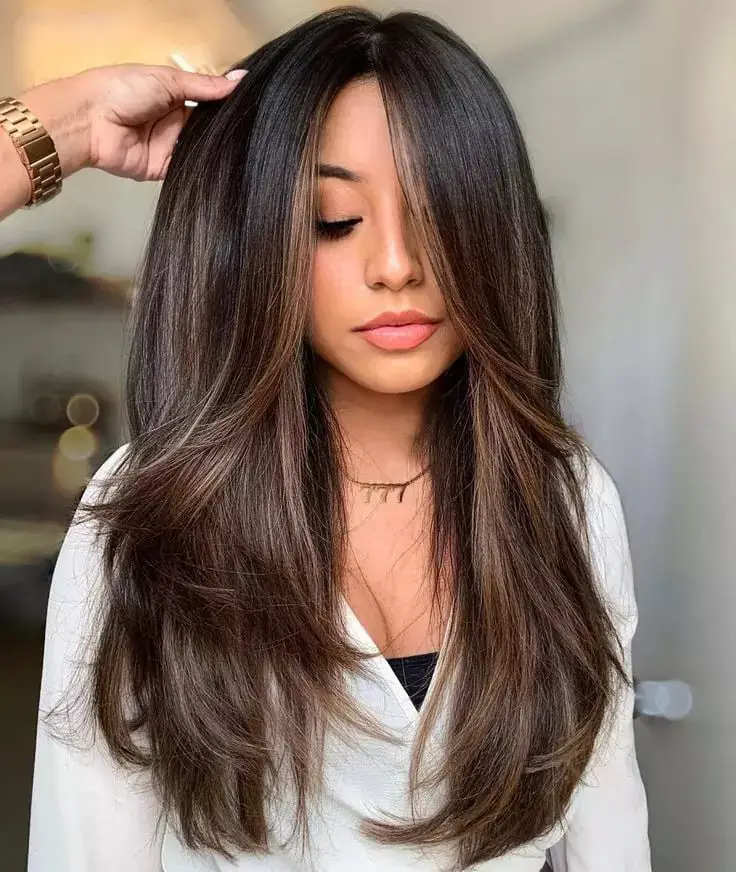
How do you add movement to long thick hair without losing the length? The answer is in the layering. This mid-back cut keeps the bulk but carves out lighter face-framing pieces that start around the chin and blend into the rest. The dark brown base gets subtle highlights, mostly concentrated in those front sections, so the waves catch a bit of dimension without going full balayage. Ask your stylist for: mid-back layers, face-framing pieces, subtle highlights.
Thick, wavy hair at mid-back length is the ideal starting point for this cut. The interior layers remove just enough weight to let the natural wave spring up, while the face-framing pieces soften the jawline without sacrificing the sense of length. A texturizing spray on damp hair, then air-dry or diffuse for a lived-in wave. Plan to trim those front pieces every eight to ten weeks, because they grow out faster than the rest and lose their intended shape.
Mid-Back Honey Blonde Balayage With Voluminous Waves
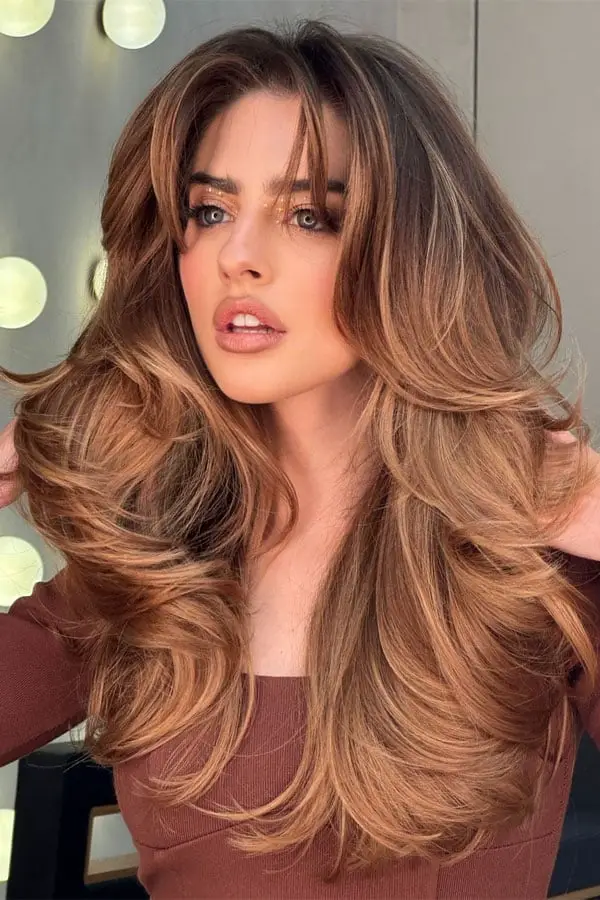
The honey blonde balayage starts darker at the roots and lightens gradually through the mid-lengths and ends, so the regrowth line stays soft for months. The voluminous waves are a blowout with a large round brush, curling the ends under. Curtain bangs frame the face without committing to a full fringe. This length and technique work well for thick, wavy hair that can hold the volume. Fine hair may struggle to keep the shape past midday without a texturizing spray. Ask your colorist for: honey blonde balayage, curtain bangs.
Mid-Back Ash Blonde With Face-Framing Pieces, Wavy
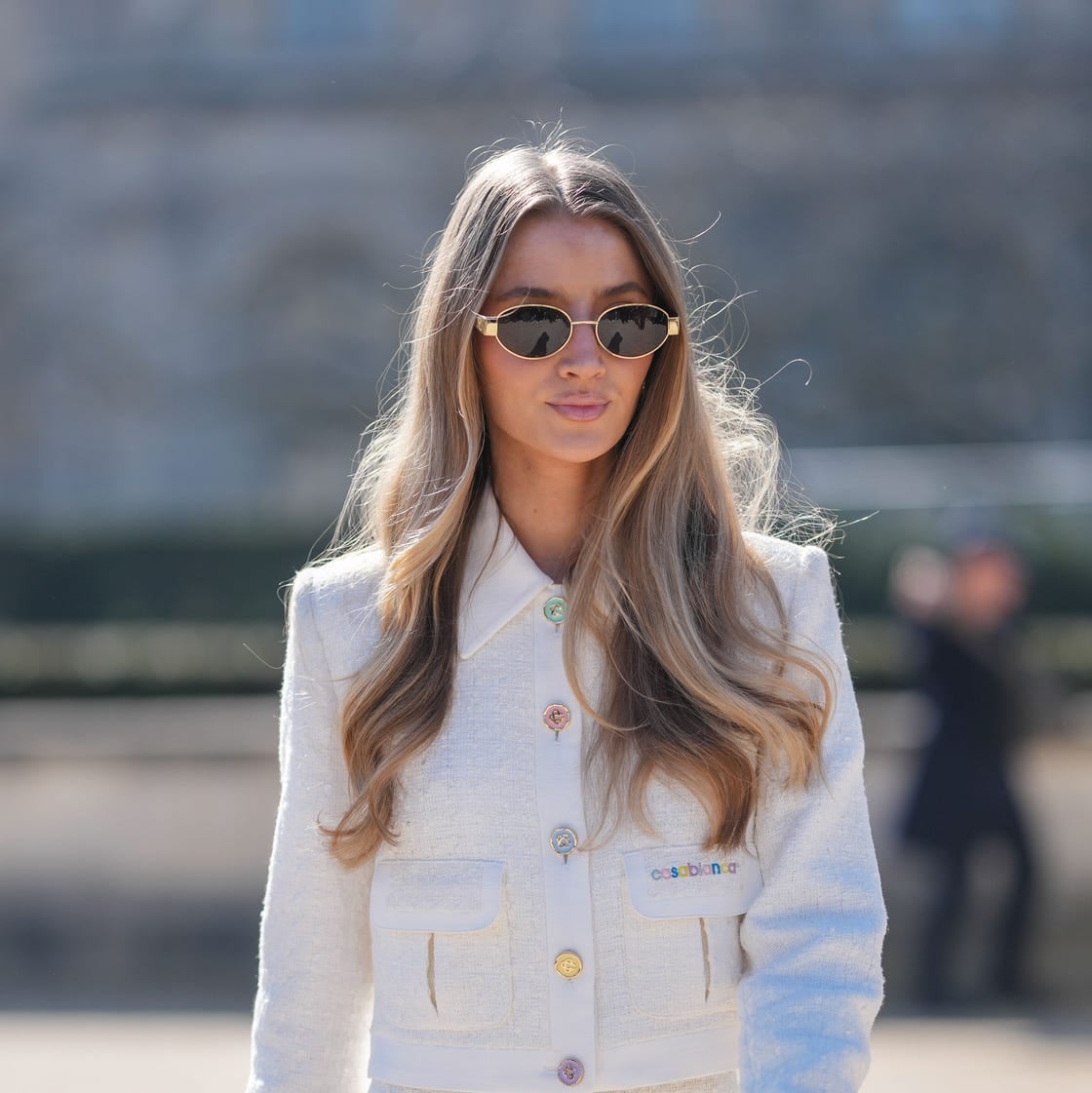
Ash blonde with highlights creates a cooler, more muted tone than golden or honey shades. The face-framing pieces here are cut to start just below the cheekbone, which draws the eye outward and softens angular jawlines. On fine, wavy hair, the key is keeping the layers long and gradual so the ends don’t look wispy. The texture stays loose because the cut removes bulk from the interior, allowing the natural wave to move freely. Ask your stylist for: mid-back ash blonde, face-framing pieces.
Wear and upkeep are straightforward. This style air-dries with a wave cream scrunched in, but a quick diffuser blast speeds things up. The lighter ends can feel drier than the darker base, so a weekly conditioning mask is useful. Trim the face-framing sections every eight to ten weeks; the length can go twelve weeks between cuts. A toning shampoo every two weeks keeps the ash tone from shifting yellow.
Long Hair With Face-Framing Layers
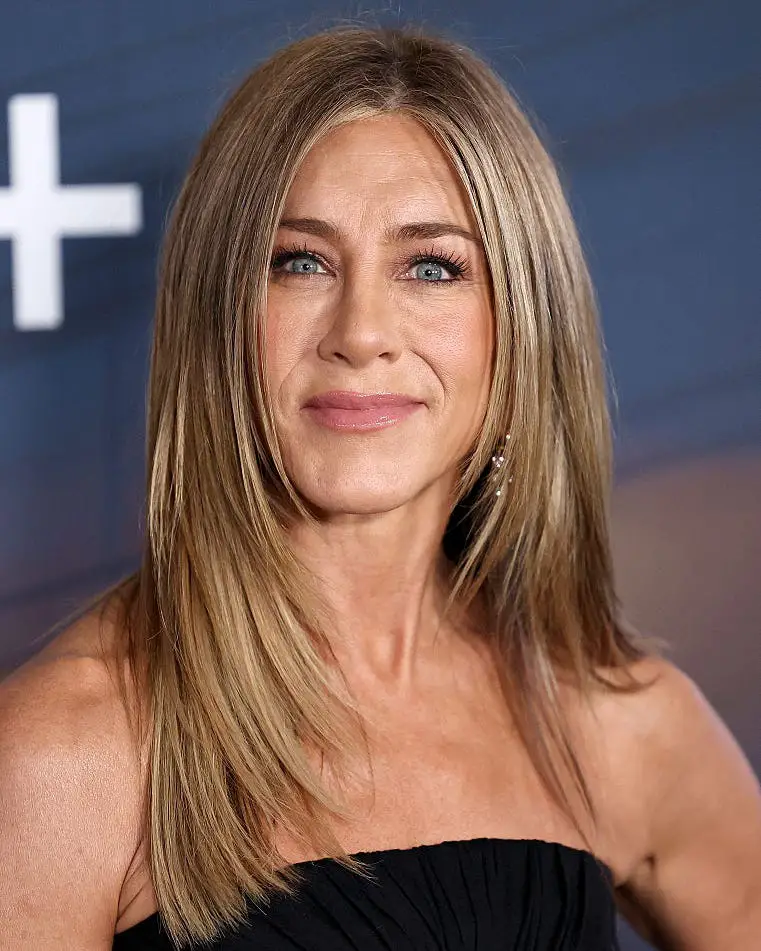
The smooth blowout on this long honey blonde hair relies on the subtle face-framing layers to add shape without reducing the overall length. The layers are minimal: just enough graduation around the face to soften the line of a round or heart shape, while the rest hangs straight and blunt. A middle parting keeps the look symmetrical and grounded. Ask your stylist for: long hair, face-framing layers, middle part.
This is a salon cut, not a kitchen-scissors job. The precision of the face-framing layers and the blunt hemline requires a stylist who can cut fine, straight hair without it looking hackneyed. The one real drawback is daily styling: a smooth blowout on fine hair needs a round brush and a heat protectant, and it won’t survive humidity without intervention. On a good day, it takes fifteen minutes with a blow-dryer. On a humid day, add a smoothing serum and a flat iron for the front sections only. Trim every eight to ten weeks to keep the hemline sharp.
Long Ponytail With Face-Framing Strands
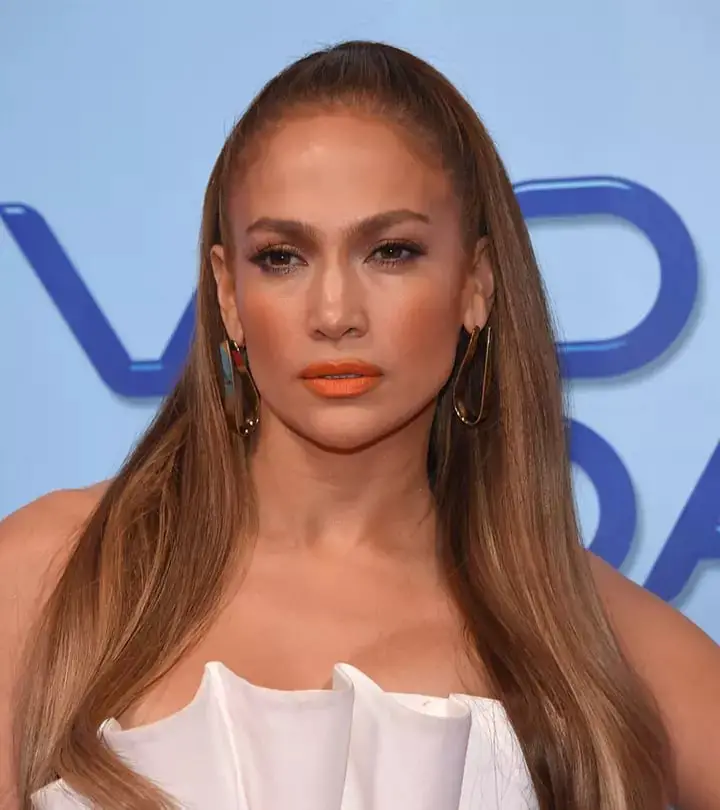
A high ponytail is the warm-weather shortcut for long, thick hair that would otherwise turn into a neck blanket. This version is pulled sleek from the crown, with a few face-framing strands left out to soften the pulled-back look. The brown base has subtle blonde highlights that add dimension to an otherwise one-note style. Ask your stylist for: long ponytail, face-framing strands, brown with blonde highlights. This suits straight, thick hair at mid-back length and works for sporty occasions or casual summer days when air-drying is the only realistic plan.
Mid-Back Straight Dark Brown Blowout With Blonde With Highlights
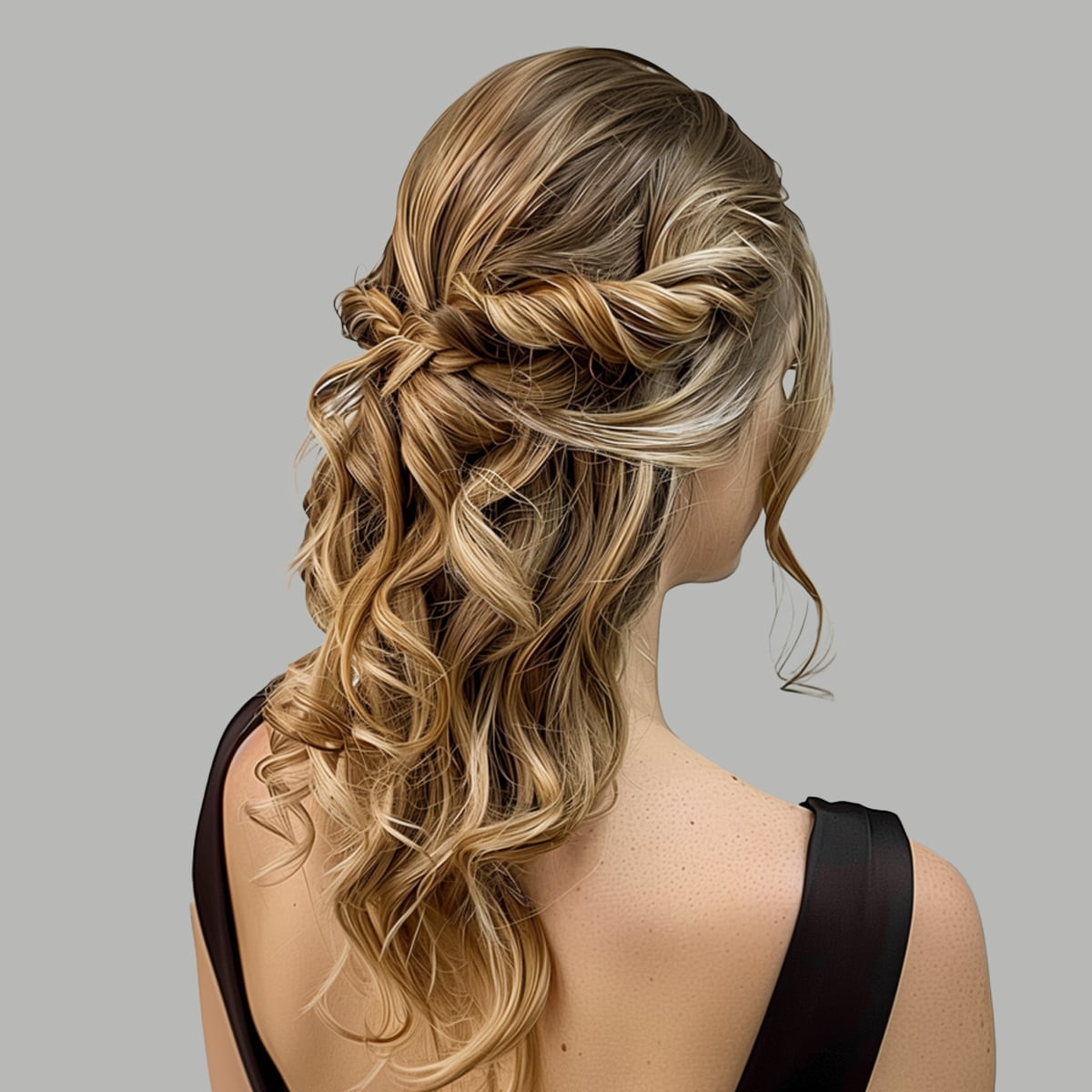
How does a half-up style look so intricate without being fussy? The trick is starting with a mid-back length that has long layers already built in, so the twisted and braided sections at the crown have enough texture to grip without slipping. The side part helps the braided detail sit where it can actually be seen from the back, while the rest of the hair stays wavy and medium-density.
This works best on hair that is already at least mid-back length and has some natural wave, so the braided sections blend rather than look glued on. Ask your stylist for: long layers and a twisted half-up braided style. A flat iron on the lower sections gives the waves a polished finish, but skip it on the braided crown areas to keep the hold. A trim every eight to ten weeks stops the layers from losing their shape.
Long Blonde Half-Up Braided Style
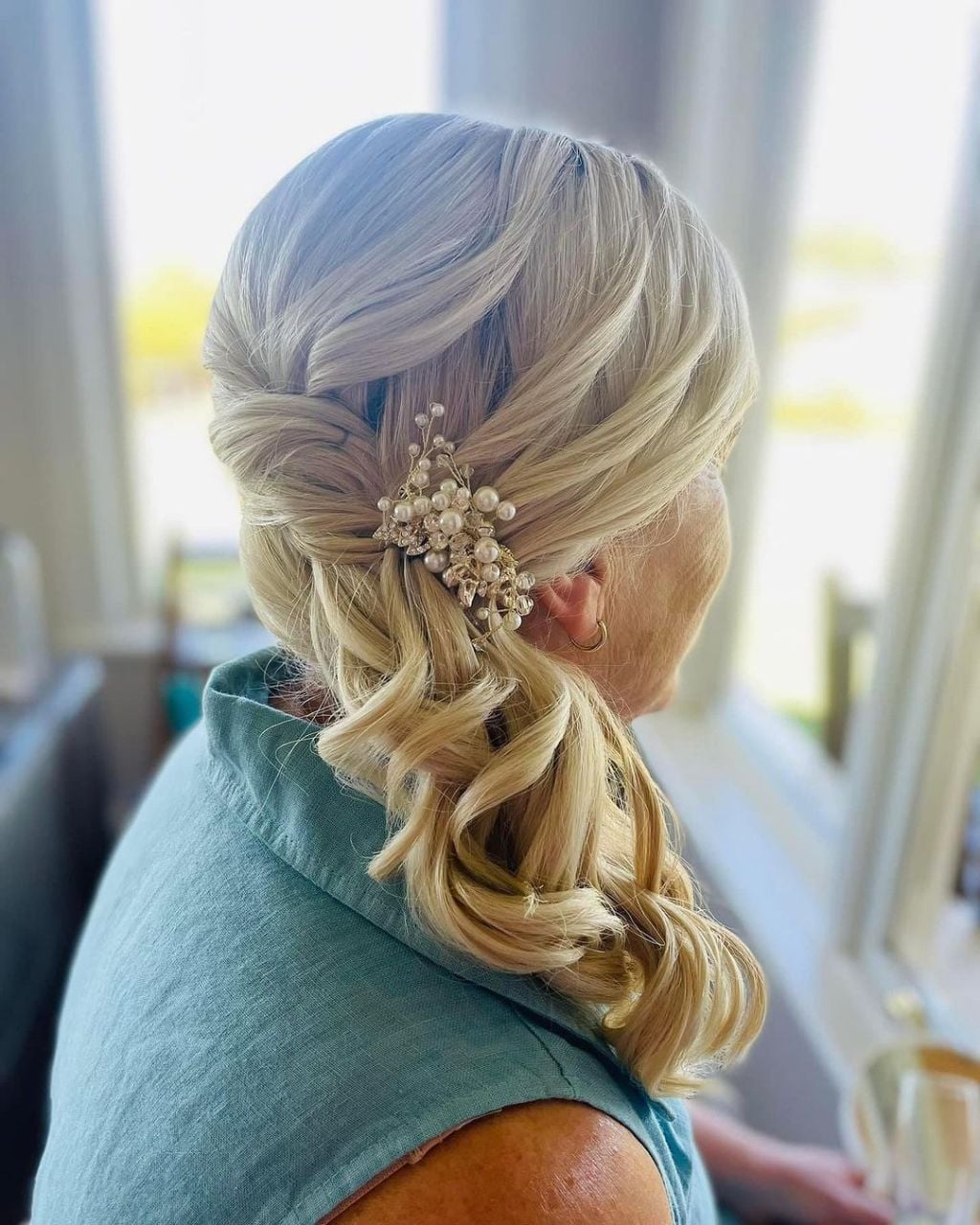
An updo built from twists and braids is a clever way to add visual density to hair that is naturally fine. The ash blonde color with subtle highlights gives each twist enough contrast to read as a separate piece, rather than one flat shape. The side part and the soft curls framing the nape keep the silhouette from feeling too structured.
Fine hair actually holds these twisted sections better than thick hair does, because there is less weight to pull the pins loose. The pearl accessory is an optional add-on, but it does help anchor the piece at the crown on a formal occasion. Ask your stylist for: a twisted updo with braided detail and soft nape curls. This is a salon project: expect about an hour and a half in the chair, and bring a photo of the back view so the stylist can see the intended braid placement.
Elegant Ash Blonde Twisted Updo
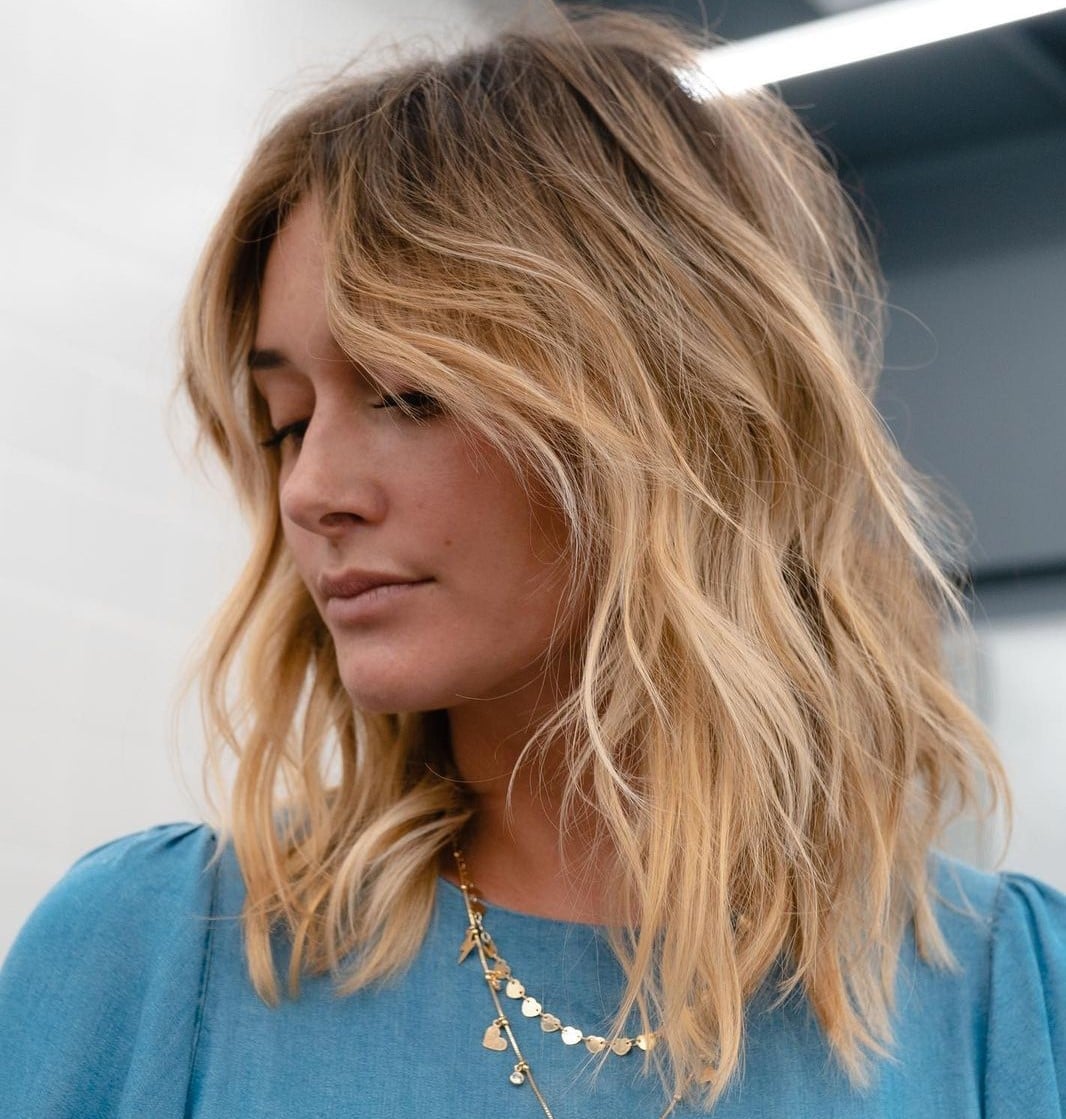
A collarbone-length lob with wispy bangs and a middle parting is a low-commitment way to test the balayage technique before going longer. The fine wavy texture here is air-dried, which means the balayage highlights show up as soft ribbons rather than stark stripes. The wispy bangs keep the front from feeling too heavy, which matters when the rest of the hair has no product weight. This is salon-leaning: the balayage placement needs a colorist who can paint fine sections without banding. The one real drawback is that wispy bangs need a trim every three to four weeks to stay out of your eyes, and the balayage itself needs a toner refresh around the eight-week mark.
Final Thoughts
When you’re weighing a new cut, let your hair’s natural density be the tiebreaker. Fine hair holds its shape best with a blunt baseline and face-framing layers kept light. Thicker hair can carry more layering to shed weight and add movement without losing length.
- Trim blunt bobs every 6-8 weeks to maintain the sharp baseline.
- Refresh face-framing layers every 8-10 weeks to keep them shaping the face.
- Use a heat protectant spray before any blow-drying or curling.
- Condition wavy textures with moisturizing products to enhance curl definition.
- Toning for blonde shades may be needed every 6-10 weeks to combat brassiness.
Classic lengths are a foundation, not a limitation.