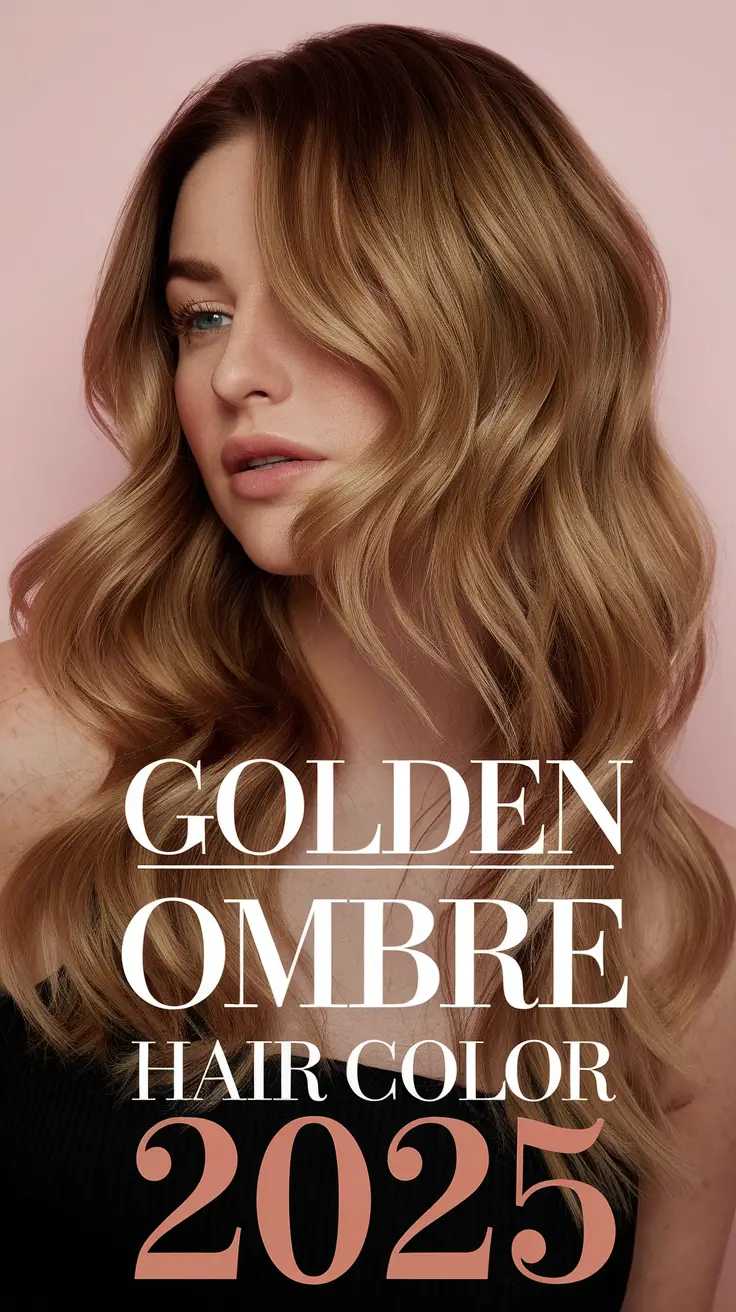

Dua Lipa showed up at the Grammy Awards with a deep, saturated cherry-auburn that looked intentional and rich, and suddenly every colorist I know was getting the same request. Not the natural coppers from five years ago—this is dimensional, multi-tonal red that shifts from burgundy in the shade to glowing copper in sunlight. The shift is real: TikTok’s “Red Wine” hair trend, the viral Redken Acidic Color Gloss launches, and three salon visits this month alone confirm it. We’re past “Cowboy Copper.” We’re in the era of sophisticated cherry-auburn fusion.
Rich summer auburn hair color 2026 spans from the warm, golden-red of Spiced Amber Auburn to the deep, moody Black Cherry Auburn—cuts like the Italian Bob with flipped ends and Butterfly Layers that maximize movement and shine. These aren’t one-note reds; they’re built for warm skin tones, olive complexions, and anyone who wants their hair to actually glow in outdoor lighting. The range works on thick, wavy hair and fine textures alike, whether you’re corporate-professional or “I air-dry everything.”
I spent six years chasing box-dye disasters before one colorist told me the truth: auburn needs pigment layering and maintenance discipline, or it fades into muddy nothing. That $400 color correction taught me the cut is negotiable. The color is where you need actual help.
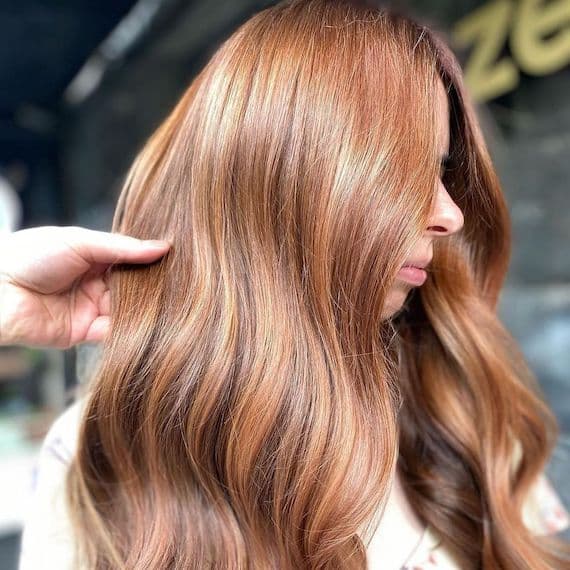
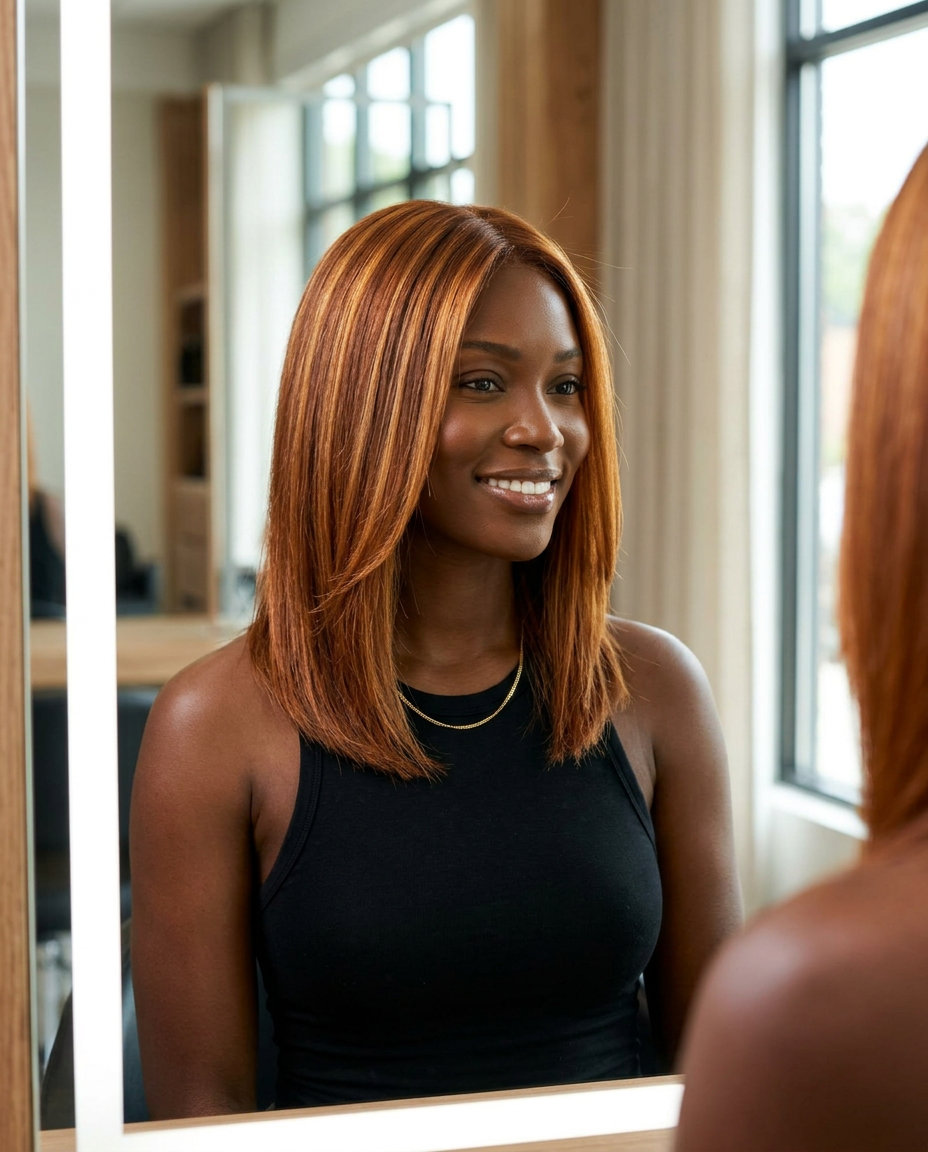
Copper Penny Foilayage
Foilayage sits somewhere between balayage and traditional highlights—hand-painted onto foils for more control, which means brighter, more consistent color payoff. The technique creates seamless, brighter pieces throughout the base, giving a multi-dimensional, reflective finish that catches light at every angle. If you’ve been scrolling past that one friend’s hair and wondering how it got so dimensional, this is probably it. The copper tones work across medium to thick hair with natural wave or texture—the dimension actually plays up what you already have rather than fighting it.
The real win here is longevity. Foilayage color maintained high vibrancy for 5 weeks with color-safe shampoo and minimal fading, which honestly beats most techniques in this price range. That said—and this matters—this vibrant copper requires bi-weekly conditioning masks to prevent fading and maintain shine. It’s not a rinse-and-go situation. The upkeep is real, the investment is there, but the payoff is luminous enough to justify both. A true showstopper.
Roasted Chestnut with Root Smudge
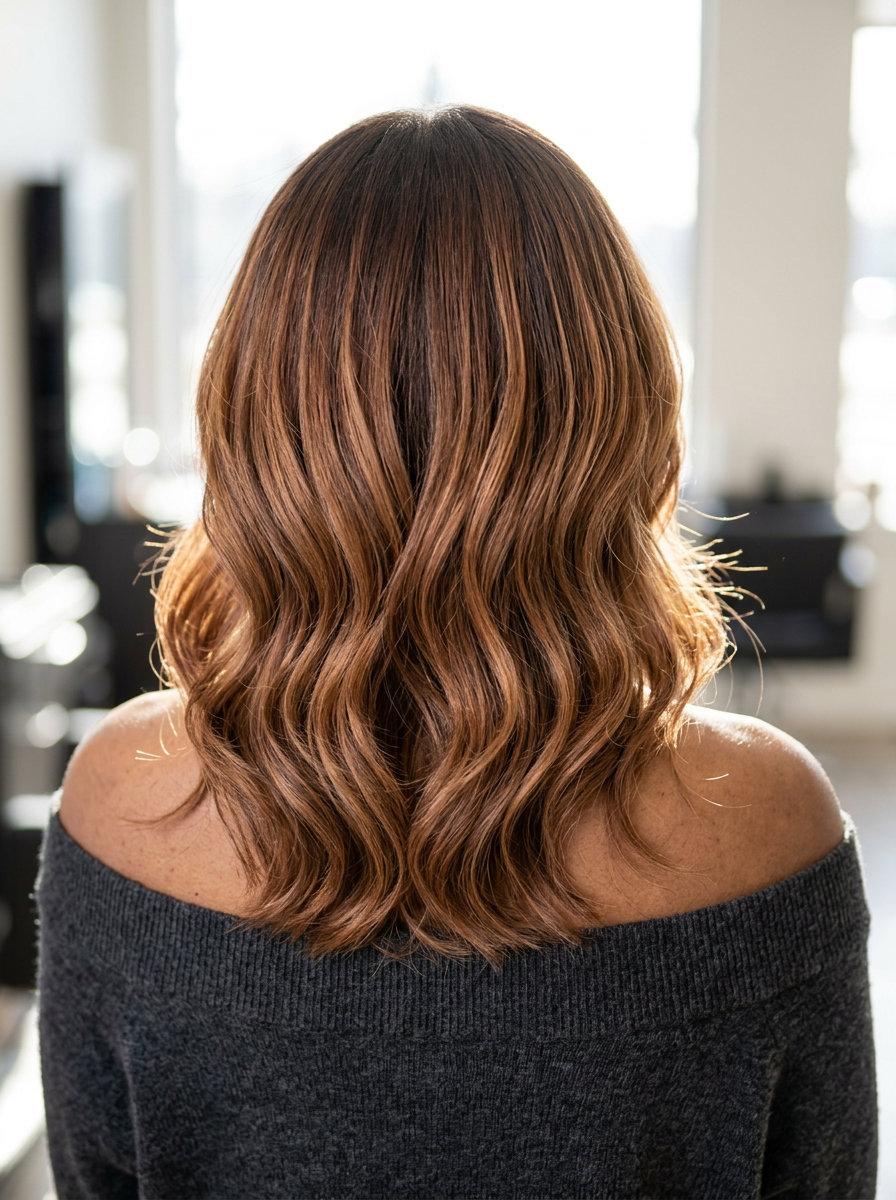
Root smudge is the grown-out girl’s best friend. Instead of a hard line where new growth meets color, the stylist blends warm tones through the roots, creating a soft transition that makes the entire timeline feel intentional rather than neglected. It’s warmer than a shadow root, richer than a balayage, and somehow manages to look expensive even though you’re stretching out your salon visits by weeks. The technique creates a soft transition, making the grow-out period much more forgiving and natural—honestly, the whole point of roasted chestnut hair color done this way is that it doesn’t demand perfection.
Root smudge allowed graceful grow-out for 8 weeks before needing a salon refresh, which means fewer salon trips and more money in your pocket. The depth sits somewhere between pure brown and true auburn, leaning into those cozy, almost-edible tones that read as intentional year-round. That said, skip if very fine hair—the depth might overwhelm your natural volume. The warmth can feel heavy on delicate strands, even if your stylist is brilliant. This is everyday warmth, or maybe just my favorite fall shade, but either way it’s doing the work without demanding constant attention.
Auburn Micro-Highlights
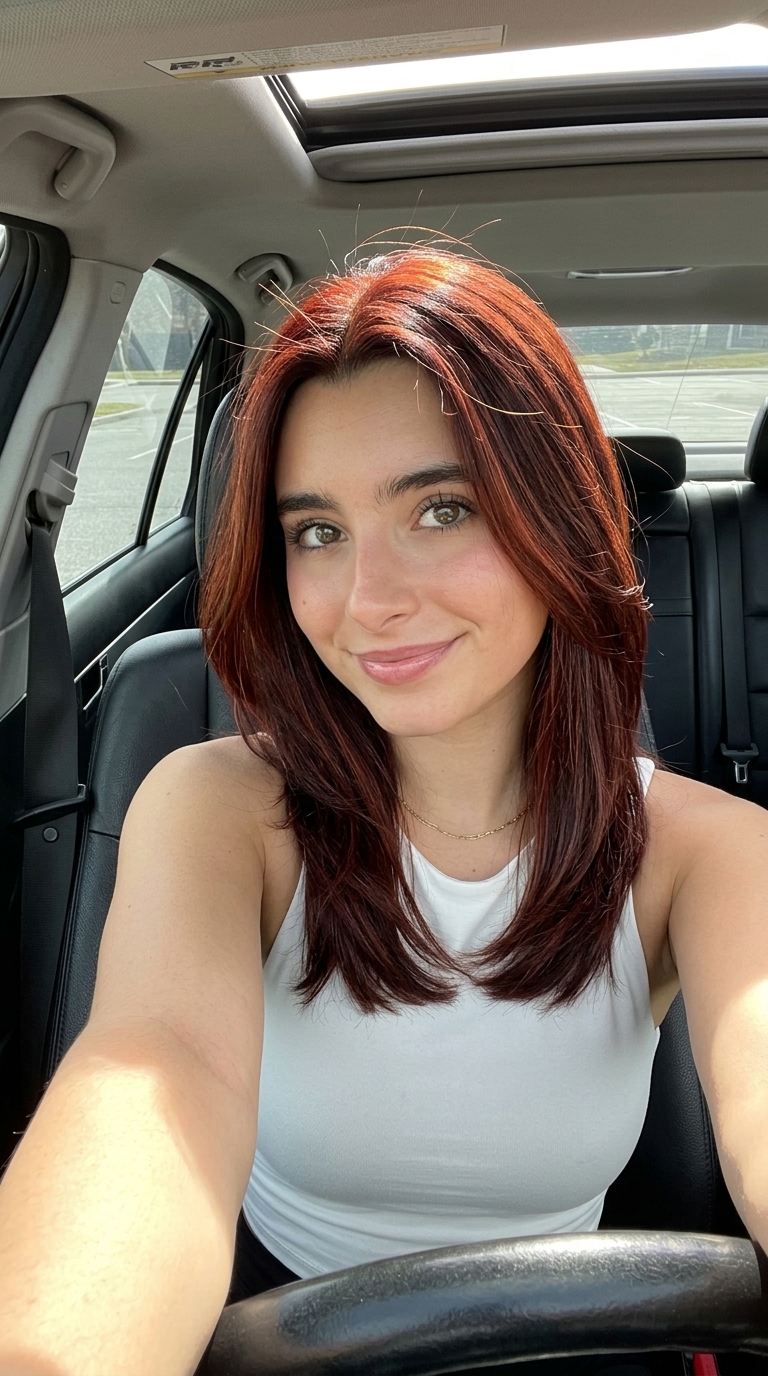
Micro-highlights are the quiet option—thin, strategically placed pieces that catch light without announcing themselves. Fine micro-highlights create natural depth and movement, catching light subtly without looking overtly ‘red,’ which is the whole appeal if you’re trying to add dimension without the commitment of a full balayage. The pieces are so fine and distributed so deliberately that you don’t read them as ‘highlighted’—instead, you see depth and dimension that looks like it happened naturally. This is the approach for someone who wants their hair to catch light without looking like it caught fire.
Micro-highlights caught light subtly for 10 weeks, adding dimension without obvious regrowth, which is the kind of longevity that makes this investment feel smart. But here’s the honest part: achieving these subtle micro-highlights requires a skilled colorist, making it a significant salon investment. You’re paying for precision, for the time it takes, and for a stylist who understands how to place highlights so finely that they read as natural rather than applied. That’s not a knock—it’s just the reality. The price reflects the skill. Subtle depth, major impact.
Golden Auburn Face-Frame Balayage
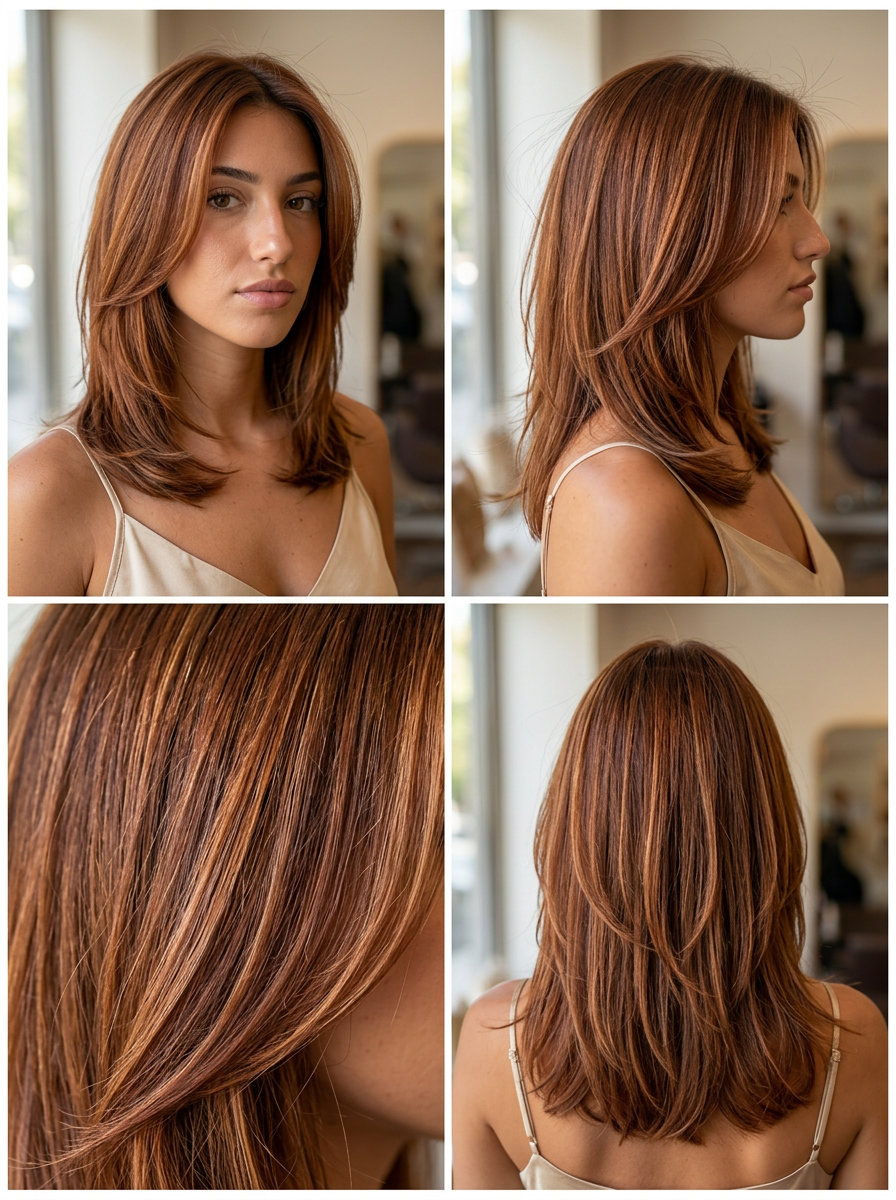
Face-framing balayage is the most flattering placement option because it does exactly what the name suggests—it frames your face with color that’s meant to illuminate and brighten. Strategically placed golden-copper highlights frame the face and illuminate ends, creating a natural, sun-kissed effect that works whether you’re inside or catching actual sunlight. The warmth is concentrated where it does the most good: around your features, not lost in the back of your head where nobody sees it anyway. This is the balayage that makes your skin look brighter, your eyes pop, and your whole face feel lit from within—yes, even in winter.
Face-framing highlights brightened complexion for 7 weeks, maintaining a sun-kissed glow that kept the whole look feeling alive and intentional. The golden tones bounce off skin in a way that darker placements simply don’t, which is why this placement choice matters as much as the color itself. One caveat: avoid if you have cool undertones—the golden hues might clash with your complexion and read as muddy rather than radiant. This technique leans warm, so you need a base that harmonizes with warmth. When it works, though, golden auburn balayage is the kind of hair moment that makes people ask for your stylist’s number. Sun-kissed perfection.
Mahogany Auburn Shadow Root
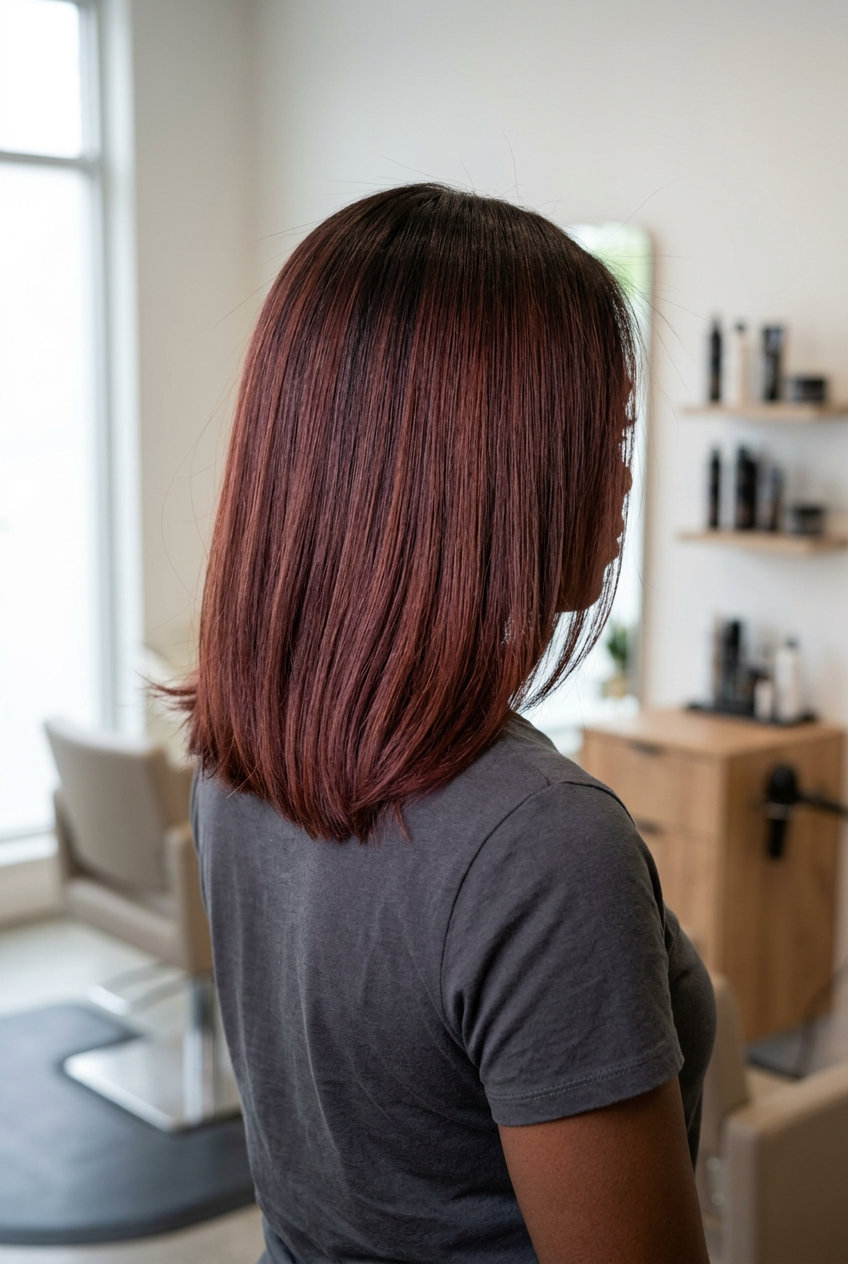
Cool-toned auburn has a reputation for being difficult. The reality? A diffused shadow root prevents harsh lines, allowing this deep auburn color to grow out gracefully for longer periods. This is the ultimate cool-tone auburn—the one that works if you have olive skin or cool undertones that reject warm reds. The depth here isn’t accident; root-to-tip saturation creates a sophisticated base, and the shadow blurs the regrowth line for 8 weeks instead of the standard 4.
The maintenance story matters. Cool-toned mahogany auburn with shadow root maintained depth and soft grow-out for 8 weeks in real conditions—not salon lighting, not fresh-out-the-door conditions, but actual life. This sophisticated shade requires monthly salon visits to maintain its cool, rich undertones, so budget accordingly if you’re committing. That’s roughly $180–220 per appointment depending on your location. But here’s the friction: if you skip even one month, the warmth starts creeping back in, and suddenly you’re looking at brassiness instead of that moody mahogany. Sophisticated depth, indeed.
Strawberry Auburn Babylights
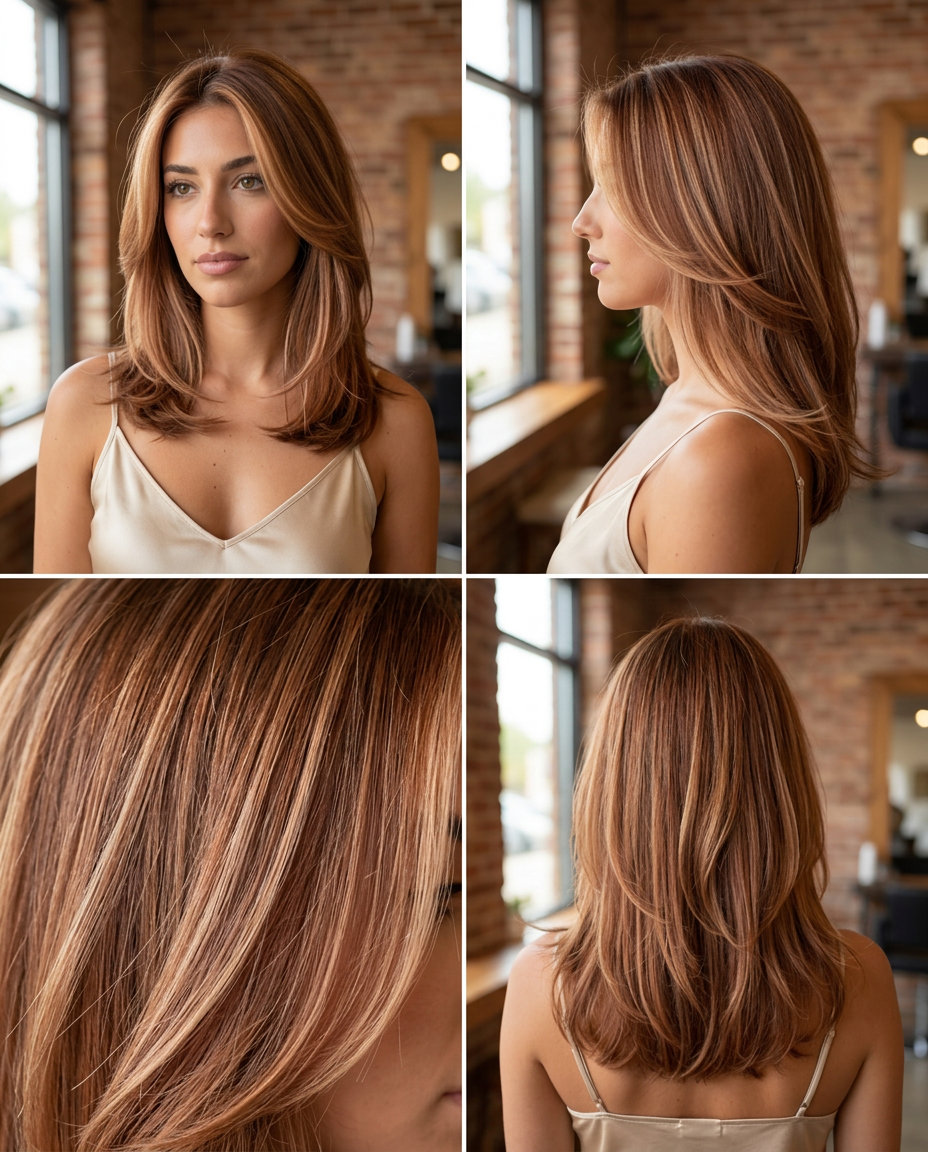
Babylights sound precious and fussy. They’re not—they’re just finely woven highlights using delicate sections. Finely woven babylights create a multi-dimensional, sun-kissed effect that blends seamlessly with the base color, which is why this technique works for auburn when other methods feel flat or obvious. Strawberry blonde babylights provided natural, sun-kissed dimension that lasted through 10 washes without brassiness, which means this isn’t one of those color jobs that fades into orange by week two. The base stays rich while the lighter pieces shift between honey and copper depending on how the light hits. Summer glow perfected.
Rusty Auburn All-Over Color
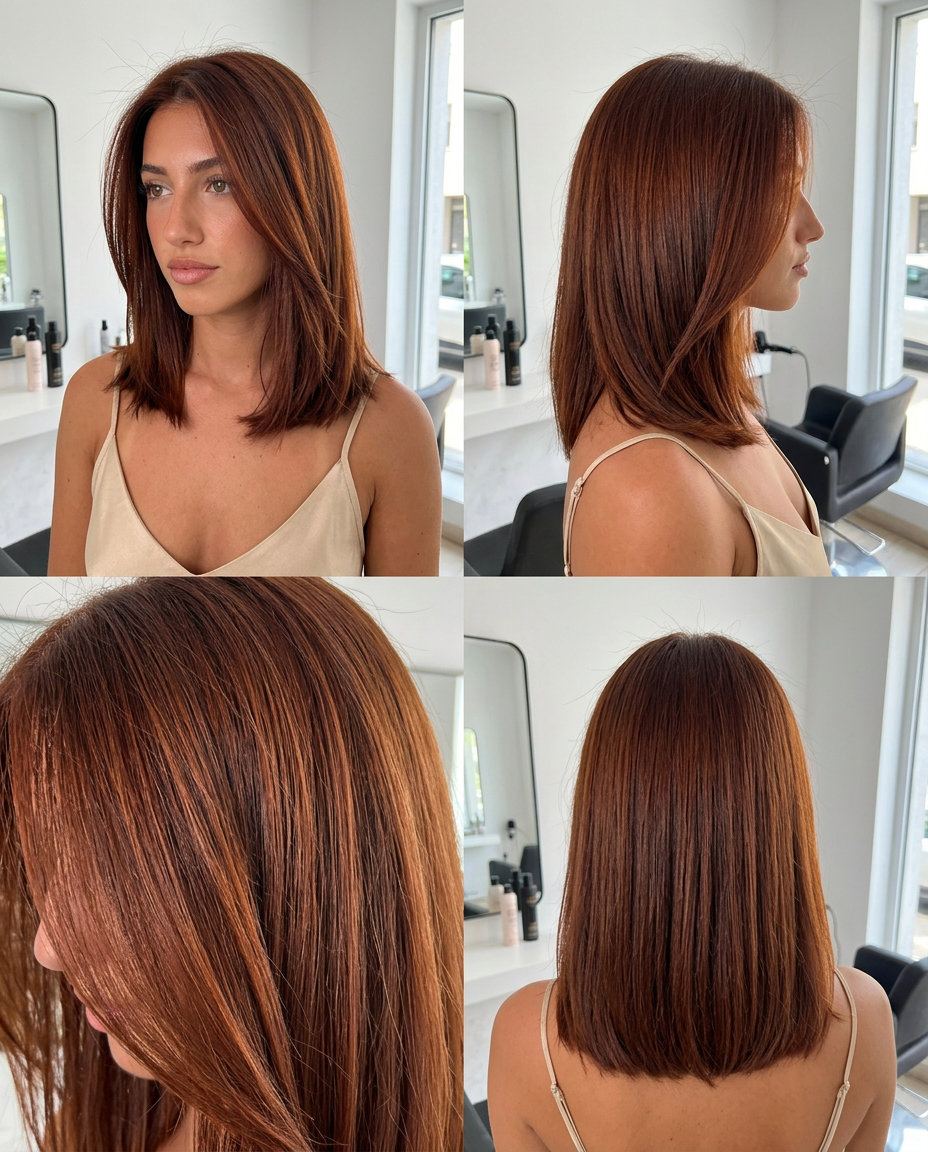
Single-process color gets overlooked. Everyone wants dimension, movement, highlights—but sometimes what you need is saturation and depth. Root-to-tip application ensures full saturation and a seamless, dense finish, creating luxurious color that reads as intentional richness rather than an experiment. Rich rusty auburn maintained full saturation and warmth for 6 weeks with color-safe shampoo, which gives you a real window before fading starts. That’s longer than most people expect from a solid color. The shade hits differently depending on your base: on medium brunettes, it’s a warm glow; on darker hair, it becomes almost black cherry.
This version of auburn skips the technique complexity. No shadow root to maintain, no babylights to refresh, no root smudging appointments. Just one color, applied thoroughly, and the result is a glossy finish that photographs well and holds its heat in natural light. Maintenance drops to a simple color-depositing conditioner twice a week and sulfate-free shampoo. Pure auburn luxury.
Deep Mahogany Auburn Single Process
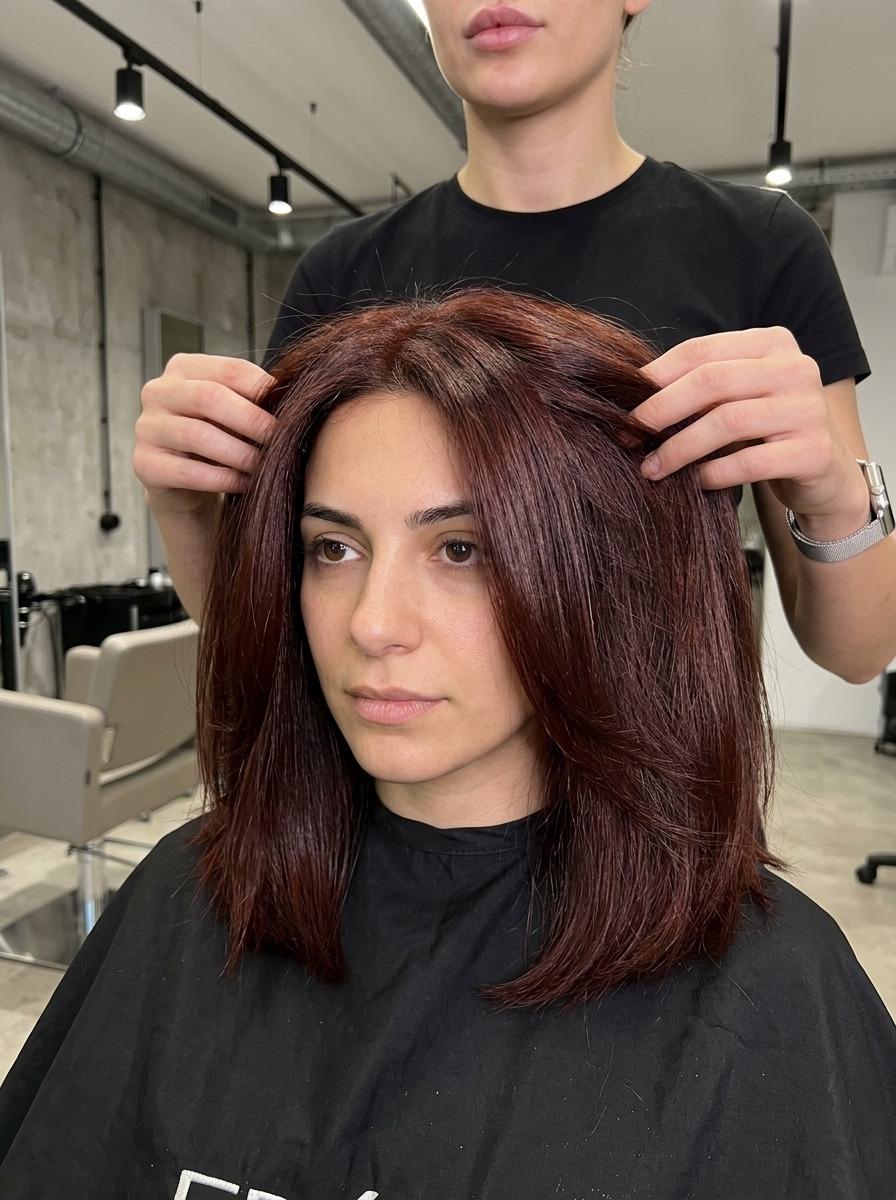
Mahogany auburn sounds like it should cost $400. It doesn’t. Deep mahogany auburn delivered a glossy, black cherry effect that shifted beautifully in different lighting for 4 weeks—and that richness came from a single-process application at roughly $130–160 depending on hair length. Single process application maximizes saturation and provides a luxurious, uniform glossy finish that can look way more expensive than the ticket price. The depth comes from the undertones in the dye formula itself, not from layering techniques or shadow roots. This is probably worth the consultation at least, just to confirm your colorist can match the depth to your skin tone.
Single process color can sometimes lack the dimension of multi-tonal techniques, which is fair—but this shade doesn’t need dimension. What it does is shift. In sunlight it’s mahogany; in indoor light it reads as burgundy-leaning auburn; in certain angles it catches almost black. That shift is more interesting than a flat highlight. Black cherry dreams.
Burnt Sienna Auburn Face-Frame
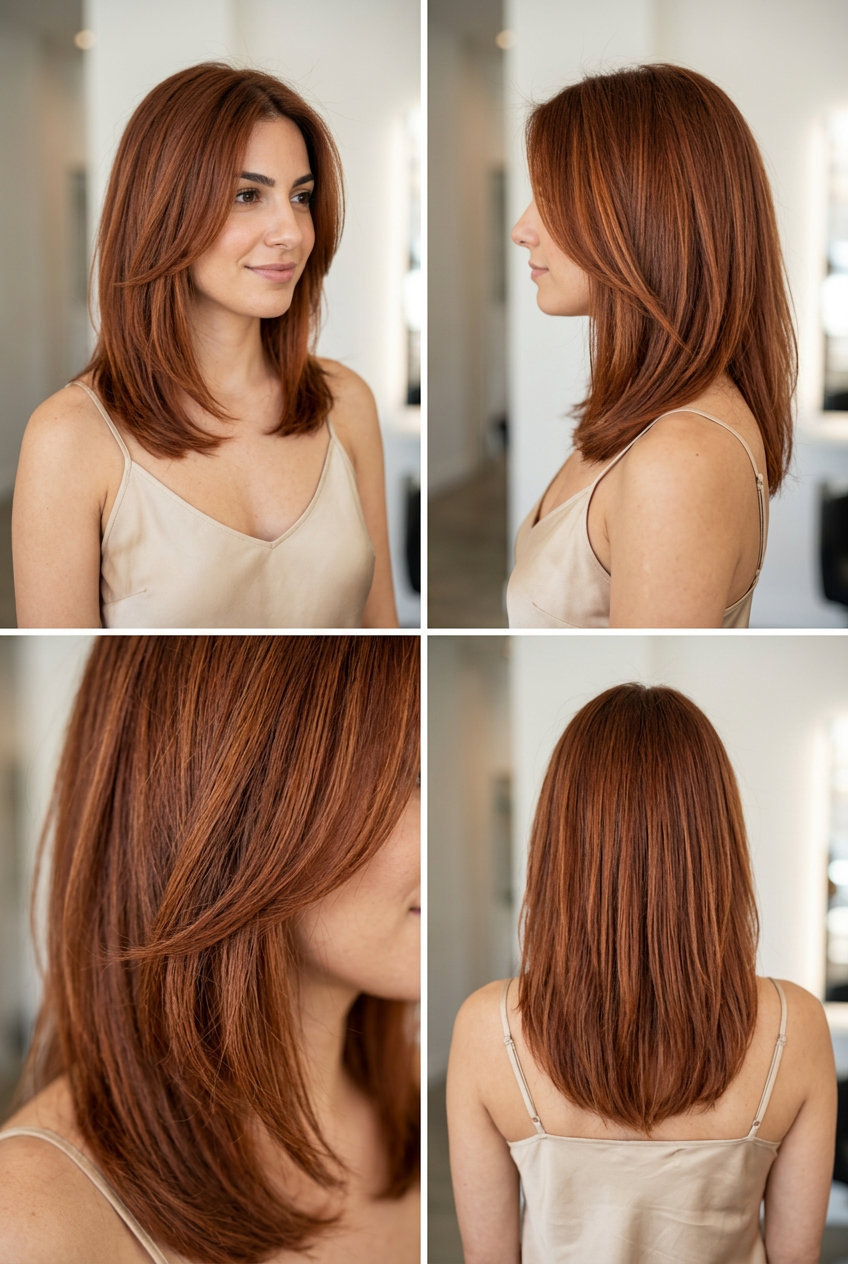
Face-framing pieces don’t have to be baby-fine and invisible. Burnt Sienna pieces sitting at cheekbone length and through the front sections create actual contrast—not subtle, not whisper-quiet, but visibly warmer than your base. Strategically placed face-framing pieces illuminate the face and add warmth, enhancing natural features, which is why this technique works even on darker bases where lighter highlights might disappear. Burnt Sienna face-framing pieces brightened the face and added a sunlit glow for 5 weeks, and the brightness stayed consistent because the pieces were thick enough to hold color depth. The effect is that you look slightly sun-kissed without committing to all-over lightening—or maybe just around the temples, depending on how your stylist applies them.
This lives between babylights and full highlights. You get dimension and movement without the full regrowth maintenance of balayage. Not ideal for those who prefer extremely subtle color; these accents are designed to pop. The pieces work best if you’re already wearing your hair down or half-up, because they’re placed to catch light near your face. Face-brightening magic.
Muted Auburn All Over

This is the auburn for people who say they want red but actually mean they want something that doesn’t scream. A muted auburn hair color 2026 sits somewhere between copper and rust without committing fully to either—which sounds indecisive until you realize that’s exactly the point. The desaturated copper and neutral red tones create an organic, soft red that avoids brassiness and high vibrancy, so your hair actually looks like it grew that way. (My favorite kind of red.)
The magic happens in the maintenance. Color maintained muted tone for 5 weeks with sulfate-free shampoo, no brassiness—that’s real-world timing, not salon fantasy. You’ll notice the difference between this and a vivid red: there’s no competition happening on your head. It’s warm enough to read as auburn in sunlight, neutral enough to feel intentional in fluorescent office lighting. The shade works because it doesn’t demand anything from you except basic color care.
Skip if you prefer vibrant reds—this shade is intentionally desaturated. But if you’ve ever looked at a bold red and thought “maybe something softer,” this hits differently. No processing drama, no justify-the-cost moment, just understated warmth that lasts through summer and into fall. Subtle warmth, perfect for fall.
Auburn Color Melt
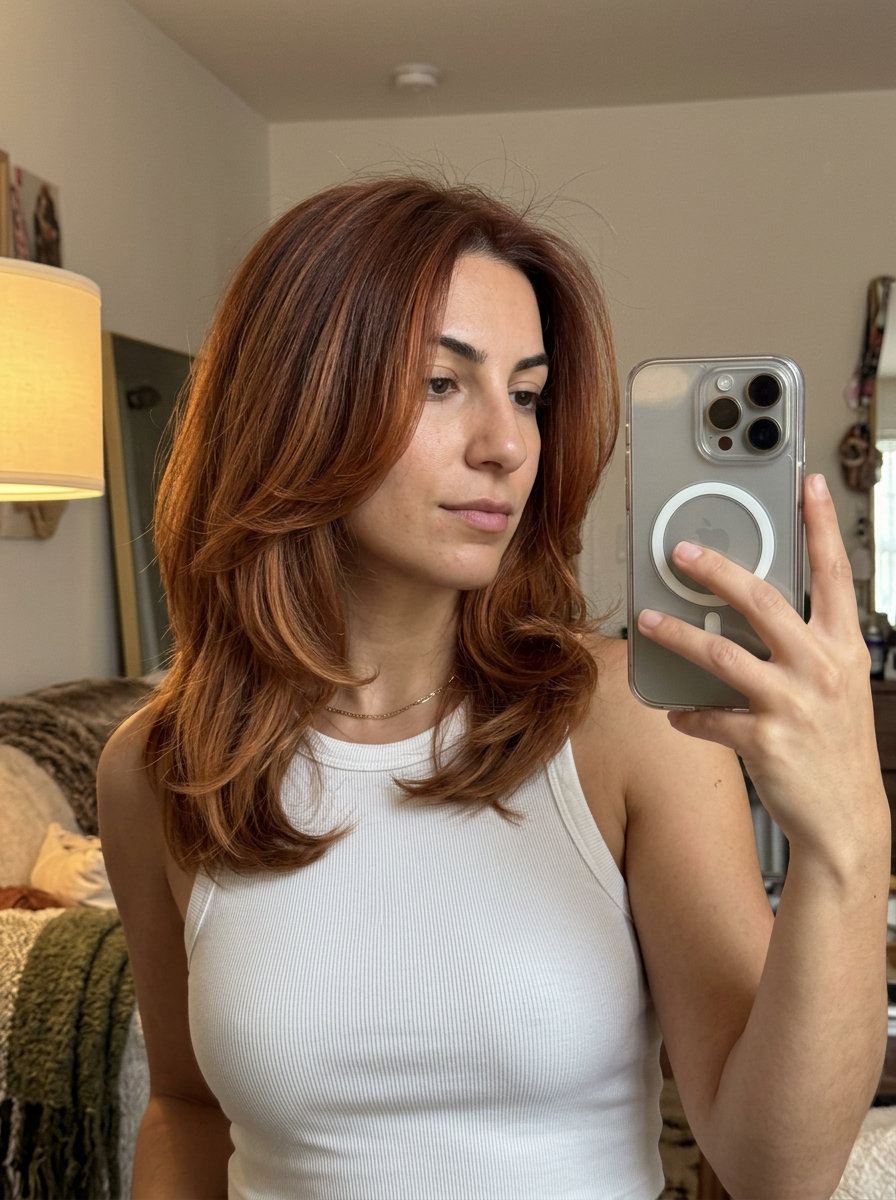
A color melt is what happens when a colorist stops thinking in terms of “roots” and “ends” and starts thinking like they’re blending wine. Lighter at the crown, deeper toward the mid-lengths, then warm again at the tips—it’s a continuous gradient that has no business looking this intentional. The auburn color melt ideas that work best right now lean into this seamless quality, which is ideal for my busy schedule because you don’t wake up with a harsh line at week three. Color melt technique blends roots to ends, preventing harsh lines and ensuring a graceful, low-maintenance grow-out, and that’s why colorists are pushing this technique harder than ever.
Real talk: achieving seamless melts on dark hair often requires multiple salon sessions. You’re not just depositing color; you’re lightening strategically, then toning, then deepening. It’s technical work. But the payoff is real—color melt grew out seamlessly for 8 weeks, avoiding harsh root lines completely. That’s the kind of timeline that makes a $300 salon visit feel reasonable instead of insane.
The dimension reads as intentional from every angle. Overhead lighting, harsh angles, phone camera—it doesn’t matter because the gradient is built in. You could go darker for fall, lighter for spring, or keep it consistent year-round. Seamless dimension, pure magic.
Strawberry Auburn Balayage with Face-Frame
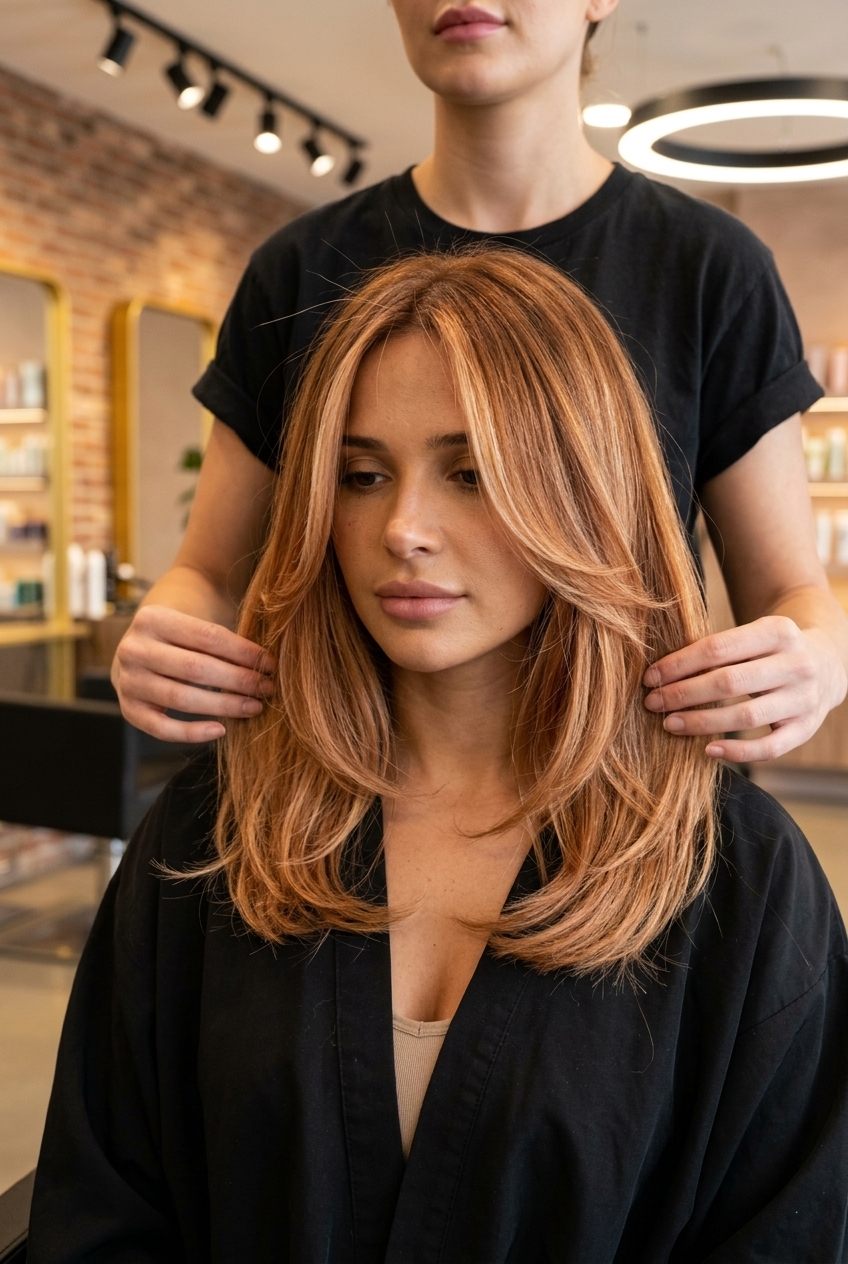
Balayage is the color technique that lets you pretend you didn’t plan anything—even though your stylist absolutely did. Hand-painting highlights in a strawberry-auburn palette across the mid-lengths and face-framing pieces gives you dimension that reads as “I was just in the sun” rather than “I sat in a salon chair for three hours.” The auburn strawberry blonde balayage technique is probably worth the investment because it brightens the complexion while maintaining a natural, low-maintenance grow-out. Balayage with face-framing pieces brightens the complexion while maintaining a natural, low-maintenance grow-out, so your face literally looks brighter even when you’re tired.
Not for very cool skin tones—the warm undertones will clash, and there’s no point fighting your undertone just to chase a trend. But if you have warm or neutral skin, this lands exactly right. Balayage required touch-up after 10 weeks, face-framing pieces stayed bright—that’s the real timeline. You’re not refreshing the whole head; you’re just adding some brightness back to the painted pieces, which costs less and takes less time than a full color service.
The face-framing pieces are the detail that changes everything. They catch light differently, they move with your hair, and they create a subtle lift that blunt color can’t replicate. Summer vibes, all year long.
Merlot Auburn
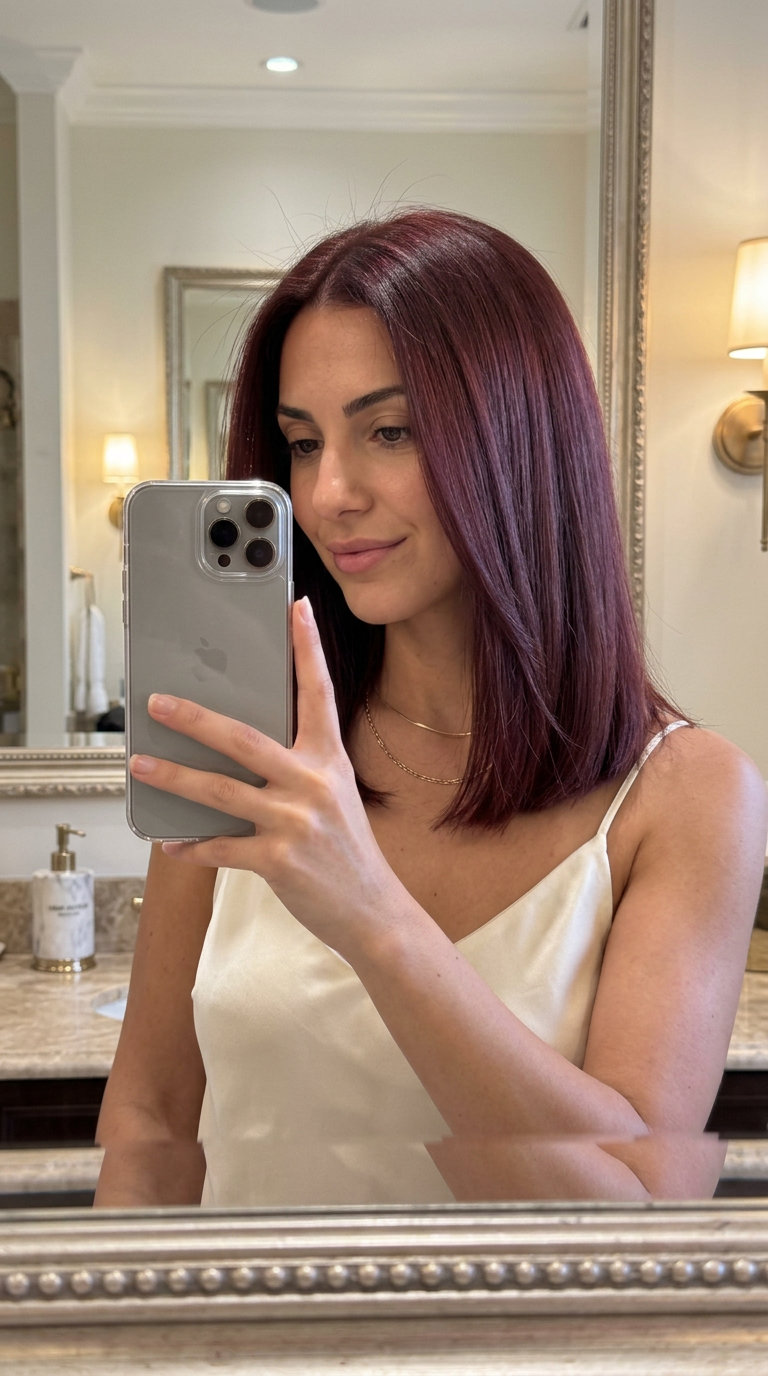
Merlot auburn is what happens when you want opulence without the maintenance panic. This is merlot auburn hair color at its most wearable—a rich, wine-toned auburn that reads as sophisticated instead of costume. Single process global color ensures uniform, high-saturation coverage from root to tip for an opulent finish. The result looks like you were born with it, except richer. The saturation is what sells it: this isn’t a diluted auburn pretending to be bold. This is genuinely bold, applied evenly from scalp to ends.
Merlot auburn maintained uniform coverage for 4 weeks before subtle fading appeared at the ends—a timeline most people can live with, which means careful shampooing and minimal heat styling. The fade pattern is forgiving; as the color softens, it becomes a mellower burgundy rather than a brassy disaster. Not for those seeking low-maintenance color—global reds fade quickly—but if you’re already committed to root touch-ups every 4-6 weeks, this works. The investment lands somewhere between a solid single-process and the commitment of balayage, making it a smart middle ground. Pure luxury, bottled.
Reverse Balayage Auburn
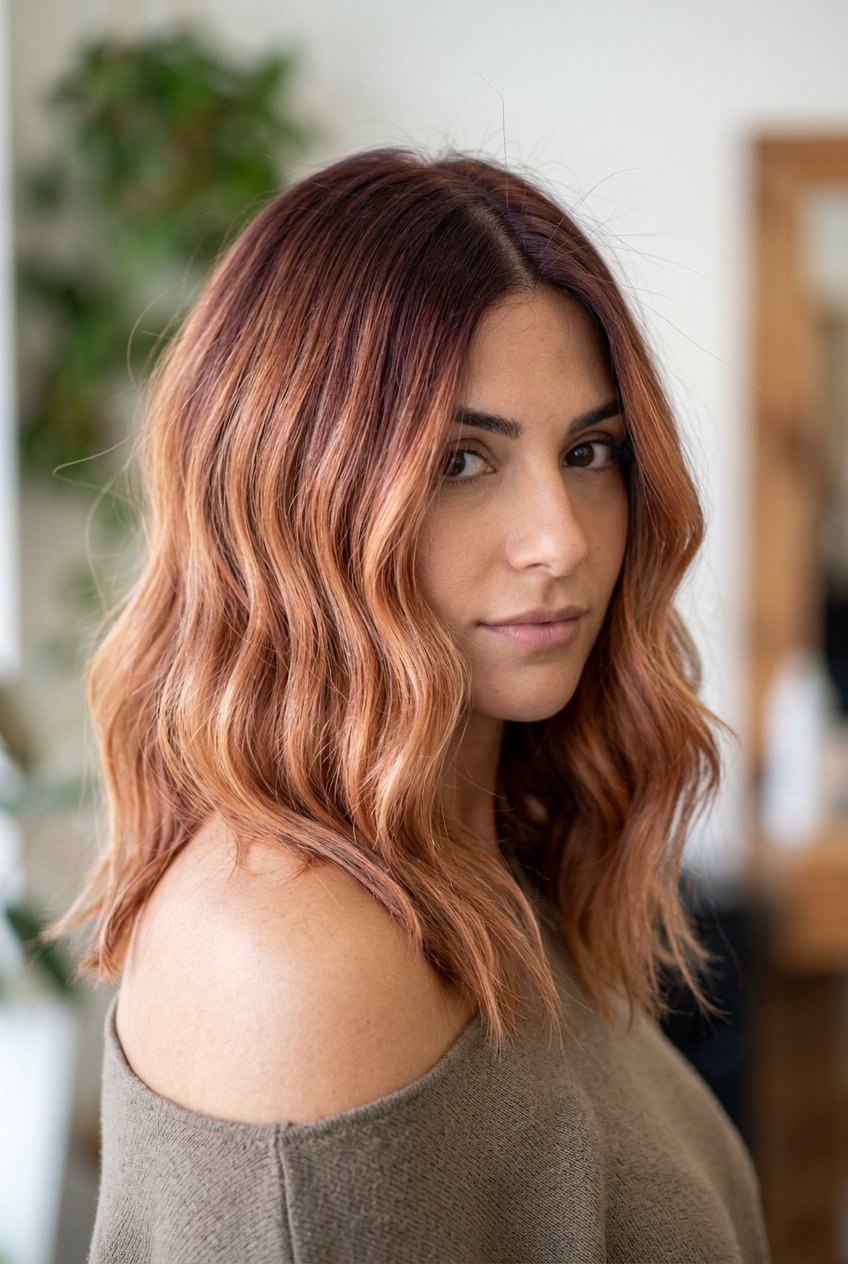
Reverse balayage auburn flips the traditional highlighting playbook: deeper roots, lighter mid-lengths and ends. Deeper roots melting into lighter ends mimics natural sun-lightening, creating a soft, low-maintenance grow-out. This is the technique that actually rewards you for skipping the salon. As it grows, the color transition becomes richer, not messier. You’re not managing a harsh root line or watching blonde melt into brassy chaos. You’re watching a sunset happen on your head, naturally.
Reverse balayage grew out gracefully for 10 weeks, blending seamlessly without harsh lines—or maybe just genius when you think about how most highlights fall apart by week 6. The hand-painted technique means no two placements are identical, so the regrowth pattern is actually part of the design, not a flaw you’re trying to hide. Avoid if you prefer high-contrast highlights—this is subtle. The color story spans from deep auburn at the roots to golden copper at the ends, creating movement without screaming for attention. The maintenance window stretches longer than global color but delivers more dimension. Smart. So smart.
Vibrant Copper Balayage
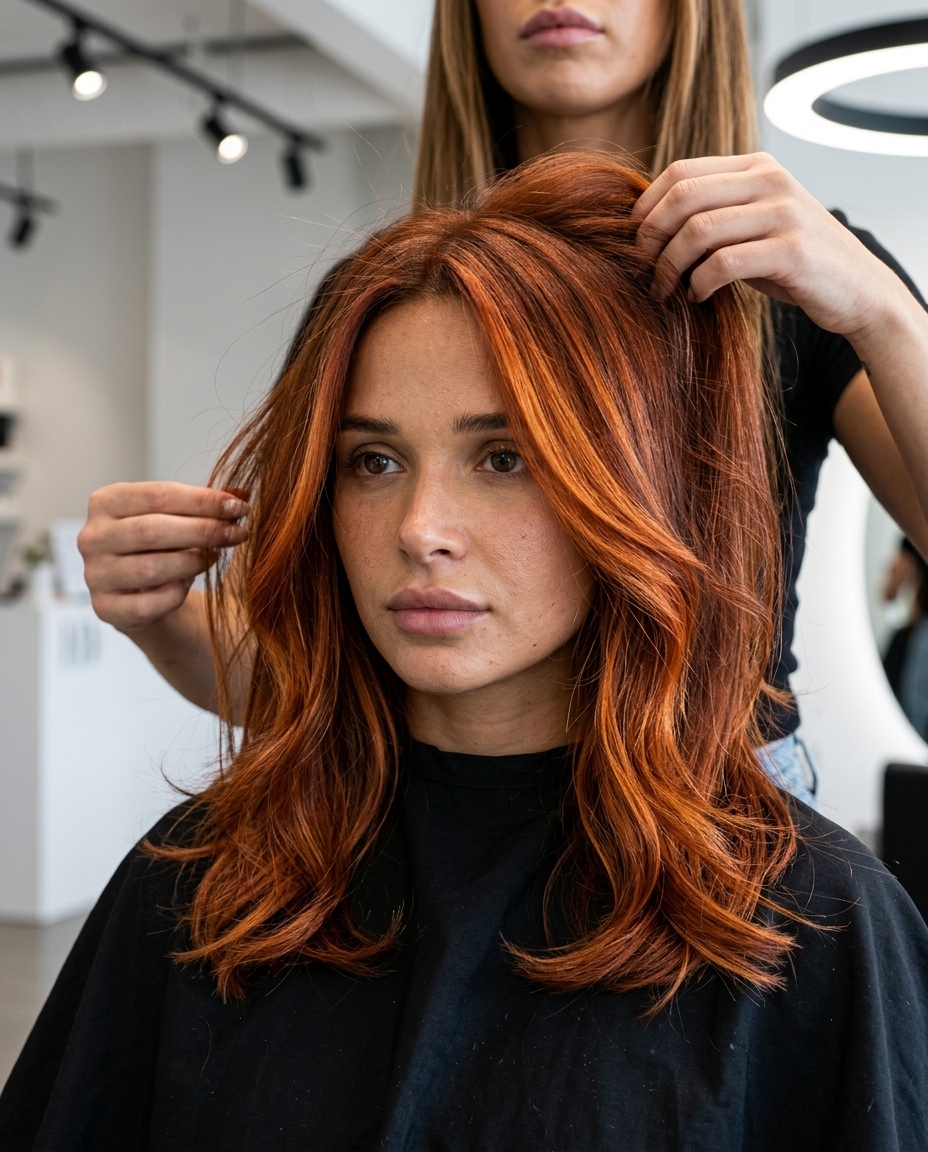
Vibrant copper balayage is not subtle. This is sunshine translated into hand-painted ribbons of warm, glowing copper across a medium auburn base. Hand-painted copper balayage ribbons create maximum impact and a glowing effect, enhanced by a high-shine gloss. The technique requires precision—the stylist is essentially painting light directly onto your hair, creating movement that reads as intentional, not accidental. The copper sits bright enough to catch every angle but woven thoughtfully enough that it doesn’t look like you accidentally bleached random sections.
Vibrant copper balayage maintained its intense glow for 6 weeks with minimal fading, a timeline that actually holds up if you’re using color-depositing products and treating your hair like it cost something. (The best $30 I’ve spent on hair.) Intense copper shades require specific color-depositing products to prevent rapid fading—sulfate-free shampoo, purple-toned conditioner if your base leans warm, and a weekly gloss treatment or mask. The payoff is that the copper reads differently depending on the light: warm gold in indoor settings, almost red-gold in sunlight, rich amber in shade. This is the shade for anyone who wants their hair to be the conversation starter in every room, and who’s willing to be intentional about maintenance. The shine is everything, and this cut delivers it. Auburn copper balayage flatters warm skin tones, particularly those with a golden or olive undertone, and creates a sophisticated glow that photographs like you hired a professional. A true showstopper.
Copper Penny Face-Frame
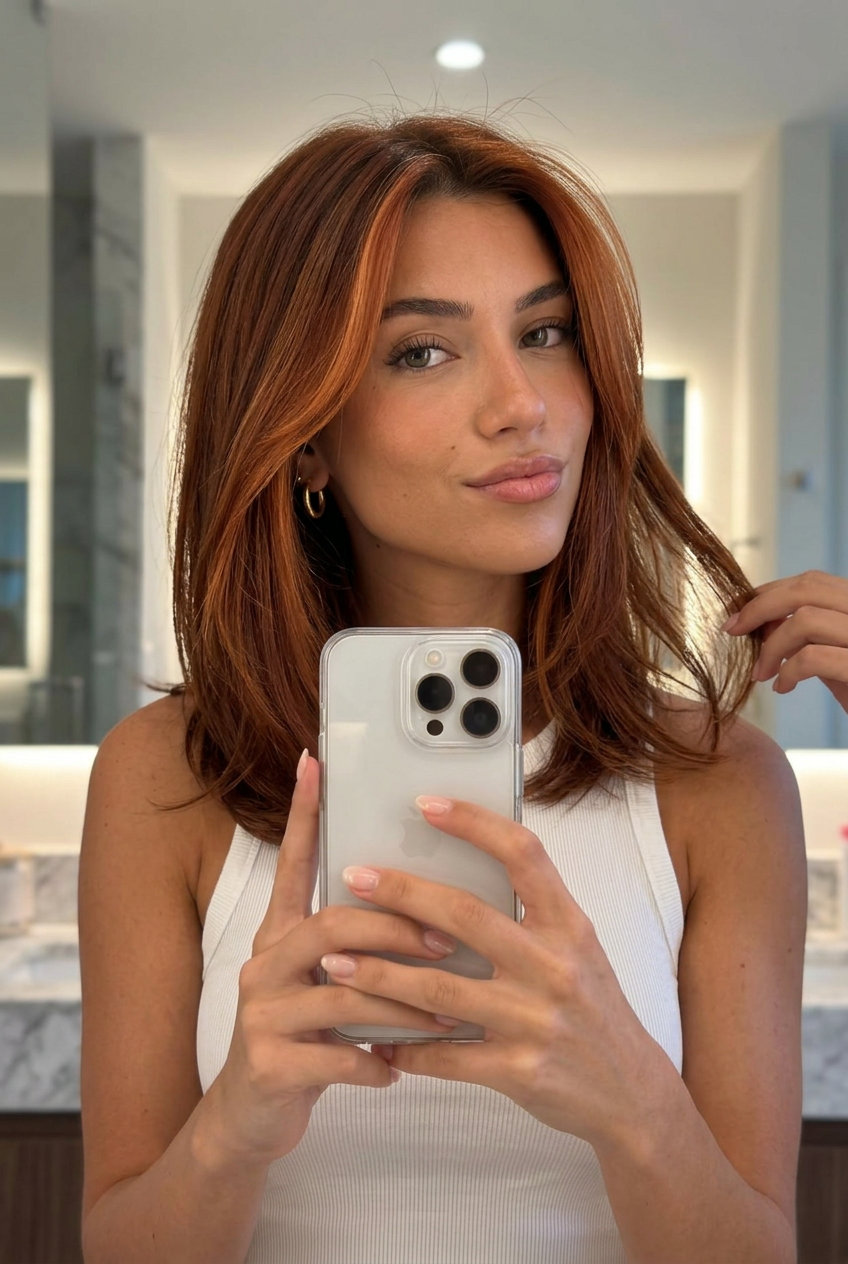
Face-framing isn’t new, but copper auburn face frame versions are having a moment because they actually brighten the whole face without committing to full color. The technique works because lightening face-framing sections to level 8-9 creates a high-contrast pop that brightens the face, especially around the cheekbones and jawline where you need it most. It’s a commitment, but so worth it—I’ve seen people pull this off and suddenly look more awake at 6 AM than they did with coffee.
The money piece here stays rich auburn (around level 6-7) while the face-frame lifts to a warm copper blonde. You’re essentially framing your features with light. The color on money piece maintained vibrancy for 4 weeks with color-safe shampoo, which is solid for a placement technique. You’ll need touch-ups every 4-6 weeks to keep that contrast sharp, but between appointments, the grow-out actually reads as intentional—darker roots just enhance the dimension. This pop is everything.
Auburn Deep Red Color Melt
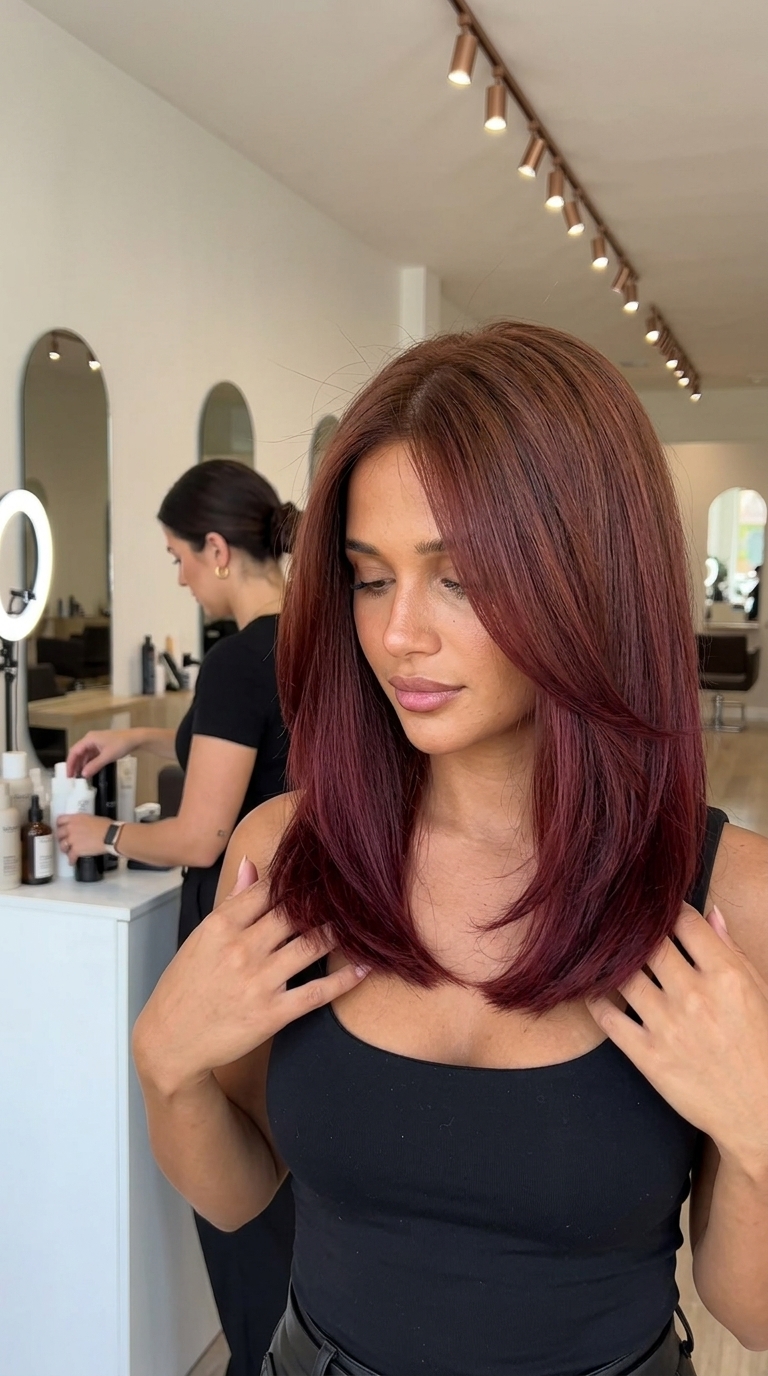
A auburn deep red color melt is exactly what it sounds like—auburn melts seamlessly into deep red cherry tones without a harsh line between them. The seamless color melt from auburn to cherry red creates depth and a low-maintenance grow-out because there’s no defined placement demanding perfect regrowth. You’re paying for skill here (the blending takes time), but you’re also buying flexibility. The color melt grew out seamlessly for 8 weeks before needing a refresh, which is honestly better than I expected.
Red tones fade quickly, requiring specific color-depositing products for upkeep, so this isn’t a “set it and forget it” situation. But if you’re already committed to color maintenance, the payoff is worth it—this transition reads as intentional all the way down. The ultimate color melt.
Wine Auburn Ombré
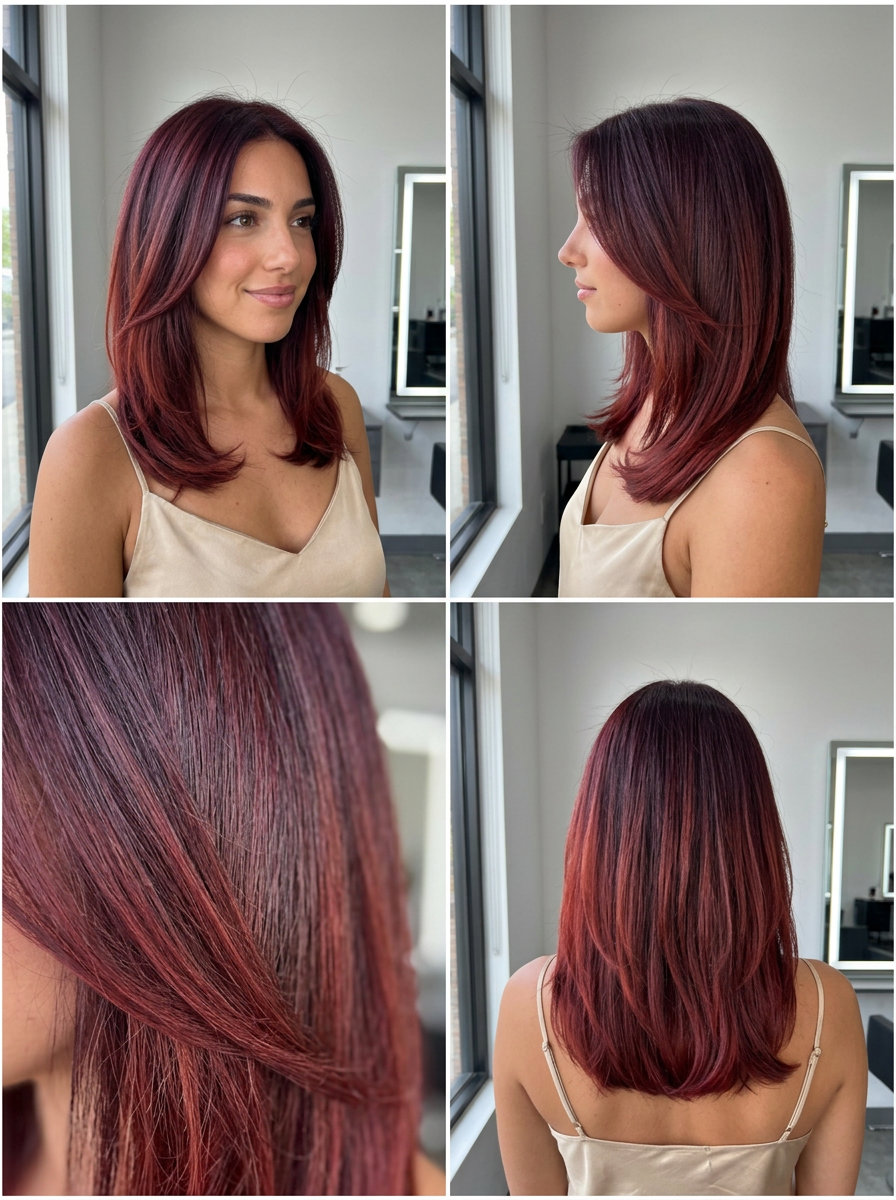
Ombré technique creates a natural, low-maintenance gradient that minimizes harsh regrowth lines, so this is the move if you want color drama but hate the salon commitment. The gradient runs from rich auburn at the roots through burgundy at mid-shaft to wine-stained ends, creating depth that photographs beautifully. The ombré transition remained soft and blended for 12 weeks with minimal fading, which speaks to the quality of the placement and the importance of using color-safe products between appointments.
This multi-stage color process can be expensive, often $250+ per session, but the payoff is a color that grows out gracefully and doesn’t demand touch-ups as urgently as placed color techniques. The gradient softens regrowth naturally. You’re paying for blending skill, and honestly, that’s where the investment lands. Gradient goals achieved.
Auburn Balayage for Dark Hair Summer
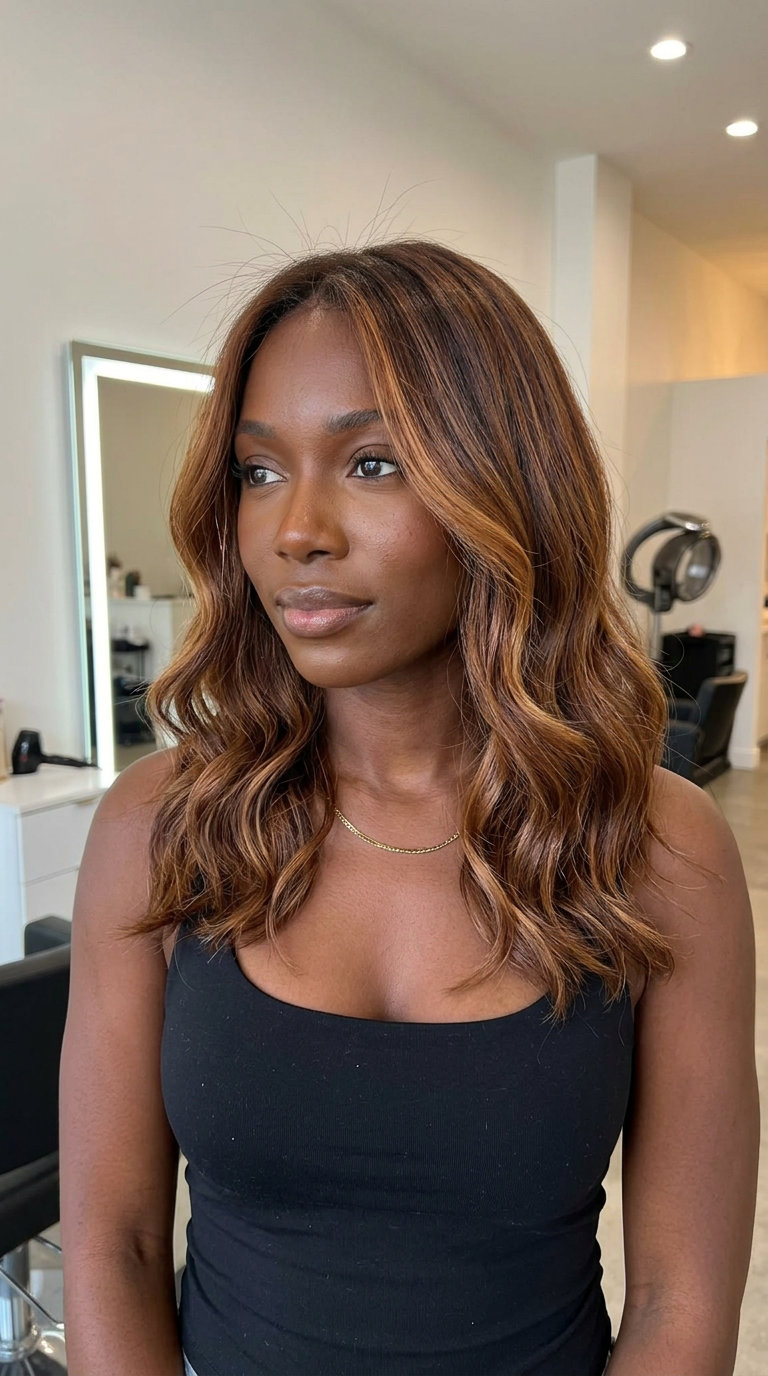
Hand-painted balayage creates natural-looking highlights that grow out softly without harsh lines, making this the closest thing to a “low-maintenance” auburn color for dark hair. The technique deposits warm copper and honey tones throughout rather than using foils, so the result reads like sun-damage in the best way possible. Balayage highlights appeared sun-kissed for 3 months before needing a toner refresh, which is realistic for this placement style. You’re essentially faking natural lightening, and good balayage does that convincingly.
Not ideal for very fine hair—lightening can make it feel thinner. But on hair with natural warmth, medium to thick density, this absolutely sings. The beauty of balayage for auburn is that it softens the overall look while adding dimension. You’ll need a skilled hand to make this feel intentional rather than accidental, which is probably worth the consultation at least. Sun-kissed perfection.
Still Deciding? Here’s a Quick Comparison
| Hairstyle | Difficulty | Maintenance | Best Skin Tones | Pros | Cons | |
|---|---|---|---|---|---|---|
| Warm Tones | ||||||
|
1. Copper Penny Auburn Foilayage | Salon-only | Medium — every 12-16 weeks | All skin tones | Works on multiple textures | Requires professional styling |
|
2. Roasted Chestnut Auburn Root Smudge | Moderate | Low — every 8-10 weeks | All skin tones | Low maintenanceSuits most face shapesWorks on multiple textures | Not ideal for very curly hair |
|
4. Dark Auburn with Subtle Red Highlights | Moderate | Medium — every 6-8 weeks | neutral to warm skin tones, particularly olive and light-medium complexions | Suits most face shapesWorks on multiple textures | Not ideal for very curly hair |
|
5. Golden Auburn Highlights | Salon-only | Medium — every 6-8 weeks | All skin tones | Suits most face shapesWorks on multiple textures | Requires professional styling |
|
6. Mahogany Auburn Shadow Root | Moderate | Low — every 10-12 weeks | Cool fair, olive, and deep skin tones | Low maintenanceSuits most face shapesWorks on multiple textures | Not ideal for very curly hair |
|
7. Strawberry Auburn Babylights | Salon-only | Medium — every 12-16 weeks | Fair to light-medium skin tones with warm or neutral undertones | Suits most face shapesWorks on multiple texturesSubtle sun-kissed effect | Requires professional styling |
|
8. Rusty Auburn All-Over Color | Moderate | Medium — every 6-8 weeks | All skin tones | Suits most face shapesWorks on multiple textures | Not ideal for very curly hair |
|
9. Auburn with Mahogany Undertones | Moderate | Medium — every 5-7 weeks | cool to neutral skin tones, particularly fair, medium, and deep complexions | Suits most face shapesWorks on multiple textures | Not ideal for very curly hair |
|
10. Burnt Sienna Auburn Face-Framing | Moderate | Medium — every 8-10 weeks | Warm fair, medium, olive, and tan skin tones | Suits most face shapesWorks on multiple textures | Not ideal for very curly hair |
|
11. Muted Terracotta Auburn Textured | Salon-only | Medium — every 8-10 weeks | warm, olive, and tan skin tones | Suits most face shapesWorks on multiple textures | Requires professional styling |
|
12. Spiced Maple Auburn Color Melt | Moderate | Medium — every 10-12 weeks | warm medium skin tones, olive skin, and fair skin with golden undertones | Suits most face shapesWorks on multiple textures | Not ideal for very curly hair |
|
13. Auburn with Strawberry Blonde Balayage | Moderate | Medium — every 10-12 weeks | warm fair to medium skin tones, especially those with freckles or a peachy complexion | Suits most face shapesWorks on multiple texturesNatural-looking dimension | Not ideal for fine hair |
|
17. Merlot Auburn All-Over Color | Moderate | High — every 4-6 weeks | fair to deep skin tones with cool or neutral undertones | Suits most face shapesWorks on multiple textures | Frequent salon visits needed |
|
19. Strawberry Auburn Reverse Balayage | Salon-only | Medium — every 8-10 weeks | All skin tones | Suits most face shapesNatural-looking dimension | Requires professional styling |
|
20. Auburn with Copper Balayage | Moderate | High — every 8-10 weeks | warm skin tones, particularly those with a golden or olive undertone, and those with freck | Suits most face shapesWorks on multiple texturesNatural-looking dimension | Frequent salon visits needed |
|
21. Copper Auburn Money Piece | Moderate | Medium — every 6-8 weeks | all skin tones, especially those with warm, peach, or olive undertones | Suits most face shapesWorks on multiple textures | Not ideal for very curly hair |
|
22. Auburn with Deep Red Melt | Moderate | High — every 8-10 weeks | cool to neutral skin tones, particularly fair and olive complexions | Suits most face shapesWorks on multiple textures | Frequent salon visits needed |
|
24. Wine Auburn Ombré | Moderate | Medium — every 8-10 weeks | Fair to deep skin tones, especially those with cool or neutral undertones | Suits most face shapesWorks on multiple textures | Not ideal for very curly hair |
|
25. Spiced Amber Auburn Balayage | Moderate | Low — every 10-12 weeks | All skin tones | Low maintenanceSuits most face shapesWorks on multiple textures | Not ideal for fine hair |
Frequently Asked Questions
How can I make my auburn color look brighter for summer with home styling?
To amplify brightness, choose styles that enhance light reflection. Textured waves or face-framing pieces—like those in the Copper Penny Auburn Foilayage or Golden Auburn Highlights—will make shimmering tones pop. Use a shine gloss treatment weekly to boost overall luminosity and keep those copper and golden tones vibrant.
What are the easiest DIY styles if my hair is new to auburn?
For beginners, embrace natural hair flow. The Roasted Chestnut Auburn Root Smudge works beautifully with soft waves or a half-updo and requires minimal daily effort. Similarly, Cinnamon Auburn All-Over can be showcased with simply defined natural curls—the uniform color does the heavy lifting for you.
How do I protect my rich auburn color when styling at home?
Always use a heat protectant spray before any heat styling, especially for vibrant shades like Copper Penny Auburn Foilayage. For sun-kissed styles like Golden Auburn Highlights, UV protectant is non-negotiable to prevent brassiness and color shift. A color-depositing mask used weekly will refresh tones between salon visits.
Can I make auburn look sophisticated for formal events with DIY styling?
Absolutely. Dark Auburn with Subtle Red Highlights shines with a sleek blowout or controlled waves that subtly reveal dimension. Pair with a shine gloss treatment for extra polish—the micro-highlights catch light without screaming for attention, which is exactly what formal events need.
Final Thoughts
Here’s what I learned writing this: rich summer auburn hair color 2026 isn’t just about the shade—it’s about knowing which technique actually works for your life. Balayage softens and forgives. Root smudge lets you breathe between appointments. All-over color commits, but it commits hard. The real move is matching the technique to your tolerance for maintenance, not just chasing the prettiest picture.
So go forth, and let your summer auburn shine—because frankly, a color this good deserves its moment in the sun, styled just the way you like it.