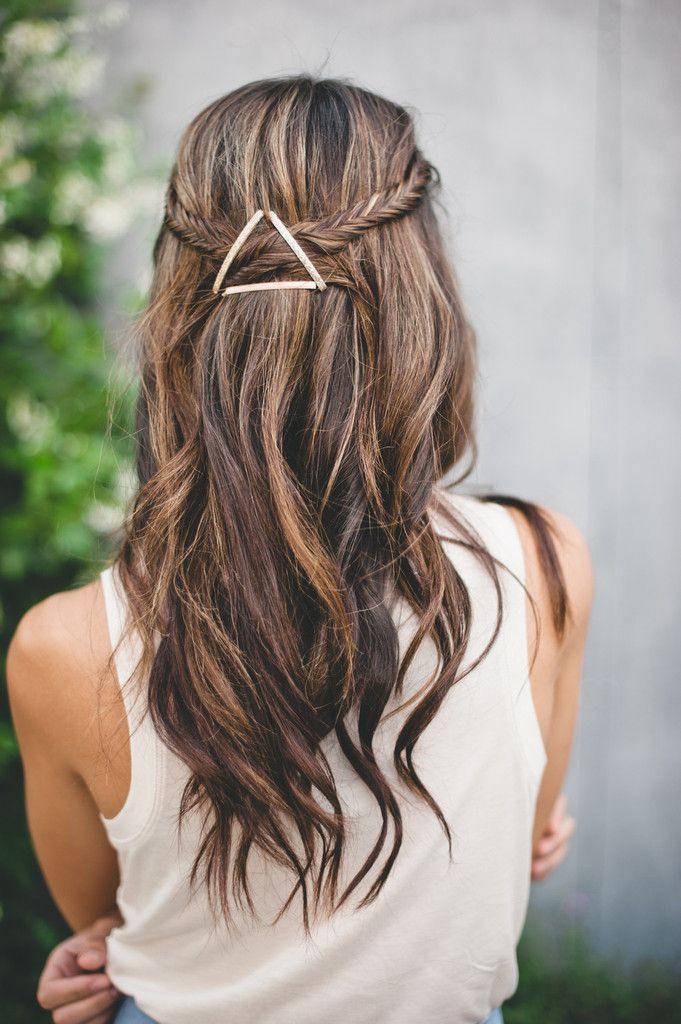

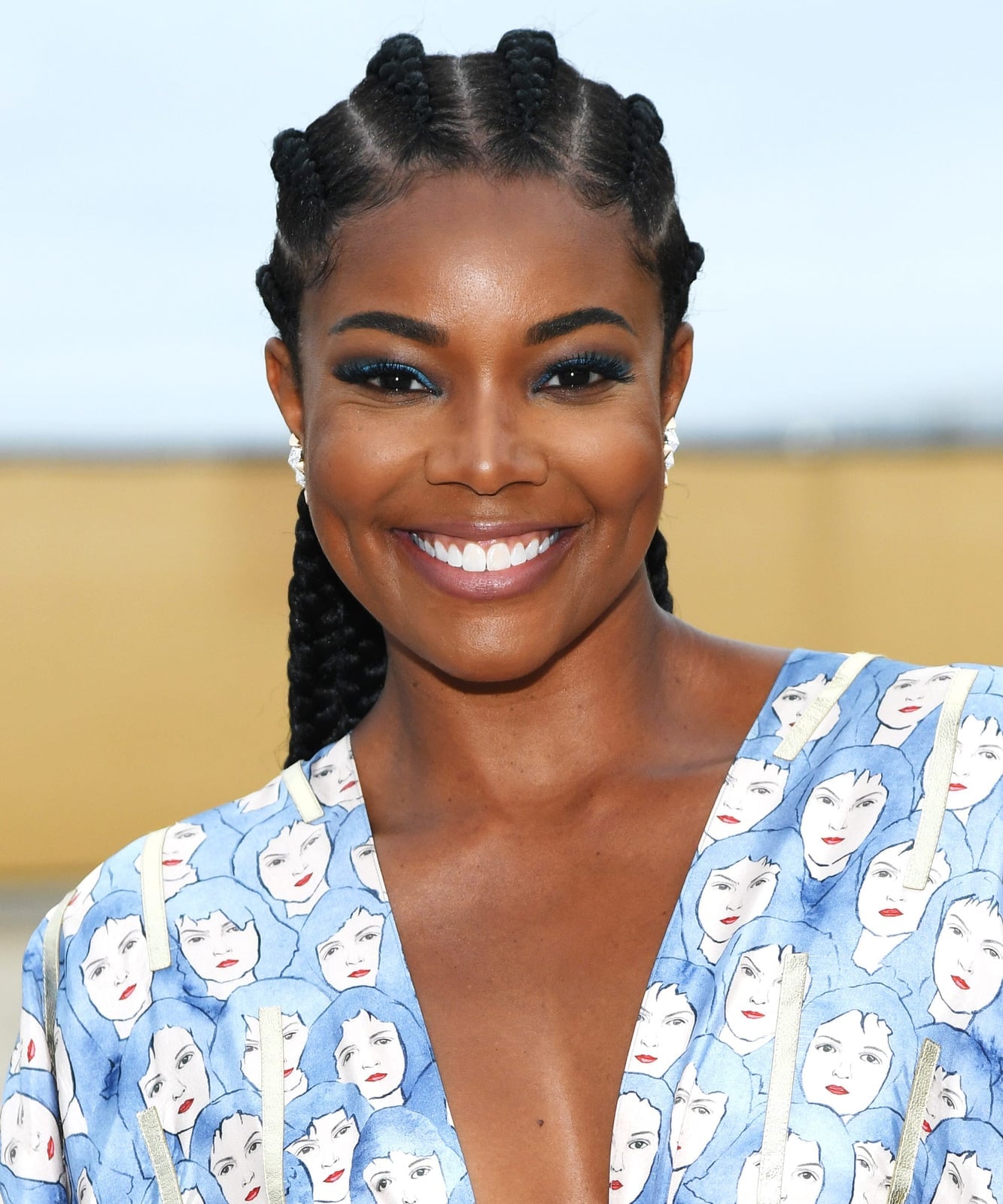
Feed-in braids are a protective style where extensions are braided in from the root, creating a smooth, seamless line that lies flat against the scalp. For 2027, the trend leans toward glossy natural texture and lived-in color, so braids feel softer and less uniform than the poker-straight versions of past seasons.
This collection of 18 Simple Feed in Braids ideas runs the gamut from low-maintenance, uniformly thick shoulder-length styles to high-impact two-tone and geometric patterns. Whether your hair is fine or thick, or you want a look that lasts several weeks without fuss, there is a version here that holds its shape and keeps your edges neat, even if your hair tends to slip out of braids by week two.
Smooth Mid-Back Feed In Braids
There is something quietly satisfying about a feed-in braid that lies flat from the first inch, and this style delivers exactly that. The thick black strands run to the mid-back with a clean middle parting, each braid uniform in width and carrying a healthy sheen that reads as freshly done. The smooth transition from scalp to braid is what separates a good feed-in from a great one, and this version has it in spades.
This works best on naturally thick, straight hair, since the density gives the braids their weight and that polished finish. Ask your stylist for: smooth mid-back feed-in braids with a middle part. A light serum patted over the lengths keeps flyaways down and preserves the gloss between appointments. Expect to revisit the salon for a touch-up every 10 to 12 weeks, when new growth softens the scalp lines and the ends start to fray.
Neat Mid-Back Box Braids
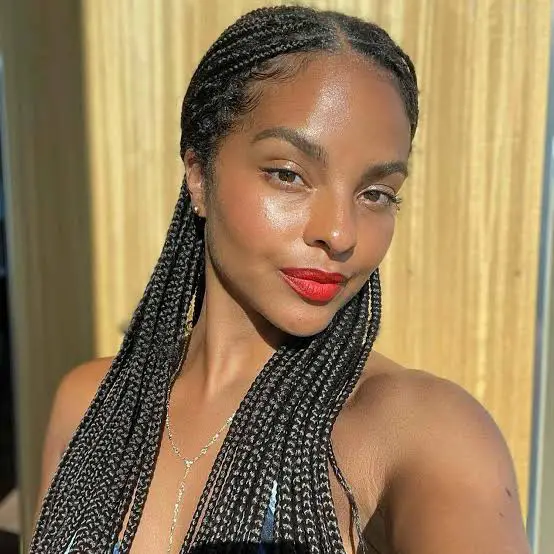
Can you get box braids that look this tidy without spending half a day in the chair? The answer is yes, provided your natural texture cooperates. This style relies on thick, straight hair that holds a crisp part and doesn’t frizz at the root by day three. The middle parting keeps the whole head symmetrical, which suits most face shapes without much fuss.
Ask your stylist for: mid-back box braids with a neat middle part. The key is even tension throughout, so no single braid pulls tighter than its neighbors and the ends stay blunt. A trim every 8 to 10 weeks keeps the tips from splitting and maintains that uniform line. If your hair is on the finer side, the braids may feel lighter and less substantial, so plan for smaller sections to keep the look full.
Geometric Pattern Feed In Braids Back View
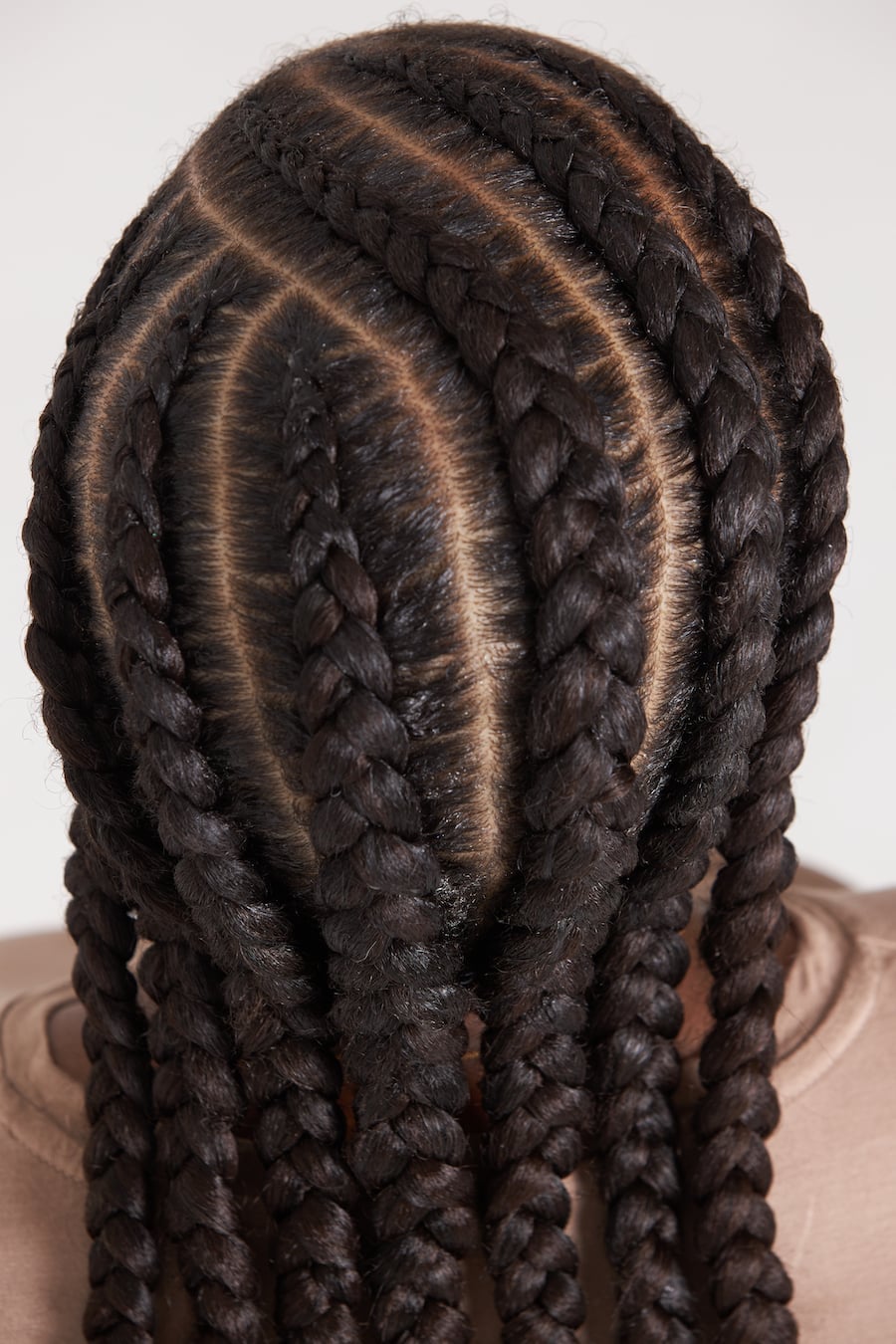
From the back, this style is a study in precision, with parting lines that carve a geometric pattern across the scalp before the braids fall to mid-back length. The black, uniformly sized braids sit close to the head, and the sharp angles of the partings are the real showpiece here. Ask your stylist for: feed-in braids with a geometric scalp pattern. You’ll want to specify the exact shape you have in mind, since the design lives or dies on the parting. This is strictly salon territory, and the braids hold their structure well for several weeks. When the pattern starts to blur at the roots, it’s time for a redo, typically every 6 to 8 weeks.
Mid-Back Box Braids With Curly Ends
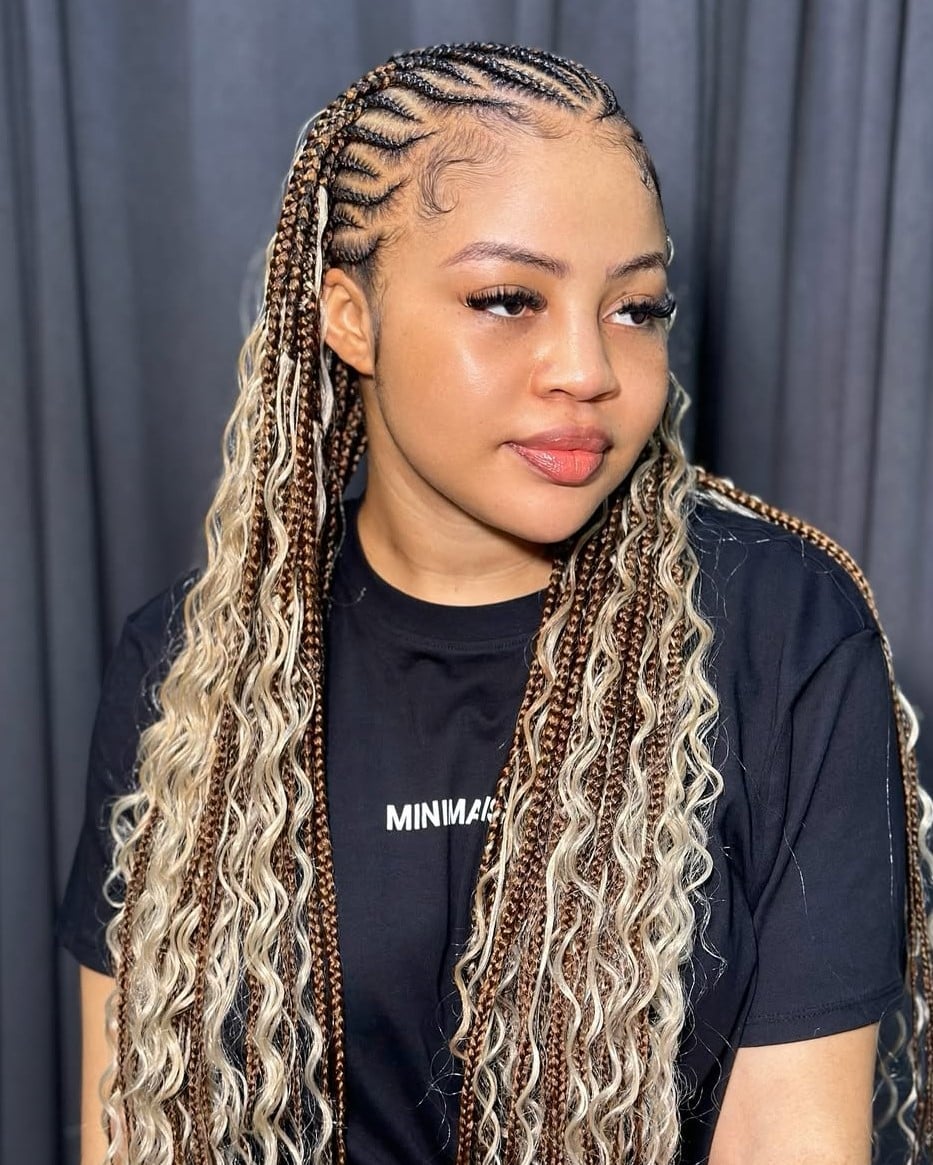
Where a standard box braid ends in a blunt tip, this version lets the last few inches spiral into loose waves, and that contrast changes the whole feel of the style. The dark brown base carries blonde highlights through the mid-lengths, so the curly ends catch light differently than the braided sections above. It’s a softer finish than the all-straight alternative, with more movement when you turn your head.
Ask your stylist for: mid-back box braids with wavy, curly ends. The upkeep is straightforward: refresh the curls with water or a light twisting motion, and keep an eye on the ends, since they tangle faster than braided hair. A trim every 8 weeks stops the curls from looking ragged. The middle part keeps the face open, and the volume at the ends balances a wider jaw or a rounder face without adding width at the crown.
Mid-Back Braids With Gray Highlights
Gray reads differently in braids than it does in loose hair, and this style proves the point with black strands interrupted by silver-toned sections that fall to the mid-back. The middle parting keeps the two-tone effect symmetrical, and the occasional bead adds a small accent without turning the whole look into a statement. It’s a refined take on color that suits the cooler months, when a bit of contrast in the hair keeps things from feeling flat.
Ask your colorist for: mid-back braids with black and gray highlights, middle part. The gray needs a color-safe shampoo to stay bright, since hard water and buildup can dull it into a muddy beige. The braids themselves are low-maintenance, but the ends will benefit from a trim every 10 to 12 weeks. This is a style that works for the office as easily as it does for a weekend out, and the gray tones hold their own year-round.
Two-Tone Black and Gray Mid-Back Braids
A single color is reliable, but two-tone black and gray feed-in braids add a deliberate contrast that reads as fashion, not accident. The mid-back length keeps the visual weight balanced, and the parting lets both tones sit evenly on each side. Thicker hair holds the color separation best, so the gray reads clearly against the black. Ask your stylist for: mid-back feed-in braids in black and gray. This is a salon-only project: the color application alone adds a solid two hours to the installation time.
Neat Feed In Braids With Red Undertones
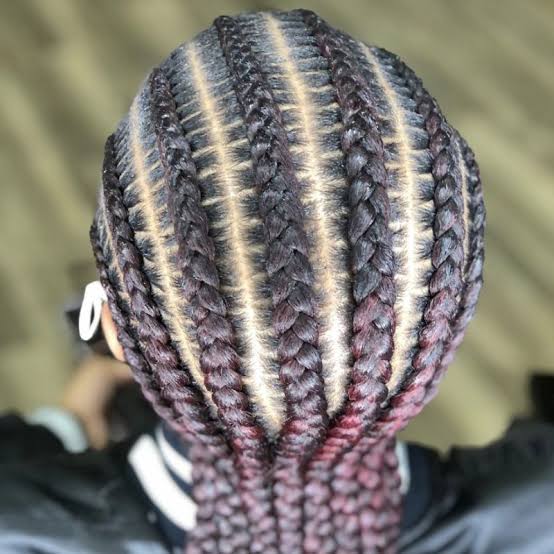
Straight texture is the right call here because any wave would disrupt the clean parting lines. The hair needs to be at least mid-back length to carry the braids without the ends looking thin. A stylist who maps the grid with a rat-tail comb before starting will deliver these results. The neatness is not accidental, it is planned from the first section.
Two-Tone Mid-Back Feed In Braids
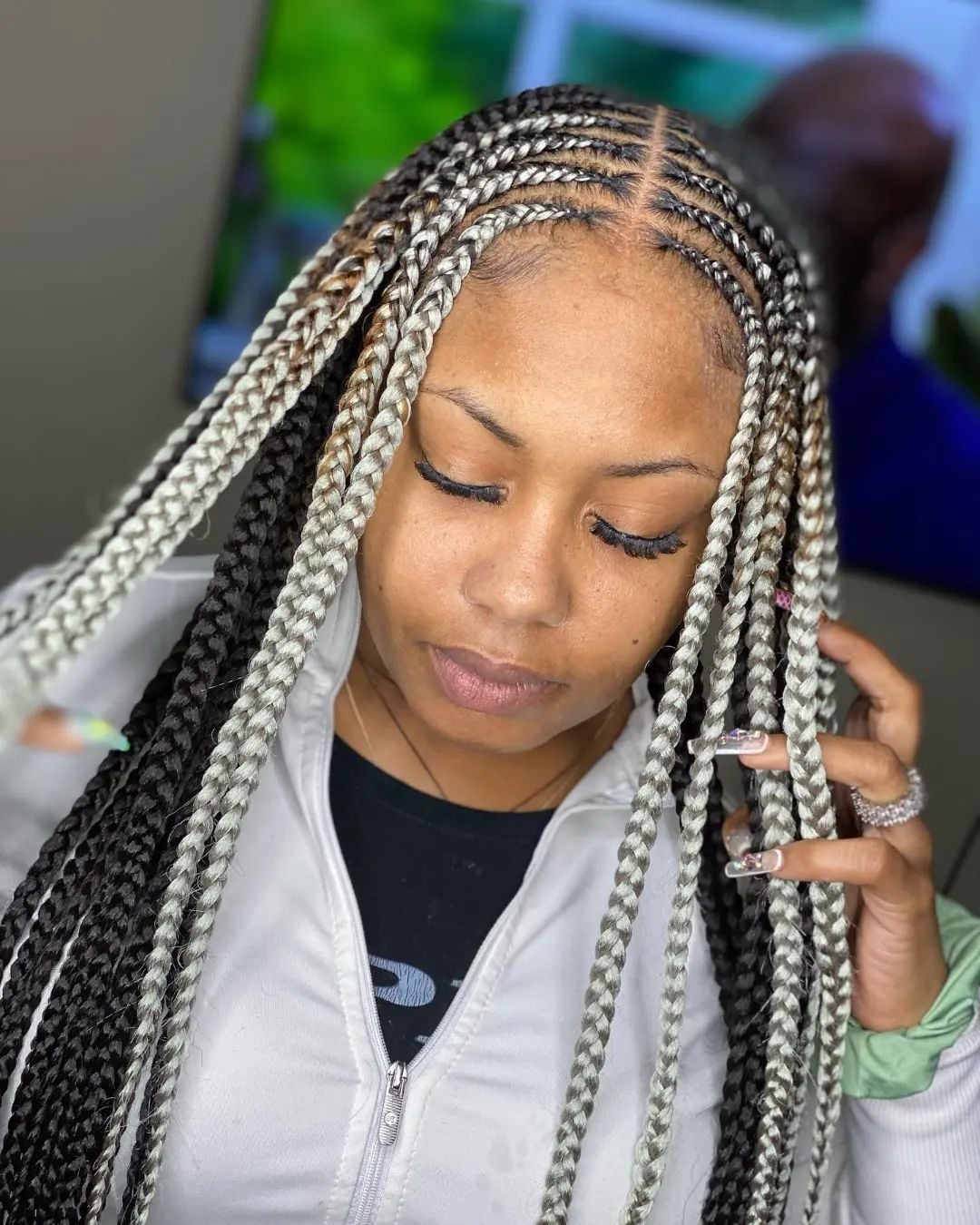
How do you describe the color placement so the stylist gets it right? Start with the base shade: black from root to tip for the majority of the braids. Then specify that the gray sections are woven in as alternating strands, not as a single block of color. The middle parting helps the two tones feel balanced. Ask your stylist for: mid-back feed-in braids in black and gray with alternating color strands. Straight texture keeps the contrast clean and the feed-in method seamless at the scalp.
The two-tone effect works best when the gray is a cool silver, not a warm beige. Thick hair at mid-back length gives the stylist enough surface to distribute both colors evenly. The gray will need a toning conditioner every few washes to stay cool, but the black base does not fade, so the overall look holds for weeks.
Wavy Multi-Colored Mid-Back Braids
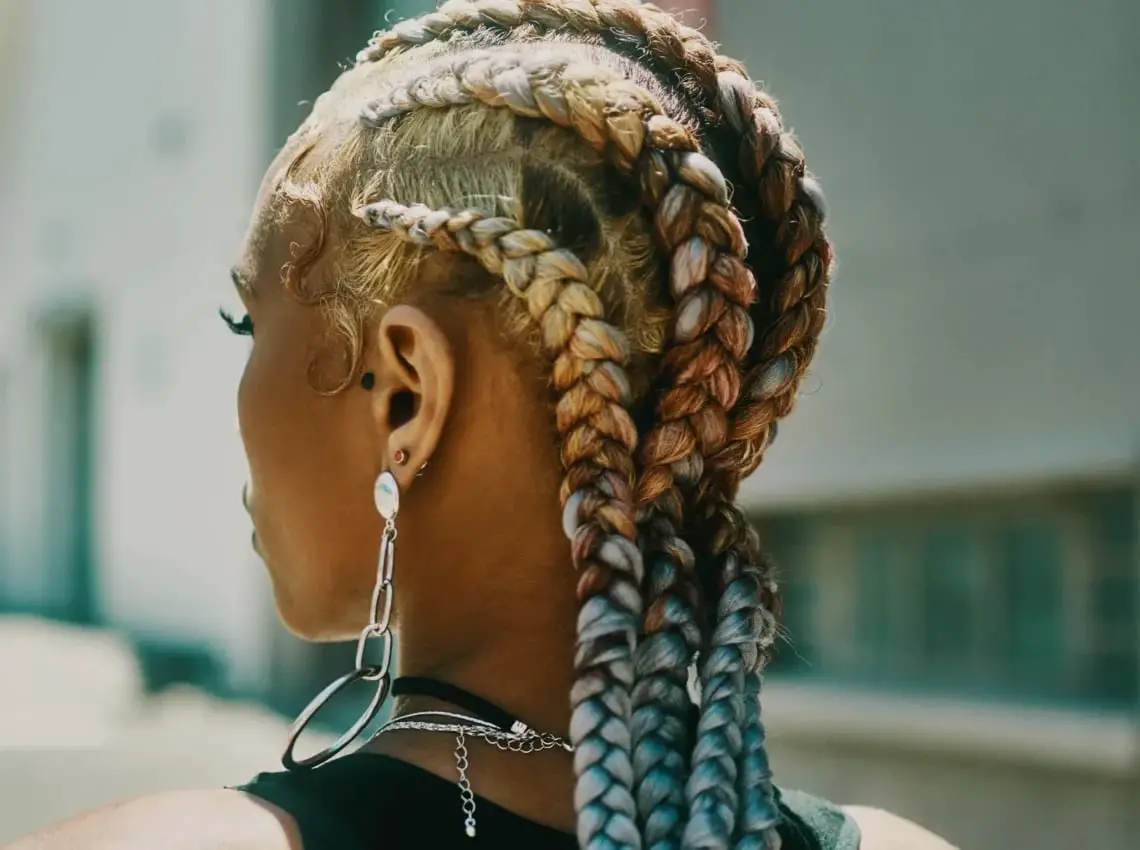
Three tones in one set of braids means the hair is already thick enough to carry the weight. Blonde, brown and blue highlights on a mid-back length create a multi-dimensional effect that changes with movement. The wavy texture softens the color transitions so nothing looks striped or choppy. Ask your stylist for: mid-back feed-in braids with blonde, brown, and blue highlights. This is a style for someone who wants the braids to be the accessory, not the background.
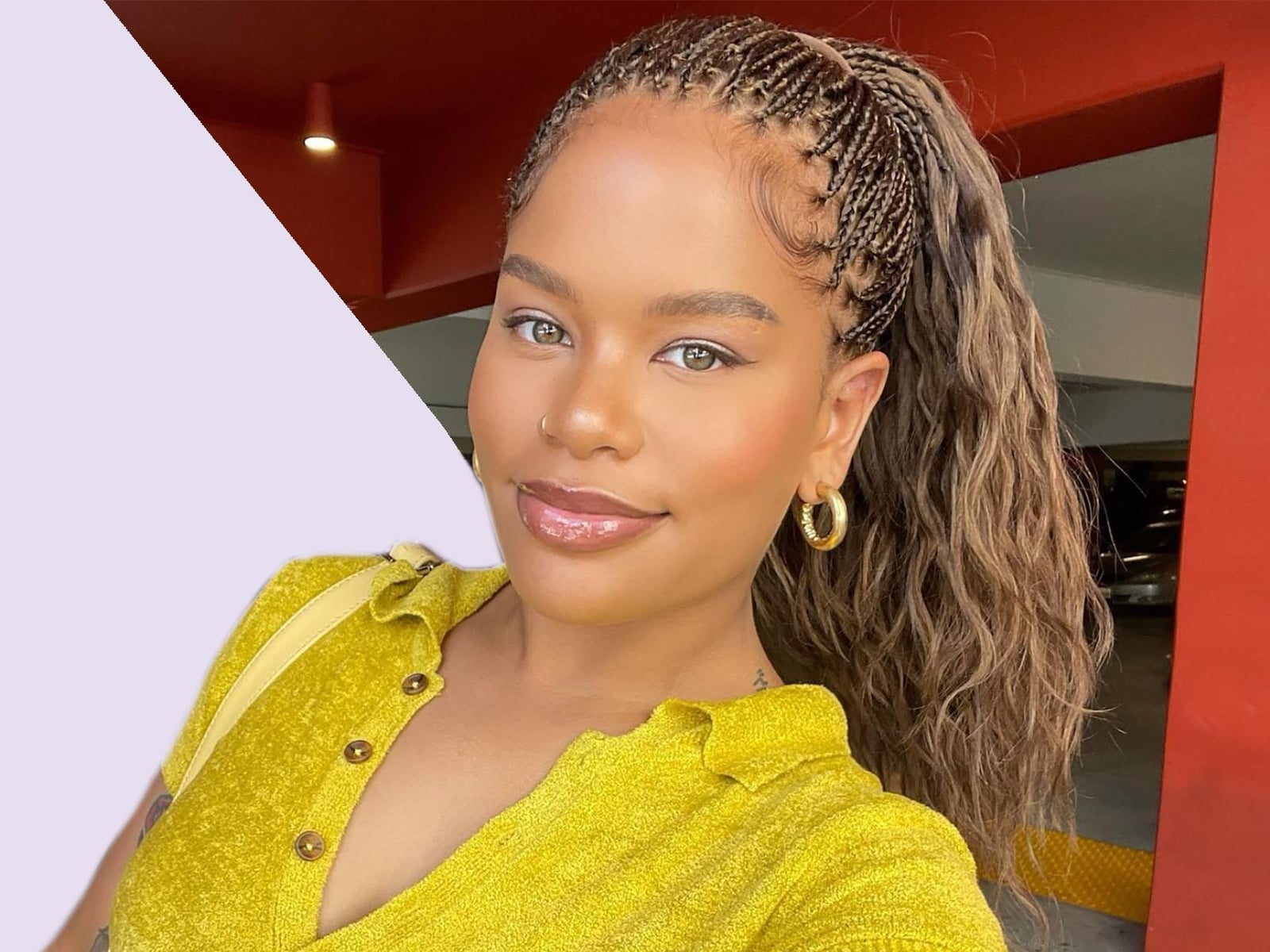
Coily Mid-Back Braids With Geometric Pattern
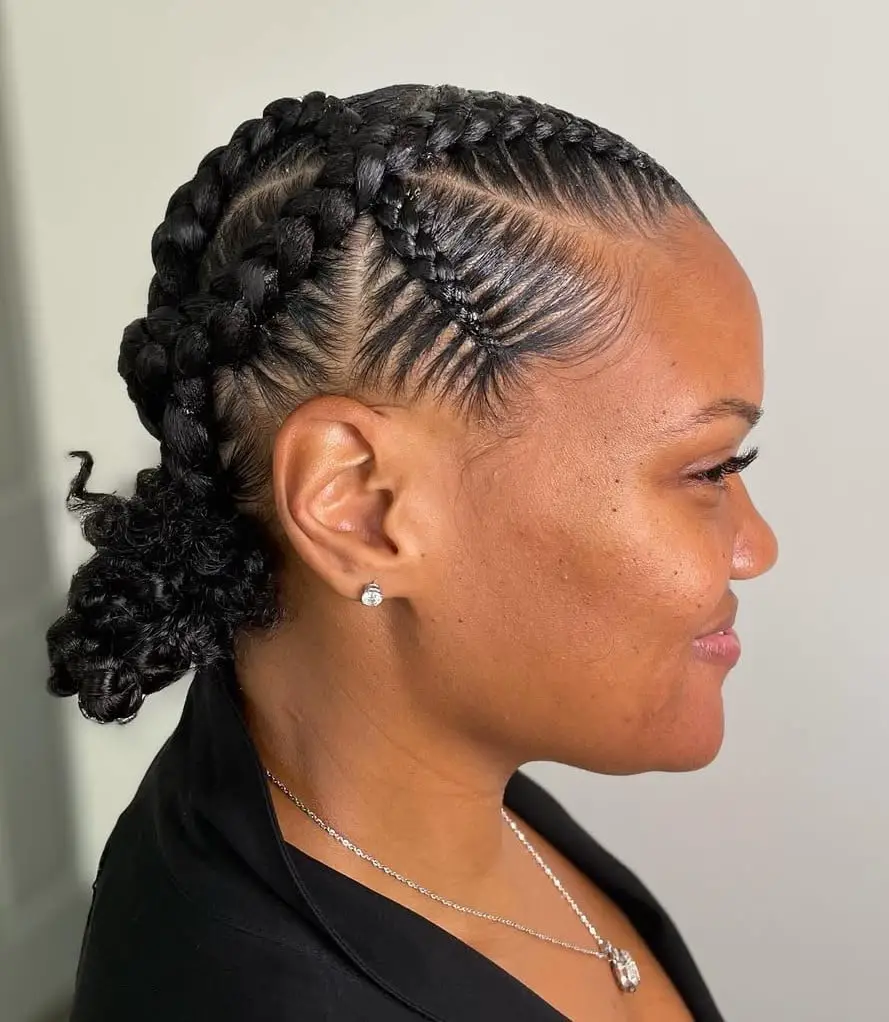
A geometric cornrow pattern at the crown requires the stylist to map the design before the first braid goes in. Straight lines and sharp angles need a steady hand and a clean part. The coily texture here adds volume that makes the pattern visible from the side, which a straighter texture would flatten. Ask your stylist for: mid-back coily feed-in braids with a geometric scalp pattern. The braids are gathered into a low ponytail at the back, which keeps the geometric crown as the focal point.
Thick, coily hair holds the pattern best because the hair does not slip out of the braid as easily as fine textures. The mid-back length gives enough weight for the ponytail to hang with body. A moisturizing cream on the scalp and ends prevents dryness between appointments. The geometric design does mean more time in the chair, but the result stays sharp for the full wear period.
Coily Mid-Back Braids With Laid Edges
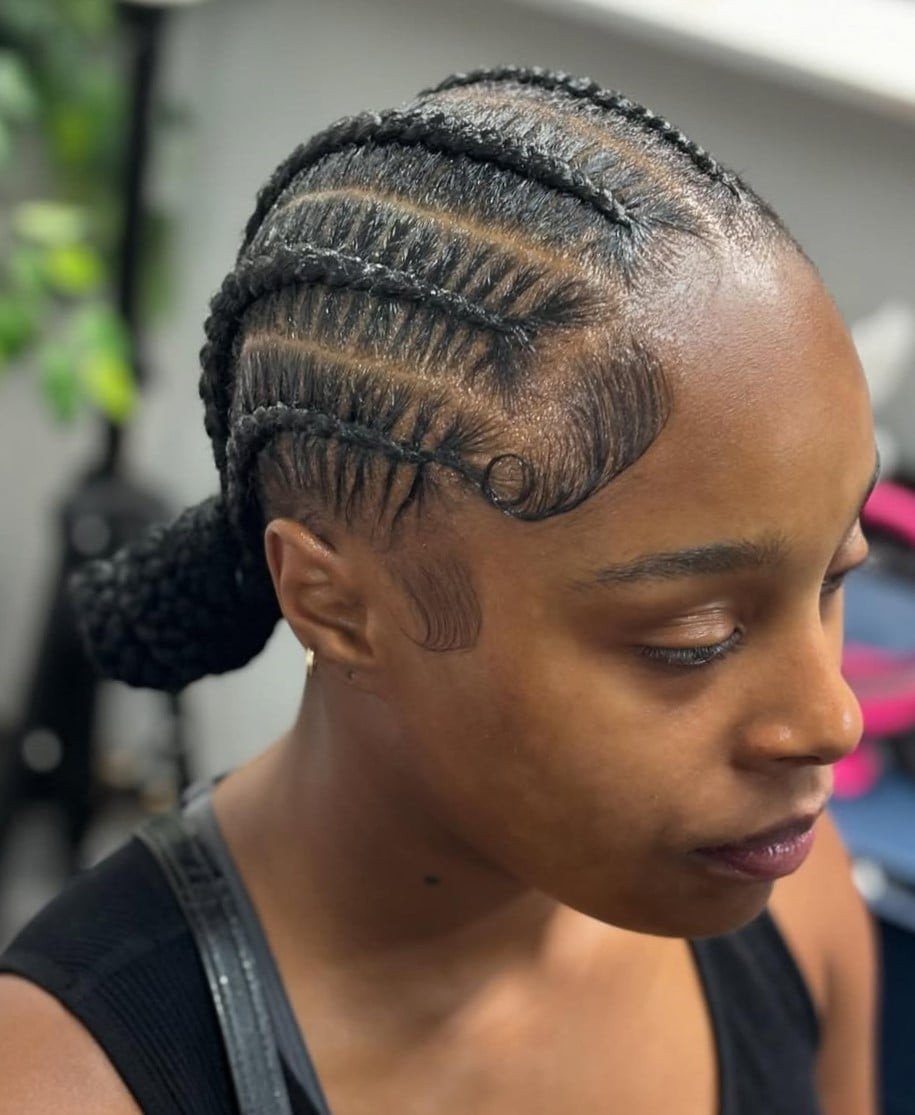
The low ponytail gathers mid-back coily feed-in braids, but it is the neatly laid edges that make the style look meticulously finished. Those smooth, swooped baby hairs turn a straightforward protective style into a polished look. Ask your stylist for: mid-back coily feed-in braids with neatly laid edges.
The hold depends on the edge control you use and wrapping your hair at night. A soft brush and a small amount of product each morning keep the edges polished. Braids this long with coily texture need a trim every 10 to 12 weeks to prevent the ends from looking ragged.
Geometric Pattern Side Part Feed In Braids
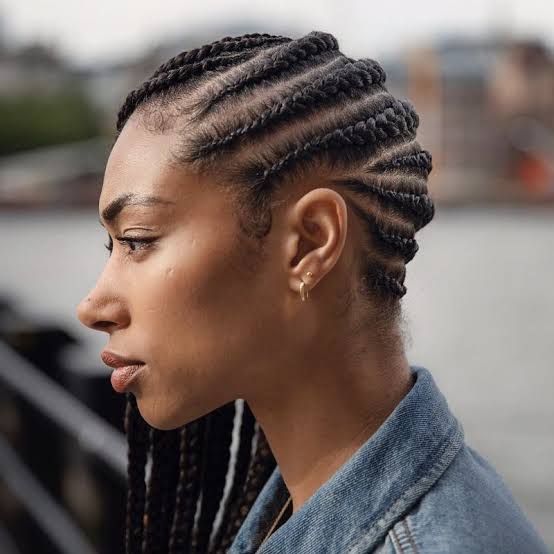
The side parting here does not meander: it creates a sharp geometric line that draws the eye across the scalp. Each thick braid follows the pattern precisely, making the shoulder-length style feel deliberate rather than thrown together. Ask your stylist for: shoulder length feed-in braids with a geometric side part pattern.
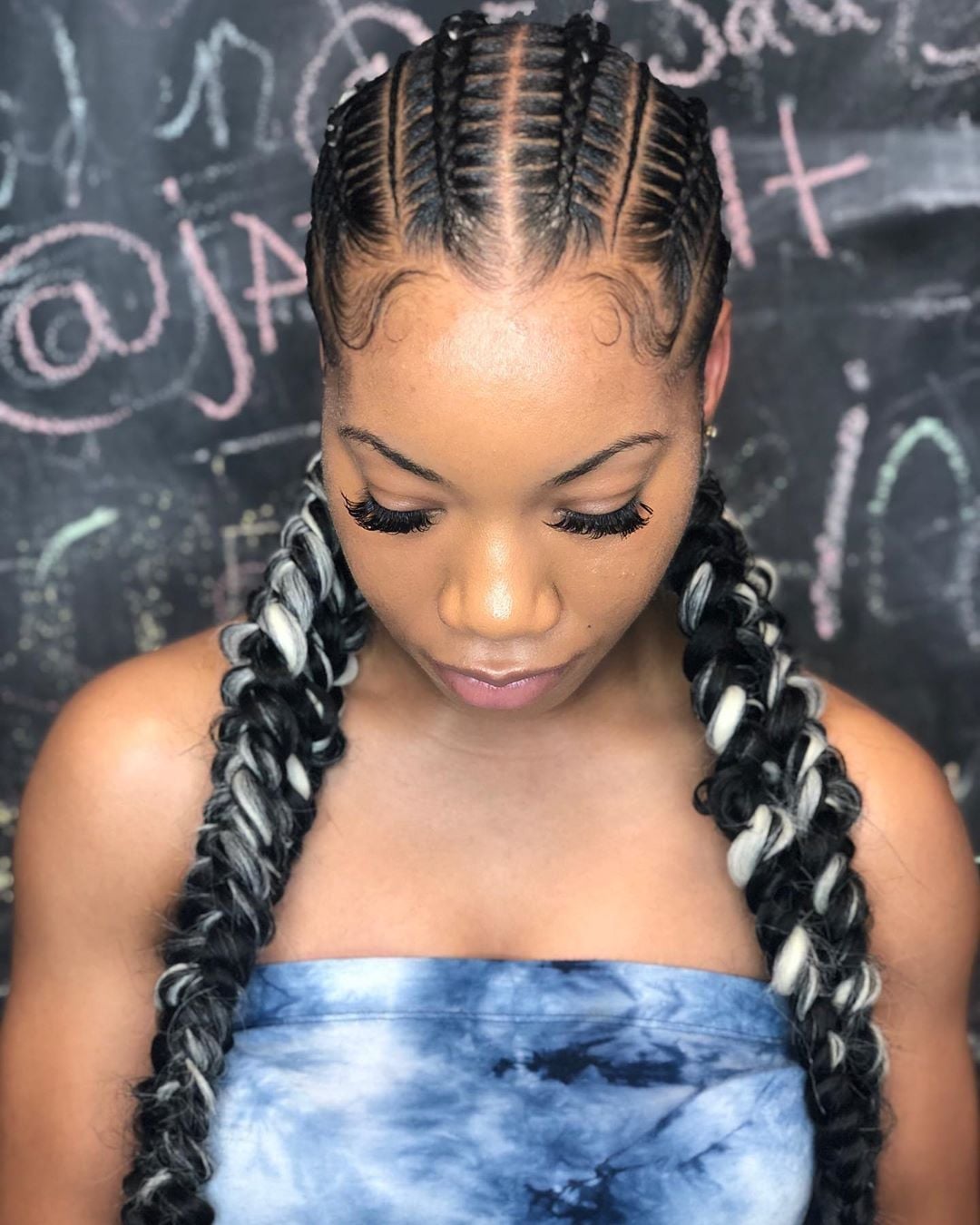
Two Feed In Braids With Wavy Ends
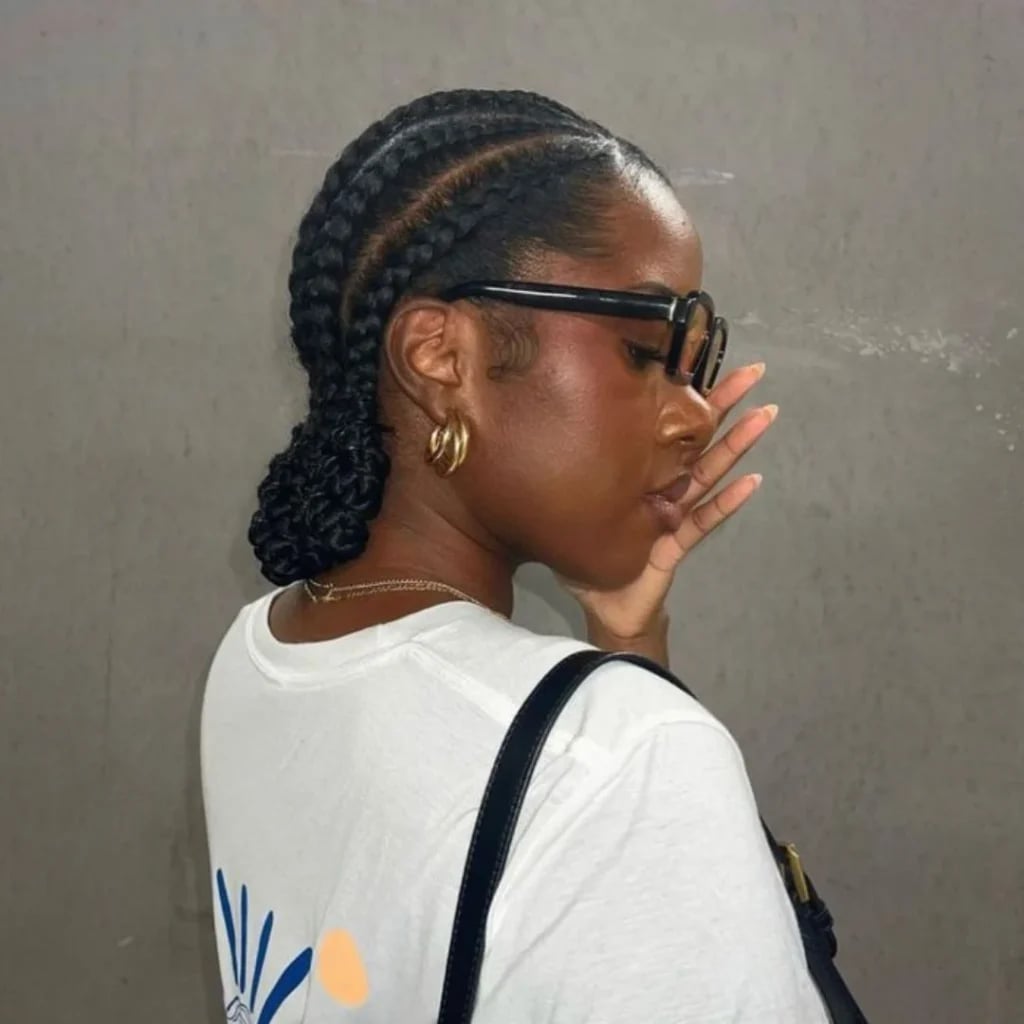
A full head of braids demands time in the chair. Two distinct feed-in braids get you the same protective benefit with about half the install. The wavy ends add movement around the shoulders. Ask your stylist for: two shoulder length feed-in braids with wavy ends.
Cornrows With Loose Wavy Hair
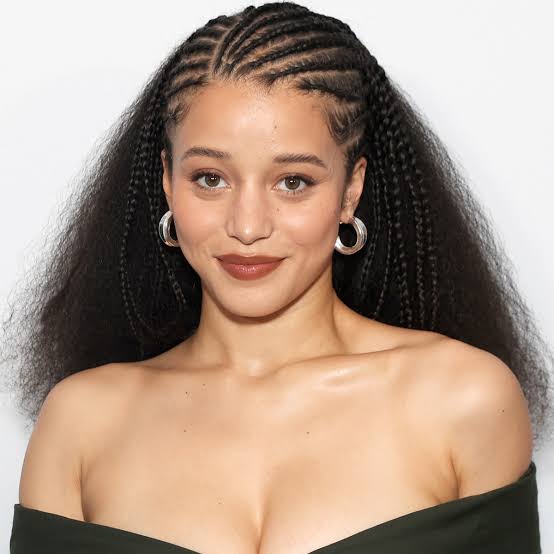
Does the thought of a full braided install sound like a weekend project? Cornrows that stop at the crown and release into loose wavy hair offer scalp detail without braiding every strand. The middle parting keeps the pattern symmetrical, and the shoulder-length waves frame the face without adding bulk. Ask your stylist for: cornrows with loose wavy hair to the shoulders.
This hybrid style works if your natural texture falls on the wavy side and you want to show off your length. Straight or relaxed hair would require heat styling to match the loose ends, which defeats part of the low-stress appeal.
Shoulder Length Feed In Cornrows
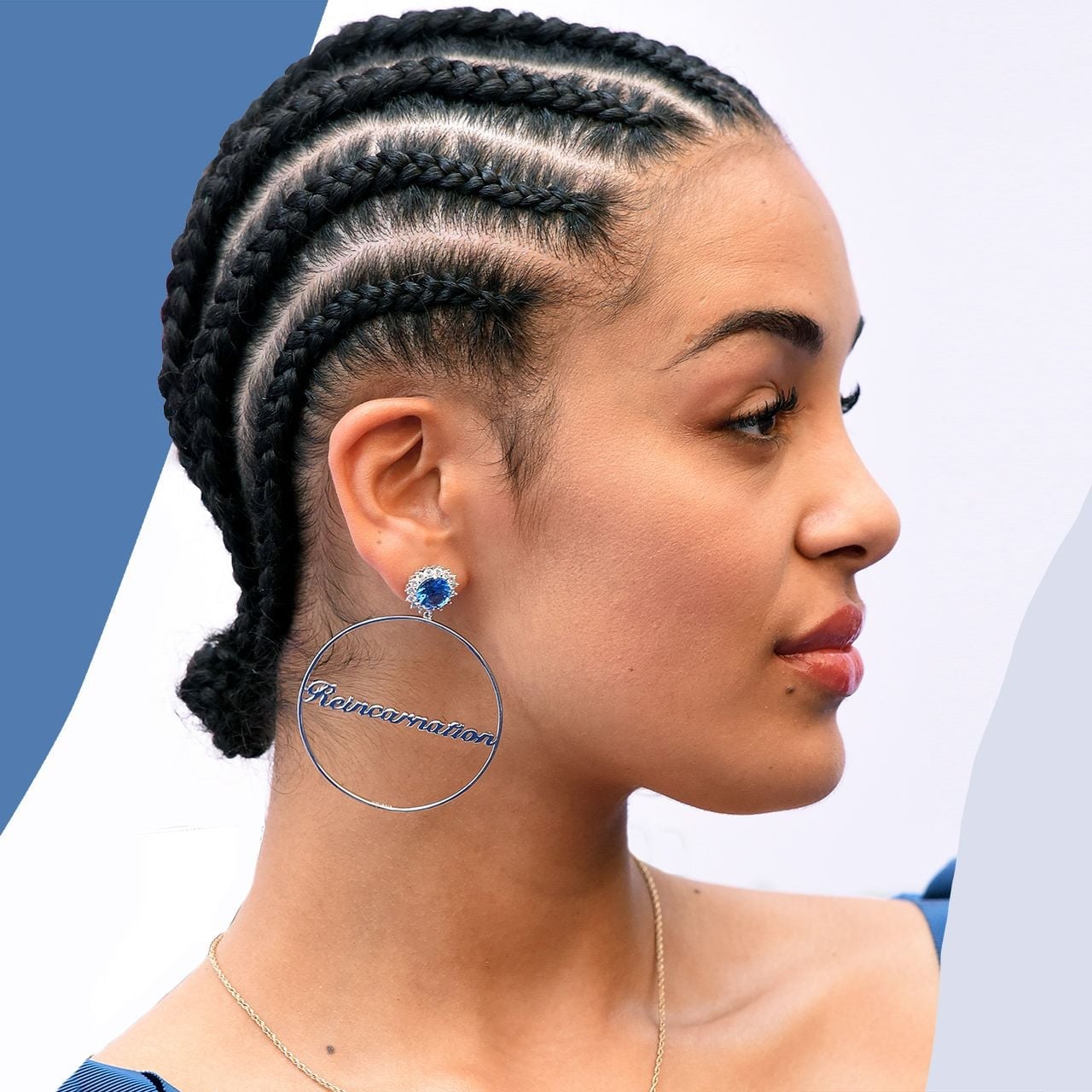
Feed-in cornrows that taper into two braids at the nape hit a sweet spot between polished and practical. The shoulder length keeps the weight off the neck during warm weather, and the middle parting makes the geometric lines read clearly from the front. Ask your stylist for: shoulder length feed-in cornrows with two braids at the nape.
Collarbone Length Box Braids With Side Part
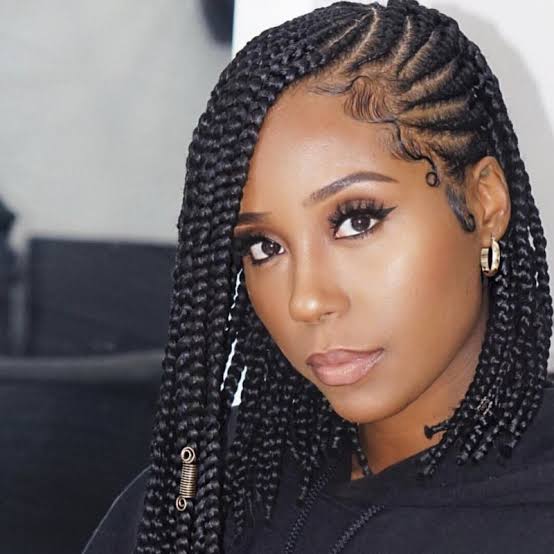
Collarbone length is the sweet spot for box braids when you want the style to stay neat without the weight of longer hair. The side part here sweeps everything forward for a clean, side-swept effect. Ask your stylist for collarbone length box braids with a side part. This length suits anyone who wants a shorter braided option that still allows for ponytails or half-up styles. To keep the parting crisp, apply a light oil along the line for shine, and plan for a trim every six to eight weeks to keep the ends from fraying.
Cornrow Braids With Intricate Scalp Design
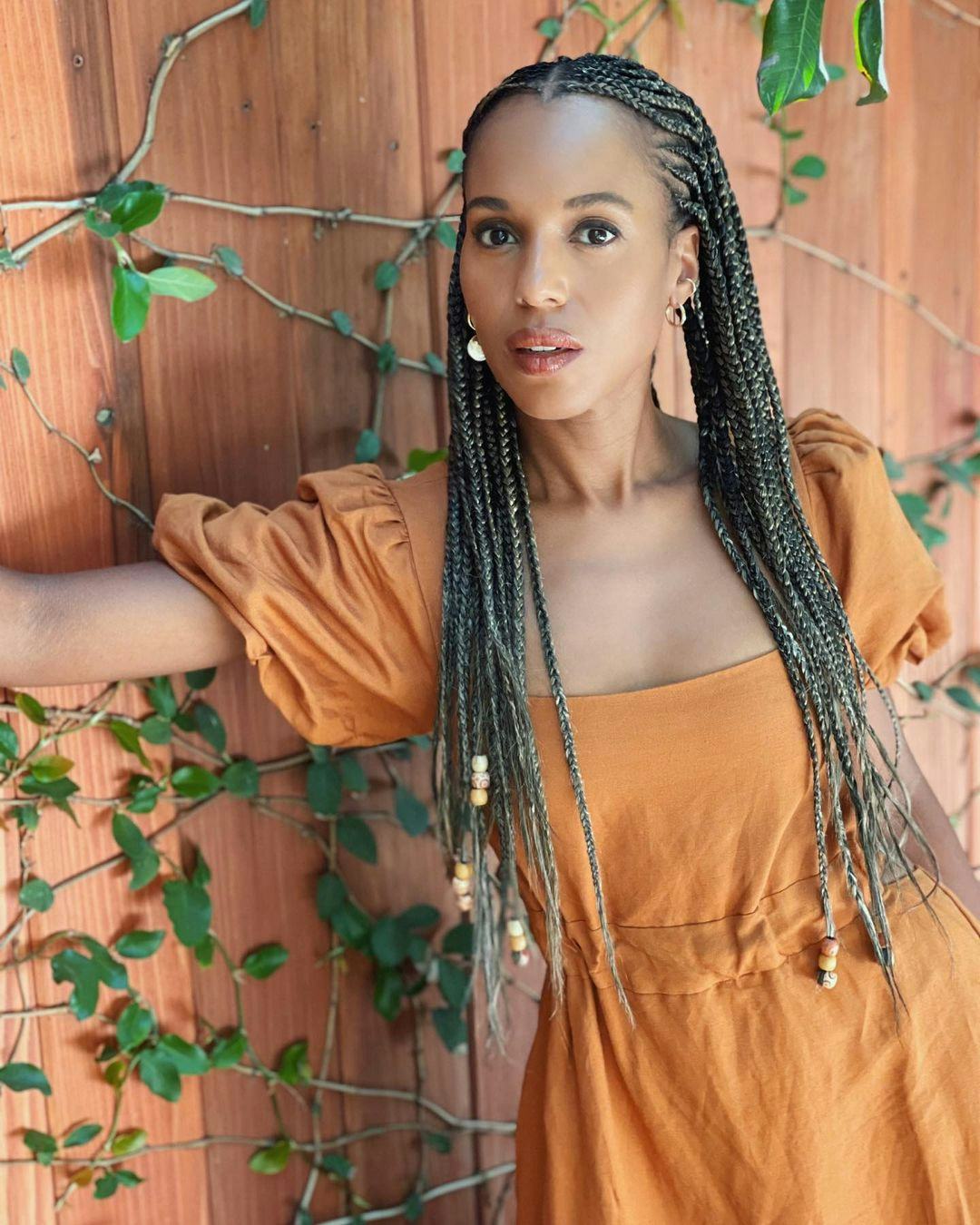
The scalp design is the entire point here, with thick black cornrows starting from a side parting and curving into a clear pattern that requires a steady hand and patience. This is not a rushed salon visit; the technique demands precision, so expect to set aside several hours for the installation. Ask your stylist for cornrow braids with an intricate side part scalp design. It works best on thick hair of any length, since the braids need substance to hold the pattern. The upkeep requires consistency: keep the scalp clean and moisturized to highlight the design, and re-braid every six to eight weeks.
Top View Geometric Pattern Feed In Braids, Black
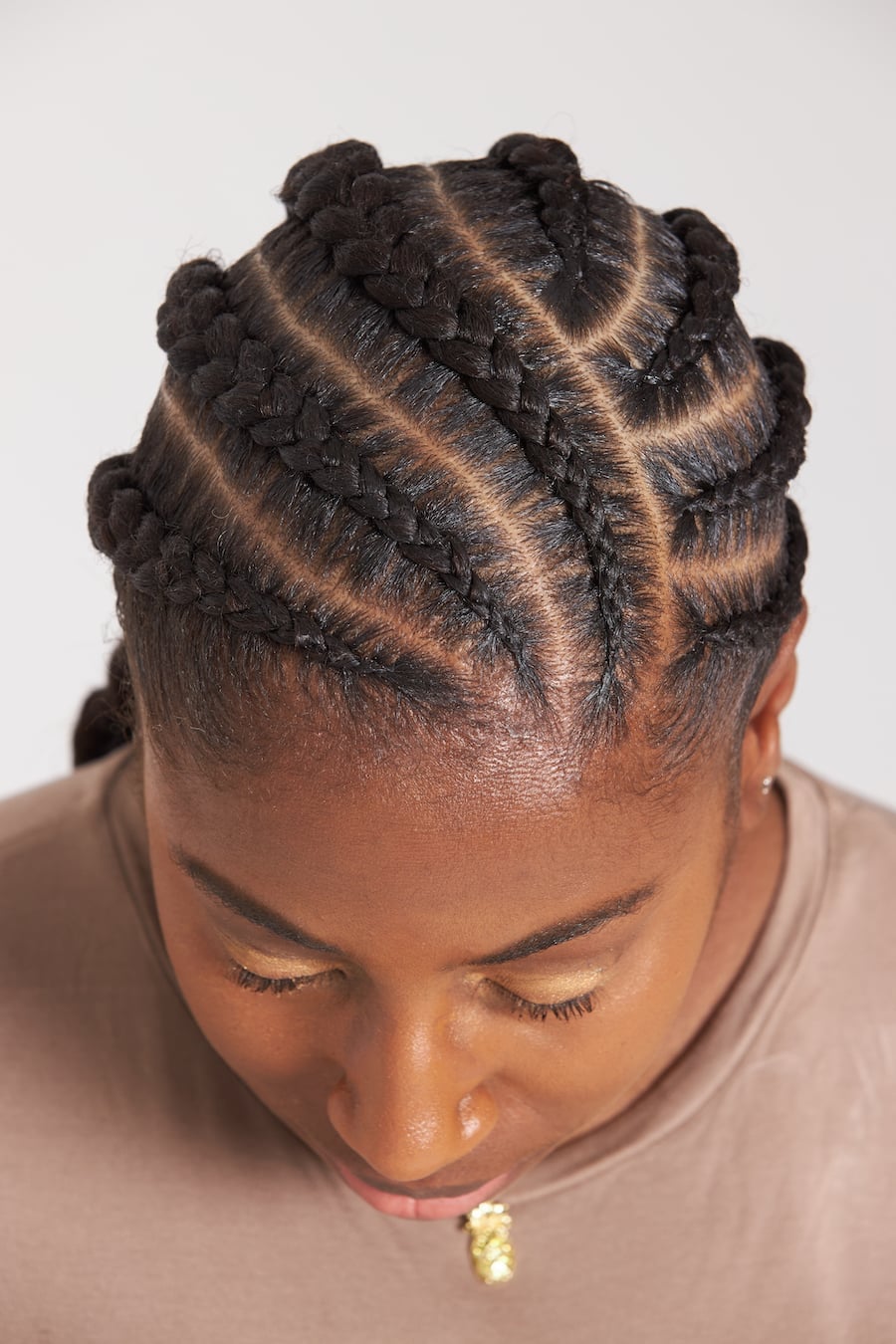
Seen from above, the scalp becomes the canvas, with thick black feed-in braids tracing a geometric pattern in clean, precise parts. The symmetry is what makes it work, but that same precision is the drawback: any growth blurs the lines quickly, so this style demands timely touch-ups to stay sharp. Ask your stylist for feed-in braids with a detailed geometric scalp pattern. It suits those with thick hair who treat their scalp as part of the look. Expect to return for professional re-braiding every six to eight weeks, because a pattern this exact will not forgive neglect.
Final Thoughts
Choose your feed-in braids based on how much time you want to spend on upkeep and how bold you want the result to be. For a low-maintenance look, opt for uniformly thick, shoulder-length braids with a middle part. For maximum visual impact, explore two-tone colors or intricate geometric scalp patterns.
- Keep scalp moisturized with a light oil daily.
- Protect braids at night with a silk or satin bonnet.
- Avoid excessive tension to prevent scalp irritation.
- Wash braids no more than once a week.
- Trim stray hairs around the hairline weekly.
Feed-in braids offer versatility and style for any occasion.