

A simple haircut is not a compromise; it is a deliberate edit. The current shift favors soft face-framing layers and curtain bangs over rigid shapes, with lived-in color and glossy natural texture replacing flat-ironed crispness.
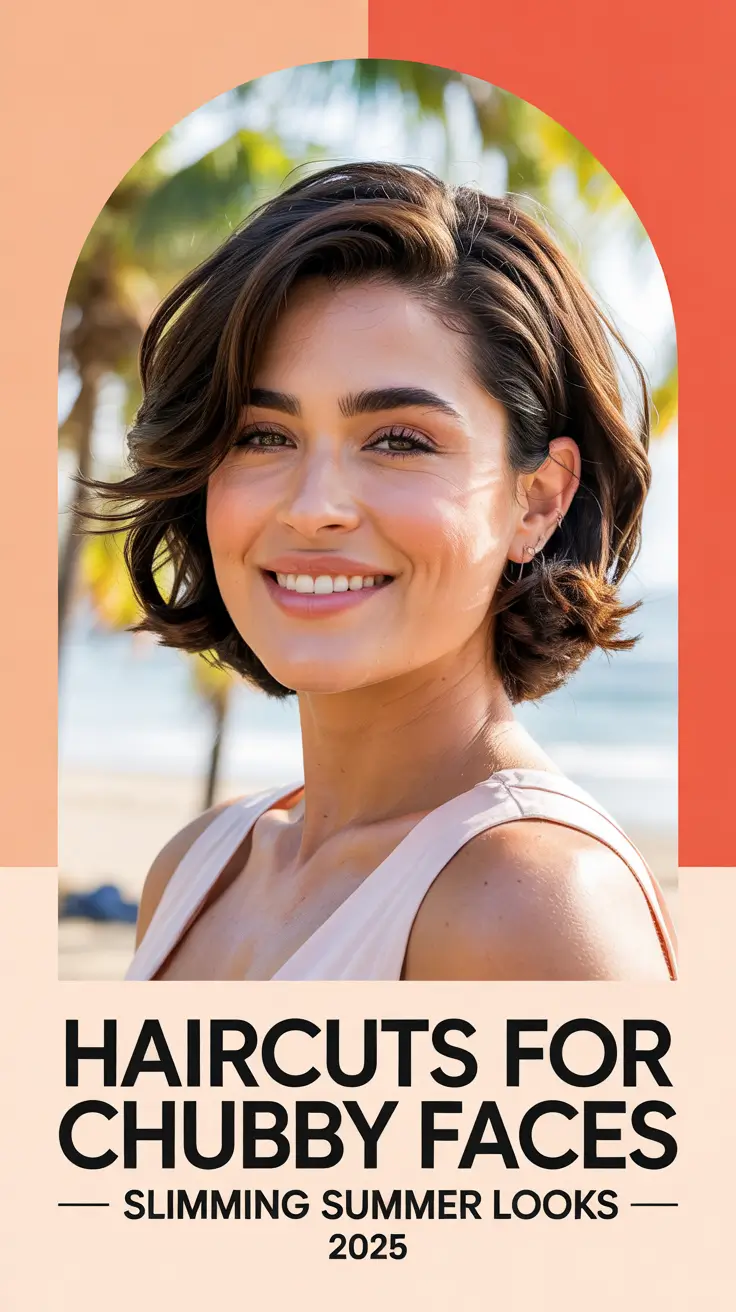
These 33 Simple Hair Haircuts span blunt bobs, shags, pixies, and styles with bangs, from low-maintenance air-dries to salon blowouts. They suit fine hair that falls flat, thick hair needing weight reduction, and anyone tired of a visible grow-out line or a fringe that will not sit. Round, square, oval, and long faces all have options here.
Chin-Length Bob With Blunt Bangs
The chin-length bob with blunt bangs is a study in precision: the solid dark brown base, the subtle layers that keep the shape from feeling heavy, and the side parting that lets the fringe do the talking. This cut is a natural fit for fine to medium straight hair that starts at the chin, and the blunt bangs genuinely balance a rounder face by adding a horizontal line that shortens the look. Ask your stylist for: chin-length bob, blunt bangs, side part. Use a flat iron to smooth the hair and curl the ends under, then plan on trimming the baseline every six weeks to keep that clean edge from turning shaggy.
Shoulder-Length Blunt Cut Blowout
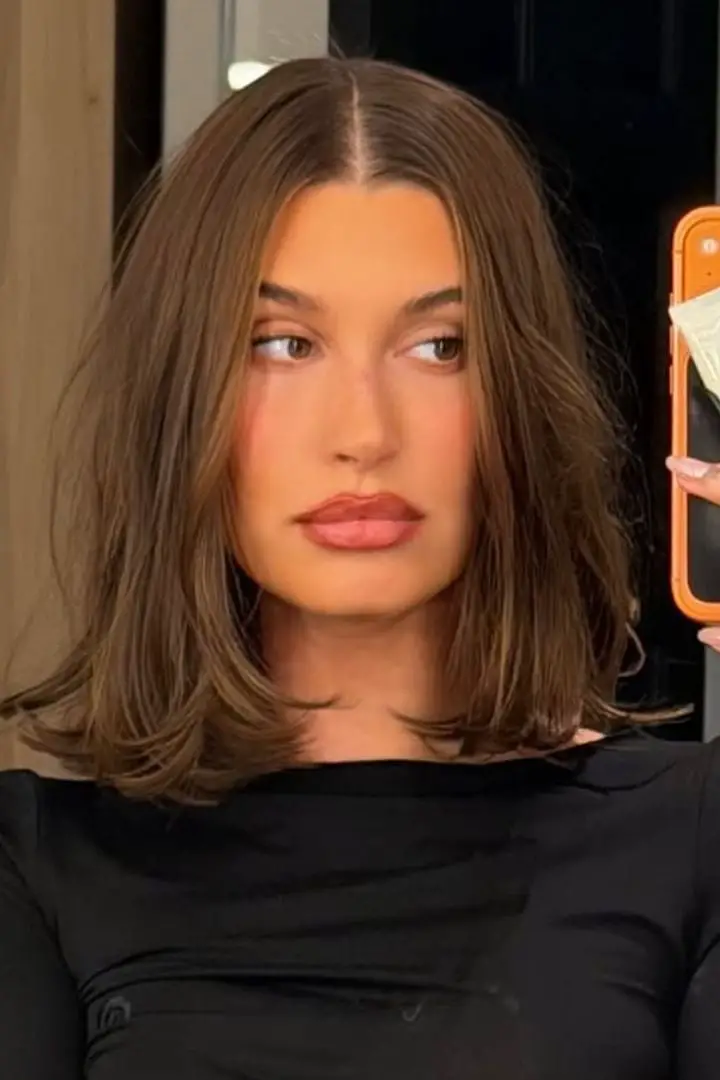
Ever wonder how to get that polished, straight out of the salon look without the fuss? It starts with a shoulder-length long bob cut bluntly and a smooth blowout that shows off the medium brown base and its subtle highlights. This cut works best for medium density straight hair of shoulder length or longer, and it can balance longer face shapes by adding width at the sides. Ask your stylist for: shoulder-length blunt cut, smooth blowout. Blow-dry with a round brush for a sleek finish, and trim the baseline every eight weeks to maintain the blunt edge that makes this style so clean.
Chin-Length Blunt Bob With Slight Wave
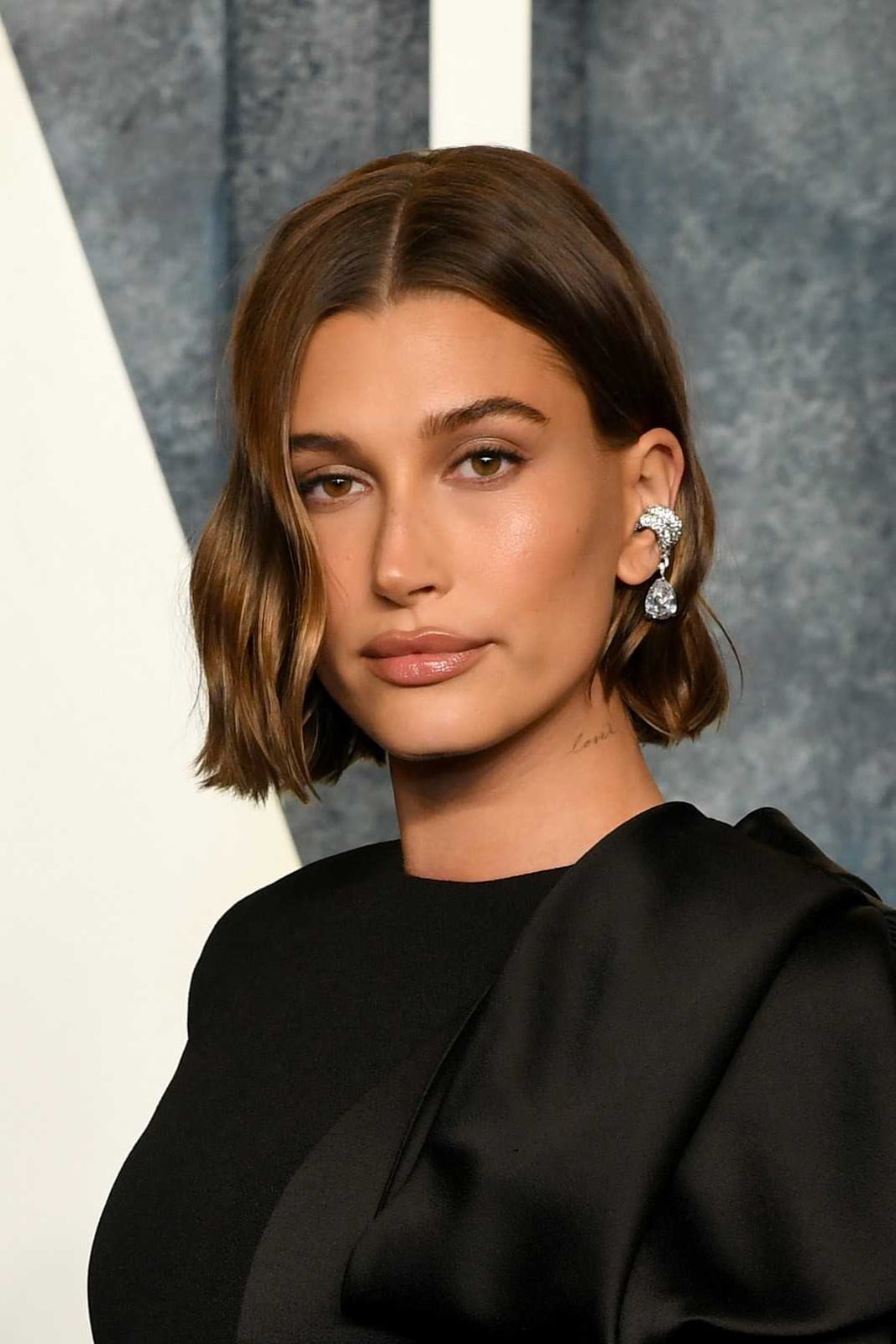
This cut suits fine straight hair of chin length or longer, and the side part helps elongate a round face by drawing the eye downward. Ask your stylist for: chin-length blunt bob, subtle wave. To style, apply a volumizing product at the roots, then blow-dry with a round brush, curving the ends under. Plan on trimming the baseline every six to eight weeks to keep the blunt ends from splitting.
Air-Dried Blunt Bob With Blunt Bangs

An air-dried blunt bob with blunt bangs is the low-maintenance cousin of the sleek blowout, but it is not for everyone. The chin-length cut and straight, fine texture do look simple and clean when left to dry naturally, yet air-drying fine hair often means flatness without a little help. Ask your stylist for: chin-length blunt bob, blunt bangs, air-dried finish. You will need a smoothing cream applied to damp hair to keep the shape defined, and the bangs will demand a trim every three to four weeks to stay out of your eyes. This is a salon cut that asks for regular upkeep, but it skips the heat styling entirely.
Sleek Chin-Length Black Bob
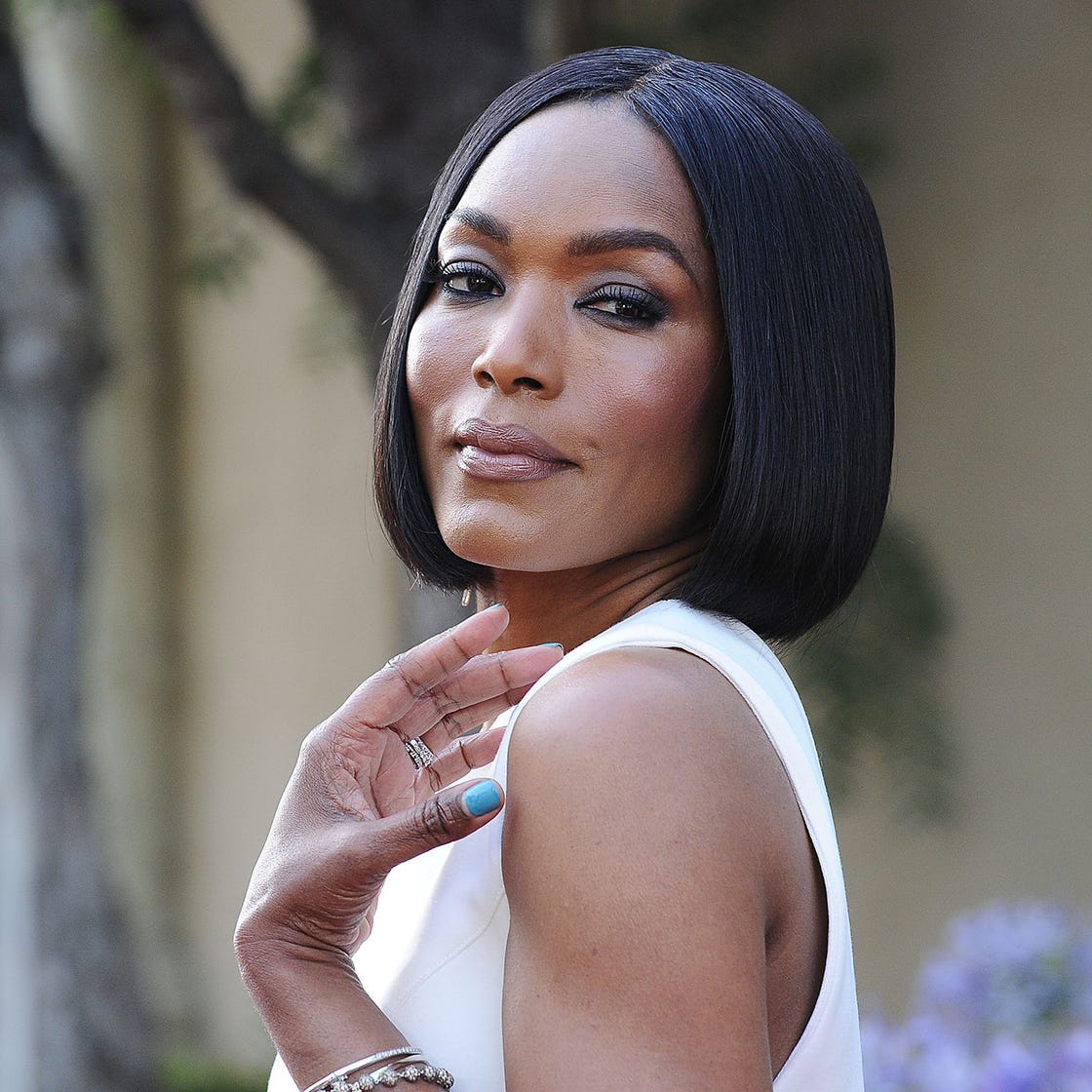
The sleek chin-length black bob is the sharpest tool in the simple haircut box. With a blunt, straight cut, a middle part, and a smooth finish, it relies entirely on the hair’s natural thickness to make an impact. This style suits thick straight hair of chin length, and the blunt line can balance fuller faces by adding a strong horizontal accent. Ask your stylist for: chin-length sleek bob, blunt cut, middle part. Use a flat iron for a mirror-smooth finish, and trim the baseline every six to eight weeks to keep the edge crisp.
Compared to bobs with layers or texture, this one leaves no room for guesswork. There is no wave to soften the line, no curtain bang to break up the forehead, just a single, confident shape. That makes it a dependable choice for work or evening, but it is not the cut for anyone who wants to air-dry and go.
Sharp Chin-Length Bob With Blowout

A sharp chin-length bob relies on a baseline cut with surgical precision, no room for guesswork. The side part and length that lands below the chin help elongate a round face, making this a solid option for medium straight hair. Ask your stylist for: sharp chin-length bob, side part, smooth blowout. Use a round brush, directing each section downward, and book a trim every six to eight weeks to keep the line crisp.
Asymmetrical Platinum Bob With Side-Swept Bangs
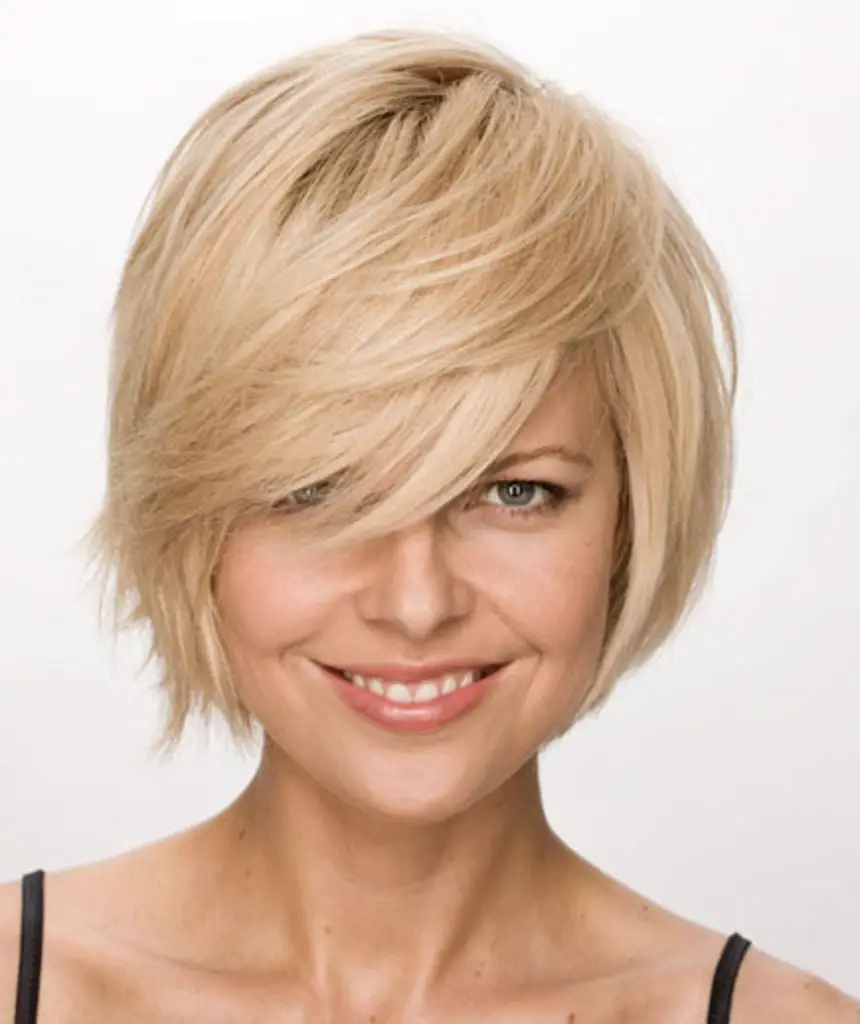
Can a single haircut do both drama and polish? An asymmetrical bob in platinum blonde says yes, provided you have fine straight hair at chin length. The longer side and long side-swept bangs add visual interest to oval or square faces, while the uniform color keeps the look clean. Ask your colorist for: chin-length asymmetrical bob, long side-swept bangs. A flat iron maintains the glossy finish, and the asymmetrical line needs a trim every four to six weeks.
Collarbone Bob With Soft Layers and Curtain Bangs

This collarbone bob proves that soft layers are not the same as many layers. The cut keeps the perimeter blunt while the interior layers blend into curtain bangs, creating a face-framing effect without losing weight. Fine to medium wavy hair starting at the collarbone works best here, and the curtain bangs soften round and heart faces. Ask your stylist for: collarbone bob, soft layers, curtain bangs, middle part. The short list: a round brush for the fringe, a trim every eight to ten weeks, and nothing else.
Textured Collarbone Bob With Curtain Bangs
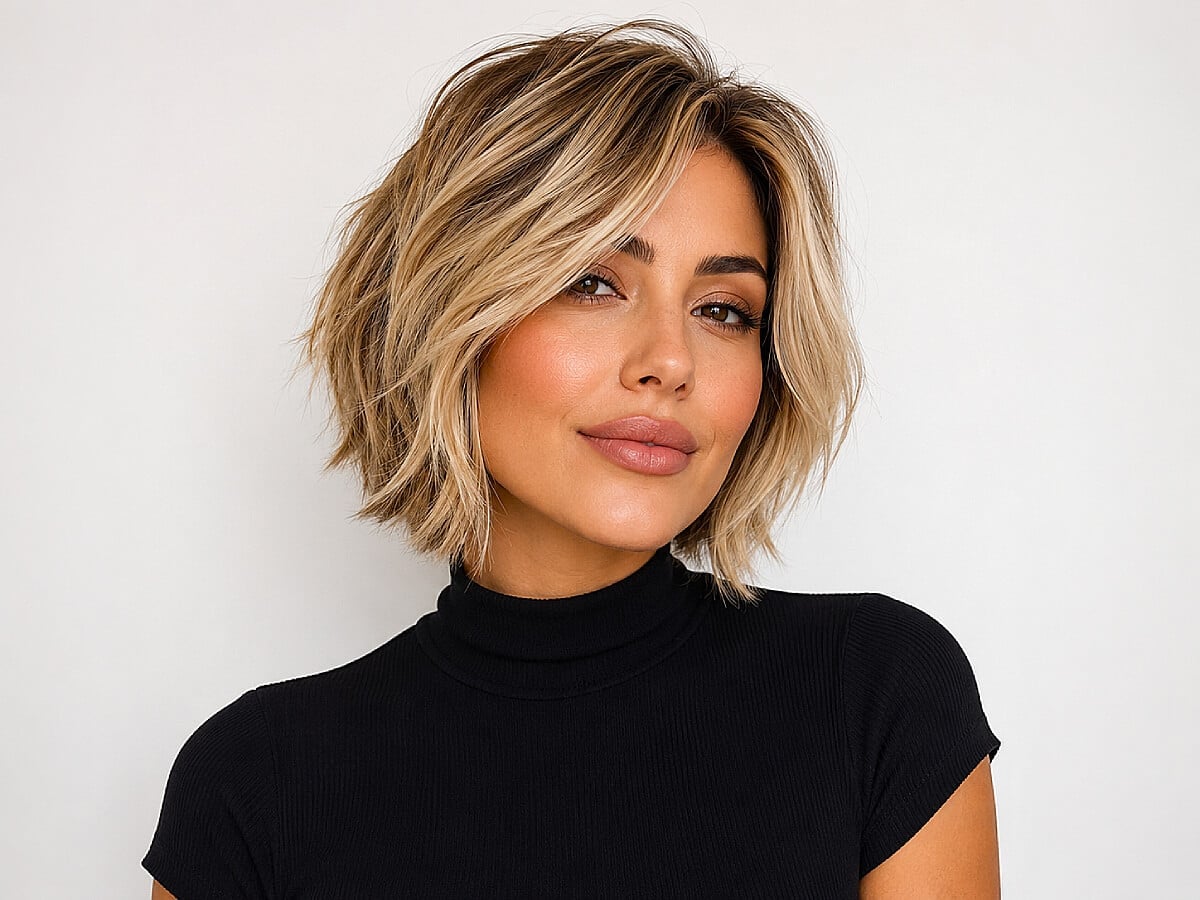
A textured collarbone bob with curtain bangs starts as a precise cut, then lives its best life slightly undone. The balayage highlights add dimension to the loose waves, and the middle part lets the face-framing pieces fall naturally.
This finish wears well because the layers soften over time rather than growing out awkwardly. Medium wavy hair at collarbone length suits oval, round, and heart faces. Ask your stylist for: collarbone textured bob, curtain bangs, natural waves. A sea salt spray and air drying or diffusing replace the blow dryer most days, and a trim every eight to ten weeks keeps the shape honest.
Collarbone Long Bob With Curtain Bangs, Dark Brown
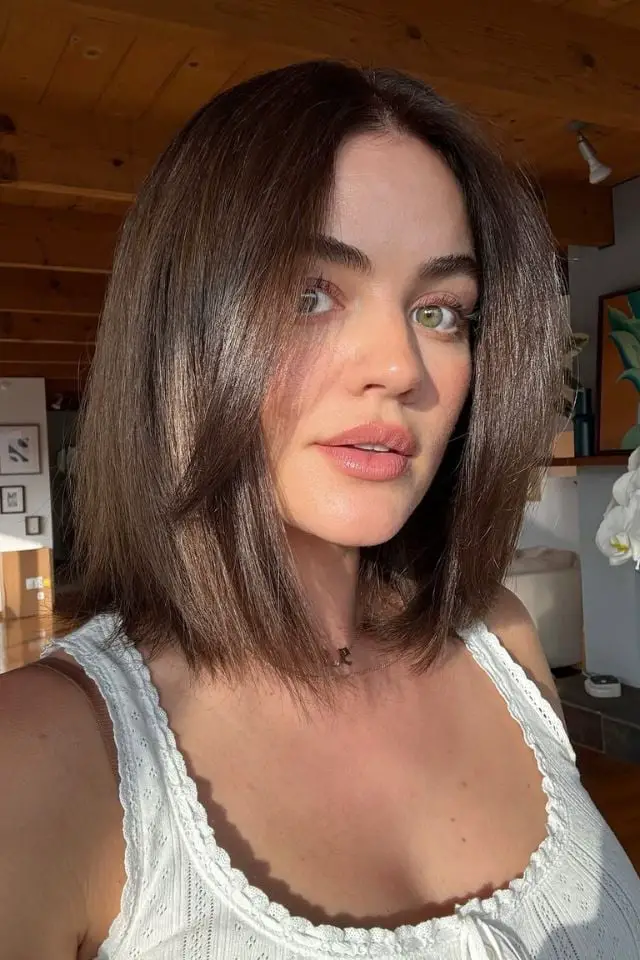
The smooth blowout and middle part show off the glossy finish, while the curtain bangs soften round and square faces. Fine straight hair carries this look with minimal effort. Ask your stylist for: collarbone long bob, curtain bangs, smooth blowout. Blow-dry the fringe with a round brush and trim the baseline every eight weeks.
Collarbone Lob With Subtle Layers and Balayage
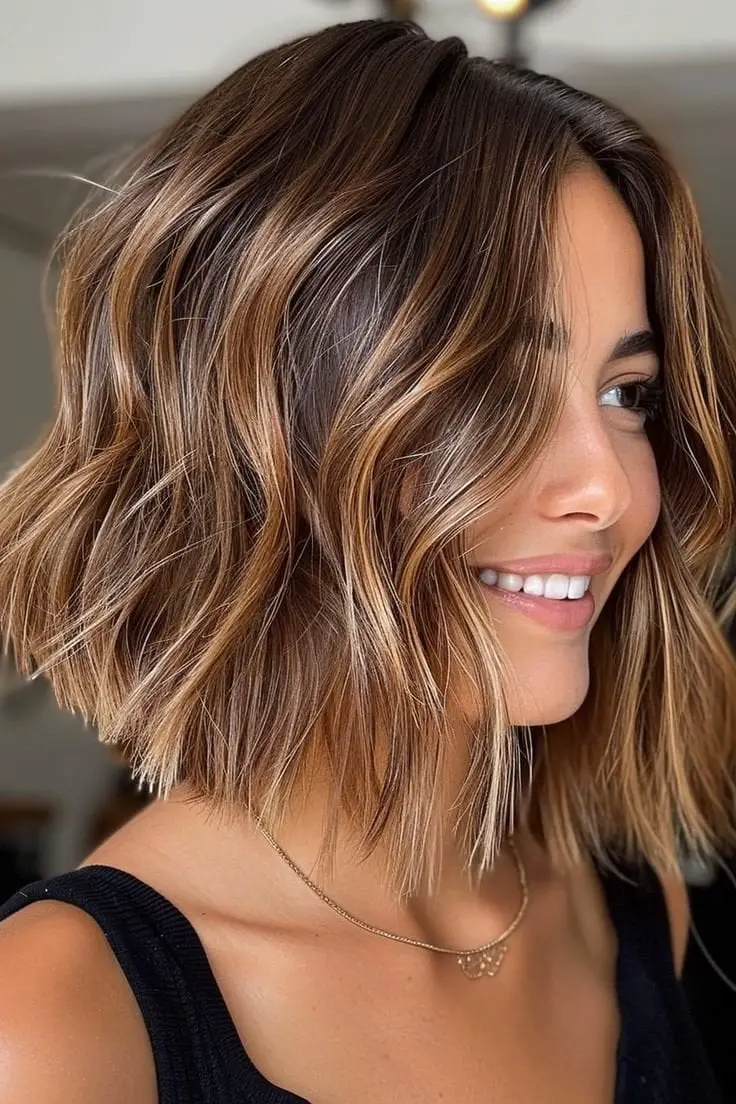
Balayage is the rare color technique that does its best work when you barely notice it. On a collarbone lob with subtle layers, the dark brown base and blended blonde highlights create dimension that moves with the hair instead of sitting on top of it. The middle parting and tousled, wavy texture keep the whole thing looking lived-in, which is the point.
Ask your stylist for: collarbone lob, subtle layers, balayage highlights, tousled waves. This cut suits medium wavy hair of collarbone length, where the layers add movement to thicker textures without removing too much weight. A wave-enhancing product and a quick scrunch are all the styling needs, and a trim every eight to ten weeks keeps both the layers and the baseline honest.
Collarbone Blunt Bob With Curtain Bangs, Wavy

If you are torn between the crispness of a blunt bob and the softness of curtain bangs, this collarbone version splits the difference. The blunt baseline gives structure while the soft, face-framing fringe takes the edge off, and the ash blonde base with lighter highlights adds depth without a full color commitment. Ask your stylist for: collarbone blunt bob, curtain bangs, loose waves. For medium wavy hair, low heat is enough to set the shape, but fine textures will need a round brush and some heat styling to keep the waves from falling flat. Maintenance is key: the blunt line and bangs both show their age quickly, so plan on a trim every six to eight weeks.
Collarbone Bob With Curtain Bangs and Blowout, Side
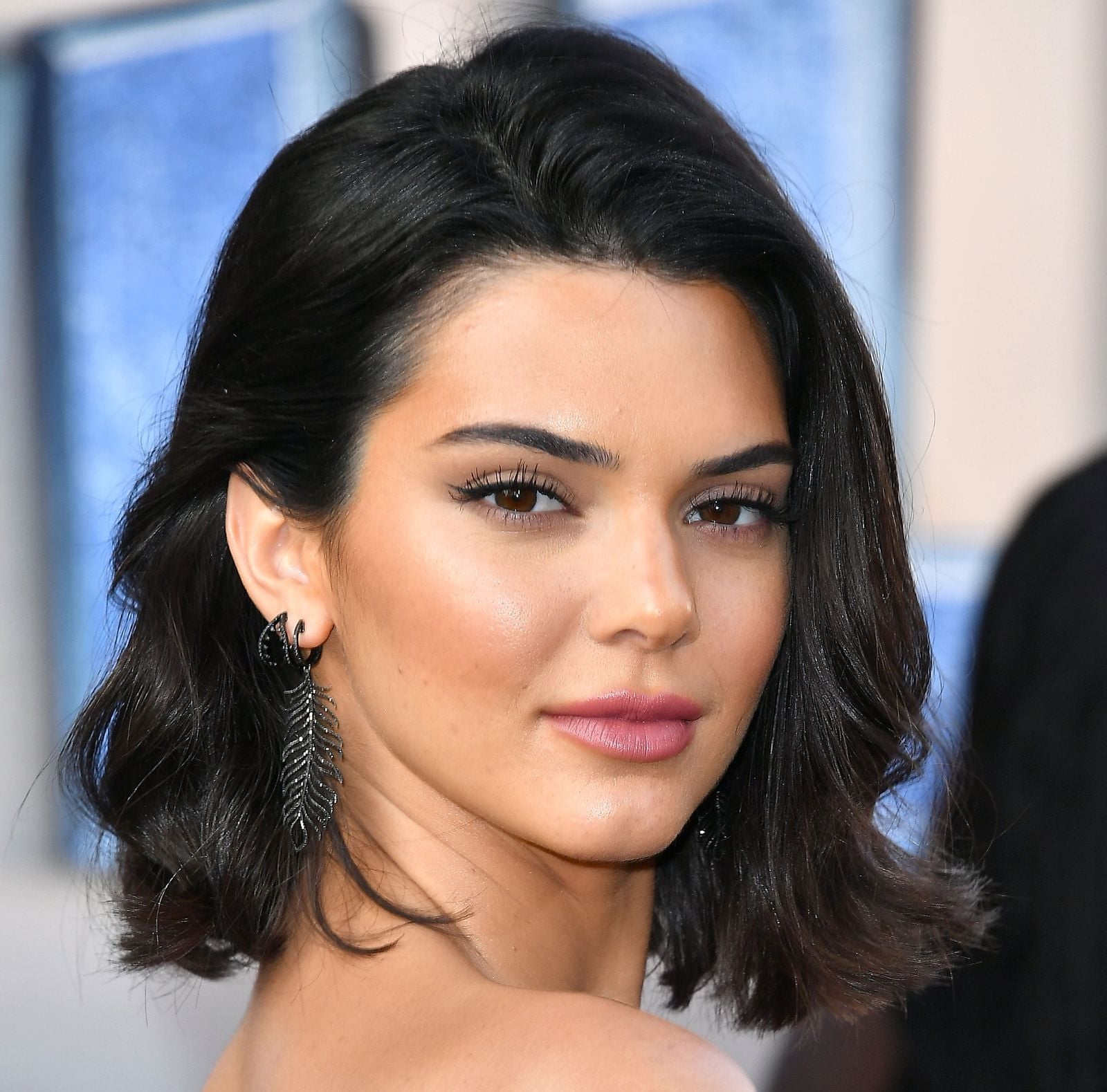
Can a side part and a pair of curtain bangs make a simple bob feel more deliberate? On this dark brown collarbone cut, yes. The smooth blowout adds polish, while the face-framing layers and side parting work together to soften round and square face shapes. Ask your stylist for: collarbone bob, curtain bangs, smooth blowout. Medium density wavy hair holds the shape best, and a round brush directing the fringe away from the face is the only styling skill required. The baseline needs a trim about every eight weeks.
Collarbone Bob With Voluminous Layers
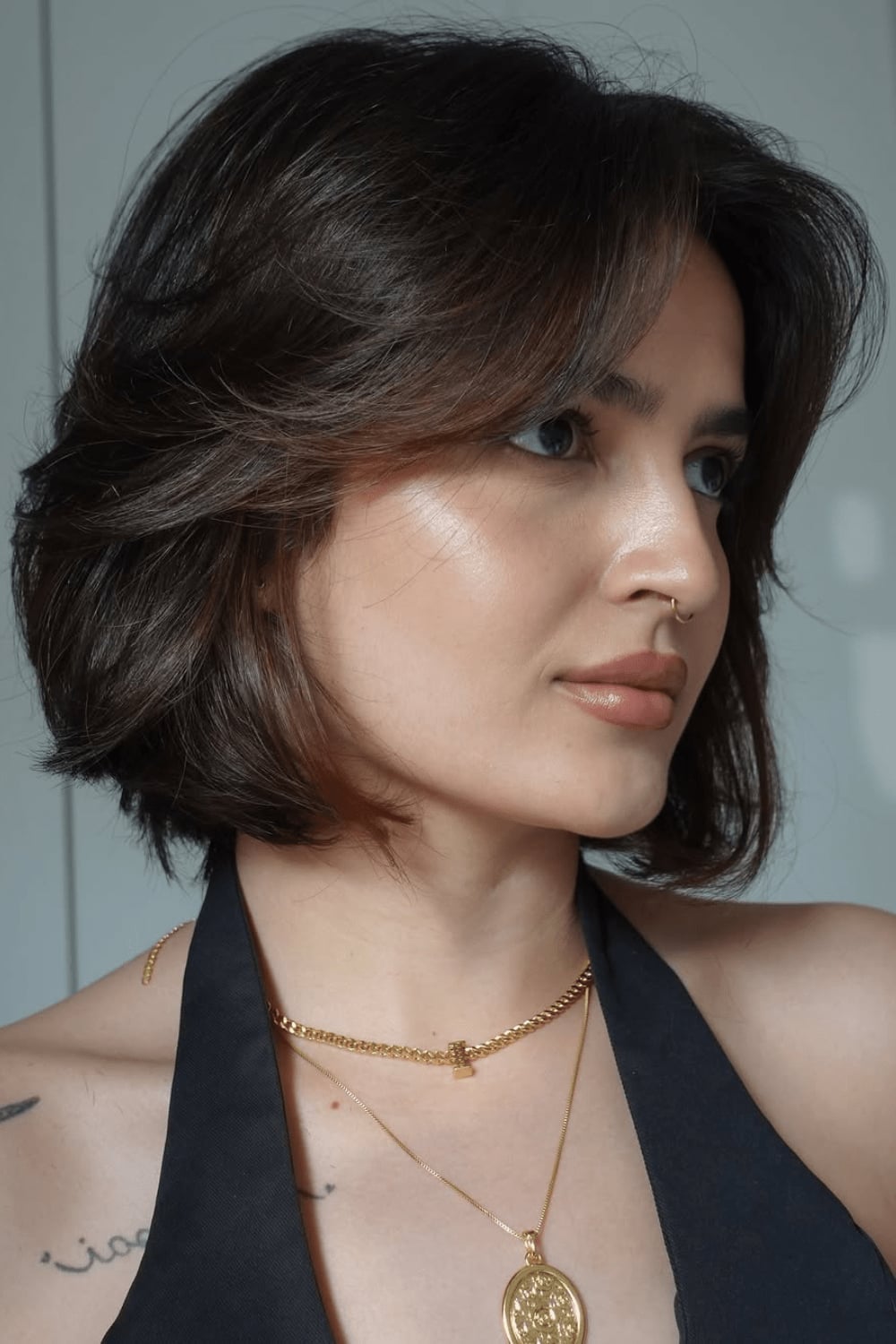
The difference between a flat bob and a full one often comes down to the words you use at the salon. Ask your stylist for: collarbone bob, voluminous layers, curtain bangs, side part. This cut stacks soft, voluminous layers through the back and sides, so thick wavy hair gains shape and lift instead of just weight. The dark brown base with subtle lighter highlights catches the movement, and the glossy, wavy blowout finishes the job. A volumizing mousse applied at the roots before blow-drying with a round brush keeps the lift going, but the layers themselves do the heavy lifting. Expect to refresh the shape every ten weeks.
Collarbone Lob With Curtain Bangs and Texture
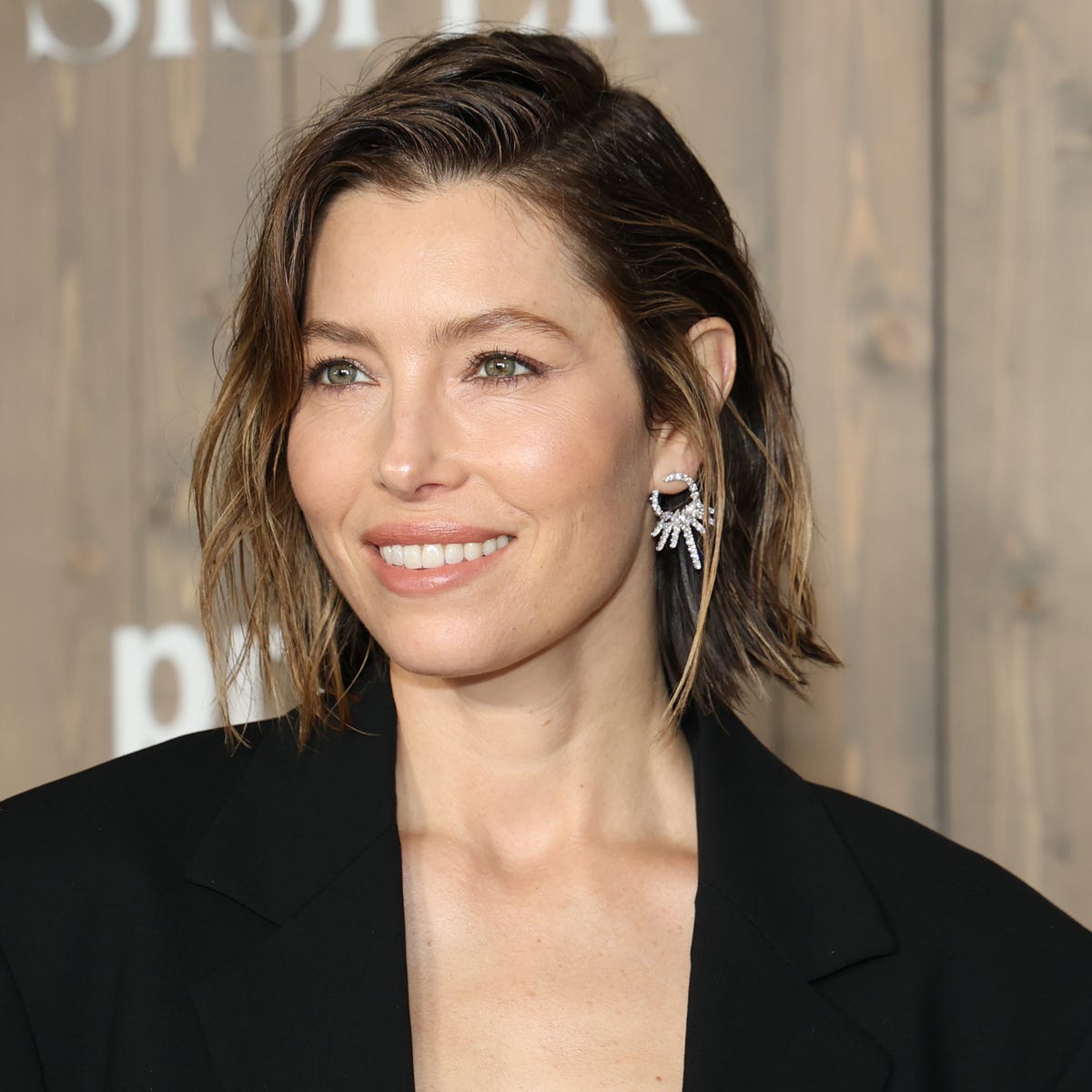
The lived-in look is popular for a reason, but it still requires regular upkeep. This collarbone lob with prominent curtain bangs and a wavy, textured finish reads as intentional, and the brown base with lighter blonde highlights stops it from going flat. Ask your stylist for: collarbone lob, textured waves, curtain bangs. Medium wavy hair with a middle parting wears this shape naturally, and curtain bangs soften round and heart face shapes. A texturizing paste worked through the ends and a quick scrunch are enough on most days. The caveat: textured layers lose their definition as they grow, so the baseline and bangs need a trim every eight weeks.
Collarbone Lob With Face-Framing Layers

A blunt bob announces itself; a lob with face-framing layers whispers. This collarbone-length cut keeps medium brown hair with subtle highlights in loose waves that fall from a middle part, and the layers are the point: they blend into the length rather than landing as a separate piece. The result suits oval, round, and square faces equally well, because the soft graduation at the jawline does the accommodating. Ask your stylist for: collarbone lob, face-framing layers, loose waves. A volumizing spray and a round brush blow-dry are all it takes to keep the shape, and a trim every ten weeks preserves the weightlessness.
Collarbone Wavy Hair With Layers and Root Shadow, Close-Up Take
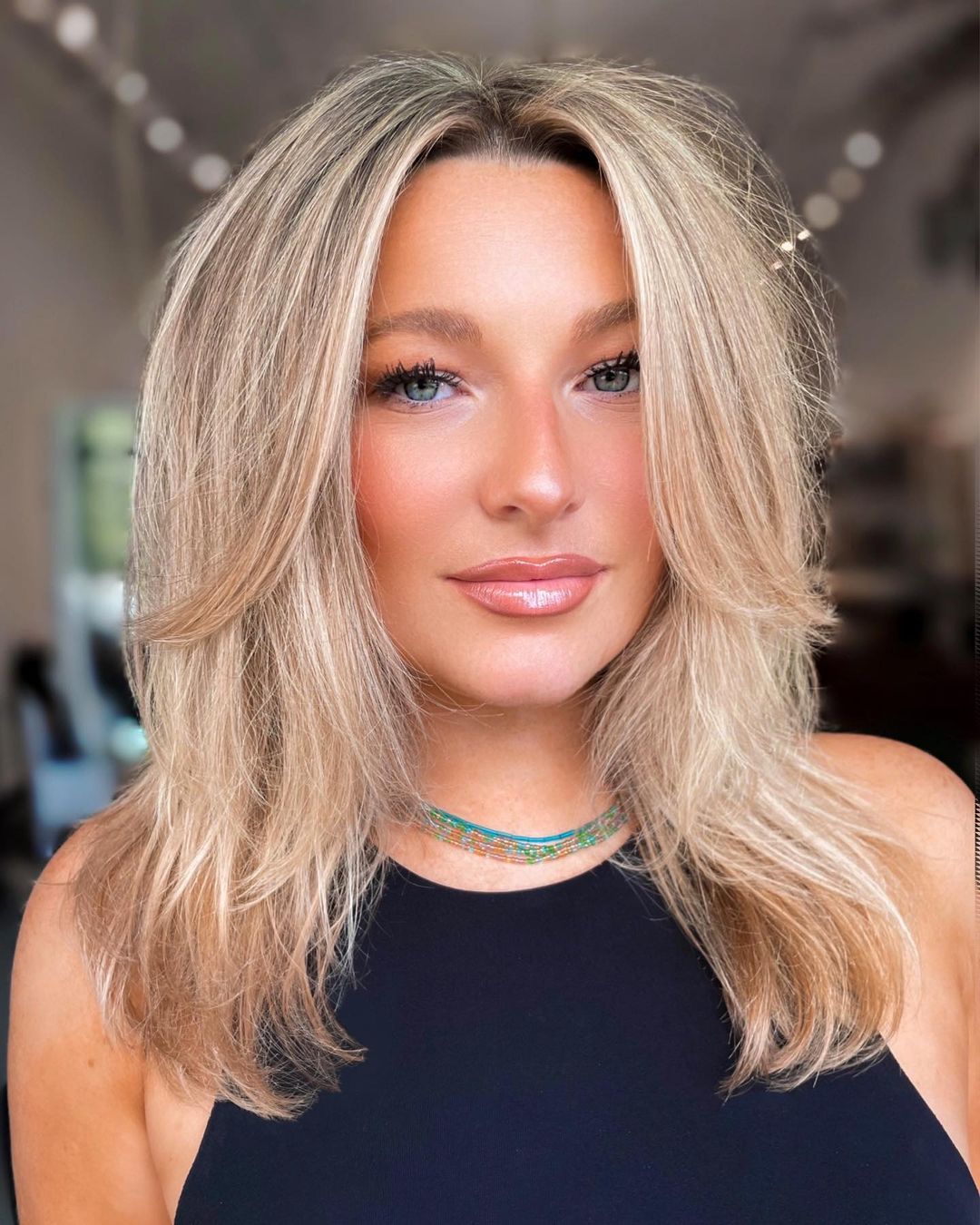
A root shadow is the quiet workhorse behind many blonde highlights. On this collarbone wavy haircut, the darker base at the roots melts into the lighter lengths, so the grow-out line never announces itself. The layers and curtain bangs give the thick waves room to move, and the middle part lets the face-framing pieces fall where they want. This suits thick wavy hair starting at the collarbone; the layers cut through the bulk so the shape holds its swing.
Ask your stylist for: collarbone wavy cut, layers, curtain bangs, root shadow. The root shadow is painted a shade or two deeper than your natural base, which buys you roughly eight weeks before the blend starts to look like a choice. Apply a smoothing cream and blow-dry with a diffuser to keep the wave pattern defined. Plan on a trim every eight to ten weeks so the layers keep their soft edges.
Shoulder-Length Shag With Curtain Bangs
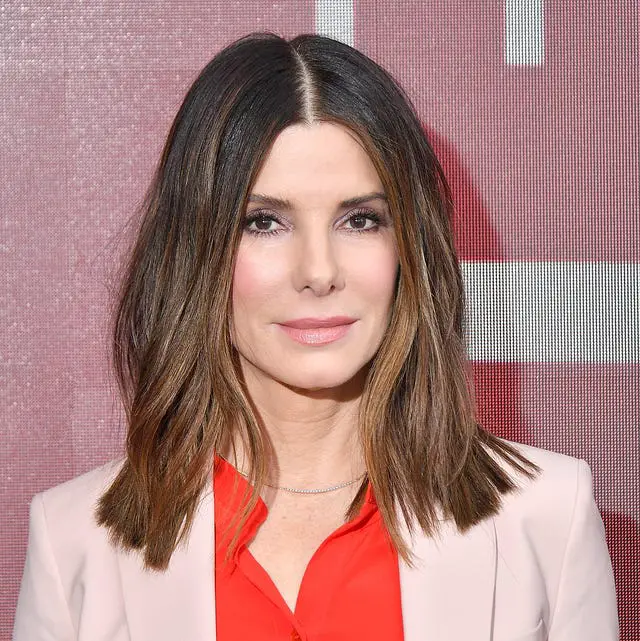
A shag promises movement, but those numerous layers can make fine hair read as thinner if they are not placed strategically. This shoulder-length version uses dark blonde highlights against a medium-density wavy base, with curtain bangs and face-framing layers that part on the side. It works best on hair with some natural wave or texture to catch the layering. Ask your stylist for: shoulder-length shag, curtain bangs, face-framing layers. This is a salon cut, not a kitchen-scissors project, and the bangs will need a refresh every three weeks to keep them out of your eyes.
Angled Bob With Balayage and Curtain Bangs
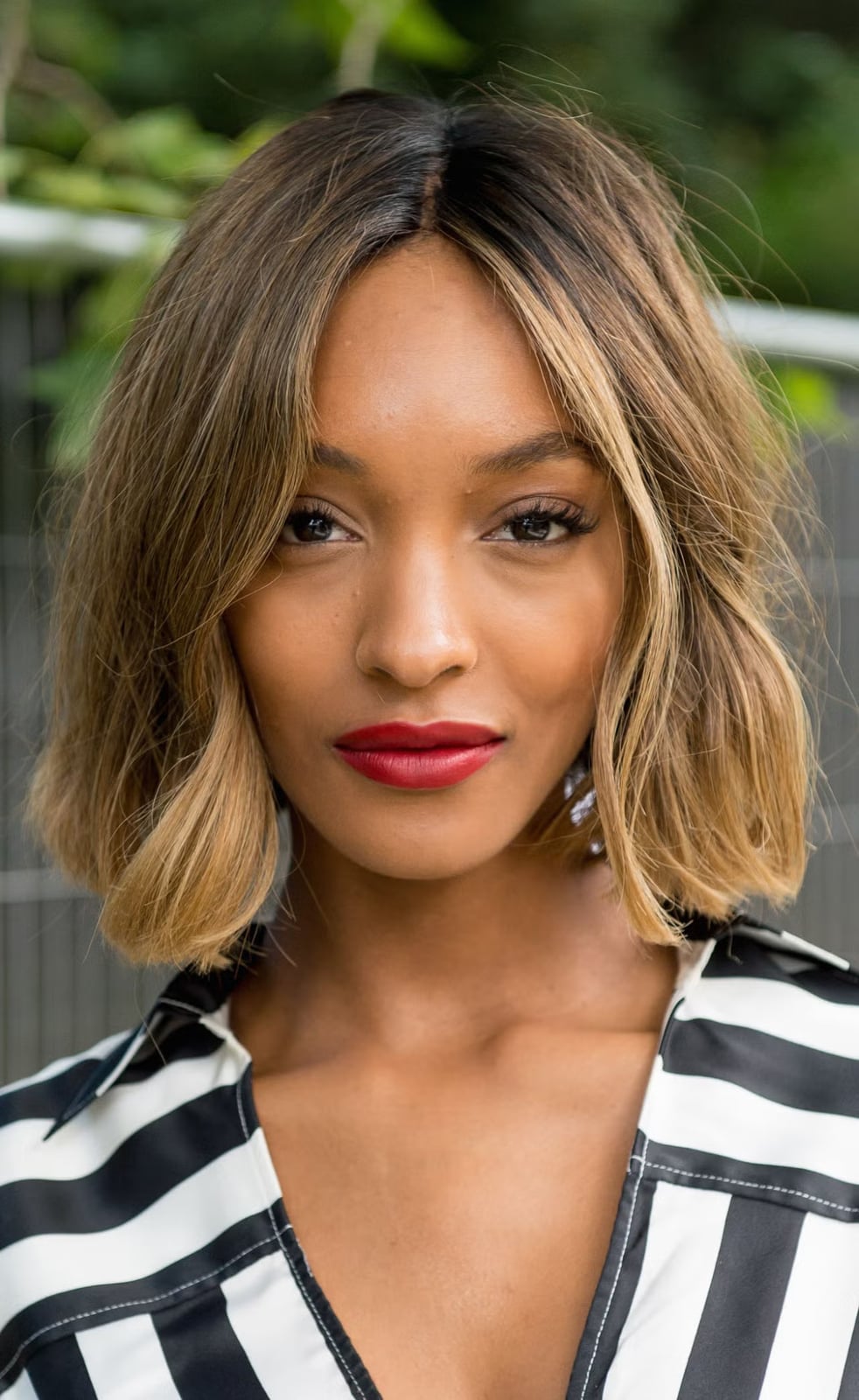
Does an angled bob work on a round face? It can, because the longer front pieces and collarbone length pull the eye downward, while the balayage highlights add dimension that breaks up the width. This cut is dark blonde with lighter blonde ribbons woven through the wave pattern, styled with a side part and soft curtain bangs. Oval and square faces also take well to the asymmetry. Ask your stylist for: angled bob, balayage, curtain bangs, side part. Use a wave-enhancing product and diffuse to keep the bend, and plan a baseline trim every eight weeks.
Collarbone Shag With Full Bangs and Highlights
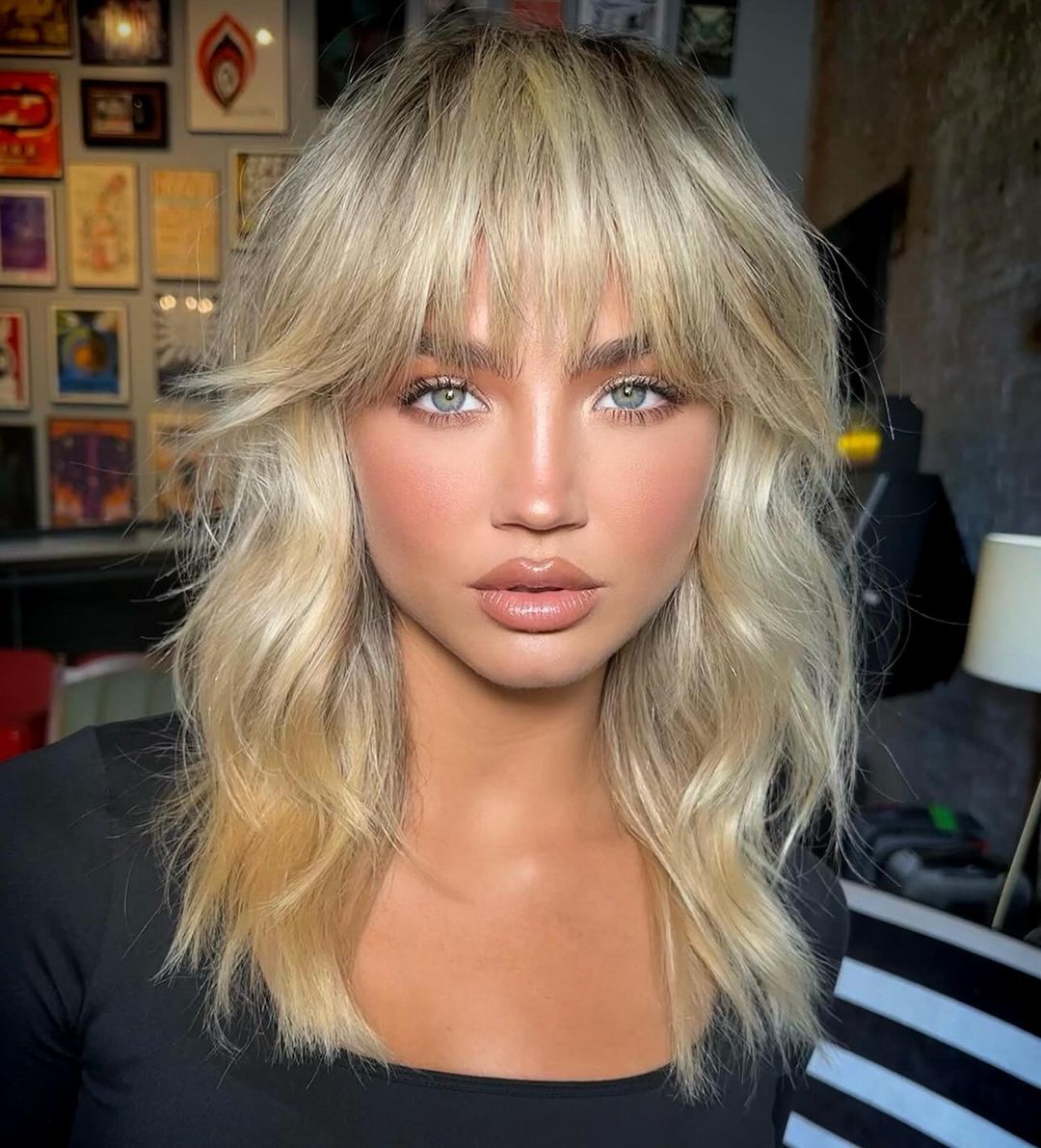
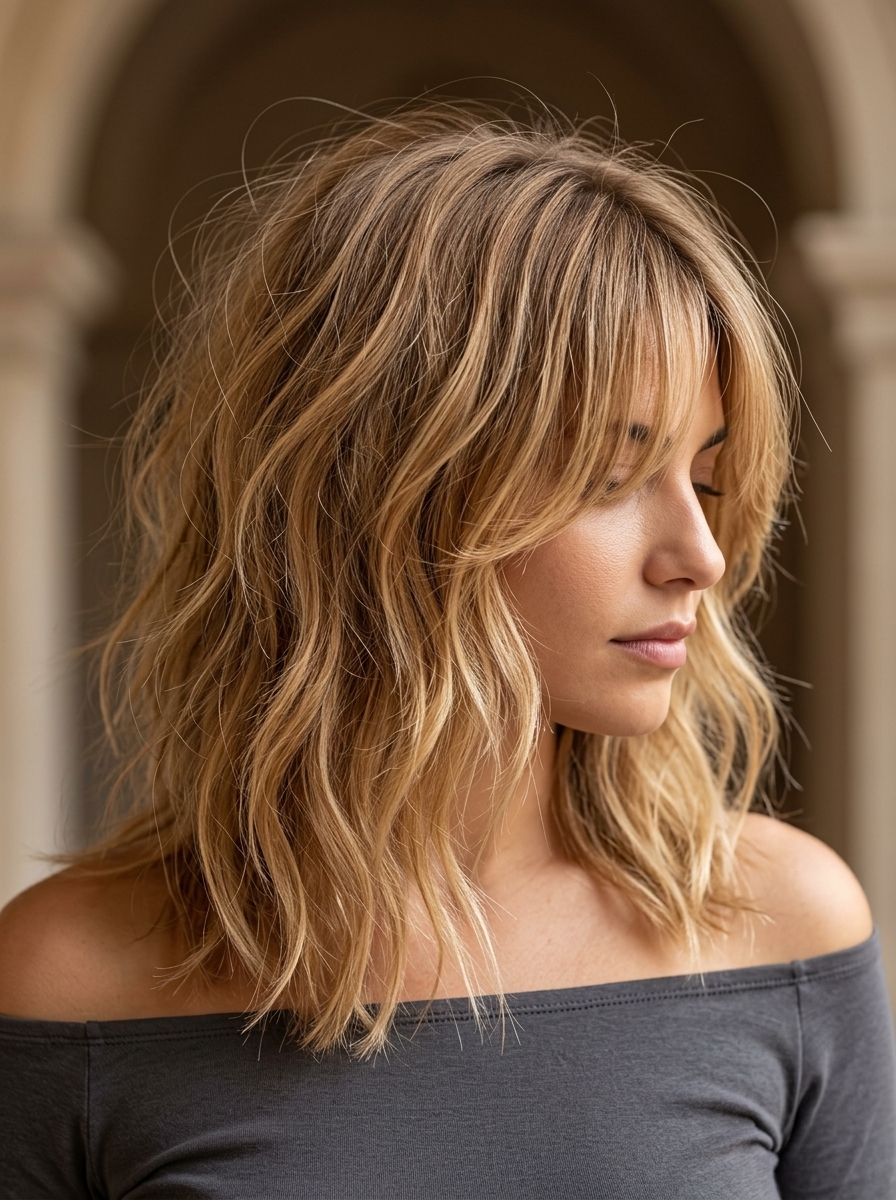
A full fringe is a commitment, but a slightly feathered one avoids the blunt line that makes some people regret it by lunch. This collarbone shag uses a middle part, blonde highlights, and textured wavy layers that give the cut its shape. The full bangs land just above the brows, and the layers keep the weight off the collarbone. Ask your stylist for: collarbone shag, full bangs, textured layers. Those bangs will need a trim every three to four weeks, and a texturizing spray is your best friend for reviving the wave between washes.
If you air dry, the shag layers will do the work; if you diffuse, you get more volume at the crown.
Shoulder-Length Bob With Choppy Ends

This shoulder-length bob relies on choppy, textured ends and curtain bangs to keep the shape from looking like a uniform blob. It works best on medium wavy hair that already has some movement; very fine hair may not hold the separation long enough to justify the cut. Ask your stylist for: shoulder-length bob, choppy textured ends, curtain bangs. A texturizing paste applied to dry hair defines the ends, but those ends lose their shape fast. Plan on a trim every eight to ten weeks to keep the choppy effect from turning into raggedy. The loose waves and middle part keep the overall feel relaxed rather than severe.
Collarbone Long Bob With Balayage
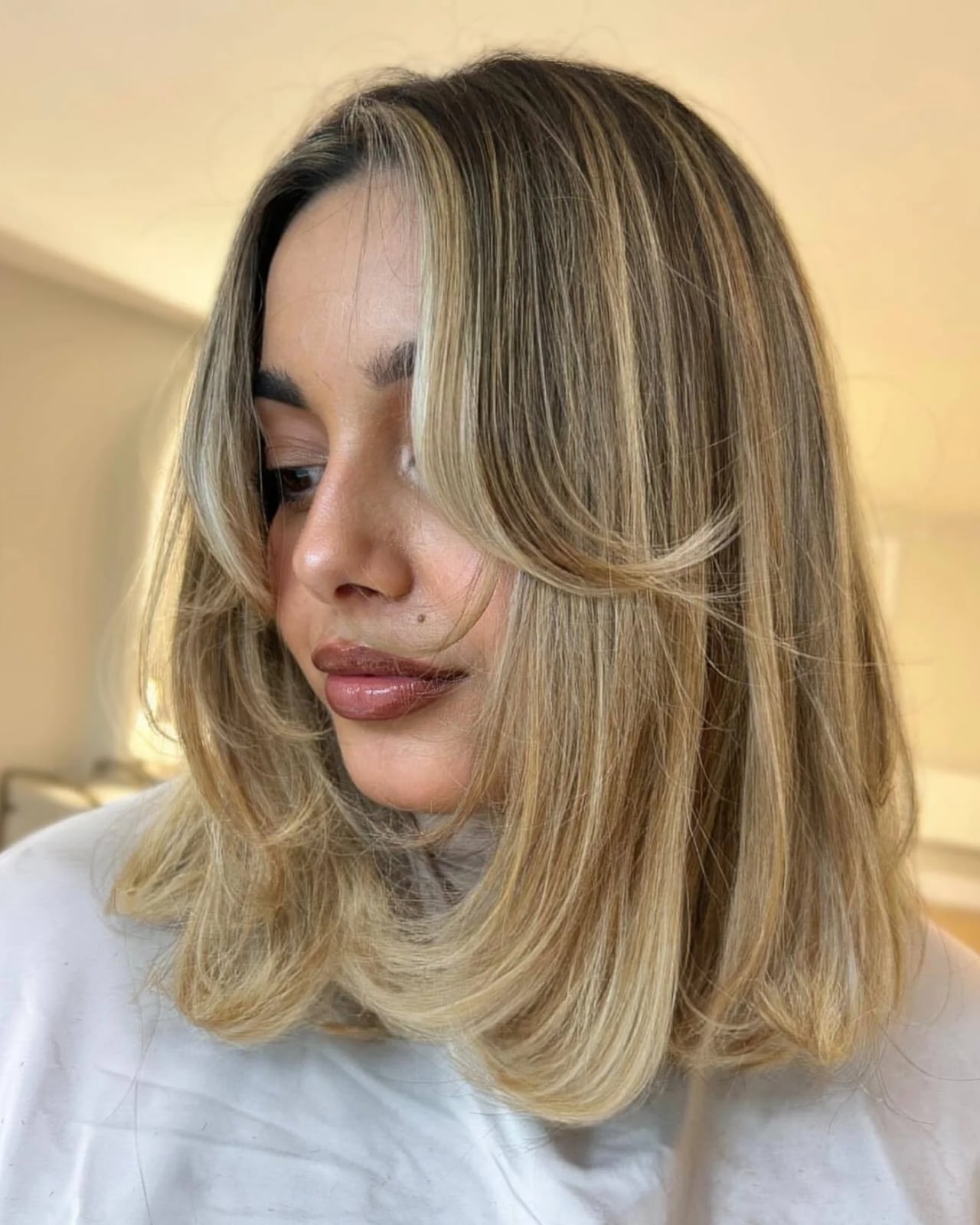
A collarbone long bob with blonde balayage and face-framing layers is a reliable choice for warmer months. The balayage technique paints light pieces onto the surface of the hair, so the grow-out is gradual rather than a solid line. Medium wavy hair of collarbone length suits this cut well; the layers soften the shape, and the curtain bangs add a gentle frame. Ask your stylist for: collarbone long bob, blonde balayage, face-framing layers, curtain bangs. A round brush blowout creates the soft bend in the ends. The balayage means you can push the salon visit to ten or twelve weeks without a harsh root line.
Mid-Back Hair With Full Bangs and Balayage

The technique behind this look is straightforward. Balayage is hand-painted onto the surface of the hair, starting a few inches from the root, which creates a sun-kissed gradient against the dark brown base. It works on thick, straight hair of mid-back length; the full bangs require a bit of commitment since they sit above the brow. Ask your stylist for: mid-back length hair, full bangs, balayage. The balayage placement follows the long layers, so the light pieces catch at different heights as the hair moves. A smoothing serum controls flyaways, and the air-dried finish keeps the texture low maintenance.
Full bangs need a trim every three to four weeks. The balayage itself will hold its shape for about three months before the lightness fades noticeably.
Short Layered Bob With Side-Swept Fringe
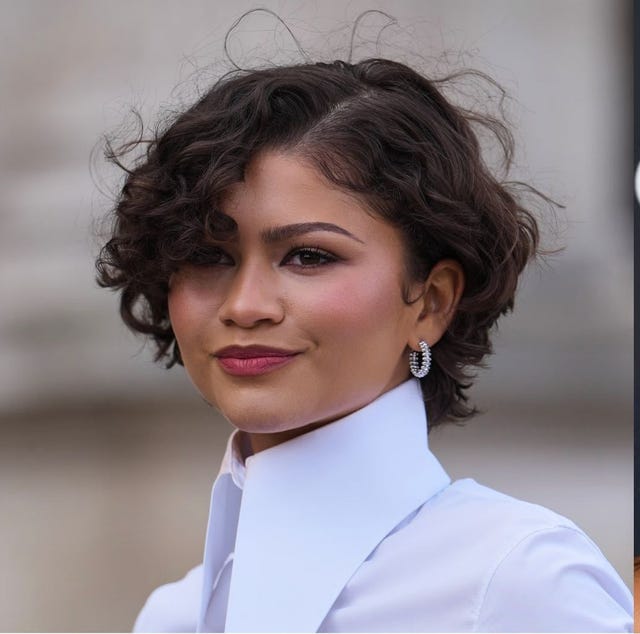
This short layered bob is the more forgiving cousin of a blunt ear-length cut. The side-swept fringe and wavy texture soften the edges, which helps create a less severe line around the jaw. Thick wavy hair is ideal here, but the density often needs to be thinned out during the cut to achieve that air-dried finish. Ask your stylist for: short layered bob, side-swept fringe, air-dried finish. A stylist is necessary for this haircut; it is not a DIY trim scenario. One real drawback: if your waves are uneven, the layers can look disconnected.
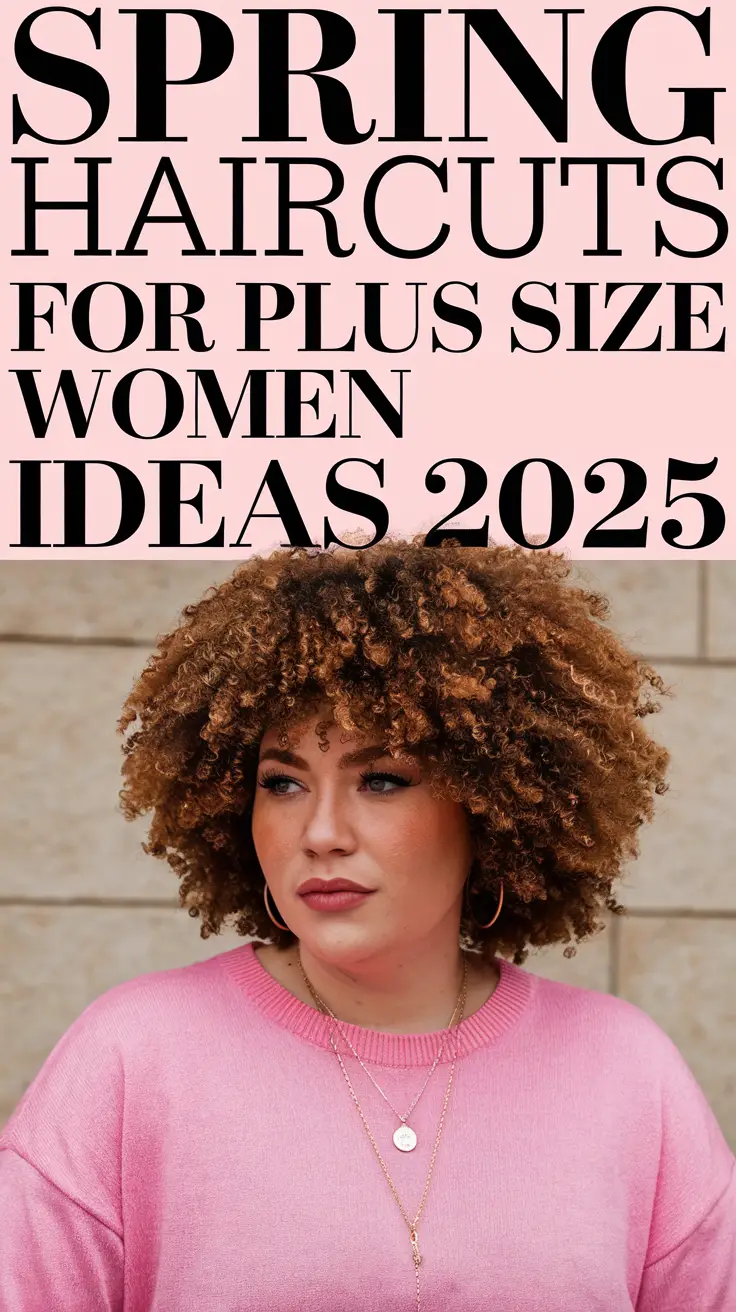
Short Layered Cut With Defined Curls
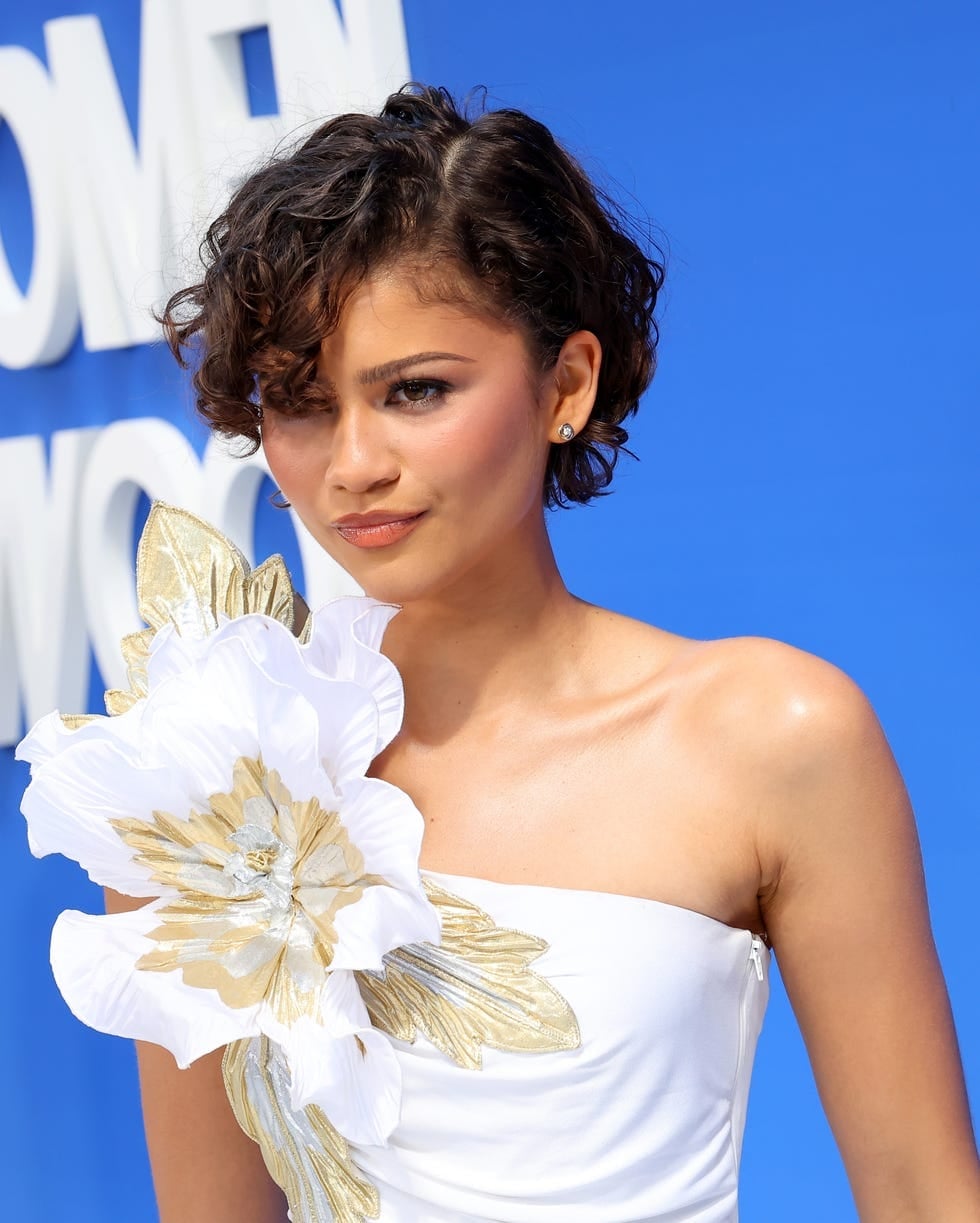
Does fine curly hair hold a shape? It can, with the right layers. A short layered cut with short bangs gives fine curls enough lift at the root to avoid looking flattened. The ear length keeps the curl pattern compact, so the volume reads as fullness rather than frizz. Ask your stylist for: short curly cut, short bangs, defined curls. A curl-defining cream applied to wet hair encourages the spiral shape, and air drying or diffusing on low heat sets it. The layers reduce bulk without removing the curl, and the short bangs frame the face without overwhelming it.
Textured Pixie Cut With Side-Swept Bangs
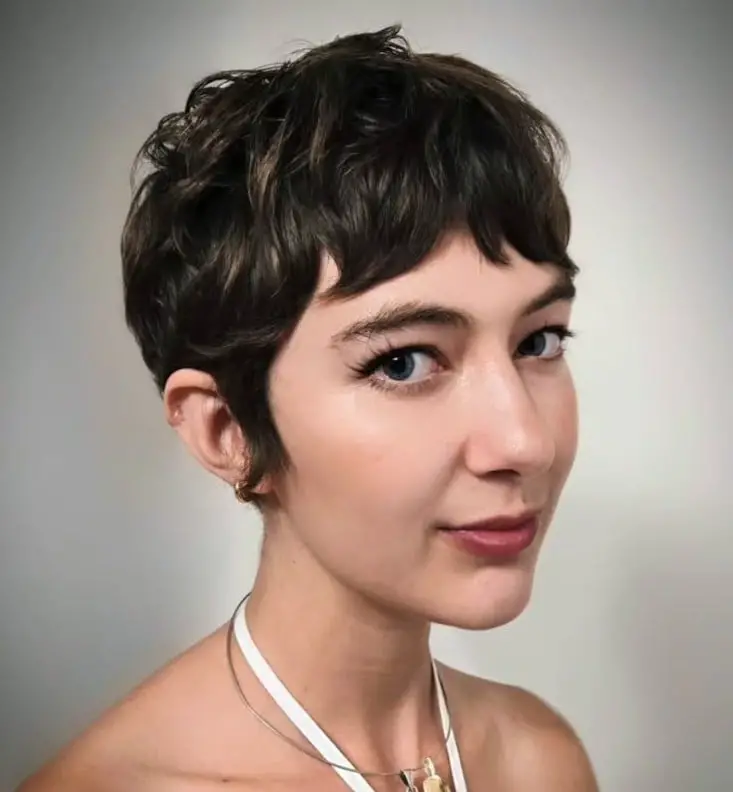
The genius of this pixie is in the contrast: thick, wavy texture on top with a side-swept fringe that keeps things from feeling too severe. The ear-length cut with dark brown highlights gives the waves something to catch, so the shape looks deliberately tousled, not just messy. It suits thick wavy hair that already starts around the ear, since the textured layers give the cut its architecture. Ask your stylist for: textured pixie cut, side-swept bangs. A texturizing paste worked through with your fingers is all the styling this needs, but plan on a trim every four to six weeks to keep the shape honest.
The side parting sweeps the fringe across the forehead while the shorter back stays close. For anyone with fine hair, the density of those natural waves is what makes this work, so skip it if your texture is on the straighter side.
Pixie Bob With Textured Curtain Bangs, Ear
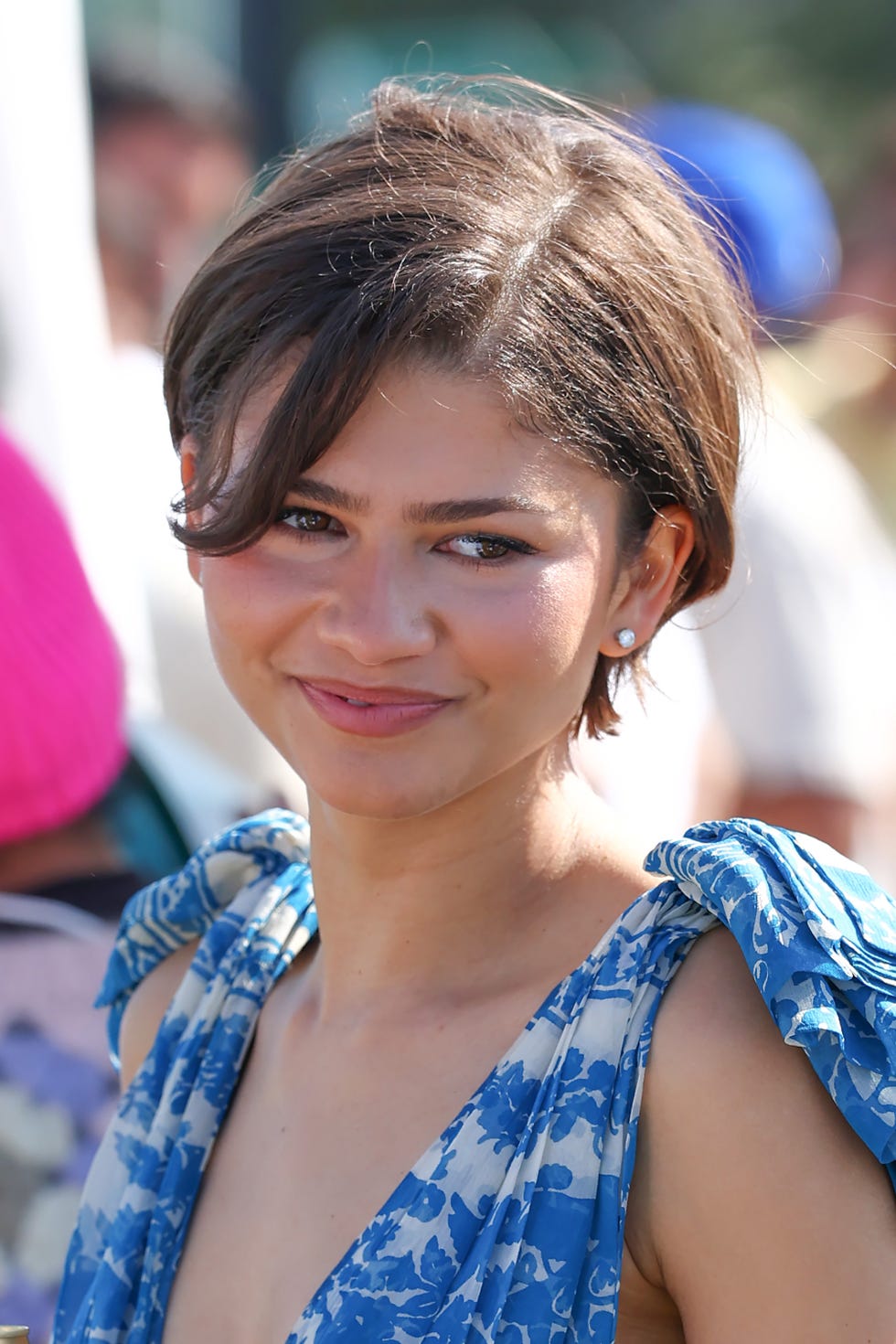
A pixie bob with textured curtain bangs is a lesson in low-maintenance engineering, especially when the hair is fine and straight. The ear-length cut with a side parting lets those face-framing pieces blend into the short back, so the shape holds its softness even as it grows out. Ask your stylist for: pixie bob, textured curtain bangs, air-dried finish. To air dry fine hair without frizz, you will need a texturizing spray applied to damp strands, then leave it alone. The bangs will need a trim every three to four weeks, since they are the one part that shows its age first.
Chin-Length Asymmetrical Bob
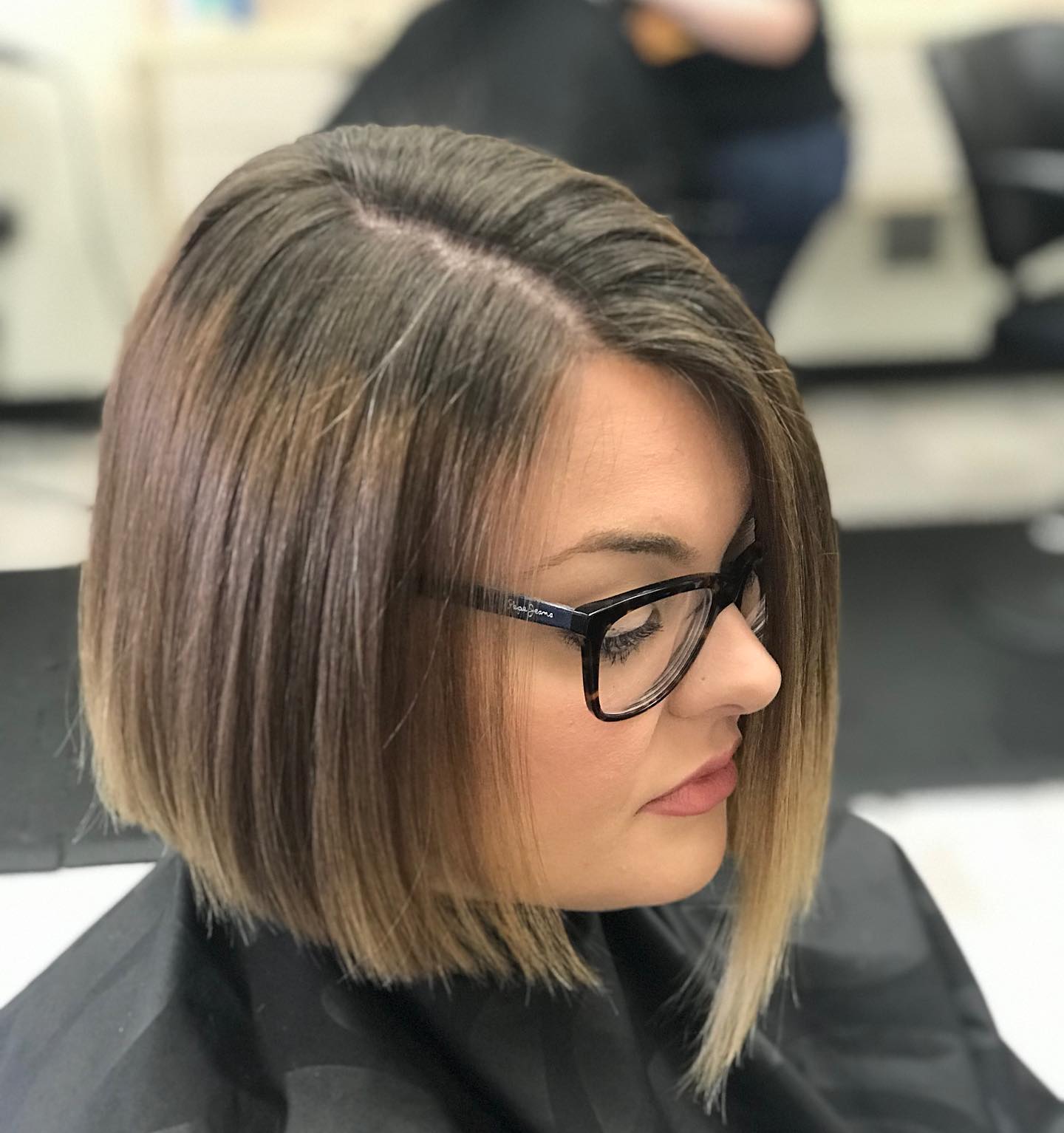
An asymmetrical chin-length bob is the less predictable cousin of the even bob, and it earns its keep on fine hair that needs a little drama. The side parting and straight blowout emphasize the offset line, while the brown base with blonde balayage adds depth without calling attention to the asymmetry. Ask your stylist for: chin-length asymmetrical bob, side part, smooth blowout. It flatters oval and square faces by breaking up the jawline with that angled perimeter. A flat iron keeps the finish sleek, and the asymmetrical line needs a trim every six to eight weeks or the whole point gets lost.
Short Pixie Bob With Defined Curls
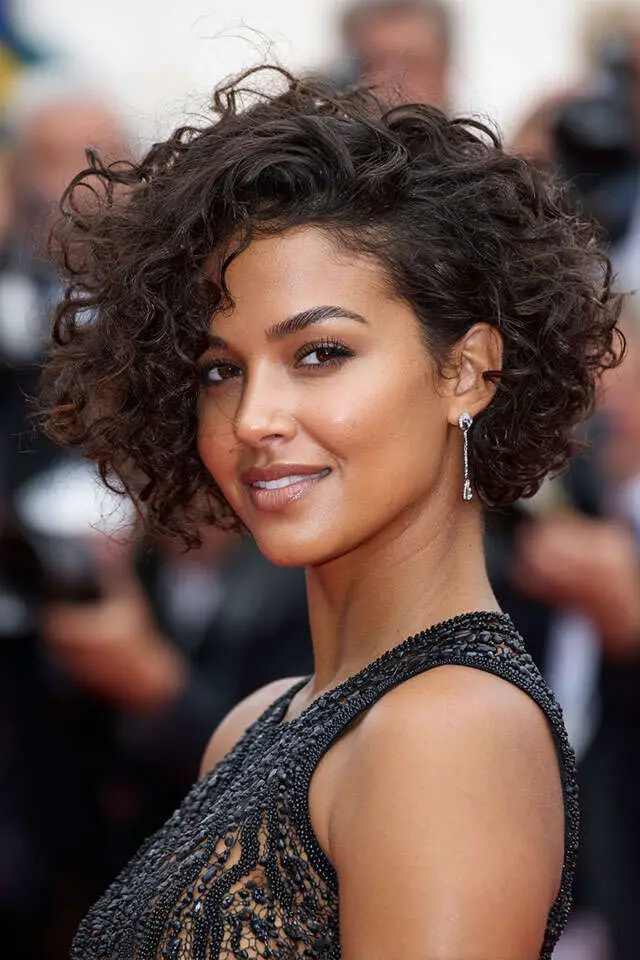
Defined curls on a short pixie bob come down to technique, not luck. The ear-length cut with side-swept bangs is built to show off thick, curly texture, with the side parting creating a soft drape across the forehead. Ask your stylist for: short pixie bob, defined curls, side-swept bangs. To get that definition, work a curl-defining cream through damp hair and scrunch upward, then let it dry without touching it. The payoff is a shape that looks assembled rather than accidental. Curls and bangs both need a trim every six to eight weeks, since curl shrinkage can make the cut feel heavier than it is.
The side view is where this cut earns its keep, showing how the shorter back balances the volume on top. For anyone with looser waves, the density of these curls is what gives the silhouette its weight.
Short Black Pixie With Textured Bangs
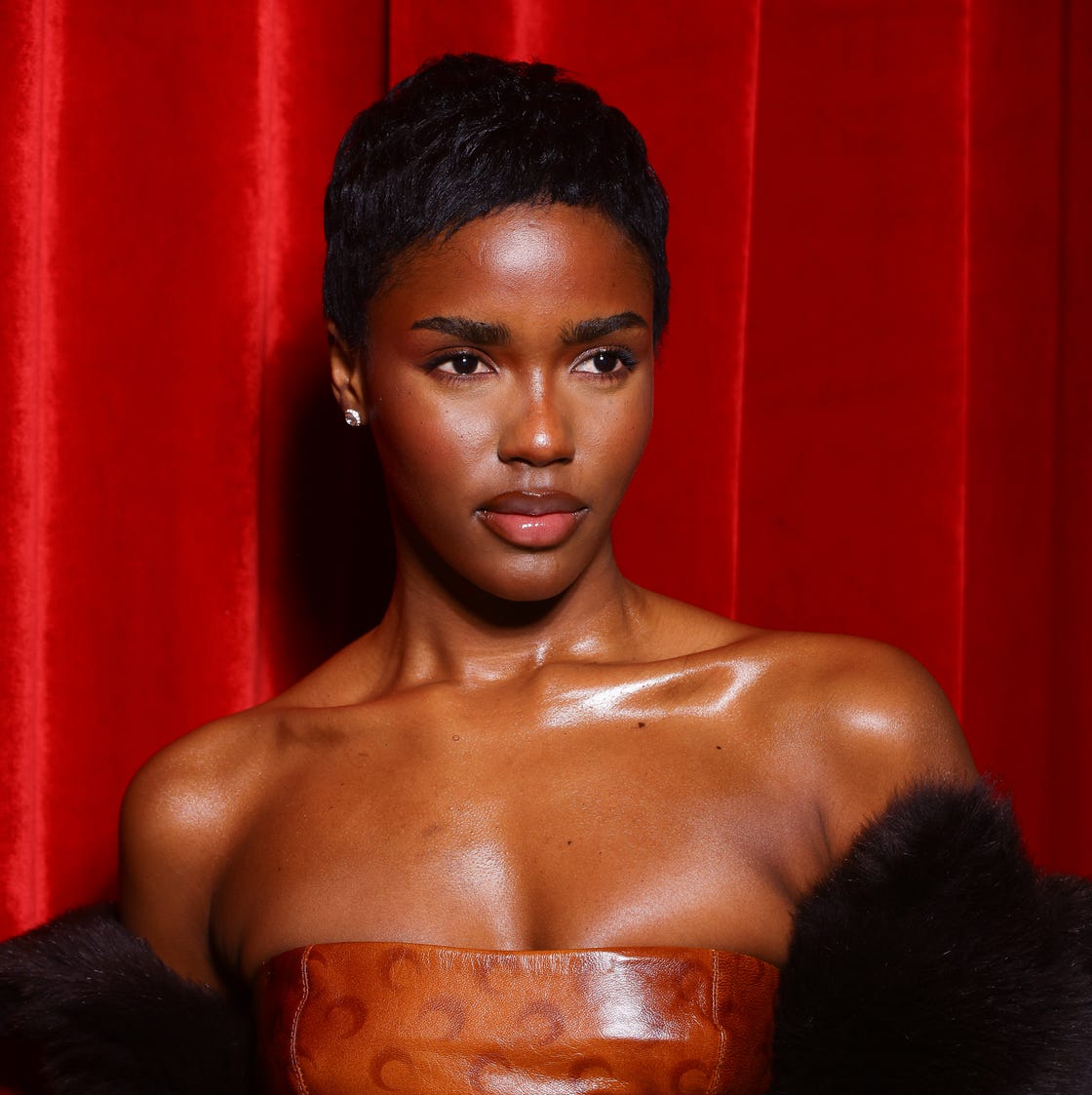
A short black pixie with textured bangs is a clean, graphic choice, but it is not for everyone. The ear-length cut with fine, straight texture relies on those short bangs styled to the side to give the shape its edge. Ask your stylist for: short pixie cut, textured short bangs, side part. Fine hair needs a strong-hold texturizing paste to keep the top section from falling flat, and even then it may not hold the shape all day. This is strictly a salon cut, since the precise lines are unforgiving if you try to maintain them yourself. Plan for a trim every four to six weeks to keep the lines sharp.
Chin-Length Bob With Sweeping Side Bang
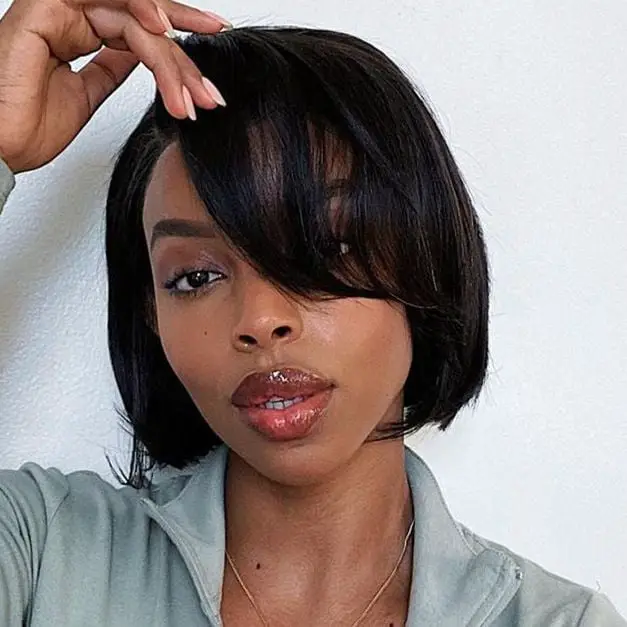
Does a strong jawline need a soft haircut? A chin-length bob with a deep side part and one long, sweeping side bang is one way to find out. The thick black hair is cut to a blunt baseline, and the bang crosses the forehead without hiding the face. Ask your stylist for: chin-length bob, deep side part, long sweeping side bang. The asymmetry draws the eye across rather than down, which balances square or oval faces without adding bulk at the jaw.
Short Pixie With Finger Wave Styling
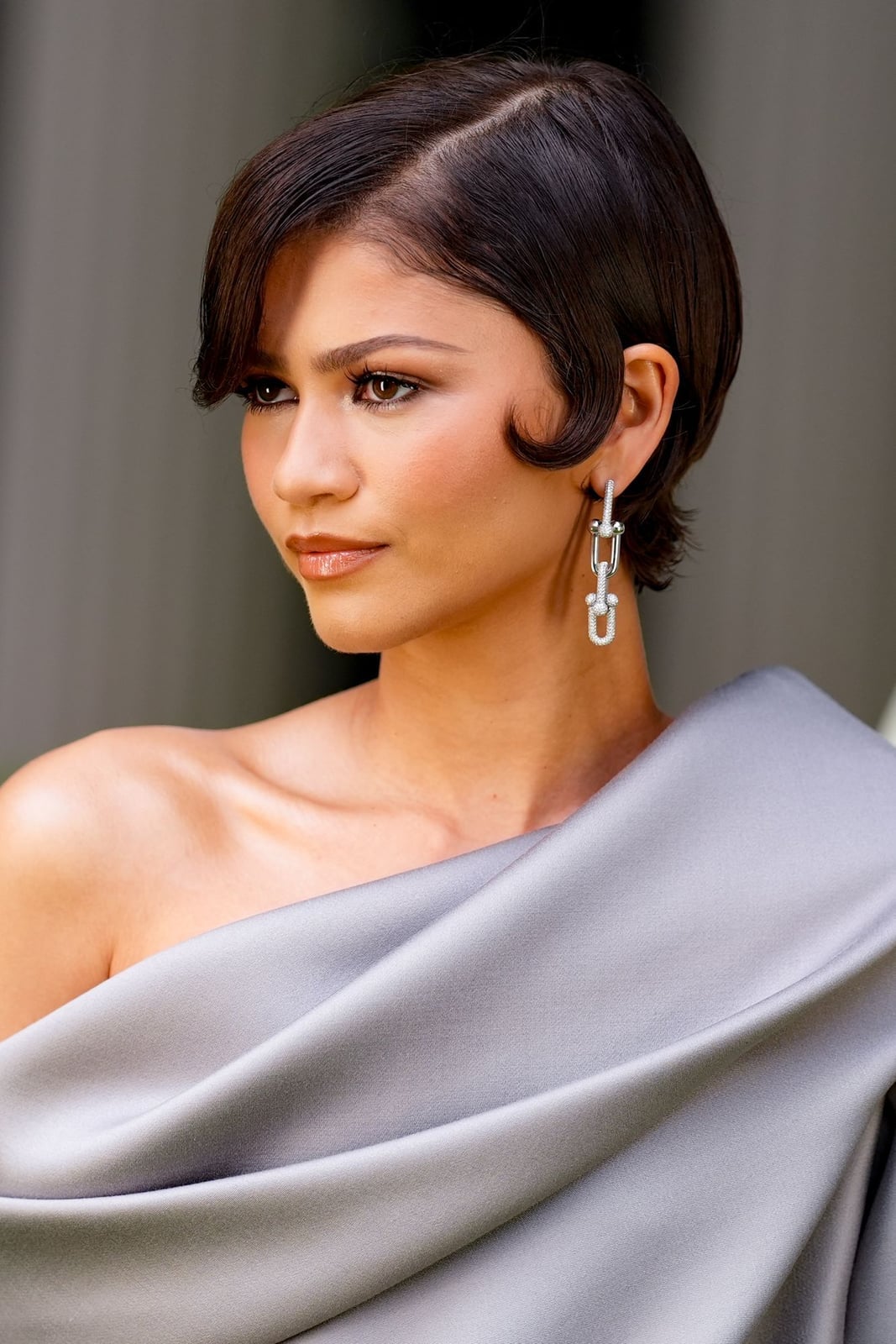
A short pixie cut that ends around the ear leaves little room for guesswork. The side-swept fringe here is shaped into finger waves, which means the stylist built the layers to hold that sculpted curve. Ask your stylist for: short pixie, side-swept fringe, finger wave styling. The fine dark brown hair takes the wave without fighting it, and a side part gives the shape its vintage anchor. This is a cut that depends on precise layering more than length.
At home, finger waves require a strong-hold gel and a fine-tooth comb to reset the curve after each wash. The pixie itself needs a trim every four to six weeks to keep the fringe and nape clean enough for the wave pattern to read clearly.
Chin-Length Bob With Vintage Waves
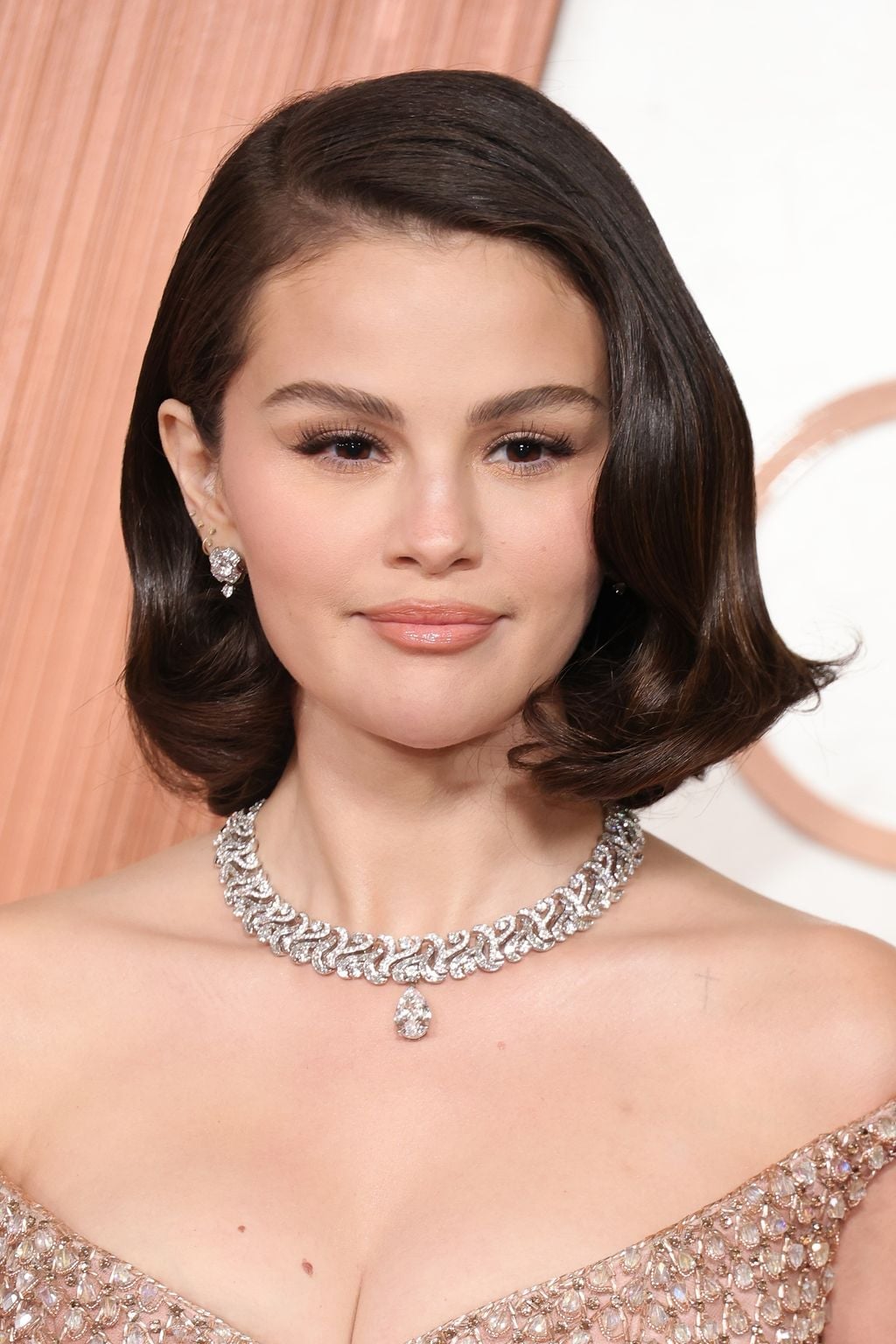
A chin-length bob is already a clean shape. Adding deep vintage waves means every strand must cooperate. The fine dark brown hair here is cut to a blunt chin line with a side part, and the waves are set with enough hold to keep the S-curve intact through a full day. Ask your stylist for: chin-length bob, deep vintage waves, side part. Styling takes a strong-hold hairspray and a comb to redraw the wave pattern after each wash. The baseline needs a trim every six to eight weeks so the bend does not wander past the ends.
Final Thoughts
For fine hair, a blunt baseline with minimal layers keeps the cut looking full. For thick hair, subtle internal texturizing removes weight without changing the outer shape. Simple haircuts are the foundation of a reliable, low-fuss routine.
- Trim blunt bobs every six to eight weeks to maintain the sharp line.
- Layered cuts may require trims every eight to ten weeks as layers grow out.
- For styles with bangs, plan for trims every three to four weeks to keep them out of the eyes.
- Use a heat protectant spray before any heat styling to safeguard hair health.
- Consider a deep conditioning treatment weekly for enhanced shine and manageability.