
Understanding your hair’s natural texture is the first step to a cut that works with it, not against it. The shift toward soft face-framing layers and lived-in color means your chart category now dictates more than just product choices.
This Simple Hair Types Chart covers 29 ideas across the spectrum, from blunt bobs for fine straight hair to voluminous curls that need strategic layering. It is built for anyone tired of a cut that falls flat by noon or a fringe that refuses to cooperate. Each option comes with a clear ask-for line and an honest upkeep note.
Hair Type Categories Chart
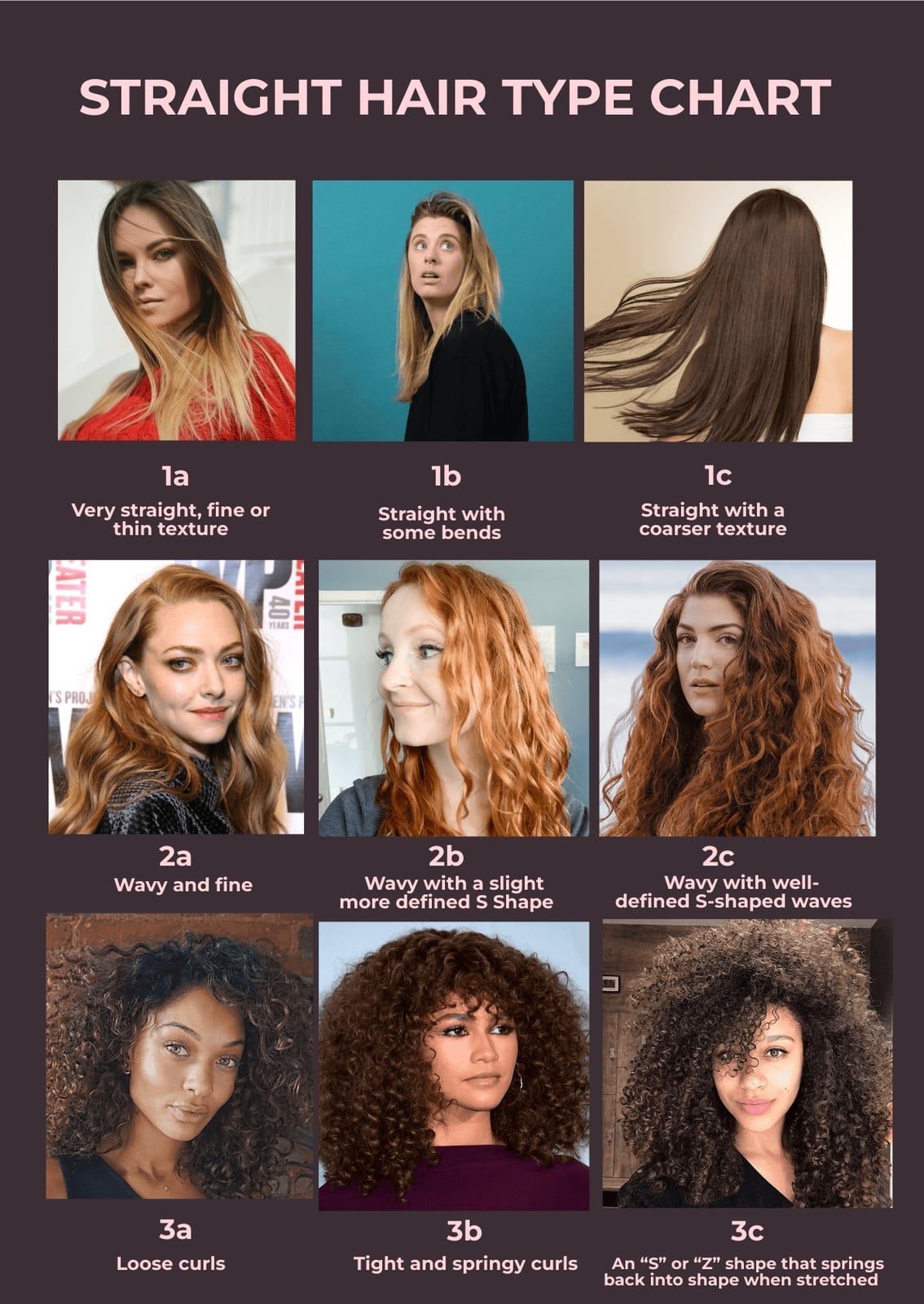
If you have ever tried to describe your hair texture to a stylist and watched their eyes glaze over, this chart is your new best friend. It divides hair into three main categories, straight, wavy and curly, then breaks each one into subtypes labeled 1A through 4C with illustrative images. Instead of guessing if you have “a little wave” or “lots of wave,” you can point at the photo that matches. The chart uses a blonde example for one subtype, but the system works for any color or length. Ask your colorist for: hair type classification chart. Use it as a reference when you book your next cut so you and your stylist start from the same page.
Straight Fine Hair Type 1A

Type 1A hair is the straightest of the straight: fine strands that lie flat against the scalp with zero wave or volume. The chart shows a shoulder-length blonde example with a middle part and air-dried finish that looks smooth but can feel limp by midday. This texture genuinely flatters anyone with a round face because the lack of bulk at the sides creates a lengthening effect. Ask your stylist for: Type 1A straight fine hair, no bangs. To keep it from looking flat, spray a dry shampoo at the roots before you leave the house and book a trim every six to eight weeks to prevent split ends from traveling up the shaft.
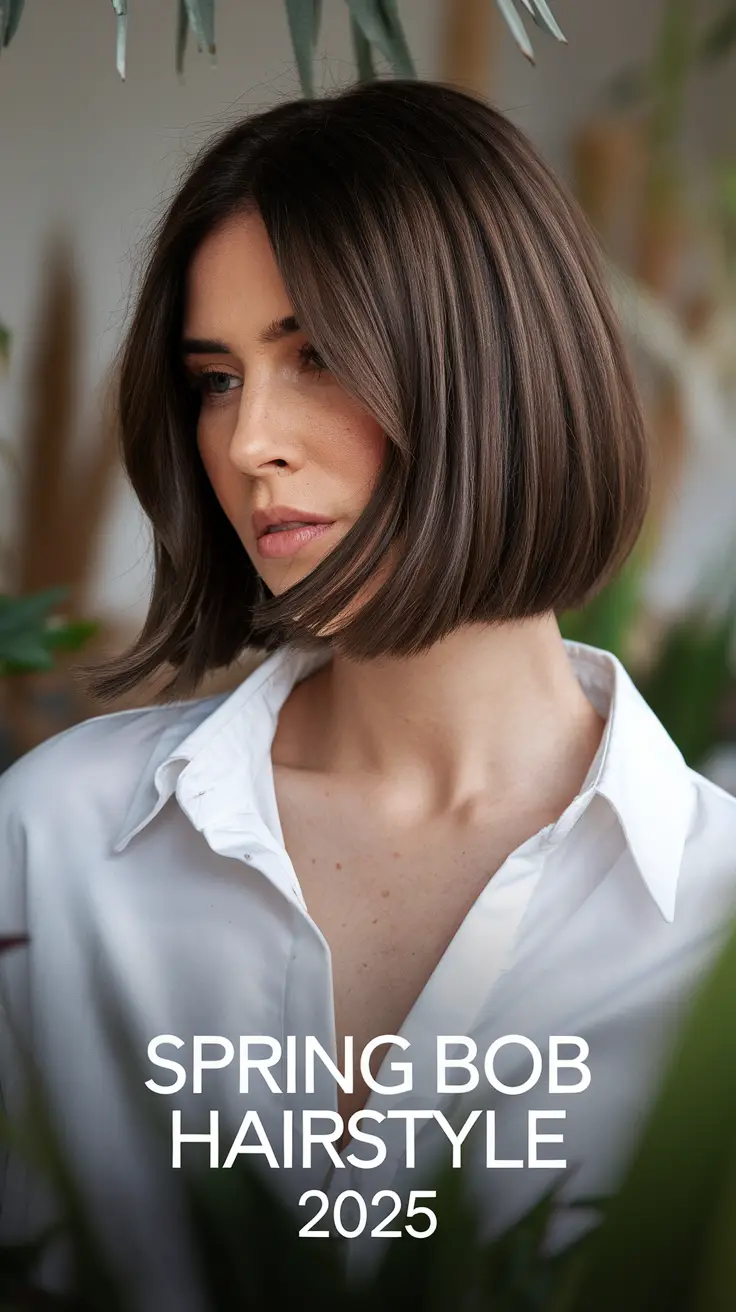
Blunt Bob With Curtain Bangs
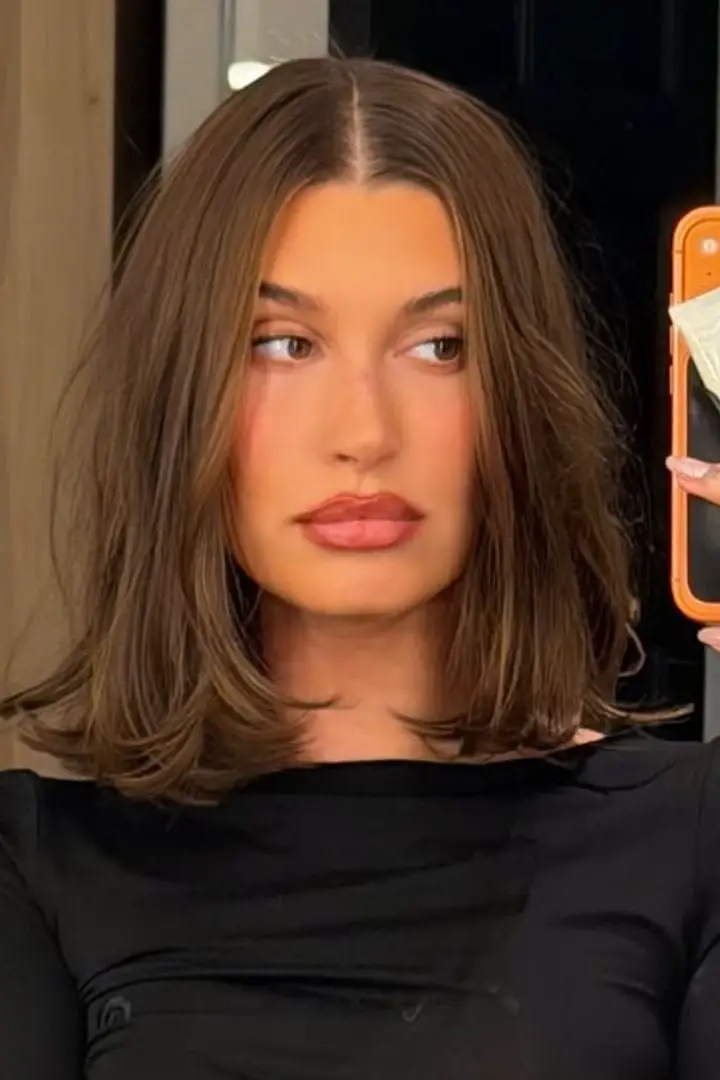
This collarbone-length bob is cut with a blunt perimeter and soft face-framing layers that keep the hemline from feeling severe. The curtain bangs are the key detail: they part at the center and feather outward, skimming the cheekbones without committing to a full fringe. The base is medium brown with subtle lighter highlights that add dimension without obvious streaks.
Ask your stylist for: Collarbone blunt bob, face-framing curtain bangs. On fine to medium density hair, the blunt shape holds its line well, so you can stretch trims to eight weeks. Gentle waves in the blowout keep the shape from reading as too severe.
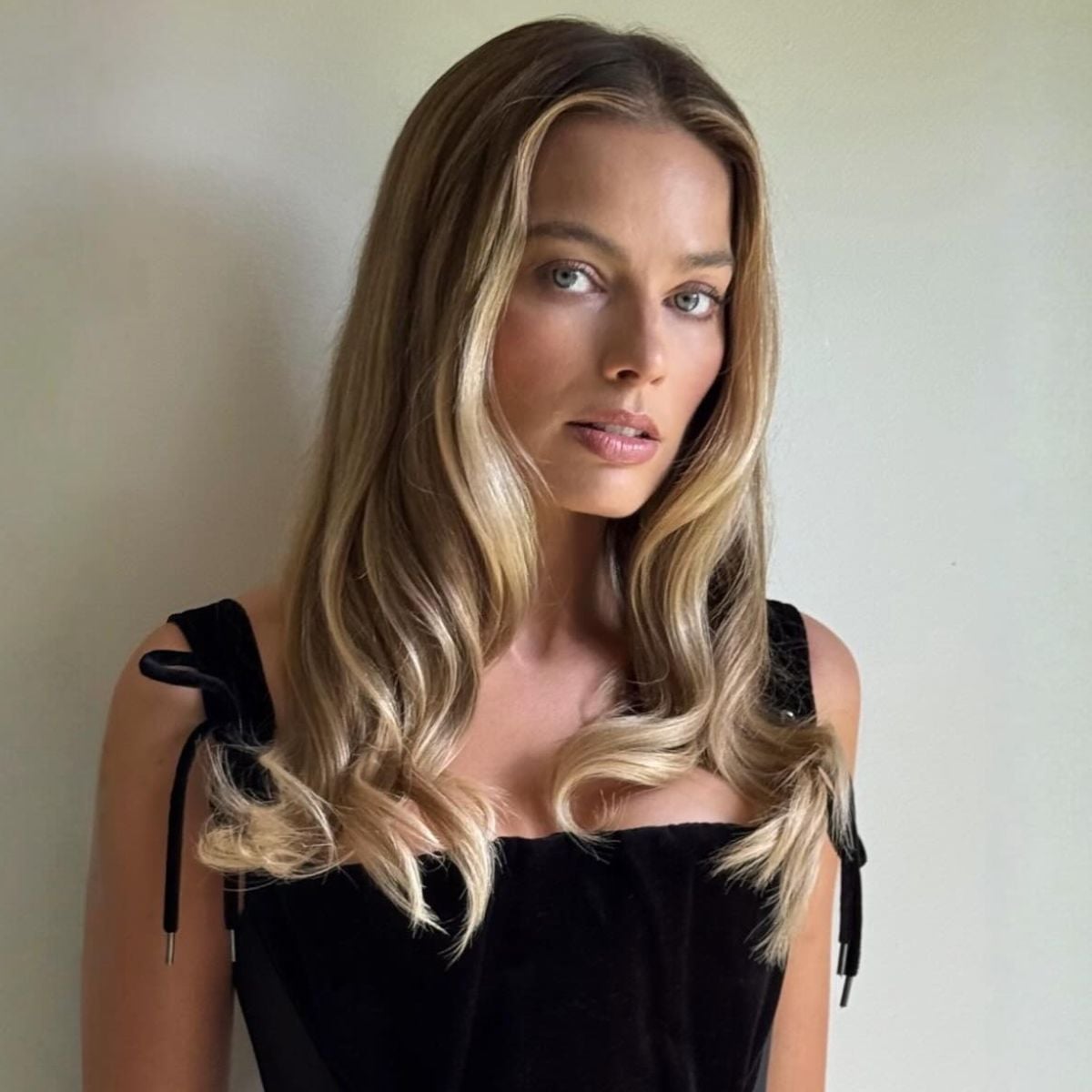
Ash Blonde Collarbone Layers

A practical rule for thick wavy hair: if you want movement without losing length, add layers that start at the collarbone and graduate toward the ends. This cut uses soft, face-framing layers and curtain bangs to remove weight from the sides while keeping the overall length intact. The color is an ash blonde base with subtle highlights placed around the face to brighten the area without a full bleach. Ask your colorist for: Collarbone layers with curtain bangs, ash blonde. The highlight placement needs a toning appointment every eight to ten weeks to keep the ash tone from turning brassy.
Chin Length Ash Blonde Bob Waves

How does a chin-length bob with fine texture avoid looking like a helmet? Tousled waves and a root shadow do the work. The cut lands exactly at the chin and shows off the ash blonde base and darker regrowth. The root shadow means you can go six to eight weeks between color appointments without an obvious grow-out line. Ask your colorist for: Chin length bob, ash blonde with root shadow, tousled waves. On fine straight hair, a texturizing product on dry strands gives the waves enough grip to last through a workday. Trim every six weeks to keep the bob crisp.
Shoulder Length Ponytail With Swept Back Sides

A sleek ponytail with swept-back sides does exactly what it promises: it clears every strand off the face and keeps fine, straight hair looking deliberate rather than neglected. The middle parting and pulled-back styling suit round faces especially well, since the clean lines add length. This swept back ponytail works best on shoulder-length hair; anything shorter and the sides won’t reach the tie. Ask your stylist for: sleek ponytail, swept back sides, middle parting. A smoothing serum applied before you pull it back keeps flyaways quiet, and a trim every ten to twelve weeks stops the ends from looking ragged.
Collarbone Layers With Curtain Bangs

Set against a blunt collarbone cut, this version trades sharpness for softness. The layers and curtain bangs frame the face, and the air-dried finish keeps things casual, which is the point. It suits fine to medium density hair starting at collarbone length, and the soft pieces around the jaw help square and round faces. Ask your stylist for: collarbone layers, soft curtain bangs, air-dried finish. The drawback is maintenance: curtain bangs need a trim every six to eight weeks or they start grazing your eyes and losing their shape.
Collarbone Lob With Subtle Highlights

The collarbone lob with long layers and no bangs offers a restrained look. The middle parting keeps the face open, while subtle lighter pieces add dimension. Thick wavy hair holds the soft blowout shape best, and the length suits most face shapes, from oval to heart. Ask your stylist for: collarbone lob with long layers, no bangs, subtle highlights. Mousse on damp hair before blow-drying gives you those gentle waves, and a trim every six to ten weeks keeps the ends from splitting.
Dark Brown Lob With Curtain Bangs

How do you ask for a dark brown lob that doesn’t look like every other lob? Start with the bangs. Face-framing curtain bangs are the detail that separates this from a plain collarbone cut. The subtle highlights add depth to the dark brown base, and the soft waves give it movement. It suits medium density wavy hair starting at collarbone length, and the curtain bangs soften square and round faces. Ask your stylist for: collarbone lob, face-framing curtain bangs, subtle highlights. The side parting and blowout style are easy to recreate at home.
Straight Dark Brown Hair Lengths

An illustration of straight dark brown hair lengths, from a buzz cut to tailbone, is the closest thing to a cheat sheet for your next salon visit. Each length has its own maintenance reality: a pixie needs a trim every four to six weeks, while a mid-back or tailbone length can stretch to eight or ten. The lob, at shoulder level, is the middle ground most people can live with. Ask your stylist for: hair length illustration guide. Consider how much time you want to spend on styling, because longer straight hair demands more of it.
Chin Length Curly Bob
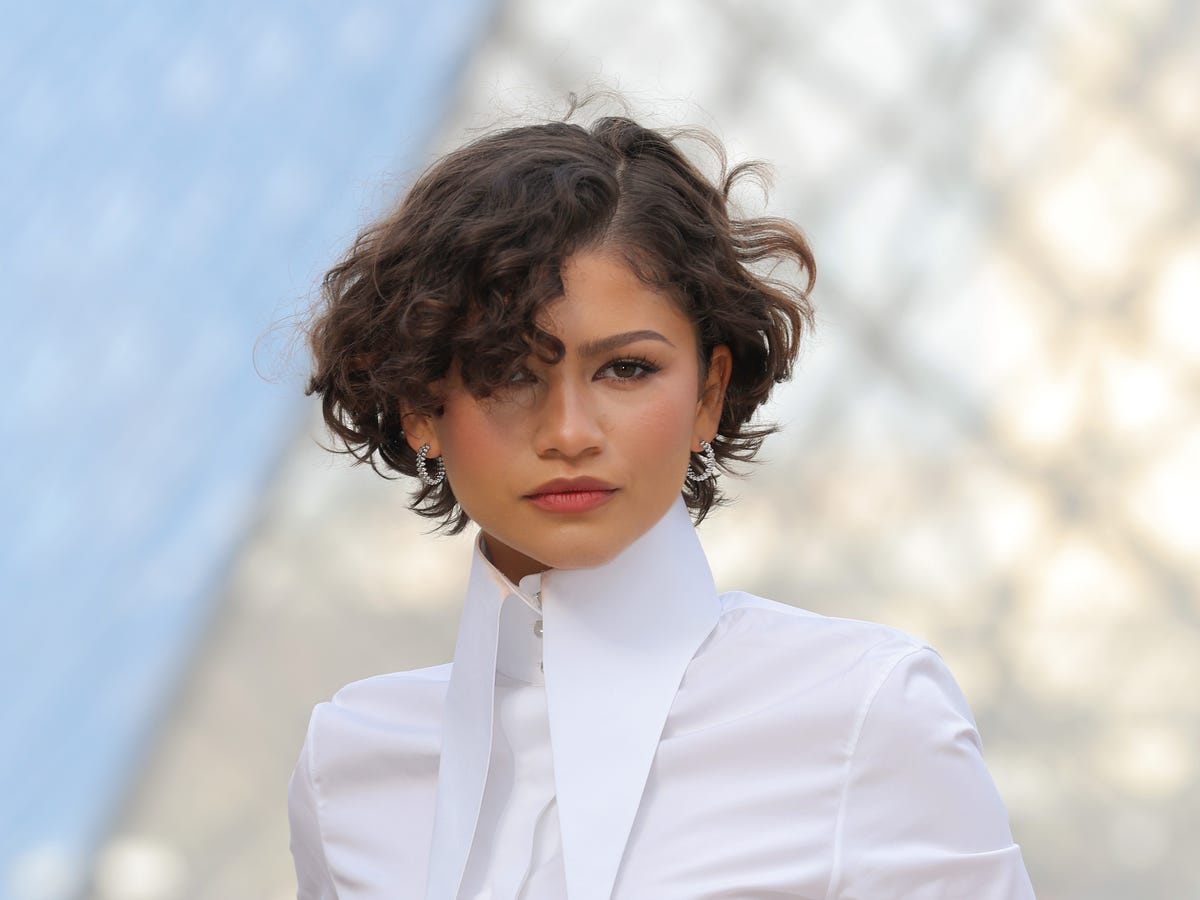
A chin-length bob on curly hair has a neat trick: the sharper the cut, the more the curls look deliberate rather than accidental. This dark brown version uses a side parting and medium density texture, so the shape reads as sculpted, not shrunken. It suits round and oval faces best, since the blunt line at the chin adds structure where softer shapes need it. Ask your stylist for a chin length bob with natural texture and defined curls. A curl cream on wet hair and air drying is all it takes; trim every six to eight weeks to keep the line clean.
Honey Blonde Bob With Curls

A chin-length bob stops looking like a bob and starts looking like a curl showcase when the texture is this defined. The honey blonde base with caramel highlights adds dimension without asking for a full head of foils. Start with damp hair at chin length, scrunch in a hold product, then either diffuse or let it air dry. Ask your stylist for a chin length bob with defined curls and honey blonde with caramel highlights. A salon does the cut and color; the styling is yours.
Shoulder Length Thick Curly Hair

Does thick curly hair ever just behave, or does it always have a plan of its own? At shoulder length, it settles into air-dried volume that looks full without needing much effort. The dark brown shade keeps the texture as the main event. Ask your stylist for shoulder length thick curly hair with natural texture. A wide-tooth comb on wet hair prevents tangles; a trim every eight to ten weeks stops the shape from becoming a triangle.
Voluminous Shoulder Length Curls

Where a layered curly cut scatters volume, this shoulder length shape concentrates it. The dark brown, air dried texture sits in one dense mass, a deliberate look rather than overgrown. It is a better fit for those who want their curl pattern to show without the choppy sections of a shag. Ask your stylist for shoulder length thick curly hair with natural texture. A curl defining cream on damp hair and no brushing once dry keeps the shape intact.
Short Voluminous Afro

A short voluminous afro is mostly about what you do not do: no brushing, no flattening, no fighting the coil. The cut itself is straightforward, a rounded shape at short length that lets the natural density speak. A middle parting keeps the symmetry in check. Ask your stylist for a short voluminous afro with natural texture. At home, a pick fluffs the shape without disturbing the pattern, and a daily leave-in moisturizer prevents the dryness that comes with frequent washing.
Short Natural Coily Hair

The side parting here does the work of breaking up the density so the shape doesn’t read as a solid block. Ask your stylist for: short natural coily hair, side parting. Trims every four to six weeks keep the silhouette from rounding out into a shapeless dome.
Shoulder Length Shag With Curly Bangs

Is your hair medium density and naturally curly, with enough weight to hold a shape at shoulder length? Then this shag is worth a conversation. The layered structure removes bulk from the sides while keeping the length, and the curly bangs land just above the brow without needing daily heat. Copper red with warmer highlights adds dimension without a high-maintenance root line. Ask your stylist for: shag cut with curly bangs, copper red color. It softens a square jaw by placing the shortest layers around the cheekbones rather than the chin.
Ash Blonde Bob With Choppy Layers

The side-swept bangs add movement without requiring the density that curtain bangs demand. Ask your stylist for: ear length bob, choppy layers, side-swept bangs. The trade-off is visible: those choppy pieces grow out faster than a uniform cut, so expect a trim every four to six weeks to keep the shape from looking stringy.
Mid-Back Shag With Curtain Bangs

A shag at this length relies on graduated long layers that stack volume at the crown while the ends stay light enough to move. The curtain bangs are cut to blend into those face-framing layers, not as a separate piece, so the whole shape forms one connected line from temple to mid-back. Dark brown balayage on thick wavy hair adds depth without a solid color line. Ask your stylist for: mid-back shag with long layers, curtain bangs.
The middle parting keeps the face-framing pieces symmetrical, which matters because a shag can look lopsided if the layers are heavier on one side. This is a shape you need to commit to: the shortest internal layers take about eight weeks to grow out enough to restyle.
Mid-Back Curls With Honey Blonde Highlights

Start with thick curly hair at mid-back length and add curtain bangs that blend into the front layers. The honey blonde highlights are painted onto the dark brown base in a way that follows the curl pattern, so each ringlet catches light on its ridge instead of in a solid stripe. Ask your stylist for: mid-back curls, honey blonde highlights, curtain bangs.
The request matters because the placement of the highlight needs to match where your curls naturally fall, not where a straight section would lie. A curl-by-curl technique keeps the color from looking patchy when the hair dries in its natural S-pattern.
Mid-Back Curls With Auburn Highlights

Thick, curly dark brown hair with vibrant auburn highlights reaches mid-back, styled in loose, air-dried curls with a side parting. The auburn pieces add warmth and dimension without overpowering the base color. This length works well for thick curly textures that need weight to keep volume in check. Ask your stylist for: mid-back curls, auburn highlights, air-dried. Apply a curl cream and diffuse or let it air dry; a trim every eight to twelve weeks keeps the shape from turning pyramid-like.
Mid-Back Waves With Curtain Bangs, Wavy
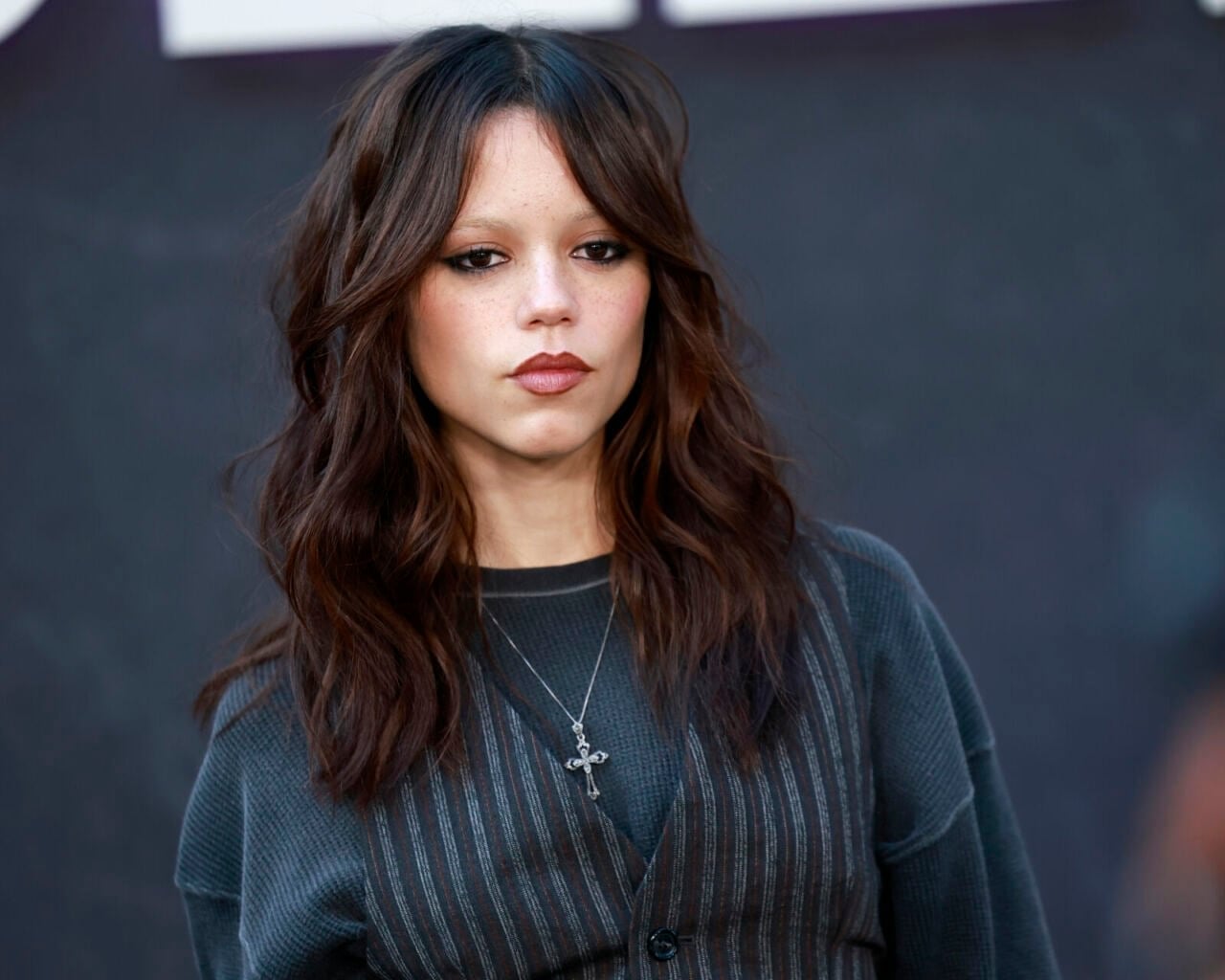
A middle parting and soft curtain bangs frame the face while mid-back length dark brown hair with subtle lighter highlights falls in loose waves. The technique here is about layering the crown shorter than the ends so the bangs blend into the body without a hard line. Those lighter pieces are painted close to the root for a lived-in look that grows out gracefully.
Medium density wavy hair holds this shape best because it has enough body to keep the bend without going flat. Ask your stylist for: mid-back waves, soft curtain bangs, subtle highlights. The finish relies on a blowout with a round brush at the roots, then a large barrel curling iron for the wave.
Wavy and Curly Hair Lengths

An illustration sets shoulder length curly hair beside armpit length wavy hair, both in profile with labeled text. The curly version stacks more volume horizontally, so shoulder length keeps it bouncy without looking too round. The wavy version benefits from the extra length because waves need gravity to stretch into an S pattern rather than a triangle.
If you have wavy hair and want more movement, the longer option gives you that. Curly hair tends to shrink up, so shoulder length on a curly texture behaves closer to what straight hair calls a lob. Ask your stylist for: wavy curly hair length chart. Layers help manage the bulk in both textures at these lengths.
Half-Up Style With Curtain Bangs
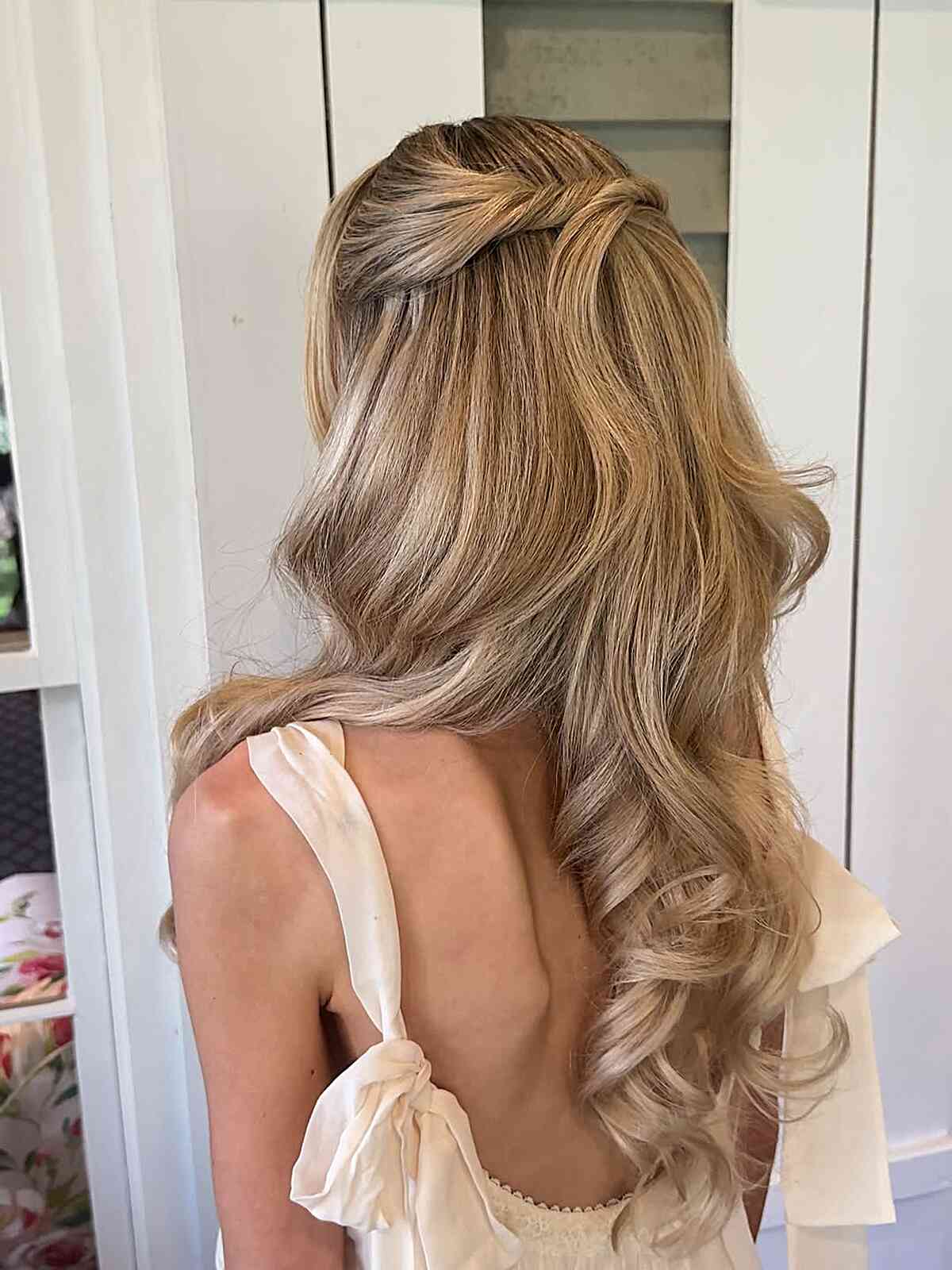
Long, thick, wavy ash blonde hair with lighter highlights is pulled into a half-up style with a twisted crown section and curtain bangs left out to frame the face. The twist starts at the temples and rolls back toward the crown, secured with bobby pins at the nape. This works for a casual day out or an event where you want hair off your neck but not entirely up. Ask your stylist for: half-up style with twisted crown, curtain bangs. The curtain bangs soften the pulled-back sides, so the look feels relaxed, not severe.
Mid-Back Braids With Beads

Thick, black coily hair is sectioned into intricate braids that extend to mid-back, with decorative beads attached at the ends. The common mistake is starting with hair that is too dry, which makes the braids look fuzzy and the beads slide off. Freshly washed and stretched hair gives a smoother result and holds the beads in place better.
The braids are parted cleanly at the scalp, then each section is braided with consistent tension all the way down. Ask your stylist for: intricate mid-back braids with beads. The beads add weight at the ends, which helps the braids hang straight and avoid flipping out.
Dark Brown Balayage With Loose Waves

The magic of this cut is in the contrast: a deep dark brown base that melts into lighter balayage pieces, all moving in loose waves. It is the kind of dark brown balayage waves that looks natural, even when it took hours to achieve. The mid-back length carries long layers and a shag cut, with curtain bangs that frame the face and soften square and round face shapes. For thick, wavy hair, this is a match made in heaven.
To get close at home, start with damp hair, then braid or twist sections before air drying. The waves will be looser than a curl, more lived-in than polished. Ask your stylist for: mid-back shag with long layers, balayage, and curtain bangs. A trim every eight to twelve weeks keeps the layers from becoming a shapeless mass. This is a salon-leaning look, but the styling part is very DIY friendly.
How To Curl Hair Various Ways

Ever wonder why your curls never look like the ones in the tutorial? The answer is usually in the technique, not the tool. This guide breaks down six methods for curling hair, from classic wand curls to flat iron waves, each suited to a different texture and finish. Whether you have fine, straight hair or thick, wavy strands, there’s a method that will work for you.
Start with clean, dry hair and a heat protectant. For loose, beachy waves, wrap sections around a wide barrel and leave the ends out. For tighter, more defined curls, use a smaller barrel and hold each section longer. Experiment with different tools and techniques to find your favorite, and don’t be afraid to mix methods for a more natural look. Ask your stylist for: a hair curling tutorial, if you want a professional’s take on your specific hair type.
Nine Hair Texture Illustrations

Forget the outdated chart with just three categories. This illustration maps out nine distinct hair textures, from ‘Slight Waves’ to ‘Super Kinky,’ giving you a much clearer picture of where your hair falls. It’s the closest thing to a simple hair types chart that actually accounts for the spectrum of curl patterns. If you’ve ever wondered why your ‘wavy’ hair doesn’t behave like your friend’s, the answer is probably in the subcategory.
Knowing your exact texture helps you pick the right cut and products. For example, ‘Classic Curls’ might benefit from layers, while ‘Corkscrews’ need more weight to avoid triangle shape. ‘Slightly Coiled’ and ‘Kinky’ textures thrive with moisture and minimal manipulation. Ask your stylist for: a hair texture chart illustration to keep as a reference. Understanding your texture is the first step to styling it well, whether you’re aiming for a half updo with waves or a sleek blowout.
Blonde Updo With Wispy Bangs

The twisted bun sits at the crown, not sleek and severe, but intricate and slightly undone, with long, thick, wavy blonde hair with highlights providing the raw material. The wispy bangs are the real star, softening the forehead and framing the face, which makes this updo particularly flattering for square and heart face shapes. It’s a formal occasion look that doesn’t require you to sacrifice your texture.
To get this exact look, start with a texturizing spray for grip, then twist sections into a bun and secure with pins. The key is to let a few pieces fall loose around the face, which keeps it from feeling too stiff. Ask your stylist for: an elegant updo with wispy bangs, and specify that you want the bun at the crown with face-framing pieces. Since the hair is long and thick, the bun will hold its shape well, but a few pins and a spritz of hairspray will keep everything in place through the night.
Final Thoughts
For fine, straight hair, blunt cuts create the illusion of thickness. For wavy or curly textures, layers manage volume and enhance natural definition. Stick with what your hair does on its own.
- Trim split ends every 6-10 weeks to maintain shape and health.
- Deep condition curly hair types weekly to enhance moisture and definition.
- Use heat protectant spray before any heat styling to minimize damage.
- Allow wavy and curly textures to air dry when possible to preserve natural pattern.
Embrace your hair’s natural texture with the right cut.