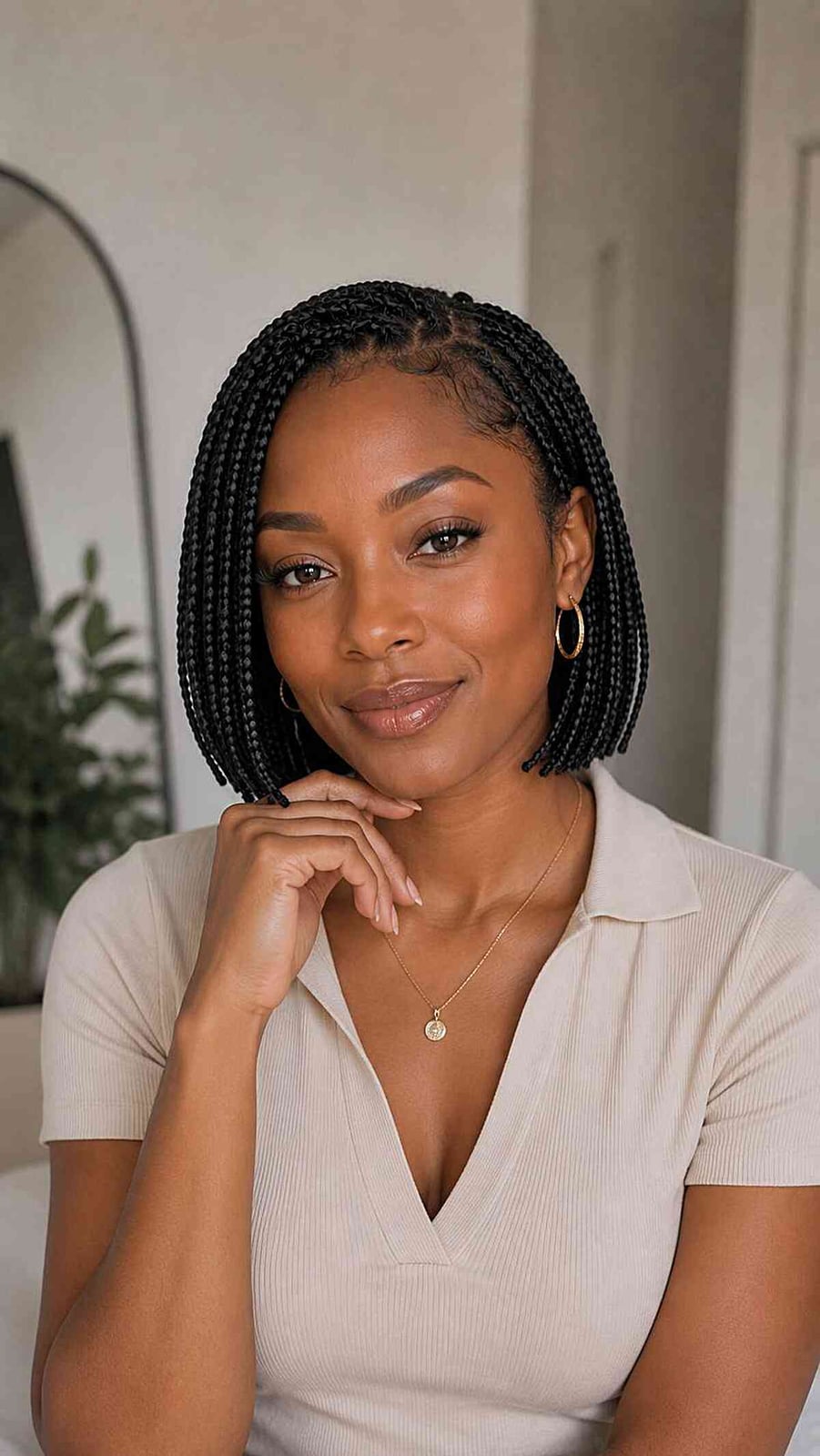

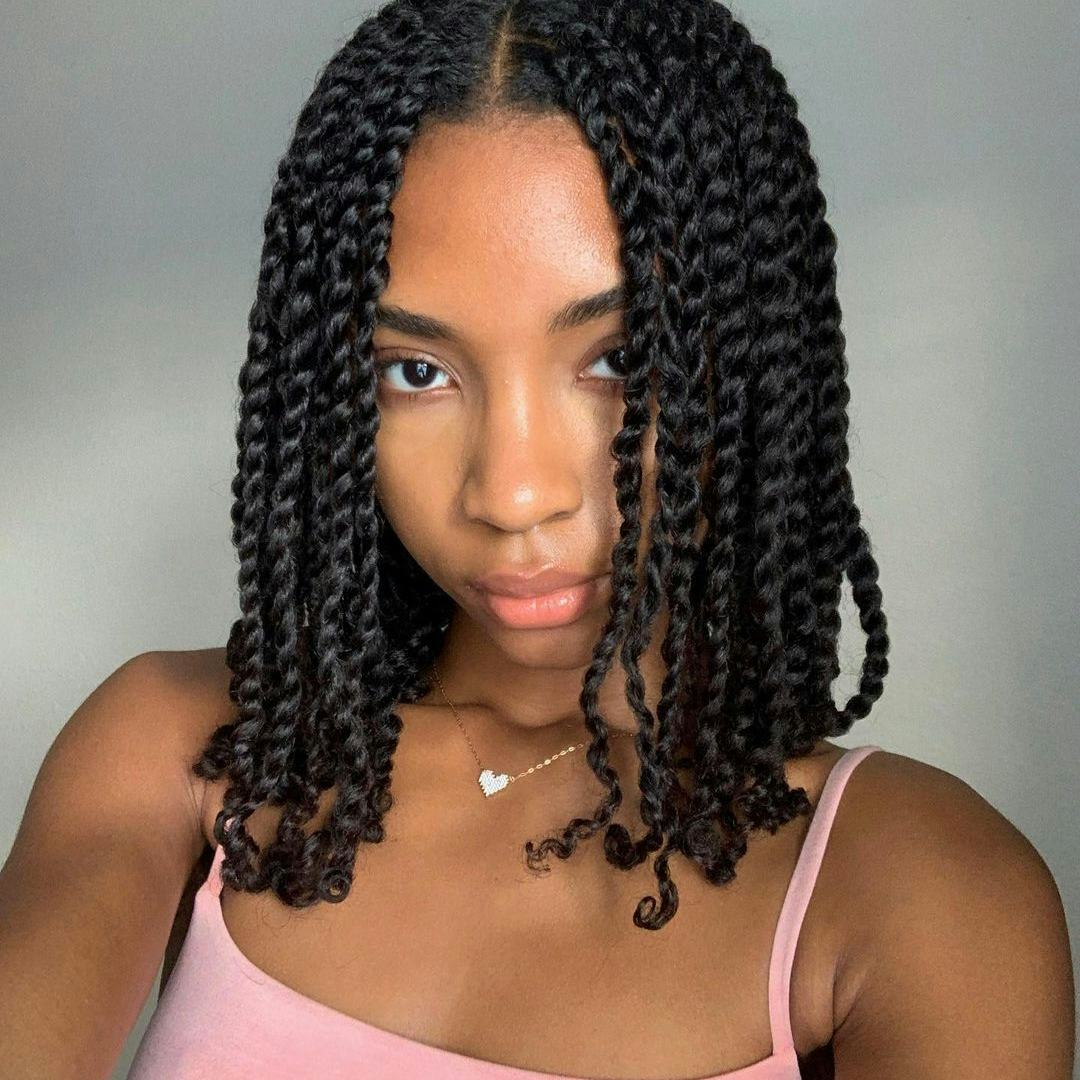
Natural twists are two-strand or flat twists worn as a protective style that holds for weeks with the right care. The shift toward glossy natural texture makes them a strong alternative to braids, especially when you want a style that moves with you rather than staying stiff.
These 27 Simple Natural Twists ideas range from chin-length to mid-back, from minimalist to accessorized. Whether your hair is fine and needs volume at the crown or thick enough to carry larger twists, there is a variation here that holds its shape without constant fuss. No more twists that unravel by day three or look ragged at the ends.
Uniform Collarbone Twists With Middle Part
The uniform two-strand twists stop at the collarbone, and the middle part does more than split the hair in half: it gives the whole style a sense of order that is neat rather than fussy. This is a design for fine to medium curly textures that can hold a twist without the ends unraveling by the second day. A middle part and that length below the chin work to elongate a round face, while the even width of each twist keeps the eye moving downward. Ask your stylist for: uniform two-strand twists to collarbone, middle part. A light-hold gel on the ends keeps definition in place, and a trim every six to eight weeks keeps the line sharp.
Defined Collarbone Twists With Middle Part, Black
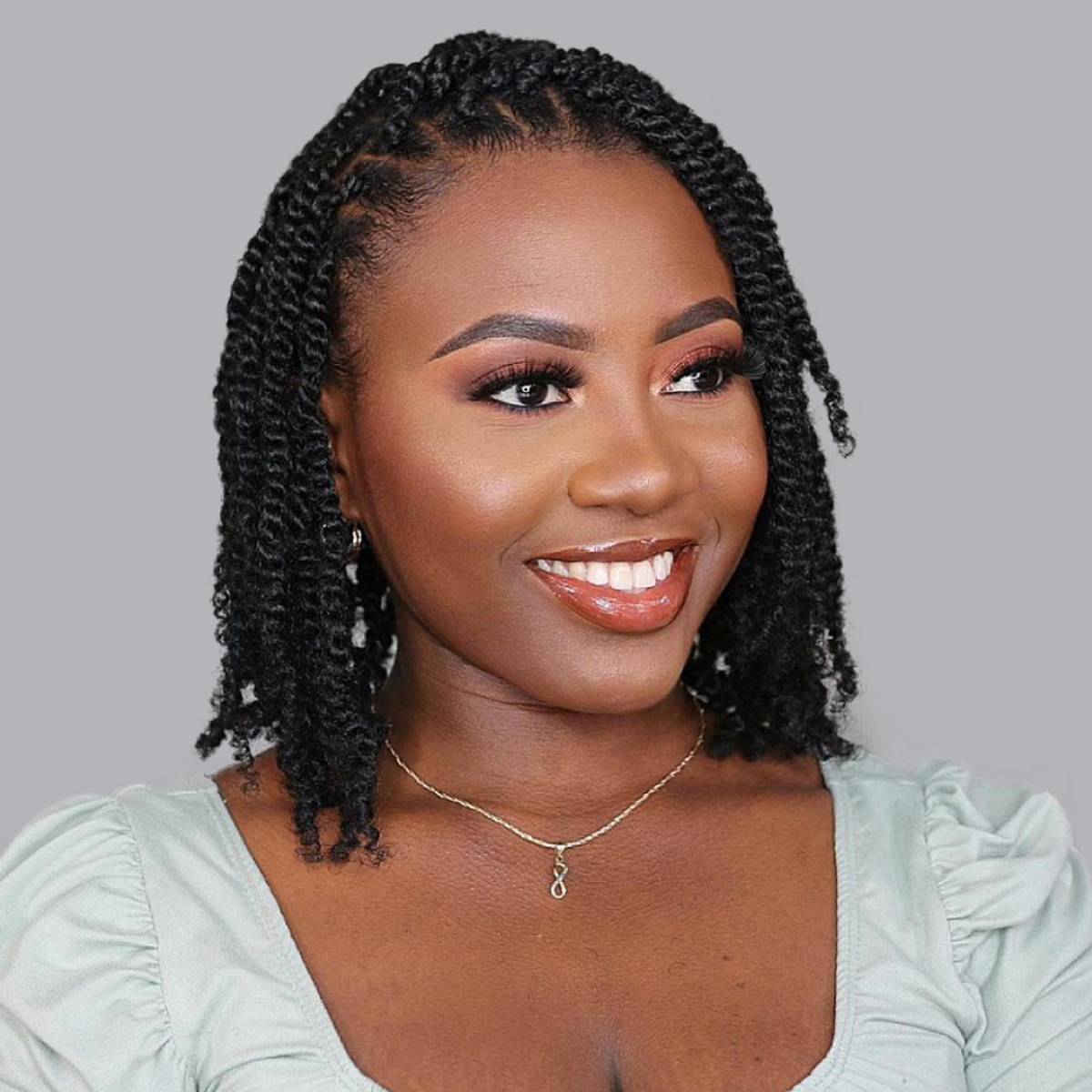
How do you ask for twists that look this deliberate? The answer is in the words you use, because “twists” alone gets you loose, uneven results. The defined two-strand twists here fall to the collarbone with a wavy, medium texture that holds a clean shape, and the middle part keeps everything symmetrical. Ask your stylist for: defined two-strand twists to collarbone, middle part. For a style like this, the key is to specify that you want each twist separated and uniform in size, not clumped together. A few details worth naming: the black color, the lack of bangs, and the even fall around the face. This is one of those styles that looks simple until you try to replicate it at home.
Neat Collarbone Twists Back View
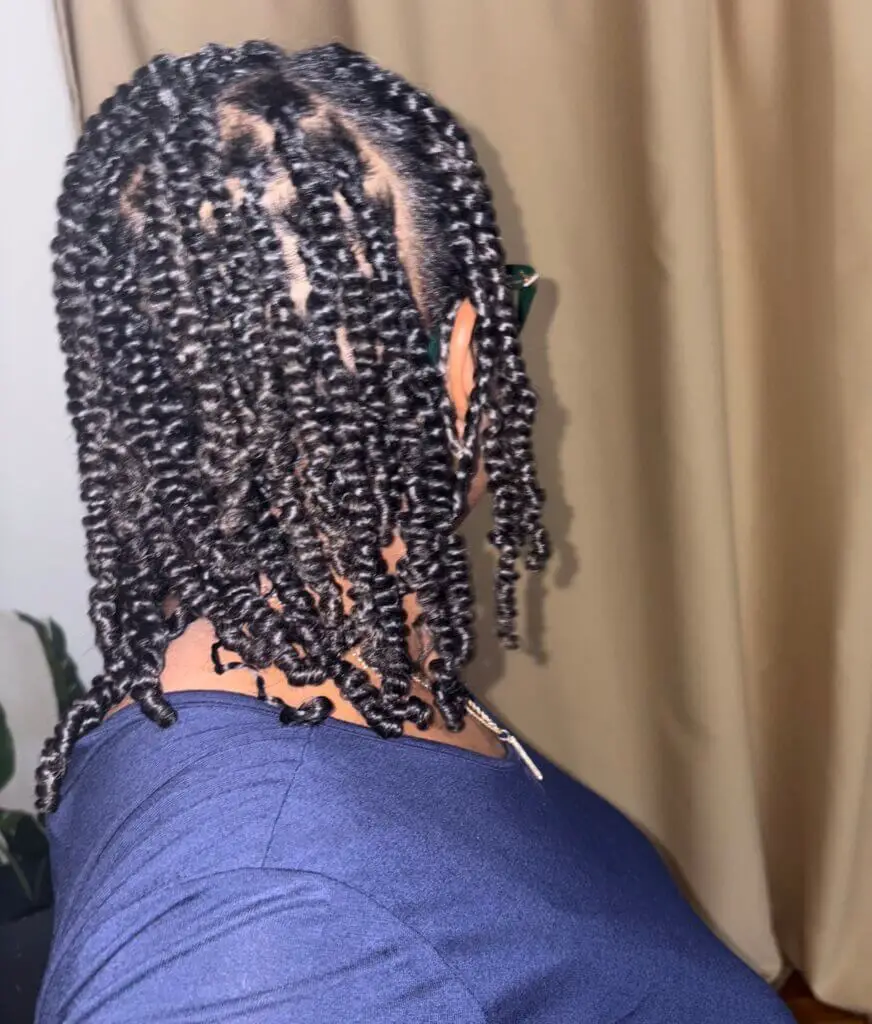
The layered cut underneath is what allows the twists to lie flat and consistent, without any bulges or gaps at the nape. Ask your stylist for: neat uniform twists to collarbone, middle part. Even tension is the trick: pull each section evenly when twisting so the pattern stays uniform from the crown down. A trim every six to eight weeks prevents the ends from looking ragged.
Mini Twists With Black And Gray Tones
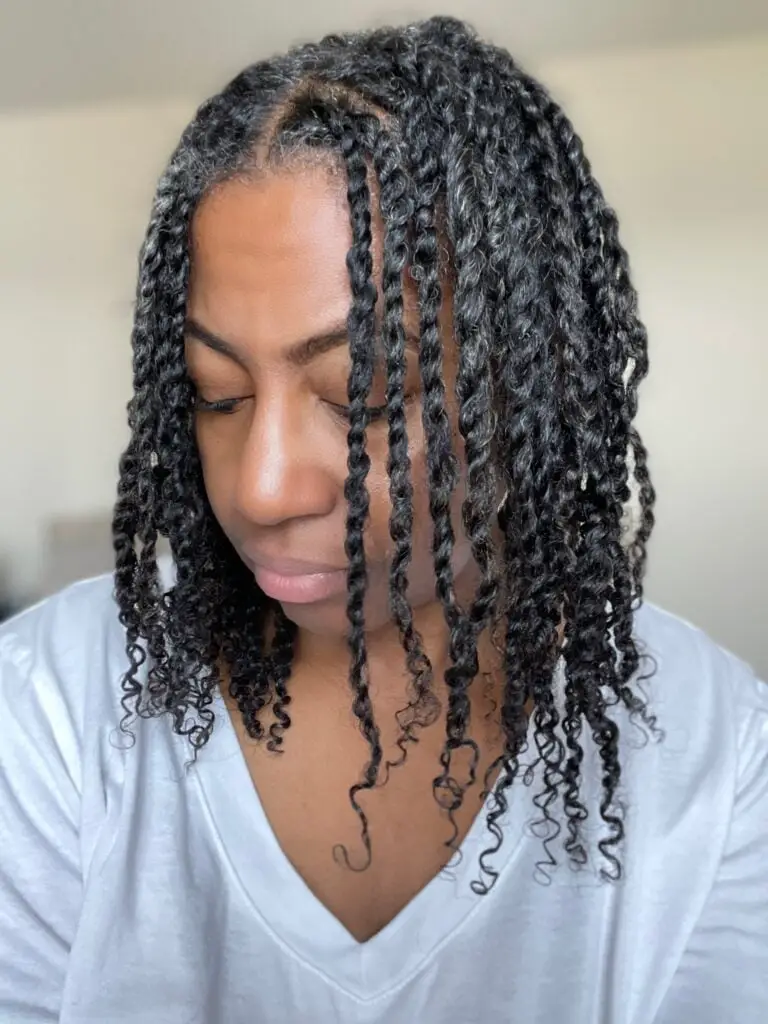
Solid black twists are a classic, but the black and gray mix here gives the style a two-tone effect that adds depth without looking like a dye job. The mini twists fall to the collarbone with a wavy, medium texture, and the middle part shows off the natural density. For fine hair, the smaller sections typically make hair appear fuller. Ask your colorist for: mini twists to collarbone, black and gray tones. This is a DIY-friendly style if you have patience: it takes a few hours to section and twist, but the result looks lived-in and does not need daily styling. The gray pieces read as natural highlights.
Shoulder Length Mini Twists
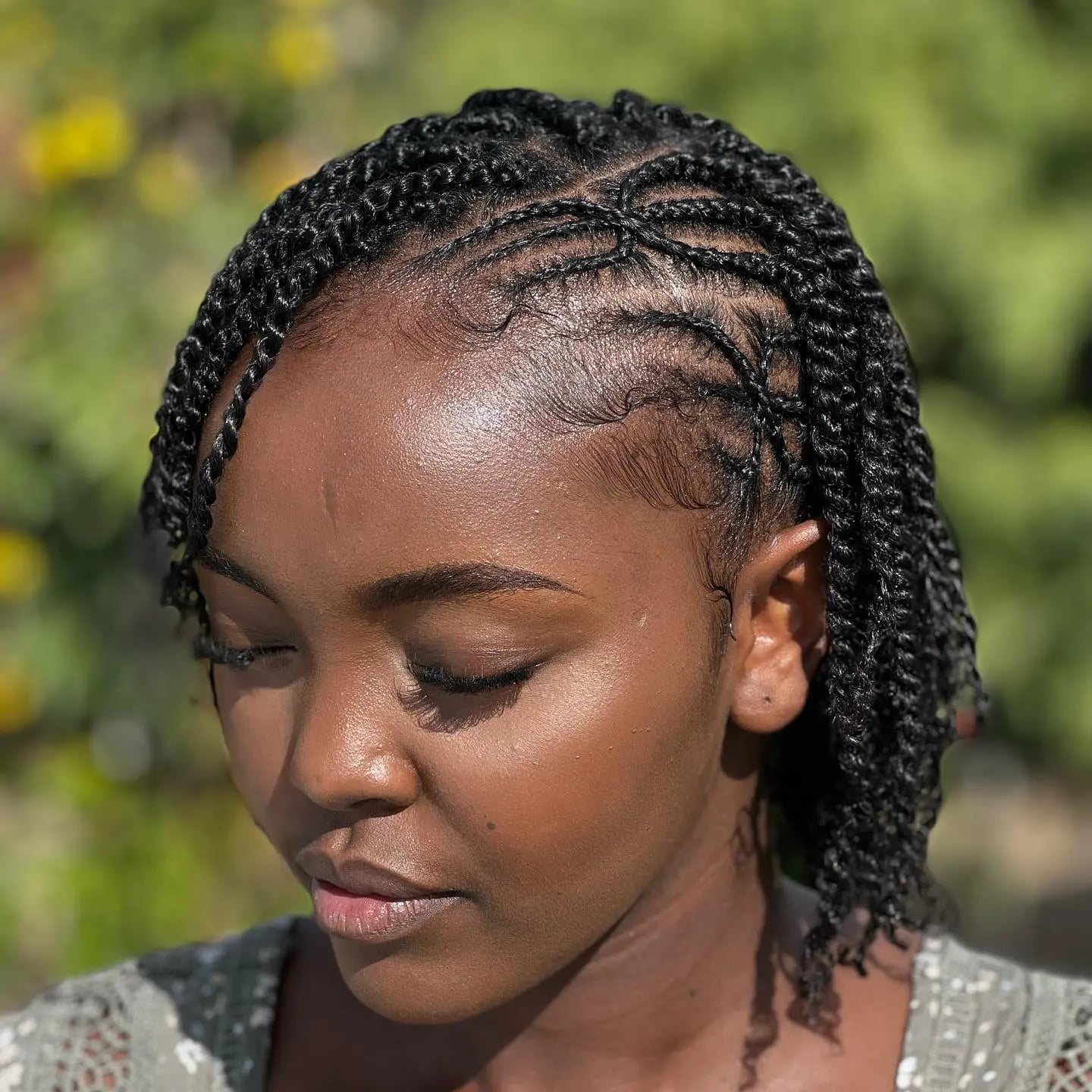
Mini twists at shoulder length are the sweet spot for coily, fine textures that need volume without weight. The side parting here breaks up the uniformity, giving the style a softer fall around the shoulders. Each twist is small and neat, which means the style holds its shape well and doesn’t require daily redoing. Ask your stylist for: mini twists to shoulders, side part. A moisturizing cream keeps the coils from drying out, and a trim every six to eight weeks maintains the ends. This is a style you can set and forget, which is exactly what a busy morning needs.
Flat Twists With Clean Scalp Definition
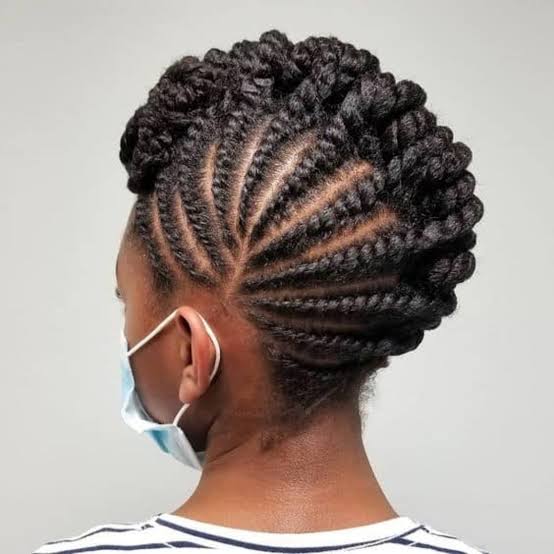
Flat twists are built by feeding hair under itself in a continuous motion, not over, which is what gives that flat-against-the-scalp result. The parting is middle and the twists run straight back, so every row stays parallel. Apply a styling cream section by section to keep the coily texture defined and frizz-free. Ask your stylist for: flat twists to shoulders with clean scalp definition, middle part. The one real drawback is that the precision shows every stray hair, so refresh the scalp part with a spray between washes.
Shoulder Length Box Twists With Curly Ends

The twist itself is uniform, but the end is left loose to curl naturally, which gives the whole style a softer finish. A curl-defining cream worked into the ends keeps that shape from unraveling after a few days. The style holds well for about two weeks before the roots need attention. Ask your stylist for: box twists to shoulders with curly ends, middle part. A trim every 8 to 10 weeks prevents the loose ends from looking ragged.
Defined Shoulder Twists
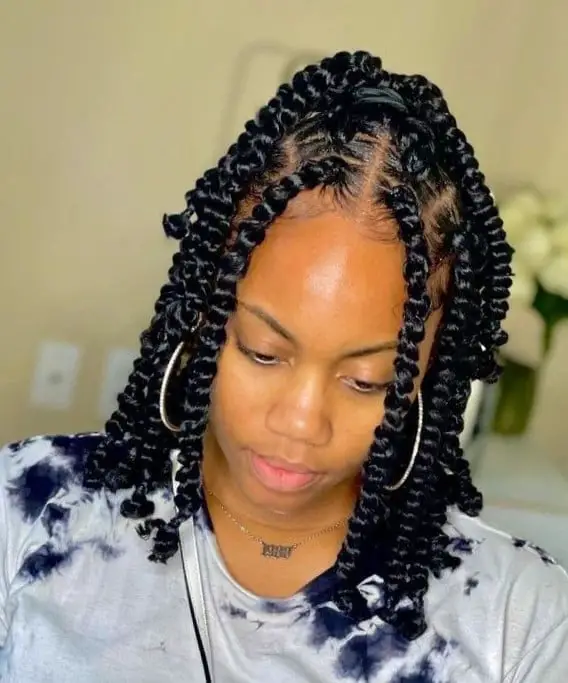
To get twists that look full without being bulky, start with a layered cut. Layers remove weight from the interior so each twist wraps neatly without puffing at the base. The middle part and shoulder length create a balanced silhouette that works with medium textured, wavy hair. Ask your stylist for: defined twists to shoulders, middle part. A styling spray with medium hold keeps the definition in place without stiffness.
Twisted Updo With Geometric Parting
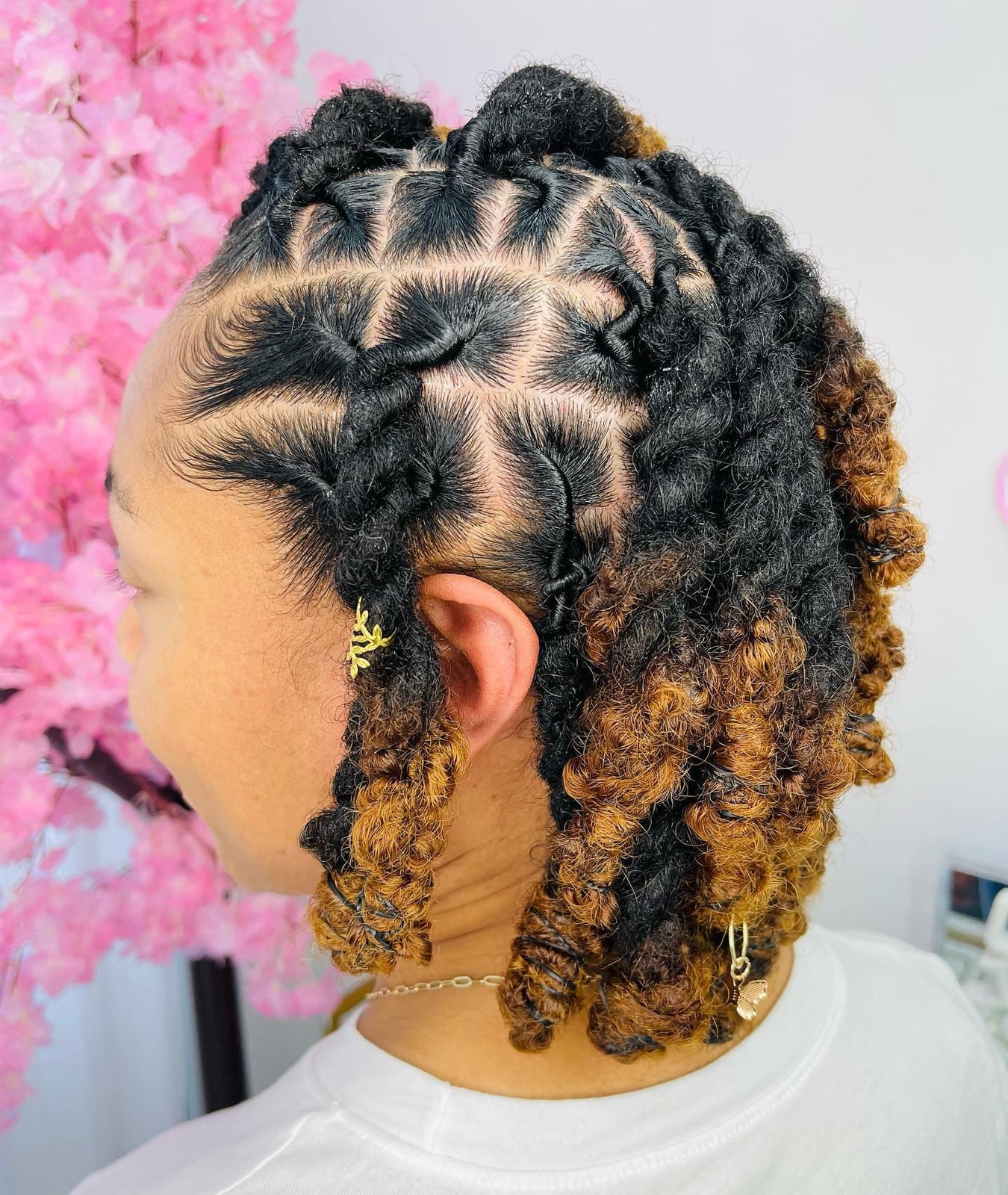
The geometric parting is the anchor here: straight lines carved into the scalp that continue into the updo. The twists are pinned into a bun that sits at the nape, and the honey brown highlights create visible depth against the black base. This is a salon-only construction because the parting pattern needs to be mapped evenly across the head. Ask your stylist for: twisted updo with geometric parting, shoulder length. A satin scarf at night keeps the updo intact for the next day.
Flat Twists With Curled Ends
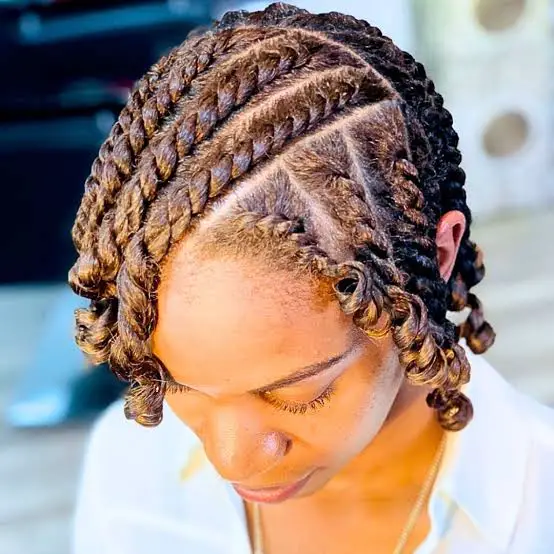
The flat twists run in a geometric pattern from the hairline to the mid-scalp, then release into loose curls that fall past the shoulders. The brown base with blonde highlights adds dimension that the flat sections reflect differently than the curled ends. A curl-defining cream on the ends and a light oil on the scalp keep both textures fresh. Ask your stylist for: flat twists with curled ends, brown and blonde highlights. A trim every 8 to 10 weeks maintains the curl shape at the bottom.
Short Twists With Geometric Braided Sides
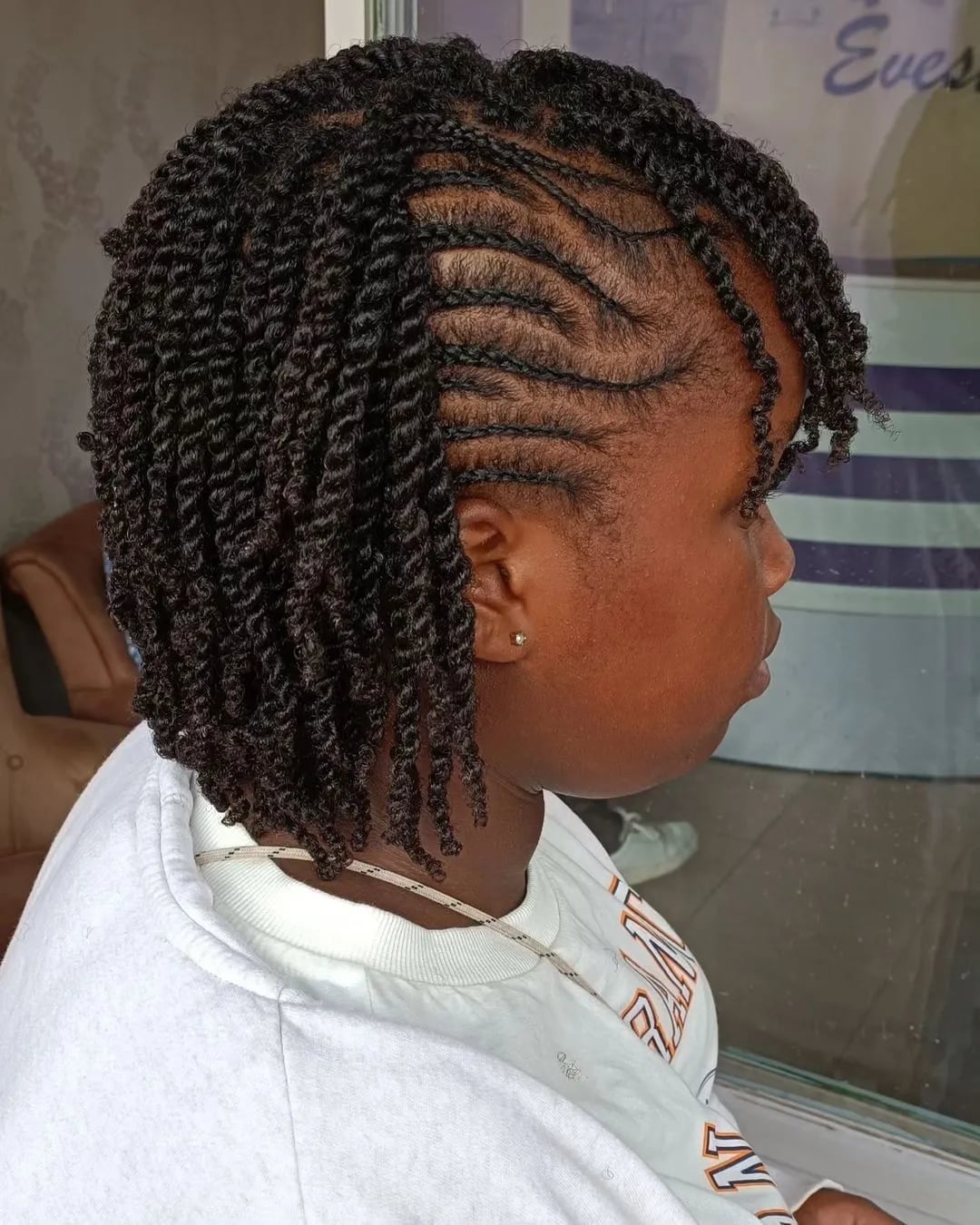
The geometric braided sides create a deliberate design for a simple twist out. It works well with thick, coily hair that starts around ear length, because the pattern needs density to read clearly. Ask your stylist for: short twists with geometric braided sides, ear length. A strong hold gel keeps the braided sections crisp. The pattern loses its sharpness fast, so plan on a trim every four to six weeks.
Short Asymmetrical Twists With Accessories
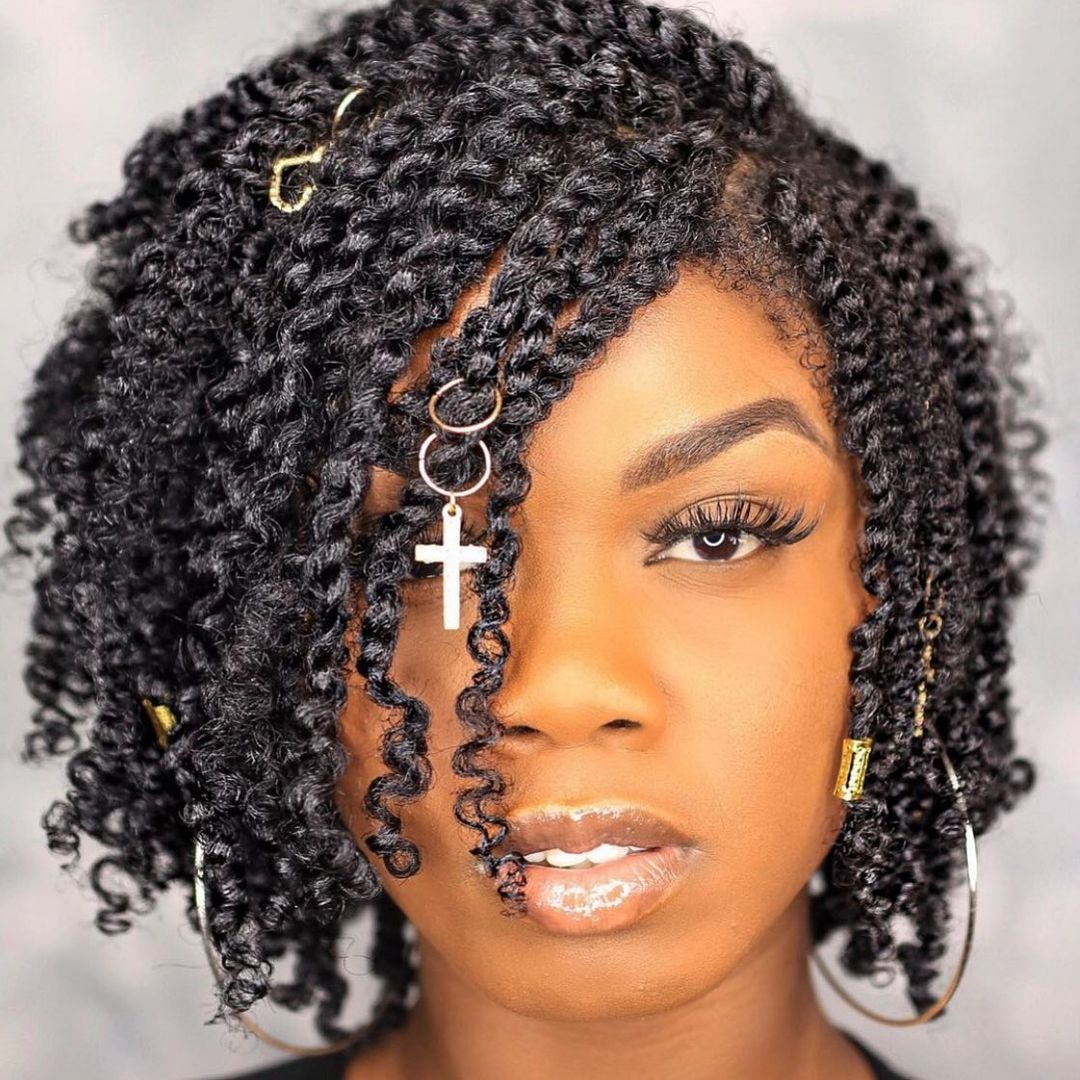
Is there ever a bad time for gold accessories in your hair? Probably not, but these short asymmetrical twists feel made for festival season and casual summer weekends. The side-swept bang area keeps the style from looking too fussy, and the gold rings and charms catch the light without needing any extra effort. Ask your stylist for: short asymmetrical twists with side-swept bangs and gold accessories. The look suits fine to medium hair starting at chin length, and the asymmetry balances round or oval faces. Add the accessories after twisting and remove them gently to avoid tangling.
Chin Length Twists With Coiled Ends
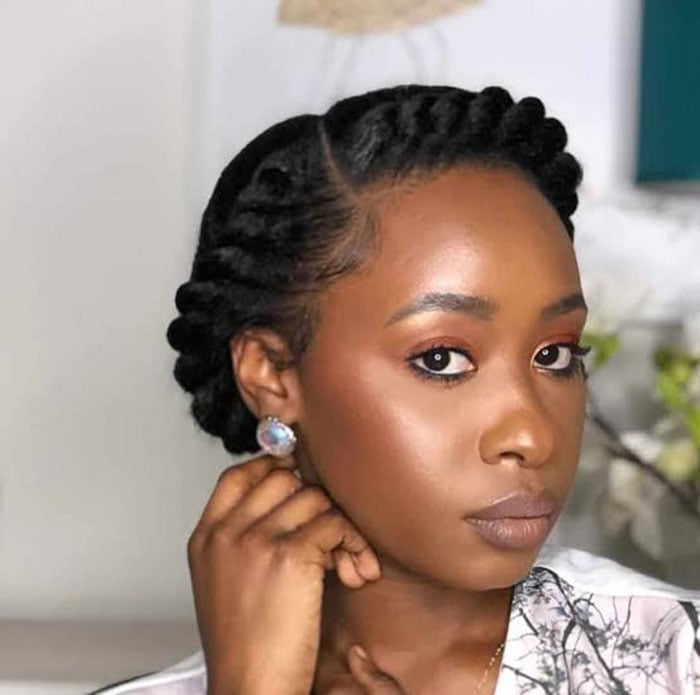
The coiled ends do the work here, giving each twist a tidy finish that looks deliberate rather than rushed. To get this at home, section the hair into small parts, twist each strand down to the last inch, then wrap that end around your finger to form the coil. It is salon-leaning in patience but doable with practice. Ask your stylist for: twists to chin with coiled ends, side part. Thick, coily hair at chin length holds the shape best, and the soft coils add a gentle curve that suits angular faces. A curl-defining cream on the ends keeps the coils neat between trims, which you should schedule every six to eight weeks.
Chin Length Flat Twists and Braids
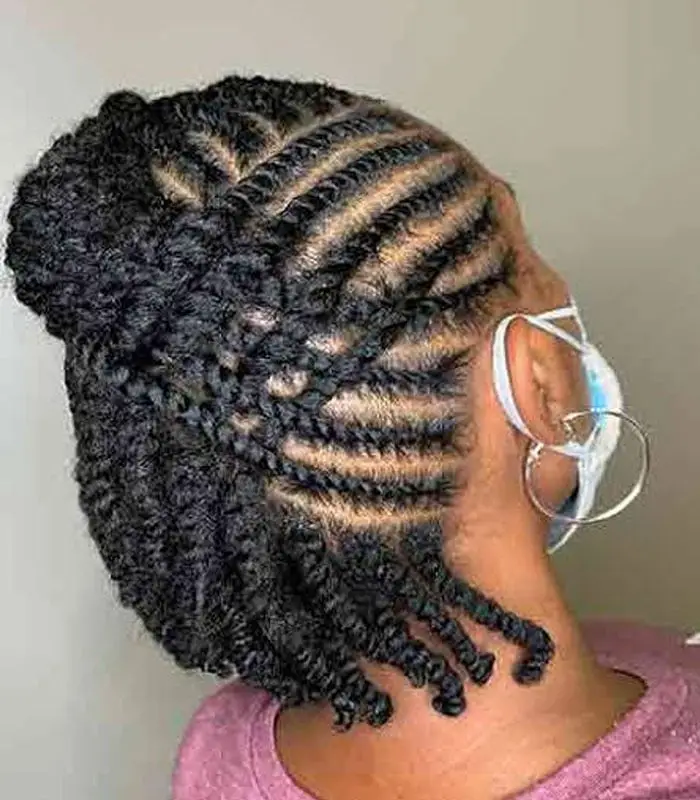
Plain flat twists are clean, but adding braided sections gives the style a visual rhythm that plain twists lack. The contrast between the twisted and braided parts creates a deliberate pattern. Ask your stylist for: flat twists and braids to chin. It suits thick, coily hair starting at chin length and works with most face shapes. The drawback is the extra time in the chair, since the pattern takes longer to install, and a styling balm is needed to keep the definition sharp.
Chin Length Flat Twists Braided Pattern
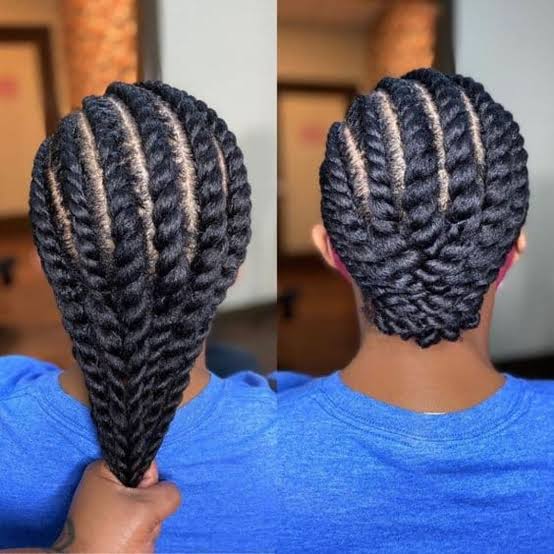
How do you ask for a style that looks this specific? You name the pattern. Request flat twists with an intricate braided pattern to chin, and bring a photo if you want the exact geometry. The middle parting and the way the pattern shows from both the back and front make it a style that works for work or an elegant event. It suits thick, coily hair starting at chin length, and the intricate pattern flatters oval faces. A lightweight oil on the scalp keeps things comfortable, and trims every six to eight weeks maintain the shape.
Large Shoulder Twists
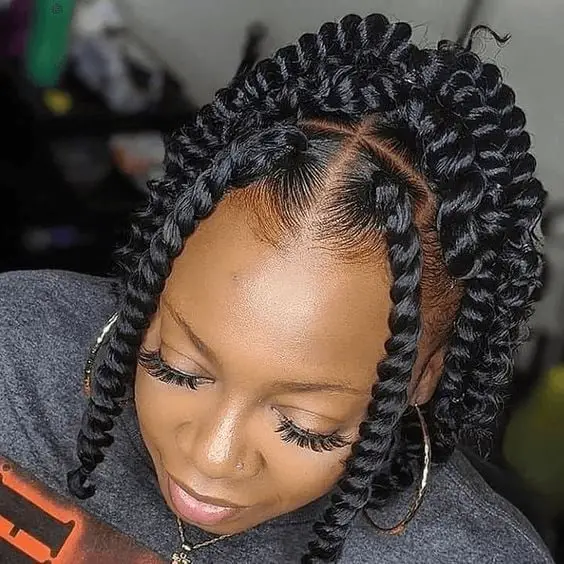
Large twists are a lesson in letting the hair do the talking, since each section is thick enough to show off the natural wave pattern without any fuss. This style suits those with thick, wavy hair that starts around shoulder length, because the density is what keeps each twist full and defined rather than skimpy. If your hair is on the finer side, the larger sections can add perceived volume, but the weight of the twists may pull at the roots over time. Ask your stylist for: large defined twists to shoulders, middle part. The middle parting keeps the heavy sections balanced on both sides, and the black color shows every twist line crisply. The hold is solid for daily wear, though the size of each twist means the style does best when left alone to settle naturally.
Sleek Flat Twists Side View
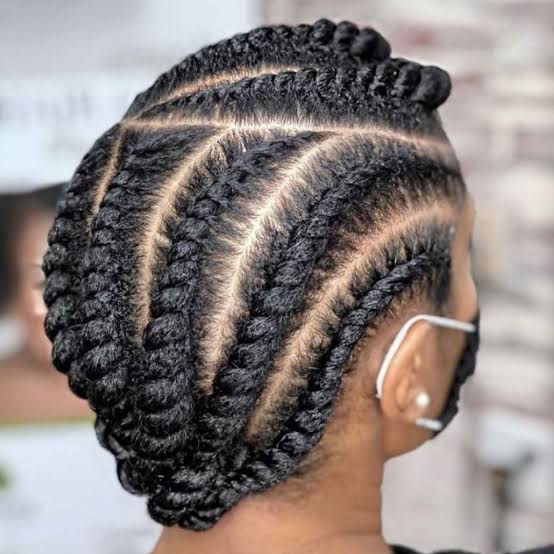
The flat twists here follow a curved path from the front hairline to the nape, with separation lines so sharp they look drawn. This is a technique that demands precision: each twist is smoothed flat against the scalp, and the parting must stay crisp for the whole pattern to read. Thick, coily hair holds the shape best, since the texture grips the twist and keeps it from loosening. Ask your stylist for: sleek flat twists with defined scalp lines, middle part. The commitment is significant: once those parts are set, you are wearing that exact pattern until you take it down. A scalp treatment and a trim every six to eight weeks keep it polished.
Defined Collarbone Twists
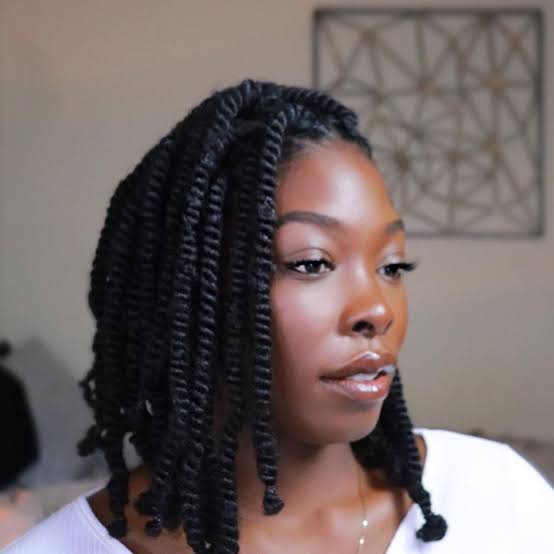
Medium-thick twists at collarbone length with a visible middle part: this is the kind of style that looks intentional without trying hard. The definition comes from even sectioning and consistent tension, and the wavy texture keeps the twists from looking stiff. Ask your stylist for: defined twists to collarbone, middle part. A light-hold spray every few days helps maintain the separation, and a trim every six to eight weeks prevents the ends from unraveling. The hold is solid for about a week before the roots start to soften.
Collarbone Twists With Wooden Beads
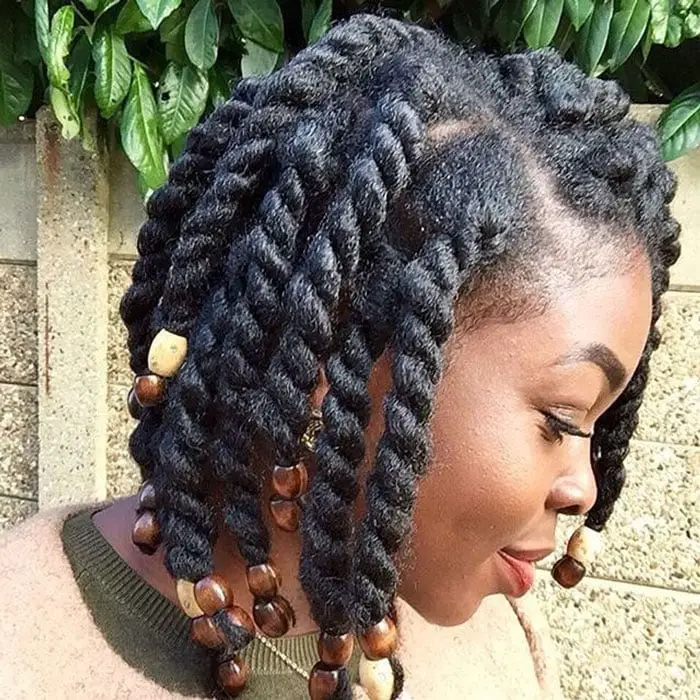
Can a twist style feel both protective and decorative at the same time? When wooden beads are threaded onto collarbone-length twists, yes. The beads add weight, which helps the twists hang evenly, and the natural dark brown base keeps the look grounded. Thick, coily hair is ideal here because the texture grips the beads and keeps them from sliding. Ask your stylist for: twists to collarbone with wooden beads, middle part. This lands best in casual or bohemian settings, and the beads are easy to remove for a more streamlined look. Expect the style to hold its shape for about a week before the beads start shifting.
Mid-Back Braided Twists
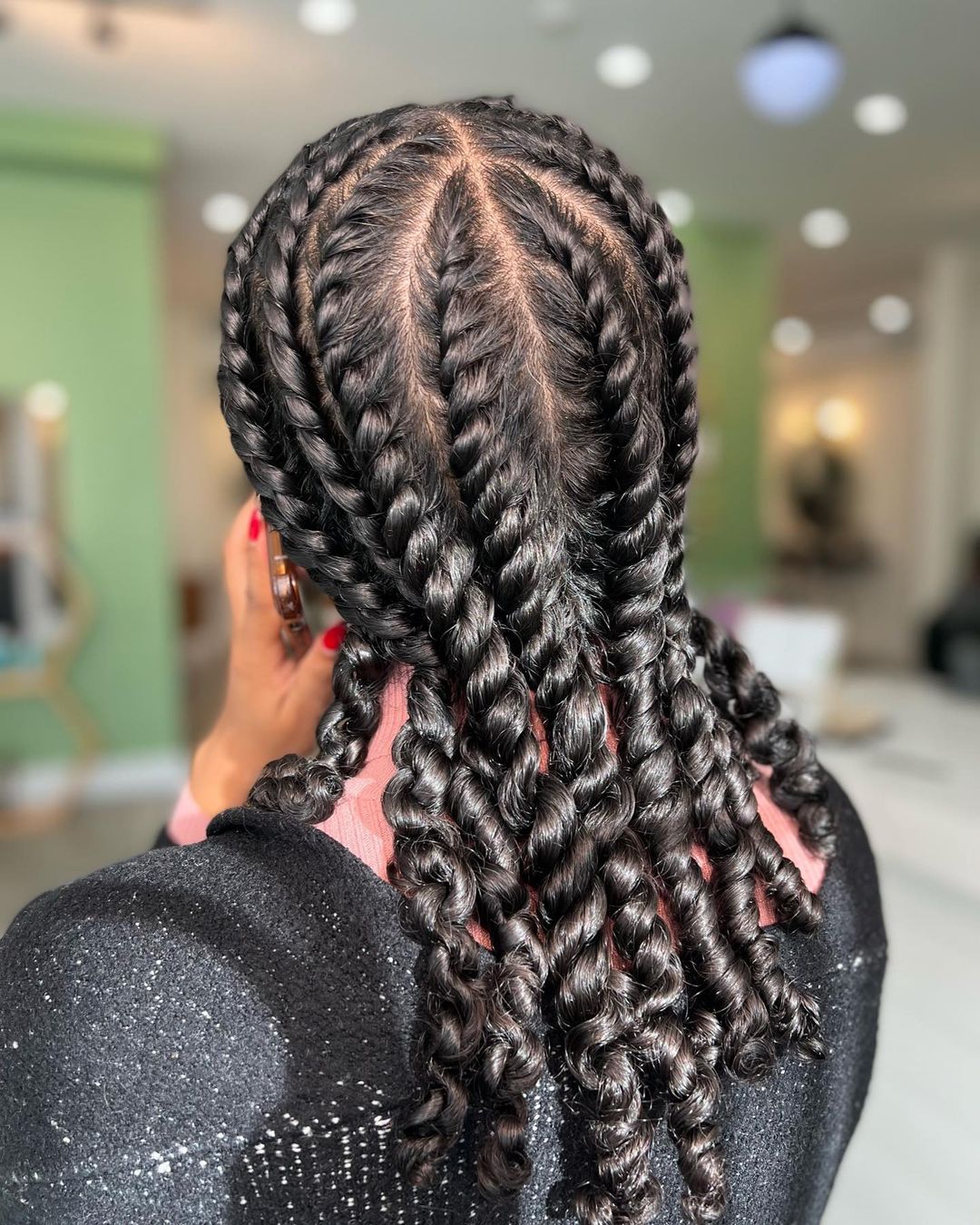
Two-strand twists that reach mid-back, arranged in neat rows from a middle parting: the technique is straightforward but the length makes it a salon project. Each twist is built by twisting two sections of hair around each other, and the wavy texture helps the twist hold without slipping. Thick hair at mid-back length is the minimum starting point, since the weight of the twists needs density to avoid looking stringy. Ask your stylist for: thick braided twists to mid-back, middle part. DIY is possible if you have the patience and a good mirror setup, but most people will spend about three hours in the chair. The hold is excellent for two to three weeks before the roots need attention.
Glossy Mid-Back Twists
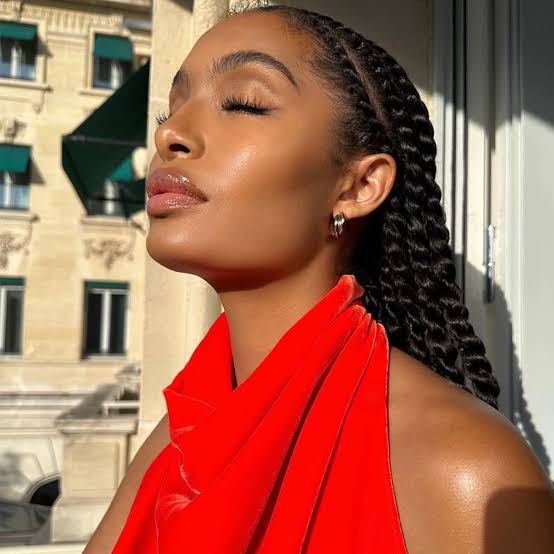
A middle part and a dense field of glossy black twists make a strong case for shine over matte finishes on longer hair. Thick, wavy hair at mid-back length absorbs the light differently than shorter textures, so the gloss is a deliberate polish. Ask your stylist for: glossy twists to mid-back, middle part.
A lightweight shine serum applied after each wash keeps the surface reflective without buildup. The twists hold their definition for about two weeks before the roots need attention. A trim every eight to ten weeks maintains the clean ends that keep the gloss fresh, not greasy.
Long Mid-Back Dark Brown Twists With Showcasing Its Length And Volume
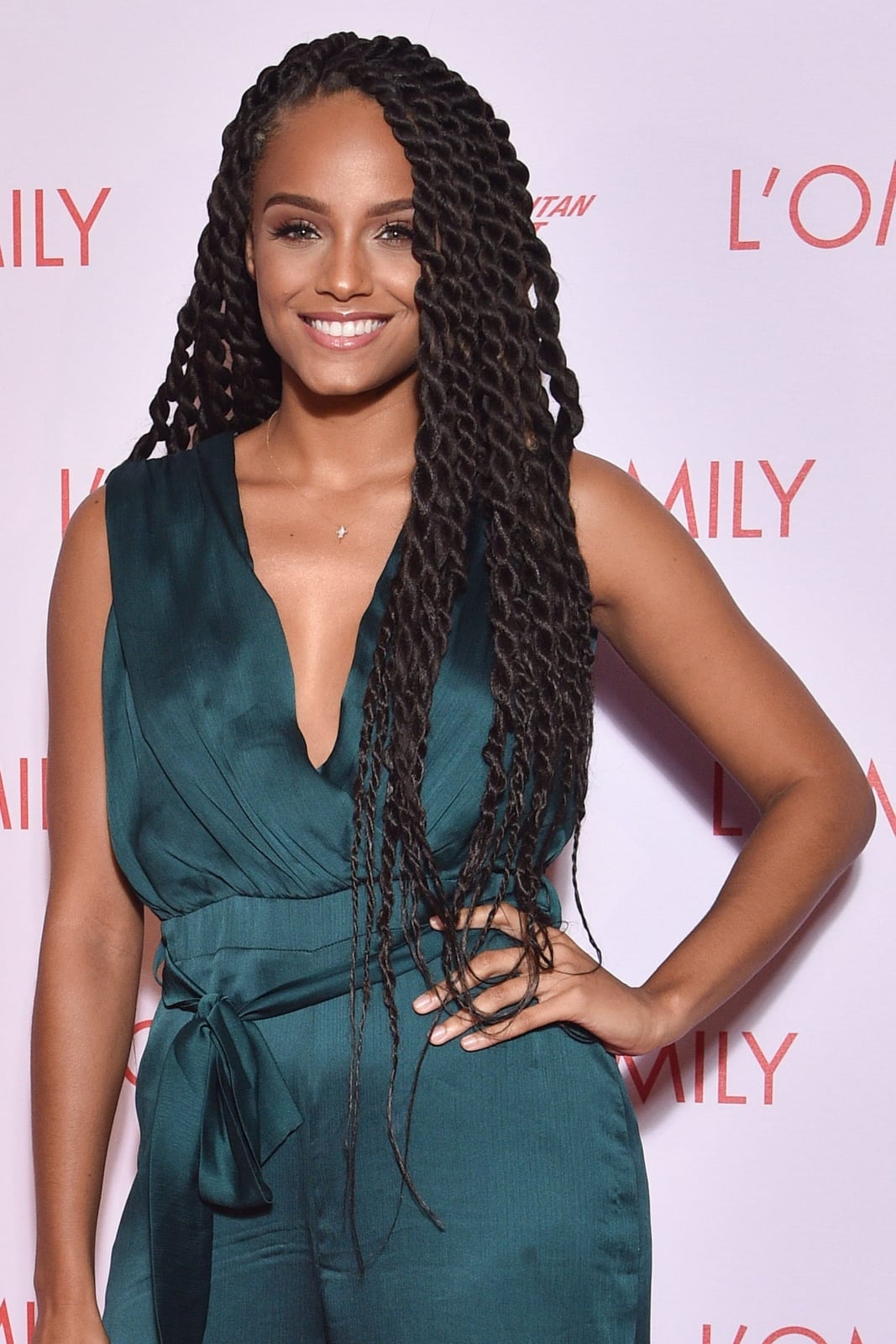
How do you ask for twists that flow like loose hair instead of hanging in stiff ropes? The key is in the words “long” and “flowing,” because a standard twist request can come back tighter and shorter than you pictured. These long dark brown twists reach the mid-back with a subtle wavy texture that moves naturally from a middle parting, and the thick sections carry the length without looking weighed down. Ask your stylist for: long dark brown twists to mid-back, middle part. The dark brown base gives the style depth, and the waves keep the twists from reading as uniform or rigid. This is the sort of set that works for most face shapes, since the length and the middle parting draw the eye downward. The twists hold their shape well, and a moisturizing balm on the ends keeps them from drying out between trims.
Mid-Back Passion Twists With Highlights
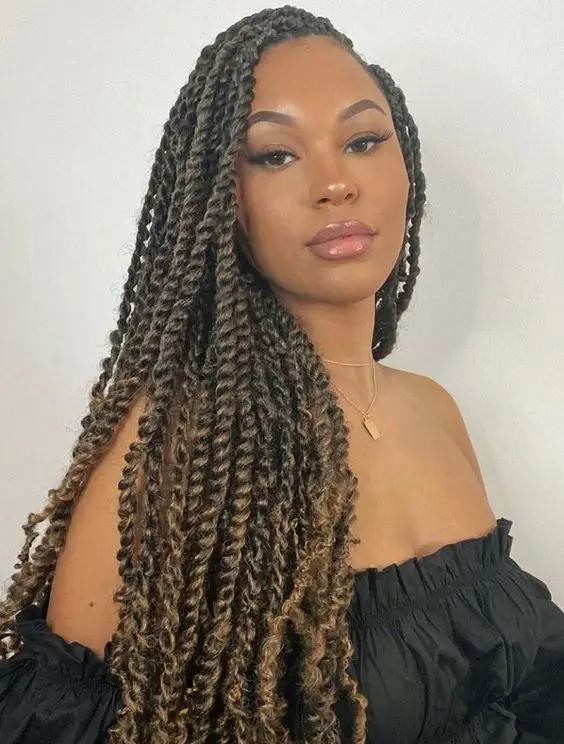
Solid color passion twists look uniform and dense; add a blend of brown and blonde highlights, and the same set of twists starts to look layered and dimensional. The lighter strands draw attention along the length, so the style appears longer than a solid set of the same size twists. Wavy hair at mid-back is the ideal starting point. Ask your stylist for: long passion twists to mid-back with brown and blonde highlights.
Highlights require maintenance. A toning appointment every six to eight weeks keeps the blonde from warming into a brassier shade against the brown base, and the loose, curly ends need a curl-defining cream to stay separate and not fuse into a single mass.
Mid-Back Twists With Decorative Accessories
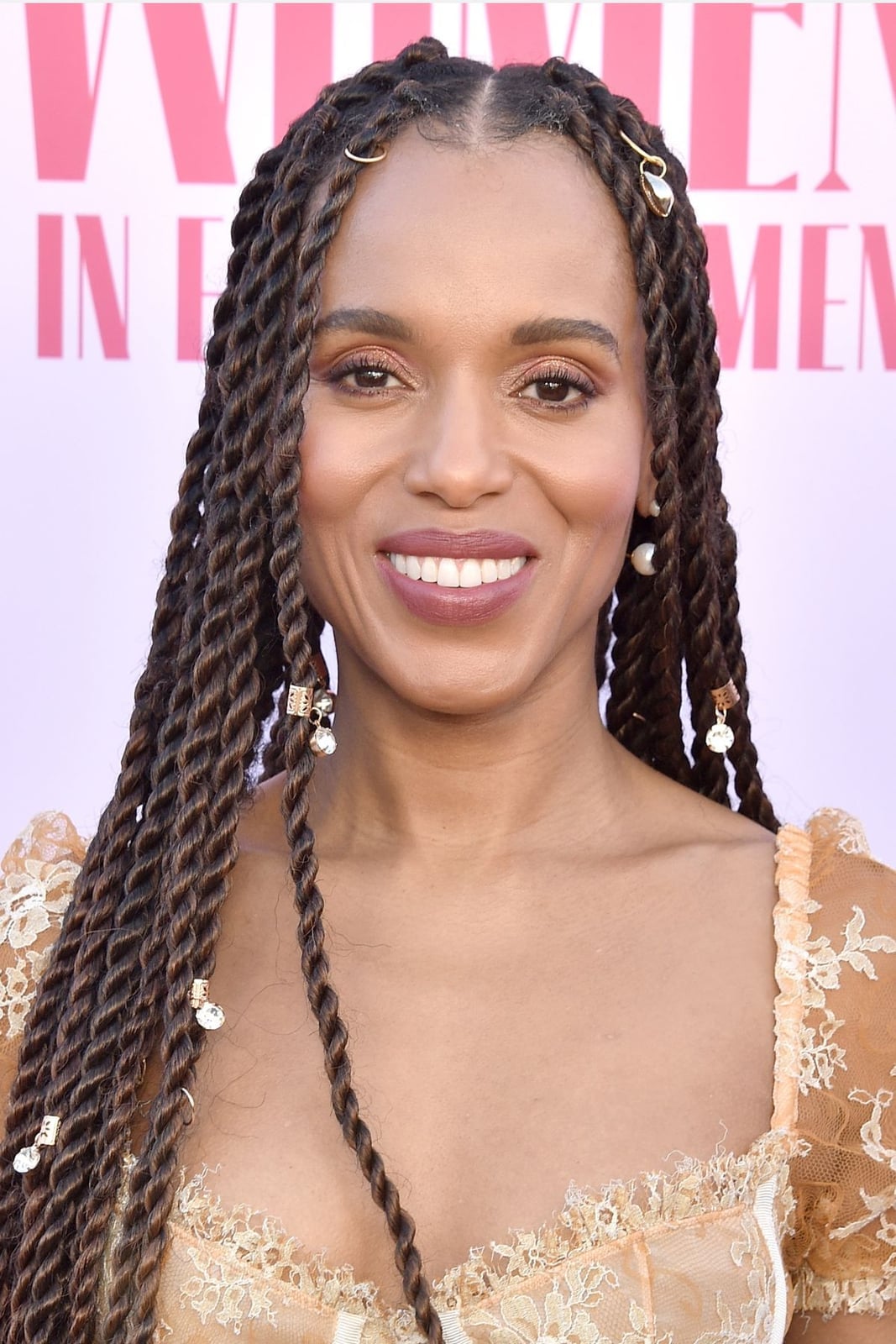
Looking for a way to make a standard set of long twists feel special for a specific event? The answer is often in the details: a few rings, charms or small cuffs threaded onto the twists shift the style from everyday protective styling to something festive. Thick, wavy dark brown twists at mid-back with lighter streaks provide enough grip to keep accessories in place without slipping. Ask your stylist for: long dark brown twists to mid-back with decorative accessories.
This styling moves naturally into festival season or summer celebrations, where the accessories stay low profile and the hair stays off the neck. The pieces add visual interest without lengthening the appointment time.
High Ponytail With Twists
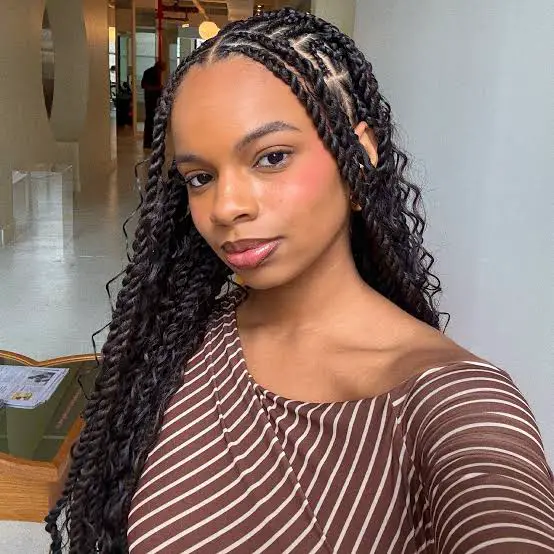
A high ponytail built from two-strand twists is a different animal than one made from loose hair. The twists hold their structure when pulled upward, so the ponytail stays thick and defined rather than collapsing into a single lump. Thick, wavy hair at mid-back with brown and blonde highlights gives the style both volume and dimension. Ask your stylist for: high ponytail with two-strand twists and highlights. This is a salon installation, but the daily styling is minimal: gather the twists, secure with a strong hair tie, and pin any shorter pieces at the nape.
Long Loose Coily Twists
Long, loose twists rely on the natural spring of coily hair to carry their volume. This set falls to the mid-back in solid black, parted down the middle, with each twist allowed to move freely. The effect is a simple, natural look that gets its weight from the hair itself.
Ask your stylist for: long loose coily twists to mid-back, middle part. They suit thick coily hair that already starts around the mid-back, since the length gives the twists room to hang without losing their bounce. The loose styling works on most face shapes, though the volume at the sides does add width for those with longer faces. Keep the twists soft with a moisturizing oil, and expect a trim every 8 to 10 weeks to stop the ends from thinning out.
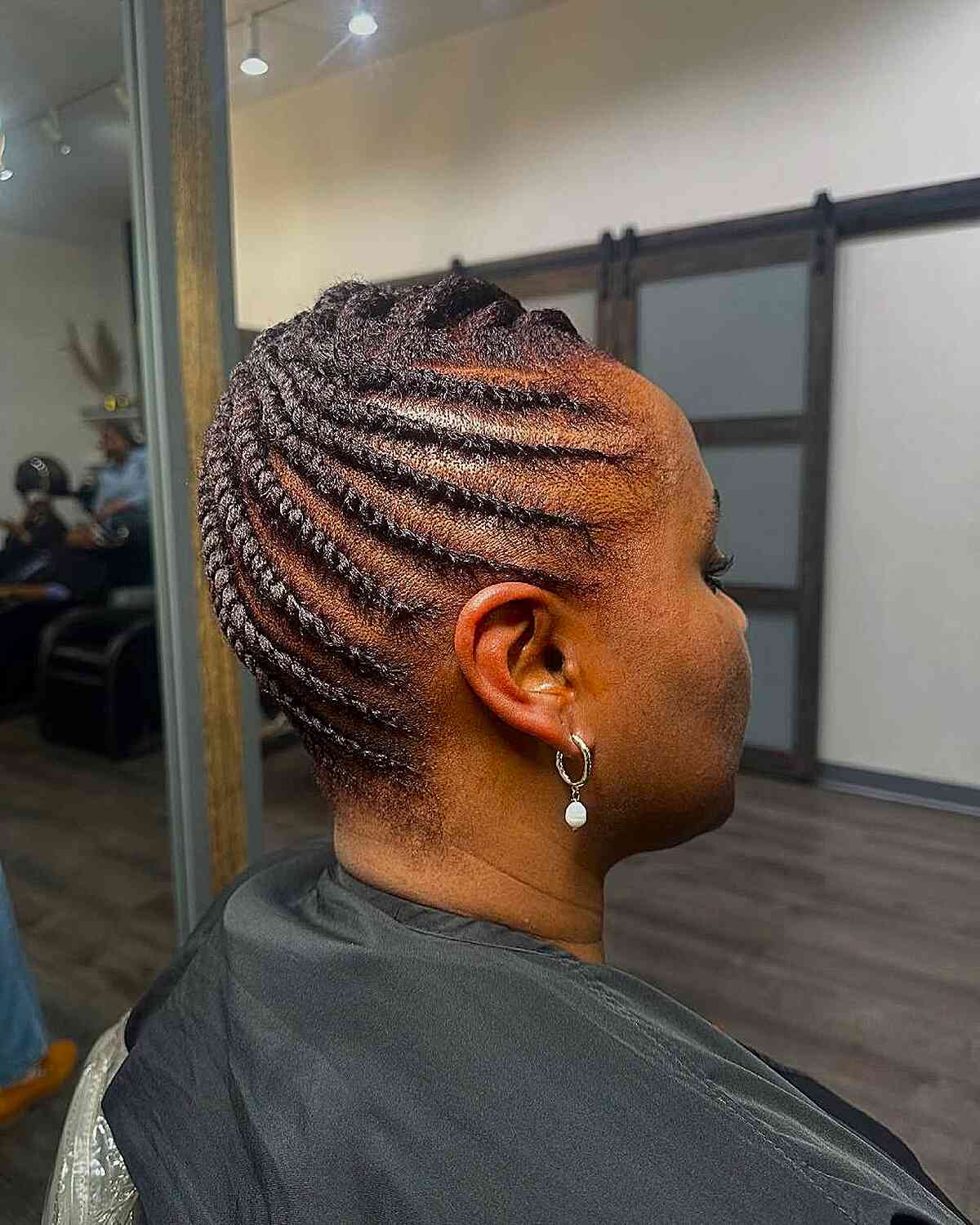
Flat Twists Into Loose Curls Back View
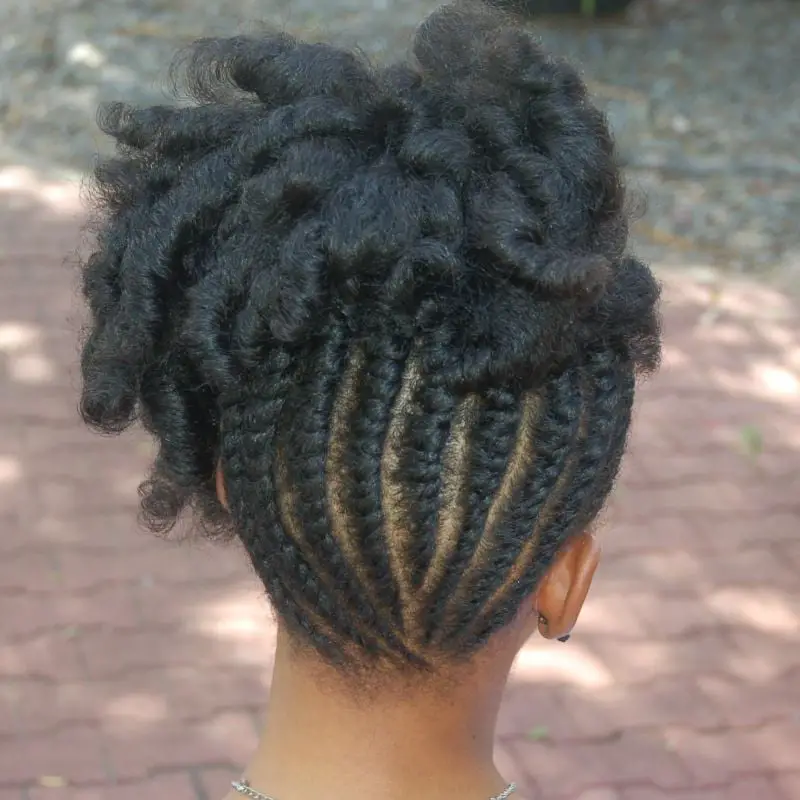
Flat twists that radiate from the crown create a pattern you can see from across the room, and the back view is where it earns its keep. Here, the twists start clean and defined at the scalp, then loosen into natural coils by the mid-back, all in thick black hair. The contrast between the structured roots and the soft ends gives the style its polished look.
Ask your stylist for: flat twists into loose curls with radiating pattern. This holds its shape well for about a week, but the loose ends need a curl-defining cream each morning to keep them from frizzing into a single mass. The pattern will soften as the week wears on, so you cannot just sleep on it and walk out the door. Plan on a trim every 8 to 10 weeks, and accept that the radiating part becomes less crisp with every wash.
Final Thoughts
For fine or thinning hair, opt for medium-sized twists to create the illusion of fullness, and consider styles with volume at the crown. For thicker hair, embrace the natural density with larger twists or intricate patterns.
- Moisturize twists daily with a leave-in conditioner or hair mist.
- Sleep with a satin bonnet or scarf to preserve twists and prevent frizz.
- Refresh twists weekly with a light oil or serum, focusing on the ends.
- For salon-styled twists, plan for touch-ups every 4-6 weeks depending on growth.
Embrace the versatility of simple natural twists.