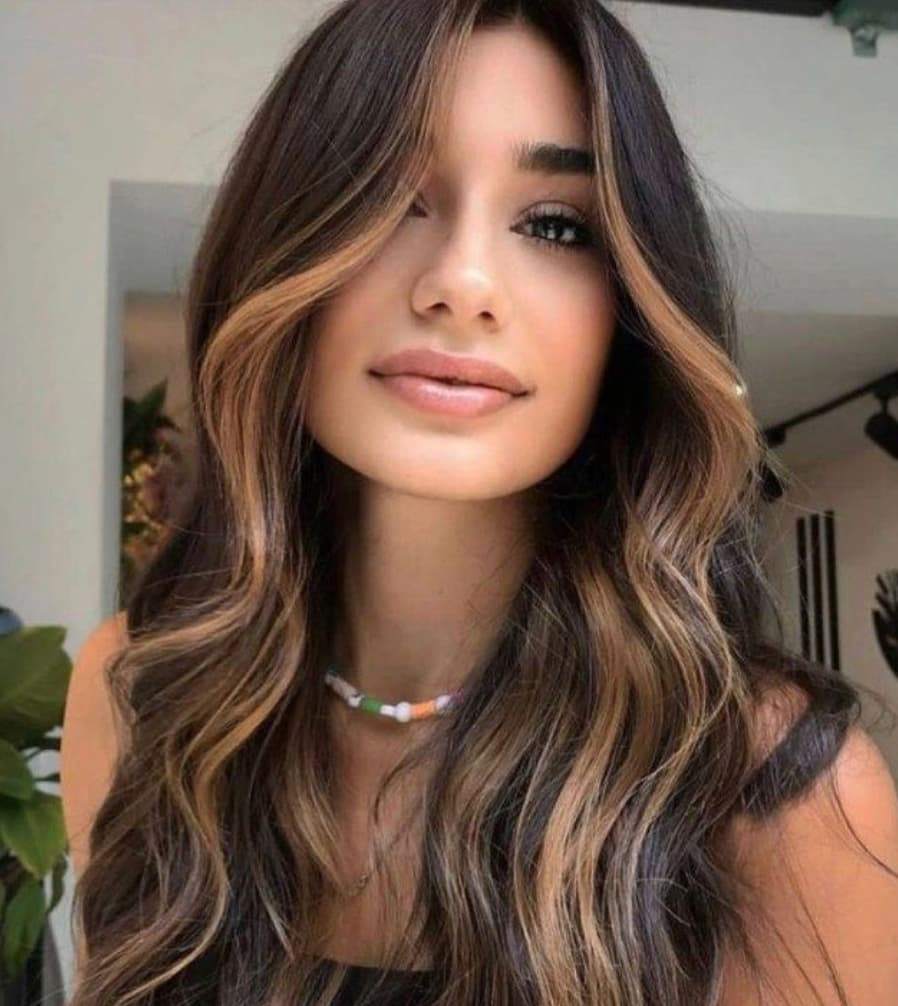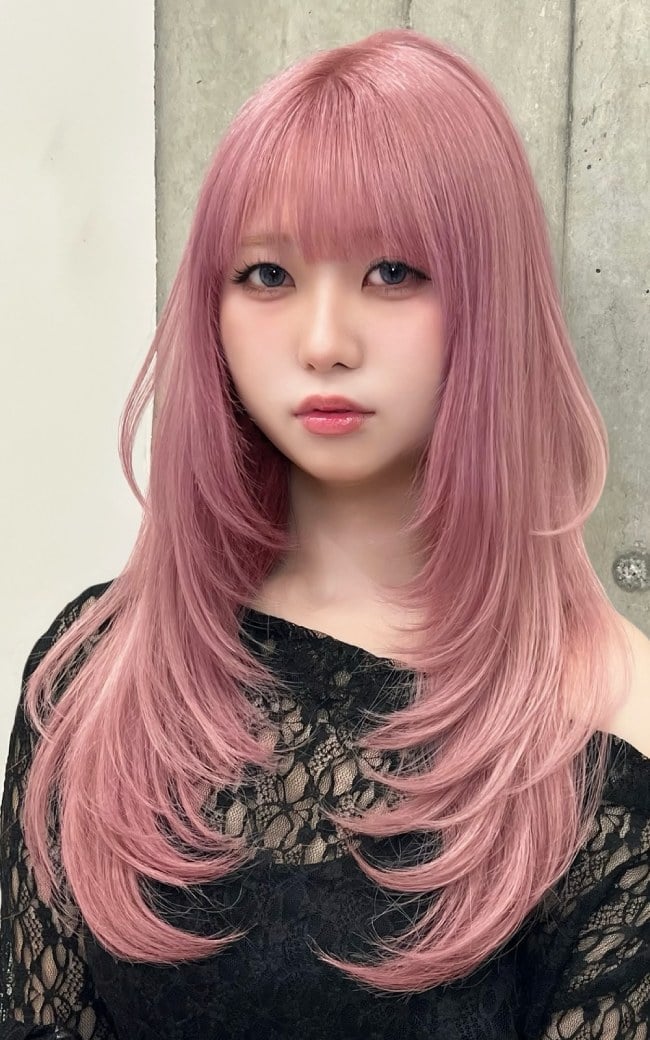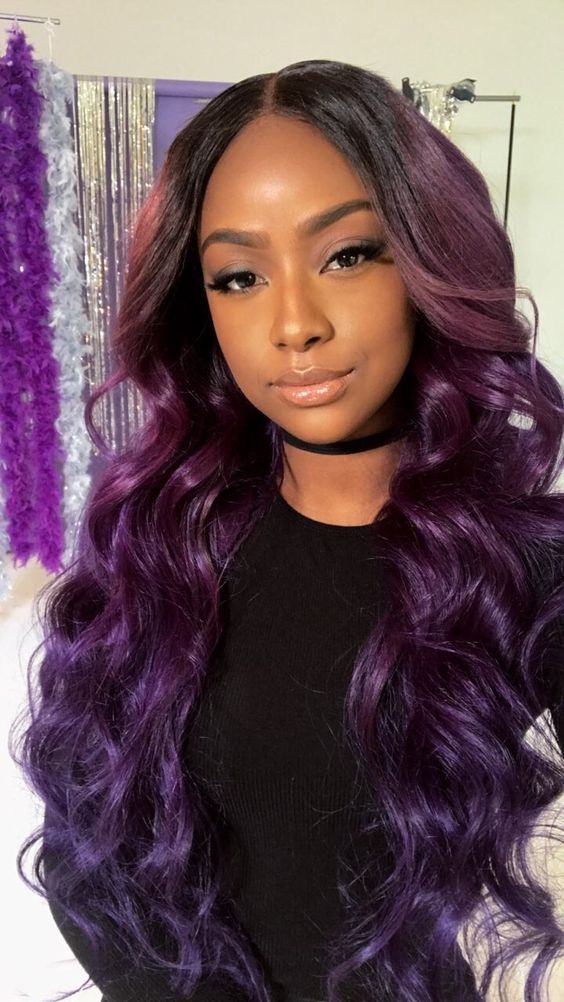

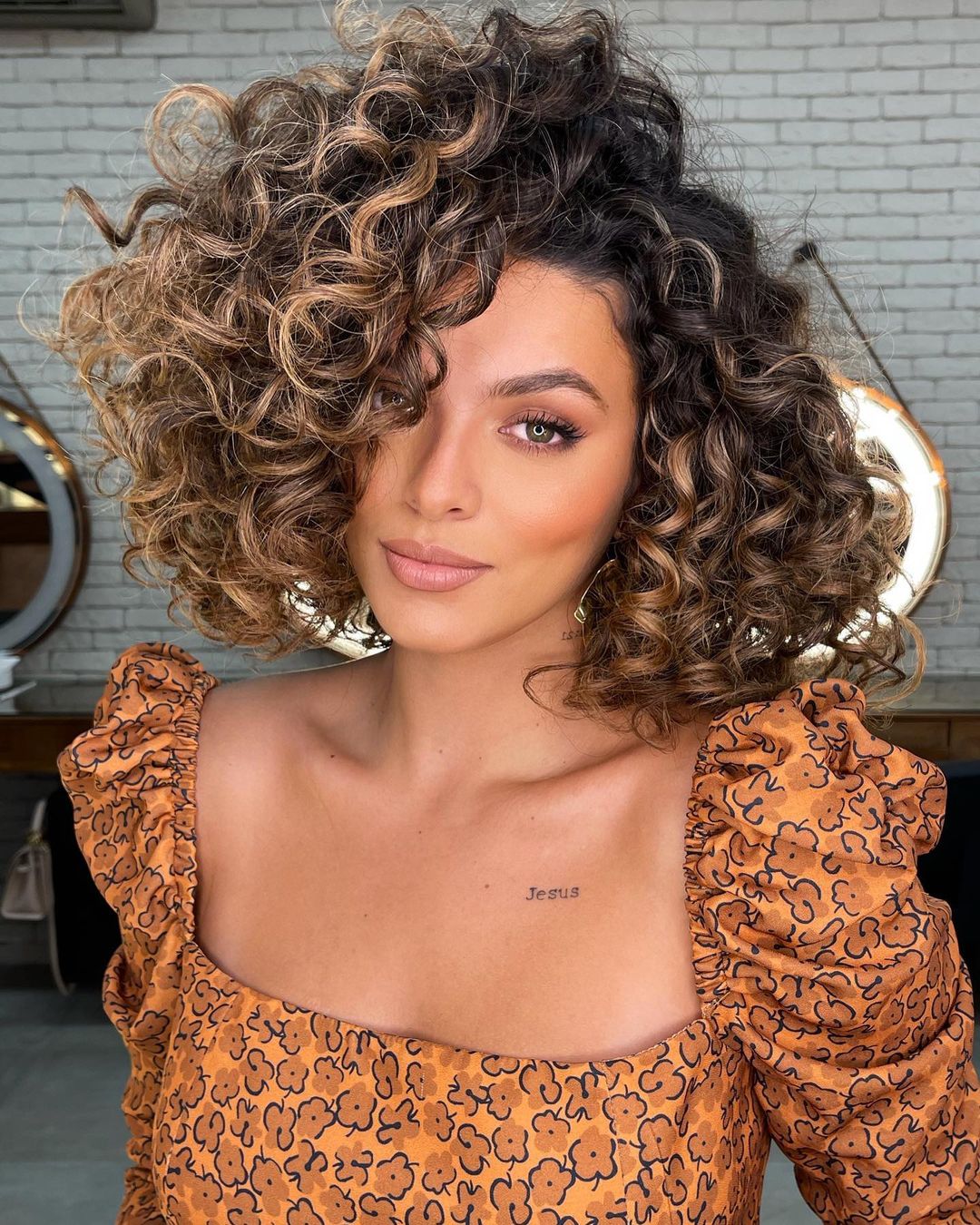
Simple light highlights are the subtle kind: a few shades lighter than your base, painted on so they blend rather than stripe. The trend has moved away from chunky, uniform slices toward softer, more lived-in placement, especially around the face.
This collection of 27 ideas covers the full range, from collarbone bobs to mid-back waves, fine textures to thick curls, and low-upkeep balayage to more precise foiling. Simple Light Highlights work for anyone who wants dimension without the harsh grow-out line or the weekly toner commitment. They solve the problem of hair that looks flat between appointments, keeping the color fresh without demanding constant attention.
Collarbone Lob With Contrasting Light Blonde Highlights
The contrast here isn’t an accident: the stylist placed the light blonde highlights only where the dark brown base needed a lift, leaving the root area untouched for depth. That placement creates the dimension you see, with the curtain bangs catching a few lighter strands to draw the eye outward. This collarbone lob suits medium to thick hair starting at the collarbone, and the curtain bangs soften round or heart face shapes. Ask your colorist for: collarbone lob with face-framing light blonde highlights. To keep the waves defined, use a large barrel curling iron on dry hair, and plan a trim every six to eight weeks to maintain the shape.
Chin Length Bob With Copper and Blonde Highlights
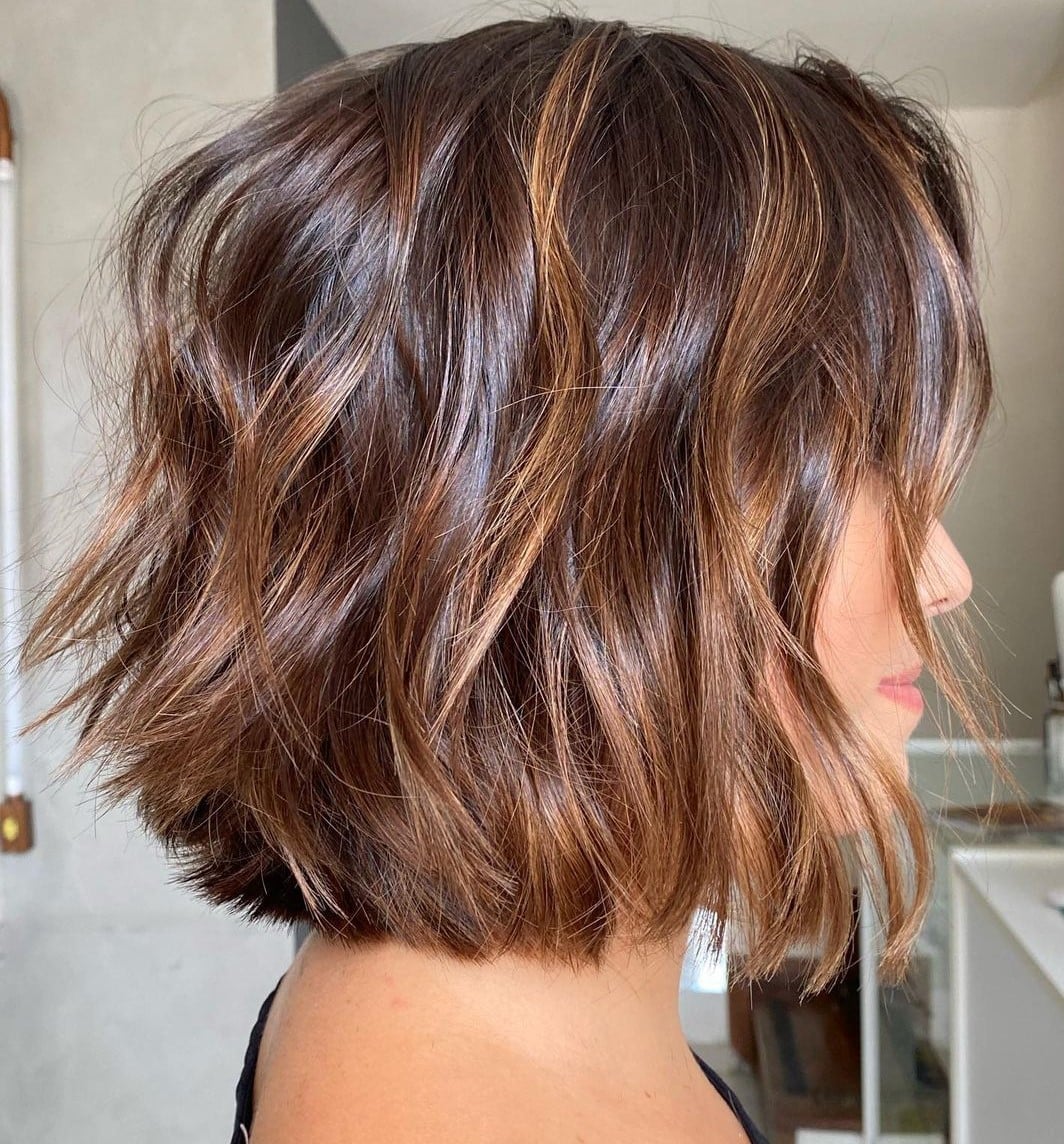
To get a bob that looks lived-in instead of freshly dyed, layer two shades over the dark brown base: copper for warmth and blonde for brightness. The side parting and textured waves let the highlights peek through at different angles, so the color shifts as you move. It works best on fine to medium hair of chin length, and the side bangs suit oval or square faces well. Ask your colorist for: chin length bob with copper and blonde highlights. A texturizing spray on the lengths will enhance the wave pattern, and a trim every four to six weeks keeps the bob from losing its shape.
Shoulder Length Layers With Subtle Blonde Highlights
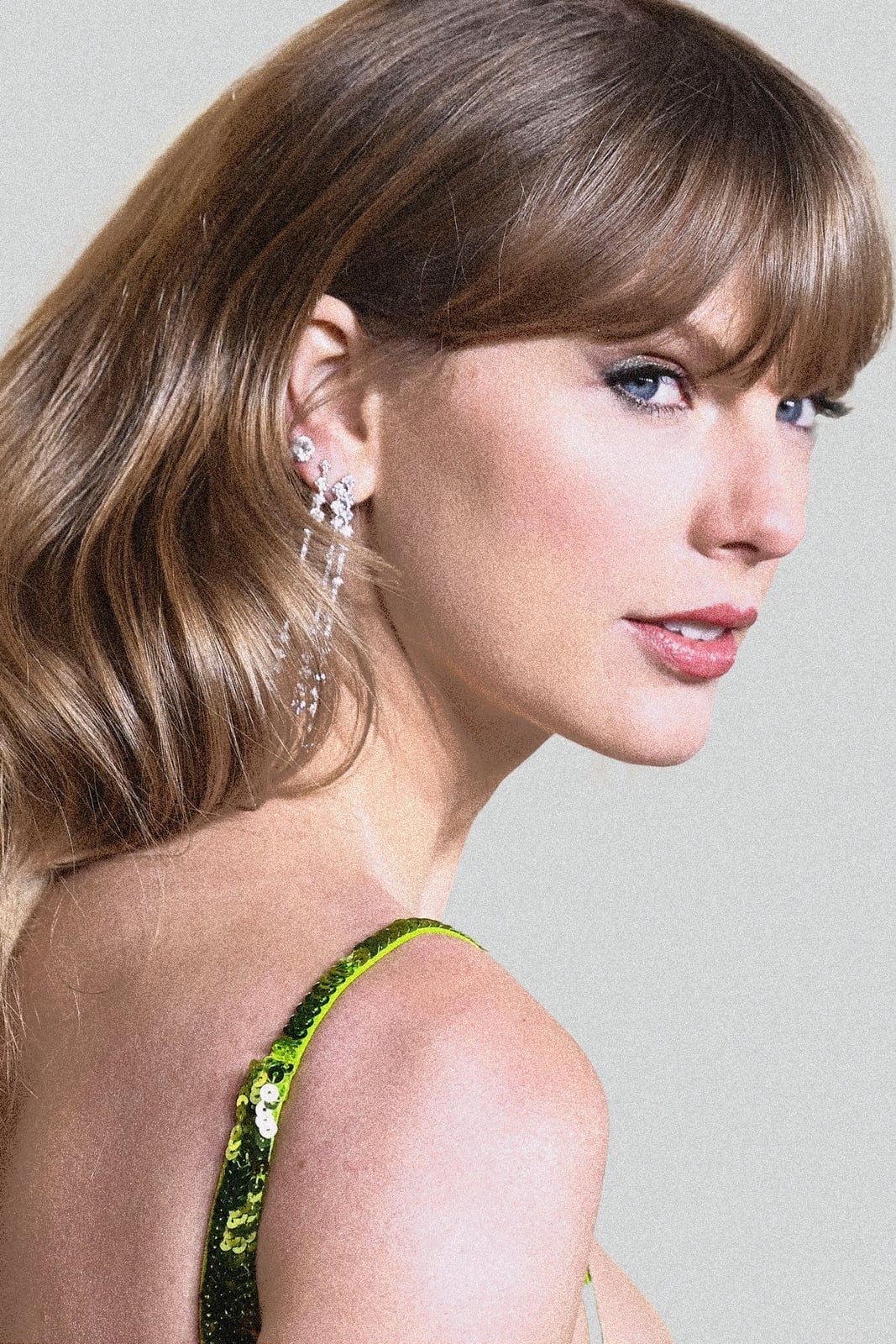
The face-framing layers are the real workhorse here: they pull the blonde highlights forward so the color shows up even when your hair is down. The light brown base keeps the overall effect subtle, with the blonde woven through the mid-lengths rather than concentrated at the ends. This cut suits medium-density hair starting at the shoulders, and the curtain bangs soften angular jawlines. Ask your stylist for: shoulder length layers with subtle blonde highlights and curtain bangs.
For styling, a smoothing serum on the ends keeps the waves glossy without weighing them down. Curtain bangs need a trim every three to four weeks to hold their shape, otherwise they start grazing your eyes. If your hair is very fine, skip the heavy layers and keep more weight at the ends to avoid stringiness.
Mid-Back Curly Thick Hair With Fine Blonde Highlights
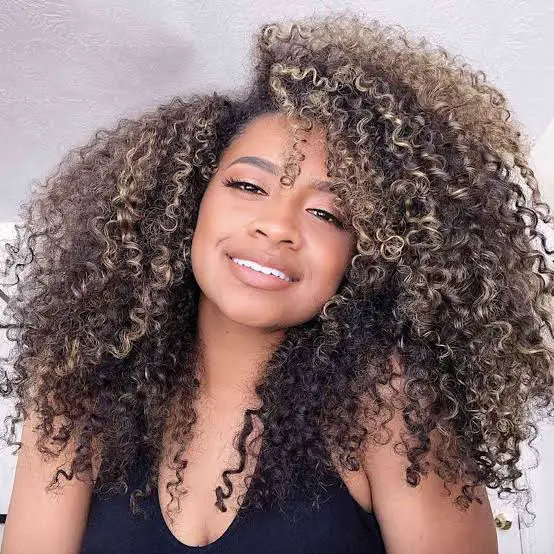
The fine, evenly distributed highlights here do the opposite of what you might expect: instead of adding bulk, they break up the density of thick, curly hair so each curl reads individually. The dark brown base gives the blonde something to bounce against, and the middle parting keeps the volume balanced on both sides. Thick, curly hair of mid-back length with volume at the sides suits longer face shapes. Ask your colorist for: mid-back curly hair with fine, evenly distributed blonde highlights.
The reality of this look is that fine highlights on curly hair need a lighter hand, because too many light strands can blur the curl pattern into a washed-out mass. A curl-defining cream on air-dried hair keeps the shape intact, and a trim every 10 to 12 weeks prevents split ends from traveling up the shaft. The drawback: those fine highlights will grow out faster than chunkier ones, so you may see a root line sooner than you would like.
Mid-Back Wavy Hair With Dimensional Blonde Highlights
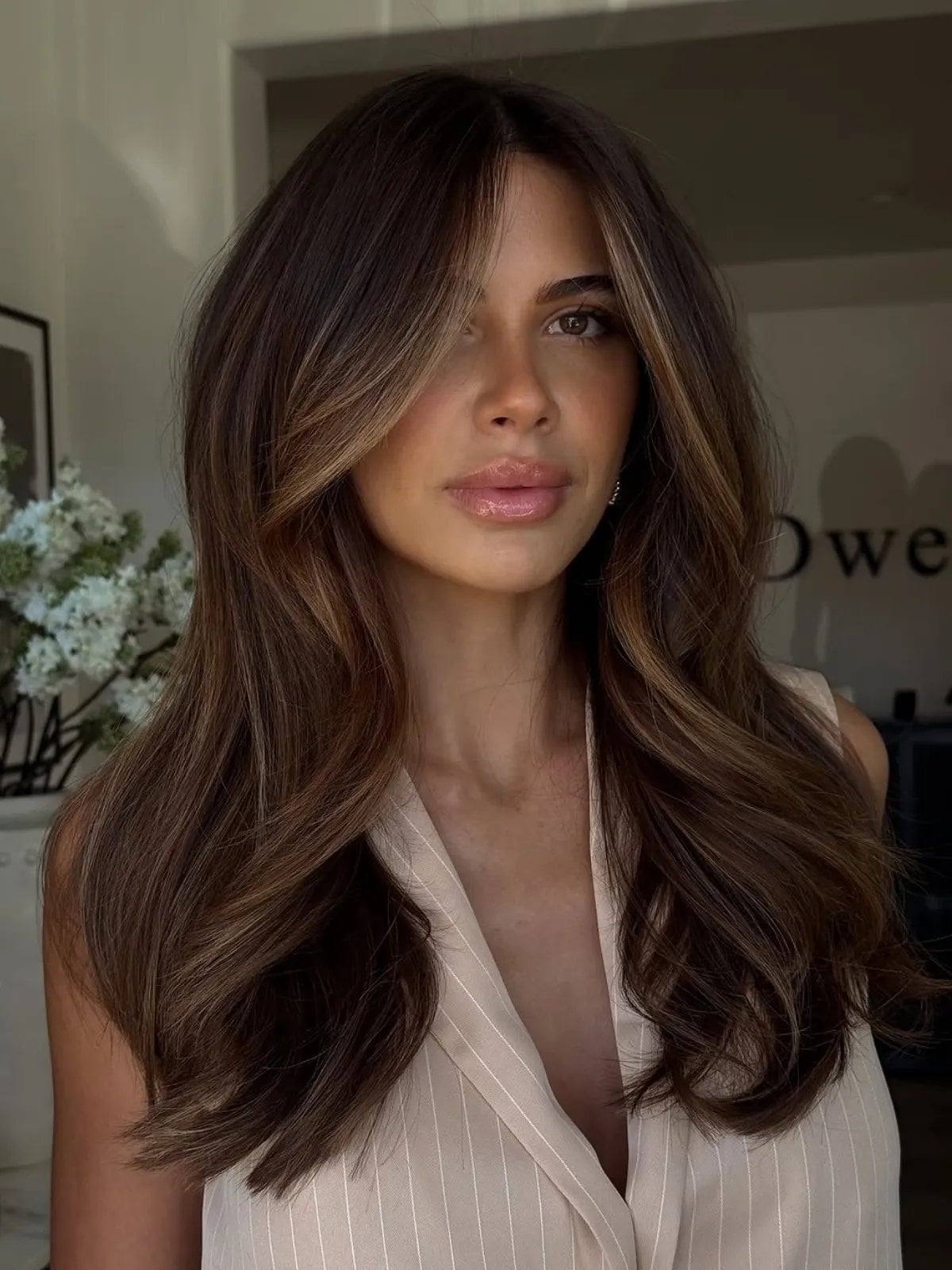
Dimensional highlights are the opposite of a solid color application: instead of one uniform shade, the lighter blonde strands are scattered through the light brown base, so the movement in the waves shows up as shifts in tone. This makes the hair look like it has texture even when it’s still. It suits medium, wavy hair of mid-back length and works with most face shapes, since the length pulls the eye down rather than out. Ask your colorist for: mid-back wavy hair with dimensional blonde highlights.
This is a good choice for everyday wear, but it also carries into going-out looks because the dimension catches light differently as you move. To keep the wave pattern, use a diffuser attachment on your dryer and scrunch from the ends up. A toning appointment every 8 to 10 weeks keeps the blonde from turning brassy, especially if your base has any warmth to it.
Mid-Back Natural Blonde Highlights With Smooth Blowout
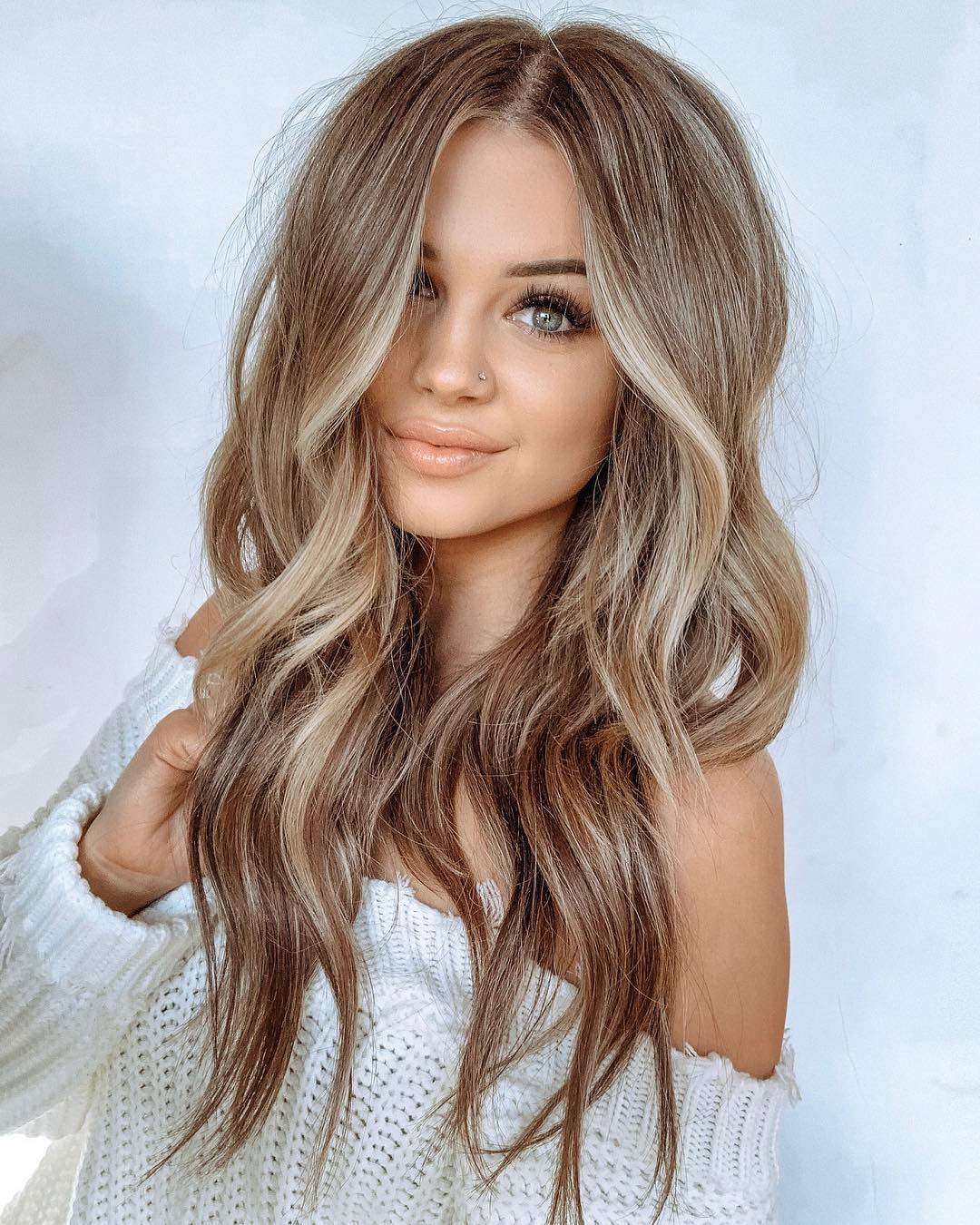
The trick to natural-looking dimension on a light brown base is spacing the highlights wider than you expect, so they read as sun rather than stripes. This mid-back length works because the thick, wavy texture catches each lighter strand at a different angle, which is exactly what a blowout needs to look deliberate. Ask your colorist for: mid-back hair with natural-looking blonde highlights. The smooth finish comes from drying each section with a round brush, and a trim every ten to twelve weeks keeps the ends tidy enough to keep the whole thing working.
Collarbone Wavy Hair With Blended Blonde Highlights
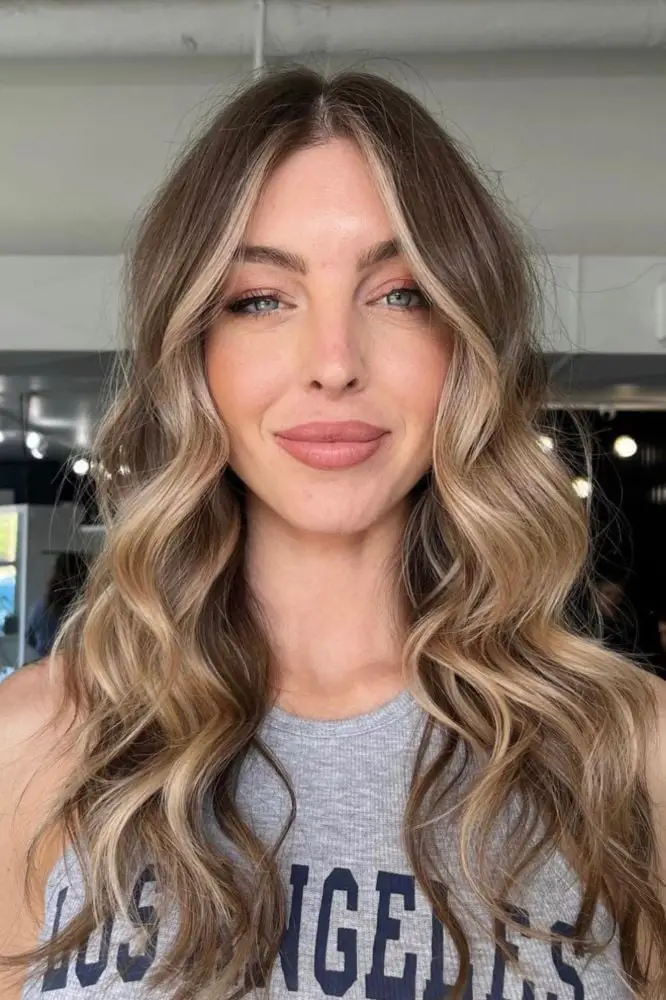
Can you get that seamless blend at home? Technically yes, if you enjoy painting sections of hair with lightener while holding a mirror in one hand and a timer in the other. Realistically, a salon does it in about two hours because they can see the back of your head and know exactly how long each section needs to process. Ask your colorist for: collarbone length wavy hair with blended blonde highlights. The natural blend on this collarbone length comes from weaving fine slices rather than chunky ones, and the wavy texture helps hide any slightly uneven sections between toning appointments.
Collarbone Layers With Face-Framing Blonde Highlights
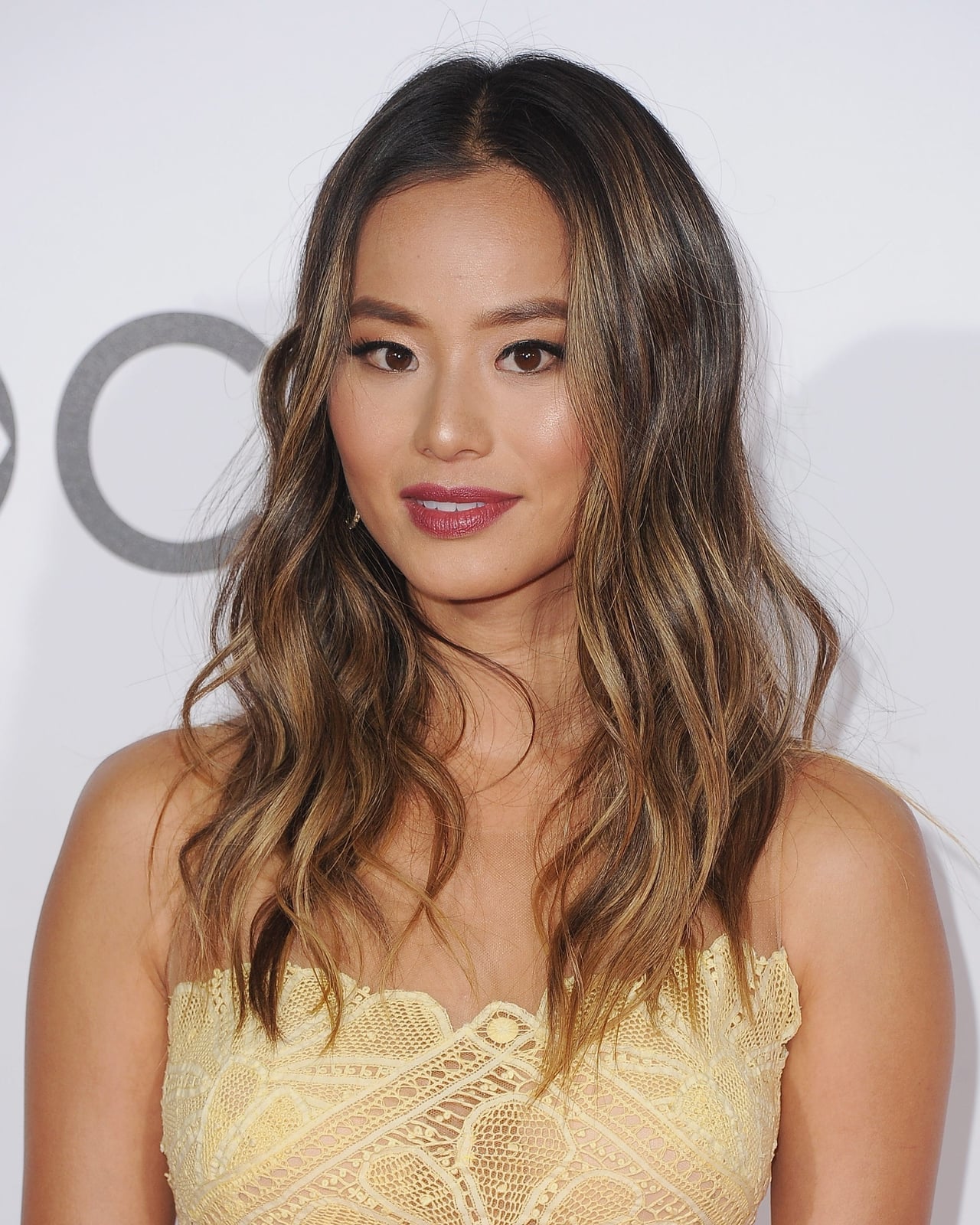
Curtain bangs draw attention upward, and the lighter pieces around the face make the whole cut read as brighter without touching the rest of the length. Both the bangs and those front highlights grow fast. Ask your colorist for: collarbone layered cut with face-framing blonde highlights. You will need a trim every six weeks to keep the fringe from turning into a middle part situation, and the highlights near your hairline will need a touch-up before the rest of the color does. That is the honest reality of a look built around the front.
Mid-Back Wavy Hair With Subtle Caramel Highlights
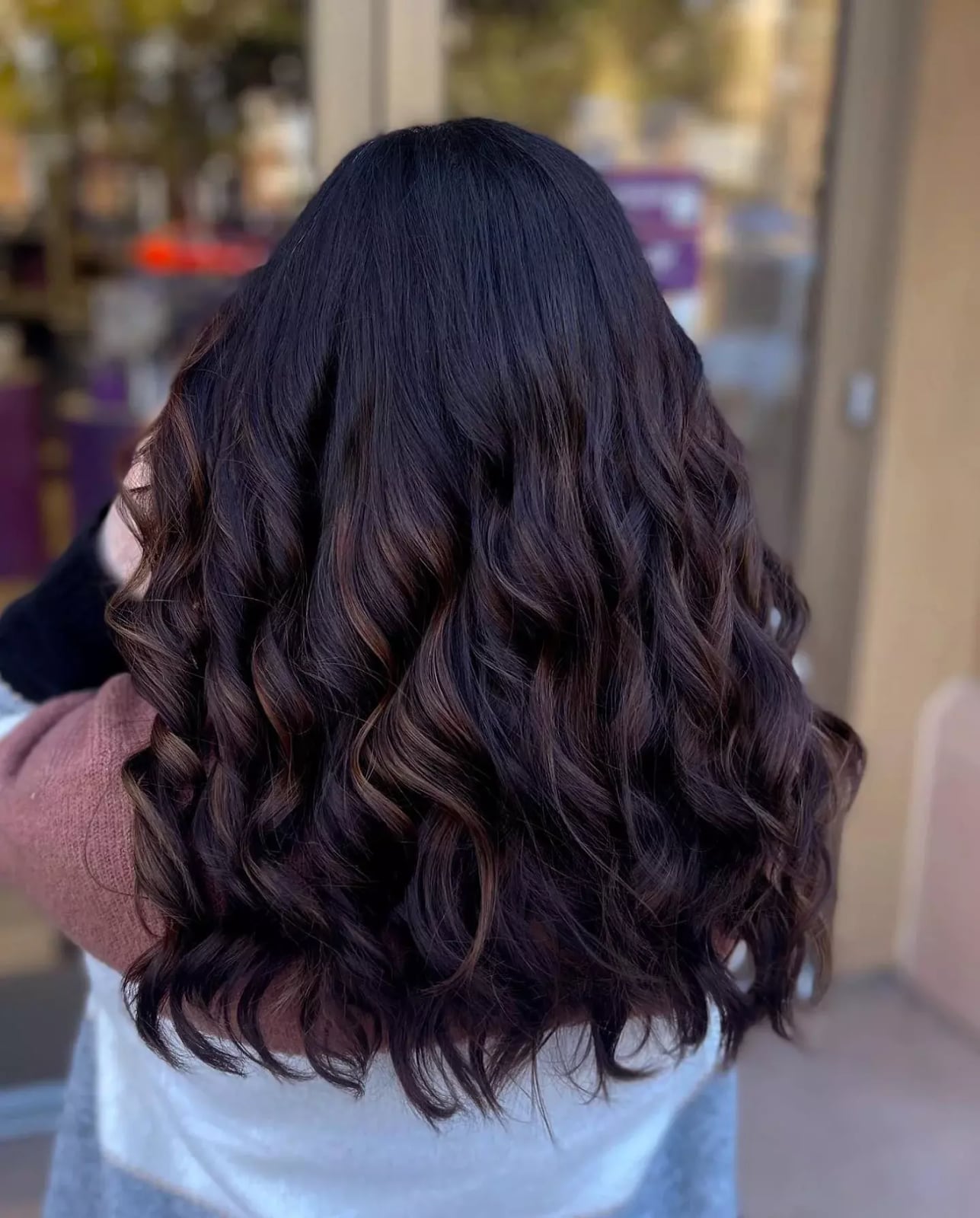
Caramel highlights are a popular choice for anyone with a dark brown base who wants warmth without frequent salon visits. Caramel sits close enough to the natural shade that the grow-out line is nearly invisible, which means you can go twelve weeks between color appointments without looking like you forgot something.
Ask your colorist for: mid-back dark brown hair with subtle caramel highlights. The thick, wavy texture helps the color appear soft and natural because each wave shows a different ratio of dark base to lighter strand. If your hair is fine or straight, the effect will be subtler, so ask for a slightly denser weave to keep the dimension visible.
Mid-Back Light Brown With Natural Blonde Highlights
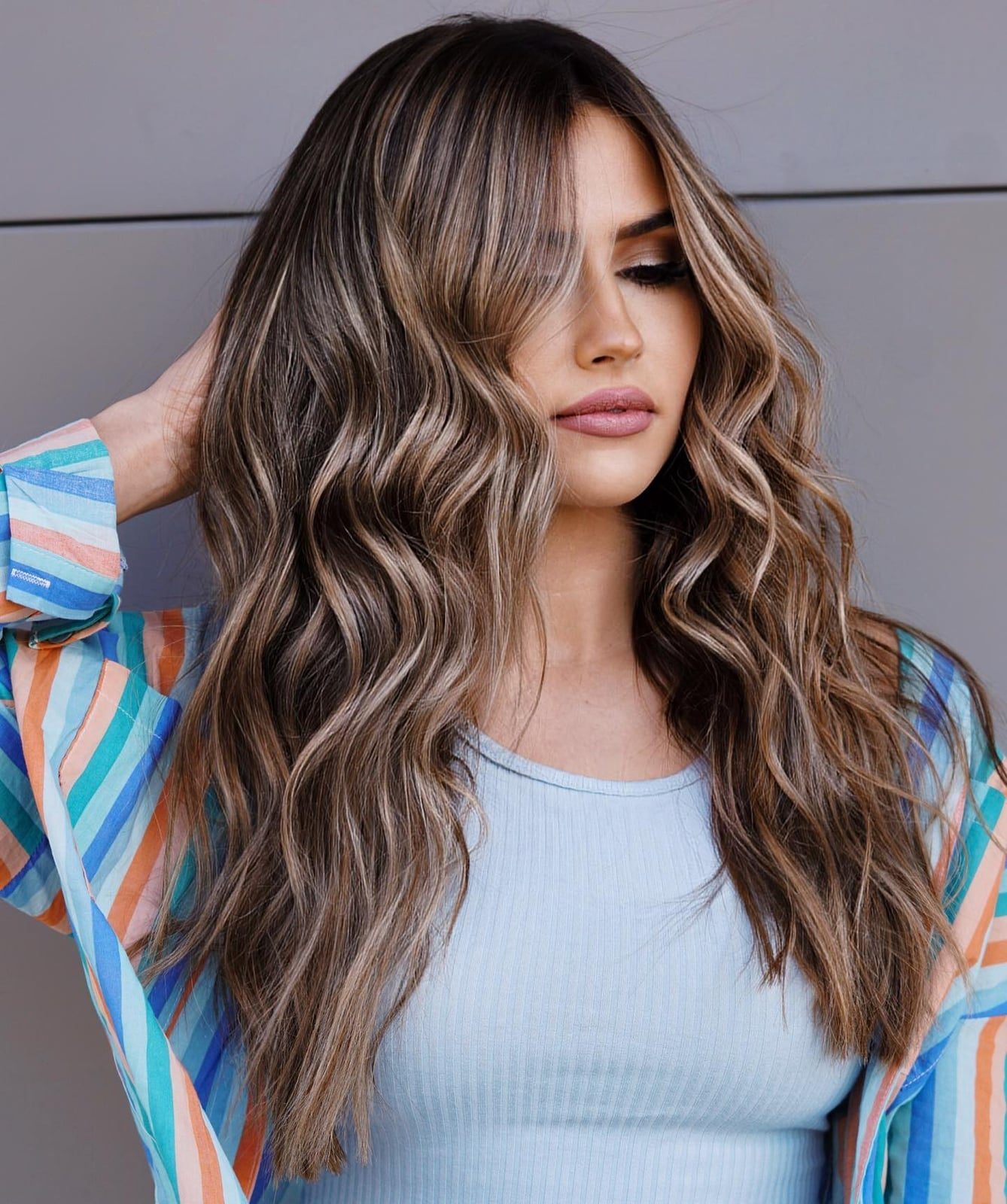
The highlights are spaced wide enough that the light brown base stays dominant, and the blonde strands are fine enough to look natural. The back view shows how the lighter pieces are concentrated more towards the ends, leaving the roots darker for a lived-in effect.
Ask your colorist for: mid-back light brown hair with subtle blonde highlights. The wavy texture helps because each wave pushes a different highlight to the surface, so the dimension shifts as you move. A toner every eight to ten weeks keeps the blonde from veering too warm, and a leave-in conditioner on damp hair keeps the thick texture from looking dry at the ends.
Mid-Back Dirty Blonde With Lighter Blonde Highlights
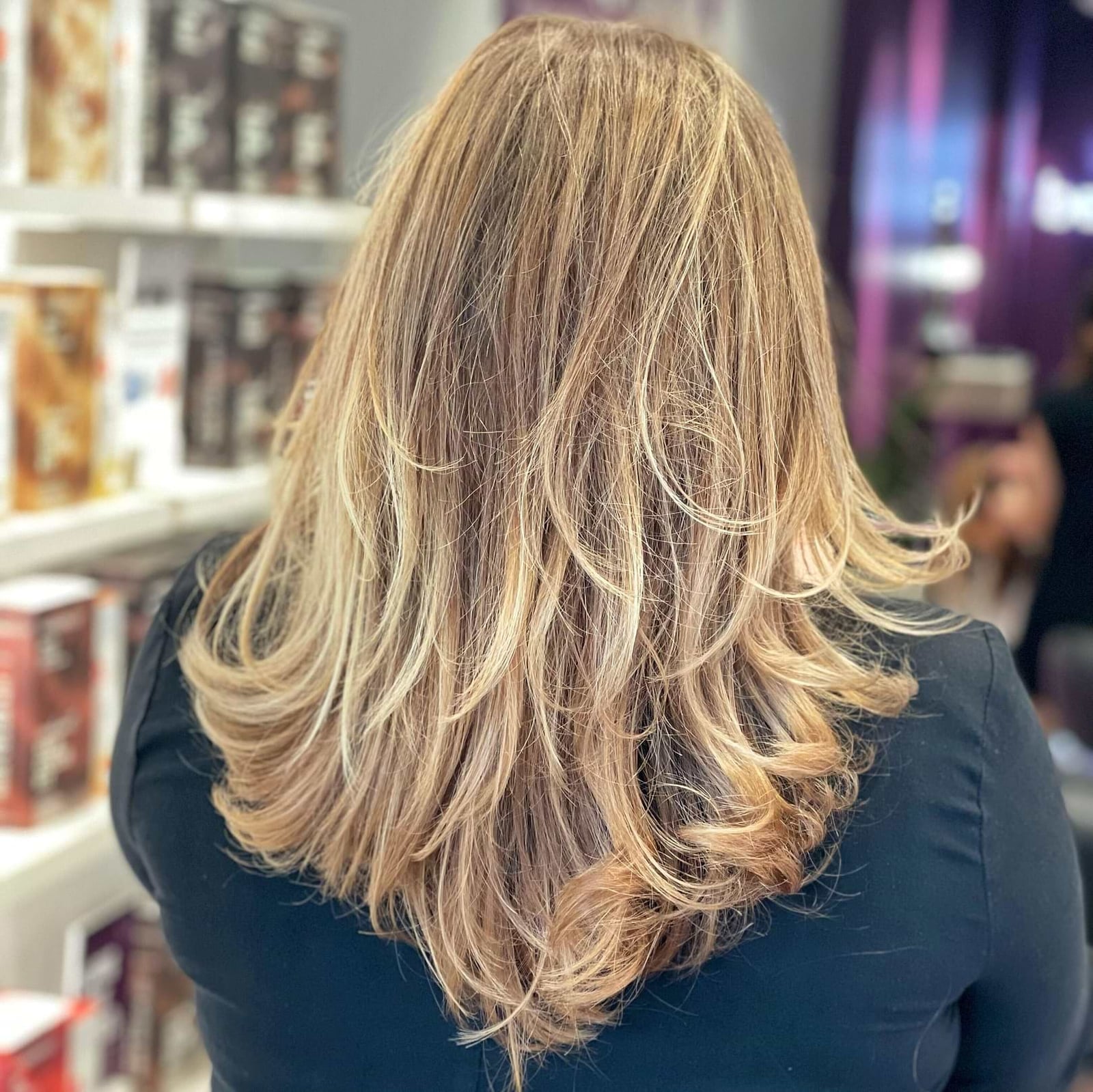
A dirty blonde base with lighter blonde highlights means you get dimension without the root reveal drama of a full bleach. The back view shows how the lighter pieces weave through thick, wavy layers, creating a texture that looks deliberately undone. This is a color that works with the hair you have, not against it.
The real conversation is about grow out. Those darker roots blend into dirty blonde for weeks before they demand attention, which buys you time between appointments. Ask your colorist for: mid-back dirty blonde hair with lighter blonde highlights. A toning treatment every 10 to 12 weeks keeps the lighter strands from turning brassy, and a trim at the same interval maintains the layered shape. The drawback: the difference between your base and the highlights is subtle enough that some salons may call it a partial highlight service, which still costs almost as much as a full head.
Collarbone Wavy Hair With Dimensional Blonde Highlights, Layers
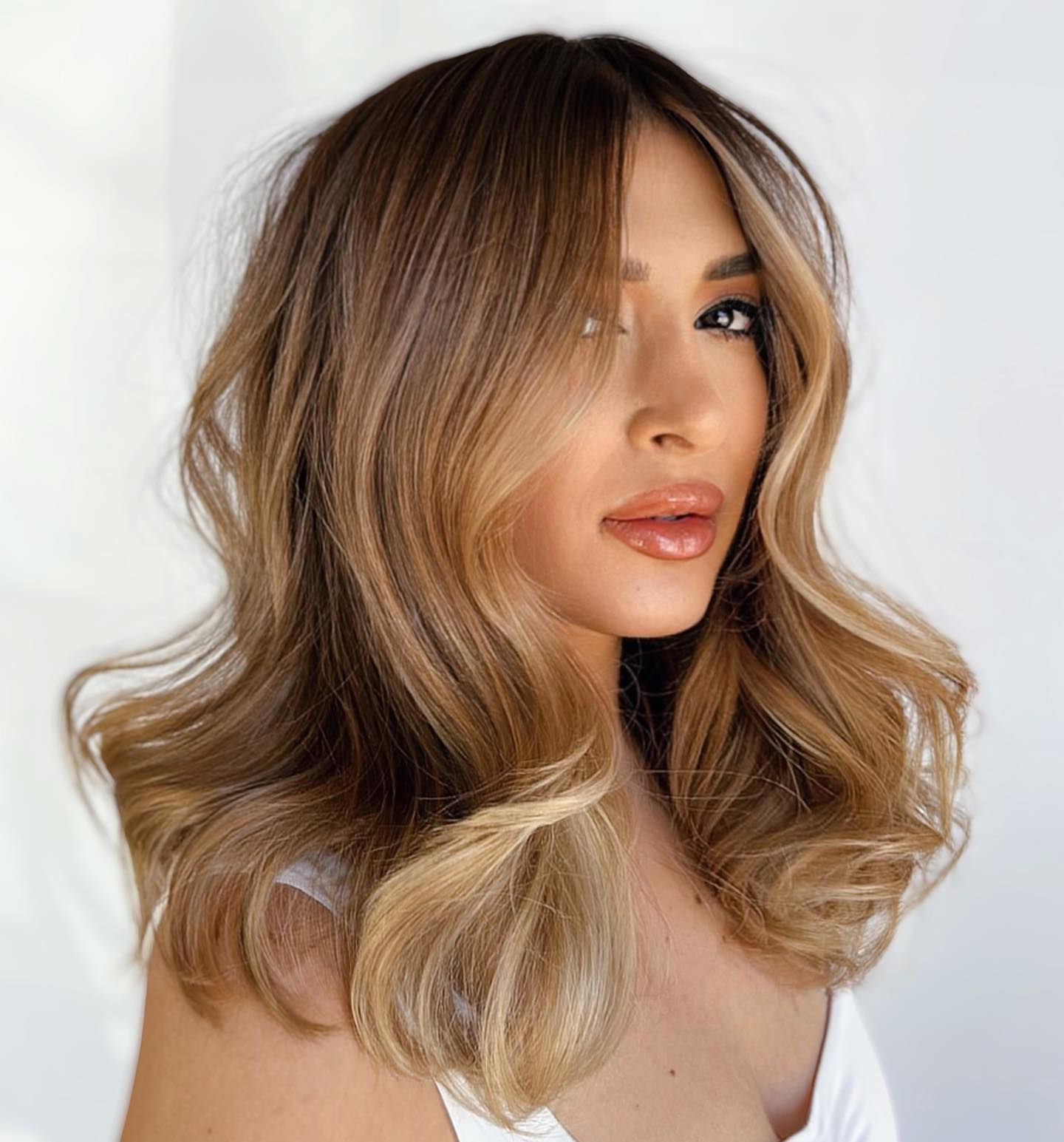
Single-process color gives you one shade from root to tip, which is fine if flat consistency is the goal. Dimensional blonde highlights do the opposite: they scatter light across collarbone-length wavy hair, making the layers read as separate pieces rather than one solid block. The side parting here pushes more of those lighter strands forward, which works well for oval faces.
This is a salon color, not a box dye situation. The technique requires your colorist to weave fine sections and place them strategically through the layers. Ask your colorist for: collarbone length wavy hair with dimensional blonde highlights. It is a good choice for a work event where you want your hair to look polished but not precious, or for a weekend dinner when you want the waves to catch the candlelight without looking like you tried.
Collarbone Light Brown With Face-Framing Highlights
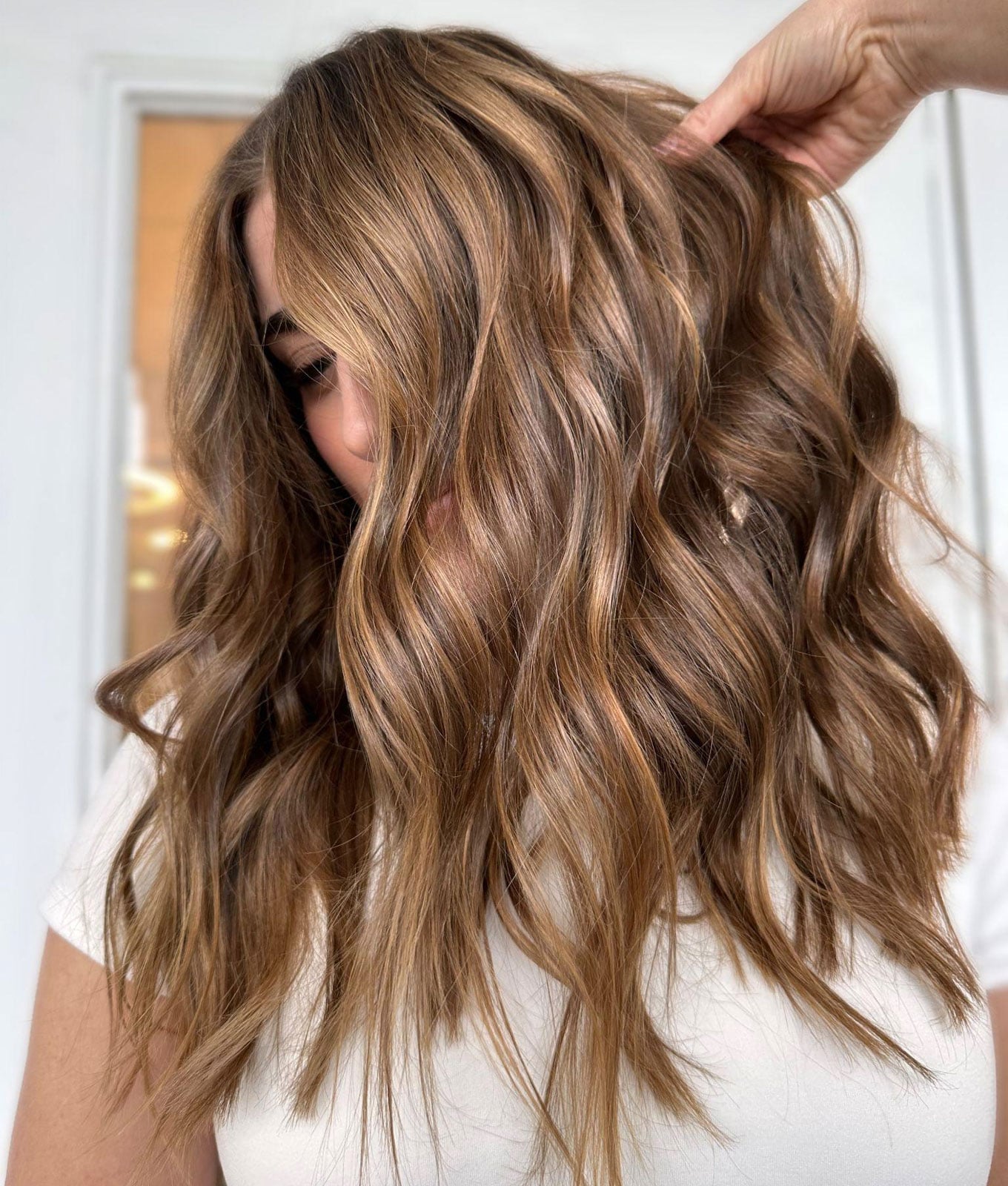
How do you get that glow around your face without committing to highlights everywhere? You ask for face-framing highlights, which is exactly what the photo shows: a light brown base with subtle blonde pieces concentrated near the front, fading into the rest of the hair. The middle parting gives both sides equal weight, making the lighter strands frame the face symmetrically. This placement suits round and heart shapes by drawing attention upward and outward.
The trick is precision. You do not want the highlighted sections to start too far back or too close to the root. Ask your colorist for: collarbone length light brown hair with face-framing blonde highlights. The words to use are “from the cheekbone down” so the colorist knows exactly where the lightness should begin. The benefit: because the highlights are concentrated in one area, the grow-out is less noticeable, and a trim every six weeks keeps the shape fresh without needing a full color refresh.
Long Wavy Hair With Delicate Blonde Babylights
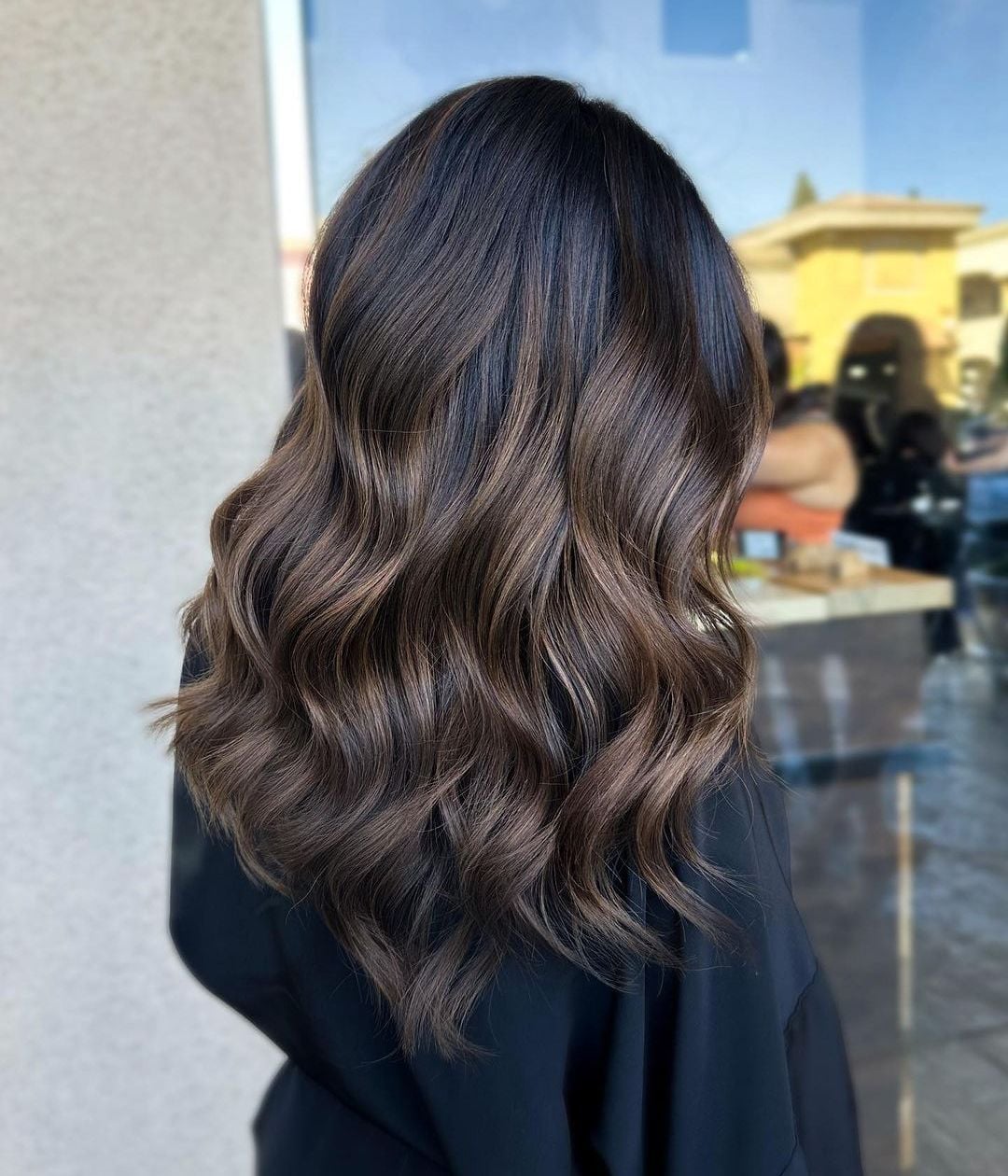
Babylights are the technique equivalent of a whisper. Instead of painting thick ribbons of color, your colorist takes ultra-fine sections and lightens them just a shade or two above your natural base. On long wavy hair with a light brown base, the result is barely there but unmistakable: the hair catches light in tiny, scattered points rather than one big stripe. The curtain bangs here get the same delicate treatment, so the face-framing pieces stay soft rather than stark.
The technique requires patience on both sides. The colorist spends more time weaving fine sections than they would for standard highlights, and you sit for a longer appointment as a result. But the payoff is a grow-out that is almost invisible, because the difference between your natural root and the babylights is measured in millimeters of lightness, not inches. Ask your colorist for: long wavy hair with delicate blonde babylights and curtain bangs. A trim every 10 to 12 weeks keeps the ends healthy and the bangs at the right length.
Mid-Back Light Brown With Dimensional Blonde Highlights, Layers
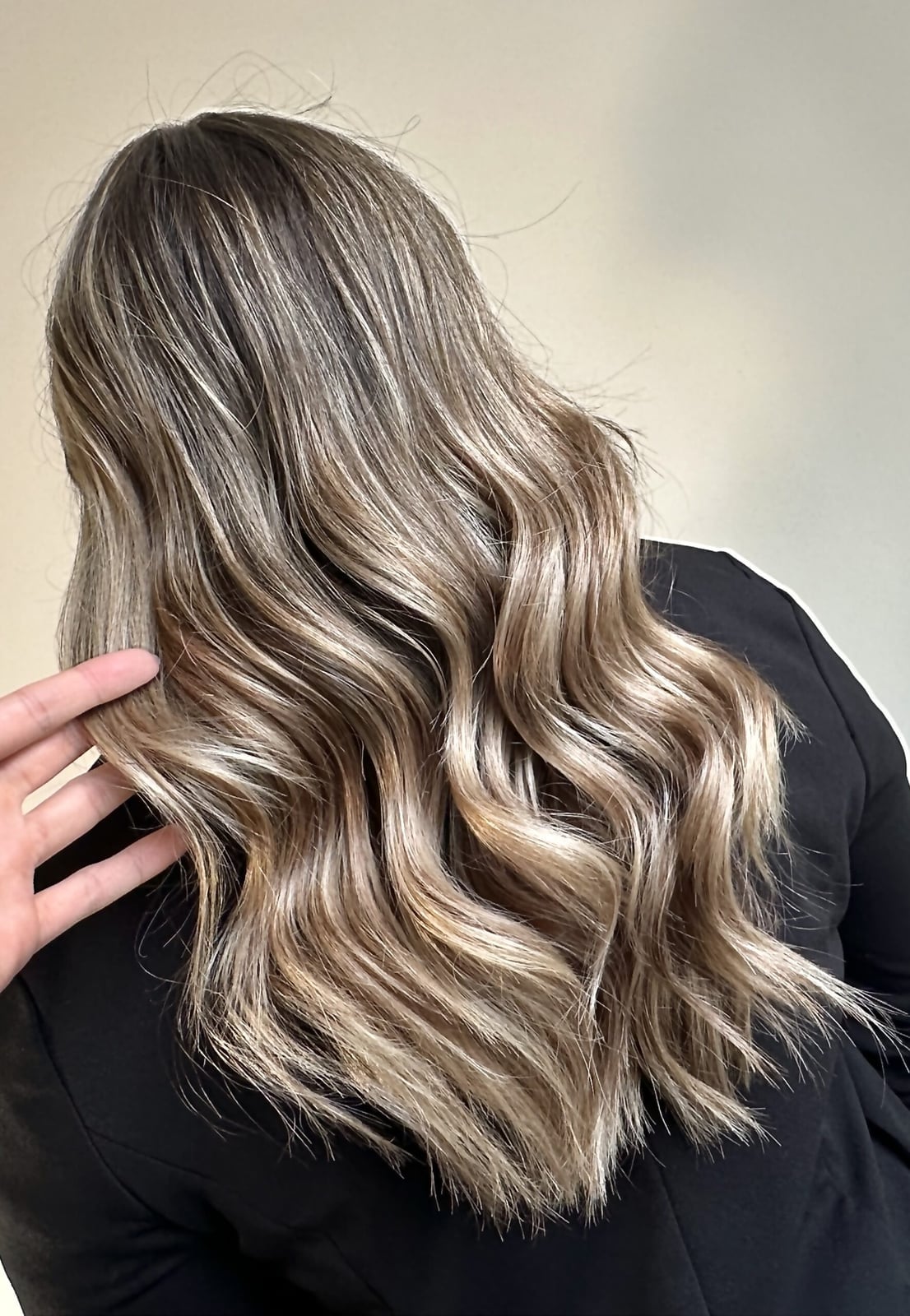
Dimensional highlights on thick, wavy hair are not a suggestion; they are a necessity if you want the layers to register as individual shapes. A single flat color on this much texture tends to read as one dark mass, but the lighter blonde strands here carve out the movement in the waves. The back view shows how the highlights travel from root to tip, keeping the mid-back length from looking heavy.
The upkeep is the trade-off. Thick hair holds color well, but it also means more surface area to maintain. A toning appointment every eight weeks prevents the blonde from warming up into an unintended gold, and a trim at the same interval keeps the layers from losing their shape. Ask your colorist for: mid-back light brown hair with dimensional blonde highlights. One honest downside: if you let the grow-out slide past 10 weeks, the root line becomes a sharp border rather than a soft blend, and fixing that requires a full retouch rather than a quick root tap.
Mid-Back Light Brown With Subtle Blonde Highlights, Wavy
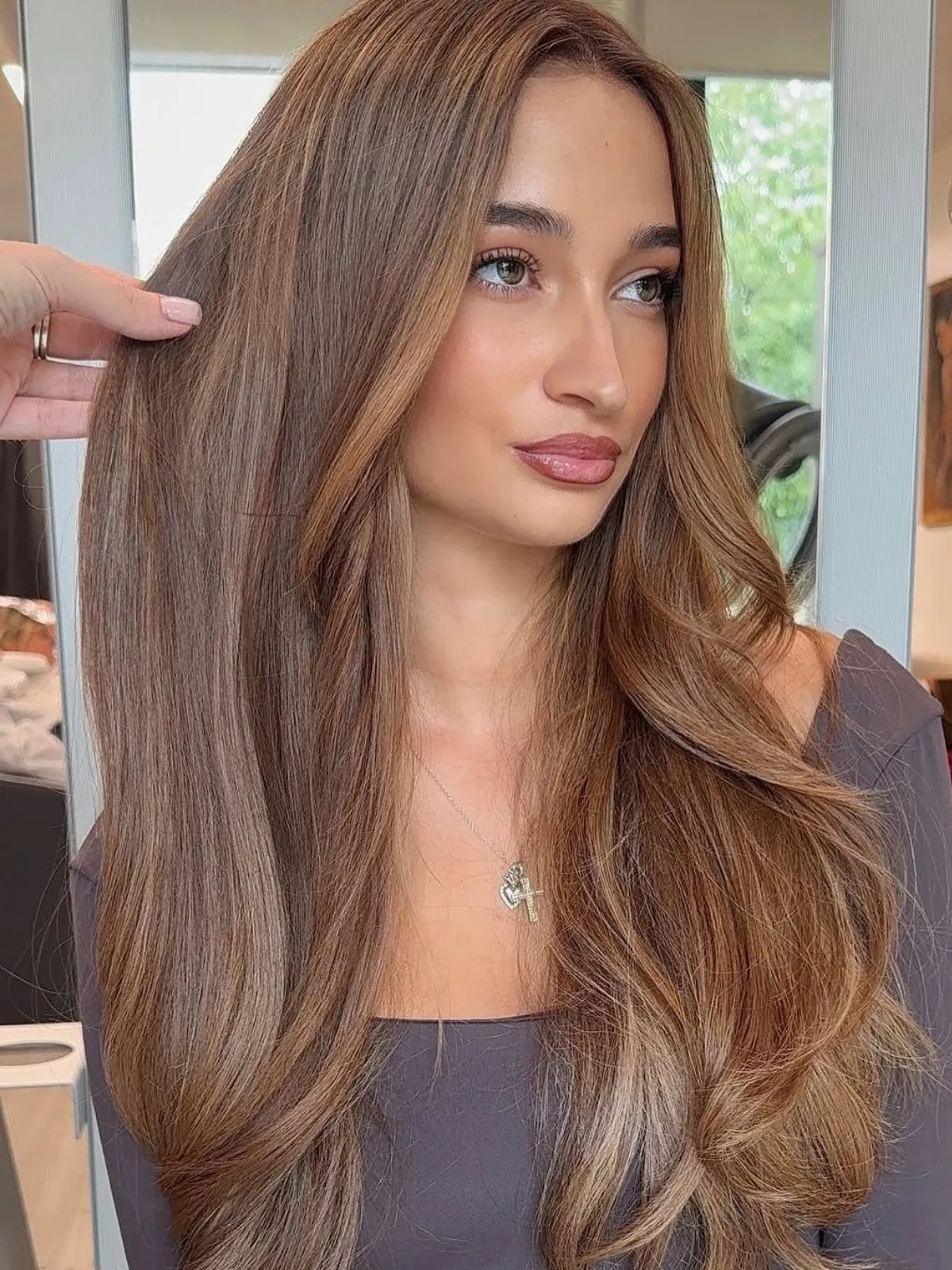
A side view reveals the quiet logic of subtle blonde highlights on mid-back light brown hair: they add movement without announcing themselves. This shade-to-highlight contrast works best on medium, wavy hair that already has some natural dimension. Ask your colorist for: mid-back light brown hair with subtle blonde highlights. In low light or office fluorescents, the difference between base and highlight can nearly vanish. A toning appointment every eight to ten weeks keeps the blonde from drifting too warm, and a texturizing spray on damp waves is all the styling this texture needs.
Mid-Back Wavy Medium Hair With Subtle Highlights, Layers
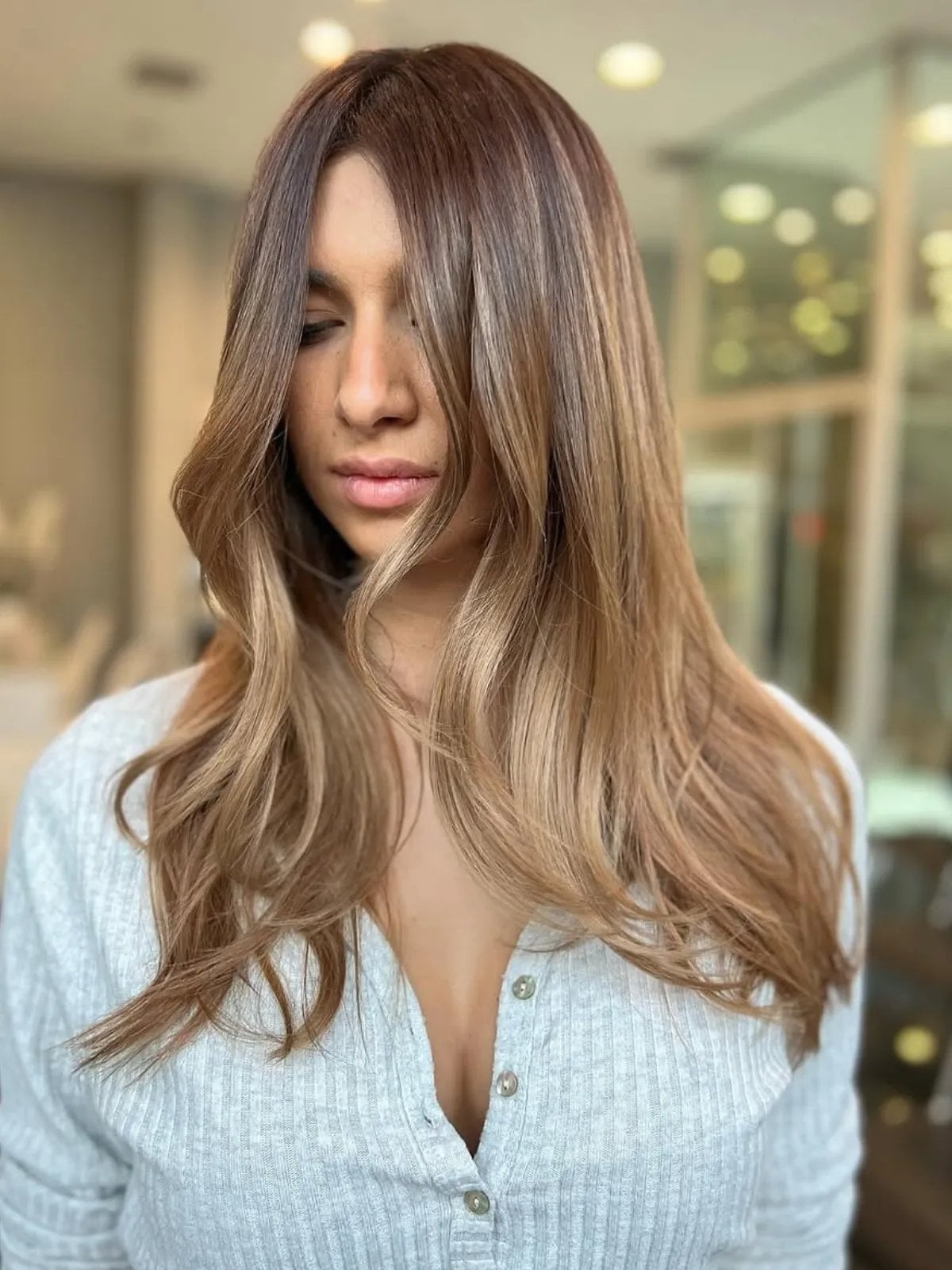
Is this highlight placement going to show up on your hair? That depends on how much contrast you are after. This version keeps the blonde very close to the light brown base, so the effect is a soft shimmer instead of a stripe. Medium, wavy hair at mid-back length reflects light at different angles, which helps. Ask your colorist for: mid-back wavy hair with subtle blonde highlights. The layered cut is doing as much work as the color here, breaking up the strands so the lighter pieces peek through. Straight hair with no layers will look flat, so skip this if you prefer a one-length shape.
Use a smoothing serum on the ends to keep the wave pattern defined and the color looking glossy. Plan on a trim every ten to twelve weeks to keep the layers from growing out heavy.
Mid-Back Dark Brown With Golden Brown Highlights
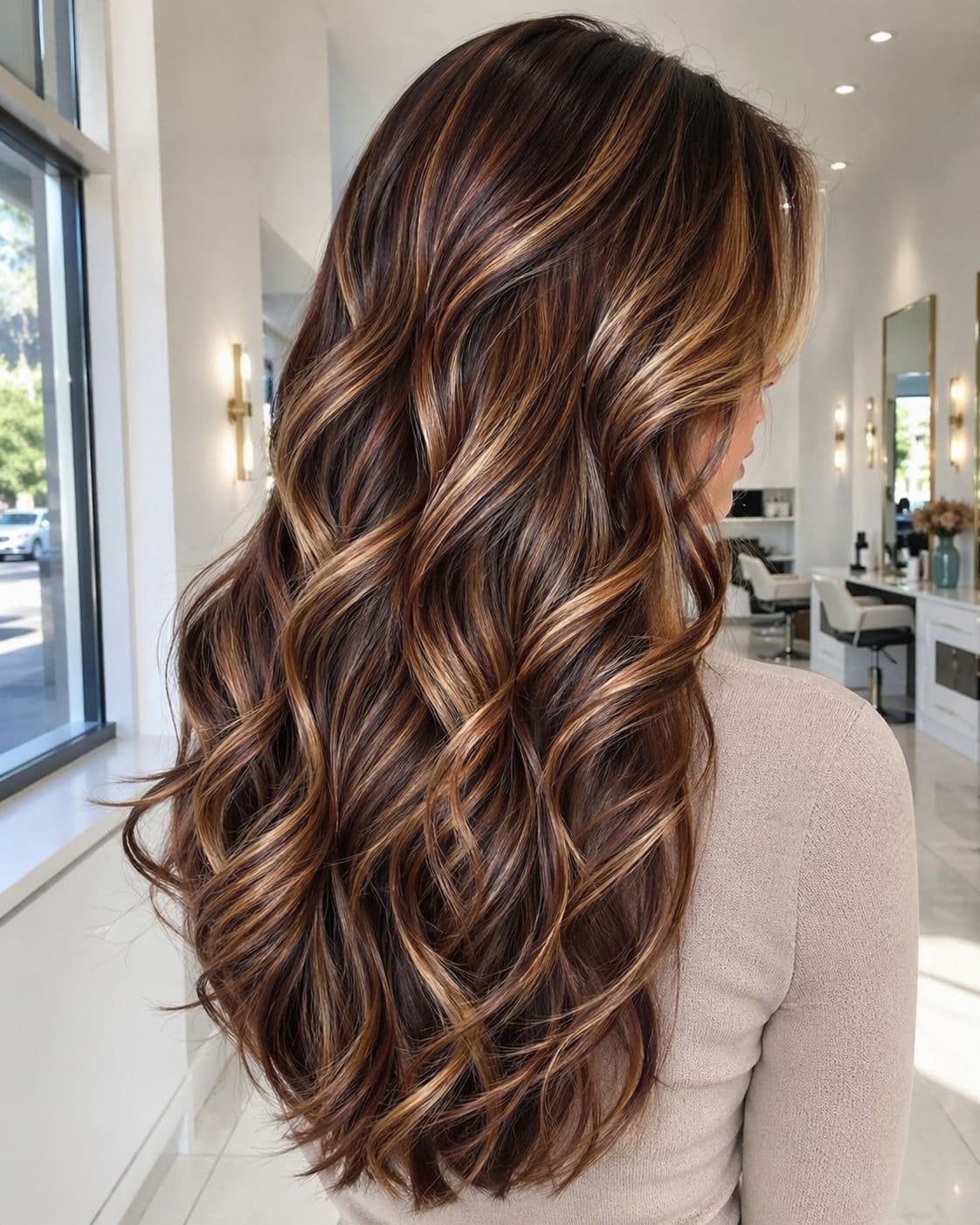
The back view makes the design clear: golden brown ribbons sit against a dark brown base, creating visible contrast without going blonde. This is a one-shade lift technique, which means the highlights stay within the brown family and the grow-out line is soft. Thick, wavy hair at mid-back length has enough surface area to carry the variation. Ask your colorist for: mid-back dark brown hair with golden brown highlights. The colorist will use a balayage or freehand painting method to place the lighter strands where the wave bends naturally, so the highlights land on the peaks of the curl pattern. That placement is what creates the dimension you see from the back.
Thick hair needs regular hydration, so a weekly mask is more useful than a toning schedule here. The color stays fresh for about ten to twelve weeks before you need a touch-up.
Collarbone Light Brown With Subtle Blonde Highlights
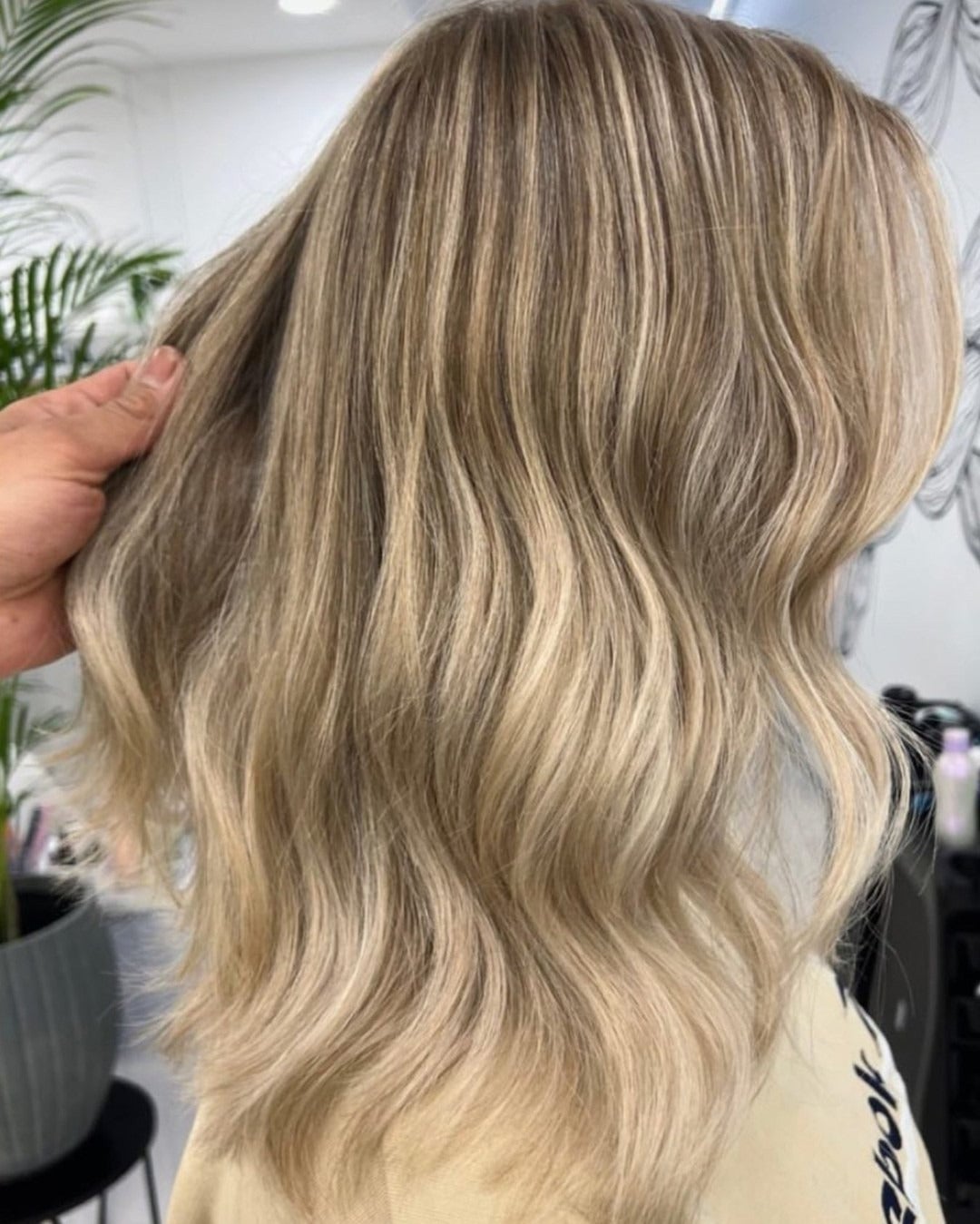
Can you get this effect from a box at home? Technically yes, but the risk is uneven placement and a brassy tone. The subtle blonde highlights here sit close to the natural light brown base, so the margin for error is small. A salon application ensures the lighter pieces are distributed evenly through the collarbone length and that the tone stays cool enough to blend. Medium density wavy hair with a side parting holds the dimension well. Ask your colorist for: collarbone length light brown hair with subtle blonde highlights. The single biggest reason to go to a pro is the toner: a custom shade that cancels the orange that naturally surfaces on brown hair. That is hard to replicate at home without a color wheel and a steady hand.
Collarbone Wavy Hair With Face-Framing Highlights and Curtain Bangs
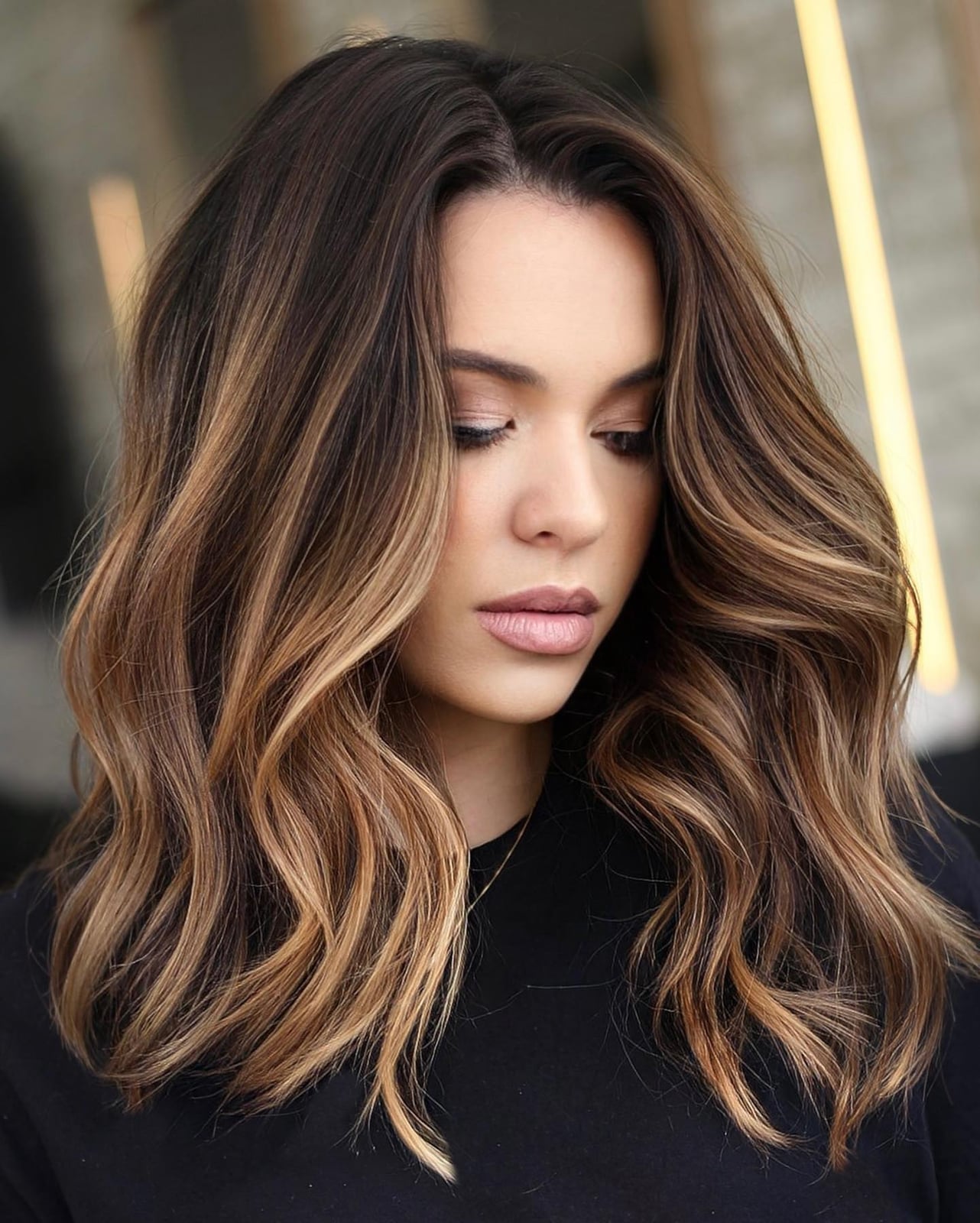
Curtain bangs and face-framing highlights are a practical pair: the lighter pieces follow the same fall line as the fringe, so the brightness lands right where the eye goes. This collarbone cut with soft waves keeps the whole look unified. Medium density wavy hair is forgiving enough to style the curtain bangs forward with a round brush in about five minutes. Ask your colorist for: collarbone length wavy hair with face-framing blonde highlights and curtain bangs. The drawback is that both the bangs and the front highlights need more frequent salon visits than the rest of the hair. The fringe needs a trim every six weeks to stay at the right length, and the face-framing pieces will show regrowth faster than the highlights tucked behind your shoulders.
Mid-Back Dark Blonde With Sun-Kissed Highlights
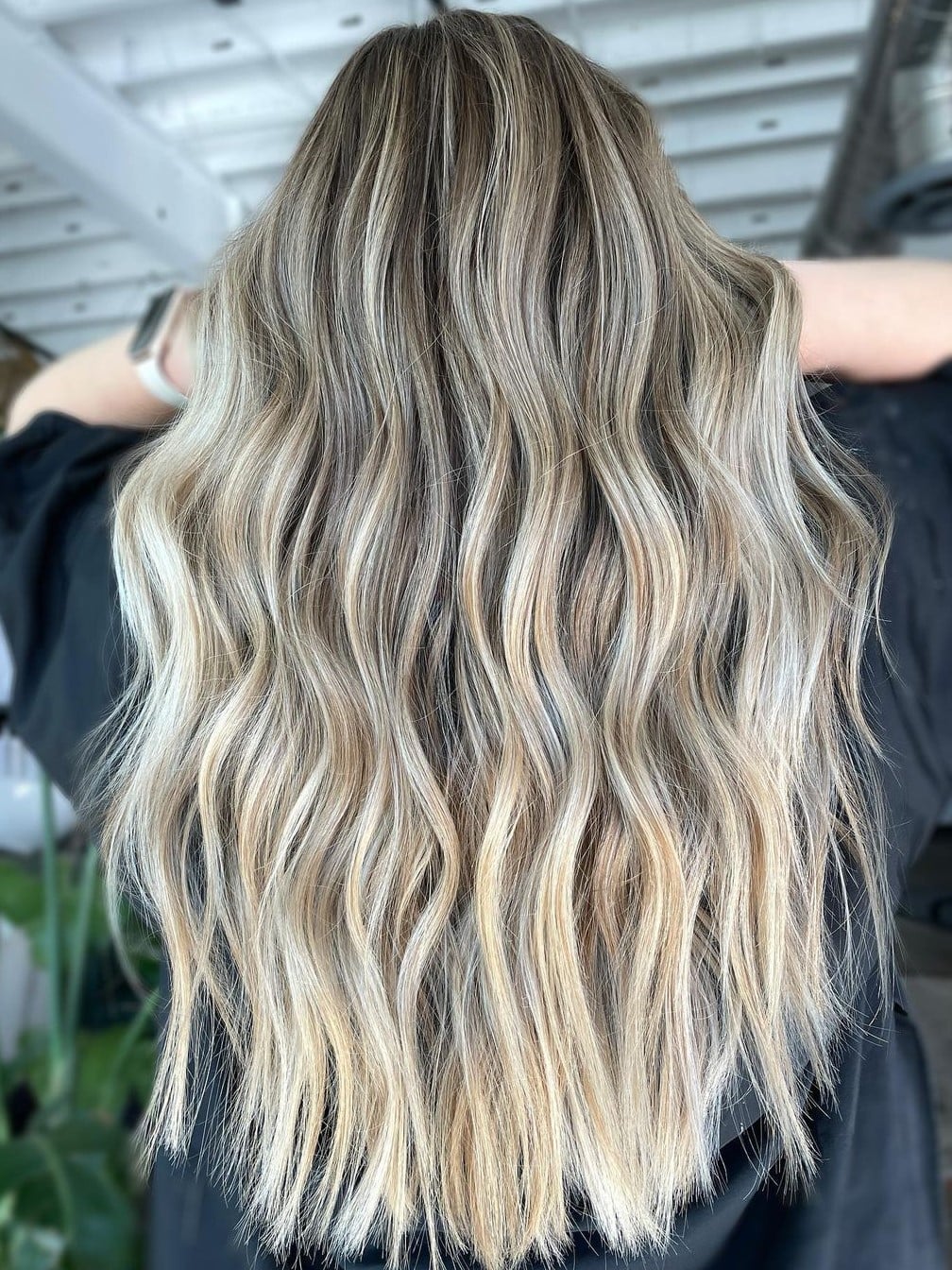
Sun-kissed highlights differ from color blocking in that the light pieces are scattered, not concentrated in one zone. Here, a dark blonde base meets numerous light blonde highlights on mid-back thick wavy hair, the back view showing how evenly the brightness is distributed. The result is natural dimension, not a deliberate stripe pattern. Thick, wavy hair at this length carries the blend well, and most face shapes can wear it.
Ask your colorist for: mid-back dark blonde hair with sun-kissed light blonde highlights. The waves are defined with a texturizing spray. Plan a trim every 10 to 12 weeks. This works for everyday wear and casual occasions where you want a lifted look without a full bleach appointment.
Collarbone Lob With Warm Copper Highlights
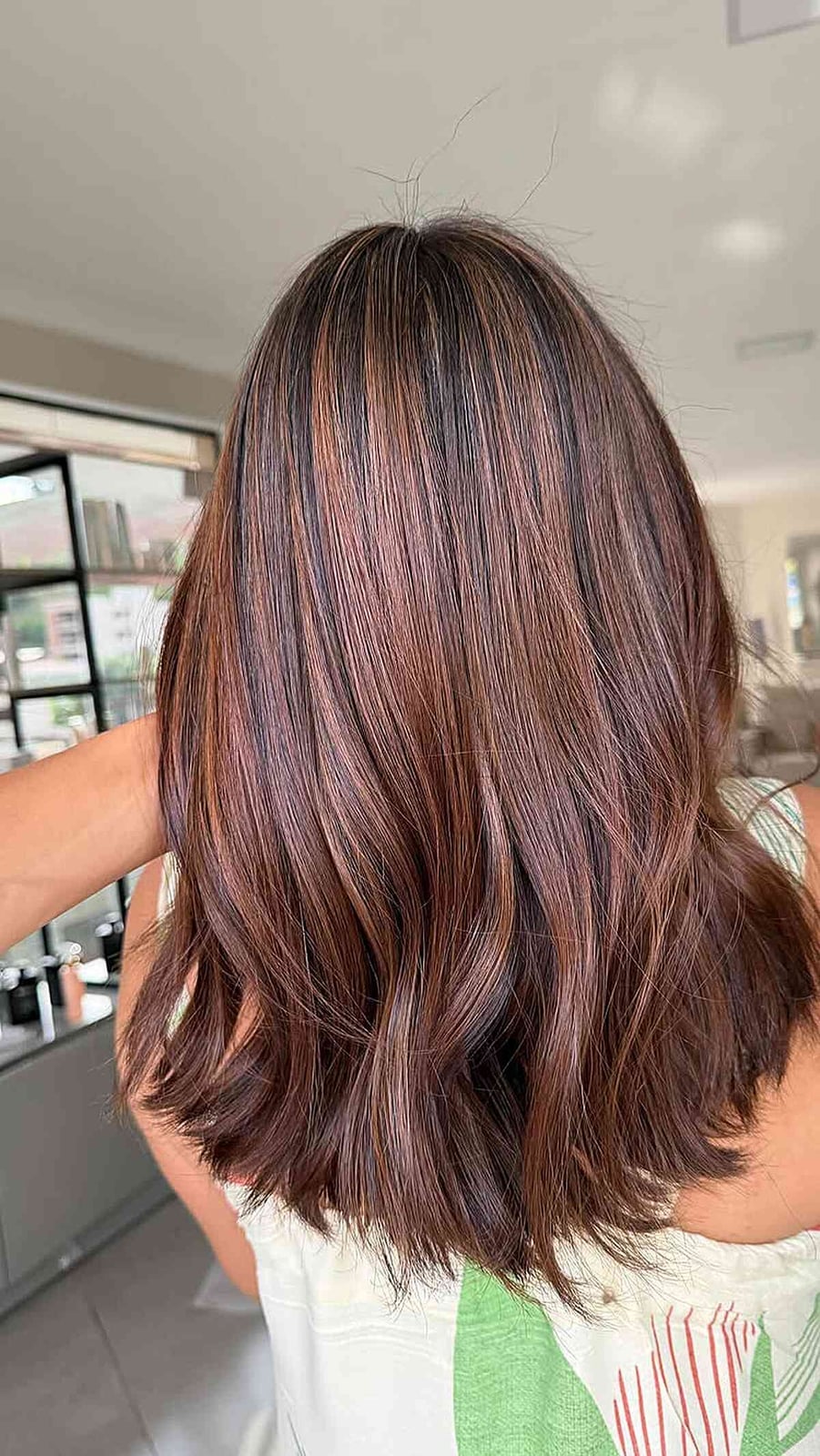
Wondering exactly what to say to get warm copper highlights on a dark brown base? This collarbone lob has subtle layers and loose waves, with copper pieces woven throughout. Medium density hair at collarbone length handles this well. Ask your colorist for: collarbone lob with subtle warm copper highlights. That wording gets you the fine weaves you see here, not chunky streaks.
Mid-Back Wavy Hair With Face-Framing Layers
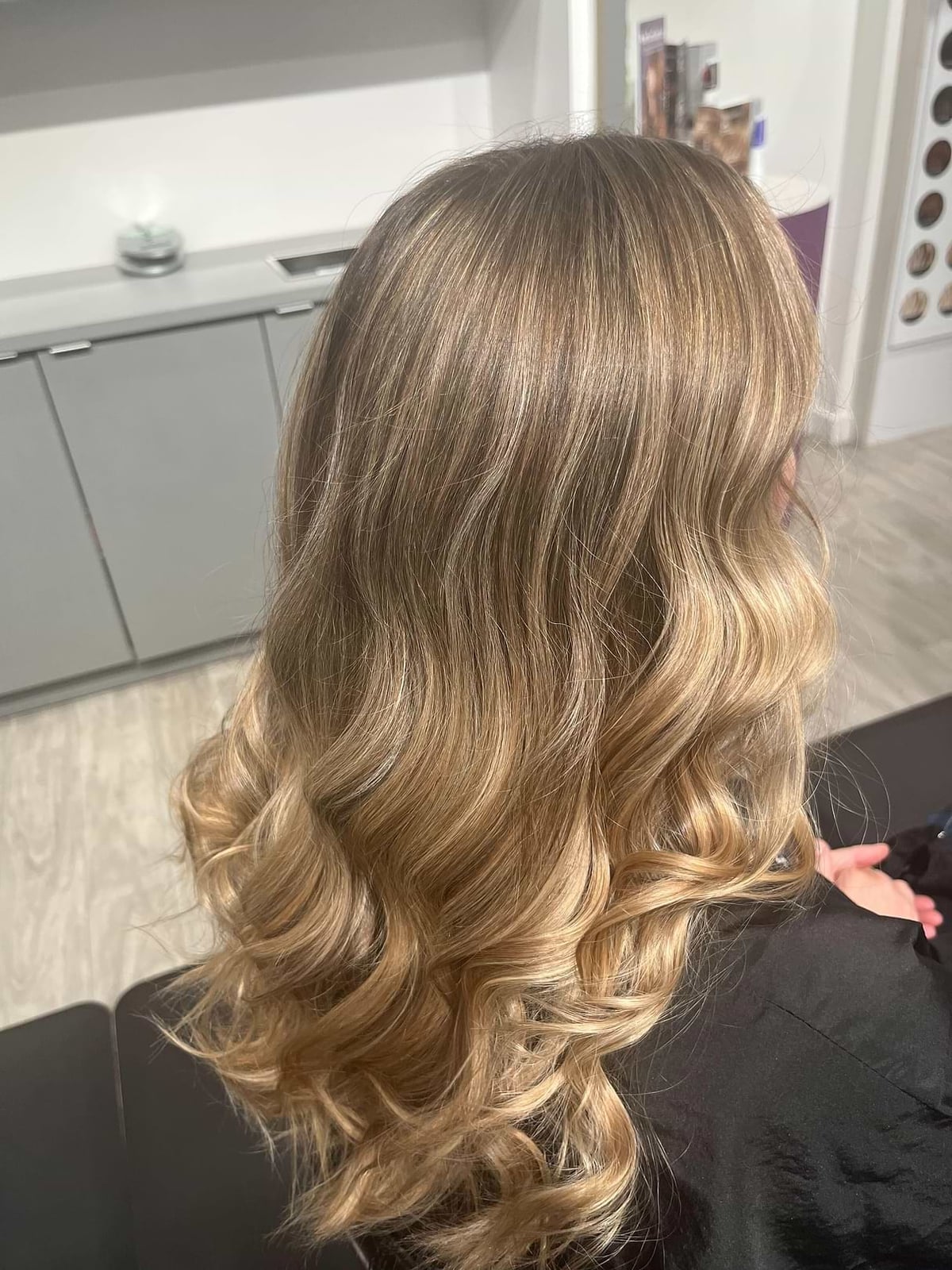
The glossy finish on this mid-back wavy hair comes from a specific pairing: a light brown base with subtle blonde highlights, plus a middle parting and curtain bangs that catch the light in the same direction. The face-framing layers are cut so the highlight placement follows the curve of the layers, which reinforces the shine. Thick, wavy texture at this length benefits from that precision. Ask your colorist for: mid-back wavy hair with subtle blonde highlights and face-framing layers. Soft layers around the jaw soften a square face, and the curtain bangs add movement without shortening the overall length.
The technique relies on the highlights being painted onto the top sections of each layer only, leaving the underlayers darker. That contrast is what makes the gloss read so clearly. A salon visit is required here: the layering and highlight placement need to be mapped together.
Collarbone Dark Brown With Light Brown Highlights
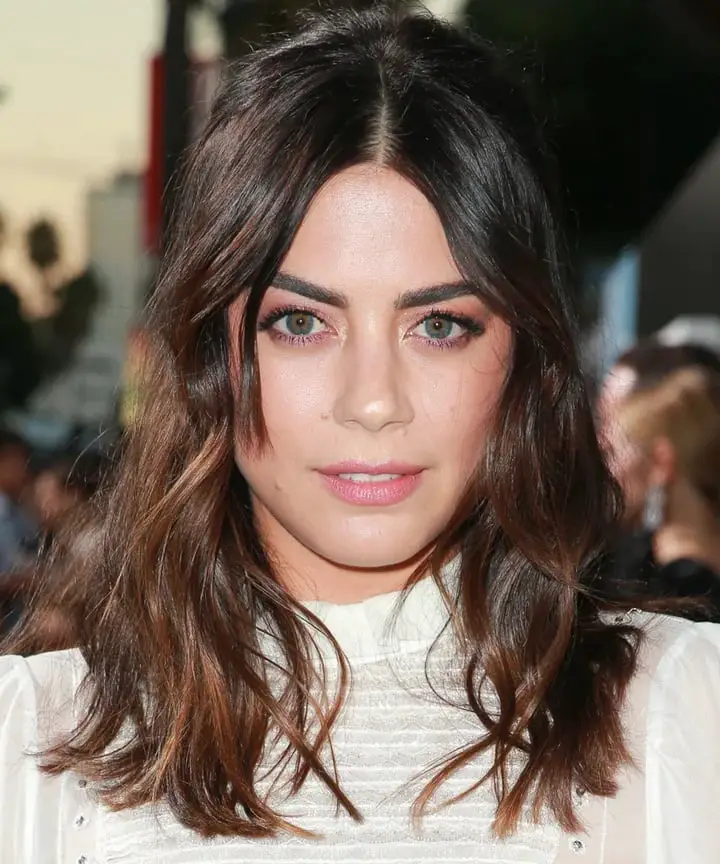
Face-framing layers on collarbone dark brown hair grow out differently than layers on a shorter cut. Here, the light brown highlights are woven through the front sections, so as the layers drop past the collarbone, the highlight moves with them and blends into the darker base. The middle parting and wavy blowout keep the transition soft. Medium density wavy hair at this length sees about six weeks before the layers need a trim. The honest drawback: if you skip that trim, the shortest face-framing pieces start to look disconnected from the rest of the length. Ask your stylist for: collarbone dark brown hair with subtle light brown highlights and face-framing layers. Round and heart faces benefit from the softness around the jaw.
Long Wavy Hair With Dimensional Dirty Blonde
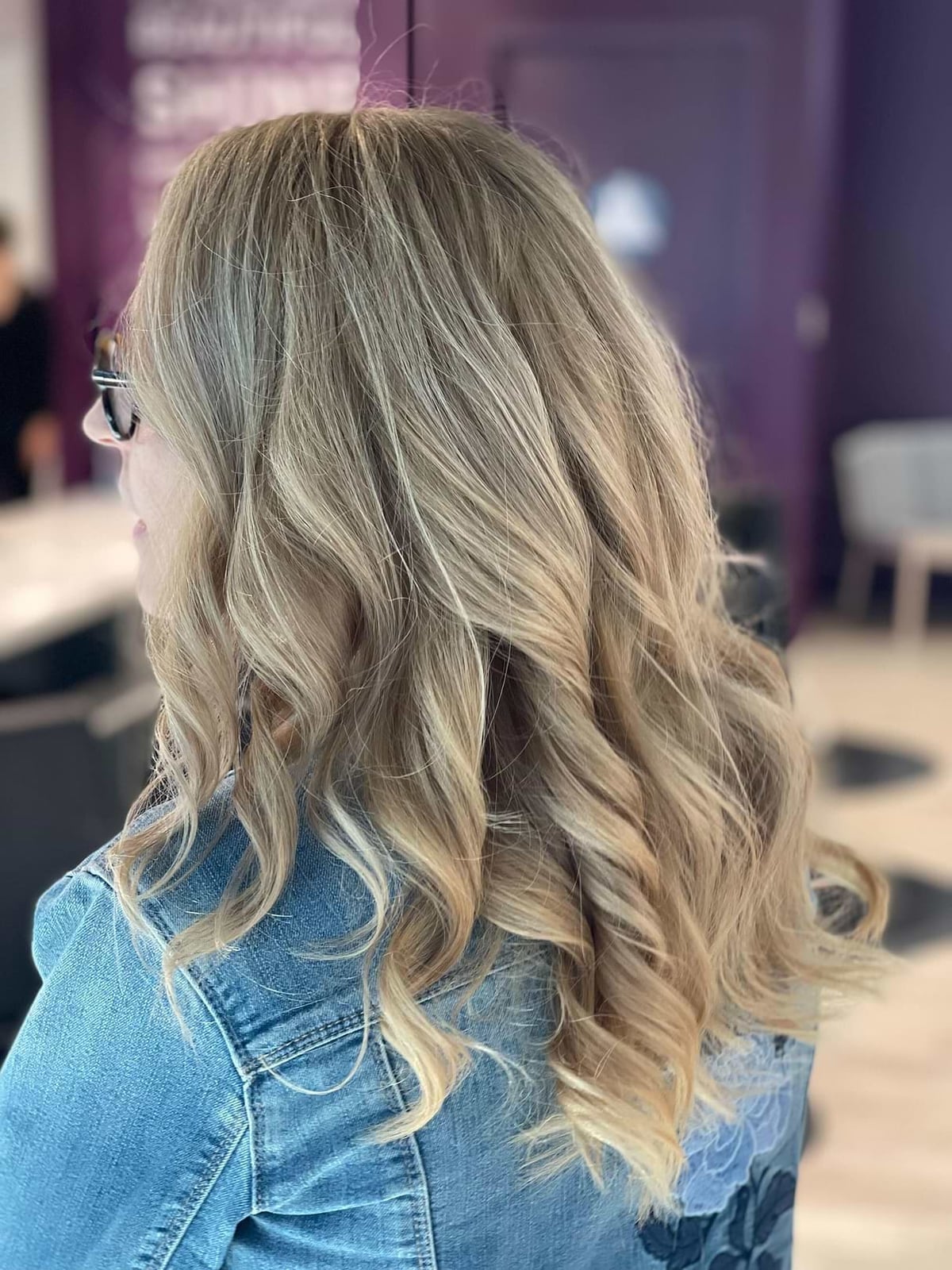
The dimension on this long wavy hair comes from a dirty blonde base with lighter blonde highlights placed in a fine, scattered pattern rather than in solid ribbons. The side view shows how the lighter pieces catch light at different points along the wave, creating a lived-in effect that does not look freshly done. Thick, wavy hair at long length carries this well, and most face shapes can wear it. Ask your colorist for: long wavy hair with dimensional dirty blonde highlights.
The trade-off with this level of dimension is that the lighter pieces fade faster than a single-process color, especially on long hair where the ends have more exposure. About eight weeks in, the contrast between base and highlight starts to soften. A gloss treatment at that point restores the separation without a full highlight appointment. This is a salon-leaning job: the balayage-style placement requires a colorist who can paint freehand.
Collarbone Ash Blonde With Platinum Highlights
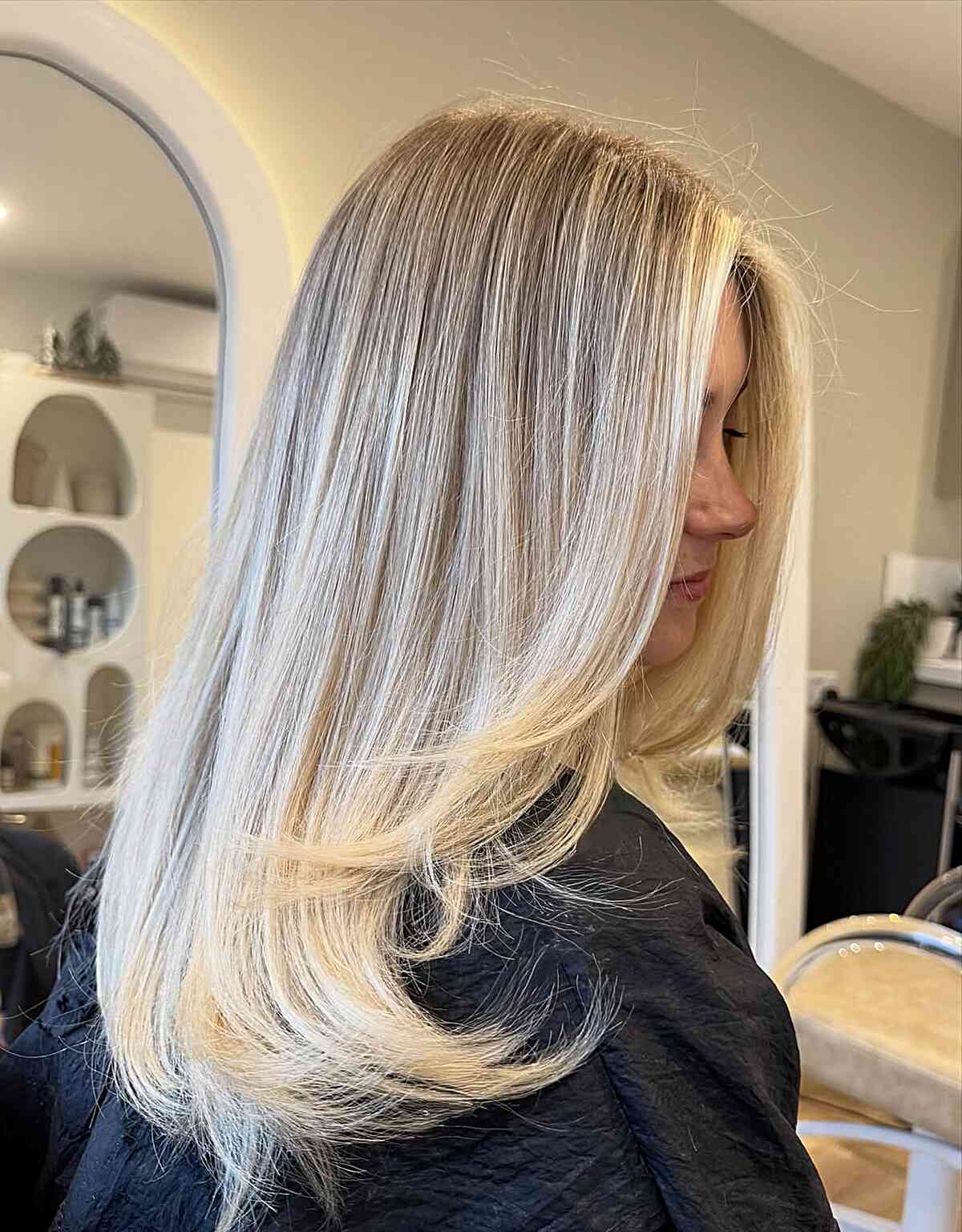
Can ash tones look this bright? This collarbone length pairs an ash blonde base with platinum highlights that actually read as dimensional, not flat. The straight, thick texture and middle part give the blowout a polished structure, and the curtain bangs soften the whole thing without hiding the contrast. Ask your colorist for: collarbone ash blonde with bright platinum highlights. Thick, straight hair at this length shows off the clean lines best, and oval or angular face shapes benefit from the side-swept softness at the cheekbone.
A purple shampoo is nonnegotiable here: ash neutralizes warmth, so skipping it lets the platinum drift yellow within a few washes. Trims every six weeks keep the collarbone line sharp and the curtain bangs from turning into a shapeless curtain.
Collarbone Fine Hair With Subtle Light Highlights
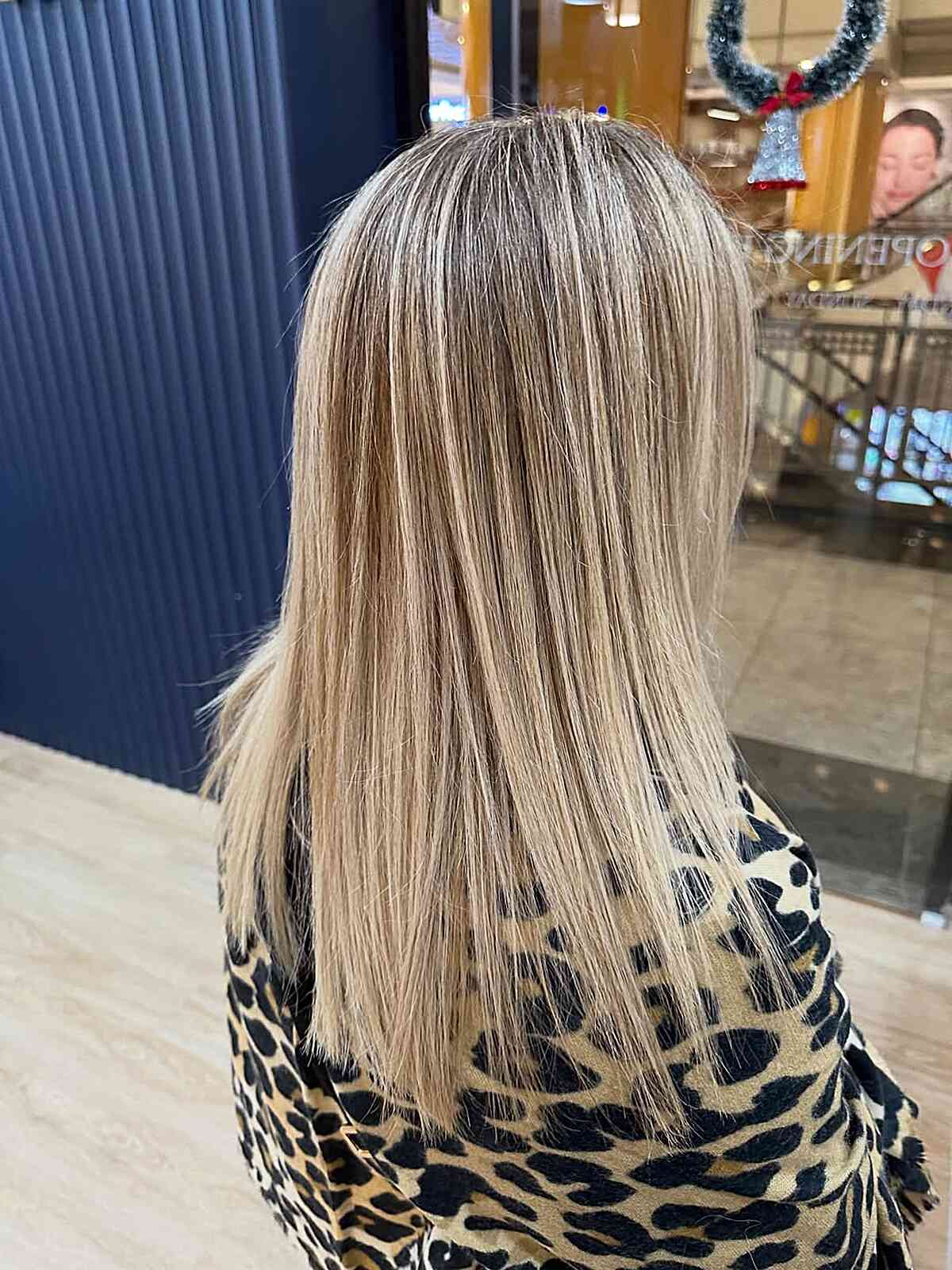
A clean, straight lob with a middle part and no bangs relies on the color to do the heavy lifting. Fine, straight collarbone hair gets dimension from subtle light highlights placed close to the natural light blonde base, so the contrast is soft rather than stripy. Ask your colorist for: collarbone length fine hair with subtle light blonde highlights. The technique keeps the foil sections small and the weave fine, which adds brightness without the weight of thicker highlights. This is strictly a salon job: the precision of the placement and the gentle lightener formula prevent the fine texture from feeling dry or brittle after a single session.
Final Thoughts
For a natural, low-maintenance effect, stick with highlights that are only one to two shades lighter than your base. Babylights or balayage soften the line between color and root, stretching the time between touch-ups.
- Plan for a gloss or toner refresh every 6-8 weeks to keep highlights from turning brassy.
- Use color-safe shampoos and conditioners to prevent fading.
- Incorporate a deep conditioning treatment weekly to keep highlighted hair hydrated.
- Protect hair from heat styling with a thermal protectant spray.
- Allow highlights to grow out naturally or plan a touch-up every 10-12 weeks.
Simple light highlights offer endless possibilities for subtle enhancement.