
Black hair is a canvas, and this year the trend is all about depth: soft face-framing layers, curtain bangs, and a glossy finish that makes the color look lived-in, not flat. The shift is away from poker-straight lengths and toward cuts that move with you.
This collection of 26 Trendy Black Hair ideas spans from sleek bobs to voluminous curls, covering the full range of upkeep and texture. Whether your hair is fine and falls flat or coily and needs definition, there’s a look here that works with your natural texture, not against it. Say goodbye to a fringe that won’t sit and hello to a style that holds its shape.
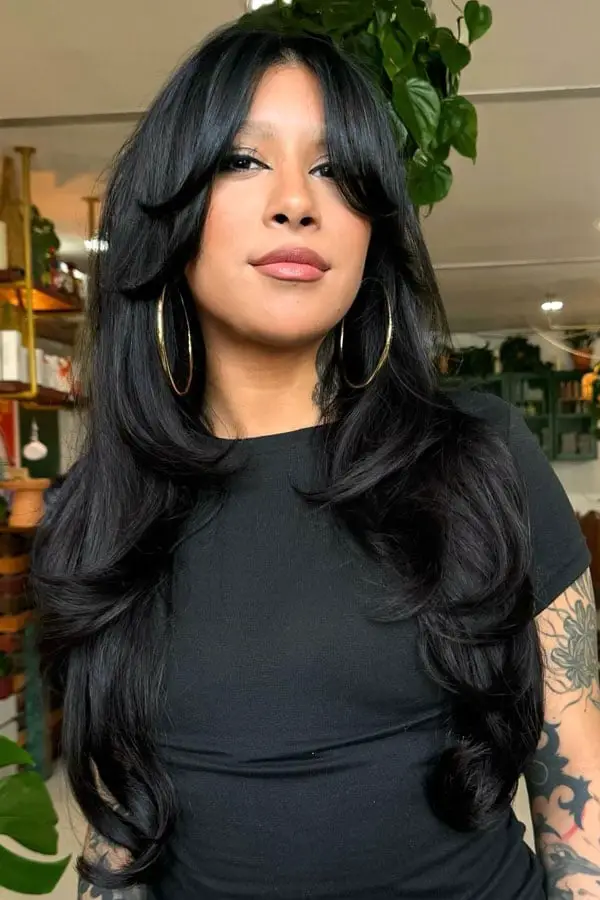
Voluminous Mid-Back Layers With Curtain Bangs
This is not the kind of volume that flattens by lunch. The layers are cut to hold a soft wave from root to mid-back, and the curtain bangs sweep outward instead of dropping straight down. Thick, wavy hair has the body to carry this shape without product buildup. A round face finds softening in the bangs; an oval face gets balance from the width at the cheekbone. Ask your stylist for: mid-back cut with face-framing layers and curtain bangs, styled with soft waves. A large round brush and a blowout are the only tools needed. The bangs will need a trim every four to six weeks, the layers every ten.
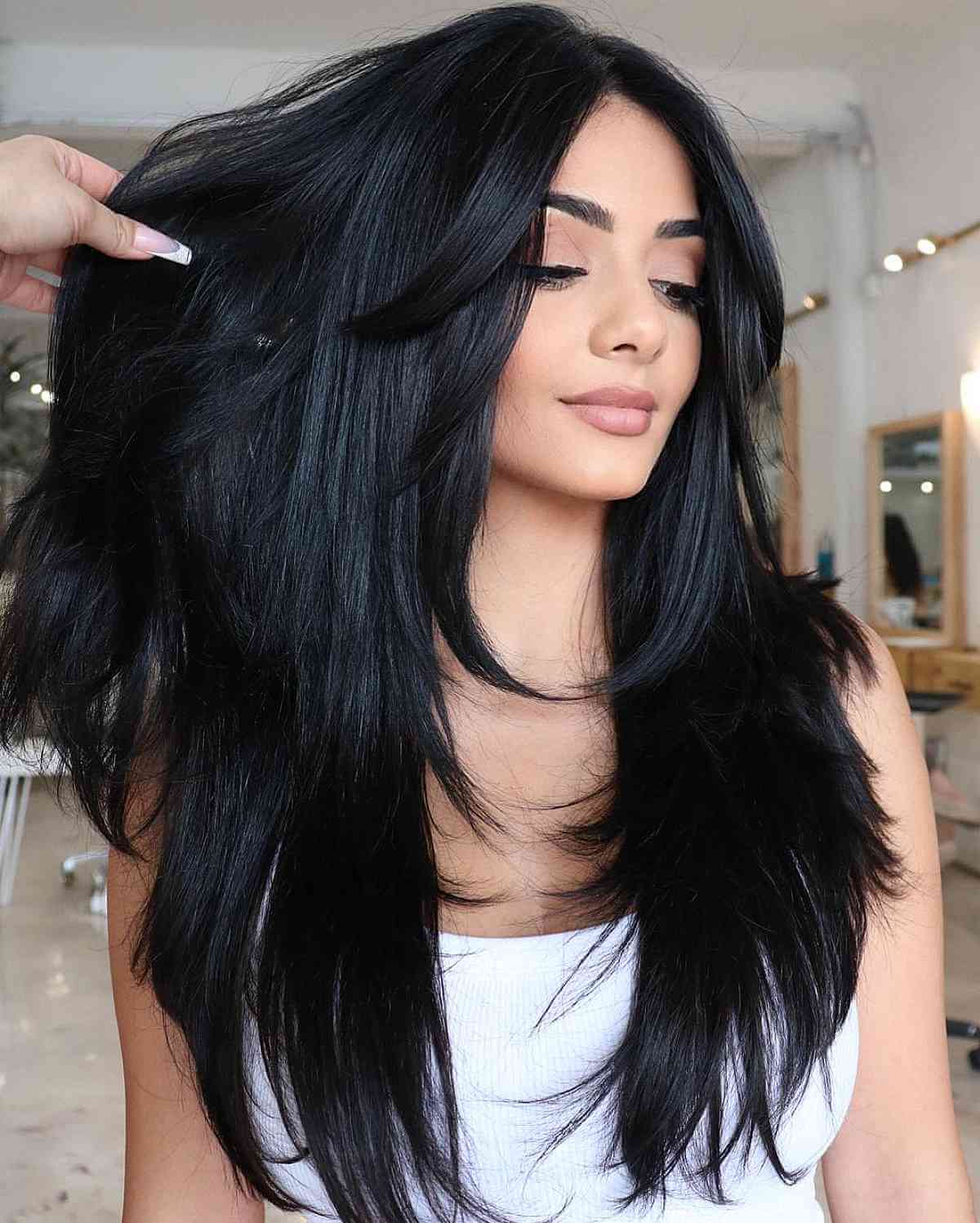
Long Jet Black Hair With Prominent Curtain Bangs
Jet black is not a neutral black. On long, thick hair it reads as a solid block of depth, which makes the curtain bangs the real design move here. They break the color field into something with movement and shape.
Ask your colorist for: long jet black hair with prominent curtain bangs, styled in soft waves. The color is straightforward (single process, no dimension), so the cut has to do the work. Blow-dry the bangs with a medium round brush, directing each side away from the center. The long layers underneath hold a wave with minimal effort. Deep condition weekly to keep the gloss on a color this dense. A trim every eight weeks keeps the ends clean.
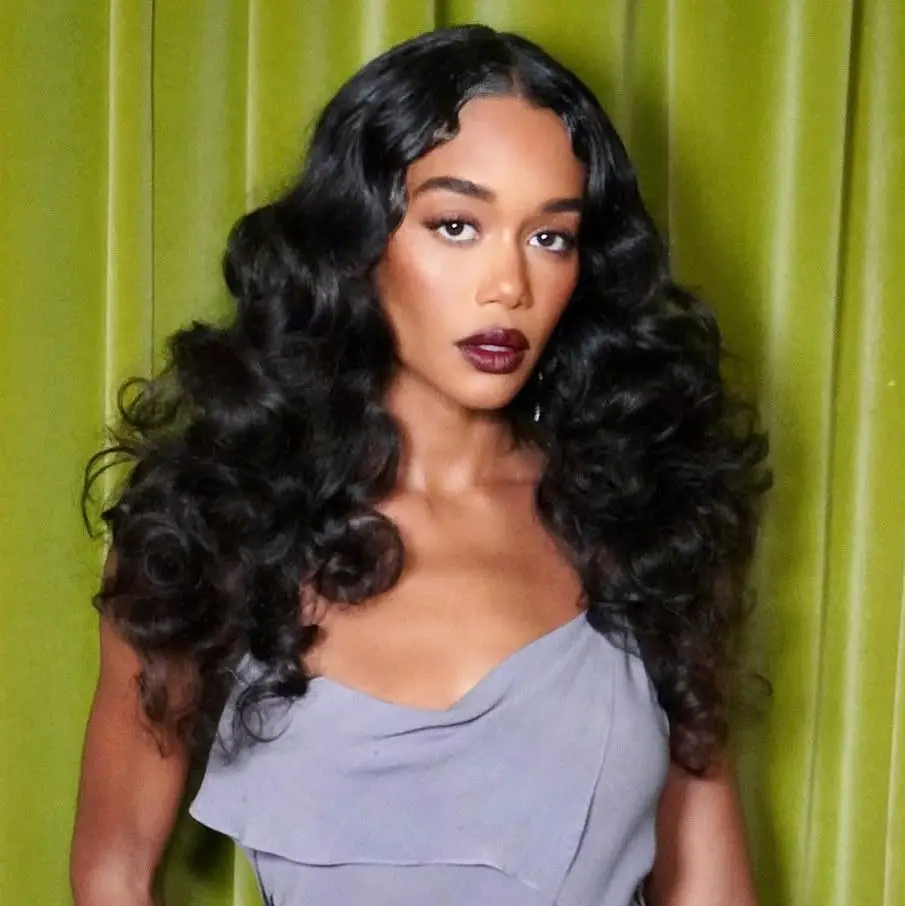
Thick Wavy Black Hair With Face-Framing Layers
Section 1 builds volume through the body of the hair; this one builds it at the perimeter. The face-framing layers are cut shorter around the jaw and cheekbone, then graduate into the mid-back length behind. That difference means fuller hair around the face and a lighter feel through the ends. A square or jawline-heavy face gets a softening effect where it counts. Ask your stylist for: mid-back wavy black hair with face-framing curtain bangs. Thick, wavy texture takes a blowout well, but a diffuser on low heat works too. The face-framing pieces need trimming every eight to ten weeks.
Shoulder Length Black Hair With Loose Curls
Can you keep the volume but lose the length? Yes, if you stop at the shoulder. The loose curls here start below the ear and widen toward the ends, which makes the hair look fuller than a straight cut at the same length. The curtain bangs keep the front from feeling heavy. Thick, wavy hair at shoulder length is a low-commitment version of the longer looks above. Ask your stylist for: shoulder length wavy black hair with loose curls and curtain bangs. Most face shapes read as balanced with this shape. A curl-defining cream and air drying are enough; a diffuser adds more lift if you want it.
Collarbone Black Hair With Voluminous Curls
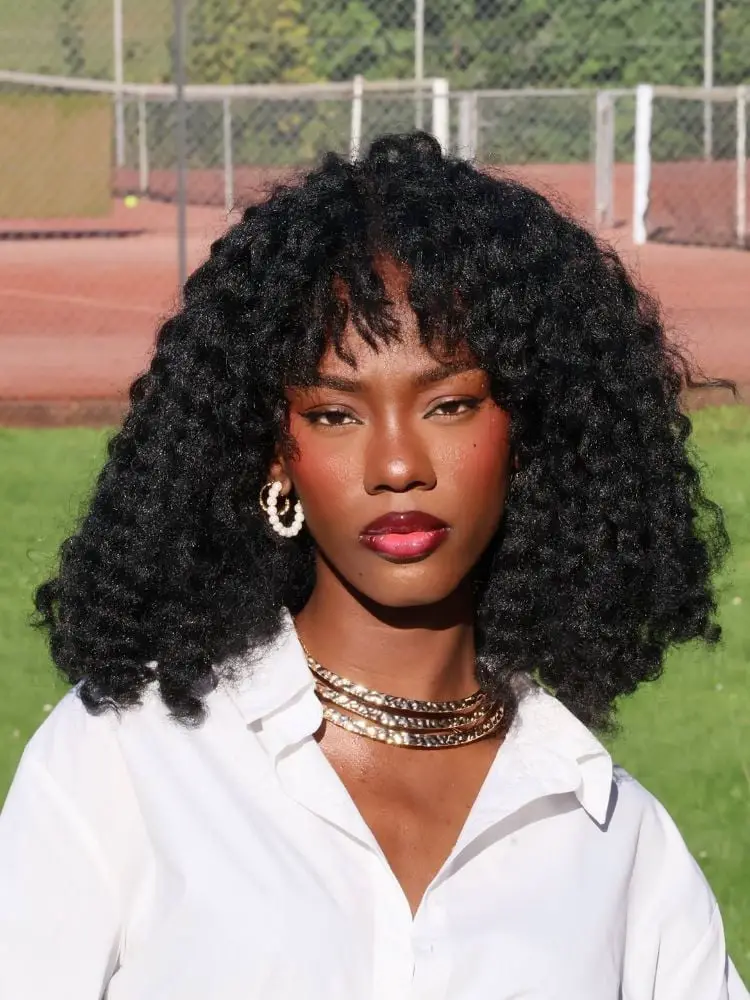
This length is where curly hair starts to behave. The collarbone is short enough that the weight of the curls does not pull the shape flat, and long enough that the texture has room to form. The curtain bangs frame without demanding daily restyling. Thick, curly hair at this length can air dry in under two hours. Ask your stylist for: collarbone length curly black hair with curtain bangs. A wide-tooth comb on wet hair with leave-in conditioner is the routine. A trim every eight to ten weeks keeps the curls from becoming uneven at the ends.
Sleek Collarbone Lob With Soft Curtain Bangs

This lob is a reliable workhorse, but it has a catch. The collarbone length and soft curtain bangs with a middle part look polished, but on fine, straight hair, that sleek finish can fall flat by midday. Ask your stylist for a collarbone length lob with soft curtain bangs. A smoothing serum and a round brush buy you a few hours of volume. The real fix is a trim every six to eight weeks, because split ends show fast on fine texture.
Layered Chin Bob With Subtle Lowlights
The design relies on two moves that fine, straight hair usually resists. First, the layered chin-length bob with soft curtain bangs adds movement without losing weight. Second, the subtle dark brown lowlights create depth against the black base, so the cut appears textured rather than flat. Ask your colorist for a chin length layered bob with soft curtain bangs and subtle lowlights. A round brush and a smoothing balm keep the layers visible. Expect to tone those lowlights every ten to twelve weeks.
Blunt Chin Bob With Micro Bangs
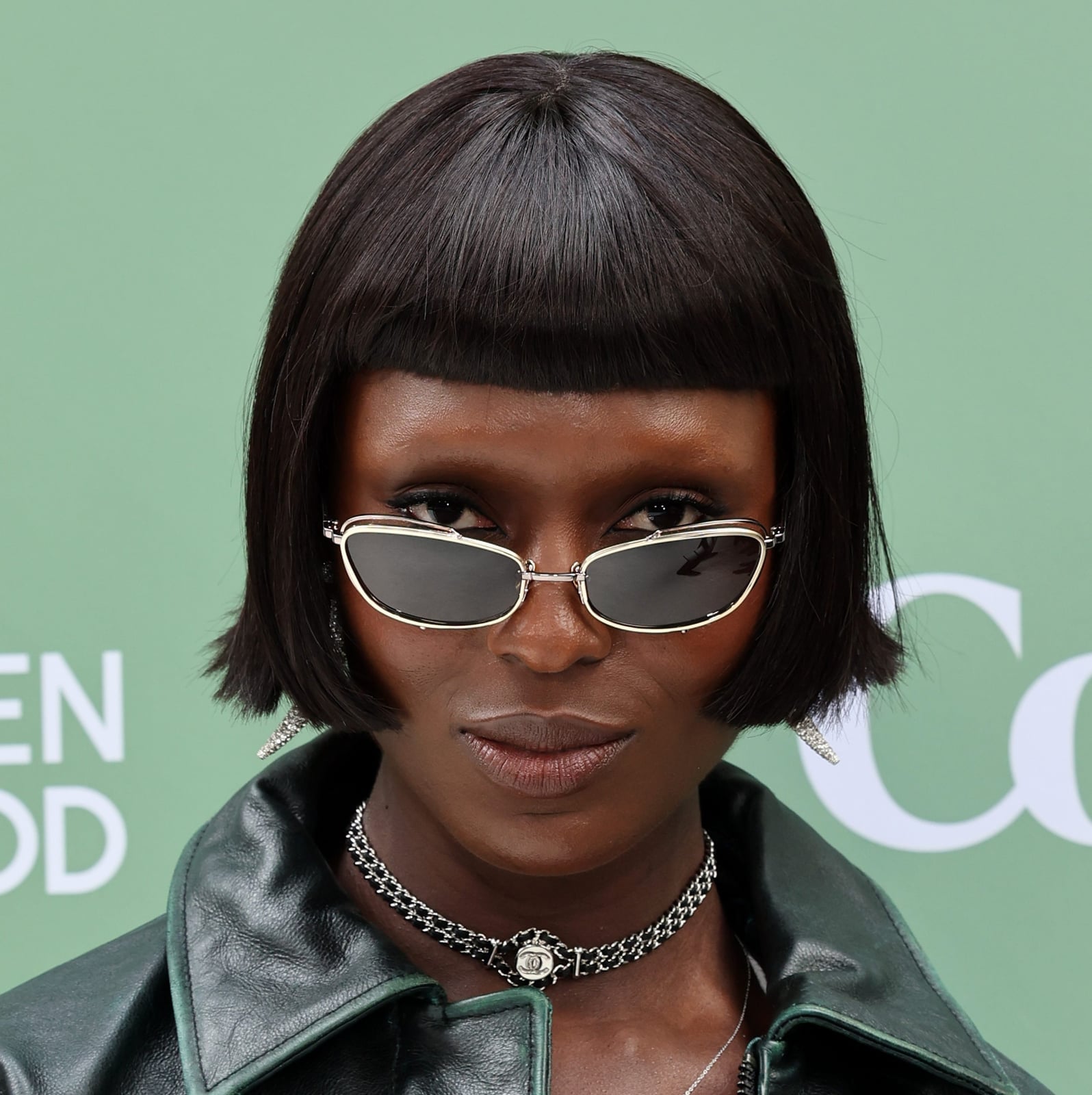
How short is too short for bangs? Micro bangs sit well above the brow, which means they demand a precise cut and a middle part. This chin-length blunt bob in solid black relies on thick, straight texture to hold the shape. Ask your stylist for a chin length blunt bob with micro bangs, styled poker straight. A flat iron is required for the finish, and the baseline needs trimming every six to eight weeks. The bangs will need their own appointment every three weeks.
Chin Length Bob With Blunt Bangs, Straight
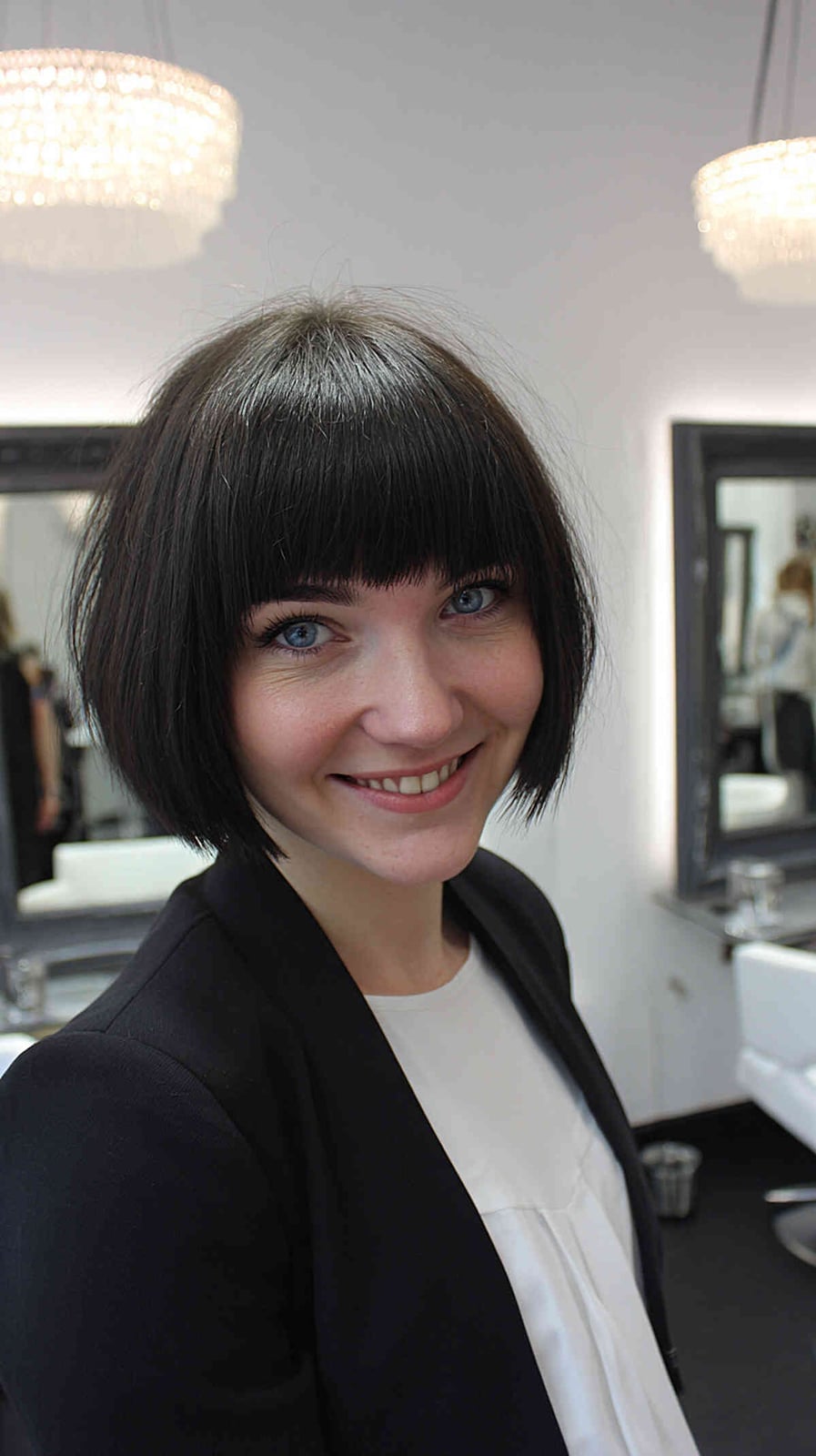
Blunt bangs sit heavier than micro bangs, which changes the whole feel of a chin-length bob. Where micro bangs look edgy, blunt bangs create a solid, graphic line across the forehead. This version in black, with thick straight texture and a blowout, lands somewhere between modern and retro. Ask your stylist for a chin length bob with blunt bangs, styled straight. A paddle brush and a straightening balm keep the weight even. Plan to trim the bangs every three to four weeks.
Sleek Side-Parted Black Bob
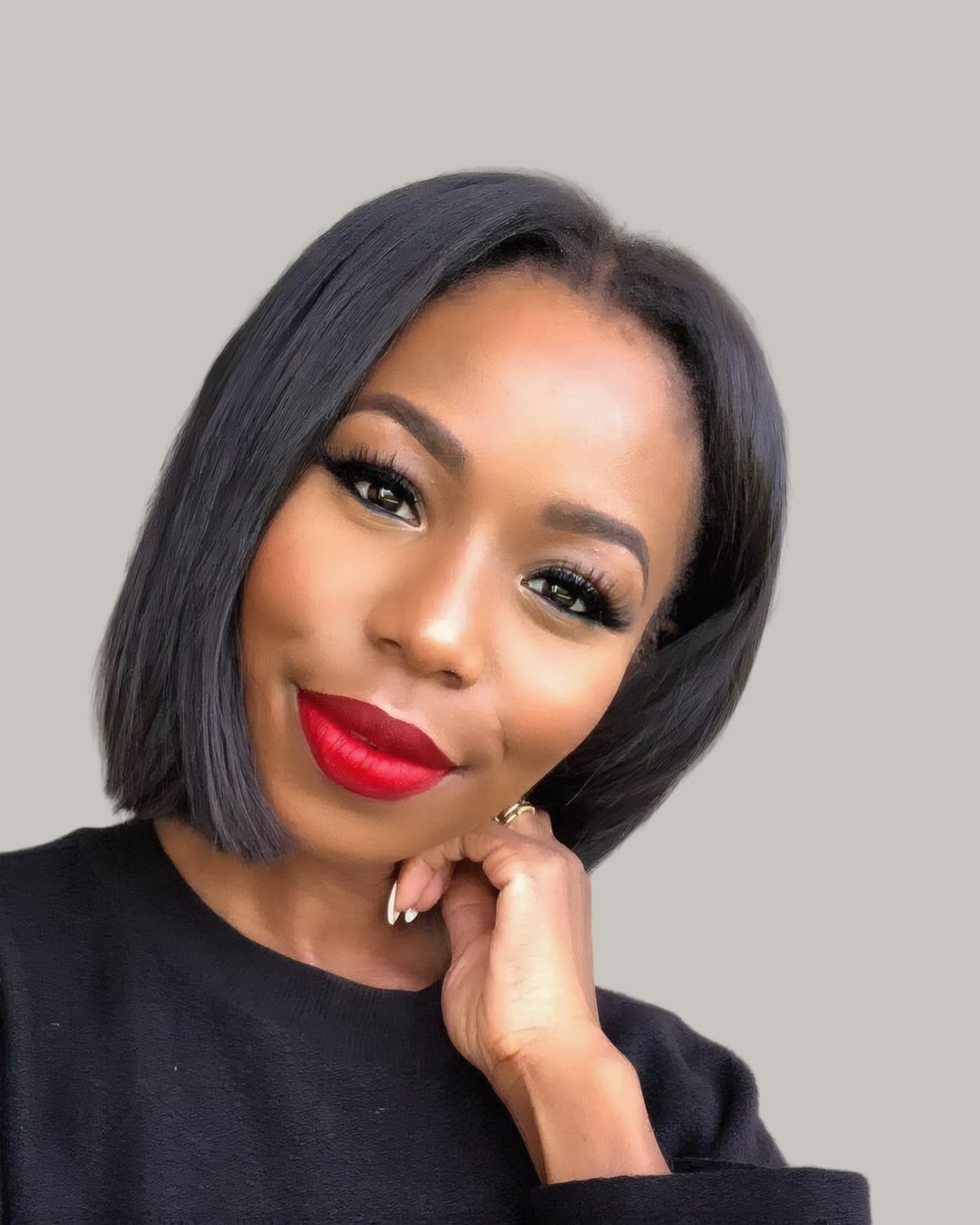
A side part creates volume for fine, straight hair. This chin-length bob has no bangs, so the sharp line of the cut and the deep side part create the structure. The solid black color and sleek finish demand precision. Ask your stylist for a chin length sleek black bob with a side parting. A shine serum and a flat iron deliver the glossy finish, but the real work is maintenance. Expect a trim every six to eight weeks, or the clean line goes soft.
Short Black Box Braids Bob
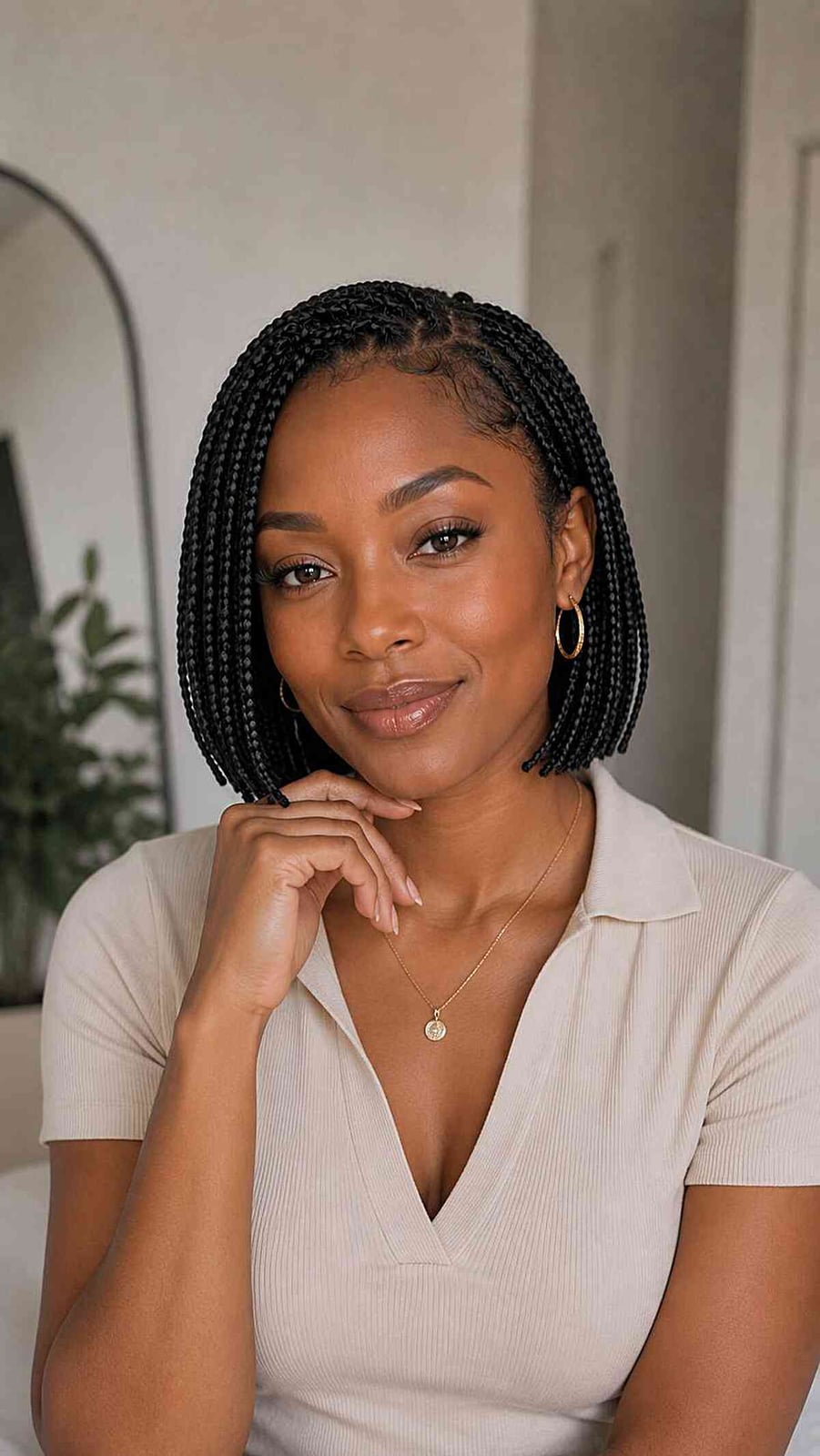
This is a salon-only project: installing box braids at this precision length takes several hours, but the payoff is a protective style that requires zero daily heat styling. Ask your stylist for: chin length box braids with a middle part. A satin bonnet at night keeps the edges from frizzing, and a light scalp oil every few days stops dryness where the braids are tightest.
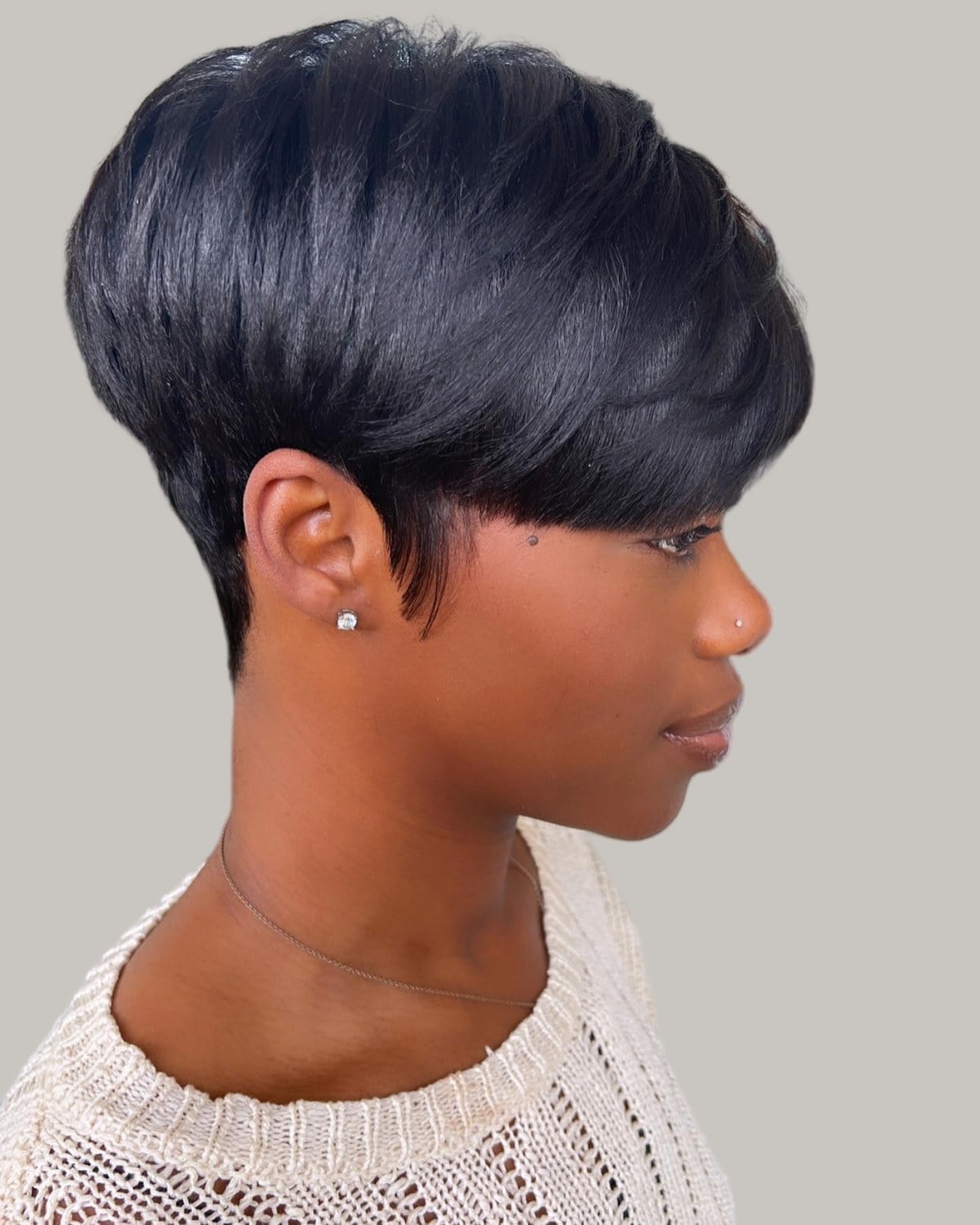
Textured Black Pixie With Short Bangs
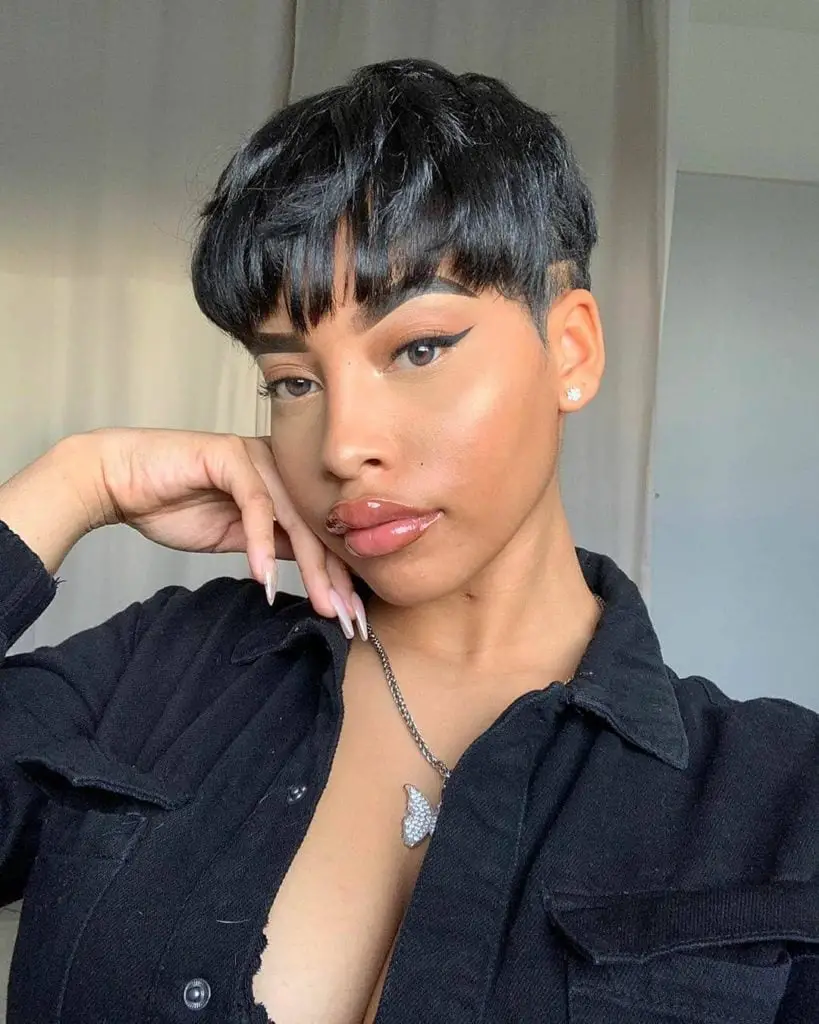
Wondering if a pixie cut actually works on fine, straight hair? This one does. The short, piecey bangs and side parting create the illusion of density where there might not be much, and the ear-length silhouette keeps the whole thing from looking flat. Ask your stylist for: short textured black pixie with piecey bangs. Fine hair holds texture spray well, so a quick tousle with paste in the morning is enough. Plan for a trim every four to six weeks, pixies reveal every stray millimeter.
Slicked Back Black Pixie With Finger Waves
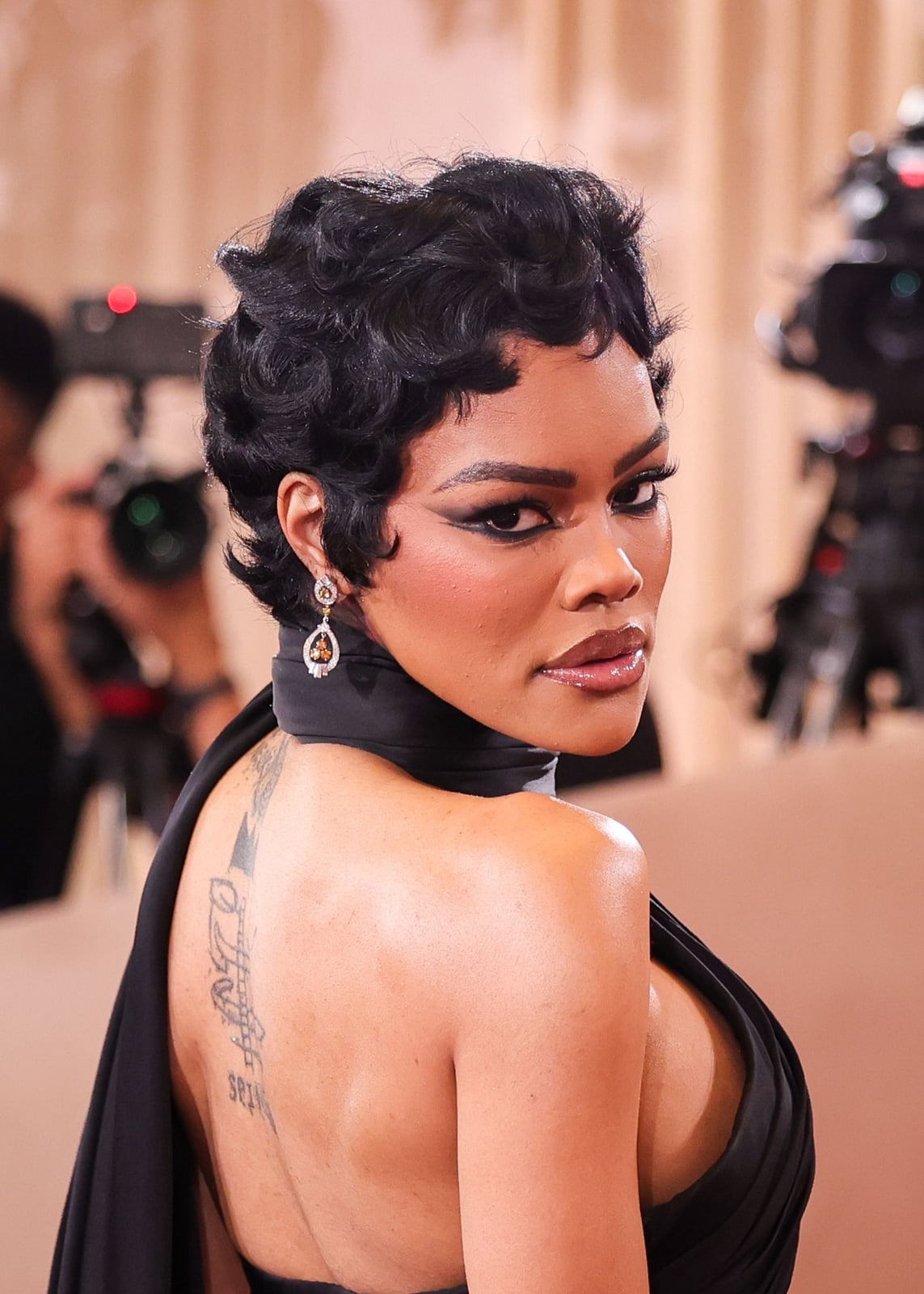
Finger waves on a short black pixie are a look that demands full commitment. The ear-length cut is slicked back into sculpted, wavy ridges, and the fine texture here is what makes the pattern hold without collapsing. Ask your colorist for: short black pixie with finger waves. The trade-off: this is not a five-minute style. Each wave must be set with a strong-hold gel and dried under a hood dryer or left to set for at least 30 minutes. Anyone who prefers wash-and-go should pass.
Black Pixie With Asymmetrical Layers
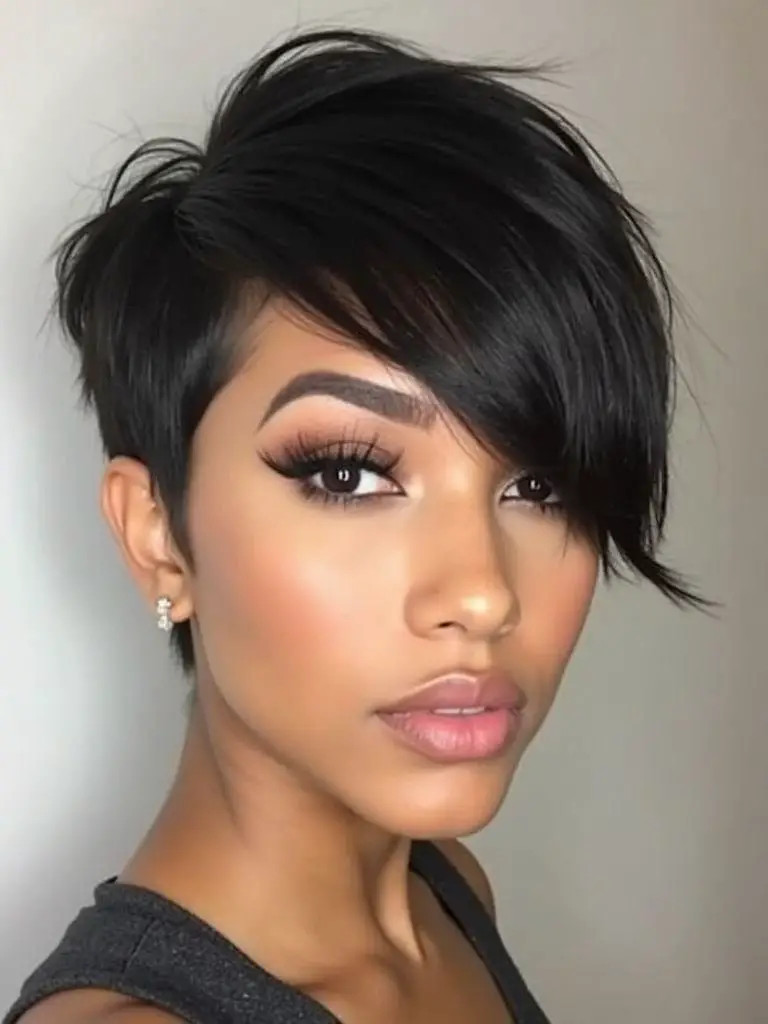
The asymmetry here is what keeps a standard pixie from looking like last year’s cut. Shorter layers on the sides and back meet longer, swept-aside bangs that land just past the temple, all finished with a smooth, glossy blowout. Ask your stylist for: black pixie cut with swept-aside bangs. A blow dryer with a concentrator nozzle and a lightweight styling cream are enough to recreate the shape at home. The grow-out is forgiving for about three weeks, but the silhouette blurs fast after that.
Shoulder Length Natural Curly Black Hair
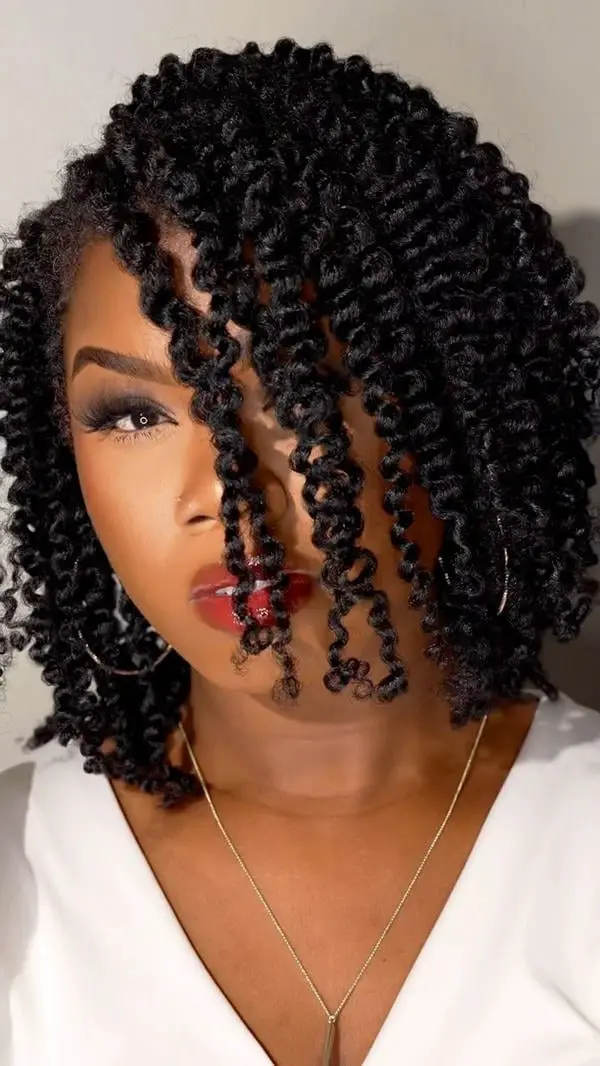
Thick, shoulder-length curls with a side part and no bangs. This is the shape that works with your natural texture, not against it. The key is getting the layers right so the curls stack instead of puffing out into a triangle. Ask your stylist for: shoulder length natural curly black hair with a side part.
At home, wash, apply a leave-in conditioner, and scrunch upward while the hair is still wet. Air-dry or use a diffuser on low heat. A trim every eight to ten weeks keeps the ends from thinning out. The whole routine takes about 20 minutes once you have the products down.
Voluminous Shoulder Length Black Curls, Curly
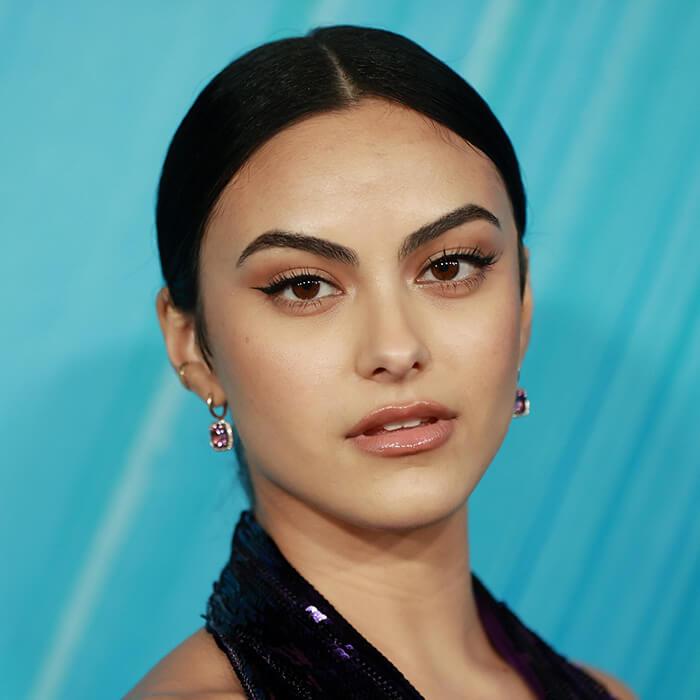
If the section 15 curls are the quiet cousin, this is the one who walks in and owns the room. Thick, naturally curly black hair is styled with a middle parting, voluminous curls reaching shoulder length with a healthy sheen. This version suits those with naturally thick, curly hair who want more height and presence. Ask your colorist for: shoulder length voluminous black curly hair. Use a curl-defining cream and diffuse for volume; trim split ends every 8-10 weeks.
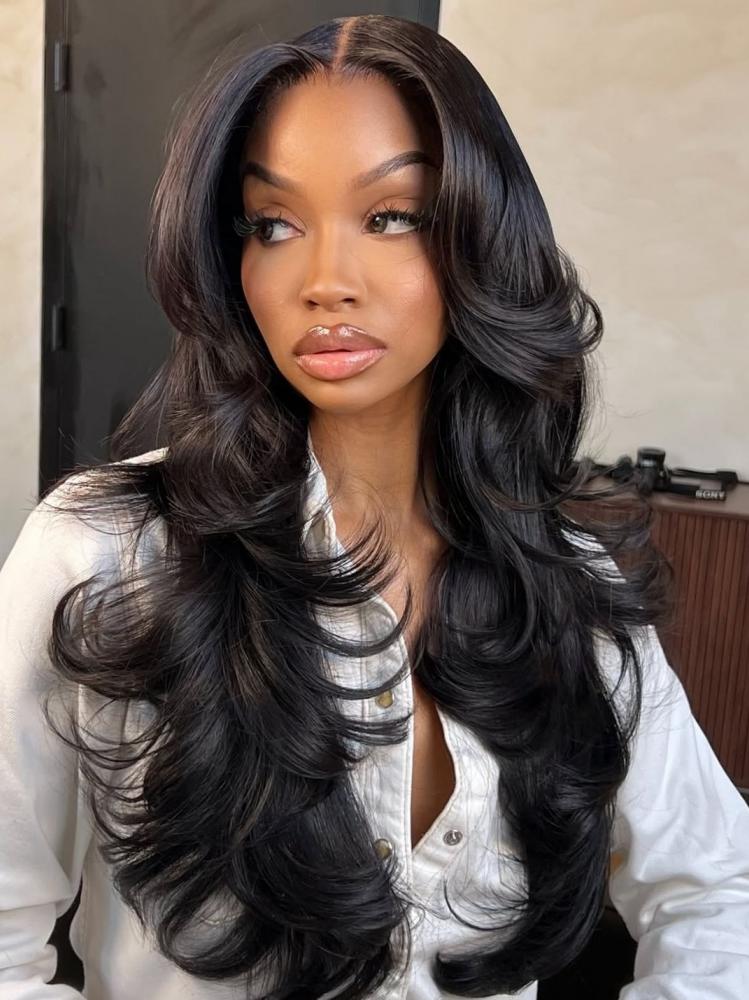
Mid-Back Loose Waves With Glossy Finish
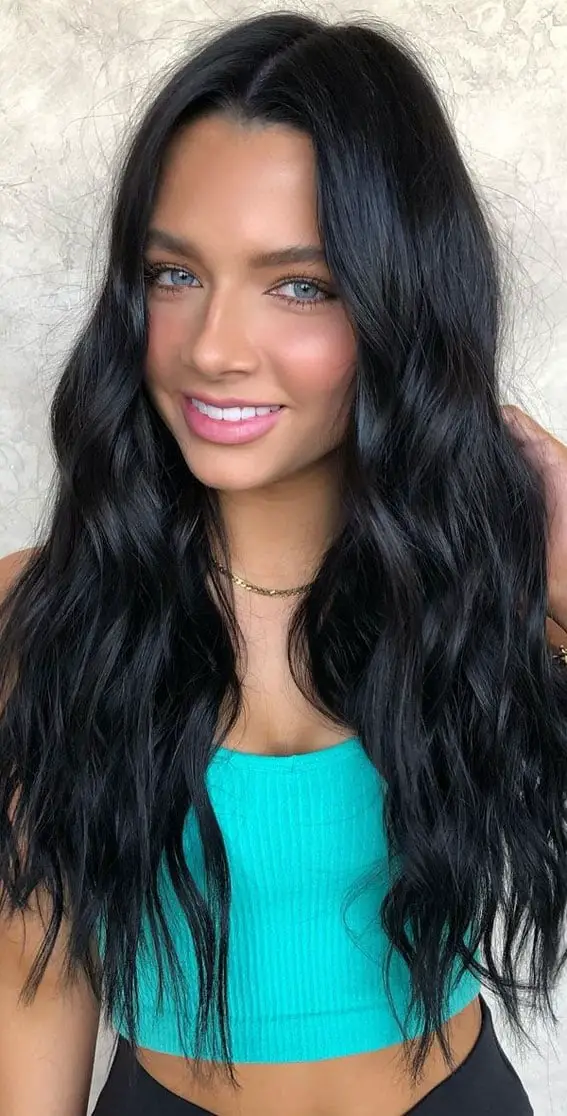
The design here is about controlled softness. Thick, wavy black hair falls to the mid-back, styled with soft, loose waves and a glossy finish, parted in the middle. The waves are set with a curling iron, which is the whole point. This look suits thick, wavy hair of mid-back length; the loose waves add softness to the overall shape.
Ask your stylist for: mid-back black hair styled in soft loose waves. Use a large barrel curling iron or wand for the waves, then apply a shine spray to lock in the gloss. This is an evening or special occasion style, best done at a salon for the finish to hold.
Long Glossy Straight Black Hair
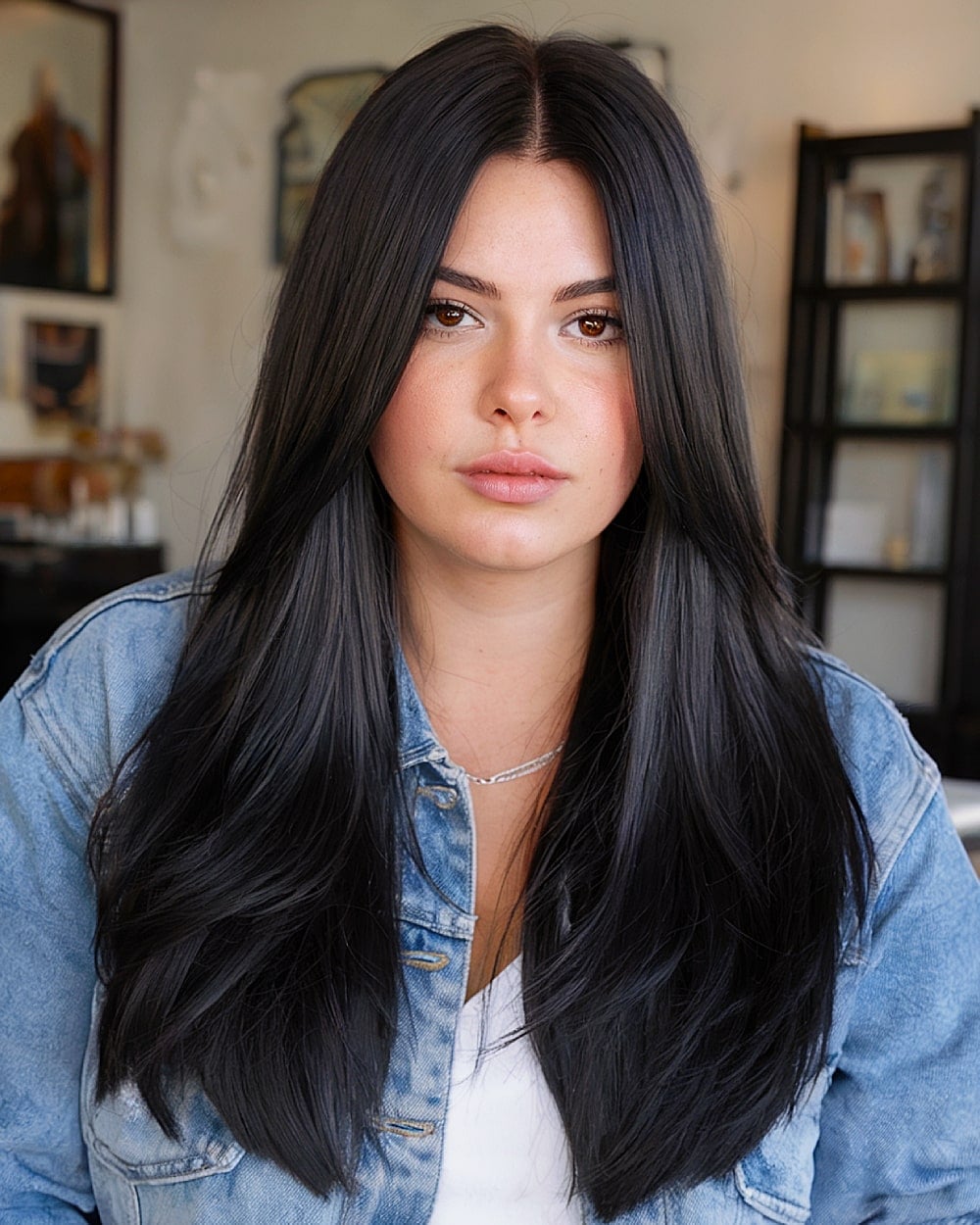
A smooth blowout on long, thick black hair with subtle layers extending to the mid-back, styled with a middle parting. The subtle layers add movement without losing the overall length. This finish requires precision and time to achieve.
Ask your stylist for: mid-back long layered straight black hair. Use a paddle brush for blow-drying at home. Expect to trim every 8-10 weeks to keep the ends healthy and the line clean. The gloss comes from the technique, not the product.
Mid-Back Layers With Sleek Shine
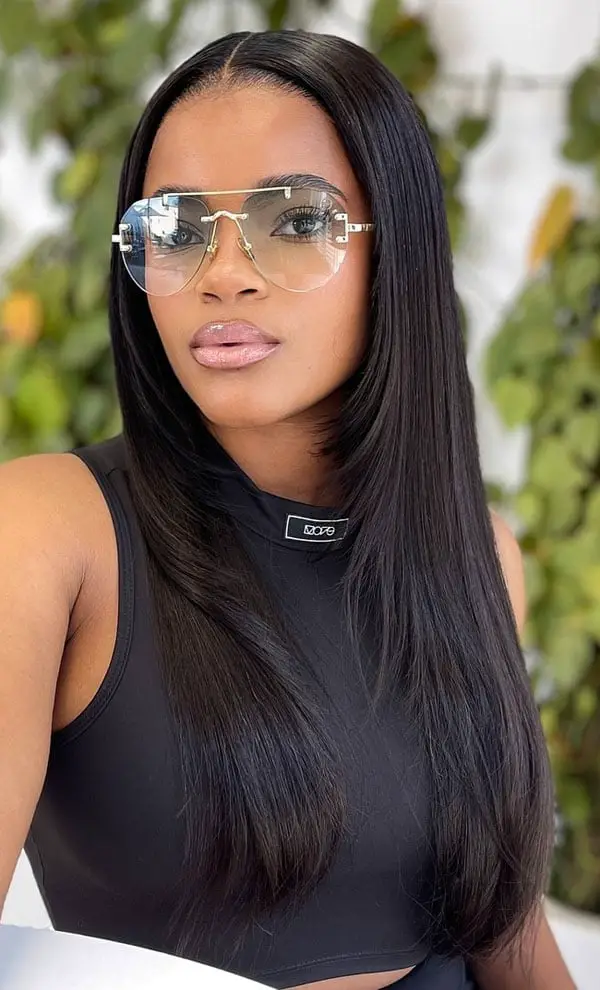
The trade-off for this level of sleekness is heat. Thick, straight black hair is styled in long layers that reach mid-back, with a sleek, glossy finish and a middle parting. The shine is undeniable, but constant flat ironing at home can lead to damage over time. This is a salon-level finish for a reason. Ask your stylist for: mid-back black hair with long layers and a sleek finish. If you can’t commit to regular heat styling, skip it. A glossing treatment can help maintain the look between washes.
Mid-Back Black With Subtle Highlights
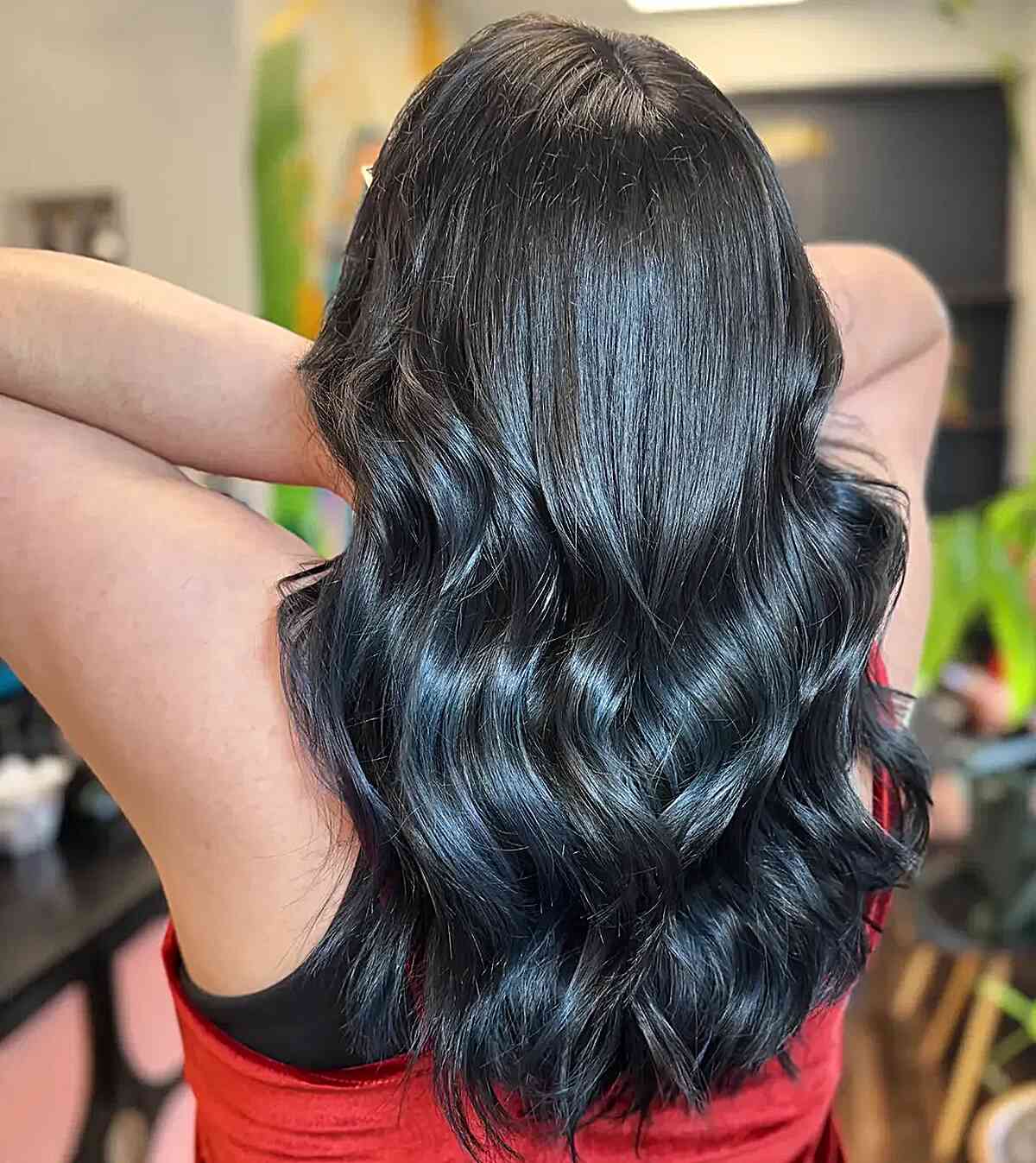
This mid-back length style features wavy black hair with subtle lighter highlights and a glossy finish. The highlights add depth without creating strong contrast. This technique works well for thick, wavy hair. Ask your colorist for: mid-back wavy black hair with subtle highlights. Use color-safe shampoo and conditioner. The highlights may need refreshing every 8-12 weeks.
Mid-Back Coily Hair High Ponytail With Braids
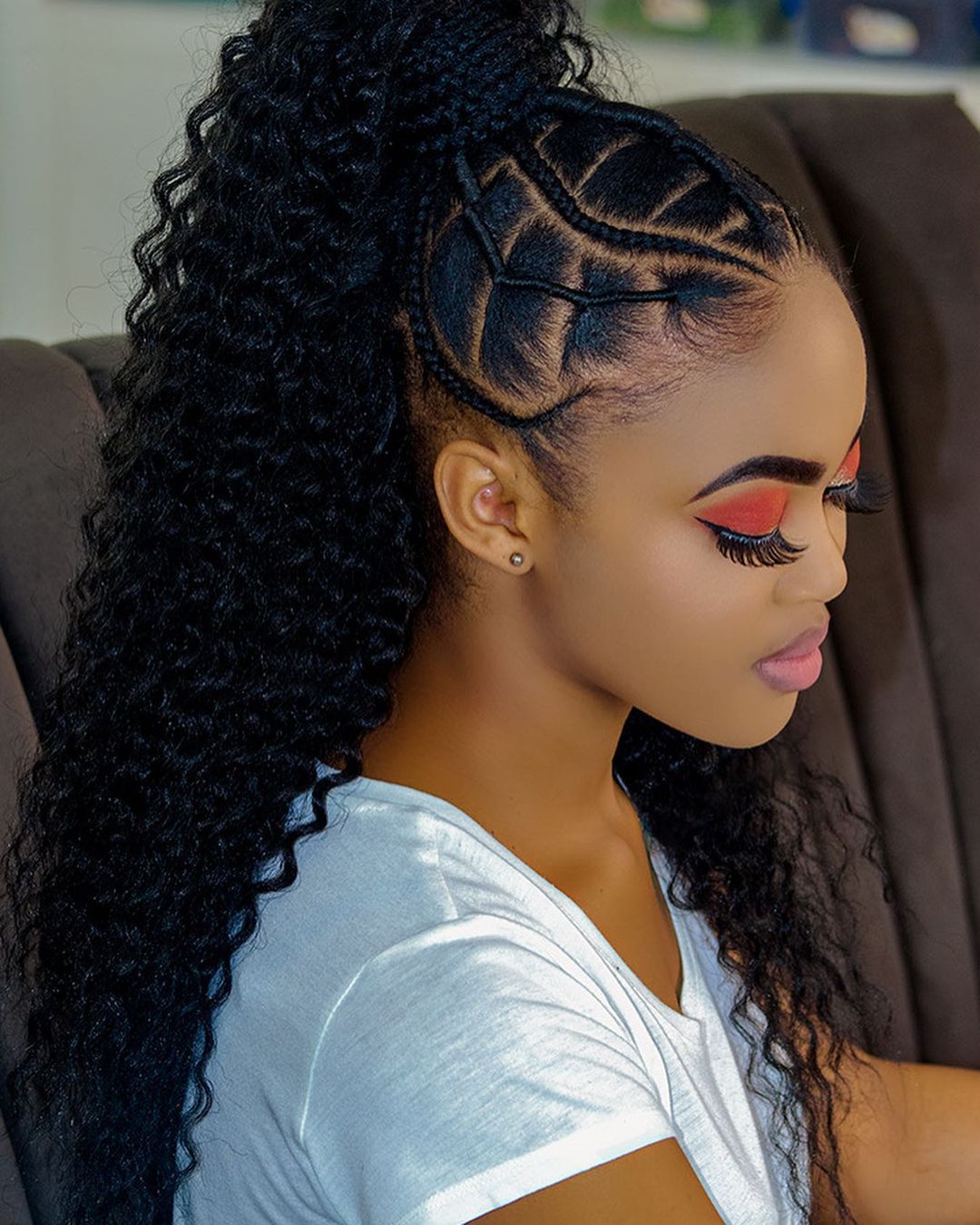
Ever wondered how to get that scalp-braided ponytail without it looking like a last-minute gym solution? A high ponytail with intricate braided details along the hairline upgrades the whole concept, especially on thick, coily hair that holds the pattern well. The braids feed into the ponytail at mid-back, keeping the texture uniform from root to end. Ask your stylist for: a high ponytail with scalp braids feeding into mid-back coily hair. This is a salon booking, not a quick home fix: the parting and tension need a professional hand.
Mid-Back Fine Hair High Ponytail
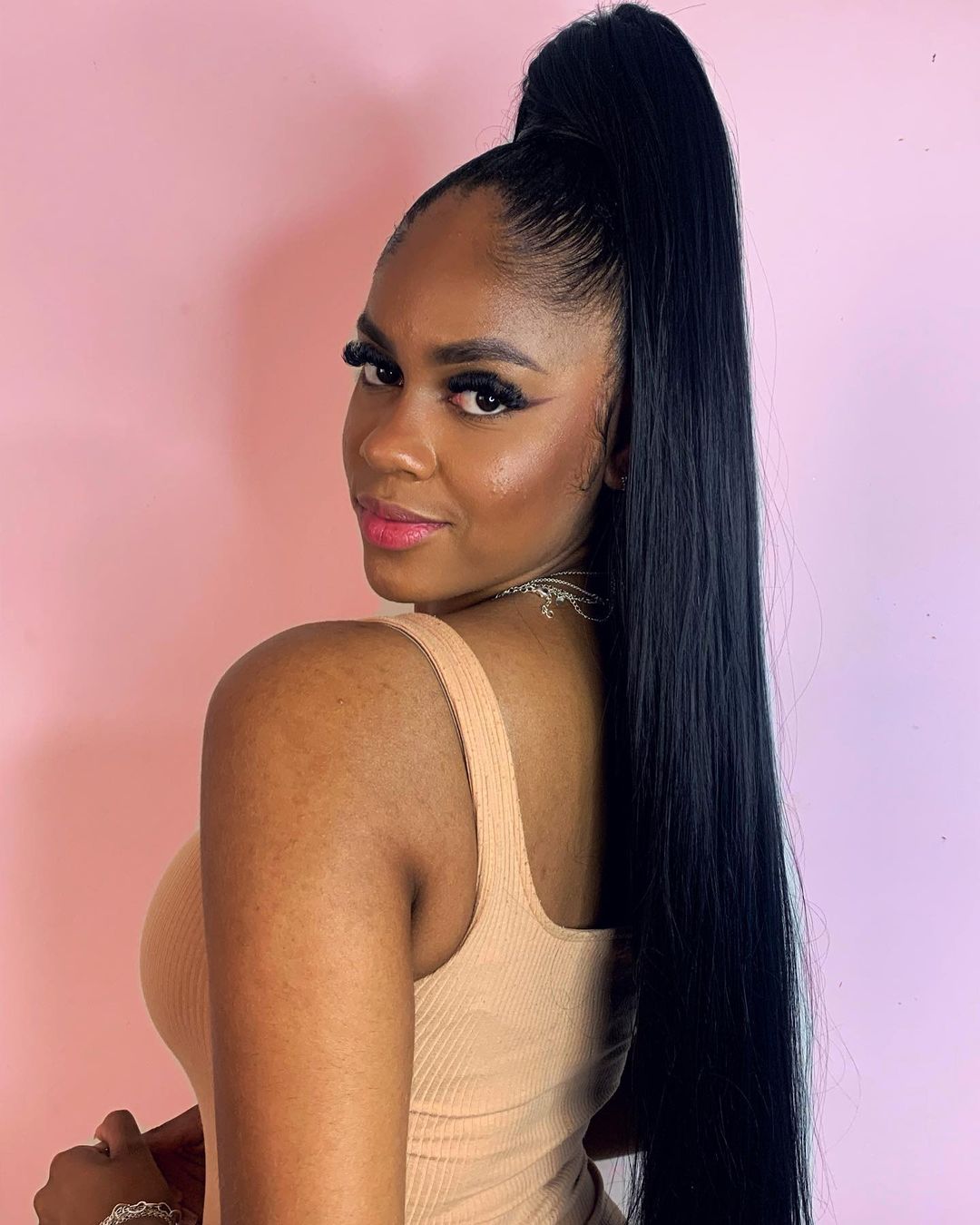
A high ponytail on fine hair has one job: look fuller than it actually is. This one extends straight to mid-back, relying on a sleek finish. The challenge is keeping the ponytail from looking sparse at the base. Ask your stylist for: a sleek high ponytail on mid-back fine black hair. A boar bristle brush is your tool, but skip the tight elastic that leaves a dent. The payoff is a polished line that holds all day.
Mid-Back Box Braids With Beads
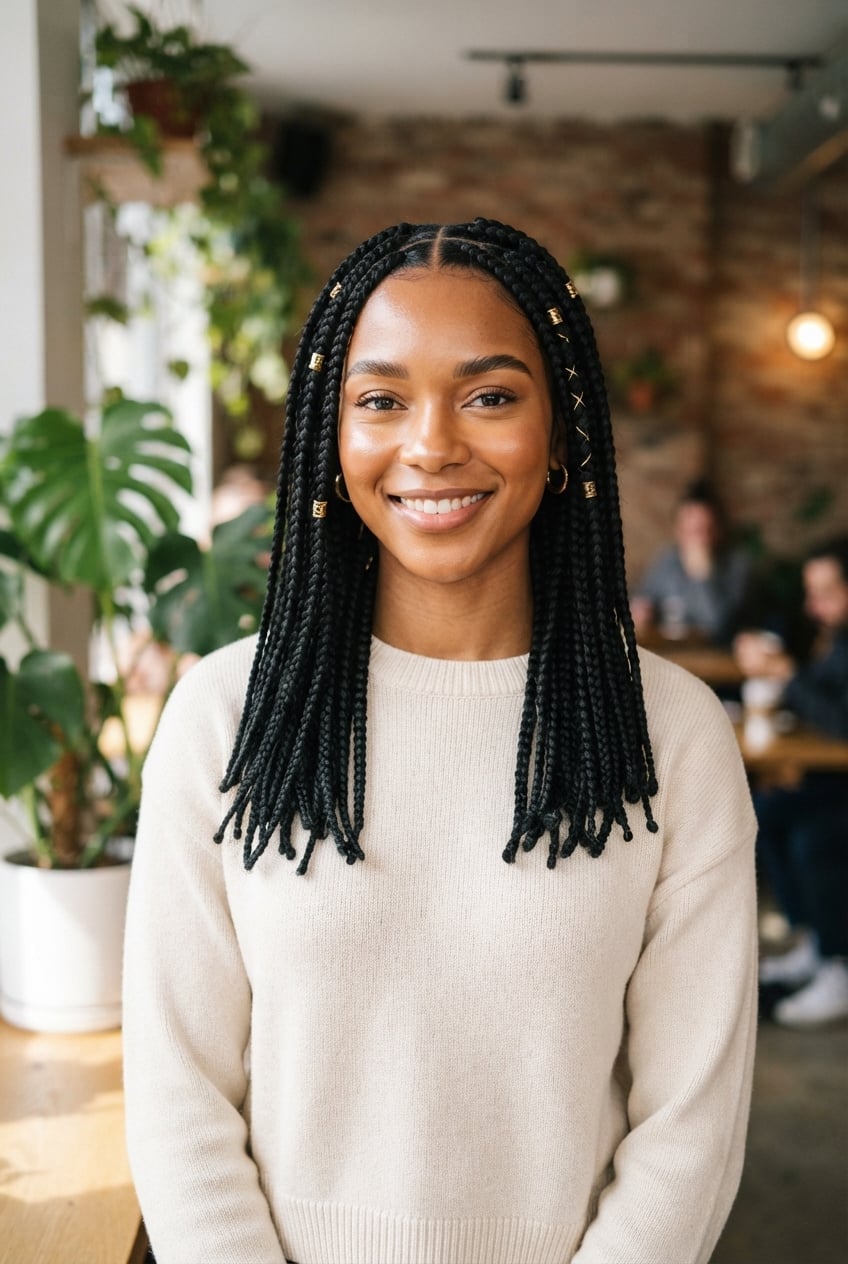
Box braids to mid-back with decorative beads add a tactile element that plain braids lack. The technique starts with a clean middle parting and consistent sectioning, so each braid is uniform in thickness from scalp to tip. The beads are threaded at the ends, which means the weight pulls evenly and the braids hang straight. Ask your stylist for: mid-back box braids with decorative beads. Upkeep is simple: keep the roots moisturized and check the beads for any looseness. A silk scarf at night preserves the style for weeks.
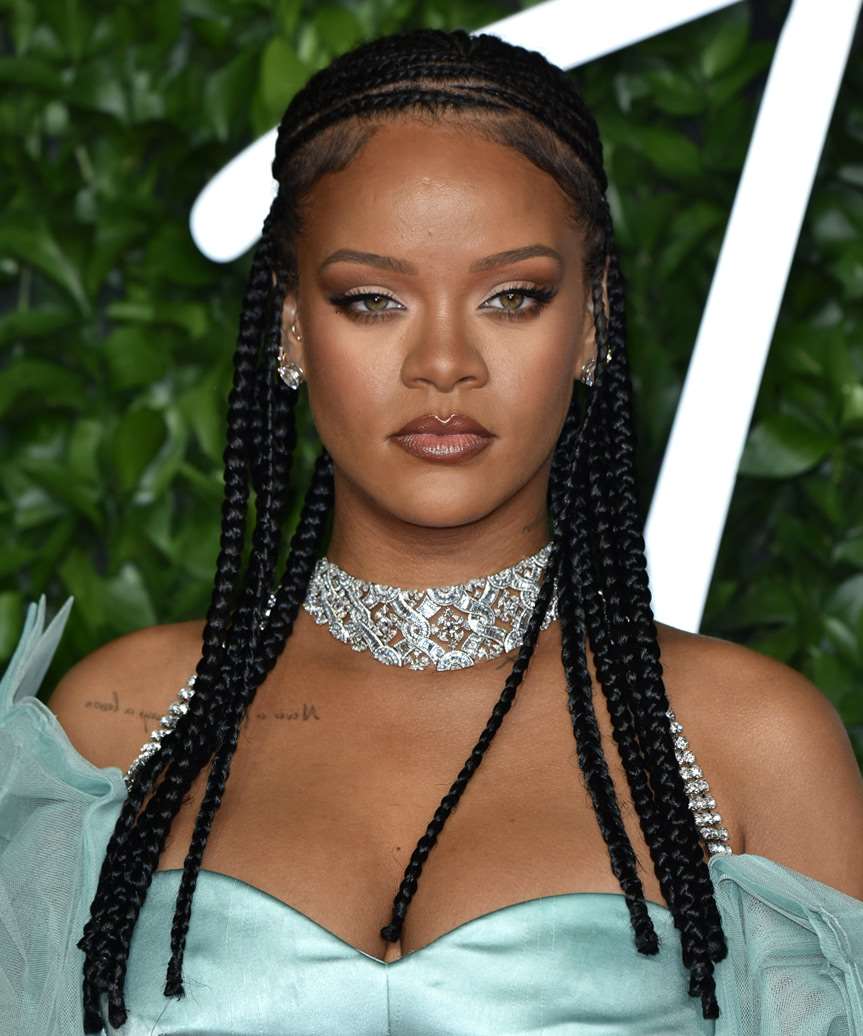
Thick Coily Hair In Intricate Braided Bun
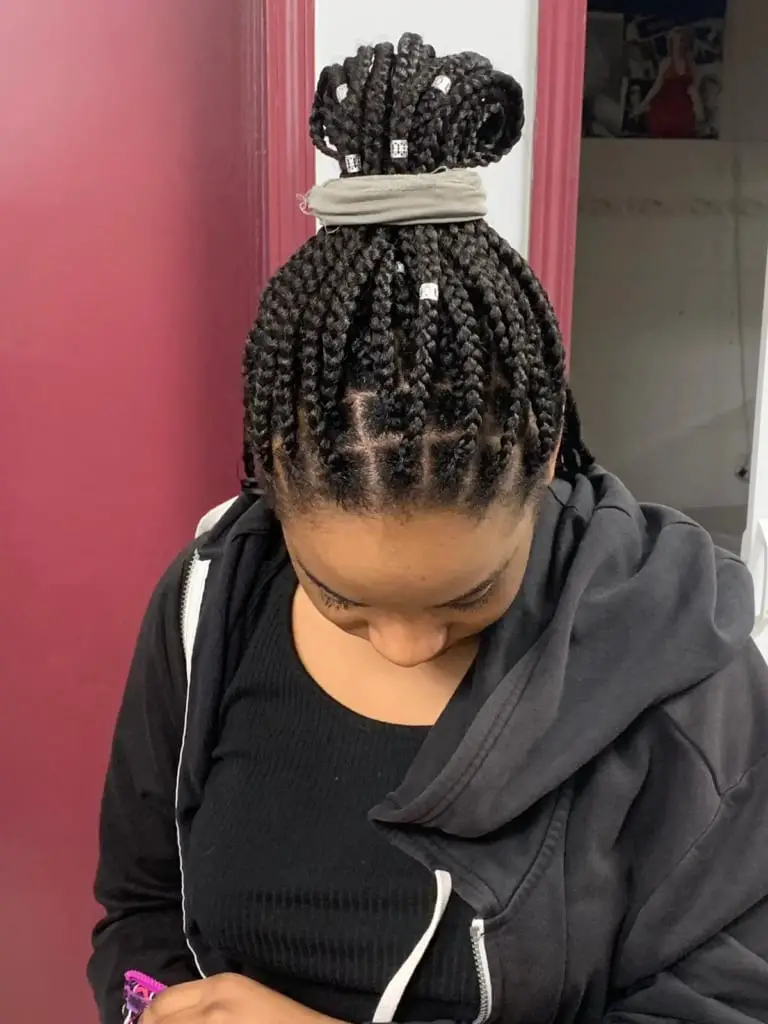
The intricate braiding pattern on thick, coily hair requires hours in the chair, and the beads and fabric band add weight. The bun sits high, which means tension on the scalp is real: if you have a sensitive hairline, this may not be the style for you. Ask your stylist for: a high braided bun with intricate coily hair braids. The look is protective and elegant, but the removal process takes patience and a good detangling spray.
Spring Hair Colors We Love Right Now
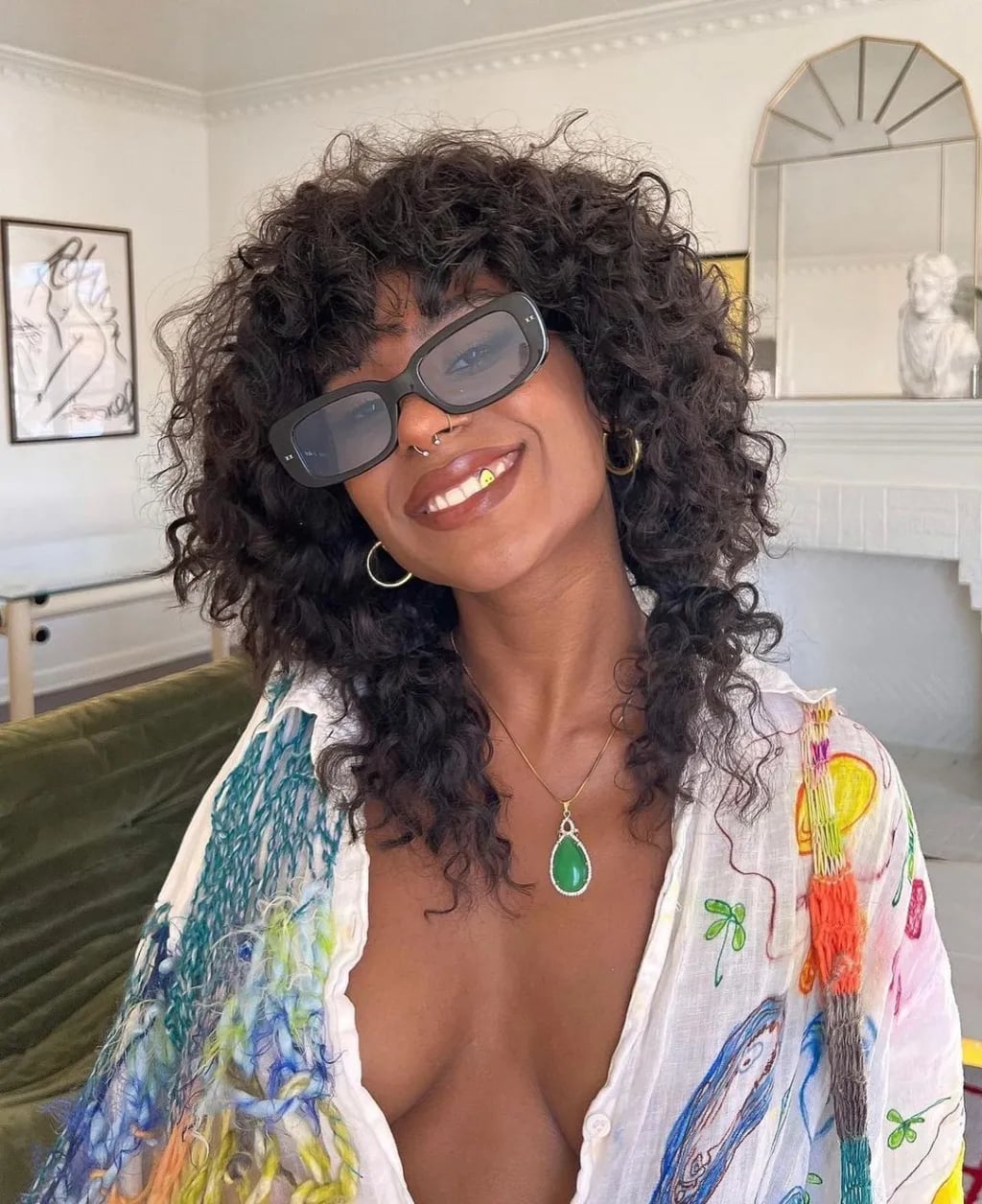
What makes a spring hair color work on black hair? It is not about a complete color change. The most wearable ideas this season lean into subtle dimension: think a deep espresso base with a few caramel-toned ribbons around the face, or a rich dark brown that catches sunlight without brassiness. Curly bangs and a shag cut, like the one here, give the color movement so it appears natural. Ask your colorist for: a dark brown base with soft caramel face-framing pieces. Spring is the season to add warmth, not fight it.
Trendy Hair Color: Dark Fudge Brunette
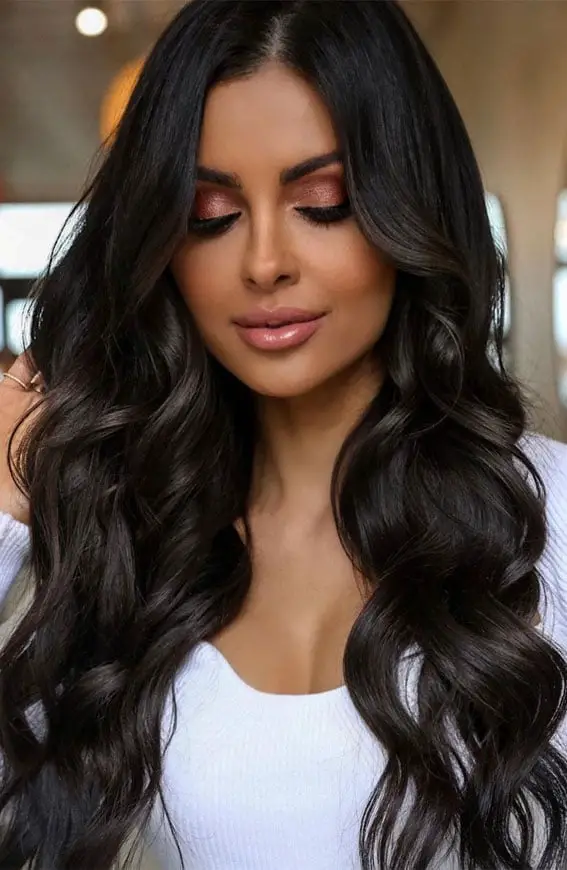
If black hair is a solid wall, dark fudge brunette is the same wall with a light switch dimmer installed. The color appears black from across the room, but up close you see a brown richness that keeps the color from going flat. The base is a deep, cool brown, applied as a single-process color with a glossy finish. On this mid-back, thick, wavy hair, the tone shows up as subtle dimension through the waves.
This shade is a natural-looking brunette that stays on the dark side of the spectrum. Ask your colorist for: dark fudge brunette hair color. The tone leans cool, so a color-depositing conditioner every few washes keeps it from pulling warm between appointments. No bangs to worry about, no root shadow needed, the grow-out blends quietly into your natural shade for about eight weeks before you start noticing a line.
Final Thoughts
For fine hair, keep a blunt baseline and skip heavy layers to create the illusion of thickness. For coily or curly hair, focus on defining products and deep moisture to let your natural texture shine.
- Deep condition weekly to maintain moisture, especially for textured hair.
- Use heat protectant spray before any heat styling to preserve shine.
- Trim split ends every 6-8 weeks for layered cuts to maintain shape.
- Toning is generally not needed for solid black hair, but color-safe shampoos can enhance shine.
Black hair is a versatile masterpiece. Explore these looks to find your signature style.