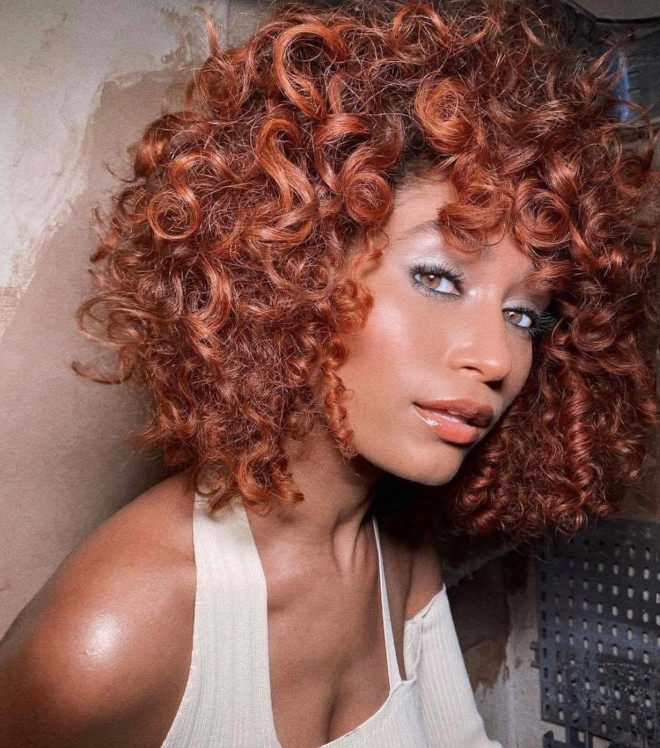

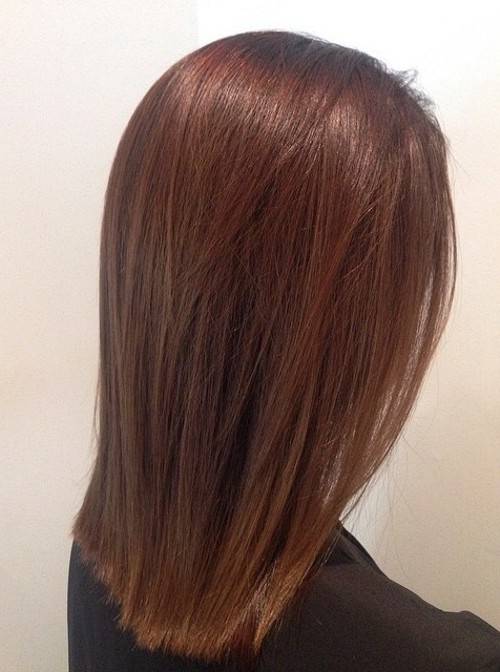
I keep seeing chestnut brown everywhere – next to me in the salon chair, tucked into Instagram scrolls, even on strangers at the coffee shop. It’s the color that makes brunettes look like they got a glow without actually going lighter. No brass, no overprocessing, just a deep, warm brown that reads expensive.
This article rounds up 16 ways to wear Chestnut Brown Hair, from a single process that fades gracefully to multi-dimensional balayage. I have fine, flat-prone hair, and chestnut brown gave it the depth it needed without extra work. Whether your texture is straight, wavy or coily, there’s a version here that suits your life.
Sleek Chin-Length Blunt Bob
The blunt bob chestnut brown is the cut that proves less is more. Compared to a layered collarbone cut, this chin-length blunt bob is bolder and more graphic. The uniform colour, rich chestnut brown with no highlights, makes the line the star. The fine straight texture here looks sleek because there is no texture to disrupt the edge. A middle part keeps it symmetrical. It is not fussy, but the blunt cut demands a sharp line, so trims every six weeks are the cost of the look.
Toasted Chestnut Brown Voluminous Waves
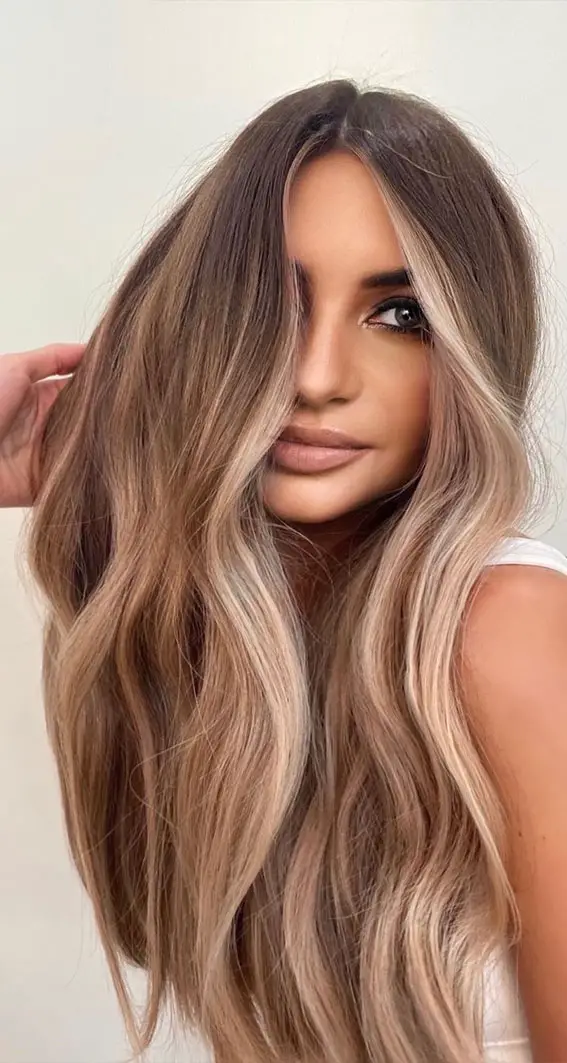
Toasted chestnut brown hair with voluminous waves is the colour that makes people ask if you just got back from vacation. The base is warm but not fiery, with a slight ashiness that keeps it from looking brassy. The layers run through the mid-back length so the wave pattern has shape without losing weight. The toasted technique blends a warm base with a cool overlay for a sunlit effect.
- Length: mid-back with layers starting at ribcage
- Technique: large-barrel curling iron, alternating directions
- Texture: thick hair required to hold the volume
- Styling: 25 minutes with a round brush and dryer
- Ask your stylist: keep the perimeter heavy so waves don’t fall flat
The toasted tone catches the light differently than plain brown, which is why the thickness matters: more hair means more surface to reflect the colour. A trim every six to eight weeks stops the layers from weighing the shape down. Voluminous waves like these need a heat protectant and a good hold product to keep from dropping by evening.
Frosted Chestnut Brown With Curtain Bangs
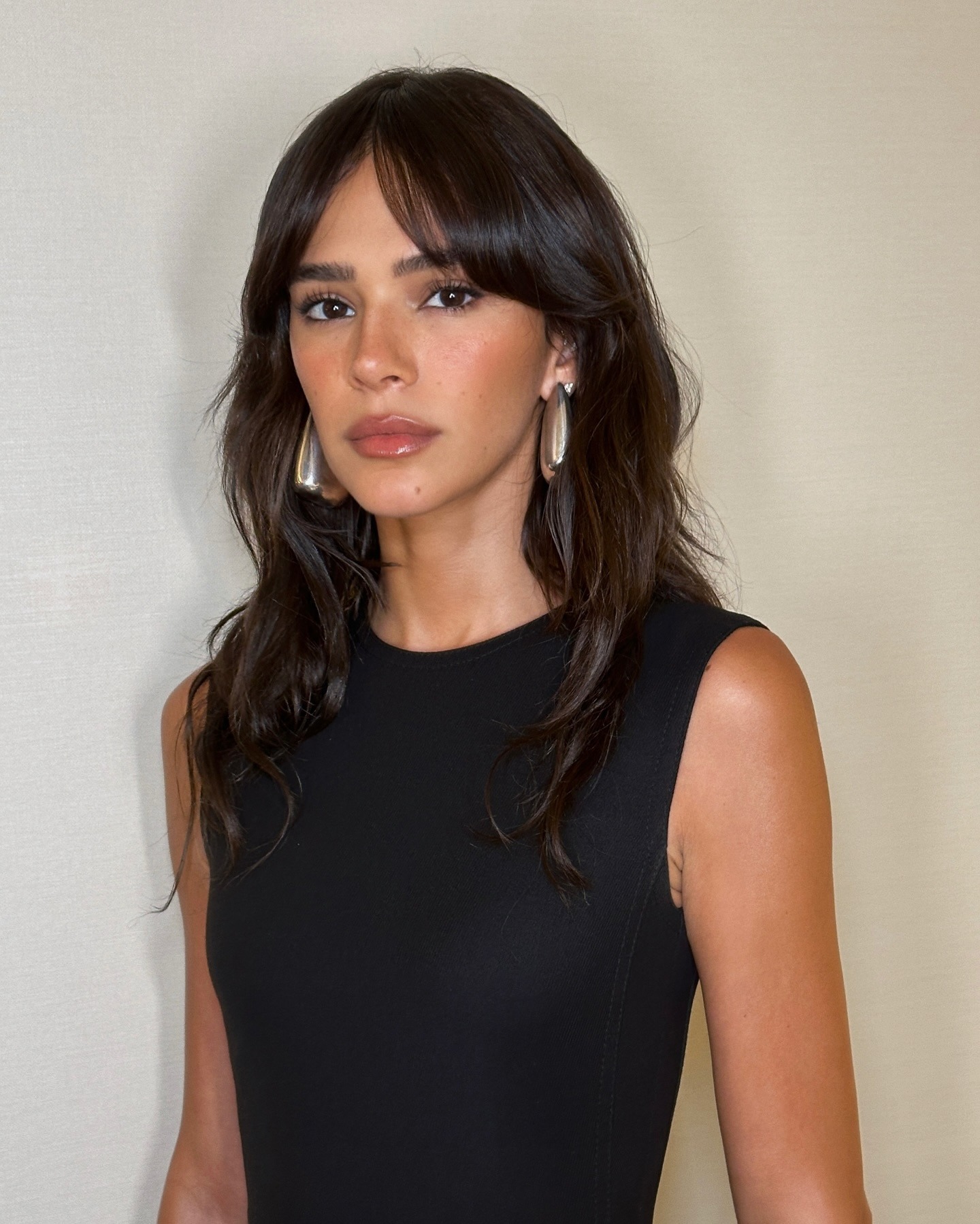
Have you ever seen a brown that looks almost silver in the sun? That is the frosted chestnut brown colour: a cool ashy overlay on a warm base that catches light in a way that reads expensive rather than dull. The curtain bangs here are cut to hit the cheekbones and blend into the layers, so they soften a square or round face without feeling like a separate piece. The mid-back length gives enough hair to show off the frosted dimension, and the wavy medium density texture lets the cool tones scatter without getting lost.
This colour works best on those with cool or neutral undertones; warm skin can turn the frosted effect murky. The curtain bangs need a middle part to frame correctly, so if you prefer a deep side part, this might not sit the same way. The layers are long and loose, so the frosted chestnut brown appears as a subtle shimmer rather than a bold stripe.
Uniform Chestnut Brown Shoulder Length
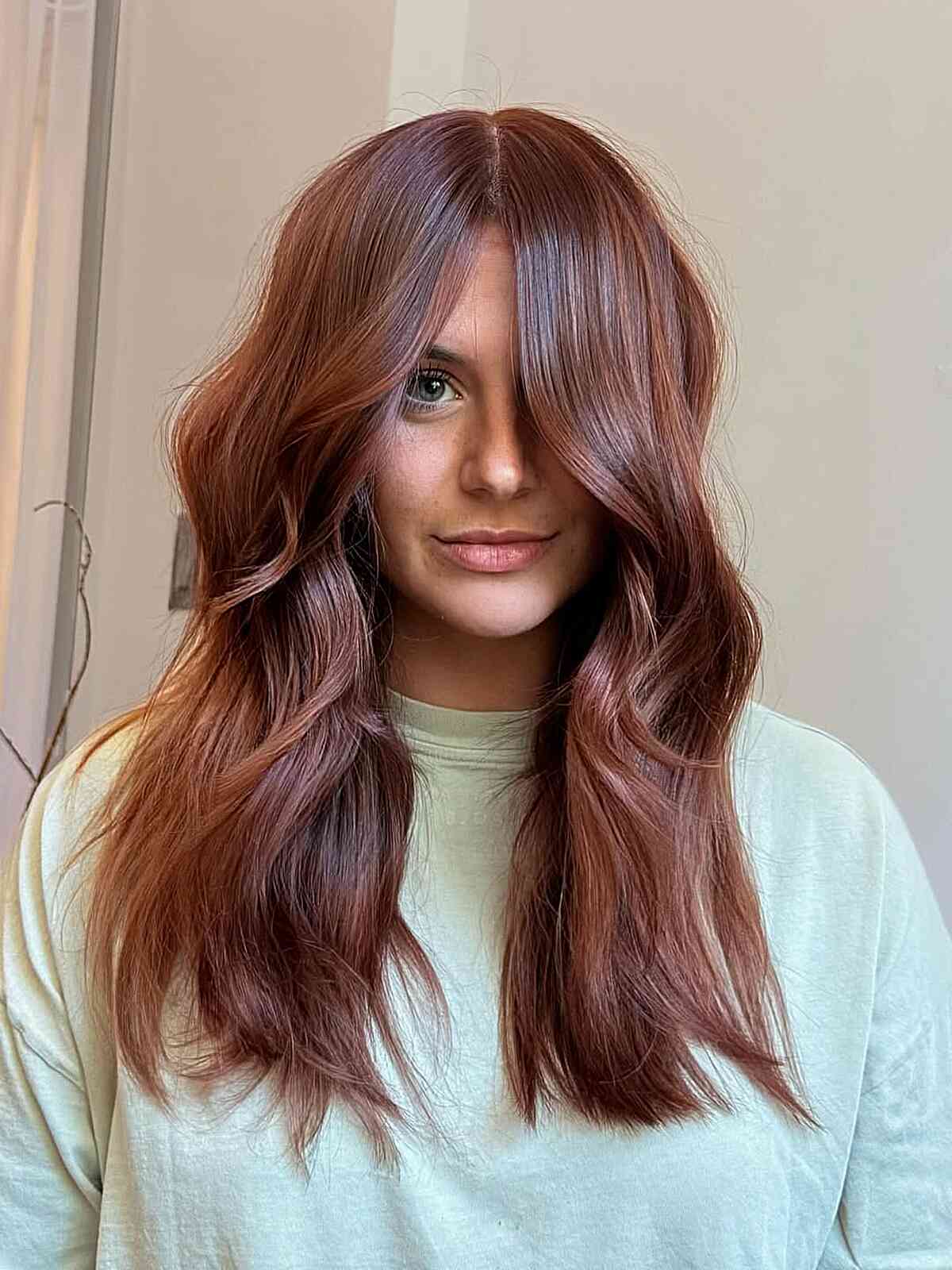
A uniform chestnut brown on fine hair does not hide behind dimension: it shows every shine and every bend. The shoulder length keeps the hair from getting stringy by week three. The middle part stays put because there is no layering to push it off course. A single-process tone like this fades evenly, so a gloss every eight weeks keeps the depth without a full colour appointment. The straight texture with a slight bend at the ends gives it shape without heat styling every day.
Dark Chestnut Ombre With Curtain Bangs
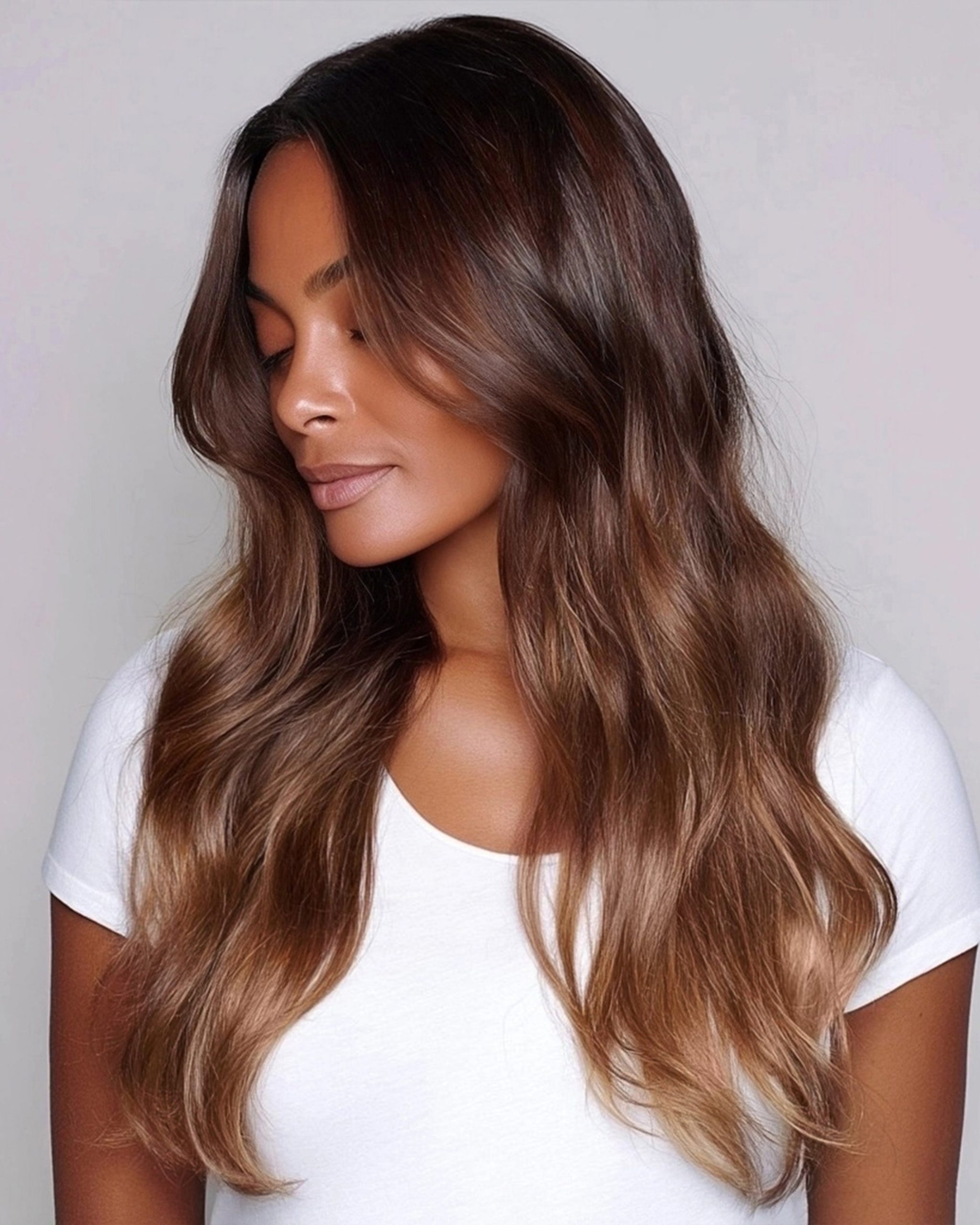
The stylist starts with a deep chestnut brown at the roots, then slowly lightens toward the ends. That dark chestnut ombre base is what gives the whole look its weight — without it, the lighter brown would wash out. The mid-back length lets the gradient stretch, and the thick, wavy texture carries the colour shift without looking choppy. Curtain bangs frame the transition, pulling the lighter tones forward.
This is a fall-through-winter colour. The dark base reads rich under softer light, and the lighter ends catch sun when you’re outside. It’s not a summer blonde — it’s dimensional without screaming for attention. A good ombre like this takes about three hours in the chair, but the grow-out is forgiving. The curtain bangs need shaping every eight weeks, but the colour itself blends gracefully for months.
Natural Chestnut Brown With Balayage
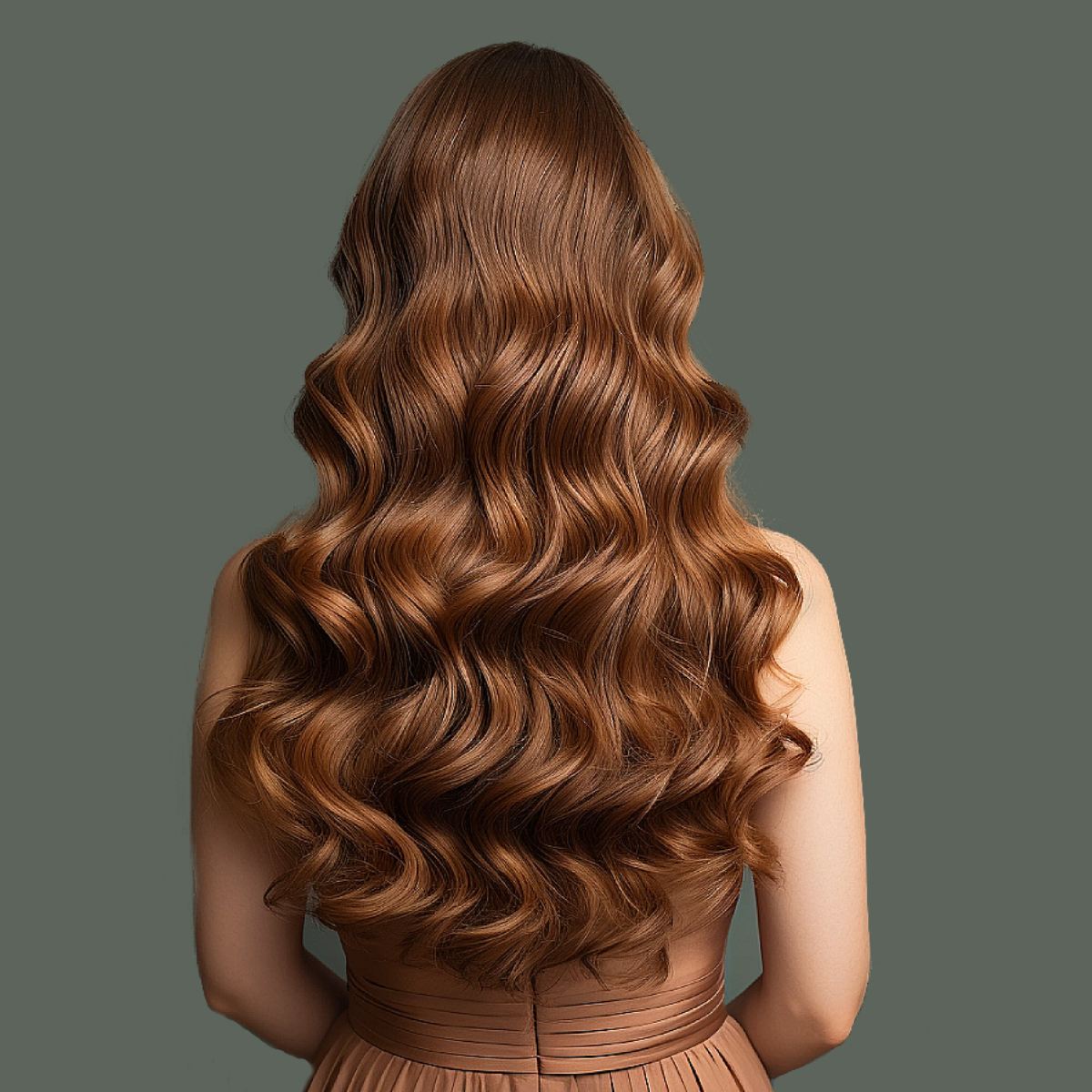
This chestnut brown balayage holds up better than any highlight I’ve tried. The subtle balayage technique means the lighter pieces are painted on, not foiled, so the regrow is soft. Shoulder-length wavy hair with medium density shows the dimension without looking heavy. A quick wave with a curling iron takes fifteen minutes. Trims every eight weeks keep the layers fresh. The colour fades slowly — you can go four months before needing a refresh.
Shoulder Warm Chestnut Brown With Curtain Bangs
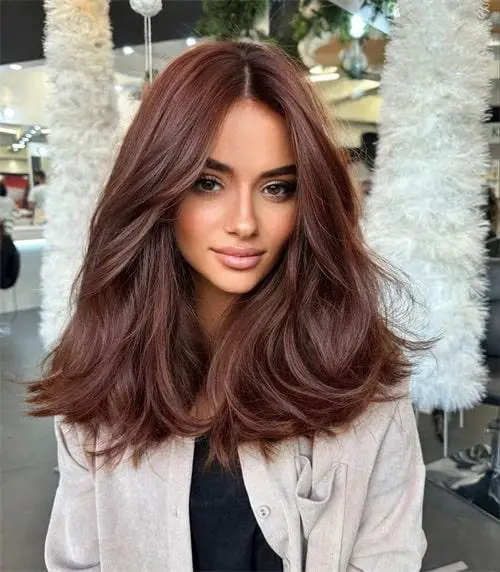
Wondering if warm chestnut brown hair with curtain bangs is for you? The shoulder length with voluminous waves suits round and heart shapes best — the curtain bangs soften a wide forehead and the width around the cheeks balances a pointed chin. The thick, wavy texture gives the cut body, so fine hair might fall flat without some styling effort. The rich chestnut tone reads warm, so cool skin undertones could clash. If your hair is thin or your face is long and narrow, skip the volume and opt for a sleeker version. This look is a yes for medium to thick density and a short to medium forehead.
Rich Chestnut Brown Full Saturation
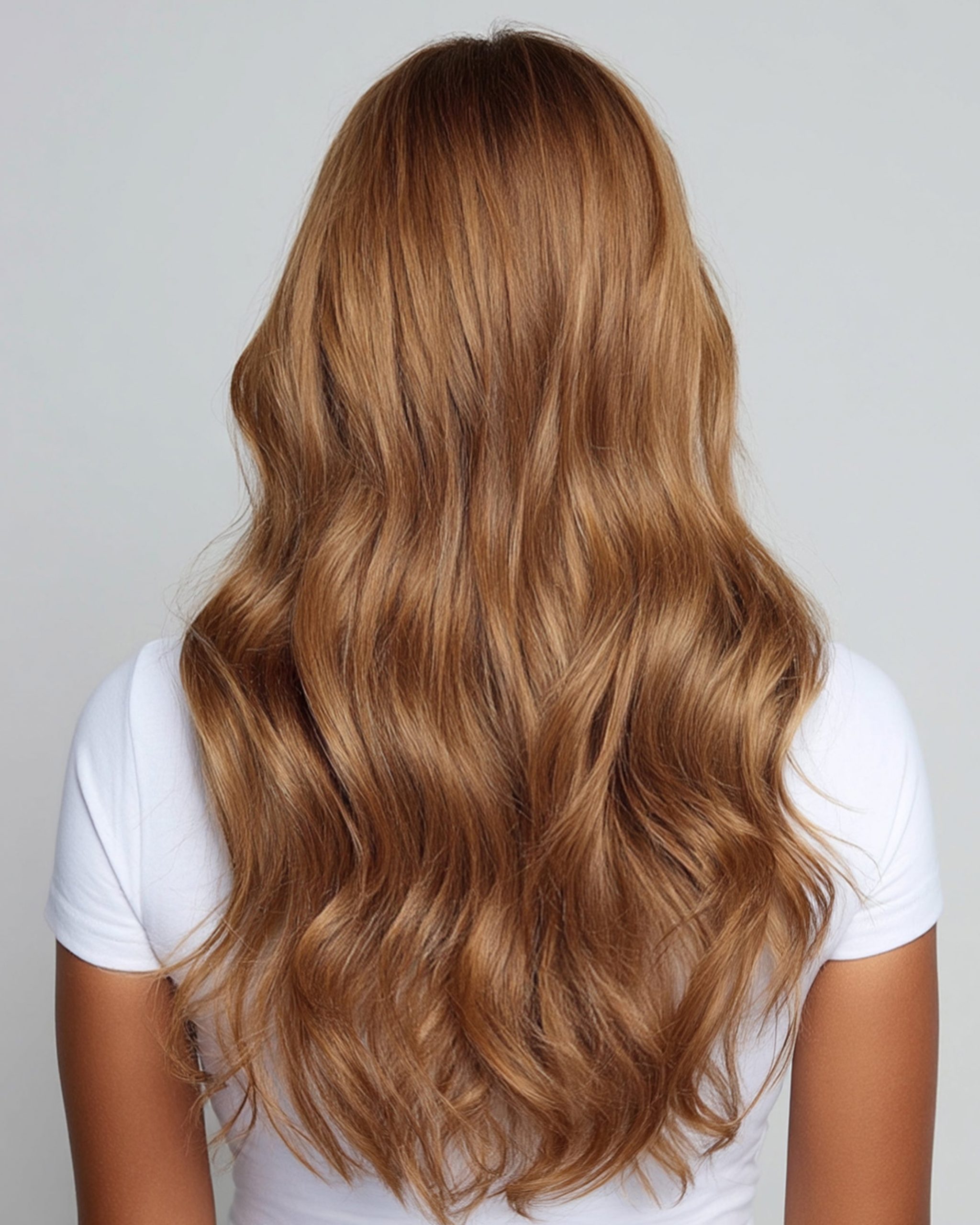
This colour holds up better than any highlighted version I have seen. The full saturation of the rich chestnut brown color means that even as the roots grow in, there is no harsh contrast, just a slightly deeper tone at the top that blends naturally. On thick wavy hair at mid-back length, the consistency of the shade reads as intentional, not faded.
Wear is simple. The colour stays warm for about three weeks before cooling slightly, but it never turns brassy because there is no lifted base. Trims every eight weeks are enough to keep the ends healthy and the colour even. For the weekly renewal, a single gloss treatment at home brings back the original depth. This is the colour you forget you have, and that is the point.
Rich Warm Chestnut Brown Waves
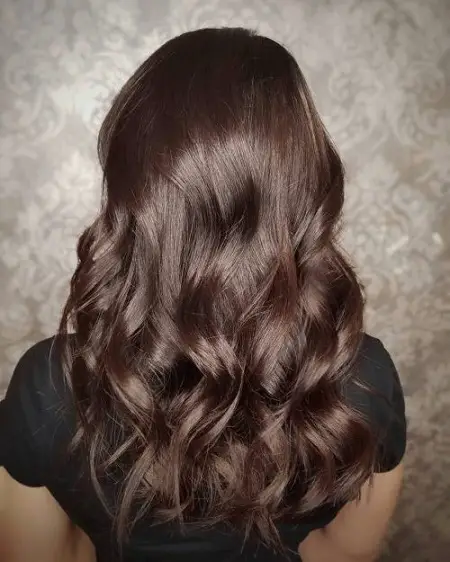
This is the colour that makes you stop. The warm rich chestnut brown tone sits somewhere between auburn and mahogany, warm enough to glow but deep enough to stay brown. On medium-density wavy hair at mid-back length, the colour spreads evenly because the waves catch the light at different angles, giving the impression of movement even when the hair is still. The brightness of the chestnut keeps it from receding into shadow, which is the risk with many warm browns.
The versatility comes from the balance of warmth. A rich warm chestnut shade this saturated avoids the flatness that solid brunettes can have in low light. The loose waves play a part: they break up the surface so the chestnut never looks like one solid block. It reads as a colour that belongs on a person, not a swatch card. The technique is a full-saturation all-over colour, no highlights needed to give it life because the tone itself does the work.
Vibrant Chestnut Brown With Reddish Tones
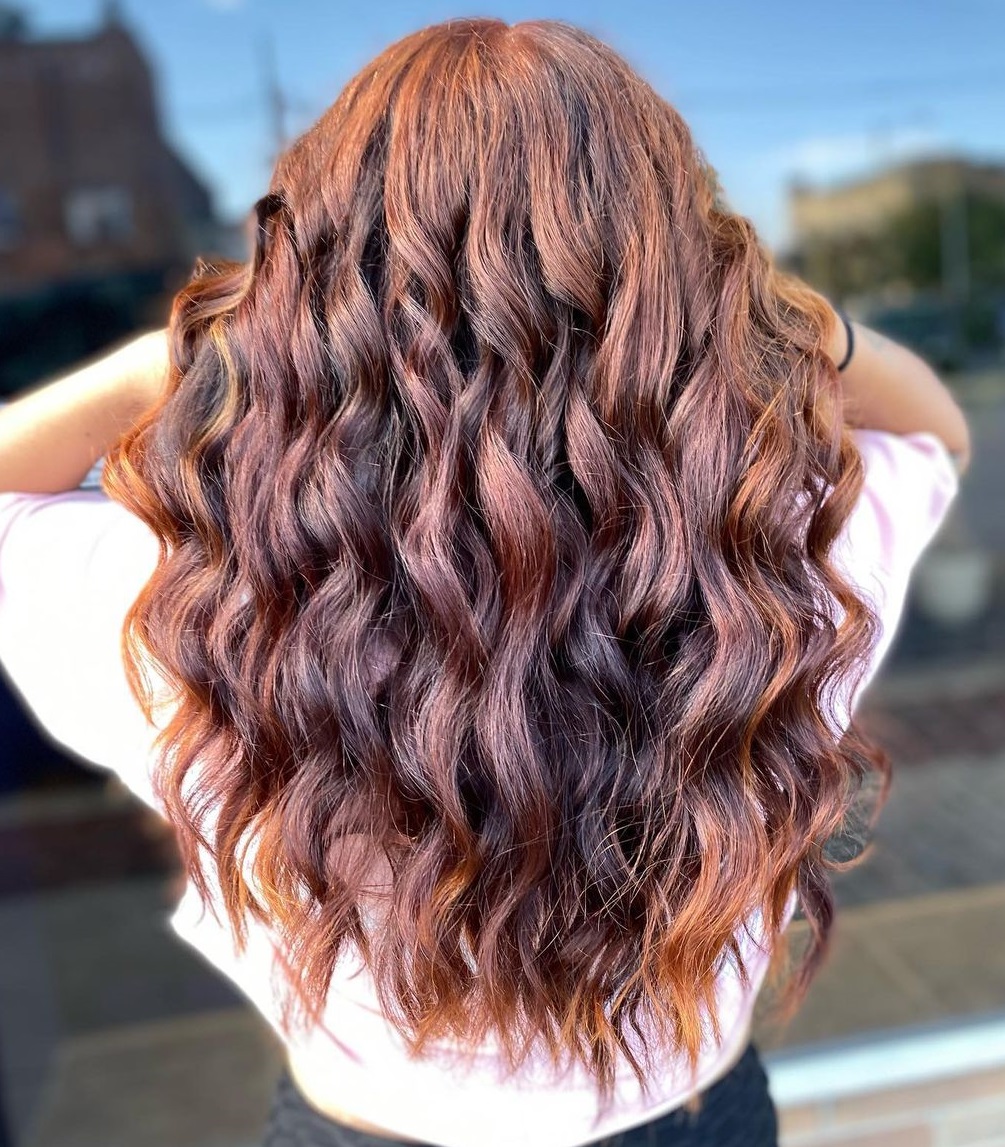
This shade is a direct hit for warm undertones. The chestnut brown with red undertones reads vibrant and fiery against golden or olive skin, while cooler complexions might find it pulls too orange. The all-over colour with subtle highlights keeps the tone dimensional, not flat. At mid-back length with thick, wavy texture, the warm reddish tones catch the light and hold their intensity. This vibrant chestnut is a bold choice, not a neutral one. If your skin has warm undertones, the colour will look natural. If you are cool-toned, the red can feel mismatched. That is the honest verdict.
Chestnut Brown With Seamless Balayage Blend
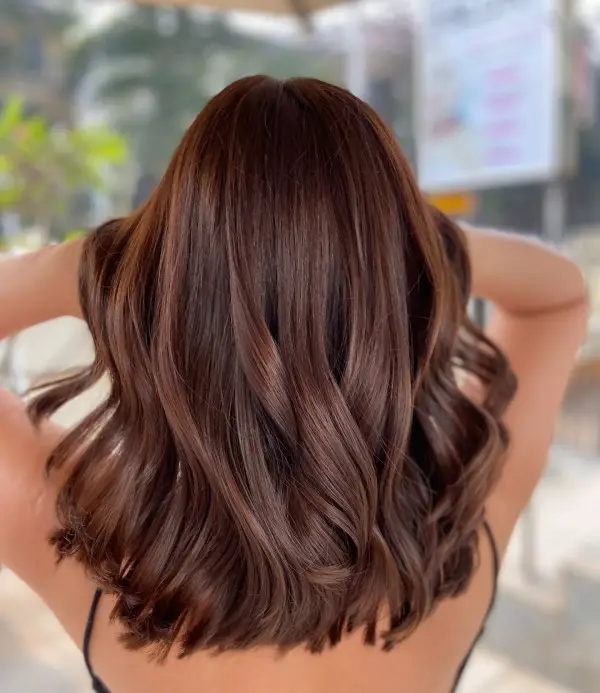
What makes a balayage look like it grew that way? It starts with the chestnut brown balayage blend, where the colour is painted onto the mid-lengths and ends using a sweeping motion, not a foil to the root. The seamless blend comes from keeping the base colour at the root and creating a soft gradient, so there is no visible line when the hair moves. The stylist varies the thickness of each painted section, so highlights land in a way that mimics natural lightening rather than a uniform strip. The binder used in the lightener is thicker, so it stays where painted and does not bleed into the base.
This technique works because the wavy, medium-density texture at mid-back length catches the gradient from every angle. The chestnut brown base sits warm at the scalp, then slowly lightens toward the ends without ever looking striped. On wavy hair, the soft transitions are even more forgiving than on straight hair. The result is a dimensional colour that moves with the hair, not against it. A lived-in shade that does not announce itself.
Rich Chestnut Brown With Blowout
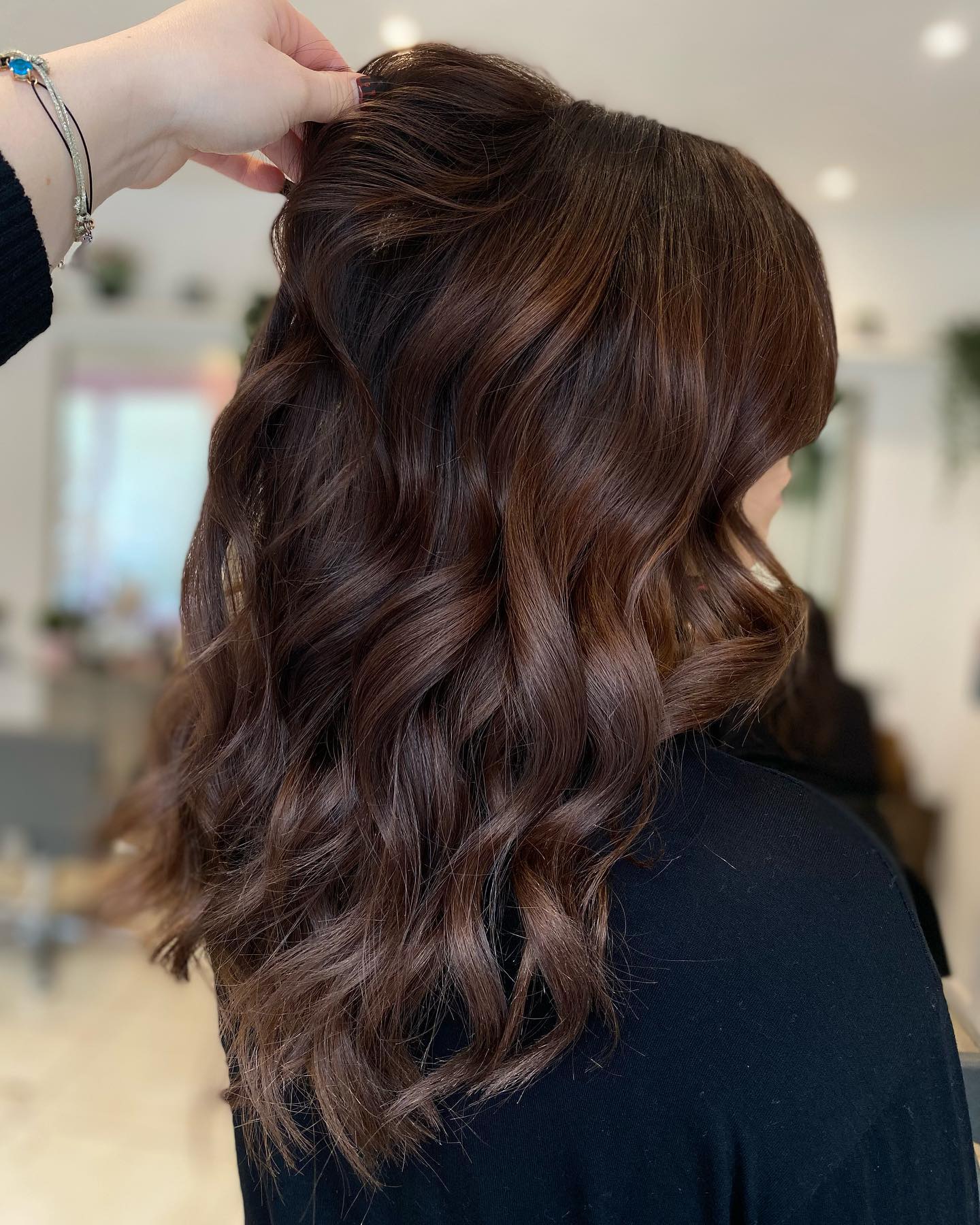
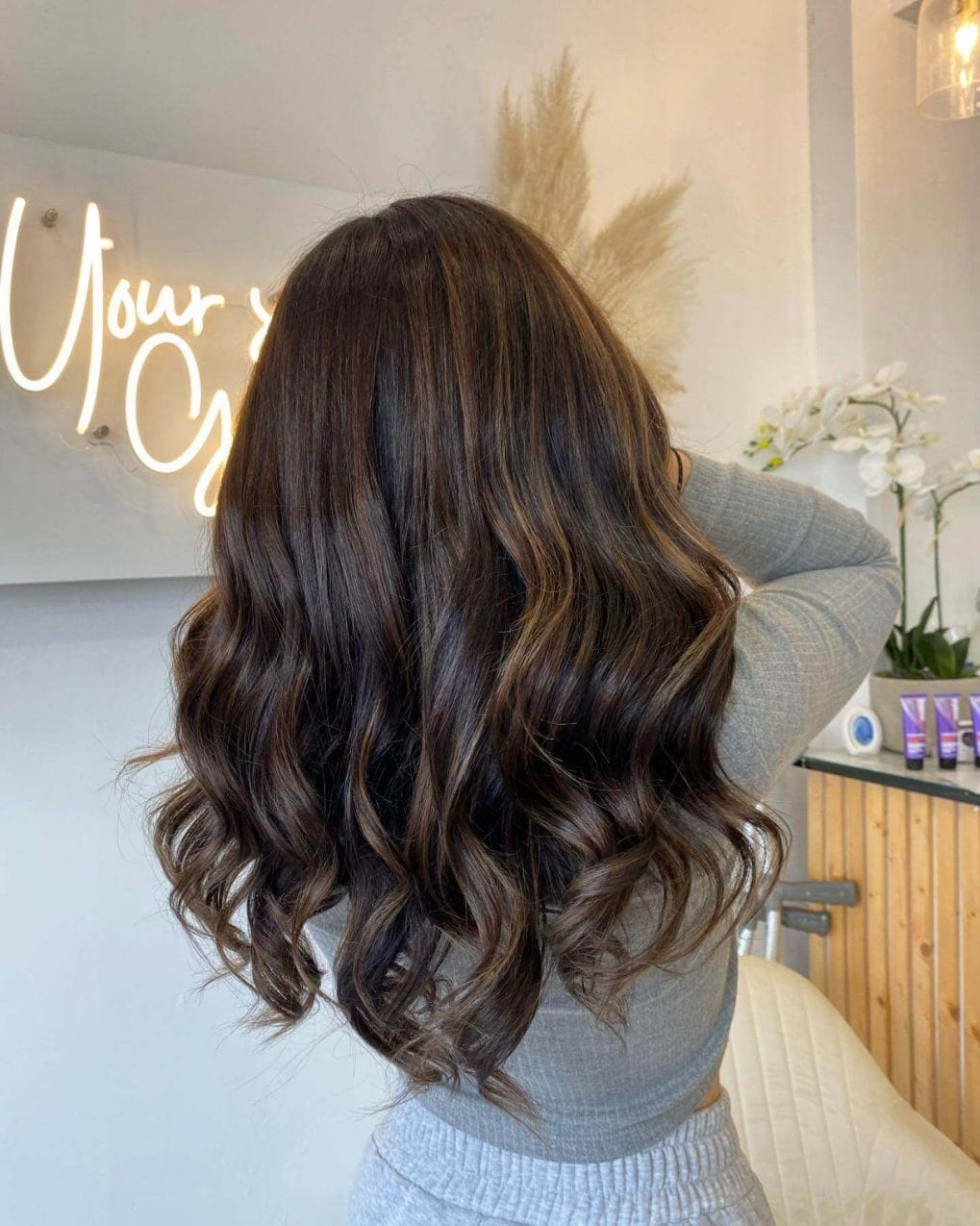
The hair catches the light from the back and holds it. The rich chestnut brown acts as a glossy base, while the subtle highlights add just enough dimension to keep the colour from looking flat. The blowout is the anchor—it smooths the thick, wavy texture into a polished curve that lasts through dinner and dancing.
This look is built for events where you want your hair to be part of the outfit. The chestnut brown blowout reads sophisticated without being severe, and the mid-back length allows the wave to swing. It is a colour that works under warm party lights and the flash of a camera. A trim every eight weeks keeps the ends blunt enough for the blowout to hold its shape. The subtle highlights are painted sparingly, so they do not compete with the blowout’s finish. This is a winter holiday favourite for a reason.
Warm Chestnut Brown With Subtle Balayage
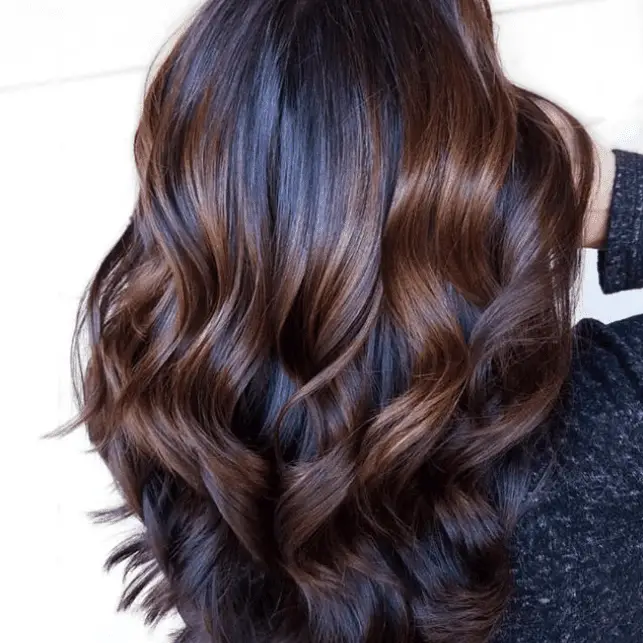
This one earns the low-maintenance label. The warm chestnut balayage applies a soft lightener through the mid-lengths and ends, nothing harsh. The shoulder length keeps it practical. The subtle balayage means no root line panic. The middle part and loose waves give it movement. Medium-density, wavy hair holds the bend well. My one test: can I skip a touch-up appointment and still look intentional? Yes, for about three months. The balayage technique fades evenly into the warm chestnut base. That forgiving grow-out is the reason I keep recommending it. A quick wave with a curling iron takes 15 minutes and the colour does the heavy lifting.
Collarbone Chestnut Brown With Subtle Blonde Highlights
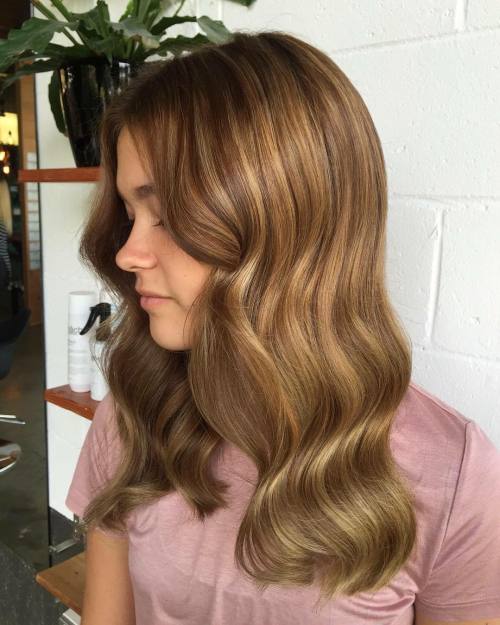
The side parting is doing something clever here, sweeping the lighter strands forward where they catch the light. This is chestnut brown subtle blonde, warm but not brassy, with blonde highlights painted fine enough to read as natural sun exposure. The collarbone length lands right at the shoulder bone, so the waves stack instead of falling flat. Medium density hair holds this shape best, fine hair would need a round brush and five extra minutes. The side-swept bangs bridge the difference between a full fringe and no fringe at all. They soften the front, they grow out gracefully, they keep the chestnut base visible.
Medium Brown With Auburn Undertones
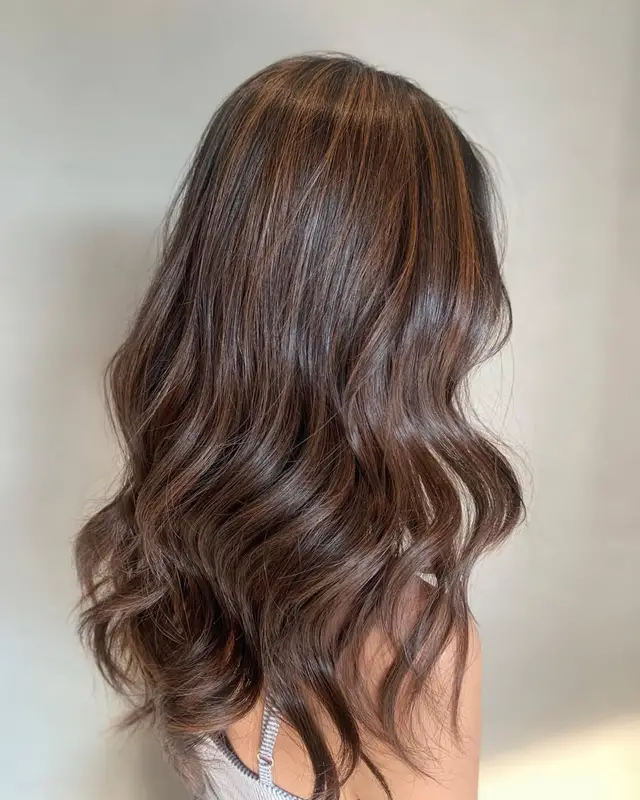
There’s something about a medium brown auburn undertones that stops me scrolling every time. The auburn undertones add warmth without going full red, and the lighter brown highlights keep it from falling flat. Shoulder-length with loose waves and a side part, the technique is simple but the tone makes it feel rich. Texture is wavy, not too fine, not too coarse. The highlights catch the light at the ends, giving a subtle dimension that makes the colour read naturally. It’s the kind of colour that looks effortless but has a secret warmth.
Chestnut Brown With Dimensional Highlights
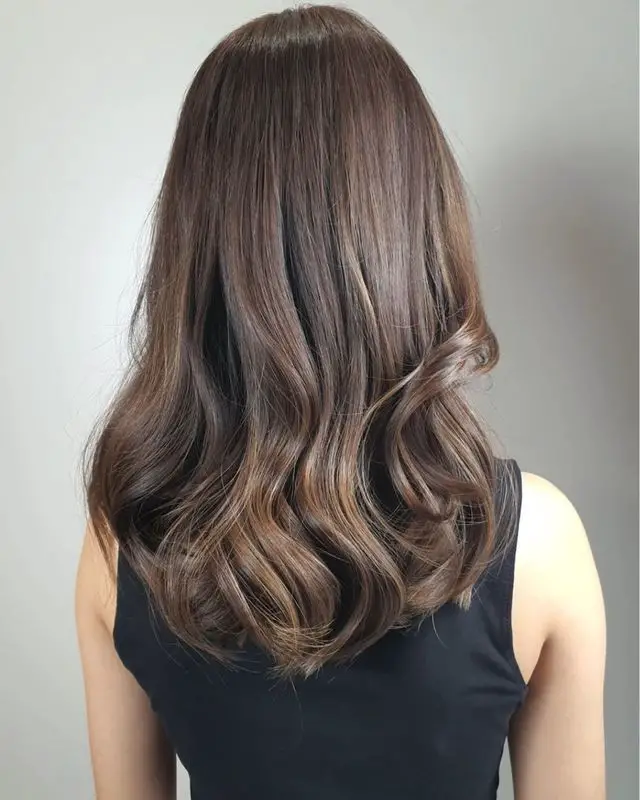
This shade suits medium-density hair best. The chestnut brown dimensional highlights add movement without overwhelming fine strands the way heavy ribbon highlights would. For thicker hair, the subtle lighter brown highlights prevent a solid block of colour and give soft shape to a collarbone-length cut. The middle part works well on oval and heart-shaped faces, but anyone with a round face should consider a deep side part to break up the symmetry. The tone stays warm without tipping into orange, which helps the colour read natural on most skin undertones.
Final Thoughts
After writing all of these, I still think chestnut brown is the sleeper hit for brunettes. What caught me off guard is how many versions work on cool skin too – I always assumed it was strictly warm.
- Use a color-depositing conditioner at week four.
- Tone with a gloss at week six, not week ten.
- Wash less often to preserve the warmth.
- Trim ends every eight weeks to fight brassiness.
I’m booking that rich chestnut bob with the wavy blowout. It’s the one I keep circling back to.