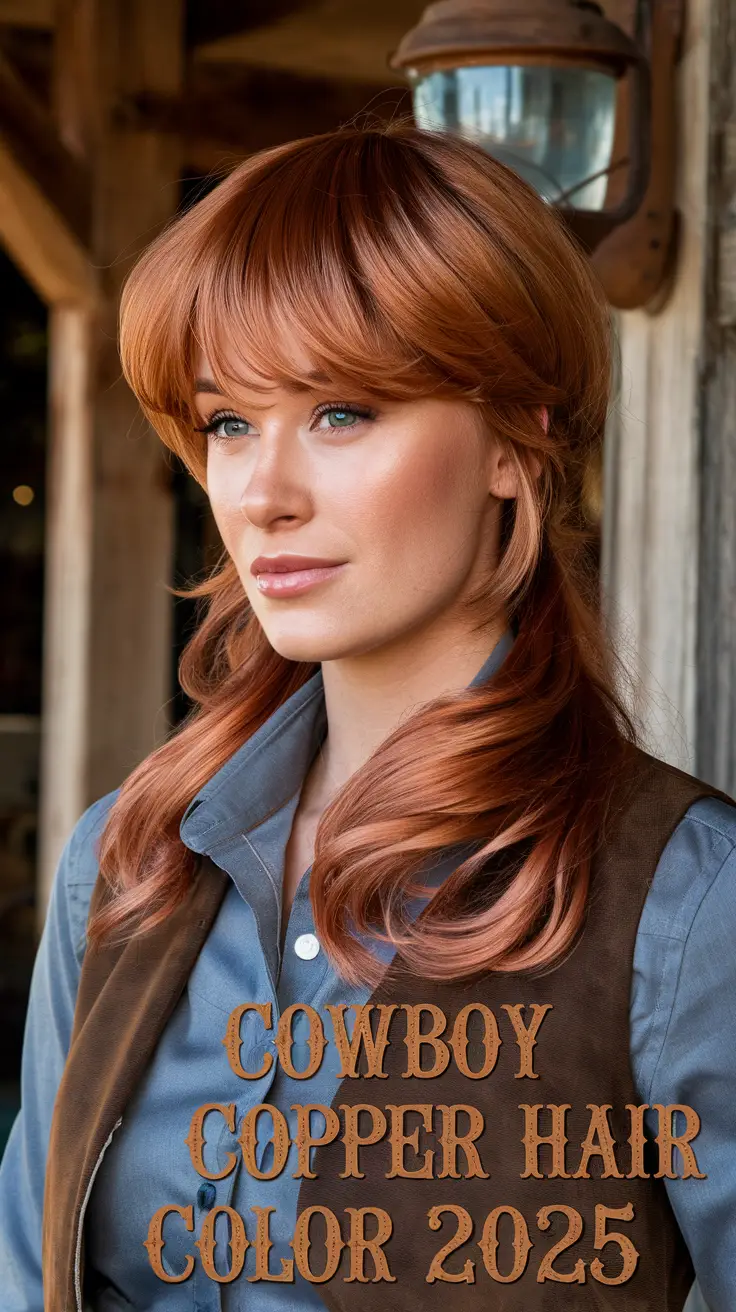

I started noticing more women in their 40s asking for cooler tones this winter — not the ash blonde that washes us out, but a silver that actually has depth. The colourist next to me booked three natural grey transformations in one week. It made me rethink everything I thought I knew about going lighter after forty.
This roundup of 15 Winter Hair Colors for Women Over 40 covers everything from low-upkeep natural greys to bold copper reds that need toning every four weeks. I tested them against my own fine, flat-by-4-pm hair and the real grow-out timelines. If your roots show at week five or your bob goes flat by lunch, there’s something here that actually works.
Warm Brown Lob With Copper Highlights

This is the color that makes you look like you just got back from a weekend in the sun. The warm brown copper highlights sit on a chin-length lob with curtain bangs and loose curls, medium density wavy texture. The technique is hand-painted highlights starting below the root, so the grow-out is soft. The tone is warm copper against a brown base, adding dimension without brassiness. For wear and upkeep: the highlights fade gracefully over six to eight weeks, and you’ll want a trim every eight weeks to keep the lob shape and bangs in check. What to ask your stylist: “I want a warm brown base with copper highlights that start below the root, and keep the overall tone golden, not orange.”
The curls catch the light and show off the highlights. On straight hair, the dimension is less dramatic but still visible. This is a low-commitment way to add warmth for winter without going full copper.
Collarbone Layered Mahogany Waves
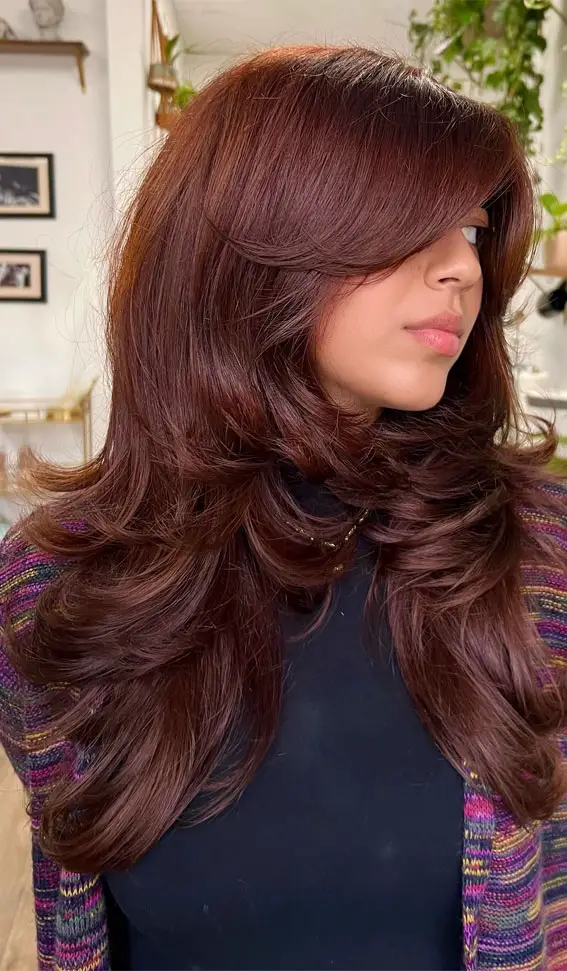
Who says mahogany is only for fall? A rich mahogany color on collarbone-length layered waves, side-swept bangs, thick wavy texture, works year-round because the tone is deep enough for winter but not too dark. The technique is all-over color with subtle lowlights to add depth, and the layers create movement that prevents the mahogany from looking flat. The tone is a warm red-brown, which flatters women with warm or neutral undertones. If you have cool undertones, it might pull too orange, so ask for a cooler mahogany with a hint of violet. Women with fine hair might find the layers too heavy; this works best on medium to thick density. The collarbone length is forgiving on round faces because the layers add vertical lines. If you have a square jaw, the side-swept bangs soften the angles. The wavy texture holds the layers well; on straight hair, you might need to curl the ends for movement.
For wear and upkeep: the color fades to a softer brown over eight weeks, so a gloss treatment at the salon every six weeks keeps it vibrant. The layers need a trim every eight weeks to maintain the collarbone shape and the bangs’ length. This is a rich, elegant color that adds warmth without being high-maintenance.
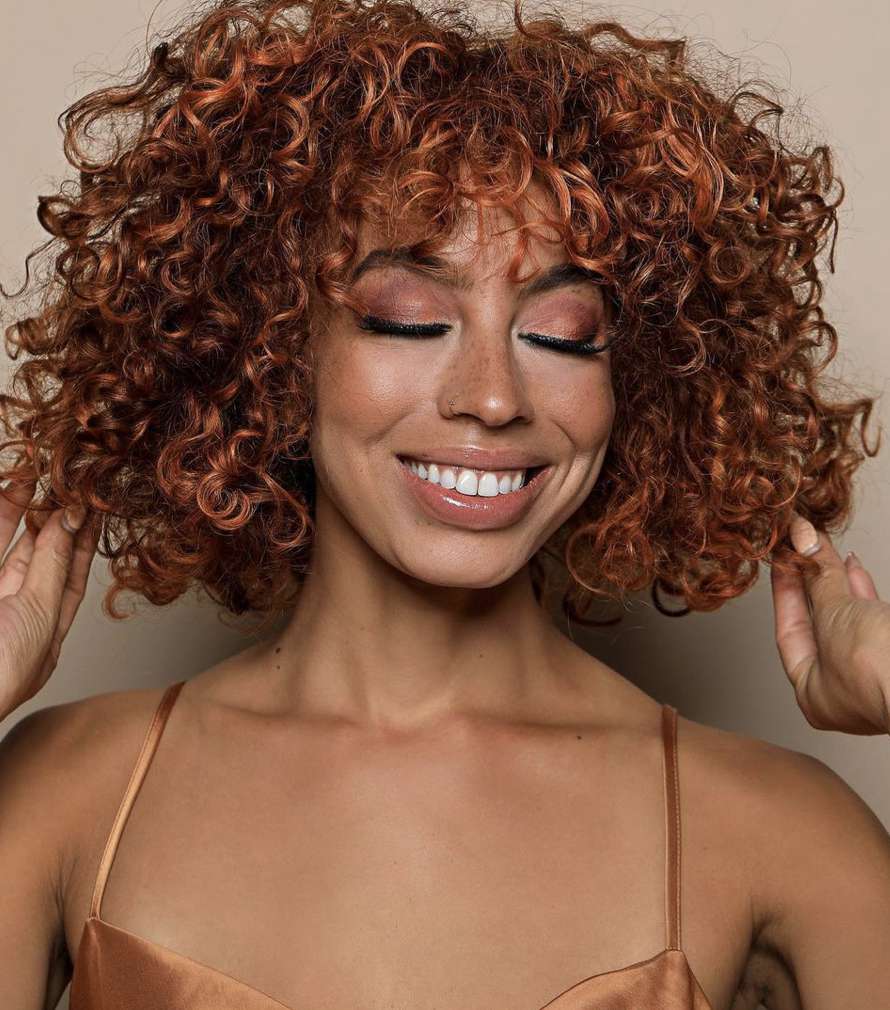
Ginger Red Lob With Blonde Highlights

Ginger red hair color always reads warmer than a true copper, and that’s exactly why it suits a winter party calendar. The blonde highlights here are spaced wide enough to catch the light without turning the whole thing orange. On a shoulder-length lob with curtain bangs and loose, voluminous curls, the shade looks festive rather than costume-y. It’s the red for someone who wants attention but not a full commitment to fire-engine brightness. The tone sits somewhere between autumn leaf and holiday ornament, which means it flatters both a December dinner and a New Year’s toast. Thick, wavy texture carries the color best; fine hair might let the highlights disappear into the base.
Natural Silver Grey Lob
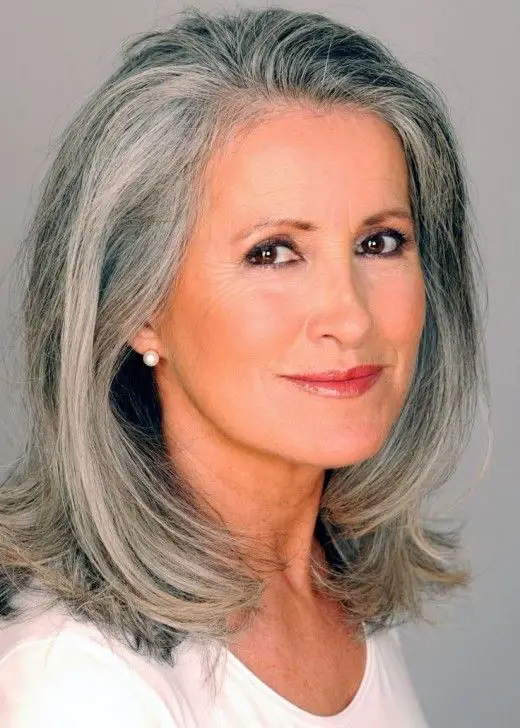
I’ll admit it: I expected natural silver grey to look flat, but on a collarbone lob with soft waves and a side part, it reads like a deliberate choice. The grey itself is cool without tipping into blue, and the fine, wavy texture keeps it from sitting heavy. Here’s the honest downside: if you’re transitioning from dyed hair, the grow-out line will be visible for months, and that’s not a bathroom-mirror fix. Natural silver grey lob demands patience, not skill. Once you’re there, though, it’s the lowest-maintenance color I know, no toning appointments, no root touch-ups, just trims every eight to ten weeks to keep the shape crisp.
Copper Red Mid-Back Waves
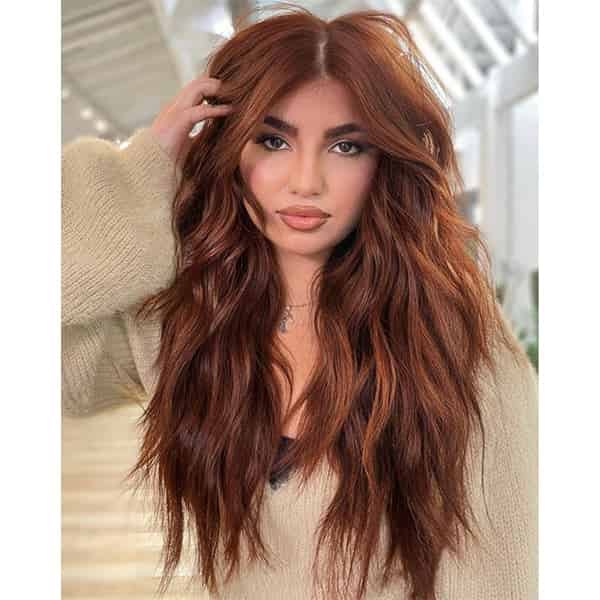
Picture this: you’re in the chair, the stylist mixes a rich copper red base with golden undertones, and you watch it go on section by section. That’s the technique, a full application that saturates every strand so the color looks lit from within. The mid-back length needs layers to keep the waves from weighing down, and face-framing layers give the front some movement. To get the voluminous waves, you start with a volumizing product on damp hair, then use a large barrel curling iron, wrapping each section away from the face. The result is loose, bouncy, and thick-looking, but the color fades fast, so a color-depositing mask every couple of weeks keeps the copper honest. This is a salon job, not a box dye situation, because the base needs to be lifted evenly before the red goes on.
Chocolate Brown Lob With Auburn Undertones
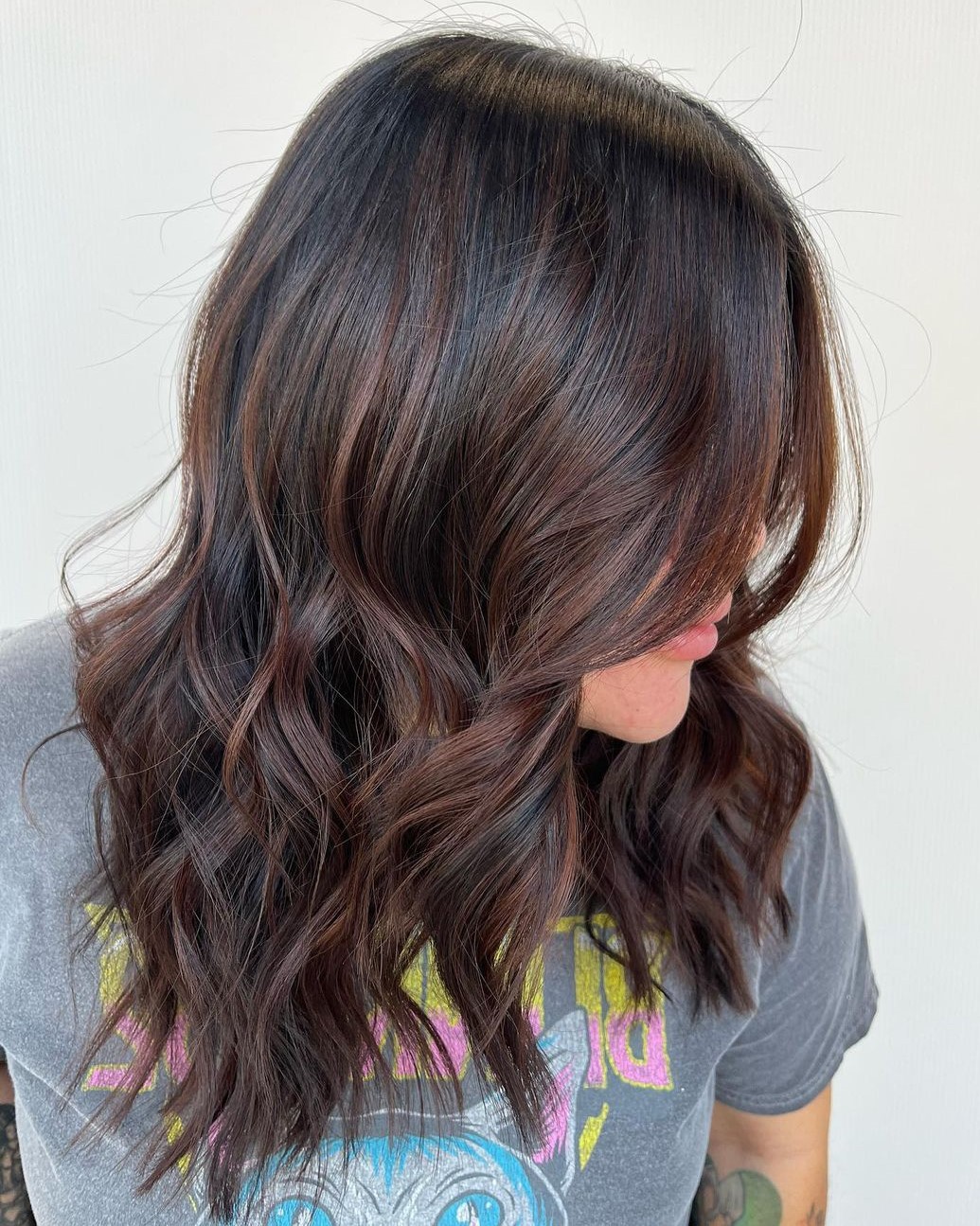
The auburn undertones are barely there until they catch the light, then they’re unmistakable. A chocolate brown auburn undertones base with a warm tone, this is a single-process colour with a gloss. The length hits mid-back, and the wavy, medium-density texture helps the colour look dimensional. The curtain bangs soften the front and draw attention to the colour shift. In the first week, the auburn is richest; by week four, it fades to a soft warmth.
This one is a salon job for the undertones — getting that subtle auburn without looking brassy takes a skilled hand. At home, you can maintain with a color-safe shampoo and a weekly glossing treatment, but the auburn fades faster than the brown, usually showing warm first at the ends. Expect to book a toner every six weeks or use a color-depositing conditioner in the shower. DIY toning with a semi-permanent gloss is possible, but the risk of uneven auburn patches is real. The long layers need a trim every ten weeks to keep the shape from looking stringy.
Dark Blonde Bob With Highlights
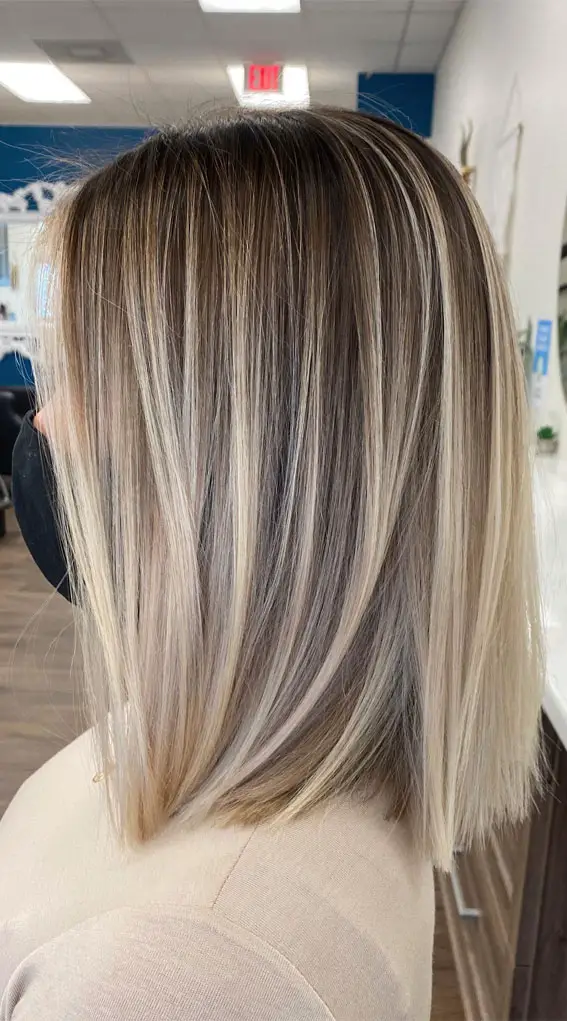
Ever wonder why your dark blonde highlights turn yellow after two weeks? The mistake is skipping the toning step at the first sign of warmth. On a chin-length blunt bob with a dark blonde base and fine blonde highlights, the straight, fine texture shows every hint of brassiness. Dodge it by asking your stylist for a beige or ash tone upfront and using a purple shampoo once a week. The honest downside: it takes vigilance, but that bob is sharp enough to be worth it.
Natural Grey Thick Waves
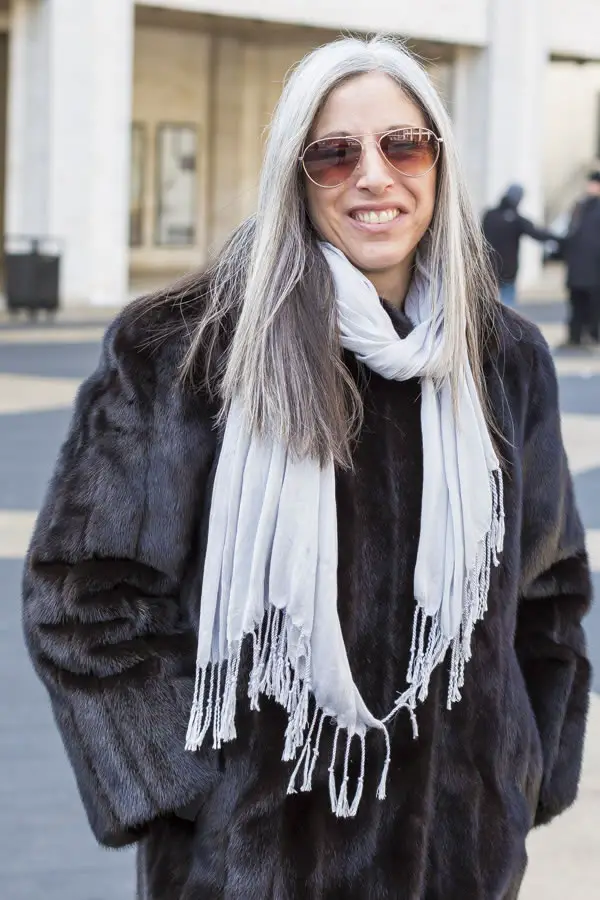
I didn’t expect to love natural grey this much, but on thick, wavy hair it just works. The colour is natural grey with darker roots — no salon technique, just growing it in. The long layers and mid-back length let the weight of the hair pull the waves into a soft shape, and the air-dried finish keeps it modern. The darker roots add contrast without looking harsh, and they blur any grow-out line.
This suits anyone with thick, wavy texture who wants to stop fighting their natural colour. The darker roots mean less visible grow-out, so you can skip the salon for months. Pass on this if your hair is fine or straight — it can look flat without help. The natural grey thick hair here is best on medium to coarse texture that holds wave on its own. Also avoid it if you prefer a polished, sleek look every day, because air-dried grey can read a little tousled.
Textured Ash Blonde Shag
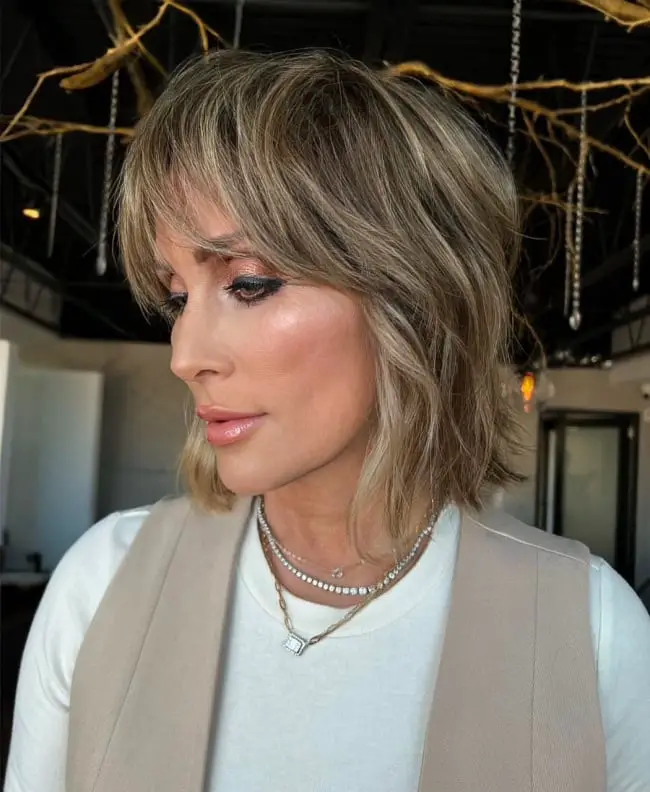
The ash blonde shag haircut is a gamble that pays off for some. That full fringe softens a long forehead, and the choppy layers add width to a narrow face. But if your face is round, skip the fringe it may emphasize fullness. The chin-length cut suits oval and heart shapes best. The ash blonde tone keeps it cool, and the subtle highlights prevent it from looking muddy. On fine, wavy texture, the layers hold without falling flat.
Platinum Blonde With Rose Gold
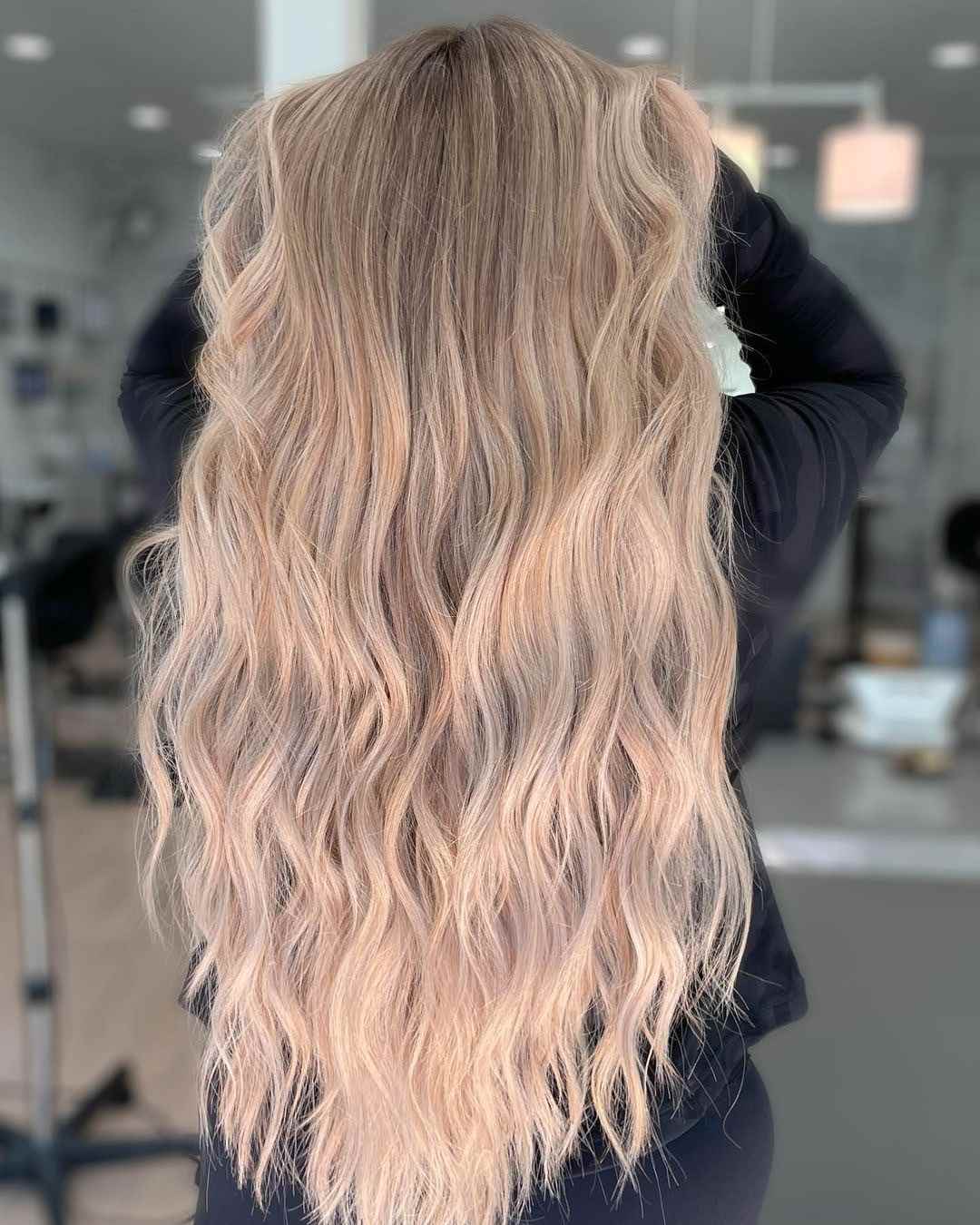
Getting platinum blonde rose gold right takes two sessions. First, the hair is lifted to a very pale blonde, almost white. Then a diluted rose gold toner is applied to create that soft, blush-like tint. The extent of the rose gold undertones depends on the starting level and how long the toner sits. On long layers with loose waves and a middle part, the color shifts in the light from pink to peach.
This look is made for winter parties it catches candlelight beautifully. Wear: the color lasts about four weeks before the pink fades and the platinum base shows through. Upkeep: a weekly purple shampoo keeps the blonde from yellowing, and a pink color-depositing conditioner refreshes the rose gold between salon visits.
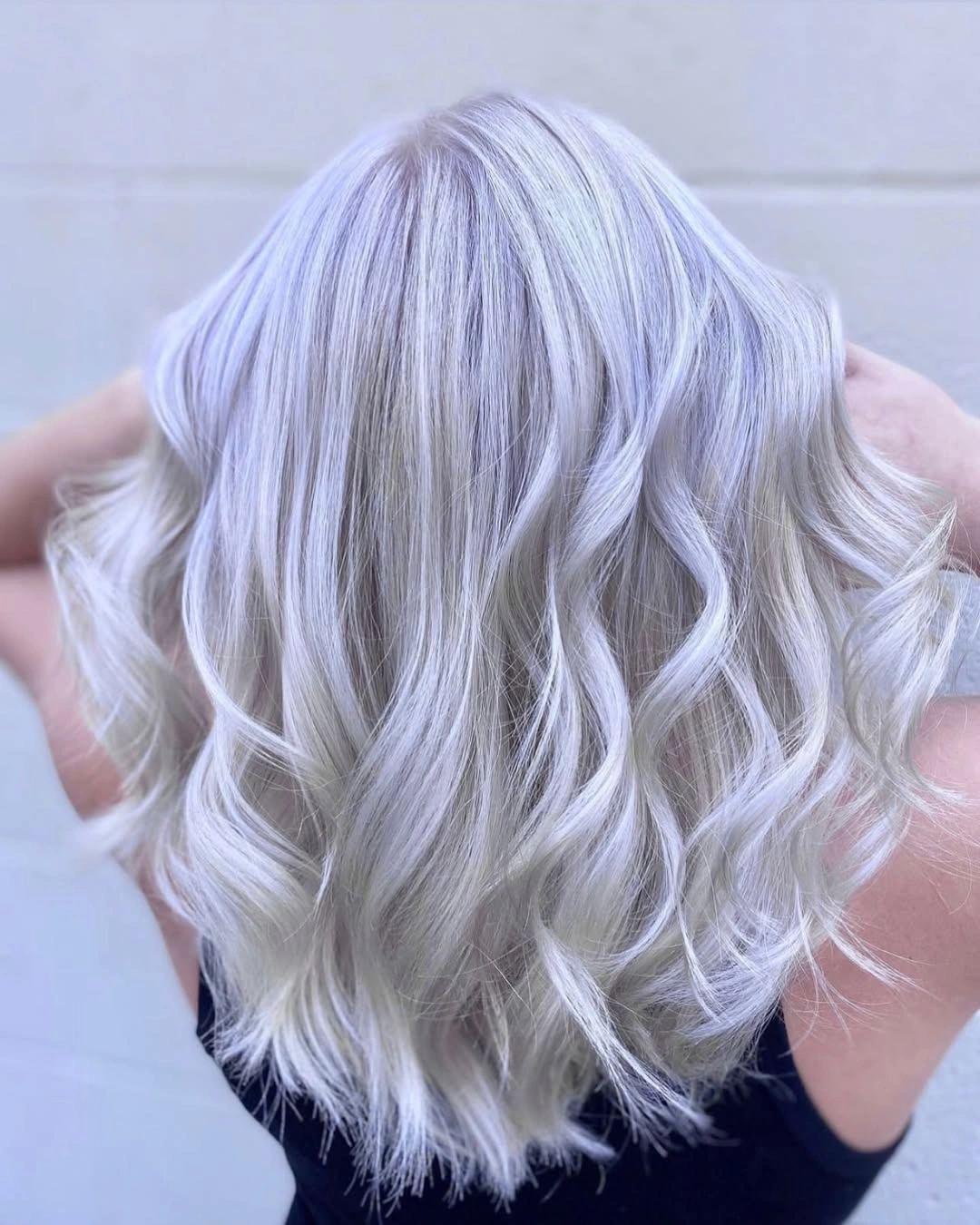
Ash Grey With Silver Highlights
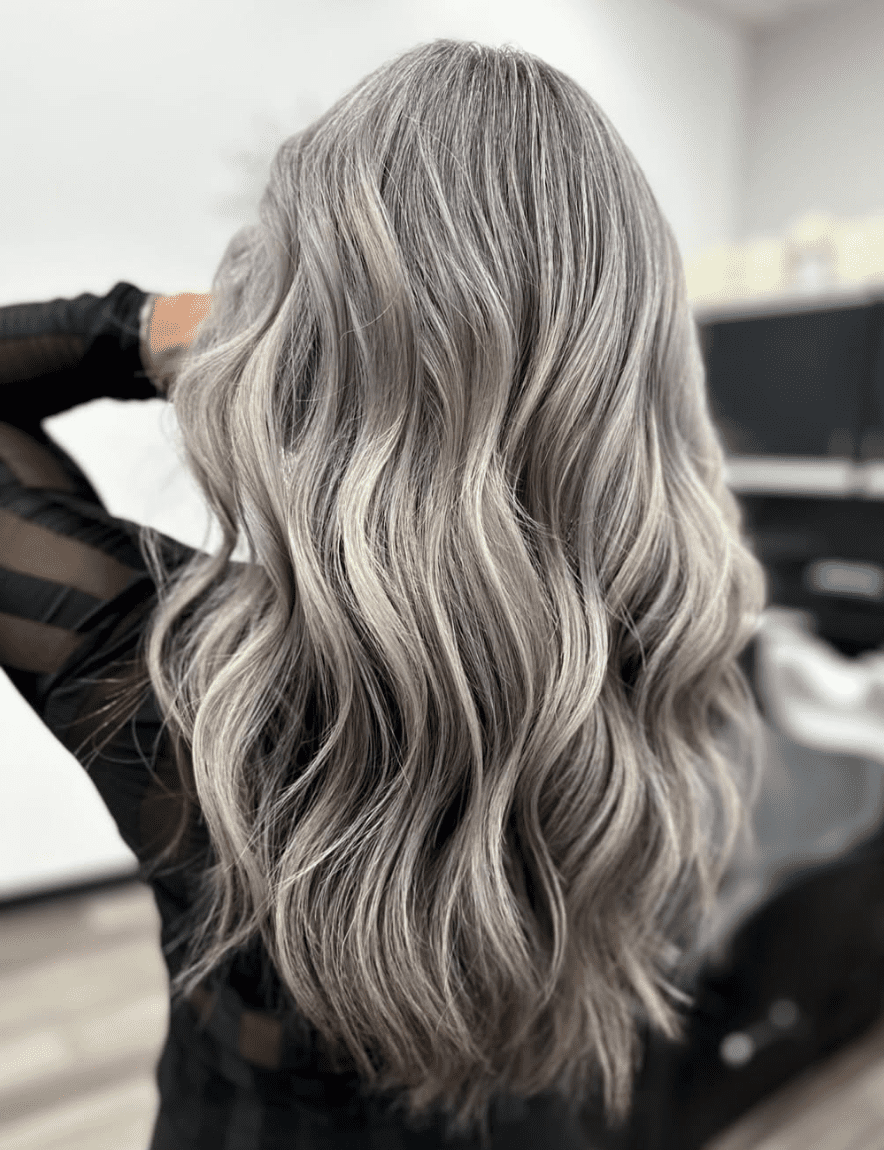
I’ll admit it: I thought I could get ash grey with silver highlights from a box. I was wrong. Ash grey is a cool tone that requires precise lightening and toning. One wrong move and you get green or brassy undertones. That’s the mistake people make: they underestimate the salon commitment. The technique here is an all-over ash grey base with hand-painted silver highlights. The tone stays cool and silvery, never muddy. On mid-back length waves with thick texture, the dimension is notable. You need a professional to lift your natural color correctly and apply a toner that keeps the silver bright. This is not a bathroom mirror job. Book the consultation first.
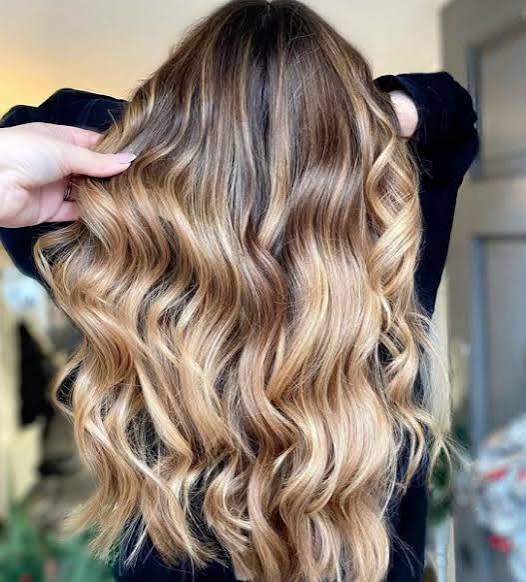
Medium Brown With Honey Highlights

Ever wonder if medium brown honey highlights work for your skin tone? They do if your skin has warm undertones. This is a warm tone combination: a medium brown base with honey blonde highlights. The technique is foil highlights placed around the face and through the ends. The result is golden dimension without going blonde. For collarbone length layers with medium density and natural wave, these highlights catch the light. The side-swept bangs soften the front. If your natural base is already warm brown, this grows out softly. If your skin is cool or your hair is ash, skip it.
Dark Brown With Caramel Highlights
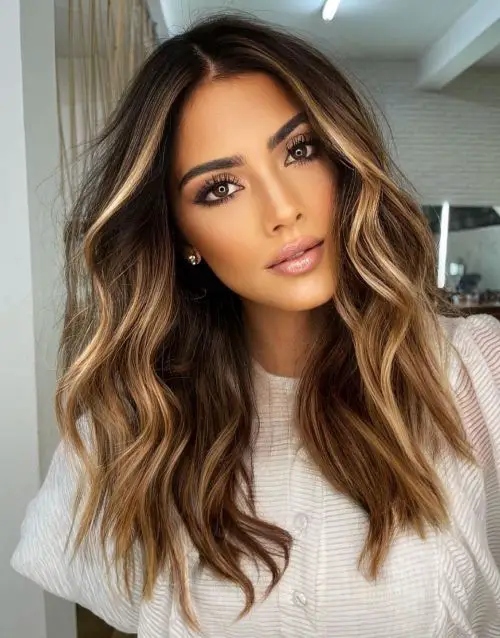
A week in and the highlights still catch light well. The caramel and blonde highlights on a dark brown base create contrast that softens the grow-out line. By week four, the roots show but not harshly — the highlights blend them. Touch-ups every eight weeks at the salon keep the sharpness. DIY root sprays exist but they lack the dimension of salon highlights.
The thick wavy texture at mid-back length helps camouflage fade. A purple shampoo once a week fights brassiness. The technique of painting thinner highlights near the crown and thicker at the ends extends the life of the look.
Copper Red Shoulder Blowout
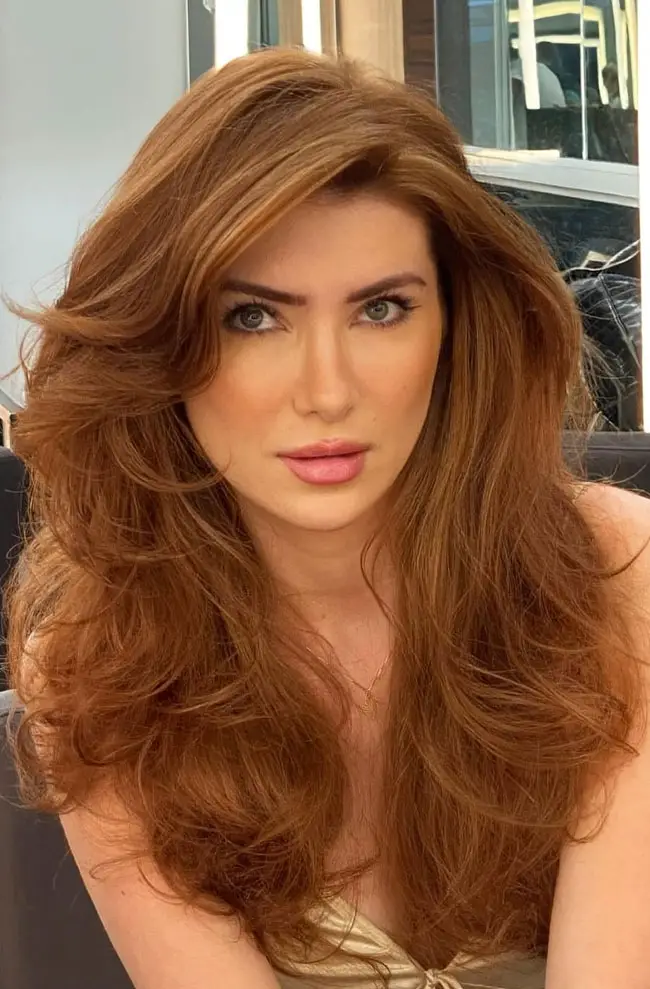
This warm copper red hair is not for everyone. The vibrant copper hue reads best on warm undertones, fair to medium skin. The golden highlights add brightness that lifts the face. Thick wavy texture at shoulder length holds the voluminous blowout well. If your skin runs cool or you prefer a muted tone, move on. The golden highlights can read brassy on ash-toned skin. But for the right palette, this is a standout winter color.
Mid-Back Medium Brown With Caramel Highlights
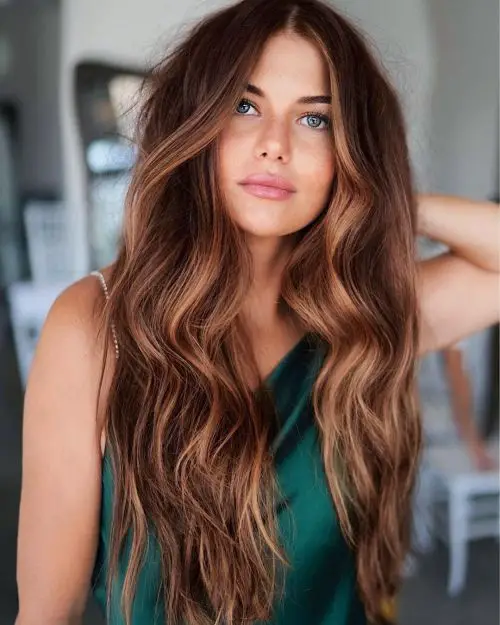
How does a color stay dimensional across a week of blunt-force heat and dry shampoo? It comes down to how the medium brown caramel blonde highlights are placed. The technique uses thinner highlights at the roots and thicker ones toward the ends, so grow-out blurs. The caramel and blonde highlights sit on a medium brown base, creating warmth without high contrast. The thick wavy texture at mid-back length needs loose, messy waves to show the dimension.
Upkeep means a color-safe shampoo and a gloss every six weeks. The loose waves take about fifteen minutes with a large barrel iron. The highlights fade slower than single-process color, so trims every eight weeks keep the ends healthy. This is a salon color but the maintenance is manageable.
Final Thoughts
After writing all 15 of these, I kept coming back to how many women are finally letting the grey through — but not letting it take over. The cool silvers and ash tones in this list don’t look like surrender. They look like intention.
I’m booking the chocolate brown lob with auburn undertones for myself. It works with fine hair, buys me six weeks before the roots show, and doesn’t need a round brush to look good on day three.