
I kept seeing the same thing in the salon chair next to mine: someone with a dark root and lighter ends, but the root wasn’t a grow-out crisis. It was the plan. Reverse balayage has been creeping into every consultation I overhear, and after three years of fighting my own bleach job, I get it. Darker at the top means less guilt at week five.
This roundup has 30 takes on the technique, from collarbone bobs to mid-back lengths, ash to caramel. Some need a stylist, some you can fake with a root shadow. It works for fine hair that goes flat by 4 pm (mine) and thick hair that needs dimension. Reverse balayage is the rare color that buys you time instead of costing it.
Dark Brown Base With Ash Blonde Balayage
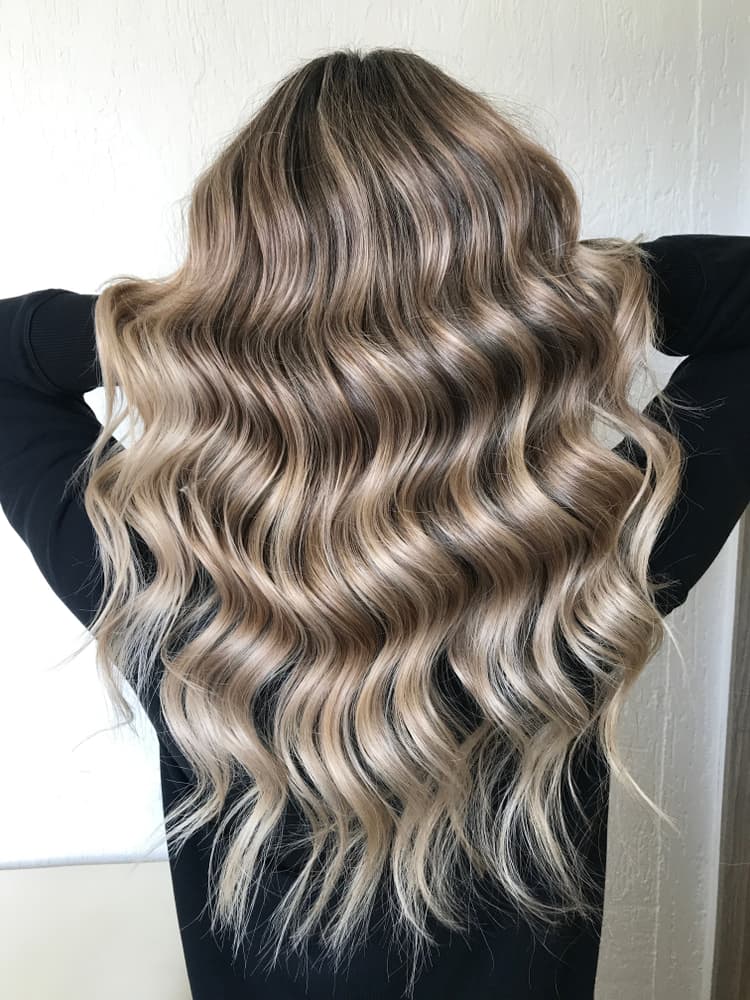
Reverse balayage at its most refined starts dark. A dark brown ash blonde balayage means the roots are deep brown while the ends lift to a cool, ashy blonde. The ash tone reads cool next to warm skin, so it suits cooler undertones best. On mid-back length, thick wavy texture shows the seamless blend from root to end. The technique paints lightness downward, avoiding a harsh root line. This approach works on different densities: fine hair gets weight at the roots, thick hair gets movement at the ends. The ash blonde balayage runs from about the chin down, so the color graduation breathes. For low-density hair, the dark base adds visual weight; for high-density, the lighter ends thin the bulk.
Dark Brown Lob With Copper Highlights
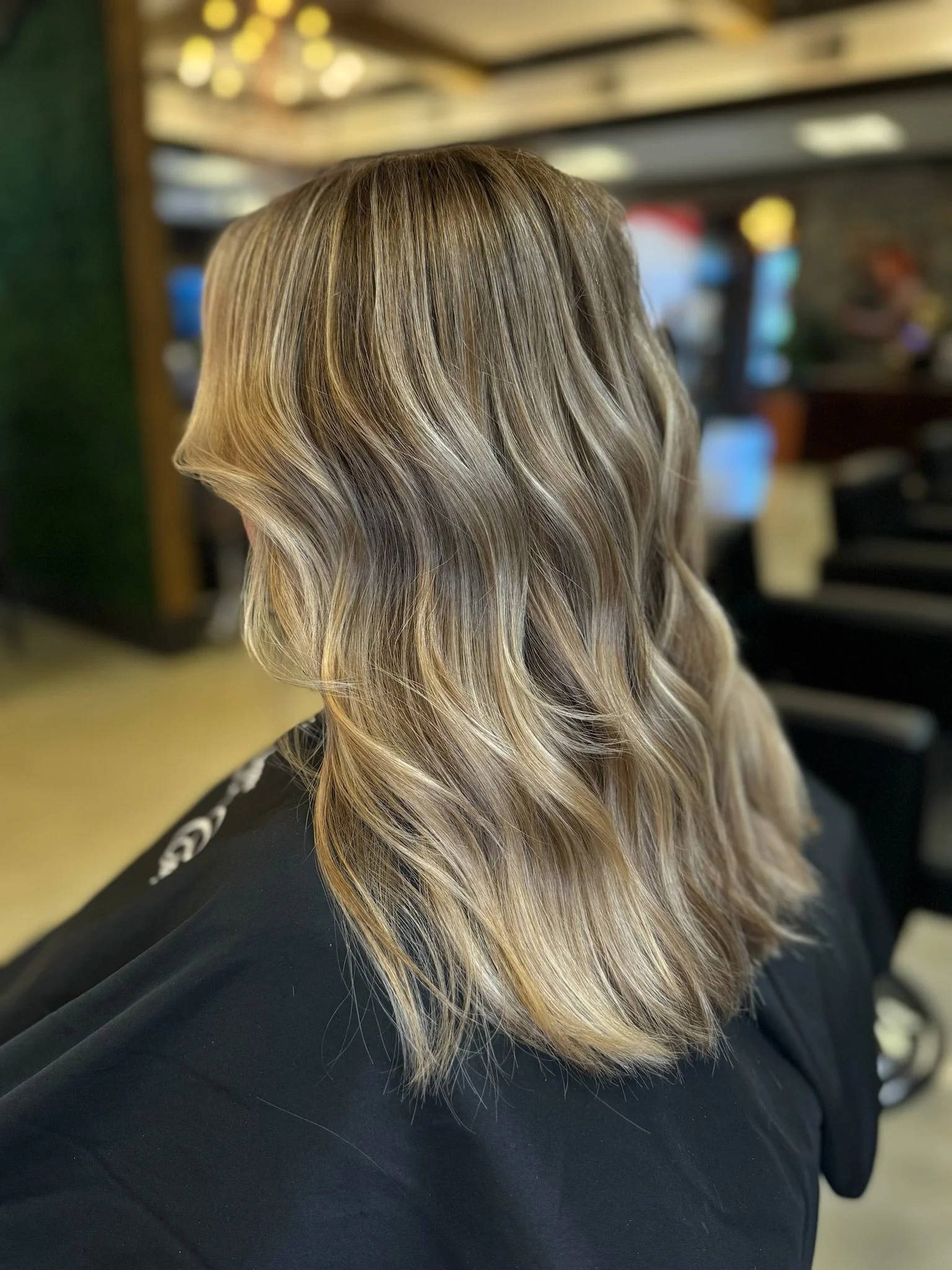
What looks expensive but doesn’t scream for attention? This collarbone lob has a dark brown base with lighter brown and subtle copper highlights. The dark brown copper highlights catch the autumn light without going brassy. That subtle tone is perfect for an autumn transition. On medium-density wavy texture, the color moves with the waves. The technique uses hand-painted highlights, so the grow-out stays soft. Upkeep: a trim every six to eight weeks keeps the lob sharp. Side bangs might need a flat iron touch-up.
Honey Blonde With Lighter Blonde Balayage
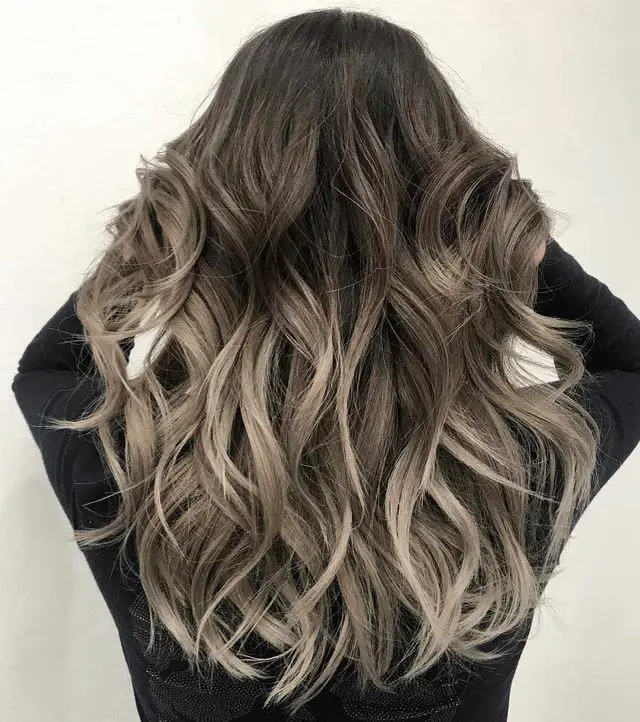
This is the warm-blonde technique you book in spring and wear through August. A honey blonde balayage starts with a golden base and paints lighter blonde balayage onto the mid-lengths and ends. The result is a sun-kissed tone that looks natural, not salon-grown. On mid-back length with thick wavy texture, the lighter ends catch the summer light and create a halo effect. The technique uses painted sections, not foils, which keeps the color seamless and the grow-out soft. The warm honey tone flatters golden and olive skin tones without washing out. For fine hair, the lighter ends add movement; for thick hair, the balayage reduces bulk. This is a summer go-to because the grow-out timeline stretches to twelve weeks.
Smooth Polished Waves Dark Brown With Ash Brown Blonde Balayage
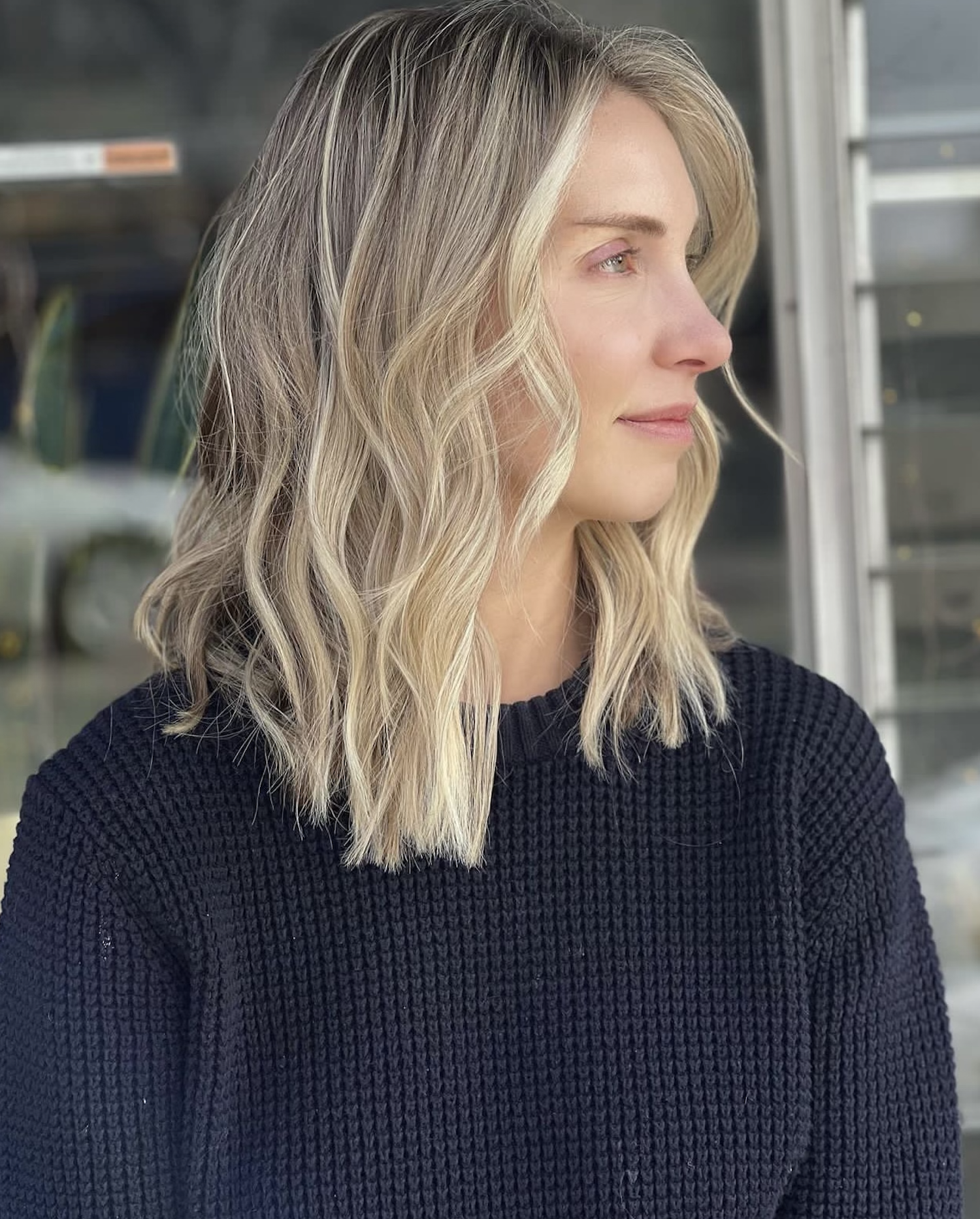
I love a polished wave until I have to make one that lasts past noon. This color combines a deep brown base with an ash brown tone that softens into subtle blonde ends. The ash brown blonde balayage runs from mid-lengths to ends, creating sophisticated dimension. The ash brown keeps the look cool even when the lighter ends peek through.
The styling steps: use a flat iron or large barrel curling iron to create smooth, uniform waves, about twenty minutes. Then a smoothing serum to tame flyaways. The honest downside? High humidity makes polished waves go fuzzy fast. On thick wavy texture, the wave holds shape but the surface frizz appears by midday. The mid-back length needs ten to twelve weeks between trims, but the color grow-out stays soft because of the balayage technique. If your hair is naturally slick straight, polished waves stay sleek longer than on porous texture.
Dark Brown With Blonde Highlights
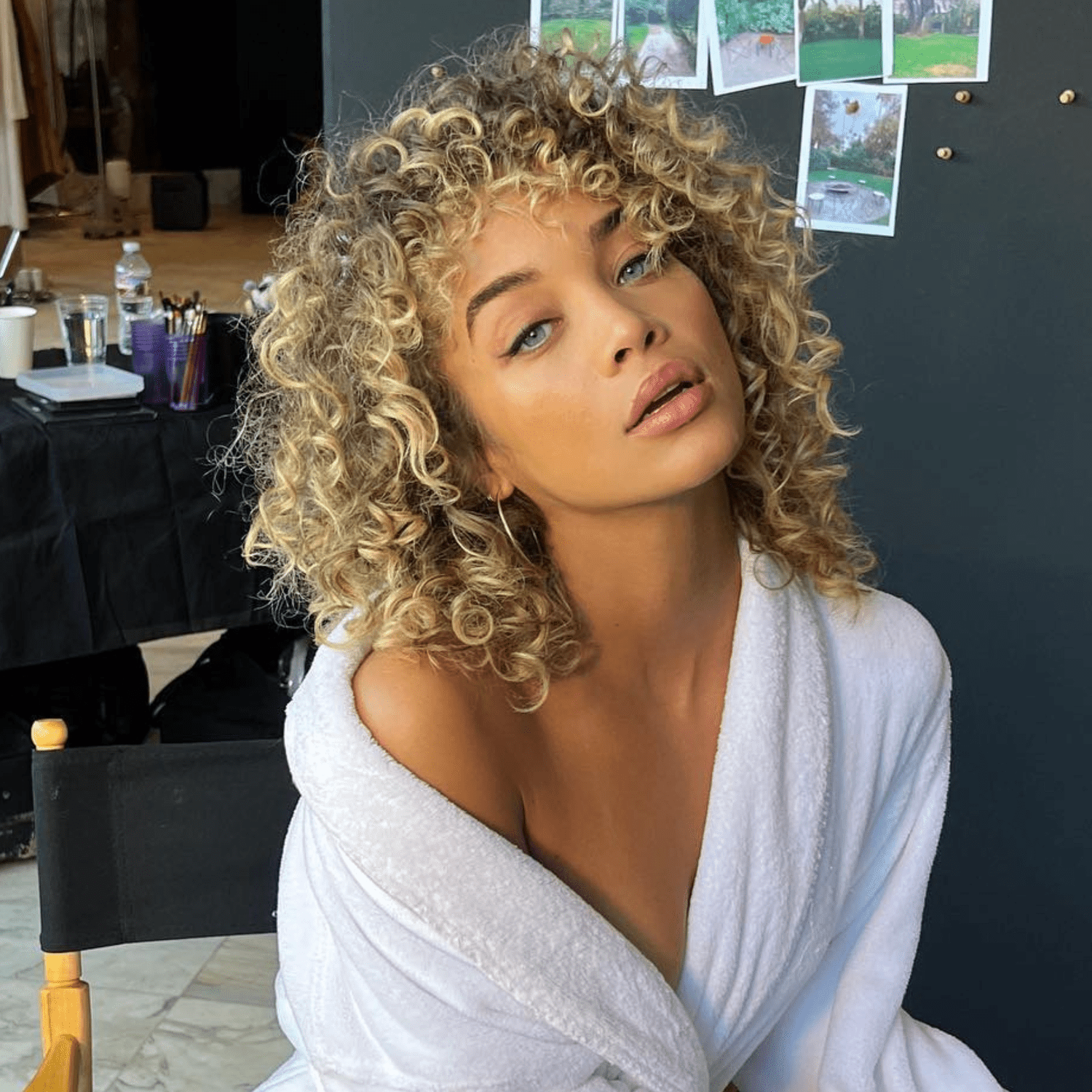
Full-head highlights grow out like a ruler. The blonde highlights here are painted onto a dark brown base, so they grow out like a shadow. These dark brown blonde highlights are spaced throughout the mid-lengths and ends, not packed at the roots. That means fewer painted sections than a full head, so the grow-out stays blurred for weeks. The blonde tone reads warm and dimensional on thick wavy texture at mid-back length. On finer hair, the same placement adds lift without exposing too much root.
Dark Brown With Caramel Balayage
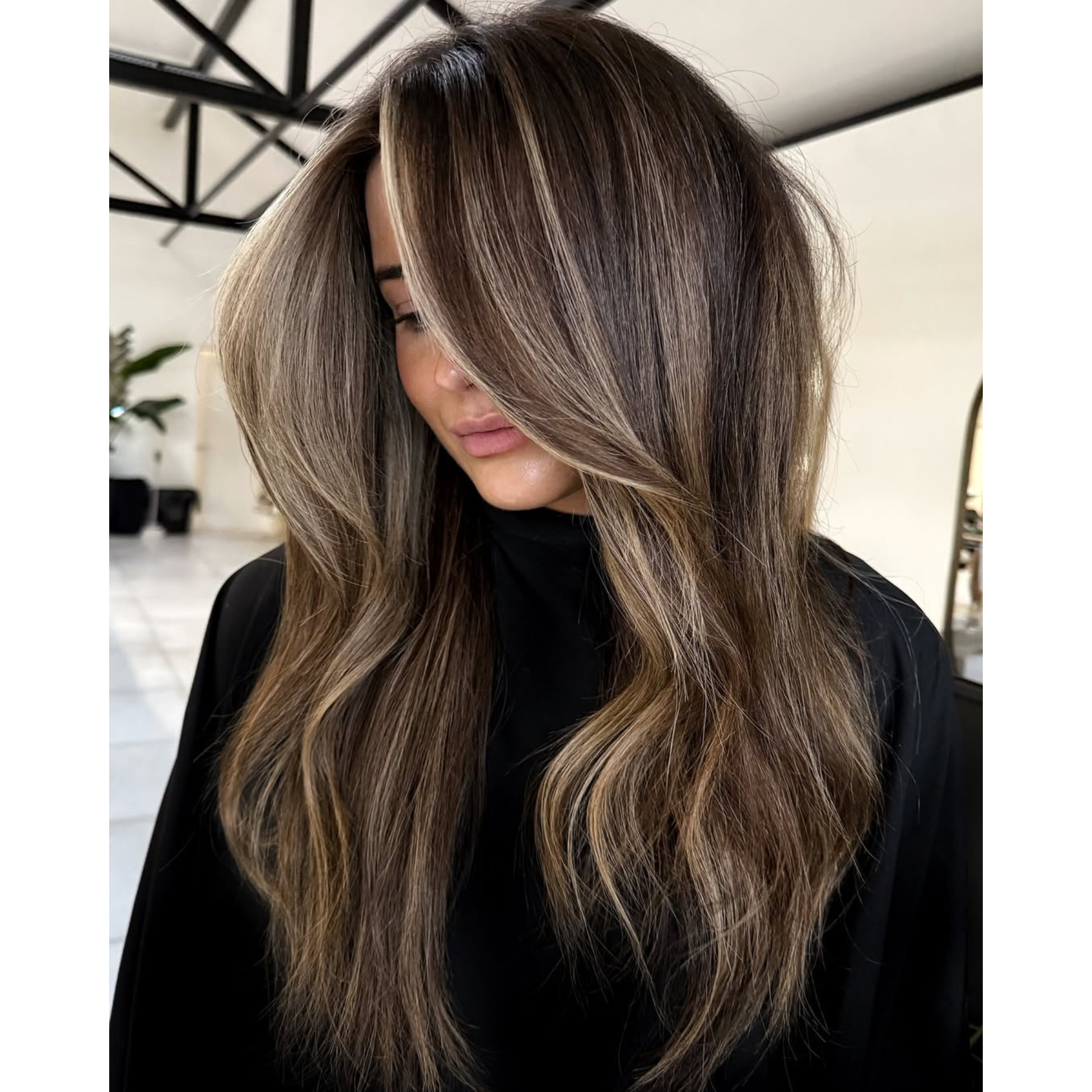
Confession: I underestimated the dark brown blonde bob. The dark roots melt into blonde ends, and on a chin-length cut that contrast lands like an exclamation point. It is a spring cut, light enough for the warmer months and sharp enough for a wedding guest. Medium density, wavy texture, a middle part, no bangs. A wavy blowout takes about fifteen minutes, and I have worn it to brunch and straight through a workday, it held. Every six to eight weeks it needs a trim to keep the bob from slouching into a sad rounded blob. Worth it.
Dark Brown With Ash & Caramel Highlights
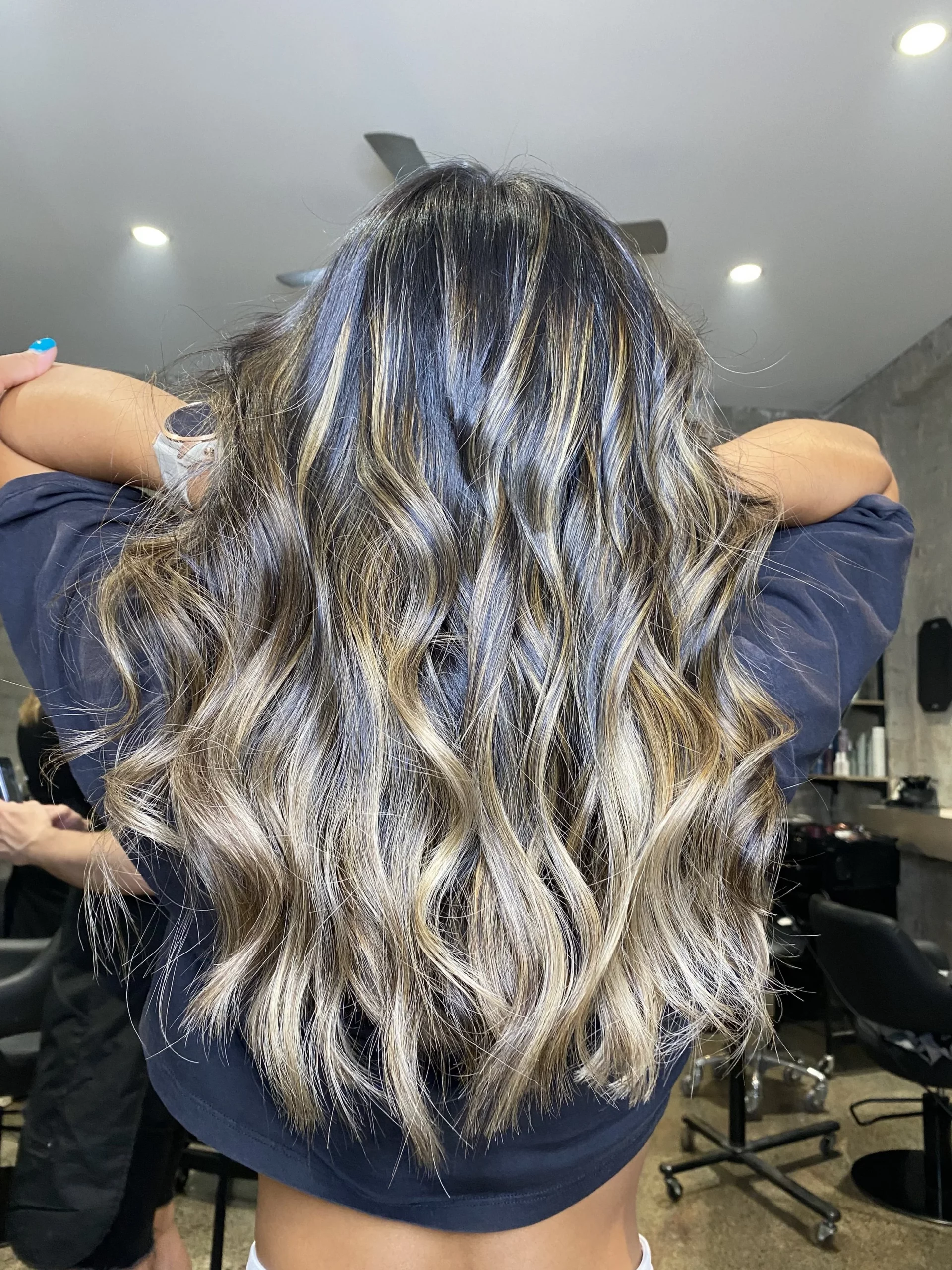
This technique separates the tones by depth. The ash caramel highlights — ash blonde placed closer to the root, while the deeper caramel highlights are painted through the mids and ends — create a gradient that softens any hard lines. The contrast between the cool ash and warm caramel gives the hair a dynamic tone that catches light differently in motion. For evening events, the dual tones read as deliberate but not overdone. The mid-back length gives the color room to travel, and the loose waves (thick wavy texture) show off the blend.
No bangs and a middle part keep the focus on the color placement. The dark brown base anchors everything, so the highlights pop without looking stripey. The season for this is fall into winter, when richer tones feel right. A trim every 10 to 12 weeks keeps the ends healthy enough to hold the tone.
Mid-Back Reverse Balayage Dark Brown Ash Blonde
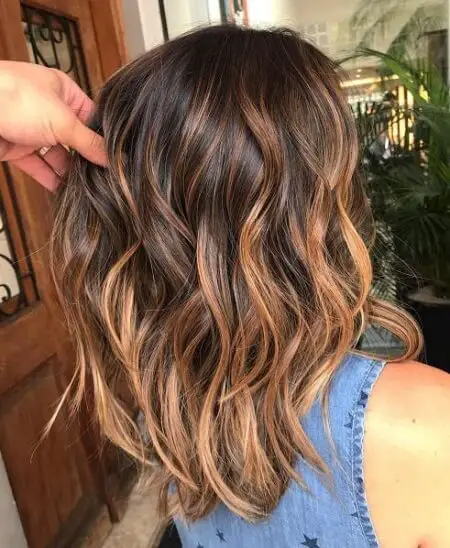
Does a reverse balayage dark brown with ash tones actually hold up across a week? The wear reality is solid but not effortless. The ash blonde and beige highlights create a cool reverse balayage effect that blurs the root line, so grow-out is forgiving. The honest downside: ash tones demand maintenance. Brassiness creeps in after three to four weeks, so monthly toner sessions become the rhythm. The thick wavy texture helps disguise any uneven fading, and the mid-back length gives the color room to breathe. A dark brown base anchors the whole thing, so even if the ash fades a bit, the overall tone stays muted.
Mid-Back Dark Brown With Copper Caramel Highlights
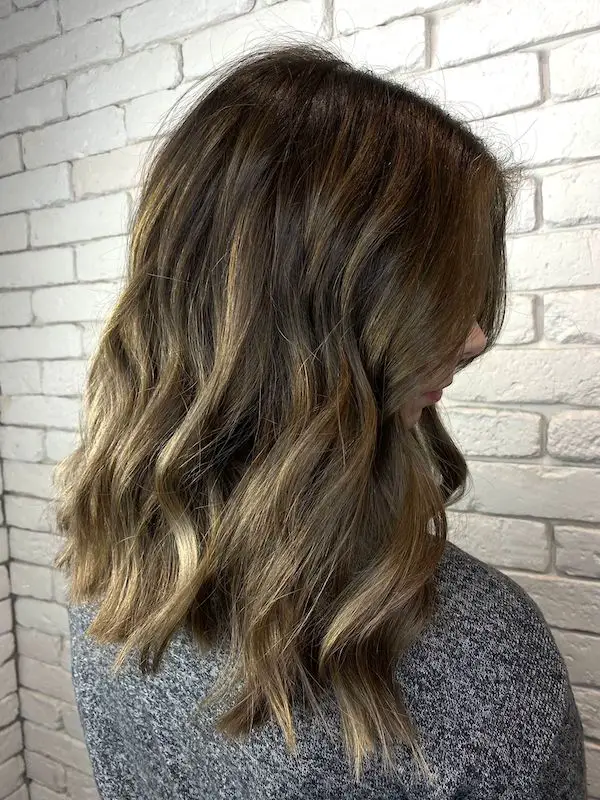
When the light hits this dark brown base, the copper caramel highlights warm up the whole silhouette. The technique weaves copper and caramel through the mid-back layers, creating a seasonal tone that reads as cozy winter richness. This reverse balayage effect keeps the roots dark, so the copper highlights read as deliberate warmth rather than grow-out. No bangs and a middle part keep the focus on the color placement. The thick wavy texture helps the warm tones look brushed-in rather than stripey, making the loose waves a natural choice.
Medium Brown With Golden Blonde Balayage
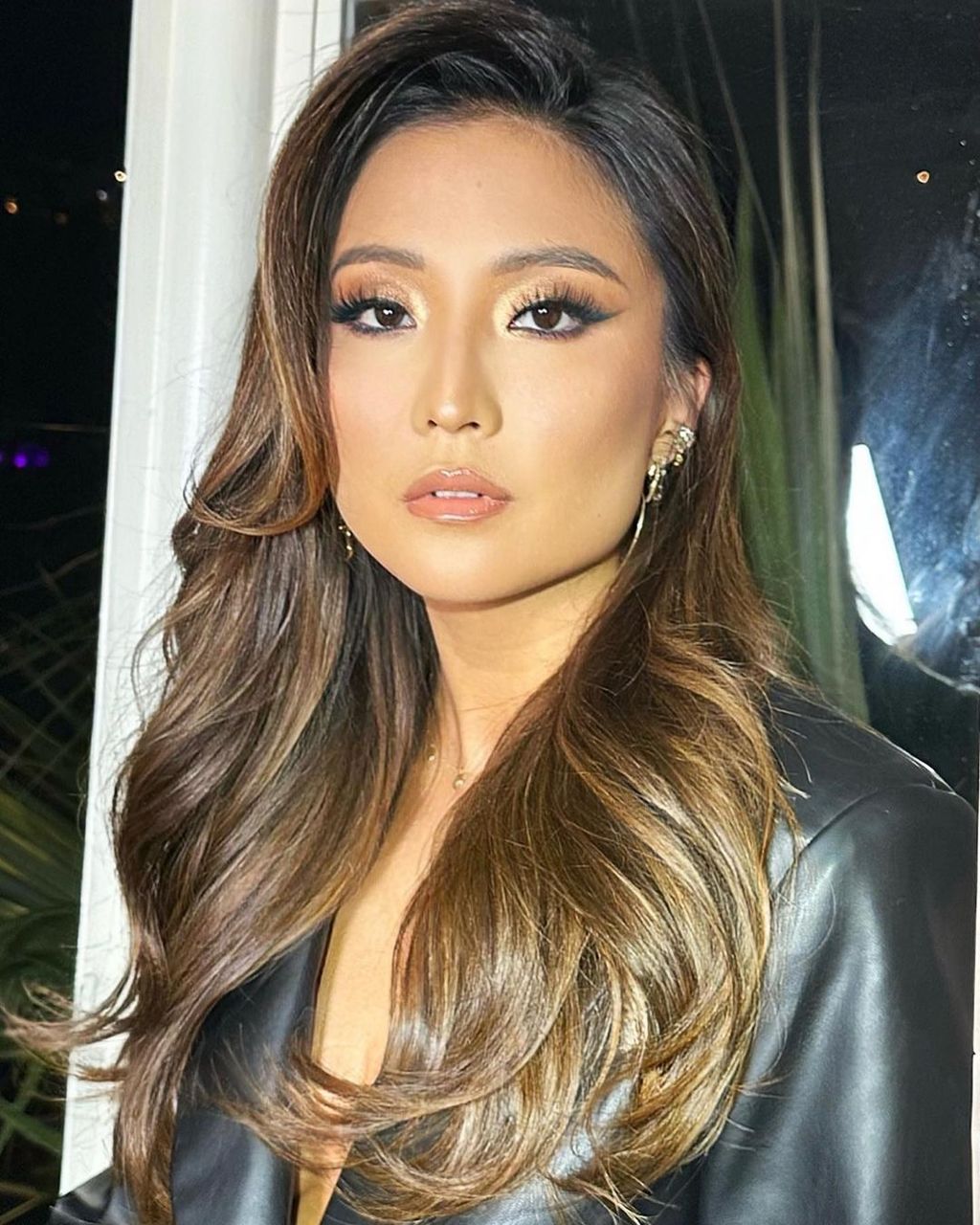
I’ll admit it, I used to think medium brown golden blonde was the safe choice. Then I saw this blend and realized safe doesn’t have to mean boring. The golden blonde balayage starts mid-length and melts into a medium brown base that reads warm without going orange. It suits anyone with warm undertones, and the soft blend means it flatters fine hair by adding dimension without a harsh line. This is a salon job, not a bathroom-mirror project. The technique needs a stylist who knows where to place the light so it catches the waves, not just the ends. My colorist calls it a soft blend of brown and blonde tones, and honestly, that’s exactly what you get.
Warm Woven Highlights On Dark Brown
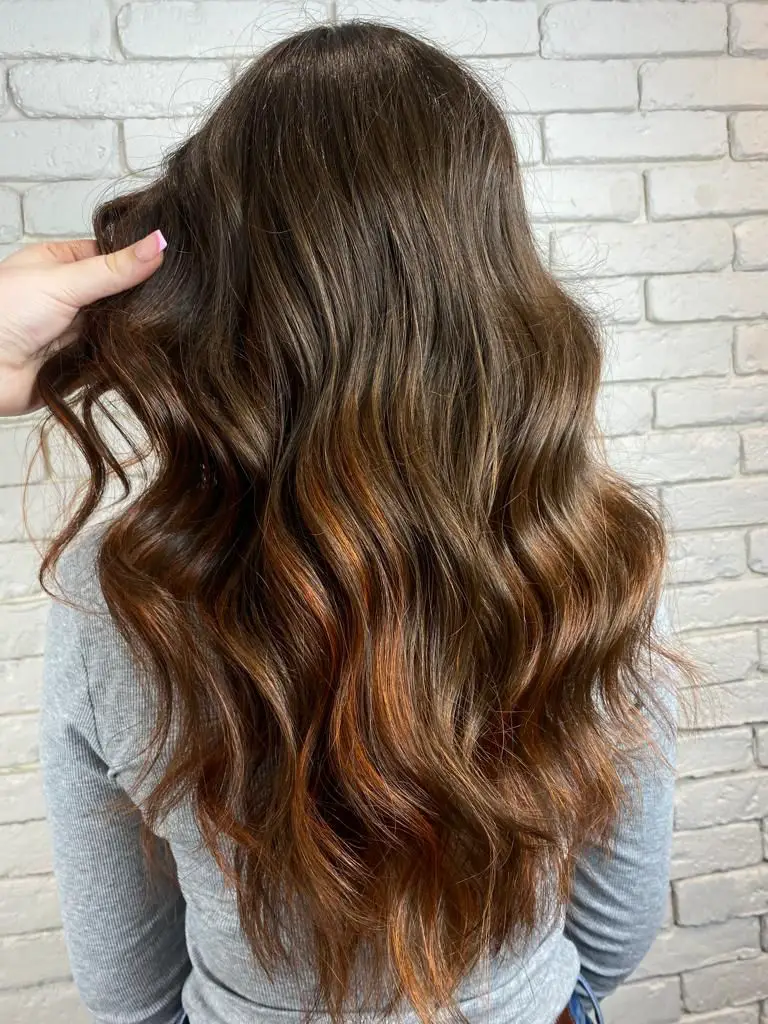
The warmth hits first. Copper strands get woven through a dark brown base in fine, alternating slices, and the result reads as dark brown warm highlights rather than a copper overlay. The technique is the part nobody sees: the stylist teases out slim sections, paints them in a zigzag, and spaces the copper and caramel so no two sit adjacent. That spacing is what keeps mid-back length looking dimensional instead of striped. On thick wavy texture, the natural movement does the rest of the blending, which is why the weave survives from root to tip.
The wear and upkeep comes down to three things. Loose waves take about twenty minutes to set, no more. A trim every 10-12 weeks keeps those fine woven ends from tangling into a single mat. And a color-depositing conditioner, applied weekly, is the difference between warm highlights that stay copper and the same strands drifting into orange by week six. The maintenance is short, and the payoff is that the dark base never goes flat or brassy.
Dark Brown With Warm Blonde Balayage
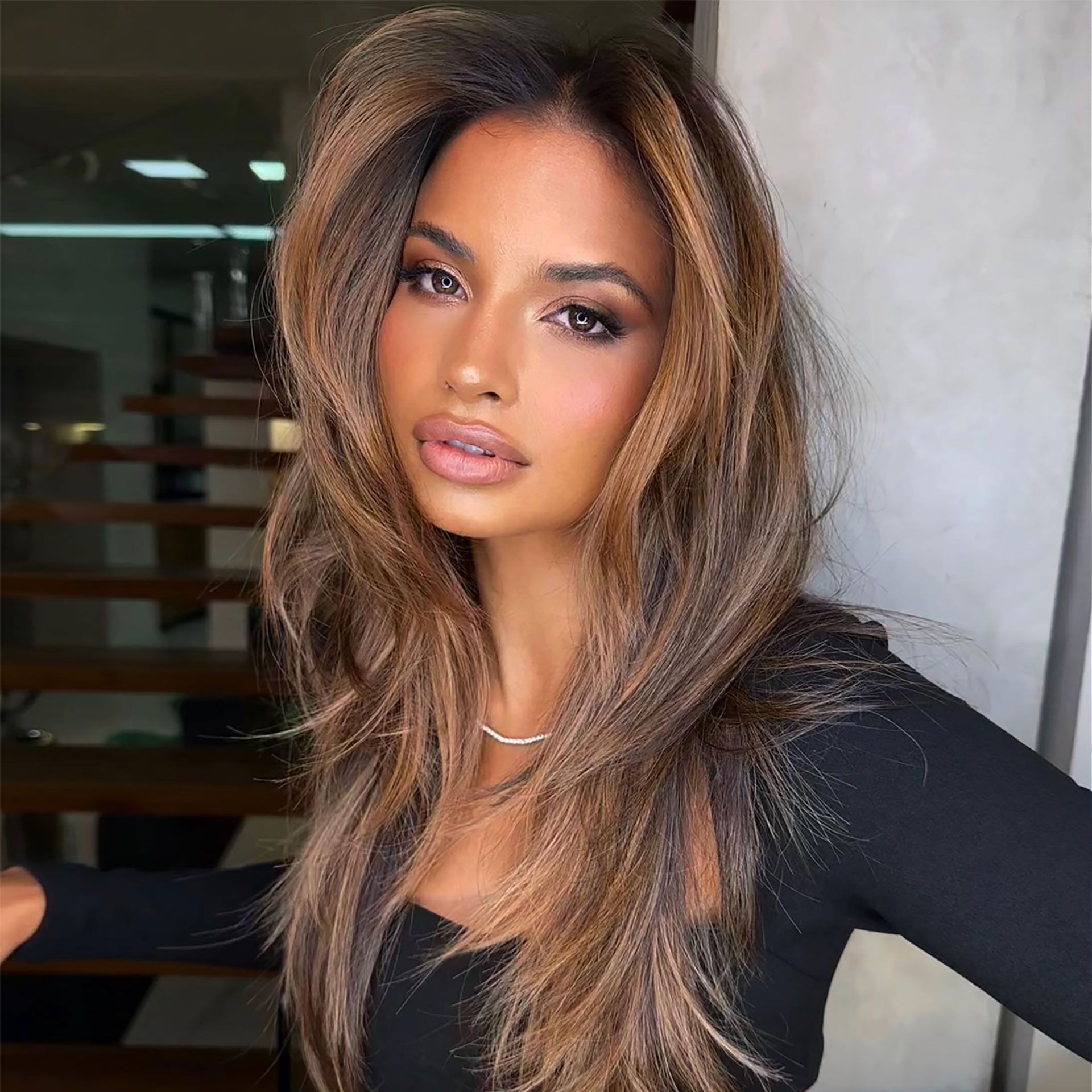
Can a warm blonde balayage survive a Tuesday? The dark brown warm blonde base hides a week of grow-out without a flash of regret, which is the whole point of reverse balayage. The honest downside arrives at 8 a.m.: loose waves with volume take twenty minutes of round-brush effort daily, because collarbone wavy hair lays flat by 4 pm if you skip the lift. Then there are the curtain bangs, which need their own styling pass and tend to split at the ends long before the rest of the length does. The sun-kissed tone stays pretty for weeks, but pretty here means booking that daily session, not skipping it, and split ends demand the scissors anyway.
Collarbone Medium Brown Lob With Blonde Balayage
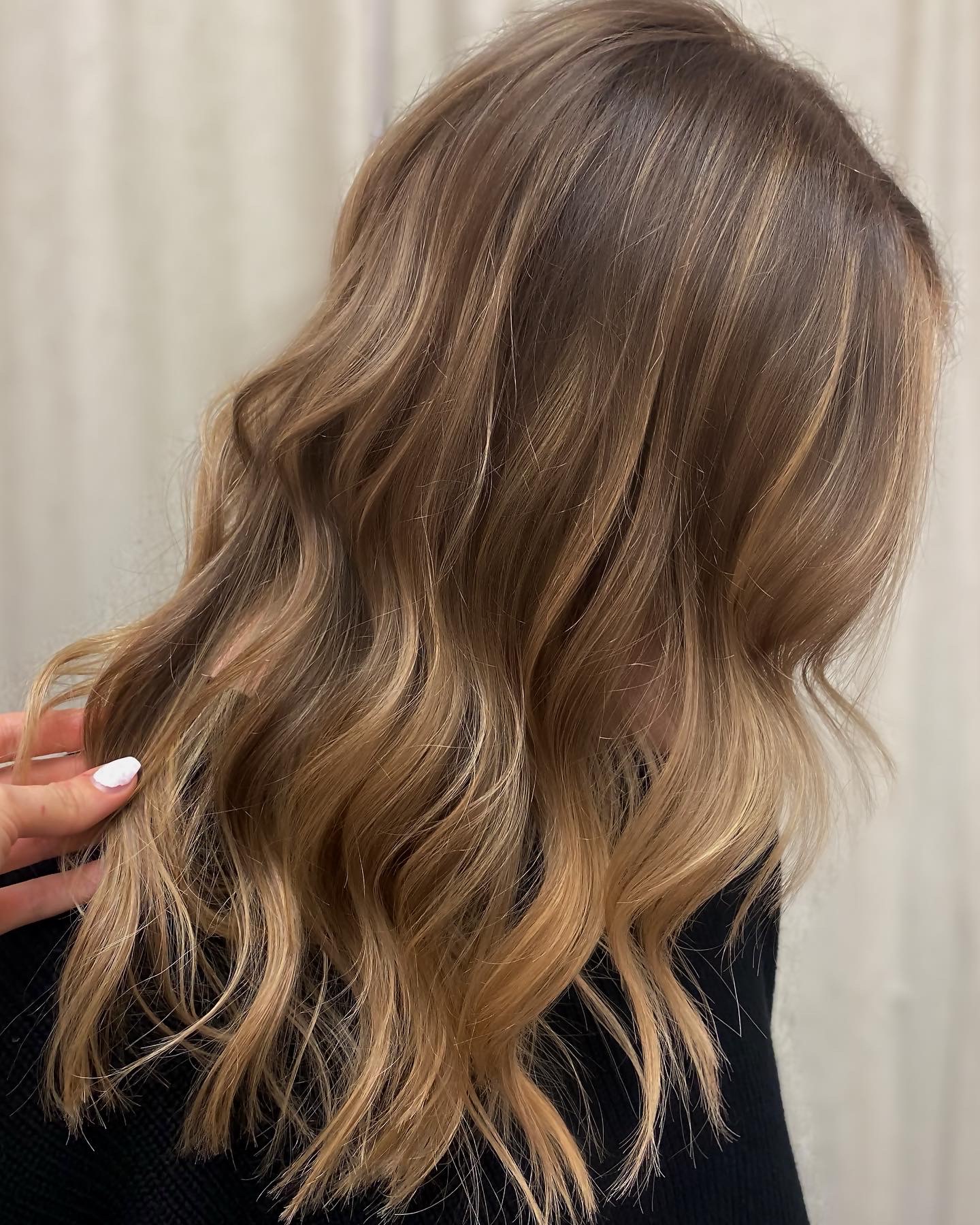
That caramel against dark brown is the first thing I noticed, and it is genuinely striking. The contrast lands warm and vibrant, so it flatters warmer skin tones best, the kind that tan before they burn. On my fair, cool-toned skin, that same contrast would pull orange and throw the whole look off. Long layers and side-swept bangs frame a wider face nicely, while thick, wavy hair gives the caramel room to move. A root shadow means the grow-out is calm for months, but those lighter pieces still need a toner every eight weeks or the warmth drifts brass. Width of the root line matters; I have seen this look survive on surprisingly dark regrowth.
Chin Dark Brown Bob With Blonde Balayage
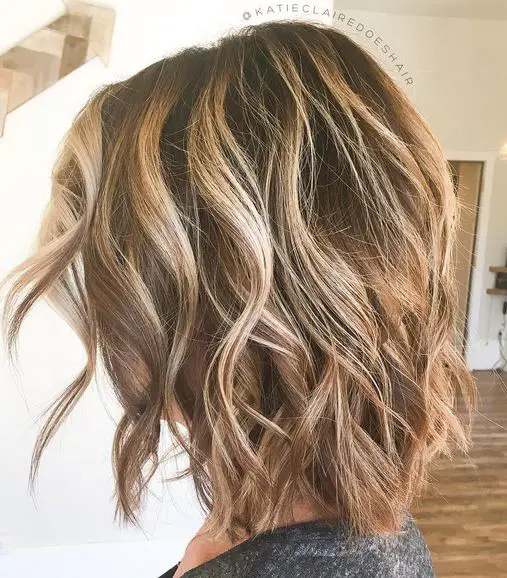
The medium brown base stops the blonde from shouting, and the lob sits right at the collarbone so the contrast lands where the eye already goes. That is the trick: medium brown blonde balayage reads dimensional without ever looking stripey. A middle part lengthens a round face, while the soft layers round out a long one, so most face shapes get something from it. Thick, wavy hair carries the movement, but fine hair will flatten by afternoon, I have watched it happen. The grow-out is the real selling point. Roots soften into the base, no visible line.
Collarbone Dark Blonde With Lighter Blonde Balayage
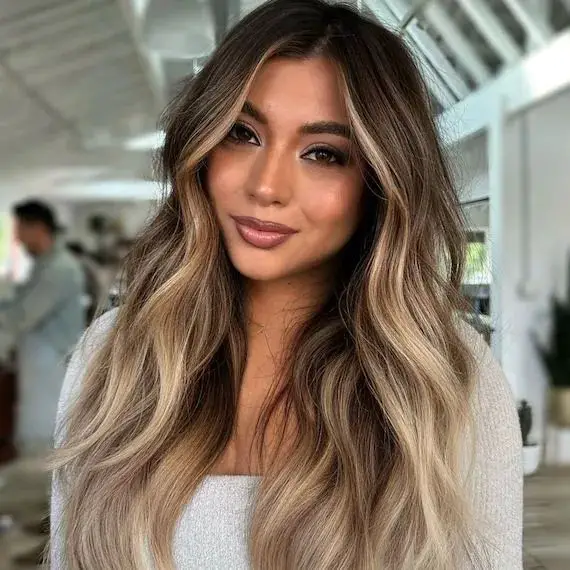
This is the colour that makes people ask if you just came back from somewhere sunny. The dark blonde lighter blonde base keeps things grounded while the lighter blonde balayage is painted on in soft, sweeping strokes that catch the light like actual sun. It works because the technique skips the root entirely, so there is no harsh line, just a gradual lift that peaks around the ends. On collarbone-length wavy hair with a middle part, the effect reads as naturally faded, not salon-made. Upkeep is kinder than you expect: the dark base means grow-out blends for months, and a trim every six to eight weeks keeps the waves from turning ragged. A purple shampoo once a week keeps the lighter pieces from going brassy, and loose waves take about fifteen minutes with a heat protectant. I have seen this exact colour on three friends and it never once looked overdone.
Ash Blonde With Lighter Blonde Highlights
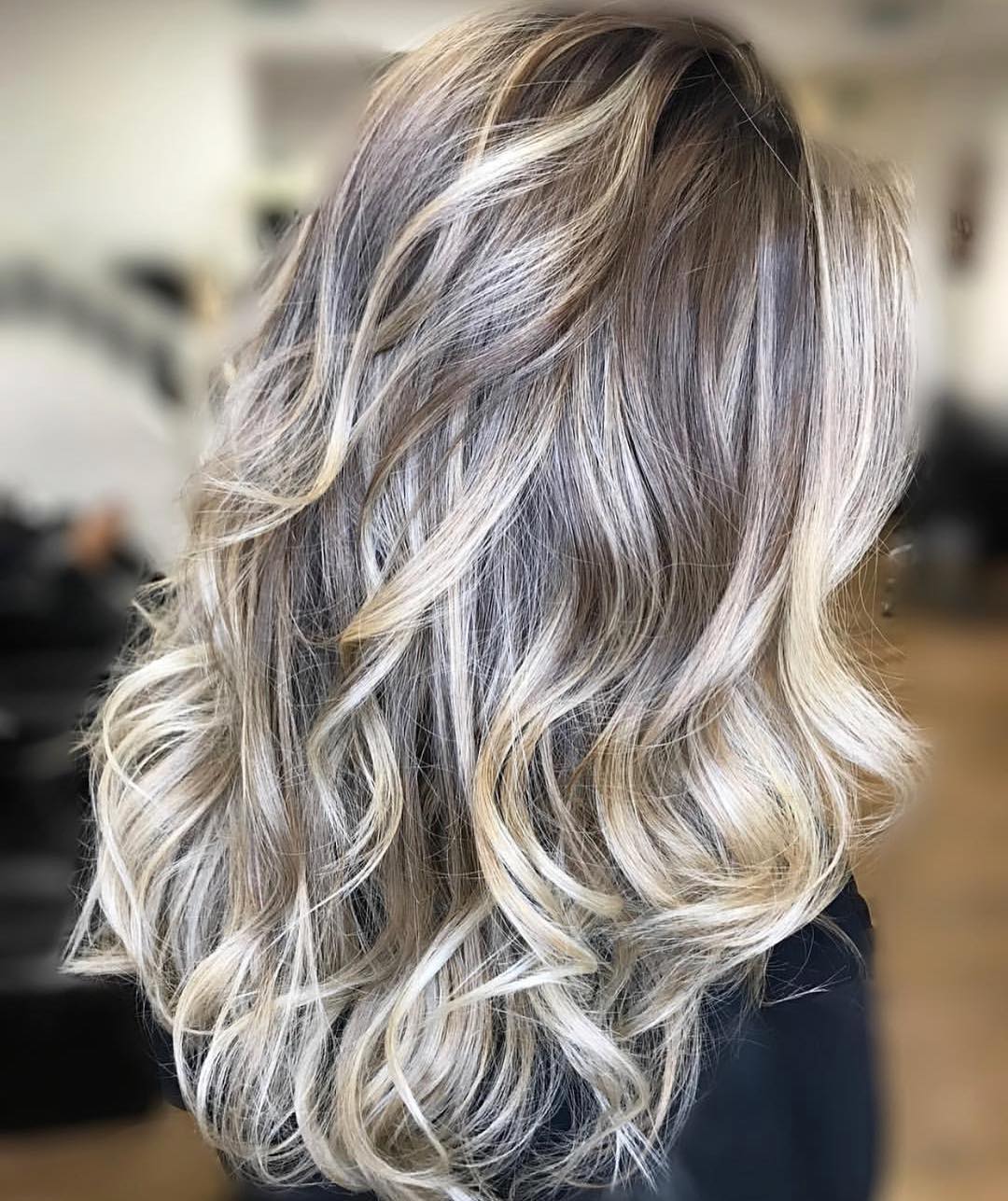
How much time are you willing to spend on a wavy blowout, because that is the real question here. The ash blonde lighter blonde combo looks striking on shoulder-length layers with a side part, but the ash blonde base is a high-maintenance friend. Those cool, smoky tones go brassy fast, and if you skip the purple shampoo for a week, you will see it. A wavy blowout takes about fifteen minutes with a round brush, and you will be doing it daily because second-day hair with this colour just looks flat. Trim every eight to ten weeks, and tell your stylist to keep the highlights fine and scattered, not chunky. The honest downside: ash blonde does not forgive neglect, so if you are a wash-and-go person, pick something warmer.
Dark Brown With Ash Blonde Balayage — Wavy Hair Extending To Mid-Back
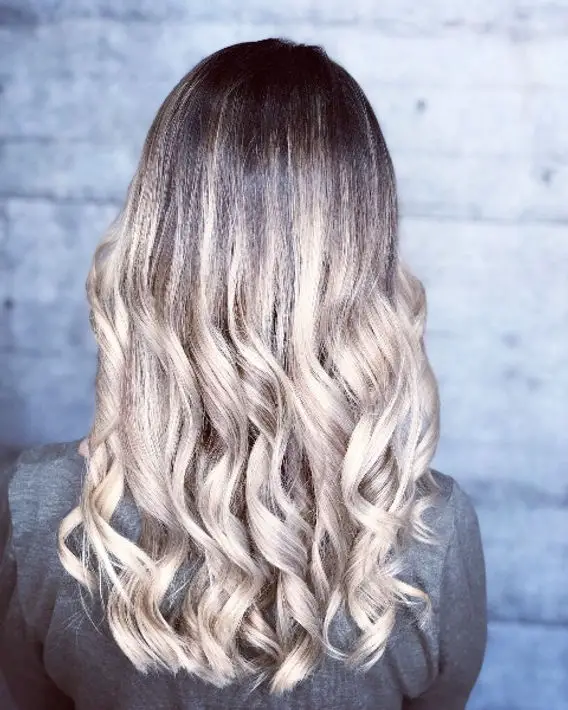
Ash blonde balayage has a type, and it is not everyone. The dark brown ash blonde balayage on thick, wavy mid-back hair works because the cool, smoky pieces sit against a deep brown base, and that contrast is what makes the lighter strands pop instead of disappearing. If your skin has cool undertones, this is the colour that makes you look like you slept well. If you run warm, it can wash you out, so be honest with yourself before booking. The technique here is all about placement: the balayage is painted from mid-shaft to ends, leaving the root dark, which gives the waves depth as they move. Thick hair is ideal because it holds the wave pattern and shows off the dimension; fine hair would just look stringy. A monthly toner keeps the ash from turning muddy, and loose defined waves take about twenty minutes. This is a colour that rewards patience, and it is not a bathroom-mirror job.
Shoulder Ash Blonde With Darker Blonde Highlights
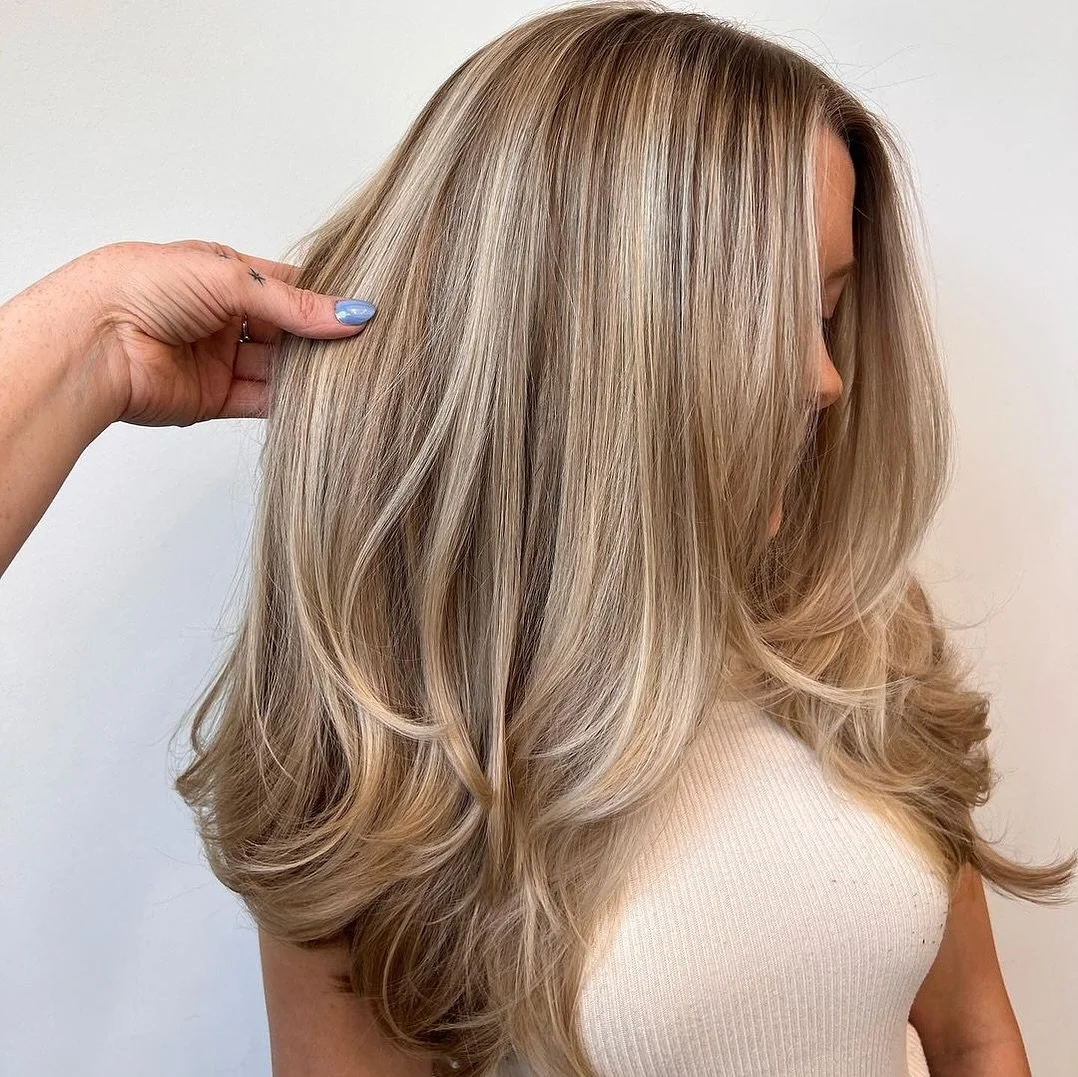
My first thought was: finally, a blonde that does not look like a single flat sheet. The ash blonde darker blonde mix on shoulder-length wavy hair creates real dimension, the darker blonde highlights weaving through the ash base so the colour shifts as you move. Compare that to a single-tone blonde, which reads flat by lunch. This one has depth. But do not try this at home. Getting the contrast right means painting sections in a specific order, and a box dye will give you stripes, not dimension. Loose waves with volume take about twenty minutes with a round brush, and a purple shampoo keeps the ash tones from going yellow. Trim every eight to ten weeks. It is a salon job, full stop.
Seamless Ash Blonde Balayage
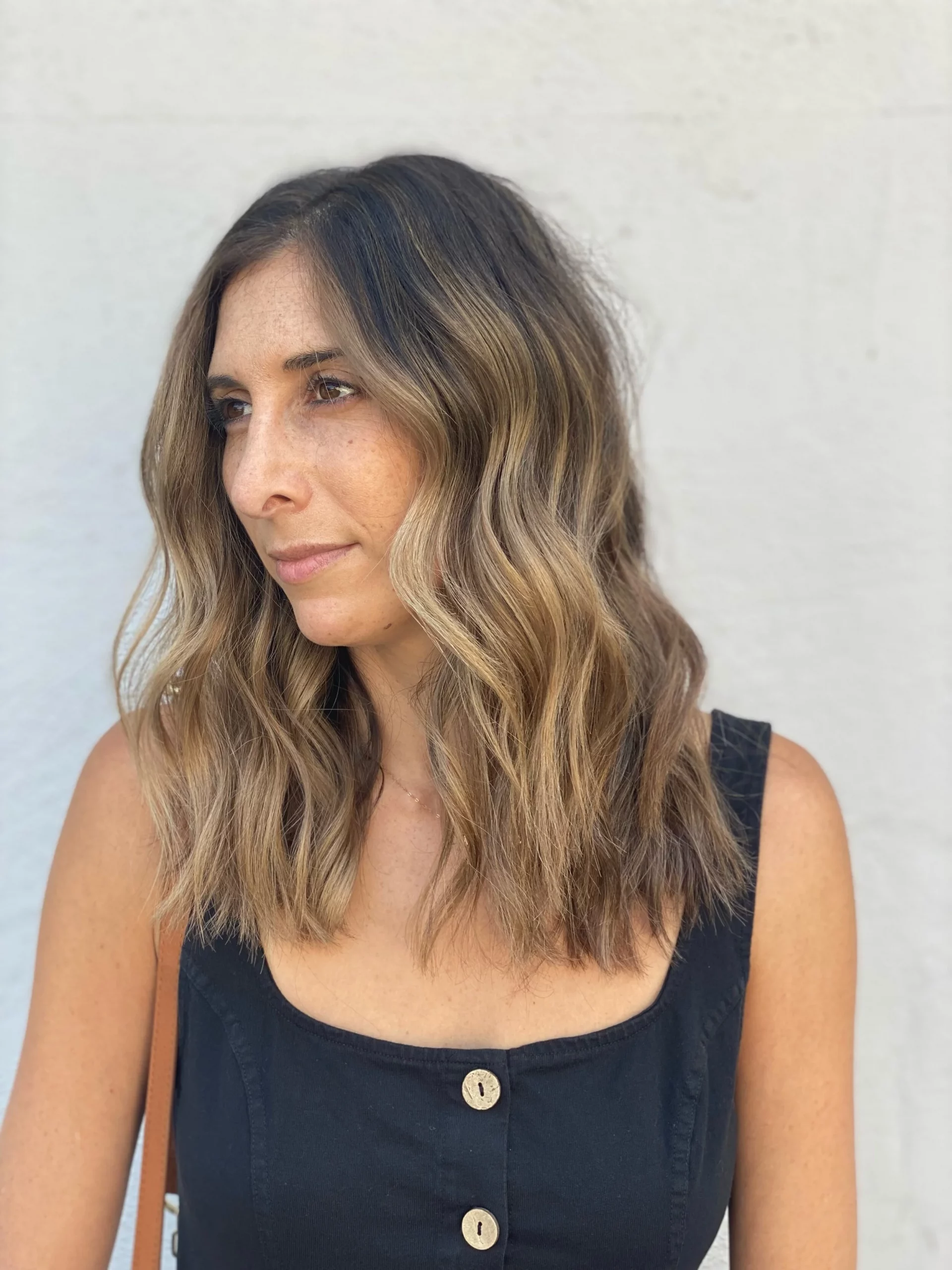
This is the balayage that makes you wonder why anyone still does harsh highlights. The seamless ash blonde balayage starts with a dark brown root and melts into ash blonde ends with no visible line, and that is the whole trick: the seamless blend is achieved by painting the lightener in thin, graduated sections, so the colour builds slowly instead of jumping. On thick, wavy mid-back hair, the effect is dimensional and expensive-looking, and it is the perfect holiday colour because the grow-out is invisible for months. Ask your stylist for a soft root shadow and a balayage that starts below the ear, no foils near the crown. Loose waves take about twenty minutes, and a monthly purple shampoo keeps the ash tones from turning brassy. Trim every ten to twelve weeks. This is the one that gets you compliments from strangers.
Dark Brown With Golden Ash Blonde
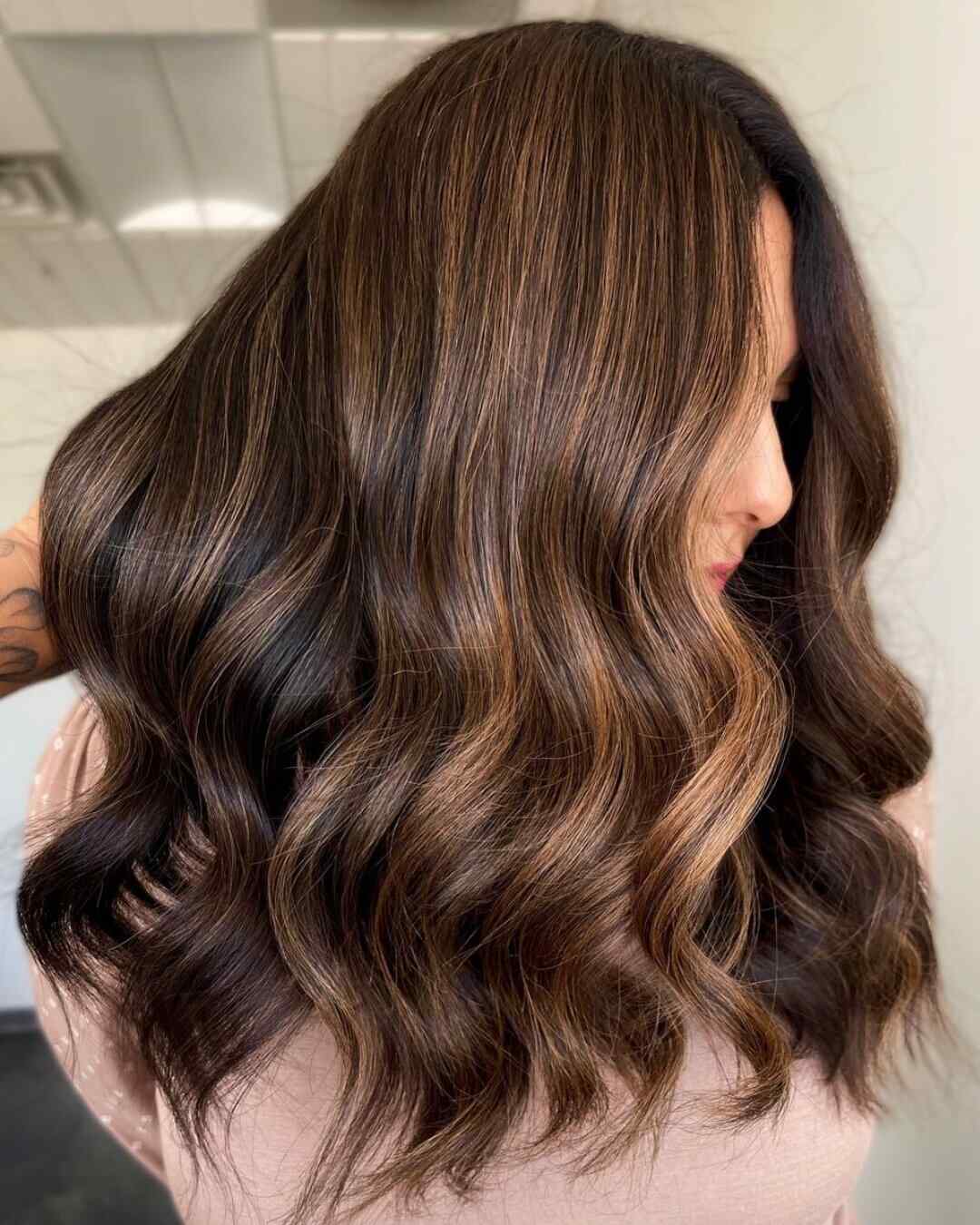
This is the most technically demanding look in the roundup. The golden ash blonde highlights are painted in fine sections through the mid-back length, layering warm golden streaks over a cool ash blonde base. The dark brown base anchors everything, but the reverse balayage technique here requires the stylist to weave two separate tones through the same sections. Warm and cool blonde tones sit next to each other without bleeding. A 20-minute loose wave set lets the dimensional blend catch the light from the back view.
What to tell your stylist: “I want a dark brown root, gold and ash blonde ribbons through the mid-shaft, and a soft transition, no harsh line.” Wear means a toner every six to eight weeks to keep the gold from pulling brassy and the ash from turning muddy. Thick, wavy texture takes the multiple tones well; fine hair will look busy.
Mid-Back Medium Brown With Caramel Blonde Balayage
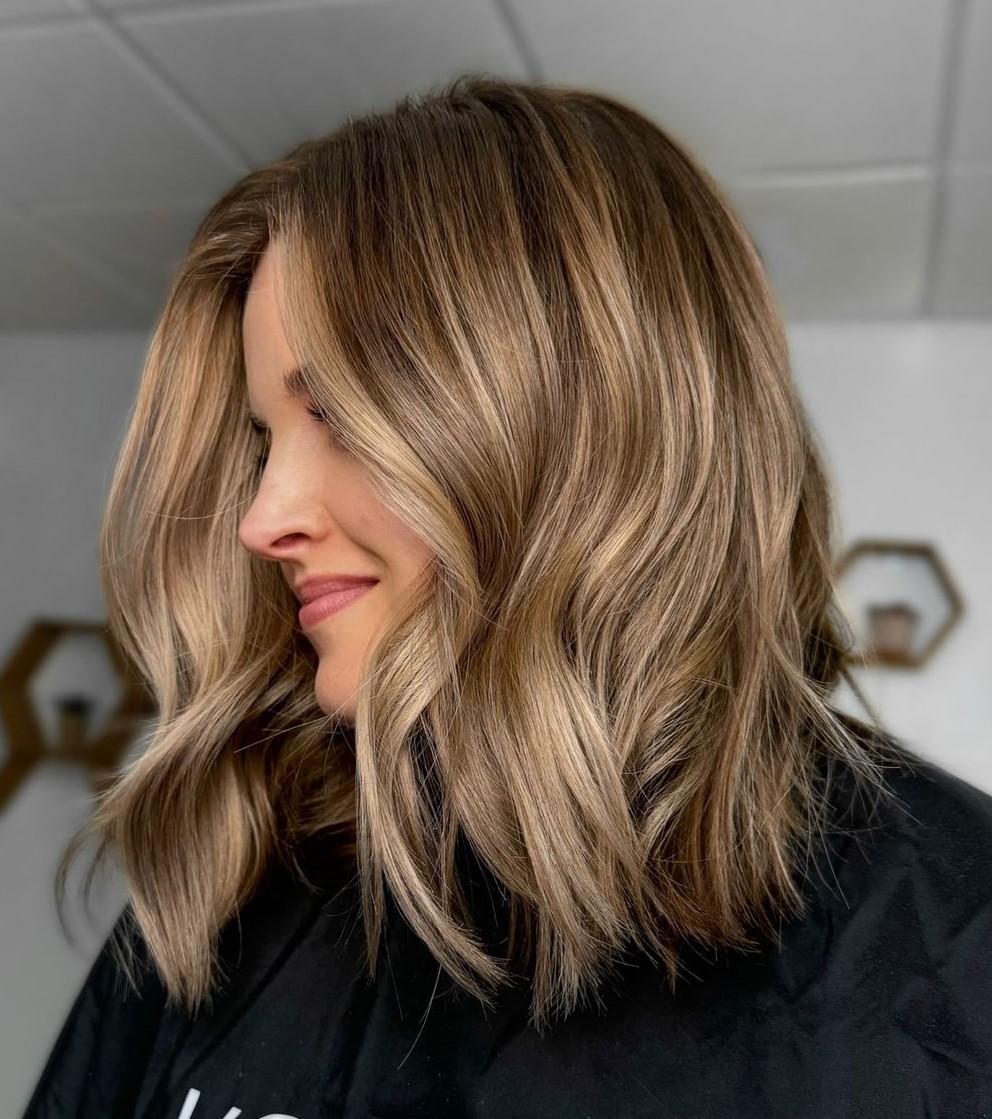
I believed caramel tones would warm up my complexion without much maintenance. The medium brown caramel blonde base with caramel and blonde balayage draped through the mid-back looks rich for about ten days. After that, the warm blonde starts to fade toward honey, and the caramel can pull orange if the toner drops. Thick, wavy texture hides the fading longer than straight hair would, but by week five the bottom third loses its definition. The honest downside is that maintaining this caramel blonde depth means a toning appointment every four weeks, or letting it settle into a warmer blonde that still reads natural but less dimensional.
Dark Brown With Caramel Rose Gold
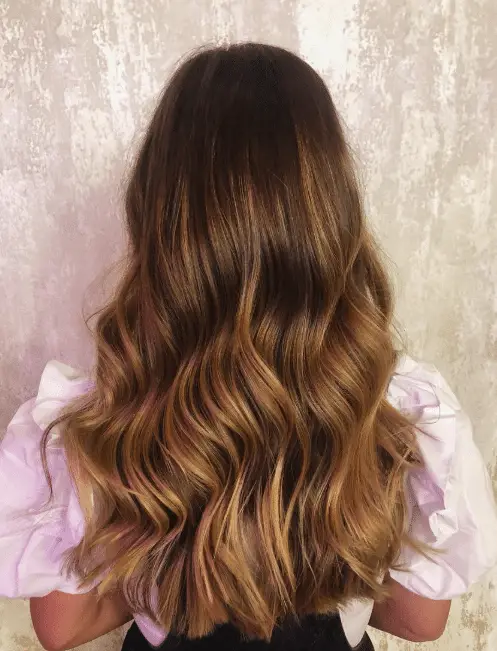
This is the warm blend I didn’t know I needed. A dark brown base meets caramel rose gold balayage, painted in a reverse balayage technique that keeps the roots dark. The tone is warm and dimensional, blending caramel and rose gold. On mid-back length, thick wavy texture, the color reads rich without being heavy. It flatters warm skin best; cool undertones might find it too golden.
Medium Brown With Warm Blonde Caramel
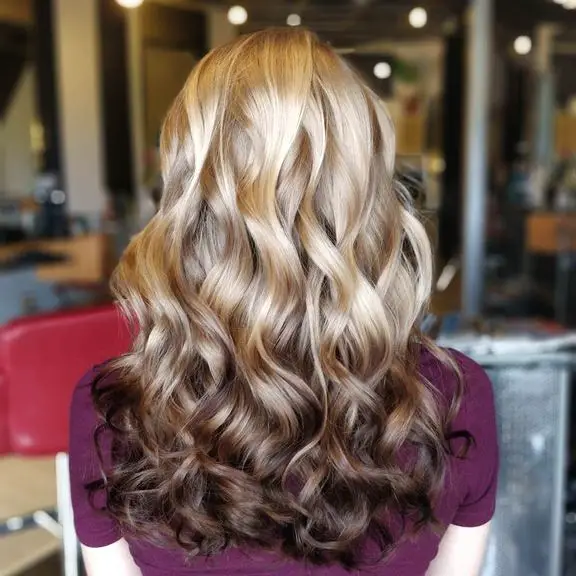
Ever wonder if warm blonde beats ash? This medium brown warm blonde balayage is richer than its cooler cousin. The base is medium brown, the reverse balayage technique adds warm blonde and caramel balayage from mid-lengths down. Tone is golden and honeyed, not brassy. On collarbone-length wavy hair, medium density, it catches light easily. Could you do this at home? The hand-painted sections are tricky; I’d book a stylist for the blend. Ash tones fade cooler, but this warm version stays vibrant longer between touch-ups.
Long Layers Medium Brown With Golden Ash Blonde
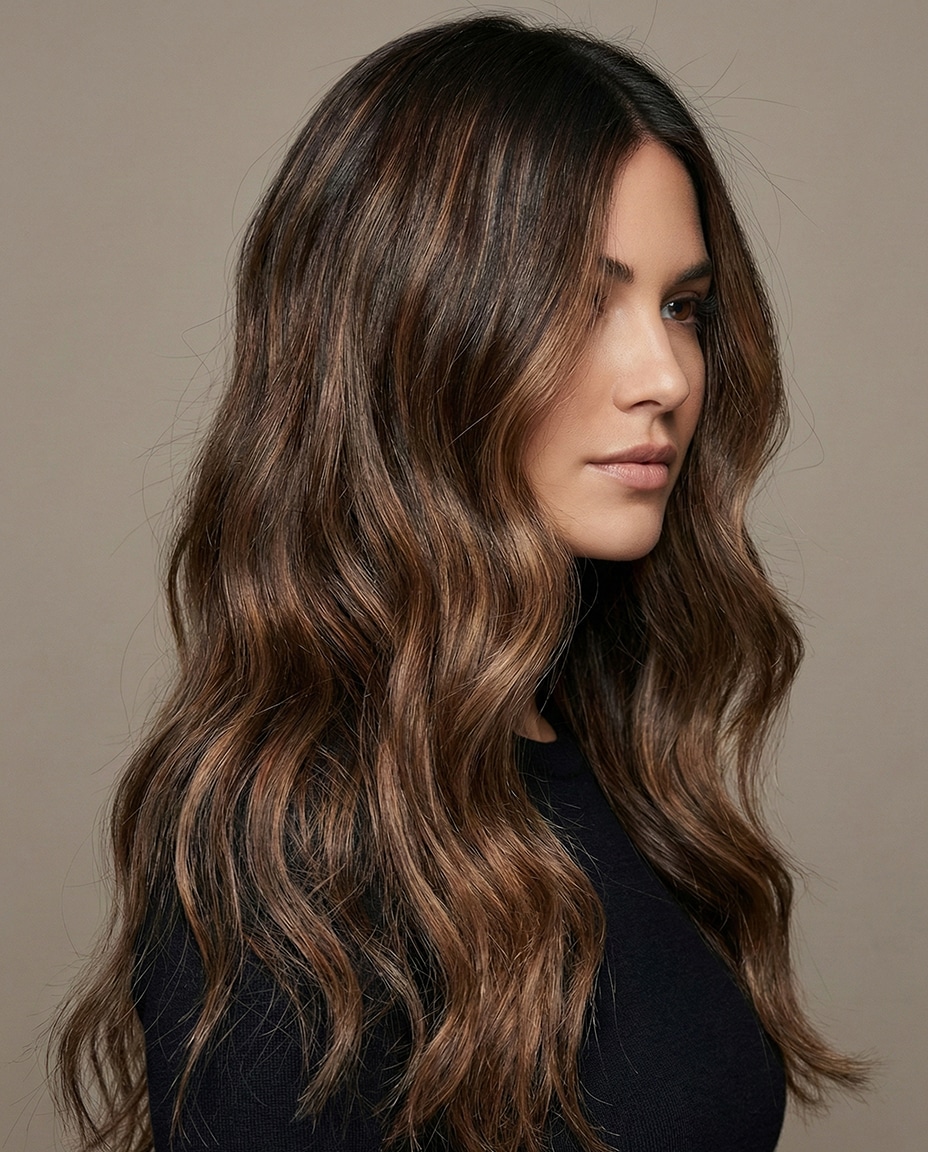
I didn’t expect to like this mix, but I do. The medium brown golden ash balayage combines warm and cool tones: a medium brown base with golden blonde and ash blonde balayage. The reverse balayage technique keeps roots dark while the ends get lighter. Tone is balanced, not too warm or too ashy. On mid-back length, thick wavy texture, side part, it suits both warm and cool skin tones. Fine hair might need more density to carry the contrast. This is a versatile option for anyone who wants dimension without committing to one temperature.
Light Brown With Natural Blonde Highlights
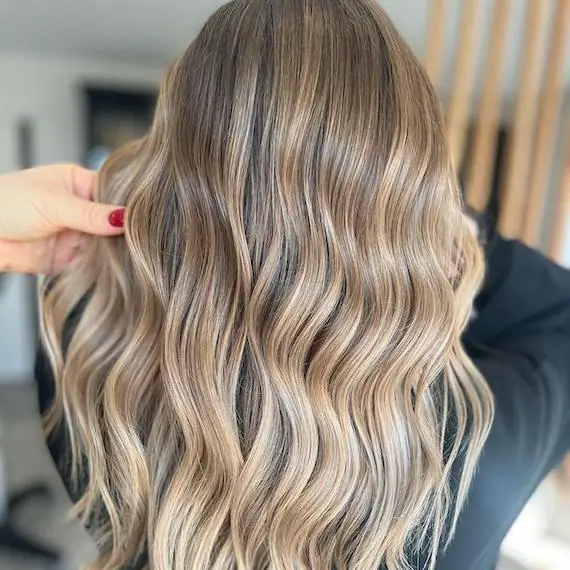
Have you ever wanted highlights that look like the sun did the work, not a stylist? That’s the whole point of light brown blonde highlights. This natural-looking blend weaves blonde through light brown hair so subtly that people will ask if you’ve been on vacation. Compared to chunky or dramatic streaks, this is the quiet version, and I’m picking it every time. The upkeep is manageable: a trim every eight to ten weeks and a color-safe shampoo to keep the tones from going brassy. DIY is tempting, but the blend is too easy to mess up at home. One wrong section and you’ve got stripes instead of sun-kissed.
Back View Medium Crop Dark Brown With Ash Blonde Grey
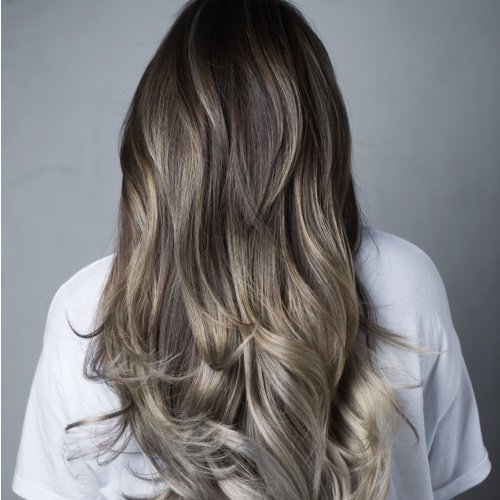
The first thing you notice is the coolness. Ash blonde grey tones sweep through a dark brown base, and the effect is striking, almost metallic, but softer than it sounds. The technique builds the cool-toned blend from dark at the roots to light at the ends, so the color looks like it’s moving even when the hair is still. The mid-back length gives the gradient room to breathe, and the thick, wavy texture holds the loose waves that show off the depth. This one is for a special occasion, honestly. It’s not a low-key everyday color, it demands attention. The upkeep is real: a purple or blue-based shampoo is non-negotiable to keep the ash from going muddy, and a trim every ten to twelve weeks keeps the ends from looking tired. If you want a color that turns heads at a wedding or a big event, this is it.
Back View Dark Brown With Caramel Ash Blonde
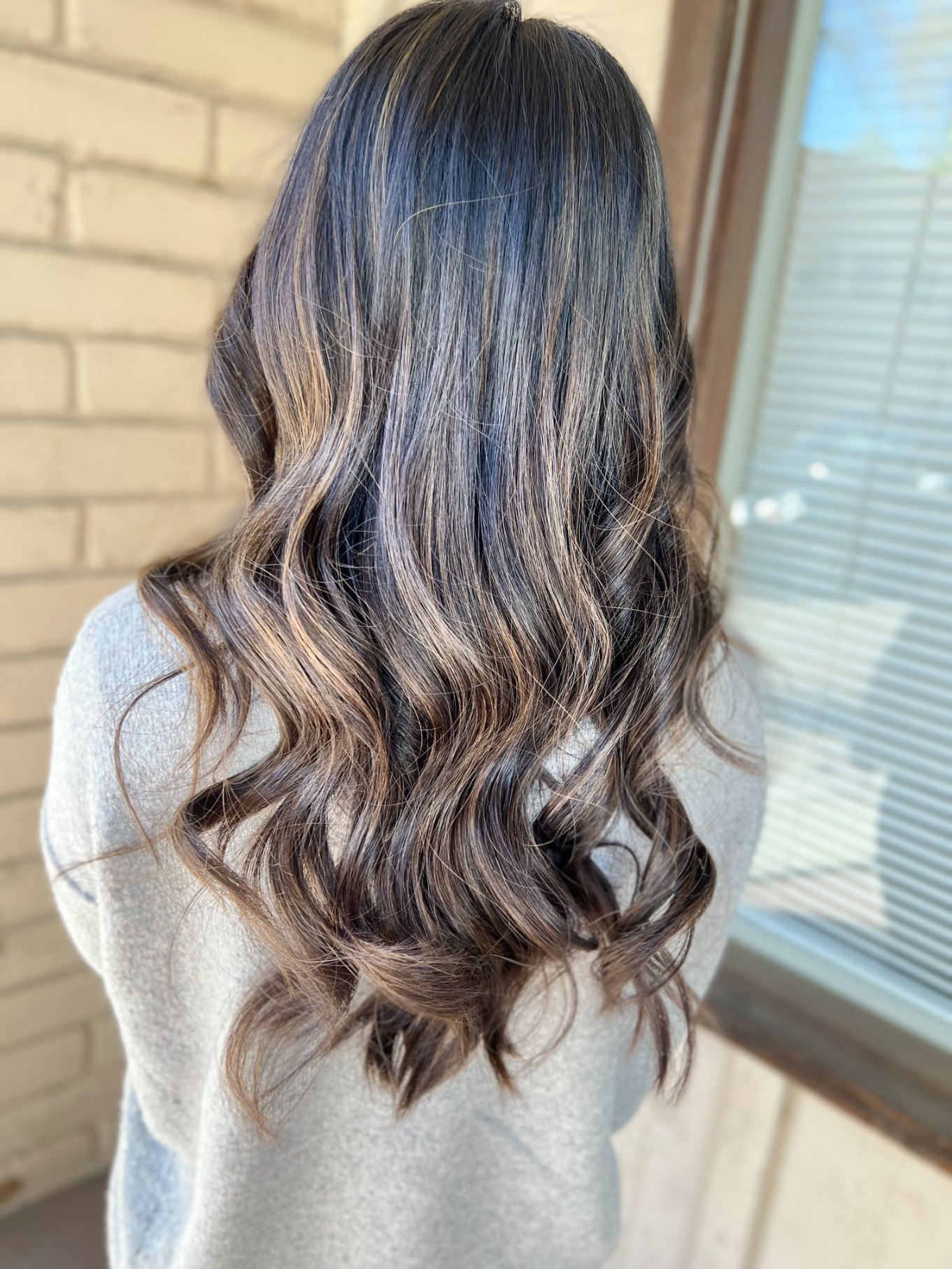
Best grow-out in this roundup. The blend of dark brown caramel ash tones keeps that root line invisible for weeks, which is the whole point of reverse balayage. My hair is mid-back, thick, wavy, and the combination of warm caramel and ash blonde adds dimension without looking stripey. The honest downside: the ash pieces need a purple shampoo every few washes or they start pulling a little muddy. But for someone who hates salon visits, that trade-off is worth it. A trim every ten weeks and you are set. The caramel keeps everything warm enough that the ash never reads flat.
Mid-Back Dark Brown With Rich Warm Blonde
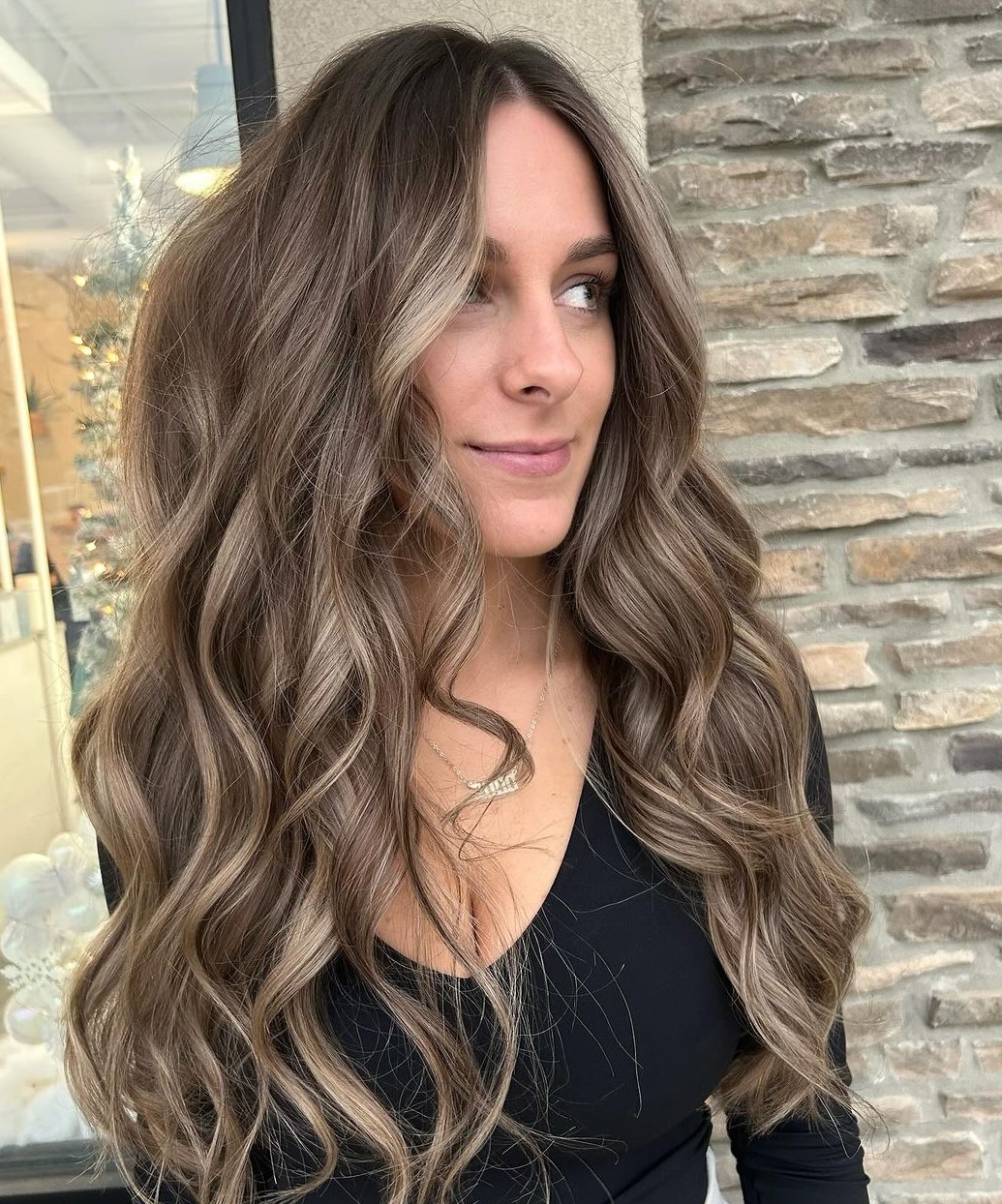
I resisted warm blonde for years. Too brassy, I thought. Then I saw this dark brown warm blonde balayage on mid-back, wavy hair and booked an appointment that same week. The technique is a reverse balayage: the dark base stays deep at the roots, getting richer toward the ends into a warm blonde that catches light like honey.
The contrast is what sells it. Against dark brown, the warm blonde balayage reads almost golden, and it works on fair, olive and deeper skin tones because the warmth is balanced by that dark base. I have fine waves and it still holds the shape after a day out. No brassiness, just warmth that stays where you put it. It is not a beginner dye job, but for three hours in a chair you get months of easy mornings.
Mid-Back Dark Brown With Dimensional Balayage
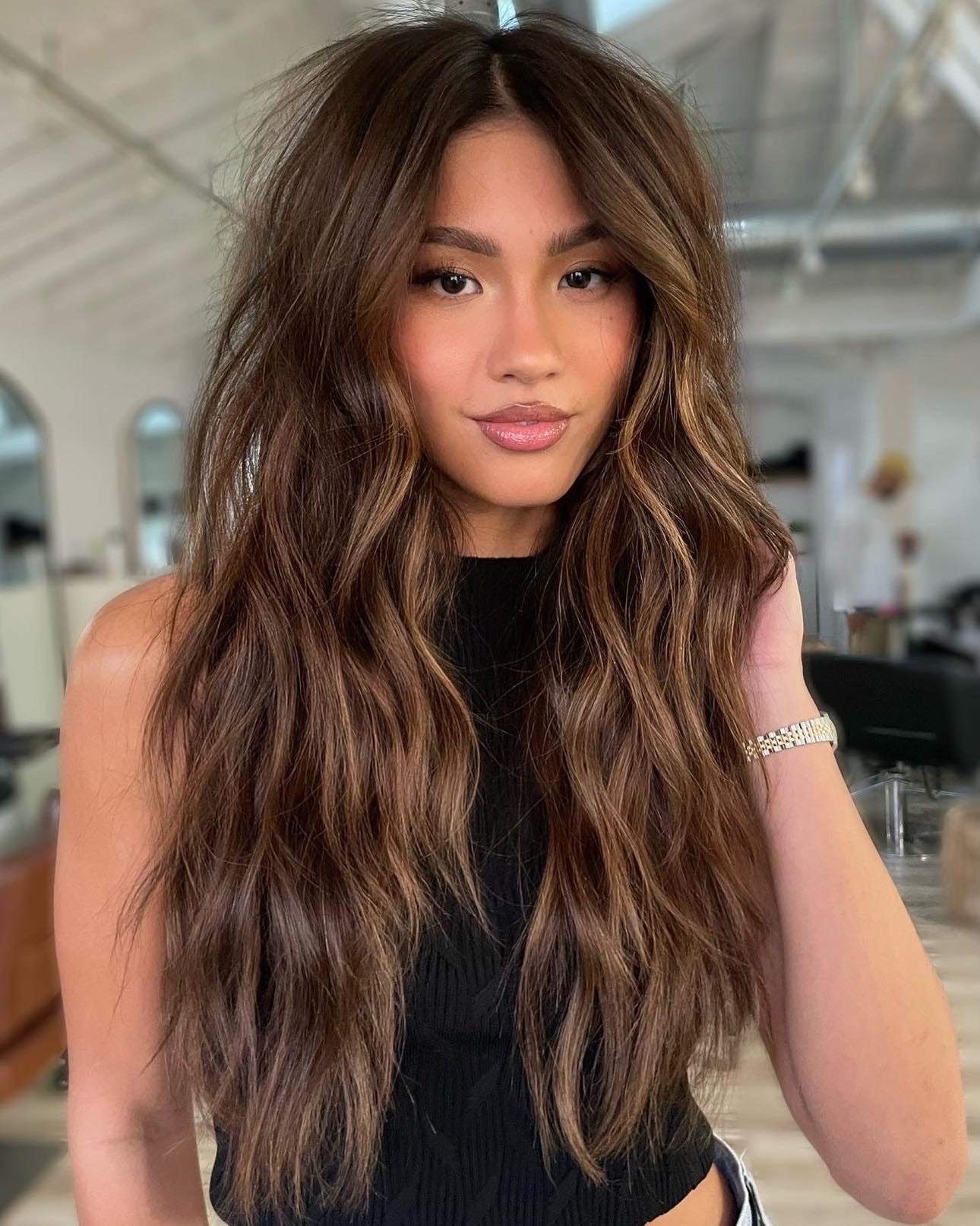
Looking for a summer refresh that actually survives humidity? This dimensional balayage dark brown color layers caramel and blonde tones through mid-back, wavy hair, and the technique is pure reverse balayage: the base stays dark at the roots while lighter ribbons weave through the lengths. The tone shifts from warm caramel at the ends to subtle golden blonde through the mids—seasonal enough to brighten your look, neutral enough to grow out clean. It is the kind of color that looks expensive because of the blending, not the cost. Summer afternoons do not kill the dimension.
Visual Idea
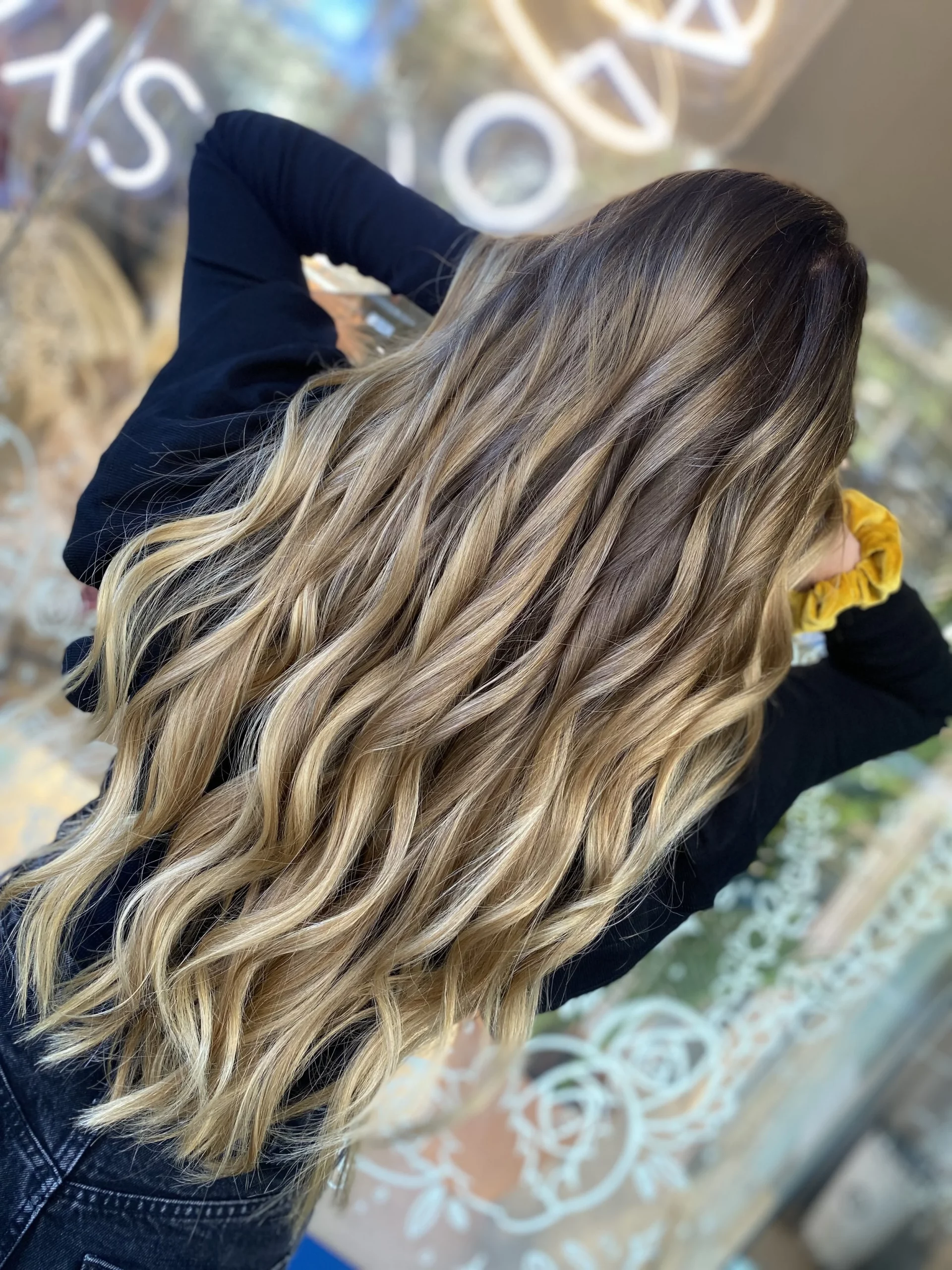
Three hours in the chair, then a purple shampoo every other wash for the rest of your life. That is the trade-off for ash blonde strands woven into a dark blonde base. The technique is a soft balayage that starts at the mid-lengths and fans out to the ends, so the dimension lives where the light hits. On mid-back, wavy hair with medium density, those ash tones catch the light without shouting.
The honest downside: ash blonde fades faster than warm tones. Every four to six weeks you will need a toner refresh or a gloss if you want that cool, matte finish. Loose waves take about 20 minutes with a barrel brush and a heat protectant. The dimension is worth the time, but only if you are ready for the upkeep.
Final Thoughts
- Tone the ends at week six, not week ten.
- Root shadow every eight to ten weeks.
- Use a purple shampoo once a week on blonde ends.
- Trim the baseline every twelve weeks.
After writing all 30 of these, I noticed one thing: the best reverse balayage looks like you meant to go darker. I am booking the dark brown with ash blonde balayage next. That one finally made me stop missing my old bleach.